Home Blog Page 455

Karen Read: Unveiling the Life and Legacy of a Remarkable Individual

0
Karen Read

Karen Read is a name that carries significance in various fields, from her early beginnings to the more profound contributions she made throughout her life. Known for her exceptional accomplishments in different areas, Karen’s journey has been an inspiration to many. This blog aims to explore the different aspects of her life, highlighting her achievements, challenges, and the legacy she left behind. Whether in the professional world, her personal life, or through her contributions to the community, Karen Read’s name resonates with a message of determination and success. Let’s delve into the various facets of her life.

Early Life and Background: The Foundation of Success

Karen Read’s story begins in a small town, where she was born and raised. From a young age, she displayed a strong sense of curiosity and an insatiable desire to learn. Her early years were shaped by the values instilled by her family, emphasizing the importance of education, hard work, and integrity. Karen’s parents played an instrumental role in nurturing her interests, and they encouraged her to explore various passions. As she grew older, she began to demonstrate a natural talent for leadership, which would later serve her well in both her personal and professional endeavors.

Karen Read

Her background was one that stressed the importance of family, education, and resilience. While growing up in a modest environment, Karen made sure to capitalize on every opportunity that came her way. These formative years set the stage for the driven, determined, and well-rounded individual she would become in adulthood. The lessons she learned as a child would continue to guide her throughout her life, shaping the way she approached challenges and opportunities alike.

Educational Journey: Developing a Strong Academic Foundation

Karen Read’s academic journey was one of excellence, reflecting her thirst for knowledge and dedication to learning. She attended some of the most prestigious schools in the country, where she excelled in a variety of subjects. Her intellectual prowess became evident early on, as she consistently achieved top marks in her studies. Karen’s keen interest in subjects like science, literature, and history allowed her to develop a well-rounded understanding of the world around her.

Her time at university was a turning point, as she began to hone her skills in specific areas of interest. Karen’s focus shifted toward subjects that aligned with her long-term goals, and she pursued advanced degrees in areas such as business and leadership. Her academic achievements laid the groundwork for a successful career, and her reputation as a determined and insightful individual continued to grow.

Throughout her educational years, Karen was not just a student but also a mentor. She often found herself guiding her peers and younger students, which further solidified her position as a natural leader. These formative years helped her develop the critical thinking and problem-solving skills that would serve her well in all of her future endeavors.

Career Beginnings: Entering the Professional World

After completing her education, Karen Read ventured into the professional world with a clear sense of purpose and direction. Armed with an impressive academic background, she quickly established herself as a force to be reckoned with in her field. Her career trajectory was marked by a series of strategic decisions that allowed her to climb the corporate ladder swiftly. Karen was always willing to take on challenges and often went above and beyond what was expected of her.

She initially entered the corporate sector, where she worked for several years in various roles. These early experiences provided her with the practical knowledge and skills necessary to navigate the competitive landscape of the business world. Despite the challenges she faced as a woman in a male-dominated field, Karen proved time and time again that she was more than capable of holding her own.

Karen’s dedication to her work and her ability to think critically and strategically were key factors in her rise to the top. Her reputation for delivering results earned her respect among her peers, and she soon found herself taking on more significant responsibilities. Her career took a turn toward leadership, where she would go on to make lasting contributions that would impact her industry.

Overcoming Challenges: Resilience in the Face of Adversity

Like many successful individuals, Karen Read faced her fair share of challenges along the way. From overcoming personal struggles to navigating the complexities of the corporate world, her journey was not without obstacles. However, what set Karen apart was her resilience. Rather than being deterred by setbacks, she viewed them as opportunities to grow and learn.

Karen’s ability to bounce back from adversity became one of her most defining characteristics. She never allowed herself to be defined by failure and always found a way to turn difficult situations into stepping stones for success. Whether it was a tough business decision or a personal challenge, Karen’s approach was always grounded in optimism and the belief that every experience, good or bad, held valuable lessons.

Her resilience was not only evident in her personal life but also in her professional endeavors. She inspired those around her with her unwavering commitment to overcoming challenges, and her ability to persevere through tough times earned her a reputation as a leader who could be relied upon in any situation.

Karen Read

Leadership and Impact: Karen’s Influence on the Workplace

One of the defining aspects of Karen Read’s career was her leadership. Throughout her professional journey, she made significant contributions as a leader, shaping teams and organizations in ways that had a lasting impact. Karen’s leadership style was one that combined empathy with strategic thinking, creating an environment where individuals were empowered to succeed.

Her ability to motivate and inspire others was one of the cornerstones of her success. Karen was known for her transparent communication style, her willingness to listen, and her commitment to fostering a positive and productive work environment. She was a champion of diversity and inclusion, striving to create workplaces where individuals of all backgrounds could thrive.

Her influence extended beyond the workplace as well. Karen actively mentored up-and-coming professionals, helping them navigate the complexities of their careers. Many of those who worked under Karen’s leadership went on to achieve great success themselves, citing her as a significant source of inspiration. Karen’s legacy as a leader is one of empowerment, mentorship, and positive change.

Personal Life and Values: Balancing Career and Family

While Karen’s professional achievements are certainly impressive, her personal life played an equally significant role in shaping who she is today. Throughout her career, Karen always made sure to prioritize her family and personal well-being. She recognized the importance of maintaining a healthy work-life balance and made it a priority to spend quality time with loved ones.

Karen’s personal values were rooted in kindness, integrity, and the belief that success is not just about professional accomplishments but also about fostering meaningful relationships. She took great pride in her role as a mentor, both professionally and personally, offering guidance and support to those who sought it. Despite her busy schedule, Karen always made time for her family, demonstrating that it is possible to be both a successful professional and a devoted family member.

Her ability to balance her career with her personal life served as a model for others, especially for women seeking to navigate similar challenges. Karen’s life was a testament to the idea that success can be measured in many ways, and personal happiness and fulfillment should never be overlooked.

Karen Read’s Philanthropy: Giving Back to the Community

Karen’s contributions were not limited to her career and personal life. She was also deeply committed to philanthropy and giving back to the community. Throughout her life, Karen supported various causes, focusing on initiatives that aligned with her values of education, equality, and empowerment. She believed in using her success to make a positive impact on the world.

Karen supported a range of charitable organizations, from local community groups to global causes, all with the goal of helping others. Whether it was donating her time, resources, or expertise, Karen was always looking for ways to contribute to the greater good. She often took on leadership roles in these organizations, using her skills to help drive initiatives forward.

Her philanthropic efforts were not just about financial donations; Karen was also involved in hands-on work, helping to organize events, mentor youth, and support causes she was passionate about. She believed that true success comes from making a difference in the lives of others, and her legacy in philanthropy continues to inspire those who follow in her footsteps.

Awards and Recognition: Celebrating Achievements

Throughout her career, Karen Read received numerous awards and accolades for her work. Her contributions to her industry, her leadership abilities, and her commitment to making a difference in the world did not go unnoticed. From industry-specific awards to broader recognitions for her philanthropic efforts, Karen’s achievements were celebrated on a global scale.

These accolades were not just a testament to her skills and accomplishments but also to the impact she had on those around her. Karen’s influence was far-reaching, and the recognition she received only served to reinforce her commitment to excellence. However, Karen always remained humble, viewing the awards as acknowledgment of the collective efforts of the teams and communities she worked with.

Her recognition was not limited to her professional achievements; Karen was also praised for her contributions to social causes and her commitment to uplifting others. These awards served as a reminder of the positive impact one individual can have on the world.

Karen Read

Legacy and Influence: Karen Read’s Lasting Impact

As time has passed, the legacy of Karen Read continues to live on. Her impact can be seen in the lives of those she mentored, the organizations she supported, and the communities she helped transform. Karen’s ability to inspire, lead, and give back left a lasting imprint on all who had the privilege of working with or knowing her.

Karen’s legacy extends far beyond her professional accomplishments. Her values of kindness, integrity, and perseverance continue to inspire future generations, particularly women who seek to balance their careers with their personal lives. Her influence can be seen in the workplaces she transformed, the charitable causes she supported, and the lives she touched.

Q&A:

Who is Karen Read?

Karen Read is a multifaceted individual known for her outstanding career, resilience, and contributions to philanthropy. She has made a significant impact in her professional field and through her community work, inspiring many through her leadership and personal values.

What are some of Karen Read’s key achievements?

Karen Read’s key achievements include excelling in her academic career, rising quickly in her professional field, making substantial contributions to her industry, and giving back to the community through her philanthropic efforts.

How did Karen Read overcome challenges in her life?

Karen Read demonstrated resilience throughout her life. She faced both personal and professional challenges but always viewed them as opportunities for growth. Her ability to bounce back from setbacks and maintain a positive outlook was a hallmark of her character.

What type of leadership style did Karen Read adopt?

Karen Read’s leadership style was a blend of strategic thinking, empathy, and transparency. She focused on creating a positive work environment where everyone could thrive and was known for empowering her teams and mentoring younger professionals.

What is Karen Read’s legacy?

Karen Read’s legacy is one of leadership, resilience, and philanthropy. Her work continues to inspire future generations, particularly in balancing career success with personal fulfillment and giving back to the community.

Conclusion: The Enduring Influence of Karen Read

Karen Read’s life story is one of dedication, resilience, and a commitment to making the world a better place. From her humble beginnings to her rise as a leader, Karen’s journey serves as a model for anyone striving for success in their personal and professional lives. Her legacy continues to inspire countless individuals, and her work remains a testament to the power of determination, empathy, and giving back.

In the end, Karen Read’s influence is not just measured by her accomplishments but by the lasting impact she has had on those she encountered. She leaves behind a legacy of kindness, leadership, and a relentless pursuit of excellence that will continue to inspire for generations to come.

For Amazing Updates Keep Visiting ImaginaryHistory.
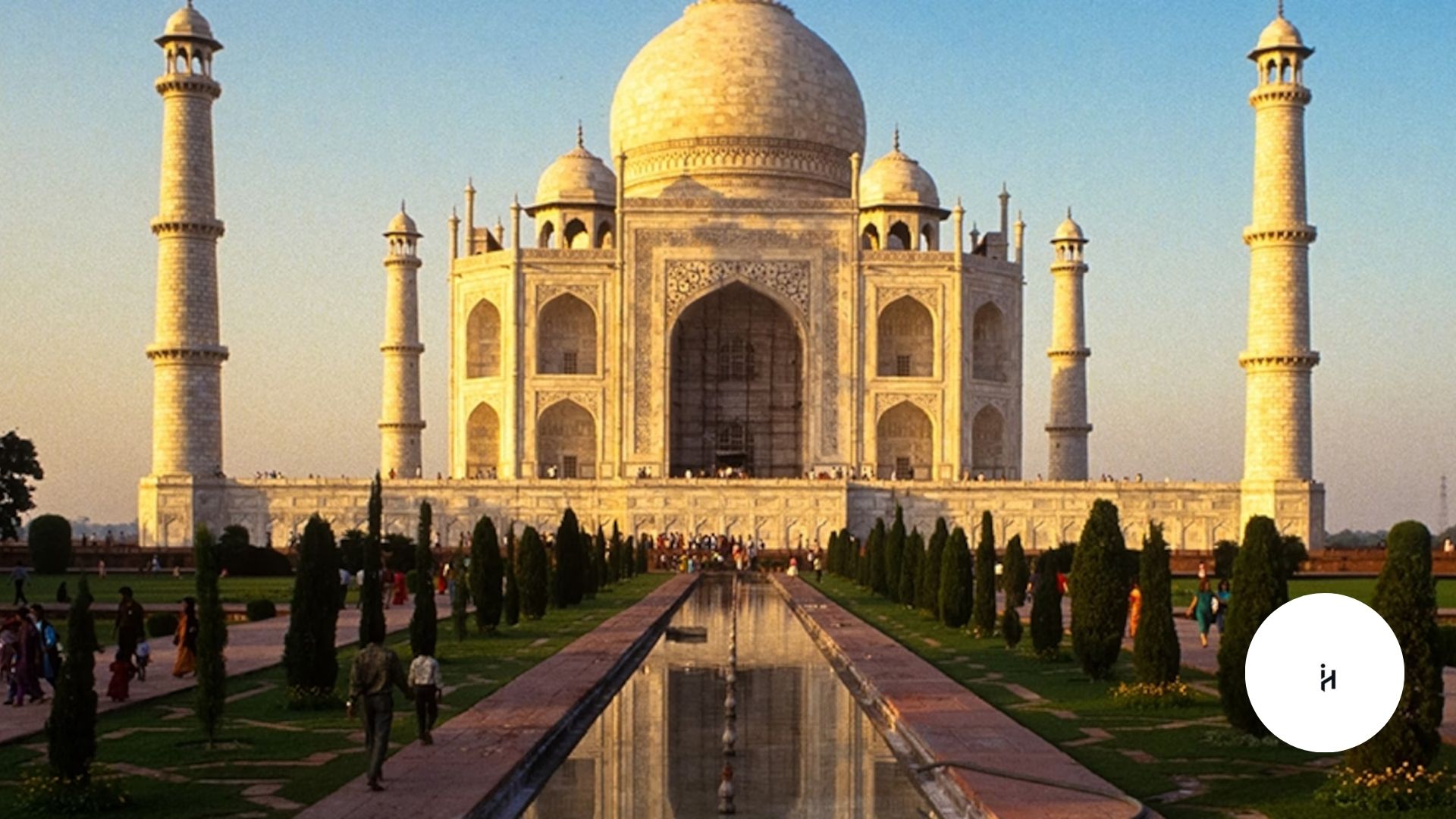
Who Designed the Taj Mahal? Unveiling the Architectural Genius Behind the Iconic Monument

0
Who Designed the Taj Mahal

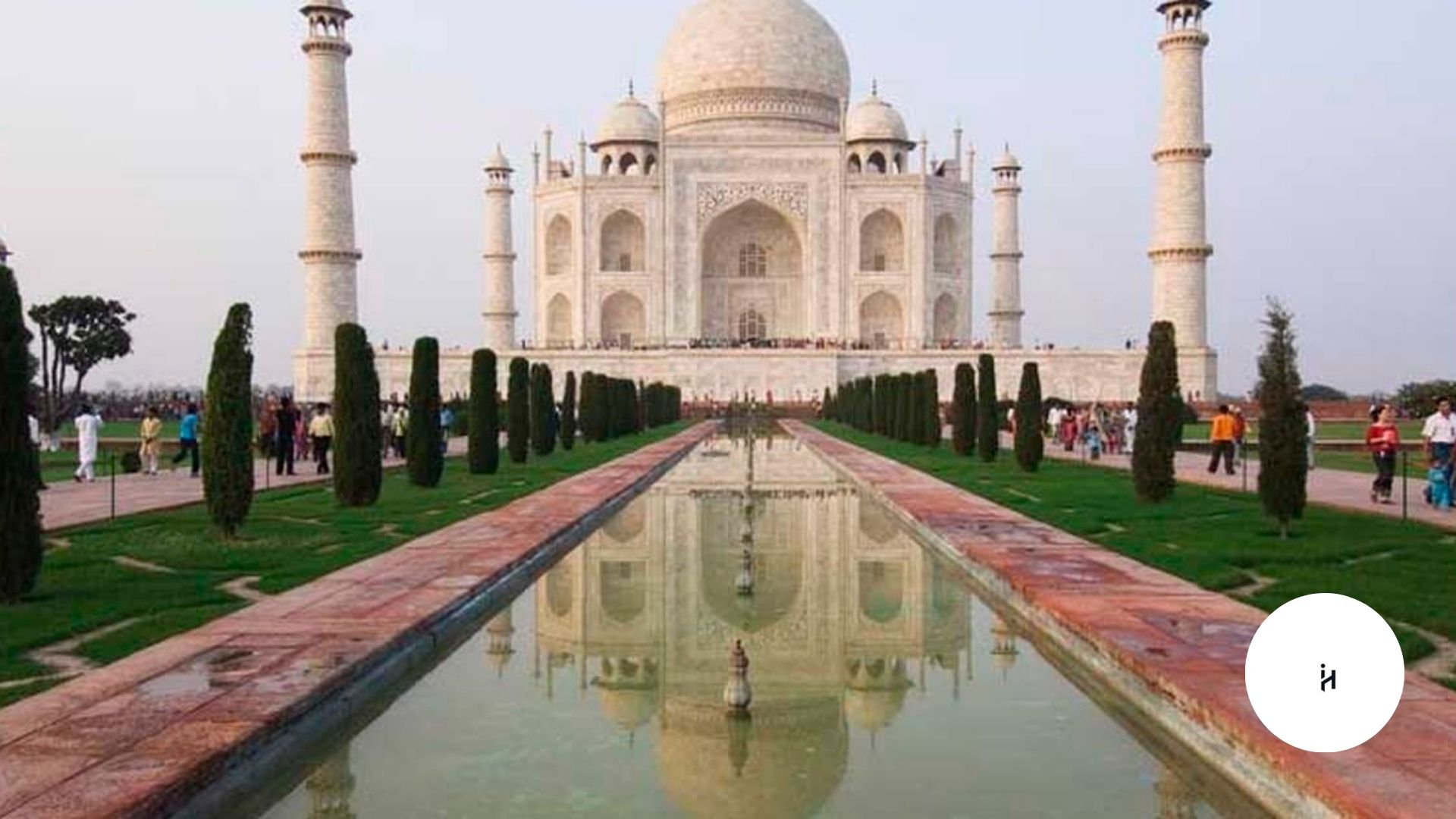
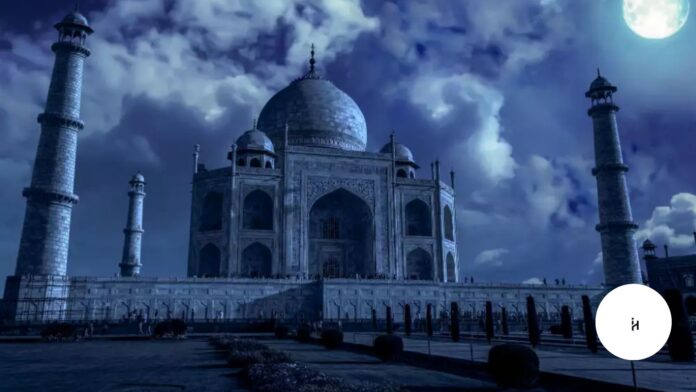
The Taj Mahal, a symbol of eternal love and an architectural marvel, has captivated the world for centuries. While it is widely known that Mughal Emperor Shah Jahan commissioned the Taj Mahal in memory of his beloved wife, Mumtaz Mahal, the question of who designed the Taj Mahal remains a subject of great historical interest. In this blog, we will delve into the minds behind this masterpiece, the architects, engineers, and artisans who contributed to its grandeur.

The Vision of Shah Jahan: A Monument to Love and Legacy

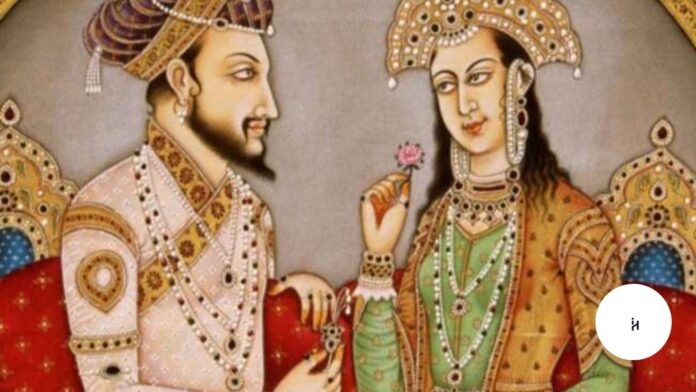
The inspiration for the Taj Mahal came from Shah Jahan’s deep sorrow after the death of his favorite wife, Mumtaz Mahal, in 1631. He envisioned a mausoleum that would be the most exquisite structure ever built, reflecting the grandeur of the Mughal Empire and his love for Mumtaz.

Shah Jahan, known for his patronage of art and architecture, sought the best architects, engineers, and artisans from across the empire and beyond to bring his vision to life.

His influence on the design was significant, as he was deeply involved in selecting materials, approving architectural styles, and ensuring that the final structure would stand as an unparalleled wonder. Under his leadership, the Taj Mahal was not just a tomb but a symbol of divine and earthly beauty combined.

Who Designed the Taj Mahal

Ustad Ahmad Lahauri: The Principal Architect of the Taj Mahal

Ustad Ahmad Lahauri, a Persian or Indian architect of Mughal origin, is widely regarded as the chief architect of the Taj Mahal. Historical records suggest that he played the most crucial role in designing and overseeing the construction of the monument. His expertise in Persian, Islamic, and Indian architectural styles made him the perfect choice for this grand project.

Lahauri’s contribution can be seen in the symmetry, intricate carvings, and the breathtaking dome, which remains one of the most remarkable features of the Taj Mahal. His architectural brilliance blended geometric precision with artistic elegance, creating a structure that continues to inspire awe to this day.

Influences of Persian and Mughal Architectural Styles

The Taj Mahal is a perfect amalgamation of Persian, Islamic, and Indian architectural elements. The use of white marble, calligraphy, intricate floral motifs, and the iconic dome all reflect influences from Persian architecture.

Additionally, the design incorporates Mughal elements, such as the charbagh (four-part) garden layout, red sandstone gateways, and decorative minarets, which were common in earlier Mughal tombs. The combination of these styles resulted in a structure that was unique and unparalleled in its beauty.

The Role of Ismail Afandi: The Master of the Dome

One of the most striking features of the Taj Mahal is its grand dome, which symbolizes the heavens. Ismail Afandi, an Ottoman architect from Turkey, was responsible for designing and constructing this iconic dome. His expertise in dome construction played a significant role in achieving the perfect curvature and proportion that makes the Taj Mahal’s dome stand out.

The double-dome technique used in the Taj Mahal was a hallmark of Persian and Ottoman architecture, ensuring both aesthetic beauty and structural stability. This method allowed the inner dome to be proportional to the interior space while the outer dome retained its grandeur.

The Calligraphic Artistry of Amanat Khan

One of the most exquisite aspects of the Taj Mahal is its intricate calligraphy, which adorns the entrance, walls, and interiors. Amanat Khan, a renowned Persian calligrapher, was entrusted with the task of inscribing Quranic verses onto the white marble.

His calligraphy was not just an artistic embellishment but also held deep spiritual significance. The inscriptions convey messages of paradise, divine mercy, and the eternal nature of love, further enhancing the Taj Mahal’s symbolic meaning.

The Skilled Hands Behind the Intricate Inlay Work

The Taj Mahal is renowned for its pietra dura (precious stone inlay) work, which involves embedding semi-precious stones into the marble to create floral patterns. This intricate craftsmanship was carried out by expert artisans from India, Persia, and the Middle East.

Lapis lazuli, turquoise, jade, sapphire, and other precious stones were meticulously carved and embedded into the marble to create mesmerizing floral designs. This artistic technique added an unparalleled level of sophistication to the monument.

The Structural Brilliance of the Minarets and Foundation

Who Designed the Taj Mahal

The Taj Mahal’s four minarets are not just decorative but serve an architectural purpose. They were designed to slightly tilt outward, ensuring that in the event of an earthquake, they would fall away from the main structure rather than onto it.

Additionally, the foundation of the Taj Mahal is a marvel in itself. It is believed to be built on a well foundation, which helps distribute the weight of the massive structure evenly, preventing subsidence and damage over the centuries.

The Taj Mahal Gardens: A Symbol of Paradise

The charbagh-style gardens surrounding the Taj Mahal are inspired by Persian and Mughal traditions, representing the concept of paradise as described in Islamic beliefs. These gardens are divided into four parts by water channels, symbolizing the four rivers of paradise.

The lush greenery, reflecting pools, and symmetrical pathways enhance the monument’s beauty, creating a serene and divine atmosphere that complements the grandeur of the Taj Mahal itself.

The Red Sandstone Mosque and Guest House

Adjacent to the Taj Mahal are two identical structures: a mosque and a guest house. The mosque, built from red sandstone, was an essential addition, as Islamic tradition dictates that a mosque should accompany a mausoleum.

The guest house, constructed for visitors and scholars, mirrors the mosque’s design, maintaining the architectural symmetry of the entire complex. These structures further emphasize the blend of aesthetics and functionality in Mughal architecture.

The Labor Force: Thousands of Craftsmen and Artisans

The construction of the Taj Mahal required an immense workforce of over 20,000 laborers, artisans, and architects from across the Mughal Empire, Persia, Turkey, and Central Asia. Skilled stone carvers, calligraphers, sculptors, and masons worked tirelessly to bring Shah Jahan’s vision to life.

Despite the sheer scale of the project, it was completed in approximately 22 years, a testament to the skill, coordination, and dedication of the workforce involved.

The Enduring Legacy of the Taj Mahal’s Designers

The Taj Mahal remains one of the most visited and admired structures in the world, a true testament to the brilliance of its designers. Ustad Ahmad Lahauri, Ismail Afandi, Amanat Khan, and countless other craftsmen left behind a masterpiece that has stood the test of time.

Recognized as a UNESCO World Heritage Site, the Taj Mahal continues to inspire architects, artists, and lovers of beauty worldwide. Its creators, though not always in the spotlight, deserve immense recognition for their contributions to one of the greatest architectural wonders of all time.

Q&A Section

Q1: Who was the chief architect of the Taj Mahal?

A1: The chief architect of the Taj Mahal was Ustad Ahmad Lahauri, a Persian or Indian architect who played a crucial role in designing and overseeing the construction of the monument.

Q2: Did Shah Jahan personally design the Taj Mahal?

A2: No, Shah Jahan did not personally design the Taj Mahal, but he played a significant role in its conceptualization, selecting materials, and approving architectural styles.

Q3: What architectural styles influenced the design of the Taj Mahal?

A3: The Taj Mahal is a blend of Persian, Islamic, and Indian architectural styles, incorporating features such as the charbagh gardens, intricate inlay work, and the iconic dome.

Who Designed the Taj Mahal

Q4: Who designed the dome of the Taj Mahal?

A4: The dome was designed by Ismail Afandi, an Ottoman architect from Turkey, who used the double-dome technique for stability and aesthetic beauty.

Q5: What role did Amanat Khan play in the Taj Mahal’s design?

A5: Amanat Khan was a Persian calligrapher responsible for the Quranic inscriptions adorning the Taj Mahal, adding both artistic and spiritual significance.

Q6: How many workers built the Taj Mahal?

A6: The Taj Mahal was built by over 20,000 craftsmen, artisans, and laborers from across the Mughal Empire, Persia, Turkey, and Central Asia.

Q7: What makes the Taj Mahal’s minarets unique?

A7: The minarets were designed to tilt slightly outward, ensuring they would fall away from the main mausoleum in case of an earthquake, protecting the central structure.

Q8: How long did it take to build the Taj Mahal?

A8: The construction of the Taj Mahal took approximately 22 years, from 1632 to 1653.

Q9: What materials were used to build the Taj Mahal?

A9: The Taj Mahal was primarily constructed using white marble from Makrana, Rajasthan, along with precious stones like jade, lapis lazuli, and turquoise for inlay work.

Q10: Why is the Taj Mahal considered a UNESCO World Heritage Site?

A10: The Taj Mahal was designated a UNESCO World Heritage Site in 1983 due to its architectural brilliance, historical significance, and cultural heritage as a symbol of love.

Conclusion

The Taj Mahal is more than just a monument; it is a symbol of undying love, architectural excellence, and cultural heritage. While Shah Jahan’s vision set the foundation, the collective efforts of brilliant architects, calligraphers, engineers, and artisans turned it into reality. Their legacy lives on in this timeless masterpiece, continuing to awe and inspire generations across the world.

For Amazing Updates Keep Visiting ImaginaryHistory.
Mumtaz Mahal: The Timeless Empress of the Mughal Empire

0
Mumtaz Mahal:

Introduction: Who Was Mumtaz Mahal?

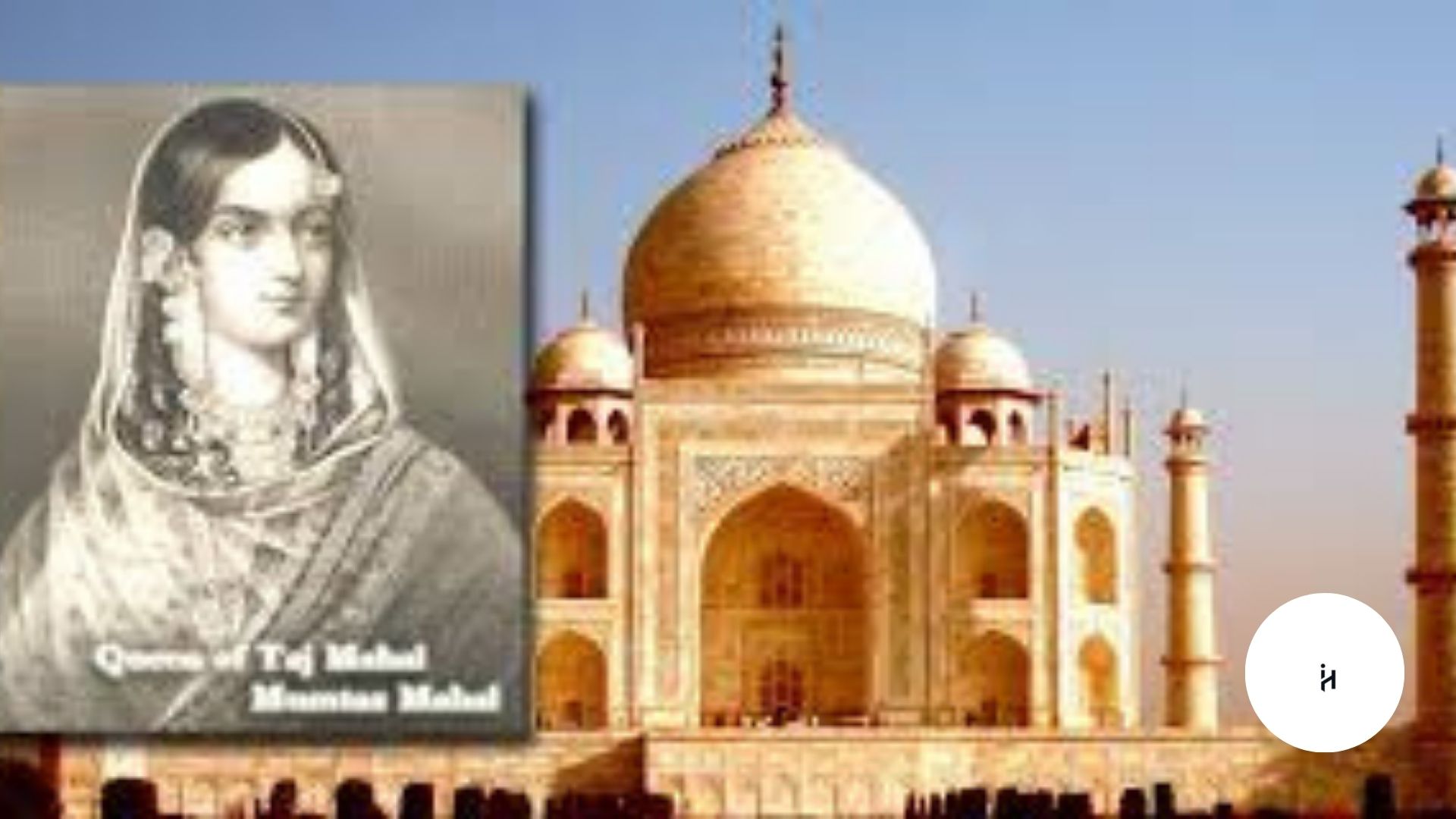
Mumtaz Mahal, whose name translates to “Jewel of the Palace,” remains one of the most famous figures of the Mughal Empire. Born as Arjumand Banu Begum in 1593, she was the chief consort of Emperor Shah Jahan, the ruler who later commissioned the Taj Mahal in her memory.

Her life, though relatively short, was marked by love, devotion, and immense influence within the royal court. Despite the many wives Mughal emperors traditionally had, Mumtaz Mahal stood out due to the deep bond she shared with Shah Jahan.

From her noble Persian ancestry to her role in state affairs, Mumtaz Mahal was much more than just a queen; she was a powerful presence in one of the most influential empires of its time. Her story is one of romance, sacrifice, and an enduring legacy that continues to captivate the world.

Early Life and Royal Lineage

Mumtaz Mahal:

Mumtaz Mahal was born into an influential Persian noble family in Agra, India. Her father, Abdul Hasan Asaf Khan, was a high-ranking official in the Mughal court and the brother of Empress Nur Jahan, making Mumtaz part of the most elite circle in the empire. This royal connection paved the way for her future as one of the most beloved queens in history.

Her upbringing was marked by extensive education, as was customary for noblewomen at the time. She was well-versed in Persian, Arabic, and Urdu, excelling in poetry, philosophy, and courtly etiquette. As a young girl, she quickly became known for her intelligence and beauty, earning admiration from those around her.

The Love Story of Mumtaz Mahal and Shah Jahan

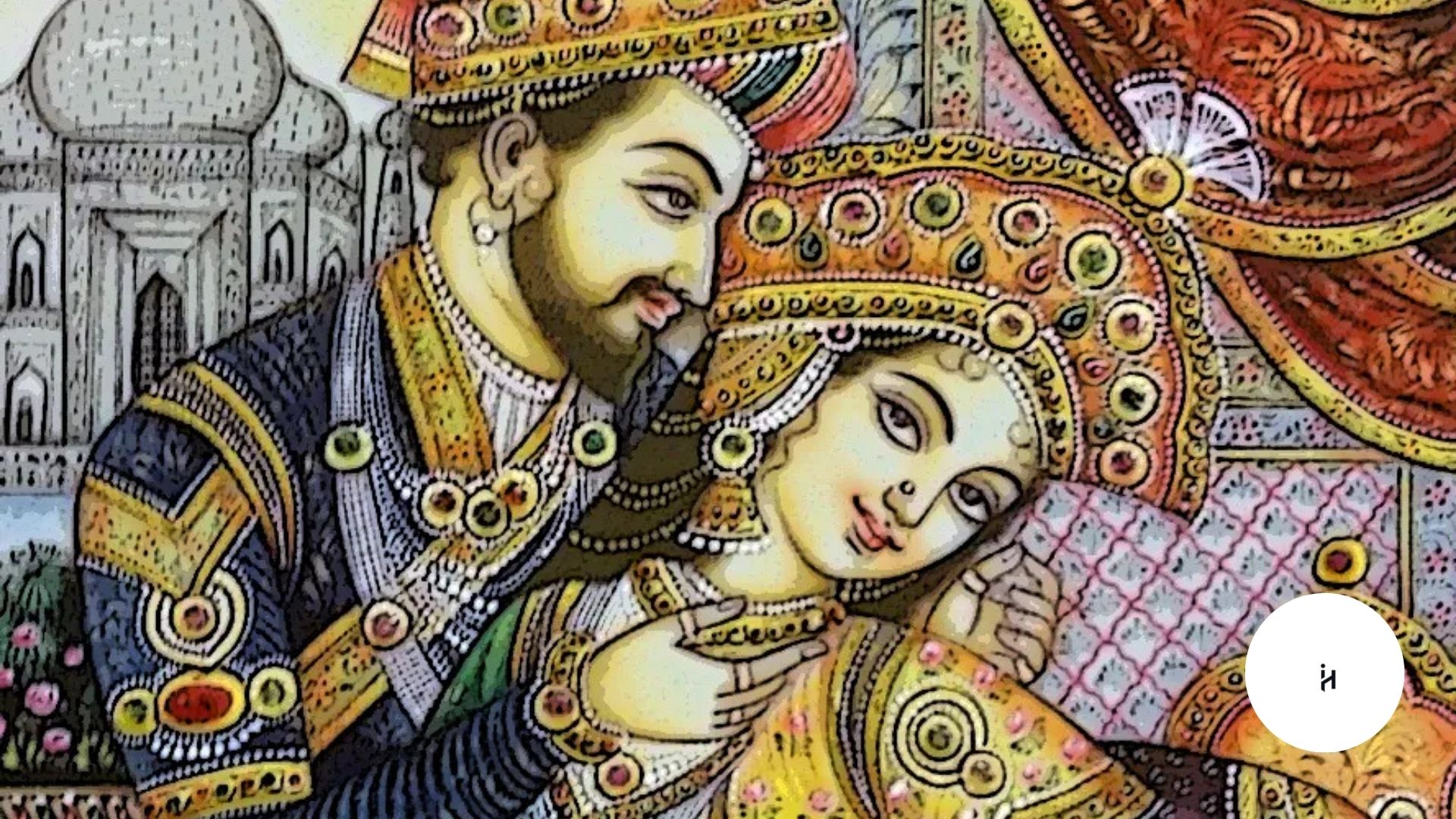
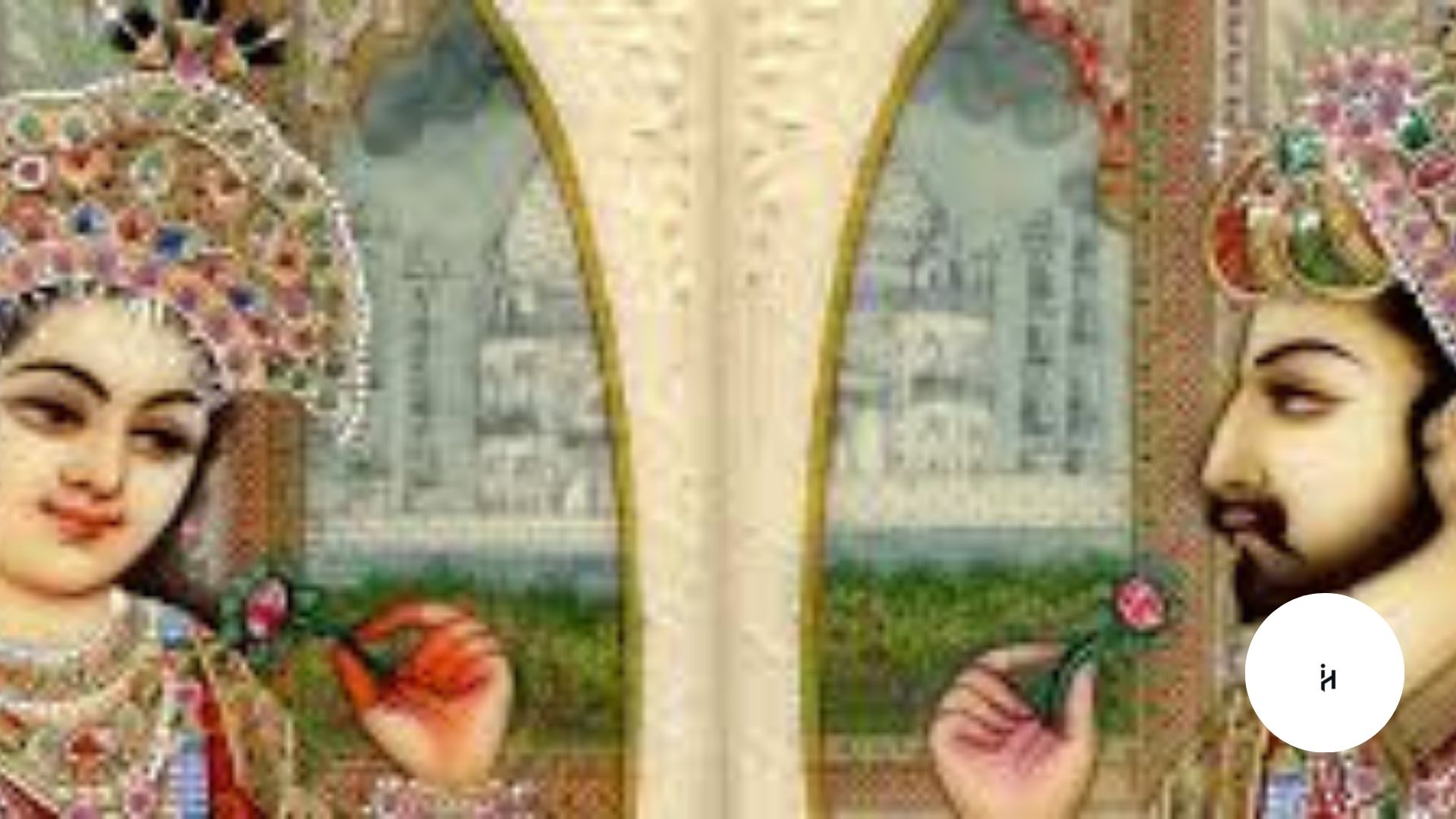
Mumtaz Mahal’s marriage to Prince Khurram, later known as Emperor Shah Jahan, was not just a political alliance but a union of deep love and companionship. The two were engaged at a young age but had to wait five years to marry due to Mughal court traditions. Their wedding in 1612 marked the beginning of a relationship that would become legendary.

Unlike many royal marriages of the time, theirs was filled with genuine affection. Mumtaz Mahal accompanied Shah Jahan wherever he went, including military campaigns, and played a crucial role in his personal and political life. Their love was evident in the many poems and letters exchanged between them.

Role in the Mughal Court and Administration

Despite the limited political roles traditionally given to Mughal queens, Mumtaz Mahal held significant influence. She was Shah Jahan’s most trusted advisor, often consulted on matters of governance, diplomacy, and finance.

She was also known for her charitable work, regularly helping the poor and funding various public welfare projects. Many historians believe that her wisdom and guidance played a key role in Shah Jahan’s reign, making her an indispensable part of the Mughal administration.

Motherhood: The Birth of 14 Children

Mumtaz Mahal was the mother of 14 children, including Aurangzeb, who later became one of the most powerful Mughal emperors. Despite the joys of motherhood, her many pregnancies took a toll on her health.

She was known for her deep affection toward her children and was actively involved in their upbringing. Her presence in their lives shaped the future of the Mughal dynasty, with many of her sons and daughters playing crucial roles in the empire’s history.

The Tragic Death of Mumtaz Mahal

Mumtaz Mahal’s life was tragically cut short at the age of 38 while giving birth to her 14th child in 1631. She accompanied Shah Jahan on a military campaign in Burhanpur when complications during childbirth led to her demise.

Her death left Shah Jahan devastated. Historical records describe his immense grief, stating that he went into mourning for a year, refusing to participate in courtly affairs. His sorrow inspired the construction of one of the most iconic monuments in history—the Taj Mahal.

The Taj Mahal: A Monument of Eternal Love

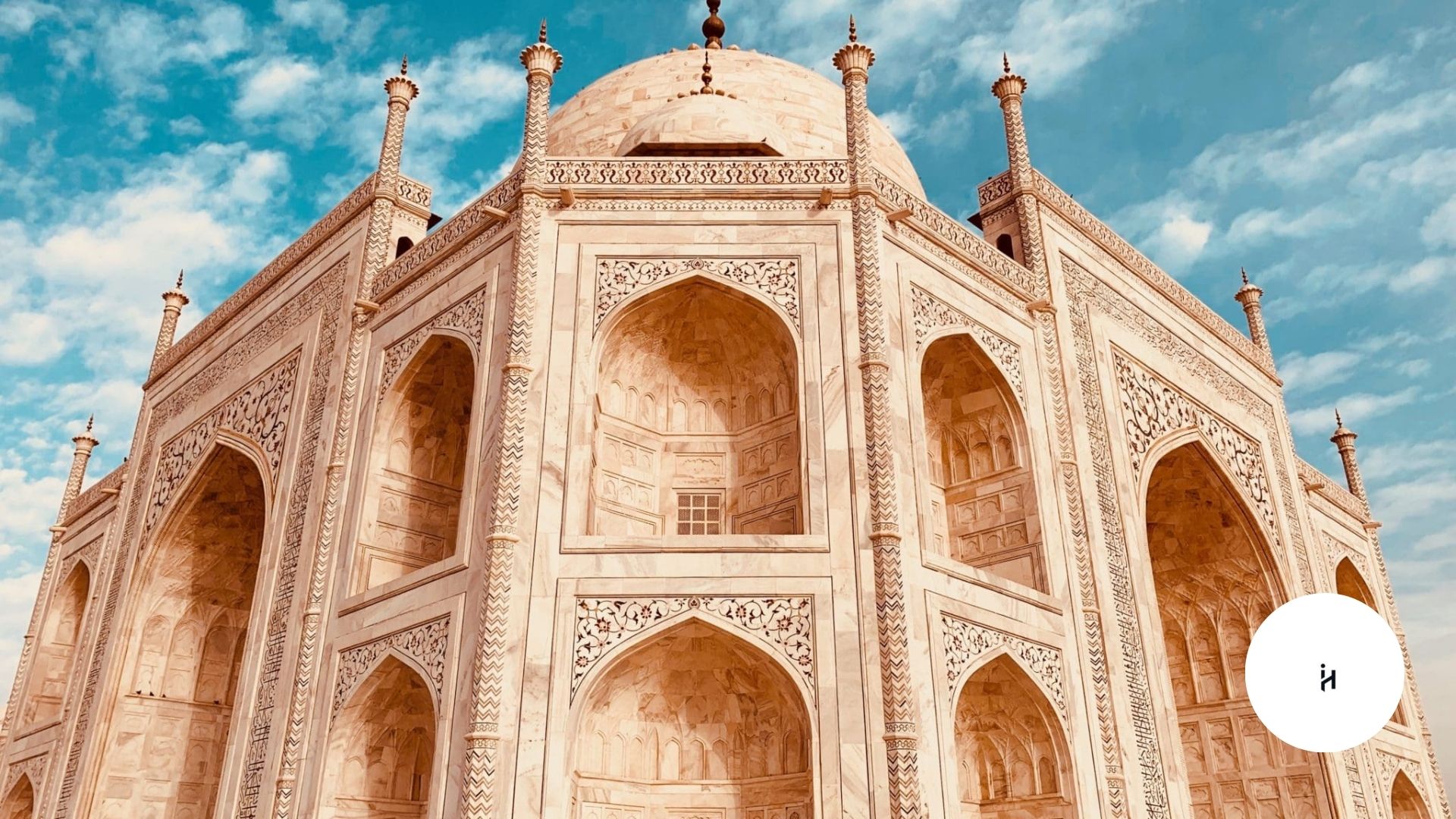
Following Mumtaz Mahal’s death, Shah Jahan embarked on an ambitious project to build a mausoleum that would serve as her final resting place. The result was the Taj Mahal, a white marble masterpiece that stands as a symbol of eternal love.

Construction began in 1632 and took over 20 years to complete. The Taj Mahal is a blend of Persian, Islamic, and Indian architectural styles, featuring intricate carvings, calligraphy, and stunning gardens. Today, it is recognized as one of the Seven Wonders of the World and a UNESCO World Heritage site.

Mumtaz Mahal:

The Influence of Mumtaz Mahal on Mughal Art and Culture

Mumtaz Mahal’s presence influenced not just the royal court but also the artistic and cultural landscape of the Mughal Empire. Her taste in jewelry, fashion, and architecture left a lasting impact on Mughal aesthetics.

Her support for poets, artists, and architects led to an era of flourishing creativity. The jewelry and clothing styles she popularized became trends among Mughal nobility, and her refined sense of beauty is reflected in the intricate designs of the Taj Mahal.

Shah Jahan’s Final Days and Reunion in Death

After ruling for decades, Shah Jahan was overthrown and imprisoned by his son Aurangzeb in 1658. He spent the last years of his life confined to the Agra Fort, gazing at the Taj Mahal from a small window.

Upon his death in 1666, Shah Jahan was buried beside Mumtaz Mahal in the Taj Mahal, ensuring that the lovers remained together even in death. Their shared tomb continues to attract millions of visitors, symbolizing an undying bond.

The Legacy of Mumtaz Mahal in Modern Times

Mumtaz Mahal’s legacy lives on through the Taj Mahal and the countless stories of her love and devotion. She is remembered as a woman of grace, intelligence, and deep compassion.

Her life story has been the subject of books, movies, and research, making her one of the most celebrated historical figures. The Taj Mahal remains a global icon, drawing visitors from around the world who marvel at its beauty and the love story behind it.

Q&A on Mumtaz Mahal

1. Who was Mumtaz Mahal?

Mumtaz Mahal was the chief consort of Mughal Emperor Shah Jahan. Born as Arjumand Banu Begum in 1593, she became one of the most influential queens of the Mughal Empire. She is best remembered for inspiring the construction of the Taj Mahal, one of the world’s most famous monuments.

2. What was Mumtaz Mahal’s real name?

Her birth name was Arjumand Banu Begum. She was given the title “Mumtaz Mahal,” meaning “Jewel of the Palace,” after marrying Shah Jahan.

3. How did Mumtaz Mahal meet Shah Jahan?

Mumtaz Mahal met Shah Jahan, then known as Prince Khurram, at a young age in the Mughal court. They were engaged in 1607 but had to wait five years before getting married in 1612 due to Mughal customs.

4. How many children did Mumtaz Mahal have?

Mumtaz Mahal gave birth to 14 children, including Emperor Aurangzeb, who later ruled the Mughal Empire. Unfortunately, she died while giving birth to her 14th child in 1631.

5. What caused Mumtaz Mahal’s death?

She died due to complications during childbirth while accompanying Shah Jahan on a military campaign in Burhanpur. Her passing deeply affected the emperor, who mourned her loss for years.

6. Why did Shah Jahan build the Taj Mahal?

Shah Jahan built the Taj Mahal as a tribute to Mumtaz Mahal after her death. It serves as her final resting place and symbolizes their eternal love. The monument is a masterpiece of Mughal architecture and one of the most famous landmarks in the world.

Mumtaz Mahal:

7. Where is Mumtaz Mahal buried?

Mumtaz Mahal is buried inside the Taj Mahal in Agra, India. Shah Jahan was later buried beside her, making it a tomb for both of them.

8. What role did Mumtaz Mahal play in the Mughal Empire?

Though not directly involved in politics, Mumtaz Mahal was a trusted advisor to Shah Jahan. She influenced court decisions, supported charitable activities, and had a significant impact on Mughal culture and art.

9. How did Mumtaz Mahal influence Mughal fashion and culture?

She was known for her exquisite taste in jewelry, clothing, and architecture. Her fashion choices influenced Mughal nobility, and her love for art and poetry contributed to the cultural richness of the empire.

10. What is Mumtaz Mahal’s legacy today?

Her legacy is immortalized through the Taj Mahal, which stands as a symbol of love and devotion. Her story continues to be celebrated in books, movies, and historical studies, making her one of the most remembered figures of the Mughal era.

Conclusion: A Queen Who Became Immortal

Mumtaz Mahal’s story is not just one of romance but also of influence and power. Her love for Shah Jahan inspired one of the greatest architectural wonders of all time, ensuring that she would be remembered for centuries.

Her impact on history extends beyond her role as a wife and mother. She was a patron of the arts, an advisor in politics, and a compassionate queen who cared for her people. Today, her name is synonymous with love, beauty, and timeless devotion, proving that her legacy is truly immortal.

For Amazing Updates Keep Visiting ImaginaryHistory.
The History of America: A Journey Through Time

0
The History of America

The history of America is a vast and fascinating story filled with triumphs, challenges, and evolution. From the early indigenous civilizations to the establishment of the United States as a global superpower, the nation’s journey has been marked by remarkable events and influential figures. This blog explores the key phases of American history, providing a detailed insight into its development.

The Indigenous Peoples of America: The First Inhabitants

Long before European explorers set foot on American soil, the continent was home to diverse indigenous civilizations. Native American tribes thrived across North America, establishing complex societies with distinct languages, cultures, and traditions. The Pueblo peoples in the Southwest built remarkable adobe structures, while the Iroquois Confederacy in the Northeast created a sophisticated political system that inspired modern democracy.

These indigenous groups lived in harmony with nature, practicing agriculture, hunting, and fishing to sustain their communities. They developed spiritual beliefs centered around nature and ancestry, which played a vital role in their daily lives. However, the arrival of European explorers and settlers brought devastating consequences, including disease, forced displacement, and violent conflicts that drastically reduced their populations.

Despite centuries of struggle, Native American cultures and traditions continue to thrive today. Many tribes actively preserve their heritage, ensuring that the rich history of America’s first inhabitants remains an integral part of the nation’s identity.

The History of America

European Exploration and Colonization: The New World Beckons

In the late 15th century, European explorers, driven by the pursuit of wealth, trade routes, and territorial expansion, embarked on journeys to the “New World.” Christopher Columbus’s voyage in 1492 marked the beginning of European contact with the Americas. Soon, Spanish, French, Dutch, and English explorers arrived, establishing settlements and trading posts.

The Spanish, led by conquistadors like Hernán Cortés and Francisco Pizarro, conquered vast indigenous empires such as the Aztecs and Incas. Meanwhile, the English established the first permanent colony in Jamestown, Virginia, in 1607. The Pilgrims’ arrival on the Mayflower in 1620 and the founding of Plymouth Colony further solidified English influence in North America.

Colonization brought significant changes, including the introduction of European agricultural techniques, Christianity, and a new political order. However, it also led to the exploitation of native populations, the transatlantic slave trade, and conflicts over land and resources. These early settlements laid the foundation for the development of the American colonies and their eventual struggle for independence.

The American Revolution: The Birth of a Nation

By the mid-18th century, tensions between the American colonies and British rule escalated due to heavy taxation, lack of representation, and restrictive trade policies. Events such as the Boston Massacre (1770) and the Boston Tea Party (1773) fueled revolutionary sentiments, leading to the outbreak of the American Revolution in 1775.

Key figures like George Washington, Thomas Jefferson, and Benjamin Franklin played instrumental roles in guiding the revolution. The Declaration of Independence, drafted by Jefferson and adopted on July 4, 1776, proclaimed America’s right to self-governance. The war continued until 1783 when the Treaty of Paris officially recognized the United States as an independent nation.

The revolution was not just a military victory; it was a triumph of democratic ideals. The newly formed United States became a beacon of liberty, inspiring other movements worldwide. However, challenges remained, including building a stable government and addressing issues like slavery and economic development.

The Expansion of the United States: Manifest Destiny

Following independence, America embarked on a journey of territorial expansion. The concept of “Manifest Destiny” emerged, advocating for westward expansion as a divine right. This led to significant land acquisitions, including the Louisiana Purchase (1803), which doubled the nation’s size.

Pioneers and settlers moved westward, establishing new towns and cities. However, this expansion came at a great cost to Native American tribes, who faced forced removals, broken treaties, and violent conflicts. The infamous Trail of Tears (1838) saw thousands of Cherokee people forcibly relocated, resulting in immense suffering and death.

The expansion also led to tensions over slavery, as new territories debated whether to allow the practice. These conflicts set the stage for one of America’s most defining and tragic events—the Civil War.

The American Civil War: A Nation Divided

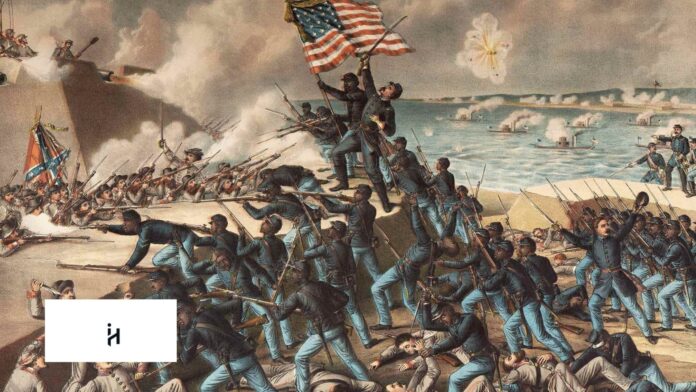
By the mid-19th century, the United States was deeply divided over slavery, state rights, and economic differences between the North and South. The election of Abraham Lincoln in 1860, who opposed the expansion of slavery, led Southern states to secede and form the Confederacy. In 1861, the Civil War began, becoming the bloodiest conflict in American history.

The war lasted until 1865, culminating in the Union’s victory. Lincoln’s Emancipation Proclamation (1863) declared enslaved people free in Confederate states, setting the foundation for the abolition of slavery. The 13th Amendment, passed in 1865, officially ended slavery in the United States.

Reconstruction followed, attempting to rebuild the South and integrate freed African Americans into society. However, racial tensions persisted, leading to segregation and systemic discrimination that lasted for decades.

The Industrial Revolution and America’s Rise as a Global Power

The late 19th and early 20th centuries marked a period of rapid industrialization. The rise of steel, railroads, and mechanized agriculture transformed the American economy. Cities like New York and Chicago became bustling centers of commerce and immigration.

Figures such as Andrew Carnegie, John D. Rockefeller, and Henry Ford revolutionized industries, making America an economic powerhouse. However, this growth also led to harsh labor conditions, prompting the rise of labor unions and progressive reforms.

During this time, America also expanded its influence overseas, acquiring territories like Puerto Rico, Guam, and the Philippines after the Spanish-American War (1898). By the early 20th century, the United States had firmly established itself as a global power.

The History of America

The World Wars and the Great Depression: Trials and Triumphs

America played a crucial role in both World Wars. In World War I (1914-1918), the U.S. joined the Allies in 1917, contributing to the defeat of Germany. However, the post-war period saw economic instability, leading to the Great Depression (1929-1939), the worst financial crisis in American history.

Franklin D. Roosevelt’s New Deal programs aimed to recover the economy, providing jobs and social security. When World War II (1939-1945) broke out, America initially remained neutral but joined the Allies after the attack on Pearl Harbor in 1941. The war ended in 1945 with the defeat of Nazi Germany and Imperial Japan, solidifying America’s role as a superpower.

The Cold War, Civil Rights Movement, and Modern America

The Cold War (1947-1991) saw the U.S. and Soviet Union locked in ideological and geopolitical rivalry. Conflicts like the Korean and Vietnam Wars, the Cuban Missile Crisis, and the Space Race defined this era. Meanwhile, at home, the Civil Rights Movement, led by figures like Martin Luther King Jr., fought against racial segregation and discrimination, achieving landmark victories such as the Civil Rights Act (1964).

The late 20th and early 21st centuries brought rapid technological advancements, globalization, and challenges like terrorism and climate change. Today, America remains a leading global force in politics, economics, and culture, continuously evolving to meet new challenges.

Q&A on the History of America

Q1: Who were the first inhabitants of America?

The first inhabitants of America were indigenous peoples, including tribes like the Cherokee, Apache, Iroquois, and Sioux. These groups had rich cultures, complex societies, and deep spiritual traditions long before European settlers arrived.

Q2: When did European explorers first arrive in America?

European explorers, led by Christopher Columbus, first arrived in America in 1492. However, Norse explorers, such as Leif Erikson, are believed to have reached North America around 1000 AD.

Q3: What was the American Revolution?

The American Revolution (1775-1783) was a war between the American colonies and Britain, fought for independence. It led to the creation of the United States, with the Declaration of Independence being signed in 1776.

Q4: What was Manifest Destiny?

Manifest Destiny was a belief in the 19th century that the United States was destined to expand westward across North America. This led to territorial expansion but also conflicts with Native American tribes and neighboring nations.

Q5: What caused the American Civil War?

The Civil War (1861-1865) was caused by disagreements over slavery, state rights, and economic differences between the North and South. The North’s victory led to the abolition of slavery and a reunited nation.

The History of America

Q6: How did the U.S. become a world superpower?

The U.S. emerged as a global superpower after World War II (1939-1945), due to its military strength, economic dominance, and technological advancements. The Cold War rivalry with the Soviet Union further solidified its influence.

Q7: What were the key achievements of the Civil Rights Movement?

The Civil Rights Movement of the 1950s and 1960s, led by figures like Martin Luther King Jr., fought for racial equality. Key achievements include the Civil Rights Act (1964) and the Voting Rights Act (1965), which ended segregation and protected voting rights.

Q8: What major challenges does modern America face?

Modern America faces challenges such as political divisions, economic inequality, climate change, cybersecurity threats, and global diplomatic relations. However, it continues to be a leading force in technology, culture, and international affairs.

Conclusion

The history of America is a testament to resilience, innovation, and progress. From indigenous civilizations to modern superpower status, the nation has undergone profound transformations. While challenges remain, the United States continues to shape the world through its democratic ideals, technological advancements, and cultural influence. The story of America is far from over, and its future promises to be just as eventful as its past.

For Amazing Updates Keep Visiting ImaginaryHistory.