Home Blog Page 456

Museo Nacional del Prado: A Timeless Treasure of Art and History

0
Museo Nacional del Prado

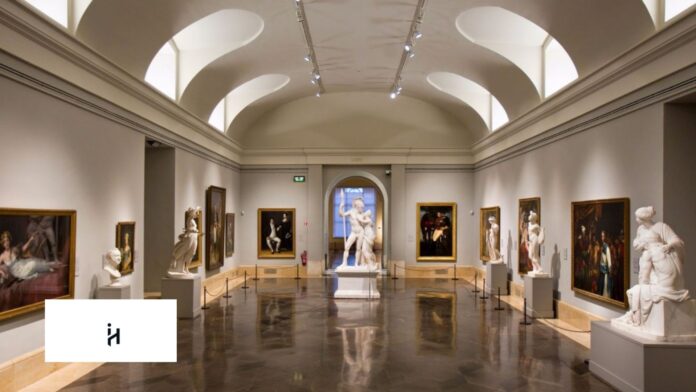
The Museo Nacional del Prado, commonly known as the Prado Museum, is one of the most renowned art museums in the world. Located in the heart of Madrid, Spain, it houses a vast collection of European masterpieces, spanning centuries of artistic evolution. This blog will explore the museum’s rich history, remarkable collections, and its cultural significance.

The Origins of Museo Nacional del Prado: A Vision Realized

The Prado Museum was officially established in 1819 under the reign of King Ferdinand VII, following the initiative of Queen Maria Isabel de Braganza. Initially conceived as a Royal Museum of Paintings and Sculptures, its purpose was to showcase the Spanish monarchy’s impressive art collection.

The building that houses the museum was designed by Juan de Villanueva, a neoclassical architect, who originally planned it as a natural history museum. However, the king repurposed it for art, turning it into one of Spain’s most prestigious institutions. Over the years, the collection expanded significantly, incorporating works from various European schools, making it a must-visit cultural landmark.
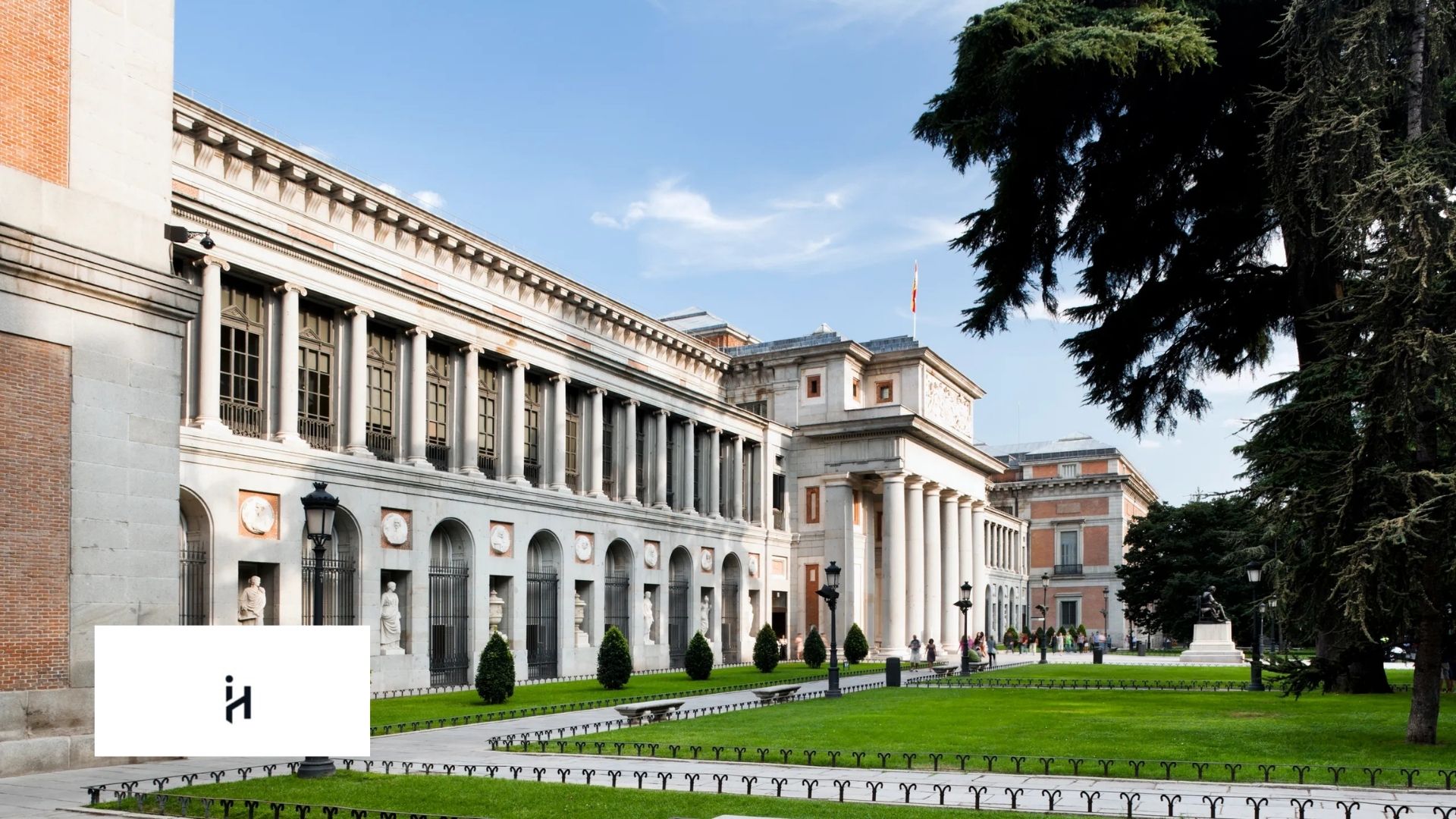
Museo Nacional del Prado

Architectural Brilliance: A Neoclassical Masterpiece

The Prado Museum’s architecture is a striking example of neoclassical design. Constructed with elegant symmetry and classical elements, it reflects the grandeur of 18th-century Spanish architecture. The building’s façade features tall columns, grand archways, and intricate sculptures, creating an aura of artistic prestige.

Despite undergoing numerous renovations and expansions, the museum has preserved its original charm. Modern additions have allowed for better organization and accessibility while maintaining its historical integrity. Today, the Prado remains an architectural jewel, drawing visitors not only for its art but also for its timeless structure.

The Spanish Masters: Velázquez, Goya, and El Greco

The Prado Museum is best known for its extensive collection of Spanish Golden Age painters, including Diego Velázquez, Francisco Goya, and El Greco. Their works represent some of the most significant artistic achievements in Spain’s history.

  • Diego Velázquez’s Las Meninas (1656) is one of the most analyzed paintings in Western art, admired for its complex composition and depth.
  • Francisco Goya’s The Third of May 1808 (1814) captures the brutality of war, reflecting the struggles of Spain under Napoleon’s invasion.
  • El Greco’s The Adoration of the Shepherds (1614) showcases his signature elongated figures and dramatic use of light and color.

These masterpieces, among many others, solidify the Prado Museum’s reputation as the leading institution for Spanish art.

European Masterpieces: From Raphael to Rembrandt

While the Prado is famous for its Spanish painters, it also boasts an impressive collection of European Old Masters. These include works by Italian, Flemish, and Dutch artists, making it a truly international museum.

  • Titian: The Venetian painter’s Danaë (1554) highlights the sensuality and elegance of Renaissance art.
  • Rubens: His large-scale mythological paintings, such as The Three Graces (1635), showcase the grandeur of Baroque art.
  • Rembrandt: Although the Prado has only a few of his works, they provide insight into the Dutch Golden Age and the artist’s mastery of light and shadow.

The diversity of the Prado’s European collection makes it an essential stop for art enthusiasts worldwide.

The Influence of the Habsburg and Bourbon Monarchs

The Habsburg and Bourbon dynasties played a crucial role in shaping the Prado Museum’s collection. Their patronage of the arts helped accumulate many of the masterpieces displayed today.

  • The Habsburg kings, particularly Philip II and Philip IV, were devoted collectors, bringing in works from Titian, Bosch, and Rubens.
  • The Bourbon dynasty, especially Charles III and Charles IV, expanded the collection further, acquiring works from Goya and other neoclassical artists.

Their artistic legacy remains at the heart of the Prado’s identity, making it a true royal museum.

The Prado’s Expanding Collection: From Antiquity to Modernity
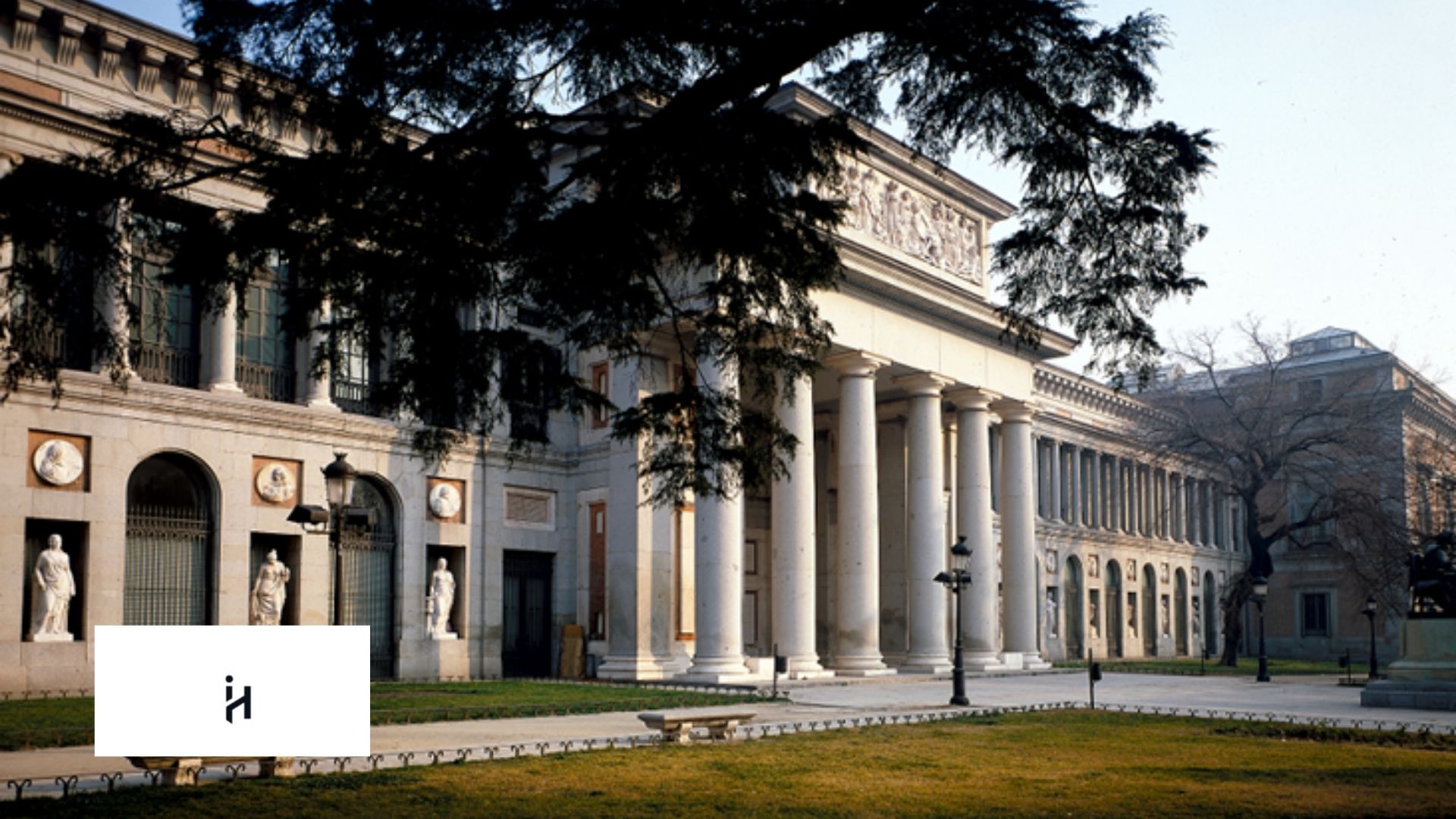
Museo Nacional del Prado

While the Prado Museum is best known for its 16th- to 19th-century art, it has continuously expanded its collection, incorporating sculptures, drawings, and decorative arts.

In recent years, the museum has acquired additional works from the 20th century, ensuring a broader representation of artistic evolution. Although the Prado focuses primarily on classical art, these new additions reflect its commitment to artistic diversity and historical documentation.

The Prado and Its Rivals: How It Compares to Other Museums

The Prado Museum is often compared to the Louvre in Paris, the Uffizi Gallery in Florence, and the National Gallery in London. While these institutions also house European masterpieces, the Prado distinguishes itself with its unparalleled Spanish collection.

Unlike the Louvre, which covers a wide range of cultures, the Prado specializes in Western European art, particularly from Spain. This specialization makes it a unique destination for those interested in the evolution of Spanish and European painting.

The Prado Museum’s Role in Education and Research

Beyond its artistic treasures, the Prado is a leading institution for art research and education. It offers:

  • Educational programs for students and art enthusiasts.
  • Extensive archives and conservation efforts for preserving its priceless collection.
  • Collaborations with international museums to promote art history research.

Its role in art preservation and scholarly research ensures that the Prado remains a beacon of cultural heritage.

Visitor Experience: Tips for Exploring the Prado

A visit to the Prado Museum can be overwhelming due to its vast collection. Here are some essential tips:

  • Plan your visit by prioritizing must-see artworks.
  • Take a guided tour for deeper insights into the masterpieces.
  • Visit early or late in the day to avoid crowds.
  • Use the museum’s app for interactive guides and audio tours.

By following these tips, visitors can fully immerse themselves in the Prado’s artistic wonders.

The Prado Museum in the Digital Age

In response to modern trends, the Prado Museum has embraced digital innovation. It offers:

  • A virtual tour for global audiences.
  • A digital archive allowing art lovers to explore high-resolution images of its collection.
  • Social media engagement to reach younger audiences.

These initiatives make the Prado more accessible, ensuring its relevance in the 21st century.

The Enduring Legacy of Museo Nacional del Prado
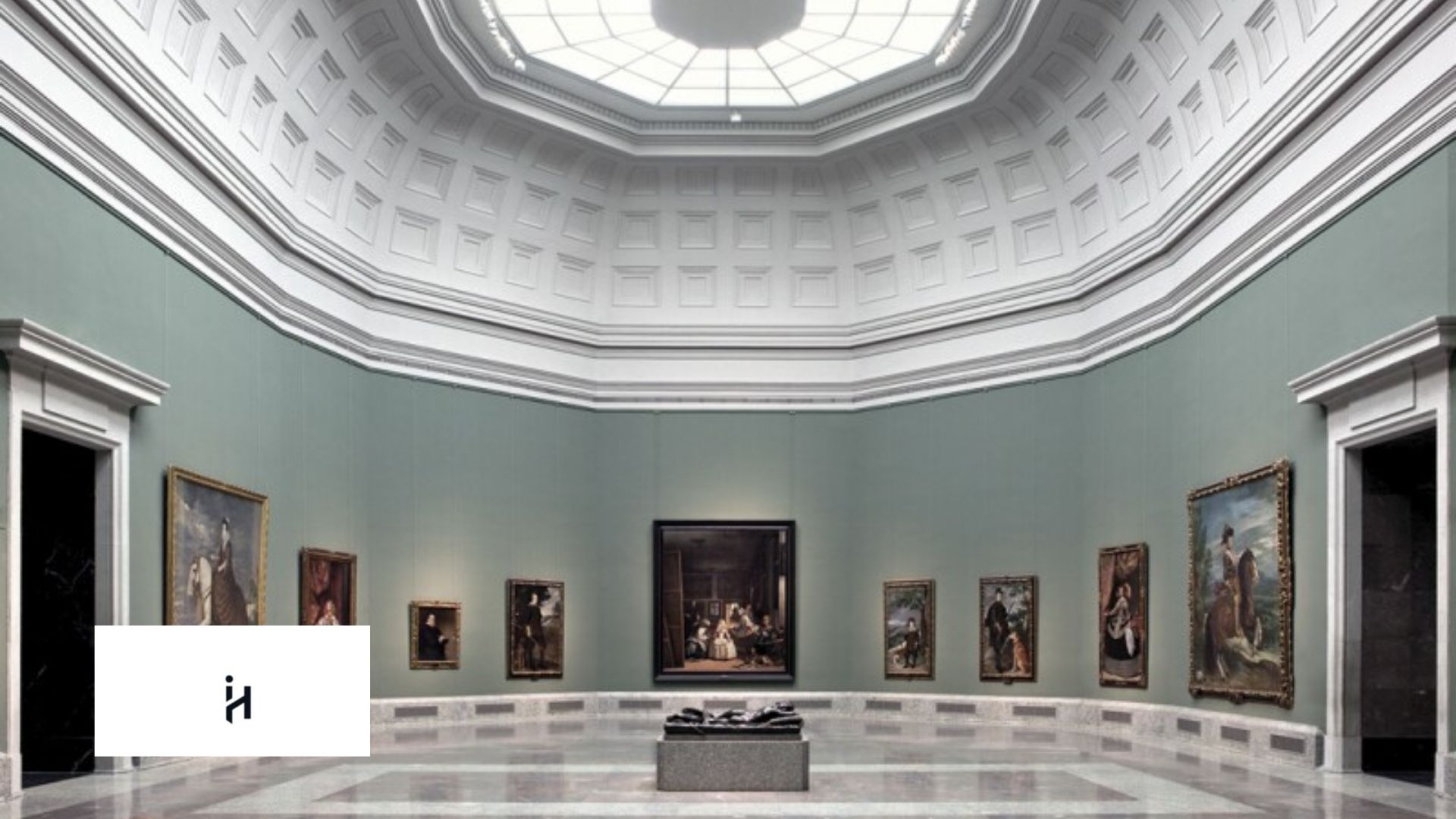
Museo Nacional del Prado

The Museo Nacional del Prado is more than just an art museum; it is a cultural institution that preserves, educates, and inspires. Its collection reflects Spain’s rich artistic heritage, making it one of the world’s greatest art destinations.

For art lovers, historians, and travelers alike, the Prado remains an unforgettable experience, where history and creativity come to life in every painting and sculpture.

Q&A Section

Q1: What is the Museo Nacional del Prado best known for?

The Prado Museum is best known for its extensive collection of Spanish Golden Age paintings, particularly works by Diego Velázquez, Francisco Goya, and El Greco. It also houses masterpieces by European artists such as Titian, Rubens, and Bosch.

Q2: Where is the Prado Museum located?

The Museo Nacional del Prado is located in Madrid, Spain, along the Paseo del Prado, one of the city’s most famous boulevards.

Q3: What are the must-see paintings in the Prado Museum?

Some of the most famous paintings include:

  • Las Meninas by Diego Velázquez
  • The Third of May 1808 by Francisco Goya
  • The Garden of Earthly Delights by Hieronymus Bosch
  • The Three Graces by Peter Paul Rubens

Q4: How can I visit the Prado Museum?

Visitors can explore the Prado Museum in person by purchasing tickets online or at the entrance. The museum also offers virtual tours and digital archives for those who cannot visit physically.

Q5: What is the best time to visit the Prado Museum?

The best time to visit is early in the morning or late in the afternoon to avoid crowds. Weekdays tend to be less crowded compared to weekends.

Q6: Does the Prado Museum allow photography?

Photography without flash is allowed in certain areas of the museum. However, some special exhibitions and specific artworks have strict photography restrictions.

Q7: What makes the Prado different from other museums?

Unlike other major art museums like the Louvre or the Uffizi, the Prado specializes in Spanish art and European Old Masters, making it an essential destination for those interested in Western European painting traditions.

For Amazing Updates Keep Visiting ImaginaryHistory.
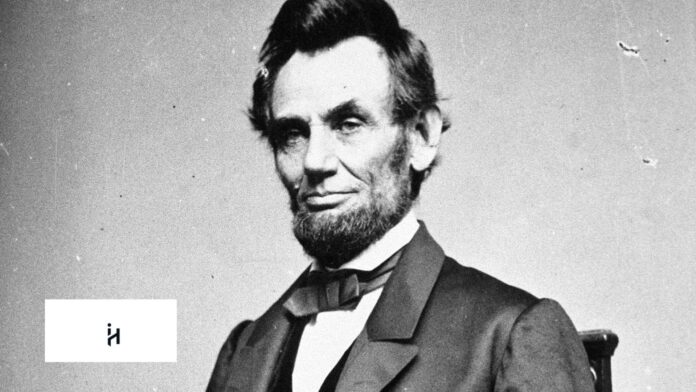
Abraham Lincoln: The Legacy of a Visionary Leader

0
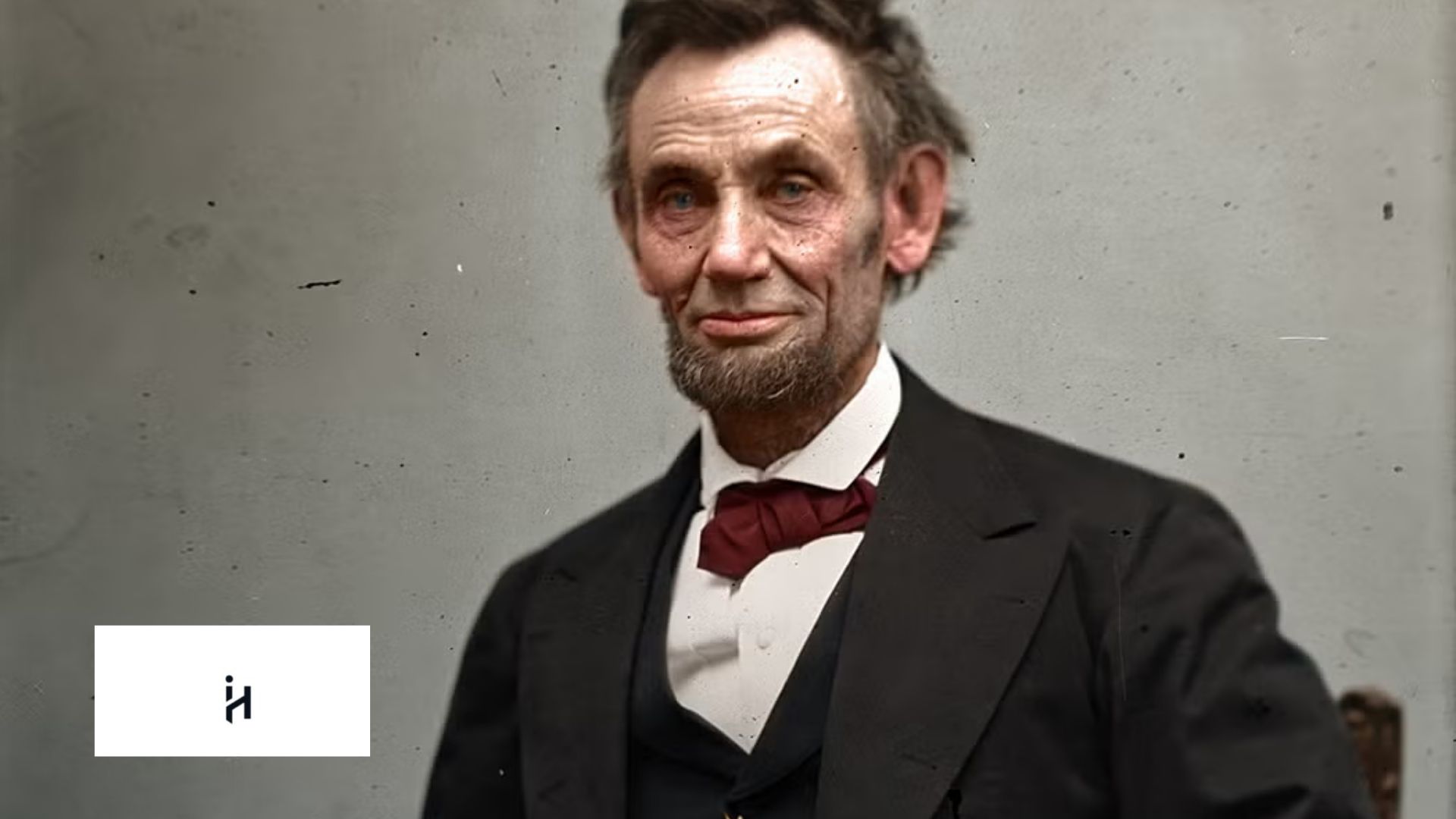
Abraham Lincoln

Early Life and Humble Beginnings

Abraham Lincoln was born on February 12, 1809, in a small one-room log cabin in Hardin County, Kentucky (now LaRue County). His parents, Thomas and Nancy Lincoln, were simple farmers, and young Abraham grew up in poverty. His early life was marked by hard labor, as his family moved to Indiana in 1816 due to land disputes in Kentucky.

Despite having minimal formal education—less than a year in total—Lincoln was a voracious reader. He taught himself by reading borrowed books, including the Bible, Aesop’s Fables, and works by William Shakespeare.

Tragedy struck in 1818 when Lincoln’s mother died from milk sickness. His father later remarried Sarah Bush Johnston, a kind and supportive stepmother who encouraged Lincoln’s love for learning. As a young man, Lincoln took on various jobs, including working as a rail-splitter, store clerk, and surveyor. His early exposure to manual labor and rural struggles shaped his empathy for the common people and reinforced his belief in hard work, honesty, and perseverance.

Abraham Lincoln

Entry into Politics and Legal Career

Lincoln’s political journey began in the 1830s when he served in the Illinois State Legislature as a member of the Whig Party. During this time, he also studied law independently and passed the bar exam in 1836, becoming a successful attorney. He gained a reputation for his sharp wit, logical reasoning, and unwavering integrity, which later earned him the nickname “Honest Abe.”

In the 1840s, Lincoln was elected to the U.S. House of Representatives, where he served one term from 1847 to 1849. His opposition to the Mexican-American War and his moderate stance on slavery limited his political influence at the time. However, his legal career flourished, and he became known for his ability to argue cases with precision.

The Rise of a Leader: Formation of the Republican Party

By the 1850s, the issue of slavery had become increasingly divisive in American politics. The Kansas-Nebraska Act of 1854, which allowed territories to decide for themselves whether to permit slavery, deeply troubled Lincoln. He re-entered politics and helped form the Republican Party, which opposed the expansion of slavery into new territories.

Lincoln’s debates with Stephen A. Douglas in 1858, known as the Lincoln-Douglas Debates, showcased his eloquence and firm stance against slavery’s expansion. Although he lost the Senate race, these debates brought him national recognition and positioned him as a strong presidential candidate.

The 1860 Presidential Election and the Road to the White House

The 1860 presidential election was one of the most consequential in American history. Lincoln emerged as the Republican candidate, advocating for the containment of slavery rather than its immediate abolition. His victory, despite not being on the ballot in several Southern states, triggered secessionist movements in the South.

Lincoln’s election led to the secession of seven Southern states before he even took office. By the time of his inauguration on March 4, 1861, the nation was on the brink of civil war. Despite the rising tensions, Lincoln remained committed to preserving the Union.

The American Civil War: A Nation Divided

The Civil War began on April 12, 1861, with the Confederate attack on Fort Sumter. Lincoln faced immense challenges as the leader of a divided nation. Initially, his primary goal was to restore the Union, rather than abolish slavery. However, as the war progressed, he recognized that slavery was at the heart of the conflict.

Lincoln faced criticism from all sides—abolitionists wanted immediate emancipation, while others feared the consequences of ending slavery. Nevertheless, he remained steadfast in his leadership, making strategic decisions that would ultimately lead the Union to victory.

The Emancipation Proclamation and the Fight for Freedom

On January 1, 1863, Lincoln issued the Emancipation Proclamation, declaring all enslaved people in Confederate-controlled territories free. Though it did not immediately end slavery, it was a turning point in American history. The proclamation gave the war a moral purpose, shifted international support in favor of the Union, and paved the way for the 13th Amendment.

This bold action changed the nature of the Civil War, making it not just a fight for the Union, but a battle for human rights. It also allowed African Americans to enlist in the Union Army, further strengthening the North’s military efforts.

Lincoln’s Leadership and Legacy in the Civil War

Throughout the Civil War, Lincoln displayed exceptional leadership. He carefully managed relationships with his generals, some of whom failed to meet expectations. His eventual appointment of Ulysses S. Grant as the Union’s commanding general marked a turning point in the war.

Abraham Lincoln

Lincoln’s ability to communicate with the public through speeches and letters demonstrated his deep empathy and understanding of the people’s struggles. His Gettysburg Address, delivered in 1863, remains one of the most powerful speeches in American history, emphasizing democracy and national unity.

The 1864 Re-Election and the End of the War

Despite the ongoing war, Lincoln sought re-election in 1864. Many believed he would lose due to the prolonged conflict and mounting casualties. However, with key Union victories and growing public support, Lincoln won the election against Democratic candidate George McClellan.

By April 1865, the Confederacy was collapsing. On April 9, General Robert E. Lee surrendered to Grant at Appomattox Court House, effectively ending the war. Lincoln’s vision of a reunited nation was close to becoming a reality.

The Tragic Assassination of Abraham Lincoln

On April 14, 1865, just days after the war’s end, Lincoln attended a play at Ford’s Theatre in Washington, D.C. During the performance, he was assassinated by John Wilkes Booth, a Confederate sympathizer. He was pronounced dead the following morning, making him the first U.S. president to be assassinated.

His death shocked the nation and left an irreplaceable void in American leadership. Lincoln’s plans for Reconstruction and national healing were left unfinished, leading to years of political struggle in the South.

The Impact and Legacy of Lincoln’s Presidency

Lincoln’s presidency had a lasting impact on the United States. His leadership during the Civil War preserved the Union, and his actions laid the foundation for the abolition of slavery. The 13th Amendment, passed in December 1865, officially ended slavery in the U.S.

His legacy as a champion of democracy, equality, and justice remains unparalleled. Many historians rank Lincoln as one of the greatest U.S. presidents for his ability to lead the nation through its darkest times.

Remembering Abraham Lincoln: A Symbol of Unity and Strength

Over the years, Lincoln has been honored in countless ways. The Lincoln Memorial in Washington, D.C., stands as a tribute to his leadership and vision. His speeches, writings, and ideals continue to inspire leaders worldwide.

Abraham Lincoln’s life was a testament to perseverance, courage, and moral integrity. From his humble beginnings to his tragic assassination, he shaped American history in ways few others have. His legacy lives on in the principles of freedom, democracy, and unity that he fought so hard to uphold.

Abraham Lincoln

Q&A Section

Q1: What were Abraham Lincoln’s major accomplishments?

Abraham Lincoln’s major accomplishments include leading the United States through the Civil War, issuing the Emancipation Proclamation, delivering the Gettysburg Address, preserving the Union, and promoting the passage of the 13th Amendment, which abolished slavery.

Q2: Why is Abraham Lincoln considered one of the greatest U.S. presidents?

Lincoln is considered one of the greatest presidents due to his leadership during the Civil War, his commitment to ending slavery, his ability to unite the nation, and his profound impact on democracy and human rights. His speeches and policies continue to influence modern governance.

Q3: What was the purpose of the Emancipation Proclamation?

The Emancipation Proclamation, issued on January 1, 1863, declared all enslaved people in Confederate-held territories free. It transformed the Civil War into a fight for human rights and paved the way for the abolition of slavery through the 13th Amendment.

Q4: How did Abraham Lincoln’s assassination impact the United States?

Lincoln’s assassination on April 14, 1865, left the nation in shock and disrupted his plans for Reconstruction. His death led to political struggles in the South, and his vision for a peaceful reunification of the country was left incomplete.

Q5: What is Abraham Lincoln’s legacy today?

Lincoln’s legacy endures as a symbol of unity, leadership, and justice. His speeches, principles, and contributions to American democracy continue to inspire leaders and citizens worldwide. The Lincoln Memorial in Washington, D.C., stands as a tribute to his impact.

Conclusion

Abraham Lincoln’s life and leadership transformed the United States at one of its most challenging times. From his humble beginnings to his rise as the 16th president, he demonstrated resilience, intelligence, and an unwavering commitment to justice.

His role in preserving the Union, abolishing slavery, and promoting democratic values solidified his place as one of the greatest figures in history. Despite his tragic assassination, Lincoln’s legacy continues to shape America’s ideals of freedom and equality. His words and actions remain relevant, reminding us of the power of integrity, perseverance, and leadership.

For Amazing Updates Keep Visiting ImaginaryHistory.
The Louvre Museum: A Timeless Icon of Art and History

0
Louvre Museum

The Louvre Museum is one of the most renowned and visited museums in the world. Located in Paris, France, it houses an extraordinary collection of art, history, and culture, attracting millions of visitors each year. From its fascinating history to its breathtaking exhibits, the Louvre is a masterpiece in itself. In this blog, we will explore the history, architecture, notable artworks, and everything else that makes the Louvre a must-visit destination.

The Fascinating History of the Louvre Museum

The Louvre Museum has a history that dates back over 800 years. Originally built as a fortress in the late 12th century by King Philip II, it later became a royal palace before being transformed into a public museum in 1793 during the French Revolution.

For centuries, the Louvre served as the residence of French kings, expanding with each reign. It was King Francis I who laid the foundation of the museum by collecting art, including the Mona Lisa, which remains one of the most famous paintings in the world.

During the French Revolution, the idea of making the Louvre a public museum was born. On August 10, 1793, the museum officially opened with 537 paintings. Over time, the collection expanded through Napoleon’s conquests, royal acquisitions, and private donations. Today, the Louvre is home to over 480,000 works of art, making it the largest art museum in the world.

Louvre Museum

The Magnificent Architecture of the Louvre

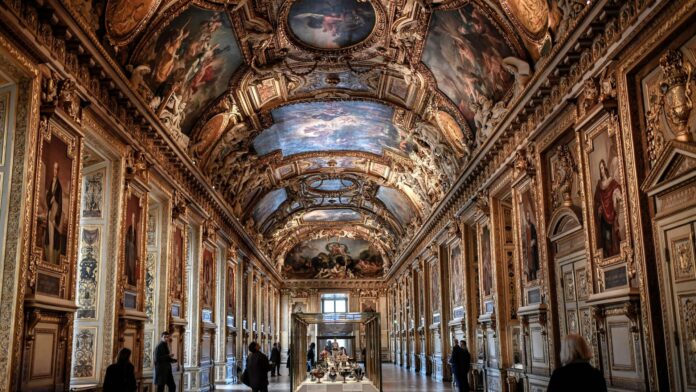
The Louvre is not only known for its artwork but also for its stunning architecture. The museum is a blend of medieval, Renaissance, Baroque, and modern architectural styles, reflecting its long history.

The original fortress still has traces beneath the museum, showing its medieval past. Over the centuries, French monarchs and architects expanded and redesigned the palace, adding grand halls, sculptures, and decorative elements.

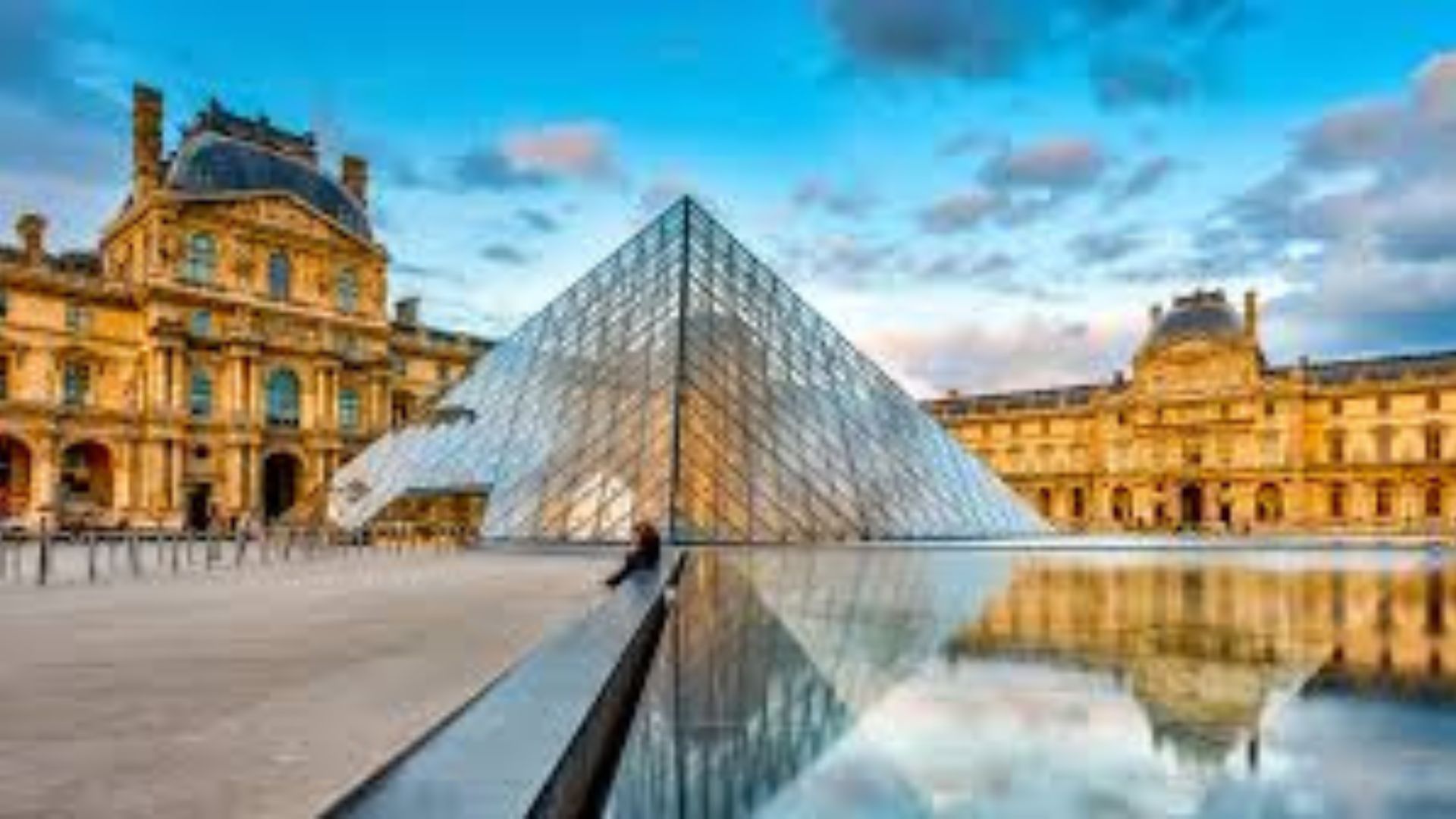
One of the most iconic additions to the Louvre is the glass pyramid, designed by I. M. Pei in 1989. The pyramid, located at the main entrance, was initially controversial but has since become a symbol of the museum’s modern identity. It allows natural light to enter the underground lobby while providing a striking contrast to the classical architecture of the palace.

The Louvre’s Vast Art Collection: A Treasure Trove of Masterpieces

The Louvre Museum holds an incomparable collection of art spanning thousands of years. From ancient civilizations to modern masterpieces, the museum houses some of the most famous artworks in the world.

The collection is divided into eight departments, including:

  • Paintings (featuring works from the Renaissance to the 19th century)
  • Sculptures
  • Egyptian Antiquities
  • Greek, Roman, and Etruscan Art
  • Islamic Art
  • Near Eastern Antiquities
  • Decorative Arts
  • Prints and Drawings

The Louvre’s artworks come from all over the world, making it an international center for art and culture.

The Mona Lisa: The Crown Jewel of the Louvre

One of the most famous and mysterious paintings in the world, Leonardo da Vinci’s “Mona Lisa”, is the highlight of the Louvre Museum. This 16th-century masterpiece has fascinated millions with its enigmatic smile and realistic details.

The Mona Lisa was acquired by King Francis I of France in the 16th century, making it a permanent part of the French royal collection. Today, it is displayed behind bulletproof glass, attracting millions of visitors annually.

What makes the Mona Lisa so famous?

  • Her mysterious expression and subtle smile
  • Leonardo da Vinci’s unique painting techniques, such as sfumato
  • The countless theories and myths surrounding the painting

The painting has even survived theft and vandalism, adding to its legendary status.

The Venus de Milo: A Masterpiece of Ancient Greece

Another iconic artwork in the Louvre is the Venus de Milo, a stunning ancient Greek sculpture believed to represent Aphrodite, the goddess of love and beauty.

Discovered in 1820 on the Greek island of Milos, this statue dates back to 100 BC. It is admired for its perfect proportions, graceful pose, and missing arms, which add to its mystery.

The Venus de Milo is considered a symbol of classical beauty, influencing artists and sculptors for centuries.

The Winged Victory of Samothrace: A Symbol of Triumph

Louvre Museum

The Winged Victory of Samothrace is another world-famous sculpture in the Louvre. Dating back to 190 BC, this masterpiece represents Nike, the Greek goddess of victory.

With its flowing drapery and powerful pose, the sculpture captures the sense of movement and victory. Placed at the top of the Daru staircase, it leaves visitors in awe of its grandeur.

The Louvre’s Egyptian Antiquities: A Journey Through Time

The Louvre boasts an exceptional collection of Egyptian antiquities, including sarcophagi, statues, hieroglyphics, and mummies.

One of the most famous pieces is the Great Sphinx of Tanis, a massive granite statue representing the power of Egyptian pharaohs. Visitors can explore thousands of artifacts from Ancient Egypt, offering a glimpse into one of the world’s oldest civilizations.

The Louvre’s Islamic Art Collection: A Hidden Gem

The Louvre is also home to an impressive collection of Islamic art, featuring ceramics, textiles, manuscripts, and metalwork. This section highlights the richness of Islamic culture from the 7th to the 19th century.

One of the standout pieces is the Baptistère de Saint Louis, a beautifully decorated metal basin from Syria.

The Louvre at Night: A Magical Experience

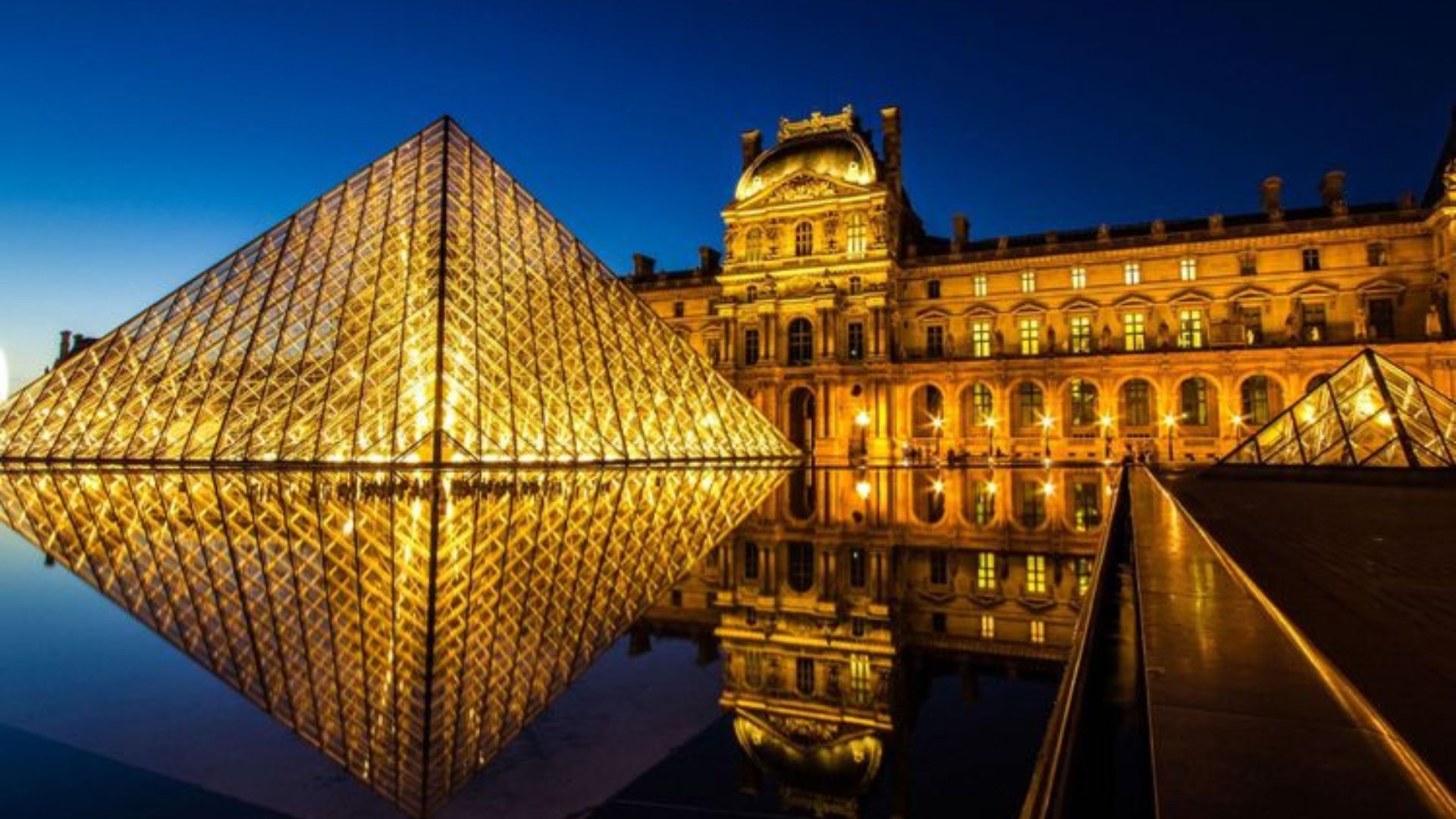
Visiting the Louvre at night is a unique and magical experience. The museum’s illuminated glass pyramid and historical buildings create a breathtaking atmosphere.

Many visitors prefer night tours, as they offer a more peaceful and immersive experience, allowing them to admire the artworks without the usual crowds.

Practical Tips for Visiting the Louvre Museum

Planning a visit to the Louvre? Here are some essential tips:

  • Book tickets in advance to avoid long queues.
  • Visit early in the morning or late in the evening for a less crowded experience.
  • Download a museum map or app to navigate the vast galleries.
  • Prioritize the must-see artworks to make the most of your time.

Q&A Section: Everything You Need to Know About the Louvre Museum

1. What is the Louvre Museum famous for?

The Louvre Museum is famous for its vast art collection, including the Mona Lisa, Venus de Milo, and Winged Victory of Samothrace. It is the largest and most-visited museum in the world, showcasing masterpieces from different civilizations and time periods.

Louvre Museum

2. Where is the Louvre Museum located?

The Louvre Museum is located in Paris, France, along the Seine River, near the Palais Royal and Notre-Dame Cathedral. The official address is Rue de Rivoli, 75001 Paris, France.

3. What are the opening hours of the Louvre Museum?

The Louvre is open from 9:00 AM to 6:00 PM, with late-night openings on Fridays until 9:45 PM. It is closed on Tuesdays and major holidays. Visitors should check the official website for updates.

4. How much does it cost to visit the Louvre Museum?

General admission to the Louvre costs €17 if purchased online. Entry is free for EU residents under 26 years old and on the first Friday of each month (except July and August).

5. How long does it take to visit the Louvre?

A complete tour of the Louvre could take several days, but most visitors spend 3 to 5 hours exploring the highlights, such as the Mona Lisa, the Egyptian collection, and classical sculptures.

6. What is the best time to visit the Louvre?

The best time to visit is early in the morning or late in the evening to avoid large crowds. Visiting on weekdays is also recommended for a quieter experience.

7. Can you take photos inside the Louvre?

Yes, photography is allowed, but flash and tripods are prohibited. Some temporary exhibitions may have restrictions, so visitors should check signage or ask staff.

8. What is the Louvre Pyramid, and why was it built?

The Louvre Pyramid, designed by I. M. Pei, was completed in 1989 as a modern entrance to improve visitor flow. It is now an iconic symbol of the museum, blending classical and contemporary architecture.

9. Is the Louvre accessible for visitors with disabilities?

Yes, the Louvre is wheelchair accessible, with elevators, ramps, and priority access available. The museum provides free admission for visitors with disabilities and one accompanying person.

10. What are the must-see artworks in the Louvre?

Some of the must-see artworks include:

  • Mona Lisa – Leonardo da Vinci
  • Venus de Milo – Ancient Greek sculpture
  • Winged Victory of Samothrace – Hellenistic masterpiece
  • Liberty Leading the People – Eugène Delacroix
  • The Wedding at Cana – Paolo Veronese

11. Why the Louvre Museum is a Must-Visit Destination

The Louvre Museum is more than just a museum—it is a global symbol of art, culture, and history. From the Mona Lisa to ancient Egyptian treasures, the museum offers an unparalleled experience for art lovers and history enthusiasts.

Whether you are visiting for a day or a week, the Louvre will leave you inspired, educated, and amazed. It is a testament to human creativity and artistic achievement, making it a must-visit destination for anyone traveling to Paris.

For Amazing Updates Keep Visiting ImaginaryHistory.
Can You Make Pinterest Pictures into Posters? A Complete Guide

0
Can You Make Pinterest Pictures into Posters

Pinterest is a treasure trove of visually captivating images, ideas, and inspiration. Many users wonder whether they can turn these Pinterest pictures into posters for personal or commercial use. The short answer is: Yes, you can! However, there are several factors to consider, including copyright issues, image quality, printing techniques, and creative customization. In this blog, we will explore how to transform Pinterest pictures into high-quality posters, ensuring that you get the best results legally and aesthetically.

Understanding the Copyright and Usage Rights of Pinterest Images

Pinterest is a platform where users share and pin images, but that does not mean all images are free to use. Many pictures on Pinterest are copyrighted, meaning you need permission from the original owner before using them for personal or commercial purposes.

To ensure you are using images legally:

  • Look for royalty-free or Creative Commons images.
  • Contact the original creator if you are unsure about usage rights.
  • Use stock image websites that allow printing and resale.

By respecting copyright laws, you avoid potential legal troubles and ensure ethical usage of Pinterest images for your posters.

Can You Make Pinterest Pictures into Posters

Choosing High-Resolution Images for Best Print Quality

Printing a Pinterest picture as a poster requires a high-resolution image. Many images on Pinterest are compressed, which can result in poor print quality when enlarged.

To get the best print quality:

  • Download the highest-resolution version of the image available.
  • Use image upscaling tools like Photoshop or AI-based software to enhance resolution.
  • If possible, find the original source of the image and download it from there.

Higher resolution ensures that your poster looks crisp, vibrant, and professional when printed.

Tools and Software to Convert Pinterest Images into Posters

Once you have the right image, you need software to edit and format it for poster printing. Several tools can help you in this process, including:

  • Adobe Photoshop: Professional software for editing and resizing images.
  • Canva: Easy-to-use online tool with poster templates.
  • GIMP: A free alternative to Photoshop with advanced editing options.
  • AI Image Enlargers: Websites like Let’s Enhance or Waifu2x can improve image resolution.

These tools help you adjust brightness, contrast, and size to make your Pinterest picture look stunning as a poster.

Customizing Pinterest Pictures for a Unique Poster Look

If you want your poster to stand out, consider customizing the Pinterest image before printing. Some creative ways to modify the image include:

  • Adding text, quotes, or inspirational messages.
  • Combining multiple Pinterest images into a collage.
  • Changing colors or applying artistic filters.
  • Incorporating graphic elements or borders.

Customizing your poster allows you to create a unique and personalized design rather than simply printing an existing image.

Choosing the Right Printing Method for Your Poster

The printing method plays a crucial role in the quality and durability of your Pinterest poster. Some popular printing options include:

  • Inkjet Printing: Best for home printing with high-quality ink.
  • Laser Printing: Produces sharp and detailed images, suitable for commercial use.
  • Giclée Printing: Professional-grade printing with museum-quality results.
  • Screen Printing: Ideal for bulk printing and artistic posters.

Choosing the right printing technique ensures your poster maintains its vibrancy and lasts longer.

Can You Make Pinterest Pictures into Posters

Selecting the Best Paper or Canvas for Printing

The type of material you print your Pinterest picture on affects its appearance and durability. Here are some options:

  • Glossy Paper: Enhances colors and contrast, suitable for vibrant images.
  • Matte Paper: Reduces glare, ideal for a sophisticated look.
  • Canvas: Provides a textured, artistic feel, great for home décor.
  • Vinyl: Durable and weather-resistant, suitable for outdoor posters.

Selecting the right paper or canvas ensures that your poster matches your desired style and purpose.

Printing Posters at Home vs. Professional Printing Services

You can either print Pinterest posters at home or use professional printing services. Each option has pros and cons:

  • Home Printing: Convenient and budget-friendly but may lack professional quality.
  • Online Printing Services: Websites like Vistaprint, Printful, and Snapfish offer high-quality results with various customization options.
  • Local Print Shops: Provide hands-on assistance and professional-grade materials.

If you want a high-quality and durable poster, professional printing is often the best choice.

Framing and Displaying Your Pinterest Posters

Once your poster is printed, you need to decide how to display it. Some options include:

  • Framing: Protects the poster and gives it a polished look.
  • Mounting on Foam Board: Lightweight and easy to hang.
  • Laminating: Adds durability and protection.
  • Canvas Stretching: Creates a gallery-style look.

The right display method enhances the visual appeal of your Pinterest-inspired poster.

Selling Pinterest-Inspired Posters: Is It Legal?

If you plan to sell posters made from Pinterest images, you must ensure they are legally sourced and edited. Selling copyrighted images without permission can lead to legal issues.

To sell Pinterest-inspired posters legally:

  • Use royalty-free or licensed images.
  • Modify and transform the image significantly.
  • Create original artwork inspired by Pinterest trends.
  • Credit and obtain permission from the original creator when necessary.

Ensuring legal compliance protects you from copyright infringement claims.

Alternative Sources for Poster-Worthy Images

If Pinterest images do not meet your needs or have copyright issues, consider these alternatives:

  • Stock Image Websites: Unsplash, Pexels, and Shutterstock offer high-quality images for printing.
  • AI-Generated Art: Use AI tools to create unique, copyright-free images.
  • Photography: Capture your own images for personal or commercial use.
  • Graphic Design Platforms: Canva, Adobe Illustrator, and Figma allow you to create custom poster designs.

These sources give you more freedom and flexibility to create unique and high-quality posters.

Can You Make Pinterest Pictures into Posters

Q&A: Turning Pinterest Pictures into Posters

Q1: Can I legally print Pinterest images as posters?

A1: It depends. Many images on Pinterest are copyrighted, so you must ensure you have permission or use royalty-free images to avoid legal issues.

Q2: How can I find high-quality images on Pinterest for printing?

A2: Look for high-resolution images, check the original source, and use image enhancement tools like Photoshop or AI upscalers to improve quality.

Q3: What is the best paper type for printing Pinterest posters?

A3: Glossy paper is great for vibrant colors, matte paper reduces glare, and canvas provides an artistic look. Choose based on your preferred style.

Q4: Which printing method is best for Pinterest posters?

A4: Inkjet and laser printing work for home use, while giclée and professional printing services offer museum-quality results for larger prints.

Q5: Can I customize Pinterest images before printing?

A5: Yes! You can add text, adjust colors, apply filters, or combine multiple images to create a unique and personalized poster.

Q6: Where can I print Pinterest images as posters?

A6: You can print at home, use online services like Vistaprint, or visit local print shops for professional-quality results.

Q7: Can I sell posters made from Pinterest images?

A7: Only if you have the right to use the images commercially. Use royalty-free or licensed images, or create original designs inspired by Pinterest trends.

Q8: What alternatives exist for finding poster-worthy images?

A8: Stock image websites like Unsplash, AI-generated art tools, personal photography, and design platforms like Canva offer high-quality alternatives.

Q9: How do I frame or display my Pinterest poster?

A9: You can frame it, mount it on foam board, laminate it for durability, or stretch it on canvas for a premium look.

Q10: Is it worth making Pinterest pictures into posters?

A10: Absolutely! If done legally and with high-quality printing, Pinterest-inspired posters can enhance home décor or even be sold as unique artwork.

Conclusion: Is Turning Pinterest Pictures into Posters Worth It?

Making Pinterest pictures into posters is a fantastic way to bring digital inspiration into your physical space. However, it requires careful consideration of copyright, image quality, and printing methods. By following the right steps—choosing high-resolution images, customizing them creatively, and using the best printing techniques—you can create stunning posters for personal use or even sell them legally.

Whether you want a motivational quote, a beautiful landscape, or a trendy aesthetic, Pinterest can serve as a great source of inspiration for posters. Just ensure that you respect copyright laws, use high-quality printing materials, and add your own creative touch to make your posters truly unique.

Would you like to turn Pinterest pictures into posters for your home or business? Follow these steps, and you’ll have amazing posters in no time!

For Amazing Updates Keep Visiting ImaginaryHistory.