Home Blog Page 454

The Blue-Haired Loud and Annoying Fortnite Skin: A Deep Dive

0
Blue-Haired Loud and Annoying Fortnite Skin

Fortnite, the globally popular battle royale game, is known for its diverse selection of skins, ranging from sleek and stylish to bizarre and outlandish. Among them, some characters stand out not just for their appearance but for their personality and in-game presence. One such skin, often described as the “blue-haired loud and annoying Fortnite skin,” has sparked discussions, memes, and even frustration among players. In this article, we’ll explore everything about this skin, from its origins to its impact on the community.

The Origins of the Blue-Haired Fortnite Skin

The Fortnite universe is filled with unique character skins, each with its own design, backstory, and fan following. The blue-haired loud skin first gained attention due to its vibrant color scheme and over-the-top personality. While many players enjoy colorful and energetic characters, this particular skin became infamous for being obnoxiously loud in both appearance and behavior.

The developers at Epic Games have a knack for designing skins that appeal to different types of players. Some enjoy intimidating, dark-themed skins, while others prefer bright, flashy ones. This blue-haired skin was clearly meant to attract those who enjoy a more playful, eccentric vibe. However, it didn’t take long for the community to develop strong opinions about it.

Blue-Haired Loud and Annoying Fortnite Skin

Why Players Find the Skin Loud and Annoying

One of the biggest complaints about this Fortnite skin is its over-the-top animations and voice lines. Some skins come with built-in emotes or unique audio effects that make them stand out in a match. This particular skin, however, seems to take it to another level.

Many players report that its voice lines, taunts, or even movement animations are distracting and frustrating. Whether it’s an exaggerated victory dance, an annoying catchphrase, or a constant need to be the center of attention, this skin has earned its reputation as one of the most obnoxious in the game.

The Community’s Reaction to the Blue-Haired Skin

The Fortnite community is known for being vocal about its likes and dislikes. When this skin was released, forums, Reddit threads, and Twitter exploded with opinions. Some players loved the chaotic energy it brought, while others found it unbearable.

Memes started circulating, mocking the players who used the skin. Others called for Epic Games to tone down its effects or even remove it from the game entirely. Despite the backlash, there were still a loyal group of fans who defended the skin, claiming it added a fun and unpredictable element to Fortnite matches.

How This Skin Affects Gameplay

While the appearance of a skin shouldn’t technically impact gameplay, there are cases where it does. The bright blue hair and loud animations of this skin can make it easy to spot from a distance, giving opponents an advantage. Players wearing this skin often find themselves targeted first, either out of annoyance or because they are simply more visible.

On the other hand, some players use this skin as a way to intimidate or distract their opponents. By embracing the loud and annoying nature of the character, they can throw their enemies off their game, making it a strategic choice despite its drawbacks.

The Role of Annoying Skins in Fortnite’s Culture

Fortnite has a history of releasing skins that spark controversy or become meme-worthy. From the infamous “Peely” banana skin to the dancing Marshmello outfit, some skins are designed to be attention-grabbing. The blue-haired loud skin fits perfectly into this category, becoming part of Fortnite’s long-standing tradition of playful and sometimes aggravating cosmetics.

These skins add personality to the game, allowing players to express themselves beyond just their skill level. Some players embrace the annoyance factor, deliberately choosing these skins to get reactions from their teammates or opponents.

Is This Skin Pay-to-Lose?

In competitive games, the term “pay-to-win” is often used to describe purchases that give players an unfair advantage. However, Fortnite has also introduced the concept of “pay-to-lose” skins—cosmetics that put players at a disadvantage.

This blue-haired skin falls into that category due to its bright colors and attention-grabbing animations. Unlike darker, stealthier skins that blend into the environment, this one makes the player an easy target. Yet, despite this disadvantage, many players still choose to wear it for the fun and chaos it brings.

The Psychology Behind Choosing Annoying Skins

Why do some players intentionally choose a skin that others find irritating? The psychology behind this decision is fascinating. Some players enjoy standing out, even if it means being disliked. Others find amusement in trolling their opponents, using the skin’s loudness to provoke reactions.

In multiplayer games, some players enjoy disrupting the norm, and Fortnite’s chaotic nature encourages this kind of playstyle. Whether it’s for laughs, frustration, or self-expression, the choice of an annoying skin often goes deeper than just appearance.

Famous Streamers Who Have Used This Skin

Several well-known Fortnite streamers and content creators have used this skin, either to joke around or to make a point about how annoying it is. Some streamers embrace its chaotic energy, using it to entertain their viewers. Others wear it sarcastically, mocking the players who take the game too seriously.

Seeing a streamer use this skin can sometimes influence casual players to adopt it as well. When a famous player makes it part of their brand, it can go from being an annoyance to an iconic part of the Fortnite culture.

Can the Annoyance Be Reduced?

Blue-Haired Loud and Annoying Fortnite Skin

Many players have requested changes to this skin, such as reducing its volume, altering its animations, or even offering a “silent mode” version. Epic Games has made adjustments to skins in the past, so it’s possible that they could tweak this one if enough players demand it.

However, part of the skin’s appeal is its loud and over-the-top nature. If it were toned down too much, it might lose the personality that makes it unique. Balancing player feedback with creative design is always a challenge for game developers.

Should You Buy This Skin?

If you’re considering buying this skin, it depends on your playstyle and personality. If you enjoy standing out, embracing chaos, and making a statement, this might be the perfect skin for you. However, if you prefer a more tactical, stealthy approach, you might want to choose something less flashy.

At the end of the day, Fortnite is about having fun. Whether you love or hate this skin, its existence adds another layer of entertainment and unpredictability to the game.

Q&A Section

Q1: What is the blue-haired loud and annoying Fortnite skin?

A: It is a Fortnite skin known for its bright blue hair, loud voice lines, exaggerated animations, and overall obnoxious presence in the game. Many players find it distracting, while others enjoy its chaotic energy.

Q2: Why do players find this Fortnite skin annoying?

A: The skin’s loud voice lines, flashy emotes, and exaggerated movements make it stand out in matches, often frustrating players who prefer a more subtle or tactical experience.

Q3: Does this skin affect gameplay?

A: Yes, its bright colors and loud animations make it easier to spot, which can be a disadvantage in competitive play. Some players also target those wearing the skin out of annoyance.

Q4: Is this skin considered a “pay-to-lose” cosmetic?

A: Many players consider it a “pay-to-lose” skin because its flashy design makes it more visible to opponents, reducing stealth advantages in battle.

Q5: Do professional players or streamers use this skin?

A: Some streamers and content creators use it either as a joke, to entertain viewers, or to embrace its chaotic nature. However, most competitive players avoid it due to its disadvantages.

Q6: Has Epic Games addressed complaints about this skin?

A: While the community has expressed frustration, Epic Games has not significantly altered the skin. However, the developers have been known to tweak cosmetics based on player feedback.

Q7: Should I buy this skin?

A: It depends on your playstyle. If you enjoy standing out and having fun, this skin might be a great choice. If you prefer a more serious or tactical approach, you may want to choose a less flashy skin.

Q8: What makes this skin different from other loud or flashy skins?

A: Unlike other bright or meme-worthy skins, this one is often described as “annoying” due to its combination of loudness, animations, and how players using it behave in-game.

Q9: Are there any skins similar to this one?

A: Yes, Fortnite has several flashy and animated skins, including Peely, Guff, and Meowscles, which are known for their comedic or exaggerated designs.

Q10: Will this skin remain popular in the future?

A: As Fortnite continues to introduce new skins, its popularity may fade over time. However, it has already left a lasting impression on the community and will likely be remembered as one of the most controversial skins.

Conclusion: The Legacy of the Blue-Haired Loud Skin

Despite the controversy, this skin has secured its place in Fortnite’s history. Whether it’s remembered as an annoying distraction or a hilarious masterpiece depends on who you ask. Love it or hate it, there’s no denying that it has left a lasting impact on the community.

As Fortnite continues to evolve, new skins will come and go, but some will always be remembered for their ability to stir up emotions. The blue-haired loud skin is one such example, proving that even a cosmetic item can spark passionate discussions among players.

For Amazing Updates Keep Visiting ImaginaryHistory.
Worm Castings: The Ultimate Organic Fertilizer for Healthy Soil and Plants

0
Worm Castings

Worm castings, often referred to as “black gold” by gardeners and farmers, are a highly valuable organic fertilizer that enhances soil health, improves plant growth, and promotes sustainability in agriculture. These nutrient-rich castings, produced by earthworms as they digest organic matter, offer a natural way to enrich soil without the need for synthetic fertilizers. In this blog, we will explore the many benefits of worm castings, how they are produced, their role in soil biology, and how to use them effectively for maximum plant growth.

What Are Worm Castings? Understanding Nature’s Super Fertilizer

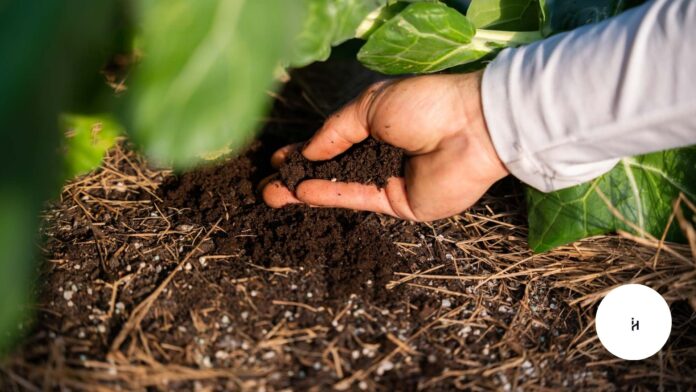
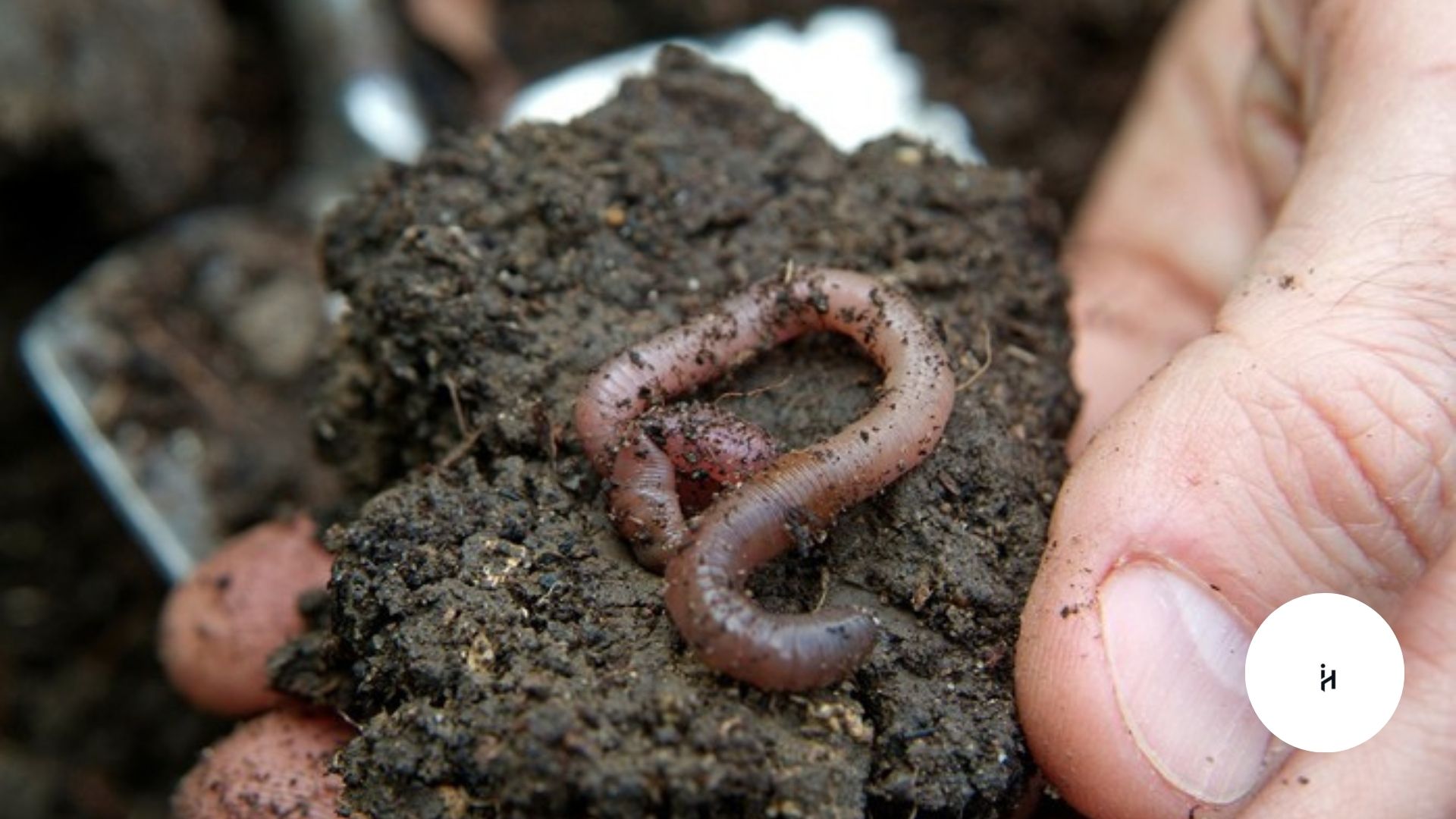
Worm castings, also known as vermicast, are the excrement of earthworms after digesting organic matter. Unlike ordinary compost, worm castings are enriched with beneficial microbes, enzymes, and essential nutrients such as nitrogen, phosphorus, and potassium, making them an excellent soil amendment.

The unique nature of worm digestion results in castings that are packed with humic acid, which improves nutrient absorption in plants. Unlike synthetic fertilizers, worm castings provide slow-release nutrients that support plant growth over time. Additionally, their rich microbial activity helps protect plants from diseases while improving soil structure.

Worm Castings

Unlike chemical fertilizers, which can harm beneficial soil life and degrade soil quality over time, worm castings enhance soil biodiversity, promoting a healthy ecosystem for plants. This organic fertilizer is also odorless, making it ideal for indoor and outdoor use.

The Science Behind Worm Castings: How They Are Produced

Earthworms play a crucial role in the decomposition process by breaking down organic matter such as leaves, vegetable scraps, and manure. As they consume organic material, their digestive systems refine it into nutrient-dense castings.

The process of creating worm castings involves:

  • Ingestion: Worms consume decomposing organic material.
  • Digestion: Enzymes and gut bacteria break down the material, releasing nutrients.
  • Excretion: The refined organic matter is excreted as nutrient-rich worm castings.

This process enhances the availability of nutrients in a form that plants can easily absorb, reducing the risk of nutrient leaching, which is common with synthetic fertilizers.

Nutritional Composition of Worm Castings: A Breakdown of Essential Elements

Worm castings contain a balanced mix of macronutrients and micronutrients, including:

  • Nitrogen (N): Essential for leaf and stem growth.
  • Phosphorus (P): Supports root development and flower production.
  • Potassium (K): Strengthens plant immunity and enhances fruiting.
  • Calcium, Magnesium, and Iron: Promote overall plant health.

Additionally, worm castings are rich in beneficial microbes that improve soil fertility by breaking down organic matter and making nutrients more accessible to plants.

The Role of Worm Castings in Soil Health and Microbial Activity

Worm castings significantly improve soil structure, aeration, and water retention. They introduce beneficial microbes, such as nitrogen-fixing bacteria, which enhance soil fertility. The microbial life within worm castings helps suppress soil-borne diseases and promotes root health.

Moreover, worm castings increase soil’s ability to retain moisture, reducing the need for frequent watering. They also prevent soil compaction, making them ideal for both sandy and clay soils.

How Worm Castings Improve Plant Growth and Yield

Plants that receive worm castings grow stronger and healthier due to the steady release of nutrients. Unlike chemical fertilizers that provide an immediate but short-lived boost, worm castings release nutrients slowly, ensuring sustained plant growth.

Studies have shown that crops grown with worm castings exhibit increased resistance to pests and diseases, higher yields, and improved taste in fruits and vegetables.

Worm Castings vs. Traditional Compost: Key Differences

While both worm castings and compost improve soil health, worm castings offer superior benefits:

  • Nutrient Density: Worm castings have higher concentrations of essential nutrients.
  • Microbial Life: Richer in beneficial microbes that promote plant health.
  • Odorless: Unlike compost, worm castings do not produce a strong smell.
  • Better Absorption: The nutrients in worm castings are more readily available to plants.

For gardeners and farmers looking for an organic, high-quality fertilizer, worm castings are a superior choice compared to traditional compost.

How to Make Your Own Worm Castings at Home

Worm Castings

Producing worm castings at home is easy and requires minimal space. You need:

  • A worm bin or composting system
  • Red wigglers (Eisenia fetida)
  • Organic waste (vegetable scraps, shredded paper, coffee grounds)

By maintaining the right balance of moisture and food sources, you can create high-quality worm castings for your garden in just a few months.

How to Use Worm Castings in Your Garden and Potted Plants

Worm castings can be applied in various ways:

  • Top Dressing: Sprinkle around the base of plants.
  • Soil Amendment: Mix into garden beds or potting soil.
  • Compost Tea: Steep in water to create a liquid fertilizer.

Using worm castings regularly improves soil fertility and enhances plant vitality.

The Environmental Benefits of Using Worm Castings

Worm castings contribute to sustainable agriculture by:

  • Reducing reliance on chemical fertilizers
  • Improving soil carbon storage
  • Enhancing biodiversity
  • Reducing landfill waste through organic composting

By adopting worm castings, gardeners and farmers can support a more eco-friendly approach to agriculture.

Common Myths and Misconceptions About Worm Castings

Despite their many benefits, some myths persist:

  • “Worm castings smell bad.” (They are actually odorless.)
  • “They attract pests.” (Worm castings naturally repel pests.)
  • “Only professional gardeners use them.” (They are accessible for everyone.)

Understanding the truth about worm castings helps gardeners make informed decisions about their use.

 Where to Buy High-Quality Worm Castings and What to Look For

If you’re not making your own, high-quality worm castings are available from:

  • Online retailers
  • Local garden centers
  • Organic farming suppliers

Look for castings that are dark, crumbly, and free from contaminants. Avoid products that contain fillers or synthetic additives.

Q&A on Worm Castings

Q1: What are worm castings?

A: Worm castings are the nutrient-rich excrement of earthworms, packed with beneficial microbes and essential plant nutrients such as nitrogen, phosphorus, and potassium. They act as an organic fertilizer that enhances soil health and plant growth.

Q2: How are worm castings different from regular compost?

A: Unlike regular compost, worm castings contain higher levels of beneficial microbes and readily available nutrients. They are also odorless, break down slowly, and improve soil aeration and moisture retention more effectively.

Worm Castings

Q3: Can I make worm castings at home?

A: Yes! You can create worm castings at home using a worm bin, red wigglers, and organic waste like vegetable scraps and shredded paper. With proper care, you’ll have high-quality worm castings in a few months.

Q4: How do worm castings benefit soil health?

A: Worm castings improve soil structure, boost microbial activity, enhance water retention, and provide slow-release nutrients. They also help prevent soil compaction and improve aeration.

Q5: How do I use worm castings in my garden?

A: You can use worm castings as a top dressing around plants, mix them into soil for improved fertility, or brew them into compost tea for liquid fertilization.

Q6: Do worm castings attract pests or smell bad?

A: No, worm castings are completely odorless and do not attract pests. In fact, they can help repel certain soil-borne diseases and pests.

Q7: Where can I buy high-quality worm castings?

A: High-quality worm castings are available online, at garden centers, and through organic farming suppliers. Look for dark, crumbly castings free of synthetic additives.

Q8: How long do worm castings last in soil?

A: Worm castings release nutrients slowly and can last for several months in the soil, providing continuous nourishment to plants.

Q9: Are worm castings safe for all types of plants?

A: Yes, worm castings are safe for all plants, including vegetables, flowers, trees, and potted plants. They improve plant health and enhance root development.

Q10: Can I use too much worm castings?

A: While worm castings are not harmful, using excessive amounts is unnecessary. A small amount (10-20% of soil volume) is enough to see significant improvements in plant growth.

Conclusion: The Power of Worm Castings for a Thriving Garden

Worm castings are one of nature’s most powerful organic fertilizers, offering a sustainable and effective way to improve soil health and plant growth. Whether you are a home gardener or a professional farmer, incorporating worm castings into your soil management routine will yield long-term benefits for both plants and the environment.

By understanding their production, benefits, and applications, you can harness the full potential of worm castings to create a thriving, eco-friendly garden.

For Amazing Updates Keep Visiting ImaginaryHistory.
Vault Opener NYT Crossword – Everything You Need to Know

0
Vault Opener NYT Crossword

The New York Times (NYT) Crossword is a globally renowned puzzle that challenges the minds of millions of solvers daily. Among its vast collection of clues, some are more enigmatic than others—one such example is “Vault Opener.” Many solvers find themselves stuck on this clue, wondering what possible answers fit the given space. In this blog, we will explore everything related to the “Vault Opener” NYT crossword clue, its possible answers, strategies for solving similar clues, and the overall significance of wordplay in crossword puzzles.

Understanding the NYT Crossword and Its Popularity

The NYT Crossword is not just a pastime; it is a brain exercise, a cultural touchstone, and a competitive sport for many enthusiasts. Established in 1942, the crossword has grown into one of the most prestigious and challenging puzzles worldwide. It is known for its clever wordplay, themed puzzles, and evolving difficulty level throughout the week—Monday being the easiest and Saturday being the hardest. The Sunday puzzle is the largest and often features intricate themes.

Millions of solvers tackle the NYT Crossword daily, either in print or online, and some even compete in national crossword tournaments. With cryptic clues, puns, and trivia-based solutions, the puzzle keeps solvers engaged and constantly thinking.

Vault Opener NYT Crossword

What Does “Vault Opener” Mean in Crossword Terms?

Crossword clues often have double meanings or require a bit of lateral thinking. The phrase “Vault Opener” can be interpreted in multiple ways. A “vault” could refer to a secured room for valuables, a gymnastics move, or a type of leap. “Opener” suggests something that starts or unlocks something.

In crossword puzzles, such clues often have answers that are synonyms or related terms. The challenge is determining the precise meaning the clue is pointing to based on the puzzle’s theme and word structure.

Common Answers for “Vault Opener” in NYT Crossword

The answer to “Vault Opener” in the NYT Crossword can vary depending on the puzzle. However, some common answers include:

  • KEY – A literal object that unlocks a vault.
  • CODE – Many vaults use combination codes for security.
  • SAFECRACKER – A person skilled in opening vaults.
  • LATCH – A locking mechanism.
  • DIGIT – A number that might be part of a code.

The correct answer depends on the number of spaces available and any intersecting words in the puzzle.

How to Approach Crossword Clues Like “Vault Opener”

Solving tricky crossword clues requires strategic thinking. Here are some steps to follow:

  • Look for synonyms – Think of different words that could mean the same thing.
  • Consider the clue’s category – Is it literal, metaphorical, or a pun?
  • Identify letter patterns – Fill in known letters from crossing words.
  • Check past puzzles – Recurring clues often have similar answers.

This approach can help even beginner solvers tackle challenging NYT Crossword clues.

Why Crossword Puzzles Use Indirect and Tricky Clues

The NYT Crossword is famous for its wordplay and indirect clues. Instead of straightforward definitions, clues often rely on puns, cultural references, or multiple meanings. This makes solving more engaging and rewarding.

For example, “Vault Opener” might not always be a physical key—it could be a metaphor for something that starts a process. This ambiguity is part of what makes the NYT Crossword so intellectually stimulating.

The Role of Crossword Themes in Determining Answers

Vault Opener NYT Crossword

Many NYT Crossword puzzles have themes that influence the answers. A puzzle focused on banking terms might lead “Vault Opener” to be “CODE,” whereas a puzzle about gymnastics could result in “SPRING.” Recognizing the theme can narrow down possible answers and make solving easier.

Crossword Solving Techniques for Beginners

If you’re new to solving crosswords, here are some tips:

  • Start with easy puzzles (Monday editions).
  • Fill in short words first.
  • Look for common crossword words like ERA, ORE, and EPEE.
  • Don’t be afraid to use a crossword dictionary or solver tool.

Practicing regularly will improve your ability to decipher even the trickiest clues.

The Importance of Wordplay and Double Meanings

Wordplay is at the heart of crossword puzzles. Many clues, like “Vault Opener,” have multiple interpretations. Solvers must think creatively and recognize how different meanings of words can be used. Understanding homonyms, anagrams, and puns is essential for mastering crosswords.

How Crossword Construction Influences Clue Difficulty

Crossword constructors design puzzles with varying levels of difficulty. Early-week puzzles have direct clues, while later-week puzzles use misdirection and wordplay. “Vault Opener” might appear in different forms depending on the puzzle’s complexity, making it more challenging on harder days.

Resources to Improve Your Crossword Solving Skills

Improving at crosswords requires practice and the right resources. Here are some useful tools:

  • NYT Crossword Archive – Access past puzzles.
  • Crossword Solver Websites – Find possible answers.
  • Books on Crossword Strategies – Learn from experts.
  • Wordplay Blogs and Forums – Discuss with other solvers.

Regularly solving puzzles and engaging with the crossword community will enhance your skills.

FAQs on “Vault Opener” NYT Crossword

1. What does “Vault Opener” mean in the NYT Crossword?

It refers to something that can open a vault, such as a key, code, safecracker, latch, or digit in a combination lock.

2. What are the most common answers for “Vault Opener”?

Some frequent answers include:

  • KEY – A physical key used to unlock a vault.
  • CODE – A combination code for a vault.
  • SAFECRACKER – A person skilled in opening vaults.
  • LATCH – A locking mechanism.
  • DIGIT – A number used in vault security codes.

3. How can I solve tricky crossword clues like “Vault Opener”?

  • Consider synonyms and alternative meanings.
  • Identify the clue’s category—literal or metaphorical.
  • Use known letters from crossing words.
  • Refer to past NYT crosswords for similar clues.

4. How often does “Vault Opener” appear in the NYT Crossword?

This exact phrase may not appear frequently, but variations like “Safe Opener” or “Combination Starter” are common in crossword puzzles.

5. Are crossword solver tools helpful for tricky clues?

Yes, online solvers can provide possible answers based on letter patterns, but improving your solving skills will help you tackle puzzles without external tools.

6. Why do crossword clues use wordplay and misleading hints?

The NYT Crossword is designed to challenge solvers with puns, homonyms, and hidden meanings, making it more engaging and rewarding.

7. What should I do if I get stuck on a clue?

  • Take a break and revisit the puzzle later.
  • Solve other clues to fill in letters.
  • Think of alternative meanings for the clue’s words.
  • Look up similar clues in past puzzles.

8. What resources can help improve crossword-solving skills?

Some great tools include:

  • NYT Crossword App – Access daily puzzles.
  • Crossword Solver Websites – Find potential answers.
  • Wordplay Blogs – Learn expert strategies.
  • Crossword Books – Deepen your solving techniques.

9. Which day is the hardest for solving the NYT Crossword?

  • Monday – Easiest, with simple clues.
  • Saturday – Hardest, featuring tricky wordplay.
  • Sunday – Largest puzzle with unique themes.

10. Can solving crosswords improve cognitive skills?

Yes! Regular crossword solving enhances vocabulary, sharpens critical thinking, and improves problem-solving abilities. It’s an excellent mental exercise!

Conclusion: The Joy of Solving Tricky Clues

The NYT Crossword is more than just a puzzle—it’s a mental workout that keeps your brain sharp. Clues like “Vault Opener” challenge solvers to think beyond the obvious, making the experience both fun and rewarding. By using strategies, recognizing themes, and practicing regularly, anyone can improve their crossword-solving abilities.

So, the next time you see “Vault Opener” in the NYT Crossword, you’ll be ready to crack the clue and continue your puzzle-solving journey with confidence. Happy solving!

For Amazing Updates Keep Visiting ImaginaryHistory.

Who Is the Builder of the Taj Mahal? A Deep Dive into History

0
Who Is the Builder of the Taj Mahal?

The Taj Mahal is one of the most magnificent architectural wonders in the world, standing as a symbol of love, devotion, and artistic brilliance. However, behind its breathtaking beauty lies a story of its creation, the mastermind behind its construction, and the countless artisans who contributed to bringing this grand vision to life. In this blog, we will explore in detail who built the Taj Mahal, the historical significance of its creation, and the various individuals involved in shaping this iconic monument.

The Visionary Behind the Taj Mahal: Emperor Shah Jahan

The Taj Mahal was commissioned by Mughal Emperor Shah Jahan, the fifth ruler of the Mughal dynasty, in memory of his beloved wife, Mumtaz Mahal. Born in 1592, Shah Jahan was known for his patronage of art, architecture, and culture. His reign from 1628 to 1658 was marked by the construction of some of the most remarkable buildings in India, including the Red Fort in Delhi and the Jama Masjid.

Mumtaz Mahal, originally named Arjumand Banu Begum, was Shah Jahan’s favorite wife and his constant companion. Her untimely death in 1631 during childbirth deeply affected the emperor, and he decided to build a mausoleum that would immortalize their love. This led to the conception of the Taj Mahal, a project that would take over 20 years to complete.

Shah Jahan’s vision was not just to build a tomb but to create an architectural masterpiece that would symbolize eternal love. He spared no expense in ensuring the finest materials and the best artisans were employed in its construction. His deep involvement in the planning and execution of the project is what makes him the true visionary behind the Taj Mahal.

Who Is the Builder of the Taj Mahal?

The Chief Architect: Ustad Ahmad Lahauri

While Shah Jahan provided the vision for the Taj Mahal, the chief architect responsible for bringing this vision to life was Ustad Ahmad Lahauri. He was a Persian architect of Mughal descent and one of the most skilled designers of his time.

Ustad Ahmad Lahauri is believed to have been the principal architect of the Taj Mahal, leading a team of thousands of artisans, engineers, and laborers. His expertise in Mughal, Persian, and Indian architectural styles played a crucial role in shaping the monument’s design.

The design of the Taj Mahal incorporated elements of Islamic, Persian, Turkish, and Indian architecture, blending them into a harmonious masterpiece. Lahauri’s ability to balance aesthetics with structural integrity ensured that the Taj Mahal would stand the test of time. The symmetrical layout, the use of white marble, and the intricate calligraphy and inlay work are all testaments to his architectural genius.

The Master Craftsmen and Artisans Involved

The Taj Mahal was not the work of a single individual; it was the collective effort of thousands of master craftsmen, artisans, and laborers from different parts of the world. Skilled workers from Persia, Central Asia, and India were brought together to contribute to various aspects of the construction.

Stonecutters, calligraphers, inlay artists, and masons worked meticulously to shape the intricate details of the monument. The exquisite marble inlays featuring semi-precious stones were crafted by artisans skilled in the ancient art of Pietra Dura. The intricate floral patterns, geometric designs, and Quranic inscriptions were carefully executed by master calligraphers.

The involvement of these craftsmen ensured that every aspect of the Taj Mahal was perfected to the highest standards of artistry. Their combined efforts transformed Shah Jahan’s dream into a tangible reality that continues to inspire awe and admiration centuries later.

The Role of Persian and Central Asian Influences

The architectural inspiration for the Taj Mahal was heavily influenced by Persian and Central Asian styles. The use of domes, minarets, and symmetrical gardens reflects the influence of Persian architecture, particularly the Timurid and Safavid styles.

Shah Jahan’s ancestors, the Mughals, were of Central Asian descent and had brought with them a rich tradition of architectural excellence. The design of the Taj Mahal closely resembles the Persian concept of a “paradise garden,” with its carefully planned layout, water channels, and lush greenery.

The influence of Persian architecture is also evident in the pointed archways, intricate tile work, and the overall grandeur of the structure. The fusion of these foreign architectural elements with Indian craftsmanship resulted in a unique and timeless masterpiece.

The Engineering Marvel Behind the Structure

One of the most remarkable aspects of the Taj Mahal is its engineering precision. Built on the banks of the Yamuna River, the foundation was carefully designed to prevent sinking or damage due to water erosion.

To ensure stability, the engineers used a wooden foundation that absorbs moisture from the river, preventing structural deterioration. The central dome, which rises to a height of 73 meters, was constructed using advanced weight distribution techniques to prevent collapse.

The optical illusions within the Taj Mahal, such as the minarets appearing straight when viewed from afar but slightly tilting outward in reality, were intentional design choices to protect against earthquakes. These advanced engineering techniques highlight the level of expertise employed in its construction.

The Materials Used in Construction

Who Is the Builder of the Taj Mahal?

The Taj Mahal is renowned for its pristine white marble, sourced from Makrana in Rajasthan, India. This high-quality marble was chosen for its durability, smooth texture, and ability to reflect light beautifully.

In addition to marble, the monument was adorned with semi-precious stones such as lapis lazuli, turquoise, jade, sapphire, and onyx. These stones were inlaid into the marble using the Pietra Dura technique to create mesmerizing floral and geometric patterns.

The red sandstone used in the surrounding structures, such as the mosque and guesthouse, contrasts beautifully with the white marble, adding to the visual appeal of the complex.

The Calligraphy and Inscriptions on the Taj Mahal

The Quranic inscriptions adorning the Taj Mahal were executed by the renowned calligrapher Amanat Khan. These inscriptions, crafted with black marble inlaid into the white marble background, enhance the spiritual aura of the monument.

Each inscription was carefully designed to appear uniform from various angles, showcasing the expertise of the calligraphers. The verses chosen emphasize themes of paradise, divine love, and eternity, aligning with the purpose of the mausoleum.

The Cost and Labor Behind the Monument

The construction of the Taj Mahal involved over 20,000 laborers, including masons, stonecutters, painters, calligraphers, and jewelers. The cost of building the monument is estimated to have been around 32 million rupees at the time, equivalent to billions of dollars today.

The logistics of transporting materials were extraordinary, with elephants and oxen used to carry heavy marble blocks and precious stones from distant regions.

The Completion and Unveiling of the Taj Mahal

The Taj Mahal was completed in 1653 after more than two decades of construction. It was unveiled as a symbol of Mughal architectural brilliance and became an enduring emblem of India’s cultural heritage.

The Fate of Shah Jahan After the Taj Mahal’s Completion

After completing the Taj Mahal, Shah Jahan was overthrown by his son, Aurangzeb, and imprisoned in the Red Fort of Agra. He spent his final years gazing at the monument from his prison window before passing away in 1666.

The Taj Mahal’s Legacy and Global Recognition

Today, the Taj Mahal is a UNESCO World Heritage Site and one of the New Seven Wonders of the World. Its beauty, historical significance, and architectural brilliance continue to attract millions of visitors each year.

Its legacy as a monument of love and artistic excellence remains unmatched, making it one of the most treasured landmarks in human history.

Q&A Section on the Builder of the Taj Mahal

Q1: Who built the Taj Mahal?

A: The Taj Mahal was commissioned by Mughal Emperor Shah Jahan in memory of his wife, Mumtaz Mahal. The chief architect responsible for its design was Ustad Ahmad Lahauri.

Q2: Why was the Taj Mahal built?

A: The Taj Mahal was built as a mausoleum for Mumtaz Mahal, Shah Jahan’s beloved wife, who died during childbirth in 1631. It symbolizes eternal love and devotion.

Q3: How long did it take to build the Taj Mahal?

A: The construction of the Taj Mahal began in 1632 and was completed in 1653, taking approximately 21 years.

Who Is the Builder of the Taj Mahal?

Q4: Who were the key contributors to the Taj Mahal’s construction?

A: Apart from Ustad Ahmad Lahauri, thousands of artisans, calligraphers, and craftsmen from Persia, Central Asia, and India contributed to the intricate details of the monument.

Q5: What materials were used in the construction of the Taj Mahal?

A: The primary material used was white marble from Makrana, Rajasthan. Additionally, semi-precious stones such as lapis lazuli, turquoise, jade, and sapphire were inlaid using the Pietra Dura technique.

Q6: How was the Taj Mahal designed to withstand natural disasters?

A: The Taj Mahal was engineered with a wooden foundation that absorbs moisture from the Yamuna River, and its minarets were built slightly tilted outward to prevent damage during earthquakes.

Q7: What happened to Shah Jahan after the Taj Mahal was built?

A: Shah Jahan was overthrown by his son, Aurangzeb, in 1658 and imprisoned in the Red Fort of Agra, where he spent his final years gazing at the Taj Mahal before passing away in 1666.

Q8: Is the Taj Mahal a UNESCO World Heritage Site?

A: Yes, the Taj Mahal was designated a UNESCO World Heritage Site in 1983 due to its cultural and architectural significance.

Q9: How many workers were involved in building the Taj Mahal?

A: Over 20,000 laborers, including masons, stonecutters, painters, calligraphers, and jewelers, worked on the construction of the Taj Mahal.

Q10: What makes the Taj Mahal an architectural masterpiece?

A: The Taj Mahal combines elements of Persian, Indian, and Islamic architecture, featuring perfect symmetry, intricate marble inlays, calligraphy, and a grand central dome, making it one of the finest examples of Mughal architecture.

For Amazing Updates Keep Visiting ImaginaryHistory.