Home Blog Page 451

Gene Dornink: A Dedicated Advocate for Minnesota’s Working Class

0
Gene Dornink

Gene Dornink is a prominent American politician, businessman, and former carpenter who currently serves in the Minnesota Senate. Representing District 27, he has built a reputation for advocating for small businesses, labor rights, and transparent governance.

With a background in carpentry and deep-rooted values from his upbringing on a family farm, Dornink brings a unique perspective to the political landscape. His journey from tradesman to state senator highlights his commitment to serving the community and ensuring economic growth for working-class Minnesotans.

Early Life and Background

Gene Dornink was born on December 30, 1962, in Austin, Minnesota, and was raised on a family dairy farm in southern Minnesota. This upbringing instilled in him a strong work ethic and a deep appreciation for agricultural life.

After completing his education at Austin Area Vocational-Technical Institute, where he earned a degree in carpentry, Dornink embarked on a career in residential construction. He worked as a union carpenter for over two decades, gaining valuable experience in the trades before starting his own carpentry business.

Gene Dornink

Entry into Politics

Dornink’s transition from carpentry to politics was driven by a desire to serve his community and address the challenges faced by his fellow Minnesotans. His firsthand experience as a small business owner and tradesman provided him with unique insights into the needs and concerns of working-class individuals. This perspective became a cornerstone of his political platform, emphasizing the importance of supporting small businesses and fostering job growth.

Minnesota Senate Career

In 2020, Dornink ran for the Minnesota Senate, representing District 27. He won the election, defeating the incumbent DFL Senator Dan Sparks. Upon taking office on January 5, 2021, Dornink was appointed to several key committees, including Agriculture, Labor, Licensing, and Capital Investment.

His background in agriculture and labor made him a valuable asset in these roles, allowing him to contribute effectively to discussions and legislation pertinent to these sectors.

Legislative Initiatives and Achievements

Throughout his tenure, Senator Dornink has been a staunch advocate for small businesses and labor rights. His commitment to these causes was recognized in 2022 when he received the National Federation of Independent Business (NFIB) Guardian of Small Business Award.

This prestigious accolade is reserved for legislators who consistently support small business interests, reflecting Dornink’s dedication to fostering a favorable environment for entrepreneurs and workers alike.

One of Dornink’s notable legislative efforts is his advocacy for the “One Bill, One Vote” policy. He has expressed concerns about the traditional use of omnibus bills, which bundle numerous pieces of legislation into a single package.

Dornink argues that this practice can lead to the passage of undesirable policies without adequate scrutiny. By promoting a system where each bill is voted on individually, he aims to enhance transparency and accountability in the legislative process.

Residency Challenge and Supreme Court Ruling

In 2022, Dornink faced a legal challenge regarding his residency. Petitioners claimed that he did not reside within the newly established Senate District 23 for the required six months prior to the general election.

Gene Dornink

The Minnesota Supreme Court dismissed the claim, primarily on the grounds of laches, indicating that the petitioners did not file their grievance promptly. This ruling allowed Dornink to remain on the ballot for the primary race, which he subsequently won.

Personal Life

Beyond his professional and political endeavors, Gene Dornink is a family man. He and his wife, Vicky, reside in Brownsdale, Minnesota, and are the proud parents of 12 children. This large family has been a source of joy and motivation for Dornink, influencing his commitment to policies that support families and communities.

Recent Developments

In March 2024, Senator Dornink was involved in a notable incident during a legislative hearing. After a Delta Air Lines pilot, Laura Haynor, testified about sick and safe time regulations, Dornink mistakenly referred to her as a “stewardess” and addressed her as “Toots,” despite her introduction as a pilot. This incident drew media attention and highlighted the importance of respectful and accurate acknowledgment of professionals in legislative proceedings.

Q&A Section

Q1: Who is Gene Dornink?

A1: Gene Dornink is an American politician and former carpenter serving in the Minnesota Senate. He represents District 27 and is known for his advocacy for small businesses and labor rights.

Q2: What is Gene Dornink’s background?

A2: Dornink grew up on a dairy farm in Minnesota and later pursued a career in carpentry. He worked as a union carpenter before transitioning into politics.

Q3: What are Gene Dornink’s key political initiatives?

A3: He focuses on supporting small businesses, labor rights, and transparent governance. He also advocates for the “One Bill, One Vote” policy to enhance legislative accountability.

Gene Dornink

Q4: What was the residency challenge against Gene Dornink?

A4: In 2022, Dornink faced a legal challenge over his residency in Senate District 23. The Minnesota Supreme Court dismissed the claim, allowing him to remain on the ballot.

Q5: What recent controversy involved Gene Dornink?

A5: In March 2024, he faced criticism for addressing a female pilot as “Toots” during a legislative hearing, which drew media attention.

Q6: Is Gene Dornink married?

A6: Yes, he is married to Vicky Dornink, and they have 12 children together.

Conclusion

Senator Gene Dornink’s journey from a dairy farm in southern Minnesota to the state legislature exemplifies a life dedicated to hard work, community service, and advocacy for the working class.

His experiences as a carpenter, small business owner, and family man have profoundly shaped his legislative priorities, driving his commitment to policies that support economic growth, labor rights, and transparent governance.

As he continues his tenure in the Minnesota Senate, Dornink remains focused on addressing the needs and concerns of his constituents, guided by the values instilled in him throughout his life.

For Amazing Updates Keep Visiting ImaginaryHistory.

The History of World War I: A Comprehensive Overview

0
The History of World War I

World War I, often referred to as the “Great War,” was one of the deadliest conflicts in human history, reshaping global politics, economies, and societies. This war lasted from 1914 to 1918 and involved major world powers. In this blog, we will explore its causes, major battles, technological advancements, and the aftermath that shaped the 20th century.

The Root Causes of World War I: Political Tensions and Alliances

The History of World War I

World War I did not emerge suddenly; it was a result of long-standing political tensions, territorial disputes, and an intricate system of alliances. One of the primary causes was the rise of nationalism, as countries in Europe sought to assert their dominance. The Austro-Hungarian Empire faced internal ethnic divisions, while Germany, France, and Britain competed for economic and military superiority.

The formation of military alliances also contributed to the war’s outbreak. Europe was divided into two major alliances:

  • Triple Entente: France, Russia, and Britain
  • Triple Alliance: Germany, Austria-Hungary, and Italy (although Italy later switched sides)

Additionally, the decline of the Ottoman Empire and Balkan instability added to the region’s volatility. The desire for territorial expansion and colonial dominance further fueled tensions.

However, the immediate catalyst for World War I was the assassination of Archduke Franz Ferdinand of Austria-Hungary on June 28, 1914. His death at the hands of a Serbian nationalist led to a series of diplomatic crises, ultimately triggering the war.

The Outbreak of War: The July Crisis and Declarations of War

Following the assassination of Franz Ferdinand, Austria-Hungary issued an ultimatum to Serbia, demanding strict compliance with their conditions. Serbia’s response was not fully accepted, prompting Austria-Hungary to declare war on July 28, 1914.

This single event triggered a chain reaction due to existing alliances:

  • Russia mobilized to support Serbia.
  • Germany declared war on Russia on August 1, 1914, and on France two days later.
  • Britain declared war on Germany on August 4, 1914, after Germany invaded Belgium, violating its neutrality.

The war quickly escalated, drawing in more countries from around the world. The idea of a short war was soon dismissed as the conflict evolved into a prolonged and devastating global struggle.

Major Battles of World War I: Stalemates and Devastation

The battles of World War I were characterized by trench warfare, large-scale offensives, and high casualties. Some of the most significant battles included:

  • The Battle of the Marne (1914): This battle halted the German advance into France and marked the beginning of trench warfare.
  • The Battle of Verdun (1916): One of the longest battles in history, with massive casualties on both sides.
  • The Battle of the Somme (1916): Famous for its high casualty rates and the first use of tanks in warfare.
  • The Gallipoli Campaign (1915-1916): A failed attempt by the Allies to control the Ottoman straits.

These battles demonstrated the horrors of war, with soldiers facing extreme conditions, including chemical warfare, machine gun fire, and artillery bombardments.

Technological Innovations and Warfare Tactics

World War I saw unprecedented technological advancements that changed warfare forever. Some of the key innovations included:

  • Machine Guns: Capable of firing hundreds of rounds per minute, they made frontal assaults deadly.
  • Poison Gas: First used by Germany in 1915, chemical weapons like mustard gas caused horrific injuries.
  • Tanks: Introduced by the British in 1916, they helped break through enemy trenches.
  • Aircraft: Initially used for reconnaissance, later for aerial combat and bombing.
  • Submarines (U-boats): Germany’s use of unrestricted submarine warfare significantly impacted naval battles.

These technologies increased destruction and changed how wars were fought, making combat more impersonal and deadly.

The Role of the United States in World War I

Initially, the United States remained neutral, following its policy of isolationism. However, several factors led to American involvement:

  • Unrestricted Submarine Warfare: German U-boats attacked American and allied ships, including the infamous sinking of the Lusitania in 1915.
  • The Zimmermann Telegram: A secret communication from Germany to Mexico, urging Mexico to attack the U.S. in exchange for territorial gains.

On April 6, 1917, the U.S. declared war on Germany. American troops, known as the American Expeditionary Forces (AEF), provided fresh manpower and resources, significantly contributing to the final Allied victory.

The End of the War: Armistice and the Treaty of Versailles

The History of World War I

By 1918, the Central Powers were struggling due to economic collapse, military defeats, and internal revolutions. The German Spring Offensive failed, and the Allies launched a successful counteroffensive.

On November 11, 1918, Germany signed an armistice, marking the official end of hostilities. This day is now commemorated as Armistice Day or Remembrance Day.

In 1919, the Treaty of Versailles was signed, imposing harsh penalties on Germany, including:

  • Loss of territory
  • Heavy reparations
  • Military restrictions
  • War guilt clause (holding Germany responsible for the war)

These conditions created resentment in Germany, setting the stage for future conflicts, including World War II.

The Aftermath: The Impact of World War I on the World

The war left lasting effects on global politics, economies, and societies:

  • Human Cost: Over 16 million deaths and 20 million wounded.
  • Economic Consequences: Many European economies collapsed, leading to widespread poverty and unemployment.
  • Political Changes: The fall of empires (Ottoman, Austro-Hungarian, Russian, and German) led to new nations being formed.
  • League of Nations: Created to prevent future wars, though it was ultimately ineffective.

World War I changed the global order and sowed the seeds for World War II, as the Treaty of Versailles created deep resentment, especially in Germany.

Lessons Learned: The Legacy of World War I

World War I taught the world important lessons:

  • The dangers of extreme nationalism and militarism.
  • The devastating impact of modern warfare.
  • The need for diplomacy and international cooperation to prevent future conflicts.

Despite being called the “war to end all wars,” its unresolved tensions contributed to World War II, just two decades later. The war’s legacy still influences modern military strategies, international relations, and global peace efforts.

Q&A Section on World War I

Q1: What were the main causes of World War I?

A: The primary causes of World War I were nationalism, imperialism, militarism, and the complex system of alliances in Europe. The immediate cause was the assassination of Archduke Franz Ferdinand of Austria-Hungary in June 1914, which triggered a chain reaction of war declarations.

Q2: Which countries were involved in World War I?

A: The war involved two major alliances:

  • Allied Powers: France, Britain, Russia, Italy (joined later), the United States (joined in 1917), and others.
  • Central Powers: Germany, Austria-Hungary, the Ottoman Empire, and Bulgaria.

Q3: What was trench warfare, and why was it significant?

A: Trench warfare was a combat strategy where opposing forces dug deep trenches to protect soldiers from enemy fire. It led to prolonged battles, high casualties, and stalemates, making World War I one of the most grueling conflicts in history.

Q4: What role did the United States play in World War I?

A: The U.S. initially remained neutral but entered the war in 1917 after Germany’s unrestricted submarine warfare and the Zimmermann Telegram. American troops provided fresh manpower and resources, significantly contributing to the Allied victory.

Q5: How did World War I end?

A: The war ended with an armistice on November 11, 1918. The Treaty of Versailles, signed in 1919, imposed harsh penalties on Germany, including territorial losses, military restrictions, and reparations.

Q6: What were the consequences of World War I?

A: The war caused immense human and economic losses, led to the collapse of several empires (Ottoman, Austro-Hungarian, German, and Russian), and reshaped global politics. It also laid the groundwork for World War II due to unresolved tensions and harsh treaty conditions.

Q7: What technological advancements emerged during World War I?

A: World War I saw major advancements in warfare technology, including machine guns, poison gas, tanks, submarines, and aircraft. These innovations changed the nature of combat and increased the war’s destruction.

Q8: What was the League of Nations, and why was it created?

A: The League of Nations was an international organization founded after World War I to promote peace and prevent future conflicts. However, it was weak due to the absence of key nations like the U.S. and ultimately failed to prevent World War II.

Q9: How did World War I impact the world?

A: The war led to significant political and social changes, including the redrawing of borders, the rise of new nations, economic struggles, and increased calls for independence in colonial territories. It also influenced future warfare strategies and global diplomacy.

Conclusion

World War I was a catastrophic event that reshaped the world. From its causes and major battles to its technological innovations and aftermath, this war serves as a powerful reminder of the consequences of global conflict. Understanding its history is crucial to ensuring that such devastation never happens again.

For Amazing Updates Keep Visiting ImaginaryHistory.

The Cold War: A Comprehensive History

0
Cold War

Introduction: The Origins of the Cold War

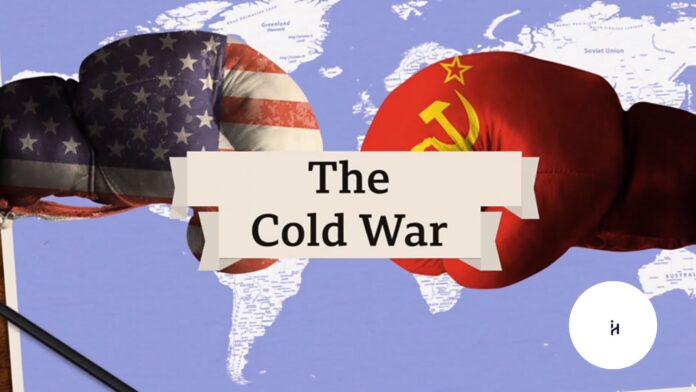
The Cold War was a period of geopolitical tension between the United States and the Soviet Union that lasted from the end of World War II in 1945 until the dissolution of the Soviet Union in 1991.

It was characterized by ideological, political, military, and economic rivalry, but it never escalated into direct warfare between the two superpowers. The origins of the Cold War can be traced to the conflicting visions of the post-war world order, with the United States advocating for democracy and capitalism while the Soviet Union promoted communism and state-controlled economies.

The Yalta and Potsdam Conferences of 1945 highlighted these tensions, as both sides sought to expand their spheres of influence. The United States’ policy of containment, articulated by George Kennan, aimed to prevent the spread of communism, setting the stage for decades of hostility.

Cold War

The Formation of Alliances: NATO vs. The Warsaw Pact

As the Cold War intensified, both the U.S. and the USSR sought to strengthen their positions by forming military alliances. In 1949, the North Atlantic Treaty Organization (NATO) was established as a collective defense alliance among Western nations, including the U.S., Canada, and several European countries.

In response, the Soviet Union formed the Warsaw Pact in 1955, bringing together Eastern Bloc nations under a mutual defense agreement. These alliances solidified the division of Europe, with NATO members committed to countering Soviet aggression and the Warsaw Pact ensuring Soviet dominance over Eastern Europe. The alliances played a crucial role in shaping global military strategies and contributed to the arms race that defined much of the Cold War period.

The Arms Race and the Threat of Nuclear War

One of the most defining aspects of the Cold War was the nuclear arms race. Both the U.S. and the Soviet Union invested heavily in developing nuclear weapons, leading to a precarious balance of power known as Mutually Assured Destruction (MAD).

The first nuclear bomb was dropped by the U.S. on Japan in 1945, and by 1949, the Soviet Union had successfully tested its own atomic bomb. Throughout the 1950s and 1960s, both superpowers amassed vast nuclear arsenals, leading to an era of constant fear of a global nuclear catastrophe.

The Cuban Missile Crisis of 1962 brought the world to the brink of nuclear war, demonstrating the immense risks associated with Cold War rivalries. Efforts such as the Strategic Arms Limitation Talks (SALT) and the Nuclear Non-Proliferation Treaty (NPT) aimed to curb the arms race, but the fear of nuclear conflict remained until the Cold War’s end.

Proxy Wars: Korea, Vietnam, and Afghanistan

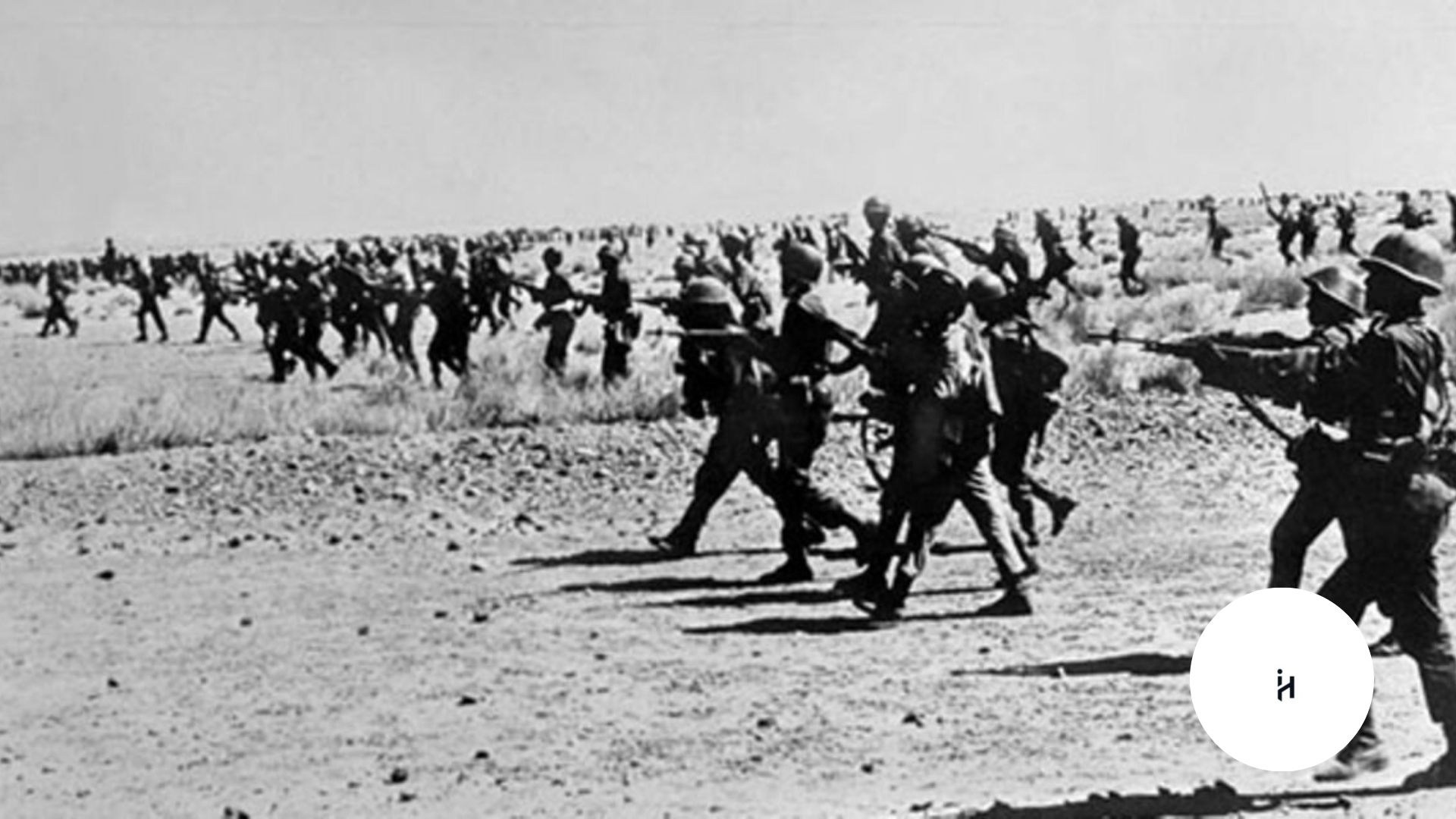
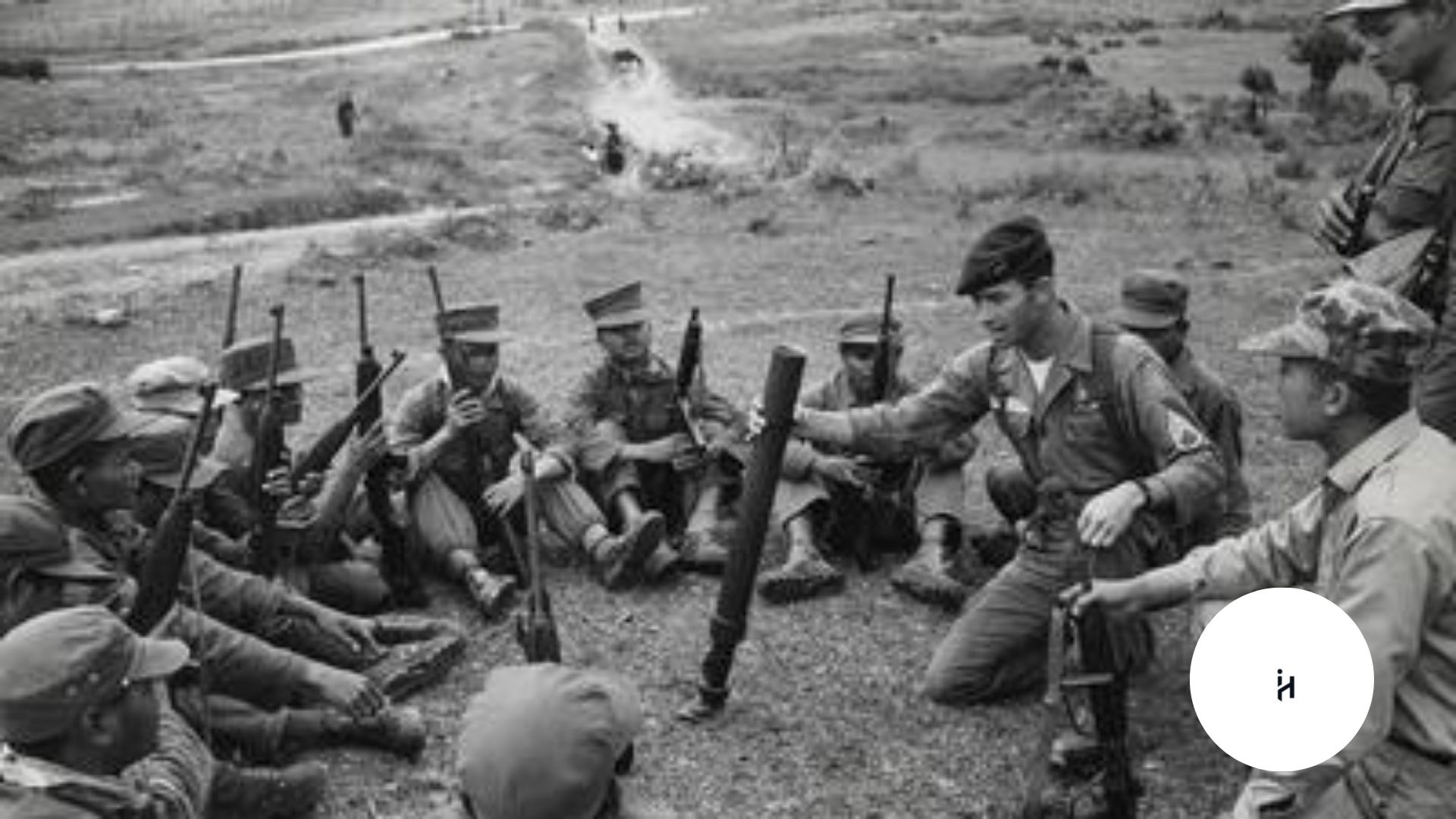
While the U.S. and the Soviet Union never engaged in direct combat, they supported opposing sides in several regional conflicts known as proxy wars. The Korean War (1950-1953) saw North Korea, backed by the Soviet Union and China, fighting against South Korea, supported by the U.S. and United Nations forces.

The Vietnam War (1955-1975) was another key battleground, with the U.S. attempting to prevent the spread of communism in Southeast Asia. In Afghanistan, the Soviet invasion in 1979 led to a decade-long war against U.S.-backed Mujahideen fighters.

These conflicts had devastating consequences, resulting in massive casualties, economic strain, and long-lasting political instability in the affected regions. They also illustrated the Cold War’s global reach and its impact on developing nations.

The Space Race: Competition Beyond Earth


Cold War

Another significant aspect of the Cold War was the Space Race, a competition between the U.S. and the Soviet Union to achieve dominance in space exploration. The Soviets took an early lead with the launch of Sputnik, the world’s first artificial satellite, in 1957.

This was followed by the launch of the first human, Yuri Gagarin, into space in 1961. In response, the U.S. ramped up its space program, culminating in the Apollo 11 moon landing in 1969, when Neil Armstrong became the first person to set foot on the moon.

The Space Race was not only a technological competition but also a demonstration of ideological superiority, with both sides seeking to prove the strength of their political and economic systems through scientific advancements.

The Cuban Missile Crisis: The Closest Call to World War III

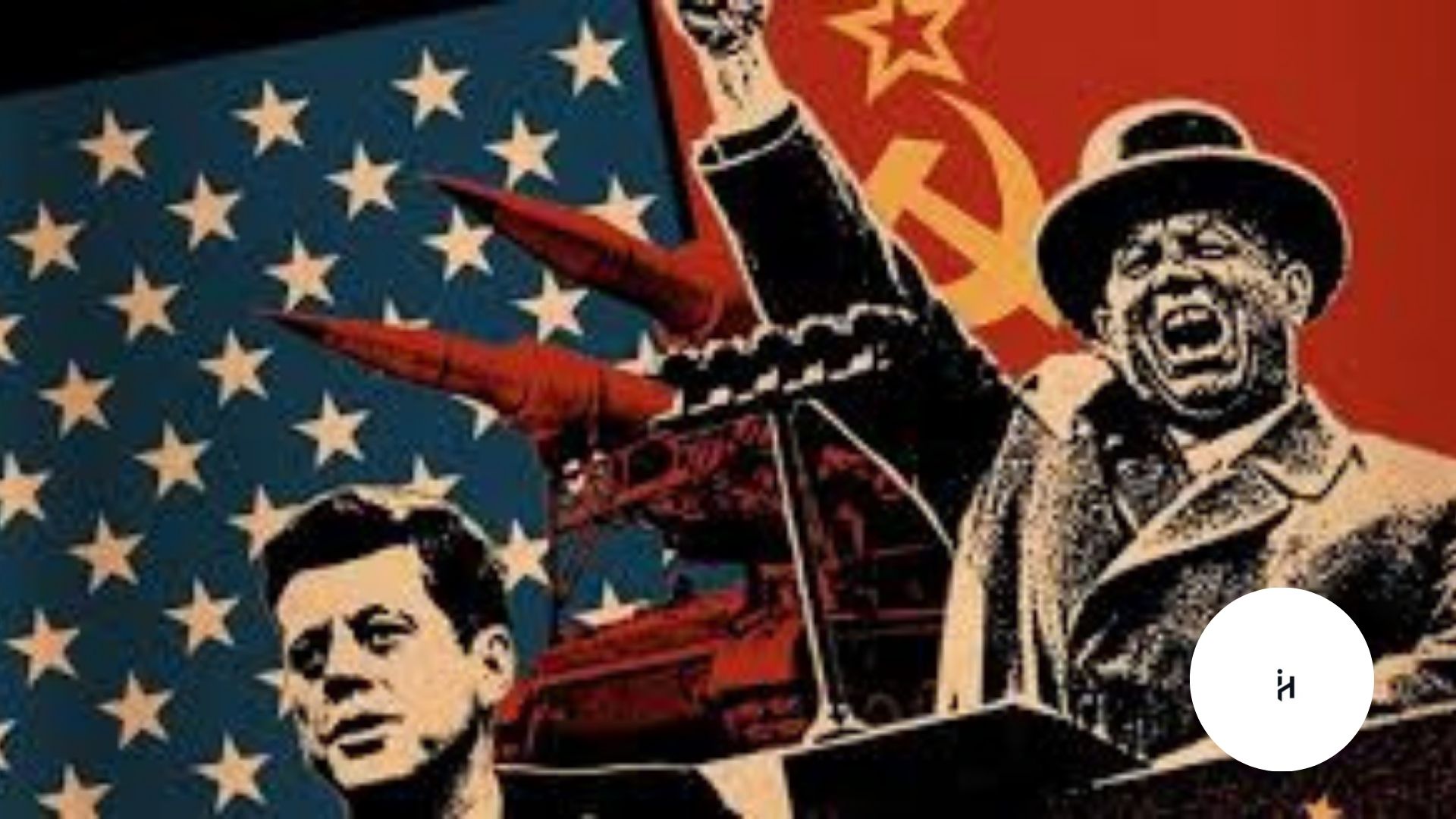
The Cuban Missile Crisis of 1962 was arguably the most dangerous moment of the Cold War. When the U.S. discovered Soviet nuclear missiles in Cuba, just 90 miles off the coast of Florida, tensions reached an all-time high. President John F. Kennedy demanded the removal of the missiles and imposed a naval blockade on Cuba.

After intense negotiations, Soviet Premier Nikita Khrushchev agreed to withdraw the missiles in exchange for a U.S. promise not to invade Cuba and the secret removal of American missiles from Turkey. The crisis highlighted the devastating potential of nuclear warfare and led to increased diplomatic efforts to prevent future conflicts, including the establishment of a direct hotline between Washington and Moscow.

The Fall of the Berlin Wall: The Beginning of the End

The Cold War began to unravel in the late 1980s, with the most symbolic moment being the fall of the Berlin Wall in 1989. The wall had been erected in 1961 to prevent East Germans from fleeing to the West, symbolizing the division between communist and capitalist Europe.

As the Soviet Union weakened under the leadership of Mikhail Gorbachev, pro-democracy movements gained momentum across Eastern Europe. The peaceful protests in East Germany led to the opening of the wall, marking the beginning of German reunification. This event signified the collapse of Soviet influence in Eastern Europe and foreshadowed the imminent end of the Cold War.

The Dissolution of the Soviet Union: The Cold War’s Conclusion

The Cold War officially ended with the dissolution of the Soviet Union in 1991. Gorbachev’s policies of Glasnost (openness) and Perestroika (economic restructuring) aimed to reform the struggling Soviet system but ultimately led to its downfall. Economic stagnation, political unrest, and nationalist movements within Soviet republics contributed to the collapse.

On December 26, 1991, the Soviet Union formally ceased to exist, and Russia emerged as its successor state. With the end of the Cold War, the U.S. remained the world’s sole superpower, and a new era of international relations began, marked by economic globalization and regional conflicts rather than ideological confrontation.

When did the cold war end

The Cold War officially ended on December 26, 1991, when the Soviet Union (USSR) was dissolved. However, a significant turning point was on November 9, 1989, when the Berlin Wall fell, symbolizing the collapse of communist influence in Eastern Europe. The Cold War de-escalated throughout the late 1980s with reforms by Soviet leader Mikhail Gorbachev and diplomatic agreements between the U.S. and the USSR.

Legacy and Impact of the Cold War

Cold War

The Cold War left a lasting impact on global politics, military strategies, and international relations. It shaped alliances such as NATO and led to the proliferation of nuclear weapons, creating ongoing concerns about arms control.

The technological advancements achieved during the Cold War, particularly in space exploration and computing, continue to influence modern society. While the ideological battle between capitalism and communism has largely subsided, the geopolitical rivalries that emerged during the Cold War still shape global conflicts today.

The lessons learned from this period emphasize the importance of diplomacy, arms reduction agreements, and international cooperation to prevent future global tensions.

Q&A on Cold War History

Q1: What was the Cold War?

A: The Cold War was a geopolitical conflict between the United States and the Soviet Union from 1947 to 1991, characterized by political, military, and ideological rivalry without direct large-scale warfare.

Q2: What caused the Cold War?

A: The Cold War was caused by ideological differences between capitalism (U.S.) and communism (USSR), post-World War II power struggles, and mutual distrust between the two superpowers.

Q3: What were the major events of the Cold War?

A: Key events include the Truman Doctrine (1947), the Berlin Blockade (1948-49), the Korean War (1950-53), the Cuban Missile Crisis (1962), the Vietnam War (1955-75), and the fall of the Berlin Wall (1989).

Q4: Why was it called the “Cold” War?

A: It was called the “Cold” War because it did not involve direct military conflict between the U.S. and the USSR, but rather proxy wars, espionage, and political confrontations.

Q5: How did the Cold War end?

A: The Cold War ended with the collapse of the Soviet Union in 1991, following economic struggles, political reforms in Eastern Europe, and diplomatic efforts to ease tensions.

Q6: What was the role of NATO and the Warsaw Pact?

A: NATO (North Atlantic Treaty Organization) was formed by Western allies to counter Soviet influence, while the Warsaw Pact was the Soviet response, creating a military alliance among communist nations.

Q7: How did the Cold War impact the world?

A: The Cold War led to arms races, the space race, the spread of nuclear weapons, the division of Germany, and various proxy wars in Asia, Africa, and Latin America.

Q8: What is the legacy of the Cold War today?

A: The Cold War shaped modern international relations, created ongoing tensions between Russia and the West, and influenced global military strategies and alliances.

Conclusion: Lessons from the Cold War

The Cold War was a defining period of the 20th century, shaping the world order in profound ways. It demonstrated the dangers of ideological extremism, the catastrophic potential of nuclear warfare, and the power of diplomacy in resolving conflicts.

While the Cold War ended with the collapse of the Soviet Union, its influence on global politics continues to be felt. Understanding its history helps us navigate current international relations and work towards a more peaceful and cooperative world.

For Amazing Updates Keep Visiting ImaginaryHistory.
The Influence of Babur’s Rule on Akbar’s Reign: A Historical Analysis

0
The Influence of Babur’s Rule on Akbar’s Reign

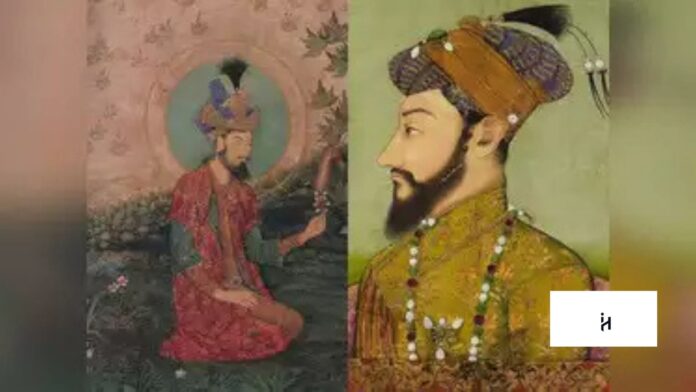
Babur’s rule in the Mughal Empire laid the foundation for a series of significant political, cultural, and military transformations that would shape the future of the subcontinent. His leadership, despite facing several challenges, established the core structures that Akbar would later build upon to expand and solidify the Mughal Empire.

Akbar, Babur’s grandson, was instrumental in transforming the Mughal state into one of the largest and most powerful empires of its time. In this blog, we will delve into how Babur’s rule influenced Akbar’s policies and governance, shaping Akbar’s reign into one of the most iconic periods in Indian history.

Babur’s Military Innovations and Akbar’s Strategic Adaptation

The Influence of Babur’s Rule on Akbar’s Reign

Babur’s military achievements and innovative tactics played a crucial role in shaping Akbar’s approach to warfare. Babur, known for his success in the Battle of Panipat (1526), utilized advanced military strategies such as artillery and the use of gunpowder. These innovations were pivotal in the early establishment of the Mughal Empire, providing Babur with an edge over his opponents.

Akbar, who inherited these military foundations, further adapted and expanded Babur’s strategies. He recognized the importance of maintaining a strong, centralized army to sustain the empire’s expansion. Akbar embraced military reforms by implementing a system of “mansabdari” (a bureaucratic military structure), where officials were ranked and their military responsibilities were clearly defined. This system was vital in organizing the Mughal military and maintaining order, allowing Akbar to undertake military campaigns with greater efficiency and success.

Additionally, Babur’s introduction of artillery as a significant element of warfare influenced Akbar’s military tactics. Akbar refined these artillery methods and made them an essential part of his warfare strategy. Thus, Babur’s initial military groundwork laid the foundation for Akbar’s military success, which allowed him to expand the Mughal Empire across India.

Establishment of the Mughal Empire’s Administrative Structure

Babur’s reign, though brief and marked by instability, established the initial framework for the Mughal administrative system, which Akbar would later refine and institutionalize. During Babur’s rule, the Mughal administration was rudimentary but included the division of territories into provinces and the appointment of local officials to govern them. This structure, though basic, set the groundwork for the complex administration Akbar would later implement.

Akbar, recognizing the need for a more efficient and centralized administrative system, improved upon Babur’s administrative models. One of the most significant reforms introduced by Akbar was the establishment of a bureaucratic system that was not solely reliant on noble families.

Instead, Akbar promoted talented individuals from diverse backgrounds, including those from non-noble families, to positions of power. This merit-based system, particularly in the form of the “mansabdari system,” ensured that the empire’s administration was more efficient and loyal to the emperor.

Furthermore, Akbar’s introduction of land revenue reforms, such as the “Zabt” system, was built upon Babur’s initial attempts to centralize revenue collection. Akbar restructured the way land revenue was collected and organized, which had a lasting impact on the empire’s prosperity and stability.

Babur’s Religious Policies and Akbar’s Interfaith Approach

Babur’s rule marked the beginning of the Mughal Empire’s interaction with diverse religious and cultural groups in India. As a descendant of Timur and Genghis Khan, Babur came from a background that was relatively tolerant of different religious beliefs.

His personal outlook towards religion was more pragmatic than doctrinal, which meant that while he adhered to Islam, he was not overtly oppressive towards the Hindu majority in his empire.

The Influence of Babur’s Rule on Akbar’s Reign

Akbar, however, took this approach a step further. While Babur’s reign saw some efforts at tolerance, Akbar’s policies represented a more profound and institutionalized effort to bridge the religious divide in the empire.

Akbar famously abolished the jizya tax, a tax on non-Muslims, and sought to foster a spirit of inclusivity. He invited scholars from various religious backgrounds, including Hindus, Muslims, Sikhs, and Christians, to discuss religious issues in his court, which led to the establishment of the “Din-i Ilahi” (Religion of God), a syncretic religious philosophy that sought to blend the best elements of all major religions in India.

Akbar’s religious tolerance, though an expansion of Babur’s pragmatic policies, was directly influenced by his grandfather’s somewhat inclusive approach. Babur’s recognition of India’s diverse religious landscape allowed Akbar to build on this legacy and form a unique and more inclusive policy that defined his rule.

The Legacy of Babur’s Cultural Contributions in Akbar’s Court

Though Babur’s rule was short, his contributions to Mughal culture had a lasting impact. Babur was not only a military leader but also a scholar and a patron of the arts. His memoirs, the Baburnama, are a testament to his intellect and provide valuable insights into his thoughts on governance, nature, and life. His appreciation of art and culture laid the groundwork for a cultural renaissance under Akbar’s reign.

Akbar took his grandfather’s cultural legacy to new heights. He was a great patron of art, architecture, and literature, and his court became a hub for scholars, artists, and craftsmen. Under Akbar, Mughal architecture flourished, leading to the creation of iconic structures like Fatehpur Sikri. He invited Persian painters, poets, and architects to his court, which not only strengthened the Mughal Empire’s cultural identity but also made it a melting pot for various artistic traditions.

Furthermore, Akbar’s establishment of a royal library and the encouragement of Persian as the court language helped to ensure the preservation and further development of cultural practices that Babur had started.

Akbar’s deep interest in intellectual and artistic pursuits was undoubtedly influenced by Babur’s own passion for culture, but Akbar’s more systematic approach to promoting the arts made it a defining feature of his reign.

The Role of Babur’s Personal Qualities in Shaping Akbar’s Leadership

Babur’s personal characteristics, such as his resilience, leadership qualities, and vision for empire-building, had a profound influence on Akbar. Babur’s ability to overcome adversity and his tenacity in establishing the Mughal rule in India were traits that Akbar admired and emulated. Despite the fact that Babur’s rule was relatively short and marked by struggles, he demonstrated remarkable perseverance in the face of numerous challenges.

Akbar, who came to the throne at a young age and faced a period of instability, found inspiration in Babur’s ability to manage complex political and military situations. Babur’s ability to work with a diverse range of peoples, from Central Asians to Indians, served as a model for Akbar’s approach to governance. Akbar’s diplomatic acumen and his ability to consolidate power through alliances and strategic marriages were influenced by Babur’s leadership in a complex and diverse region.

Babur’s ability to balance military conquest with cultural patronage also provided Akbar with a blueprint for integrating his own leadership style. While Akbar was more focused on consolidating and expanding the empire, Babur’s vision of the Mughal Empire’s potential served as a long-lasting source of inspiration.

The Influence of Babur’s Rule on Akbar’s Reign

Conclusion: Babur’s Lasting Influence on Akbar’s Empire

Babur’s rule, though marked by challenges and a brief tenure, provided the essential foundations for Akbar’s transformative reign. From military strategies and administrative structures to religious policies and cultural advancements, Akbar’s leadership was deeply influenced by the groundwork laid by his grandfather. While Akbar’s reign was unique in its scope and accomplishments, it is clear that Babur’s initial successes set the stage for the Mughal Empire’s expansion, cultural richness, and stability.

Akbar’s success as a ruler can be seen as a continuation and expansion of Babur’s legacy. By adapting and building upon the principles established during Babur’s rule, Akbar was able to create an empire that lasted for centuries and became one of the most remarkable in world history.

For Amazing Updates Keep Visiting ImaginaryHistory.