Home Blog Page 450

Pablo Escobar Wife: The Untold Story of Maria Victoria Henao

0
Pablo Escobar Wife

Maria Victoria Henao, the widow of notorious Colombian drug lord Pablo Escobar, led a life marked by love, loyalty, and the perilous world of the Medellín Cartel. Her story provides a unique perspective on the man known as the “King of Cocaine” and the impact of his criminal empire on their family.

Early Life and Meeting Pablo Escobar

Born in 1961 in Palmira, Colombia, Maria Victoria Henao grew up in a conservative Catholic family. At the age of 13, she met Pablo Escobar, who was 24 at the time. Despite the significant age difference and her family’s disapproval, Maria was captivated by Pablo’s charm and determination. Their relationship quickly blossomed, leading to their marriage in 1976 when Maria was just 15 years old.
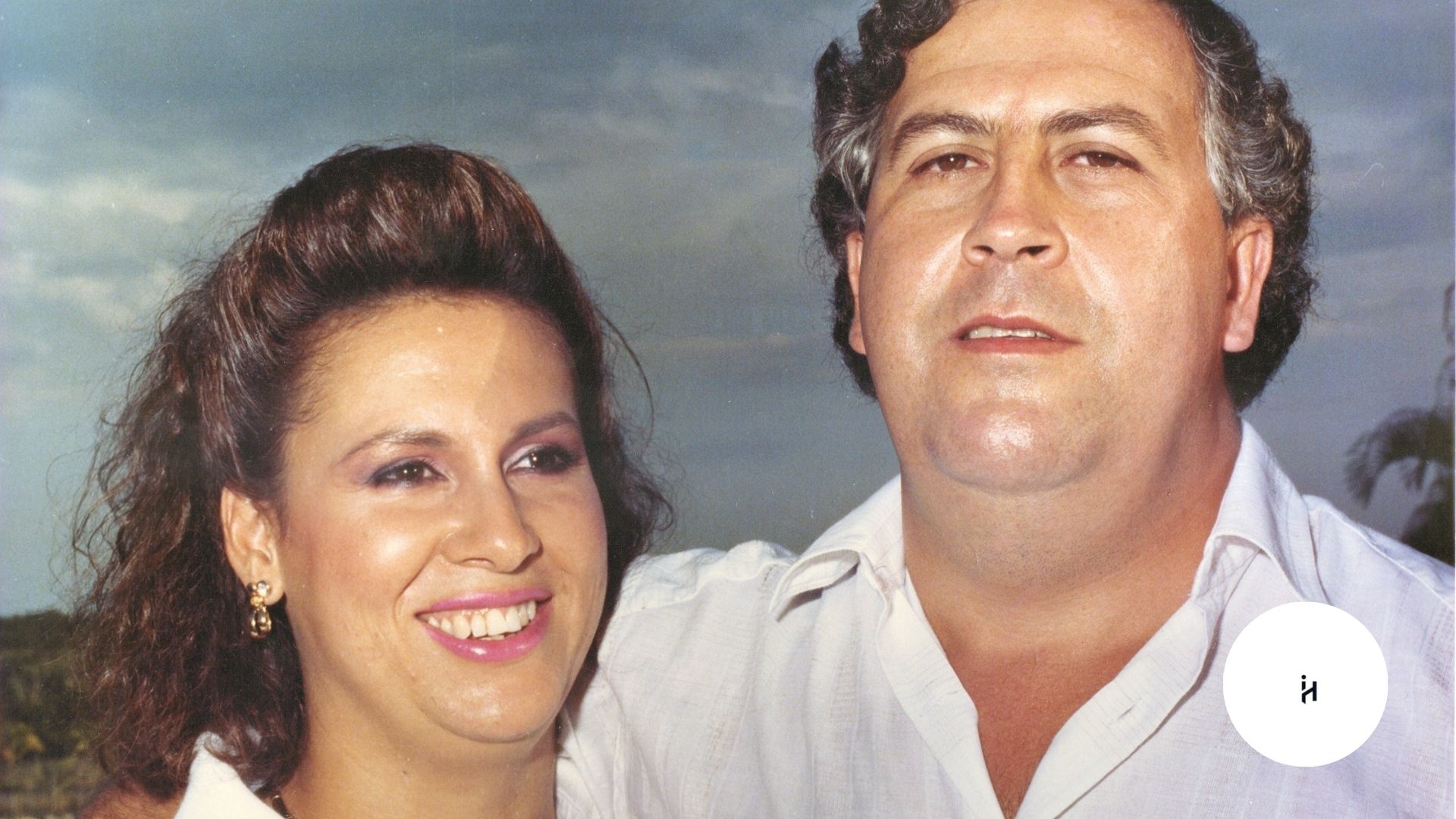
Pablo Escobar Wife

Life as the Wife of a Drug Lord

Marrying Pablo Escobar thrust Maria into a world of wealth, danger, and infidelity. Initially unaware of the extent of her husband’s illegal activities, she soon found herself entrenched in the operations of the Medellín Cartel.

Despite Pablo’s numerous affairs and the violent nature of his business, Maria remained devoted to him, focusing on raising their two children, Juan Pablo (now Sebastián Marroquín) and Manuela.

The Downfall of Pablo Escobar

The early 1990s marked the decline of Escobar’s empire. Relentless pursuit by Colombian authorities, in collaboration with the United States, led to his escape from the luxurious prison, La Catedral, in 1992.

For the next 16 months, Pablo was on the run, with his family also facing constant threats and surveillance. On December 2, 1993, Pablo Escobar was killed in a rooftop shootout in Medellín, ending his reign as one of the world’s most powerful drug lords.

Life After Pablo’s Death

Following Pablo’s death, Maria Victoria Henao and her children sought asylum in various countries to escape retaliation from rival cartels and those affected by Escobar’s actions. They eventually settled in Argentina under new identities. Maria adopted the name Maria Isabel Santos Caballero and attempted to build a new life away from the shadows of her husband’s legacy.

Publications and Media Portrayals

In recent years, Maria Victoria Henao has opened up about her life with Pablo Escobar. Her memoir, “Mrs. Escobar: My Life with Pablo,” provides an intimate look into their tumultuous relationship, shedding light on the complexities of being married to one of the most infamous criminals in history. Additionally, her story has been featured in various documentaries and series, further exploring her perspective on the events that transpired during and after Escobar’s reign.

Current Life and Reflections

Today, Maria Victoria Henao lives a life far removed from the opulence and violence of her past. She has expressed remorse for the pain caused by Pablo’s actions and has sought to distance herself and her family from his criminal legacy. Through her writings and interviews, Maria offers a unique insight into the personal side of a man who remains a controversial figure in history.

Pablo Escobar: A Brief Overview

Pablo Emilio Escobar Gaviria was born on December 1, 1949, in Rionegro, Colombia. He rose from humble beginnings to become the leader of the Medellín Cartel, controlling a significant portion of the global cocaine trade in the 1980s.

Known for his ruthlessness, Escobar was responsible for countless deaths, including those of politicians, judges, and civilians. His influence extended beyond the drug trade, as he ventured into politics, earning a seat in the Colombian Congress in 1982, which he later had to resign due to his criminal activities being exposed.

How Did Pablo Escobar Die?

Pablo Escobar Wife

After escaping from La Catedral prison in 1992, Escobar was on the run for over a year. On December 2, 1993, Colombian National Police, with assistance from U.S. agencies, located him in a middle-class neighborhood in Medellín.

A firefight ensued, resulting in Escobar being shot and killed while attempting to flee across rooftops. His death marked the end of an era dominated by cartel violence in Colombia.

Pablo Escobar’s Net Worth

At the height of his power, Escobar’s net worth was estimated to be around $30 billion, making him one of the richest men in the world at the time. His wealth was so vast that he reportedly spent thousands of dollars on rubber bands each month just to hold the stacks of cash together. Despite this immense wealth, much of it was lost or seized after his death.

Pablo Escobar’s Son

Juan Pablo Escobar, who changed his name to Sebastián Marroquín, is an architect, author, and public speaker. He has written a book titled “Pablo Escobar: My Father,” detailing his experiences growing up as the son of the infamous drug lord. Marroquín currently resides in Argentina and has dedicated much of his life to promoting peace and sharing his unique perspective on his father’s legacy.

Pablo Escobar and Griselda Blanco

Griselda Blanco, known as the “Black Widow” or “La Madrina,” was a pioneering figure in the cocaine trade and is often credited with creating the business model that Escobar later used. While there are rumors and dramatizations suggesting a personal relationship


between Pablo Escobar and Griselda Blanco, there is no confirmed evidence of a romantic or business partnership between the two. However, both were key figures in the rise of the cocaine trade from Colombia to the United States. Blanco, known for her brutality, operated in Miami, while Escobar controlled the Medellín Cartel. Some speculate that Blanco influenced Escobar’s rise in the drug trade, but their paths diverged as their respective organizations grew.

Who Killed Pablo Escobar?

The question of who exactly killed Pablo Escobar remains controversial. The official story is that he was killed by Colombian National Police in a rooftop shootout in Medellín on December 2, 1993.

However, some theories suggest that the U.S.-trained special forces unit known as “Los Pepes” (People Persecuted by Pablo Escobar) played a crucial role in tracking him down. Another theory, promoted by Escobar’s son, Sebastián Marroquín, is that Pablo took his own life to avoid capture. Regardless of who fired the fatal shot, his death signaled the end of one of the world’s most notorious drug empires.

Pablo Escobar’s Hippos: A Legacy Gone Wild

One of the strangest parts of Pablo Escobar’s legacy is the population of wild hippos in Colombia. Escobar imported four hippos to his private zoo at Hacienda Nápoles.

After his death, the hippos were left to roam freely and have since multiplied into a large, invasive population. These “cocaine hippos” have become an environmental concern as they disrupt local ecosystems. Efforts have been made to control their numbers, but they remain a bizarre reminder of Escobar’s extravagant lifestyle.

Pablo Escobar’s House: A Ruin and a Tourist Attraction

Pablo Escobar Wife

Pablo Escobar’s lavish estate, Hacienda Nápoles, once featured a private zoo, luxury cars, and even an airport. After his death, the property was looted and later converted into a theme park.

Today, it serves as a tourist attraction, complete with Escobar-themed exhibits. Other properties linked to Escobar, such as his bombed-out Monaco building in Medellín, have also become tourist sites. Many in Colombia view this as an unfortunate glorification of a violent drug lord, while others see it as a way to educate the public about the country’s history.

Pablo Escobar’s Daughter: Manuela Escobar’s Life in Hiding

Manuela Escobar, Pablo’s beloved daughter, led a sheltered life as a child. Her father reportedly spoiled her with extravagant gifts, including a heated unicorn for her birthday (which was actually a horse with a horn attached).

After Escobar’s death, she, along with her mother and brother, fled Colombia and changed their identities. Unlike her brother, who has written about his father, Manuela has remained out of the public eye. She has never given interviews or made public statements, preferring to live in anonymity.

Pablo Escobar Wife and Kids Now: Where Are They?

After Escobar’s death, his wife, Maria Victoria Henao, and their children faced danger from rival cartels and Colombian authorities. They initially sought asylum in various countries before settling in Argentina under false identities.

Maria, now known as Maria Isabel Santos Caballero, has written a book about her life with Escobar. Their son, Sebastián Marroquín, has tried to distance himself from his father’s legacy, while Manuela has chosen to remain completely out of the public eye.

Pablo Escobar Meme Culture: A Dark Legacy in Internet Humor

Despite his violent history, Pablo Escobar has become an internet meme. Images from the TV series Narcos and real-life photos of Escobar looking contemplative or alone have been turned into viral memes.

While some use these memes as satire or dark humor, others worry that they trivialize the suffering caused by Escobar’s reign. His image has been commercialized in everything from t-shirts to TV shows, reflecting a controversial fascination with his life.

Hija de Pablo Escobar Instagram: The Mystery of Manuela Escobar

Many people search for Manuela Escobar on Instagram, but she does not have a known social media presence. Unlike her brother, who is active online and in the media, Manuela has chosen a life of privacy. Any Instagram accounts claiming to be hers are likely fake. Her decision to stay out of the public eye contrasts sharply with the global fascination with her father’s life and crimes.

Q&A Section

Who was Pablo Escobar’s wife?

Pablo Escobar’s wife was Maria Victoria Henao. She married him at the age of 15 and remained by his side throughout his rise as the world’s most powerful drug lord.

What happened to Pablo Escobar’s wife after his death?

After Escobar’s death in 1993, Maria Victoria Henao fled Colombia with their children. They lived in various countries before settling in Argentina under new identities.

How did Pablo Escobar die?

Pablo Escobar was killed in a shootout with Colombian police on December 2, 1993, in Medellín. Some believe he was shot by police, while others claim he took his own life.

What was Pablo Escobar’s net worth?

At his peak, Pablo Escobar had an estimated net worth of $30 billion, making him one of the richest criminals in history.

Where is Pablo Escobar’s son now?

Escobar’s son, Sebastián Marroquín, changed his identity and became an architect and author. He has written books about his father and speaks publicly about the dangers of drug cartels.

Did Pablo Escobar really visit the White House?

Yes, there is a famous photo of Pablo Escobar and his son standing in front of the White House in Washington, D.C. This was taken during a visit in the early 1980s before he became a globally recognized criminal.

What is the connection between Griselda Blanco and Pablo Escobar?

Both were major figures in the Colombian drug trade, but there is no confirmed business or personal relationship between them. Some speculate that Blanco helped shape Escobar’s early operations.

Who killed Pablo Escobar?

The official story states that Colombian police shot Escobar, but some believe U.S. special forces or a vigilante group called “Los Pepes” played a role. Others, including his son, claim he took his own life.

What is the story behind Pablo Escobar’s hippos?

Escobar imported four hippos for his private zoo at Hacienda Nápoles. After his death, they were left unchecked and have since multiplied, creating an invasive species problem in Colombia.

What happened to Pablo Escobar’s house?

Escobar’s mansion, Hacienda Nápoles, was looted after his death. It was later turned into a theme park and tourist attraction.

Does Pablo Escobar’s daughter have Instagram?

No, Manuela Escobar has chosen to live a private life and does not have a public Instagram account. Any accounts claiming to be hers are likely fake.

Is Pablo Escobar still remembered in Colombia?

Yes, but opinions are divided. Some people see him as a criminal who caused immense suffering, while others romanticize his story. His legacy remains controversial in Colombia and beyond.

Conclusion

Pablo Escobar’s wife, Maria Victoria Henao, endured a life of luxury, danger, and exile as the spouse of the world’s most infamous drug lord. Even after his death, his family has struggled to escape his shadow. While some, like his son, have sought to reshape their narrative, others, like his daughter, have disappeared from public view.

Escobar’s legacy remains a subject of fascination, from his criminal empire to his bizarre impact on Colombia’s environment and pop culture. However, for those who lived through his reign, his story is more than just history—it is a painful reality that continues to affect many lives.

For Amazing Updates Keep Visiting ImaginaryHistory.

How Long Did the Roman Empire Last? A Journey Through Its Rise and Fall

0
How Long Did the Roman Empire Last

The Roman Empire is often regarded as one of the greatest civilizations in history, lasting for centuries and shaping modern society in countless ways. But how long did it actually last? The answer depends on how we define the empire—whether from the foundation of Rome, the beginning of the imperial period, or its final collapse. In this detailed blog, we will explore the entire timeline of the Roman Empire, from its legendary founding to its ultimate fall, while analyzing key events that shaped its history.

The Founding of Rome: The Birth of an Empire (753 BCE)

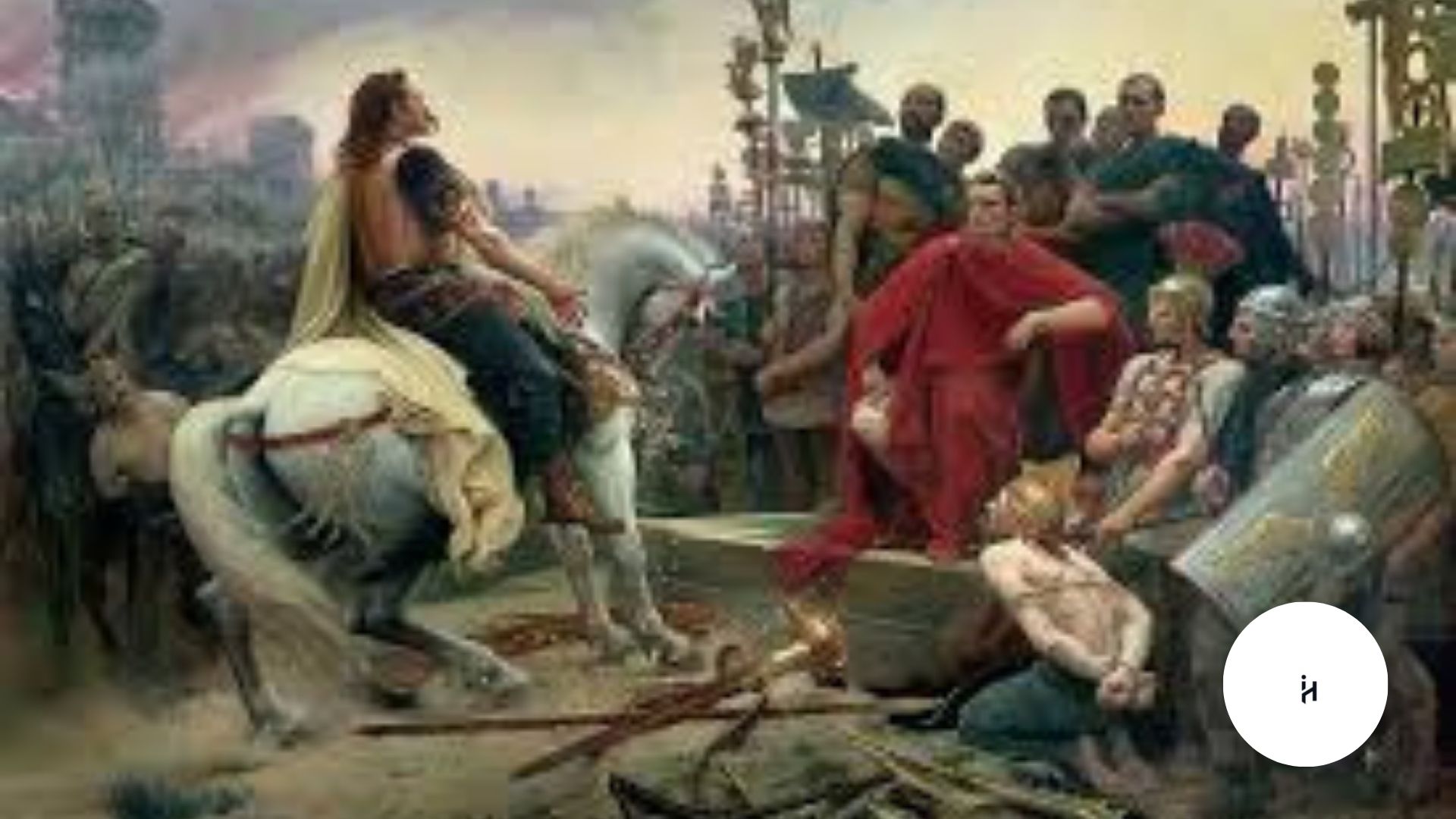
The story of Rome’s foundation is steeped in legend. According to Roman mythology, the city was founded in 753 BCE by Romulus, who, after killing his twin brother Remus, became the first king of Rome. This myth highlights Rome’s early emphasis on strength, power, and conquest.

Initially, Rome was a small settlement on the banks of the Tiber River, inhabited by Latins, Sabines, and Etruscans. Over time, it grew into a powerful kingdom ruled by a series of monarchs. The early kings focused on military expansion, infrastructure, and religious traditions. However, tensions between the ruling class and the people eventually led to the fall of the monarchy.

How Long Did the Roman Empire Last

In 509 BCE, the last king, Tarquin the Proud, was overthrown, marking the beginning of the Roman Republic. This transition set the stage for Rome’s future as a dominant world power. Though it was not yet an empire, Rome’s political and military structures began taking shape, laying the groundwork for its future expansion.

Thus, while the Roman Empire as a political entity did not begin until centuries later, the roots of its greatness were planted as early as 753 BCE.

The Roman Republic: The Path to Empire (509 BCE – 27 BCE)

With the end of the monarchy in 509 BCE, Rome transitioned into a republic. This period saw the development of a new political system, where power was shared between elected officials, the Senate, and the people. The Roman Republic was characterized by a system of checks and balances, with two consuls serving as the executive leaders.

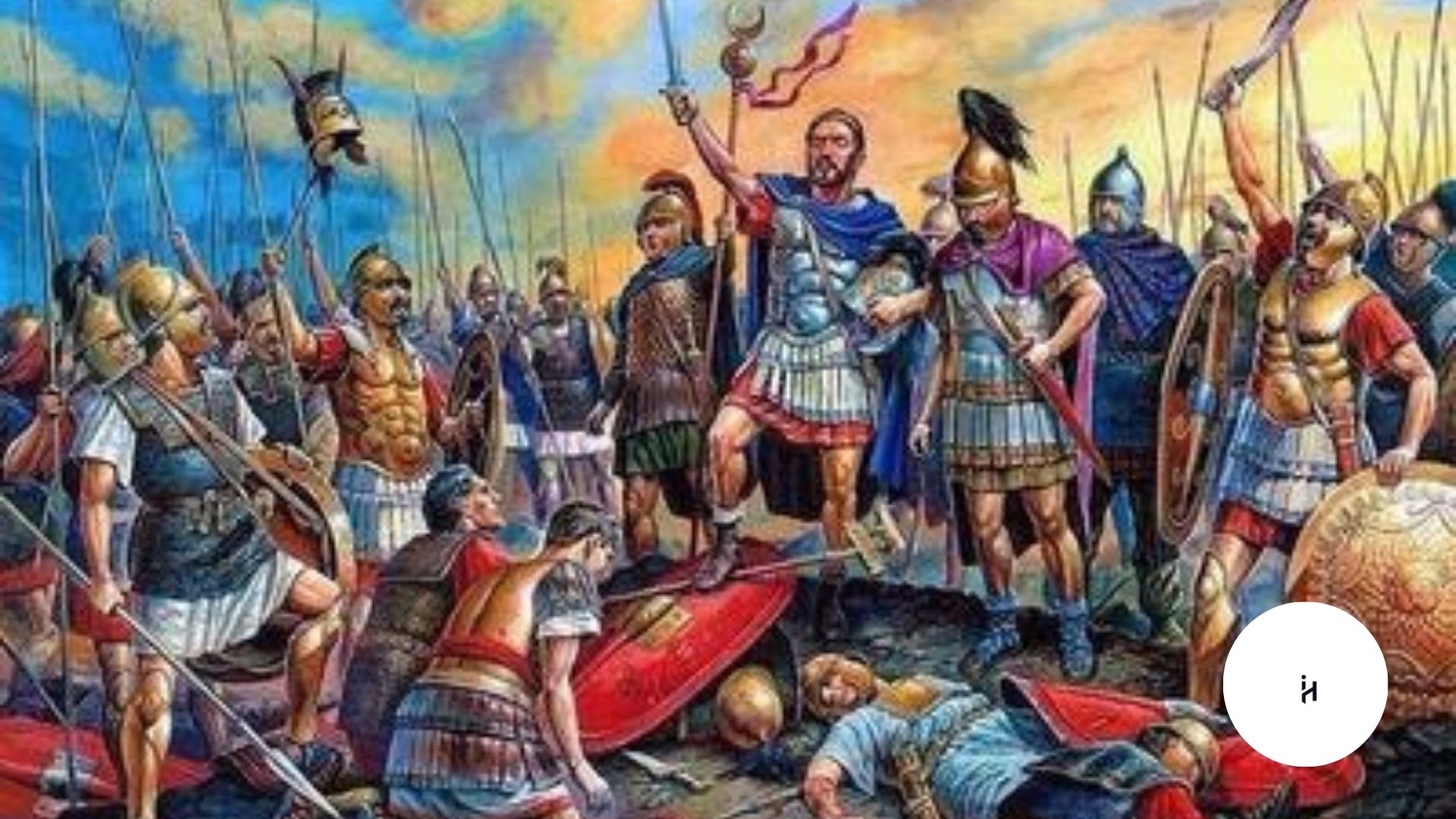
During this time, Rome rapidly expanded its territory. One of the most significant wars was the Punic Wars (264-146 BCE) against Carthage. The defeat of Carthage allowed Rome to dominate the Mediterranean, gaining territories in Spain, North Africa, and Greece. However, military conquests also brought internal problems. Wealth from conquests led to corruption, while inequality between the elite and the lower classes caused unrest.

By the 1st century BCE, Rome was plagued by civil wars. The rise of powerful generals like Julius Caesar challenged the republican system. Caesar’s victory in the civil war and his appointment as “dictator for life” in 44 BCE marked the decline of the Republic. His assassination that same year led to further turmoil, culminating in the rise of Augustus (Octavian) as Rome’s first emperor in 27 BCE.

Though the Republic lasted for nearly 500 years, it ultimately collapsed due to internal corruption, power struggles, and the concentration of power in individual leaders. The transformation into an empire marked the beginning of a new era in Rome’s history.

The Rise of the Roman Empire (27 BCE – 476 CE)

The Roman Empire officially began in 27 BCE when Augustus (formerly Octavian) took power. After defeating Mark Antony and Cleopatra, Augustus consolidated power, ending the Republic. Instead of calling himself a king, he adopted the title “Princeps” (First Citizen) to maintain an illusion of democracy, though he effectively ruled as an emperor.

Under Augustus, Rome entered a period of stability. He reformed the military, economy, and administration, ensuring long-term governance. His reign also saw massive construction projects, including roads, aqueducts, and monuments that solidified Rome’s grandeur.

The empire continued to expand under later emperors like Tiberius, Trajan, and Hadrian. At its height (around 117 CE), Rome controlled a vast territory, stretching from Britain in the west to Mesopotamia in the east, and from North Africa to the Rhine and Danube rivers.

However, as Rome grew, it also faced internal and external challenges. Political instability, economic troubles, and invasions from Germanic tribes gradually weakened the empire. By the 3rd century CE, the empire was in crisis, leading to reforms by emperors like Diocletian and Constantine to maintain control.

Despite these efforts, the Western Roman Empire ultimately fell in 476 CE, while the Eastern Roman Empire (Byzantine Empire) continued for nearly a thousand more years.

How Long Did the Roman Empire Last

The Pax Romana: Rome’s Golden Age (27 BCE – 180 CE)

The Pax Romana, or “Roman Peace,” refers to a 200-year period of relative peace and prosperity in the empire, lasting from 27 BCE to 180 CE. This era, initiated by Augustus, marked the height of Rome’s stability, economic strength, and cultural achievements.

During this period:

  • The empire saw minimal major conflicts, allowing for economic and territorial consolidation.
  • A vast network of roads and trade routes connected the empire, facilitating commerce.
  • Arts, literature, and architecture flourished, with famous structures like the Colosseum, Pantheon, and Hadrian’s Wall being built.

Emperors like Trajan expanded the empire to its greatest territorial extent, while Hadrian focused on fortifying borders, exemplified by Hadrian’s Wall in Britain.

However, by the late 2nd century CE, cracks in the empire began to show. Economic issues, border pressures, and the increasing power of the military in politics foreshadowed future problems. The death of Marcus Aurelius in 180 CE marked the end of the Pax Romana and the beginning of Rome’s decline.

The Division of the Roman Empire (285 CE)

By the 3rd century CE, Rome faced multiple crises: economic decline, political corruption, and barbarian invasions. To address these issues, Emperor Diocletian made a crucial decision—he divided the empire into two halves in 285 CE.

The empire was now split into:

  1. The Western Roman Empire (governed from Rome/Milan)
  2. The Eastern Roman Empire (governed from Byzantium, later Constantinople)

Diocletian hoped that this division would make administration easier. Each half had its own ruler, but they were supposed to work together. This system, known as the Tetrarchy, initially stabilized the empire.

However, after Diocletian’s retirement, conflicts arose between different rulers, leading to civil wars. In 324 CE, Emperor Constantine the Great reunited the empire but permanently moved the capital to Byzantium, renaming it Constantinople (modern-day Istanbul).

While the division was meant to strengthen Rome, it ultimately made the empire more vulnerable. The West, weaker in resources and military power, struggled against external invasions, while the East remained strong and wealthy.

This division set the stage for the eventual fall of the Western Roman Empire in 476 CE, while the Eastern half (Byzantine Empire) would survive for another 1,000 years.

How Long Did the Roman Empire Last

Q&A Section

Q1: How long did the Roman Empire last in total?

The Roman Empire lasted for about 1,480 years if we count from the beginning of the imperial period in 27 BCE (under Augustus) to the fall of Constantinople in 1453 CE. However, if we consider the founding of Rome in 753 BCE, its influence spanned over 2,200 years.

Q2: When did the Western Roman Empire fall?

The Western Roman Empire officially fell in 476 CE when the last emperor, Romulus Augustulus, was overthrown by the Germanic leader Odoacer.

Q3: Did the Roman Empire completely disappear in 476 CE?

No, only the Western Roman Empire fell in 476 CE. The Eastern Roman Empire, also known as the Byzantine Empire, continued for nearly 1,000 more years, lasting until 1453 CE when Constantinople fell to the Ottoman Turks.

Q4: What were the main reasons for the fall of the Western Roman Empire?

Several factors contributed to the fall, including:

  • Economic decline due to heavy taxation and inflation
  • Political instability and corruption
  • Military weaknesses and reliance on mercenaries
  • Barbarian invasions from Germanic tribes
  • Overexpansion, making it difficult to govern effectively

Q5: How did the Roman Empire influence the modern world?

The Roman Empire left a lasting legacy in areas such as law, government, architecture, language (Latin), engineering, and military strategy. Many modern legal systems and political structures are based on Roman principles.

Conclusion: The Lasting Legacy of the Roman Empire

The Roman Empire was one of the longest-lasting and most influential civilizations in human history. If we consider its imperial period, it lasted for approximately 1,480 years—from 27 BCE to 1453 CE. However, its foundations date back even further, to 753 BCE, making Rome a dominant force for over two millennia.

The empire’s rise, peak, and eventual decline were shaped by a combination of military power, political evolution, economic strength, and cultural influence. The Western Roman Empire collapsed in 476 CE, but the Eastern Roman Empire (Byzantine Empire) continued for nearly a thousand more years before its fall in 1453 CE.

Despite its downfall, Rome’s impact can still be seen today in modern government structures, law, engineering, architecture, language, and culture. From the creation of roads and aqueducts to the establishment of legal systems that inspired modern democracies, the Roman Empire shaped the world in ways that continue to resonate.

Though the empire itself no longer exists, its legacy remains alive in countless aspects of contemporary civilization. Understanding Rome’s history helps us appreciate the enduring power of ideas, governance, and innovation that emerged from this great civilization.

For Amazing Updates Keep Visiting ImaginaryHistory.

Justin Eichorn Family: A Deep Dive into His Personal and Political Life

0
Justin Eichorn Family

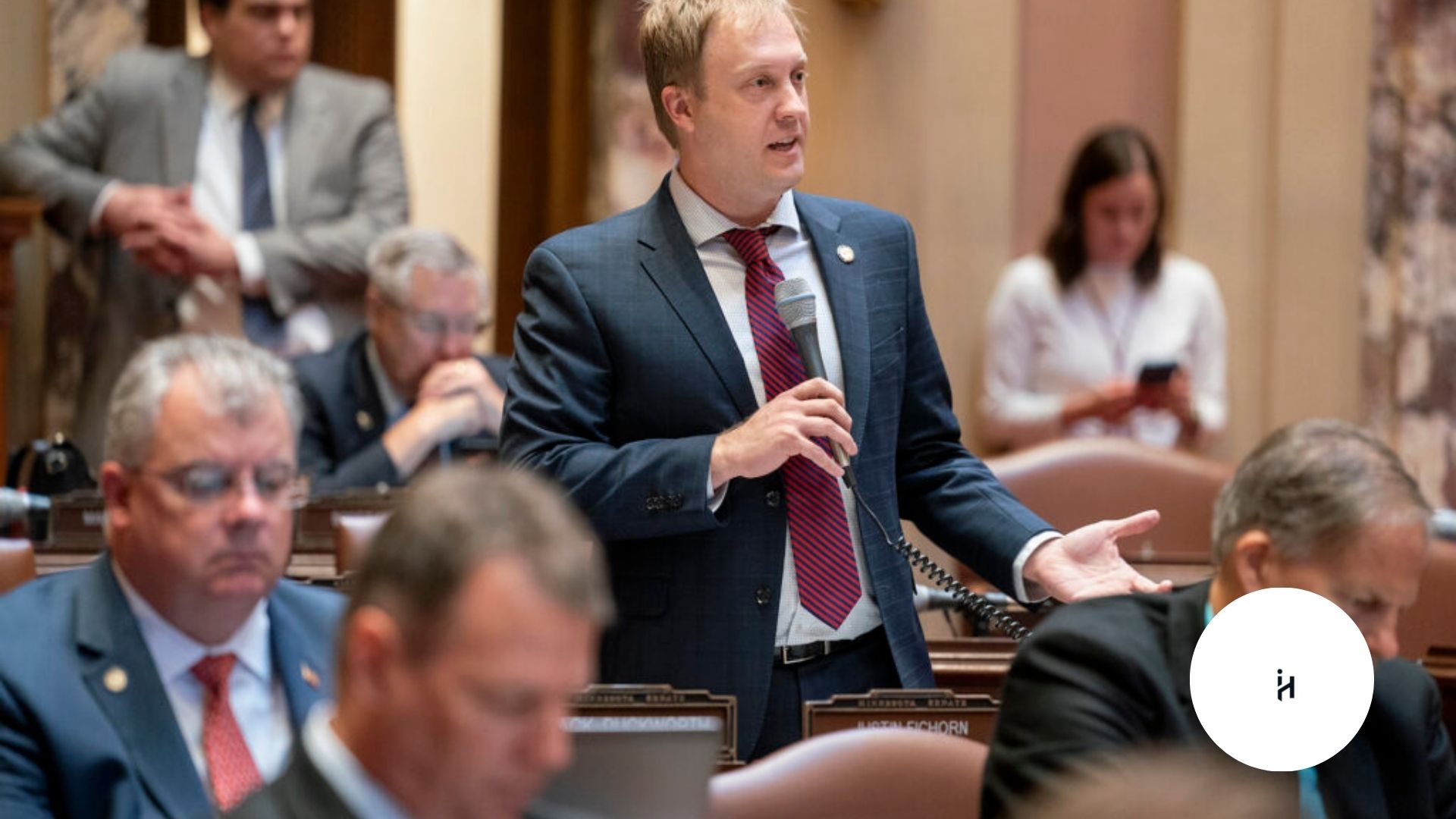
Justin Eichorn, a well-known Minnesota State Senator, has made significant contributions to the state’s legislative landscape. While his political career has garnered public attention, his family life remains a point of interest for many. In this blog, we explore the personal and professional aspects of Justin Eichorn, shedding light on his family background, career milestones, and recent developments.

Early Life and Educational Background

Justin Eichorn was born on May 7, 1984, in Grand Rapids, Minnesota. He pursued higher education at Itasca Community College before transferring to Concordia University in St. Paul, where he completed his bachelor’s degree. His academic journey laid a strong foundation for his future endeavors in both business and politics.

Justin Eichorn Family

Professional Career and Business Ventures

Before venturing into politics, Eichorn established himself in the business community. He worked as a real estate professional, gaining insights into the housing market and the economic factors influencing property values. His entrepreneurial spirit and business acumen provided him with a practical understanding of the challenges faced by small business owners and entrepreneurs in Minnesota.

Political Career and Legislative Achievements

Eichorn’s political journey began with his election to the Minnesota State Senate in 2016, representing District 5. Following redistricting, he has been serving District 6 since 2023. Throughout his tenure, he has been an active member of several key committees, including the Environment, Climate, and Legacy Committee; the Finance Committee; and the Judiciary and Public Safety Committee. His legislative efforts have focused on various issues:

  • Education Initiatives: Eichorn introduced legislation aimed at assisting Minnesota families in covering their children’s education expenses. The bill proposed altering eligibility requirements for the K-12 Education Tax Credit to restore access for families it was initially designed to serve. By benchmarking the household income limit to eligibility for free and reduced lunch, the legislation aimed to provide financial relief to families across the state.

  • Firearm Safety and Outdoor Engagement: Recognizing the importance of firearm safety and outdoor activities, Eichorn introduced legislation to teach students proper firearm handling and encourage participation in outdoor sports. The bill proposed allowing schools to offer gun safety education, hunting and angling training, and opportunities for students to engage in trap shooting through educational programs. This initiative aimed to promote safety, responsibility, and a deeper connection to Minnesota’s outdoor heritage.

  • Parental Rights and Religious Freedom: Eichorn has been a vocal advocate for protecting parental rights and religious freedoms. He opposed legislation that sought to eliminate conscientious belief exemptions for vaccines for children attending various educational institutions. Eichorn emphasized the importance of preserving personal and religious freedoms, arguing against government overreach in matters concerning family choices and children’s education.

Personal Life and Community Engagement

Justin Eichorn is married to his wife, Brittany, and together they have four children: William, Benji, Bella, and Emmett. The family resides in Grand Rapids, Minnesota, where they are actively involved in the local community. Eichorn’s commitment to his constituents is evident through his participation in various civic activities and his dedication to addressing the concerns of the residents in his district.

Justin Eichorn Family

Recent Developments

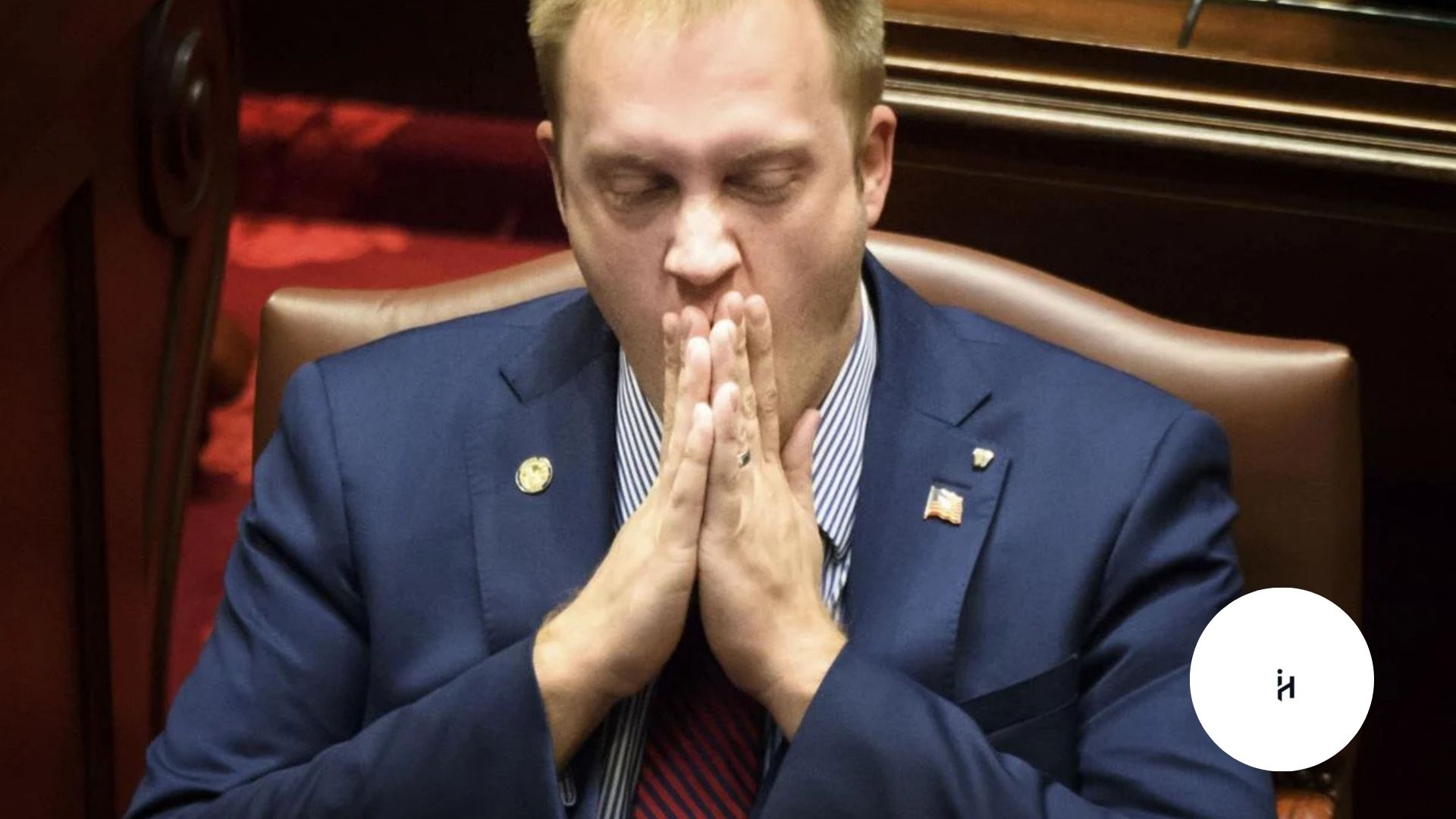
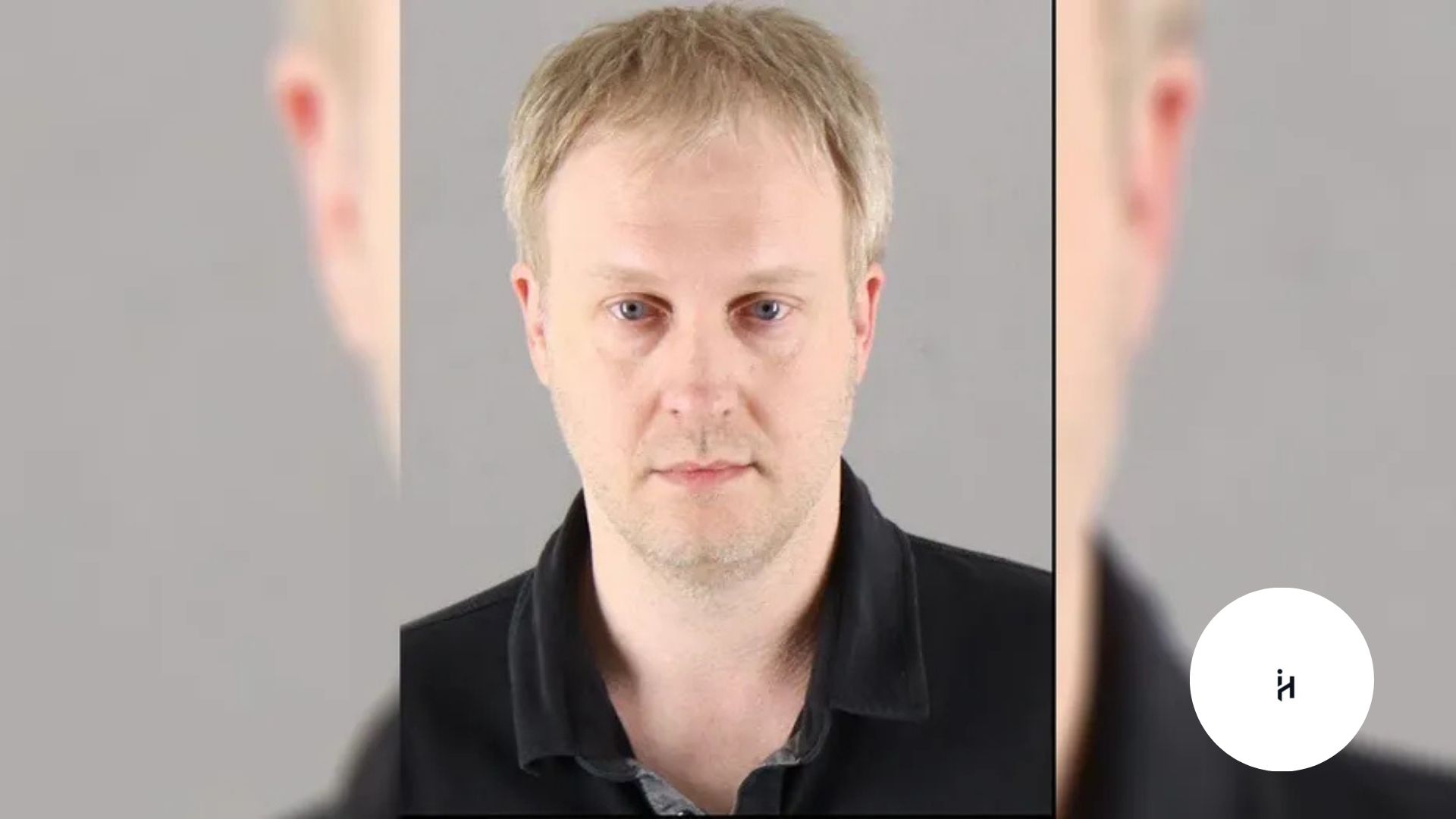
On March 18, 2025, reports emerged that Senator Justin Eichorn was arrested for allegedly attempting to solicit sex from a minor. According to authorities, Eichorn believed he was communicating with a 17-year-old girl but was, in fact, interacting with undercover police detectives.

He was taken into custody without incident in Bloomington, Minnesota, and faces felony charges related to soliciting a minor for prostitution. In response to these allegations, the Minnesota Senate Republican leadership and the state Republican Party have called for his immediate resignation, emphasizing the seriousness of the charges and the need for accountability.

Impact on Political Landscape

The allegations against Senator Eichorn have significant implications for the political landscape in Minnesota. His arrest has prompted discussions about ethical standards, the vetting process for public officials, and the potential impact on legislative proceedings.

The calls for his resignation reflect a broader commitment to maintaining public trust and ensuring that elected officials uphold the highest standards of conduct. As the situation unfolds, it will be crucial to monitor how these developments influence both the state legislature and the constituents Eichorn represents.

Q&A Section

Q1: Who is Justin Eichorn?

A: Justin Eichorn is an American politician and businessman who serves as a Minnesota State Senator. He has been actively involved in legislation concerning education, firearm safety, and parental rights.

Q2: Who is in Justin Eichorn’s family?

A: Justin Eichorn is married to his wife, Brittany, and they have four children: William, Benji, Bella, and Emmett. They reside in Grand Rapids, Minnesota.

Q3: What is Justin Eichorn known for in his political career?

A: He is known for advocating educational tax credits, promoting gun safety education, and defending parental rights and religious freedoms.

Q4: Has Justin Eichorn faced any controversies?

A: Recently, he was arrested on allegations of soliciting sex from a minor. This incident has led to calls for his resignation and has had a significant impact on his political standing.

Justin Eichorn Family

Q5: What are the latest updates on Justin Eichorn?

A: As of March 2025, he is facing felony charges related to the solicitation case, and political leaders have urged him to step down from office.

Conclusion

Senator Justin Eichorn’s career has been marked by active participation in Minnesota’s political and business communities. His legislative initiatives have addressed various issues, from education and firearm safety to parental rights.

However, the recent allegations have cast a shadow over his accomplishments, highlighting the importance of ethical conduct in public service. As the legal process progresses, the outcomes will undoubtedly shape the future of his political career and the trust placed in public officials by the citizens of Minnesota.

For Amazing Updates Keep Visiting ImaginaryHistory.

Minnesota Sports Betting: A Comprehensive Guide

0
Minnesota Sports Betting

Sports betting has become a booming industry across the United States, with many states legalizing it in recent years. However, Minnesota remains one of the few states still navigating the complexities of legalization. This blog will provide a thorough analysis of Minnesota sports betting, including its legal status, potential benefits, legislative challenges, public opinion, and future outlook.

The Current Legal Status of Sports Betting in Minnesota

Minnesota has yet to fully legalize sports betting, despite the growing popularity and widespread adoption in other states. Currently, sports betting is prohibited under state law, with exceptions for tribal casinos that operate under federal gaming regulations. Efforts to legalize it have been ongoing, but disagreements between various stakeholders, including tribal authorities, lawmakers, and commercial operators, have slowed progress.

The primary legal obstacle is the control of gaming in the state. Minnesota has a long history of tribal gaming, with tribal casinos playing a dominant role in the gambling industry. Any legislation that seeks to legalize sports betting must address the interests of these tribal groups, which currently oppose expansion efforts that could allow commercial sportsbooks to enter the market.

Minnesota Sports Betting

Efforts to legalize sports betting have seen multiple bills introduced in the Minnesota Legislature, but none have successfully passed. The state has debated whether to allow in-person betting at casinos only or expand it to online and mobile platforms. While neighboring states like Iowa and Wisconsin have already legalized sports betting, Minnesota remains hesitant to follow suit.

The Economic Potential of Sports Betting in Minnesota

The legalization of sports betting in Minnesota could bring significant economic benefits to the state. One of the primary advantages is increased tax revenue. States with legalized sports betting, such as New Jersey and Illinois, generate millions of dollars in tax revenue annually. These funds could be used to support public services, infrastructure, and education in Minnesota.

In addition to tax revenue, legal sports betting would create jobs in various sectors, including hospitality, technology, and customer service. Sportsbooks require employees to manage betting operations, customer support teams, and marketing professionals to attract bettors. The economic ripple effect would also extend to local businesses, as increased tourism and foot traffic in casinos would boost local economies.

Moreover, legal sports betting would bring greater transparency and consumer protection. The presence of regulated sportsbooks would ensure fair odds, secure transactions, and responsible gambling measures. Without legalization, many Minnesota residents turn to illegal offshore sportsbooks, which lack oversight and consumer protections.

The Role of Tribal Casinos in Minnesota Sports Betting

Tribal casinos hold a significant influence over Minnesota’s gambling industry. Under the Indian Gaming Regulatory Act (IGRA), tribes have exclusive rights to operate casinos on their lands, making them powerful stakeholders in any sports betting legislation.

Many tribes in Minnesota oppose sports betting legislation that would allow commercial operators to enter the market. They argue that expanding gambling to online sportsbooks or commercial casinos would negatively impact their revenue and disrupt existing agreements. Some tribal groups have expressed interest in offering sports betting exclusively at their casinos, but this would limit the accessibility and convenience of betting for many residents.

Finding a compromise between state lawmakers and tribal interests is crucial for the legalization process. Some states, like Michigan, have successfully integrated tribal casinos into their sports betting laws by allowing them to operate online sportsbooks. Minnesota could adopt a similar model to ensure tribal casinos benefit while expanding legal betting options for residents.

Legislative Challenges and Political Debates

One of the biggest hurdles for legalizing sports betting in Minnesota is the political divide among lawmakers. While some legislators support full-scale legalization with mobile and retail sportsbooks, others prefer a more limited approach that keeps betting confined to tribal casinos.

The lack of consensus has led to repeated failures in passing sports betting bills. Key debates include tax rates on sports betting revenue, licensing fees, and consumer protections. Some lawmakers push for higher tax rates to maximize state revenue, while sportsbook operators advocate for lower rates to remain competitive with neighboring states.

Minnesota Sports Betting

Another challenge is the influence of anti-gambling groups, which argue that sports betting could lead to problem gambling and social issues. While responsible gambling measures, such as self-exclusion programs and betting limits, can mitigate these risks, opposition remains strong among certain lawmakers and advocacy groups.

Public Opinion on Sports Betting in Minnesota

Public sentiment toward sports betting in Minnesota is generally positive, mirroring national trends. A growing number of residents support legalization, recognizing the potential economic benefits and the ability to place bets legally and safely.

Polling data suggests that many Minnesotans would prefer a regulated sports betting market rather than relying on offshore or illegal options. The rise of mobile betting in other states has also influenced public opinion, as sports fans want convenient access to wagering through their smartphones.

While opposition exists, particularly among conservative and religious groups, the overall trend favors legalization. Public support could play a crucial role in pushing lawmakers to pass a sports betting bill in the coming years.

The Influence of Neighboring States on Minnesota’s Sports Betting

Minnesota is surrounded by states that have already legalized sports betting, including Iowa, Wisconsin, and South Dakota. This creates a competitive disadvantage, as many Minnesota residents cross state lines to place legal bets.

The success of sports betting in neighboring states provides a blueprint for Minnesota. For example, Iowa has seen strong revenues from sports betting, with both in-person and mobile betting options. Minnesota lawmakers can study these models to determine the best approach for their state.

Failing to legalize sports betting could result in continued revenue losses, as residents will keep betting in nearby states. This outflow of money underscores the urgency of implementing a regulated market in Minnesota.

Potential Future Developments in Minnesota Sports Betting

The future of sports betting in Minnesota largely depends on legislative negotiations and compromises between state lawmakers and tribal authorities. As more states legalize sports betting, pressure will mount on Minnesota to follow suit.

Future legislation could take various forms, including:

  • A tribal-exclusive sports betting market, allowing only casinos to operate sportsbooks.
  • A mixed model, where both tribal casinos and commercial operators can offer betting services.
  • Full-scale legalization with mobile and online betting options.

The most likely scenario is a gradual approach, starting with in-person betting at tribal casinos before expanding to mobile platforms. The state may also introduce a pilot program to test sports betting regulations before full implementation.

Minnesota Sports Betting

Q&A: Minnesota Sports Betting

Q1: Is sports betting legal in Minnesota?

No, sports betting is currently illegal in Minnesota. While several legislative efforts have been made to legalize it, no bill has been successfully passed yet.

Q2: Can I place sports bets online in Minnesota?

No, online sports betting is not legal in Minnesota. Residents who want to bet online often turn to neighboring states like Iowa, where mobile betting is allowed.

Q3: Are there any legal sports betting options in Minnesota?

Minnesota allows limited forms of gambling, such as tribal casinos and horse race betting, but sports betting remains prohibited. Tribal casinos may offer betting options in the future if a new law is passed.

Q4: What is the biggest obstacle to legalizing sports betting in Minnesota?

The biggest challenge is the disagreement between lawmakers and tribal authorities. Tribal casinos want control over sports betting, while some lawmakers advocate for a broader, commercial market.

Q5: How do neighboring states impact Minnesota’s sports betting market?

States like Iowa and Wisconsin have already legalized sports betting, attracting Minnesota residents who cross state lines to place bets. This leads to lost revenue for Minnesota.

Q6: What are the potential benefits of legalizing sports betting in Minnesota?

Legalizing sports betting could generate millions in tax revenue, create jobs, boost tourism, and provide a safer betting environment for residents.

Q7: When is Minnesota likely to legalize sports betting?

While there is no definitive timeline, experts predict that legalization could happen within the next few years as pressure from neighboring states and public demand increases.

Conclusion: The Road Ahead for Minnesota Sports Betting

Minnesota sports betting remains a work in progress, with many legal and political challenges ahead. However, the potential benefits, including economic growth, consumer protection, and increased state revenue, make legalization an attractive prospect.

With strong public support and successful models in neighboring states, Minnesota has the opportunity to craft a sports betting framework that benefits both tribal casinos and residents. The coming years will be crucial in determining whether the state embraces sports betting or continues to delay its legalization.

As discussions continue, sports fans in Minnesota can remain hopeful that a well-regulated and accessible sports betting market will eventually become a reality.

For Amazing Updates Keep Visiting ImaginaryHistory.