Home Blog Page 449

The Most Famous Unsolved Crimes in History

0
The Most Famous Unsolved Crimes in History

From gruesome murders to inexplicable disappearances, the most famous unsolved crimes in history have left a lasting mark on society.  In this blog, we will explore eleven of these chilling cases, delving into the details, theories, and lingering mysteries surrounding them.

Throughout history, countless crimes have remained unsolved, leaving behind mysteries that continue to intrigue investigators, historians, and true crime enthusiasts. These cases, often shrouded in secrecy and speculation, have led to various theories but no definitive answers.

The Jack the Ripper Murders – A Killer Who Vanished into Thin Air

One of the most famous unsolved crimes in history is the case of Jack the Ripper, a serial killer who terrorized London in 1888. The murderer brutally killed at least five women in the Whitechapel district, earning a reputation for his gruesome methods. The victims, mostly prostitutes, were found with their throats slit and their bodies mutilated.

Despite numerous investigations, the identity of Jack the Ripper remains a mystery. Many theories suggest he could have been a doctor, butcher, or even a member of the royal family. Over 130 years later, experts and amateur detectives continue to speculate about the true identity of this notorious killer.

The Most Famous Unsolved Crimes in History

The Zodiac Killer – A Murderer Who Taunted Authorities

Another of the most famous unsolved crimes in history is the case of the Zodiac Killer, who terrorized Northern California in the late 1960s and early 1970s. The killer sent cryptic letters and ciphers to newspapers, taunting police and the public. Some of his codes remain unsolved to this day.

The Zodiac Killer claimed to have murdered 37 people, though only five confirmed victims have been linked to him. Despite multiple suspects being investigated, including Arthur Leigh Allen, no arrests were made, and the case remains open. The killer’s identity continues to puzzle criminologists and true crime enthusiasts worldwide.

The Disappearance of Amelia Earhart – Vanished Without a Trace

One of the most famous unsolved crimes in history does not involve murder but a mysterious disappearance. Amelia Earhart, a pioneering aviator, vanished over the Pacific Ocean in 1937 while attempting to fly around the world. Her plane, a Lockheed Electra, was never recovered, and no conclusive evidence has explained her fate.

Several theories have emerged, including crash-and-sink, capture by the Japanese, or even living under a new identity. Despite extensive searches, the mystery of Earhart’s disappearance remains one of the most perplexing cases in aviation history.

The Black Dahlia Murder – A Hollywood Nightmare

Elizabeth Short, famously known as the Black Dahlia, was found brutally murdered in Los Angeles in 1947. Her body was cut in half and drained of blood, shocking the public and law enforcement. The crime scene’s gruesome nature made it one of the most famous unsolved crimes in history.

Despite a massive investigation and numerous suspects, the killer was never caught. Some believe the murderer was a doctor due to the precision of the cuts, while others suspect a serial killer was responsible. The Black Dahlia case remains a haunting and chilling enigma.

The Isdal Woman – A Mystery in Norway

In 1970, the charred remains of an unidentified woman were discovered in Norway’s Isdalen Valley. Known as the Isdal Woman, she had multiple passports, wigs, and coded notes, hinting at possible espionage activities. This case is one of the most famous unsolved crimes in history because of its strange and cryptic details.

Despite numerous investigations, her true identity and cause of death remain unknown. Many theories suggest she was a Cold War spy, while others believe she was involved in illicit activities. The case remains open, keeping the mystery alive for decades.

The Dyatlov Pass Incident – A Tragic and Bizarre Death

In 1959, nine experienced hikers mysteriously died in Russia’s Ural Mountains under bizarre circumstances. Their tent was found slashed from the inside, and their bodies showed signs of extreme trauma, including skull fractures and missing tongues. This eerie event is considered one of the most famous unsolved crimes in history.

Explanations range from an avalanche to secret military experiments, yet no definitive cause has been proven. The strange injuries and lack of clear evidence continue to baffle investigators and conspiracy theorists alike.

The Hinterkaifeck Murders – A Farmhouse Slaughter

In 1922, an entire family was brutally murdered on a remote farm in Germany. The killer lived in their house for days after the crime, eating their food and tending to the animals. No suspect was ever caught, making it one of the most famous unsolved crimes in history.

Some believe a vengeful neighbor was responsible, while others suspect a former family member. Despite police efforts, the mystery remains unsolved, and the case continues to fascinate crime enthusiasts.

The Vanishing of the Sodder Children – A Fire with No Answers

On Christmas Eve in 1945, a fire consumed the Sodder family’s home in West Virginia. Five children were believed to have perished, but no remains were ever found. This bizarre case is one of the most famous unsolved crimes in history because of the numerous strange clues, including a sighting of the children after the fire.

Many theories suggest the children were kidnapped, possibly due to an act of revenge. Despite investigations and sightings, the fate of the Sodder children remains unknown.

The Murder of JonBenét Ramsey – A Child Star’s Tragic End

In 1996, six-year-old beauty queen JonBenét Ramsey was found murdered in her family’s home. The crime scene was mishandled, and multiple theories emerged, including family involvement and intruder theories. The case remains one of the most famous unsolved crimes in history due to its disturbing nature and media attention.

Despite extensive investigations and advances in forensic technology, the killer has never been identified. Theories continue to circulate, and the case remains an open wound in American crime history.

The Villisca Axe Murders – A Family Massacre

In 1912, an unknown assailant murdered eight people in Villisca, Iowa, with an axe. The crime scene showed signs of ritualistic behavior, but no motive was ever established. This horrific event remains one of the most famous unsolved crimes in history.

Several suspects were investigated, including a state senator and a traveling preacher, but no one was convicted. The Villisca Axe Murders continue to haunt true crime investigators to this day.

The Mystery of the Mary Celeste – A Ghost Ship with No Crew

In 1872, the Mary Celeste was discovered adrift in the Atlantic Ocean with no sign of its crew. The ship was in perfect condition, with food and personal belongings intact. This maritime enigma is one of the most famous unsolved crimes in history because no trace of the crew was ever found.

Theories range from pirate attacks to supernatural occurrences, but none have been proven. The fate of the Mary Celeste’s crew remains one of the greatest maritime mysteries ever recorded.

The Most Famous Unsolved Crimes in History

Q&A Section

Q1: What is the most famous unsolved crime in history?

One of the most famous unsolved crimes in history is the case of Jack the Ripper, who terrorized London in 1888 by brutally murdering women. Despite numerous investigations and theories, his identity remains a mystery.

Q2: Why was the Zodiac Killer never caught?

The Zodiac Killer sent cryptic messages to law enforcement and taunted the police. Due to a lack of solid forensic evidence and the complexity of his codes, authorities were unable to identify him, making it one of the most famous unsolved crimes in history.

Q3: What happened to Amelia Earhart?

Amelia Earhart disappeared in 1937 while attempting to fly around the world. Despite extensive searches and various theories, including the possibility of her plane crashing into the ocean, her fate remains unknown.

Q4: What makes the Black Dahlia case so mysterious?

Elizabeth Short, known as the Black Dahlia, was found brutally murdered in Los Angeles in 1947. The precise nature of her injuries and the lack of clear suspects have made this case one of the most famous unsolved crimes in history.

Q5: What is the Dyatlov Pass Incident?

In 1959, nine hikers were found dead under mysterious circumstances in the Ural Mountains. Their bodies showed signs of extreme trauma, and their tent was slashed from the inside. Theories range from avalanches to secret military experiments, but the case remains unsolved.

Q6: Were the Sodder children really kidnapped?

In 1945, five Sodder children disappeared after a fire consumed their home. No remains were ever found, leading to theories that they were abducted. Decades later, their fate is still unknown.

Q7: What happened to the crew of the Mary Celeste?

The Mary Celeste was discovered adrift in the Atlantic Ocean in 1872 with no crew aboard. The ship was intact with food and belongings left behind, leading to speculation about pirate attacks, mutiny, or even supernatural causes.

Conclusion

From infamous serial killers to eerie disappearances, the most famous unsolved crimes in history continue to captivate and mystify the world. These cases serve as reminders that some crimes may never be solved, leaving behind only speculation and intrigue. Despite modern forensic advancements, the answers to these mysteries remain hidden in the shadows of history, waiting to be uncovered.
For Amazing Updates Keep Visiting ImaginaryHistory.

Isaac Newton’s Inventions: A Genius Who Changed the World

0
Isaac Newton's Inventions

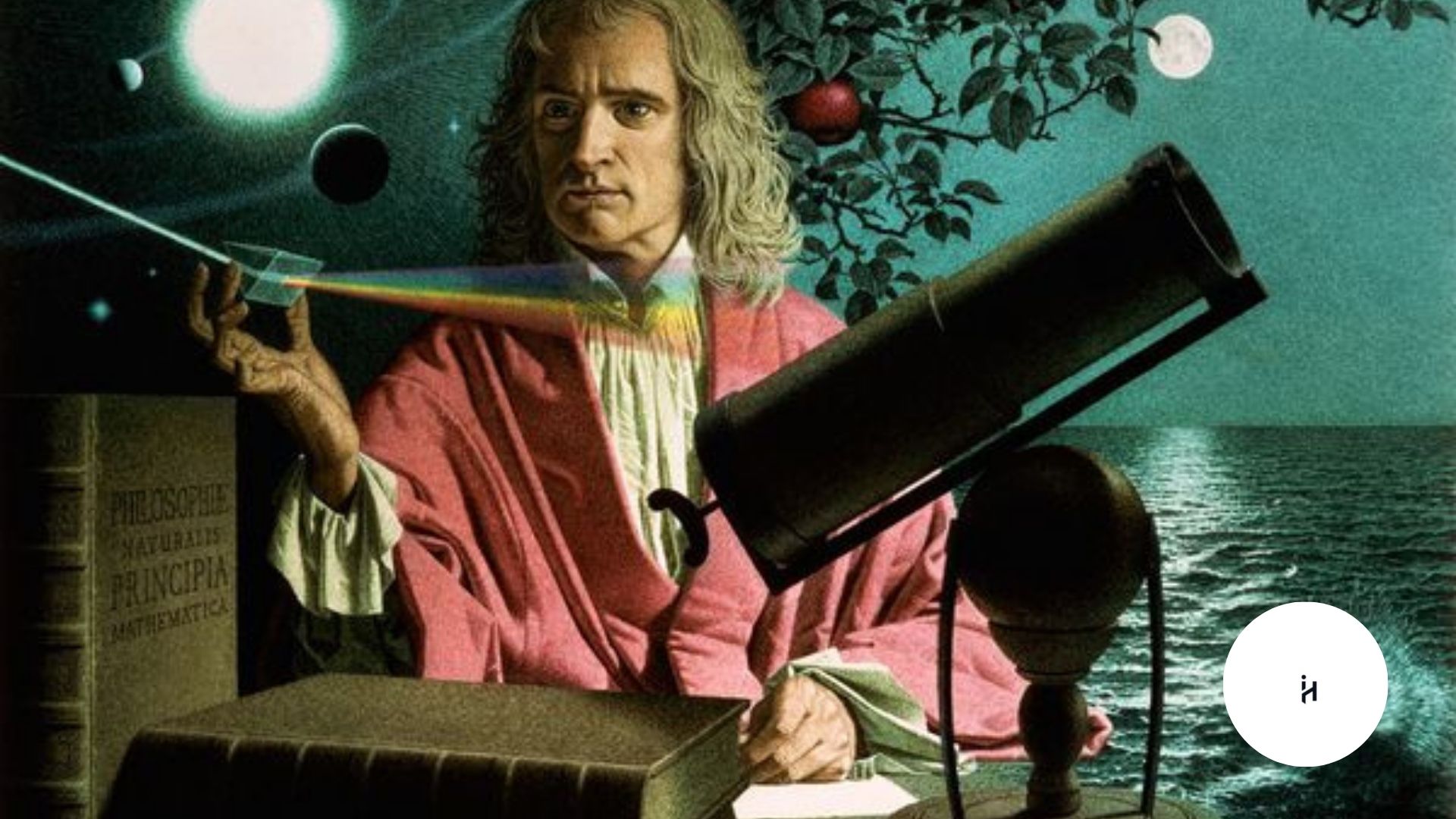
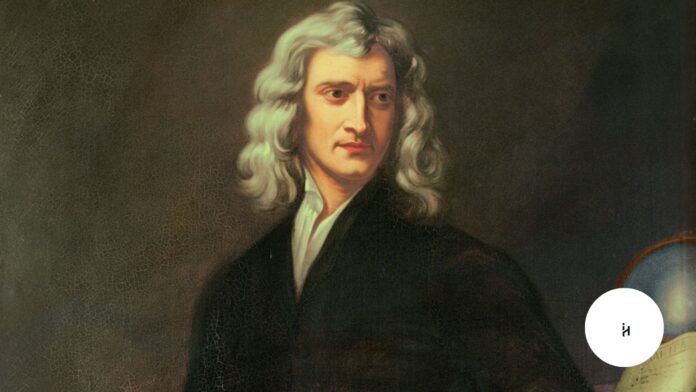
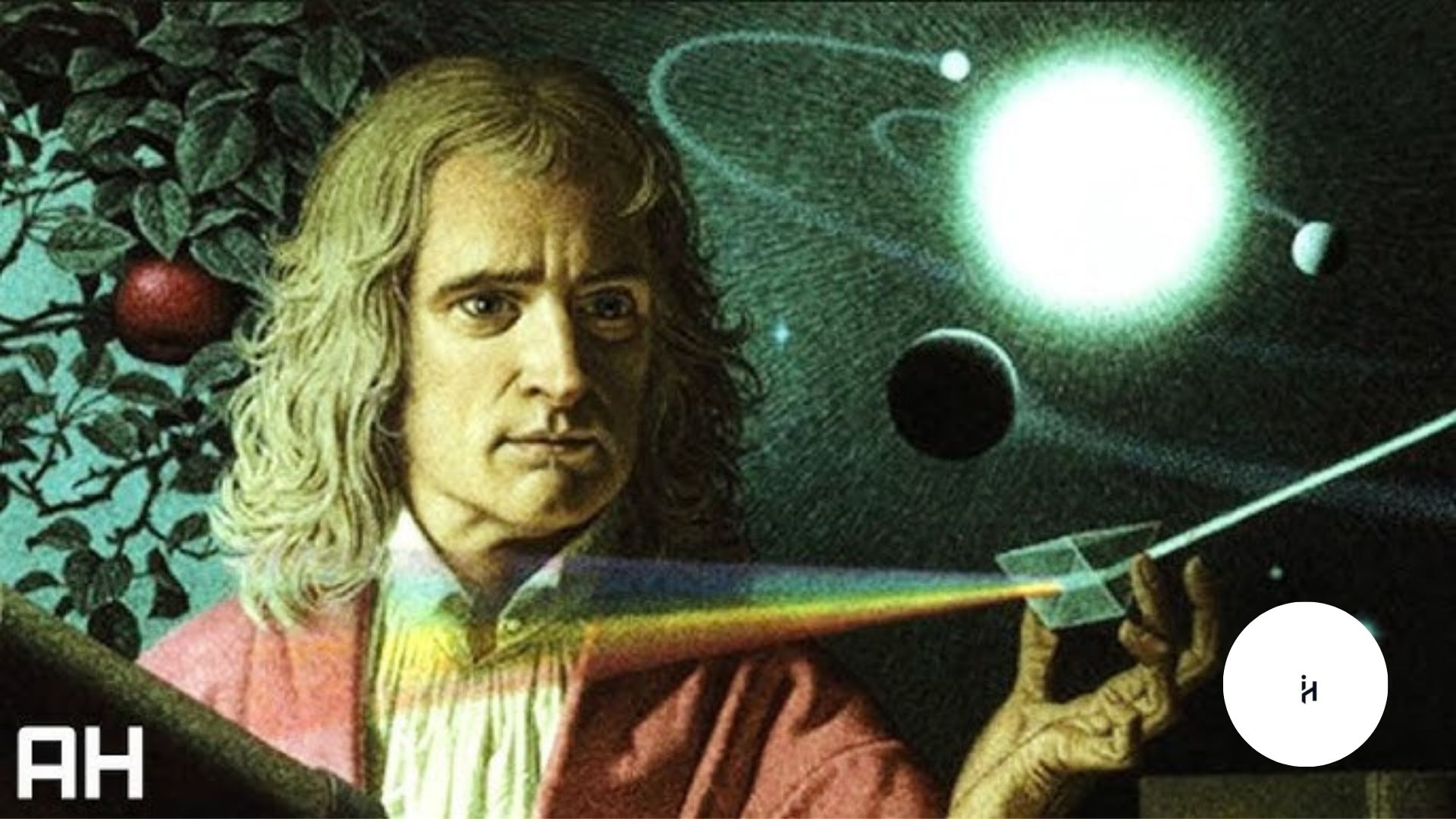
Sir Isaac Newton was one of the greatest minds in history, known for his groundbreaking discoveries in physics, mathematics, and optics. While he is most famous for formulating the laws of motion and universal gravitation, Newton also invented various tools, theories, and techniques that revolutionized science. In this blog, we will explore 11 of his most remarkable inventions and contributions.

Reflecting Telescope

Before Newton’s time, telescopes used lenses, which caused distortions known as chromatic aberrations. In 1668, Newton invented the reflecting telescope, which used a curved mirror instead of lenses. This design eliminated distortions and produced clearer images. Today, Newton’s telescope design remains widely used in modern astronomy.

Calculus: A New Branch of Mathematics

Isaac Newton's Inventions

Newton independently developed calculus, a new mathematical system that allowed scientists to calculate rates of change and motion. His work laid the foundation for modern physics, engineering, and economics. Although there was a dispute between Newton and German mathematician Gottfried Wilhelm Leibniz over its invention, Newton’s contributions remain invaluable.

Laws of Motion and Universal Gravitation

One of Newton’s greatest achievements was his three laws of motion, which explained how objects move under different forces. He also formulated the law of universal gravitation, which described how all objects in the universe attract each other based on their masses and distance. These laws revolutionized physics and remain fundamental to modern science.

Newton’s Method for Finding Roots

In mathematics, Newton developed a numerical technique known as Newton’s Method, which helps solve complex equations by finding their roots. This method is still widely used in modern computational mathematics and engineering.

The Binomial Theorem

Newton expanded upon the binomial theorem, which describes the algebraic expansion of powers of a binomial expression. His work significantly advanced algebra and calculus, making calculations easier for mathematicians.

Newton’s Contribution to Optics and Light

Newton conducted extensive experiments on light and prisms, proving that white light is composed of different colors. He introduced the idea of the spectrum of light, which explained how light could be split into its constituent colors. His findings formed the basis of modern optics and color theory.

The Newtonian Fluid Concept

Newton introduced the concept of Newtonian fluids, which are substances that maintain a constant viscosity regardless of external forces. This idea is crucial in fluid dynamics and helps scientists and engineers understand how liquids and gases behave.

Newton’s Work on Sound and Acoustics

Newton made significant contributions to the science of acoustics, studying the speed of sound in air and how sound waves travel through different materials. His work helped shape the field of wave mechanics and influenced later research in physics.

Coinage Reforms and the Gold Standard

As the Master of the Royal Mint in England, Newton reformed the nation’s coinage system. He introduced precise standards for the weight and purity of coins, helping to stabilize the British economy. His work contributed to the development of the gold standard, which influenced global economic systems.

Cooling Laws and Thermodynamics

Isaac Newton's Inventions

Newton studied heat transfer and developed Newton’s Law of Cooling, which describes how objects lose heat over time. This law is still used in physics, engineering, and forensic science to estimate time of death in criminal investigations.

Alchemy and Chemical Studies

Although less known, Newton was deeply involved in alchemy, the study of transforming substances. While alchemy was later discredited as a science, Newton’s experiments with metals and chemical reactions contributed to early chemistry, influencing later discoveries.

Q&A Section on Isaac Newton’s Inventions

Q1: What was Isaac Newton’s most famous invention?
A: Newton’s most famous invention was the reflecting telescope, which used mirrors instead of lenses to produce clearer images and eliminate distortions in astronomical observations.

Q2: How did Newton contribute to mathematics?
A: Newton developed calculus, an essential branch of mathematics that helps scientists and engineers study motion, change, and rates of variation.

Q3: What is Newton’s most important contribution to physics?
A: His laws of motion and universal gravitation revolutionized physics by explaining how objects move and interact under the influence of forces.

Q4: What discovery did Newton make about light?
A: Newton discovered that white light is composed of different colors and demonstrated this through experiments with prisms.

Q5: Did Newton invent anything related to money?
A: Yes, as the Master of the Royal Mint, Newton introduced coinage reforms that stabilized the British economy and helped establish the gold standard.

Q6: What is Newton’s Law of Cooling?
A: Newton’s Law of Cooling states that the rate of heat loss from an object is proportional to the temperature difference between the object and its surroundings.

Q7: Did Newton work on chemistry?
A: Yes, Newton was deeply involved in alchemy and chemical studies, experimenting with metals and reactions, which later influenced early chemistry.

Conclusion

Isaac Newton’s contributions to science, mathematics, and engineering were revolutionary. His inventions and discoveries shaped modern physics, astronomy, and technology, leaving a lasting legacy that continues to influence the world today. From the laws of motion to calculus, optics, and even economics, Newton’s genius remains an inspiration for generations of scientists and inventors.

For Amazing Updates Keep Visiting ImaginaryHistory.

How Technology Changed History: A Deep Dive into Human Progress

0
How Technology Changed History

In this blog, we will explore how technology changed history through eleven key stages, each highlighting a revolutionary breakthrough that altered the course of humanity.Technology has been the driving force behind human civilization’s evolution, shaping societies, economies, and cultures across centuries.

From the invention of the wheel to the rise of artificial intelligence, technological advancements have continually transformed the way people live, work, and interact.

The Wheel: The Beginning of Human Innovation

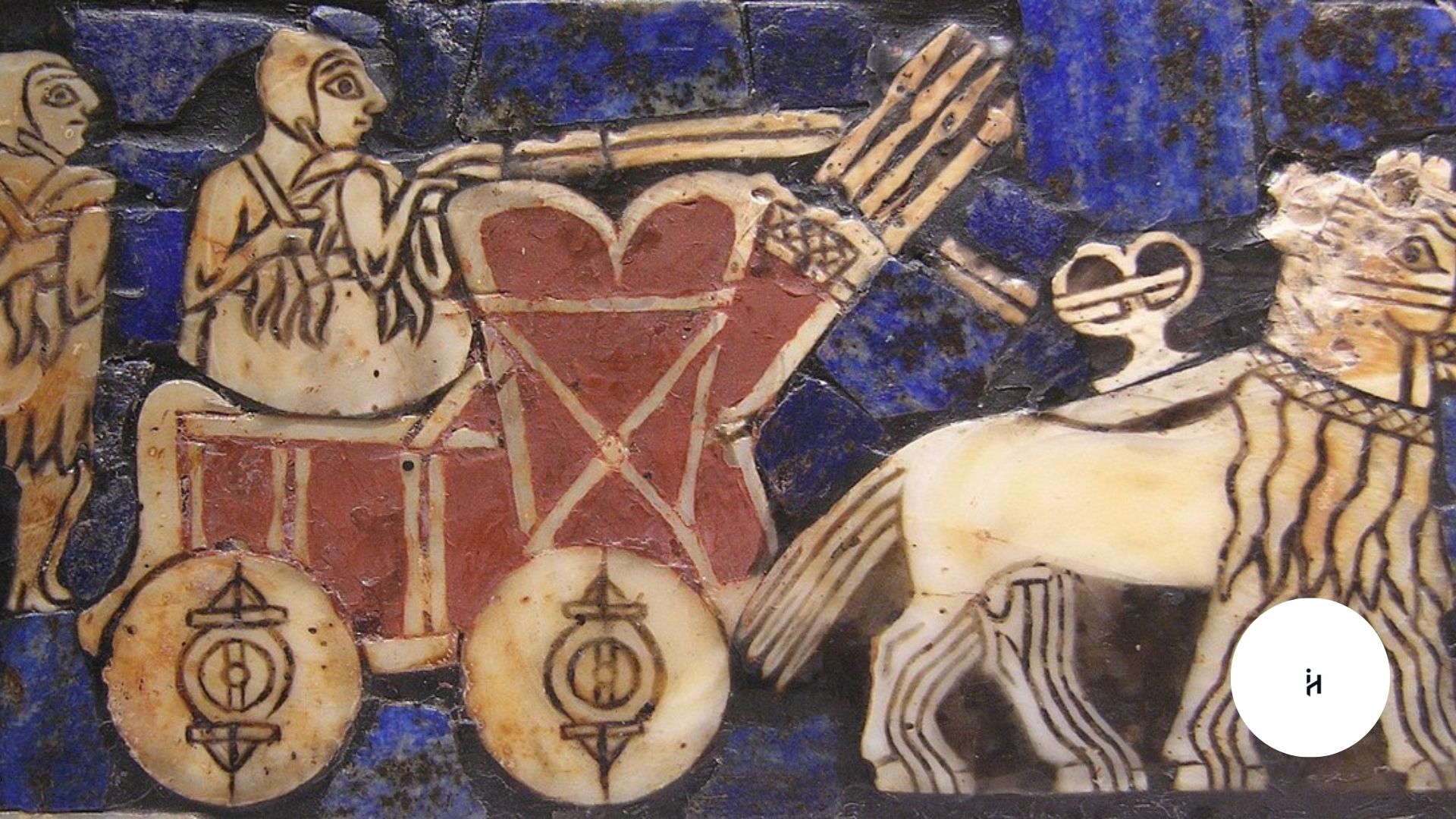
The invention of the wheel, around 3500 BC, marked one of the most significant milestones in human history. Before the wheel, transportation and movement were slow and labor-intensive. The development of wheeled carts and vehicles allowed early civilizations to expand trade, improve agricultural practices, and establish connections between distant regions.

The wheel was not only crucial for transport but also for machinery. It played a fundamental role in engineering, leading to the development of gears and pulleys, which later became essential for industrialization. This single innovation demonstrated how technology changed history by accelerating trade, warfare, and communication, shaping the foundations of modern society.

How Technology Changed History

The Printing Press: A Knowledge Revolution

Johannes Gutenberg’s printing press, invented in the 15th century, transformed the dissemination of knowledge. Before this invention, books were handwritten, making information accessible only to the elite. The printing press revolutionized education, enabling mass production of books, newspapers, and scientific papers.

This technological leap sparked the Renaissance and the Protestant Reformation, emphasizing how technology changed history by spreading literacy and critical thinking. It laid the groundwork for the modern education system, as knowledge became accessible to a broader audience, fueling advancements in science, literature, and philosophy.

The Steam Engine: The Catalyst of the Industrial Revolution

The invention of the steam engine in the 18th century initiated the Industrial Revolution, fundamentally changing economies and labor systems. Factories replaced manual labor, leading to mass production, urbanization, and the rise of a middle class.

Railroads and steamships, powered by steam engines, enhanced transportation, connecting cities and countries like never before. This technological advancement showcased how technology changed history by transitioning humanity from an agrarian society to an industrialized world, setting the stage for modern capitalism and global trade.

The Telegraph and Telephone: Transforming Communication

Before the 19th century, long-distance communication was slow and unreliable. The invention of the telegraph in the 1830s allowed instant communication across vast distances using Morse code. This breakthrough changed business, military strategy, and journalism.

Later, Alexander Graham Bell’s invention of the telephone in 1876 revolutionized personal and commercial communication. It eliminated the need for physical travel to deliver messages, proving once again how technology changed history by shrinking the world and making communication more efficient and accessible.

Electricity: Powering the Modern World

The harnessing of electricity in the late 19th century transformed daily life. Thomas Edison’s invention of the practical light bulb replaced candles and gas lamps, extending productivity beyond daylight hours.

Electricity powered industries, homes, and cities, leading to the development of household appliances and electric transportation. This innovation demonstrated how technology changed history by making life more convenient, safer, and efficient, setting the stage for modern infrastructure and digital technology.

The Automobile: Redefining Mobility

The mass production of automobiles, led by Henry Ford’s assembly line in the early 20th century, made cars affordable and accessible to millions. Cars replaced horse-drawn carriages, offering faster, more reliable transportation.

The automobile industry spurred economic growth, creating jobs and infrastructure like roads and highways. This shift illustrated how technology changed history by increasing mobility, reshaping urban landscapes, and enabling globalization by connecting people and markets more effectively.

The Airplane: Revolutionizing Travel and Warfare

The Wright brothers’ first successful flight in 1903 marked the beginning of a new era in transportation. Airplanes quickly evolved from short-distance travel to transcontinental and intercontinental flights.

Aviation played a crucial role in both World Wars, changing military strategies and geopolitics. The commercial aviation industry made international travel accessible, demonstrating how technology changed history by bringing the world closer together and fostering cultural and economic exchanges.

The Computer Revolution: The Birth of the Digital Age

How Technology Changed History

The development of computers in the mid-20th century transformed business, science, and personal life. Early computers were massive machines used primarily for calculations and data processing. However, with advancements in microprocessors and software, computers became more compact, powerful, and widely available.

The invention of personal computers (PCs) in the 1970s and 1980s revolutionized workplaces and homes. The rise of the internet further emphasized how technology changed history by enabling instant global communication, data storage, and automation in various industries.

The Internet: Connecting the World

The creation of the internet in the late 20th century reshaped every aspect of human interaction. Initially developed for military and academic purposes, it quickly expanded into commercial and social spheres.

The internet transformed communication, entertainment, business, and education. Social media platforms, e-commerce, and online services illustrate how technology changed history by making information instantly accessible and fostering a digitally connected global society.

Artificial Intelligence: The Future of Human Advancement

Artificial intelligence (AI) represents the latest stage in technological evolution. AI-powered systems can process vast amounts of data, make predictions, and even mimic human intelligence.

From healthcare and finance to robotics and self-driving cars, AI is reshaping industries. While AI presents ethical and employment challenges, it highlights how technology changed history by pushing the boundaries of innovation and redefining the future of human potential.

Space Exploration: Beyond Earth’s Boundaries

The space race, initiated in the mid-20th century, led to groundbreaking achievements such as the moon landing in 1969. Today, space exploration continues with Mars missions, space tourism, and the search for extraterrestrial life.

Satellites have revolutionized communication, weather forecasting, and navigation. The ongoing exploration of space is a testament to how technology changed history by expanding human knowledge and possibilities beyond Earth.

How Technology Changed History

Conclusion: The Ever-Evolving Impact of Technology

From ancient wheels to artificial intelligence, technology has been the defining force in shaping civilizations. Each innovation has left an irreversible mark, altering the way humans live, interact, and envision the future.

As technology continues to advance, it will bring both opportunities and challenges. Understanding how technology changed history allows us to appreciate progress while preparing for the transformations yet to come. The journey of innovation is far from over—humanity’s next technological leap may redefine history once again.

For Amazing Updates Keep Visiting ImaginaryHistory.

Leonardo DiCaprio Girlfriend: A Deep Dive into His Dating History

0
Leonardo DiCaprio Girlfriend

Leonardo DiCaprio, a name synonymous with Hollywood excellence, has not only captivated audiences with his stellar performances but has also garnered significant attention for his personal life, particularly his relationships.

Over the years, DiCaprio’s dating history has been a topic of intrigue, often highlighting a pattern of relationships with younger women. This blog delves into the actor’s romantic journey, shedding light on his past and present relationships, and exploring the public’s fascination with his personal life.

Leonardo DiCaprio: A Brief Overview

Born on November 11, 1974, Leonardo Wilhelm DiCaprio embarked on his acting career in the late 1980s. He gained early recognition with roles in television series like “Growing Pains” and films such as “This Boy’s Life.” However, it was his portrayal of Jack Dawson in the 1997 blockbuster “Titanic” that catapulted him to global stardom. Since then, DiCaprio has delivered numerous critically acclaimed performances in films like “Inception,” “The Revenant,” and “The Wolf of Wall Street,” earning him an Academy Award for Best Actor. Beyond acting, he is a dedicated environmental activist, establishing the Leonardo DiCaprio Foundation to support global conservation efforts.The Sun

Leonardo DiCaprio Girlfriend

Leonardo DiCaprio: A Glimpse into His Life and Career

Born on November 11, 1974, Leonardo Wilhelm DiCaprio embarked on his acting journey at a young age, quickly ascending the ranks to become one of Hollywood’s most revered actors. His dedication to his craft is evident in the diverse roles he’s portrayed, earning him critical acclaim and a massive fan following.

Leonardo DiCaprio’s Early Life and Acting Beginnings

Growing up in Los Angeles, DiCaprio was exposed to the entertainment industry early on. He began his career with television appearances, notably on shows like “Growing Pains,” where he played the role of Luke Brower, a homeless teenager. This role showcased his potential and paved the way for his future in film.

Breakthrough Roles and Cinematic Achievements

DiCaprio’s film debut came with “Critters 3,” but it was his role in “What’s Eating Gilbert Grape” (1993) that garnered significant attention, earning him an Academy Award nomination for Best Supporting Actor. Subsequent roles in “Romeo + Juliet” (1996) and “Titanic” (1997) solidified his status as a leading man in Hollywood. His collaborations with renowned directors, such as Martin Scorsese in “The Departed” (2006) and “The Wolf of Wall Street” (2013), further showcased his versatility.

Accolades and Recognition

Despite multiple nominations, DiCaprio’s relentless pursuit of excellence culminated in winning the Academy Award for Best Actor for his role in “The Revenant” (2015). This achievement was celebrated globally, marking a significant milestone in his illustrious career.

The Pattern: DiCaprio’s Dating History

DiCaprio’s romantic life has been under the media microscope for decades, primarily due to a noticeable pattern: his relationships with women significantly younger than himself, often under the age of 25. This trend has sparked discussions and debates, leading to the creation of various charts and memes highlighting the age disparities in his relationships.

Notable Relationships

  1. Bridget Hall (1994): DiCaprio’s early public relationship was with model Bridget Hall. Both were young and rising in their respective careers, but the relationship was short-lived.

  2. Gisele Bündchen (2000-2005): One of his most high-profile relationships, DiCaprio dated Brazilian supermodel Gisele Bündchen for five years. Their relationship was widely covered by the media, but they eventually parted ways, reportedly due to differing lifestyles and priorities.

  3. Bar Refaeli (2005-2011): Following his split from Bündchen, DiCaprio began an on-again, off-again relationship with Israeli model Bar Refaeli. Their relationship lasted several years before they amicably separated.

  4. Blake Lively (2011): DiCaprio had a brief relationship with actress Blake Lively. The couple was spotted together in various international locations during their short-lived romance.

  5. Erin Heatherton (2012): The actor dated Victoria’s Secret model Erin Heatherton for nearly a year before ending their relationship due to hectic schedules.The Sun

  6. Toni Garrn (2013-2014): DiCaprio’s relationship with German model Toni Garrn lasted about a year and a half before they went their separate ways.The Sun

  7. Kelly Rohrbach (2015): The actor had a brief relationship with model and actress Kelly Rohrbach, but they split amicably, citing busy schedules.

  8. Nina Agdal (2016-2017): DiCaprio dated Danish model Nina Agdal for nearly a year before they amicably ended their relationship.Yahoo

  9. Camila Morrone (2017-2022): One of his longer relationships in recent years, DiCaprio dated Argentine-American model and actress Camila Morrone for about five years. Their relationship garnered significant media attention, especially due to their 23-year age difference.

Leonardo DiCaprio’s Current Relationship: Vittoria Ceretti

Leonardo DiCaprio Girlfriend

As of 2025, Leonardo DiCaprio is in a relationship with Italian model Vittoria Ceretti. Born on June 7, 1998, Ceretti has established herself as a prominent figure in the fashion industry.

Who is Vittoria Ceretti?

Vittoria Ceretti hails from Brescia, Italy, and began her modeling career at a young age. She has walked the runway for esteemed fashion houses such as Chanel, Dior, and Valentino. Her striking features and commanding presence have made her a sought-after model in the industry.

The Onset of Their Relationship

DiCaprio and Ceretti were first spotted together in August 2023, sparking rumors about their relationship. They were seen enjoying a meal with Ceretti’s family in Los Angeles, indicating a level of seriousness in their involvement.

Public Appearances and Media Attention

The couple has been photographed together on multiple occasions, including vacations in St. Barts, where they were seen enjoying the sun and sea. Their relationship has been a subject of media interest, particularly due to the age difference, a recurring theme in DiCaprio’s dating history.

Public Perception and Media Attention

DiCaprio’s dating history has not only been a subject of media scrutiny but has also sparked public discourse on age disparities in relationships. The actor’s consistent pattern of dating women under 25 has led to the creation of various internet memes and charts, highlighting the age differences. While some view his relationships as consensual and a matter of personal choice, others critique the pattern, suggesting it reflects societal issues regarding age and gender dynamics.

Leonardo DiCaprio Girlfriend

Q&A:
Q: Who is Leonardo DiCaprio’s current girlfriend?
A: As of 2024, Leonardo DiCaprio is reportedly dating Italian model Vittoria Ceretti.

Q: What is the Leonardo DiCaprio girlfriend chart?
A: It’s a widely circulated chart that humorously highlights DiCaprio’s history of dating women under 25.

Q: Has Leonardo DiCaprio ever been married?
A: No, Leonardo DiCaprio has never been married.

Q: Who were Leonardo DiCaprio’s most famous ex-girlfriends?
A: His notable exes include Gisele Bündchen, Bar Refaeli, Blake Lively, and Camila Morrone.

Conclusion

Leonardo DiCaprio’s illustrious career and commitment to environmental activism have solidified his status as one of Hollywood’s leading figures. However, his personal life, particularly his relationships with younger women, continues to be a focal point of public interest and discussion.

For Amazing Updates Keep Visiting ImaginaryHistory.