Home Blog Page 446

We Didn’t Start the Fire Lyrics: A Deep Dive into Billy Joel’s Iconic Song

0
We Didn’t Start the Fire Lyrics

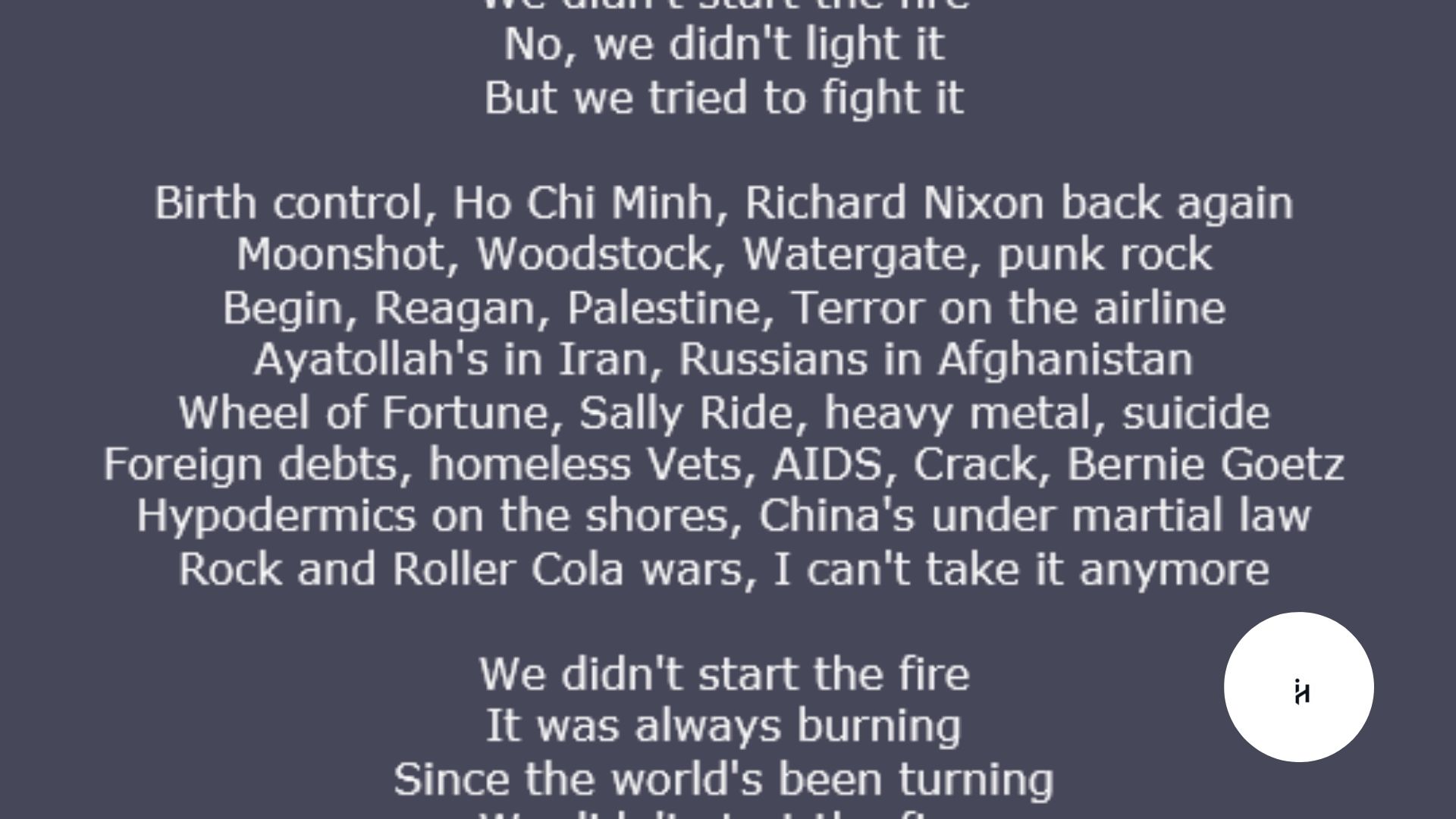
Billy Joel’s song We Didn’t Start the Fire is one of the most unique and historically significant tracks ever released. Known for its fast-paced delivery and rapid-fire listing of historical events, the song takes listeners through a journey of world history from 1949 to 1989. The We Didn’t Start the Fire lyrics have fascinated audiences for decades, sparking curiosity about the numerous references packed into its verses.

The Origins of We Didn’t Start the Fire

Billy Joel released We Didn’t Start the Fire in 1989 as part of his album Storm Front. The song was inspired by a conversation he had with a young friend who claimed that nothing interesting happened in the past. In response, Joel began listing significant historical events that occurred during his lifetime.

The We Didn’t Start the Fire lyrics were crafted as a chronological timeline of world events, covering politics, war, science, culture, and sports. Joel’s unique approach to songwriting turned a history lesson into a catchy and memorable tune.
We Didn’t Start the Fire Lyrics

Understanding the Structure of the Song

The structure of We Didn’t Start the Fire is unlike most pop songs. Instead of telling a traditional story, Joel lists over 100 historical events in a rapid, almost breathless manner. The chorus remains the same throughout, emphasizing the theme that the world’s problems existed long before the current generation.

Each verse in the We Didn’t Start the Fire lyrics covers approximately five years of history, making it a timeline of events that shaped the world.

The Meaning Behind the Song

Many people interpret the We Didn’t Start the Fire lyrics as a statement on generational responsibility. The chorus suggests that people inherit global problems rather than create them from scratch.

By referencing events like the Cold War, civil rights movements, and technological advancements, Joel presents history as an ongoing cycle. The song reminds listeners that history is constantly evolving, and no single generation is solely responsible for the world’s issues.

The Historical Events Covered in the Song

The We Didn’t Start the Fire lyrics include references to major global events, such as:

  • The Korean War

  • The rise and fall of the Berlin Wall

  • The Civil Rights Movement

  • The Vietnam War

  • The Space Race

  • The Cold War tensions

By listing these events, Joel creates a musical timeline that reflects the triumphs and tragedies of the modern era.

The Cultural References in the Lyrics

Aside from political and historical events, We Didn’t Start the Fire also includes references to pop culture. The song mentions figures like Marilyn Monroe, Elvis Presley, and The Beatles, showing how entertainment shaped the world alongside major historical events.

The We Didn’t Start the Fire lyrics demonstrate that history is not just about wars and politics; cultural icons also play a significant role in shaping society.

The Song’s Impact on Popular Culture

Since its release, We Didn’t Start the Fire has remained one of Billy Joel’s most famous songs. It is frequently used in history classrooms to teach students about global events in an engaging way.

The We Didn’t Start the Fire lyrics have also inspired countless parodies and remixes, proving the song’s lasting influence on pop culture.

The Challenges of Writing the Song

Billy Joel has admitted that We Didn’t Start the Fire was one of the most difficult songs he has ever written. Since the entire song consists of historical references, it required extensive research and careful organization.

The challenge was to maintain the rhythm while ensuring that the We Didn’t Start the Fire lyrics remained accurate and relevant.

We Didn’t Start the Fire Lyrics

Why the Song Resonates with Different Generations

Despite being written in 1989, We Didn’t Start the Fire continues to resonate with people of all ages. The song reminds listeners that every generation faces unique challenges, yet history keeps moving forward.

The We Didn’t Start the Fire lyrics offer a sense of continuity, showing that human struggles and achievements are part of an ongoing cycle.

Comparing We Didn’t Start the Fire to Other Historical Songs

Billy Joel’s approach to history in We Didn’t Start the Fire is unique, but other artists have also used music to reflect on historical events. Songs like Bob Dylan’s The Times They Are A-Changin’ and Don McLean’s American Pie similarly capture historical moments through lyrics.

However, the We Didn’t Start the Fire lyrics stand out because of their rapid, list-like structure, making them more like a musical timeline than a traditional song.

The Song’s Relevance Today

Even though the song was released over 30 years ago, it remains relevant today. Many people have created updated versions of the We Didn’t Start the Fire lyrics to include events from the 21st century.

This shows that history is always evolving, and new events continue to shape the world, just as they did in Billy Joel’s time.

Q&A Section

Q1: What is the meaning behind We Didn’t Start the Fire?

A: The song reflects how historical events shape each generation, emphasizing that global issues are inherited rather than created by a single era.

Q2: What historical events are mentioned in We Didn’t Start the Fire lyrics?

A: The song covers major events such as the Cold War, the Vietnam War, the Space Race, and cultural icons like Marilyn Monroe and Elvis Presley.

Q3: Why did Billy Joel write We Didn’t Start the Fire?

A: Billy Joel wrote the song after a conversation with a young person who believed nothing significant happened in the past. He wanted to prove that history is filled with impactful moments.
We Didn’t Start the Fire Lyrics

Q4: How many historical references are in We Didn’t Start the Fire lyrics?

A: The song includes over 100 historical references spanning from 1949 to 1989.

Q5: Why is We Didn’t Start the Fire still relevant today?

A: The song’s message remains relevant because history continues to evolve, and each generation faces its own global challenges.

Q6: Are there modern versions of We Didn’t Start the Fire lyrics?

A: Yes, many people have created updated versions of the song, incorporating events from the 21st century.

Final Thoughts on We Didn’t Start the Fire

Billy Joel’s We Didn’t Start the Fire is more than just a song—it’s a historical journey. By listing important events, the song educates listeners while providing an unforgettable melody.

The We Didn’t Start the Fire lyrics remind us that history is always in motion and that every generation must navigate the challenges left by those before them.

For Amazing Updates Keep Visiting ImaginaryHistory.

What is the Dark Web? A Deep Dive into the Hidden Internet

0
What is the Dark Web

The internet is much larger than what we typically see through search engines like Google or Bing. Beneath the surface lies a mysterious and hidden part of the web known as the dark web. While often associated with illegal activities, it also serves as a refuge for privacy-conscious users. In this article, we will explore what is the dark web, how it works, and its impact on cybersecurity.

Understanding the Layers of the Internet

What is the Dark Web

The internet is divided into three main layers:

  • Surface Web: The part accessible through standard search engines (e.g., news sites, social media, and e-commerce platforms).

  • Deep Web: Content that is not indexed by search engines, such as academic databases, medical records, and private company files.

  • Dark Web: A small portion of the deep web that requires special tools like Tor to access.

What is the dark web in this context? It is a hidden layer of the internet that provides anonymity to users but also harbors illegal activities.

How the Dark Web Works

To access the dark web, users rely on anonymity-focused software like Tor (The Onion Router). Tor encrypts internet traffic and routes it through multiple servers worldwide, making it nearly impossible to track users’ locations.

Websites on the dark web have domains ending in .onion instead of .com or .org. These sites cannot be accessed via standard browsers, ensuring users remain hidden from surveillance.

The Role of Tor and Other Anonymity Networks

What is the dark web without Tor? It wouldn’t exist in the way we know it today. Tor is the most popular way to access the dark web, but other networks like I2P (Invisible Internet Project) and Freenet also provide secure and anonymous communication.

Tor works by encrypting data in multiple layers, bouncing it through a decentralized network of volunteer-operated servers. This ensures privacy but also makes law enforcement efforts more challenging.

What Can You Find on the Dark Web?

The dark web is infamous for hosting illegal marketplaces, but it also has legitimate uses. Here are some common types of content found there:

  • Black markets: Selling drugs, weapons, counterfeit money, and stolen data.

  • Hacking forums: Where cybercriminals share tools and techniques.

  • Whistleblower platforms: Sites like WikiLeaks allow anonymous leaks of sensitive information.

  • Censorship-free communication: Journalists and activists use the dark web to bypass government censorship.

Understanding what is the dark web involves recognizing both its dark and light sides.

The Dark Web vs. The Deep Web: Key Differences

Many confuse the dark web with the deep web, but they are not the same:

  • Deep Web: Contains non-indexed content such as medical records, private emails, and academic research.

  • Dark Web: A subset of the deep web that requires special access and is often used for illicit activities.

While the deep web is legal and widely used, the dark web remains controversial.

The Risks of Accessing the Dark Web

What is the Dark Web

Browsing the dark web is not illegal, but it comes with risks, including:

  • Malware infections: Many dark web sites contain viruses and spyware.

  • Scams and fraud: Many sellers on black markets scam buyers.

  • Legal consequences: Accessing certain sites can attract law enforcement attention.

Understanding what is the dark web also means being aware of these dangers.

Law Enforcement and the Dark Web

Authorities worldwide monitor and take action against illegal activities on the dark web. Organizations like the FBI and Europol have conducted major operations to shut down criminal marketplaces like Silk Road and AlphaBay.

Despite these efforts, the dark web remains a challenge due to its decentralized and encrypted nature.

Ethical Uses of the Dark Web

While the dark web is infamous for criminal activity, it also serves ethical purposes, such as:

  • Whistleblowing platforms: Protecting journalists and informants.

  • Anonymous communication: For individuals in oppressive regimes.

  • Educational resources: Some universities and research institutions host secure portals.

When discussing what is the dark web, it’s important to acknowledge these positive aspects.

Cryptocurrency and Its Role in the Dark Web

Bitcoin and other cryptocurrencies play a major role in dark web transactions. Cryptocurrencies offer anonymity, making them the preferred payment method for illegal trade.

However, authorities have developed blockchain analysis tools to track illicit transactions, leading to arrests of cybercriminals.

How to Stay Safe If You Explore the Dark Web

If you are curious about what is the dark web and plan to explore it, follow these safety tips:

  • Use a VPN: Adds an extra layer of security.

  • Disable JavaScript: Prevents malware and tracking scripts.

  • Avoid downloading files: Many contain hidden viruses.

  • Never share personal information: Cybercriminals may exploit it.

The Future of the Dark Web

What is the Dark Web

The dark web continues to evolve, with increasing scrutiny from law enforcement and new technologies emerging for privacy and security.

As awareness grows about what is the dark web, governments and cybersecurity experts work to balance privacy rights with crime prevention.

Q&A Section: What is the Dark Web?

Q1: What is the dark web?

The dark web is a hidden part of the internet that requires special tools like the Tor browser to access. It provides anonymity to users and hosts both legal and illegal activities.

Q2: How is the dark web different from the deep web?

The deep web includes non-indexed websites like private databases and medical records, while the dark web is a smaller, encrypted portion of the deep web that is often used for anonymity-focused activities.

Q3: Is accessing the dark web illegal?

No, accessing the dark web itself is not illegal, but engaging in criminal activities on the dark web is against the law in most countries.

Q4: What can you find on the dark web?

The dark web hosts black markets, hacking forums, whistleblower platforms, and censorship-free communication tools. Some of its content is legal, while other parts involve illicit trade.

Q5: How do people access the dark web?

People use the Tor browser or similar anonymity networks like I2P to access the dark web. These tools encrypt internet traffic and mask users’ identities.

Q6: Is the dark web dangerous?

Yes, the dark web can be dangerous due to malware, scams, cybercriminals, and potential legal risks if you unknowingly visit illegal sites.

Q7: Can law enforcement track dark web users?

While the dark web is designed for anonymity, law enforcement agencies use advanced tracking methods, including blockchain analysis and undercover operations, to catch criminals.

Q8: What role does cryptocurrency play in the dark web?

Cryptocurrencies like Bitcoin are widely used for transactions on the dark web because they offer a degree of anonymity, though authorities have developed ways to track illicit transactions.

Q9: Are there ethical uses of the dark web?

Yes, journalists, activists, and whistleblowers use the dark web to communicate securely, bypass censorship, and protect privacy.

Q10: How can someone stay safe on the dark web?

To stay safe, use a VPN, disable JavaScript, avoid downloading files, never share personal information, and be cautious about which sites you visit.

Conclusion

What is the dark web? It is a hidden part of the internet that offers anonymity but also poses risks. While it hosts illegal activities, it also serves as a tool for privacy advocates, journalists, and activists.

Understanding what is the dark web helps in making informed decisions about online security and privacy. Whether for ethical use or cybersecurity awareness, knowing about the dark web is crucial in today’s digital world.

For Amazing Updates Keep Visiting ImaginaryHistory.

Greatest Leaders in History: Icons Who Shaped the World

0
Greatest Leaders in History

Throughout history, the world has witnessed the rise of remarkable individuals who have led with vision, determination, and courage. These leaders have left an indelible mark on society, shaping nations, inspiring movements, and leaving a lasting legacy. In this blog, we will explore the greatest leaders in history, delving into their contributions, leadership styles, and the impact they had on their respective eras.

Alexander the Great: The Conqueror Who Built an Empire

Alexander the Great remains one of the greatest leaders in history, known for his unparalleled military prowess and strategic brilliance. Born in 356 BC, he became the King of Macedonia at the age of 20 and embarked on an ambitious campaign to expand his empire. By the time of his death at 32, he had conquered vast territories stretching from Greece to Egypt, Persia, and India.

His leadership was characterized by bold decision-making, tactical warfare, and the ability to inspire loyalty among his troops. Alexander’s vision of cultural integration led to the spread of Hellenistic culture, influencing language, arts, and governance for centuries. Despite his untimely death, his legacy as a military genius and visionary leader endures.

Greatest Leaders in History

Julius Caesar: The Architect of the Roman Empire

Julius Caesar was a Roman general, statesman, and a key figure in the transformation of Rome from a republic to an empire. His leadership in military conquests, especially in Gaul, solidified Rome’s dominance. However, his ability to reform governance, centralize power, and bring about economic and social stability makes him one of the greatest leaders in history.

Caesar introduced land reforms, restructured the debt system, and developed the Julian calendar. His ambition led to his assassination in 44 BC, but his impact on Roman history and governance principles continues to be studied and admired.

Napoleon Bonaparte: The Emperor Who Redefined Europe

Napoleon Bonaparte, the French military leader and emperor, reshaped Europe in the early 19th century. His leadership during the Napoleonic Wars demonstrated his strategic brilliance, and he expanded French influence across the continent.

Beyond military success, Napoleon’s greatest legacy was the Napoleonic Code, which became the foundation of modern legal systems worldwide. His administrative reforms, focus on meritocracy, and centralized governance solidified his place among the greatest leaders in history.

Abraham Lincoln: The Leader Who Preserved the Union

Abraham Lincoln, the 16th president of the United States, is best known for leading the country through the Civil War and abolishing slavery. His leadership was marked by resilience, humility, and a deep commitment to democracy and equality.

Lincoln’s Emancipation Proclamation in 1863 was a turning point in the fight against slavery. Despite facing immense opposition, his steadfast determination ensured the preservation of the Union. His assassination in 1865 was a tragic loss, but his legacy as one of the greatest leaders in history remains intact.

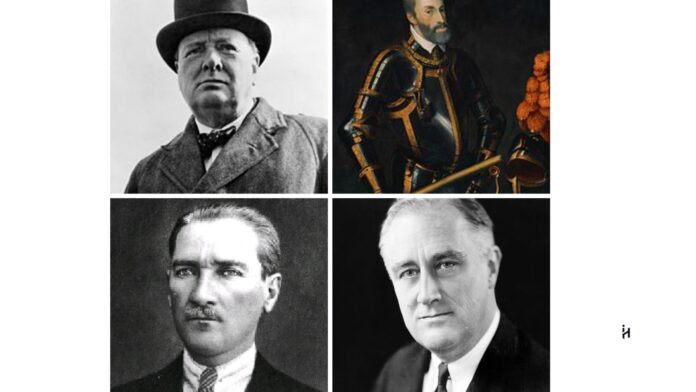
Winston Churchill: The Voice of Resistance in World War II

Winston Churchill’s leadership during World War II earned him a place among the greatest leaders in history. As Prime Minister of Britain, he inspired the nation to resist Nazi Germany through his powerful speeches and unwavering resolve.

Churchill’s ability to rally people in times of crisis, his strategic alliances, and his vision for post-war Europe defined his leadership. His contributions to global politics and diplomacy continue to be studied and admired.

Mahatma Gandhi: The Champion of Non-Violence

Mahatma Gandhi’s philosophy of non-violent resistance made him one of the greatest leaders in history. Leading India’s independence movement against British rule, he used peaceful protests, civil disobedience, and moral authority to challenge colonial oppression.

His teachings on truth, simplicity, and self-reliance inspired movements for civil rights worldwide. Gandhi’s legacy as a leader who fought for justice without resorting to violence continues to influence modern activism.

Greatest Leaders in History

Nelson Mandela: The Symbol of Reconciliation

Nelson Mandela’s leadership in ending apartheid in South Africa makes him one of the greatest leaders in history. After spending 27 years in prison, he emerged as a unifying figure, advocating for peace, democracy, and racial equality.

Mandela became South Africa’s first black president in 1994 and led efforts to heal a divided nation. His emphasis on forgiveness, truth, and justice remains an enduring example of leadership.

Franklin D. Roosevelt: The Architect of the New Deal

Franklin D. Roosevelt (FDR) led the United States through the Great Depression and World War II, implementing transformative policies that reshaped the nation. His New Deal programs provided relief, recovery, and reform, stabilizing the economy and offering hope to millions.

His leadership during World War II, in alliance with Churchill and Stalin, played a crucial role in defeating the Axis powers. FDR’s ability to lead with empathy and innovation solidifies his place among the greatest leaders in history.

Theodore Roosevelt: The Progressive Reformer

Theodore Roosevelt, the 26th president of the United States, was a visionary leader who championed progressive reforms. His commitment to environmental conservation, breaking monopolies, and expanding the role of government made him a transformative figure.

He established national parks, strengthened labor rights, and promoted the Square Deal policies, ensuring fairness for all. His dynamic leadership and dedication to public service make him one of the greatest leaders in history.

Margaret Thatcher: The Iron Lady

Margaret Thatcher, the first female Prime Minister of the United Kingdom, redefined leadership with her firm policies and economic reforms. Her tenure saw a transformation in Britain’s economy, emphasizing free-market principles and reducing the role of government intervention.

Despite being a controversial figure, her resilience, determination, and leadership in global politics cement her position among the greatest leaders in history.

Barack Obama: A Leader of Hope and Change

Barack Obama, the first African American president of the United States, led with a message of hope, unity, and progress. His presidency saw significant reforms in healthcare, economic recovery efforts, and foreign diplomacy.

His leadership in promoting equality, climate policies, and international cooperation makes him one of the most influential leaders of the 21st century. Obama’s ability to inspire and connect with people globally ensures his place among the greatest leaders in history.

Greatest Leaders in History

Q&A Section

Q1: Who are considered the greatest leaders in history?

A: Some of the greatest leaders in history include Alexander the Great, Julius Caesar, Napoleon Bonaparte, Abraham Lincoln, Winston Churchill, Mahatma Gandhi, Nelson Mandela, Franklin D. Roosevelt, Theodore Roosevelt, Margaret Thatcher, and Barack Obama.

Q2: What makes a leader great?

A: A great leader possesses vision, determination, integrity, and the ability to inspire and influence others. They make decisions that positively impact society, demonstrate resilience in crises, and leave a lasting legacy.

Q3: Who was the greatest military leader in history?

A: Alexander the Great is often regarded as the greatest military leader due to his undefeated record in battle and his ability to conquer vast territories while spreading Hellenistic culture.

Q4: Which leader is known for non-violent resistance?

A: Mahatma Gandhi is renowned for his philosophy of non-violent resistance, which played a crucial role in India’s independence from British rule.

Q5: Who was the most influential U.S. president?

A: Abraham Lincoln, Franklin D. Roosevelt, and Theodore Roosevelt are among the most influential U.S. presidents, each making significant contributions in preserving democracy, economic reforms, and social progress.

Q6: Why is Winston Churchill considered a great leader?

A: Winston Churchill is celebrated for his leadership during World War II, where his speeches and strategic decisions helped Britain resist Nazi Germany and ultimately secure victory.

Q7: Which leader helped end apartheid in South Africa?

A: Nelson Mandela led the fight against apartheid and became South Africa’s first black president, emphasizing reconciliation and peace.

Q8: What was Margaret Thatcher’s leadership style?

A: Known as the “Iron Lady,” Margaret Thatcher’s leadership was characterized by strong economic reforms, reducing government intervention, and a firm approach to governance.

Q9: How did Barack Obama impact global politics?

A: Barack Obama’s presidency focused on international diplomacy, healthcare reform, climate change policies, and promoting equality, making him a globally recognized leader.

Q10: What is the legacy of the greatest leaders in history?

A: The greatest leaders in history have left behind a legacy of transformation, inspiring governance models, and movements that continue to influence societies worldwide.

Conclusion

The greatest leaders in history were not just figures of power but visionaries who transformed their societies. From military conquerors to peacemakers, their leadership styles varied, yet their impact was profound. Their legacies continue to inspire future generations, proving that true leadership is about vision, resilience, and the ability to bring about change.

For Amazing Updates Keep Visiting ImaginaryHistory.

Queen Victoria Syndrome: A Deep Dive into Its Meaning and Impact

0
Queen Victoria Syndrome

Introduction to Queen Victoria Syndrome

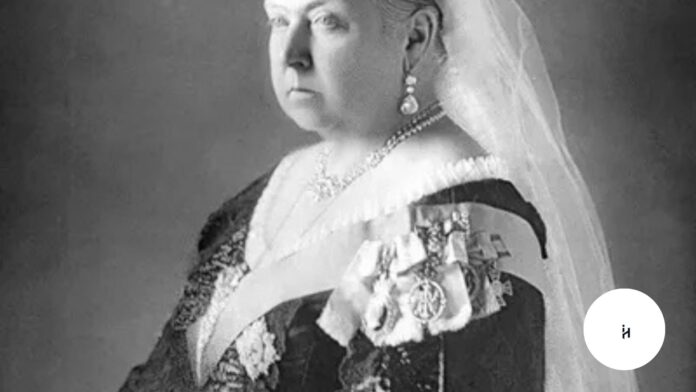
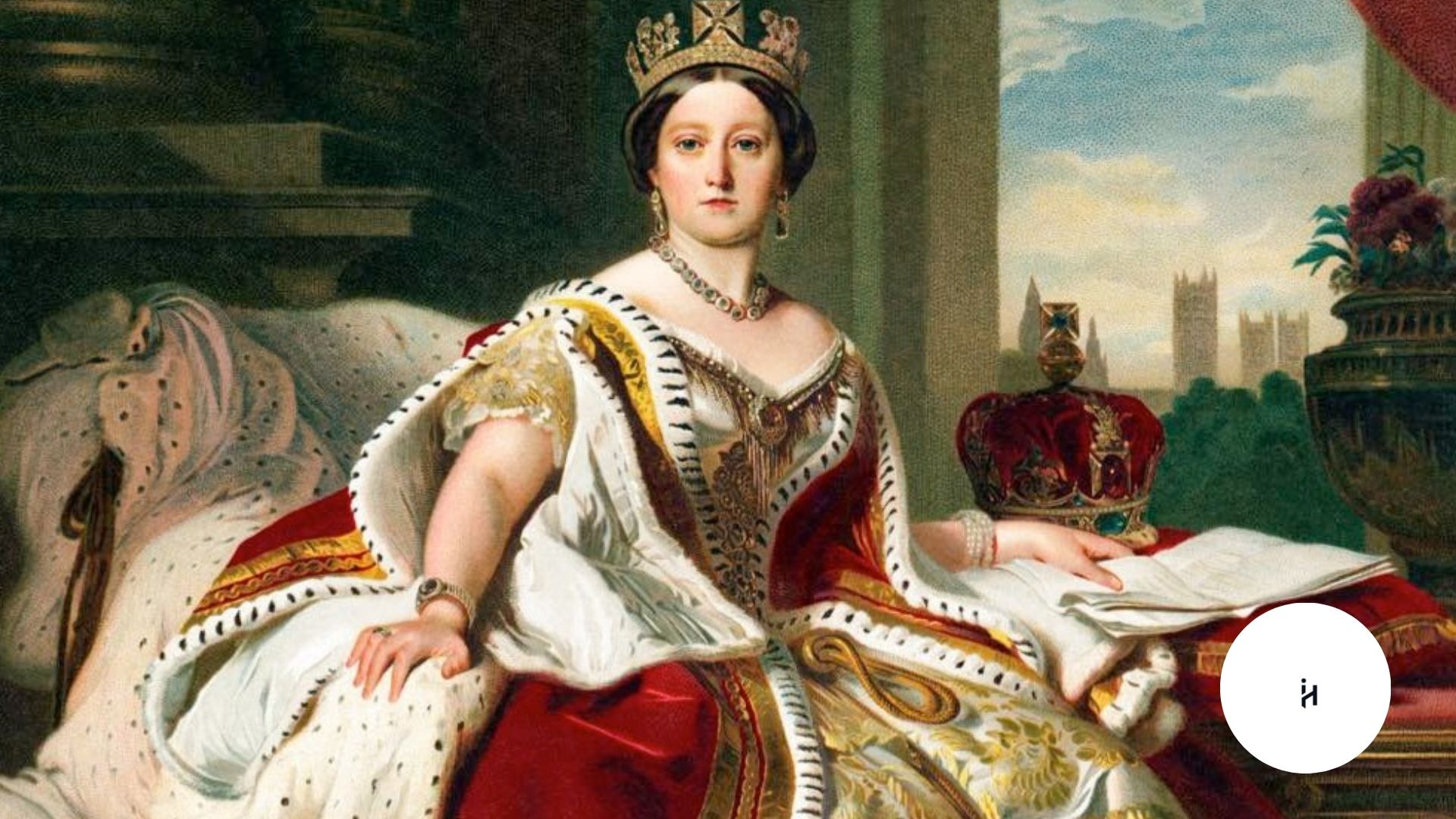
Queen Victoria Syndrome is a term used to describe the reluctance of long-serving monarchs or leaders to adapt to modern times. The phrase originates from Queen Victoria, who reigned over the British Empire for 63 years, from 1837 to 1901. She was known for her rigid adherence to tradition, which often made it difficult for the monarchy to evolve with the rapidly changing world.

The term is frequently used in discussions about leadership, particularly in the context of royal families and politicians. It suggests that staying in power for too long can lead to a resistance to innovation, a disconnection from the people, and an inability to embrace necessary reforms. While Queen Victoria Syndrome is often associated with monarchies, it can also apply to corporate leaders, government officials, and even celebrities who struggle to remain relevant.

The Origins of Queen Victoria Syndrome

Queen Victoria Syndrome

The origins of Queen Victoria Syndrome lie in the reign of Queen Victoria, who ruled during a time of immense industrial and social change. Despite the transformative advancements of the 19th century, she remained steadfast in her traditional views.

One of the most notable examples was her resistance to modernizing the monarchy. She withdrew from public life after the death of her husband, Prince Albert, and was seen as increasingly detached from her people. This reluctance to change made her reign a symbol of outdated traditions. Over time, this tendency became known as Queen Victoria Syndrome, referring to leaders who refuse to acknowledge the necessity of change.

How Queen Victoria Syndrome Affects Monarchies

Modern monarchies, especially in Europe, often face criticism for being out of touch with contemporary societal values. Queen Victoria Syndrome can be observed when royals resist modernization, refuse to embrace progressive policies, or fail to engage with the public in meaningful ways.

For example, when Queen Elizabeth II was accused of not responding quickly enough to the tragic death of Princess Diana in 1997, some critics attributed it to Queen Victoria Syndrome. The royal family’s initial reaction seemed distant, highlighting how tradition and protocol can sometimes create a barrier between monarchy and public sentiment.

The Psychological Aspects of Queen Victoria Syndrome

Queen Victoria Syndrome is deeply rooted in human psychology. Those in power for extended periods often develop a deep attachment to their traditional ways of thinking and operating. Psychological factors such as cognitive rigidity, fear of change, and nostalgia for past successes contribute to the syndrome.

Many long-reigning leaders feel that deviating from established traditions might undermine their authority. This psychological resistance to change is not limited to monarchs; it also affects business executives, political figures, and even artists who struggle to evolve with new trends.

Examples of Queen Victoria Syndrome in Politics

Queen Victoria Syndrome

Political leaders are not immune to Queen Victoria Syndrome. Many politicians who have been in office for decades struggle to adapt to changing social attitudes. They resist implementing reforms, ignore public opinion, and rely on outdated policies.

For instance, leaders who continue to prioritize industrial policies from the 20th century while ignoring climate change concerns demonstrate Queen Victoria Syndrome. Their refusal to embrace sustainability, green energy, and digital transformation often leads to political decline.

Queen Victoria Syndrome in the Business World

Corporations often suffer from Queen Victoria Syndrome when their CEOs or executives refuse to adapt to industry changes. Companies that were once dominant but failed to embrace digital transformation, such as Kodak and Blockbuster, serve as prime examples.

Kodak, once a giant in the photography industry, resisted the shift to digital cameras. Despite inventing the first digital camera, Kodak’s leadership clung to traditional film products, ultimately leading to the company’s downfall. This is a classic example of how Queen Victoria Syndrome can result in corporate failure.

The Role of Public Perception in Queen Victoria Syndrome

Public perception plays a crucial role in identifying Queen Victoria Syndrome. When leaders are perceived as being out of touch, their credibility diminishes. In today’s digital world, where public opinion is shaped by social media and news outlets, leaders must remain engaged and adaptable.

When celebrities, politicians, or business moguls fail to connect with younger generations or embrace diversity, they risk being seen as outdated. This perception can lead to declining influence and, ultimately, irrelevance.

How Queen Victoria Syndrome Affects Cultural Institutions

Beyond politics and business, cultural institutions such as museums, theaters, and universities can also suffer from Queen Victoria Syndrome. When these institutions refuse to modernize, they risk losing relevance.

For example, museums that resist digital exhibitions or fail to represent diverse narratives struggle to attract younger audiences. Similarly, universities that do not update their curricula to include contemporary subjects such as artificial intelligence and climate studies risk becoming obsolete.

Can Leaders Overcome Queen Victoria Syndrome?

While Queen Victoria Syndrome is common, it is not irreversible. Leaders who actively listen to public feedback, embrace technological advancements, and remain open to change can avoid its pitfalls.

Many modern monarchs have successfully adapted to changing times. King Charles III, for example, has shown a willingness to address environmental issues, engage with social causes, and modernize royal traditions. His approach helps mitigate Queen Victoria Syndrome, ensuring that the monarchy remains relevant in the 21st century.

The Impact of Queen Victoria Syndrome on Future Generations

If leaders fail to adapt, the consequences of Queen Victoria Syndrome can extend to future generations. Institutions that resist change may struggle to attract young talent, while nations led by outdated politicians may fall behind in global development.

Queen Victoria Syndrome

To prevent Queen Victoria Syndrome from affecting future generations, leaders must focus on continuous learning, innovation, and inclusivity. Embracing fresh ideas, fostering diversity, and maintaining an open dialogue with the public are key to long-term success.

Q&A Section

1. What is Queen Victoria Syndrome?

Queen Victoria Syndrome refers to a leader’s reluctance to embrace change, often resulting in a disconnect from modern society. The term originates from Queen Victoria’s long reign, during which she resisted modernization and remained attached to traditional values.

2. Why is Queen Victoria Syndrome relevant today?

In today’s fast-changing world, leaders who fail to adapt risk losing credibility and influence. Whether in monarchies, politics, business, or culture, resistance to progress can lead to decline, making Queen Victoria Syndrome a relevant concept even now.

3. How does Queen Victoria Syndrome affect monarchies?

Modern monarchies can suffer from Queen Victoria Syndrome when they resist modernization or fail to connect with the public. A lack of progressive policies and outdated traditions can lead to public disapproval and declining relevance.

4. Can Queen Victoria Syndrome impact businesses?

Yes, businesses that refuse to adapt to new technologies and market trends may suffer from Queen Victoria Syndrome. Companies like Kodak and Blockbuster, which ignored digital transformation, serve as classic examples of its consequences.

5. What are some signs of Queen Victoria Syndrome in leadership?

Some common signs include resistance to innovation, ignoring public opinion, clinging to outdated traditions, and failing to adapt to new cultural and technological trends. Leaders affected by Queen Victoria Syndrome often struggle to stay relevant.

6. Is Queen Victoria Syndrome only related to monarchy?

No, the concept applies to various fields, including politics, corporate leadership, education, and even cultural institutions. Any long-serving figure or organization that resists change may experience Queen Victoria Syndrome.

7. Can Queen Victoria Syndrome be prevented?

Yes, leaders can avoid Queen Victoria Syndrome by staying open to change, listening to public feedback, embracing technological advancements, and ensuring their policies remain relevant to modern needs.

8. How does public perception influence Queen Victoria Syndrome?

Public perception is crucial in determining whether a leader or institution is seen as outdated. In the digital age, failing to engage with younger generations or social movements can lead to criticism and loss of credibility.

9. What is an example of overcoming Queen Victoria Syndrome?

King Charles III has shown a willingness to modernize the British monarchy by addressing environmental issues and engaging in social causes. His adaptability helps counteract Queen Victoria Syndrome, keeping the monarchy relevant.

10. What is the key takeaway about Queen Victoria Syndrome?

Queen Victoria Syndrome highlights the dangers of resisting change. While traditions provide stability, leaders must balance historical values with modern progress to remain influential and effective in their roles.

Conclusion: The Relevance of Queen Victoria Syndrome Today

In today’s rapidly evolving world, Queen Victoria Syndrome remains a relevant concept. Whether in politics, business, or culture, leaders who resist change risk being left behind. The ability to adapt is crucial for sustained influence and success.

While tradition provides stability, excessive rigidity can lead to decline. Balancing historical values with modern progress is the key to overcoming Queen Victoria Syndrome. By embracing change, leaders can ensure they remain relevant, respected, and effective in their roles.

For Amazing Updates Keep Visiting ImaginaryHistory.