Home Blog Page 445

What is Sea Lung? A Deep Dive into Marine Respiration

0
What is Sea Lung

The term “sea lung” has been used in various contexts, encompassing marine organisms, oceanic processes, and metaphorical descriptions of the ocean’s role in global ecology. In this comprehensive exploration, we will delve into the multifaceted meanings of “sea lung,” examining its application to jellyfish, marine mammals, oceanic oxygenation processes, and more.

Introduction to the Term “Sea Lung”

The phrase “sea lung” evokes imagery of breathing and respiration within the marine environment. Historically, it has been used to describe certain marine organisms and phenomena that exhibit characteristics reminiscent of lungs or respiratory functions. Understanding the various interpretations of “sea lung” provides insight into the interconnectedness of marine life and oceanic processes.

What is Sea Lung

“Sea Lungs” as Jellyfish and Ctenophores

In archaic terminology, “sea lungs” referred to jellyfish and ctenophores. This designation likely arose from their pulsating movements, which resemble the rhythmic inhalation and exhalation of lungs. As they navigate through the water, their gelatinous bodies contract and expand, propelling them forward in a manner akin to breathing.

The Labrador Sea: The Ocean’s Lung

The Labrador Sea, situated between Canada and Greenland, is often dubbed the “lung of the deep ocean.” This region plays a crucial role in the global oxygen cycle. During winter, cold, oxygen-rich surface waters sink to the depths, facilitating the transfer of oxygen into deep ocean currents. These currents then distribute oxygen throughout the Atlantic Ocean and beyond, sustaining deep-sea life across the globe.

Seagrass Meadows: The Underwater Lungs of the World

Seagrass meadows are often referred to as the “lungs of the sea” due to their significant role in producing oxygen through photosynthesis. One square meter of seagrass can generate up to 10 liters of oxygen daily. Beyond oxygen production, seagrasses stabilize sediments, improve water clarity, and provide habitat for diverse marine species.UNESCO+2Smithsonian Ocean+2imarcs.org+2

Respiratory Adaptations in Marine Mammals

Marine mammals, such as whales and seals, have evolved specialized respiratory systems to thrive in aquatic environments. Their lungs are adapted to withstand pressure changes during deep dives, efficiently exchange gases, and store oxygen for extended periods underwater. These adaptations enable them to dive to great depths and remain submerged for prolonged durations.

The Ocean as the Planet’s Lung

While rainforests are often termed the “lungs of the Earth,” the ocean also plays a pivotal role in global respiration. Phytoplankton and marine plants absorb carbon dioxide and produce oxygen, contributing significantly to the planet’s oxygen supply. This process underscores the ocean’s vital function in regulating atmospheric gases and supporting life on Earth.Woods Hole Oceanographic Institution

Siphonarioidea: Air-Breathing Marine Snails

The superfamily Siphonarioidea comprises air-breathing sea snails, often termed “false limpets.” These gastropods possess a lung-like structure, allowing them to respire air, an adaptation that enables them to inhabit intertidal zones where exposure to air is frequent. Their unique respiratory system exemplifies the diverse mechanisms marine organisms have developed to survive in varying environments.

Amphibola crenata: The Mud-Flat Snail

What is Sea Lung

Amphibola crenata, commonly known as the mud-flat snail, is another example of an air-breathing marine gastropod. Native to New Zealand, this species utilizes its mantle cavity as a lung, allowing it to breathe air during low tides when it is exposed. This adaptation highlights the evolutionary bridge between aquatic and terrestrial respiration.

Chelonian Sea Turtles: Dual Function of the Lung

Sea turtles exhibit a dual function of the lung, serving both as a buoyancy organ and a respiratory organ. By adjusting the air volume in their lungs, they can control their buoyancy, allowing them to navigate different water depths efficiently. This multifunctional use of the lung is crucial for their survival, enabling prolonged dives and efficient foraging.

The Living, Breathing Ocean

The ocean’s dynamic processes, including the absorption and release of gases, mirror the act of breathing. Regions like the Labrador Sea facilitate the deep ocean’s “inhalation” of oxygen, which is then transported globally via deep currents. This continuous exchange is vital for maintaining the delicate balance of marine ecosystems and the organisms that inhabit them.

Q&A:

Q: What is Sea Lung?

A: “Sea lung” refers to various marine concepts, including jellyfish movements, oceanic oxygenation, and the ocean’s role in producing oxygen.

Q: Why is the ocean called the planet’s lung?

A: The ocean produces over 50% of the Earth’s oxygen through phytoplankton and marine plants, making it a crucial part of the global respiration cycle.

Q: How do marine animals adapt their lungs for underwater survival?

A: Marine mammals like whales and seals have specialized lungs that store oxygen efficiently, allowing them to dive deep for extended periods.

What is Sea Lung

Conclusion: The Multifaceted Interpretations of “Sea Lung”

The term “sea lung” encapsulates a range of meanings, from describing specific marine organisms with lung-like functions to depicting the ocean’s role in global respiration. These interpretations underscore the intricate connections within marine ecosystems and highlight the ocean’s indispensable contribution to sustaining life on our planet.

For Amazing Updates Keep Visiting ImaginaryHistory.

Eunice Winstead: The Controversial Child Marriage That Changed U.S. Laws

0
Eunice Winstead

Eunice Blanche Winstead was born in 1927 in Hancock County, Tennessee, USA. She gained national attention in 1937 when, at the tender age of nine, she married 22-year-old Charlie Johns. This union sparked widespread controversy and led to significant changes in child marriage laws in the United States. Eunice Winstead’s life story is a poignant example of the complexities surrounding child marriage in early 20th-century America.

The Marriage of Eunice Winstead and Charlie Johns

On January 19, 1937, Eunice Winstead married Charlie Johns in Sneedville, Hancock County, Tennessee. Charlie, a 22-year-old tobacco farmer, falsified Eunice’s age to obtain a marriage license, as Tennessee law at the time did not specify a minimum age for marriage.

The ceremony was conducted by Baptist preacher Walter Lamb, who was paid one dollar for his services. Eunice’s parents, despite initial reservations, ultimately consented to the marriage, influenced by local customs and their own experiences with early marriage.

Eunice Winstead

Public Reaction and Media Coverage

The marriage of Eunice Winstead and Charlie Johns attracted national attention after being featured in Life magazine in February 1937. The media coverage was extensive, with articles appearing in prominent publications such as The New York Times and Newsweek.

The public reaction was mixed, with some expressing outrage over the union, while others defended it based on cultural norms of the time. The intense media scrutiny highlighted the prevalence of child marriage in certain regions and sparked a national debate on the issue.

Legal Implications and Changes

In response to the public outcry over Eunice Winstead’s marriage, the state of Tennessee introduced legislation setting the minimum age for marriage at sixteen years. This law aimed to prevent future occurrences of child marriages similar to that of Eunice and Charlie. Other jurisdictions, including Minnesota, Rhode Island, and Washington, D.C., followed suit by enacting similar laws to protect minors from early marriages.

Eunice Winstead’s Early Married Life

After her marriage, Eunice attempted to continue her education but faced challenges. She attended school for two days before her husband withdrew her following disciplinary actions by the teacher. Subsequently, state law was amended to exempt married children from compulsory education.

Eunice and Charlie initially lived with Charlie’s parents and later established their own household. Despite the unconventional start to their marriage, they managed to build a life together.

Family Life and Children

Eunice Winstead gave birth to her first child at the age of fifteen. Over the years, she and Charlie had a total of nine children. Their family life was marked by the typical challenges and joys of raising a large family. Despite the early controversy surrounding their marriage, Eunice and Charlie focused on providing for their children and maintaining a stable home environment.

Cultural Context of Child Marriage in the 1930s

During the 1930s, child marriage was not uncommon in certain rural areas of the United States, particularly in the South. Economic hardships and cultural norms often led families to consent to early marriages for their children.

The marriage of Eunice Winstead and Charlie Johns highlighted these practices and brought national attention to the need for legal reforms to protect minors.

Eunice Winstead

Media Portrayal and Public Perception

The media’s portrayal of Eunice Winstead’s marriage was sensationalized, with articles focusing on the novelty and controversy of a child bride. Photographs and stories depicted Eunice engaging in childlike activities, such as playing with dolls, juxtaposed with her role as a wife. This contrast fueled public debate and led to increased scrutiny of child marriage practices.

Later Years and Legacy

Eunice Winstead remained married to Charlie Johns until his death in 1997. She passed away in 2006. Their marriage, despite its controversial beginnings, endured for six decades. The legacy of their union includes the legal reforms it inspired and the ongoing discussions about the appropriateness of child marriage.

Impact on Child Marriage Legislation

The widespread attention garnered by Eunice Winstead’s marriage served as a catalyst for legislative changes aimed at preventing child marriages. The case underscored the vulnerabilities of minors in such unions and prompted lawmakers to establish minimum age requirements and stricter regulations to protect children from premature marriages.

Q&A:

Q: Who was Eunice Winstead?

A: Eunice Winstead was a girl from Tennessee who gained national attention in 1937 when she married 22-year-old Charlie Johns at the age of nine.

Q: Why was Eunice Winstead’s marriage controversial?

A: The marriage was controversial because Eunice was only nine years old, raising concerns about child marriage laws and prompting legal reforms in Tennessee and other states.

Q: What impact did Eunice Winstead’s marriage have on U.S. law?

A: The case led to stricter child marriage laws in Tennessee and influenced other states to set minimum age requirements for marriage.

Eunice Winstead

Q: Did Eunice Winstead remain married to Charlie Johns?

A: Yes, Eunice and Charlie remained married for 60 years until Charlie’s death in 1997.

Q: How did the media react to Eunice Winstead’s marriage?

A: The media heavily covered the story, with national publications like Life magazine featuring the couple, sparking widespread debate.

Conclusion: Reflecting on Eunice Winstead’s Story

The story of Eunice Winstead is a complex narrative that intertwines personal choices, cultural norms, and legal implications. Her marriage at the age of nine serves as a historical example of practices that were once tolerated but are now widely condemned. Reflecting on her life encourages ongoing dialogue about the protection of children’s rights and the importance of legal frameworks that safeguard minors from exploitation

For Amazing Updates Keep Visiting ImaginaryHistory.

The History of Democracy: A Journey Through Time

0
The History of Democracy

Democracy is a political system that empowers the people to participate in governance, either directly or through elected representatives. The history of democracy spans thousands of years, evolving through various civilizations and adapting to changing societal needs. It has played a crucial role in shaping modern nations, promoting human rights, and ensuring the rule of law. This article explores the history of democracy in detail, tracing its origins, key milestones, and future challenges.

Ancient Origins: The Birth of Democratic Principles

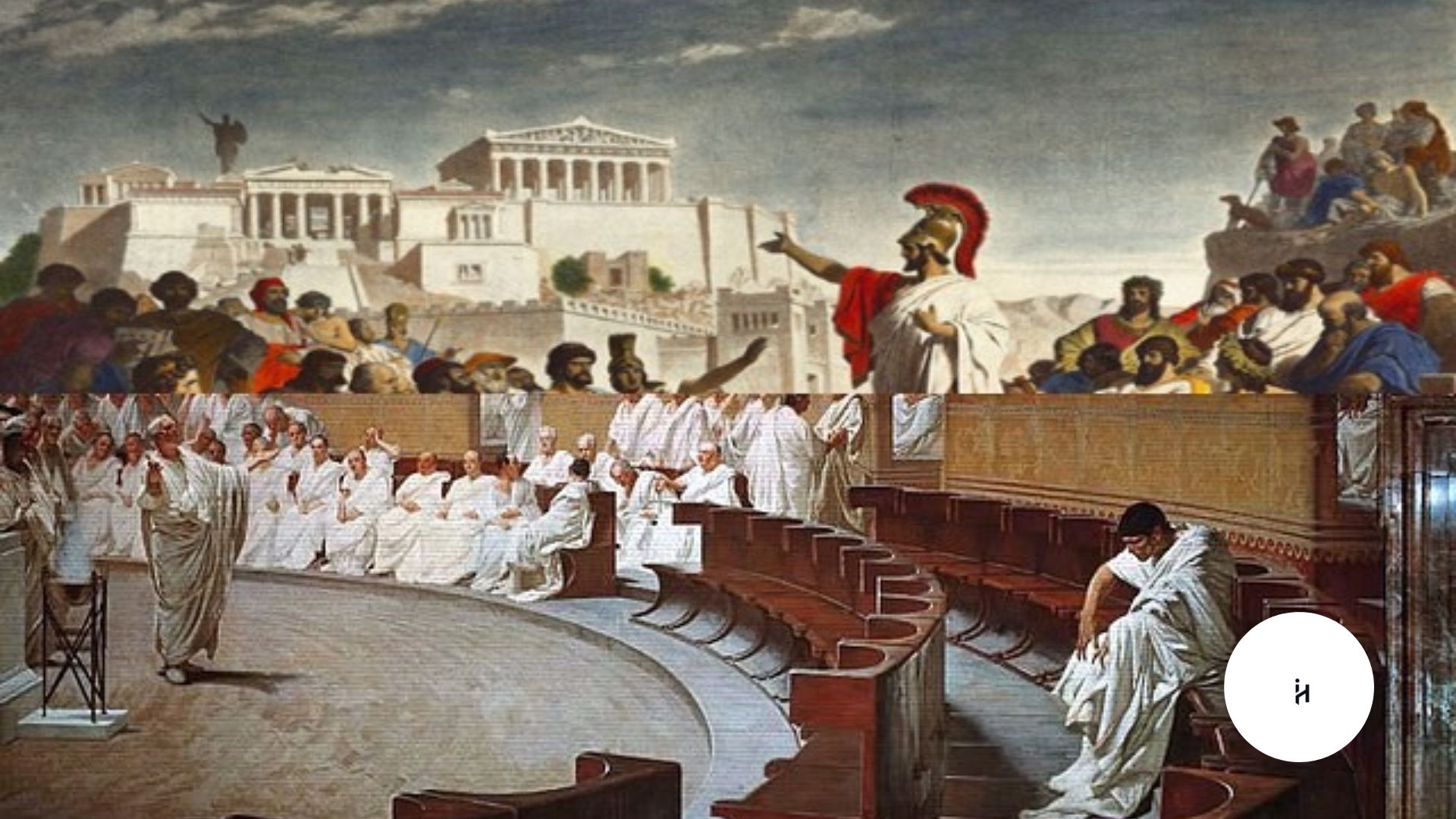
The history of democracy dates back to ancient civilizations, where rudimentary forms of governance allowed public participation. Early democratic practices can be seen in tribal councils and assemblies in Mesopotamia, India, and ancient Israel. However, the most well-documented early democratic system emerged in ancient Greece, particularly in Athens around the 5th century BCE.

Athenian democracy was a direct form of governance where citizens actively participated in decision-making. The assembly (Ekklesia) allowed male citizens to vote on laws and policies, while the council (Boule) prepared legislative matters. Although Athenian democracy was exclusive—excluding women, slaves, and non-citizens—it laid the foundation for future democratic systems.

The History of Democracy

The Roman Republic: A Mixed Model of Governance

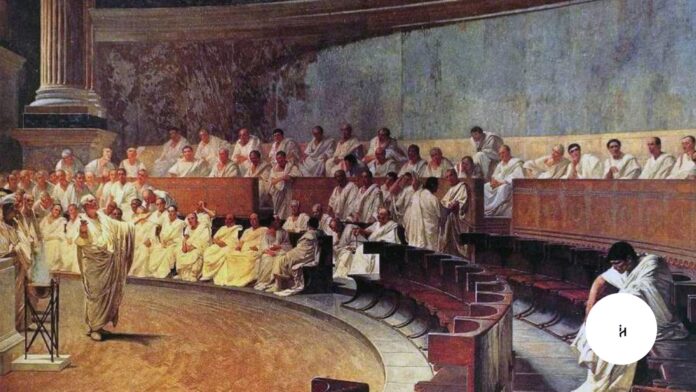
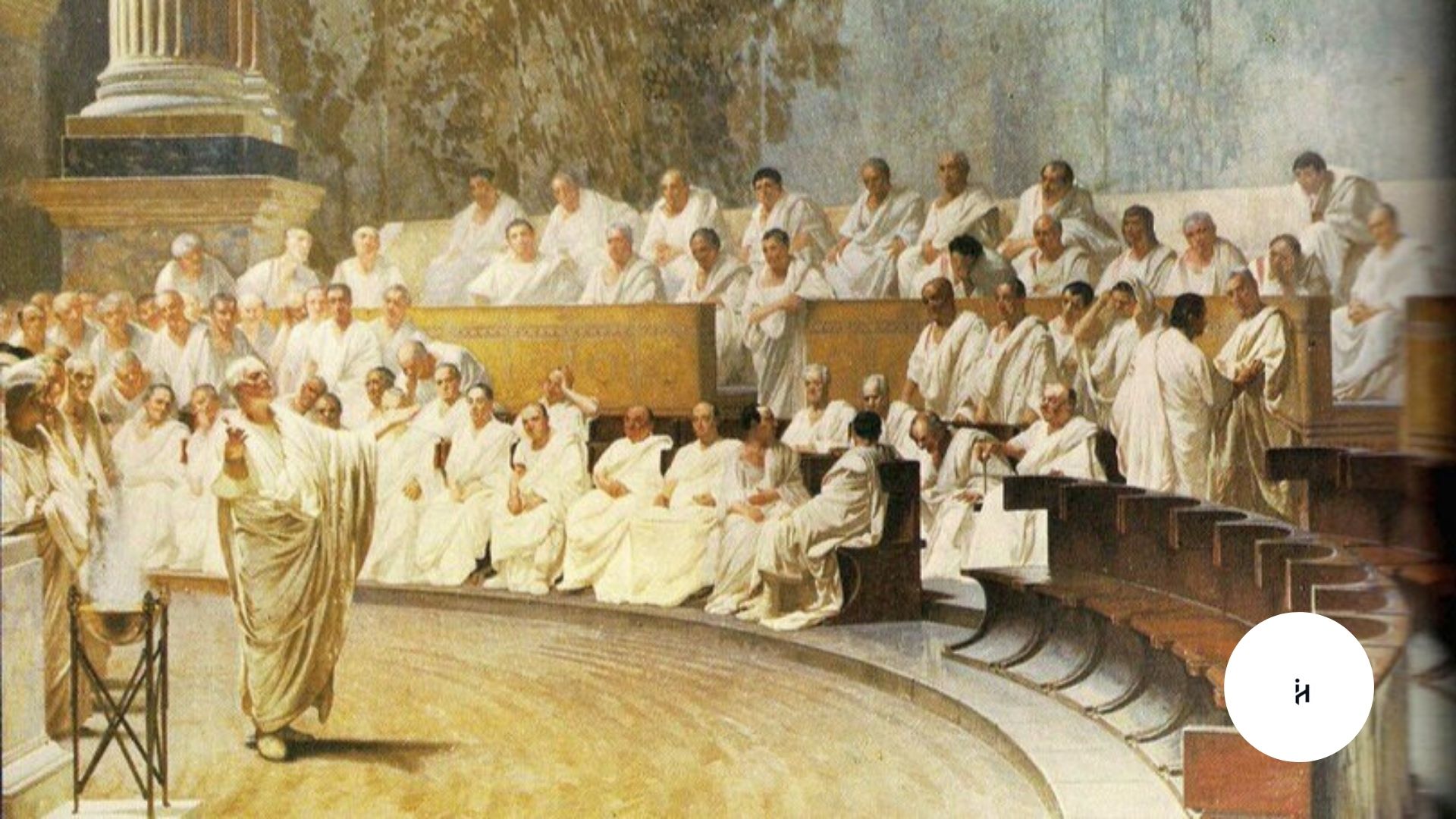
The Roman Republic (509–27 BCE) introduced a system that combined elements of democracy, aristocracy, and monarchy. Unlike Athens, Rome developed a representative form of governance where citizens elected officials, including senators and tribunes.

The Republic functioned through institutions like the Senate, which was dominated by aristocrats, and the popular assemblies, which allowed plebeians to have a voice. Although not a fully democratic system, the Roman Republic played a vital role in the history of democracy by establishing the concept of checks and balances, which influenced later democratic structures.

Medieval Europe and the Decline of Democracy

With the fall of the Roman Republic and the rise of the Roman Empire, democratic practices weakened. The Middle Ages (5th–15th century) saw the dominance of monarchies and feudalism, where kings and lords held absolute power. However, some democratic elements persisted in institutions like the Icelandic Althing (930 CE) and the Magna Carta (1215), which limited the power of the monarchy and established legal rights.

During this period, city-states like Venice and the Swiss Confederation maintained some democratic traditions, but overall, democracy remained suppressed under feudal rule. The history of democracy during the medieval era was marked by resistance against autocratic rule, laying the groundwork for future revolutions.

The Renaissance and the Revival of Democratic Thought

The Renaissance (14th–17th century) reignited interest in democracy by reviving classical knowledge and emphasizing individual rights. Philosophers like Niccolò Machiavelli discussed republicanism, while movements in Italy and the Netherlands challenged monarchical authority.

This period also saw the rise of Protestant Reformation, which promoted ideas of religious and political self-governance. The Renaissance’s emphasis on humanism and individual freedoms played a crucial role in shaping modern democratic principles.

The Enlightenment: Philosophical Foundations of Modern Democracy

The History of Democracy

The 17th and 18th centuries, known as the Enlightenment era, were crucial in the history of democracy. Thinkers like John Locke, Montesquieu, and Jean-Jacques Rousseau developed ideas of popular sovereignty, separation of powers, and social contracts.

Locke’s philosophy emphasized natural rights, arguing that governments should exist to protect life, liberty, and property. Montesquieu’s concept of separation of powers influenced modern constitutions, while Rousseau’s ideas on direct democracy inspired revolutionary movements. These philosophies became the backbone of democratic revolutions in America and France.

The American Revolution and the Birth of Modern Democracy

The American Revolution (1775–1783) marked a turning point in the history of democracy. Inspired by Enlightenment ideals, American colonists sought independence from British rule and established a democratic republic.

The U.S. Constitution (1787) introduced a system of checks and balances, protecting individual rights through the Bill of Rights (1791). This model of representative democracy influenced many countries, demonstrating that governance based on popular sovereignty could succeed.

The French Revolution: A Radical Shift in Democratic Ideals

The French Revolution (1789–1799) was another significant moment in the history of democracy. The revolutionaries overthrew the monarchy, declaring the principles of liberty, equality, and fraternity. The National Assembly and later the Reign of Terror attempted to implement democratic governance, but political instability led to the rise of Napoleon Bonaparte.

Despite its challenges, the French Revolution paved the way for democratic reforms in Europe and inspired future movements advocating for people’s rights.

The 19th and 20th Centuries: Expansion of Democratic Rights

The 19th and 20th centuries witnessed significant progress in the expansion of democracy. Many nations adopted democratic constitutions, expanded suffrage, and reformed electoral systems.

Movements for women’s rights, workers’ rights, and racial equality contributed to the democratization process. Landmark events like the abolition of slavery, women’s suffrage, and civil rights movements strengthened democratic principles worldwide. The two World Wars also played a role in reshaping democracy, leading to the formation of international organizations like the United Nations.

Democracy in the 21st Century: Challenges and Opportunities

The History of Democracy

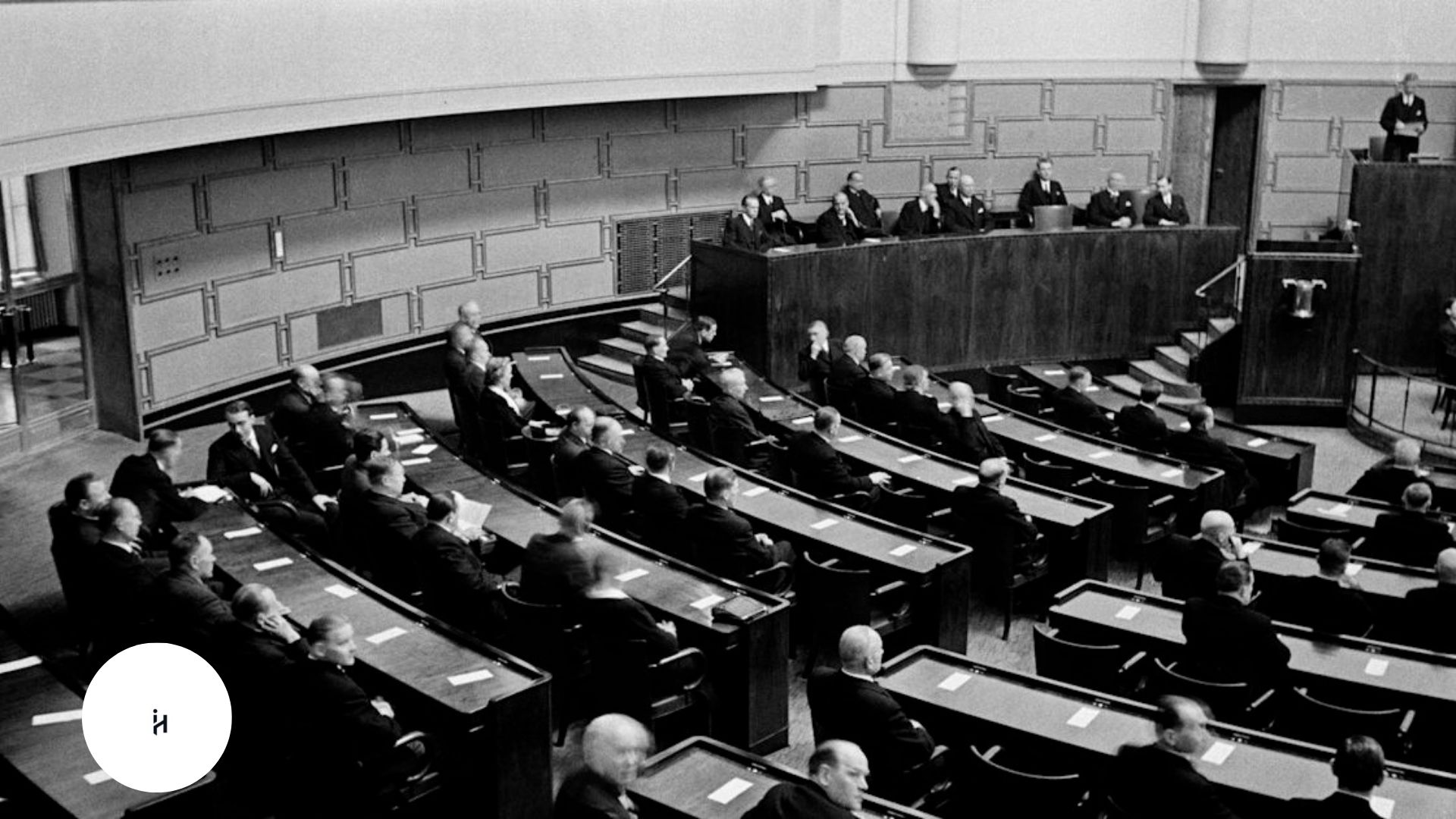
The history of democracy continues to evolve in the 21st century. While many countries have embraced democratic governance, challenges such as political corruption, misinformation, and authoritarianism threaten its stability.

Technological advancements, social media, and globalization have transformed democratic participation. Citizens now have greater access to information, but issues like election interference and populism pose risks. Strengthening democratic institutions and promoting civic education remain crucial in preserving democracy.

Q&A on The History of Democracy

Q1: What is democracy?

A: Democracy is a system of government where power is vested in the people, either directly or through elected representatives. It ensures political participation, rule of law, and protection of individual rights.

Q2: Where did democracy originate?

A: The history of democracy dates back to ancient civilizations, with the most notable early democratic system emerging in Athens, Greece, around the 5th century BCE.

Q3: How did the Roman Republic contribute to democracy?

A: The Roman Republic introduced a mixed system with elected officials, separation of powers, and checks and balances, influencing modern democratic governments.

Q4: How did the Middle Ages affect democracy?

A: The Middle Ages saw a decline in democratic governance due to feudalism and monarchy. However, documents like the Magna Carta (1215) laid the groundwork for future democratic reforms.

Q5: What role did the Enlightenment play in democracy?

A: Enlightenment thinkers like John Locke and Montesquieu developed ideas on natural rights, popular sovereignty, and the separation of powers, which became fundamental to modern democracy.

Q6: How did the American and French Revolutions shape democracy?

A: Both revolutions established democratic principles by rejecting monarchy, introducing constitutions, and advocating for individual rights and popular governance.

Q7: What were the major democratic advancements in the 19th and 20th centuries?

A: Expansion of voting rights, abolition of slavery, women’s suffrage, civil rights movements, and the creation of democratic constitutions worldwide were major advancements.

Q8: What are the biggest challenges to democracy today?

A: Threats like political corruption, misinformation, election interference, and authoritarianism pose challenges to democracy in the modern era.

Q9: How has technology impacted democracy?

A: Technology has increased political awareness and participation but has also introduced risks like misinformation, cyber threats, and election manipulation.

Q10: What is the future of democracy?

A: The future of democracy depends on strengthening institutions, promoting civic education, ensuring transparency, and adapting to modern societal changes.

Conclusion: The Future of Democracy

The history of democracy is a testament to humanity’s enduring struggle for freedom and equality. From its ancient origins to modern-day challenges, democracy has adapted and evolved, shaping societies across the globe.

While democracy faces ongoing threats, it remains the most inclusive system of governance, ensuring people’s voices are heard. By learning from history and addressing contemporary challenges, the future of democracy can be safeguarded, continuing its role as a pillar of justice and human rights.

Dune Movie 1984: A Timeless Sci-Fi Classic

0
Dune Movie 1984

The Dune movie 1984 is a cult classic in the science fiction genre, known for its ambitious storytelling, stunning visuals, and unique adaptation of Frank Herbert’s novel. Despite its mixed reception upon release, the film has gained a loyal following over the years. Let’s take a deep dive into the elements that make this movie an unforgettable piece of cinematic history.

The Story Behind Dune Movie 1984

The Dune movie 1984 is based on Frank Herbert’s 1965 novel Dune, one of the most acclaimed works in science fiction literature. The story is set in a distant future where noble houses vie for control over the desert planet Arrakis, the only source of a powerful substance called “spice.” Paul Atreides, the heir of House Atreides, embarks on a journey filled with betrayal, war, and destiny as he discovers his role in shaping the universe.

Director David Lynch took on the challenging task of adapting Herbert’s complex novel into a two-hour film. Despite having to condense a vast amount of material, Lynch managed to capture the essence of Dune while adding his signature surrealist style.

Dune Movie 1984

The Cast and Their Performances

The Dune movie 1984 featured an impressive ensemble cast, led by Kyle MacLachlan as Paul Atreides. This was MacLachlan’s film debut, and he delivered a compelling performance as the young nobleman turned messianic leader.

Other notable actors included:

  • Francesca Annis as Lady Jessica, Paul’s mother and a member of the mysterious Bene Gesserit.

  • Jürgen Prochnow as Duke Leto Atreides, Paul’s noble father.

  • Sean Young as Chani, Paul’s love interest and a fierce Fremen warrior.

  • Sting as Feyd-Rautha, the sadistic nephew of the villainous Baron Harkonnen.

  • Kenneth McMillan as Baron Vladimir Harkonnen, one of the most grotesque and terrifying villains in sci-fi cinema.

Each actor brought their character to life, making the film an engaging experience despite its narrative challenges.

The Cinematic Vision of David Lynch

David Lynch’s vision for the Dune movie 1984 was grand and surreal. The film is filled with dreamlike sequences, haunting imagery, and a dark, atmospheric tone that sets it apart from other sci-fi movies of its time.

Lynch infused the movie with his signature style, creating a sense of mysticism and psychological depth. However, the film’s production was troubled by studio interference, which resulted in a heavily edited final cut that Lynch himself disowned.

The Special Effects and Set Design

The Dune movie 1984 showcased some groundbreaking special effects for its time. The massive sandworms, the heart of Arrakis’ ecosystem, were brought to life using practical effects and miniatures, giving them an eerie realism.

The film’s set design was another highlight, with stunningly detailed environments that transported audiences to the desert world of Arrakis. The elaborate costumes and intricate props added to the film’s immersive quality.

The Unique Soundtrack by Toto

Dune Movie 1984

One of the standout elements of the Dune movie 1984 is its mesmerizing soundtrack, composed by the rock band Toto. The score blended orchestral compositions with electronic elements, creating a sound that perfectly captured the film’s futuristic yet mystical tone.

The main theme, with its sweeping melodies and dramatic undertones, has become iconic among Dune fans, adding to the film’s lasting appeal.

Differences Between the Movie and the Book

While the Dune movie 1984 stays faithful to the core plot of the novel, several changes were made to fit the story into a manageable runtime. Some key differences include:

  • The addition of internal monologues to explain characters’ thoughts.

  • A more visual and grotesque depiction of Baron Harkonnen.

  • The omission or simplification of certain subplots, such as the political intricacies of the Landsraad and the Spacing Guild.

Despite these changes, the film retains the spirit of Herbert’s novel, portraying its themes of power, destiny, and ecological balance.

The Film’s Reception and Criticism

Upon its release, the Dune movie 1984 received mixed reviews. Critics praised its ambitious scope and visual design but criticized its complicated narrative and uneven pacing. Many viewers found the film difficult to follow, especially those unfamiliar with the book.

Despite the initial backlash, the movie has since gained a cult following, with fans appreciating its unique aesthetic and thematic depth.

The Cult Status and Legacy of Dune Movie 1984

Over the years, the Dune movie 1984 has earned a dedicated fanbase. Sci-fi enthusiasts and Lynch fans alike admire the film for its artistic vision, even if it wasn’t a commercial success.

The movie’s influence can be seen in later adaptations of Dune, as well as in other sci-fi films and TV series that explore similar themes of political intrigue and interstellar conflict.

The 2021 Adaptation vs. Dune Movie 1984

With Denis Villeneuve’s Dune (2021) bringing a fresh take on the story, comparisons to the Dune movie 1984 were inevitable. While Villeneuve’s version follows a more faithful adaptation of the book, Lynch’s film remains a fascinating interpretation that captures the essence of Herbert’s universe in a unique way.

Fans of the 1984 film appreciate its surreal style, while new audiences enjoy the modern adaptation’s detailed storytelling and cutting-edge visuals.

Why Dune Movie 1984 Is Still Worth Watching

Dune Movie 1984

Despite its flaws, the Dune movie 1984 remains a must-watch for sci-fi fans. Its stunning production design, haunting music, and ambitious storytelling make it an intriguing piece of cinema history.

Whether you love it or find it perplexing, the movie’s influence on the sci-fi genre is undeniable, and it continues to inspire discussions among fans and critics alike.

Q&A on Dune Movie 1984

Q1: What is the Dune movie 1984 about?

The Dune movie 1984 is a science fiction film based on Frank Herbert’s novel Dune. It follows Paul Atreides, a young nobleman who discovers his destiny on the desert planet Arrakis, the only source of the valuable spice melange. The film explores themes of power, prophecy, and survival.

Q2: Who directed Dune movie 1984?

The Dune movie 1984 was directed by David Lynch, known for his surreal and atmospheric filmmaking style. However, due to studio interference, Lynch later disowned the final cut of the film.

Q3: Who played the main role in Dune movie 1984?

Kyle MacLachlan played the lead role of Paul Atreides in the Dune movie 1984, marking his film debut. His performance as the prophesied hero was well-received by fans.

Q4: How does the Dune movie 1984 compare to the 2021 adaptation?

The Dune movie 1984 is a more condensed and surreal version of Frank Herbert’s novel, whereas the 2021 adaptation by Denis Villeneuve follows a more faithful and visually modern approach. Both have their unique strengths and appeal to different audiences.

Q5: Why is the Dune movie 1984 considered a cult classic?

Despite its initial criticism, the Dune movie 1984 gained a loyal following due to its ambitious storytelling, artistic visuals, and unique soundtrack. Over time, it became appreciated as a fascinating piece of sci-fi cinema.

Q6: What is the significance of spice in Dune movie 1984?

In the Dune movie 1984, spice melange is a powerful substance found only on Arrakis. It extends life, enhances mental abilities, and enables interstellar travel, making it the most valuable resource in the universe.

Q7: How was the reception of Dune movie 1984 upon release?

The Dune movie 1984 received mixed reviews upon its release. While praised for its visuals and ambition, critics found it confusing and difficult to follow. However, it has since gained recognition as a cult classic.

Q8: Who composed the soundtrack for Dune movie 1984?

The soundtrack of the Dune movie 1984 was composed by the rock band Toto, blending orchestral and electronic elements to create a hauntingly beautiful score.

Q9: What are some major differences between the book and Dune movie 1984?

The Dune movie 1984 altered some aspects of the book, including internal monologues, a more grotesque portrayal of Baron Harkonnen, and the omission of certain subplots. However, it retained the novel’s core themes.

Q10: Is the Dune movie 1984 worth watching today?

Yes! The Dune movie 1984 remains a visually stunning and thought-provoking film. While it may not be a perfect adaptation, it offers a unique take on Frank Herbert’s masterpiece and is a must-watch for sci-fi enthusiasts.

Conclusion: The Enduring Appeal of Dune Movie 1984

The Dune movie 1984 may not have been a commercial success upon its release, but it has stood the test of time as a cult classic. David Lynch’s unique vision, combined with an iconic cast and mesmerizing visuals, ensures that the film remains an important part of sci-fi history.

As new adaptations of Dune continue to emerge, the 1984 version remains a fascinating cinematic experience, offering a different yet compelling take on Frank Herbert’s legendary saga. Whether you’re a longtime fan or a newcomer to the world of Arrakis, this film is an essential watch for anyone interested in science fiction storytelling.

For Amazing Updates Keep Visiting ImaginaryHistory.