Home Blog Page 442

Ahoy Hoy: The Forgotten Greeting That Almost Became Standard

0

In the world of greetings, we are all familiar with “Hello,” “Hi,” and “Hey,” but have you ever heard of “Ahoy Hoy”? This phrase, which might sound like a pirate’s call, was actually once a contender for the standard telephone greeting. Today, it remains an interesting historical curiosity, often associated with old-fashioned charm and pop culture references. But where did it come from, and why didn’t it stick?

The phrase “Ahoy Hoy” is not commonly used today, but it has an interesting history rooted in both maritime traditions and early telephone communication. When Alexander Graham Bell, the inventor of the telephone, introduced his revolutionary device, he suggested “Ahoy Hoy” as the standard way to answer a call. However, over time, the more familiar “Hello” took over, leaving “Ahoy Hoy” as a relic of the past.

The Origins of “Ahoy Hoy”

The phrase “Ahoy Hoy” has its roots in nautical traditions. “Ahoy” was commonly used by sailors as a way to signal other ships or call for attention. The term itself dates back to the early 17th century and was widely adopted in maritime settings. Adding “Hoy” to “Ahoy” was not a common practice among sailors, but it became associated with early telephone usage.

Alexander Graham Bell, who had strong connections to the world of communication and sound, believed that “Ahoy Hoy” was a natural fit for answering phone calls. The reason was simple: “Ahoy” was a well-established call for attention, making it a logical choice for a device designed to bridge long distances.

However, Bell’s preferred greeting did not stand the test of time. Instead, “Hello,” which was promoted by Thomas Edison, gained popularity and ultimately became the universal telephone greeting. The reasons for this shift are complex, involving social trends, the rise of business culture, and even phonetic preference.

Why Did Bell Want People to Say “Ahoy Hoy”?

When Alexander Graham Bell invented the telephone in 1876, he had to determine how people should answer a call. Since this was an entirely new form of communication, there was no existing standard. Bell, inspired by nautical terminology, believed “Ahoy Hoy” was the best choice.

Bell’s reasoning was based on clarity and tradition. “Ahoy” was already used to get someone’s attention from a distance, making it a logical way to begin a conversation over a telephone. The repetition of “Hoy” may have been an attempt to make the phrase sound more natural or to reinforce its importance.

Unfortunately for Bell, his suggestion did not gain widespread acceptance. Instead, Thomas Edison promoted “Hello” as the ideal telephone greeting. The word “Hello” was already in use as an exclamation to express surprise or to get someone’s attention. Since Edison’s telephone models became more commercially successful, his preferred greeting won out.

The Rise of “Hello” Over “Ahoy Hoy”

The battle between “Ahoy Hoy” and “Hello” was not one of direct confrontation but rather of practical use. While Bell suggested “Ahoy Hoy,” Edison found “Hello” more suitable for business communication. He encouraged its use in the telephone exchanges he developed.

One of the key reasons for the dominance of “Hello” was the growing popularity of switchboard operators. These operators needed a quick and efficient way to greet callers, and “Hello” was shorter, simpler, and already understood by the general public. Over time, it became the preferred choice, pushing “Ahoy Hoy” into obscurity.

By the late 19th and early 20th centuries, “Hello” was firmly established as the standard greeting. “Ahoy Hoy” remained known primarily as a historical footnote, only occasionally used by enthusiasts and historians.

Ahoy Hoy in Pop Culture

Despite its decline in everyday language, “Ahoy Hoy” has not been completely forgotten. It has made occasional appearances in pop culture, keeping its legacy alive. One of the most famous modern references comes from the animated TV series The Simpsons. The character Montgomery Burns, an elderly and eccentric billionaire, answers his phone with “Ahoy Hoy,” reflecting his outdated mannerisms.

This comedic use of “Ahoy Hoy” highlights its association with the past. It serves as a humorous reminder that language evolves and that once-popular phrases can become relics of history. Other shows, books, and movies have also referenced “Ahoy Hoy,” often as a way to signify a character’s old-fashioned nature.

The Linguistic Charm of “Ahoy Hoy”

One reason people are still fascinated by “Ahoy Hoy” is its unique sound and charm. Unlike “Hello,” which is straightforward and neutral, “Ahoy Hoy” has a playful and somewhat theatrical quality. The double repetition of “Hoy” gives it a rhythmic feel, making it stand out.

In an era where people seek ways to differentiate themselves in communication, some have even started using “Ahoy Hoy” ironically or as a nostalgic callback to history. This playful use keeps the phrase from fading entirely.

Modern Usage and Revivals of “Ahoy Hoy”

Although “Ahoy Hoy” is not a standard greeting, some people still use it in specific contexts. In certain online communities, retro enthusiasts, and even some phone greeting apps, “Ahoy Hoy” is making a small comeback.

Social media platforms have also played a role in its revival. Memes and humorous references to “Ahoy Hoy” circulate occasionally, reminding people of this forgotten greeting. Some creative individuals even use it as their preferred way to answer calls, adding a quirky and unique touch to their interactions.

Why Do Some People Still Prefer “Ahoy Hoy”?

For those who still use “Ahoy Hoy,” the reasons vary. Some enjoy its historical significance, while others like the uniqueness it brings to conversations. Unlike “Hello,” which is universally expected, using “Ahoy Hoy” can serve as a conversation starter.

In professional or formal settings, “Ahoy Hoy” might not be suitable, but among friends, it can add a fun and unexpected twist to communication.

Could “Ahoy Hoy” Ever Replace “Hello”?

It is unlikely that “Ahoy Hoy” will ever replace “Hello” as the standard greeting. However, language is constantly evolving, and trends sometimes resurface. While “Hello” dominates, “Ahoy Hoy” remains a fascinating relic that occasionally enjoys small revivals.

Fun Ways to Incorporate “Ahoy Hoy” in Daily Life

If you want to bring “Ahoy Hoy” back into use, try answering your phone with it, incorporating it into emails, or using it as a fun greeting among friends.

Conclusion: The Lasting Legacy of “Ahoy Hoy”

Although “Ahoy Hoy” lost the battle to “Hello,” its story remains an interesting chapter in linguistic history. Whether used in jest, nostalgia, or genuine appreciation, this forgotten greeting still has a charm that refuses to fade entirely.
For Amazing Updates Keep Visiting ImaginaryHistory.

Famous Vikings: Legends of the Norse Warriors

0
Famous Vikings

The Viking Age (793–1066 AD) was a time of conquest, exploration, and trade led by fierce Scandinavian warriors. The famous Vikings left a lasting legacy, shaping European history and inspiring myths, sagas, and even modern media. From legendary kings to ruthless raiders, these warriors were more than just pirates—they were rulers, explorers, and traders who changed the world. In this blog, we’ll explore 11 of the most famous Vikings, detailing their achievements, battles, and influence.

Ragnar Lothbrok – The Legendary Viking King

Ragnar Lothbrok is one of the most famous Vikings, known for his legendary raids and conquests. He was said to be a descendant of Odin, the Norse god of war, which made him a feared and respected leader. His most famous raids included attacks on France and England, particularly the siege of Paris in 845 AD. The Frankish King Charles the Bald had to pay a massive ransom to make Ragnar leave.

According to sagas, Ragnar was married to shieldmaiden Lagertha and later to Aslaug, with whom he had famous sons like Bjorn Ironside and Ivar the Boneless. His dramatic death—being thrown into a pit of snakes by King Ælla of Northumbria—has been retold in countless legends. Ragnar’s life is shrouded in myth, but his legacy as one of the most famous Vikings endures.

Famous Vikings

Bjorn Ironside – The Fearless Viking Explorer

Bjorn Ironside, son of Ragnar Lothbrok, became one of the most famous Vikings for his incredible raids and explorations. He led daring voyages across the Mediterranean, reaching as far as Italy and North Africa. His most famous raid was on the city of Luni in Italy, where he tricked the locals into believing he was dead, gaining entry, and then launching a devastating attack.

Bjorn was a skilled leader who helped establish Viking settlements in France and England. His influence continued long after his death, inspiring Viking warriors for generations.

Ivar the Boneless – The Cunning Strategist

Ivar the Boneless, another son of Ragnar Lothbrok, was known for his intelligence and ruthless tactics. Despite suffering from a mysterious condition that left him unable to walk, Ivar became one of the most famous Vikings, leading the Great Heathen Army against England in 865 AD.

His most infamous act was the brutal execution of King Ælla, who had killed his father. Ivar was a master tactician who used psychological warfare and strategic deception to defeat his enemies. His name still strikes fear in history books.

Erik the Red – The Founder of Greenland

Erik the Red was one of the most famous Vikings, known for discovering and settling Greenland. Exiled from both Norway and Iceland for murder, he set sail westward and found a vast, uncharted land, which he named Greenland to attract settlers.

Erik’s colony thrived for centuries, proving his vision and leadership. His son, Leif Erikson, would later become even more famous for discovering North America.

Leif Erikson – The Viking Who Discovered America

Leif Erikson, son of Erik the Red, is one of the most famous Vikings for being the first European to set foot in North America, around 500 years before Christopher Columbus. He called it Vinland, believed to be modern-day Newfoundland, Canada.

His journey marked a significant moment in history, proving that Vikings were master navigators who reached distant lands before most other civilizations.

Harald Hardrada – The Last Great Viking King

Harald Hardrada was a fearsome warrior and one of the most famous Vikings, known for his military brilliance. Before becoming King of Norway, he fought as a mercenary in the Byzantine Empire, earning a reputation as an elite fighter.

His most famous battle was in 1066 at Stamford Bridge, where he tried to claim the English throne. Although he was defeated, his daring attempt marked the end of the Viking Age.

Rollo – The Viking Who Became a Duke

Rollo was a legendary Viking warrior who became the first ruler of Normandy in France. He led brutal raids along the French coast before being granted land by King Charles the Simple in exchange for protection.

His descendants, including William the Conqueror, played a crucial role in European history. Rollo’s transformation from a raider to a nobleman makes him one of the most famous Vikings in history.

Famous Vikings

Freydis Eiríksdóttir – The Fearless Viking Woman

Freydis Eiríksdóttir, daughter of Erik the Red, was one of the most famous Vikings due to her fearless and violent nature. She joined her brother Leif Erikson on voyages to North America but was known for her own brutal leadership.

During one battle with indigenous people, she famously fought while pregnant, showing unmatched courage. Her story highlights the important role Viking women played in history.

Sigurd Snake-in-the-Eye – The Viking with a Prophetic Mark

Sigurd Snake-in-the-Eye, another son of Ragnar Lothbrok, was one of the most famous Vikings for his role in leading Viking expansion across Europe. His name came from a unique mark in his eye, believed to be a sign of greatness.

He played a key role in avenging his father’s death and expanding Viking influence in England and Scandinavia. His leadership and warrior skills made him a legendary figure.

Gunnar Hamundarson – The Noble Viking Warrior

Gunnar Hamundarson was a heroic figure in Norse sagas, known for his unmatched combat skills and noble character. He was one of the most famous Vikings in Icelandic history, featuring prominently in the Njál’s Saga.

Despite being a fierce warrior, Gunnar was known for his kindness and honor. His tragic death, refusing to flee even when surrounded by enemies, made him a legendary figure in Viking history.

Egill Skallagrímsson – The Warrior Poet

Egill Skallagrímsson was one of the most famous Vikings, known for being both a brutal warrior and a gifted poet. He fought in many battles across Scandinavia and England while composing powerful poems about war and fate.

His saga, Egil’s Saga, tells of his wild adventures, showing that Vikings were not just fighters but also artists and thinkers. His unique combination of strength and intelligence made him a fascinating historical figure.

Famous Vikings

Conclusion: The Legacy of the Famous Vikings

The famous Vikings were more than just warriors—they were explorers, kings, strategists, and even poets. Their fearless spirit, ambition, and skill shaped history, influencing modern culture, literature, and even gaming. Whether conquering distant lands or inspiring epic sagas, their legacy lives on, proving that the Viking Age was one of the most dynamic periods in history.

Famous Women in History: Icons Who Changed the World

0
Famous Women in History

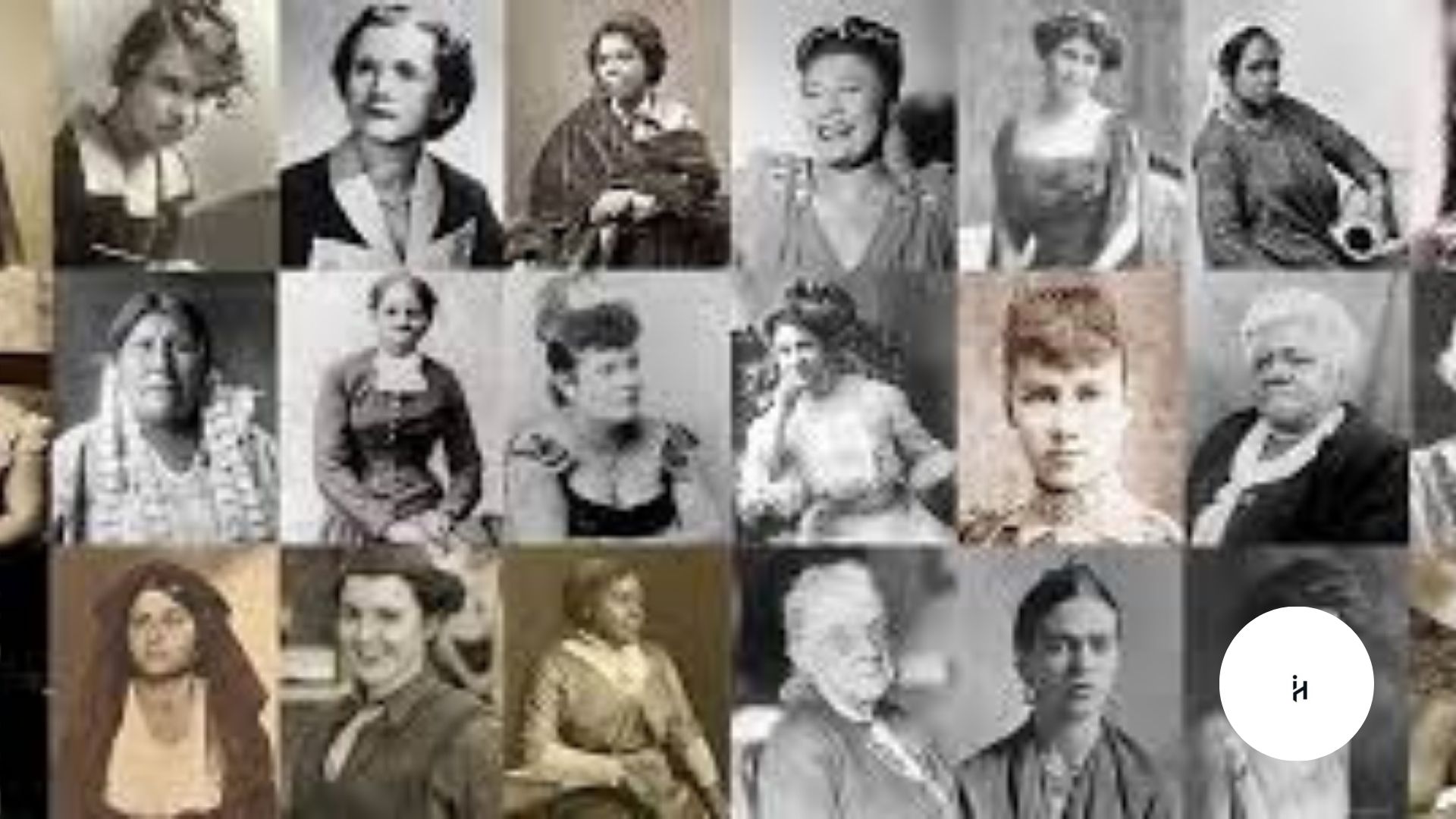
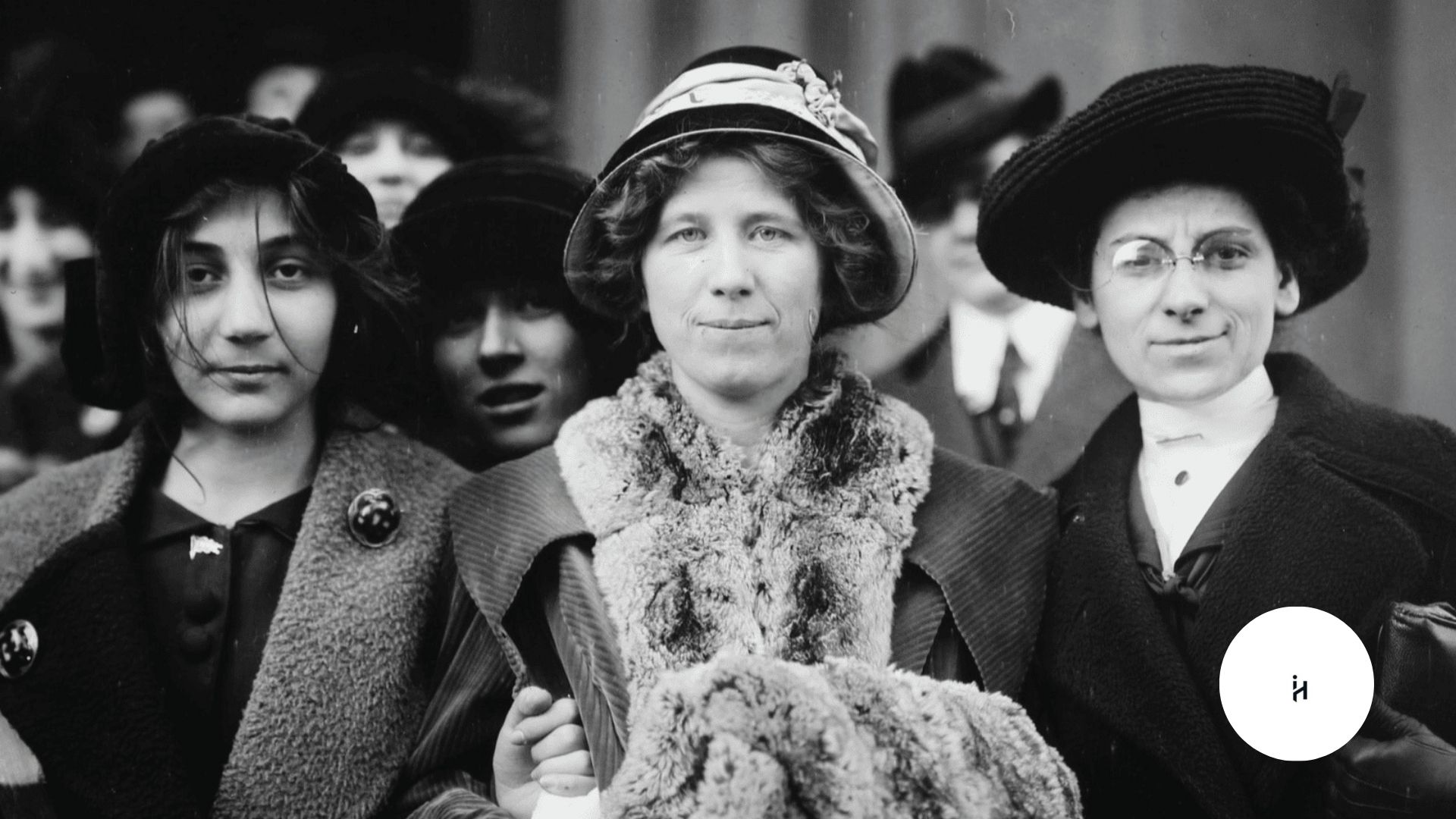
Throughout history, countless women have made significant contributions to society, shaping the world in ways that continue to inspire future generations. From powerful leaders to fearless activists, these women have left an undeniable mark on history. In this blog, we will explore famous women in history, highlighting their incredible achievements and lasting legacies.

Cleopatra: The Last Pharaoh of Egypt

Cleopatra VII, the last active ruler of the Ptolemaic Kingdom of Egypt, remains one of the most famous women in history. Known for her intelligence, political acumen, and strategic alliances, Cleopatra played a crucial role in Egyptian and Roman history. She was fluent in multiple languages and used her knowledge to strengthen Egypt’s economy and military.

Her romantic relationships with Julius Caesar and Mark Antony were not just love affairs but also political moves to secure her kingdom. Despite the challenges she faced from Rome, Cleopatra remained a powerful and independent ruler until her tragic death. Her legacy as a symbol of female empowerment and intelligence continues to be celebrated.

Famous Women in History

Joan of Arc: The Warrior Who Defied Norms

Joan of Arc, a teenage peasant girl from France, became a national heroine and a saint for her role in the Hundred Years’ War. Believing she was guided by divine visions, she led the French army to several victories against the English. Joan’s bravery and leadership challenged the gender norms of her time.

Even though she was captured and executed at just 19 years old, Joan of Arc remains a symbol of courage and faith. She was later canonized as a saint, further solidifying her place among famous women in history. Her story continues to inspire people worldwide, proving that age and gender are not barriers to greatness.

Marie Curie: The Pioneer of Science

Marie Curie is one of the most influential scientists in history. As the first woman to win a Nobel Prize—and the only person to win in two different scientific fields—Curie revolutionized the study of radioactivity. Her discoveries led to major advancements in medical treatments, particularly in cancer therapy.

Curie’s dedication to her work often put her own health at risk, as she continued her research despite the dangers of radiation exposure. Her groundbreaking achievements make her one of the most famous women in history, inspiring generations of women to pursue careers in science.

Rosa Parks: The Mother of the Civil Rights Movement

Rosa Parks’ refusal to give up her bus seat to a white passenger in 1955 sparked the Montgomery Bus Boycott, a crucial event in the American Civil Rights Movement. Her bravery in standing up against racial segregation made her a key figure in the fight for equality.

Parks’ activism continued for decades, and she received numerous honors, including the Presidential Medal of Freedom. Her courage and determination solidified her legacy as one of the most famous women in history, proving that one act of defiance can change the course of history.

Queen Elizabeth I: The Monarch Who Defined an Era

Queen Elizabeth I, often referred to as the “Virgin Queen,” ruled England for 44 years and established it as a global power. Her leadership during the Elizabethan Era saw the expansion of the British Empire, cultural advancements, and the defeat of the Spanish Armada.

Elizabeth’s intelligence and strategic mind helped her navigate political threats while maintaining a stable and prosperous kingdom. Her reign is considered one of the most successful in English history, and she remains one of the most famous women in history for her contributions to politics and culture.

Malala Yousafzai: The Voice of Education

Famous Women in History

Malala Yousafzai, a Pakistani activist for girls’ education, survived an assassination attempt by the Taliban and continued her fight for equal education rights. Her bravery and advocacy have earned her the Nobel Peace Prize, making her the youngest recipient in history.

Through the Malala Fund, she continues to promote education for girls worldwide. Her story is a testament to resilience and determination, making her one of the most famous women in history who continues to inspire young girls to fight for their rights.

Harriet Tubman: The Freedom Fighter

Harriet Tubman escaped slavery and dedicated her life to helping others gain their freedom through the Underground Railroad. She led hundreds of enslaved people to safety and later worked as a spy during the Civil War.

Her unwavering courage and commitment to justice make her one of the most famous women in history. Tubman’s efforts paved the way for the abolition of slavery, and her legacy as a freedom fighter continues to inspire activists worldwide.

Amelia Earhart: The Sky’s the Limit

Amelia Earhart was a trailblazing aviator who became the first woman to fly solo across the Atlantic Ocean. Her passion for aviation and breaking gender barriers made her a global icon.

Despite her mysterious disappearance during a flight in 1937, Earhart’s legacy lives on. She remains one of the most famous women in history, proving that determination and courage can take you to new heights.

Mother Teresa: A Life of Compassion

Mother Teresa devoted her life to helping the poor and sick in India. Through her Missionaries of Charity, she provided food, medical care, and education to thousands of people.

Her selfless service earned her the Nobel Peace Prize, and she was later canonized as a saint. Her dedication to humanitarian work makes her one of the most famous women in history, showing the world the power of kindness and compassion.

Frida Kahlo: The Artist Who Redefined Beauty

Frida Kahlo was a Mexican painter known for her unique self-portraits and surrealist art. Despite suffering from polio and a severe bus accident, she used her pain as inspiration for her powerful artwork.

Kahlo’s influence extends beyond art—she was also an advocate for gender equality and Mexican culture. Today, she is celebrated as one of the most famous women in history, inspiring artists and feminists worldwide.

Famous Women in History

Florence Nightingale: The Founder of Modern Nursing

Florence Nightingale revolutionized healthcare by improving sanitation and patient care during the Crimean War. Her work laid the foundation for modern nursing practices.

Known as “The Lady with the Lamp,” Nightingale’s efforts saved countless lives. She remains one of the most famous women in history, proving that compassion and dedication can transform an entire field.

Conclusion

The stories of these famous women in history remind us that courage, intelligence, and determination can change the world. Whether in politics, science, activism, or the arts, these women have broken barriers and inspired generations. Their legacies continue to shape our present and future, proving that history is incomplete without the contributions of powerful women.

By learning about these famous women in history, we honor their achievements and ensure that their influence continues to inspire new generations to pursue greatness.

Atraḥasīs: The Ancient Epic That Inspired Generations

0
Atraḥasīs

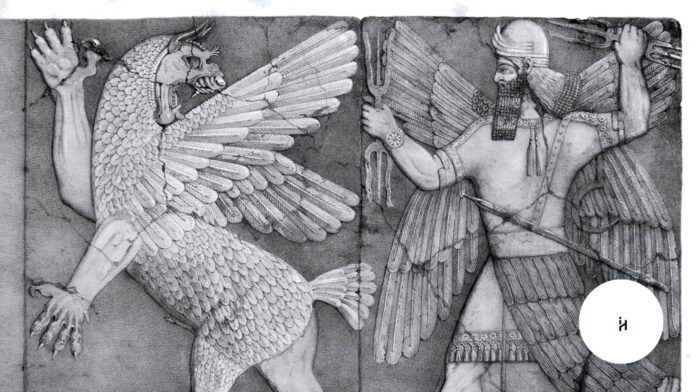
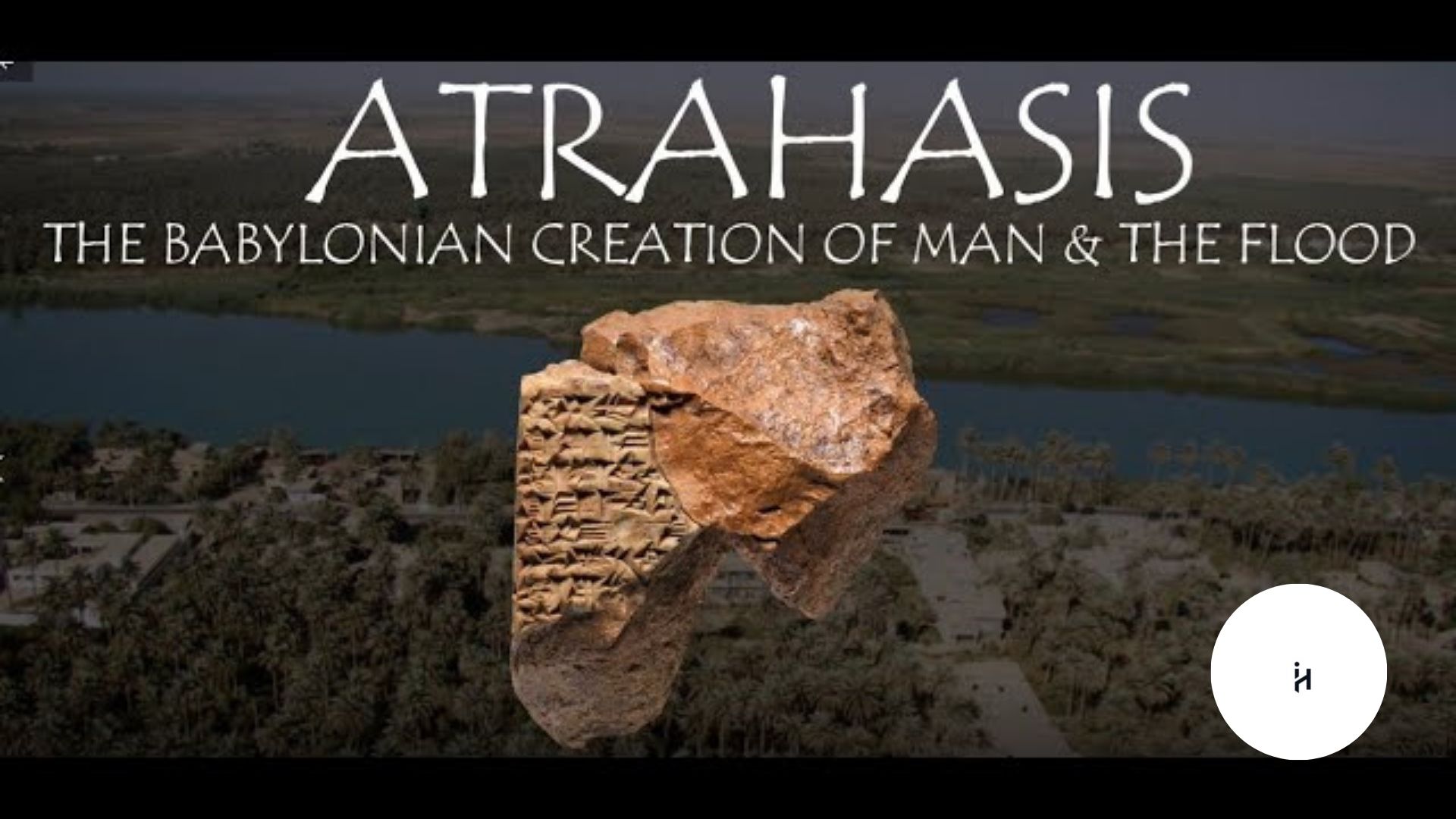
Atraḥasīs is one of the most significant ancient Mesopotamian epics, originating from Babylonian mythology. Written in Akkadian cuneiform, this mythological text tells the story of a great flood, divine wrath, and human survival. The name “Atraḥasīs” translates to “Exceedingly Wise,” referring to the main protagonist, a mortal man chosen by the gods to preserve life on Earth.

This ancient text has deep connections with other legendary flood narratives, including the Epic of Gilgamesh and the biblical story of Noah’s Ark. Atraḥasīs is more than just a tale; it provides insight into early Mesopotamian views on creation, divine-human relationships, and natural disasters. Scholars have studied it extensively, recognizing its cultural and historical importance.

The Origins and Historical Context of Atraḥasīs

Atraḥasīs

Atraḥasīs dates back to the 18th century BCE during the Old Babylonian period. The myth is inscribed on clay tablets and is attributed to the scribes of King Ammisaduqa. The text was discovered in multiple versions, with the most complete one being from the library of Ashurbanipal in Nineveh.

Mesopotamians believed that gods controlled every aspect of existence. Atraḥasīs reflects this belief system, depicting gods as powerful beings who create, control, and sometimes punish humanity. It serves as a foundational text, influencing later mythologies and religious traditions.

Creation of Humanity in Atraḥasīs

The myth begins with the gods struggling to maintain the universe. The lower-ranked deities, called the Igigi, are burdened with hard labor and complain to their higher counterparts, the Annunaki. To resolve this, the chief god, Enki, suggests creating humanity to take over the work.

Using clay mixed with the flesh and blood of a sacrificed god, humans are brought to life. This act signifies their divine connection and duty toward the gods. However, this creation sets the stage for the conflicts that follow in the Atraḥasīs epic.

The Burden of Human Existence

As the human population grows, so do their activities. The gods, especially Enlil, become irritated by their noise and disruptions. The increasing number of humans leads to environmental and social issues, showcasing an early form of ecological awareness.

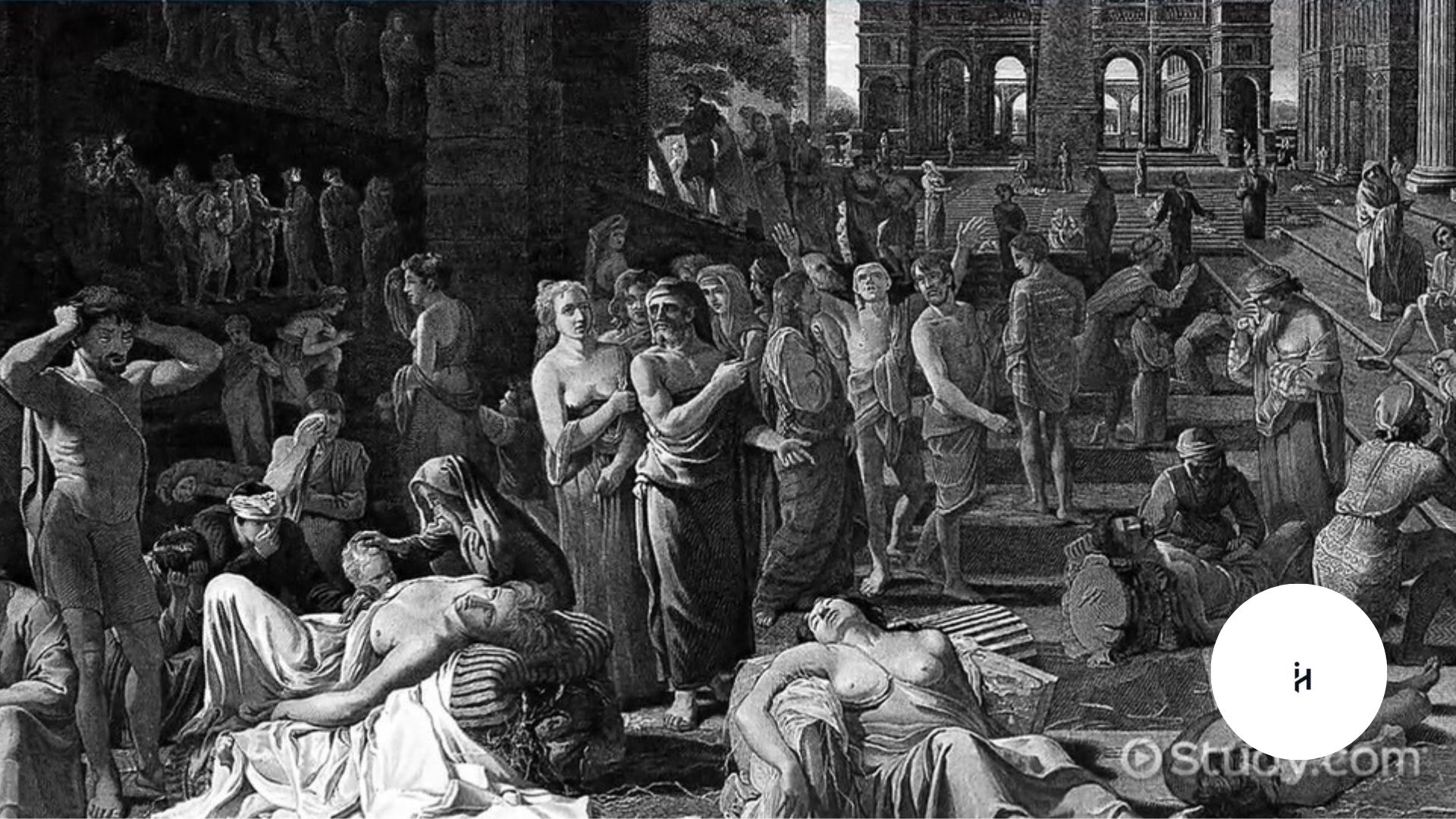
Atraḥasīs highlights themes of overpopulation and resource management. The gods attempt to control human numbers by sending plagues, droughts, and famine. Yet, with Enki’s help, Atraḥasīs finds ways to keep humanity alive, challenging divine decisions.

The Great Flood in Atraḥasīs

One of the most famous parts of the epic is the flood narrative. Enlil, frustrated with humanity, decides to wipe them out with a massive flood. However, Enki warns Atraḥasīs and instructs him to build a massive boat.

The description of the flood in Atraḥasīs closely resembles later flood myths, including the story of Noah’s Ark in the Bible. Atraḥasīs follows Enki’s guidance, gathers animals and his family, and survives the deluge, which lasts for seven days and seven nights.

The Aftermath of the Flood

After the flood, the gods regret their decision, realizing that humanity is essential. They restore order, but with new limitations—introducing mortality, disease, and infertility to balance the population. This explains why humans are no longer immortal or directly connected to the gods.

The conclusion of Atraḥasīs provides an explanation for suffering and death, portraying them as necessary evils to maintain cosmic balance.

The Influence of Atraḥasīs on Other Myths

Atraḥasīs

Atraḥasīs has influenced multiple religious and mythological texts. The biblical flood story in Genesis shares striking similarities, as does the Epic of Gilgamesh. Even ancient Greek and Hindu myths contain elements reminiscent of Atraḥasīs.

The repetition of flood narratives across different cultures suggests a collective memory of real natural disasters, possibly massive floods in Mesopotamian history.

Atraḥasīs in Modern Literature and Popular Culture

Despite being thousands of years old, Atraḥasīs continues to inspire modern literature, films, and discussions. Many scholars draw parallels between its themes and contemporary issues such as climate change, overpopulation, and divine justice.

Writers and filmmakers have adapted elements of Atraḥasīs into modern storytelling, often using the flood myth as an allegory for environmental catastrophes. The name “Atraḥasīs” itself appears in various novels and academic works, proving its lasting impact.

The Literary Structure and Themes of Atraḥasīs

Atraḥasīs follows a well-defined literary structure, divided into three main parts: creation, divine punishment, and survival. The text explores deep philosophical questions about human purpose, divine justice, and fate.

The themes of divine anger, human resilience, and the struggle for survival resonate across cultures and time periods. Atraḥasīs also serves as a cautionary tale, warning about the consequences of human actions and the fragility of life.

Archaeological Discoveries and Study of Atraḥasīs

The discovery of Atraḥasīs on clay tablets has helped historians understand Mesopotamian beliefs. Scholars continue to analyze these texts, uncovering details about language, culture, and religious practices.

Several versions of Atraḥasīs exist, leading to ongoing debates about its original form. The British Museum and other institutions house fragments of this ancient story, preserving it for future generations.

Atraḥasīs

Conclusion: The Lasting Legacy of Atraḥasīs

Atraḥasīs remains one of the most important ancient myths, offering a glimpse into early human thought and storytelling. Its themes are still relevant today, reflecting human concerns about mortality, survival, and divine intervention.

The story of Atraḥasīs has stood the test of time, influencing religions, literature, and cultural narratives worldwide. As scholars continue to study its texts, new insights will emerge, keeping the legend of Atraḥasīs alive for future generations.

For Amazing Updates Keep Visiting ImaginaryHistory.