Home Blog Page 441

Historical Figures Female: A Journey Through Time

0
Historical Figures Female

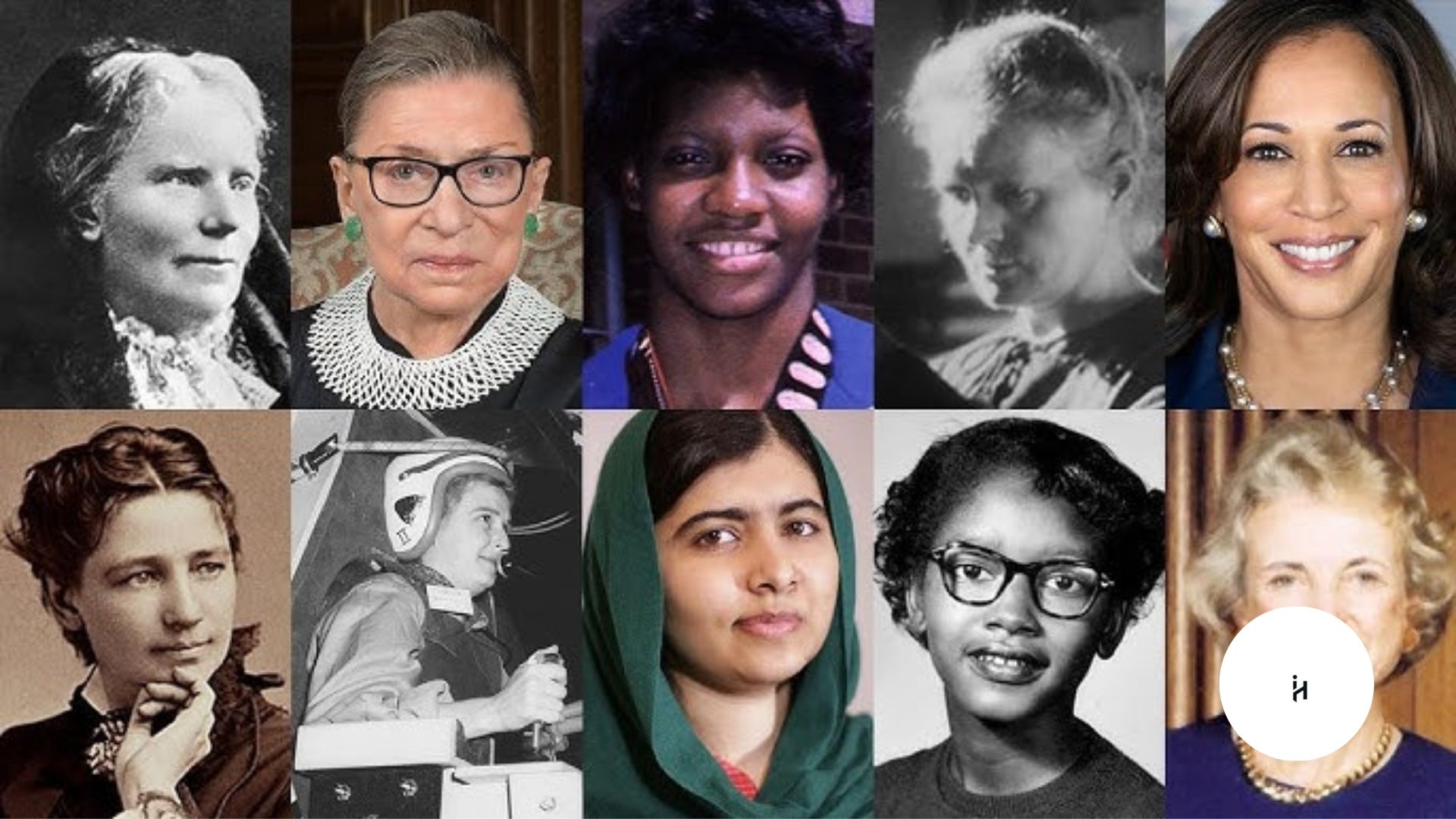
Throughout history, many women have defied societal norms, broken barriers, and left lasting impacts on politics, science, literature, and human rights. These historical figures female have shaped the world in ways that still influence our lives today. This blog explores the lives of eleven extraordinary women who changed history.

Cleopatra: The Last Pharaoh of Egypt

Cleopatra VII, the last active ruler of the Ptolemaic Kingdom of Egypt, was one of the most famous historical figures female in history. Born in 69 BC, she was known for her intelligence, political acumen, and strategic alliances.

She spoke multiple languages and was highly educated in philosophy, mathematics, and science. Cleopatra’s rule was marked by her relationships with powerful Roman leaders such as Julius Caesar and Mark Antony. These alliances helped her maintain Egypt’s independence for as long as possible. However, after the defeat of her forces at the Battle of Actium in 31 BC, Cleopatra took her own life, marking the end of an era in Egyptian history.

Her legacy continues to inspire books, films, and historical discussions, making her one of the most influential historical figures female in ancient history.
Historical Figures Female

Joan of Arc: The Warrior Saint

Joan of Arc, a peasant girl from France, became a military leader and national heroine at just 17 years old. Born in 1412, she claimed to receive divine visions instructing her to support Charles VII and drive the English out of France during the Hundred Years’ War.

Leading the French army to several victories, she played a crucial role in the coronation of Charles VII. However, in 1430, she was captured by the English, put on trial for heresy, and burned at the stake. She was later canonized as a saint in 1920.

Joan’s bravery and determination have solidified her status as one of the greatest historical figures female warriors.

Queen Elizabeth I: The Virgin Queen

Queen Elizabeth I of England (1533–1603) is one of the most celebrated rulers in history. Her reign, known as the Elizabethan Era, brought stability and prosperity to England after years of turmoil.

She refused to marry, choosing instead to dedicate her life to ruling England. Her leadership during the Spanish Armada’s defeat in 1588 strengthened England’s naval power and global influence.

Elizabeth’s patronage of the arts led to the flourishing of literature and drama, with figures like William Shakespeare rising to prominence. Her reign is considered one of the most remarkable in English history, securing her place among the most influential historical figures female leaders.

Marie Curie: The Pioneer of Science

Marie Curie (1867–1934) was a physicist and chemist who made groundbreaking discoveries in radioactivity. She was the first woman to win a Nobel Prize and remains the only person to win in two different scientific fields (Physics and Chemistry).

Her discovery of polonium and radium revolutionized medicine and physics. Despite facing gender discrimination, she persisted in her research, leading to advancements in cancer treatment.

Curie’s contributions to science cement her status as one of the most influential historical figures female in the field of research and innovation.

Harriet Tubman: The Conductor of the Underground Railroad

Harriet Tubman (1822–1913) was an abolitionist and political activist who escaped slavery and dedicated her life to helping others gain freedom. She became a leading figure in the Underground Railroad, a secret network that helped enslaved people escape to free states and Canada.

During the Civil War, she served as a spy and nurse for the Union Army. Later in life, she advocated for women’s suffrage, proving her commitment to justice.

Her courage and relentless fight for equality make her one of the most respected historical figures female in American history.

Florence Nightingale: The Founder of Modern Nursing
Historical Figures Female

Florence Nightingale (1820–1910) revolutionized the field of nursing during the Crimean War by improving hygiene and sanitation in hospitals. Her efforts reduced death rates and transformed healthcare practices.

She established the Nightingale Training School for Nurses, setting new standards in the profession. Her book, “Notes on Nursing,” remains a foundational text for nurses worldwide.

Her legacy continues to shape modern healthcare, making her one of the most influential historical figures female in medical history.

Emmeline Pankhurst: The Suffragette Leader

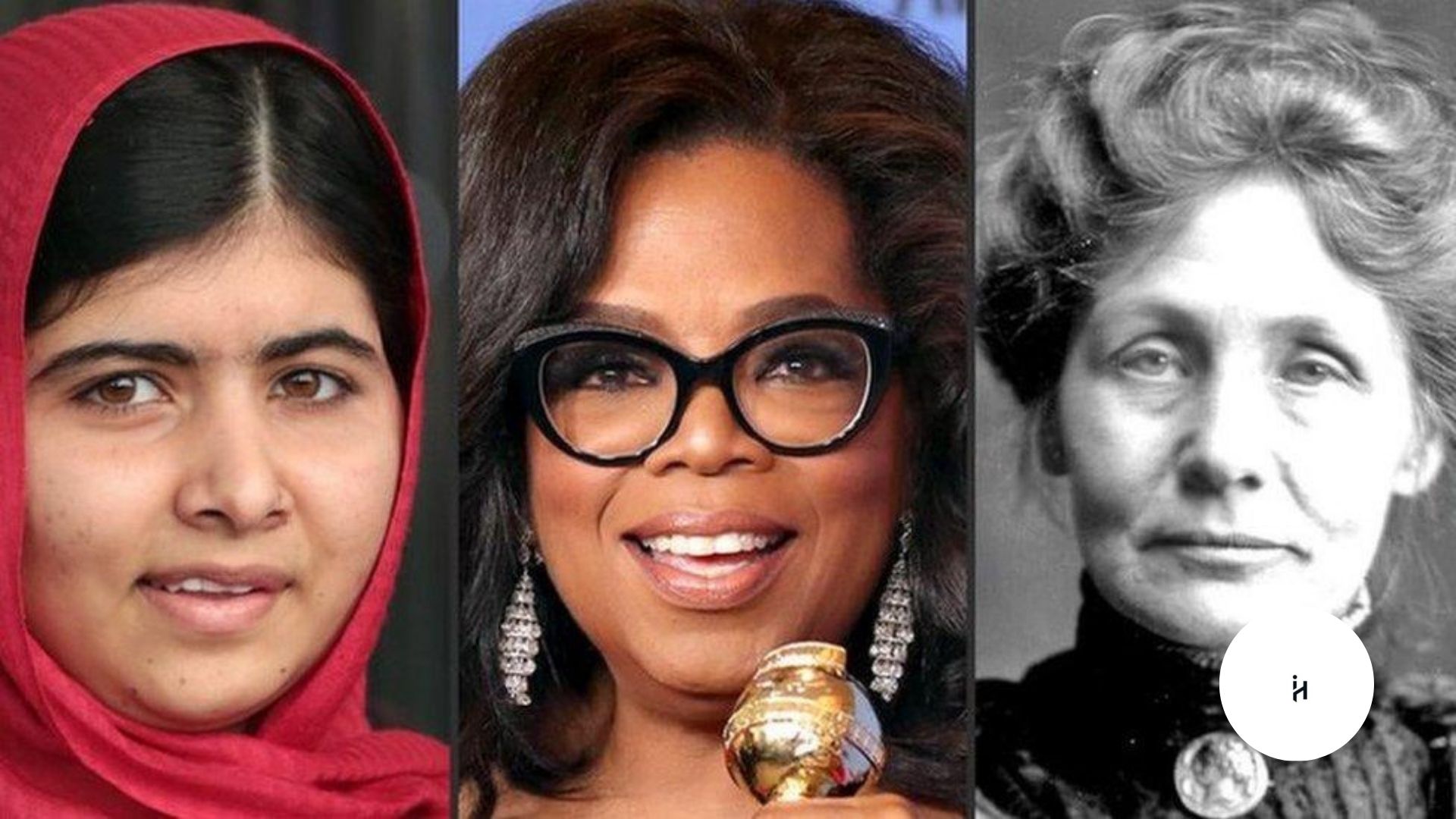
Emmeline Pankhurst (1858–1928) was a British political activist who led the movement for women’s suffrage in the United Kingdom. She founded the Women’s Social and Political Union (WSPU), which used militant tactics to demand voting rights for women.

Her activism played a crucial role in the passing of the Representation of the People Act in 1918, granting some women the right to vote.

Pankhurst’s determination and leadership make her a pivotal historical figures female in the fight for women’s rights.

Rosa Parks: The Mother of the Civil Rights Movement

Rosa Parks (1913–2005) was an American activist whose refusal to give up her bus seat to a white passenger in Montgomery, Alabama, sparked the Civil Rights Movement. Her act of defiance led to the Montgomery Bus Boycott, a significant step toward ending racial segregation.

She continued to work for racial equality throughout her life, inspiring generations to stand against injustice.

Her impact on civil rights makes her one of the most influential historical figures female in American history.

Mother Teresa: The Angel of the Poor

Mother Teresa (1910–1997) dedicated her life to serving the poor and sick in India. She founded the Missionaries of Charity, a religious organization that provides care for those in need.

Her selfless work earned her the Nobel Peace Prize in 1979. She remains a symbol of compassion and humanitarianism.

Her legacy as a compassionate leader makes her one of the most admired historical figures female in modern history.

Malala Yousafzai: The Voice for Girls’ Education

Malala Yousafzai, born in 1997, is a Pakistani activist for girls’ education. After surviving an assassination attempt by the Taliban at age 15, she became a global advocate for education rights.

In 2014, she became the youngest Nobel Prize laureate for her efforts in promoting education for girls worldwide.

Her courage and advocacy make her one of the most inspiring historical figures female in contemporary times.
Historical Figures Female

Frida Kahlo: The Revolutionary Artist

Frida Kahlo (1907–1954) was a Mexican painter known for her self-portraits and exploration of identity, gender, and pain. Despite suffering from polio and a severe accident, she used her art to express resilience and emotions.

Her unique style and bold artistic expression made her a feminist icon. She continues to inspire artists and activists globally.

Her legacy secures her place among the most influential historical figures female in art history.
Conclusion

These eleven women have shaped history through their courage, intelligence, and determination. Their contributions continue to influence generations, proving that historical figures female have played a crucial role in every era. Their legacies remind us of the power of resilience and the importance of challenging societal norms.

Steely Eyed Missile Man: The Ultimate Symbol of Cool Under Pressure

0

The term “Steely Eyed Missile Man” is legendary in engineering, aerospace, and military circles. It represents someone who remains calm under pressure, thinks critically in high-stakes situations, and solves problems with precision. The phrase has deep roots in NASA’s history, specifically during the Apollo era, and has since been adopted as a badge of honor for individuals who demonstrate exceptional technical skills and unshakable composure.

The Origin of “Steely Eyed Missile Man”

The phrase “Steely Eyed Missile Man” was first used in the context of the U.S. space program, particularly during the Apollo missions. It became a widely recognized term when it was used to describe John Aaron, a NASA engineer who played a crucial role in saving the Apollo 12 mission.

During the launch of Apollo 12, a lightning strike caused a significant power failure, putting the entire mission at risk. Amidst the confusion, John Aaron suggested the now-famous “SCE to AUX” command, which allowed the spacecraft to recover. His ability to remain calm and recall an obscure technical detail earned him the nickname “Steely Eyed Missile Man.”

The phrase quickly gained popularity within NASA and has since become synonymous with individuals who demonstrate extraordinary problem-solving skills under pressure.

The Significance of the Apollo Missions in Popularizing the Term

NASA’s Apollo program was one of the most challenging and ambitious undertakings in human history. The missions required flawless execution, innovative problem-solving, and the ability to handle unexpected crises in real-time.

The term “Steely Eyed Missile Man” became a way to recognize those who rose to the occasion, displaying exceptional analytical thinking and emotional resilience. Engineers, astronauts, and mission control personnel who embodied these traits were honored with this title.

Notably, the Apollo 13 crisis further cemented the significance of the phrase. When an oxygen tank exploded, putting the crew’s lives in danger, it was the calm and calculated problem-solving of NASA engineers that brought them home safely. These individuals exemplified what it means to be a “Steely Eyed Missile Man.”

The Role of John Aaron in Defining the “Steely Eyed Missile Man” Persona

John Aaron is often regarded as the original “Steely Eyed Missile Man” due to his quick thinking during the Apollo 12 mission.

His ability to recall an obscure power system detail and confidently provide a solution under immense pressure showcases the key attributes of a “Steely Eyed Missile Man.” His actions not only saved the mission but also inspired future generations of engineers to develop a similar mindset.

Aaron’s contributions extended beyond Apollo 12. He played a critical role in Apollo 13’s rescue efforts, proving that his technical expertise and unshakable demeanor were not a one-time occurrence but an essential part of his character.

The Psychological Traits of a “Steely Eyed Missile Man”

A “Steely Eyed Missile Man” isn’t just about intelligence; it’s about a specific psychological profile that enables individuals to perform under extreme conditions. These traits include:

  • Composure Under Pressure: The ability to stay calm in high-stress situations.

  • Analytical Thinking: Quickly assessing problems and determining the best course of action.

  • Technical Expertise: Deep knowledge of their field, allowing them to make informed decisions.

  • Confidence and Decisiveness: Trusting their skills and acting without hesitation.

  • Adaptability: Adjusting to new and unpredictable challenges.

People who embody these traits earn the title of “Steely Eyed Missile Man” and become invaluable assets in any high-stakes environment.

The Influence of the “Steely Eyed Missile Man” in Aerospace Engineering

The phrase “Steely Eyed Missile Man” is deeply embedded in aerospace engineering culture. NASA engineers, SpaceX developers, and other aerospace professionals often use the term to describe colleagues who demonstrate exceptional technical ability and mental resilience.

From designing spacecraft to managing mission control, aerospace engineers must be prepared for the unexpected. The spirit of the “Steely Eyed Missile Man” ensures that these professionals continue to push the boundaries of human exploration.

How the Military Uses the “Steely Eyed Missile Man” Mindset

The military has also adopted the term “Steely Eyed Missile Man” to describe soldiers, pilots, and strategists who exhibit remarkable composure in battle.

From fighter pilots making split-second decisions in combat to intelligence officers analyzing critical data, the “Steely Eyed Missile Man” mentality is essential for operational success. The ability to remain focused under fire can mean the difference between victory and defeat.

The “Steely Eyed Missile Man” in the Corporate World

The characteristics of a “Steely Eyed Missile Man” are highly valued in the business world. Executives, entrepreneurs, and crisis managers who can think quickly, adapt to challenges, and make bold decisions often find success in their industries.

Leaders who embody the “Steely Eyed Missile Man” mindset can steer companies through financial downturns, technological disruptions, and competitive pressures.

Famous Figures Who Embody the “Steely Eyed Missile Man” Spirit

Beyond John Aaron, several other individuals have exemplified the “Steely Eyed Missile Man” mentality:

  • Gene Kranz: NASA Flight Director during Apollo 13, known for his famous quote, “Failure is not an option.”

  • Elon Musk: CEO of SpaceX, whose risk-taking and technical knowledge have transformed space travel.

  • Chesley “Sully” Sullenberger: The pilot who safely landed US Airways Flight 1549 on the Hudson River.

These figures have demonstrated the composure, intelligence, and problem-solving ability that define a “Steely Eyed Missile Man.”

The “Steely Eyed Missile Man” in Pop Culture

The phrase “Steely Eyed Missile Man” has also found its way into movies, books, and television series, particularly those involving space travel, military operations, and high-stakes decision-making.

Films like Apollo 13, The Martian, and Interstellar showcase characters who embody the “Steely Eyed Missile Man” persona, inspiring audiences with their cool-headed problem-solving skills.

How to Develop a “Steely Eyed Missile Man” Mindset

Becoming a “Steely Eyed Missile Man” requires training, experience, and mental conditioning. Some ways to develop this mindset include:

  • Studying Technical Knowledge in your field.

  • Practicing Decision-Making Under Pressure.

  • Learning from Historical Cases of successful problem-solving.

  • Building Emotional Resilience through meditation, stress management, and mental exercises.

Anyone can adopt the “Steely Eyed Missile Man” mindset by cultivating these skills over time.

The Legacy of the “Steely Eyed Missile Man”

The phrase Steely Eyed Missile Man remains a symbol of excellence in fields that demand precision, intelligence, and resilience. Whether in space exploration, the military, or business, the spirit of the “Steely Eyed Missile Man” continues to inspire generations to push the limits of human capability.

This legendary title is more than just a phrase—it’s a mindset that drives innovation, courage, and success.

For Amazing Updates Keep Visiting ImaginaryHistory.

Henry VIII Wives in Order and How They Died – A Game of Love, Power, and Tragedy

0
Henry VIII Wives in Order and How They Died

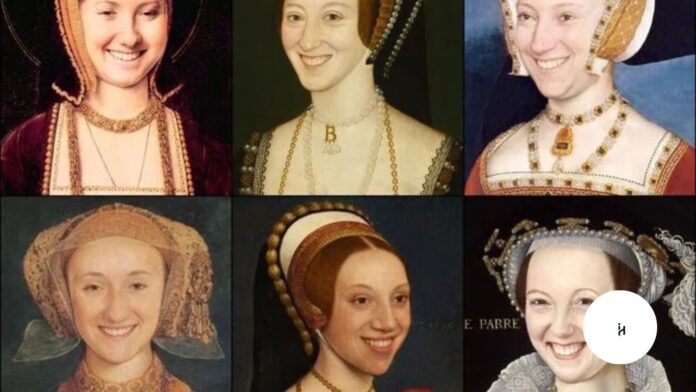
 This blog will explore Henry VIII wives in order and how they died, delving deep into their stories of romance, betrayal, and heartbreak.Henry VIII, one of England’s most famous monarchs, is well known for his six wives and the dramatic fates they met.

His marriages were a mix of political alliances, love affairs, and desperate attempts to secure a male heir. Each wife played a unique role in his life, and their endings were often tragic.

Catherine of Aragon – The Devoted First Queen

Catherine of Aragon was Henry VIII’s first wife and the daughter of Spanish monarchs Ferdinand and Isabella. She was previously married to Henry’s older brother, Prince Arthur, who died shortly after their wedding. When Henry became king, he married Catherine, but their union was plagued by the failure to produce a surviving male heir.

As the years passed, Henry VIII grew frustrated with their marriage. His desire for a son led him to seek an annulment, arguing that Catherine’s previous marriage to Arthur made their union illegitimate. Catherine refused to accept the annulment and was eventually banished from court.

Henry VIII Wives in Order and How They Died

How Did She Die?

Catherine of Aragon died on January 7, 1536, at Kimbolton Castle. Historians believe she died of cancer, though some suspected poisoning. She was buried at Peterborough Cathedral, far from the royal court she once ruled.

Anne Boleyn – The Queen Who Changed England

Anne Boleyn was a lady-in-waiting to Catherine of Aragon before catching Henry’s eye. She refused to become his mistress, insisting on marriage. Henry’s obsession with Anne led him to break from the Catholic Church and create the Church of England to annul his first marriage.

Anne gave birth to Elizabeth (future Queen Elizabeth I) but failed to produce a male heir. As her influence waned, Henry accused her of adultery, incest, and treason—charges that were likely fabricated.

How Did She Die?

Anne Boleyn was executed by beheading on May 19, 1536, at the Tower of London. She was one of the most tragic figures in the history of Henry VIII wives in order and how they died.

Jane Seymour – The Only One Who Gave Henry a Son

Jane Seymour was Anne Boleyn’s lady-in-waiting and quickly became Henry’s new love. They married just days after Anne’s execution. Jane succeeded where her predecessors had failed—she gave birth to Henry’s only legitimate male heir, Edward VI.

How Did She Die?

Jane Seymour died on October 24, 1537, just twelve days after giving birth, due to complications from childbirth. She was the only wife to receive a queen’s burial, as Henry considered her his true wife.

Anne of Cleves – The Queen Who Escaped Henry’s Wrath

Anne of Cleves was a German princess chosen for Henry based on a flattering portrait. However, when they met, Henry found her unattractive and called her the “Flanders Mare.” Their marriage was never consummated, and Henry quickly sought an annulment.

How Did She Die?

Anne of Cleves lived a peaceful life after agreeing to the annulment. She died on July 16, 1557, from natural causes. She was the luckiest of Henry VIII wives in order and how they died because she was spared execution.

Catherine Howard – The Young and Reckless Queen

Catherine Howard was a young cousin of Anne Boleyn. Henry, now overweight and aging, was infatuated with her beauty and energy. However, Catherine had a scandalous past, and when rumors of her affairs surfaced, she was arrested.

How Did She Die?

Catherine Howard was executed by beheading on February 13, 1542, at the Tower of London. She was just 19 years old, making her one of the youngest queens in history to be executed.

Catherine Parr – The Survivor Queen

Catherine Parr was Henry’s sixth and final wife. She was highly educated and helped reconcile Henry with his daughters, Mary and Elizabeth. She also influenced religious reforms in England.

Henry VIII Wives in Order and How They Died

How Did She Die?

Catherine Parr outlived Henry VIII and later married Thomas Seymour. She died on September 5, 1548, from complications of childbirth.

The Tragic Patterns of Henry’s Marriages

A pattern emerges when analyzing Henry VIII wives in order and how they died—many suffered either death, disgrace, or dismissal. His desperate desire for a male heir shaped the fate of these six women, leading to heartbreak and execution.

The Role of the Church in Henry’s Marriages

Henry’s break from the Catholic Church was one of the biggest consequences of his marriages. His need to divorce Catherine of Aragon led to the creation of the Church of England, which still exists today.

The Legacy of Henry VIII’s Wives

Each of Henry VIII wives in order and how they died played a role in shaping England’s history. Their stories are still studied today, showing how power, love, and politics shaped the monarchy.

The Famous Rhyme: Divorced, Beheaded, Died, Divorced, Beheaded, Survived

A famous rhyme helps remember Henry VIII wives in order and how they died:

“Divorced, beheaded, died, divorced, beheaded, survived.”

It’s a grim reminder of the fate that awaited women who became queens of England.

Conclusion: The Game of Love and Power

Henry VIII Wives in Order and How They Died

Henry VIII’s six wives were part of a dangerous game of love, power, and survival. Some were victims of Henry’s cruelty, while others managed to escape with their lives. The story of Henry VIII wives in order and how they died is a powerful reminder of the brutal nature of the Tudor court.

Henry VIII left behind a legacy that shaped England’s history, but it was his wives who suffered the most. Their stories continue to captivate the world, showing that being a queen was not always a fairy tale.

Exploring the Multifaceted Character of Toranaga in “Shōgun”

0
Toranaga

In James Clavell’s epic novel “Shōgun,” the character of Lord Yoshii Toranaga stands as a towering figure whose depth and complexity drive much of the narrative. Inspired by the historical Tokugawa Ieyasu, Toranaga’s portrayal offers readers a window into the intricate world of feudal Japan. This blog delves into various facets of Toranaga’s character, his strategic genius, and his enduring influence within the story.​

Historical Inspiration: Tokugawa Ieyasu

Toranaga’s character is a fictional representation of Tokugawa Ieyasu, one of Japan’s most renowned shōguns. Born in 1543, Ieyasu played a pivotal role in unifying Japan and establishing the Tokugawa shogunate, which ushered in a period of peace lasting over two centuries.

By modeling Toranaga after Ieyasu, Clavell infuses his narrative with historical depth, allowing readers to explore the challenges and triumphs of a leader striving for unity in a fragmented land. This parallel enriches the story, providing a blend of fiction and history that captivates audiences.

Toranaga

Toranaga’s Political Acumen

Toranaga is depicted as a master strategist, adept at navigating the treacherous waters of feudal politics. His ability to anticipate opponents’ moves and counter them effectively showcases his deep understanding of human nature and power dynamics.

Throughout “Shōgun,” Toranaga’s political maneuvers are central to the plot, demonstrating his skill in alliance-building, deception, and long-term planning. His actions reflect the qualities of a leader who values patience and foresight over brute force.

Relationship with John Blackthorne

The interaction between Toranaga and John Blackthorne, an English navigator, serves as a cultural bridge within the narrative. Toranaga recognizes Blackthorne’s potential as a valuable asset in understanding and countering European influences in Japan. Their evolving relationship highlights themes of mutual respect, adaptation, and the blending of Eastern and Western philosophies. Through Blackthorne, readers gain insight into Toranaga’s open-mindedness and strategic use of foreign knowledge to bolster his position.

Toranaga’s Leadership Style

As a leader, Toranaga exemplifies a balance between authority and empathy. He commands loyalty through his unwavering commitment to his followers and his ability to make difficult decisions for the greater good. Toranaga’s leadership is marked by his willingness to listen, adapt, and sometimes manipulate situations to achieve his objectives. This multifaceted approach underscores the complexities of leadership in a volatile political landscape. ​

Toranaga’s Moral Compass

Throughout “Shōgun,” Toranaga’s actions prompt readers to ponder his moral standing. While he engages in deception and ruthless tactics, these are often portrayed as necessary evils in his quest for peace and stability. Toranaga’s internal conflicts and justifications provide a nuanced portrayal of a leader grappling with ethical dilemmas, emphasizing the blurred lines between right and wrong in the pursuit of power. ​

Toranaga’s Family Dynamics

Toranaga’s relationships with his family members add depth to his character. His interactions with his son, Nagakado, and other relatives reveal a personal side often hidden behind his political facade. These familial ties expose vulnerabilities and motivations that influence his decisions, highlighting the personal sacrifices and challenges faced by those in positions of power. ​

Toranaga’s Military Strategies

Toranaga

Beyond political maneuvering, Toranaga’s military strategies are a testament to his brilliance as a tactician. He employs unconventional methods, psychological warfare, and strategic alliances to outmaneuver his enemies. His approach to warfare emphasizes intellect over sheer force, showcasing his ability to adapt and innovate in the face of adversity. ​

Toranaga’s Cultural Sensitivity

Toranaga’s appreciation and understanding of cultural nuances play a significant role in his interactions. He navigates the complexities of Japanese society, traditions, and the influence of foreign entities with a keen awareness. This cultural sensitivity enables him to make informed decisions that resonate with various factions, further solidifying his leadership. ​

Toranaga’s Legacy

The legacy of Toranaga within “Shōgun” mirrors the historical impact of Tokugawa Ieyasu. His efforts lead to a unified Japan and the establishment of a lasting shogunate. Toranaga’s vision and actions set the foundation for a new era, underscoring themes of legacy, change, and the enduring influence of strong leadership. ​

Toranaga in Adaptations

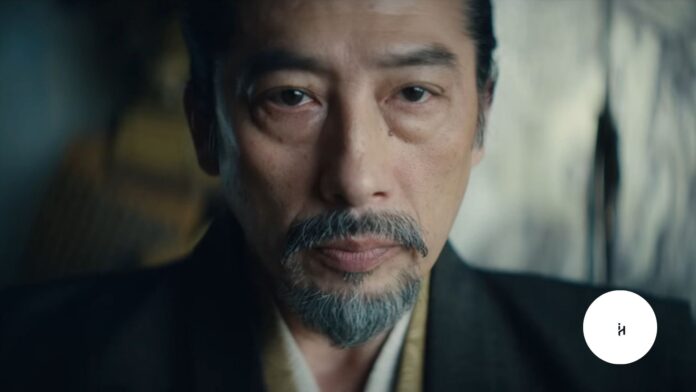
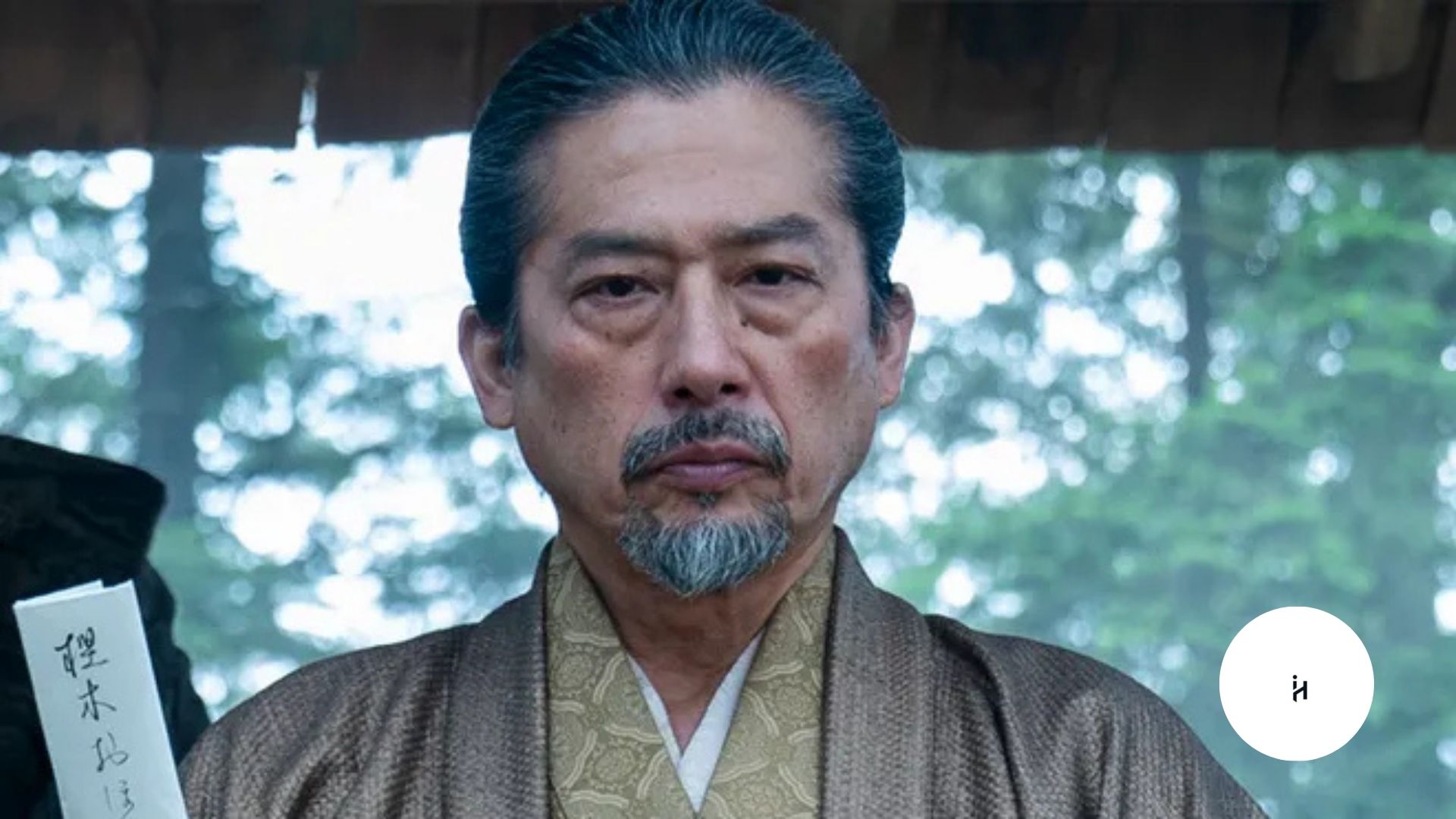
Toranaga’s character has been brought to life in various adaptations of “Shōgun,” each offering a unique interpretation. Notably, Hiroyuki Sanada’s portrayal in the FX limited series captures the essence of Toranaga’s complexity, earning acclaim for its depth and authenticity. These adaptations contribute to the character’s lasting presence in popular culture. ​

Conclusion: The Enduring Fascination with Toranaga

Toranaga’s multifaceted character continues to captivate audiences, offering a rich exploration of leadership, strategy, and morality. His portrayal in “Shōgun” serves as a compelling study of a leader navigating the intricate tapestry of feudal Japan. Through Toranaga, readers and viewers alike are invited to ponder the complexities of power, the sacrifices it demands, and the legacy it

leaves behind. His character is not merely a historical figure or a fictional warrior; he embodies the essence of leadership, resilience, and vision. Toranaga’s journey in Shōgun reflects the timeless struggles of those in power—balancing personal desires with political necessities, loyalty with ambition, and tradition with change.

Even decades after Shōgun was first published, Toranaga remains a character who resonates with readers and viewers alike. His ability to outthink his adversaries, his deep understanding of human nature, and his long-term vision make him one of the most intriguing figures in historical fiction. Whether one sees him as a hero, a ruthless strategist, or a visionary leader, Toranaga’s presence in literature and media is undeniable.

Toranaga

As new adaptations of Shōgun continue to bring Toranaga’s story to modern audiences, his legacy endures. He is a testament to the power of strategy, the weight of leadership, and the timeless nature of political intrigue. Whether you are encountering Toranaga for the first time or revisiting his tale, his story offers lessons that remain relevant across cultures and generations.

Final Thoughts on Toranaga’s Influence

Toranaga’s influence extends beyond the pages of Shōgun. His character serves as a study in power dynamics, diplomacy, and the art of war. By blending historical inspiration with masterful storytelling, James Clavell has created a character who stands among the great leaders of fiction.

His journey from a seemingly disadvantaged position to ultimate power mirrors real-world struggles, making him a source of fascination for history enthusiasts, strategists, and storytellers alike. As we analyze his character, we recognize that his wisdom, patience, and cunning are qualities that define true leadership.

For anyone interested in historical fiction, political intrigue, or the art of strategy, exploring Toranaga’s character is a must. His story reminds us that leadership is not about brute strength alone but about intellect, patience, and the ability to see the bigger picture. Whether in feudal Japan or modern times, the lessons of Toranaga remain as relevant as ever.