Home Blog Page 437

Schindler’s List Movie – A Cinematic Masterpiece of Humanity and History

0
Schindler's List Movie

Introduction to Schindler’s List Movie

“Schindler’s List movie” is one of the most powerful and emotionally gripping films ever made. Directed by Steven Spielberg, this 1993 epic historical drama brings to life the tragic events of the Holocaust through the story of Oskar Schindler, a German industrialist who saved the lives of more than a thousand Jewish refugees. Based on the novel “Schindler’s Ark” by Thomas Keneally, the film is a vivid portrayal of humanity in the face of unthinkable cruelty.

The film was shot in black and white, which enhances its haunting realism. It has won seven Academy Awards, including Best Picture and Best Director, and remains an essential piece of cinema history. “Schindler’s List movie” does not shy away from the brutal reality of Nazi-occupied Poland, showcasing the horrors with honesty and respect.
Schindler's List Movie

The Real Story Behind the Film

At the heart of the “Schindler’s List movie” is the true story of Oskar Schindler, a member of the Nazi Party who initially sought to profit from the war. However, as he witnessed the suffering of the Jewish people, he had a profound change of heart. Schindler used his wealth and connections to protect his Jewish workers from deportation and death.

His list—Schindler’s list—contained the names of over 1,200 Jews who were transferred to his factory in Brünnlitz, away from the concentration camps. The film portrays Schindler as a complex character—flawed, yet ultimately heroic.

“Schindler’s List movie” brings his journey to life, highlighting his internal struggles and evolution. Spielberg masterfully shows how one man’s humanity can triumph over evil.

Steven Spielberg’s Vision and Direction

The brilliance of “Schindler’s List movie” is deeply rooted in Steven Spielberg’s emotional connection to the story. Being of Jewish descent himself, Spielberg initially hesitated to direct the film, fearing he wasn’t ready. But his decision to take it on led to one of the most acclaimed films in cinematic history.

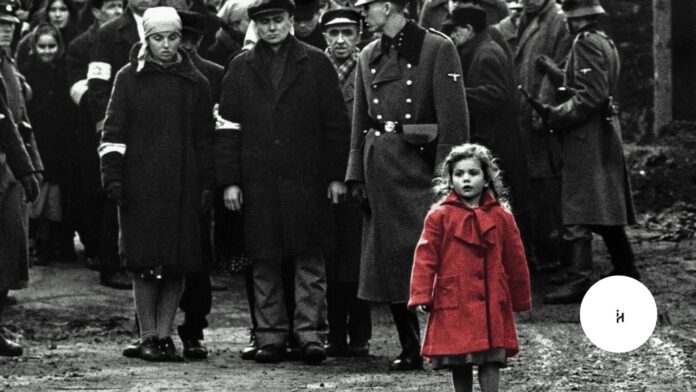
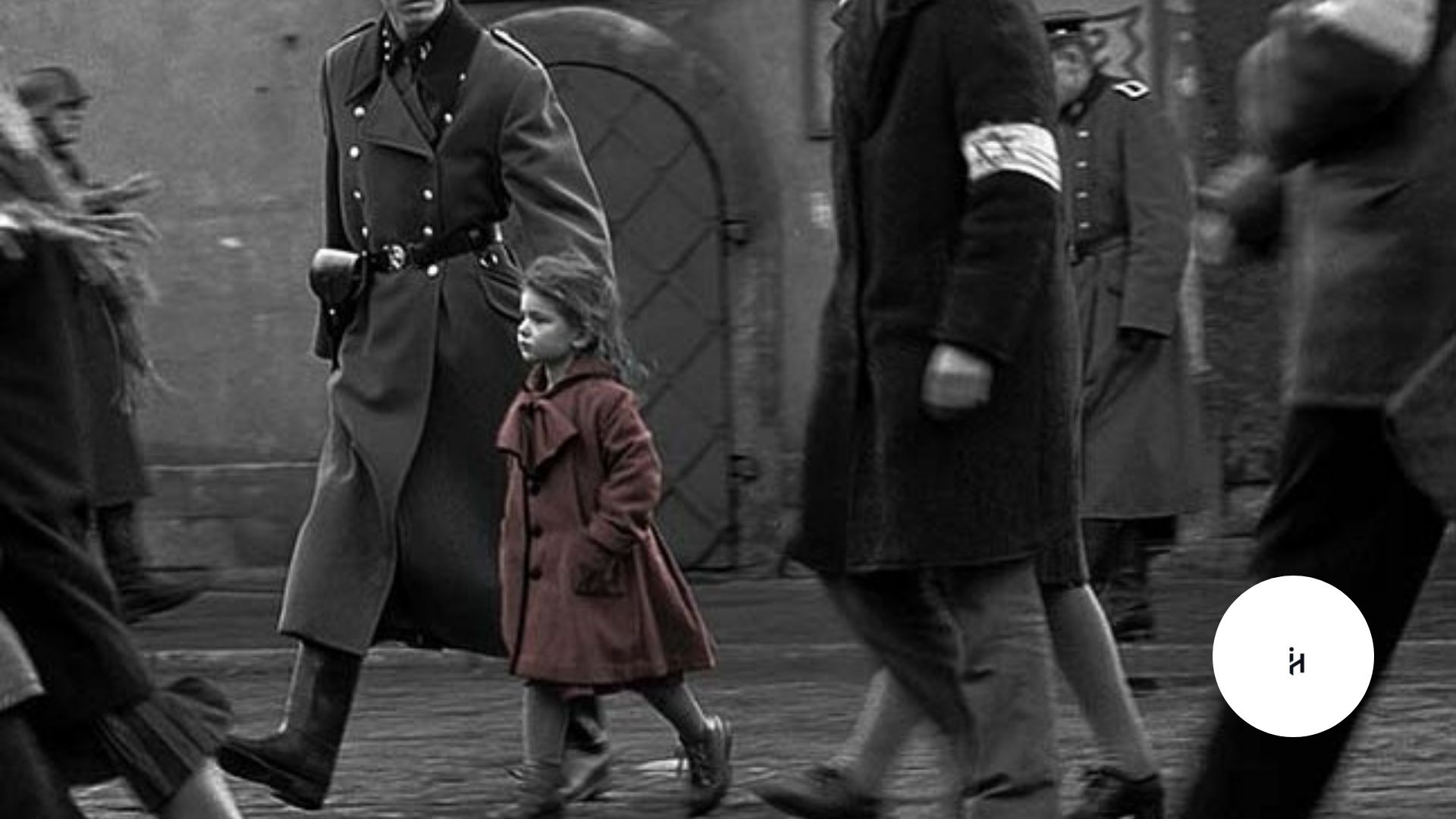
Spielberg used a documentary-style approach—filming with handheld cameras, using real locations in Kraków, and shooting in black and white to reflect archival Holocaust footage. His decision to include occasional bursts of color, such as the girl in the red coat, became iconic. These stylistic choices make “Schindler’s List movie” a visual and emotional experience like no other.

The Cast and Their Performances

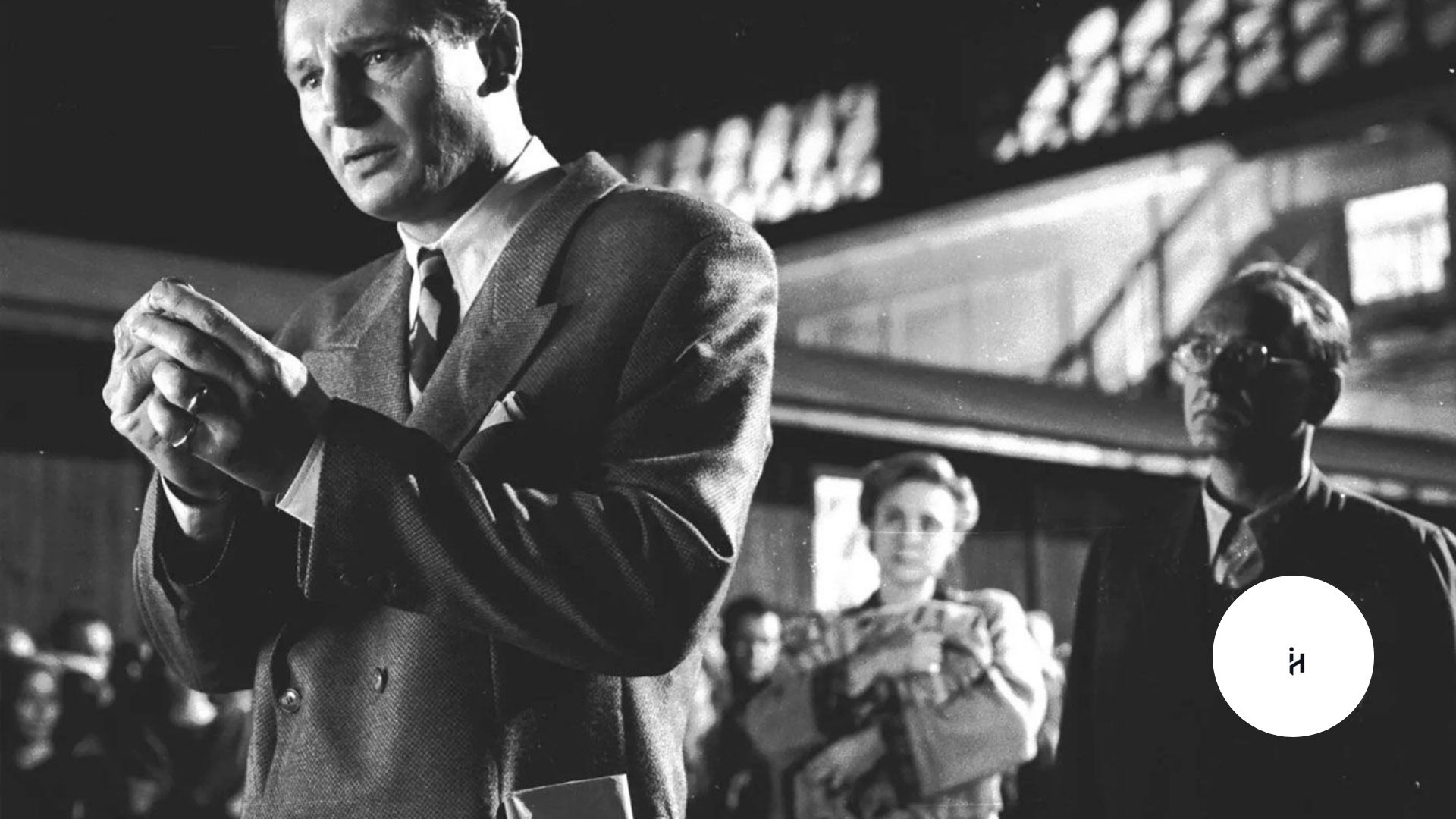
“Schindler’s List movie” features exceptional performances from a stellar cast. Liam Neeson plays Oskar Schindler, delivering a powerful portrayal of a man torn between self-interest and conscience. His performance earned him an Academy Award nomination for Best Actor.

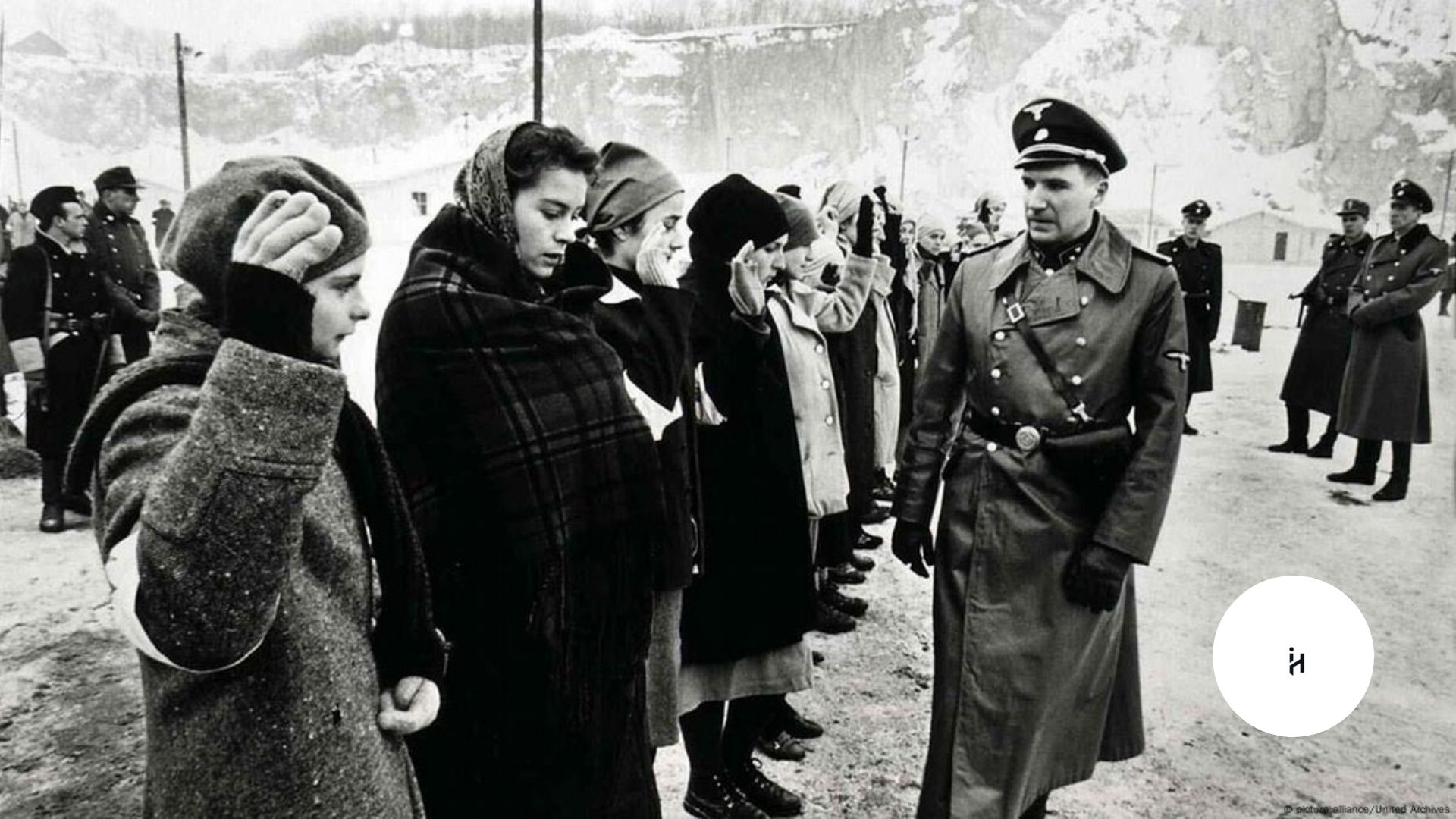
Ralph Fiennes, as the sadistic Amon Göth, is chilling in his depiction of a brutal SS officer. His portrayal adds a terrifying contrast to Schindler’s growing compassion. Ben Kingsley plays Itzhak Stern, Schindler’s Jewish accountant, who helps compile the famous list.

Each actor immerses themselves fully into their roles, making the characters believable and heartbreaking. “Schindler’s List movie” relies heavily on these performances to convey the emotional depth and historical weight of the narrative.

Historical Accuracy and Authenticity

One of the strengths of “Schindler’s List movie” is its commitment to historical accuracy. Spielberg worked closely with Holocaust survivors, historians, and experts to ensure the events, costumes, and set designs were as true to history as possible. The film was even shot on location in Poland, including scenes near the Auschwitz-Birkenau camp.

The movie does not sugarcoat the cruelty inflicted upon the Jewish people. From the liquidation of the Kraków Ghetto to the inhumane labor camps, the film portrays these events with raw, emotional honesty. While some minor dramatic liberties were taken, “Schindler’s List movie” remains one of the most historically faithful Hollywood films about the Holocaust.

The Emotional Impact of the Film

“Schindler’s List movie” is emotionally devastating. Many viewers describe the experience as transformative. The film forces the audience to confront the depths of human cruelty, but also the possibility of redemption. One of the most moving scenes is when Schindler breaks down, lamenting that he could not save more lives.

Spielberg’s use of silence, music, and facial expressions over dialogue intensifies the emotional effect. Composer John Williams provided the haunting score, with the violin theme performed by Itzhak Perlman becoming instantly recognizable.

The Symbolism in Schindler’s List Movie
Schindler's List Movie

Symbolism plays a key role in “Schindler’s List movie.” The girl in the red coat is one of the most significant symbolic elements. Amidst the black and white visuals, her red coat draws attention to the innocence lost in the Holocaust. Her eventual death marks a turning point in Schindler’s journey.

The list itself is also symbolic—it represents hope, resistance, and the value of human life. “Schindler’s List movie” constantly reminds us that even in darkness, symbols of light and courage can emerge.

Legacy and Cultural Impact

More than three decades later, “Schindler’s List movie” remains one of the most influential films in history. It is shown in schools, universities, and museums as a teaching tool. Spielberg founded the USC Shoah Foundation to preserve survivor testimonies, inspired by the film’s impact.

The film has influenced countless other works and has contributed to global awareness of the Holocaust. “Schindler’s List movie” is not just cinema—it’s a cultural artifact that continues to educate and inspire.

Awards and Critical Acclaim

“Schindler’s List movie” received widespread critical acclaim upon its release. It won seven Oscars, including Best Picture, Best Director, and Best Adapted Screenplay. It also received seven BAFTAs and three Golden Globes.

Critics praised the film for its storytelling, cinematography, and emotional power. It holds a near-perfect score on Rotten Tomatoes and IMDb, often ranking among the greatest films of all time.

Controversies and Criticism

Although “Schindler’s List movie” was largely praised, it did face some criticism. Some scholars argued that portraying a Nazi as a hero could potentially mislead audiences. Others believed that the film’s dramatic elements might oversimplify complex historical realities.

Spielberg responded by emphasizing that the film was not about glorifying Schindler, but showing how a person could choose good in a world of evil. Despite these criticisms, the impact of “Schindler’s List movie” remains overwhelmingly positive.
Schindler's List Movie

Final Thoughts: Why You Should Watch Schindler’s List Movie

To watch “Schindler’s List movie” is to bear witness. It is not merely a film—it is an act of remembrance. It teaches empathy, courage, and the cost of indifference. The film is a sobering reminder that history must never repeat itself.

If you have not yet seen it, “Schindler’s List movie” is a must-watch. It is a cinematic masterpiece that leaves an indelible mark on the viewer. Every frame, every performance, and every emotion is crafted with purpose and reverence.

Exploring the World of Drifters Anime: A Journey Through Fantasy and History

0
Drifters Anime

In this blog post, we’ll delve deep into the various elements of Drifters anime, from its plot and characters to its themes and animation style, while discussing why it has become a standout show in the anime world.

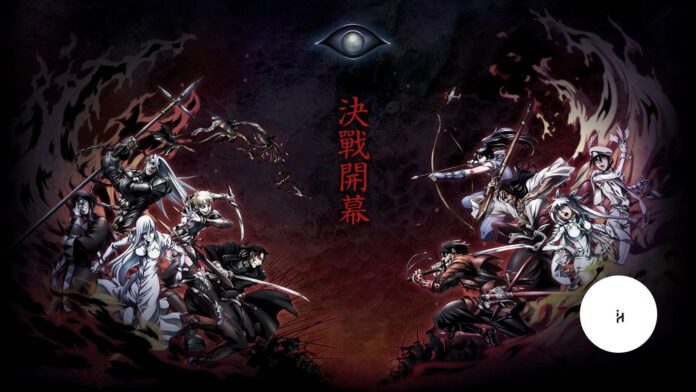
Drifters is an anime series that combines the action-packed world of fantasy with intriguing historical references, delivering a unique blend of intense battles and complex characters. Adapted from Kouta Hirano’s manga, this anime has garnered a loyal fanbase thanks to its engaging storyline, captivating visuals, and a cast of warriors from different historical periods.

Introduction to Drifters Anime

Drifters Anime

Drifters is set in a world where historical figures, warriors, and other notable characters are summoned from different time periods to fight in an endless war. The anime is known for its dark and violent themes, blending elements of fantasy with real-world history.

Created by Kouta Hirano, the mind behind Hellsing, Drifters takes viewers on a wild ride through a war-torn land where legendary figures from history are pitted against each other in a battle for dominance.

The series centers around the main character, Shimazu Toyohisa, a samurai from the Warring States period in Japan. He is transported to an alternate world where he is thrust into an ongoing battle against other warriors and creatures. The anime explores themes of war, survival, and the clash of cultures, making it a unique and thrilling experience for fans.

The Unique Concept of Drifters

One of the most striking features of Drifters is its premise. Instead of sticking to traditional fantasy tropes, it introduces historical figures from different times and cultures, such as warriors from ancient Greece, feudal Japan, and even medieval Europe. These historical figures, known as the “Drifters,” are summoned to fight in a parallel world.

The concept of mixing fantasy with real-world history allows the anime to explore fascinating “what-if” scenarios. For instance, what if famous historical leaders and generals were given a second chance in a brutal, fantastical world?

This creates an environment rich with possibilities, where viewers can see figures like Nobunaga Oda and Hannibal Barca interact with one another in ways that might not have occurred in real history.

The Complex Characters of Drifters Anime

The Drifters anime is packed with a diverse cast of characters, each with their own motivations, backstories, and personalities. The main protagonist, Shimazu Toyohisa, is a skilled samurai known for his fierce loyalty and relentless fighting spirit. His journey in the anime revolves around adjusting to his new life in a strange world while continuing his battle for survival.

Other notable characters include the notorious warlord Oda Nobunaga and the infamous strategist, Yoichi Suketaka Nasu. Each of these historical figures brings their own strengths and flaws to the table, which adds depth to the storyline and allows for character-driven conflict. The dynamic between these characters is crucial in making Drifters not just a battle-driven anime, but also one with complex interpersonal relationships.

The Role of Ends and Drifters in the Anime World

In Drifters, there are two opposing factions: the Drifters and the Ends. The Ends are a group of evil beings who have their own agenda and work against the Drifters at every turn.

They include historical figures who have been corrupted by the dark forces of the world they inhabit. This dichotomy creates a compelling struggle between good and evil, with each side fighting for control over the fate of the alternate world.

Drifters Anime

The Drifters, on the other hand, are typically warriors from various historical backgrounds who find themselves in this strange world and are forced to adapt to survive. These figures have been brought together not just by chance, but by an overarching destiny that will eventually lead to an all-out battle for the future of this world.

The World-Building of Drifters

The world-building in Drifters is one of the anime’s strongest points. The alternate world where the Drifters are summoned is vast and filled with a rich lore.

The anime introduces different regions, each with its own unique characteristics, cultures, and conflicts. This diversity of settings allows the show to explore various aspects of its fantasy universe while also blending elements from different historical periods.

The world is chaotic, with cities in ruins, warring factions, and mythical creatures lurking in the shadows. This environment provides the perfect backdrop for the Drifters to engage in their epic battles, and the world-building is instrumental in creating an immersive experience for the audience.

Animation and Art Style in Drifters Anime

The animation style of Drifters stands out for its gritty and dynamic visuals. The action scenes are intense, fast-paced, and beautifully choreographed, capturing the raw energy of the battles. The character designs, though sometimes exaggerated, fit the tone of the series, with each warrior being depicted in a way that highlights their personality and historical significance.

The art style is heavily influenced by Kouta Hirano’s previous works, particularly Hellsing, with detailed linework and dramatic shading that enhances the dark and violent atmosphere of the show. This distinct style gives Drifters a unique visual identity that is instantly recognizable to fans of Hirano’s work.

Themes of War and Conflict in Drifters

One of the central themes in Drifters is the exploration of war and conflict. The anime does not shy away from depicting the brutality and chaos that accompany battle. The Drifters are constantly thrust into dangerous situations where they must fight not just for survival, but also for the greater good.

The series raises questions about the nature of warfare, the impact of conflict on individuals and societies, and the morality of those who engage in it. This theme is reinforced by the presence of historical figures, many of whom were known for their roles in wars and battles, giving the series a sense of authenticity and weight.

The Impact of Historical Figures on the Plot

The inclusion of real historical figures in Drifters adds a layer of complexity to the plot. These characters are not just fictionalized versions of their real-life counterparts; they retain many of the traits and motivations that made them famous.

For example, Oda Nobunaga, a strategic genius, uses his cunning to manipulate events in the new world, while the ruthless warrior, Toyohisa, continues to fight for honor and survival.

The way these historical figures interact with each other is one of the highlights of Drifters. The anime doesn’t shy away from exploring how these historical personalities would behave in a completely different context, and the result is often surprising and thought-provoking.

Drifters Anime

Action Sequences and Combat in Drifters

Action is at the heart of Drifters, and the anime delivers thrilling combat sequences that will keep viewers on the edge of their seats. The battles are not just physical but often involve intricate strategies, alliances, and betrayals.

The characters, especially the Drifters, engage in fierce battles against both monstrous creatures and fellow warriors, making each fight feel meaningful and impactful.

The series also incorporates supernatural elements into the combat, with characters wielding unique abilities and magical powers. This mix of traditional weaponry and magical elements creates a distinct style of combat that sets Drifters apart from other action-oriented anime.

Reception and Popularity of Drifters Anime

Since its release, Drifters has received a positive reception from both anime fans and critics alike. The anime’s unique blend of historical fiction and fantasy, combined with its compelling characters and intense action, has earned it a dedicated fanbase. Fans of Kouta Hirano’s work, especially Hellsing, were particularly drawn to Drifters due to its similar style and tone.

The anime’s success has led to high anticipation for future seasons, with viewers eagerly awaiting the continuation of the story and the introduction of new characters and battles.

Conclusion: Why Drifters Anime is a Must-Watch

In conclusion, Drifters is an anime that offers something truly unique in the world of anime. It combines fantasy, history, and action into a thrilling package that keeps viewers hooked from start to finish.

The complex characters, intense action sequences, and thought-provoking themes make it a standout show that deserves attention. If you’re a fan of anime that blends history with fantasy, Drifters is a must-watch. The way it explores the consequences of war, the nature of power, and the fate of legendary figures is both entertaining and enlightening.

Exploring the 5th Dimension: A Journey Through the Vocal Group’s Legacy

0
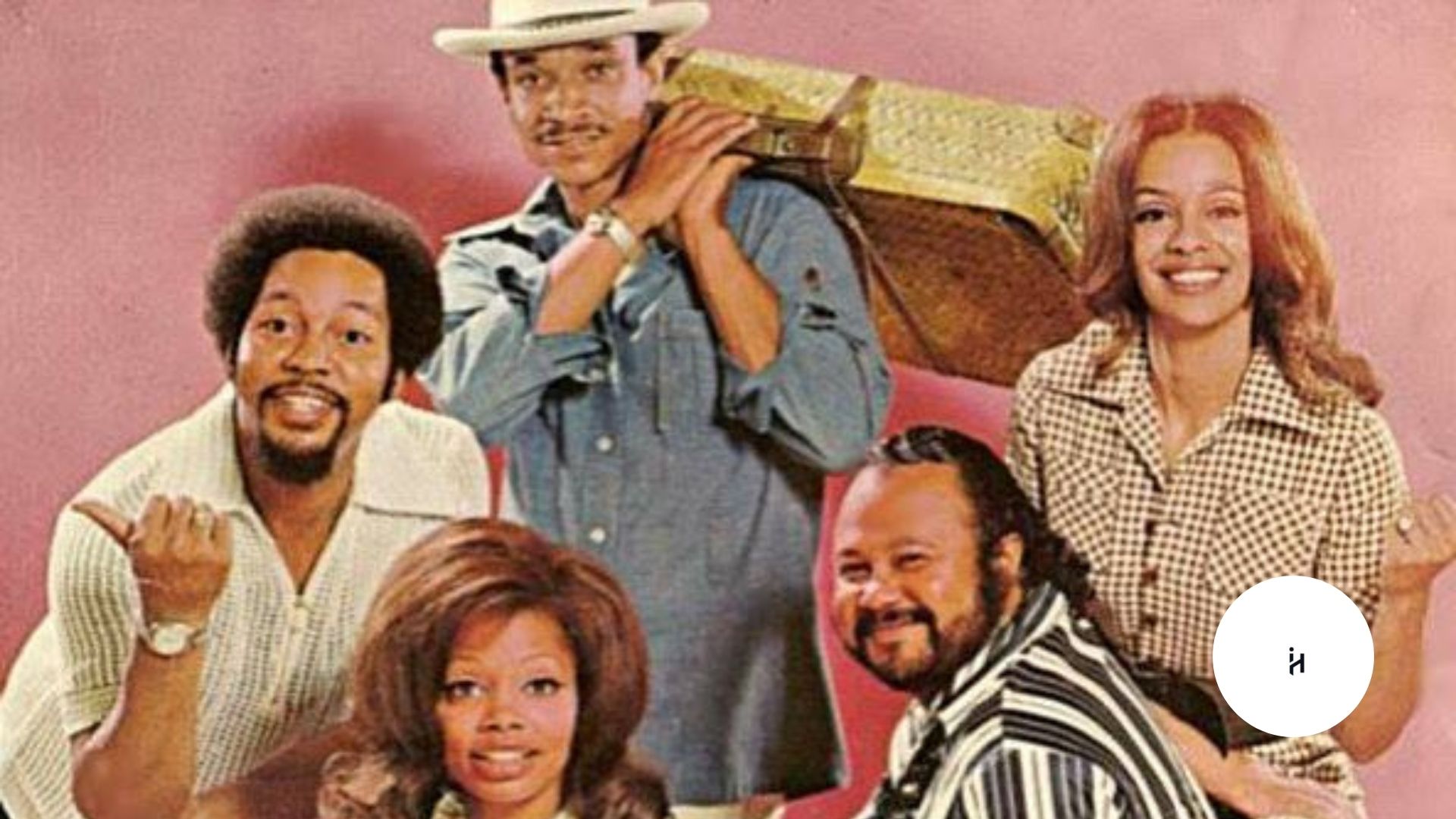
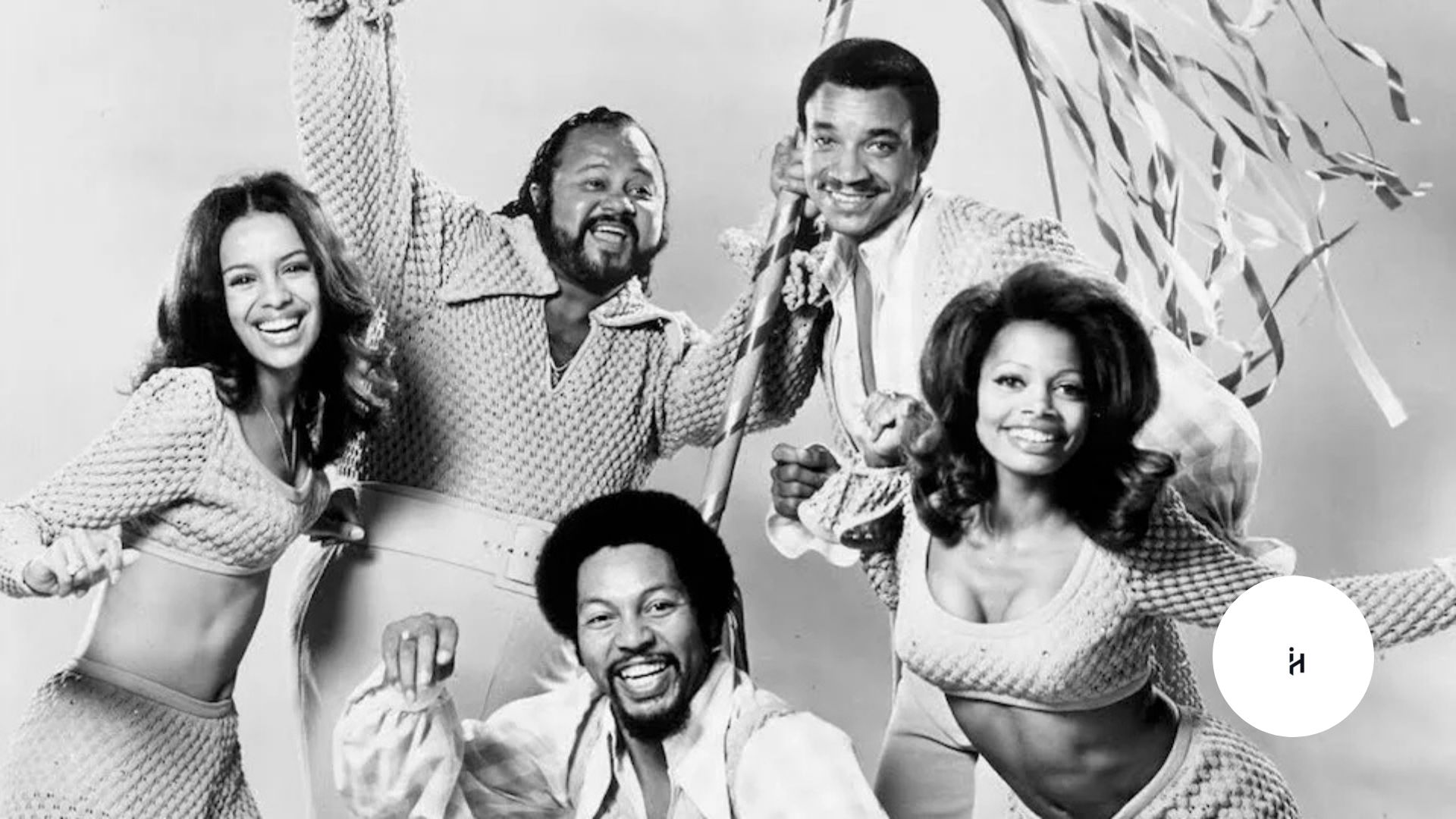
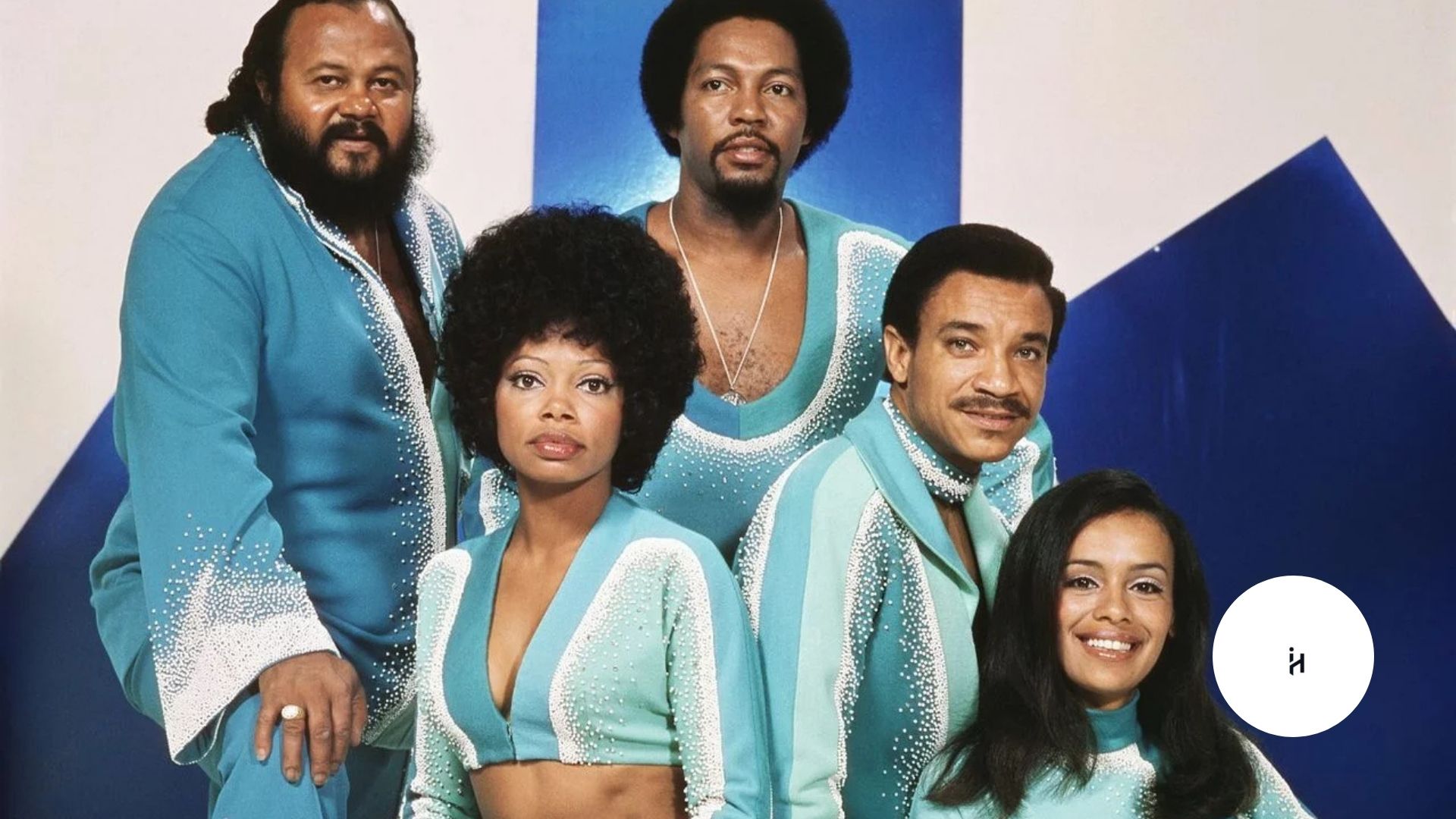
Exploring the 5th Dimension:

The 5th Dimension, one of the most iconic vocal groups of the 1960s and 1970s, transformed the landscape of popular music with its unique blend of soul, pop, and jazz influences.

This legendary ensemble not only achieved commercial success but also made a significant impact on the evolution of contemporary music. In this blog, we’ll delve deep into the various facets of the 5th Dimension, examining their journey, legacy, and the songs that defined an era.

The Birth of the 5th Dimension: Origins and Formation

Exploring the 5th Dimension:

The 5th Dimension began as a vocal group in 1966, formed by a combination of talented vocalists. Initially, the group consisted of Marilyn McCoo, Billy Davis Jr., Lamonte McLemore, Florence LaRue, and Ron Townson.

The name “5th Dimension” was selected because it symbolized a unique dimension in music, suggesting they were going beyond the standard four-dimensional world of popular music. Their harmonious blend of voices was the foundation for their success, but their distinct sound and experimental approach to musical genres set them apart from other groups of the time.

The Musical Influences of the 5th Dimension

The sound of the 5th Dimension was a fusion of various musical styles, including soul, pop, R&B, and jazz. They were heavily influenced by the lush orchestration of musical pioneers such as Burt Bacharach and Jimmy Webb, whose compositions often formed the backbone of their greatest hits.

The 5th Dimension’s ability to seamlessly blend these influences allowed them to create a sound that was both innovative and accessible, bringing together listeners from various musical tastes.

Signature Songs: The Hits that Defined the Group

The 5th Dimension is best known for songs like “Up, Up and Away” and “Aquarius/Let the Sunshine In.” These hits not only secured their place in music history but also defined the era they came from.

“Up, Up and Away,” in particular, became an anthem of the late 1960s, capturing the optimism and experimental spirit of the time. The powerful combination of harmonies, orchestral arrangements, and uplifting lyrics in their songs left a lasting impact on music lovers worldwide.

The Unique Harmonies of the 5th Dimension

The vocal harmonies of the 5th Dimension were one of their most defining characteristics. Each member brought a unique vocal strength to the group, but it was their ability to blend these voices into a single, unified sound that set them apart.

Marilyn McCoo and Billy Davis Jr. often served as the lead vocalists, with their soaring and emotionally charged voices supported by the harmonious backing vocals of the others. This vocal cohesion became a hallmark of their success and resonated with audiences for decades.

“Aquarius/Let the Sunshine In”: The Anthem of a Generation

“Aquarius/Let the Sunshine In” became a cultural touchstone, not just a song but an anthem for the counterculture movement of the late 1960s. It was a defining moment for the 5th Dimension and for the music of that era.

The song’s lyrics, inspired by the Age of Aquarius, reflected a sense of hope, peace, and social change, all themes that resonated with the political and social upheaval of the time. It remains one of the group’s most iconic songs and is still widely regarded as a symbol of optimism and unity.

The 5th Dimension’s Role in the Evolution of Pop Music

The 5th Dimension played a significant role in bridging the gap between various musical genres, particularly pop and soul music. At a time when the music scene was divided by genre, the group’s ability to infuse pop with elements of soul, jazz, and classical music opened up new possibilities for other artists. Their style paved the way for a new wave of experimentation in popular music, influencing future vocal groups and solo artists alike.

The 5th Dimension’s Influence on Contemporary Artists

Exploring the 5th Dimension:

The 5th Dimension’s influence extends far beyond their era. Many contemporary artists have cited the group as an inspiration, particularly in the way they combined vocal arrangements with rich orchestral and jazz elements.

Artists like Stevie Wonder and Earth, Wind & Fire drew upon similar vocal harmonies and genre-blending techniques that the 5th Dimension popularized. Their legacy continues to influence not only vocal groups but solo performers who seek to merge diverse musical styles.

The Group’s Evolution and Member Changes

As with many long-running musical groups, the 5th Dimension underwent several changes in personnel over the years. While the core of the group remained strong, various members came and went, including the departures of Marilyn McCoo and Billy Davis Jr. in the 1970s. Despite these changes, the 5th Dimension continued to perform and record, though their commercial success began to decline. The group’s ability to adapt and reinvent itself ensured its place in the annals of musical history.

The Legacy of the 5th Dimension in Popular Culture

The 5th Dimension’s music continues to be celebrated and remembered in popular culture. Their songs have been featured in movies, TV shows, and commercials, ensuring that their influence remains relevant to this day.

Their sound transcended the boundaries of time and genre, making them a timeless act that still holds a special place in the hearts of music fans. The 5th Dimension’s contributions to the cultural fabric of the 1960s and 1970s can still be felt today.

Recognition and Awards: A Testament to Their Impact

Over the years, the 5th Dimension received numerous accolades, including multiple Grammy Awards and nominations. Their song “Up, Up and Away” won multiple Grammys, marking a high point in their career.

These awards not only recognized their artistic achievements but also solidified their place as one of the most influential vocal groups in the history of popular music. The 5th Dimension’s contributions to the music industry continue to be celebrated by both critics and fans alike.

The 5th Dimension Today: Continuing the Legacy

Though the original members of the 5th Dimension have long since moved on to other projects or retired, the group’s music remains a vital part of the musical landscape. Today, the 5th Dimension’s legacy is carried on by new members who continue to perform the group’s greatest hits for a new generation of fans.

Their timeless music, powerful harmonies, and cultural significance ensure that the 5th Dimension’s influence will never fade, and their songs will continue to inspire and uplift for years to come.

Exploring the 5th Dimension:

Q&A:

Q1: What is the 5th Dimension known for?

The 5th Dimension is known for their unique blend of pop, soul, and jazz music, achieving commercial success with timeless hits like “Up, Up and Away” and “Aquarius/Let the Sunshine In.” Their signature harmonies and orchestral arrangements set them apart as one of the most iconic vocal groups of the 1960s and 1970s.

Q2: Who were the original members of the 5th Dimension?

The original members of the 5th Dimension included Marilyn McCoo, Billy Davis Jr., Lamonte McLemore, Florence LaRue, and Ron Townson. These vocalists brought their talents together to create the group in 1966, setting the stage for their groundbreaking success.

Q3: What was the significance of “Aquarius/Let the Sunshine In”?

“Aquarius/Let the Sunshine In” was a major hit that became an anthem for the counterculture movement of the late 1960s. The song reflected the era’s optimism, peace, and social change, symbolizing the hope of the “Age of Aquarius” and cementing the 5th Dimension’s place in music history.

Q4: How did the 5th Dimension influence contemporary artists?

The 5th Dimension influenced many contemporary artists by blending various genres, particularly pop, soul, and jazz. Their vocal harmonies and orchestral arrangements paved the way for artists like Stevie Wonder and Earth, Wind & Fire, who later drew inspiration from the group’s musical style.

Q5: What is the legacy of the 5th Dimension today?

The legacy of the 5th Dimension lives on through their timeless music, which continues to be celebrated in popular culture. Their songs are still featured in movies, TV shows, and commercials, and the group’s influence on vocal harmonies and genre fusion remains significant in today’s music industry.

Conclusion

The 5th Dimension is more than just a vocal group—it is a cultural phenomenon that defined an era and reshaped the sound of popular music. With their timeless hits, unique blend of styles, and powerful harmonies, they earned their place as one of the most influential acts of the 20th century. Their legacy continues to thrive in both the music world and popular culture, ensuring that the 5th Dimension remains a beloved name in music history.

American Indian History: A Deep Dive into the Rich and Complex Past

0
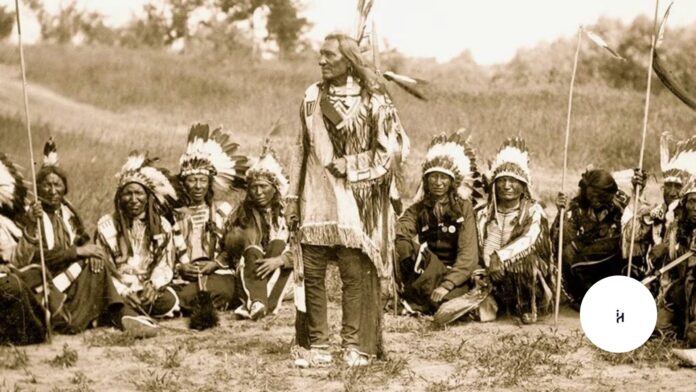
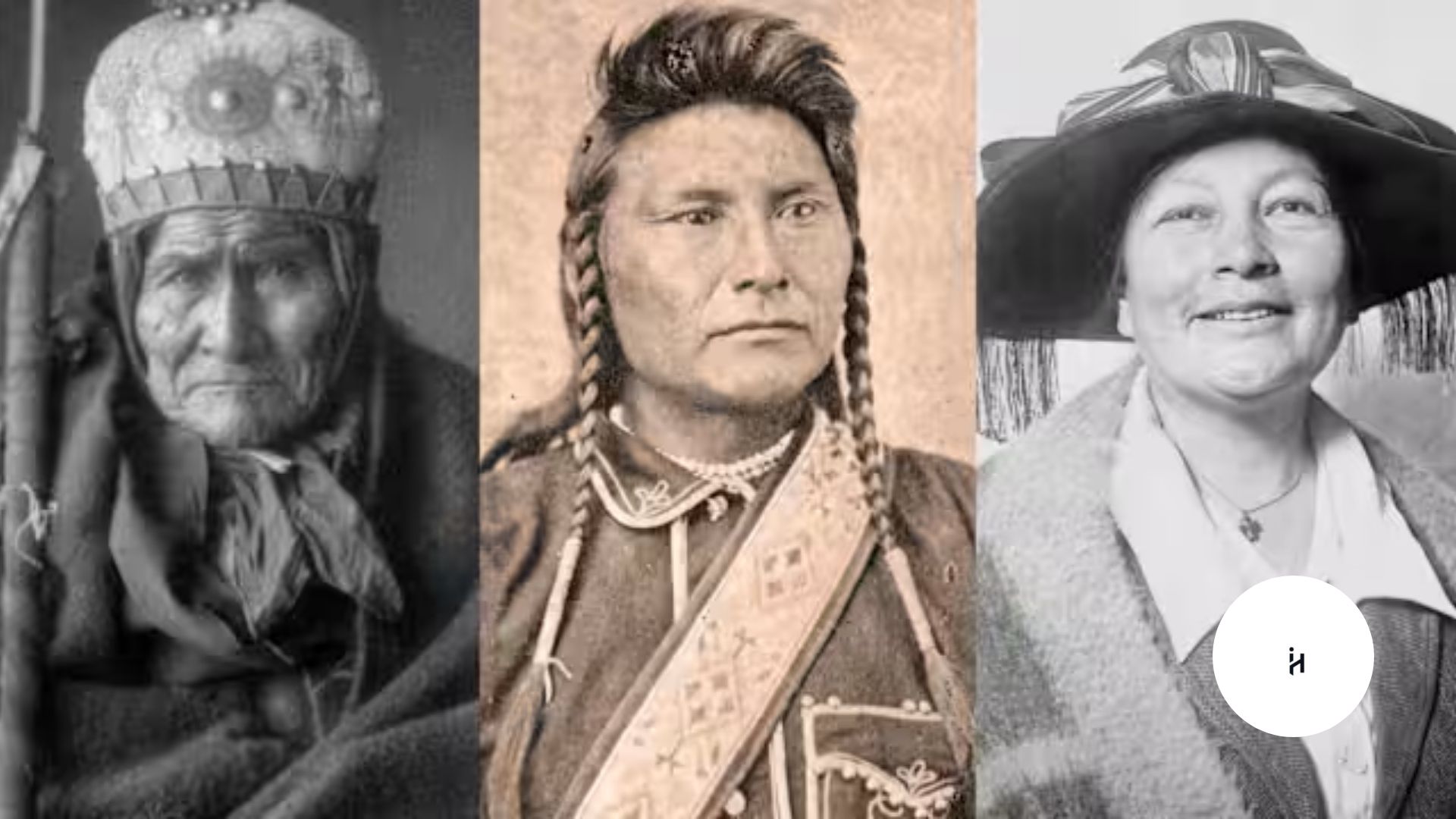
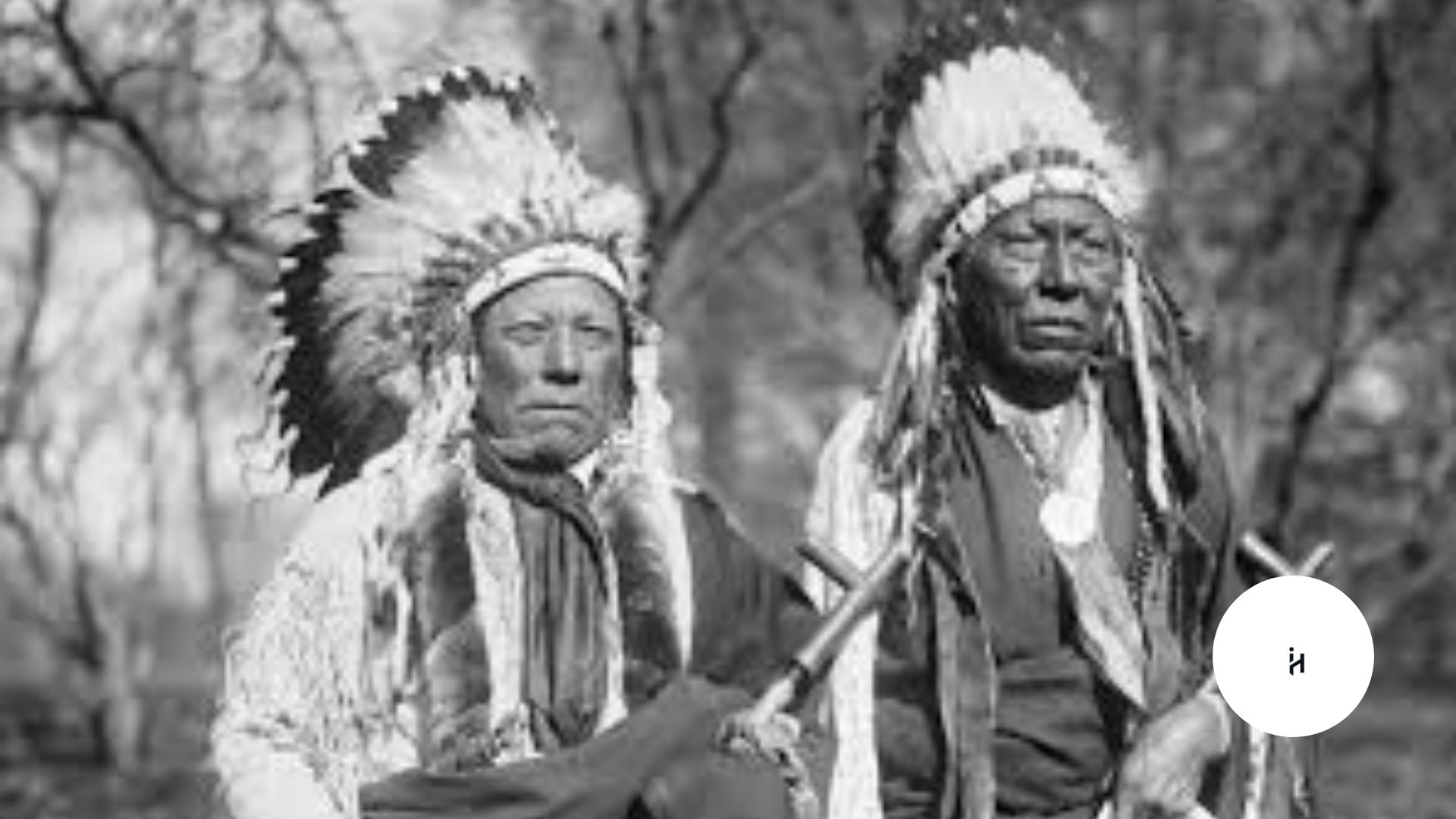
American Indian History

American Indian history is a vast and intricate narrative that spans thousands of years, representing the rich cultural, spiritual, and social life of the Native American tribes before European settlers arrived and throughout the colonial and post-colonial periods.

This blog will delve deep into various aspects of American Indian history, providing a comprehensive understanding of their societies, struggles, achievements, and the ongoing impact of their history today.

The Early Beginnings: Native American Origins

The roots of American Indian history trace back over 15,000 years. Archaeological evidence suggests that the first inhabitants of North America arrived via the Bering Land Bridge from Asia.

Over thousands of years, these early settlers adapted to the diverse climates of the continent, forming various complex cultures. American Indian history is marked by the development of distinct linguistic, social, and religious systems, each shaped by their environment.

American Indian History

The early history of Native Americans is steeped in oral traditions and legends, passed down from generation to generation. These stories not only preserved their history but also created a sense of community and identity among tribes. Their deep connection to the land, animals, and nature remains a key element in understanding American Indian history.

The Rise of Diverse Cultures and Civilizations

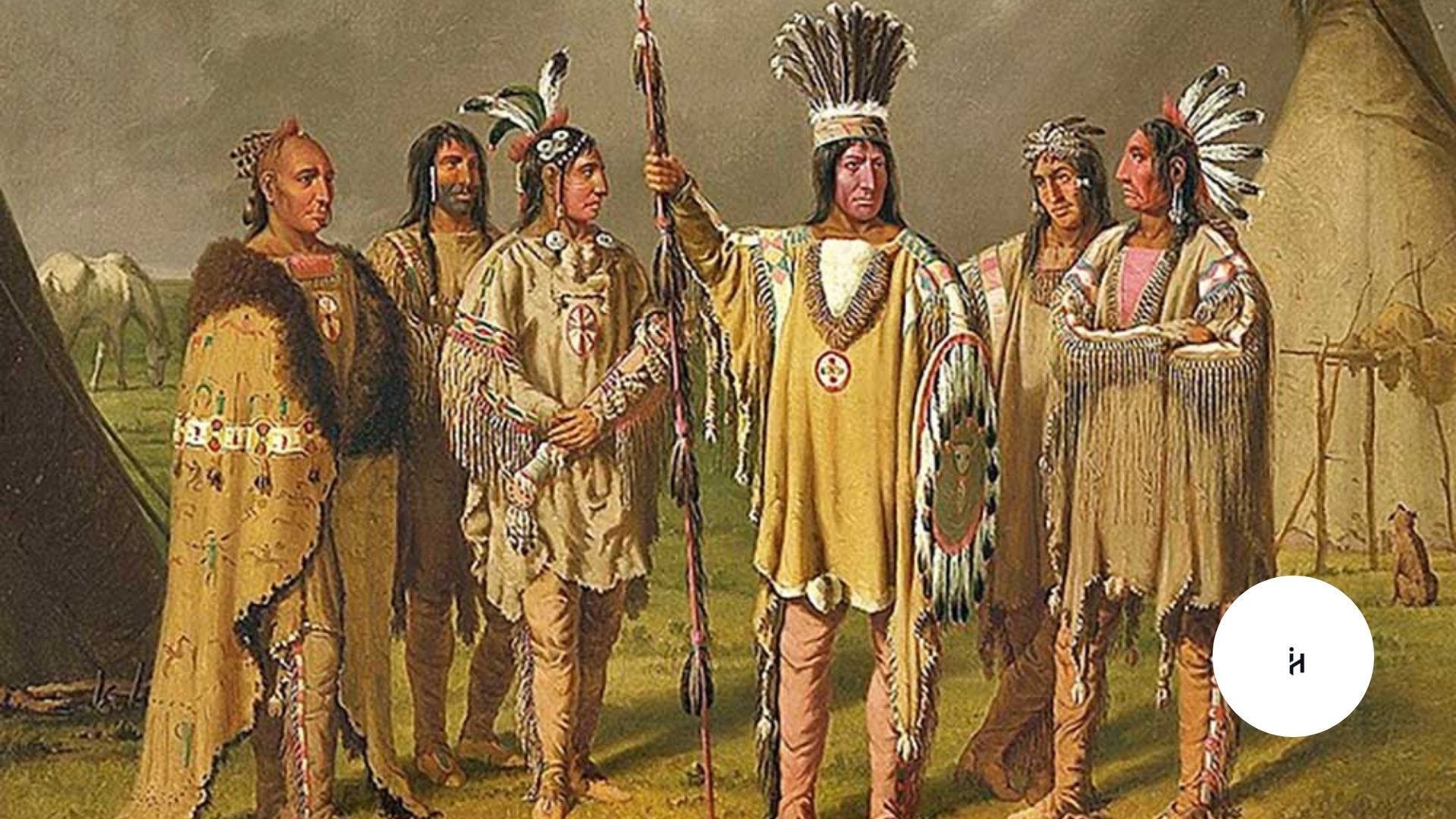
By the time European explorers reached the Americas in the late 15th century, Native American tribes had already established diverse and thriving societies. In the Southeast, the Mississippian culture constructed large earthen mounds, while in the Southwest, the Ancestral Puebloans created intricate cliff dwellings. The Iroquois Confederacy, which consisted of several northeastern tribes, established a sophisticated political system.

Each tribe developed its own form of governance, trade networks, and spiritual practices. From the complex urban centers of the Aztec and Maya in Mesoamerica to the nomadic Plains tribes, American Indian history reveals a rich diversity of cultural achievements that influenced the broader Americas.

European Contact and the Columbian Exchange

The arrival of Christopher Columbus in 1492 marked the beginning of significant changes in American Indian history. The Columbian Exchange, which facilitated the movement of goods, crops, animals, and diseases between the Old World and the New, profoundly affected Native American societies. Europeans introduced new technologies, but they also brought diseases like smallpox, which decimated native populations.

The contact between European settlers and American Indians was not always hostile, but it set the stage for centuries of conflict, displacement, and cultural assimilation.

The early encounters between the two groups were often marked by trade, with American Indians exchanging valuable furs for European goods, but tensions escalated as settlers encroached on Native lands.

Colonial America and the Displacement of Native Tribes

As European settlers expanded their colonies, they increasingly displaced Native American tribes from their ancestral lands. The early years of colonization were characterized by complex relationships between Native Americans and Europeans, ranging from trade alliances to violent conflict. Many tribes, like the Powhatan Confederacy in Virginia, initially tried to coexist with the settlers, but the relentless push for land led to wars and forced relocations.

The displacement of tribes became a defining theme in American Indian history during the colonial period. By the 17th century, American Indians were often forced to move westward to make room for growing settler populations. This displacement was not only physical but also deeply cultural, as American Indians lost their ancestral lands, sacred sites, and traditional ways of life.

The American Revolution and Native American Alliances

American Indian History

During the American Revolution, Native American tribes found themselves caught between the British and American colonists. Some tribes, such as the Iroquois, divided along political lines, with some siding with the British and others with the American patriots. These alliances were largely based on self-interest, as tribes hoped to protect their lands and way of life from the expanding colonial territories.

After the Revolution, the newly formed United States government did not honor many of the agreements made with Native tribes, leading to further struggles for American Indians in the fledgling nation. The American Revolution, while successful for the colonists, marked the beginning of a long period of broken treaties and ongoing conflicts between Native Americans and the U.S. government.

The Trail of Tears and Forced Relocation

One of the darkest chapters in American Indian history is the forced removal of thousands of Native Americans from their homelands. In the 1830s, the U.S. government enacted the Indian Removal Act, which led to the forced relocation of tribes from the Southeastern United States to lands west of the Mississippi River. The Cherokee, Choctaw, Chickasaw, Creek, and Seminole tribes were among those affected.

The journey, known as the Trail of Tears, was marked by extreme hardships, including hunger, disease, and violence. Thousands of Native Americans died during the forced march. The event remains a powerful symbol of the injustice and suffering endured by Native tribes as their lands were taken for white settlement.

The Impact of the Indian Wars

The Indian Wars spanned several decades, from the early 1600s until the late 1800s, and were a critical period in American Indian history. These wars were primarily fought as Native Americans resisted the encroachment of white settlers onto their lands.

The battles ranged from small skirmishes to full-scale conflicts, with many Native tribes, such as the Sioux, Cheyenne, and Apache, waging fierce resistance against U.S. military forces.

The Indian Wars culminated in the forced surrender of many tribes and their relocation to reservations. The government’s policies of assimilation and the attempt to destroy Native cultures were central to the conflict. The Indian Wars had a devastating impact on Native communities, as they faced displacement, loss of their traditional ways of life, and significant population decline.

The Dawes Act and Assimilation Policies

In 1887, the U.S. government passed the Dawes Act, which aimed to assimilate Native Americans into mainstream American society. The act sought to divide communal tribal lands into individual allotments, encouraging Native Americans to adopt agriculture and European-style lifestyles. The intention was to break down tribal structures and integrate Native Americans into American culture.

However, the Dawes Act had disastrous consequences. Much of the land intended for Native Americans was taken by non-Native settlers or sold to corporations. The act not only led to a loss of Native land but also caused significant cultural and social disruption, as it undermined the traditional communal way of life that many tribes had maintained for centuries.

The Civil Rights Movement and Native American Activism

The mid-20th century saw the rise of the Civil Rights Movement, which inspired many Native American activists to fight for their rights. In the 1960s and 1970s, Native Americans began to demand recognition of their sovereignty, land rights, and cultural heritage. Organizations like the American Indian Movement (AIM) played a crucial role in advocating for Native rights.

One of the most significant events of this period was the occupation of Alcatraz Island in 1969, where a group of Native American activists protested the U.S. government’s treatment of indigenous peoples. This period of activism helped bring attention to the issues faced by American Indians and led to some significant legal victories, including the Indian Self-Determination and Education Assistance Act of 1975.

American Indian History

Modern Challenges and the Fight for Sovereignty

Today, American Indian history continues to shape the experiences of Native communities. While many tribes have regained some degree of sovereignty, they continue to face significant challenges, including poverty, unemployment, health disparities, and the ongoing struggle for land rights. The fight for recognition of treaties, the protection of sacred sites, and the preservation of Native languages and cultures is ongoing.

Native American tribes have also made significant strides in recent years, with successful legal battles leading to the restoration of land, the recognition of tribal sovereignty, and improvements in education and healthcare. However, the journey toward full recognition and respect for Native American rights continues, with many challenges ahead.

Preserving American Indian History for Future Generations

The preservation of American Indian history is crucial to understanding the past and shaping the future. Efforts to document and share Native history through museums, cultural centers, and education are vital in ensuring that future generations learn about the diverse and rich traditions of Native American peoples. By teaching the history of the indigenous peoples of the Americas, we can foster a deeper understanding of their culture, struggles, and contributions to society.

In conclusion, the story of American Indian history is one of resilience, survival, and adaptation. From the early beginnings to the struggles of the modern era, Native American history has shaped the fabric of American society. Recognizing and respecting the history, culture, and sovereignty of Native peoples is essential in creating a more inclusive and just society.

Q&A:

Q1: What is the origin of Native Americans?

  • Native Americans are believed to have arrived in North America over 15,000 years ago, migrating across the Bering Land Bridge from Asia. Over time, they developed distinct cultures and societies across the continent.

Q2: What was the significance of the Trail of Tears in American Indian history?

  • The Trail of Tears refers to the forced relocation of thousands of Native American tribes, particularly the Cherokee, in the 1830s. It resulted in significant loss of life and marked a painful chapter in the displacement of indigenous peoples.

Q3: How did European contact affect Native American societies?

  • European contact introduced new technologies and goods but also brought devastating diseases like smallpox, which decimated Native populations. The impact of colonization led to loss of land, culture, and forced assimilation.

Q4: What role did Native Americans play in the American Revolution?

  • During the American Revolution, many Native American tribes allied with either the British or the American colonists, hoping to protect their land and way of life. However, post-revolutionary treaties often left Native Americans displaced and marginalized.

Q5: What is the significance of the American Indian Movement (AIM)?

  • The American Indian Movement, formed in the 1960s, was crucial in advocating for Native American rights. It highlighted issues such as land rights, sovereignty, and cultural preservation, leading to important legal and social changes for Native Americans.

Q6: What are some modern challenges faced by Native American communities?

  • Native American communities continue to face challenges such as poverty, healthcare disparities, unemployment, and the struggle for land rights and sovereignty. Many tribes are working to overcome these challenges while preserving their culture and traditions.