Home Blog Page 438

Understanding Good Friday Meaning and Significance

0
Good Friday Meaning

Good Friday holds a special significance in the Christian faith, observed as the day when Jesus Christ was crucified. This solemn day serves as a reminder of the ultimate sacrifice made by Christ for the salvation of humanity.

In this comprehensive blog, we will explore the “Good Friday meaning” and delve into various aspects that highlight the importance of this day in Christian tradition. Let’s explore the depth of Good Friday’s meanin.

Understanding the Significance of Good Friday

Good Friday Meaning

Good Friday is observed on the Friday before Easter Sunday. It commemorates the crucifixion of Jesus Christ at Calvary. For Christians, this is a pivotal moment in their faith, as it marks the day when Jesus took on the sins of humanity and offered himself as a sacrifice for the forgiveness of sins.

The term “Good” in Good Friday may seem paradoxical, given the sorrowful events of the day, but it reflects the goodness of Christ’s sacrifice and the ultimate victory over sin and death. The “Good Friday meaning” is thus tied to the redemption that Jesus’ death represents.

The Biblical Foundation of Good Friday

The Good Friday meaning is deeply rooted in the Bible. The accounts of Jesus’ crucifixion can be found in all four Gospels—Matthew, Mark, Luke, and John. These scriptures depict the events leading up to and including the crucifixion, from Jesus’ arrest in the Garden of Gethsemane to his final words on the cross.

According to Christian belief, Jesus’ death on Good Friday was foretold in the Old Testament and fulfilled prophecies in the New Testament, emphasizing the divine purpose behind this event.

Why is Good Friday Called ‘Good’?

At first glance, the term “Good” in Good Friday might appear contradictory because of the painful nature of the event. However, the word “Good” refers to the ultimate act of love and sacrifice that Jesus demonstrated by giving his life for humanity.

This sacrifice is seen as “good” because it offers salvation to all believers. The “Good Friday meaning” is not just about remembering the death of Jesus, but also celebrating the hope and new life that his sacrifice promises to Christians.

The Crucifixion: The Core of Good Friday’s Meaning

The crucifixion of Jesus is the central event of Good Friday. According to Christian theology, Jesus died for the sins of the world, taking upon himself the punishment that humanity deserved.

The brutal suffering he endured highlights the depth of his love and commitment to God’s will. The Good Friday meaning emphasizes that through Jesus’ death, the barriers between God and humanity were torn down, offering the possibility of eternal life.

The Role of Jesus’ Sacrifice in Christianity

Jesus’ sacrifice on Good Friday holds immense theological significance in Christianity. His death is seen as the atonement for sin, fulfilling the prophecy of the Lamb of God who would take away the sins of the world.

The “Good Friday meaning” also involves the belief that Jesus’ sacrifice was necessary for reconciliation between God and mankind, providing a path to salvation and eternal life.
Good Friday Meaning

The Passion of Christ: A Focus on Suffering and Redemption

The Passion of Christ refers to the suffering and death that Jesus experienced leading up to and on Good Friday. The events include his arrest, trial, scourging, and eventual crucifixion.

The “Good Friday meaning” is profoundly linked to this suffering, symbolizing the immense pain Jesus went through to redeem humanity. Christians reflect on his suffering not only as an act of love but as a necessary part of God’s plan for salvation.

The Importance of Reflection on Good Friday

Good Friday is a time for deep reflection. Christians around the world spend this day in prayer, meditation, and fasting, contemplating the significance of Jesus’ death. The “Good Friday meaning” is also about recognizing the impact of his sacrifice on personal faith and the broader Christian community. By reflecting on Jesus’ love and sacrifice, believers grow closer to God and gain a deeper understanding of their spiritual journey.

Good Friday Traditions Across the World

Different Christian denominations observe Good Friday in various ways, but all share a solemn reverence for the day. In many traditions, Good Friday services include the reading of the Passion narrative, hymns, and prayers.

The “Good Friday meaning” is often expressed through symbolic actions, such as the veneration of the cross, the singing of somber hymns, and the observance of a moment of silence, acknowledging the grief and solemnity of the occasion.

The Connection Between Good Friday and Easter Sunday

While Good Friday commemorates Jesus’ death, it is intrinsically linked to Easter Sunday, the day of his resurrection. The “Good Friday meaning” cannot be fully appreciated without the promise of new life that Easter signifies. Good Friday represents the ultimate sacrifice, while Easter celebrates the triumph over death and the hope of eternal life. Together, these days form the foundation of the Christian faith.

The Global Observance of Good Friday

Good Friday is observed worldwide by millions of Christians, although customs and practices may vary by country and denomination. For instance, in many European countries, it is a public holiday with church services and processions, while in other parts of the world, it is observed with church attendance, fasting, and reflection. The “Good Friday meaning” transcends cultural differences, uniting believers in the shared recognition of Jesus’ sacrifice.

Personal Application of the Good Friday Meaning
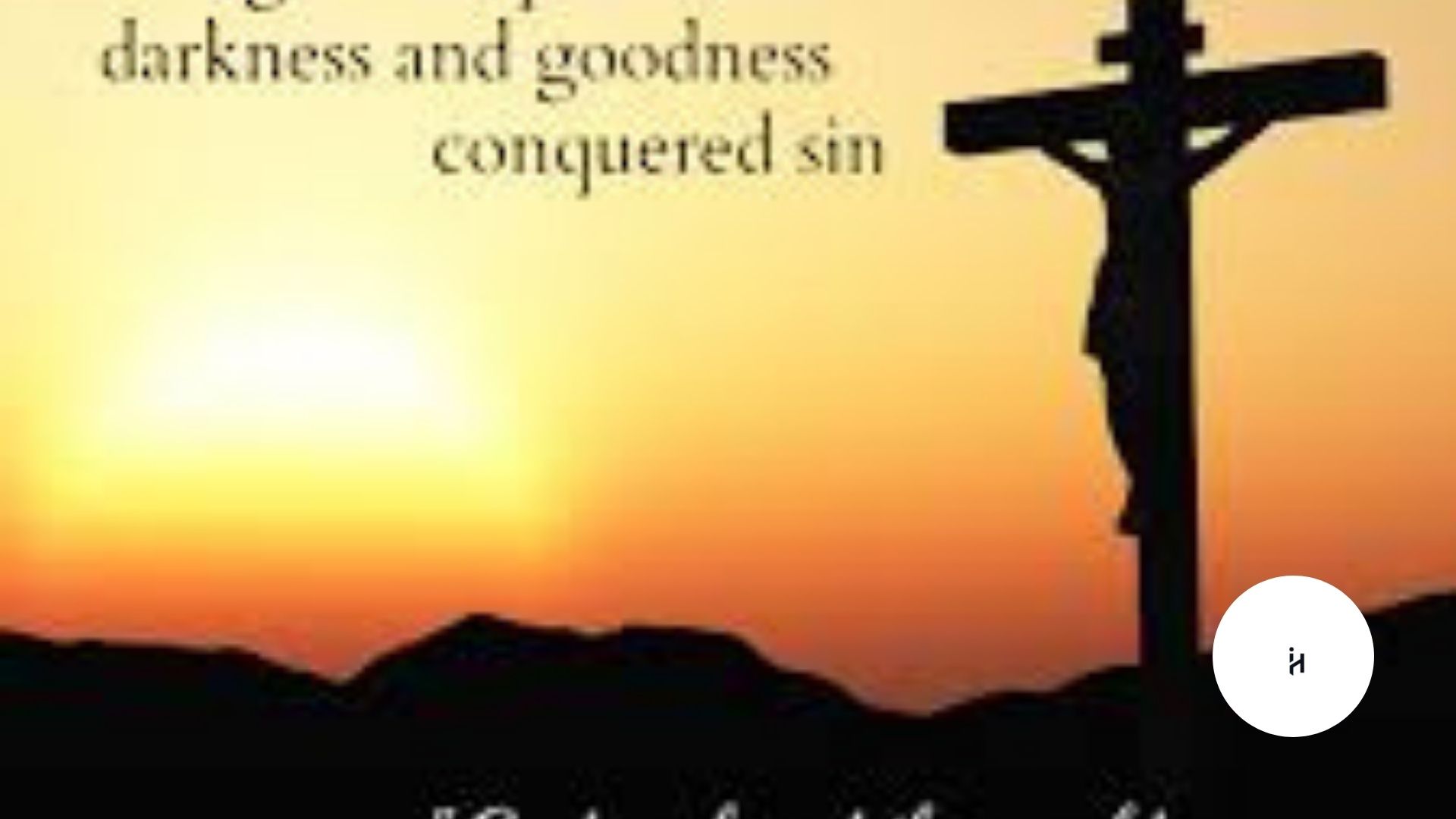
Good Friday Meaning

Finally, the Good Friday meaning is not just a historical or theological concept but a call to personal transformation. Christians are encouraged to apply the lessons of Good Friday to their daily lives by living in gratitude for Christ’s sacrifice and striving to follow his example of selfless love. This day is a reminder of the importance of repentance, forgiveness, and compassion in the lives of believers.

In conclusion, Good Friday is a day of deep meaning and reflection for Christians around the world. The “Good Friday meaning” encompasses themes of sacrifice, love, and redemption, reminding believers of the profound significance of Jesus’ death and its impact on their spiritual journey. Whether through prayer, reflection, or service, Good Friday offers a time to pause and reflect on the ultimate act of love that changed the course of history.
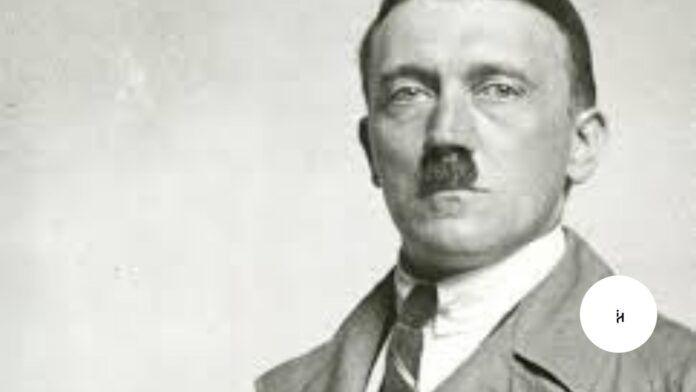
What Was Hitler’s IQ?

0
What Was Hitler's IQ?

This blog takes a comprehensive look at Hitler’s intelligence, analyzing the available evidence and theories to answer the question: What was Hitler’s IQ?

Adolf Hitler, the infamous leader of Nazi Germany, has been the subject of countless studies and analyses, ranging from his ideology to his psychological state. One of the most intriguing questions that has been raised about him is: What was Hitler’s IQ?

While IQ scores are often debated in terms of their accuracy and relevance, the question of Hitler’s intelligence continues to provoke interest among historians, psychologists, and the general public.

Understanding IQ and Its Relevance

What Was Hitler's IQ?

Before delving into what was Hitler’s IQ, it’s essential to understand what IQ (Intelligence Quotient) actually measures. IQ is a score derived from standardized tests designed to assess human intelligence, particularly cognitive abilities such as reasoning, problem-solving, and understanding complex concepts.

While it is a widely recognized metric, it’s important to remember that IQ tests can only measure certain types of intelligence and may not fully reflect a person’s overall capabilities. In the case of Hitler, determining his exact IQ is challenging due to the lack of concrete data, and any attempt to estimate it is speculative at best.

The Myth of Hitler’s IQ

Over the years, numerous myths have emerged about Hitler’s IQ, some suggesting he was exceptionally intelligent, while others argue that his IQ was below average. The most common claim is that Hitler had an IQ of around 140, placing him in the “genius” category. However, there is no verifiable data to support this claim. What was Hitler’s IQ remains unknown, and most of the estimations are based on historical interpretations of his speeches, writings, and behavior rather than standardized testing.

Hitler’s Education and Early Life

To understand Hitler’s intelligence, it’s crucial to consider his early life and education. Hitler was not a particularly gifted student and struggled academically, especially in subjects like mathematics and foreign languages. He dropped out of school at the age of 16 and pursued an interest in art, though he was rejected twice by the Academy of Fine Arts in Vienna.

This early failure suggests that Hitler may not have possessed the high cognitive abilities often associated with a high IQ, but instead, he may have excelled in areas related to persuasive speech and leadership, which are not always measured by IQ tests.

Hitler’s Rhetoric and Persuasive Abilities

One area where Hitler undoubtedly excelled was in his oratorical skills. His ability to captivate large audiences and manipulate their emotions was unparalleled, earning him a significant following in Nazi Germany. These skills are not directly related to IQ but are still indicative of a form of intelligence.

Hitler’s speeches often showcased his exceptional ability to appeal to people’s fears and desires, which played a major role in his rise to power. While this does not provide an exact answer to what was Hitler’s IQ, it shows that intelligence is multifaceted, and IQ alone cannot fully explain a person’s capabilities.

Hitler’s Strategic Mind and Political Acumen

Hitler’s rise to power and the strategies he employed during World War II suggest a level of strategic thinking and political acumen. Despite the disastrous outcome of his leadership, Hitler displayed a remarkable ability to organize and direct the Nazi Party’s rise to power, as well as his military strategies in the early years of the war.

What Was Hitler's IQ?

This ability to plan and make decisions with long-term consequences points to a certain level of intelligence, though his failure to adapt to changing circumstances (such as underestimating the Soviet Union) ultimately contributed to his downfall. It’s important to consider these aspects when pondering what was Hitler’s IQ.

Hitler’s Use of Ideology and Manipulation

Another aspect of Hitler’s intelligence was his use of ideology to control and manipulate the masses. He crafted a compelling narrative about the superiority of the Aryan race and the need for territorial expansion.

This ideological framework was central to the Nazi regime and helped justify atrocities such as the Holocaust. Hitler’s ability to effectively communicate and enforce this ideology demonstrates a high level of cognitive ability in areas of persuasion, propaganda, and psychological manipulation, even though it may not have been directly related to IQ.

Hitler’s Psychological Profile

Psychologists and historians have long debated Hitler’s psychological makeup, often attempting to explain his behavior and decision-making through a psychological lens. Some have argued that Hitler displayed traits consistent with narcissism, megalomania, and paranoia.

While these psychological traits are not directly related to IQ, they can influence how a person processes information, makes decisions, and interacts with others. In this context, the question of what was Hitler’s IQ becomes less about raw cognitive ability and more about his psychological makeup and how it shaped his actions.

Hitler’s Relationship with Fellow Leaders

Hitler’s interactions with other prominent figures of his time, such as Heinrich Himmler, Joseph Goebbels, and Rudolf Hess, provide further insight into his intelligence. While it’s clear that Hitler surrounded himself with skilled individuals, many of whom were highly intelligent in their own right, his ability to manipulate and control them suggests a certain level of cunning and strategic intelligence. The dynamic between Hitler and his inner circle is a testament to his psychological insight, even if his overall cognitive abilities may not have been extraordinary.

The Role of Charisma in Hitler’s Success

One of the most significant factors in Hitler’s success was his overwhelming charisma. While charisma is not typically associated with IQ, it is a form of social intelligence that can have a profound impact on a leader’s ability to influence others. Hitler’s magnetic personality and his ability to create a sense of unity and purpose among his followers were crucial in the rise of the Nazi Party. This type of intelligence, known as emotional intelligence, played a major role in Hitler’s effectiveness as a leader and should be considered when contemplating what was Hitler’s IQ.

Hitler’s Legacy and the Dangers of Charismatic Leaders

What Was Hitler's IQ?

The legacy of Adolf Hitler is a reminder of the dangers posed by charismatic leaders who may possess certain types of intelligence that allow them to manipulate and control others. Hitler’s ability to inspire loyalty and instill fear in his followers was not necessarily tied to traditional measures of IQ, but it was undeniably a form of intelligence that had catastrophic consequences for millions of people. Understanding Hitler’s intelligence, therefore, requires looking beyond mere IQ scores and recognizing the broader factors that contributed to his success and his ultimate failure.

Conclusion: What Was Hitler’s IQ?

So, what was Hitler’s IQ? The truth is, we may never know for sure. There is no official record of Hitler ever taking an IQ test, and any attempts to estimate his IQ based on historical evidence are speculative at best.

While it’s possible that Hitler possessed a high level of intelligence in certain areas, such as rhetoric, strategic thinking, and manipulation, his overall cognitive abilities remain a matter of debate. Ultimately, the question of what was Hitler’s IQ is less important than understanding the broader impact of his actions and the lessons we can learn from his rise to power.

In the end, Hitler’s IQ, or lack thereof, does not change the devastating effects of his actions. It is his choices and the ideologies he propagated that left an indelible mark on history. The true lesson from studying Hitler’s life is not to focus on his intelligence, but on the destructive potential of unchecked power and manipulation.

Norse Gods: Unraveling the Mythology Behind the Game

0
Norse Gods

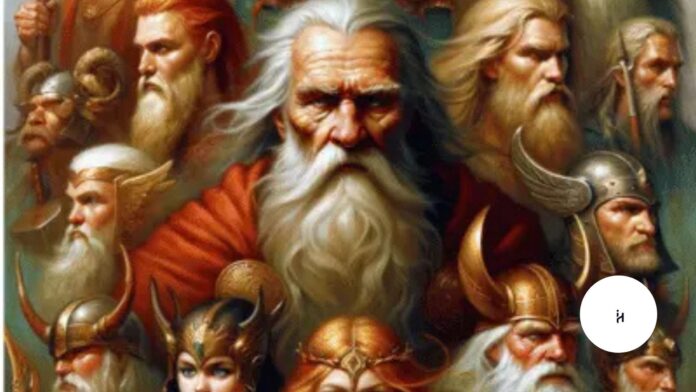
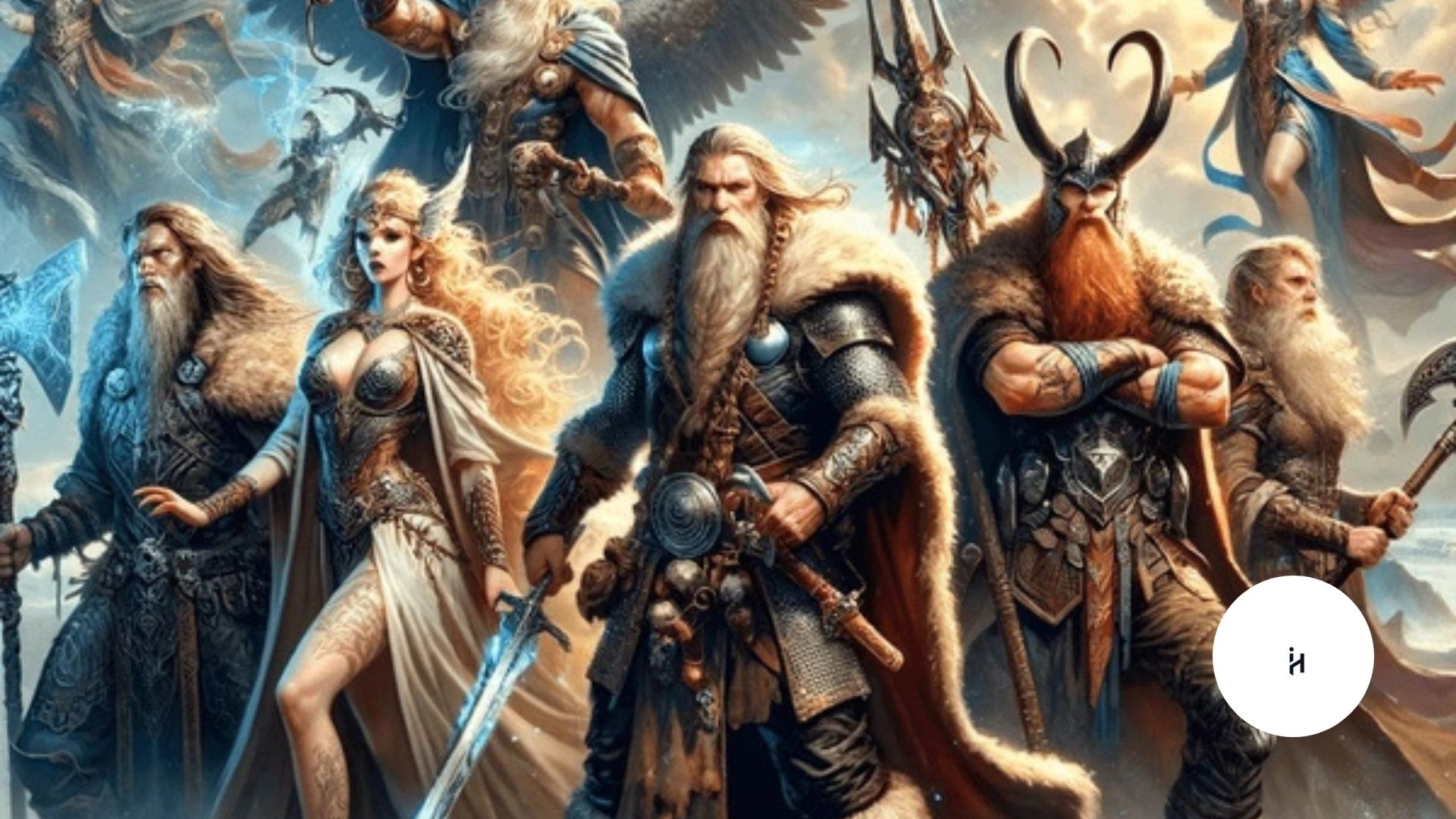
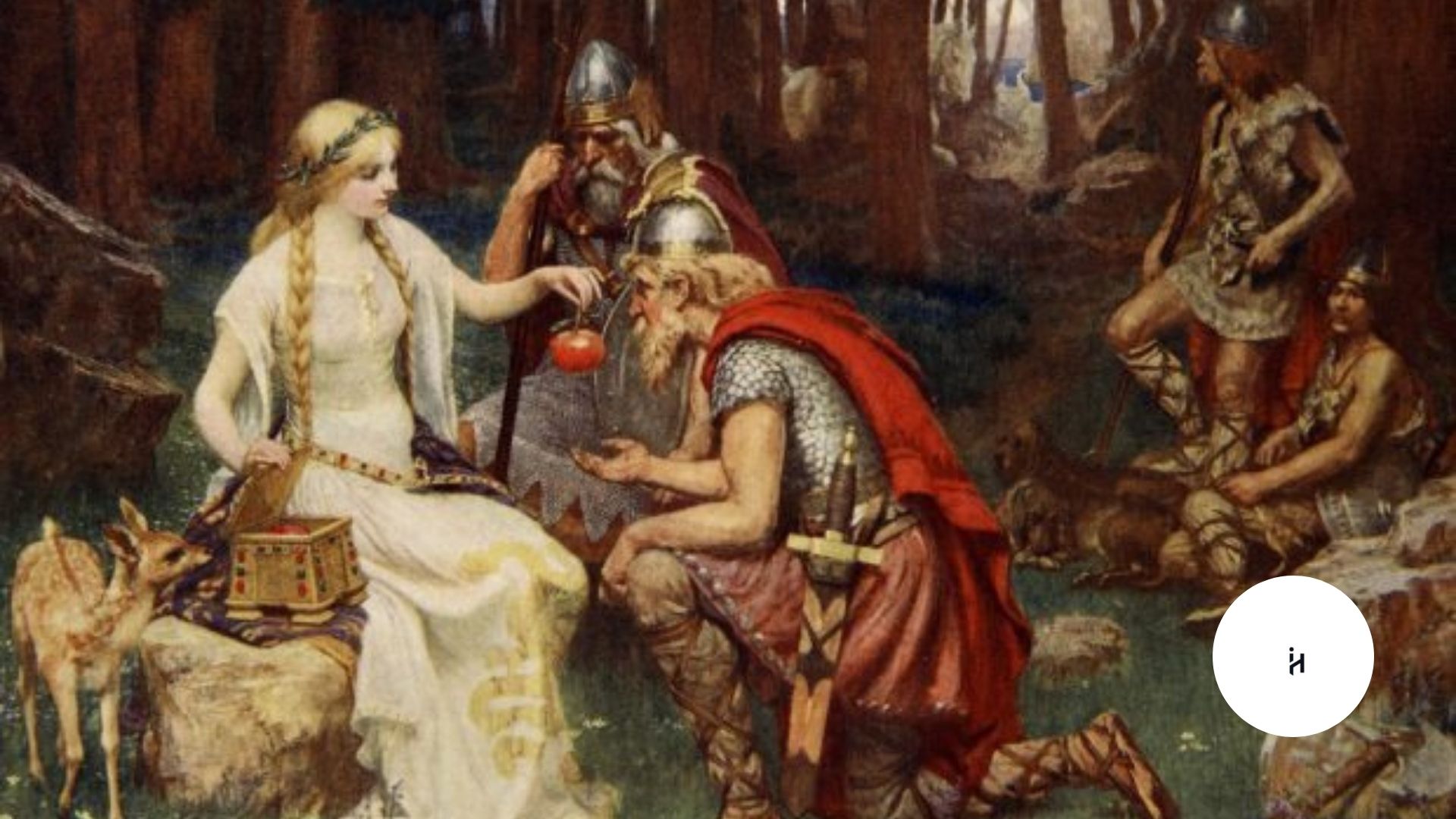
In the world of video games, mythology has always played a significant role in shaping captivating storylines and legendary characters. One of the most popular mythological themes used in modern gaming is that of the Norse gods. From the mighty Thor to the wise Odin, these gods of Norse mythology have sparked the imagination of millions. Let’s dive deep into the ancient tales of the Norse gods, how they are portrayed in games, and what makes them so appealing to gamers across the globe.

The Rise of Norse Mythology in Gaming

Norse Gods

In recent years, Norse mythology has become a favorite theme in both action-adventure and role-playing games. The Norse gods are revered for their strength, wisdom, and connection to nature. Titles like God of War: Ragnarok, Assassin’s Creed Valhalla, and Valheim have brought these mythological figures to life in stunning visual detail.

Players are no longer just learning about the Norse gods from ancient texts — they’re interacting with them, fighting alongside them, or even becoming them. The increasing popularity of the Norse gods in gaming is due to their dynamic personalities and the depth of their mythological lore.

Odin – The Allfather

Odin is one of the most powerful Norse gods, often referred to as the Allfather. In games, he is portrayed as a wise and strategic leader, seeking knowledge at all costs. He sacrificed one of his eyes at Mimir’s well to gain wisdom and hung himself on the world tree, Yggdrasil, to learn the secrets of the runes.

Odin’s complexity makes him a fascinating character in video games, often depicted as both a protector and a manipulator. His presence in any storyline involving Norse gods adds depth and mystique.

Thor – The God of Thunder

Thor, the hammer-wielding god of thunder, is among the most iconic Norse gods. Known for his unmatched strength and his weapon Mjölnir, Thor is often shown as a fierce warrior protecting Asgard from giants and chaos.

In games, Thor is typically represented as a brawny hero with a short temper but a strong sense of justice. His battles with Jörmungandr (the world serpent) and his eventual fate during Ragnarok make him a pivotal figure in any game based on Norse gods.

Loki – The Trickster God

Among all Norse gods, Loki stands out for his cunning and trickery. He’s a shapeshifter, a mischief-maker, and a character with unclear loyalties. In video games, Loki is often portrayed as an anti-hero or a villain, creating chaos while sometimes aiding the protagonists.

His unpredictable nature and mysterious background give developers creative freedom to craft complex plots around him. Loki is essential to the mythology of the Norse gods, especially in stories leading up to Ragnarok.

Freyja – The Goddess of Love and War

Freyja is one of the most revered female Norse gods, associated with love, fertility, and war. She rides a chariot pulled by cats and has deep magical powers, especially in the realm of seidr (Norse magic).

In games, Freyja often appears as a powerful sorceress or a warrior queen. Her role is crucial in balancing the masculinity of the Norse gods and showcasing the strength and wisdom of divine femininity in Norse mythology.

Tyr – The God of War and Justice

Norse Gods

Tyr is the god of law and heroic glory. Known for sacrificing his hand to the wolf Fenrir, Tyr is among the bravest Norse gods. In video games, Tyr represents honor, sacrifice, and leadership.

Unlike the hot-headed Thor or the secretive Odin, Tyr often embodies calm wisdom and a strong moral compass. His story resonates well with gamers who enjoy narratives centered around sacrifice, justice, and righteousness among the Norse gods.

Hel – Goddess of the Underworld

Hel rules over the realm of the dead and is one of the more mysterious Norse gods. Daughter of Loki, she governs the souls that do not die a warrior’s death. In games, Hel is often portrayed as a dark and solemn figure, sometimes misunderstood or wrongly vilified. Her realm, Helheim, offers developers an eerie and atmospheric setting for exploration and quests. Her inclusion in any story about the Norse gods adds an element of death, rebirth, and the afterlife.

Baldur – The Shining God

Baldur is the beloved son of Odin and Frigg, admired for his beauty and invincibility — until his tragic death. His story is central to many tales about the Norse gods, especially in games that delve into the events leading to Ragnarok.

Baldur’s death is not only a major mythological event but also a symbol of the fragility of life, even among the gods. In modern gaming, he is often depicted with emotional depth, showing both divine invincibility and human vulnerability.

Frigg – The Queen of the Aesir

Frigg, Odin’s wife and Baldur’s mother, is one of the most powerful Norse gods in the Aesir pantheon. Associated with foresight, love, and motherhood, Frigg is often portrayed as wise and composed. Her role in Baldur’s death adds a layer of maternal sorrow and prophecy to Norse tales. In games, she is often a behind-the-scenes character whose influence is immense, guiding events through her visions and wisdom.

The Nine Realms of Norse Mythology

Any game featuring Norse gods is incomplete without the inclusion of the Nine Realms. From Midgard (the world of humans) to Asgard (home of the gods) and Jotunheim (land of giants), these realms create an interconnected universe full of exploration and adventure. Game developers use these realms to design open-world experiences, missions, and mythological creatures, offering a more immersive journey into the world of the Norse gods.

Norse Gods

Ragnarok – The End Times of Norse Gods

Ragnarok is the apocalyptic event where many of the Norse gods meet their end. It’s a massive battle between gods and giants, resulting in the rebirth of the world. In games, Ragnarok is often the climax — the ultimate test for heroes and villains alike.

The emotional weight, epic battles, and symbolic meanings behind Ragnarok make it an ideal finale for storylines centered around the Norse gods. It allows players to witness the fall and rise of mythological heroes, making it one of the most dramatic elements in Norse mythology.

Conclusion

The Norse gods have become more than just mythological figures — they are now central characters in some of the most beloved video games in history. Their compelling stories, divine powers, and human-like flaws make them perfect for rich storytelling.

Whether you’re fighting beside Thor, exploring the Nine Realms, or facing Ragnarok, the world of the Norse gods offers endless adventure. With their increasing popularity in gaming, it’s safe to say that the legacy of the Norse gods is far from fading — it’s only just beginning.

Famous Cowboys: Legends of the Wild West and Beyond

0
Famous Cowboys

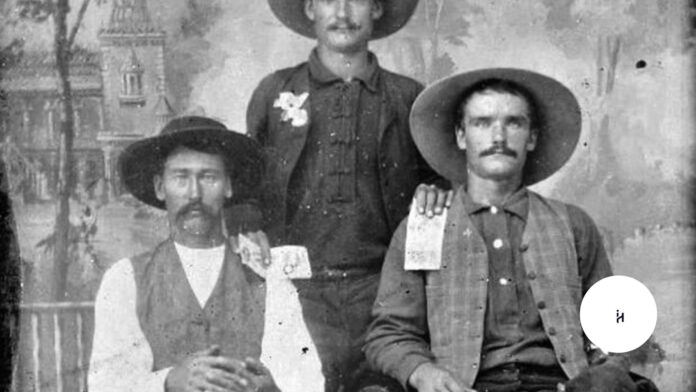
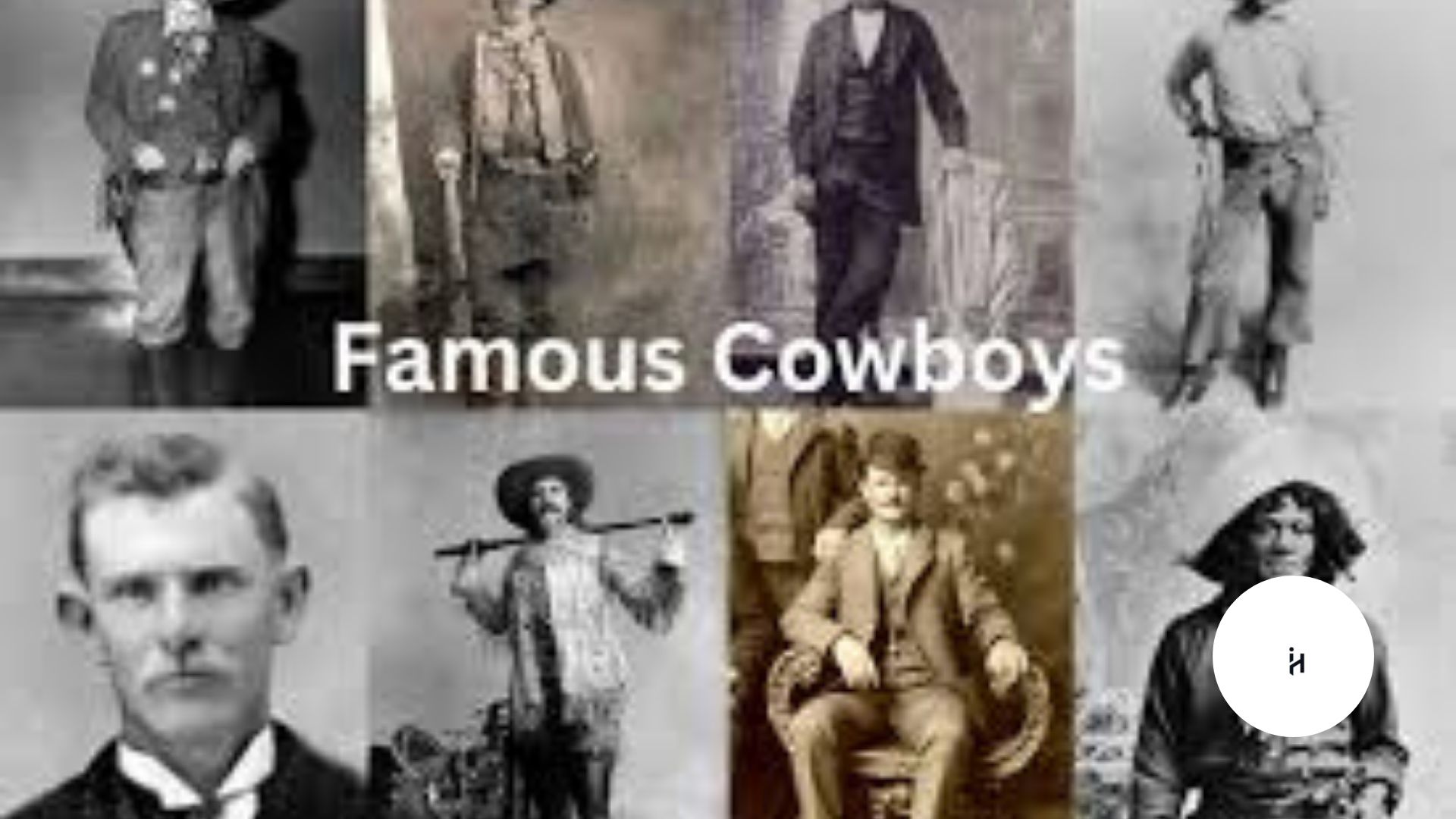
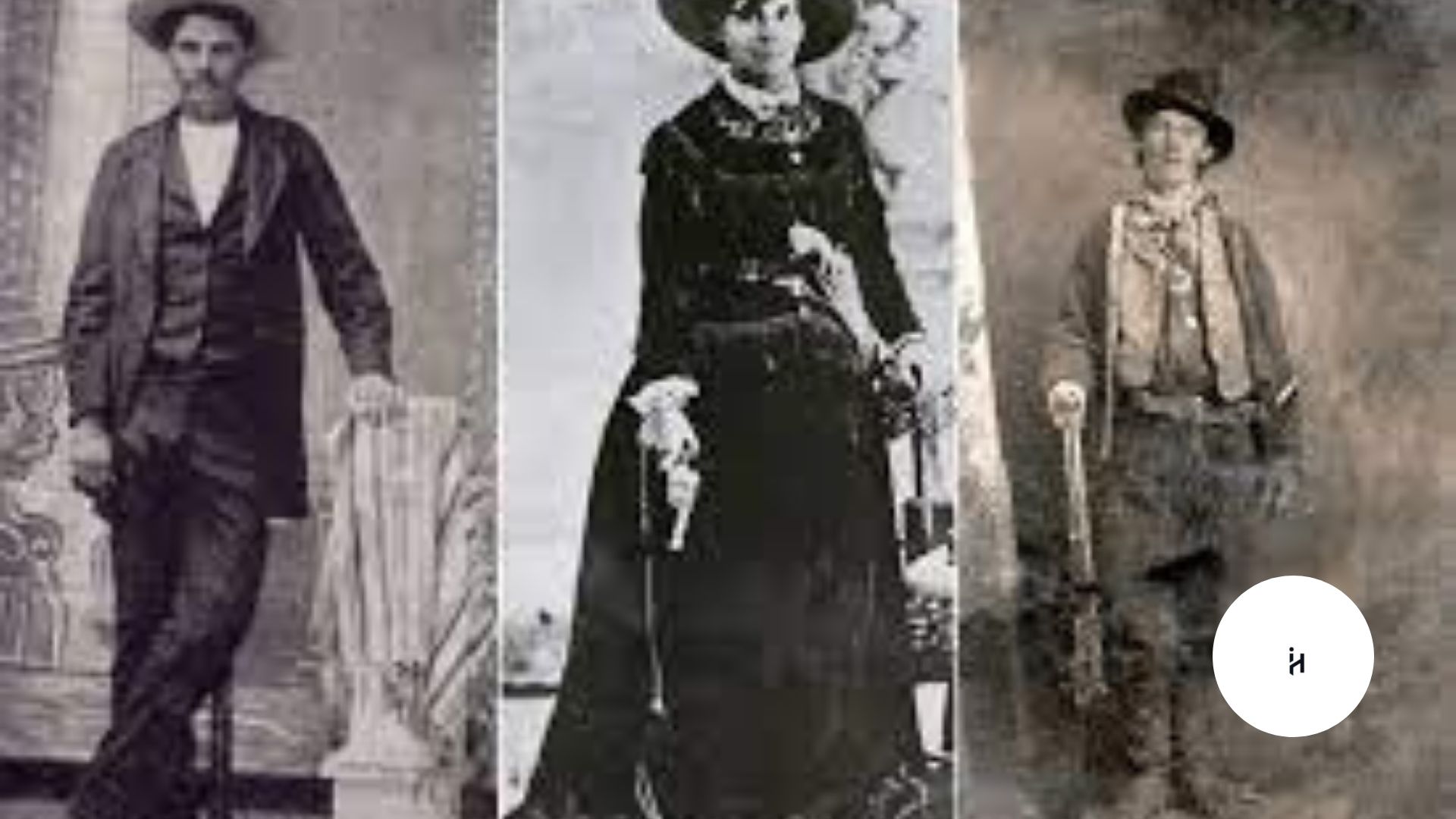
From dusty saloons to the vast open prairies, cowboys have carved out a legendary place in history and popular culture. Whether they’re real-life gunslingers or fictional characters from Western films, famous cowboys have left an indelible mark on the American identity. This blog explores their stories, achievements, and impact—both on history and in the modern imagination.

The Origin of Cowboys: A Glimpse into the Wild West

The story of famous cowboys begins in the American West during the 1800s. Cowboys originally worked on ranches, driving cattle across long distances, facing harsh weather, rustlers, and unpredictable terrain. These early cowboys were influenced by Mexican vaqueros—skilled horsemen and cattle herders. Over time, their skills, attire, and lifestyle developed into a distinct cowboy culture.

The iconic cowboy hat, spurs, lasso, and boots weren’t just for fashion—they were tools of the trade. Though often romanticized, cowboy life was hard, with long hours, isolation, and dangerous conditions. Still, the image of the rugged cowboy captured the imagination of Americans and the world, laying the foundation for many of the famous cowboys we’ll explore below.

Famous Cowboys

Wild Bill Hickok: The Sharpshooter of the Frontier

One of the earliest famous cowboys, Wild Bill Hickok was a lawman, scout, and gunfighter. Born James Butler Hickok in 1837, he became known for his marksmanship and daring exploits in towns like Deadwood and Abilene. His legendary duels and run-ins with outlaws earned him a fearsome reputation.

Hickok’s larger-than-life personality and mysterious death—shot in the back during a poker game—only fueled his legend. He was holding what became known as the “dead man’s hand”: a pair of aces and eights. Hickok remains one of the most famous cowboys in American lore and a staple in Western films and literature.

Buffalo Bill Cody: The Cowboy Showman

William Frederick “Buffalo Bill” Cody was more than a cowboy—he was a showman who turned the cowboy image into global entertainment. After working as a scout and buffalo hunter, Cody founded “Buffalo Bill’s Wild West,” a traveling show that featured reenactments of battles, rodeo tricks, and performances by Native Americans.

Buffalo Bill helped make famous cowboys a cultural phenomenon, taking the mythos of the West to audiences across the United States and Europe. His shows defined how generations of people viewed cowboys, embedding them in pop culture forever.

Jesse James: Outlaw or Hero?

Jesse James was one of the most controversial famous cowboys of the Wild West. A Confederate guerrilla turned outlaw, James led a gang that robbed banks, stagecoaches, and trains. Some viewed him as a Robin Hood figure, while others saw him as a dangerous criminal.

His criminal exploits made headlines, and after his assassination by Robert Ford, Jesse James became an icon of rebellion and tragedy. The story of James has been told in countless books, songs, and films, earning him a lasting spot among famous cowboys.

Billy the Kid: The Young Gun with a Deadly Reputation

Henry McCarty, better known as Billy the Kid, was a teenage outlaw who became one of the most famous cowboys in history. Known for his quick draw and daring escapes, Billy was involved in the Lincoln County War and reportedly killed eight men before being shot by Sheriff Pat Garrett.

Though only 21 when he died, Billy the Kid’s legend has lived on. His youth, charisma, and rebellious spirit have turned him into a symbol of the wild and untamed West.

Wyatt Earp: The Lawman of Tombstone

Wyatt Earp is one of the most enduring famous cowboys, known for his role in the Gunfight at the O.K. Corral. Along with his brothers and Doc Holliday, Earp confronted a group of outlaws in Tombstone, Arizona. The shootout became legendary, symbolizing the fight for law and order on the frontier.

Earp’s life spanned many roles—saloon keeper, gambler, deputy, and entrepreneur—but his legacy as a fearless lawman has inspired numerous Western films. He remains a defining figure among famous cowboys.

Famous Cowboys

Doc Holliday: The Gambler with a Gun

John Henry “Doc” Holliday was a dentist turned gambler and gunfighter, famously aligned with Wyatt Earp. Suffering from tuberculosis, Holliday still became one of the most feared shooters in the West. His loyalty to Earp and participation in the O.K. Corral shootout made him one of the most intriguing famous cowboys.

Though he lived a short and troubled life, Doc’s wit, style, and skill with a pistol turned him into a Western legend. He’s been immortalized in countless adaptations, from classic movies to modern video games.

Tom Mix: The Cowboy of Silent Film

While not a cowboy in the traditional sense, Tom Mix helped shape the image of famous cowboys through silent cinema. As a star in over 200 films, Mix portrayed a heroic, well-dressed cowboy who upheld justice with flair. He performed his own stunts and even had a horse, Tony, who became nearly as famous as he was.

Mix’s style influenced generations of Western stars, from John Wayne to Clint Eastwood. Without Tom Mix, the myth of the cowboy might never have reached such cinematic heights.

John Wayne: The Cowboy Icon of Hollywood

When you think of famous cowboys, John Wayne almost certainly comes to mind. Born Marion Morrison, Wayne became the face of the American cowboy through classics like True Grit, The Searchers, and Stagecoach. His deep voice, towering presence, and code of honor defined the Western hero archetype.

While Wayne’s characters were fictional, they embodied the virtues many associate with famous cowboys: bravery, loyalty, and rugged independence. He didn’t just play cowboys—he became one in the eyes of millions.

Clint Eastwood: The Man with No Name

Clint Eastwood brought a new edge to the cowboy persona with his roles in Spaghetti Westerns like The Good, the Bad and the Ugly. As the “Man with No Name,” Eastwood portrayed a silent, morally ambiguous antihero—a stark contrast to earlier, more idealized famous cowboys.

Eastwood redefined the genre, blending grit, realism, and cinematic brilliance. Later, in films like Unforgiven, he explored the darker sides of cowboy life, earning acclaim as both an actor and director. He remains one of the most influential figures in the evolution of famous cowboys.

Cowboys in Modern Pop Culture and Gaming

Today, famous cowboys live on in video games, TV shows, and pop culture. Games like Red Dead Redemption have revived interest in the Old West, allowing players to step into the boots of complex characters like Arthur Morgan. Shows like Yellowstone and 1883 bring the cowboy ethos into the modern age.

Famous Cowboys

From rodeo circuits to cosplay events, cowboy culture remains vibrant. The stories of famous cowboys are retold, reimagined, and relived in countless forms, proving that their spirit is as strong as ever.

Conclusion: The Legacy of Famous Cowboys

The Wild West may be long gone, but the legends of famous cowboys endure. Whether they were real-life lawmen, outlaws, or Hollywood creations, these figures continue to captivate audiences across generations. Through film, games, books, and cultural memory, famous cowboys remain icons of freedom, adventure, and resilience.