Home Blog Page 436

Exploring Sergei Ponomarenko’s Time Travel Theory: A Deep Dive

0
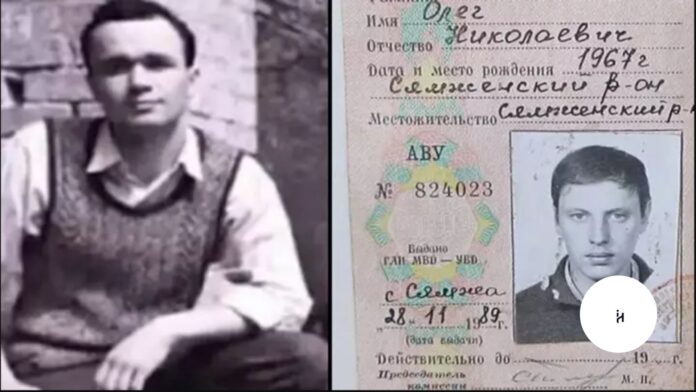
Sergei Ponomarenko’s Time Travel

In this blog, we’ll break down Ponomarenko’s time travel theories, the science behind them, and their potential implications. Each section will provide a detailed explanation, offering readers a comprehensive understanding of the topic.

Sergei Ponomarenko, a name that often pops up in discussions surrounding time travel, has become a fascinating figure in the world of scientific speculation and theoretical physics. His contributions to the study of time and the possibility of time travel have intrigued both enthusiasts and skeptics alike.

Who is Sergei Ponomarenko?
Sergei Ponomarenko’s Time Travel

Sergei Ponomarenko is a theoretical physicist and an outspoken figure in the world of time travel theories. Although not widely known in mainstream science, his work in the field of time travel has made a significant impact in academic and scientific circles.

Ponomarenko’s research focuses primarily on the concepts of relativity, quantum mechanics, and the notion that time, as we understand it, might not be as linear or immutable as we once thought. His contributions have sparked interest in both scientific communities and the general public, especially those fascinated by the concept of manipulating time. His theories, while controversial, challenge traditional notions and invite a fresh perspective on time travel.

The Basics of Time Travel According to Ponomarenko

Sergei Ponomarenko’s time travel theory begins with a fundamental understanding of time as a non-linear, flexible entity. According to Ponomarenko, time is not a constant; it is subject to various forces that can alter its flow.

This perspective challenges the traditional view of time as a simple, irreversible line that moves from the past to the present and into the future. In his theory, time is seen as something that can bend, loop, or even exist in multiple states simultaneously. Ponomarenko’s work is heavily influenced by the theories of Einstein’s relativity and quantum mechanics, both of which suggest that time can behave in unusual ways under certain conditions.

How Sergei Ponomarenko Defines Time Travel

Sergei Ponomarenko’s interpretation of time travel is deeply rooted in the concept of time as a malleable entity. Rather than viewing time travel as a mere journey through a single timeline, Ponomarenko posits that time can be altered, manipulated, and experienced in parallel dimensions.

He suggests that time travel may not involve just moving forward and backward in time, but could also allow for the creation of entirely new timelines or realities. This would mean that time travel could result in the formation of multiple versions of history, all existing simultaneously but independent of one another. In Ponomarenko’s model, time is fluid, and travelers may be able to shift between these timelines through specific, yet-to-be-discovered mechanisms.

The Role of Quantum Mechanics in Time Travel

Quantum mechanics plays a crucial role in Sergei Ponomarenko’s theory of time travel. Ponomarenko’s work heavily integrates the principles of quantum physics, particularly the idea that particles can exist in multiple states at once, a phenomenon known as superposition.

According to his theory, time may behave in a similar way, with multiple timelines existing simultaneously in parallel universes. This implies that time is not fixed and can be navigated like a multi-dimensional space.

Quantum entanglement, another key principle of quantum mechanics, could also be a vital factor in understanding how time travel might be possible in Ponomarenko’s model. His theory suggests that manipulating quantum particles could allow for the bending or even the reversal of time.

Sergei Ponomarenko’s Use of Relativity in Time Travel

Sergei Ponomarenko’s Time Travel

Albert Einstein’s theory of relativity is another cornerstone in Sergei Ponomarenko’s approach to time travel. In particular, the concept of time dilation, where time moves at different rates depending on speed and gravity, is crucial.

Ponomarenko expands on this idea, suggesting that time can be influenced by more than just gravitational fields and velocity. He theorizes that, under the right conditions, objects and people could potentially travel through time by manipulating the fabric of spacetime itself. In this way, Ponomarenko’s theories align with Einstein’s concepts, but they extend beyond the traditional understanding of relativity, suggesting a more complex, multi-dimensional view of time.

The Theory of Time Loops in Ponomarenko’s Work

One of the most intriguing aspects of Sergei Ponomarenko’s time travel theory is his exploration of time loops. Ponomarenko proposes that time may not just flow in one direction, but could loop upon itself, creating a circular timeline. These time loops could allow for travelers to revisit specific points in time, creating paradoxes or altering the course of history.

However, Ponomarenko also theorizes that the existence of such loops might not be as straightforward as it seems. He suggests that these loops could be self-contained, meaning that changes made within the loop may not affect the broader timeline or might only create alternate realities.

Challenges to Sergei Ponomarenko’s Time Travel Theory

Despite its intriguing possibilities, Sergei Ponomarenko’s time travel theory faces significant challenges. One of the primary obstacles is the lack of empirical evidence to support his ideas. Time travel, especially in the way Ponomarenko describes it, remains speculative, with no observable experiments or real-world tests that could validate his theories.

Additionally, the concept of multiple timelines and parallel universes is difficult to test using current technology. Critics argue that Ponomarenko’s theories may be too abstract to be practical or scientifically verifiable. Despite these challenges, his work continues to provoke thought and inspire further research into the nature of time and the possibility of time travel.

Technological Implications of Time Travel According to Ponomarenko

If Sergei Ponomarenko’s time travel theory were to hold true, the technological implications would be groundbreaking. Time travel, as proposed by Ponomarenko, would require entirely new forms of technology capable of manipulating time and space.

This could involve advanced quantum computing, energy manipulation, and possibly even new methods of harnessing the fundamental forces of the universe. According to Ponomarenko, the technology required to achieve time travel would need to be incredibly sophisticated, and it may take centuries before humanity has the capability to build such systems.

However, if achieved, time travel could revolutionize everything from space exploration to the way we perceive and interact with history.

Ethical Considerations of Sergei Ponomarenko’s Time Travel Theory

The potential for time travel raises significant ethical questions, and Sergei Ponomarenko’s theory is no exception. One of the primary concerns is the potential for altering history. If individuals could travel back in time and change key events, the consequences could be catastrophic, leading to unforeseen changes in the present.

Ponomarenko’s model suggests that these changes could create new, parallel timelines, but the ethical dilemma remains: should humans have the ability to change the past, even if it means creating alternate realities?

Additionally, time travel could introduce issues of power and control, as those with access to time travel technology could alter events for personal or political gain. These ethical concerns are central to discussions about time travel and have been explored in both fictional and scientific contexts.
Sergei Ponomarenko’s Time Travel

Potential Real-World Applications of Time Travel

While Sergei Ponomarenko’s time travel theory is primarily theoretical, its real-world applications could be vast if proven feasible. Time travel could revolutionize fields such as medicine, allowing for the prevention of diseases before they occur or offering the chance to rectify medical errors from the past.

It could also play a major role in historical research, offering an unprecedented opportunity to observe and interact with past events. Additionally, time travel could have profound effects on space exploration. By manipulating time, humans could potentially explore distant galaxies without the constraints of traditional space travel limitations. While these applications remain speculative, Ponomarenko’s theories offer exciting possibilities for the future.

The Future of Sergei Ponomarenko’s Time Travel Theory

The future of Sergei Ponomarenko’s time travel theory is uncertain but full of potential. As technology advances, particularly in the fields of quantum computing and theoretical physics, it may become possible to test some of Ponomarenko’s hypotheses.

Whether time travel becomes a reality remains to be seen, but Ponomarenko’s work has certainly paved the way for further exploration into the nature of time. As our understanding of quantum mechanics, relativity, and the fabric of the universe deepens, we may eventually uncover the keys to unlocking the mysteries of time travel. For now, Sergei Ponomarenko’s contributions remain a fascinating glimpse into what could one day be possible.

Conclusion:

Sergei Ponomarenko’s time travel theories offer a unique and thought-provoking perspective on the nature of time and its manipulation. By blending quantum mechanics with the principles of relativity, Ponomarenko presents a vision of time that is flexible, multi-dimensional, and potentially accessible through advanced technology.

While his ideas face challenges, they continue to inspire scientific inquiry and offer hope for a future where time travel might become a reality. Whether or not Sergei Ponomarenko’s vision of time travel is achievable, it remains an exciting avenue of exploration for scientists and dreamers alike.

The Ministry of Ungentlemanly Warfare

0
The Ministry of Ungentlemanly Warfare

Introduction: A Hidden Chapter of History

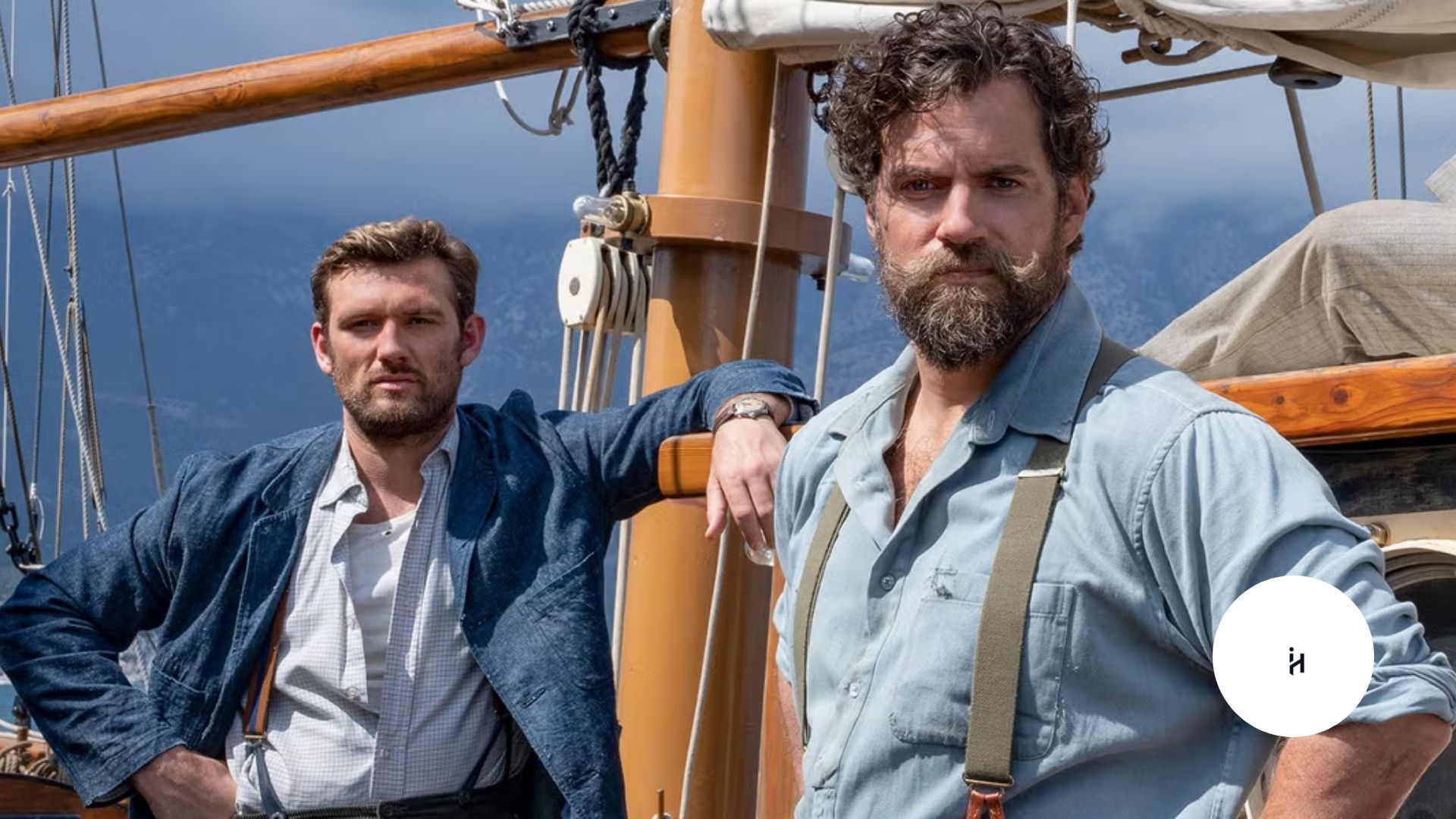
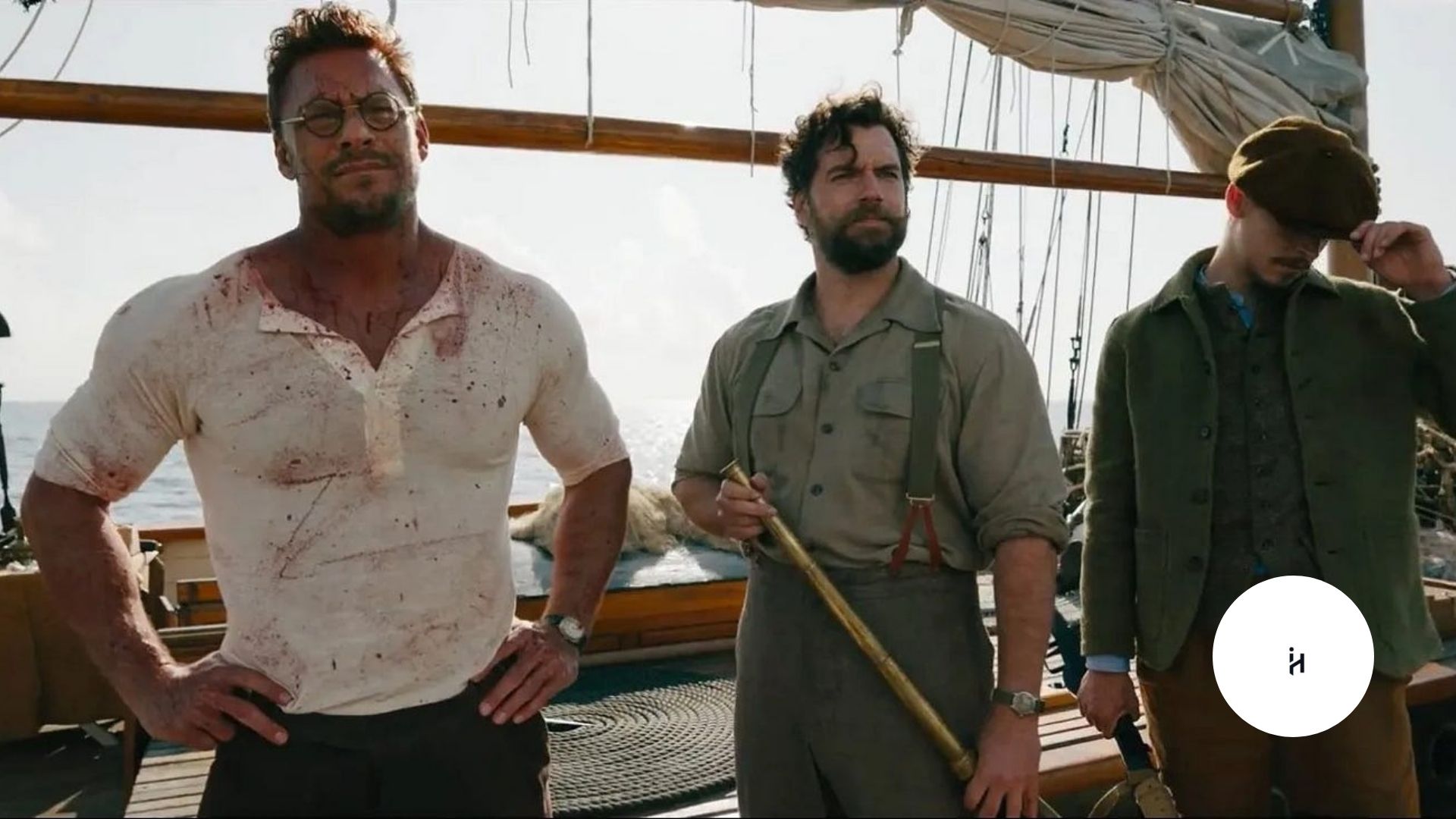
In the shadows of conventional warfare, a covert group was born that would go on to alter the course of World War II—the Ministry of Ungentlemanly Warfare. This secret British organization was the brainchild of Prime Minister Winston Churchill, designed to carry out sabotage operations behind enemy lines.

At a time when traditional military strategies failed to break the backbone of the Axis powers, this underground unit leveraged guerrilla tactics, psychological warfare, and espionage to deadly effect.

The story of the Ministry of Ungentlemanly Warfare has remained largely untold for decades, but recent attention through books and movies has brought their achievements back into the spotlight. This blog delves deep into their operations, legacy, and the unique individuals who made it possible.

The Ministry of Ungentlemanly Warfare

Origins: Churchill’s Vision and the Birth of the Ministry

When Winston Churchill became Prime Minister in 1940, he recognized that conventional war strategies were insufficient against a ruthless enemy. To that end, he authorized the creation of an elite force—later known as the Ministry of Ungentlemanly Warfare.

This was not a formal government department but a secret network of special operations units including the Special Operations Executive (SOE) and the British Commandos. Their mission? “Set Europe ablaze.” Churchill’s directive was to fight dirty, employing sabotage, psychological manipulation, and stealth tactics. The aim was to destabilize the enemy from within, and the Ministry of Ungentlemanly Warfare became the vessel for that vision.

Recruitment: The Misfits Turned Warriors

Unlike conventional armies, the Ministry of Ungentlemanly Warfare sought recruits who defied military norms. Artists, poets, scientists, athletes, and adventurers were enlisted. Many had never handled a weapon before. What they had, however, was creativity, courage, and a willingness to operate outside the rulebook.

These unorthodox soldiers were trained in demolition, hand-to-hand combat, disguise, and even silent killing. The Ministry believed that thinking differently was an asset in war—and it paid off. The people recruited into the Ministry of Ungentlemanly Warfare often executed missions that regular soldiers couldn’t even imagine.

Training Camps: Forging the Perfect Saboteurs

To prepare for their clandestine missions, members of the Ministry of Ungentlemanly Warfare underwent rigorous training in secret camps across the UK. These training grounds, like Arisaig in Scotland, were designed to simulate enemy territory and test operatives in the harshest conditions.

Courses included explosives handling, unarmed combat, infiltration, navigation, and evasion. Physical endurance was tested to the limit. Recruits learned how to blend in with locals, speak multiple languages, and manufacture improvised weapons. The goal was simple: create agents capable of surviving and thriving behind enemy lines.

Secret Missions Across Europe

Once trained, agents from the Ministry of Ungentlemanly Warfare were deployed across occupied Europe. Their missions were as daring as they were dangerous. From blowing up Nazi railways and supply depots to disrupting communication lines and assassinating key targets, these agents operated with surgical precision.

One notable operation involved sabotaging a Nazi heavy water plant in Norway—crucial to the German atomic bomb project. By crippling enemy infrastructure and morale, the Ministry of Ungentlemanly Warfare played a pivotal role in weakening the Axis war machine.

Technology and Innovation in Warfare

The Ministry of Ungentlemanly Warfare

One of the key advantages of the Ministry of Ungentlemanly Warfare was its focus on innovation. They pioneered the use of specialized equipment like time-delay fuses, limpet mines, and silenced weapons. These tools allowed operatives to conduct sabotage missions quietly and effectively.

They even developed disguised bombs—such as exploding rats, coal, and even chocolate bars. These creative solutions were a result of partnerships with engineers and scientists who worked in secret labs across Britain. The technological edge gave the Ministry of Ungentlemanly Warfare a unique upper hand in their shadow war.

The Role of Women in the Ministry

Women played a vital role within the Ministry of Ungentlemanly Warfare, especially in the SOE. Figures like Violette Szabo, Odette Sansom, and Noor Inayat Khan became legends for their bravery and skill.

These female agents gathered intelligence, organized resistance networks, and carried out sabotage missions, often at great personal risk. Despite the societal norms of the time, the Ministry recognized the strategic value women brought to the war effort. Their success was a testament to the progressive mindset at the heart of the Ministry of Ungentlemanly Warfare.

Psychological Warfare and Misinformation

Another weapon in the Ministry of Ungentlemanly Warfare’s arsenal was psychological manipulation. Agents conducted misinformation campaigns that spread confusion among enemy ranks. Fake radio broadcasts, forged documents, and staged attacks were all part of the plan.

These tactics sowed distrust within Nazi leadership and undermined troop morale. The psychological element was critical, as it often led the enemy to waste resources chasing phantom threats. Through deception and cunning, the Ministry of Ungentlemanly Warfare disrupted not only operations but also the minds of their enemies.

Impact on the Outcome of World War II

The strategic operations carried out by the Ministry of Ungentlemanly Warfare significantly influenced the Allied victory in World War II. While not always publicly credited, their efforts disrupted supply chains, slowed down enemy movements, and empowered local resistance.

Historians agree that the effectiveness of these covert missions helped reduce casualties and shorten the war’s duration. Churchill himself acknowledged the importance of this “ungentlemanly” form of warfare. Today, military strategists study their methods as a foundation for modern special operations.

Post-War Legacy and Recognition

After the war, many members of the Ministry of Ungentlemanly Warfare returned to civilian life without recognition. Their missions were classified, and their bravery went unacknowledged for decades.

However, books like Damien Lewis’s The Ministry of Ungentlemanly Warfare and recent film adaptations have reignited public interest in their stories. Today, their contributions are celebrated by historians and veterans’ associations alike. Memorials and declassified documents continue to honor the sacrifices and ingenuity of this remarkable group.

The Ministry of Ungentlemanly Warfare

The Ministry in Pop Culture and Modern Influence

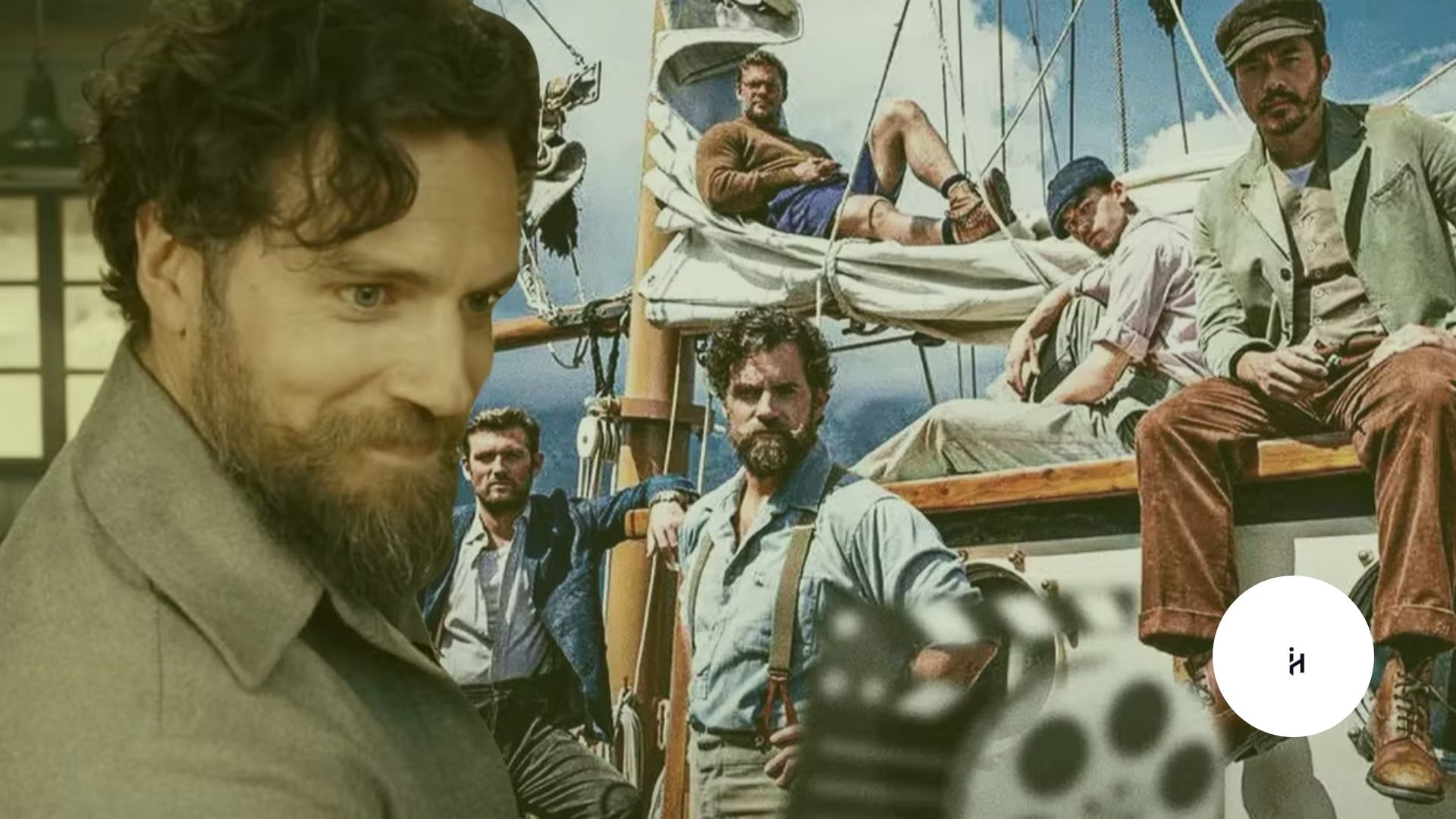
In recent years, the Ministry of Ungentlemanly Warfare has made a comeback in pop culture. With books, documentaries, and an upcoming film directed by Guy Ritchie, their story has captured the imagination of a new generation.

The portrayal of their daring missions and unique characters brings renewed respect for their legacy. Moreover, their tactics influence modern intelligence and special forces operations worldwide. From the British SAS to the CIA, the spirit of the Ministry of Ungentlemanly Warfare lives on in today’s shadow warriors.

Mutiny on the Bounty: A Tale of Rebellion and Survival

0
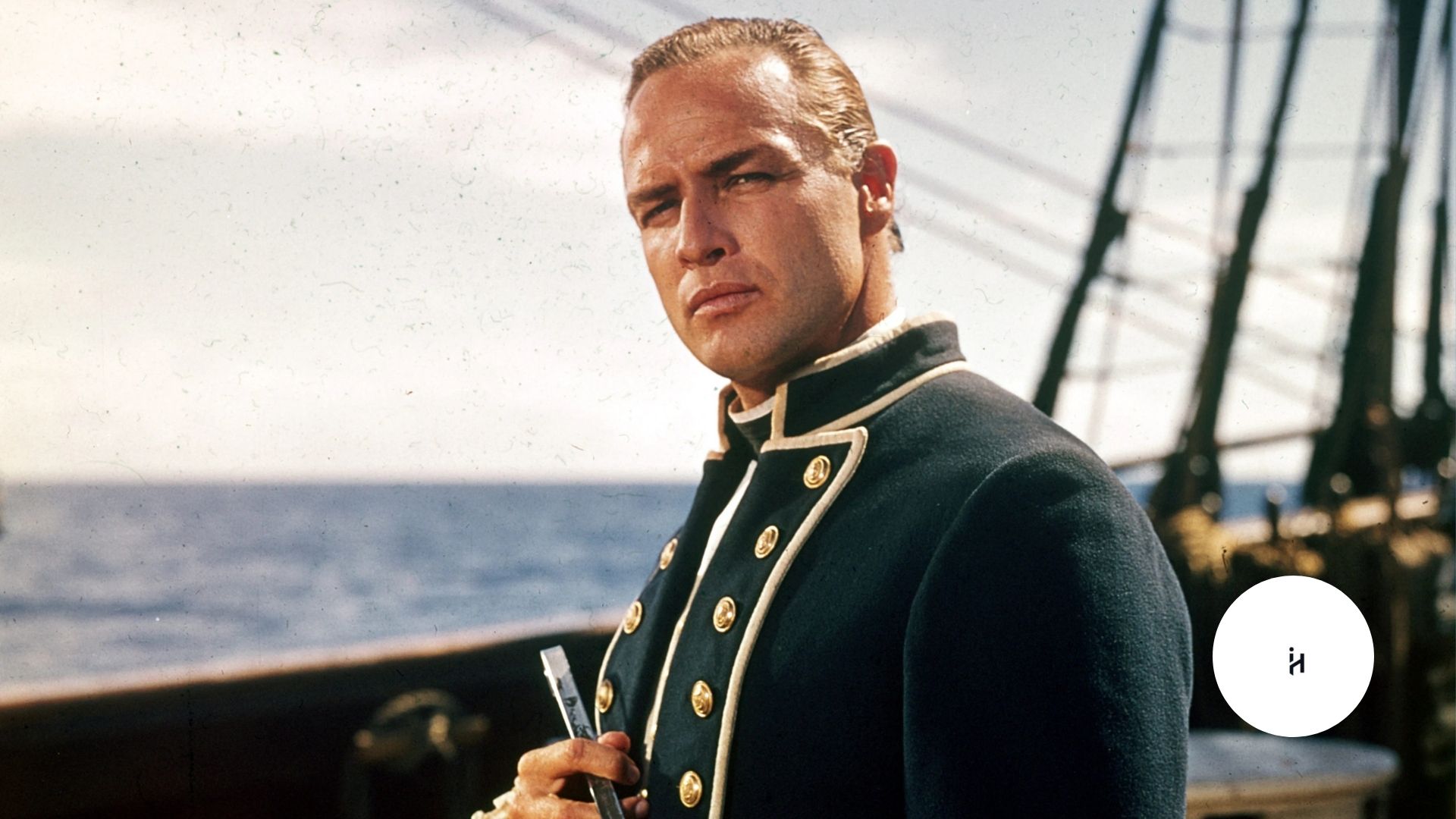
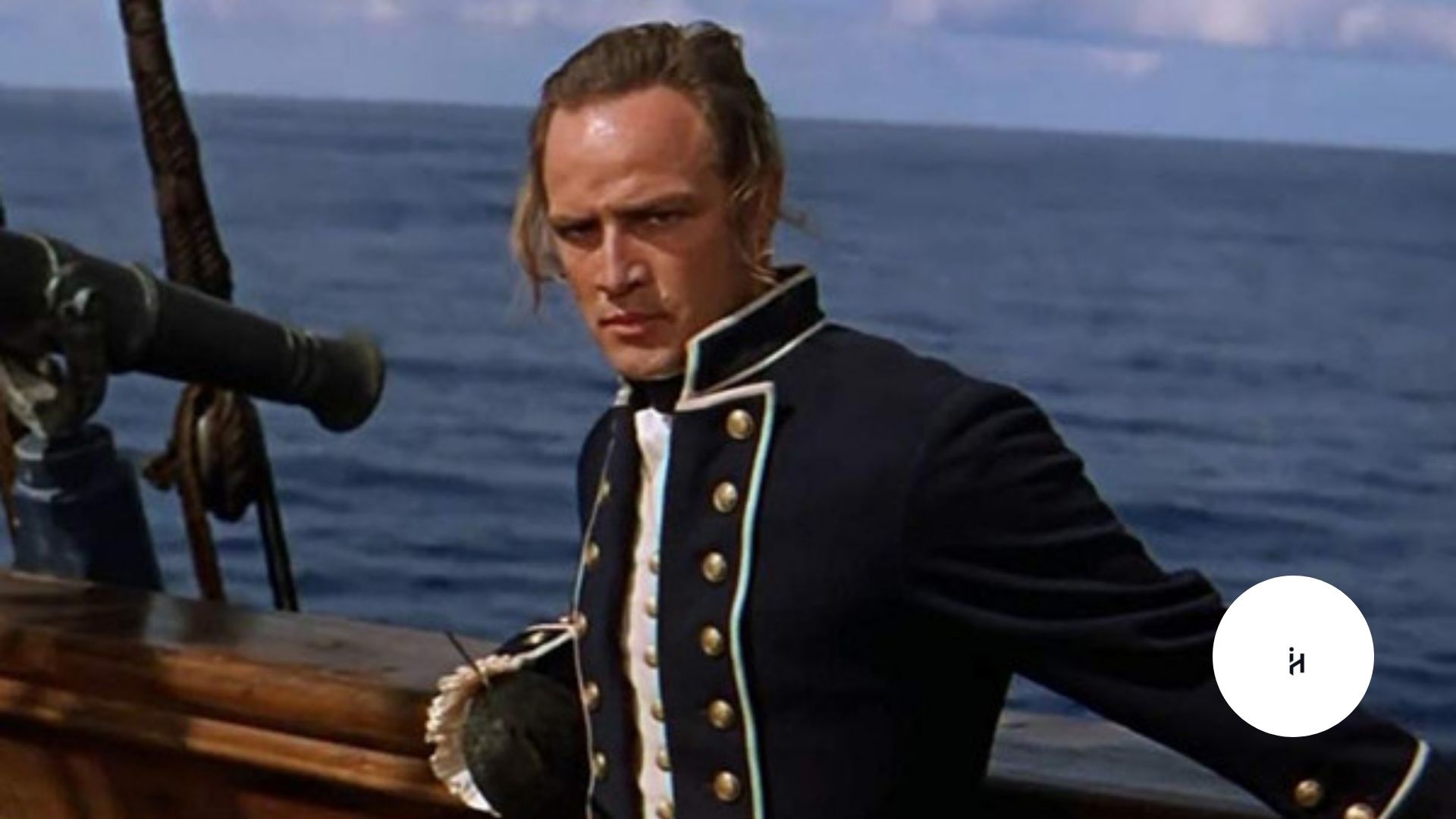
Mutiny on the Bounty

Introduction: The Mutiny on the Bounty

The Mutiny on the Bounty is one of the most infamous naval mutinies in history, occurring on April 28, 1789. Led by Fletcher Christian, the crew of the HMS Bounty rebelled against their captain, Lieutenant William Bligh, in the South Pacific. This event has captivated historians and the public alike, symbolizing a dramatic clash between authority and rebellion on the high seas.

The Voyage Begins: HMS Bounty’s Mission

Mutiny on the Bounty

Commissioned by the British Royal Navy, the HMS Bounty set sail in 1787 with the mission to transport breadfruit plants from Tahiti to the West Indies. The goal was to provide a cheap food source for enslaved people in the Caribbean. Under the command of Lieutenant William Bligh, the Bounty embarked on its journey, unaware of the tumultuous events that would unfold.

Life in Tahiti: A Paradise Found

Upon reaching Tahiti, the crew spent several months collecting breadfruit plants. During this time, they experienced the island’s idyllic environment and formed relationships with the local Tahitians. This period of relative freedom and comfort starkly contrasted with the strict discipline aboard the Bounty, sowing seeds of discontent among the crew

Rising Tensions: Conflict Between Bligh and Christian

As the Bounty prepared to leave Tahiti, tensions between Captain Bligh and his crew, particularly Fletcher Christian, escalated. Bligh’s leadership style was often harsh and authoritarian, leading to resentment among the men. Christian, once a trusted officer, became increasingly disillusioned, setting the stage for the impending mutiny

The Mutiny Unfolds: April 28, 1789

In the early hours of April 28, 1789, Christian and a group of mutineers seized control of the Bounty. They forcibly removed Bligh and 18 loyal crew members, setting them adrift in a small boat. The mutineers then took command of the ship, marking the beginning of a dramatic and perilous journey for both factions.

Bligh’s Remarkable Voyage: Survival Against the Odds

Despite being cast adrift, Bligh demonstrated exceptional navigational skills, guiding his loyal crew over 3,600 miles to safety in Timor. This harrowing journey, undertaken with limited supplies and in an open boat, stands as a testament to human endurance and leadership under extreme adversity.

The Mutineers’ Fate: Seeking Refuge

After the mutiny, Christian and his followers attempted to establish a settlement on Tubuai but faced resistance from the native population. They returned to Tahiti, where some mutineers chose to stay, while Christian and others set sail in search of a more secluded refuge. Their journey eventually led them to the remote Pitcairn Island.

Mutiny on the Bounty

Life on Pitcairn Island: Isolation and Conflict

Pitcairn Island offered the mutineers a secluded haven, but life there was fraught with challenges. Conflicts arose among the settlers, leading to violence and the eventual death of many, including Fletcher Christian. Despite these hardships, the community endured, and descendants of the mutineers still inhabit the island today.

The Royal Navy’s Response: HMS Pandora’s Mission

In response to the mutiny, the British Admiralty dispatched HMS Pandora in 1790 to apprehend the mutineers. The ship captured several individuals in Tahiti, but during its return voyage, Pandora sank on the Great Barrier Reef, resulting in the loss of 31 crew members and four prisoners. The surviving detainees were eventually brought to trial in England.

Legacy and Cultural Impact: Mutiny on the Bounty in Literature and Film

The story of the Mutiny on the Bounty has inspired numerous books, films, and scholarly works. Notably, the 1935 film adaptation brought the tale to a wider audience, and subsequent versions have continued to captivate viewers. The narrative explores themes of authority, rebellion, and survival, resonating across generations.

Conclusion: Enduring Fascination with the Mutiny on the Bounty

The Mutiny on the Bounty remains a compelling historical event, illustrating the complexities of human behavior, leadership, and the quest for freedom. Its enduring legacy in popular culture and historical discourse underscores the profound impact of this maritime rebellion.

Q&A Section: Mutiny on the Bounty

Q1: What was the Mutiny on the Bounty?

A: The Mutiny on the Bounty was a naval rebellion that occurred on April 28, 1789, when crew members of HMS Bounty, led by Fletcher Christian, overthrew their commanding officer, Lieutenant William Bligh. The mutiny took place in the South Pacific, and it remains one of the most famous mutinies in maritime history.

Q2: What caused the Mutiny on the Bounty?

A: The mutiny was fueled by growing tensions between Captain Bligh and his crew, harsh disciplinary measures, and the allure of life in Tahiti, where the crew had spent five months. Fletcher Christian and others resented Bligh’s leadership and chose to rebel rather than continue the return voyage to England.

Q3: Who was Fletcher Christian?

A: Fletcher Christian was the Master’s Mate aboard HMS Bounty and the leader of the mutiny. Once a close associate of Bligh, he grew increasingly discontented and eventually led the revolt. He later fled to Pitcairn Island with some of the mutineers.

Q4: What happened to Captain William Bligh?

A: After being cast adrift with 18 loyal crew members, Bligh navigated a small open boat over 3,600 miles to Timor, showcasing remarkable seamanship and survival skills. He later returned to England and was promoted despite the mutiny.

Q5: Where did the mutineers go after the mutiny?

Mutiny on the Bounty

A: The mutineers initially attempted to settle on Tubuai but faced hostility. They returned to Tahiti, where some stayed, while Christian and others sailed to Pitcairn Island. They destroyed the Bounty to avoid detection and lived in isolation.

Q6: What was life like on Pitcairn Island for the mutineers?

A: Life on Pitcairn was harsh. The mutineers faced internal conflict, jealousy, and violence. Many, including Fletcher Christian, died under mysterious or violent circumstances. The remaining settlers eventually formed a community whose descendants still live on the island today.

Q7: How did the British government respond to the mutiny?

A: The British Admiralty dispatched HMS Pandora in 1790 to capture the mutineers. The ship arrested several men in Tahiti but sank on its way back to England. Survivors were eventually tried, with some executed and others acquitted.

Q8: Has the Mutiny on the Bounty been adapted into books or movies?

A: Yes, the story has been widely adapted. Notable films include the 1935 version starring Charles Laughton and Clark Gable, and the 1962 and 1984 remakes. The tale has also inspired many novels and scholarly works.

Q9: What is the legacy of the Mutiny on the Bounty today?

A: The event remains a symbol of rebellion and leadership failure. It continues to captivate audiences as a powerful story of human struggle, discipline, and survival. Pitcairn Island is now known largely because of this mutiny.

The Mysterious World of Lady Whistledown – Unmasking Bridgerton’s Most Intriguing Character

0
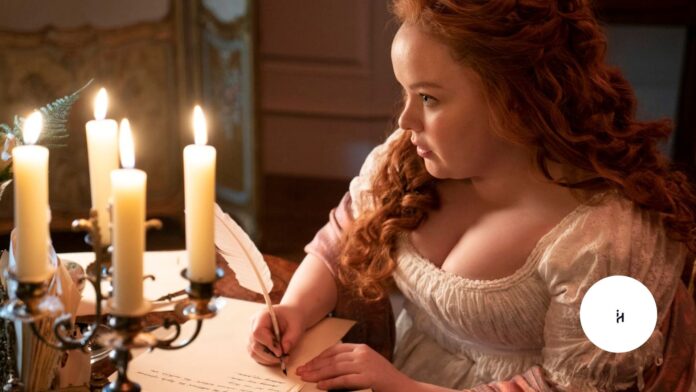
Lady Whistledown

Introduction to Lady Whistledown

The character of Lady Whistledown is one of the most captivating figures in the hit Netflix series Bridgerton. She is the anonymous author behind a scandalous society newsletter that sets London abuzz with every new issue.

But who is Lady Whistledown really? Why does she hold so much power over the elite of the Ton? Her character is not only vital to the storyline but also offers sharp commentary on gender, gossip, and control in Regency-era England. The brilliance of her presence lies in her anonymity. This introduction sets the tone for a deeper exploration into the many layers of Lady Whistledown.

Lady Whistledown

Historical Inspiration Behind Lady Whistledown

While Lady Whistledown is a fictional character, her roots can be traced to real-life anonymous pamphleteers and writers from the 18th and 19th centuries. Women like Delarivier Manley and Aphra Behn used satire and gossip to critique society under pseudonyms.

These historical figures laid the groundwork for a character like Lady Whistledown. Julia Quinn, the author of the Bridgerton book series, cleverly draws upon these legacies, giving Lady Whistledown a voice that resonates with readers and viewers alike. Her writing mimics real scandal sheets that once thrived in England’s elite circles.

The Role of Lady Whistledown in Bridgerton

Lady Whistledown is not just a narrator; she is a puppeteer, orchestrating events from behind the curtain. Her words influence marriages, friendships, and reputations. Through her newsletters, she exposes secrets and manipulates the thoughts of an entire society.

Lady Whistledown’s commentary adds suspense to the series and keeps both characters and viewers guessing. She holds more influence than the Queen at times, and her newsletters are read religiously. Her mysterious presence creates a secondary plotline that’s equally important as the romances and rivalries among the Bridgerton families.

The Voice Behind the Pen: Julie Andrews’ Role

One of the most iconic parts of Lady Whistledown is her voice, provided by the legendary Julie Andrews in the series. Andrews’ distinct tone and delivery bring a sense of grandeur and authority to the character. Her narration adds wit, elegance, and a sharp tongue to the unfolding drama.

Julie Andrews doesn’t appear on screen, yet her voice becomes synonymous with Lady Whistledown’s power and mystery. This choice elevated the character, lending an old-world charm that blends perfectly with the modern twists of Bridgerton.

Penelope Featherington: The Face Behind Lady Whistledown

In a major twist, it is revealed that Lady Whistledown is none other than Penelope Featherington. This revelation changes everything. Penelope, a shy, overlooked young woman, is actually the most informed and daring character in the show. Her dual identity highlights themes of empowerment, secrecy, and rebellion.

She writes under the guise of Lady Whistledown to escape societal expectations and assert her voice in a world that often silences women. Her intelligence and wit, hidden behind a meek exterior, make her one of the most compelling characters in the Bridgerton universe.

The Impact of Lady Whistledown on the Bridgerton Society

From exposing scandals to influencing marriage proposals, Lady Whistledown affects nearly every major event in the series. Her pen is sharper than a sword, capable of destroying reputations or elevating nobodies into the spotlight.

Her newsletters are feared and respected alike. The sheer impact she has on the Ton makes her an invisible ruler of sorts. Families, including the Bridgertons and Featheringtons, live in fear of being featured in her next issue. Lady Whistledown reshapes how gossip is perceived—not just idle talk, but a tool of control and survival.

Why Lady Whistledown Resonates With Modern Audiences

Lady Whistledown

Despite being set in the early 1800s, the character of Lady Whistledown strikes a chord with today’s viewers. In the age of social media, anonymous accounts and influencers hold similar power. Like a modern-day blogger or Instagram gossip page, Lady Whistledown leverages information to command attention.

Her story reflects modern issues—female empowerment, hidden identities, and the consequences of going viral. Audiences relate to the idea of someone underestimated becoming the most powerful voice in the room. Her anonymity and sharp wit offer an irresistible blend of drama and intrigue.

Lady Whistledown and Feminism

Lady Whistledown is more than a gossip columnist; she is a feminist figure. In a time when women were expected to be silent and obedient, she uses her voice to call out hypocrisy and double standards. Penelope, as Lady Whistledown, exercises freedom few women in her world enjoy.

Her writing is not just scandalous; it’s subversive. It criticizes the rigid class structure and shines a light on the limited roles of women. Lady Whistledown becomes a symbol of rebellion—a woman who carves her own path without asking for permission.

The Ethics of Lady Whistledown’s Gossip

While Lady Whistledown is admired, her actions raise ethical questions. Is it right to expose people’s private lives, even for a good cause? She often walks the line between journalism and intrusion.

Some of her exposés bring justice, while others cause unnecessary pain. The character challenges viewers to consider the price of truth and the responsibility that comes with wielding power. Lady Whistledown is not a hero or a villain—she is a morally complex figure who reflects the grey areas of social commentary.

How Lady Whistledown Influences Bridgerton’s Story Arcs

Every major arc in Bridgerton is somehow touched by Lady Whistledown. From Daphne’s courtship to Marina’s pregnancy scandal, her newsletters spark conflicts, drive suspense, and create momentum. Her presence adds a layer of unpredictability.

Characters are forced to adapt to her revelations, and this often changes the direction of their lives. She’s like a secret character, always present in the background but affecting everything in the foreground. Bridgerton wouldn’t be as engaging without the voice and perspective of Lady Whistledown shaping the narrative.

Lady Whistledown

Conclusion: The Enduring Legacy of Lady Whistledown

Lady Whistledown is more than a character—she’s a phenomenon. Whether you’re watching Bridgerton for the romance, the fashion, or the drama, her newsletters provide the spice that makes it all unforgettable. She captures the viewer’s imagination, turning the act of reading gossip into an art form.

Her legacy continues to grow with every season, and fans eagerly await her next revelation. Lady Whistledown represents the timeless allure of mystery, the power of the written word, and the unexpected strength of a woman who dares to speak.