Home Blog Page 435

The Spinning Jenny Inventor: Revolutionizing the Textile Industry

0
Spinning Jenny Inventor

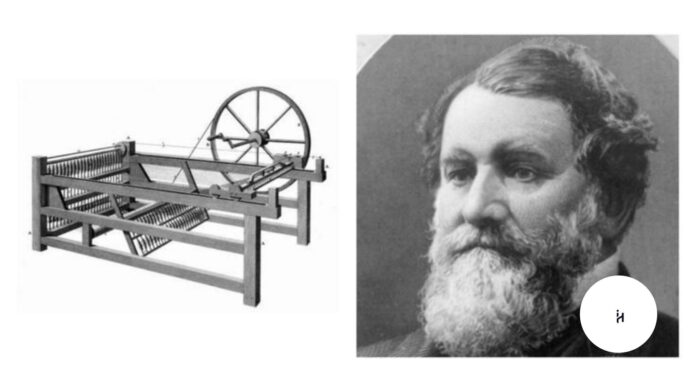
The Spinning Jenny, one of the most significant inventions of the 18th century, had a profound impact on the textile industry. It was the brainchild of James Hargreaves, a modest Lancashire carpenter who, through his ingenuity, changed the landscape of textile production forever.

His invention not only sparked the Industrial Revolution but also paved the way for the development of other machinery that would revolutionize manufacturing processes across the globe. In this blog, we will dive deep into the life of the Spinning Jenny inventor, the creation of the Spinning Jenny, its implications, and the lasting legacy of this revolutionary invention.

The Life and Background of the Spinning Jenny Inventor
Spinning Jenny Inventor

James Hargreaves, the Spinning Jenny inventor, was born in 1720 in the small village of

Stanhill, Lancashire. Before becoming an inventor, Hargreaves worked as a carpenter. His life, however, took a dramatic turn when he became involved in the textile industry.

It was his deep involvement with the manual spinning of yarn, a critical part of fabric production, that led him to recognize the inefficiencies in the process. His understanding of these flaws would eventually lead to the invention that would bear his name: the Spinning Jenny.

The Need for Innovation in the Textile Industry

Before the Spinning Jenny, textiles were produced through a slow and labor-intensive process, mainly by hand. Workers had to manually spin fibers into yarn, a task that was both time-consuming and inefficient.

The demand for textiles was rapidly growing, especially with the increasing population and the expansion of trade. However, traditional hand-spinning methods were no longer sufficient to meet these demands. It was within this environment that the Spinning Jenny inventor, James Hargreaves, saw an opportunity for improvement and began his quest for a solution.

The Moment of Inspiration for the Spinning Jenny

Legend has it that the Spinning Jenny inventor, James Hargreaves, had his eureka moment while sitting in his home one day. His wife was spinning wool on a traditional spinning wheel when the machine accidentally toppled over. Hargreaves is said to have noticed how the spindle on the spinning wheel continued to spin even after it fell, leading him to think about the possibility of creating a machine that could spin multiple spindles simultaneously. This moment of insight eventually led to the creation of the Spinning Jenny.

The Design and Mechanics of the Spinning Jenny

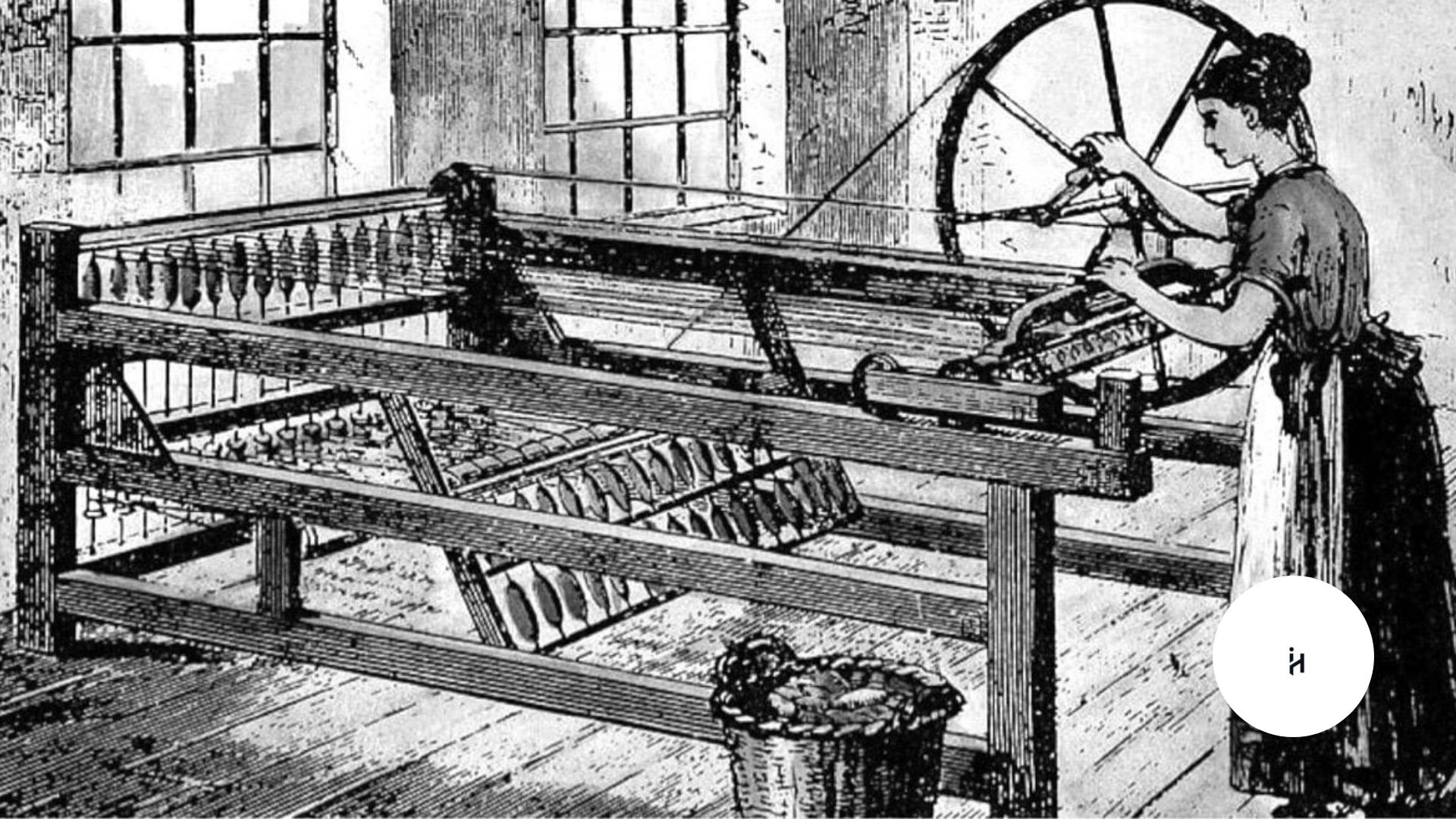
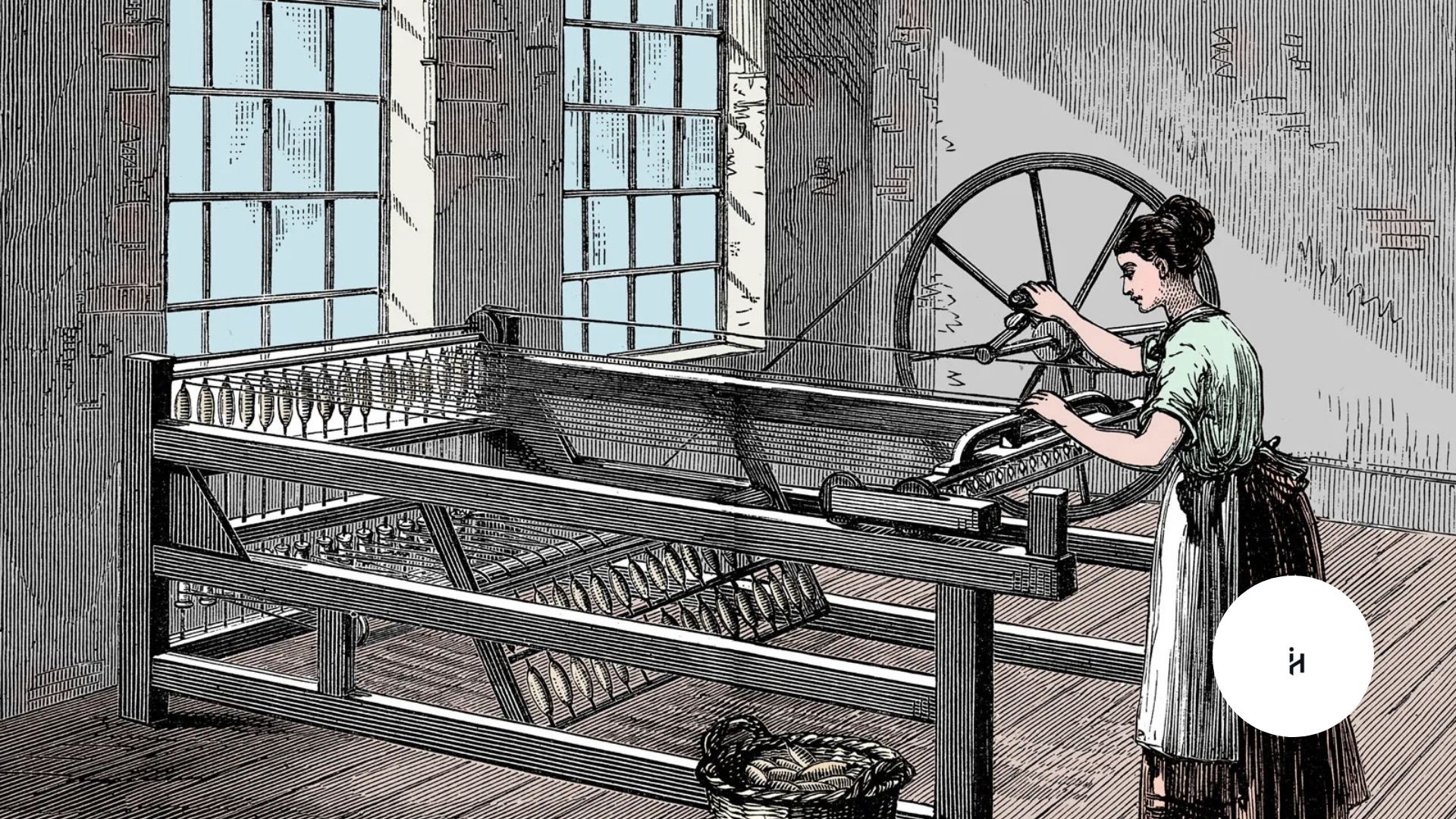
The Spinning Jenny was a remarkable innovation for its time. It consisted of a multi-spindle spinning frame, allowing a single operator to spin multiple threads at once. The original design featured eight spindles, but later versions could accommodate up to 120 spindles.

The machine was powered manually, with a wheel operated by hand, but it represented a leap forward in automation. The Spinning Jenny reduced the amount of labor needed and drastically increased production speed, making it a revolutionary tool in the textile industry. The Spinning Jenny inventor, James Hargreaves, was able to reduce the labor-intensive nature of spinning yarn while significantly improving output.

The First Prototype and Testing

After designing the first prototype of the Spinning Jenny, James Hargreaves began testing it in his own home. The early version of the machine was crude, but it worked. Hargreaves could spin several threads at once, vastly improving the productivity of spinning wool.

To refine his invention, he continued to tweak and adjust the machine, testing it in different environments and with various types of fiber. The Spinning Jenny was not perfect at first, but the results were promising. It was clear that this invention had the potential to transform the textile industry.

The Impact of the Spinning Jenny on the Textile Industry

When James Hargreaves unveiled his invention to the world, it caused a revolution in the textile industry. The ability to spin multiple threads at once meant that production could now meet the growing demand for textiles.

It reduced the time needed to produce yarn and allowed manufacturers to produce fabrics more quickly and efficiently. This efficiency led to the creation of larger textile mills and factories, contributing to the rise of industrialization in Britain.

The Spinning Jenny inventor’s creation was pivotal in the transition from hand production methods to machine-based manufacturing.
Spinning Jenny Inventor

Public Reception and Initial Backlash

The Spinning Jenny was not immediately embraced by all. In fact, many in the traditional textile industry saw it as a threat. Spinners, who had been reliant on hand-spinning for generations, were particularly resistant to the machine. Some workers even resorted to vandalizing Hargreaves’ machines in protest.

The backlash was partly due to fear of job losses and the uncertainty that came with the introduction of new technology. However, the Spinning Jenny inventor’s persistence paid off as the machine’s efficiency and cost-effectiveness became undeniable, and its use spread throughout the textile industry.

The Patent Controversy: James Hargreaves vs. Richard Arkwright

One of the major challenges the Spinning Jenny inventor faced was securing his invention’s patent. Although Hargreaves had developed the Spinning Jenny, he did not have a patent for his machine, which left it vulnerable to theft.

Another inventor, Richard Arkwright, later developed a similar machine, and there was much dispute over who truly owned the rights to the invention. Arkwright’s machine, the water frame, was more complex and eventually took precedence in the eyes of the public, but many still consider Hargreaves the true inventor of the Spinning Jenny.

The Legacy of the Spinning Jenny Inventor

The Spinning Jenny inventor, James Hargreaves, may not have seen the full extent of his invention’s impact in his lifetime, but his legacy is undeniable. His creation of the Spinning Jenny laid the foundation for future innovations in textile manufacturing.

It helped usher in the Industrial Revolution, which dramatically transformed economies and societies worldwide. The Spinning Jenny’s influence can still be seen today in modern manufacturing processes, where automation continues to play a vital role in production efficiency.

The Spinning Jenny’s Role in the Industrial Revolution

The Spinning Jenny was one of the key inventions that sparked the Industrial Revolution. Prior to the introduction of the machine, much of the textile industry was based on home-based or small-scale cottage industries. With the Spinning Jenny, production moved to factories where large-scale, machine-driven processes could be utilized.

This shift marked the beginning of a new era in manufacturing, where machines began to replace human labor on a larger scale. The Spinning Jenny inventor’s contribution was monumental in shaping the industrial landscape of the 19th century.

The Future of Textile Technology and the Influence of the Spinning Jenny Inventor

Today, textile manufacturing is more advanced than ever before, with automated systems that can produce vast amounts of fabric at incredible speeds. However, none of this would have been possible without the pioneering efforts of James Hargreaves, the Spinning Jenny inventor. His machine was the starting point for a revolution that continues to evolve. From robotics to AI-driven manufacturing, the legacy of the Spinning Jenny lives on in the continuous pursuit of greater efficiency and innovation in textile production.
Spinning Jenny Inventor

Conclusion

James Hargreaves, the Spinning Jenny inventor, created an invention that forever changed the textile industry. His machine revolutionized production methods and paved the way for the technological advancements that followed.

Today, the Spinning Jenny stands as a testament to human ingenuity and the transformative power of innovation. By understanding the life and work of the Spinning Jenny inventor, we gain a deeper appreciation for the role of invention in shaping the world around us.
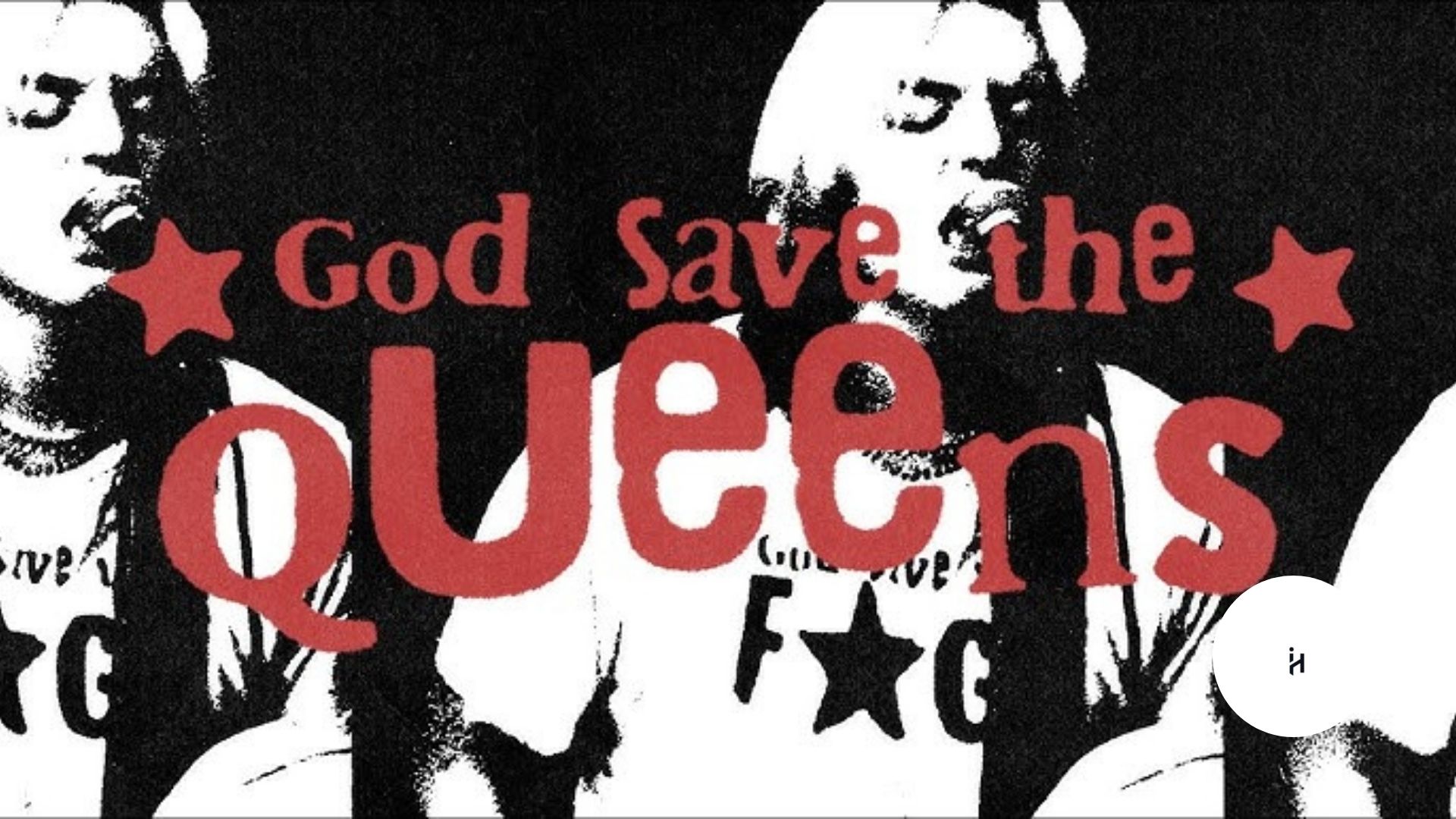
God Save the Queen: A Symbol of British Heritage and Pride

0
God Save the Queen

Introduction to “God Save the Queen”

“God Save the Queen” is not just a phrase—it’s a historic anthem that resonates deeply with the British identity. This powerful and iconic expression has served as the national anthem of the United Kingdom for centuries and reflects a deep respect for the monarchy. Used in formal ceremonies, sporting events, royal occasions, and even protests, “God Save the Queen” symbolizes unity, loyalty, and patriotism.

The anthem itself emerged in the 18th century and has since been adopted and adapted by many nations that were once under British rule. The phrase carries significant cultural and historical weight, acting as a call to protect and support the reigning monarch. Whether sung with pride at royal weddings or played to honor national achievements, “God Save the Queen” has always stood for continuity, tradition, and national pride.

Today, as monarchies evolve in modern democracies, this anthem remains a powerful testament to the enduring strength of the British Crown and the unbreakable bond between the monarchy and its people. The phrase “God Save the Queen” continues to echo through history, reminding citizens and admirers around the globe of the timeless influence of the British royal family.

God Save the Queen

The Historical Origins of the Anthem

The origin of the phrase and the anthem “God Save the Queen” dates back to the early 1740s, during the reign of King George II. The first known performance was in 1745, in response to the Jacobite Rebellion.

At that time, the lyrics were “God Save the King,” as King George II was on the throne. The anthem was sung at London’s Drury Lane Theatre and quickly spread throughout the country, becoming a national symbol of loyalty and support for the monarch.

It is widely believed that the lyrics were written by either Henry Carey or John Bull, though the authorship remains debated. What is not in dispute, however, is the immediate impact of the anthem. It provided a sense of unity and national identity in a time of political unrest and uncertainty.

“God Save the Queen” gained even more prominence when Queen Victoria ascended the throne in 1837. With her long reign and widespread influence across the British Empire, the anthem became internationally recognized. The phrase began to carry deep emotional and patriotic meanings for people in Britain and its colonies, solidifying “God Save the Queen” as an iconic expression of the British monarchy.

Musical Composition and Lyrics

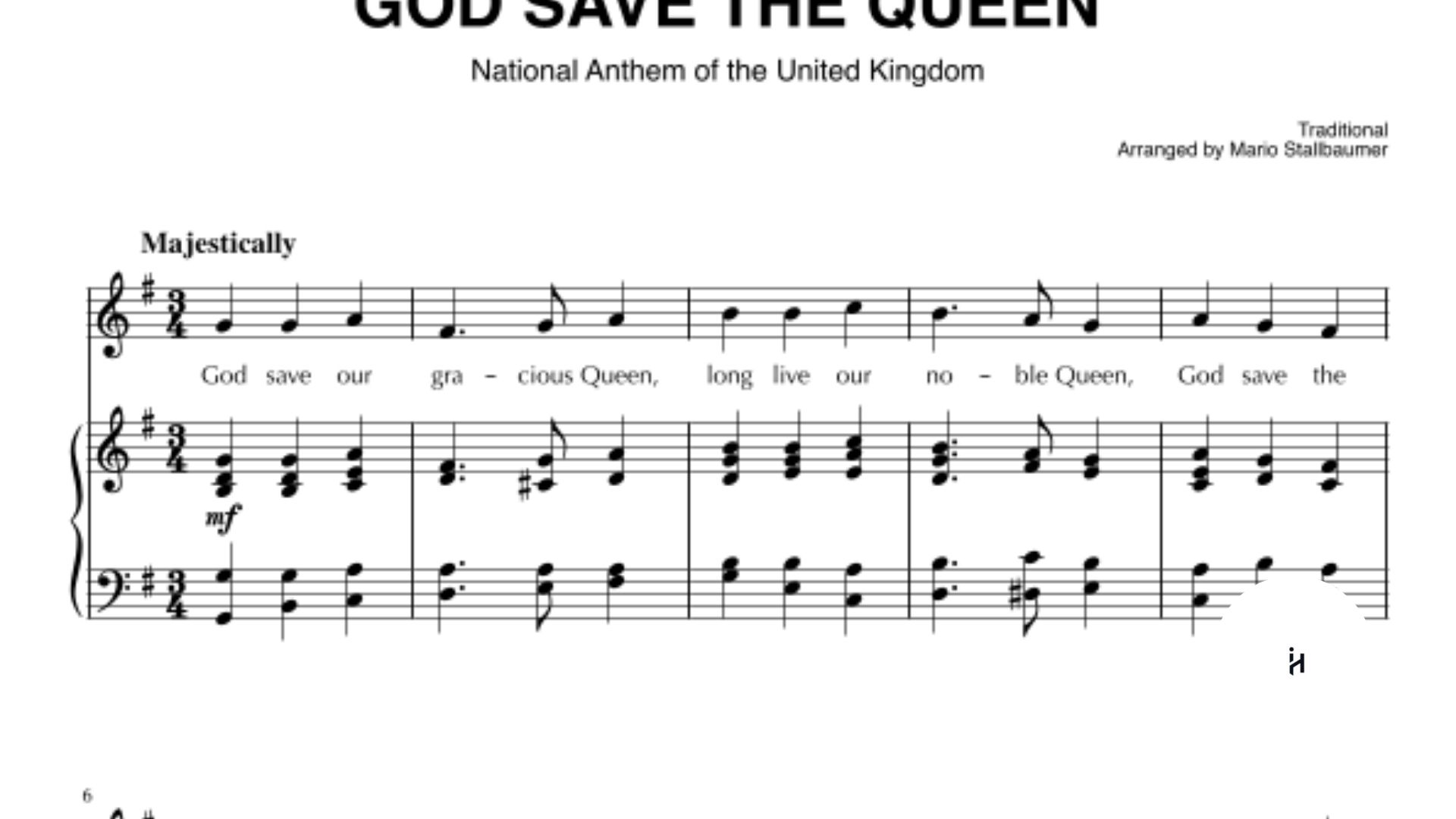
The melody of “God Save the Queen” is simple yet majestic, allowing it to be easily recognized and performed across a variety of musical settings. The anthem is typically played in the key of G major, and its composition lends itself to grand orchestral performances, military bands, and solo renditions alike.

The lyrics of “God Save the Queen” are brief but impactful. They focus on asking divine guidance and protection for the monarch. The first verse is the most commonly sung:

“God save our gracious Queen,
Long live our noble Queen,
God save the Queen!
Send her victorious,
Happy and glorious,
Long to reign over us,
God save the Queen!”

Though additional verses exist, they are rarely used in public events. The beauty of “God Save the Queen” lies in its simplicity. The anthem’s powerful plea and melodic grace make it timeless. Whether sung in cathedrals, stadiums, or schools, the words “God Save the Queen” evoke strong feelings of national unity and reverence.

Royal Significance and Ceremonial Use

The phrase “God Save the Queen” carries royal importance and is central to the identity of the British monarchy. It is played at official ceremonies, royal banquets, coronations, state visits, and national holidays. When the monarch enters or exits a public event, the anthem often accompanies the moment, reminding everyone of the sovereign’s significance.

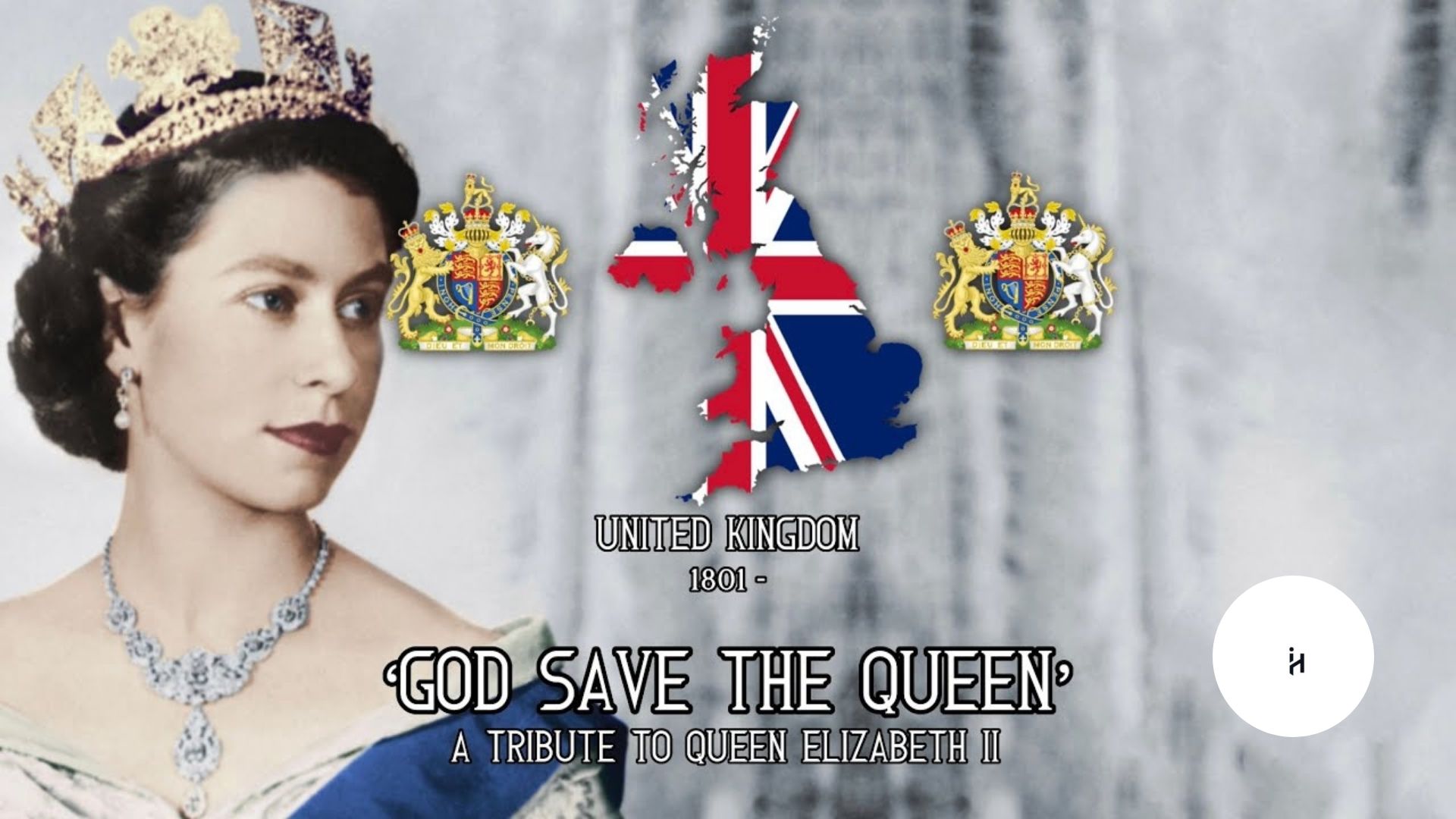
When Queen Elizabeth II passed by in public, crowds would often sing or shout “God Save the Queen” as a mark of respect and affection. At events like the Queen’s Jubilee or the opening of Parliament, the anthem served to highlight the grandeur and stability of the monarchy.

“God Save the Queen” has also played a central role in major historical moments, from the end of wars to coronations and state funerals. Its solemn yet uplifting tone can adapt to joyous celebrations or moments of mourning, underlining its versatile role in British ceremonial life.

This deep-rooted tradition demonstrates how “God Save the Queen” is not just an anthem—it is a living symbol of heritage, loyalty, and continuity in the United Kingdom.

Influence Across the British Commonwealth

Although “God Save the Queen” is primarily associated with the UK, its influence extends far beyond Britain’s shores. During the height of the British Empire, the anthem was adopted in various forms across the Commonwealth, including Australia, Canada, and New Zealand.

Many Commonwealth nations used “God Save the Queen” as their national anthem or royal anthem, especially during state visits or royal occasions. While some countries have since adopted their own anthems, the reverence for “God Save the Queen” remains. It is often played when members of the British royal family visit, or on commemorative occasions such as Remembrance Day.

The anthem’s reach into so many nations underscores its historical role as a unifying symbol. Even today, “God Save the Queen” continues to connect people with shared values, royal traditions, and a collective past shaped by centuries of British influence.

Political and Social Interpretations

God Save the Queen

“God Save the Queen” is not only a patriotic expression but also a symbol that has been interpreted in various political and social contexts. For monarchists, the anthem is a declaration of unwavering support for the Crown. For critics, however, the phrase may represent outdated hierarchical structures or colonial rule.

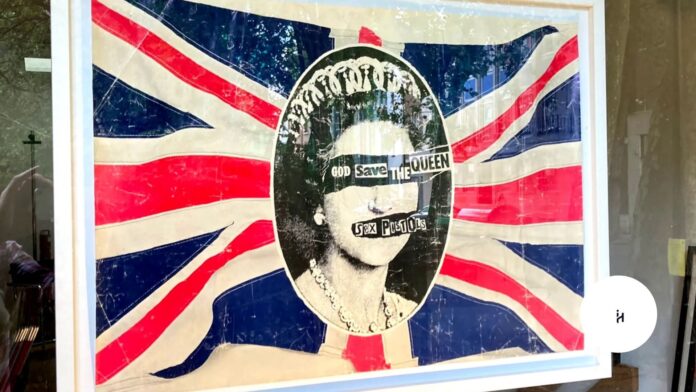
In times of political tension or cultural change, “God Save the Queen” has been used both as a unifying call and as a point of contention. It has appeared in protest songs, parodies, and satirical works—most famously in the punk rock song by the Sex Pistols in 1977. Their rebellious version used the same title, “God Save the Queen,” to criticize the monarchy and British establishment.

Despite such controversies, the original anthem remains largely respected. The continued use of “God Save the Queen” shows the anthem’s resilience and its place in British society as both a cultural artifact and a living tradition.

The Global Recognition of the Phrase

Few national anthems are as globally recognized as “God Save the Queen.” Its tune and lyrics are familiar to millions, even those who are not British. Whether at the Olympics, royal weddings, or during international tributes, the anthem often brings with it a powerful sense of tradition and identity.

Its international presence has also inspired adaptations in other countries. The melody has been used in Germany, Switzerland, the United States, and even Liechtenstein for their own anthems or patriotic songs. This widespread use of “God Save the Queen” is a testament to the song’s universal appeal and musical beauty.

In short, “God Save the Queen” has transcended borders, becoming not just an anthem but a global symbol of monarchy, tradition, and loyalty.

Role During Queen Elizabeth II’s Reign

Queen Elizabeth II’s unprecedented reign made “God Save the Queen” a daily part of British life for over seven decades. The anthem was played at almost every event she attended, from state dinners to Commonwealth visits and even during wartime broadcasts.

Her longevity as monarch helped the anthem evolve into a reflection of her own personal legacy. “God Save the Queen” became synonymous with Queen Elizabeth II herself. People sang it not only for the office of the monarch but for the Queen as an individual—admired for her dignity, service, and strength.

Under her reign, the anthem was a unifying force across generations and cultures, further cementing its place in both national and international consciousness.

Cultural Representations in Art and Media

“God Save the Queen” has inspired countless artistic and media representations. From classical compositions to pop culture references, the anthem’s influence stretches across genres. It has appeared in films, television series, and documentaries exploring the monarchy, British history, and royal life.

Artists and musicians have drawn upon the phrase to express a wide range of ideas—royalty, rebellion, nostalgia, and national pride. From the Sex Pistols’ punk critique to solemn renditions in royal weddings, “God Save the Queen” continues to be a versatile cultural reference.

This ability to be both sacred and subversive reflects the anthem’s rich cultural depth. Regardless of its context, “God Save the Queen” remains instantly recognizable and emotionally powerful.

God Save the Queen

Changes After the Queen’s Death

Following Queen Elizabeth II’s death in 2022, the anthem transitioned back to its original version: “God Save the King,” in honor of King Charles III. This change marked a historic shift and reminded the public of the anthem’s adaptability to the reigning monarch’s gender.

However, for many, the phrase “God Save the Queen” continues to evoke memories of Elizabeth II’s era. It serves as a tribute to her unparalleled reign and the deep affection many had for her.

Though the lyrics changed, the sentiment behind the anthem remains the same: a prayer for the well-being of the sovereign, a symbol of unity, and a reflection of national values.

Legacy and Future of the Anthem

Looking forward, “God Save the Queen” will remain a treasured part of British history. Even as monarchs change and societies evolve, the anthem stands as a cultural pillar. Its historical importance, emotional depth, and ceremonial value are unlikely to diminish.

As future generations look back, “God Save the Queen” will serve as a reminder of a transformative era led by Queen Elizabeth II. It will continue to be studied, celebrated, and remembered—not just as a song, but as a symbol of British spirit, strength, and tradition.

While today it may be “God Save the King,” the legacy of “God Save the Queen” lives on in hearts, history books, and the soul of a nation.

The Mystical World of the Whirling Dervish: A Journey into Spiritual Ecstasy

0
Whirling Dervish

Introduction to the Whirling Dervish: A Sacred Dance of Devotion

The Whirling Dervish is not just a performer but a spiritual seeker engaged in a sacred ritual known as the Sema. Originating from the teachings of the 13th-century Sufi mystic Jalaluddin Rumi, the whirling dance is a deeply symbolic expression of divine love and unity. Through the continuous spinning motion, the whirling dervish detaches from worldly concerns and moves closer to God, embodying a spiritual journey from ego to enlightenment.

This mystical ceremony isn’t merely a dance. It’s a form of dhikr (remembrance of God), designed to focus the heart and mind solely on the Divine. The ritual is marked by precise movements, symbolic attire, and an atmosphere of deep reverence.

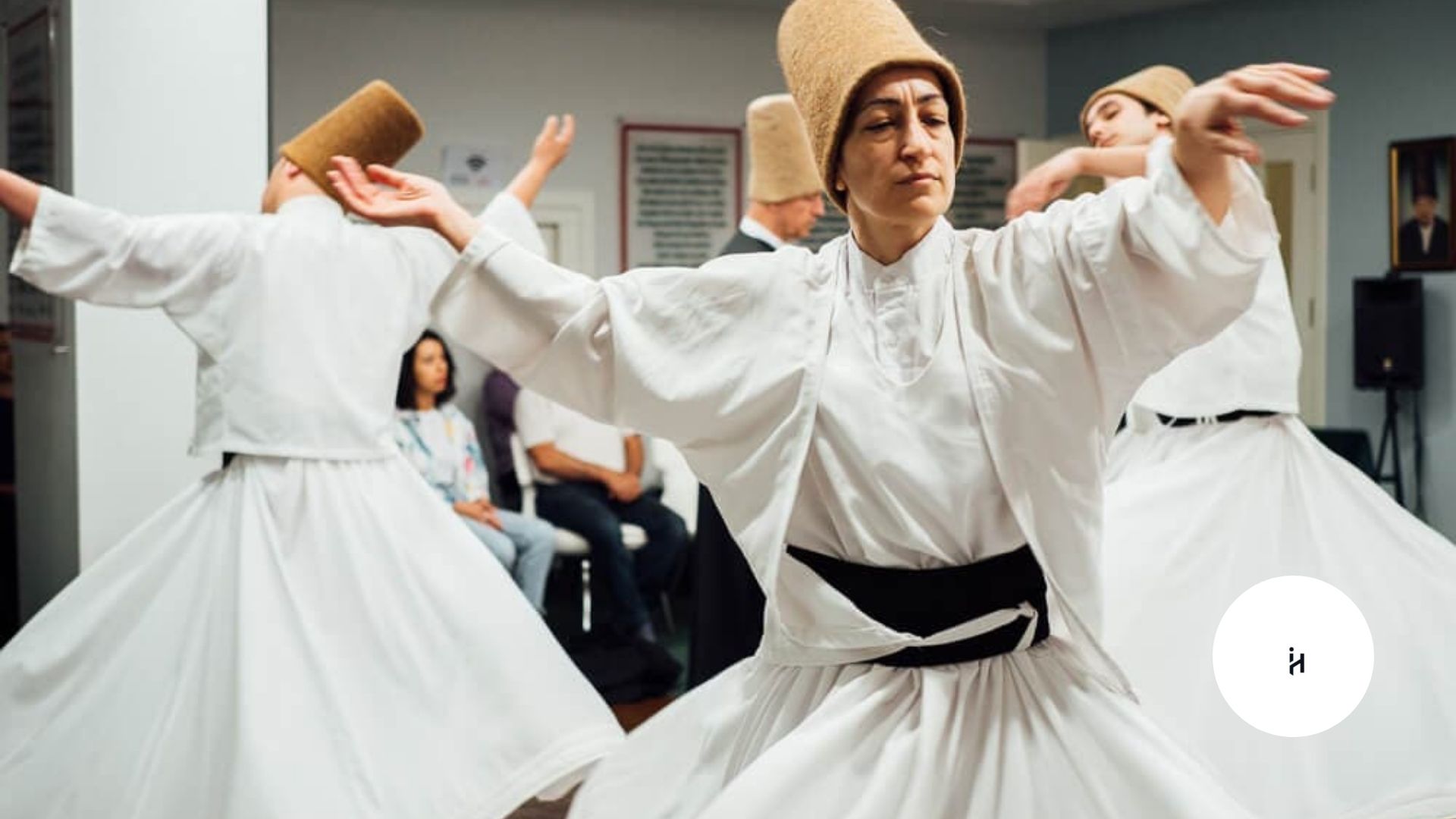
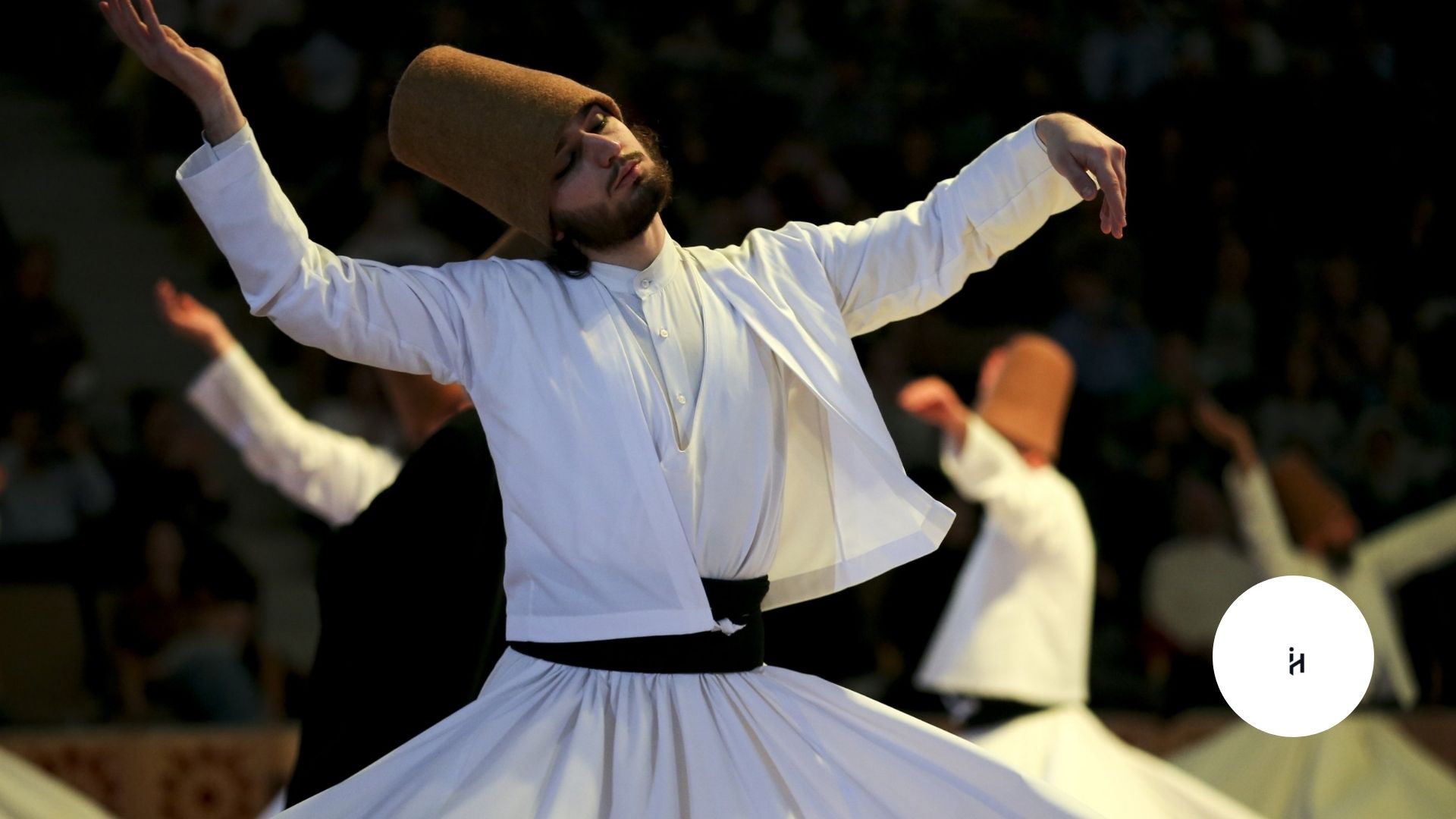
When people speak of the “whirling dervish,” they’re referencing a figure who bridges art, spirituality, and mysticism in one fluid motion. As the dancer whirls, their right hand reaches to the sky, receiving blessings, while the left hand faces the earth, sharing those blessings with humanity.

Whirling Dervish

The whirling dervish represents a living tradition, still practiced today, particularly in Turkey, where Sufi lodges preserve this powerful ritual. Tourists are often captivated by the grace and hypnotic rhythm of the dance, but for practitioners, it’s an inner pilgrimage—a way to transcend the self and unite with the divine essence.

The Origins of the Whirling Dervish Tradition

The origin of the whirling dervish lies in the Sufi order known as the Mevlevi, founded by the followers of Rumi in the city of Konya, Turkey. After Rumi’s death, his son Sultan Walad and his devoted followers institutionalized his teachings into a spiritual path that included poetry, music, and dance. The whirling dervish emerged as a central figure in this mystical order.

Historically, the ceremony was performed in tekkes (Sufi lodges), with every element of the ritual grounded in symbolism. The dance is not entertainment; it is worship. The term “whirling dervish” itself captures the essence of a seeker spinning in devotion, stripped of ego, and aligned with the divine presence. The dervishes believe that by whirling, they mirror the movement of the universe—from atoms to galaxies—all in constant rotation.

The spread of the Mevlevi Order throughout the Ottoman Empire popularized the whirling dervish across the Islamic world. Over time, it became not only a religious practice but also a cultural symbol of Turkish identity. Though banned temporarily during the early years of the Turkish Republic, the whirling dervish tradition has been revived and protected as a UNESCO Intangible Cultural Heritage.

Spiritual Significance of the Whirling Ritual

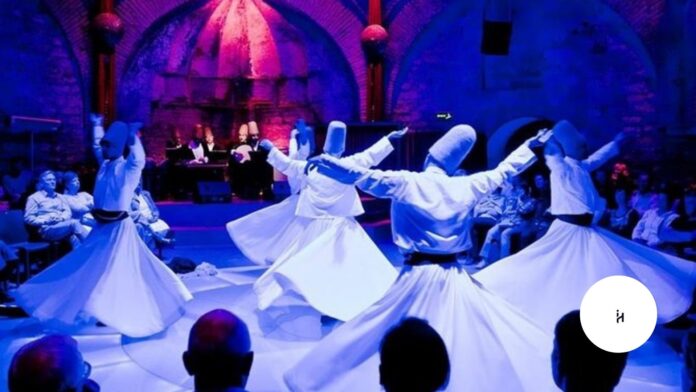
For the whirling dervish, the dance is far more than physical motion—it is spiritual transformation. The ritual begins with a prayer and the donning of symbolic garments. The long white gown represents the ego’s shroud; the black cloak symbolizes the tomb; the tall hat signifies the gravestone of the ego. Removing the black cloak marks the dervish’s rebirth into spiritual awakening.

The whirling itself is a form of meditation in motion. As the dervish spins, his focus is on God’s name, letting go of distractions and worldly attachments. Each rotation becomes a silent prayer, a movement towards inner stillness despite external motion. The goal of the whirling dervish is not to impress an audience but to disappear into divine love.

Through repetition and rhythm, the dancer achieves a trance-like state that elevates consciousness. This spiritual ecstasy, known as wajd, is where the ego dissolves, and only the presence of the divine remains. The whirling dervish thus becomes a vessel—empty of self, full of spirit.

Jalaluddin Rumi: The Mastermind Behind the Dervish Dance

The inspiration behind the whirling dervish is none other than Rumi, the Persian poet, theologian, and mystic whose verses continue to move hearts worldwide. Rumi taught that love is the path to divine unity, and the whirling dance is a physical embodiment of this philosophy.

Legend says Rumi began spinning spontaneously in a market in Konya, overwhelmed by divine love. His followers adopted this motion into their spiritual practices, eventually creating the structured Sema ceremony. The whirling dervish, therefore, is not merely a disciple of Sufism but a living expression of Rumi’s teachings.

Rumi’s poetry often describes the soul’s longing for God as a turning or spiraling motion, echoing the dance of the dervish. His line, “Why do you stay in prison when the door is so wide open?” encourages seekers to break free of ego and join in the cosmic dance of existence. The whirling dervish responds to this call by losing himself in the rhythm of love and oneness.

The Sema Ceremony: Structure and Symbolism

The Sema ceremony performed by the whirling dervish follows a precise spiritual structure. It begins with a recitation of the Quran and proceeds through four stages, called “Selams,” each symbolizing a different aspect of the seeker’s journey toward divine truth.

In the first Selam, the dervish acknowledges God’s greatness. In the second, he becomes aware of God’s omnipresence. The third symbolizes ecstatic love, and in the fourth, he returns to serve humanity with compassion. Each whirling dervish maintains inner stillness and outer grace during this sacred journey.

Whirling Dervish

The music accompanying the Sema—featuring the ney (reed flute), kudüm (drum), and other traditional instruments—guides the dervish through his spiritual progression.

The whirling itself mirrors the movement of the universe: the dervish’s pivot foot represents stillness, while the spinning body reflects life’s motion. Every element of the Sema holds deep symbolic meaning, making the whirling dervish not just a dancer, but a spiritual philosopher in motion.

The Whirling Dervish Attire and Its Meaning

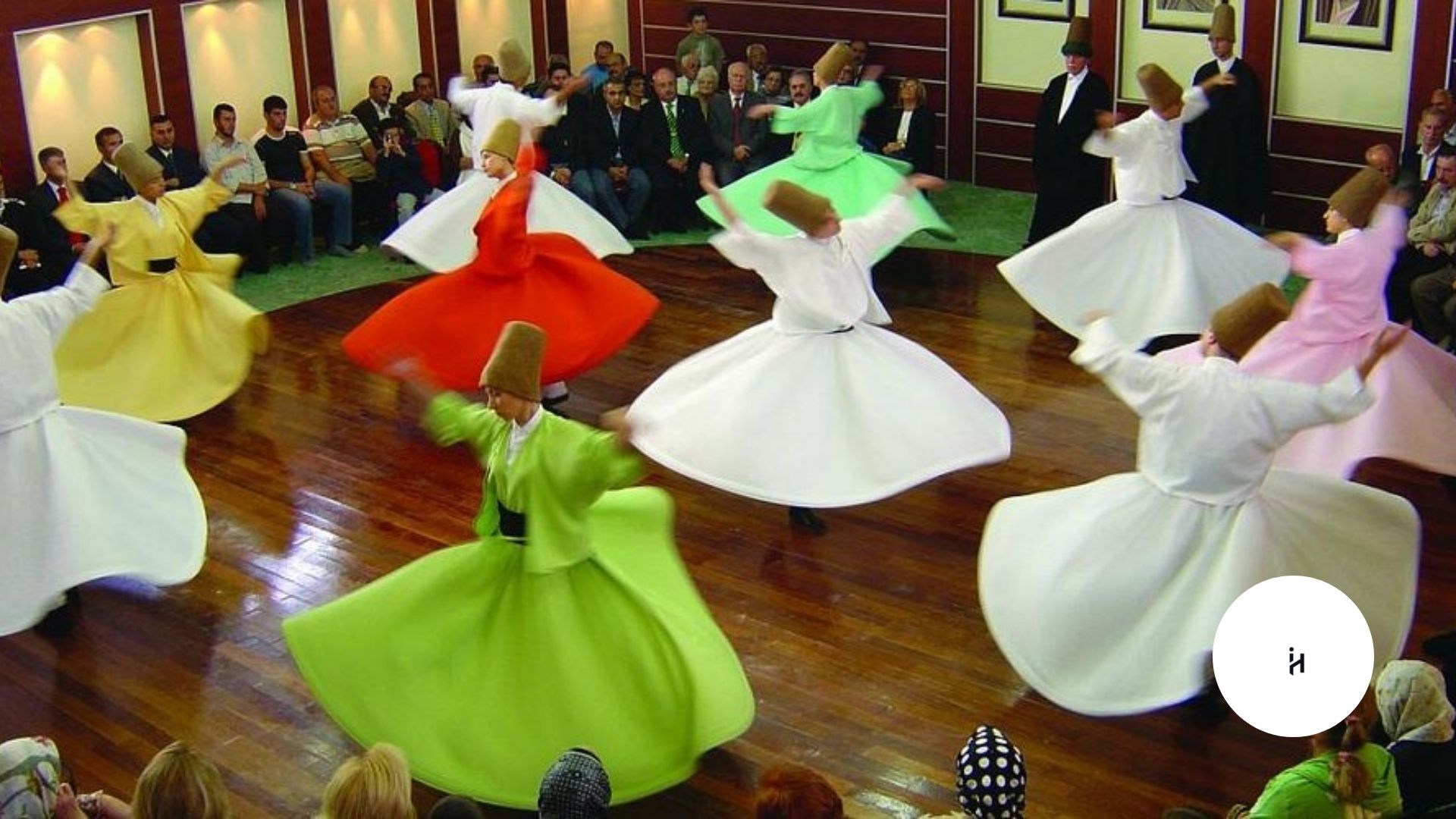
A whirling dervish wears specific garments that carry profound symbolism. The white robe (tennure) signifies the ego’s burial shroud, reflecting the death of worldly desires. The black cloak (hırka) represents the grave, and when removed, it signals the soul’s release. The tall brown hat (sikke) is seen as the tombstone of the ego.

The minimalist attire helps the whirling dervish stay focused on the spiritual rather than the superficial. It also enables the fluidity of the spinning motion. Each rotation of the wide skirt during the dance symbolizes the soul’s release and surrender to the divine.

This simplicity in costume contrasts with the deep complexity of the ritual. For the whirling dervish, clothing becomes an extension of devotion, embodying humility, purity, and transformation. Tourists may admire the elegance of the outfit, but practitioners understand that each thread is a tool for spiritual awakening.

Mental and Physical Discipline of the Whirling Dervish

Becoming a whirling dervish requires rigorous training. The physical challenge of spinning continuously without losing balance or consciousness demands exceptional discipline. But more important is the mental and emotional focus required to maintain spiritual intention throughout the dance.

A whirling dervish practices breathing techniques, posture control, and meditation to prepare for the ritual. The spinning itself isn’t about dizziness—it’s about alignment. The dervish learns to center the self so deeply that the body can spin while the mind remains anchored in remembrance.

The training also includes learning about Sufi philosophy, music, and etiquette. It may take years for a student to become a full whirling dervish. This shows that the practice is not simply physical performance—it’s a spiritual lifestyle grounded in humility, devotion, and inner mastery.

The Role of Music in the Whirling Dervish Ritual

Music plays an essential role in guiding the whirling dervish through the Sema ceremony. The ney, a reed flute, produces a haunting sound that symbolizes the soul’s longing for reunion with the Creator. The kudüm drum offers rhythm, while the chanting of divine names steers the spiritual journey.

This musical accompaniment isn’t background noise—it’s a sacred guide. Each note and beat is infused with intention. For the whirling dervish, music creates the emotional and spiritual landscape in which transformation can occur.

Musicians and dancers often rehearse together, forming a deep connection that enhances the ceremony’s spiritual power. The harmony between motion and melody makes the experience holistic, merging body, mind, and soul into one divine offering.

Modern Interpretations and Cultural Relevance

Today, the image of the whirling dervish has transcended its spiritual roots and entered mainstream art and tourism. In places like Istanbul and Konya, ceremonies are performed for audiences from around the world. Though some worry about commercialization, many see it as a chance to share Sufi wisdom globally.

Modern artists, poets, and musicians draw inspiration from the whirling dervish, incorporating its essence into various creative mediums. Documentaries, performances, and books often feature the whirling dervish to illustrate inner peace and divine connection.

Still, true practitioners stress the importance of maintaining the ritual’s sacredness. While modernization has broadened its exposure, the core purpose remains unchanged: for the whirling dervish, it’s a path to spiritual awakening and divine love.

Whirling Dervish in Global Sufism

Whirling Dervish

Although the tradition of the whirling dervish is most associated with Turkey, its influence is felt across the Sufi world. In regions like Pakistan, Iran, and Egypt, various forms of devotional music and movement echo similar intentions: union with the Divine.

In global Sufi practices, the idea of “turning” or “spinning” is metaphorical and literal. The whirling dervish becomes a universal symbol of the soul’s desire to dissolve into divine presence. Workshops and seminars around the world now teach the philosophy and practice of whirling, making it accessible to seekers of all backgrounds.

The universal message of love, tolerance, and surrender makes the whirling dervish a timeless figure. His journey, though rooted in Islamic mysticism, resonates with spiritual seekers from all faiths.

Conclusion: The Timeless Beauty of the Whirling Dervish

In a world filled with noise and distractions, the whirling dervish offers a path of silence, stillness, and connection. His spinning motion is more than performance—it is prayer, poetry, and passion embodied. Rooted in the teachings of Rumi, the whirling dervish continues to remind humanity of the beauty of surrender and the joy of divine love.

The whirling dervish teaches us that transformation doesn’t require grand gestures—sometimes, it just takes a single step inward, followed by a graceful spin towards the light.

Discovering Doveland, Wisconsin: A Hidden Gem in the Midwest

0
Doveland, Wisconsin

Doveland, Wisconsin, a small yet charming town in the Midwest, offers a unique glimpse into the heart of rural America. While it may not be a bustling metropolis, it’s a place rich with history, culture, and natural beauty.

Whether you’re visiting for a short getaway or considering making it your home, Doveland has much to offer. In this blog, we will explore various aspects of Doveland, Wisconsin, from its history to local attractions and the lifestyle it offers.

Introduction to Doveland, Wisconsin

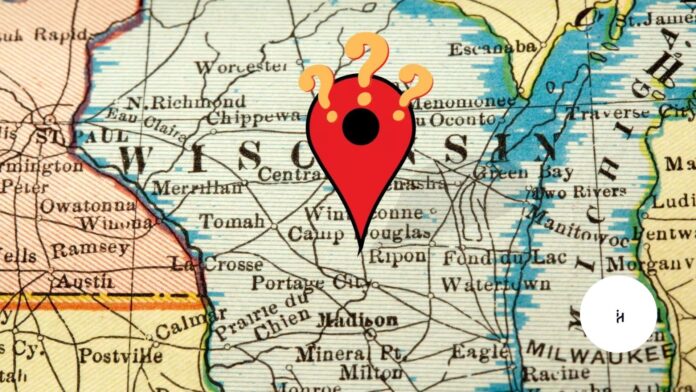
Doveland, Wisconsin, is a quiet, picturesque town known for its tight-knit community and scenic landscapes. Located in the heart of Wisconsin, Doveland boasts a peaceful rural atmosphere that is hard to find in more urbanized regions.

Whether you’re interested in exploring the outdoors, learning about local history, or simply enjoying small-town life, Doveland has something for everyone. Its easy access to nearby cities like Madison and Milwaukee makes it an excellent choice for those who want to enjoy both the tranquility of country living and the amenities of larger cities.

Doveland, Wisconsin

The History of Doveland, Wisconsin

The history of Doveland, Wisconsin, is deeply tied to the development of the area as a farming community. Early settlers in the 1800s recognized the area’s fertile soil and started cultivating crops like corn, wheat, and oats.

Over the years, Doveland transformed from a small settlement into a thriving rural hub, attracting families from various parts of the country. As the years passed, the town maintained its agricultural roots while slowly evolving into the charming town it is today. Understanding the history of Doveland, Wisconsin, helps visitors appreciate the town’s rich heritage and its role in shaping the state.

Natural Beauty of Doveland, Wisconsin

Doveland, Wisconsin, is blessed with an abundance of natural beauty that makes it an ideal destination for nature lovers. The town is surrounded by rolling hills, lush forests, and pristine lakes.

Whether you’re hiking through wooded trails, fishing in tranquil ponds, or simply enjoying a picnic by a lake, Doveland offers numerous opportunities to experience the great outdoors. The town’s proximity to the Wisconsin River also provides access to water-based activities like kayaking and canoeing, making it a haven for those who enjoy water sports.

Local Attractions in Doveland, Wisconsin

Despite its small size, Doveland, Wisconsin, offers a variety of local attractions. From historical landmarks and museums to parks and outdoor recreational areas, there’s always something to explore.

One notable attraction is the Doveland Historical Museum, which showcases artifacts from the town’s past, including agricultural tools and early settlers’ belongings. Additionally, nearby parks provide ample space for hiking, picnicking, and wildlife watching. For those who love history and culture, Doveland offers an immersive experience that’s hard to beat.

The Economy of Doveland, Wisconsin

Agriculture has always been a key driver of Doveland’s economy, with local farmers producing a wide range of crops and livestock. In recent years, the town has also seen growth in tourism and small businesses.

The rise of eco-tourism has benefited Doveland, as more visitors seek to experience the beauty of rural Wisconsin. Local markets, cafes, and bed-and-breakfast establishments have flourished, helping to support the economy. The town’s commitment to preserving its rural charm while embracing sustainable development ensures that Doveland will continue to thrive economically.

The Community Spirit of Doveland, Wisconsin

What truly sets Doveland, Wisconsin, apart is its strong sense of community. The people here are known for their hospitality and willingness to lend a helping hand. Whether it’s a neighborhood gathering, a local fair, or a community event, Doveland’s residents take pride in building connections with one another. This close-knit environment fosters a sense of belonging, making it an ideal place for those seeking a supportive and friendly community. Whether you’re visiting or considering moving here, the warmth of the people is something you’ll immediately notice.

Living in Doveland, Wisconsin: Lifestyle and Cost of Living

Living in Doveland, Wisconsin, offers a slower pace of life compared to larger urban areas. Residents enjoy a more laid-back lifestyle, where neighbors greet each other by name and life moves at a comfortable rhythm.

The cost of living in Doveland is relatively affordable, especially when compared to the more expensive cities in the state. Housing costs are lower, and the absence of heavy traffic makes commuting a breeze. For those looking to escape the hustle and bustle of city life while still enjoying the conveniences of modern living, Doveland provides an excellent option.

Education in Doveland, Wisconsin

Doveland, Wisconsin

Education is a top priority in Doveland, Wisconsin. The town is served by a number of public schools that offer quality education from kindergarten through high school. Local schools emphasize community involvement, with parents and teachers working together to create a positive learning environment for students. Additionally, Doveland residents have easy access to nearby colleges and universities, offering opportunities for higher education. For families with children, Doveland is a great place to settle down and raise kids in a supportive, educationally rich environment.

Dining and Local Cuisine in Doveland, Wisconsin

Doveland, Wisconsin, may be a small town, but it is home to some amazing dining options. From locally-owned diners serving up hearty American fare to charming bakeries offering freshly baked goods, food lovers will find plenty to enjoy.

One local favorite is the Doveland Café, known for its homemade pies and seasonal dishes made with ingredients from local farms. Whether you’re looking for a cozy spot for breakfast or a family-friendly restaurant for dinner, Doveland’s culinary scene offers a little something for everyone.

Events and Festivals in Doveland, Wisconsin

Throughout the year, Doveland, Wisconsin, plays host to several fun and engaging events that draw locals and visitors alike. One of the town’s most popular events is the Doveland Harvest Festival, a celebration of the town’s agricultural roots, complete with live music, food stalls, and craft vendors.

Other events include local craft fairs, farmers’ markets, and seasonal celebrations, which showcase the talent and creativity of the town’s residents. For those looking to experience the charm of Doveland, these festivals provide an excellent opportunity to get involved with the community and enjoy the local culture.

Why You Should Visit Doveland, Wisconsin

Doveland, Wisconsin

Whether you’re looking for a weekend getaway or a longer stay, Doveland, Wisconsin, offers an experience like no other. From its natural beauty and rich history to its tight-knit community and affordable living, there’s something for everyone.

Visitors can enjoy outdoor activities, explore local attractions, and immerse themselves in the peaceful lifestyle of a small Midwestern town. Doveland, Wisconsin, may be off the beaten path, but it is undoubtedly a hidden gem that is worth discovering. If you’re seeking a destination that offers both relaxation and adventure, look no further than Doveland.

Doveland, Wisconsin, is a place that combines the best of small-town living with access to nature, history, and a vibrant community. Whether you’re planning a visit or considering making it your home, you’ll find that Doveland offers a truly unique and enriching experience.