Home Blog Page 434

The Reconquista: Spain’s Epic Struggle to Reclaim Its Land

0
The Reconquista

The Reconquista was a monumental era in Spanish history, spanning over 700 years from 711 AD to 1492 AD. It marks the long and complex series of campaigns led by Christian kingdoms to recapture territory taken by Muslim Moors on the Iberian Peninsula. This clash of cultures, ideologies, and empires not only shaped modern Spain but also had lasting effects on European and world history.

Starting with the Muslim conquest of Hispania and ending with the fall of Granada, the Reconquista is a testament to endurance, faith, and strategic warfare. It also witnessed periods of tolerance, coexistence, and fierce conflict. This blog will explore the Reconquista in depth, covering its causes, key figures, major battles, and enduring legacy.

The Muslim Conquest of Iberia
The Reconquista

In 711 AD, Muslim forces from North Africa, known as Moors, crossed the Strait of Gibraltar and swiftly defeated the Visigothic King Roderic. This marked the beginning of Muslim rule over large parts of the Iberian Peninsula. Cities like Córdoba and Toledo became centers of Islamic culture, science, and trade.

The Reconquista was born out of Christian resistance to this conquest. While some Christian nobles fled to the northern mountains, others began organizing small, defensive kingdoms. These early resistances would eventually evolve into powerful Christian states like León, Castile, and Aragon—key players in the Reconquista.

The Rise of Christian Kingdoms

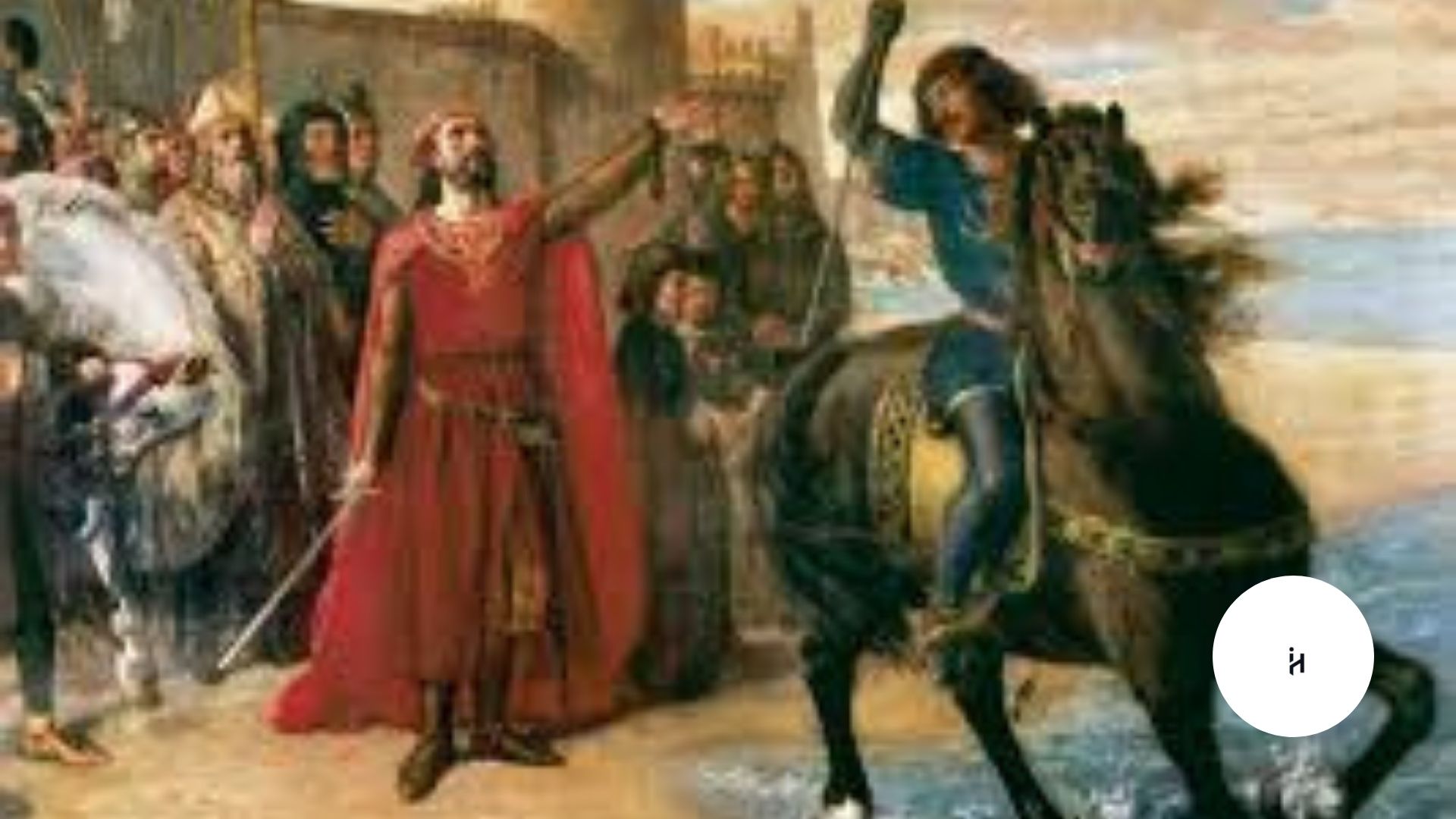
The northern regions of the Iberian Peninsula, particularly Asturias, became safe havens for Christian refugees. From these strongholds, Christian leaders began to reclaim lost territories. The Battle of Covadonga in 722 AD, led by Pelagius of Asturias, is considered the first major victory of the Reconquista and a symbol of Christian revival.

Over the centuries, the Christian kingdoms of Castile, León, Navarre, and Aragon grew in strength. They not only expanded their borders through military campaigns but also through strategic marriages and alliances. These kingdoms would spearhead the Reconquista for generations to come.

Religious Zeal and the Crusading Spirit

The Reconquista was deeply rooted in religious motivations. Christians saw the struggle as a divine mission to reclaim land from Islam and restore Christian rule. This religious zeal gave the Reconquista a crusading character, especially during the height of the Crusades in the Holy Land.

Popes and religious leaders often granted indulgences and spiritual rewards to those who participated in the Reconquista, making it a holy war. Monasteries and religious orders played a critical role, offering resources, manpower, and moral support.

Major Battles That Defined the Reconquista

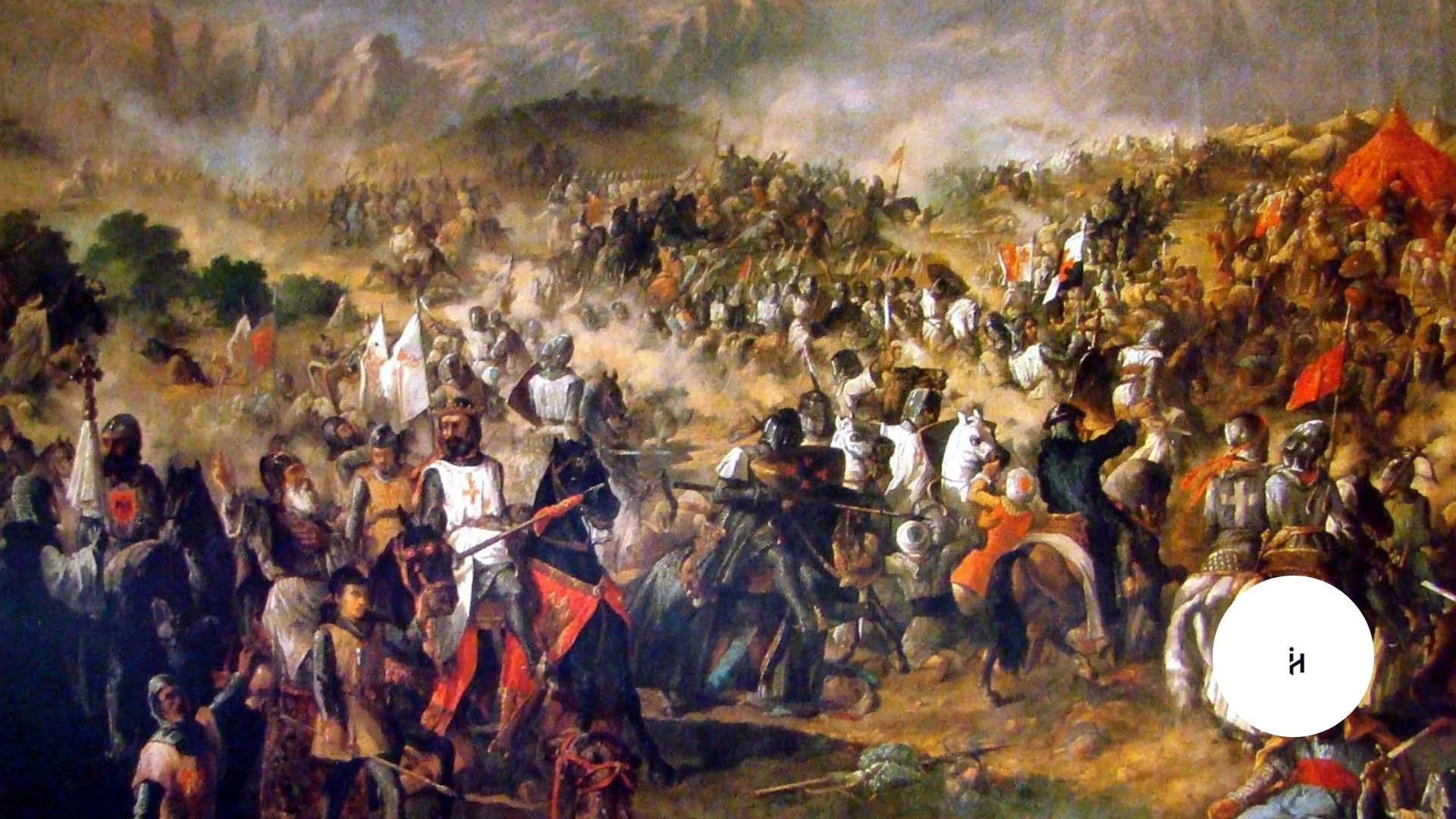
Numerous key battles defined the progress of the Reconquista. One of the most significant was the Battle of Las Navas de Tolosa in 1212, where Christian forces from Castile, Aragon, and Navarre united to defeat the Almohad Caliphate. This victory marked a turning point, leading to rapid Christian advances in southern Iberia.

Other notable battles include the capture of Toledo in 1085 and the sieges of Córdoba and Seville. Each of these victories signaled a shift in momentum and demonstrated the determination of Christian forces in the Reconquista.

Cultural Exchange and Coexistence

Despite the ongoing conflict, the Reconquista period was not devoid of cultural exchange. In many cases, Christians, Muslims, and Jews lived in relative peace under policies of convivencia, or coexistence. Cities like Toledo became hubs of intellectual activity, where scholars translated Arabic texts into Latin and shared knowledge across cultures.

While the Reconquista is often remembered for its violence, it also fostered periods of tolerance and learning that enriched European culture and laid the foundation for the Renaissance.

Role of the Catholic Church in the Reconquista
The Reconquista

The Catholic Church was instrumental in sustaining the Reconquista. Popes frequently endorsed campaigns, offering spiritual incentives to warriors and kings. Religious institutions were often granted lands and privileges for supporting the war effort.

Churches and cathedrals were built on the ruins of mosques to symbolize Christian dominance. The Church also took the lead in organizing missionary efforts to convert Muslims and consolidate Christian rule after conquests.

The Unification of Spain Under Ferdinand and Isabella

The marriage of Ferdinand of Aragon and Isabella of Castile in 1469 marked a critical juncture in the Reconquista. Their union not only unified two powerful kingdoms but also brought about coordinated military strategies and centralized governance.

Together, they launched the final assault on Granada, the last Muslim stronghold on the peninsula. Their reign not only ended the Reconquista but also laid the groundwork for the Spanish Inquisition and global expansion.

The Fall of Granada in 1492

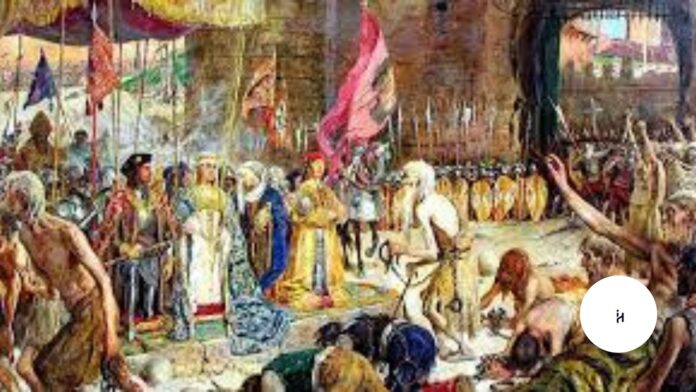
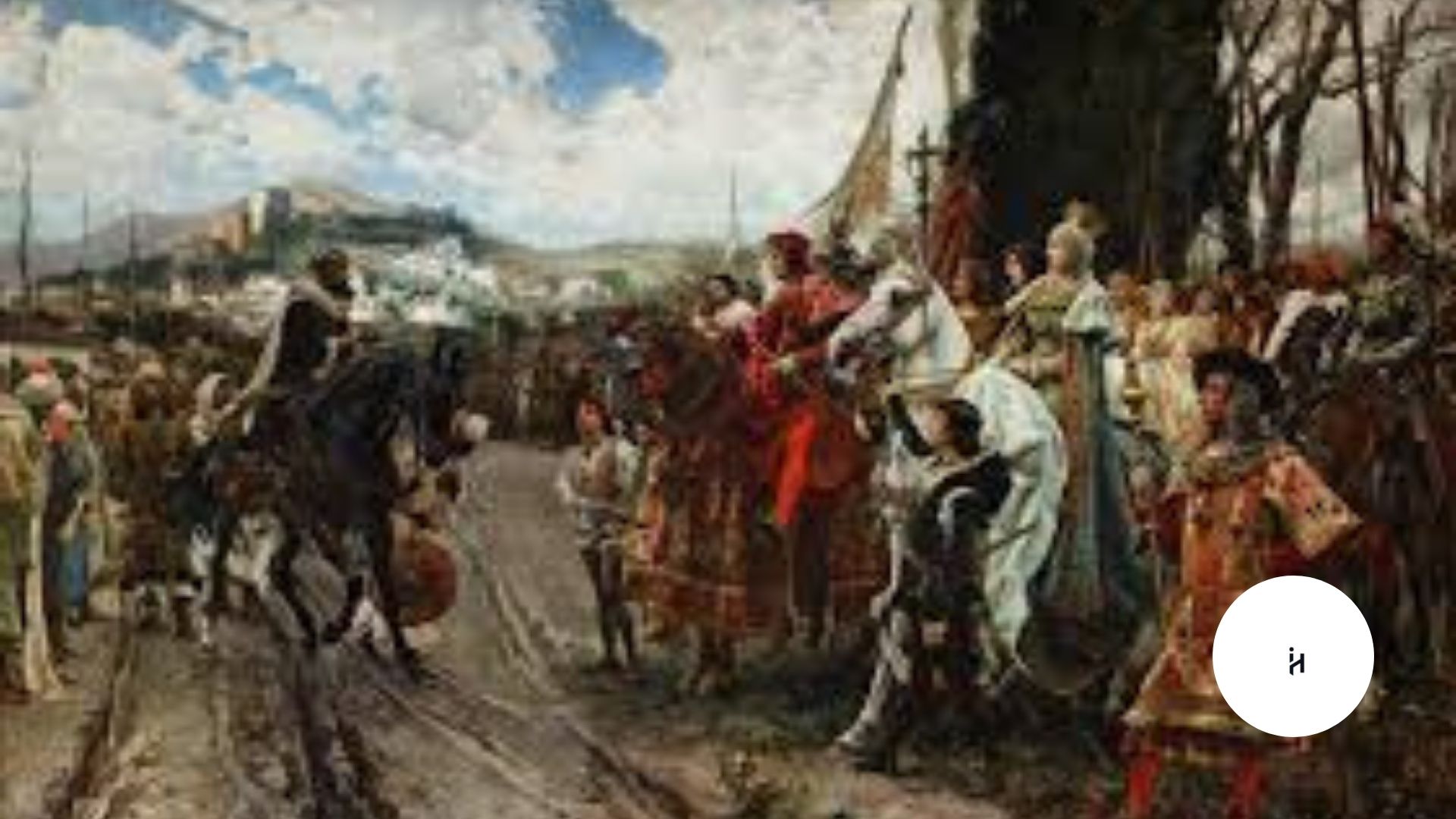
The capture of Granada on January 2, 1492, marked the official end of the Reconquista. After a long siege, the Muslim Nasrid kingdom surrendered to the Catholic Monarchs, Ferdinand and Isabella. The fall of Granada was celebrated across Christendom and signified the completion of a centuries-long struggle.

The Reconquista keyword resonates most powerfully with this historic event, symbolizing triumph, religious fulfillment, and national unity for Spain.

Impact on Spanish Society and Identity

The Reconquista had profound effects on Spanish culture, language, religion, and identity. It solidified Catholicism as the dominant faith and marginalized Muslim and Jewish communities. The victory narrative became embedded in Spanish nationalism and religious ideology.

Castilian became the dominant language, replacing Arabic in administration and education. The Reconquista helped forge a collective Spanish identity rooted in Christian values and imperial ambition.

Expulsion and Persecution After the Reconquista

In the years following the Reconquista, Spain saw increased persecution of Muslims and Jews. The Alhambra Decree of 1492 expelled Jews who refused to convert, and similar policies were later enacted against Muslims. The Spanish Inquisition enforced religious conformity, often brutally.

While the Reconquista was hailed as a triumph of faith, it also led to centuries of repression and intolerance. These darker chapters remind us that victory came at a significant human cost.
The Reconquista

Legacy of the Reconquista in Modern Times

The legacy of the Reconquista continues to shape Spanish politics, culture, and collective memory. It is celebrated in literature, art, and public ceremonies, often as a symbol of resilience and national pride. However, modern historians also critique its impact on multiculturalism and human rights.

Today, the Reconquista is studied not just as a series of battles, but as a transformative period that shaped the destiny of an entire continent. Its complex history offers lessons in unity, resistance, and the power—and peril—of ideological warfare.
Jormungandr: The Mythical Midgard Serpent of Norse Legend

0
Jormungandr

In the vast and vibrant world of Norse mythology, few creatures are as fearsome and fascinating as Jormungandr, also known as the Midgard Serpent. This mythical sea serpent, the child of the trickster god Loki and the giantess Angrboda, plays a pivotal role in the cosmic events of Norse legends.

Jormungandr is known for encircling the Earth, biting its own tail in a symbolic act of eternity and destruction. Mentioned across numerous ancient texts, Jormungandr embodies chaos, power, and destiny. In this blog, we will dive deep into the mythos surrounding Jormungandr, examining its origins, characteristics, battles, and legacy.

The Birth of Jormungandr

Jormungandr

Jormungandr was born of a union between Loki, the god of mischief, and Angrboda, a giantess from Jotunheim. Alongside Jormungandr, this unholy pairing produced two other monstrous offspring – Fenrir the wolf and Hel, the goddess of the underworld.

The gods of Asgard feared the might of these children. Odin, the All-Father, cast Jormungandr into the ocean that surrounds Midgard (Earth), where he grew so large that he could encircle the entire world and grasp his own tail. The symbolism of Jormungandr’s self-enclosure hints at themes of cycles, fate, and destruction, making his origin story one of the most crucial in Norse cosmology.

Physical Description and Power

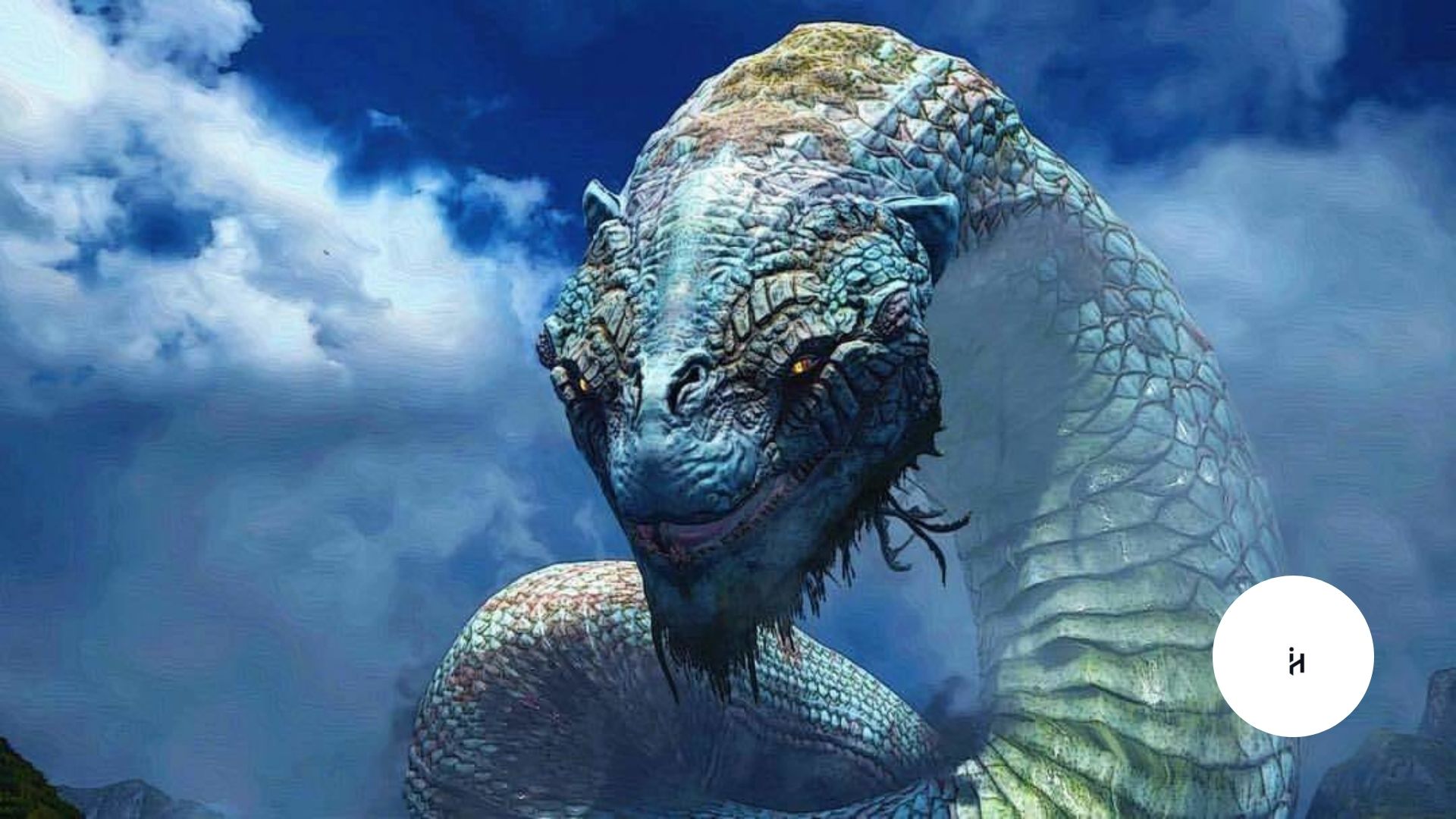
Jormungandr is described as an enormous sea serpent, so colossal that his body wraps around the entire world. His name literally means “huge monster” or “earth necklace,” signifying his gigantic size and his position in the ocean surrounding Midgard.

His scales are said to be impenetrable, and his breath is so venomous that it can poison the sky and sea alike. Jormungandr is not just a force of nature—he is a symbol of ultimate danger and unstoppable power. His presence in the sea is a reminder of the Norse worldview’s balance between order and chaos.

Jormungandr and Thor’s Epic Battles

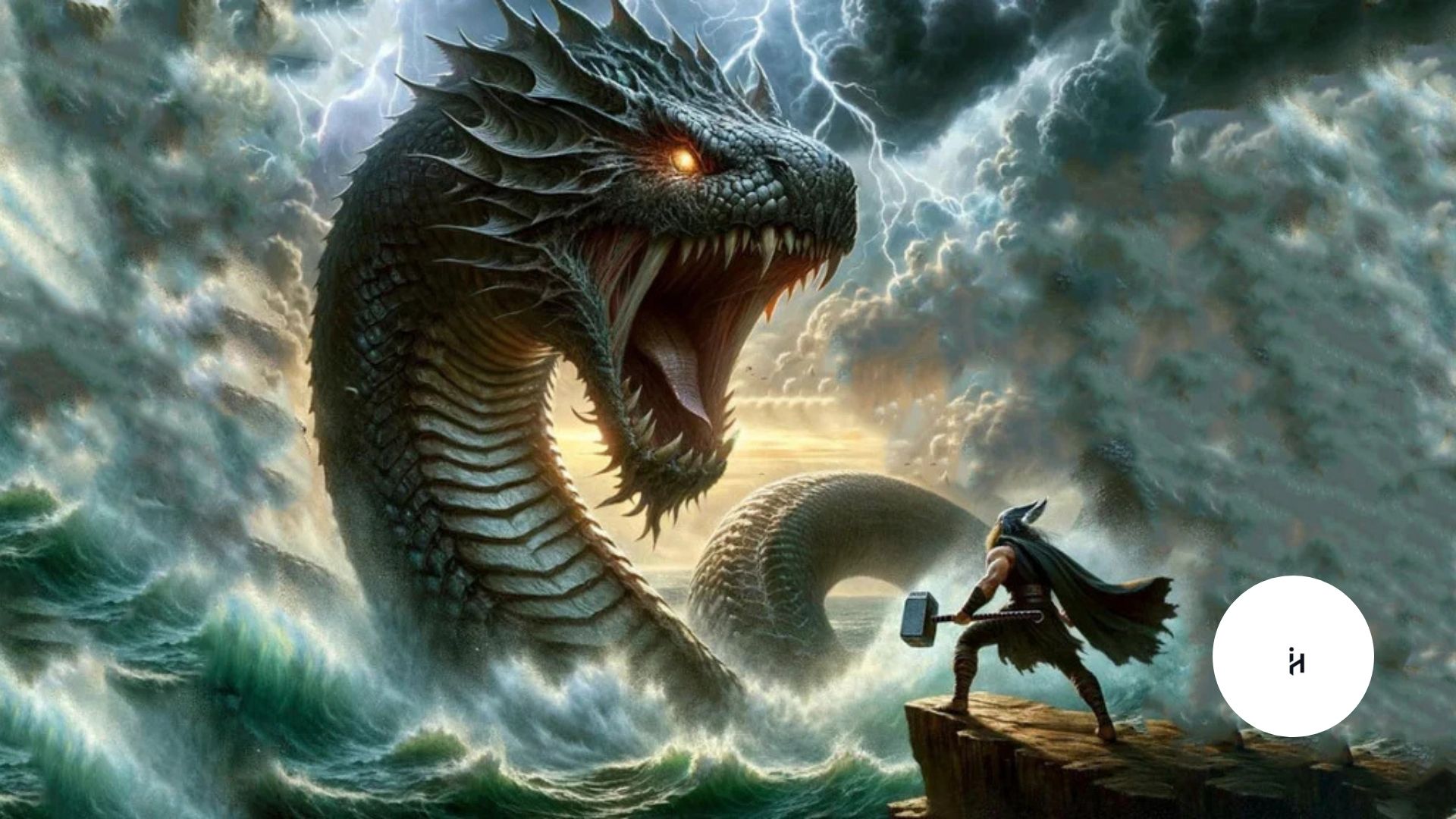
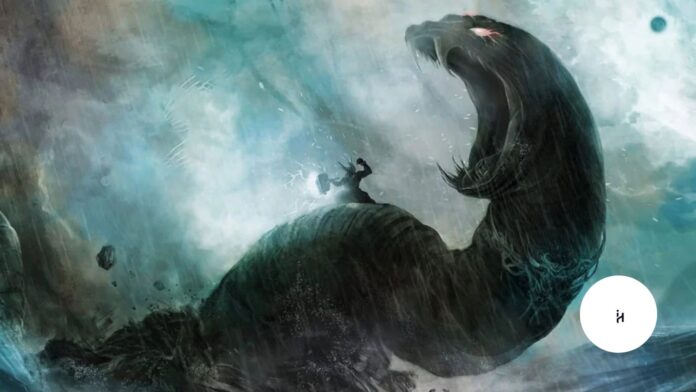
One of the most famous stories involving Jormungandr is his legendary feud with Thor, the god of thunder. In one myth, Thor attempts to fish Jormungandr out of the sea using an ox head as bait. When the serpent takes the bait, Thor manages to pull him to the surface, leading to an intense face-off.

Thor prepares to kill him with Mjolnir, his mighty hammer, but the giant Hymir, afraid of the consequences, cuts the line, allowing Jormungandr to return to the depths. Their battle is epic, representing the eternal struggle between cosmic forces in Norse mythology.

Jormungandr’s Role in Ragnarok

Ragnarok, the prophesied end of the world in Norse mythology, is when Jormungandr emerges from the ocean, releasing his tail and causing tidal waves and destruction. His appearance marks the beginning of the end.

During Ragnarok, he and Thor face off one final time. In this cataclysmic battle, Thor succeeds in slaying Jormungandr but only manages to walk nine steps before succumbing to the serpent’s deadly venom. This mutual destruction symbolizes the tragic beauty and inevitable cycle of life, death, and rebirth in Norse belief.

Symbolism of Jormungandr

Jormungandr is rich in symbolic meaning. The image of the serpent encircling the Earth evokes themes of eternity, wholeness, and the cyclical nature of time. He also represents chaos that lies beyond human control—a force that, though dormant for long periods, cannot be ignored.

As the embodiment of fearsome power, Jormungandr serves as a reminder of nature’s unpredictability and the limitations of even the gods. His interaction with Thor, and the balance it creates, underscores the Norse theme of inevitable fate—no one, not even gods, can escape their destiny.

Jormungandr in Norse Literature

References to Jormungandr appear in key Norse literary sources, including the Poetic Edda and the Prose Edda, both compiled in medieval Iceland. These texts describe his birth, his epic battles with Thor, and his role in Ragnarok.

Skaldic poetry and sagas also occasionally reference Jormungandr, portraying him as a terrifying and majestic figure. Scholars believe that Jormungandr was used in oral traditions to explain natural disasters, like storms and tidal waves, attributing these to the movements of the great serpent beneath the sea.

Jormungandr

Cultural Depictions Through the Ages

Over the centuries, Jormungandr has appeared in various cultural depictions—from ancient Viking carvings to modern literature and film. His image is often associated with the ouroboros, a serpent eating its own tail, though the two are conceptually distinct.

In modern fantasy and video games, Jormungandr continues to inspire awe, appearing in franchises such as God of War, Marvel Comics, and role-playing games like Dungeons & Dragons. His mythological depth and striking visuals make him a favorite in artistic and pop culture portrayals.

Jormungandr and Norse Cosmology

In Norse cosmology, the world is interconnected through various realms, and Jormungandr holds a unique position as a boundary figure. By encircling Midgard, he separates the human world from the chaotic seas.

He represents the fragile boundary between order and chaos, between civilization and destruction. His placement in the sea also connects him with Njord, the sea god, and Aegir, the giant of the sea, though he remains apart due to his monstrous origin. His very existence reinforces the Norse worldview of a finely balanced cosmos, always at risk of collapse.

Modern Interpretations of Jormungandr

In today’s interpretations, Jormungandr has taken on new meanings. Environmental narratives see him as a symbol of nature’s fury in response to human interference. Psychologists view him through a Jungian lens, identifying the serpent as a representation of the unconscious and inner chaos.

In storytelling, Jormungandr often serves as a metaphor for challenges too vast to overcome alone, representing the need for humility and respect toward greater forces. These reinterpretations keep the myth alive, transforming ancient legend into relevant modern insight.

Jormungandr in Popular Games and Media

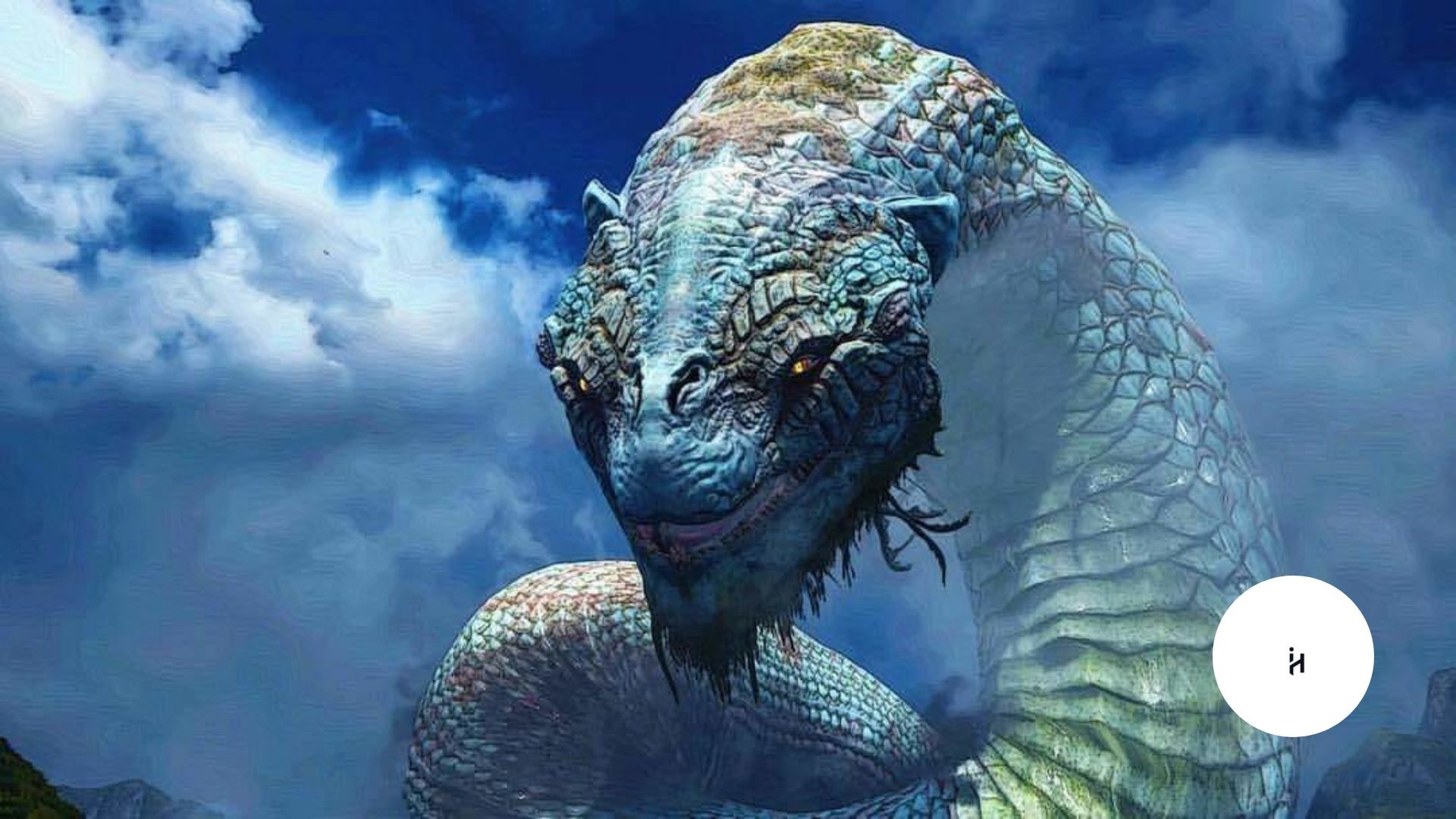
From Norse mythology to PlayStation screens, Jormungandr has made a massive impact in pop culture. In God of War (2018), he is portrayed as a massive but peaceful creature who aids the protagonist.

This depiction gives him a more nuanced character, emphasizing wisdom and cooperation rather than chaos alone. In comics, especially Marvel’s Thor series, he’s presented as a dangerous enemy, keeping true to traditional myth. These portrayals have ensured that the name Jormungandr remains etched in modern imagination, appealing to audiences of all ages.

Jormungandr

Legacy and Lasting Impact

Jormungandr’s legacy extends far beyond ancient myths. As a symbol of power, danger, and the eternal cycle of time, he continues to resonate in academic, artistic, and spiritual circles. His role in shaping Norse mythology is central, not only as a creature of destruction but as an agent of balance.

His final battle with Thor serves as a poetic metaphor for the costs of heroism and the unavoidable nature of fate. Whether seen as a myth, metaphor, or monstrous force, Jormungandr endures as one of mythology’s most compelling figures.

The Life and Poetry of Gerard Manley Hopkins

0
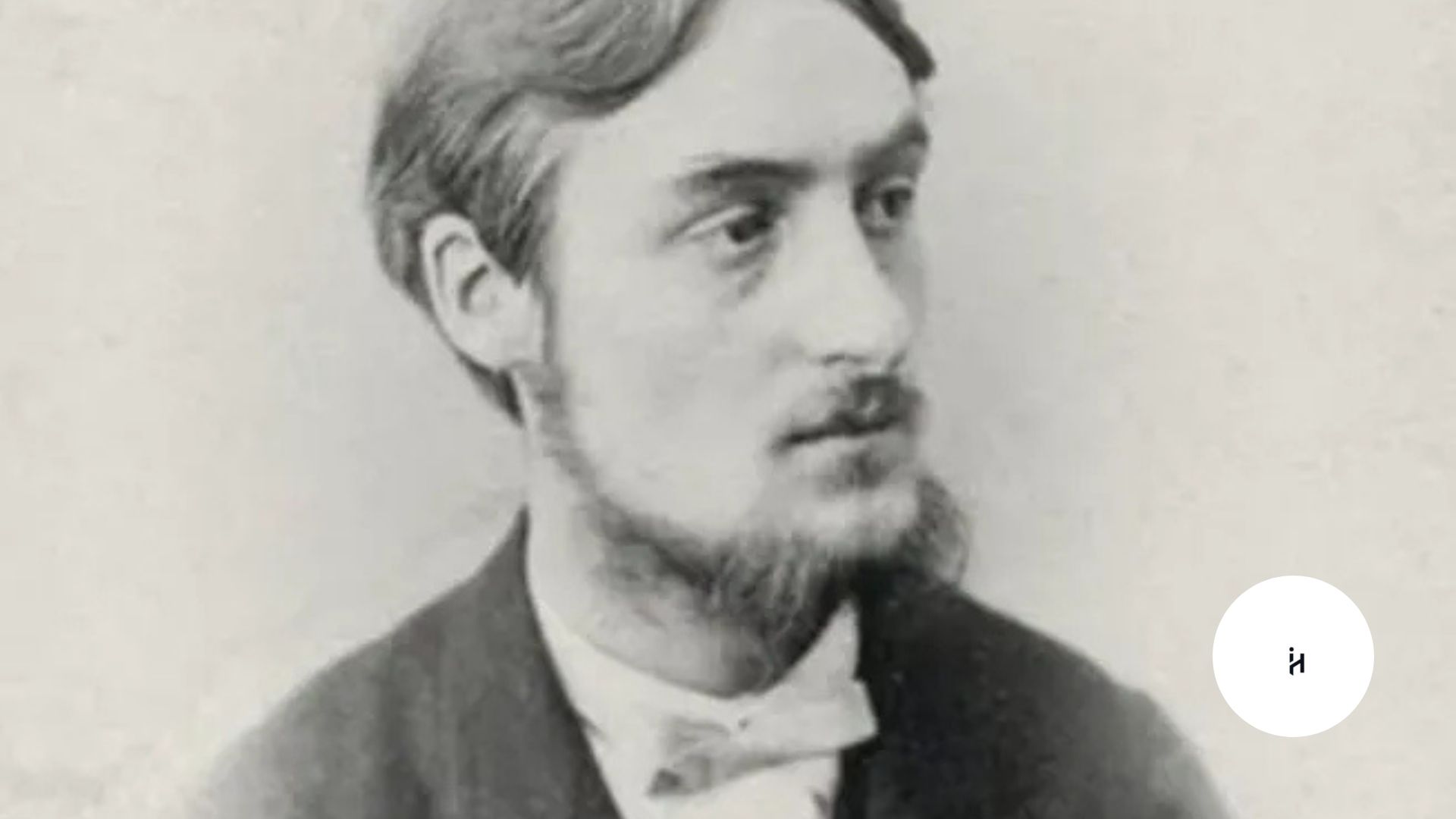
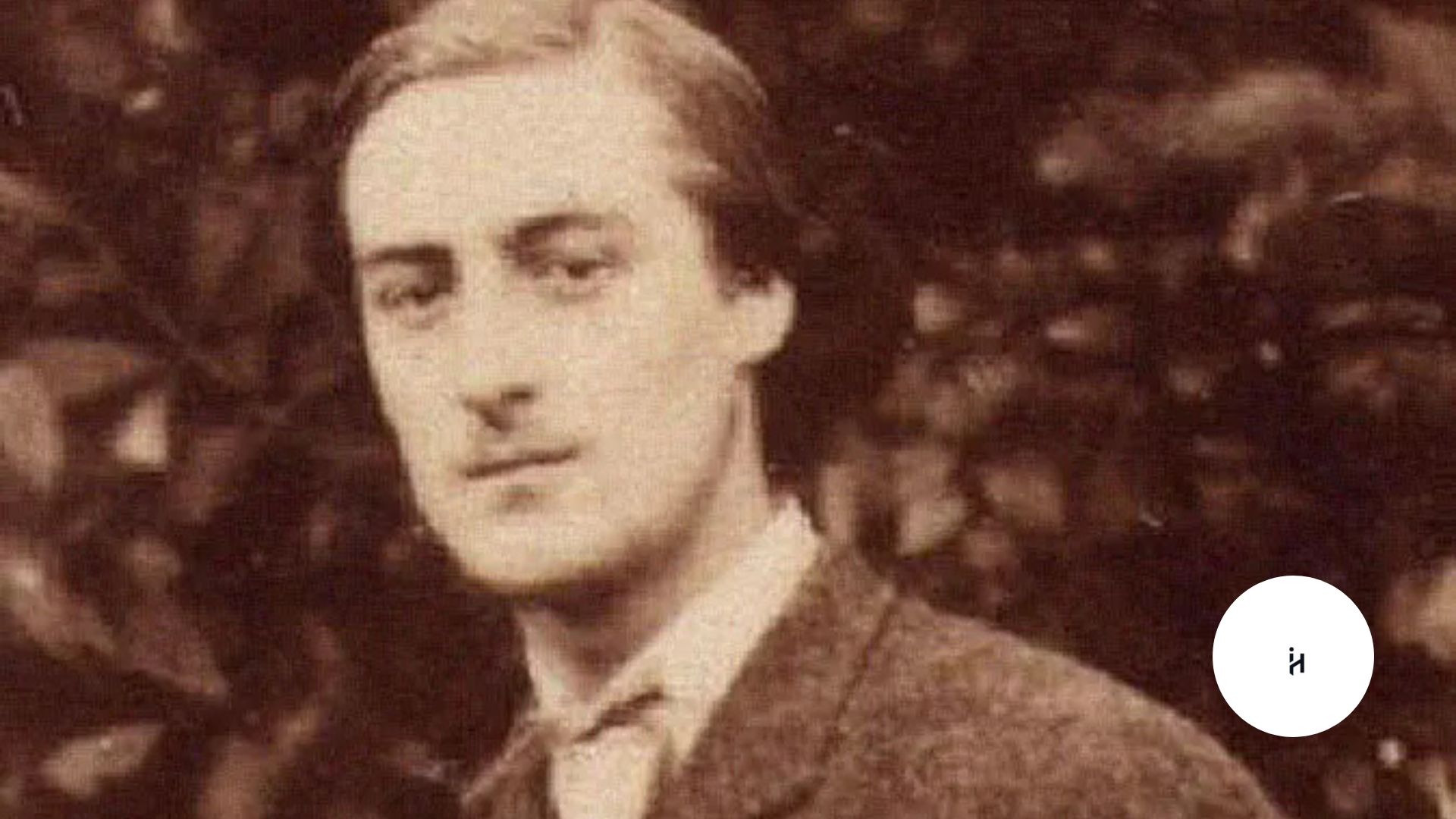
Gerard Manley Hopkins

Introduction to Gerard Manley Hopkins

Gerard Manley Hopkins, a name synonymous with religious intensity, vivid imagery, and innovative poetic technique, was one of the most remarkable poets of the Victorian era. Although his work did not gain widespread recognition during his lifetime, Hopkins’ poetry has since become a cornerstone of English literature. His work was revolutionary in terms of its meter, language, and themes, influencing generations of poets after him.

In this blog, we’ll delve into the life of Gerard Manley Hopkins, his distinctive poetic style, his religious convictions, and the lasting impact he left on the literary world. Join us as we explore his works, his faith, and how his poetry continues to resonate with readers today.

Early Life and Background of Gerard Manley Hopkins

Gerard Manley Hopkins

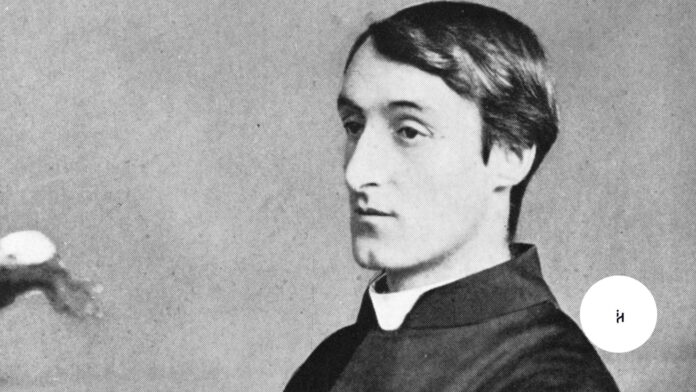
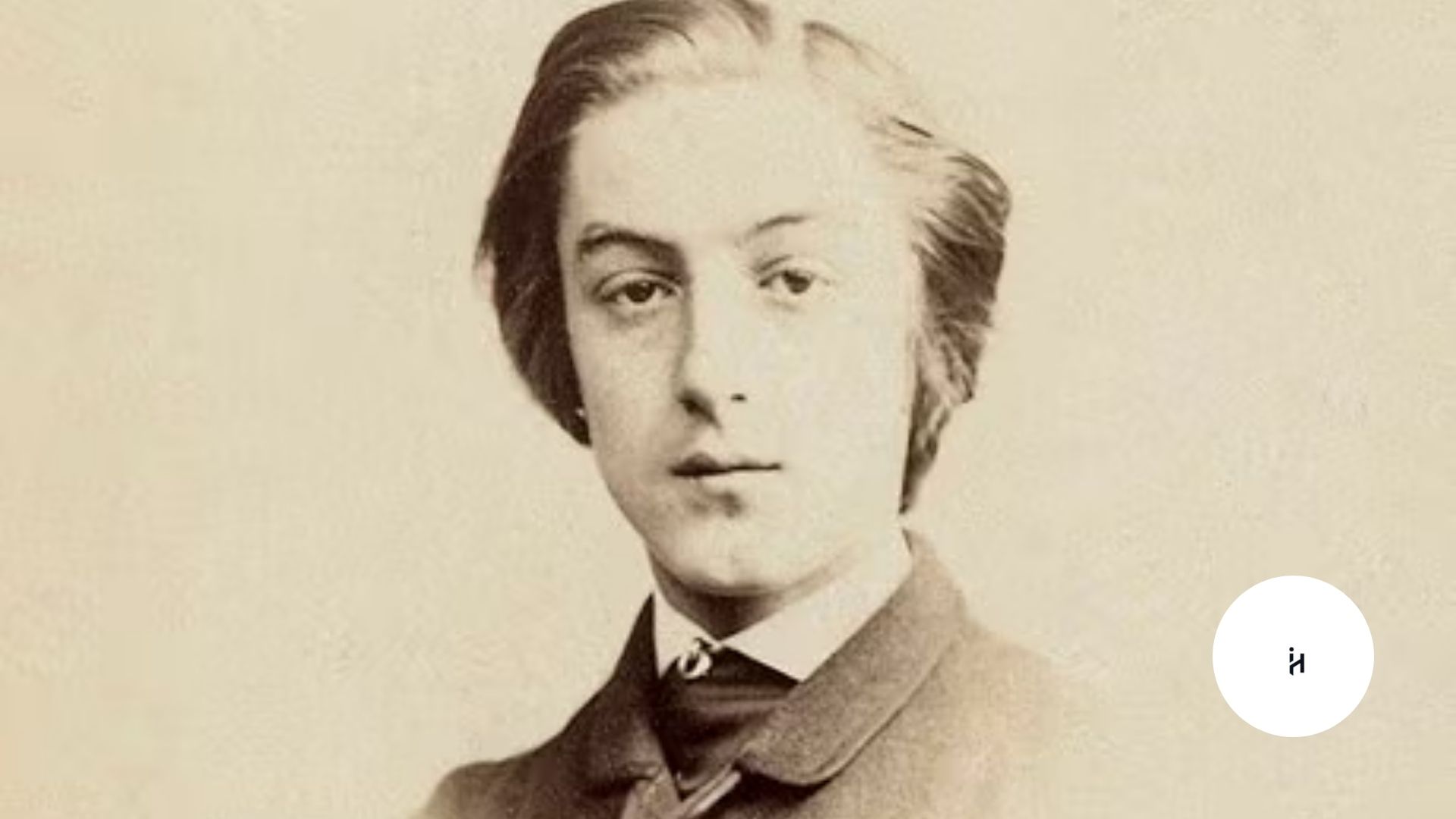
Gerard Manley Hopkins was born on July 28, 1844, in Stratford, London. The son of a successful marine insurance agent, he grew up in a well-to-do family with strong intellectual and artistic influences.

As a child, Hopkins showed an aptitude for both music and poetry, though it was his devotion to religion that shaped much of his later life and work. His family, particularly his mother, was a strong force in cultivating his deep Catholic faith, which would later become a central theme in his writing.

Hopkins attended Highgate School before enrolling at Oxford University, where he studied classics. It was during this time that his path toward religious vocation began to solidify. In 1866, after graduating, he made the life-changing decision to enter the Jesuit order, dedicating himself to both the Catholic Church and his poetic talents. This decision was pivotal in shaping Gerard Manley Hopkins as both a poet and a man of faith.

Gerard Manley Hopkins’ Religious Influence on His Poetry

Religion played a crucial role in the development of Gerard Manley Hopkins’ poetry. As a Jesuit priest, his spiritual beliefs were deeply intertwined with his creative expression. Unlike many poets of his time who rejected religious themes, Hopkins embraced them, creating a body of work that blends devout Catholicism with a poetic exploration of God’s creation. His poems often reflect his awe and reverence for nature, which he saw as a manifestation of God’s divine presence.

One of Hopkins’ most famous works, The Wreck of the Deutschland, serves as a perfect example of how his faith and poetry are inseparable. The poem was inspired by the tragic sinking of a German ship and contains vivid descriptions of nature and divine suffering, reflecting Hopkins’ attempt to reconcile human suffering with God’s purpose.

The Development of Hopkins’ Unique Poetic Style

Gerard Manley Hopkins’ poetry is distinguished by its innovative use of language and rhythm. He developed a style known as sprung rhythm, a meter that breaks away from traditional iambic patterns and more closely mimics natural speech. This technique, although not widely appreciated during his lifetime, gave his poetry a dynamic and modern feel, marking it as ahead of its time.

Alongside sprung rhythm, Hopkins also used complex imagery, alliteration, and inventive word choices to give his poems a heightened emotional intensity. His poems often feature striking, almost cinematic imagery, making them feel vivid and alive. His mastery of language allowed him to communicate complex religious, philosophical, and natural themes in ways that were both profound and accessible.

“The Wreck of the Deutschland”: A Poem of Suffering and Faith

Perhaps Gerard Manley Hopkins’ most iconic poem, The Wreck of the Deutschland, is a powerful expression of his religious beliefs and poetic genius. Written in 1875, the poem tells the story of a shipwreck that claimed the lives of five Franciscan nuns. Hopkins was deeply moved by the tragedy, and the poem explores themes of divine suffering, faith, and the mystery of God’s will.

In The Wreck of the Deutschland, Hopkins uses his signature sprung rhythm and intricate wordplay to convey the harrowing emotional and spiritual dimensions of the event. The poem also marks a significant moment in Hopkins’ career, as it reflects the tension between his intellectual and emotional responses to religious tragedy.

Themes of Nature and the Divine in Hopkins’ Work

Nature is another central theme in Gerard Manley Hopkins’ poetry, with the poet often using the natural world as a metaphor for divine presence. For Hopkins, nature was a direct reflection of God’s glory. His poems feature lush descriptions of landscapes, animals, and seasons, yet these depictions are always imbued with spiritual significance.

In poems such as Pied Beauty, Hopkins celebrates the diversity and beauty of the natural world, acknowledging that all things are a reflection of God’s design. The poem is an excellent example of his ability to blend religious devotion with a deep appreciation for the material world.

Gerard Manley Hopkins and His Struggle with Doubt

Gerard Manley Hopkins

Despite his deep religious convictions, Gerard Manley Hopkins was not immune to doubt and inner turmoil. His life was marked by spiritual conflicts and periods of doubt about his faith, which are reflected in many of his poems. He often grappled with the idea of suffering and the silence of God, themes that are explored in poems like No Worst, There Is None and The Terrible Sonnets.

These poems, written during a time of personal crisis, reveal a man wrestling with despair and feelings of abandonment. Yet, despite these struggles, Hopkins’ faith remained steadfast, and his poems often resolve in a quiet acceptance of divine will. This tension between doubt and faith is one of the most compelling aspects of Gerard Manley Hopkins’ work.

The Influence of Gerard Manley Hopkins on Modern Poetry

Gerard Manley Hopkins’ innovative style and theological themes had a profound impact on modern poetry. His use of sprung rhythm influenced poets like T.S. Eliot and W.H. Auden, who admired Hopkins’ ability to create dynamic, forceful rhythms. His striking imagery and use of nature also inspired poets in the 20th century, particularly those associated with the modernist movement.

Though his poetry was not widely known during his lifetime, Hopkins’ work gained recognition in the early 20th century, when it began to receive more critical attention. Today, Gerard Manley Hopkins is regarded as one of the most important poets of the Victorian era, and his influence continues to shape the world of poetry.

Hopkins’ Legacy and Recognition

It wasn’t until after Gerard Manley Hopkins’ death in 1889 that his poetry began to gain the widespread recognition it deserved. His work was initially kept in a private collection by his close friend Robert Bridges, who eventually published many of Hopkins’ poems posthumously. These works were met with critical acclaim, and Hopkins was posthumously hailed as a genius.

Today, Gerard Manley Hopkins is considered one of the most significant figures in English poetry. His work is studied in schools and universities around the world, and his poetic innovations have left a lasting impact on literary history.

Gerard Manley Hopkins’ Correspondence and Personal Writings

In addition to his poetry, Gerard Manley Hopkins’ letters and journals provide valuable insight into his life and thoughts. His correspondence with friends, fellow priests, and fellow poets offers a glimpse into the mind of a man deeply committed to both his faith and his craft.

These personal writings reveal Hopkins’ struggles with his identity as a poet and a priest. They also highlight the deep emotional and intellectual complexity that informs his poetry. Hopkins’ letters continue to be a rich source of study for those interested in understanding the man behind the poems.

The Importance of Gerard Manley Hopkins in Victorian Literature

Gerard Manley Hopkins stands out in Victorian literature for his intense religiosity, innovative language, and ability to capture the beauty and terror of human existence. While many Victorian poets focused on social or political themes, Hopkins’ work was more introspective, dealing with personal faith, the mystery of God, and the beauty of nature.

Gerard Manley Hopkins

This distinctive approach made Hopkins a unique figure in the literary landscape of his time. His poetry broke with the conventions of the Victorian period and laid the groundwork for later literary movements, including modernism. Hopkins’ lasting impact on literature cannot be overstated.

Conclusion: Gerard Manley Hopkins’ Timeless Poetry

Gerard Manley Hopkins‘ poetry continues to captivate readers today, offering a unique blend of religious devotion, personal struggle, and vibrant imagery. His innovative style and exploration of faith, doubt, and nature make him a poet whose work is as relevant today as it was in his time.

Through his groundbreaking use of sprung rhythm and his profound engagement with religious themes, Gerard Manley Hopkins reshaped the landscape of English poetry. His work remains a testament to the power of poetry to convey the deepest human experiences and emotions.

Exploring the Concept of Titania Sleeping

0
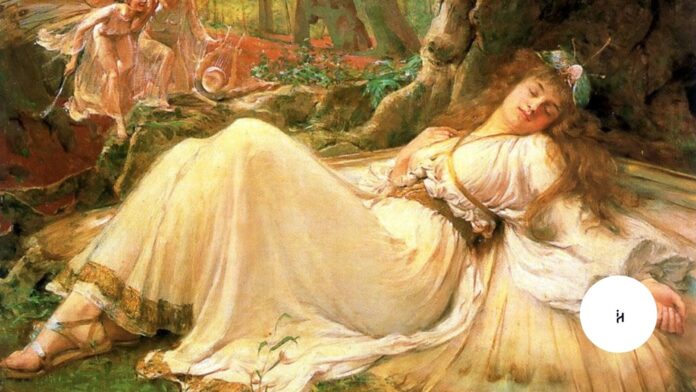
Titania Sleeping

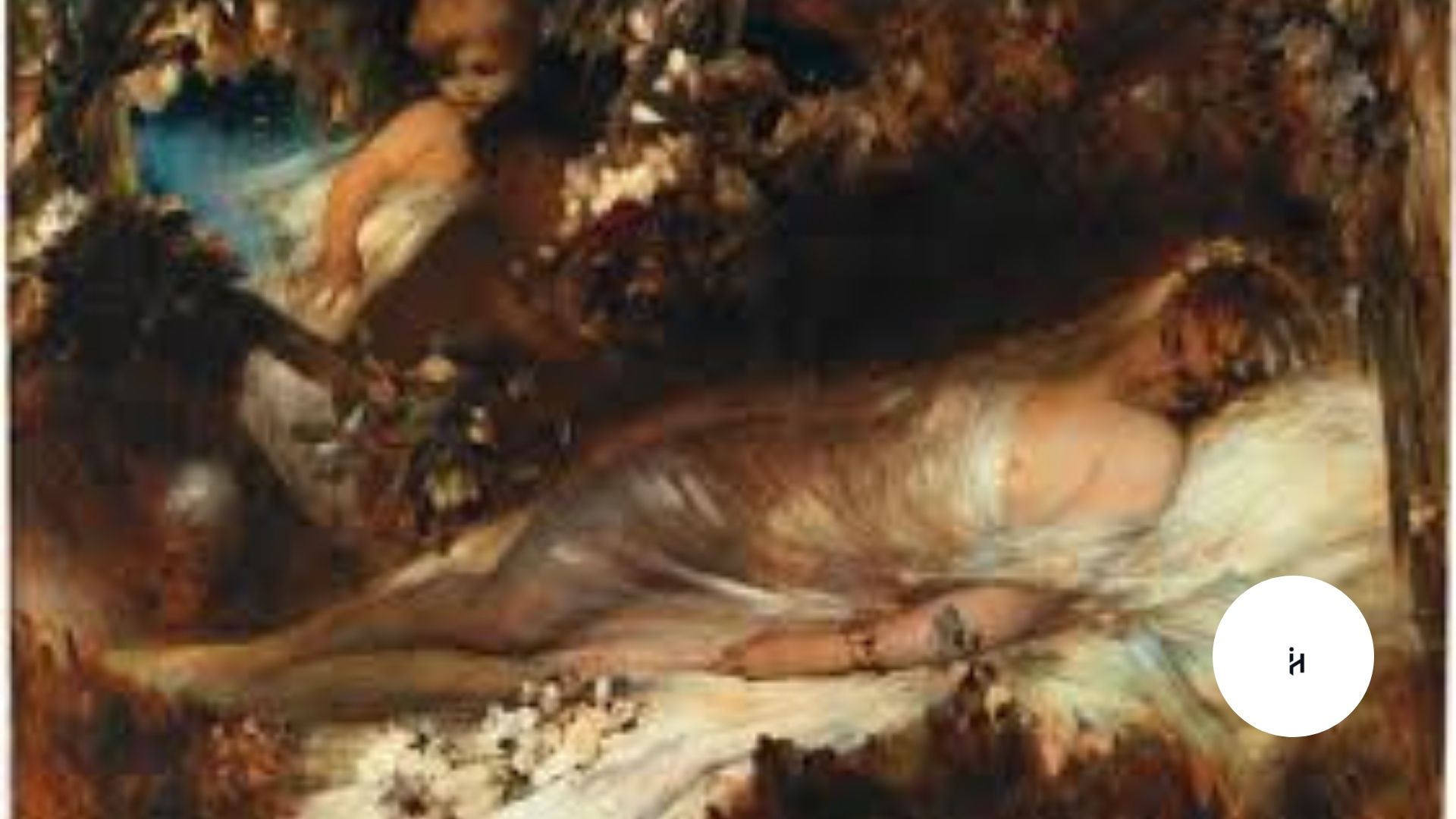
Titania sleeping is an intriguing concept that has piqued the curiosity of many over the years. Often associated with the world of dreams, myths, and the mystical nature of sleep, Titania sleeping has become a topic of fascination in both modern science and ancient folklore.

This blog aims to provide a deep dive into what Titania sleeping is, its origins, and its cultural significance. By the end of this guide, you will understand the many layers of Titania sleeping and how it relates to our understanding of sleep, dreams, and the subconscious.

What Is Titania Sleeping?

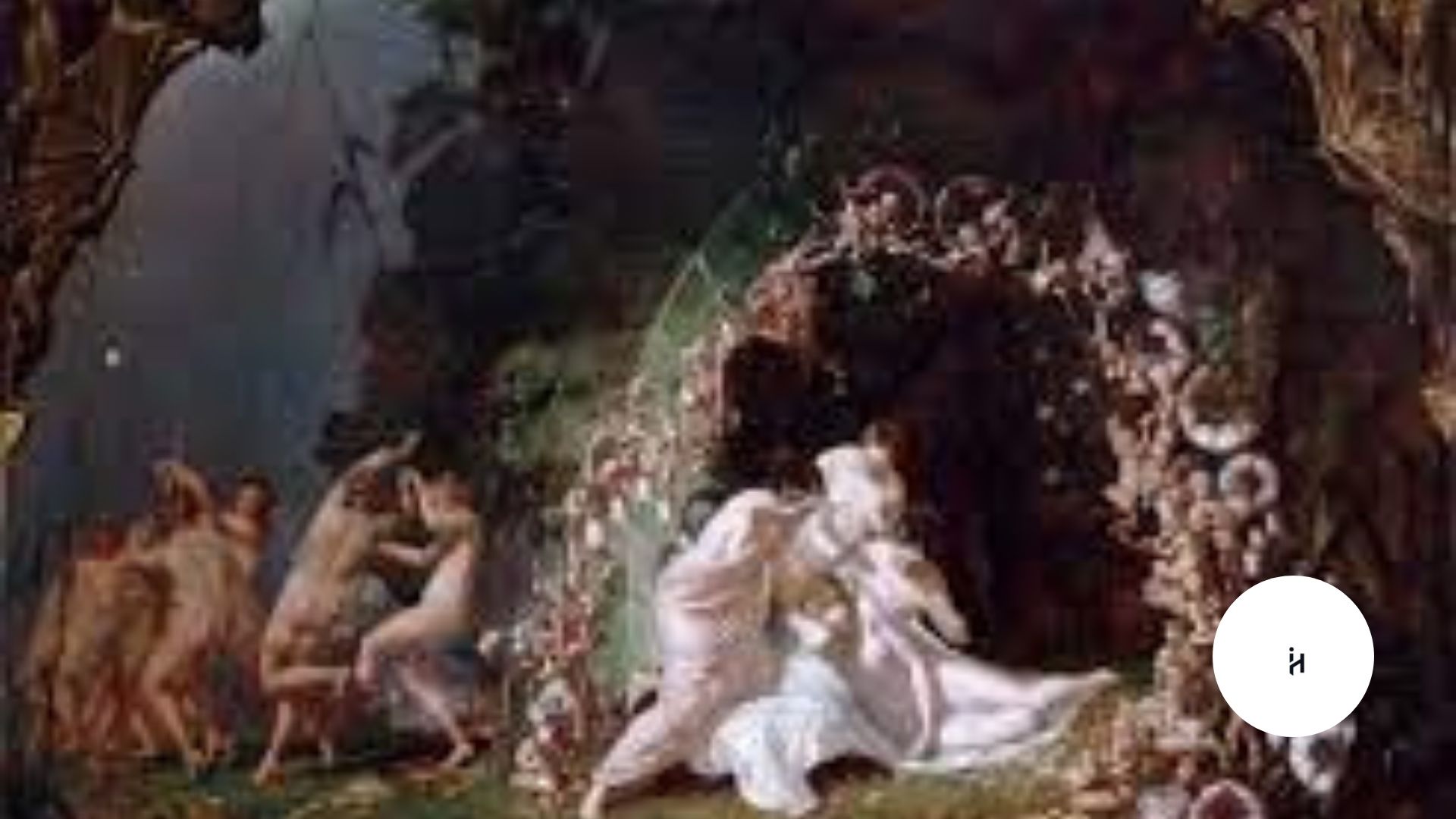
Titania Sleeping

Titania sleeping is not just a simple term; it encompasses a wide range of meanings depending on the context in which it is used. From Shakespearean references to modern interpretations in sleep research, Titania sleeping can mean different things to different people. In general, it refers to a unique state of sleep or a mythical sleep that takes place under very specific conditions. This section will examine the different interpretations of Titania sleeping across various cultures and practices.

Historical Roots of Titania Sleeping

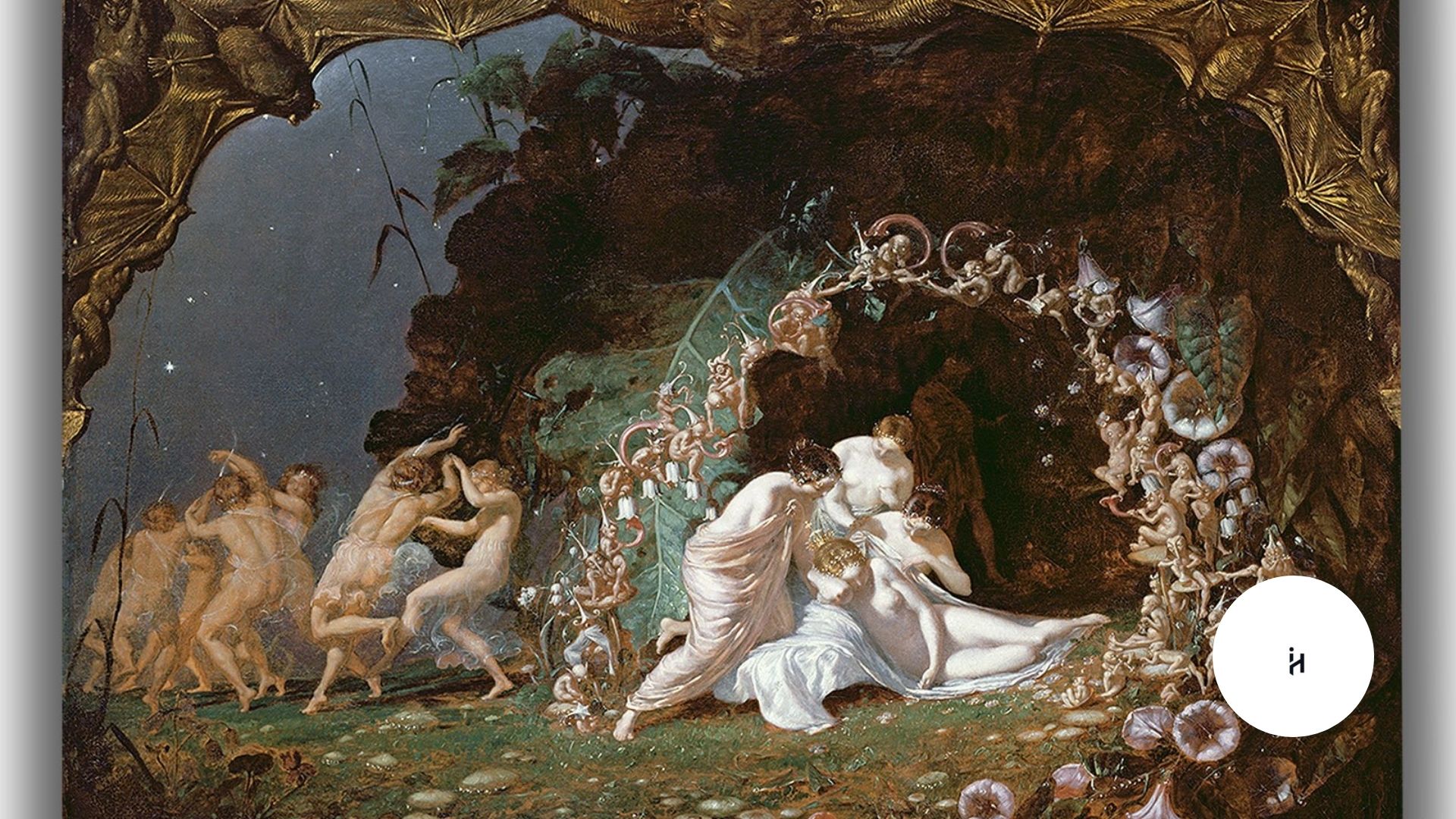
The roots of Titania sleeping can be traced back to various mythologies, with the most notable reference found in William Shakespeare’s play A Midsummer Night’s Dream. In this play, Titania is the queen of the fairies, who falls under a magical spell, causing her to fall into an eternal slumber.

This connection to sleep and its mysterious nature in Shakespeare’s work is one of the earliest references to Titania sleeping. Understanding this historical foundation can give us insights into how the concept has evolved over time.

Titania Sleeping and Its Relation to Dream Interpretation

One of the most fascinating aspects of Titania sleeping is its relationship to dreams. In many cultures, sleep is considered a gateway to the subconscious, and dreams hold significant meaning. Titania sleeping is often associated with vivid dreams and altered states of consciousness. This section will explore how Titania sleeping is believed to impact the dreaming process, how it relates to lucid dreaming, and the role it plays in understanding our subconscious mind.

The Role of Titania Sleeping in Modern Sleep Research

Modern sleep research has begun to explore the effects of different sleep stages and their connection to the deep, restorative qualities of sleep. Titania sleeping, though not a scientific term, has parallels with certain sleep cycles, such as REM (Rapid Eye Movement) sleep, where dreams are most vivid and intense.

This section will delve into how Titania sleeping can be viewed in the context of modern sleep science, particularly in relation to the deep restorative states that are critical for overall well-being.

Titania Sleeping and Its Influence on Literature and Art

Throughout history, Titania sleeping has influenced various works of literature, art, and performance. The image of a sleeping figure, often in a magical or mysterious state, has been a recurring motif in art and storytelling.

From the fairy-tale imagery in Shakespeare’s work to its use in contemporary visual arts, Titania sleeping evokes powerful symbolism. This section will examine how artists and writers have used Titania sleeping as a theme in their works, contributing to its enduring popularity in modern culture.

The Mythological and Magical Aspect of Titania Sleeping.

Titania Sleeping

In mythology, sleep often symbolizes death, rebirth, or transformation. Titania sleeping carries strong magical connotations, especially due to its association with the fairy realm in A Midsummer Night’s Dream.

In this context, Titania’s sleep can be seen as a metaphor for the magical transformation that occurs when one enters into an altered state. This section will explore the deeper mythological meanings of Titania sleeping and its connections to various magical traditions, including its role in invoking a state of spiritual awakening.

Titania Sleeping and Its Psychological Significance

Psychologically, Titania sleeping can be viewed as a powerful metaphor for escapism, surrender, and the need for healing. Many individuals who experience trauma or emotional turmoil may seek refuge in the metaphorical sleep of Titania, where they can withdraw from the stresses of the world. This section will explore the psychological significance of Titania sleeping as it relates to healing, personal transformation, and the role of sleep in mental health.

Practical Applications of Titania Sleeping

While Titania sleeping remains largely a mystical concept, its metaphorical and practical implications are significant in the realm of self-care. The idea of “sleeping like Titania” can represent the pursuit of restorative and rejuvenating sleep, one that allows an individual to wake up refreshed, balanced, and ready to face challenges.

This section will provide tips on achieving a more restful, fulfilling sleep, inspired by the qualities of Titania sleeping, such as peacefulness, dream enhancement, and emotional healing.

Titania Sleeping in Popular Culture

Over the years, Titania sleeping has become a reference point in pop culture, especially in books, movies, and television shows. The image of a sleeping beauty, cursed or enchanted, resonates with audiences for its timeless appeal.

Titania sleeping has influenced modern portrayals of sleep in fantasy genres and beyond. In this section, we will look at how Titania sleeping has been adapted in contemporary pop culture, from films to novels, and how its significance has changed over time.

Titania Sleeping

Conclusion: Embracing the Power of Titania Sleeping

In conclusion, Titania sleeping is much more than a concept tied to ancient myths and stories. It has evolved to become a symbol of the transformative and restorative power of sleep. Whether viewed through the lens of literature, psychology, or modern science, Titania sleeping serves as a reminder of the profound impact that sleep can have on our lives. By understanding the deeper meanings and significance of Titania sleeping, we can better appreciate the importance of sleep in our overall health and well-being.