Home Blog Page 430

The Battle of Saratoga: A Defining Moment in American History

0
The Battle of Saratoga

The Battle of Saratoga is one of the most significant battles in American history. Fought in 1777 during the American Revolutionary War, this major conflict marked the turning point in the colonies’ fight for independence from Great Britain. The victory not only boosted American morale but also encouraged foreign nations like France to recognize the American cause and offer military support.

Located in upstate New York, the battlefield was strategically important because it controlled the route from Canada to the Hudson River Valley. The British planned to isolate New England from the other colonies, aiming to crush the rebellion by dividing and conquering.

The Battle of Saratoga actually consisted of two key battles fought eighteen days apart: the Battle of Freeman’s Farm and the Battle of Bemis Heights. These engagements involved thousands of troops, careful military strategies, and intense combat that ultimately led to the British surrender.

This article will explore the background, strategies, key figures, and long-term effects of the Battle of Saratoga, providing a thorough understanding of why it remains such a critical chapter in U.S. history.

Background and Causes Leading to the Battle of Saratoga

The roots of the Battle of Saratoga trace back to Britain’s failed strategy of suppressing the American colonies through overwhelming force. In 1777, British General John Burgoyne proposed a three-pronged attack. His idea was to move troops southward from Canada, while other British forces would come from the west and south, meeting at Albany, New York.

The Battle of Saratoga

However, communication and coordination among the British commanders failed miserably. General Howe moved his troops toward Philadelphia instead of heading north, while another contingent under Barry St. Leger was defeated at Fort Stanwix.

Meanwhile, American forces under General Horatio Gates and Benedict Arnold prepared defenses in the Saratoga region. The geographical importance of the Hudson River Valley made it a prime target. Control over the area would allow the British to cut off New England, the hotbed of revolutionary activity, from the rest of the colonies.

As Burgoyne moved his army slowly through thick wilderness, supply lines became overextended. Patriot militias harassed them constantly. This weakening of British resources and morale set the stage for the eventual clash at Saratoga.

The stage was now set for the Battle of Saratoga, where strategy, terrain, and patriot resistance would combine to shape history.

Key Figures in the Battle of Saratoga

The Battle of Saratoga saw the involvement of some of the most important military figures of the American Revolutionary War. On the American side, General Horatio Gates served as the commanding officer, although much credit goes to General Benedict Arnold and Colonel Daniel Morgan for their tactical brilliance during the battle.

Benedict Arnold, who would later become infamous for his betrayal, played a vital role in the American victory at Saratoga. His aggressive leadership style clashed with Gates’ more reserved approach, but his bold charges during the battle helped break the British lines.

Daniel Morgan, another American hero, led a group of sharpshooters and frontiersmen who were key in disrupting British formations and taking out key officers from a distance.

On the British side, General John Burgoyne led the campaign. Known as “Gentleman Johnny” for his aristocratic demeanor, Burgoyne’s overconfidence and slow progress through New York wilderness became fatal flaws.

The interactions between these leaders, their decisions on the battlefield, and their leadership styles all contributed to the outcome of the Battle of Saratoga, making them indispensable parts of the story.

The Battle of Freeman’s Farm

The first engagement in the Battle of Saratoga was the Battle of Freeman’s Farm, fought on September 19, 1777. It was a fierce and bloody encounter between Burgoyne’s army and American forces under Gates and Arnold.

Burgoyne aimed to move south toward Albany, but American troops intercepted him near a clearing called Freeman’s Farm. Although the British technically held the field at the end of the day, the American forces inflicted significant casualties.

Daniel Morgan’s sharpshooters played a crucial role by picking off key British officers, disrupting their command and control. The terrain worked in the Americans’ favor, allowing them to launch ambushes and disappear into cover.

Benedict Arnold’s leadership during this battle was aggressive and effective. However, his strained relationship with Gates led to disputes that would affect their cooperation during the rest of the campaign.

Though not a decisive victory, Freeman’s Farm weakened the British and set the stage for the next major confrontation in the Battle of Saratoga series.

The Battle of Bemis Heights

The second engagement, the Battle of Bemis Heights, took place on October 7, 1777. This clash proved to be the decisive moment in the Battle of Saratoga. The British, now low on supplies and desperate for a breakthrough, launched a final assault on the American positions.

This time, American forces, under Arnold’s unofficial command, launched a powerful counterattack. Ignoring orders and riding into battle, Arnold led his men with unmatched bravery. His charge broke through British lines, captured enemy fortifications, and forced a full retreat.

Arnold was wounded in the leg during this battle, but his leadership was instrumental in achieving victory. The British were routed, demoralized, and surrounded.

This victory sealed the fate of Burgoyne’s army, and just ten days later, he would surrender. The Battle of Bemis Heights was the climax of the Battle of Saratoga and proved that the Americans could defeat one of the world’s strongest armies in a set-piece battle.

Surrender of General Burgoyne

The Battle of Saratoga

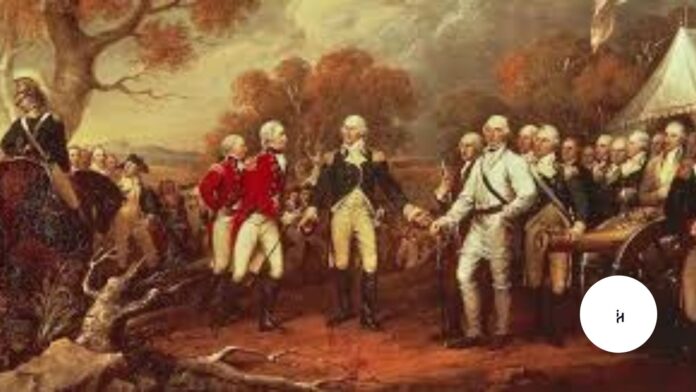
On October 17, 1777, British General John Burgoyne surrendered his entire army to the American forces, marking the official end of the Battle of Saratoga. The surrender took place at Saratoga, New York, and it was a public and humiliating event for the British.

Burgoyne signed the “Convention of Saratoga,” agreeing to withdraw his troops under certain terms. However, the American Congress later invalidated the terms, and many of the captured British troops were imprisoned instead of being allowed to return to Britain.

The surrender was symbolic and strategic. It marked the first time a British army had surrendered to American forces, showcasing the strength and legitimacy of the Continental Army. The news spread like wildfire through the colonies, lifting morale and invigorating the revolutionary cause.

The Battle of Saratoga, with its successful culmination in Burgoyne’s surrender, became a crucial turning point. It convinced France and other foreign nations that the Americans had a real chance at victory.

Role of French Alliance Post-Saratoga

One of the most important consequences of the Battle of Saratoga was the diplomatic impact it had internationally, especially with France. The French had been watching the American struggle for independence with interest but were reluctant to fully commit to a lost cause.

After the American victory at Saratoga, France was finally convinced that the colonies could potentially win the war. In 1778, France officially entered the war on the side of the Americans. They provided naval support, supplies, troops, and financial aid.

This foreign alliance shifted the balance of power significantly. Britain now had to fight a global war, defending not just in North America but also in Europe, the Caribbean, and Asia. Spain and the Dutch Republic would also join the war effort later.

The Battle of Saratoga directly led to this critical alliance, which would eventually help the Americans secure ultimate victory at Yorktown in 1781.

Impact of the Battle of Saratoga on the Revolutionary War

The Battle of Saratoga changed the course of the American Revolutionary War in profound ways. Before this victory, American forces had faced a string of setbacks and uncertainty. Saratoga demonstrated that the Continental Army, with strategic planning and strong leadership, could defeat the superior British forces.

This pivotal battle shattered British hopes of a quick end to the rebellion. The British strategy of isolating New England failed miserably. They underestimated the resilience of the American militias and the natural difficulties of the New York wilderness.

For the Americans, the psychological and strategic value of this victory was enormous. It reinvigorated both the troops and the civilian population. Enlistments increased, and public support for the war effort surged.

Internationally, the Battle of Saratoga showed that the American Revolution had substance. The French alliance was a direct result, but it also encouraged other nations to recognize American independence. This shifted the entire geopolitical landscape of the 18th century.

Moreover, the battle taught important military lessons in guerrilla tactics, frontier warfare, and how coordination between local militias and the Continental Army could yield extraordinary results.

Benedict Arnold’s Controversial Role

Although remembered later for his betrayal, Benedict Arnold was one of the heroes of the Battle of Saratoga. His tactical instincts and fearless charges during both Freeman’s Farm and Bemis Heights contributed greatly to the American victory.

However, Arnold’s relationship with General Horatio Gates was strained. Gates, more cautious and political, tried to downplay Arnold’s role and eventually relieved him of his command before Bemis Heights. Defying orders, Arnold entered the battle anyway, rallying troops and leading a critical charge that broke British lines.

Arnold was seriously wounded during the fight, suffering a leg injury that ended his field career. Despite this, Gates received most of the credit for the victory in official reports.

This frustration with how he was treated at Saratoga planted the seeds for Arnold’s later betrayal. In 1780, he famously switched sides, offering to surrender West Point to the British. While his treason tarnished his name, historians continue to acknowledge his essential contribution to the Battle of Saratoga.

Arnold’s actions at Saratoga serve as a reminder that even heroes can fall, but their deeds, both good and bad, shape the fabric of history.

The Battlefield Today: Saratoga National Historical Park

The site of the Battle of Saratoga has been preserved as the Saratoga National Historical Park in Stillwater, New York. Established in 1938, the park commemorates the battle and educates visitors on its historical importance.

Spanning over 3,000 acres, the park includes battlefield grounds, memorials, monuments, and visitor centers. Guided tours and exhibits offer a step-by-step recount of the battle’s progress. The Boot Monument, for instance, honors Benedict Arnold’s injured leg, symbolizing his bravery while omitting his name due to his later treason.

Each year, thousands of visitors walk the same grounds where history was made. The park’s trails, restored redoubts, and interpretive signage provide a vivid look into the strategic locations used by both American and British forces.

Reenactments and educational events bring the history of the Battle of Saratoga to life. Schools, historians, and patriotic citizens alike visit the park to gain insight into this monumental clash that helped define American independence.

The preservation of this battlefield ensures that future generations will remember the sacrifices and strategies that led to a revolutionary victory.

The Battle of Saratoga

Legacy and Historical Significance of the Battle of Saratoga

The Battle of Saratoga stands as one of the most defining moments in American history. It wasn’t just a military triumph—it symbolized the birth of a nation’s confidence, determination, and unity.

This battle proved that the American colonies were not merely rebellious subjects, but a force capable of challenging and defeating a global empire. The surrender of an entire British army shocked the world and forced Britain to reconsider its approach to the conflict.

The battle’s outcome set the wheels in motion for international diplomacy, foreign alliances, and ultimately, American independence. It also helped to forge American military traditions and leadership structures that would evolve into today’s armed forces.

In modern times, the Battle of Saratoga is studied not just for its battlefield tactics, but for its broader implications in revolutionary strategy, alliance-building, and morale warfare.

It is frequently cited in military academies and leadership courses as an example of how underdog forces, with the right mix of courage, innovation, and purpose, can overcome even the most formidable enemies.

As we reflect on American freedom and identity, the Battle of Saratoga remains a proud and powerful symbol of resilience and victory.

Conclusion

The Battle of Saratoga was more than just a military engagement—it was the moment that redefined the American Revolution. From its causes and leaders to its consequences and legacy, Saratoga represents the power of unity, courage, and vision. Without this victory, American independence may never have been realized.
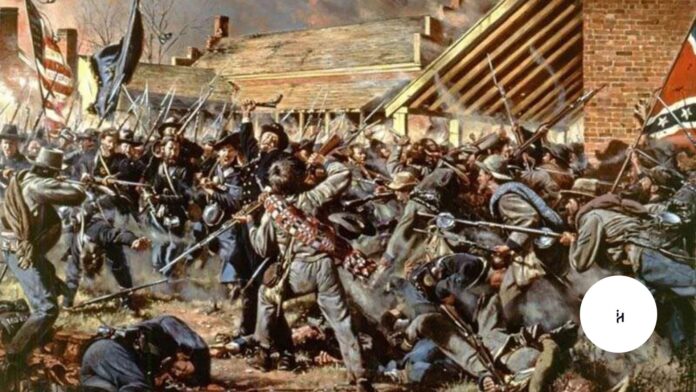
American Battlefield Trust: Preserving America’s Hallowed Ground

0
American Battlefield Trust

The American Battlefield Trust is a nonprofit organization dedicated to the preservation of America’s historic battlefields, especially from the Revolutionary War, the War of 1812, and the Civil War. With a mission rooted in safeguarding the memory of those who fought and died on these sacred sites, the Trust plays an essential role in conserving American heritage. Through educational programs, advocacy, and land preservation, the organization has become a powerful force in protecting the legacy of American democracy and freedom.

The History and Founding of the American Battlefield Trust

American Battlefield Trust

The American Battlefield Trust was formed through the merger of multiple organizations, with roots going back to the 1980s. Originally focused solely on Civil War battlefields, the Trust expanded its mission to include Revolutionary War and War of 1812 sites. This strategic growth has allowed the organization to address a broader historical narrative.

The merging of the Civil War Trust with the Campaign 1776 initiative in 2018 marked a new era for the Trust, solidifying its role as the nation’s premier battlefield preservation organization. The Trust’s founders envisioned a future where American citizens could stand on the very ground where history was made, and today, that vision continues to thrive.

Mission and Vision of the American Battlefield Trust

The core mission of the American Battlefield Trust is to preserve significant battlefield lands and to educate the public about the battles that shaped America. The organization seeks to ensure that future generations can learn about the price of freedom by physically experiencing these historic locations.

Its vision extends beyond simple conservation; it includes public engagement, education, and legislative advocacy. The Trust envisions a nation where history is not only remembered but experienced firsthand. This mission resonates with teachers, veterans, historians, and patriots who recognize the invaluable lessons that battlefield preservation provides.

Preservation of Civil War Battlefields

One of the major contributions of the American Battlefield Trust has been the preservation of over 55,000 acres of Civil War battlefields. These lands are not merely scenic locations; they are the actual grounds where soldiers clashed during one of the most defining conflicts in American history.

The Trust works in partnership with local communities, landowners, and government entities to acquire and protect these parcels of land. Preservation is often a race against time, as development pressure threatens to erase historic sites forever. The Trust’s efforts have helped maintain the integrity of famous battlefields such as Gettysburg, Antietam, and Fredericksburg.

Revolutionary War and War of 1812 Preservation Efforts

In addition to Civil War sites, the American Battlefield Trust has expanded its preservation initiatives to include key locations from the Revolutionary War and the War of 1812. These conflicts played a crucial role in the birth and defense of the American nation. By protecting places like Princeton, Cowpens, and Yorktown, the Trust ensures that the sacrifices made for independence and early liberty are honored.

Preservation of these battlefields also enhances the educational experience for students and history enthusiasts who wish to explore the roots of American democracy. The Trust continues to identify and safeguard these critical landscapes through strategic partnerships.

Education and Outreach Programs

The American Battlefield Trust is deeply committed to education. Through classroom resources, videos, online lesson plans, and teacher workshops, the Trust empowers educators across the country. One of its hallmark initiatives is “Field Trip Fund,” which provides grants for students to visit historic sites.

American Battlefield Trust

The Trust’s YouTube channel features animated battle maps, documentaries, and interviews that bring history to life. These educational tools bridge the gap between textbook learning and immersive experiences. The Trust believes that understanding history is essential to civic engagement, and education plays a pivotal role in its mission.

Land Acquisition and Restoration Projects

A significant aspect of the American Battlefield Trust’s work involves acquiring endangered battlefield land and restoring it to its historic appearance. Often, this means removing modern structures, replanting historical vegetation, or reconstructing landscape features like fences or roads.

These restoration efforts enhance the authenticity of the visitor experience and help convey the conditions under which soldiers fought. The Trust meticulously researches each site, using historical maps and documents to guide its work. The goal is to preserve not just land but the story it tells. This hands-on approach has set the organization apart in the world of historic conservation.

Legislative Advocacy and Public Policy

The American Battlefield Trust is also a strong advocate for public policies that support historic preservation. It regularly works with Congress, state governments, and preservation coalitions to secure funding and legal protections for battlefield land. Programs like the American Battlefield Protection Program (ABPP) have been instrumental in funding land acquisition.

The Trust provides testimony, organizes grassroots campaigns, and educates lawmakers about the value of battlefield preservation. Its advocacy ensures that preservation remains a national priority, even in the face of budgetary or political challenges. The Trust’s policy team works tirelessly to build bipartisan support for its goals.

Technology and Innovation in Battlefield Mapping

Modern technology plays a critical role in the American Battlefield Trust’s work. Using Geographic Information Systems (GIS), drone imagery, and digital battle maps, the Trust brings history into the digital age. These tools not only aid in preservation and restoration but also enhance public understanding of battle strategies and troop movements.

Interactive websites and mobile apps allow users to explore historic sites virtually, making the Trust’s resources accessible to a global audience. This innovative approach ensures that battlefield preservation remains relevant and engaging, especially for younger generations growing up in a digital world.

Community Engagement and Volunteerism

Local communities are vital to the success of the American Battlefield Trust. The Trust engages with volunteers, donors, and history buffs who participate in cleanup days, educational events, and local fundraising. By building strong local partnerships, the Trust ensures that preservation efforts are sustainable and rooted in public support.

American Battlefield Trust

Community involvement fosters a sense of ownership and pride in local history. The Trust also offers membership opportunities that provide regular updates, invitations to special events, and access to exclusive content. Volunteers are often the unsung heroes who help the Trust accomplish its ambitious goals.

The Impact of Preservation on Tourism and Economy

Preserving battlefields doesn’t just honor the past; it also fuels local economies. The American Battlefield Trust has demonstrated that battlefield tourism generates millions of dollars in revenue for surrounding communities. Hotels, restaurants, tour guides, and museums all benefit from increased visitation.

Historic preservation also enhances property values and contributes to quality of life. Studies commissioned by the Trust show that visitors to preserved battlefields are more likely to engage in heritage tourism, which has longer stays and higher spending than other forms of travel. Thus, battlefield preservation creates a sustainable model for cultural and economic development.

The Future of the American Battlefield Trust

As the American Battlefield Trust looks to the future, its focus remains on saving endangered battlefield land, expanding educational outreach, and leveraging technology. The Trust is exploring new ways to engage with a broader and more diverse audience, recognizing that America’s story belongs to everyone.

With climate change and urban development posing new threats, the Trust is adapting its strategies to safeguard historic land for generations to come. Its unwavering commitment to preservation, education, and civic responsibility ensures that the legacy of America’s greatest conflicts—and the lessons they teach—will never be forgotten.

The Battle of Gettysburg: Turning Point of the Civil War

0
Battle of Gettysburg

Introduction: The Significance of the Battle of Gettysburg

The Battle of Gettysburg, fought from July 1 to July 3, 1863, was one of the most significant battles of the American Civil War. This battle marked a critical turning point in the war, with the Union forces achieving a decisive victory over the Confederate Army.

The battle’s outcome had far-reaching consequences, affecting military strategies, morale, and the political landscape of the United States. As one of the bloodiest conflicts of the Civil War, the Battle of Gettysburg remains a symbol of sacrifice, heroism, and the fight for freedom.

The Prelude to the Battle of Gettysburg

Battle of Gettysburg

Before the Battle of Gettysburg, the Confederacy, under General Robert E. Lee, had enjoyed a series of victories on the Eastern Front. Lee’s successful campaigns had boosted the morale of the South, and his army’s victories were seen as a threat to the Union’s survival.

However, by the summer of 1863, Lee had shifted his focus to invading the North. His goal was to bring the war to Union soil, to relieve pressure on the Southern states, and possibly gain recognition and support from European nations. The Battle of Gettysburg was the culmination of these ambitious strategies.

The Military Leadership at the Battle of Gettysburg

The Battle of Gettysburg involved some of the most prominent military leaders of the Civil War. General Robert E. Lee led the Confederate Army, bringing his experienced troops into battle against Union forces commanded by General George G. Meade.

Lee’s leadership had brought the Confederacy numerous successes, but the Battle of Gettysburg would test his abilities like never before. Meade, on the other hand, was less experienced in major battles but quickly proved himself as a capable commander under immense pressure. The strategies employed by both generals would define the battle’s outcome.

The First Day of Battle: July 1, 1863

The battle began on July 1, 1863, when Confederate forces encountered Union forces in Gettysburg. The initial fighting took place on the outskirts of the town, with Confederate forces pushing Union soldiers back.

Despite the Union’s early retreat, General Meade’s forces were able to regroup and establish defensive positions. By the end of the day, the Confederates had gained a foothold in the town but were far from achieving a decisive victory. This first day set the stage for the much larger and more intense fighting that would follow.

The Second Day of Battle: July 2, 1863

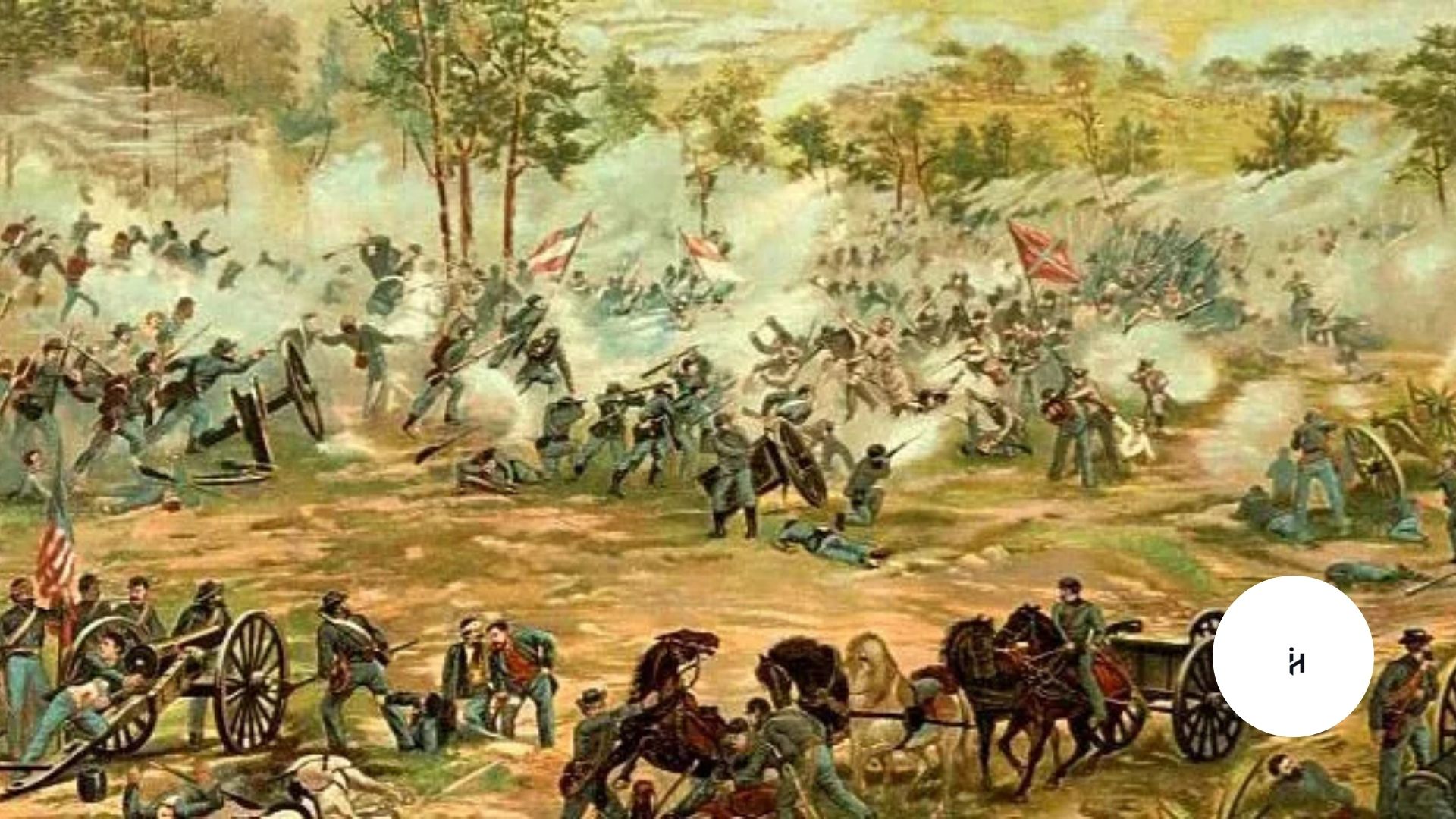
On the second day of battle, both sides began to reinforce their positions and engage in fierce combat. The Confederate forces attempted to break through the Union’s left flank, but they were met with fierce resistance at key positions such as Little Round Top and the Wheatfield.

The Union forces, despite being outnumbered, held their ground and repelled multiple Confederate attacks. The fighting on this day was some of the most intense of the entire battle, with heavy casualties on both sides. The Confederacy, despite its best efforts, was unable to gain a significant advantage.

The Third Day of Battle: July 3, 1863

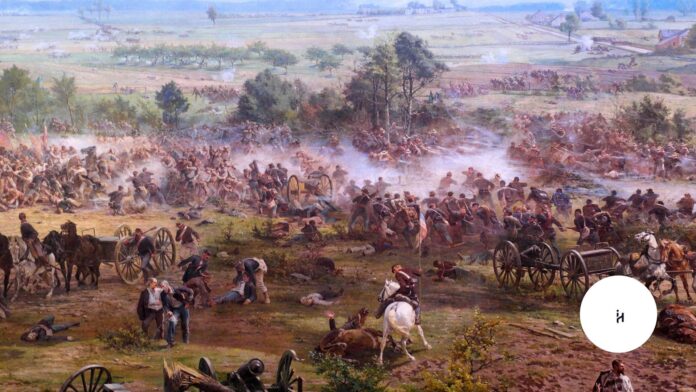
The third day of the Battle of Gettysburg would prove to be decisive. General Lee, realizing that his forces had failed to break the Union lines on the previous two days, attempted a bold assault known as Pickett’s Charge. Led by General George Pickett, nearly 12,000 Confederate soldiers advanced across an open field toward the center of the Union line. The charge was disastrous. Confederate forces were decimated by artillery and rifle fire from entrenched Union positions. This marked the high point of the battle and the beginning of the Confederacy’s retreat.

The Importance of Geography at Gettysburg

The geography of Gettysburg played a crucial role in the outcome of the battle. The town of Gettysburg itself was situated on a series of ridges, including Cemetery Hill, Culp’s Hill, and Little Round Top, all of which provided strategic advantages to the defending forces.

The Union Army made effective use of these elevated positions, allowing them to control the battlefield and repel Confederate attacks. Lee’s failure to recognize the significance of the terrain and to adapt his strategy accordingly was a key factor in his defeat.

Battle of Gettysburg

The Role of Artillery in the Battle of Gettysburg

Artillery played a critical role in the Battle of Gettysburg. Both the Union and Confederate forces deployed large numbers of cannons and howitzers, which shaped the battle’s outcome. The Union’s superior artillery, especially their effective use of rifled cannons, allowed them to deliver devastating blows to Confederate forces.

On the other hand, the Confederates were less able to coordinate their artillery with infantry attacks, leading to ineffective bombardments. The control of the high ground, especially Cemetery Hill, allowed the Union to dominate artillery exchanges throughout the battle.

The Battle of Gettysburg: A Turning Point in the War

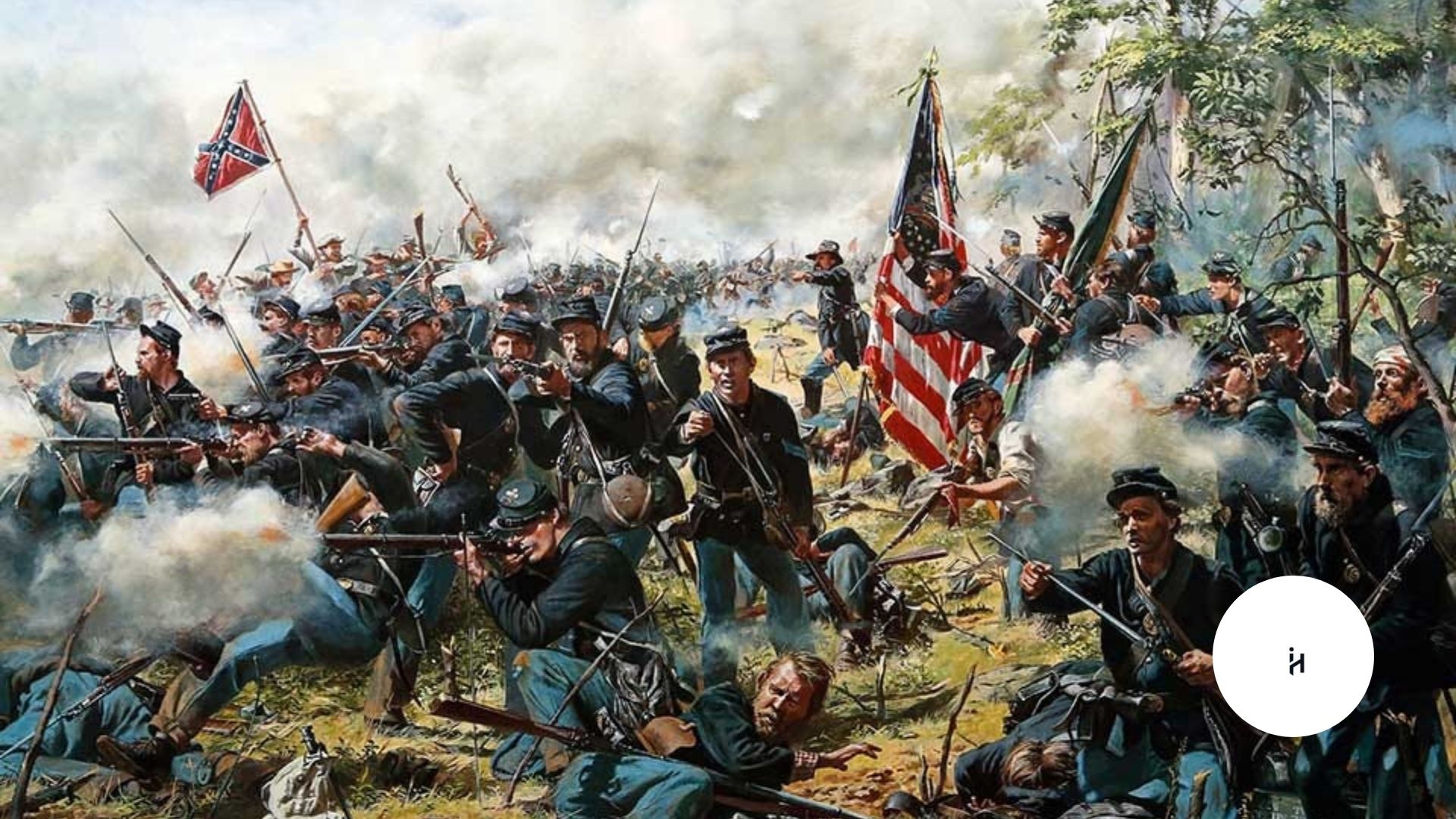
The outcome of the Battle of Gettysburg was a significant turning point in the Civil War. After three days of brutal combat, the Confederacy was forced to retreat, marking the first major defeat of General Lee’s Army of Northern Virginia. The Union’s victory at Gettysburg boosted Northern morale and weakened the Confederacy’s fighting capacity. It also marked a shift in momentum, as the Union began to take a more aggressive stance in the war, eventually leading to the Confederacy’s defeat in 1865.

Casualties and the Aftermath of the Battle of Gettysburg

The Battle of Gettysburg resulted in staggering casualties on both sides. Approximately 51,000 soldiers were killed, wounded, or missing in action, making it one of the bloodiest battles of the Civil War.

The high number of casualties, combined with the emotional and physical toll on the soldiers, left both armies reeling. In the aftermath of the battle, the Confederate Army was forced to retreat back to the South, while the Union Army, despite suffering heavy losses, held the field and secured a major victory.

Gettysburg Address: Lincoln’s Legacy

Following the battle, President Abraham Lincoln delivered the famous Gettysburg Address on November 19, 1863, at the site of the battlefield. In this brief but powerful speech, Lincoln reaffirmed the principles of liberty and equality upon which the United States was founded.

The speech not only honored the fallen soldiers but also reinforced the Union’s commitment to ending slavery and preserving the nation. The Gettysburg Address is considered one of the greatest speeches in American history and remains a symbol of the nation’s ideals.

The Legacy of the Battle of Gettysburg

Battle of Gettysburg

The legacy of the Battle of Gettysburg continues to resonate today. The site of the battle is now home to the Gettysburg National Military Park, which preserves the battlefield and serves as a reminder of the sacrifices made by both Union and Confederate soldiers.

The battle’s significance extends beyond military history, as it marked a pivotal moment in the fight for freedom and equality in America. The Battle of Gettysburg remains a symbol of the courage and determination of those who fought to preserve the Union.

Conclusion

The Battle of Gettysburg was not only a military confrontation but also a symbolic event that defined the course of the Civil War. The Union’s victory at Gettysburg turned the tide of the war in favor of the North, and the aftermath of the battle shaped the future of the United States.

The battle’s significance cannot be overstated, as it marked a pivotal moment in the struggle for the nation’s soul. By examining the Battle of Gettysburg in detail, we gain insight into the complexities of war, leadership, and sacrifice, and we honor the memory of those who fought and died in this historic conflict.

The Fugitive Slave Act: A Deep Dive into a Dark Chapter of American History

0
Fugitive Slave Act

What Was the Fugitive Slave Act?

The Fugitive Slave Act was one of the most controversial laws in American history, passed in 1850 as part of the Compromise of 1850. It required that escaped enslaved individuals be returned to their enslavers, even if they had reached free states.

The law also imposed penalties on anyone who aided in their escape or refused to assist in their capture. The Fugitive Slave Act intensified the sectional conflict between the North and the South and was a significant precursor to the Civil War. In this blog, we will break down the law’s origins, enforcement, and consequences in detail.

Historical Background and Origins

Fugitive Slave Act

The Fugitive Slave Act of 1850 was not the first of its kind. The original version of the law was passed in 1793, giving legal support to slaveholders seeking the return of their escaped slaves. However, the North’s resistance to enforcing the 1793 law led to increasing frustration in the South.

The rise of the Underground Railroad and abolitionist movements made it clear that the North was becoming a sanctuary for escaped slaves. To placate Southern states, the Fugitive Slave Act of 1850 was introduced with harsher and more enforceable provisions. This stricter law reflected the growing tensions that would eventually lead to the Civil War.

The Compromise of 1850 and the Role of the Fugitive Slave Act

The Fugitive Slave Act was a critical component of the Compromise of 1850, a legislative package aimed at balancing the interests of free and slave states. While the Compromise admitted California as a free state and banned the slave trade in Washington, D.C., it also included the Fugitive Slave Act to appease the South. This law mandated that federal officials and citizens assist in the capture of runaway slaves. It highlighted the lengths the federal government would go to maintain national unity—even if it meant supporting the institution of slavery.

Key Provisions and Legal Requirements

The Fugitive Slave Act imposed several legal obligations. Firstly, it denied alleged fugitive slaves the right to a jury trial. Instead, a special commissioner would decide their fate. Secondly, the law required citizens to assist in capturing runaway slaves if called upon. Failure to comply could result in fines or imprisonment.

Thirdly, commissioners received higher fees for returning a person to slavery than for setting them free, which biased decisions. These provisions exposed the deep institutional bias of the time and made the Fugitive Slave Act a symbol of systemic injustice.

Northern Resistance and Public Outcry

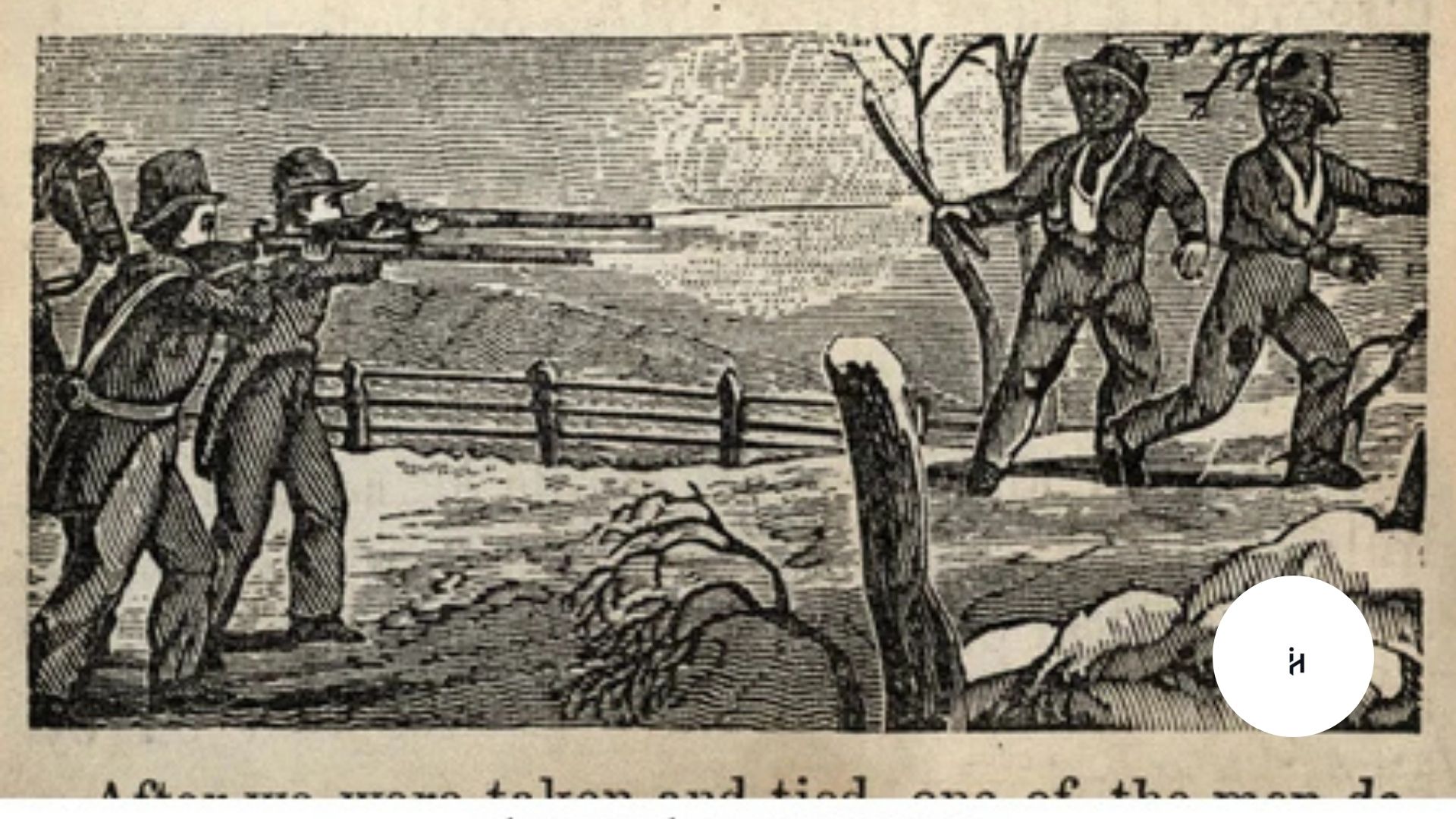
The North reacted strongly to the Fugitive Slave Act. Many citizens, previously indifferent, were outraged by the requirement to assist in the enforcement of slavery. Protests erupted in cities like Boston, and resistance groups formed to obstruct enforcement.

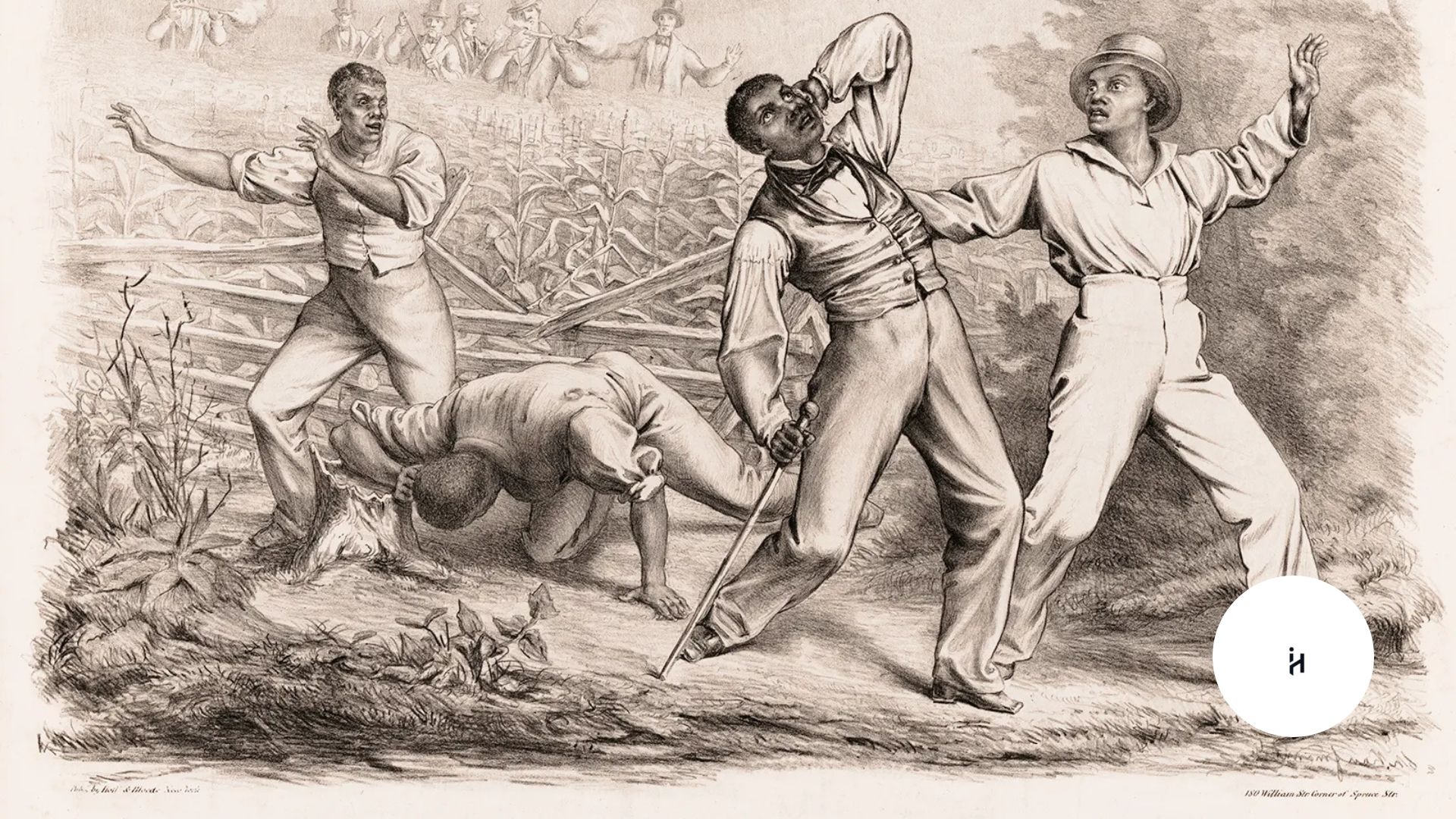
The most dramatic acts included forcibly rescuing escaped slaves from custody. Writers like Harriet Beecher Stowe, whose novel Uncle Tom’s Cabin was inspired in part by the law, further swayed public opinion against slavery. The Fugitive Slave Act thus had the unintended consequence of galvanizing the abolitionist movement in the North.

The Role of the Underground Railroad

The Fugitive Slave Act directly impacted the operations of the Underground Railroad, a network of safe houses and routes used by slaves to escape to freedom. After 1850, the Underground Railroad had to become even more secretive and organized.

Helpers, often referred to as “conductors,” risked arrest and prosecution for aiding fugitives. The law extended its reach to the North, making no part of the country truly safe for escaped slaves. Despite the increased risks, the Underground Railroad continued to thrive, underscoring the moral resolve of those opposed to slavery and the Fugitive Slave Act.

Legal Challenges and Famous Court Cases

Several legal battles arose as a result of the Fugitive Slave Act. One of the most notable was the case of Anthony Burns, an escaped slave arrested in Boston. The court’s decision to return him to slavery prompted massive public protests. Another case, Ableman v. Booth (1859), involved the Wisconsin Supreme Court ruling the act unconstitutional. However, the U.S. Supreme Court overruled this decision. These court cases highlighted the tension between state and federal authority and the growing legal resistance to the Fugitive Slave Act.

Fugitive Slave Act

Impact on Free African Americans

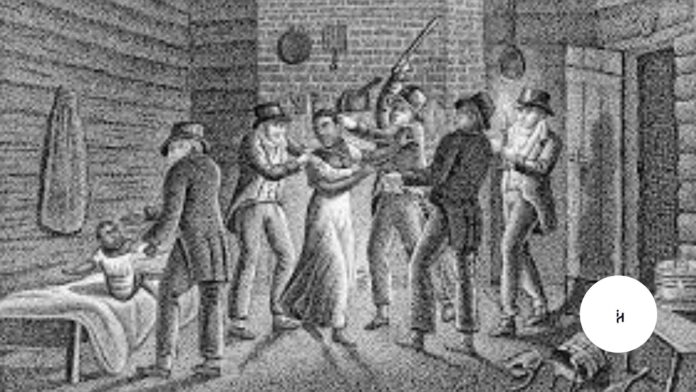
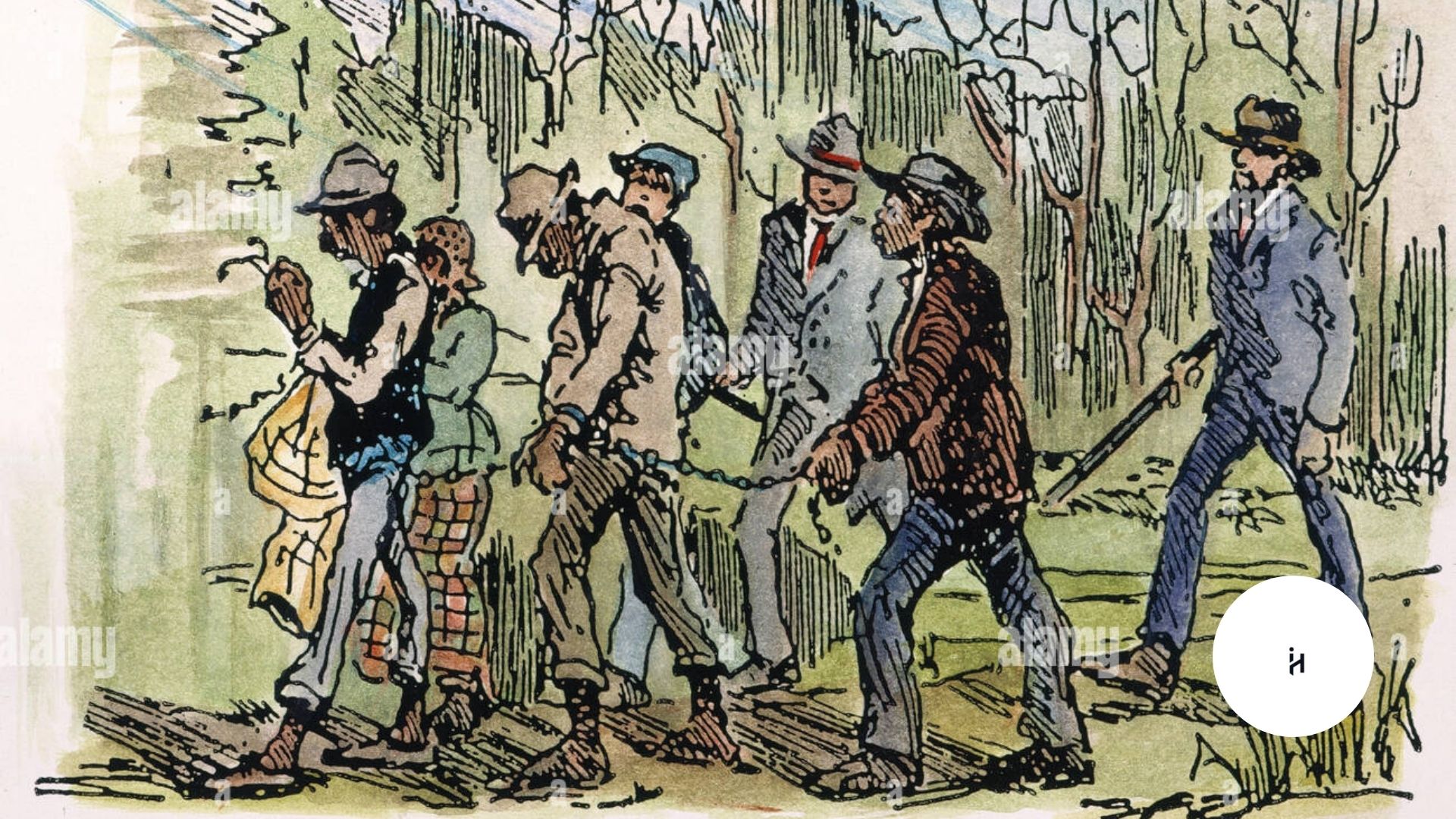
The Fugitive Slave Act didn’t just threaten escaped slaves—it endangered all African Americans, even those born free. Kidnapping became more frequent as slave catchers falsely accused free Blacks of being fugitives.

Without the right to testify or a jury trial, many were illegally sold into slavery. Cities like Philadelphia and New York saw increased emigration of Black residents to Canada. The Fugitive Slave Act thus created a climate of fear and insecurity for African Americans across the North.

Political Consequences and Sectional Divide

Politically, the Fugitive Slave Act deepened the divide between North and South. It strained relationships between states, influenced the collapse of political parties, and fueled the rise of the Republican Party, which opposed the expansion of slavery.

Leaders like Abraham Lincoln used opposition to the act to gain political momentum. Southern leaders, meanwhile, viewed any resistance as a threat to their rights. This growing tension made the Fugitive Slave Act a flashpoint in the events that led to the Civil War.

Repeal and End of the Fugitive Slave Act

The Fugitive Slave Act was officially repealed in 1864 during the Civil War. By that time, the moral and political climate had shifted dramatically. The Emancipation Proclamation had been issued, and the Union had committed to ending slavery. The repeal was part of a broader set of reforms aimed at dismantling the legal framework supporting slavery. The end of the Fugitive Slave Act marked a turning point in American history, symbolizing the nation’s move toward justice and equality.

Cultural Reflections and Literature

Fugitive Slave Act

The Fugitive Slave Act inspired a wave of cultural responses. From slave narratives like those of Frederick Douglass to novels like Uncle Tom’s Cabin, writers condemned the law’s cruelty and injustice. These works reached wide audiences and played a crucial role in shaping public opinion. Art, speeches, and pamphlets of the time also reflected the national debate. The Fugitive Slave Act thus left a significant legacy in American literature and public discourse.

The Fugitive Slave Act’s Legacy Today

Even though it was repealed over 150 years ago, the legacy of the Fugitive Slave Act endures. It is studied in schools as a symbol of how law can be used to uphold injustice. It serves as a warning about the dangers of compromising morality for political unity.

Discussions around race, justice, and civil rights often reference this law to illustrate systemic oppression. Remembering the Fugitive Slave Act ensures that the mistakes of the past are not repeated and that the pursuit of equality remains a central American ideal