Home Blog Page 429

A Real Lemon from French Carmaker Citroën

0
A Real Lemon from French Carmaker Citroën

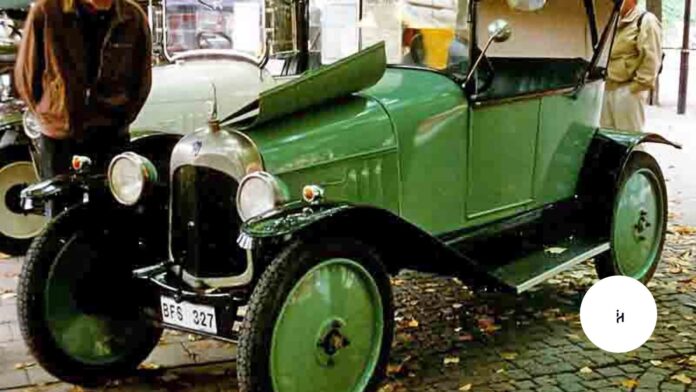
When we think of European car manufacturers, Citroën often comes to mind for its innovative design and quirky style. However, not every model from this French carmaker has lived up to expectations. In fact, some models have gained notoriety, becoming classic examples of automotive disappointment. In this comprehensive blog, we explore one such case—a real lemon from French carmaker Citroën—a vehicle that has sparked debate, lawsuits, and many frustrated owners.

Introduction: The Rise and Fall of a Citroën Model

Citroën has long been hailed for its futuristic design and engineering ambition. Yet, a real lemon from French carmaker Citroën highlights what can happen when innovation lacks reliability. The car in question launched with great fanfare but soon became infamous for a slew of mechanical and electronic problems. What should have been a market disruptor ended up as a case study in automotive failure.

Buyers initially fell in love with its looks and promises. However, early adopters were soon faced with faulty gearboxes, electrical malfunctions, and suspension issues. The disappointment was so widespread that forums, reviews, and even news outlets covered the car’s many faults. In this blog, we’ll break down how things went so wrong.

Design Dreams, Engineering Nightmares

A Real Lemon from French Carmaker Citroën

Design is one of Citroën’s strengths, and in the case of a real lemon from French carmaker Citroën, this was no different. The vehicle was praised for its avant-garde look, spacious interiors, and bold features. Unfortunately, the engineering didn’t support the aesthetics. Owners frequently reported dashboard failures, misaligned panels, and paint issues within months of purchase.

Despite winning design awards, the real-world experience quickly eroded any goodwill. It became evident that the design team and the engineering team were not in sync. The car’s beauty was, sadly, only skin-deep.

A Legacy of Overpromises and Underdelivery

Marketing around a real lemon from French carmaker Citroën was aggressive and ambitious. Promises of state-of-the-art features, fuel efficiency, and premium comfort were plastered across TV, digital platforms, and showrooms. But once the car hit the roads, the experience was anything but premium.

From sluggish acceleration to unpredictable handling, the car failed to deliver on nearly every promise. The brand’s credibility took a serious hit. This legacy of underperformance continues to haunt Citroën’s reputation in certain markets.

Common Mechanical Failures

Among the most cited issues with a real lemon from French carmaker Citroën were transmission problems, faulty suspension, and erratic steering response. These weren’t isolated issues; they became common complaints across thousands of units. For many owners, it meant frequent visits to the garage, costly repairs, and long periods without their vehicle.

What’s worse, the mechanical problems often appeared within the first year of ownership, leading to a surge in warranty claims. Some parts, such as specialized hydraulic suspension components, were difficult and expensive to replace.

The Electrical Chaos Inside

One of the most frustrating aspects of a real lemon from French carmaker Citroën was the unpredictable electronic system. The vehicle’s onboard computer would frequently malfunction, causing dashboard displays to go blank, infotainment systems to freeze, and essential features like ABS or power steering to fail.

This electronic chaos not only affected convenience but also safety. For many drivers, the car became unreliable and even dangerous to operate on highways or during bad weather. This was a critical blow to its appeal.

Owner Frustrations and Testimonials

The voice of the customer has always been a powerful one, and nowhere is that more evident than in reviews and testimonials related to a real lemon from French carmaker Citroën. Online forums are filled with horror stories—people getting stranded on highways, owners spending more on repairs than the original value of the car, and others simply giving up and selling at a huge loss.

One viral video featured an owner smashing the car with a sledgehammer out of frustration—a symbol of how emotionally taxing the ownership experience had become. Clearly, the car had failed to meet even the most basic expectations of reliability and trust.

Lawsuits and Legal Action

A Real Lemon from French Carmaker Citroën

Due to the overwhelming failure rate, a real lemon from French carmaker Citroën became the subject of legal scrutiny. In several countries, consumer protection groups launched investigations, while class-action lawsuits began forming. Citroën was forced to respond publicly, offering extended warranties and partial compensation to affected customers.

Despite these efforts, the brand’s name was significantly tarnished. The legal battles also revealed internal documents that suggested Citroën may have been aware of the issues before the launch—only compounding public outrage.

Impact on Citroën’s Brand Reputation

The negative reception of a real lemon from French carmaker Citroën rippled across the automotive industry. Citroën’s sales dipped in several markets, and loyal customers began shifting to competitors. Trust was broken, and rebuilding it proved a challenging task.

Even newer models were affected by the stigma. Buyers hesitated to invest in the brand, fearing a repeat of the disastrous experience. Dealerships struggled to convince buyers that things had changed.

Attempts at Redemption

Citroën didn’t sit idly by. In the wake of a real lemon from French carmaker Citroën, the company made several moves to regain customer confidence. New models featured improved quality control, updated engineering practices, and more stringent testing. Extended warranties became a key marketing feature, assuring customers that lessons had been learned.

However, redemption was slow and hard-earned. The bad reputation built around this one model proved difficult to shake, and even today, discussions around Citroën often circle back to this infamous flop.

Lessons Learned from a Lemon

A Real Lemon from French Carmaker Citroën

The story of a real lemon from French carmaker Citroën serves as a cautionary tale for both manufacturers and consumers. For carmakers, it highlights the danger of prioritizing form over function, marketing over substance. For consumers, it underscores the importance of research, reviews, and real-world performance data before making a purchase.

Automotive history is full of such lemons, but few have had the long-lasting impact that this one did. The model changed how Citroën approached design, production, and customer service going forward.

Final Thoughts: Should You Still Trust Citroën?

Given the saga of a real lemon from French carmaker Citroën, it’s natural to feel skeptical. But it’s important to recognize that no brand is without flaws, and many have bounced back stronger after significant missteps. Citroën has introduced several well-reviewed models since, regaining some trust.

However, the shadow of this lemon still lingers in the minds of many. For potential buyers, the key lies in careful model selection and seeking vehicles with proven track records. If Citroën is on your radar, make sure you’re looking at their newer, well-tested options.
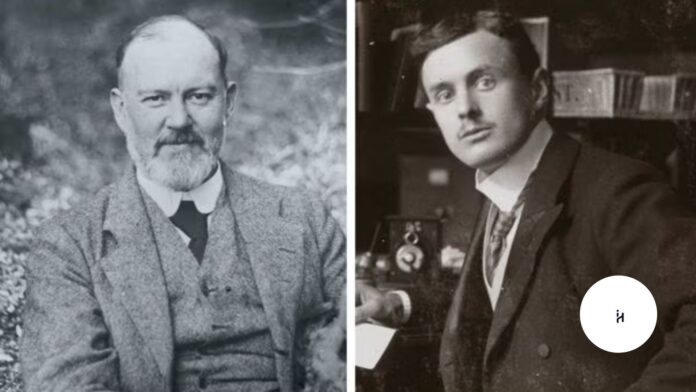
Rolls Royce Founder: The Visionaries Who Revolutionized Luxury Engineering

0
Rolls Royce Founder

Introduction: The Legends Behind the Iconic Brand

The story of the Rolls Royce founder is more than just a tale of engineering—it’s the story of two pioneers whose vision and passion created one of the world’s most luxurious and prestigious automobile brands. Rolls-Royce was born from the partnership of Charles Rolls, a daring motor enthusiast, and Henry Royce, a self-taught engineer with an obsession for perfection. Their collaboration in the early 20th century laid the foundation for a brand synonymous with excellence, power, and elegance.

This blog will explore the lives, partnership, achievements, and long-standing legacy of the Rolls Royce founder. Whether you’re a history buff, a luxury car enthusiast, or someone passionate about innovation, the story of these two visionaries offers a remarkable insight into what it takes to build a world-class brand.

The Early Life of Henry Royce: From Humble Beginnings to Engineering Genius

Rolls Royce Founder

Born in 1863 in Alwalton, England, Henry Royce, one of the Rolls Royce founders, had an upbringing marked by hardship. After his father’s death, Royce was forced to leave school at the age of nine and work various jobs to support his family. His natural aptitude for mechanics led him to an apprenticeship at the Great Northern Railway, where his interest in engineering flourished.

Despite lacking formal education, Royce’s self-motivation drove him to attend night school, study engineering principles, and start a small electrical business in 1884. His fascination with precision and quality soon expanded into building engines. Royce’s determination to engineer better vehicles than those imported from Europe became a core reason why he emerged as a Rolls Royce founder later on.

Royce’s values of perfection, reliability, and innovation became the guiding principles of the brand. His early exposure to hands-on technical challenges taught him the value of meticulous craftsmanship, a legacy that remains central to Rolls-Royce today.

Charles Rolls: The Aristocratic Adventurer with a Passion for Machines

Charles Rolls, born in 1877 into a wealthy British family, brought a different yet complementary energy to the Rolls Royce founder partnership. Educated at Eton and Cambridge, Rolls was an early adopter of the motor car and among the first Britons to own one. His technical curiosity and love for speed led him to become a motor racer and an aviation enthusiast.

Before meeting Royce, Rolls had already established a car dealership—C.S. Rolls & Co.—importing French and Belgian cars. His keen business acumen and outgoing personality made him the ideal counterpart to the reserved and technically focused Royce.

What made Rolls truly remarkable was his pioneering spirit. He was one of the first people in Britain to see the commercial and social potential of both automobiles and aircraft. His charm and connections helped in promoting the brand, attracting investors, and boosting customer trust—proving instrumental in shaping the legacy of the Rolls Royce founder duo.

The Historic Meeting: How Rolls and Royce Joined Forces

The defining moment in the story of the Rolls Royce founder partnership occurred in May 1904, when Henry Edmunds, a mutual acquaintance, arranged a meeting between Rolls and Royce at the Midland Hotel in Manchester. Royce had recently built a superior two-cylinder car, and Edmunds believed Rolls would be impressed.

He was right. Rolls, who had grown tired of unreliable imported vehicles, saw potential in Royce’s engineering prowess. Despite their different backgrounds, the two men shared a passion for mechanical perfection. Within hours, they struck a deal—Rolls would sell all the cars Royce could make, branding them as Rolls-Royce.

This handshake agreement gave birth to a company that would eventually define automotive luxury and engineering brilliance. The meeting was a fusion of vision and execution—something that every Rolls Royce founder had in common: a commitment to making the best, without compromise.

The Formation of Rolls-Royce Limited in 1906

Following their successful partnership, Rolls and Royce officially founded Rolls-Royce Limited in 1906. The company quickly gained a reputation for exceptional engineering. Royce’s obsession with quality and Rolls’ flair for marketing proved to be the perfect combination for commercial success.

One of the first landmark achievements of the newly formed company was the Rolls-Royce 40/50 HP, later known as the Silver Ghost. Launched in 1906, this model was widely praised for its quiet engine, reliability, and luxurious feel. It established the reputation of the Rolls Royce founder duo as innovators in both craftsmanship and customer experience.

As the company grew, it diversified into aviation engines—a crucial move during World War I, solidifying its status as a vital British industrial asset. Rolls-Royce Limited became not just a car manufacturer, but a symbol of British engineering excellence.

Rolls Royce Founder

Silver Ghost: The Car That Cemented Their Legacy

The 1907 Silver Ghost was a game-changer in the automobile industry and the crowning achievement for the Rolls Royce founder partnership. It was a 40/50 horsepower model that could run silently and smoothly for long distances, proving more reliable than any other car of its time.

After a non-stop 14,371-mile run in 1907, the Silver Ghost earned the title of “the best car in the world.” This was not just marketing hype—it was a real demonstration of durability, luxury, and innovation. The Silver Ghost embodied the uncompromising standards set by the Rolls Royce founder team.

Every detail of the car was meticulously crafted. The success of this model cemented the reputation of Rolls-Royce in elite circles, making the name synonymous with excellence.

Tragic Death of Charles Rolls and Its Aftermath

In 1910, Charles Rolls tragically died in a plane crash at just 32 years old. He was the first Briton to die in a powered aircraft accident. This event shocked the British public and deeply impacted the company.

While Royce continued the work, the loss of Rolls meant the Rolls Royce founder vision now rested solely on one man’s shoulders. Despite the tragedy, the foundation they built was strong enough to carry on. Royce continued to design engines and vehicles, ensuring that the brand’s high standards were upheld.

The legacy of Charles Rolls as a bold pioneer and innovator lived on, and the company honored him by continuing to push the boundaries of what was possible in both automotive and aviation engineering.

Royce’s Later Years and Enduring Engineering Impact

After Rolls’ death, Henry Royce became the sole surviving Rolls Royce founder, and his role became even more central. Despite deteriorating health, he continued to oversee designs and innovations from his home in West Wittering.

One of his greatest contributions was the development of aircraft engines, especially during WWI. The Eagle engine powered many British aircraft, playing a key role in the war. Royce’s designs were known for their reliability and innovation, helping win both military contracts and public admiration.

Royce passed away in 1933, but not before receiving a knighthood and securing his place as a British industrial legend. The values instilled by the Rolls Royce founder remain cornerstones of the company even today.

Rolls-Royce in Wartime: Powering Victory from the Skies

During both World Wars, Rolls-Royce made significant contributions to Britain’s military success. The company shifted its focus to developing aircraft engines, including the legendary Merlin engine, which powered iconic aircraft such as the Spitfire and the Hurricane.

This shift demonstrated the foresight and flexibility of the Rolls Royce founder vision. The engineering principles developed by Royce transitioned seamlessly from road to air. These engines were reliable, powerful, and a testament to British innovation.

By the end of WWII, Rolls-Royce had not only saved Britain in the air but had also solidified itself as a cornerstone of the British defense industry.

Post-War Growth and Global Expansion

Rolls Royce Founder

After WWII, Rolls-Royce continued to grow, expanding its global reach and refining its automotive lines. Models like the Phantom series and Silver Cloud became icons of luxury. Jet engine production also became a major focus, with Rolls-Royce becoming one of the top suppliers in the aerospace industry.

The influence of the original Rolls Royce founder could still be seen in every decision the company made—never compromising on quality, always striving for excellence. The brand expanded into global markets, becoming a symbol of wealth, power, and engineering prowess.

Rolls-Royce Today: A Legacy That Lives On

Today, Rolls-Royce Motor Cars is a subsidiary of BMW, while Rolls-Royce plc operates as a separate aerospace company. Despite changes in ownership and technology, the founding principles laid down by the Rolls Royce founder continue to define the brand.

Modern models such as the Ghost, Wraith, and Cullinan reflect the same dedication to luxury, precision, and innovation. The dual legacy in automobiles and aerospace continues to thrive, proving the timeless brilliance of Charles Rolls and Henry Royce.

The Enduring Influence of the Rolls Royce Founder

More than a century after its inception, the influence of the Rolls Royce founder duo remains stronger than ever. Their story continues to inspire entrepreneurs, engineers, and business leaders worldwide. From humble beginnings and aristocratic salons to global dominance, their shared dream transformed industries.

The Rolls-Royce name stands as a symbol not just of luxury but of dedication, vision, and innovation. It’s a testament to what can be achieved when genius and passion come together.

The Life and Legacy of George Mikhailovich Count Brasov

0
George Mikhailovich Count Brasov

George Mikhailovich Count Brasov was a lesser-known but historically significant figure in the twilight of the Russian Empire. As a descendant of Tsar Alexander II and the son of Grand Duke Michael Alexandrovich of Russia, George’s life unfolded during a period of immense political turmoil.

His personal history is entwined with royal privilege, revolutionary upheaval, and eventual exile. Despite his short life, George Mikhailovich Count Brasov left behind a story worth telling—a story of nobility, identity, and tragic loss. In this blog, we’ll explore various facets of his life across 11 comprehensive sections, each giving deep insights into his heritage and the historical context surrounding him.

Royal Lineage and Ancestry

George Mikhailovich Count Brasov

George Mikhailovich Count Brasov was born into the prestigious Romanov dynasty. His father, Grand Duke Michael Alexandrovich, was the youngest brother of Tsar Nicholas II. This connection made George a great-grandson of Tsar Nicholas I and a direct descendant of Tsar Alexander II.

However, George Mikhailovich Count Brasov’s lineage was complicated by the morganatic marriage of his parents, which limited his claim to royal status. The Romanov family, bound by rigid aristocratic protocols, never fully recognized George’s position due to his mother’s non-royal status. Still, George inherited the elegance, education, and manners befitting a royal.

Birth and Early Childhood

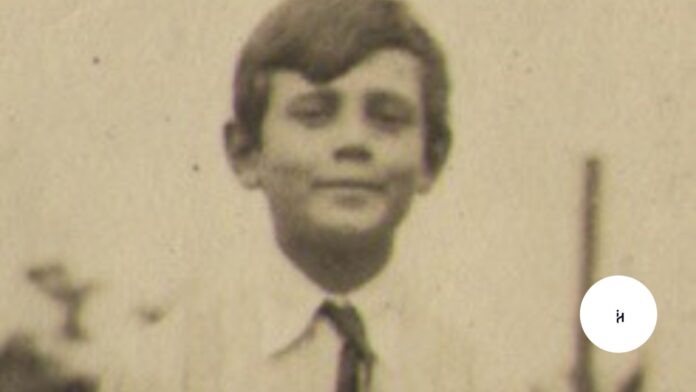
Born on August 24, 1910, in Brasov (then in Austria-Hungary, now in Romania), George Mikhailovich Count Brasov spent his early years amidst political instability. His place of birth, Brasov, later inspired his noble title. Despite being born out of a morganatic union, George was granted the courtesy title “Count Brasov” by his father.

His upbringing was private and discreet, overshadowed by the rejection from certain members of the Romanov family. Nonetheless, George Mikhailovich Count Brasov was surrounded by love and care from both parents, especially his devoted mother, Natalia Sergeyevna Wulfert.

His Parents and Their Controversial Marriage

The marriage between Grand Duke Michael Alexandrovich and Natalia Wulfert was deemed scandalous by the Russian imperial court. Natalia was a commoner and a divorcee, which violated Romanov dynastic rules.

This union forced the couple into semi-exile within Russia and later abroad. George Mikhailovich Count Brasov, the product of this controversial union, was affected deeply by these royal disputes. Although he bore no fault, the Romanov family’s disapproval shaped his identity and future prospects. Still, his parents provided a nurturing environment that emphasized education, cultural exposure, and moral values.

The Fall of the Russian Empire

The Russian Revolution of 1917 marked the end of the Romanov dynasty’s rule. George Mikhailovich Count Brasov, just seven years old, witnessed the dissolution of his family’s power and status.

His father, who briefly held potential as a successor to the throne after Tsar Nicholas II’s abdication, was ultimately rejected by the Duma. This political chaos forced the family into hiding and later exile. For George, this upheaval not only meant a loss of home but also a severance from a royal identity he barely had the chance to embrace.

George Mikhailovich Count Brasov

Life in Exile

After the revolution, George Mikhailovich Count Brasov and his family fled Russia to escape persecution. They settled temporarily in various parts of Europe, including France and England. Life in exile was far from the luxury they once knew.

They lived modestly and relied on the support of other exiled royals and sympathizers. Despite these hardships, George adapted quickly. He learned multiple languages, embraced Western education, and tried to make peace with his lost heritage. Exile gave him both resilience and a worldly perspective uncommon among aristocrats of his age.

Education and Personal Development

George Mikhailovich Count Brasov was educated in England, where he attended Harrow School—one of the most prestigious institutions in Britain. His academic performance was commendable, and he was known for his quiet intelligence and discipline. George’s education was meant to prepare him for a life outside royalty, one where he could contribute to society meaningfully. He took an interest in literature, history, and diplomacy. This period was perhaps the most stable in his life, giving him a chance to grow away from the political shadows of his family’s past.

Relationship with the Romanov Family

Although ostracized by certain Romanovs due to his birth status, George Mikhailovich Count Brasov maintained some ties with members of the extended family. He corresponded occasionally and met some of his distant relatives while in exile.

Yet, full acceptance was elusive. The Romanov family’s rigid structure and emphasis on dynastic purity kept George at a distance. This exclusion played a psychological toll on him, as he struggled with his identity—torn between being part of royalty and being treated as an outsider. Nonetheless, he carried himself with grace and loyalty to his heritage.

Personality and Legacy

Described by peers as quiet, thoughtful, and reserved, George Mikhailovich Count Brasov had the demeanor of a gentleman. His teachers noted his humility despite his noble background. He did not exhibit entitlement but rather a sense of duty and curiosity.

While he didn’t live long enough to build a public legacy, his life story became a symbol of lost royalty and the personal costs of political upheaval. George Mikhailovich Count Brasov represents a bridge between imperial grandeur and the realities of modern exile. His short life carried the weight of a fallen empire.

Tragic and Untimely Death

George Mikhailovich Count Brasov

George Mikhailovich Count Brasov’s life was tragically cut short in a car accident in France on July 22, 1931. He was only 20 years old. The accident occurred near Paris, where he was living with his mother. His sudden death shocked the small community of Russian émigrés who knew him. The loss was particularly devastating to his mother, who had already endured exile, scandal, and the execution of her husband. With George’s passing, a potential new chapter for the Romanovs in exile came to a quiet end.

Burial and Memorials

George Mikhailovich Count Brasov was buried in a quiet ceremony in France. While no grand monuments mark his grave, his memory lives on in historical accounts and Romanov genealogies. In recent years, historians have revisited his life as part of broader studies on the fall of European monarchies.

His burial site has occasionally attracted royal history enthusiasts and researchers. Despite his obscurity, George Mikhailovich Count Brasov is remembered by some as a noble soul caught in the crosswinds of revolution and monarchy’s decline.

Historical Significance and Conclusion

Though George Mikhailovich Count Brasov did not play a major political role, his life holds historical significance. He represents the unintended casualties of dynastic politics and revolutionary change. George’s story offers a poignant look at how personal identity, family, and legacy are shaped by forces beyond one’s control.

Today, his name surfaces in Romanov studies, genealogical records, and historical discussions about post-imperial Russia. George Mikhailovich Count Brasov may have lived in the shadows of his royal bloodline, but his life deserves recognition, reflection, and remembrance.

The Untold Truth Behind the Blind Pope

0
Blind Pope

The term “Blind Pope” carries an air of mystery, controversy, and intrigue that has captivated theologians, historians, and conspiracy theorists for centuries. Whether rooted in historical fact or embellished by medieval myth, the concept of a blind pontiff has sparked questions about leadership, divine authority, and the human condition within the papal institution.

In this blog, we unravel the possible truths, interpretations, and symbolic meanings surrounding the Blind Pope. We’ll explore its relevance in religious narratives, art, literature, and modern pop culture. Let’s delve into the eleven core aspects of this fascinating phenomenon.

Historical Basis of the Blind Pope

Blind Pope

The origin of the “Blind Pope” is not officially recorded in Vatican archives, but various texts and anecdotal stories refer to a pope who allegedly lost his sight during or before his papacy. Some believe this figure may have been Pope John XII, who was rumored to have gone blind before his death.

Others cite Pope Leo III, who was reportedly blinded during a political attack. The keyword “blind pope” resurfaces here as a possible symbolic interpretation rather than literal documentation. The Church, being secretive about internal struggles, might have underreported such conditions. This heading evaluates the credibility of these accounts and explores the role blindness might have played in papal history.

Symbolism of Blindness in Religious Leadership

Blindness in religious symbolism often represents either divine insight or spiritual blindness. A “blind pope” could symbolize a pontiff with higher spiritual vision or, conversely, one led astray from divine truth. In biblical contexts, blindness is frequently a metaphor for either divine punishment or heavenly wisdom.

When associated with a pope, it triggers deep theological discussion about leadership, vulnerability, and divine will. The blind pope, in this sense, becomes more than a historical figure—it becomes an icon of contrast between physical limitation and spiritual power.

Myths and Legends of the Blind Pope

Medieval Europe was a fertile ground for myths and folklore, and the tale of the Blind Pope fits right in. Stories circulated of a pope who governed through divine revelation despite being unable to see. Some even considered him a prophet or an incarnation of the last days mentioned in apocalyptic scripture.

The blind pope legend was embellished in manuscripts and whispered across abbeys, raising questions about how much of the tale was truth versus fiction. These legends may have stemmed from real disabilities or political enemies trying to undermine a pope’s authority.

Theological Debate on a Blind Leader

Would a blind individual be able to serve as pope under Catholic law? Canonically, the pope is seen as Christ’s vicar on Earth and is expected to perform various liturgical and diplomatic duties.

A blind pope would present logistical challenges, but theological debates argue that spiritual sight matters more than physical vision. Church scholars have long discussed whether blindness would impair a pontiff’s ability to receive divine inspiration or fulfill the spiritual needs of the Church. In this context, the blind pope becomes a lens for reinterpreting divine capability.

Blindness as a Metaphor in Papal Criticism

Critics of certain popes throughout history have used the metaphor of blindness to describe their alleged ignorance or failure in leadership. The term “blind pope” has occasionally been used in political satire, editorial cartoons, and even underground reformist literature to symbolize a pope disconnected from the Church’s spiritual or moral needs. This metaphorical use adds another layer to the narrative, showing how blindness, whether literal or figurative, has been weaponized within religious discourse.

Blind Pope

Cases of Visual Impairment in the Papacy

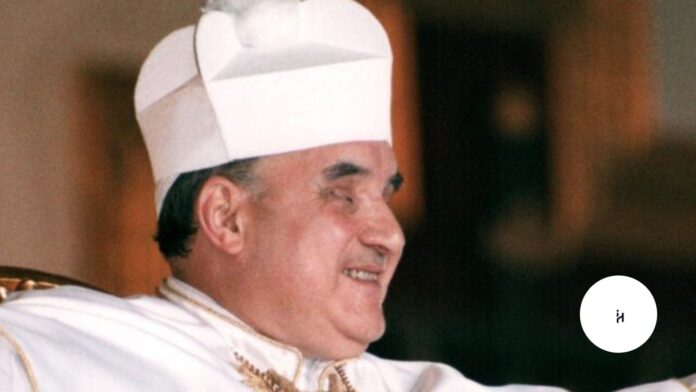
There is no definitive record of a completely blind pope, but some popes have experienced visual impairments later in life. For instance, Pope Benedict XVI and Pope John Paul II reportedly struggled with deteriorating eyesight in their final years.

These cases reopen the discussion on the possibility of a blind pope and its impact on papal functionality. While never fully blind during service, these conditions raised concerns about age, capability, and the Church’s response to health-related leadership limitations.

The Blind Pope in Art and Literature

From Renaissance paintings to modern novels, the idea of a blind pope has been explored creatively. Writers have used the blind pope as a dramatic figure symbolizing lost truth, hidden prophecy, or unacknowledged wisdom.

Art often portrays him seated on the throne with a blindfold or hollow eyes, emphasizing inner vision over outer sight. Such representations continue to influence how we interpret the possibility of a blind pope—more as a concept than a documented reality.

Modern Interpretations and Pop Culture

The blind pope has found a place in pop culture, especially in speculative fiction and dystopian media. TV series and novels have featured blind religious leaders inspired by this lore. For example, some futuristic shows feature blind spiritual leaders seen as more spiritually pure. The blind pope here becomes a character that challenges traditional notions of power, foresight, and divinity. This reflects societal shifts in how we view disability and leadership.

Disability and Inclusion in the Catholic Church

A discussion about the blind pope also brings attention to disability inclusion within the Church. Would the Vatican support a visually impaired candidate today? Canon law does not explicitly prohibit it, though practical limitations exist.

This heading delves into how disability is treated in Church roles and whether the election of a blind pope in the future is plausible. It also touches on how society’s evolving view of disability might one day lead to a visually impaired pontiff.

Blind Pope Prophecies and Conspiracy Theories

Blind Pope

Conspiracy theories about the blind pope are widespread online and in fringe religious circles. Some claim Nostradamus predicted a blind pope who would oversee the fall of the Vatican.

Others connect it to the prophecy of the popes by Saint Malachy, where the final pope is described in mysterious terms. These theories often misinterpret scripture and texts, but they remain popular. “blind pope” is often used to generate intrigue or fear around future Church events.

Could the Church Ever Have a Blind Pope?

In conclusion, while the Catholic Church has never officially had a completely blind pope, history, theology, and symbolism suggest that such a figure is not outside the realm of possibility.

With modern accessibility technologies and a more inclusive mindset, the blind pope might not remain just a myth or symbol. This heading speculates on the realistic chances of having a blind pope in the future and what that would mean for the Church, its followers, and global religious leadership.