Home Blog Page 431

Julius Caesar Timeline: A Complete Journey Through History

0
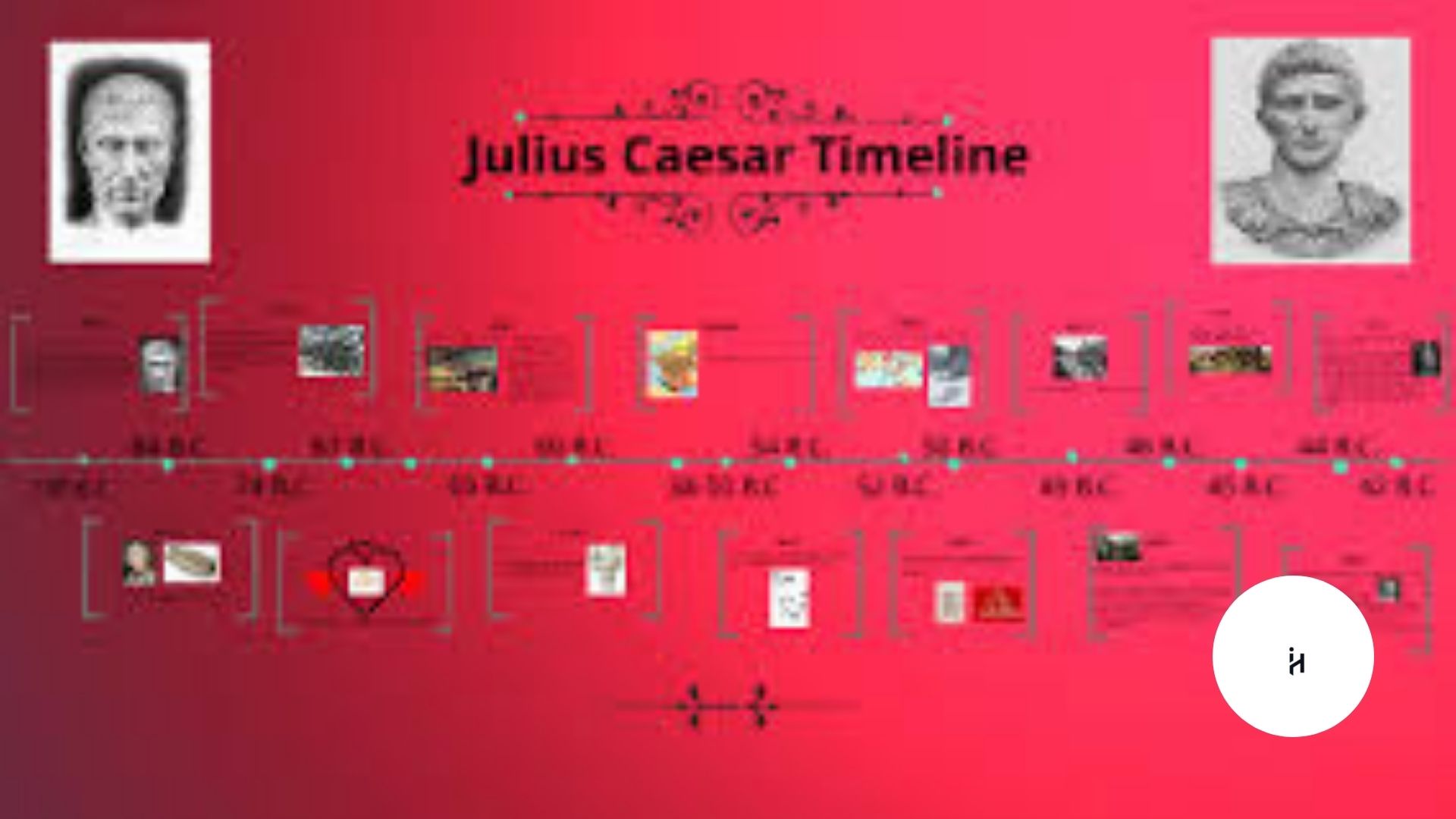
Julius Caesar Timeline

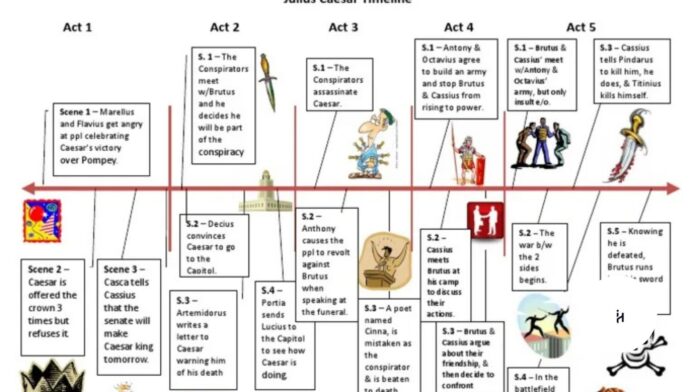
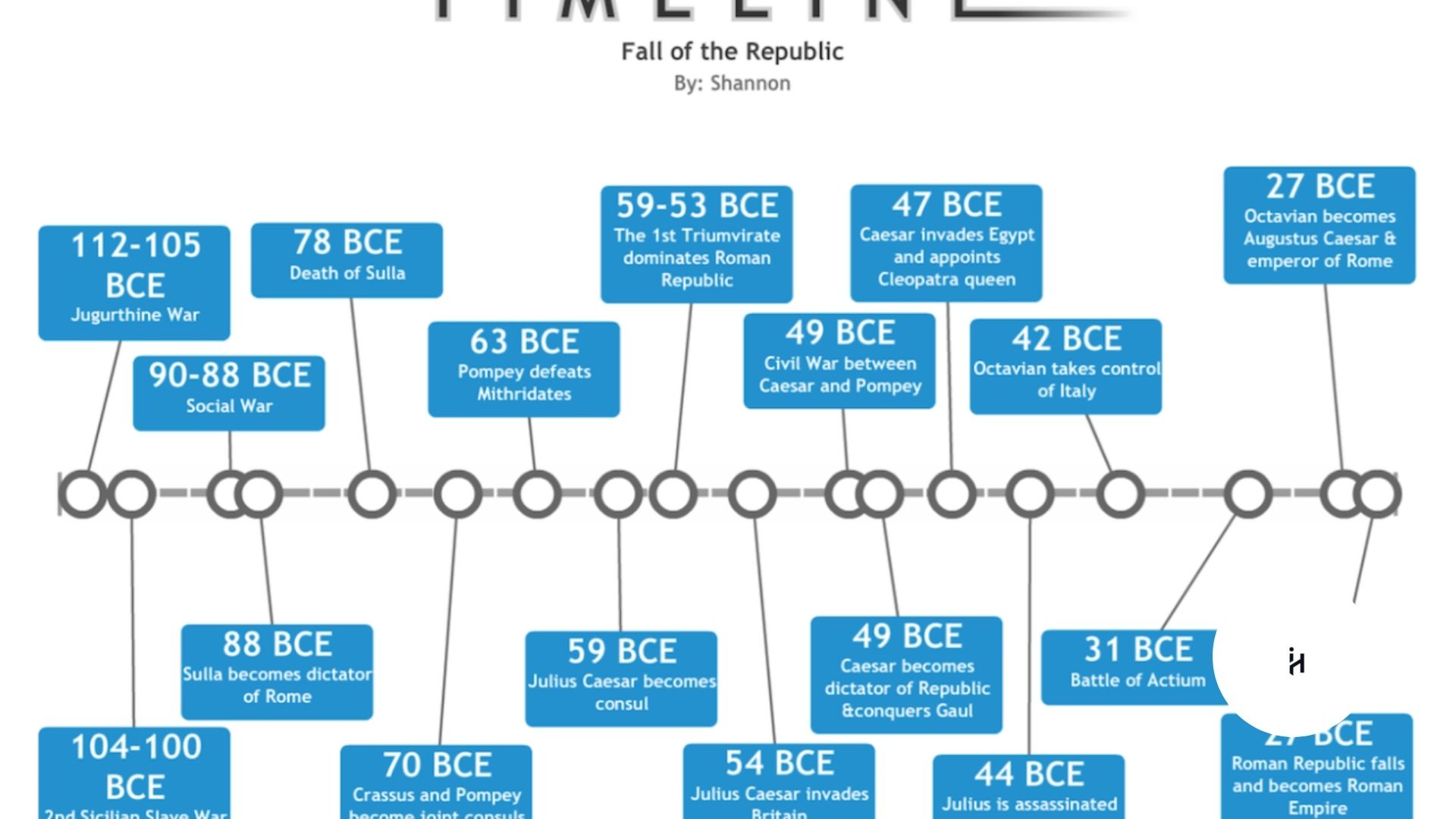
In this comprehensive guide, we will walk through the Julius Caesar timeline, exploring major events that shaped the Roman world. Whether you’re a student, history enthusiast, or simply curious, understanding the Julius Caesar timeline offers incredible insights into the fall of the Roman Republic and the rise of an empire.

Few figures in ancient history have left as profound a mark as Julius Caesar. From his early years to his tragic assassination, Caesar’s life was filled with ambition, conquest, and drama.

Birth and Early Life of Julius Caesar (100 BC)

Julius Caesar was born in 100 BC into the prestigious Julian clan. His family claimed descent from the goddess Venus, an origin story that contributed to Caesar’s sense of destiny. Understanding the Julius Caesar timeline starts with recognizing how his privileged yet politically turbulent upbringing in a period of civil unrest influenced his ambitions.

His father, Gaius Julius Caesar, was a praetor, and his aunt married Gaius Marius, a key figure in Roman politics. From a young age, Caesar was exposed to the brutal world of Roman political maneuvering. His education was typical for a Roman aristocrat: rhetoric, philosophy, and warfare. His early years laid the foundation for his later successes and deeply impacted the course of the Julius Caesar timeline.
Julius Caesar Timeline

Captivity by Pirates (75 BC)

One of the more adventurous episodes in the Julius Caesar timeline occurred when, in 75 BC, Caesar was captured by Cilician pirates while sailing across the Aegean Sea. Displaying extraordinary courage, he maintained a superior attitude even during captivity, joking with his captors and even threatening them with execution — a threat he later carried out after his ransom was paid.

This event is more than a footnote; it demonstrated Caesar’s charisma, strategic thinking, and ruthlessness, traits that would reappear throughout the Julius Caesar timeline. His handling of the pirates made him famous in Rome and furthered his public reputation as a formidable leader.

Political Ascent in Rome (69–60 BC)

Caesar’s political journey officially began in 69 BC when he was elected quaestor. The Julius Caesar timeline during these years shows a rapid ascent. He steadily climbed the Roman political ladder, securing key alliances and public favor.

He was elected aedile, then pontifex maximus, and later praetor, each role increasing his visibility. During this period, he also aligned with powerful figures such as Pompey and Crassus, culminating in the formation of the First Triumvirate. This period in the Julius Caesar timeline was essential for building the political and social foundations he needed to pursue even greater ambitions.

Military Campaigns in Gaul (58–50 BC)

The conquest of Gaul was a defining chapter of the Julius Caesar timeline. From 58 BC to 50 BC, Caesar led a series of campaigns that expanded Roman territory all the way to the Atlantic Ocean. These campaigns, documented in his own writings, “Commentarii de Bello Gallico,” showcased his military genius.

They also made him immensely wealthy and powerful, enabling him to pay off debts and reward loyal soldiers. The success of these campaigns was crucial because it positioned Caesar as a hero to the Roman populace but a threat to the Senate. Without this phase, the Julius Caesar timeline would have lacked the military prestige necessary for his political maneuvers.

Crossing the Rubicon and Civil War (49 BC)

“Crossing the Rubicon” has become synonymous with passing a point of no return, and it marks a pivotal moment in the Julius Caesar timeline. In 49 BC, defying the Senate’s order to disband his army, Caesar crossed the Rubicon River with his legions, effectively declaring war on the Roman Republic.

This bold move ignited a civil war against Pompey and the Senate’s forces. The phrase “Alea iacta est” (“The die is cast”) is attributed to this moment. This critical juncture set the tone for the remainder of the Julius Caesar timeline, leading to the eventual downfall of the Roman Republic and Caesar’s unprecedented accumulation of power.

Dictatorship and Reforms (46–44 BC)

Julius Caesar Timeline

After winning the civil war, Caesar returned to Rome and was declared dictator for ten years and later for life. This phase in the Julius Caesar timeline saw sweeping reforms across the empire.

He restructured debt laws, reformed the calendar (introducing the Julian calendar), and expanded the Senate. His reforms were designed to stabilize Rome, but they also centralised power in his hands, leading to resentment among the traditionalist elite. Understanding this segment of the Julius Caesar timeline is crucial to comprehend the tensions that led to his dramatic fall from grace.

The Ides of March: Assassination (44 BC)

The most dramatic event in the Julius Caesar timeline is undoubtedly his assassination on the Ides of March, 44 BC. A conspiracy led by senators including Brutus and Cassius culminated in Caesar being stabbed 23 times on the Senate floor.

His death was motivated by fears that he aimed to become king, an unthinkable position in Republican Rome. However, the assassination plunged Rome into chaos rather than restoring the Republic. This moment in the Julius Caesar timeline remains iconic, symbolizing the dangers of unchecked power and political betrayal.

Aftermath and Civil Wars (44–31 BC)

Following Caesar’s death, Rome descended into another series of civil wars, a crucial continuation of the Julius Caesar timeline. The power vacuum left by his assassination led to the rise of the Second Triumvirate — Octavian (later Augustus), Mark Antony, and Lepidus.

These leaders initially sought to avenge Caesar’s death but soon turned on each other. The turmoil following Caesar’s death was a direct result of the destabilization during his rule, marking a key transitional phase in the Julius Caesar timeline from republic to empire.

Julius Caesar’s Legacy

Julius Caesar’s legacy is monumental and inseparable from the Julius Caesar timeline. His centralization of power, military reforms, and social changes laid the groundwork for the Roman Empire.

His name became synonymous with leadership — “Caesar” would later evolve into titles such as “Kaiser” and “Tsar.” Every point in the Julius Caesar timeline contributed to creating a figure who transcended his own era to become a symbol of authority and charisma in world history.

Cultural Depictions of Julius Caesar

The Julius Caesar timeline has inspired countless works of art, literature, and drama. From Shakespeare’s famous play “Julius Caesar” to modern-day films and TV shows, Caesar’s life and death continue to captivate audiences.

Each adaptation highlights different aspects of the Julius Caesar timeline, whether focusing on his ambition, betrayal, or leadership. His portrayal varies — sometimes seen as a tyrant, sometimes as a visionary — but always as a pivotal historical figure.
Julius Caesar Timeline

Why Studying the Julius Caesar Timeline Matters Today

The study of the Julius Caesar timeline isn’t merely academic. It offers lessons on leadership, power, loyalty, and the consequences of political extremism. In today’s world, where political dynamics often mirror those of ancient Rome, understanding the Julius Caesar timeline provides valuable insights into the nature of governance and human ambition. It reminds us how personal ambition can alter the course of history and how fragile democratic institutions can be.

Conclusion

The Julius Caesar timeline tells the story of a man who changed history through sheer force of will, brilliance, and ambition. From his humble beginnings to his rise as Rome’s most powerful figure — and ultimately, to his tragic fall — every event along the Julius Caesar timeline paints a portrait of complexity, vision, and tragedy that still resonates today.
Frankenstein 2025: A Modern Reimagining of a Timeless Classic

0
Frankenstein 2025

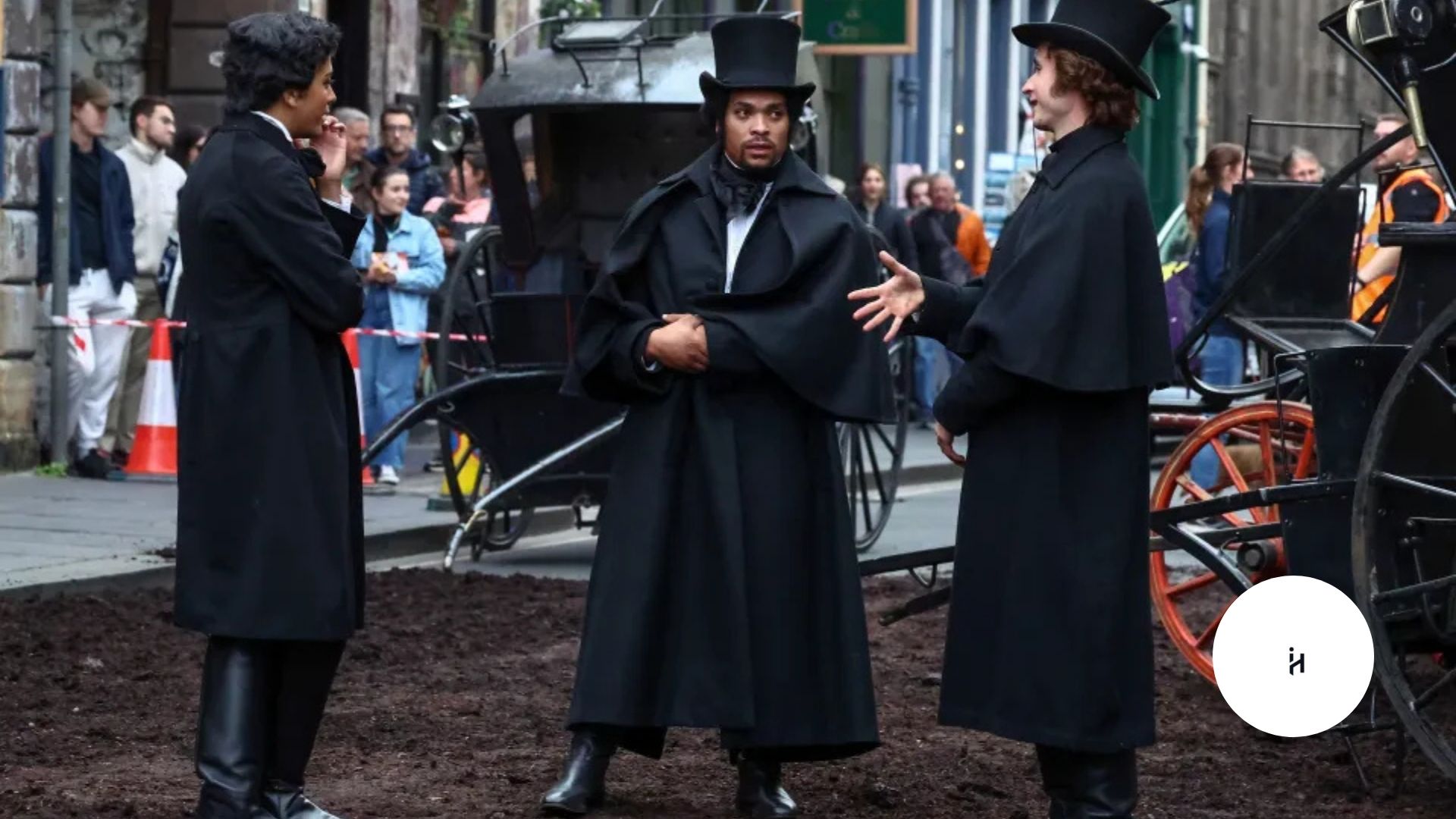
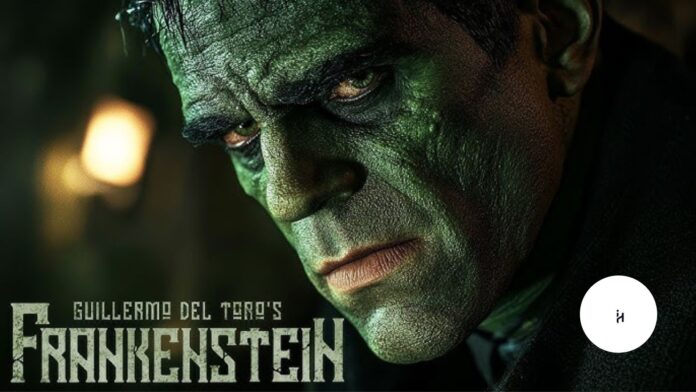
In the evolving world of entertainment, Frankenstein 2025 stands out as a groundbreaking reinterpretation of Mary Shelley’s legendary novel. Combining futuristic science fiction with psychological horror, this new installment dares to ask deeper questions about technology, humanity, and creation.

As society grapples with the ethics of AI and genetic engineering, Frankenstein 2025 provides a fresh lens to re-examine these age-old dilemmas. Throughout this article, we will explore how Frankenstein 2025 reimagines the original narrative for modern times, while staying rooted in the core themes that made the original timeless.

What is Frankenstein 2025? – A New Era of Storytelling

Frankenstein 2025 is not just a reboot; it is a full-fledged modernization of Mary Shelley’s iconic work. Set in a near-future dystopian world, the story follows a brilliant bioengineer who creates life through AI-organic hybrids rather than patchwork surgery.

In Frankenstein 2025, the lines between man, machine, and monster blur, forcing both creator and creature to grapple with their existence. As audiences seek narratives that mirror real-world fears about technology, Frankenstein 2025 perfectly captures this tension. The production leverages cutting-edge CGI, emotionally complex characters, and a richly detailed futuristic setting.

Frankenstein 2025

The Vision Behind Frankenstein 2025

At its core, Frankenstein 2025 reflects society’s anxieties about scientific overreach. The visionaries behind the project have made it clear: this is not simply about creating monsters but confronting the consequences of unchecked ambition.

By transplanting the story into a 2025 setting where AI, bioengineering, and cybernetics are commonplace, Frankenstein 2025 resonates with today’s tech-driven world. The movie’s creators meticulously researched current advancements to craft a believable future where the impossible feels just around the corner.

Plot Summary of Frankenstein 2025

The story of Frankenstein 2025 begins with Dr. Victoria Stein, a bioengineer working on a secret project to blend AI consciousness with living tissue. Facing political corruption, corporate espionage, and personal tragedy, she gives life to a being unlike any seen before.

However, the creature, named Adam, struggles with isolation and identity, leading to catastrophic consequences. Frankenstein 2025 explores the journey of both creator and created as they navigate betrayal, existential crises, and the fight for autonomy in a society that fears them.

Key Characters in Frankenstein 2025

In Frankenstein 2025, character development is central to the emotional weight of the story. Dr. Victoria Stein is portrayed as a conflicted genius, battling inner demons as much as external threats.

Adam, the creature, is intelligent and self-aware but tortured by his existence. Supporting characters like corporate magnates, rogue scientists, and a mysterious hacker collective add depth to the narrative. Each character in Frankenstein 2025 has complex motivations, making the story richer and more relatable.

Themes and Messages in Frankenstein 2025

Frankenstein 2025

Frankenstein 2025 stays true to the philosophical heart of the original novel while injecting contemporary concerns. Themes of isolation, the thirst for knowledge, the dangers of playing God, and society’s treatment of the “other” remain central. However, Frankenstein 2025 adds new layers, such as data privacy, AI rights, and biotechnology ethics. This fresh interpretation ensures the story feels relevant without losing the haunting beauty that made Frankenstein a masterpiece.

How Frankenstein 2025 Redefines Horror and Science Fiction

Blending horror with science fiction, Frankenstein 2025 introduces a new subgenre often called “techno-horror.” Rather than relying solely on jump scares, it builds a creeping sense of dread based on plausible science. In Frankenstein 2025, the fear stems not just from what is created, but from what humanity is becoming. The advanced visual effects, combined with psychological depth, redefine what horror and science fiction can achieve together.

Cinematic Excellence: Visuals and Effects in Frankenstein 2025

One of the standout features of Frankenstein 2025 is its breathtaking visual design. From neon-lit laboratories to dystopian cityscapes, the movie crafts a fully immersive world. The creature’s design is a seamless blend of organic and synthetic, capturing both beauty and terror. Thanks to innovations in CGI and practical effects, Frankenstein 2025 looks and feels authentic, drawing audiences deeper into its futuristic nightmare.

Critical Reception of Frankenstein 2025

Since its release, Frankenstein 2025 has garnered widespread critical acclaim. Critics praise its bold storytelling, emotional depth, and philosophical ambition. While some purists may balk at the futuristic setting, most agree that Frankenstein 2025 honors the spirit of Mary Shelley’s original work. It’s hailed as one of the best adaptations for a new generation, offering thrills, tears, and thought-provoking ideas in equal measure.

Frankenstein 2025

The Future of the Frankenstein Saga After 2025

Given its success, Frankenstein 2025 has already sparked discussions about sequels and spin-offs. The film leaves just enough open-ended questions to allow for future exploration. Could we see Adam evolve? Will new creatures be born? Frankenstein 2025 sets the stage for an entire cinematic universe that delves even deeper into questions about life, creation, and humanity’s place in the technological age.

Cultural Impact of Frankenstein 2025

Beyond its entertainment value, Frankenstein 2025 has ignited conversations about real-world ethics. Universities are hosting debates, and tech companies are using it as a case study for AI development risks. Much like the original novel did in the 19th century, Frankenstein 2025 challenges audiences to think critically about innovation and responsibility. Its influence extends well beyond the screen into academia, tech forums, and ethical discourse.

Why Frankenstein 2025 Matters Today

Frankenstein 2025 is more than just another sci-fi blockbuster; it’s a mirror reflecting humanity’s deepest hopes and fears. At a time when technology is advancing faster than regulation or ethical frameworks, Frankenstein 2025 reminds us of the cost of ambition without foresight. It encourages audiences to ask not just what we can create, but whether we should. In doing so, Frankenstein 2025 cements its place as a cultural touchstone for the modern age.

Exploring the Life of a Monk (Religion)

0
Monk (Religion)

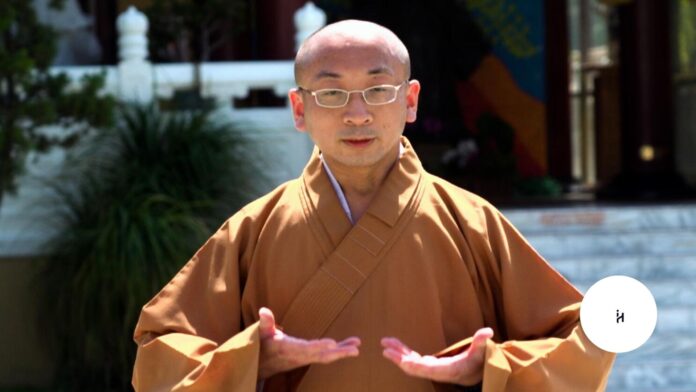
A monk (religion) represents a person who chooses a life of devotion, discipline, and spiritual focus. Throughout history, monks have been central figures in religious communities, dedicating their lives to the service of faith and humanity. Whether in Christianity, Buddhism, Hinduism, or other traditions, monks live under strict vows that guide their actions and thoughts.

The concept of the monk (religion) is deeply rooted in the search for enlightenment, simplicity, and separation from worldly distractions. In this blog, we explore various aspects of the monk (religion), its history, practices, lifestyle, and impact on the modern world.

The Historical Origins of Monk (Religion)

The roots of the monk (religion) date back thousands of years. Early examples can be seen in ancient Hinduism and Buddhism in India around the 5th century BCE. Buddhism, founded by Siddhartha Gautama, known as Buddha, introduced the monastic community known as the Sangha.

In Christianity, monasticism began in the 3rd century with figures like Saint Anthony of Egypt, who retreated into the desert seeking closeness to God. The monk (religion) evolved uniquely across cultures but always emphasized withdrawal from materialistic life in favor of spiritual devotion. These historical roots highlight the monk (religion) as an enduring and universal symbol of dedication and discipline.

Monk (Religion)

The Daily Life and Routine of a Monk (Religion)

A monk (religion) follows a disciplined and structured daily routine aimed at fostering spiritual growth. Their day often begins before sunrise with meditation, prayer, or chanting. Monks also engage in communal activities such as cleaning, gardening, or teaching. Meals are usually simple, and often, monks eat only once or twice a day.

The evenings are reserved for studying religious texts, reflection, and additional meditation. The monk (religion) thrives on simplicity and repetition, which serve to eliminate distractions and build inner peace. Their lifestyle is a living testament to their commitment to spiritual ideals.

Types of Monks in Different Religions

The term monk (religion) encompasses a variety of traditions. In Buddhism, monks are members of the Sangha who follow the Vinaya, a set of disciplinary rules. Christian monks, such as those in the Benedictine or Trappist orders, follow specific monastic rules and live in abbeys or monasteries.

Hindu monks, known as Sannyasis, renounce all worldly possessions and live as ascetics. In Taoism, monks often practice in secluded temples, combining physical training and meditation. The monk (religion) adapts its practices to the needs and beliefs of each tradition, showing the versatility of spiritual devotion across different cultures.

The Purpose and Vows of a Monk (Religion)

Every monk (religion) takes specific vows that align with their spiritual goals. Common vows include poverty, chastity, and obedience. Buddhist monks take additional vows related to ethical conduct, while Christian monks follow rules laid down by their founders, like Saint Benedict.

The purpose behind these vows is to purify the mind, detach from worldly distractions, and cultivate virtues like compassion, humility, and wisdom. Living by these vows allows the monk (religion) to focus entirely on spiritual growth, creating an environment where enlightenment or union with the divine becomes achievable.

The Role of Monk (Religion) in Community Life

A monk (religion) does not always live in isolation. Many monks actively participate in community life, offering education, charity, counseling, and religious services. In Buddhist countries like Thailand and Sri Lanka, monks play vital roles in daily life, leading ceremonies, advising laypeople, and managing temples.

In medieval Europe, Christian monks preserved literature, taught children, and cared for the sick. Even today, the monk (religion) is a guiding light for many communities, reminding people of higher values and providing spiritual and practical support in times of need.

Training and Education of a Monk (Religion)

Becoming a monk (religion) involves rigorous training and education. In Buddhist traditions, novices (samaneras) undergo years of study, learning scriptures, philosophy, meditation techniques, and ethical conduct.

Monk (Religion)

Christian monks often pass through stages like postulancy, novitiate, and final vows, during which they study theology, Latin, and liturgy. Hindu monks may live under a guru, learning spiritual disciplines through oral tradition. The training period ensures that each monk (religion) is deeply rooted in their faith and prepared for the lifelong commitment they have chosen to undertake.

Monk (Religion) and Meditation Practices

Meditation is a cornerstone in the life of a monk (religion). Buddhist monks practice various forms like Vipassana (insight meditation) and Samatha (calming meditation). Christian monks engage in contemplative prayer, a form of silent communion with God.

Hindu monks practice Dhyana, which involves deep meditation and concentration on the divine. These practices aim to still the mind, transcend ego, and attain higher states of awareness. For a monk (religion), meditation is not just a practice but a way of life, interwoven into every action, thought, and intention.

Challenges Faced by a Monk (Religion)

The life of a monk (religion) is not without challenges. Emotional loneliness, strict discipline, physical hardships, and temptation can test even the most devout monks. Remaining detached from family, wealth, and worldly ambitions requires constant vigilance and inner strength.

In modern times, monks also face societal misunderstandings and pressure from changing cultural values. Despite these challenges, the monk (religion) finds strength in their community, practices, and unyielding faith, which helps them remain steadfast on their spiritual journey.

Modern-Day Monk (Religion): Changing Roles

In today’s world, the image of the monk (religion) is evolving. Monks are now visible in media, social activism, interfaith dialogue, and even online platforms where they share teachings globally.

Figures like the Dalai Lama and Thich Nhat Hanh have shown that monks can be active participants in addressing world issues while maintaining their spiritual core. The monk (religion) today is both a guardian of ancient wisdom and a bridge to contemporary society, helping to make spiritual teachings accessible and relevant to new generations.

Famous Monks Who Changed the World

Throughout history, many monks have left a profound impact on humanity. Saint Benedict shaped Western monasticism with his “Rule of Saint Benedict,” a guide for monastic life. In Buddhism, figures like Bodhidharma and Thich Nhat Hanh have transformed the understanding of Zen and mindfulness practices.

Swami Vivekananda introduced Hindu philosophy to the Western world. These individuals exemplify how a monk (religion), through dedication and vision, can influence not just religious circles but global thought and culture as well.

Why the Monk (Religion) Still Inspires Today

Monk (Religion)

Despite rapid modernization, the monk (religion) continues to inspire millions. Their lives of simplicity, compassion, and unwavering focus serve as powerful counterpoints to materialistic and chaotic lifestyles.

People seek wisdom from monks to find peace, balance, and deeper meaning in life. As living embodiments of discipline and spiritual love, monks remind us that true happiness comes not from external achievements but from inner transformation. The monk (religion) remains a timeless beacon of hope, guiding humanity toward a more conscious and compassionate future.

Conclusion

The concept of a monk (religion) is as old as civilization itself and remains deeply relevant today. From ancient forests and mountaintop monasteries to bustling cities and digital platforms, monks continue to embody the ideals of spiritual discipline, compassion, and unwavering faith.

Whether you’re seeking personal inspiration, historical knowledge, or spiritual guidance, understanding the monk (religion) can offer profound insights into the human soul and its eternal quest for connection with the divine.

Hitler’s 1935 Speech Translated: A Deep Dive Into the Historical Address

0
Hitler's 1935 Speech

This blog delves into the translation of Hitler’s 1935 speech, analyzing its themes, language, and political significance.

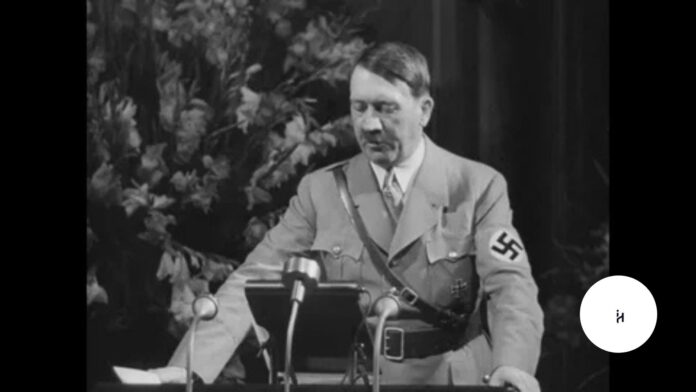
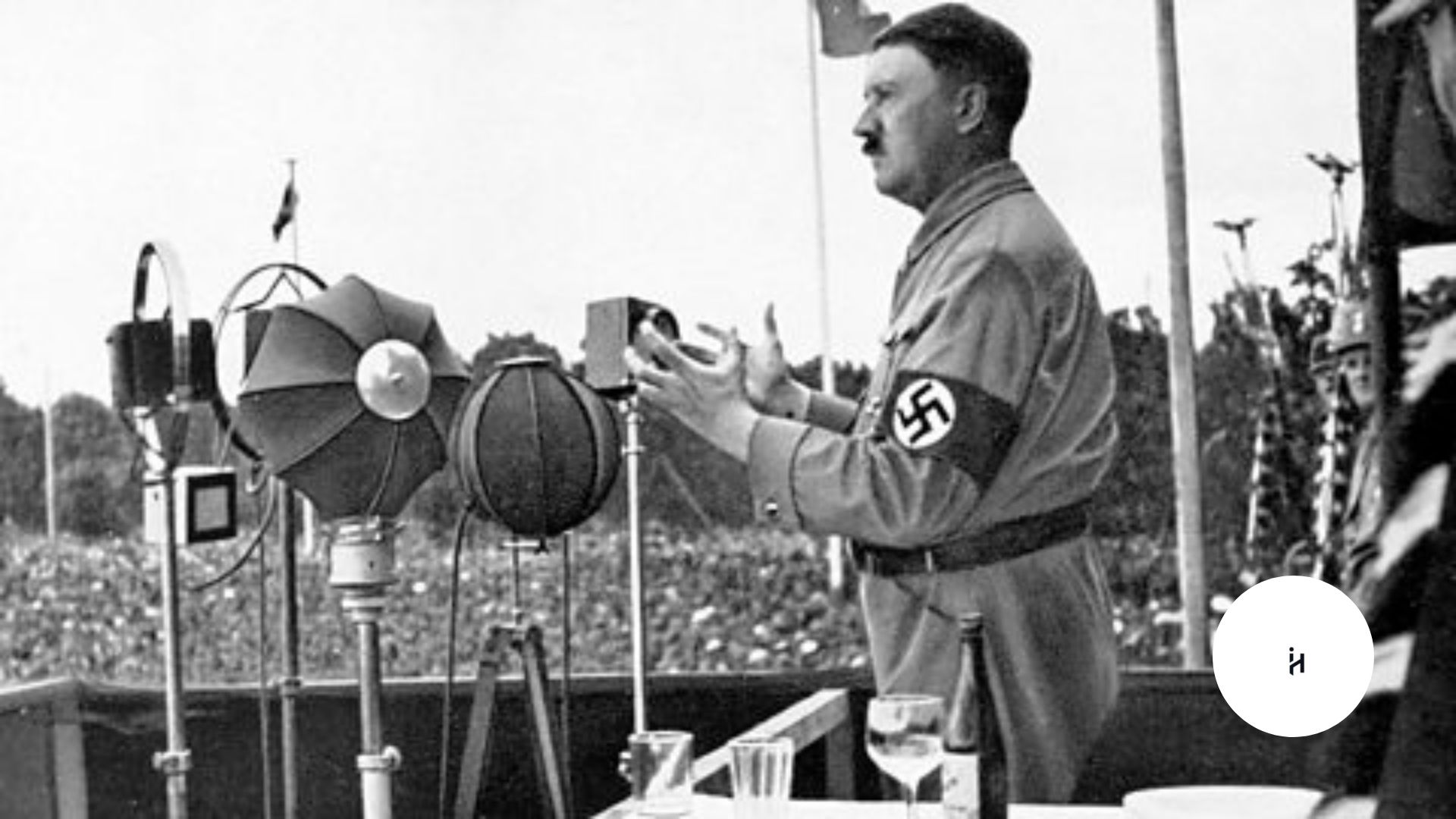
In 1935, Adolf Hitler delivered one of his most impactful speeches during the Nazi regime. His speech, known for its vehement rhetoric and nationalistic fervor, played a significant role in shaping the trajectory of Nazi Germany.

The speech was not just a political address but a momentous statement in the context of the rising power of the Nazi Party, aligning the country under Hitler’s autocratic rule.

Context of Hitler’s Speech 1935

Before diving into the translation, it’s essential to understand the political and social climate of Germany in 1935. After coming to power in 1933, Hitler sought to consolidate his rule and reshape Germany into a totalitarian state.

The Treaty of Versailles had left Germany humiliated and economically devastated. Hitler’s speeches were a tool to manipulate the masses, encouraging nationalism and military rearmament. The 1935 speech, delivered in Nuremberg, was a pivotal moment in establishing Nazi ideology as state policy. This section will provide historical context to the speech and set the stage for a deeper analysis of its translated text.

Hitler's 1935 Speech

The Rhetorical Style of Hitler’s Speech

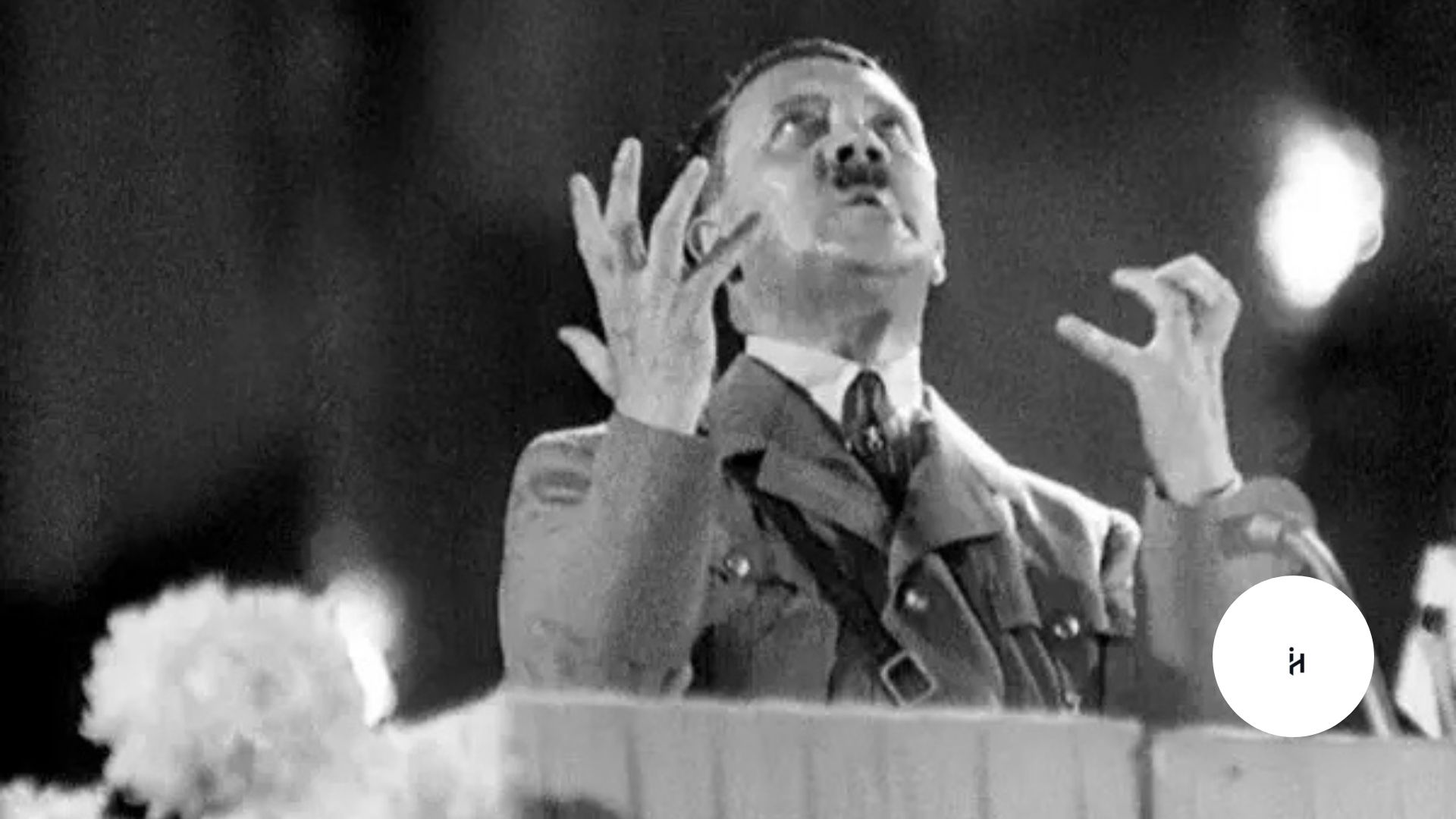
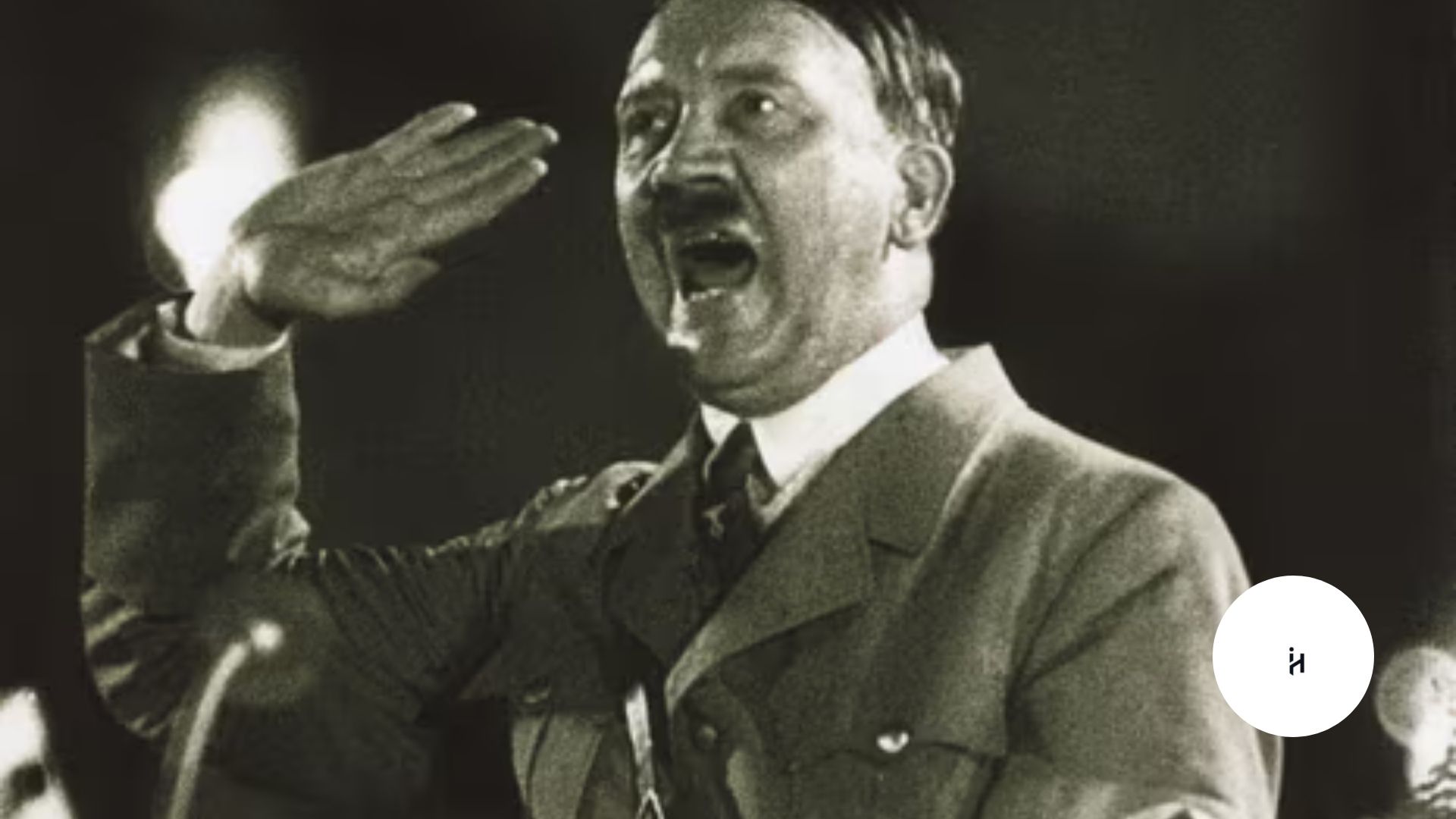
Hitler’s speech in 1935 was characterized by his iconic oratorical style. He used powerful imagery, emotive language, and an authoritative tone to captivate his audience. His speeches were filled with passionate declarations and grandiose visions for Germany’s future.

The translated text highlights his appeal to nationalism, pride, and unity, portraying Germany as a wounded nation on the brink of revival. Understanding his rhetorical style is crucial for grasping the full impact of his speech, as his language was a key tool in manipulating public opinion.

The Language of Nationalism and Unity

A central theme of Hitler’s 1935 speech was the call for national unity. The translated speech reveals how Hitler exploited the national sentiment by blaming external forces, like the Treaty of Versailles, for Germany’s plight. He emphasized the need for unity under the Nazi flag, presenting himself as the savior of the nation.

The speech underscored the idea that only through strong leadership and collective effort could Germany overcome its challenges. Hitler’s rhetorical mastery in uniting the German people under his ideology is a critical component of understanding the impact of the speech.

Anti-Semitic Themes in Hitler’s 1935 Speech

Another disturbing aspect of Hitler’s 1935 speech was his explicit anti-Semitic rhetoric. In the translated version, one can observe the venomous tone with which Hitler referred to Jewish people, portraying them as the root cause of Germany’s problems.

This speech laid the groundwork for the later implementation of the Nuremberg Laws in 1935, which institutionalized racial discrimination and segregation. Hitler’s manipulation of language to further his anti-Semitic agenda is a chilling reminder of the power of rhetoric in shaping societal norms.

The Rise of Militarism in Nazi Germany

Hitler’s 1935 speech also touched upon the military strength of Germany. The speech marked a turning point, as Hitler announced plans to rebuild the German military, violating the limitations set by the Treaty of Versailles. In the translated text, Hitler makes a clear connection between national strength and military power, advocating for the rearmament of Germany. His call for a strong military was part of a broader strategy to assert Germany’s dominance in Europe, leading to aggressive foreign policies in the years that followed.

The Role of Propaganda in Hitler’s Speech

Hitler’s 1935 speech was not just a political address but a prime example of Nazi propaganda. In the translated version, one can see how Hitler used the speech as a vehicle to disseminate Nazi ideology to the masses.

The speech was broadcasted nationwide, and its themes were amplified through various forms of media. Propaganda was central to the Nazi regime’s ability to maintain control and manipulate public opinion. This section will analyze how Hitler’s speech was crafted to serve as a tool of propaganda.

The Nuremberg Laws and Their Connection to the Speech

The 1935 speech was delivered in the same year that the Nuremberg Laws were enacted, which legally disenfranchised Jews and other minorities. Hitler’s speech foreshadowed these laws, providing the ideological justification for the legal segregation of Jewish people from the rest of German society.

The translated speech is filled with references to racial purity and the importance of protecting the “German bloodline.” These ideas would later be codified in the Nuremberg Laws, marking a significant moment in the escalation of Nazi racial policies.

Hitler's 1935 Speech

The Impact of Hitler’s Speech on the German Population

The impact of Hitler’s 1935 speech on the German population cannot be understated. His impassioned words resonated with many Germans who were disillusioned with the Treaty of Versailles and the economic hardships of the Weimar Republic.

The translated speech stirred a sense of national pride and unity, especially among those who felt marginalized by the international community. Hitler’s ability to connect with the masses was one of the main reasons for his rise to power, and this speech was a perfect example of his persuasive techniques.

International Reactions to Hitler’s 1935 Speech

While the speech was designed to rally the German people, it also had significant international repercussions. In the translated speech, Hitler made numerous references to the “wrong” done to Germany by the Treaty of Versailles, which alarmed other European nations. Countries such as France and Britain began to recognize the growing threat posed by Nazi Germany. The speech marked a turning point in international relations, as it signaled Germany’s intent to challenge the post-World War I order.

The Legacy of Hitler’s 1935 Speech

The legacy of Hitler’s 1935 speech is both profound and tragic. While it helped solidify Hitler’s power and rally the German population behind his vision, it also laid the groundwork for the horrors of World War II and the Holocaust.

The speech marked the beginning of a more aggressive phase in Nazi foreign policy and signaled the regime’s commitment to militarism, nationalism, and racial purity. In the translated version, one can clearly see how Hitler’s ideology would later manifest in the devastation of Europe.

Lessons From Hitler’s 1935 Speech: A Cautionary Tale

Hitler’s 1935 speech serves as a stark reminder of the dangers of unchecked nationalism and authoritarianism. The translated text provides an invaluable insight into how language can be used to manipulate public sentiment and justify oppressive policies.

Today, it stands as a cautionary tale about the dangers of political leaders who use fear, division, and rhetoric to consolidate power. Understanding the speech and its implications is crucial for preventing similar ideologies from gaining traction in contemporary societies.

Hitler's 1935 Speech

Conclusion

Hitler’s 1935 speech remains one of the most powerful examples of political rhetoric in history. The translated version of the speech provides us with a glimpse into the mind of a dictator who used language to manipulate, control, and rally the masses behind his vision of a powerful, unified Germany.

By studying this speech, we can better understand the mechanisms of totalitarianism and the importance of resisting divisive and hateful ideologies. Through careful analysis, we uncover the dark legacy of Hitler’s words and their catastrophic impact on the world.