Home Blog Page 428

John Softsword: The Troubled Reign of King John of England

0
John Softsword

Introduction: Who Was John Softsword?

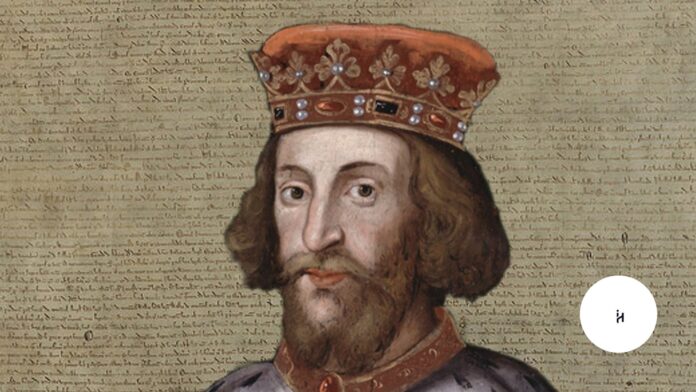
John Softsword, also known as King John of England, was one of the most debated monarchs in British history. Born on December 24, 1166, he was the youngest son of King Henry II and Eleanor of Aquitaine. His nickname “Softsword” was not a compliment but rather a critique of his military failures, especially compared to his warrior brother, Richard the Lionheart. This blog delves into his life, from his early years to his legacy, uncovering the truth behind the man called John Softsword.

The term “John Softsword” evokes weakness, but history shows that he was also cunning, politically active, and determined, although deeply flawed. From family betrayals to the loss of French territories and the signing of the Magna Carta, his reign was anything but quiet.

Early Life and Background

John Softsword

John Softsword was born into a powerful dynasty. As the youngest of Henry II’s sons, he was never expected to become king. His childhood was marked by royal privilege, education, and political intrigue. Unlike his brothers, especially Richard and Geoffrey, John did not excel in warfare, which would later become a major issue.

He was first titled “Lord of Ireland” at just 12 years old, but his governance there was considered a failure. The nickname John Softsword came later, after he failed in military campaigns that lost England much of its land in France. His early life reveals a monarch not trained for kingship but thrust into it due to the deaths of his brothers.

The Road to Kingship

John Softsword became king in 1199 after the death of Richard I. His ascent was controversial; many nobles preferred Arthur of Brittany, the son of John’s deceased elder brother Geoffrey. However, John’s cunning political moves helped secure the throne.

Despite his questionable claim, John Softsword showed political ambition. He secured loyalty through bribes and threats, though his methods sowed the seeds of distrust that would follow him throughout his reign. His title, while demeaning, masked a complex individual determined to rule at all costs.

Conflict with France and the Loss of Normandy

John Softsword’s reign is infamous for the loss of Normandy and other French territories. In 1204, King Philip II of France took advantage of internal weaknesses and claimed Normandy. John failed to mount a successful defense, and his military leadership was widely criticized.

This loss was catastrophic. It damaged England’s prestige and economy and exposed John Softsword to further criticism. Unlike his brother Richard, who was celebrated for military might, John became a symbol of failure. His nickname gained popularity during this time, pointing directly to his inability to wield power effectively.

The Murder of Arthur of Brittany

One of the darkest episodes of John Softsword’s rule was the mysterious disappearance—and probable murder—of his nephew, Arthur of Brittany, in 1203. Arthur had a legitimate claim to the throne, and John saw him as a direct threat.

Many historians believe John was directly responsible for Arthur’s death, an act that horrified Europe and cost him political allies. The shadow of this crime darkened his legacy. It reinforced the image of John Softsword as not only weak in battle but also cruel and paranoid.

Strained Relations with the Nobility

Throughout his reign, John Softsword struggled with his barons. His heavy taxation, arbitrary justice, and military failures alienated the nobility. By the early 1210s, tensions had reached a breaking point.

The barons eventually revolted, demanding reforms and accountability. John’s harsh methods and reputation as an unreliable leader only fueled the rebellion. The nickname John Softsword served as a symbol of their contempt—a ruler who failed to protect and lead effectively.

The Signing of Magna Carta
John Softsword

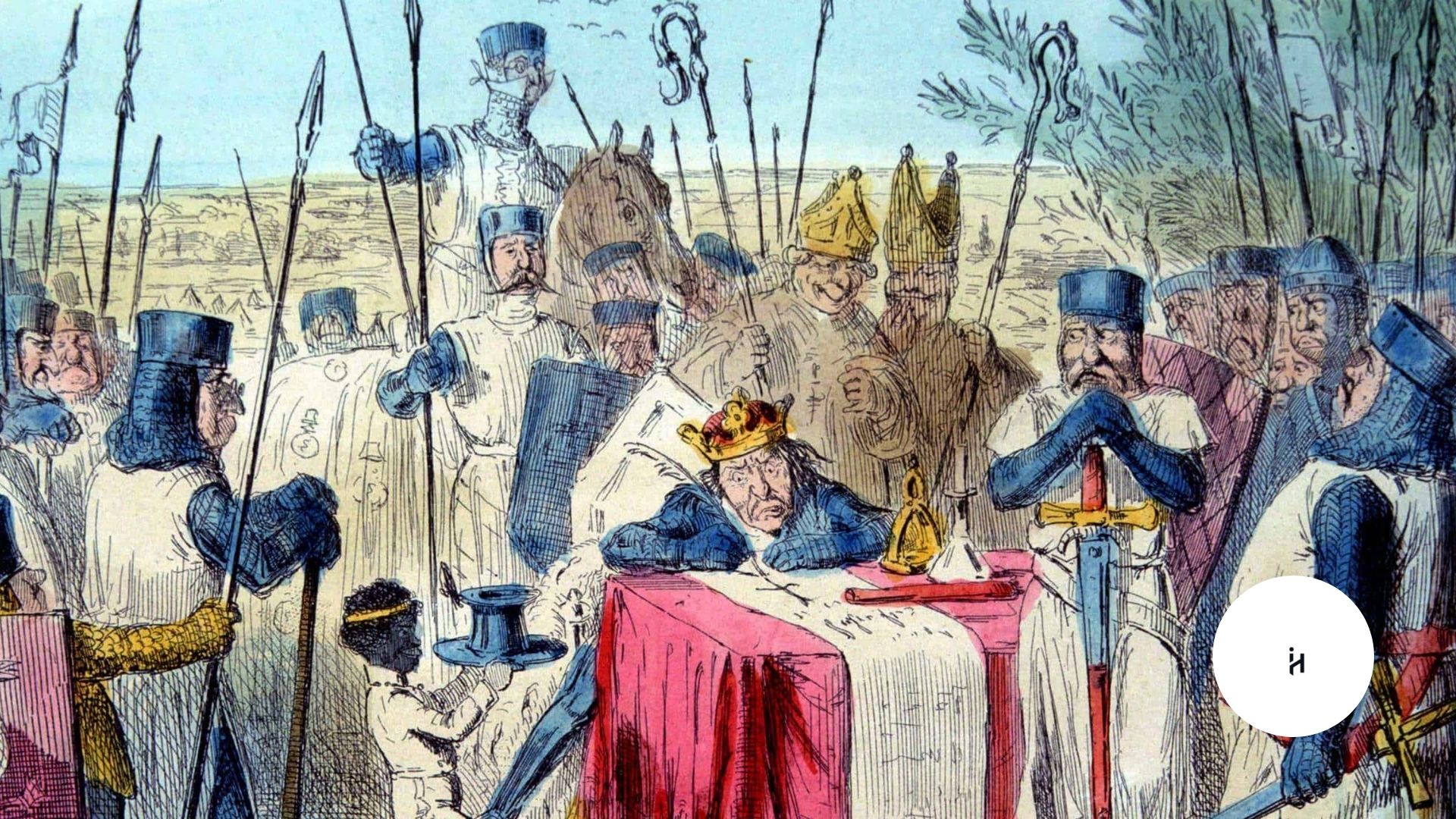
In 1215, John Softsword was forced to sign the Magna Carta, a historic document that limited the power of the monarchy and protected baronial rights. Though initially signed under duress, it became a cornerstone of English constitutional law.

John Softsword had no intention of honoring it, and civil war soon erupted. However, the Magna Carta remains his most lasting contribution. Ironically, the weak and reluctant king who signed it unwillingly helped lay the foundation for democratic governance.

Conflicts with the Church and Excommunication

John Softsword’s relationship with the Catholic Church was turbulent. When Pope Innocent III tried to influence the appointment of the Archbishop of Canterbury, John refused to comply. This led to his excommunication in 1209.

For five years, England was under a papal interdict. This caused chaos and resentment. Eventually, John Softsword capitulated, offering England as a papal fief and paying homage to the pope. This move, though politically strategic, further damaged his reputation at home.

Personal Life and Character

John Softsword was known for his cruelty, jealousy, and volatile temperament. He was married twice—first to Isabella of Gloucester and later to Isabella of Angoulême. His second marriage was controversial due to her age and existing engagement.

His reign was also marked by scandal, rumors of sexual misconduct, and untrustworthy behavior. John Softsword lacked the charisma and heroism of his brother Richard. He was a ruler feared more than loved, and mistrusted more than admired.

Death and Succession

John Softsword

John Softsword died on October 19, 1216, during a civil war with his barons. He fell ill, likely from dysentery, after losing his royal treasure in a river crossing. His death left the kingdom in chaos, with his son Henry III taking the throne as a child.

Despite his failures, John Softsword’s death ended a crucial chapter in English history. His reign highlighted the limits of autocracy and the necessity of legal frameworks. His son would inherit a fragile crown but a kingdom slowly learning the value of shared power.

Legacy of John Softsword

The legacy of John Softsword is one of failure, controversy, and unintended progress. While he is often ranked among England’s worst kings, his reign brought about one of its most important legal documents—Magna Carta.

In literature and history, John Softsword is remembered as the villain in the Robin Hood legends and as the monarch who lost the Angevin Empire. Yet, his reign forced England to reconsider the role of kingship, power, and the rights of the governed. His failures became the foundation for future successes.
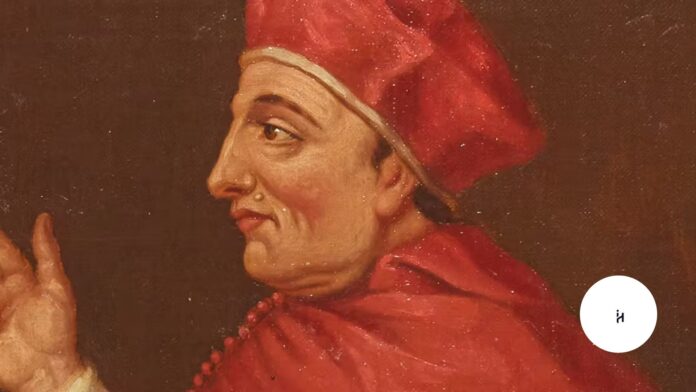
Cardinal Wolsey: The Rise and Fall of a Tudor Powerbroker

0
Cardinal Wolsey

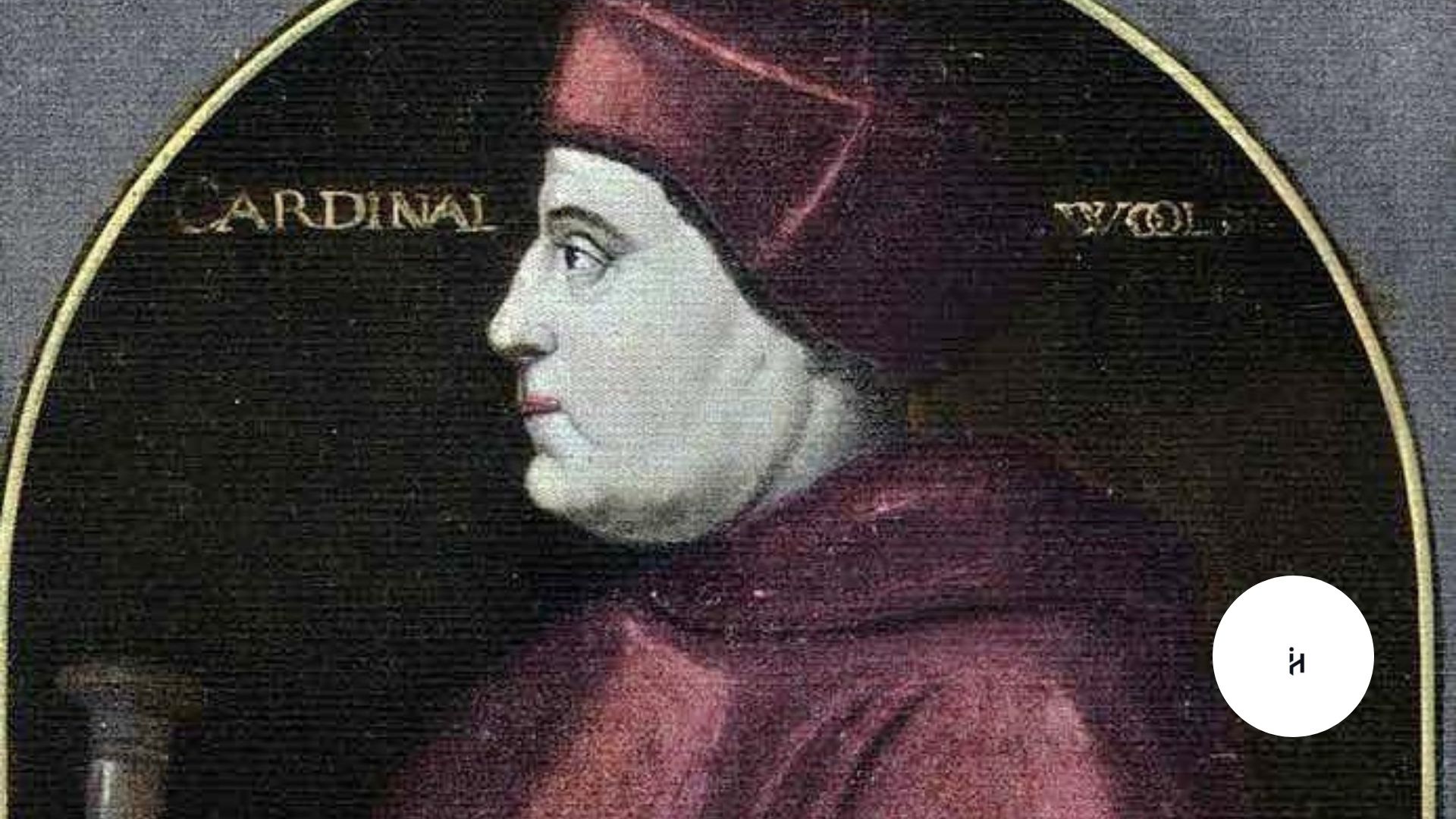
Cardinal Wolsey was one of the most powerful and controversial figures in Tudor England. As the chief advisor to King Henry VIII, his rise from humble beginnings to the heights of political and religious power is both fascinating and cautionary. Born around 1473, Cardinal Wolsey was the son of a butcher in Ipswich, yet he would come to control nearly every aspect of English governance and diplomacy.

His fall from grace, however, was just as dramatic. In this blog, we’ll delve into the remarkable life of Cardinal Wolsey, analyzing his influence, achievements, and eventual disgrace. Whether you’re a history enthusiast or new to Tudor politics, understanding the story of Cardinal Wolsey is essential to grasping the dynamics of the early 16th century.

Early Life and Humble Beginnings

Cardinal Wolsey

Cardinal Wolsey was born in Ipswich to a relatively modest family. His father was a butcher, and his social status at birth did not suggest a path to power. However, through intelligence and ambition, young Thomas Wolsey rose quickly through the educational ranks.

He studied at Magdalen College, Oxford, becoming a priest and later obtaining a degree by the age of 15. His academic achievements paved the way for his entry into the service of the church and the state.

Despite his humble origins, Cardinal Wolsey was able to secure patronage and rise swiftly. His intellect and administrative abilities caught the attention of powerful churchmen and eventually the king himself.

It was through ecclesiastical appointments and diplomatic missions that Cardinal Wolsey earned his early reputation. These formative years were crucial in establishing the skills and connections he would later use to dominate English politics.

Rise to Power Under Henry VIII

When Henry VIII came to the throne in 1509, Cardinal Wolsey was already climbing the ecclesiastical ladder. Thanks to his capability and charm, he quickly became indispensable to the young king. Wolsey was made Royal Almoner, a role that gave him frequent access to the monarch. It was not long before Cardinal Wolsey became Henry’s most trusted advisor.

Cardinal Wolsey understood the ambitions of Henry VIII and shaped policies to support them, particularly in foreign affairs. His handling of war campaigns and peace treaties earned him favor. By 1515, he had become both Lord Chancellor and Cardinal—cementing his position as the most powerful man in England after the king. From this point forward, Cardinal Wolsey was at the center of nearly every major decision in the realm.

Diplomatic Genius: European Politics and Treaties

Cardinal Wolsey was a master of European diplomacy. During a time of constant power shifts between France, Spain, and the Holy Roman Empire, he managed to position England as a vital player.

One of his most famous achievements was the Treaty of London in 1518, a non-aggression pact signed by major European powers, which brought prestige to England and peace—at least temporarily.

The Field of the Cloth of Gold in 1520 also highlighted Cardinal Wolsey’s diplomatic flair. This grand meeting between Henry VIII and Francis I of France was organized by Wolsey to display England’s wealth and influence. Although the political results were limited, the event demonstrated Wolsey’s ability to orchestrate international spectacle and negotiations with grandeur.

Domestic Reforms and Governmental Control

Cardinal Wolsey didn’t just shine in international affairs; he also reshaped domestic policy. He took control of England’s legal and financial systems, often bypassing traditional noble influence. As Lord Chancellor, Cardinal Wolsey introduced legal reforms aimed at reducing corruption and making the law accessible to the poor. His Court of Chancery and Star Chamber became tools of both justice and power.

Wolsey also sought to increase royal revenues by restructuring tax systems. He introduced the “Amicable Grant,” a controversial tax that faced strong resistance. Although the measure failed, it showed his boldness in attempting to centralize control.

Cardinal Wolsey’s vision was one of absolute royal authority—where the monarch ruled with efficient, centralized bureaucracy, directed by his capable advisor.

The Church and Cardinal Wolsey’s Ecclesiastical Power

Cardinal Wolsey

As a cardinal and papal legate, Cardinal Wolsey had immense authority over the English Church. His dual role in church and state made him unique in European politics. He held multiple bishoprics simultaneously and used his influence to reform monastic orders and regulate clerical behavior. However, his accumulation of wealth and offices also drew criticism.

Many accused Cardinal Wolsey of hypocrisy—preaching reform while living in opulence. Despite this, he made efforts to close corrupt monasteries and fund educational institutions. His foundation of Cardinal College in Oxford (later Christ Church) reflected his commitment to education and spiritual improvement, even if it also served his legacy.

Relationship with King Henry VIII

The partnership between Cardinal Wolsey and Henry VIII was one of deep mutual reliance. The king trusted Wolsey to manage the kingdom while he indulged in courtly pursuits. Wolsey’s loyalty and discretion made him invaluable. He managed wars, treaties, finances, and court politics—often shielding the king from public discontent.

However, the relationship was not without tension. As Henry grew older and more assertive, he began to challenge Wolsey’s dominance. The failure to secure the king’s desired annulment from Catherine of Aragon marked the beginning of cracks in their alliance. Nonetheless, for nearly two decades, Cardinal Wolsey was Henry VIII’s right hand.

The King’s Great Matter and Wolsey’s Downfall

The turning point in Cardinal Wolsey’s career came with Henry VIII’s desperate desire for a male heir. The king sought an annulment from Catherine of Aragon so he could marry Anne Boleyn. Wolsey promised to secure papal approval for the divorce, but political pressures in Rome—especially from Catherine’s nephew, Emperor Charles V—made it impossible.

Cardinal Wolsey’s failure to deliver the annulment was fatal. Henry’s frustration grew, and Anne Boleyn’s faction at court turned the king against his loyal servant. By 1529, Cardinal Wolsey was stripped of his titles and charged with praemunire, accused of placing papal authority above the king’s. It marked the beginning of his tragic fall.

Arrest and Death in Leicester

After his dismissal, Cardinal Wolsey retreated to York, where he tried to regain favor by fulfilling his clerical duties. However, his enemies at court, especially the Boleyns, were not satisfied. In 1530, he was arrested and summoned to London on charges of treason. The journey was slow and humiliating for a man who once ruled the kingdom.

Cardinal Wolsey died en route at Leicester Abbey, reportedly saying, “If I had served my God as diligently as I did my king, He would not have given me over in my grey hairs.” These final words reflect a man who recognized the cost of his ambition. His death marked the end of an era in Tudor politics.

Legacy and Historical Significance

Cardinal Wolsey’s legacy is complex. On one hand, he is remembered as a brilliant statesman who brought stability and prestige to England. On the other, his downfall serves as a warning about the dangers of unchecked ambition and royal favor. Historians continue to debate whether he was a visionary reformer or a power-hungry opportunist.

He laid the groundwork for many Tudor policies and institutions, and his influence extended beyond his lifetime. His life also paved the way for Thomas Cromwell, another commoner-turned-statesman. Without Cardinal Wolsey, the English Reformation may have taken a different path. His name remains central in any study of Tudor history.

Cardinal Wolsey

Cardinal Wolsey in Popular Culture

Cardinal Wolsey has been portrayed in various books, plays, and TV series. William Shakespeare depicted him as a tragic figure in Henry VIII, while modern shows like The Tudors present him as cunning and conflicted. These portrayals often focus on his rise from poverty and dramatic fall from grace.

His story resonates because it combines intellect, loyalty, pride, and downfall—all in the context of one of the most dramatic periods in English history. Whether seen as a villain or victim, Cardinal Wolsey remains a captivating character who shaped an entire era.

Final Thoughts on Cardinal Wolsey

The life of Cardinal Wolsey is a study in contrasts: from humble beginnings to immense power, from spiritual leader to political mastermind, and from royal favorite to disgraced exile. He was a man who sought to serve his king but lost everything in the process. His ambition was both his strength and his undoing.

Understanding Cardinal Wolsey gives us insight into the complexities of Tudor England. He exemplified the possibilities of social mobility, the intricacies of church-state relations, and the fragility of political power. Even centuries later, the story of Cardinal Wolsey continues to inspire historians and dramatists alike.

The Ultimate Guide to the Laws of INE

0
Laws of INE

Introduction: Understanding the Laws of INE

The laws of INE refer to a structured framework of principles and rules established by the Instituto Nacional Electoral (INE) of Mexico. These laws are crucial in maintaining fair electoral processes, democratic transparency, and the integrity of political campaigns in Mexico. The INE is an autonomous public organization responsible for organizing federal elections, including the presidential, senatorial, and deputy elections. The laws of INE are not only legal regulations but also serve as ethical guidelines for political entities and voters alike.

These laws influence every stage of an election, from the registration of political parties to post-election audits. Their significance continues to grow in a global context, as democratic institutions strive to uphold the rule of law in the electoral process. This blog explores the laws of INE in detail, breaking down each core principle, how it’s applied, and its importance in modern governance.

Foundation and Purpose of the Laws of INE

Laws of INE

The laws of INE were established with the core objective of promoting free and fair elections in Mexico. These laws originated from electoral reforms introduced in the early 1990s, a time when Mexico was transitioning towards democratic maturity. Before the formation of INE, the electoral process in Mexico lacked credibility and transparency, resulting in frequent public unrest and political disputes.

By creating an autonomous electoral body, the Mexican government ensured that elections were managed independently of political influence. The laws of INE encapsulate regulations regarding voter registration, campaign financing, media access, and election monitoring. Their purpose is to foster trust among citizens, create a level playing field for political parties, and ensure that democracy thrives through legitimate processes.

The INE is bound by constitutional mandates, and the laws of INE are enforced under the Federal Electoral Code. Any political entity or individual found violating these laws faces legal consequences, which may include fines, disqualifications, or imprisonment.

Electoral Process Regulations

One of the main focuses of the laws of INE is to outline how the electoral process should be conducted. These laws specify detailed procedures for organizing elections, from voter registration to vote counting and result announcements. For example, all voters must be listed in the Federal Electoral Registry and must possess a valid voter ID to participate in elections.

Electoral officers undergo special training to manage polling stations and handle ballots securely. The INE ensures that all materials used in the election process, including voting booths and ballot papers, meet strict security standards to prevent tampering.

The laws of INE mandate that political parties and candidates have equal access to public resources and campaign opportunities. This eliminates the risk of any party receiving preferential treatment. Moreover, electoral observers from national and international organizations are allowed to monitor the process, providing an additional layer of transparency.

Political Party Registration and Oversight

The laws of INE establish stringent criteria for the registration and operation of political parties. Any political organization seeking official recognition must prove that it has sufficient membership and public support. Typically, a minimum percentage of voter affiliation across several states is required for a party to qualify.

Once registered, parties must adhere to regulations governing internal democracy. This includes holding periodic leadership elections and submitting financial reports. The INE monitors party activities closely, ensuring they do not engage in illicit funding, hate speech, or voter coercion.

Failure to comply with these regulations can lead to penalties, including suspension of party rights or cancellation of registration. The laws of INE are essential in preventing the formation of fake or extremist parties that may disrupt the democratic process.

Campaign Financing and Spending Limits

Campaign financing is a crucial component regulated by the laws of INE. To promote equality among candidates, these laws impose strict limits on the amount of money that can be spent during campaigns. Political parties and candidates must report all sources of funding and provide detailed expense records.

The INE audits these reports and may demand clarification or justification for unusual expenses. The laws of INE prohibit the use of illicit funds, foreign donations, or anonymous contributions. Additionally, public funds are allocated to eligible parties to support their operations, reducing dependence on private donors.

This system minimizes corruption and ensures that no candidate has an unfair financial advantage. Transparency in campaign financing, enforced through the laws of INE, plays a vital role in preserving electoral integrity.

Laws of INE

Media and Communication Guidelines

To prevent misinformation and ensure balanced coverage, the laws of INE regulate media participation in electoral campaigns. During election seasons, media outlets are required to offer equal time slots to all candidates and parties in government-funded broadcasting.

Private media channels are free to cover elections but must avoid biased reporting or disproportionate exposure. The INE collaborates with media monitoring organizations to assess fairness in election coverage.

Additionally, the laws of INE prohibit the spread of fake news or defamatory content during campaigns. Violators may face legal action, including fines and bans from broadcasting. These regulations help maintain public confidence in electoral information and discourage manipulation of public opinion.

Voter Education and Civic Engagement

The laws of INE emphasize the need for continuous voter education. INE runs several civic engagement programs across schools, universities, and local communities to increase political awareness and voter turnout.

Through workshops, digital platforms, and printed materials, the INE educates citizens about their voting rights and responsibilities. It also teaches voters how to verify information, recognize legitimate candidates, and understand how their vote impacts the democratic process.

Such initiatives reduce voter apathy and misinformation. The laws of INE make it mandatory for the electoral body to allocate a portion of its budget towards these educational campaigns, ensuring that democracy is understood and valued by all segments of society.

Electoral Offenses and Legal Penalties

Violations of the laws of INE are treated as serious offenses under Mexican law. Electoral crimes include vote buying, voter intimidation, falsification of documents, and unauthorized campaign funding.

The Special Prosecutor’s Office for Electoral Crimes (FEPADE) works closely with INE to investigate and prosecute these violations. Depending on the nature of the crime, penalties can include disqualification of candidates, annulment of elections, imprisonment, or hefty fines.

The presence of legal enforcement ensures that political actors respect the laws of INE, reinforcing democratic norms and discouraging malpractice.

Role of Technology in Electoral Processes

Modern elections rely heavily on technology, and the laws of INE incorporate specific guidelines to govern its use. From biometric voter registration systems to electronic vote tallying, technology is employed to enhance accuracy and efficiency.

The INE is responsible for ensuring that all digital systems are secure and tamper-proof. Cybersecurity protocols are established to protect against hacking, data breaches, or manipulation.

Moreover, technology is used to disseminate real-time election updates and results, fostering transparency. The laws of INE mandate regular system audits and public reporting, ensuring accountability at every level.

Role of Observers and International Partnerships

The laws of INE allow domestic and international observers to participate in the electoral process. These observers play a critical role in verifying that elections are conducted fairly and transparently.

International organizations like the UN and the Organization of American States (OAS) often send delegations to monitor Mexican elections. Their reports provide valuable feedback and help strengthen future electoral processes.

Laws of INE

The laws of INE require the INE to facilitate observer access, ensuring they can operate freely and without obstruction. This cooperation boosts global confidence in Mexico’s democratic systems.

Post-Election Review and Conflict Resolution

After every election, the INE conducts a comprehensive review of the entire process. This includes recounts, audits, and public consultations to assess transparency and efficiency.

If any disputes arise, the laws of INE provide a legal framework for conflict resolution. Electoral tribunals, independent from the INE, are tasked with resolving complaints, validating results, or ordering re-elections if necessary.

This post-election process ensures that grievances are addressed legally, rather than through unrest. The laws of INE thus serve as a safeguard against electoral fraud and political instability.

Future Challenges and Reforms to the Laws of INE

Despite the strengths of the current framework, the laws of INE face evolving challenges. These include digital misinformation, low youth participation, and rising political polarization. As a result, lawmakers and electoral experts are constantly reviewing and proposing reforms.

Recent proposals include expanding electronic voting, increasing transparency in social media campaigning, and improving civic education programs. Adapting the laws of INE to meet modern demands ensures the long-term health of democracy in Mexico.

Continued evolution of these laws is vital to upholding fairness, credibility, and public trust in the electoral system.

Fotheringhay Castle England: A Royal Fortress of Intrigue and Tragedy

0
Fotheringhay Castle England

Nestled in the picturesque countryside of Northamptonshire lies the ruins of Fotheringhay Castle England, a once-majestic fortress steeped in royal history, political drama, and tragic endings. Although only traces of the original structure remain today, the legacy of Fotheringhay Castle continues to capture the imagination of history enthusiasts and tourists alike. This blog explores the castle’s historical significance, architecture, famous figures, and more—using the keyword Fotheringhay Castle England naturally throughout.

The Origins of Fotheringhay Castle England

Fotheringhay Castle England was originally built in the early 12th century by Simon de Senlis, Earl of Northampton. Strategically located near the River Nene, the site served as a defensible and influential stronghold. By the 14th century, it had passed into the hands of the powerful House of York. Its importance grew steadily as it became a key political and royal site. The castle was more than just a military fortification; it was a symbol of feudal authority and a residence of noble prestige.

Architectural Grandeur of Fotheringhay Castle

Fotheringhay Castle England

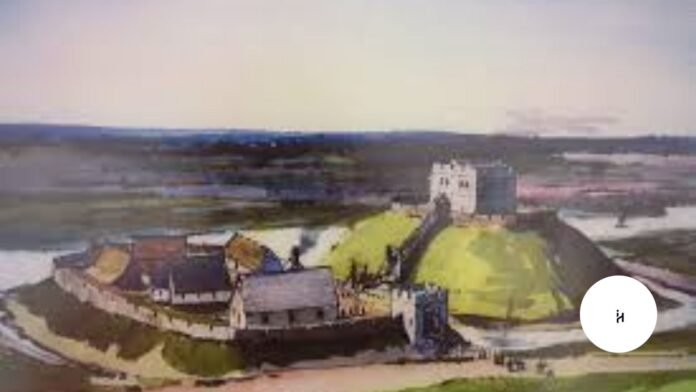
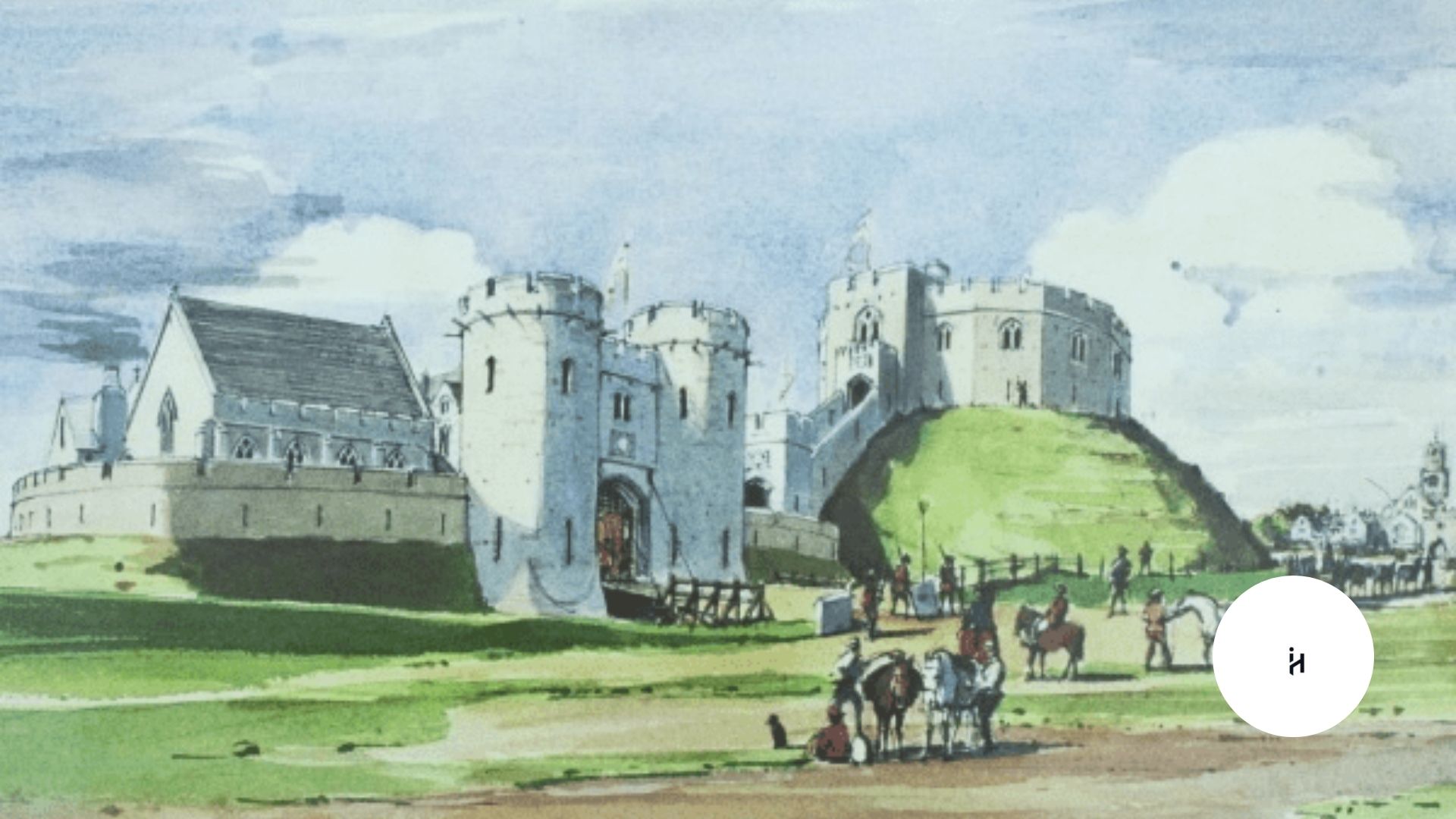
Though little of it stands today, Fotheringhay Castle England once featured classic Norman motte-and-bailey architecture. A great round keep sat atop a man-made mound, offering panoramic views of the surrounding lands.

The castle was equipped with curtain walls, inner and outer baileys, and a deep moat fed by the River Nene. Its well-fortified design showcased both aesthetic and strategic brilliance. Over the centuries, expansions and renovations added Gothic features, especially under the Yorkist influence.

 The Castle’s Role in the Wars of the Roses

Fotheringhay Castle England played a significant role during the Wars of the Roses, serving as a Yorkist stronghold. It was the birthplace of Richard III, one of England’s most controversial monarchs.

The castle was a political hub where crucial decisions and alliances were formed. This turbulent period cemented Fotheringhay’s place in English history. Its connection to the House of York gave it royal status and strategic prominence during this civil war.

Mary, Queen of Scots and Her Imprisonment

Perhaps the most tragic and famous chapter in the history of Fotheringhay Castle England was the imprisonment of Mary, Queen of Scots. She was held there in 1586 under the orders of Queen Elizabeth I, accused of plotting against the English throne. The gloomy surroundings and isolation added to her emotional and psychological turmoil. Her time in the castle was marked by strict surveillance and political tension, making the location infamous in royal history.

Execution of Mary, Queen of Scots

On February 8, 1587, Mary, Queen of Scots, was executed at Fotheringhay Castle England in the Great Hall. Her beheading was a defining moment in Tudor history and had deep political and religious consequences.

The execution was attended by nobles and officials, and it shocked Europe. This event is a primary reason why the castle remains well-known today. Her death at Fotheringhay marked the tragic end of a long-standing rivalry between two queens.

The Castle’s Decline and Demolition

Fotheringhay Castle England

Following Mary’s execution, Fotheringhay Castle England gradually fell out of use. By the 17th century, the structure had significantly deteriorated. Stones from the castle were removed and used for nearby building projects.

The castle’s strategic importance had faded, and it was no longer maintained. Over time, nature reclaimed the area, leaving behind only earthworks and remnants. Its fall from glory reflects the changing priorities of post-medieval England.

Archaeological Discoveries and Preservation Efforts

Despite its ruin, Fotheringhay Castle England remains a subject of archaeological interest. Excavations have revealed stone foundations, pottery, and tools that tell the story of daily life within the fortress.

Preservation groups have worked to maintain the site’s legacy, ensuring that what remains is not lost to time. Informational signs and visitor access paths allow history lovers to engage with the site meaningfully. The efforts continue to keep the spirit of the castle alive.

Visiting Fotheringhay Castle Today


Today, visitors to Fotheringhay Castle England can walk among the earthworks that mark the former keep and moat. Though only fragments remain, the sense of historical gravity is palpable. Nearby St Mary and All Saints Church, where Richard III’s father was buried, adds to the atmosphere. It’s a serene and reflective experience for those interested in medieval history and royal stories. The village of Fotheringhay itself offers a charming glimpse into rural England.

Legends and Ghost Stories of Fotheringhay

Over the centuries, Fotheringhay Castle England has become the subject of numerous legends and ghost stories. The most well-known tale is that of Mary, Queen of Scots, whose spirit is said to haunt the site. Visitors have reported strange sounds and feelings of unease, especially near the mound. While no scientific evidence supports these claims, the stories add a mystical layer to the castle’s allure. Such folklore enriches the cultural memory of the location.

Fotheringhay Castle England

Fotheringhay in Literature and Media

The legacy of Fotheringhay Castle England lives on not just in history books but also in literature, documentaries, and films. It has been featured in historical novels and dramas focusing on the Tudor and Yorkist periods. Mary, Queen of Scots’ final days have been reimagined in various adaptations, often showcasing the castle as a somber and symbolic backdrop. These depictions keep its story alive for new generations worldwide.

The Lasting Legacy of Fotheringhay Castle England

Although only ruins remain, Fotheringhay Castle England continues to inspire fascination and respect. Its role in royal births, political upheavals, and tragic endings gives it a unique place in British heritage.

From being a Yorkist palace to the execution site of a Scottish queen, its layers of history are deeply woven into the national narrative. Visitors and historians alike are drawn to its story, ensuring that Fotheringhay’s legacy endures far beyond its stones.