Home Blog Page 427

Tenno Heika Banzai: Meaning, Origins, and Cultural Legacy

0
Tenno Heika Banzai

Introduction: Understanding “Tenno Heika Banzai”

“Tenno Heika Banzai” is a phrase deeply embedded in Japan’s cultural and historical fabric. Literally translating to “Long Live His Majesty the Emperor,” this chant has been used to express loyalty, respect, and unity among the Japanese people. While the phrase has imperial undertones, its application extends from military contexts to ceremonial celebrations and patriotic expressions. In this blog, we explore the meaning of tenno heika banzai, its historical development, cultural importance, and its evolving role in modern-day Japan.

Literal Translation and Meaning of “Tenno Heika Banzai”

Tenno Heika Banzai

“Tenno” refers to the Emperor of Japan, “Heika” is a respectful honorific for a sovereign, and “Banzai” translates to “ten thousand years.” Therefore, the complete phrase tenno heika banzai means “May the Emperor live for ten thousand years” or simply, “Long Live His Majesty the Emperor.” It is an expression of eternal loyalty and reverence.

The phrase is used much like the Western “God Save the King” or “Long Live the King,” symbolizing patriotic spirit and national pride. However, tenno heika banzai is particularly unique in its deep connection with Japan’s imperial institution, which is the world’s oldest continuing hereditary monarchy.

Historical Roots of the Phrase

The origins of tenno heika banzai trace back to ancient Chinese expressions where “banzai” was used to wish emperors long life. This usage traveled to Japan and was adapted into local traditions. It became prominent in the Meiji Era (1868–1912), when Japan began to modernize and centralize its imperial power.

By the time of World War II, tenno heika banzai had become a symbolic and emotional chant used by soldiers and civilians alike. It reflected not just support for the emperor but a shared national identity rooted in divine imperial lineage.

Role in World War II Japan

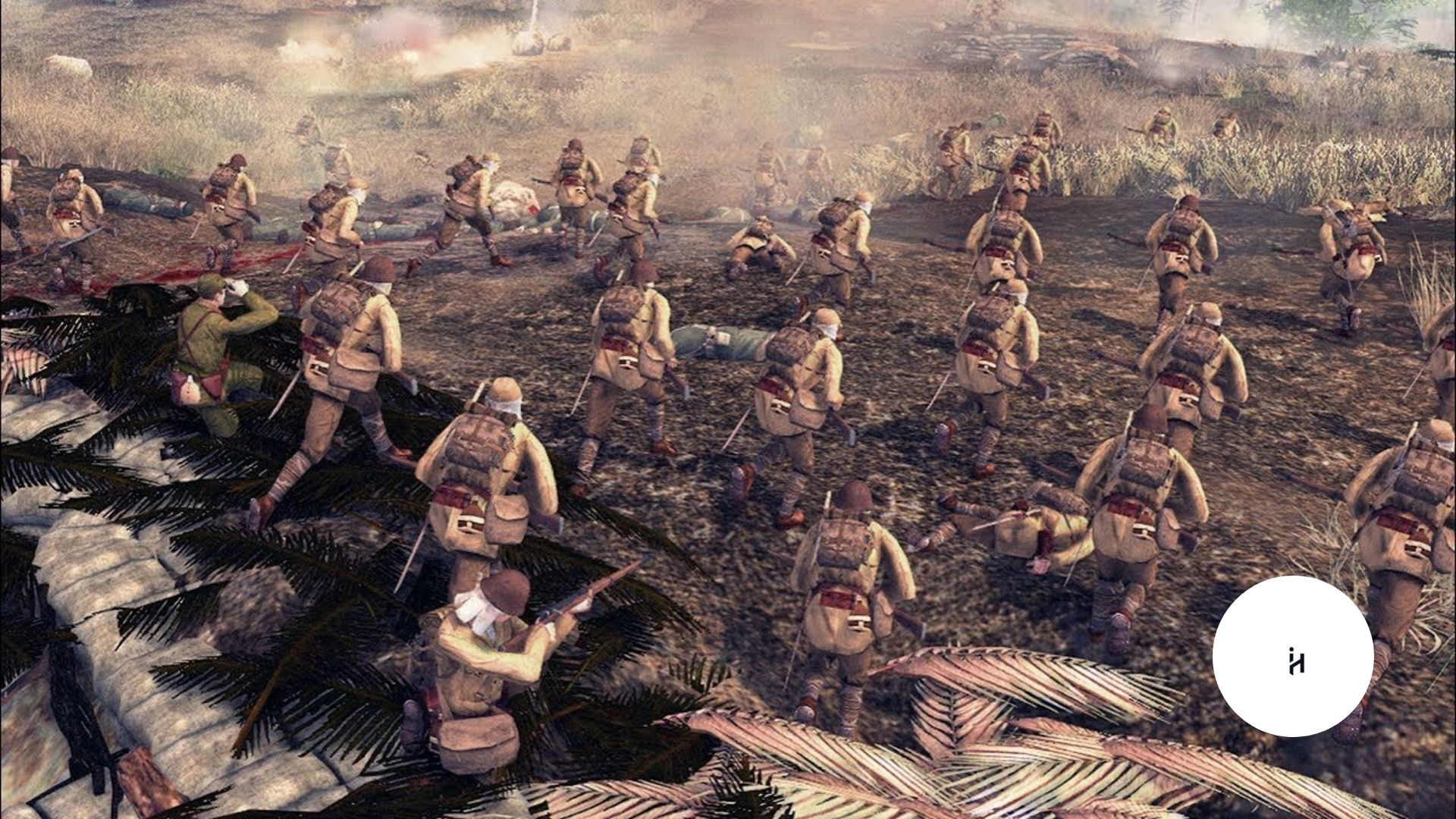
During World War II, tenno heika banzai was frequently used by Japanese soldiers, especially in final moments before suicide missions or in rallying morale during battle. It was seen as a cry of loyalty and patriotism, reinforcing the Emperor’s perceived divinity.

This intense use during wartime has also cast a shadow over the phrase in the post-war years. Some Japanese view tenno heika banzai as a painful reminder of militarism, while others still consider it a traditional and respectful chant. Either way, it holds a complex and powerful place in the nation’s collective memory.

The Emperor’s Role in Japanese Society

The use of tenno heika banzai is closely tied to the Japanese Emperor, who is a figure of unity, tradition, and continuity. While the emperor today holds no political power under the Japanese constitution, he remains a symbolic head of state and a cultural cornerstone.

The chant acknowledges this symbolic stature, and although it’s rarely used in political contexts today, it continues to be heard during imperial ceremonies and state occasions. Tenno heika banzai serves as a bridge between the ancient imperial past and the modern democratic present.

Cultural Significance in Ceremonies and Festivals

Even in contemporary Japan, tenno heika banzai is sometimes chanted during imperial enthronements, national holidays, and traditional festivals. It is not commonly heard in everyday speech but retains ceremonial significance.

Tenno Heika Banzai

For example, during the 2019 enthronement of Emperor Naruhito, the phrase tenno heika banzai was used by some officials and attendees to honor the new monarch. It was a respectful, albeit rare, reminder of the deep reverence embedded in Japanese tradition.

The Phrase in Japanese Language and Media

In literature, media, and popular culture, tenno heika banzai is often referenced to evoke themes of nationalism, honor, or historical context. It appears in movies, documentaries, and historical dramas depicting wartime Japan or imperial ceremonies.

It is not, however, used colloquially or lightly, due to its emotional and historical weight. Its usage is intentional and symbolic, making tenno heika banzai a phrase of high cultural value.

International Perceptions of “Tenno Heika Banzai”

To international audiences, especially those unfamiliar with Japanese history, tenno heika banzai might appear as just another traditional cheer. However, due to its association with World War II and militarism, it can be misunderstood or seen as controversial in certain contexts.

Nevertheless, scholars and cultural historians urge a nuanced understanding of the phrase. Like many cultural artifacts, tenno heika banzai carries layers of meaning—some rooted in nationalism, others in historical reverence and identity.

Post-War Reinterpretation and Modern Attitudes

Following Japan’s defeat in World War II and the U.S.-led occupation reforms, the emperor renounced his divine status, and militaristic expressions were discouraged. As a result, tenno heika banzai faded from public life, especially in political or educational spheres.

However, the phrase has not disappeared entirely. In modern Japan, it is treated more as a historical and ceremonial term. While younger generations might not use tenno heika banzai themselves, they recognize its significance through school history lessons and cultural exposure.

Controversies Surrounding the Phrase

Given its wartime usage, tenno heika banzai has sparked debates about nationalism, freedom of speech, and cultural memory. Critics argue that invoking the phrase glorifies an imperial past tied to militarism, while supporters defend it as a cultural expression of unity and heritage.

In some political rallies or right-wing movements, tenno heika banzai has been revived in nationalist contexts, which can make its usage polarizing. These controversies highlight the difficulty of separating history from culture when it comes to loaded phrases.

Comparisons with Similar Expressions in Other Cultures

Tenno Heika Banzai

“Long Live the King,” “Vive le Roi,” or “God Save the Queen” are Western equivalents to tenno heika banzai. These chants share the same purpose: to show loyalty to a sovereign figure and to unite people under a common national identity.

However, Japan’s unique Shinto and imperial traditions give tenno heika banzai a more spiritual connotation. Unlike in the West, where monarchs may symbolize political power, the Japanese emperor is often viewed as a spiritual and cultural emblem.

The Future of “Tenno Heika Banzai”

As Japan continues to evolve, the future of tenno heika banzai will likely rest in the balance between preserving tradition and acknowledging history. While it may never return to common public discourse, the phrase will continue to hold ceremonial value during imperial events.

Educational efforts, historical retrospectives, and media depictions will likely ensure that tenno heika banzai is remembered—not just as a chant, but as a window into Japan’s imperial past and cultural evolution. Whether revered or critiqued, the phrase remains a key symbol in the Japanese narrative.

Did Cleopatra Have Children?

0
Did Cleopatra Have Children?

Introduction: The Legacy of a Queen

When discussing powerful female rulers in history, few names stand as tall as Cleopatra VII of Egypt. She is remembered for her intelligence, beauty, and romantic liaisons with two of Rome’s greatest leaders—Julius Caesar and Mark Antony.

But one of the most intriguing questions that still puzzles many history enthusiasts is: did Cleopatra have children? This query doesn’t just spark curiosity about her personal life, but also about the potential heirs to her throne and their place in ancient history.

This blog aims to explore the lives of Cleopatra’s children, their fathers, their political roles, and the ultimate fate of her royal bloodline. As we journey through each section, we will uncover the mystery surrounding the question: did Cleopatra have children, and what became of them.

Did Cleopatra Have Children?

Who Was Cleopatra VII?

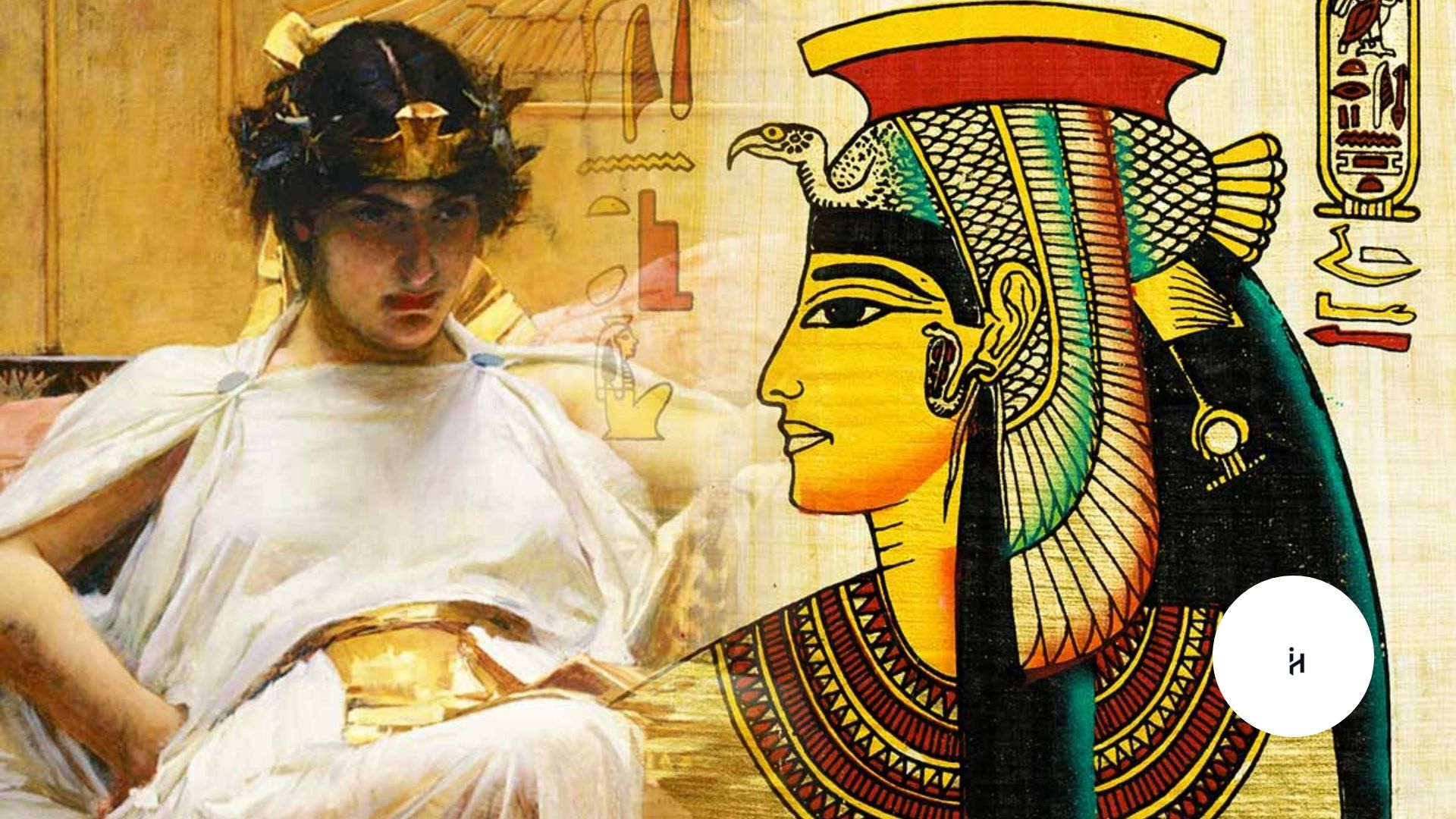
Before diving into the question did Cleopatra have children, we must understand who Cleopatra was. Born in 69 BCE, Cleopatra VII was the last active ruler of the Ptolemaic Kingdom of Egypt. She belonged to a Macedonian Greek dynasty that ruled Egypt after Alexander the Great’s conquest.

Cleopatra was known for her linguistic abilities—she reportedly spoke nine languages—and her political acumen. She came to power in a time of great instability and managed to maintain control through intelligence, charisma, and calculated alliances.

Understanding her political alliances is crucial because her children were born from unions with Julius Caesar and Mark Antony, two men who shaped Roman and Egyptian history. So, to answer the question did Cleopatra have children, we need to trace these relationships and the offspring they produced.

Cleopatra and Julius Caesar: Caesarion’s Birth

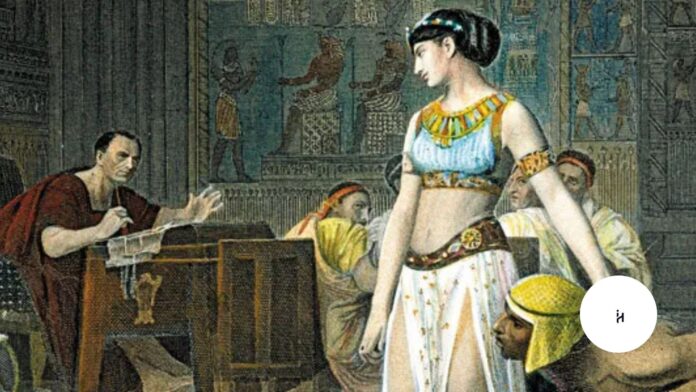
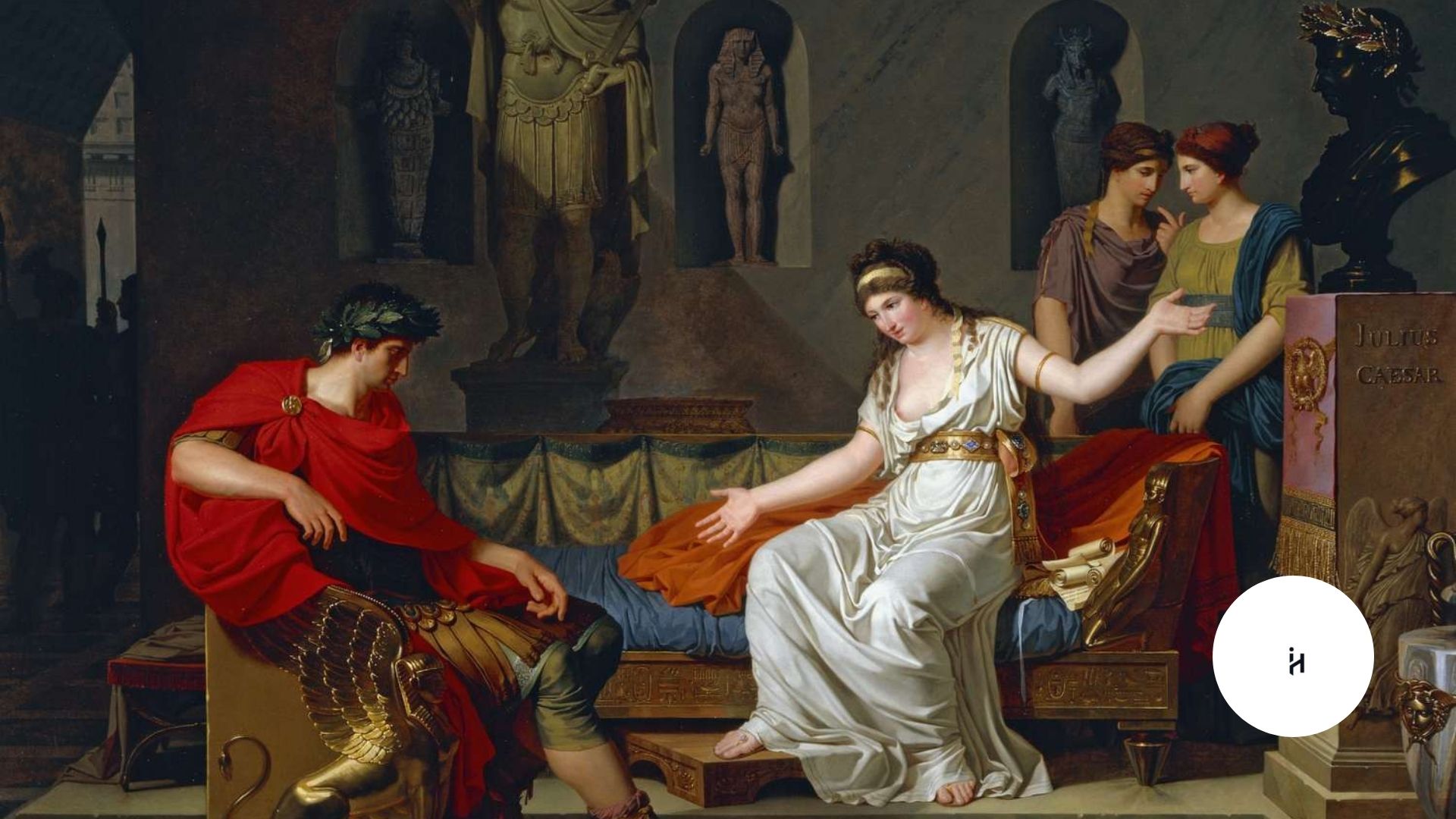
One of Cleopatra’s most significant relationships was with Julius Caesar. After meeting him in Alexandria around 48 BCE, their bond quickly became both political and romantic. From this union came a son, Ptolemy XV Philopator Philometor Caesar, better known as Caesarion.

The existence of Caesarion provides the first affirmative answer to the question did Cleopatra have children. Born in 47 BCE, Caesarion was proclaimed “King of Kings” in Egypt and was declared co-ruler with Cleopatra. While Caesar never publicly acknowledged Caesarion as his son, Cleopatra strongly asserted his legitimacy as Caesar’s heir.

Caesarion’s life was short-lived, however. Following the defeat of Mark Antony and Cleopatra by Octavian (later Augustus), Caesarion was captured and executed, ending any claim he might have had to the Roman throne. His tragic fate serves as a sobering reminder that royal bloodlines were not immune to political ambition.

Cleopatra and Mark Antony: Three More Children

So, did Cleopatra have children with anyone else besides Caesar? Yes—her relationship with Roman general Mark Antony produced three more children: Alexander Helios, Cleopatra Selene II, and Ptolemy Philadelphus.

These children represented a union between Eastern and Western empires, and their births were heavily politicized. During the “Donations of Alexandria,” Antony gave territories to Cleopatra and their children, an act that outraged Rome and helped fuel the civil war between Antony and Octavian.

The presence of these three offspring further confirms that the answer to did Cleopatra have children is a resounding yes. However, each child had a dramatically different path shaped by the fall of their parents’ dynasty.

Did Cleopatra Have Children?

Caesarion: The Last Pharaoh of Egypt

Caesarion, the son of Cleopatra and Julius Caesar, is perhaps the most fascinating figure when asking did Cleopatra have children. He ruled alongside Cleopatra for several years and was viewed by many Egyptians as the rightful heir to both the Egyptian and Roman thrones.

His rule was short and largely symbolic. After Antony and Cleopatra’s defeat at the Battle of Actium, Caesarion was sent away for safety but was later lured back and killed on Octavian’s orders. His death marked the end of the Ptolemaic line and the beginning of Egypt as a Roman province.

So not only did Cleopatra have children, but one of them briefly held the title of Pharaoh—a bittersweet milestone in Egypt’s imperial decline.

Alexander Helios: The Forgotten Prince

Next in line is Alexander Helios, the eldest son of Cleopatra and Mark Antony. His name means “Sun” in Greek, and he was given territories like Armenia and Media during the Donations of Alexandria. Despite these grand titles, his actual rule was likely non-existent.

After Cleopatra’s death, Alexander Helios was taken to Rome along with his siblings. His fate remains largely unknown. Some historians believe he died young or lived in obscurity, possibly under Roman surveillance.

So when one asks did Cleopatra have children, the name Alexander Helios often gets overlooked. Yet, he played a symbolic role in the Egyptian-Roman alliance that Cleopatra tried to forge.

Cleopatra Selene II: The Survivor

Of all Cleopatra’s children, Cleopatra Selene II arguably had the most successful life. She was taken to Rome after her parents’ deaths and raised by Octavia, the sister of Octavian. Later, she was married to King Juba II of Mauretania and ruled as queen consort.

She brought Egyptian culture to North Africa, established a prosperous court, and had children of her own. Cleopatra Selene II’s life provides a positive answer to the question did Cleopatra have children who survived and thrived? Yes—she not only survived but helped to carry on her mother’s legacy through cultural influence and royal lineage.

Ptolemy Philadelphus: The Youngest Son

Ptolemy Philadelphus was the youngest of Cleopatra’s children. Like his siblings, he was taken to Rome and paraded through the streets as a political trophy. Unlike his sister Cleopatra Selene, there is little historical record of what became of him.

Some believe he may have died young, possibly from illness or execution. His obscurity only adds to the tragedy behind the question did Cleopatra have children, as not all of them lived long enough to fulfill their potential.

Cleopatra’s Children in Roman Politics

Did Cleopatra Have Children?

Cleopatra’s children were pawns in a grand political chess game. Their very existence threatened the ambitions of Octavian, who later became Augustus, the first Roman Emperor.

The question did Cleopatra have children intertwines with the fate of the Roman Republic. Her sons were symbols of Roman-Egyptian unity, and their deaths or disappearances were essential for Octavian to eliminate threats to his power.

Thus, Cleopatra’s children were not only heirs—they were liabilities to Rome’s emerging autocracy.

The Influence of Cleopatra’s Bloodline

Though most of her children died young or were politically neutralized, Cleopatra’s bloodline did continue through Cleopatra Selene II. Her descendants ruled Mauretania, and her influence is still seen in archaeological finds and inscriptions.

So when historians ask did Cleopatra have children who influenced the world?—the answer is yes. Cleopatra Selene carried the Ptolemaic legacy into a new region, blending cultures and maintaining royal stature.

Modern Theories and Controversies

The question did Cleopatra have children has inspired not only historical research but also conspiracy theories and modern reinterpretations. Some fringe theories suggest other unrecorded offspring or secret Roman lineages, though these lack strong evidence.

Hollywood and novels have also dramatized Cleopatra’s maternal side, adding to public fascination. But academically, we focus on the four children who are documented in classical sources.

Conclusion: Did Cleopatra Have Children? Yes—And Their Stories Endure

So, did Cleopatra have children? Without a doubt, yes. She had four children—one with Julius Caesar and three with Mark Antony. Their lives were filled with potential, tragedy, and political symbolism.

Some died young, others vanished from history, and one—Cleopatra Selene II—rose to royal greatness in a different land. Their stories add depth to Cleopatra’s legacy, showing her not only as a queen and lover but also as a mother who tried to forge dynasties through her children.

Did Edgar Allan Poe Marry His Cousin?

0
Did Edgar Allan Poe Marry His Cousin?

The question “did Edgar Allan Poe marry his cousin” has long intrigued fans, scholars, and critics of the famous American gothic writer. Edgar Allan Poe, best known for his haunting tales and macabre poetry, led a life as mysterious and controversial as his fiction.

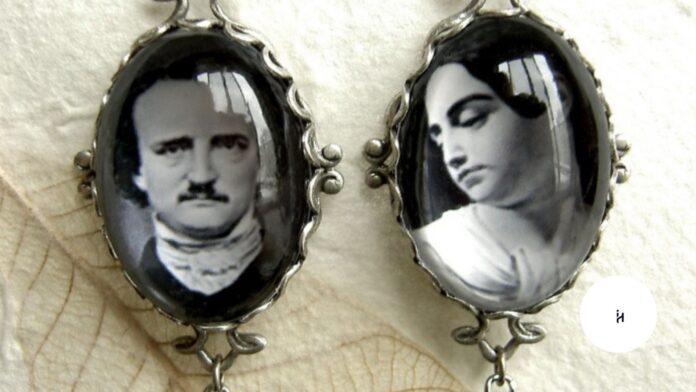
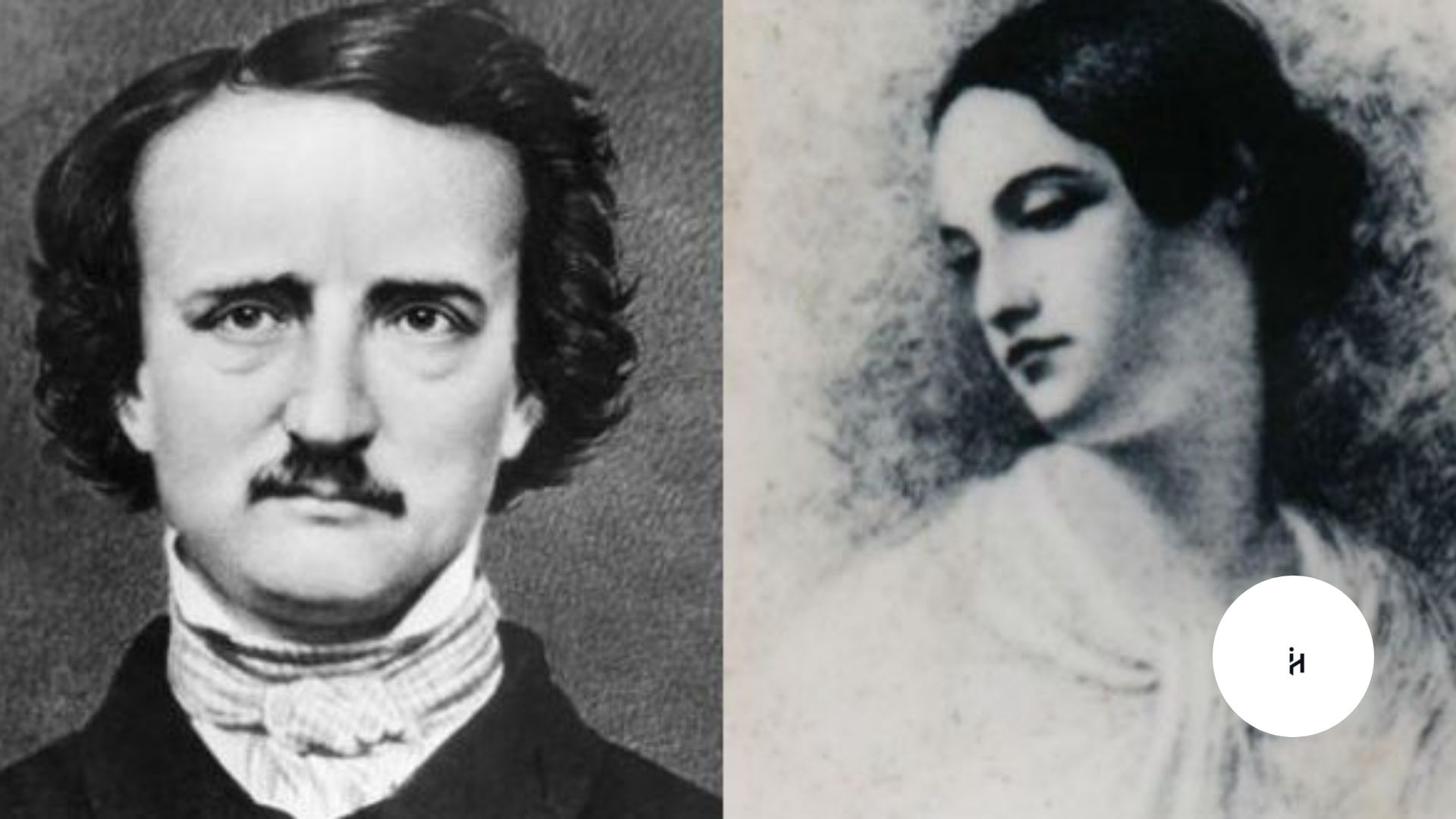
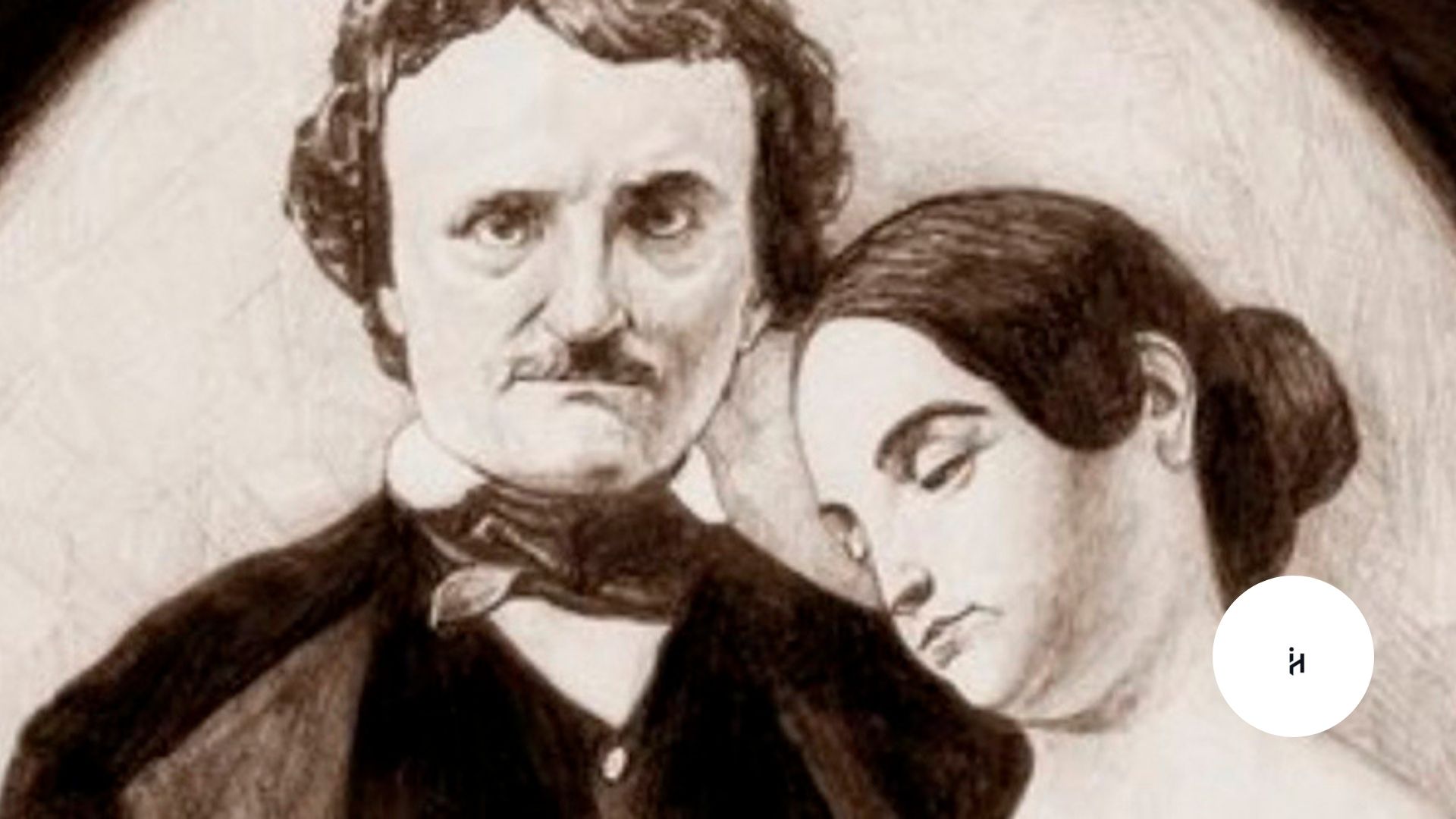
One of the most talked-about aspects of his biography is his marriage to Virginia Clemm — who was, indeed, his first cousin. But the story behind this marriage is more complex than a simple yes or no.

In this blog, we will explore the facts, historical context, and implications of Poe’s controversial relationship with Virginia Clemm, while addressing the question “did Edgar Allan Poe marry his cousin” thoroughly and from multiple perspectives.

Who Was Edgar Allan Poe?

Born in 1809 in Boston, Edgar Allan Poe was a literary genius known for his dark romanticism and inventiveness. Orphaned at a young age, he was taken in by the Allan family, from whom he got his middle name. Poe’s literary works, including “The Raven,” “The Tell-Tale Heart,” and “The Fall of the House of Usher,” gained him lasting fame, but his personal life was riddled with hardship. This background sets the stage for understanding did Edgar Allan Poe marry his cousin, as his emotional vulnerabilities shaped many of his decisions.

Did Edgar Allan Poe Marry His Cousin?

Who Was Virginia Clemm?

Virginia Clemm was the daughter of Poe’s aunt, Maria Clemm. This made Virginia his first cousin. She was 13 years old when she married Edgar Allan Poe, who was 27 at the time. Understanding who Virginia was is key to answering did Edgar Allan Poe marry his cousin, and understanding why this marriage remains controversial. Virginia was known to be delicate, shy, and musically talented — a muse in many ways for Poe’s romantic poetry.

When and Where Did They Get Married?

The marriage between Edgar Allan Poe and Virginia Clemm took place on May 16, 1836, in Richmond, Virginia. Historical records, including a marriage certificate, confirm this union. Yes, did Edgar Allan Poe marry his cousin is not only a historical fact but one with official documentation to back it. At the time, cousin marriages were not uncommon, especially in the American South, but Virginia’s young age still raised eyebrows even then.

What Was the Legal Age of Marriage in the 1800s?

To understand the controversy surrounding did Edgar Allan Poe marry his cousin, one must consider the legal and cultural norms of the 19th century. In many states during the 1830s, it was legally permissible for girls to marry as young as 12 with parental consent. While this may seem shocking today, it was not entirely unusual for the time. However, Poe did lie about Virginia’s age on the marriage license, stating she was 21 — a detail that has fueled speculation and criticism.

Why Did Poe Marry His Cousin?

The reasons behind did Edgar Allan Poe marry his cousin are layered. Scholars believe it was a combination of emotional dependency, genuine affection, and perhaps even a desire for stability. Poe had a close, almost childlike relationship with Virginia and her mother, Maria Clemm, whom he called “Muddy.” Marrying Virginia may have been a way to keep the family together and secure his emotional support system. Others argue he was in love with Virginia and saw her as a spiritual and poetic muse.

What Was the Nature of Their Relationship?

The nature of Poe and Virginia’s relationship remains a subject of debate. Some historians argue that theirs was a platonic and sibling-like companionship, especially since there’s little evidence of a physical relationship. Others suggest that the relationship evolved into a romantic one. Understanding did Edgar Allan Poe marry his cousin also involves unpacking the kind of emotional intimacy they shared — described in Poe’s letters as deep, profound, and idealized.

Public Reaction During Their Time

Even during the 1800s, some people found the marriage troubling. While cousin marriages were legally acceptable, the age difference caused murmurs. Critics and contemporaries often whispered about the unusual arrangement. Despite this, Poe remained devoted to Virginia, defending her honor and keeping her close throughout their marriage. As we reflect on did Edgar Allan Poe marry his cousin, it’s crucial to also consider the social lens of his era.

Virginia’s Illness and Early Death

Did Edgar Allan Poe Marry His Cousin?

Virginia’s long illness — believed to be tuberculosis — began just a few years after their marriage. She died in 1847 at the young age of 24. Her fragile health deeply affected Poe, and her death plunged him into a state of deep depression. Many of his darkest works, including “Annabel Lee” and “The Raven,” are believed to have been inspired by his grief. This part of the story adds another dimension to did Edgar Allan Poe marry his cousin, as it reveals the emotional toll it took on the writer.

Literary Influence of Virginia on Poe’s Work

Virginia was more than just a wife or cousin — she was a muse. The themes of lost love, beauty, and death that dominate Poe’s poetry are often attributed to her. “Annabel Lee,” written after Virginia’s death, clearly echoes his mourning and idealization of her. So, when examining did Edgar Allan Poe marry his cousin, we must also acknowledge how this union impacted some of the most iconic literature in American history.

Modern Viewpoints on the Marriage

Today, the question did Edgar Allan Poe marry his cousin is often met with shock or discomfort, largely due to modern moral standards. But scholars urge us to examine historical context before passing judgment. The marriage, though unsettling to modern readers, wasn’t seen as entirely scandalous by 19th-century standards. It reflects more about the era and Poe’s emotional world than any moral failing by today’s definitions.

Conclusion: How Should We Judge This Today?

In conclusion, did Edgar Allan Poe marry his cousin? Yes, he did — and the story is far more complex than a sensational headline. This marriage reveals much about Poe’s need for emotional security, the norms of 19th-century America, and the deep bond he shared with Virginia Clemm.

Rather than viewing it solely through a modern lens, it’s important to understand the broader cultural and personal context. This helps us better appreciate both Poe’s life and the timeless literature he left behind.

Zeng Jinlian Height – The Tallest Woman to Ever Live

0
Zeng Jinlian Height

Introduction: A Giant in History

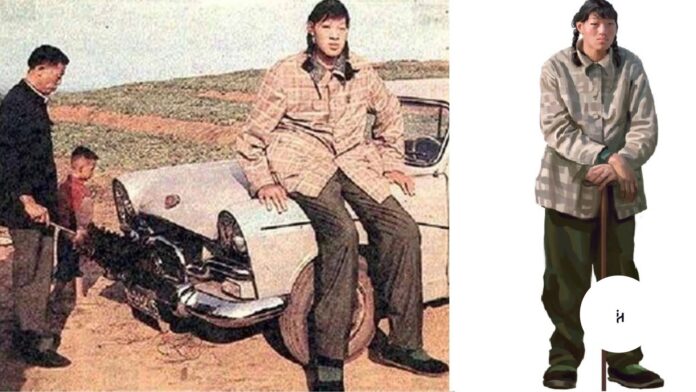
When discussing remarkable human records, height always fascinates people. One of the most mind-boggling figures in history is Zeng Jinlian height, who was recognized as the tallest woman ever documented. Born in China in the mid-20th century, Zeng Jinlian’s height wasn’t just exceptional—it was historic.

Standing at 8 feet 1.75 inches (248.3 cm), she remains unmatched in the female category. Her towering figure drew international attention, prompting both admiration and medical curiosity. Her story is not only about physical stature but also about the challenges and triumphs she experienced in a world not built for someone of her proportions.

In this detailed blog, we will explore various aspects of her life—from her early growth spurts to her legacy in medical science. Throughout the article, the keyword zeng jinlian height will be naturally integrated to help SEO visibility and content relevancy.

Who Was Zeng Jinlian?

Zeng Jinlian was born in 1964 in Yujiang village, Hunan Province, China. Her early life seemed relatively normal, but by the age of four, her rapid growth started to raise concerns among her family. Unlike most children her age, she grew several inches every year without signs of slowing down.

Zeng Jinlian Height

This unusual development puzzled medical experts in China. By the time she was 10, Zeng Jinlian had already surpassed 6 feet in height. The growth was caused by a combination of pituitary gland issues and gigantism—a condition that results from excessive growth hormone production.

Zeng Jinlian’s unique story caught the attention of both local authorities and international researchers. Her name was eventually recorded in the Guinness Book of World Records, marking the zeng jinlian height as a world-breaking milestone. But behind this astonishing measurement was a young girl trying to cope with a body growing beyond its limits. Daily life was full of discomfort, both physically and socially. She faced difficulties in school, friendships, and even basic mobility.

Her height made her famous, but it also isolated her. She had to use custom-made furniture, clothing, and even housing arrangements. Despite this, Zeng Jinlian remained gentle and composed. Her story remains a poignant blend of biological wonder and human resilience.

Zeng Jinlian Height: Record-Breaking Measurements

The most compelling aspect of Zeng Jinlian’s life was her unparalleled stature. The zeng jinlian height measurement officially taken before her death recorded her at 8 ft 1.75 in (248.3 cm).

This figure makes her the tallest verified woman in recorded medical history. Her incredible height even surpassed many tall men documented throughout the centuries. Unlike other tall individuals, Zeng Jinlian’s proportions were consistent—her limbs, spine, and posture developed evenly, albeit on a much larger scale.

Medical experts observed that she grew at an average of 12 to 15 cm annually, which is significantly higher than normal rates. Her condition was later linked to a tumor pressing against her pituitary gland, causing it to release abnormal levels of growth hormone.

During her teenage years, this abnormality intensified, making the zeng jinlian height an ongoing medical mystery. Chinese and international doctors alike were fascinated by how her body could support such a structure, considering the strain it put on her bones and organs.

Even in an age where advanced medicine can monitor and sometimes curb gigantism, Zeng Jinlian’s case stands out. Her skeleton showed no signs of deformation, and her spine remained straight. While many other giants suffer from spine curvature and joint problems, she somehow maintained better physical form than expected. Her recorded height remains unbroken for females globally.

Early Signs of Gigantism

Gigantism is a rare hormonal disorder, and its signs were clearly present in Zeng Jinlian from an early age. Her parents, who were of average height, noticed that by age 4, she was already taller than most six-year-olds. As she entered school, her rapid growth only became more noticeable. The zeng jinlian height trajectory puzzled even rural Chinese doctors who rarely encountered such conditions in the 1970s.

Symptoms of gigantism include excessive growth of hands, feet, facial bones, and overall body length. In Zeng Jinlian’s case, all these symptoms appeared early. As a child, her legs and arms began to outgrow standard clothing sizes rapidly, and she often required custom-tailored outfits. Her hands reportedly measured over 10 inches long—larger than most adult men. Her shoes had to be handmade because standard sizes simply didn’t fit.

Doctors believe the condition started due to a pituitary adenoma—a benign tumor that triggers excessive release of growth hormone. By the age of 13, she was taller than most adult men in her village, and this trend continued until her death. The zeng jinlian height phenomenon was deeply linked with these early signs of gigantism, which sadly also came with severe health consequences later in her life.

Life in a Rural Chinese Village

Growing up in a rural village like Yujiang during the 1960s and 70s meant limited medical access, educational opportunities, and public awareness of medical anomalies. For Zeng Jinlian, this added to her difficulties.

While her towering presence made her an object of fascination, it also subjected her to isolation. The zeng jinlian height wasn’t just a number—it was a physical reality she lived with every day.

Her family, though supportive, lacked the resources to accommodate her special needs. The village infrastructure, such as doorways, furniture, and bedding, was not designed for someone of her size.

Walking through narrow alleys or using public transportation was nearly impossible. School was also a challenge. Desks, chairs, and blackboards weren’t accessible to her. She eventually stopped attending school due to mobility and health issues.

Despite these hardships, Zeng Jinlian reportedly remained kind, respectful, and intelligent. Villagers described her as shy but polite, often keeping to herself. The zeng jinlian height turned her into a local legend, with people traveling from nearby areas just to catch a glimpse of her. Although the government later tried to provide better support, it came too late to significantly improve her quality of life.

Public Reactions and Global Attention

Zeng Jinlian Height

When the news of Zeng Jinlian’s astonishing height reached national newspapers and eventually the international media, she quickly became a global curiosity. Journalists, medical researchers, and photographers sought to meet her. The zeng jinlian height was now more than a regional curiosity—it became a symbol of medical and genetic uniqueness.

Several foreign medical delegations visited her in the early 1980s. They were fascinated by her stable posture, steady walking ability, and relatively good articulation for someone of such size. She appeared in various medical journals, and her story was featured in Guinness World Records. But with this fame came pressure. Zeng Jinlian, who preferred a quiet life, was often overwhelmed by attention.

Even after her death in 1982, interest in her remained high. Documentaries, articles, and social media posts frequently revisit her story. The keyword zeng jinlian height consistently trends in discussions related to human records.

While many praised her strength, others criticized how the media turned her life into a spectacle. Her legacy remains a double-edged sword—she’s celebrated for her uniqueness, but also remembered as someone who bore the burden of fame.

Medical Examinations and Health Challenges

Due to her unprecedented stature, Zeng Jinlian underwent various medical examinations. Doctors were eager to understand how her body functioned under the stress of such height. The zeng jinlian height wasn’t simply a statistical record—it posed serious medical complications that required careful analysis. She was diagnosed with scoliosis, diabetes, and spinal issues, which worsened over time. Despite her stable posture in youth, her bones and muscles began to weaken as she grew taller.

Gigantism often leads to cardiovascular strain, and Zeng Jinlian was no exception. Her heart worked overtime to circulate blood throughout her enormous frame, leading to fatigue and breathing problems. She also experienced severe back pain and joint issues. Since she lived in a rural area, consistent medical care wasn’t available, making it difficult to manage her conditions.

Chinese and foreign physicians collaborated to study her case, hoping to find treatments or preventive measures for others suffering from gigantism. Unfortunately, because Zeng’s condition had advanced so far by the time she received attention, her symptoms became increasingly difficult to manage. The zeng jinlian height served not only as a physical anomaly but also as a tragic marker of medical neglect in remote areas.

Her case is still referenced in endocrinology studies, particularly when discussing pituitary gigantism. She became a unique point of reference for researchers aiming to identify early signs and potential interventions. While her life was short, her contribution to medical science through her struggle remains long-lasting.

Comparison with Other Tall Women in History

The zeng jinlian height is still the tallest verified for any woman in recorded history, surpassing several other tall women by significant margins. Among them were Sandy Allen from the United States (7 ft 7 in), Malee Duangdee from Thailand (6 ft 10 in), and Yao Defen from China (7 ft 8 in). Each of these women had conditions similar to Zeng Jinlian, often due to pituitary disorders or genetic anomalies.

What sets Zeng Jinlian apart is the symmetry and proportion of her height. While others had irregular growths or spinal deformities, her body, although tall, retained a certain structural consistency. In many ways, she represented a “pure” case of gigantism—one where the body grew evenly rather than sporadically. This made her case particularly useful for scientific research.

The fascination with tall individuals often borders on spectacle, but it’s important to recognize the challenges they endure. The zeng jinlian height might have amazed the world, but it also came with a cost. Unlike some of her counterparts who lived into their 30s or 40s, Zeng died young, at just 17 years old. Her legacy continues to dominate discussions on extraordinary human dimensions, serving as the global benchmark for female height records.

In comparing her to others, one sees not just a number but a life of struggle, perseverance, and unmatched uniqueness. Each tall woman contributed something unique to medical science and societal awareness, but Zeng Jinlian remains the tallest among them all.

Impact on Science and Human Biology

The zeng jinlian height became a case study for several branches of science, including endocrinology, orthopedics, and human anatomy. Her condition highlighted how hormonal imbalances could drastically alter the human body, prompting further exploration into the pituitary gland’s role. Scientists were particularly interested in how her body managed to maintain structural stability despite such growth.

Her skeleton was later examined using X-rays and other imaging techniques. Researchers found that although her bones were elongated, they retained strength beyond expectations. She had a well-aligned spine for most of her life, which is rare in cases of extreme height. Many modern medical textbooks cite her condition as an example of the limits of human growth, especially when not treated in time.

Studies on the zeng jinlian height also inspired innovations in hormone therapy. While her condition could not be reversed, similar patients in later years benefited from earlier diagnoses and treatments. Her case sparked interest in early screenings for gigantism and the development of safer, more efficient treatment plans.

Beyond physical science, Zeng’s life also opened discussions in psychology and sociology about how extremely tall individuals navigate daily life. Social alienation, depression, and self-esteem issues are common in such cases, and her quiet demeanor reflected some of these psychological effects. Her story became a multidisciplinary interest point across medical institutions around the world.

Zeng Jinlian Height

Final Years and Untimely Death

Zeng Jinlian passed away on February 13, 1982, at the young age of 17. Her death was attributed to complications arising from her condition, particularly diabetes and severe spinal disorders. The zeng jinlian height, which had astonished the world, also placed immense pressure on her vital organs and immune system. As her health deteriorated, medical care became increasingly difficult in rural China.

During her final years, she became less mobile. Her legs and spine could no longer support her body properly, and she spent more time bedridden. The government and medical officials tried to intervene with advanced treatments, but by then, her condition was beyond manageable. Painkillers and supportive therapy were the only remaining options.

Despite her worsening health, she remained mentally sharp and reportedly continued to read and converse with visitors. Her family recalls her as a gentle soul, full of wisdom far beyond her years. Though her life was short, it was incredibly impactful. The zeng jinlian height drew the attention of the global community, ensuring her legacy would be remembered long after her passing.

Her funeral was attended by many people from across China. While her fame brought her recognition, it also made her final years somewhat lonely. Today, she rests in her hometown, and her grave is occasionally visited by those inspired by her life story. Her legacy remains etched in history, both scientifically and culturally.

Zeng Jinlian in Pop Culture and Media

Although Zeng Jinlian was not someone who actively sought the limelight, the zeng jinlian height became a focal point in pop culture and documentaries. She was featured in several editions of the Guinness World Records and was often included in television specials about human extremes. Even decades after her death, she continues to be mentioned in online discussions, videos, and social media posts.

Many people are fascinated by the physical extremes of the human body, and Zeng’s story fits that narrative perfectly. Her photos have been used in educational materials, medical slideshows, and pop culture segments about giants. While these portrayals are often respectful, some risk turning her story into mere entertainment, overshadowing the real challenges she faced.

In recent years, her story has been featured in YouTube documentaries and medical podcasts. Most of these accounts focus on the scientific marvel that was the zeng jinlian height, but some also delve deeper into her emotional and personal struggles. A few artists and filmmakers have even expressed interest in creating full-length documentaries or biopics, although no major production has been released yet.

Through these media portrayals, Zeng Jinlian has become more than a statistic—she has become a symbol of human resilience, scientific curiosity, and the complexities of living with a rare condition. Her image continues to inspire and educate new generations.

Remembering Zeng Jinlian’s Legacy

Today, the zeng jinlian height serves as a symbol of both awe and empathy. While she is widely recognized for holding a world record, her story is a reminder of the physical and emotional challenges that come with extreme medical conditions. Zeng Jinlian’s life was brief but filled with lessons for medicine, society, and humanity.

Her legacy lives on through the medical studies she inspired, the awareness she brought to rare conditions, and the compassion she invoked in those who learned about her. While she faced many hardships, she also opened doors for better treatment options for future patients with gigantism.

Zeng Jinlian represents the need for early diagnosis and access to proper medical care, especially in rural and underdeveloped areas. Her case has been taught in universities, discussed at international conferences, and documented in numerous journals. The continued interest in her story ensures that the zeng jinlian height remains a vital part of medical and cultural history.

More than just a medical case, she remains a person who struggled, survived, and ultimately changed the world in her own unique way. Her life reminds us of the strength of the human spirit and the importance of looking beyond numbers to understand the person behind them.