Home Blog Page 420

Marburg Files: The Secret Nazi Documents That Shook the British Monarchy

0
Marburg Files

Introduction: What Are the Marburg Files?

The Marburg Files refer to a collection of confidential Nazi-era documents discovered in a castle near Marburg, Germany, in 1945. These files contain explosive correspondence and intelligence that shed light on the connections between Nazi officials and certain European elites, including prominent members of the British royal family. Kept under wraps for decades, the files have been the subject of debate, conspiracy theories, and deep historical interest.

The discovery of the Marburg Files created ripples across both historical and political spheres. They weren’t just papers; they were a mirror reflecting dark undercurrents of power and diplomacy during the most turbulent period in modern history. While initially hidden from the public eye, they eventually surfaced and continue to raise questions about the extent of Nazi sympathies in high places.

This blog explores the Marburg Files through 11 detailed sections, each shedding light on different aspects of these controversial documents.

The Discovery of the Marburg Files
Marburg Files

In the final days of World War II, Allied forces were scouring Germany for Nazi intelligence and top officials. Among the most crucial finds was a cache of secret documents found in the archives of Schloss Friedrichshof near Marburg. These documents would later be known as the Marburg Files.

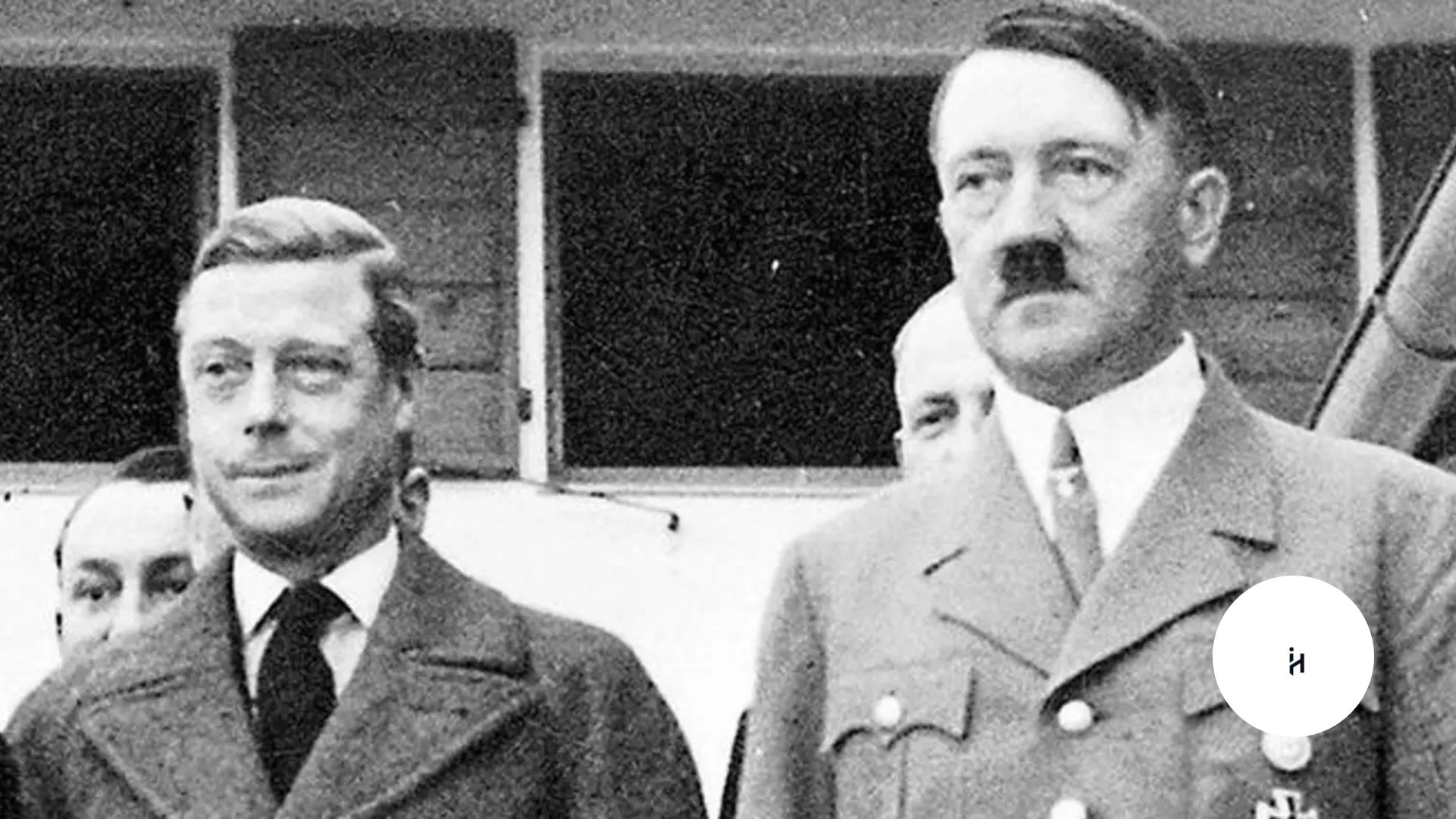
The Marburg Files were discovered by American troops and passed on to British and American intelligence agencies for review. The materials included letters, reports, and transcripts—many involving the Duke of Windsor, formerly King Edward VIII. Some of the content suggested Nazi attempts to use the former king in their strategy to destabilize Britain.

The files were eventually taken to Marburg University for analysis, thus the name. From there, a team of historians and intelligence officers began piecing together the narratives. What they found were unsettling links between Nazi leadership and the former monarch, as well as a series of communications that hinted at potential treasonous leanings.

The secrecy surrounding the Marburg Files intensified interest in them. Why were these documents hidden for so long? What political and social forces tried to suppress their contents? These questions underscore the lasting mystery and significance of their discovery.

The Role of the Duke of Windsor in the Marburg Files

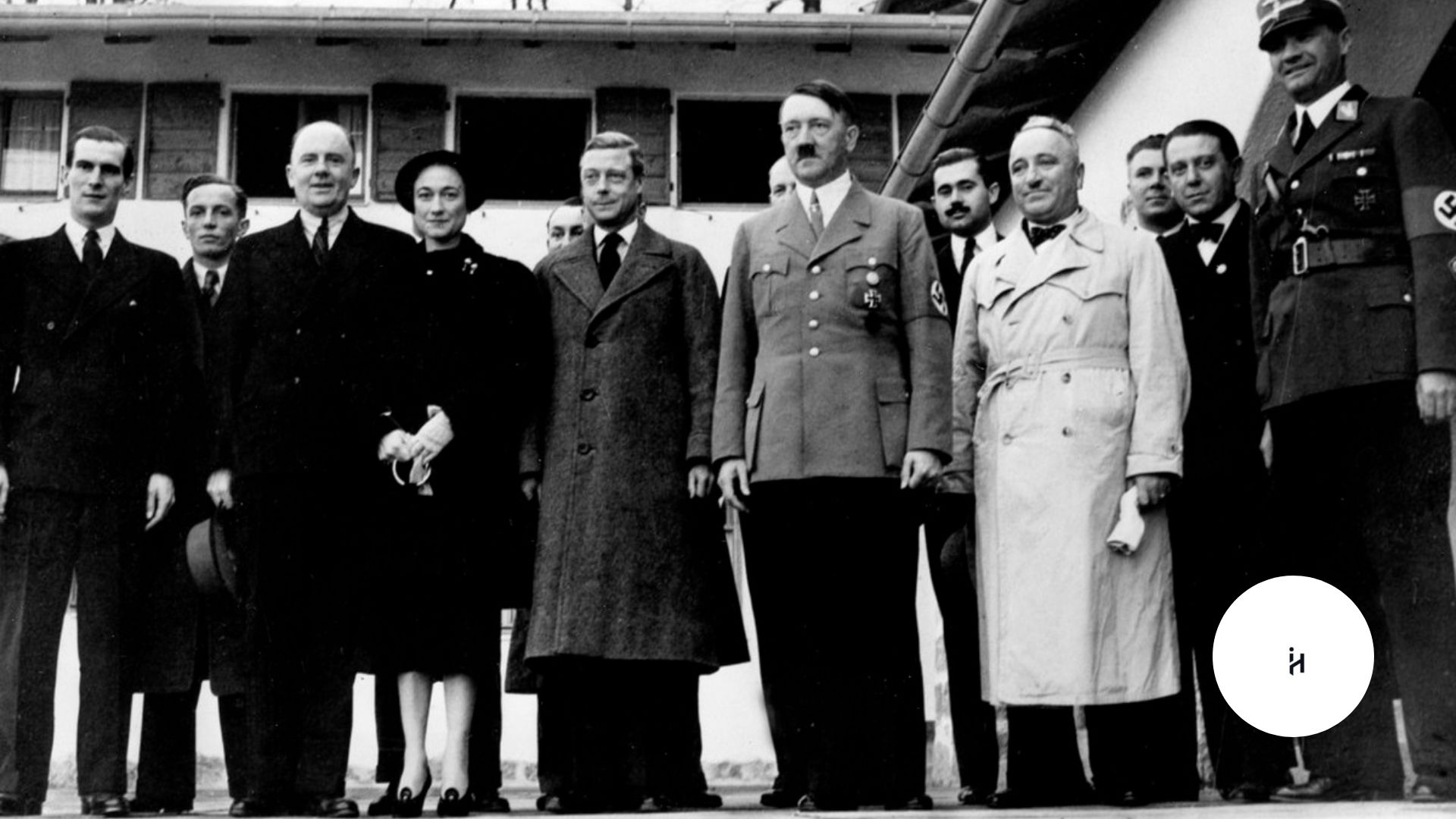
The Marburg Files are perhaps most notorious for their focus on the Duke of Windsor. Formerly King Edward VIII, he abdicated the throne in 1936 to marry Wallis Simpson, an American divorcee. After his abdication, Edward was given the title Duke of Windsor and served briefly as Governor of the Bahamas.

However, the Marburg Files revealed troubling correspondence between the Duke and Nazi officials, suggesting that the Nazis viewed him as a potentially useful ally. The files included reports that the Nazis had considered reinstating him as king if Britain surrendered or was conquered.

There were also disturbing implications that the Duke may have entertained some of these ideas, or at the very least, did not completely rebuff the overtures. British intelligence reportedly monitored his movements during the war, concerned about his loyalties. The Marburg Files fueled longstanding suspicions that the Duke harbored sympathies for the Nazi regime.

These revelations painted a troubling portrait of the former king and forced historians to reassess his role during the war. The British government worked hard to suppress or downplay the Marburg Files’ contents to protect the royal family’s image.

Nazi Propaganda and the Use of the Duke

One of the most sinister aspects revealed in the Marburg Files is how Nazi Germany attempted to use the Duke of Windsor as a propaganda tool. Hitler believed that Edward’s abdication and subsequent estrangement from the British royal family could be exploited.

The Nazis planned what was known as “Operation Willi,” a covert mission to kidnap the Duke and influence him politically. Their hope was to reinstall him as a puppet monarch in the event of a Nazi invasion of Britain. According to the Marburg Files, key Nazi figures like Joachim von Ribbentrop were involved in strategizing this operation.

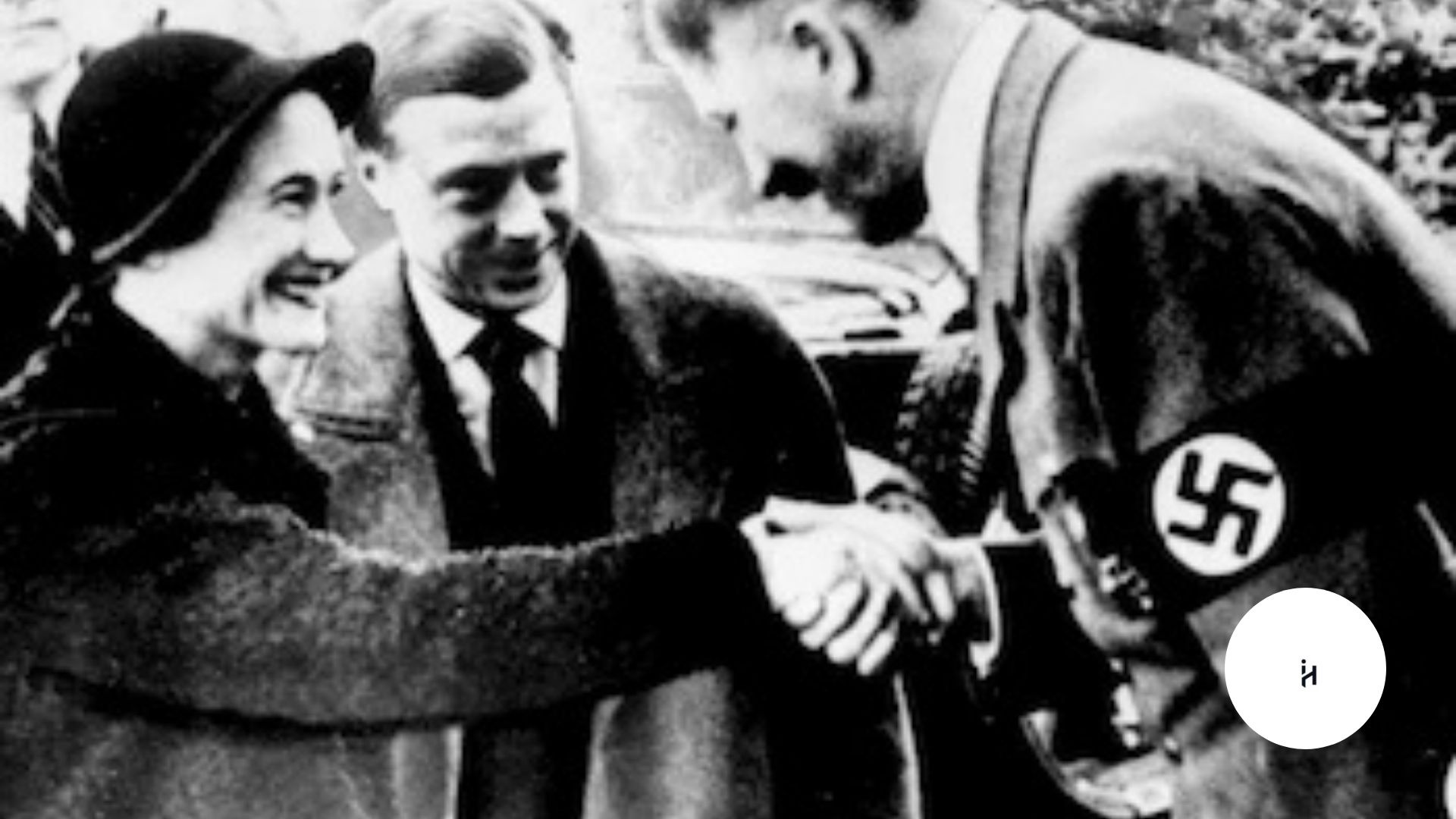
What makes this even more disturbing is that the Duke and Duchess vacationed in Europe even after the war started, raising eyebrows about their priorities and loyalties. The Marburg Files indicate that the Nazis interpreted this as a sign of openness to dialogue.

The documents reveal how desperate and determined the Nazi regime was in manipulating global narratives. For them, the Duke wasn’t just a man out of power—he was a pawn that could potentially destabilize an enemy government.

Churchill’s Response and the Suppression of the Files
Marburg Files

Winston Churchill was deeply alarmed by the content of the Marburg Files. As a wartime Prime Minister and staunch monarchist, he understood the potential political fallout these revelations could create. Churchill intervened swiftly, insisting that the files be kept classified to avoid national embarrassment and the erosion of royal authority.

Under Churchill’s orders, the British government pressured Allied authorities not to release the most sensitive parts of the Marburg Files. Churchill’s objective was to preserve British unity during and after the war, even at the cost of historical transparency.

Many of the documents remained unpublished until decades later, when pressure from historians and journalists led to their eventual declassification. Even then, some parts were heavily redacted or remain under lock and key.

The Marburg Files illustrate how political interests can override the public’s right to historical truth. Churchill’s actions, while arguably justified from a wartime leadership perspective, have raised ethical questions that historians continue to debate.

The Role of Wallis Simpson in the Marburg Files

The American socialite Wallis Simpson was at the center of one of the 20th century’s biggest royal scandals, and she plays a subtle yet crucial role in the Marburg Files. Much of the intrigue surrounding the files stems from her perceived influence on the Duke of Windsor.

The documents suggest that Nazi officials viewed Wallis as sympathetic to their cause or at least easily manipulated. Some correspondence even hints at her having had past relationships with German operatives before and during her marriage to Edward.

While there’s no concrete evidence proving she was a Nazi collaborator, the Marburg Files painted a picture of a woman whose allegiances were ambiguous. Her proximity to power, combined with her outsider status in the royal family, made her an object of suspicion both during and after the war.

Wallis’s role complicates the narrative of the Marburg Files. Whether she was merely misunderstood or a willing participant remains a point of debate. Nonetheless, her presence in these documents added fuel to an already explosive historical controversy.

Operation Willi and the Kidnapping Plot

Among the most dramatic revelations in the Marburg Files is the detailed plan known as Operation Willi. Orchestrated by the Nazis, this plan aimed to lure the Duke of Windsor into Spanish territory and detain him until he could be persuaded—or coerced—into supporting Hitler’s regime.

The Nazis hoped to exploit the Duke’s isolation and dissatisfaction with his treatment by the British government. According to the Marburg Files, several Nazi officials believed that with the right persuasion, the Duke could serve as a valuable asset in their propaganda war against the Allies.

The British government, aware of this plot, sent the Duke to the Bahamas under the pretense of diplomatic service. It was, in truth, a strategic move to keep him far from Europe and the Nazi sphere of influence.

Operation Willi exemplifies the real-world stakes reflected in the Marburg Files. These were not mere academic curiosities; they were blueprints for high-level manipulation and political warfare.

Impact on the British Royal Family

The Marburg Files posed a direct threat to the credibility and sanctity of the British royal family. If the documents had been released during the war, public trust in the monarchy might have been irreparably damaged. Even today, they remain a dark stain on the legacy of the Windsors.

Though Edward VIII had already abdicated, his lingering ties to the crown made the implications of the files more potent. Critics argued that his willingness to associate with Nazis cast doubt on the institution he once led.

Queen Elizabeth II and subsequent monarchs have never publicly addressed the Marburg Files, a silence that speaks volumes. Within palace walls, the documents are likely considered a painful chapter best left unspoken.

Yet the very existence of the Marburg Files has prompted modern historians and royal watchers to re-evaluate the House of Windsor’s role during one of history’s darkest eras.

Declassification and Public Release of the Marburg Files

After decades of secrecy, the Marburg Files were finally declassified in the 1950s and 1960s, though not all at once. The British government, reluctant to fully expose sensitive content, released only selected parts of the files. It wasn’t until historians pressured both the British and American archives that more documents saw the light of day.

Even then, some documents remained redacted. The full content of the Marburg Files is still not entirely available to the public. Yet what has been made accessible has had a profound effect on the understanding of wartime politics, diplomacy, and royal history.

Researchers and journalists delved into the files, uncovering layers of complexity in the relationships between the Duke of Windsor, Nazi Germany, and the Allied response. Prominent historians such as Martin Allen and Michael Bloch have written extensively on the topic, analyzing the broader implications of the Marburg Files.

The eventual release of the files ignited renewed debate about censorship, historical truth, and the moral responsibilities of governments to confront uncomfortable truths. Despite the passage of time, the revelations contained in the Marburg Files continue to reverberate through academic and political discussions.
Marburg Files

Academic Reactions and Historical Debate

The academic community’s reaction to the Marburg Files has been a mixture of shock, skepticism, and careful analysis. While some historians see the files as irrefutable evidence of royal misconduct, others argue for a more nuanced interpretation.

Scholars have debated whether the Duke of Windsor’s actions constituted betrayal or merely reflected political naivety. Critics claim he was manipulated by both the Nazis and his own emotions, particularly surrounding his marriage to Wallis Simpson. Supporters contend that the documents have been misunderstood or exaggerated for sensationalism.

The Marburg Files have also sparked broader academic inquiry into the role of elite collaboration during wartime. Were other monarchies or political leaders similarly entangled with fascist regimes? The files have encouraged scholars to reconsider previously held assumptions about wartime neutrality and complicity.

University courses and theses have examined the Marburg Files in relation to propaganda, espionage, and constitutional crisis. Their inclusion in educational curricula shows just how deeply they have impacted historical scholarship.

The files remain a touchstone for debate, underscoring the ongoing relevance of transparency and accountability in both historical and modern governance.

The Marburg Files in Popular Culture and Media

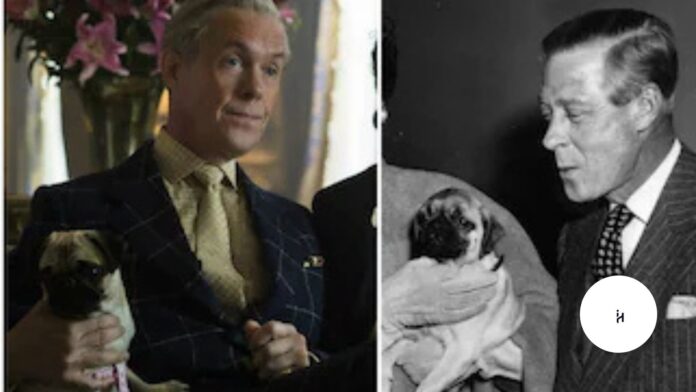
In recent years, the Marburg Files have gained renewed attention through popular media, particularly due to their depiction in historical dramas. Notably, Netflix’s acclaimed series The Crown featured a dramatic retelling of the files’ discovery and content in its third season.

This exposure introduced a global audience to the little-known documents, sparking curiosity and prompting many viewers to research the real history behind the episode. It also raised questions about how much creative liberty dramatizations should take when dealing with sensitive historical material.

Documentaries and podcasts have also explored the Marburg Files, often highlighting their espionage intrigue and royal scandal. Their cinematic appeal makes them a natural fit for dramatization, but it also creates the risk of distorting facts for entertainment value.

Nevertheless, such portrayals have contributed to public understanding and have renewed calls for full transparency regarding the unreleased parts of the files. They also show how the Marburg Files have become more than just historical artifacts—they have become part of the cultural conversation.

Through media exposure, the files continue to influence perceptions of monarchy, war, and diplomacy in the modern era.

Why the Marburg Files Still Matter Today

Decades after their discovery, the Marburg Files remain one of the most controversial document collections from World War II. They are not just relics of a distant past—they are a warning about the dangers of unchecked power, political manipulation, and the temptation of secrecy in governance.

In an age where transparency and accountability are more important than ever, the Marburg Files serve as a case study in how governments manage historical truth. They raise questions about what we still don’t know—and what is perhaps still being kept from public view.

The files also remind us that even the most revered institutions can have dark chapters. They compel both scholars and citizens to confront uncomfortable realities and challenge the narratives we’ve been told.

Moreover, in our current global climate—marked by rising authoritarianism and disinformation—the story of the Marburg Files is more relevant than ever. It highlights the power of information, the risks of propaganda, and the enduring importance of historical inquiry.

As we continue to explore and interpret the Marburg Files, we are reminded that history is not merely a record of the past. It is a mirror for the present—and a warning for the future.

Conclusion: Unveiling the Legacy of the Marburg Files

The Marburg Files have opened a window into a complex and shadowy part of history. What began as a secret Nazi archive has grown into one of the most significant revelations about elite complicity and wartime manipulation. From the Duke of Windsor’s controversial actions to Operation Willi’s kidnapping plot, the documents expose how even royal figures can be drawn into the darkest corners of politics.

While much has been revealed, the full extent of what lies within the Marburg Files may never be known. Still, their legacy endures—in archives, in classrooms, and in the public imagination. As we seek to learn from history, the Marburg Files stand as a stark reminder of how easily power can be corrupted, and how long the truth can be hidden.
Hank Adams: The Voice of Native American Justice

0
Hank Adams

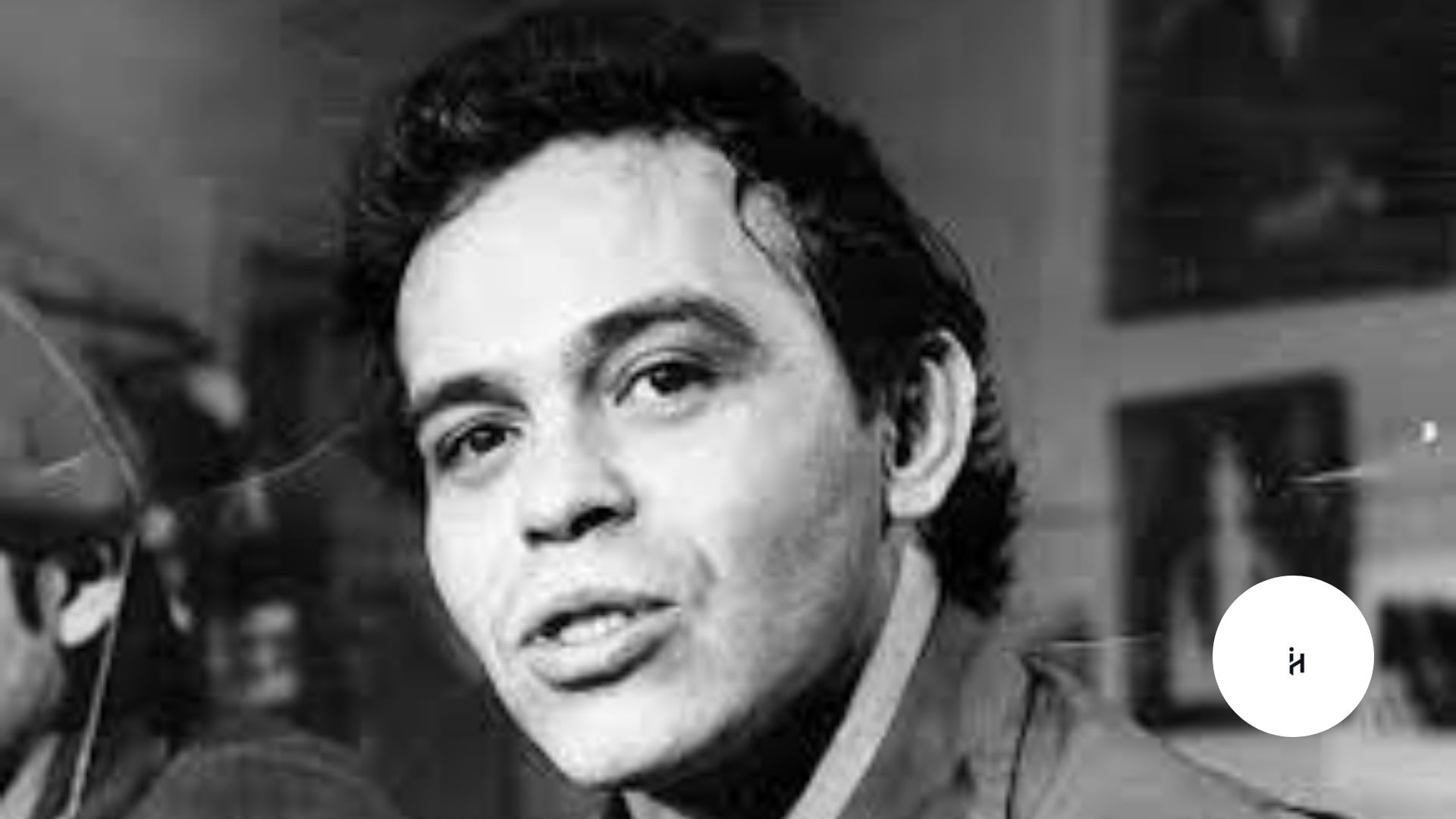
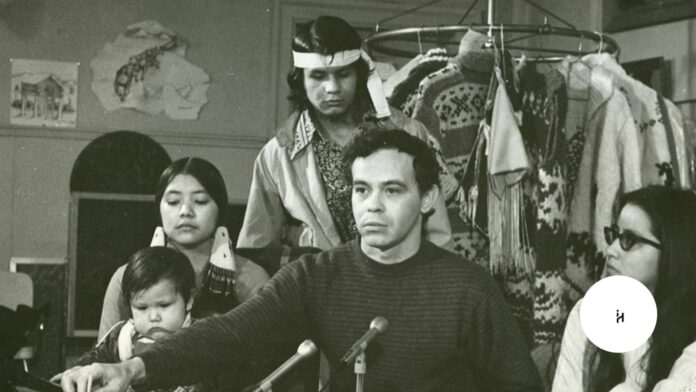
Hank Adams was not just a political activist; he was a transformative figure in the Native American civil rights movement. Often referred to as “the most important Native American of the 20th century,” Hank Adams dedicated his life to protecting Native sovereignty, treaty rights, and civil liberties.

His efforts were instrumental in bridging the gap between the U.S. government and Indigenous communities, particularly through his involvement in fishing rights battles and treaty negotiations. This blog dives deep into the life, achievements, and legacy of Hank Adams under 11 detailed headings, each providing insights into how he became a symbol of Indigenous resilience and justice.

Early Life and Background of Hank Adams

Hank Adams

Born in 1943 on the Fort Peck Indian Reservation in Montana, Hank Adams belonged to the Assiniboine-Sioux tribe. From an early age, Adams was aware of the inequalities and systemic injustices faced by his people. His upbringing in a reservation community shaped his perspective on sovereignty and injustice.

Despite facing economic hardships and racial discrimination, Hank Adams excelled academically and developed a profound interest in politics and civil rights. His early experiences laid the groundwork for a lifetime of activism and advocacy.

Throughout his youth, Hank Adams was deeply influenced by stories of broken treaties and cultural suppression. These experiences created a burning desire to defend his people’s rights. After attending college, he became more involved in civil rights initiatives and advocacy for Native peoples. This foundational period in Hank Adams’ life was essential in shaping the leader he would eventually become.

Entry into Activism and Early Contributions

Hank Adams began his journey in activism during the 1960s, a time of great political and social upheaval in America. Inspired by the broader civil rights movement, he realized the importance of Native voices in national conversations. He became associated with the National Indian Youth Council, where he started to build alliances and spread awareness about Native issues.

Hank Adams’ early activism was particularly focused on treaty rights and tribal sovereignty. He worked tirelessly to educate the public and lawmakers about the legal obligations owed to Native communities.

His intelligence, eloquence, and legal knowledge made him a valuable asset in Native rights discussions, even at the national level. Adams quickly rose as a prominent figure in the fight for Indigenous equality.

The Boldt Decision and Fishing Rights

One of Hank Adams’ most notable contributions was his role in the Boldt Decision of 1974, a landmark case that reaffirmed the fishing rights of Washington State tribes. This legal battle was crucial in affirming Native American treaty rights. Hank Adams served as a strategist, legal advisor, and negotiator for several tribes during this intense legal and political conflict.

Hank Adams’ dedication during this period exemplified his understanding of law, negotiation, and strategy. His ability to bridge cultural and political gaps was essential in winning the case.

The Boldt Decision set a legal precedent, recognizing that Native tribes were entitled to half the fish harvest, as per their treaty rights. This victory was not only symbolic but also life-changing for many Indigenous communities.

Role in the American Indian Movement (AIM)

Hank Adams also played an influential role in the American Indian Movement (AIM), which emerged during the late 1960s and early 1970s. AIM focused on confronting systemic injustices, police brutality, and poverty in Native communities. Hank Adams was often viewed as the intellectual and strategic backbone of the movement.

He helped AIM remain grounded in policy advocacy and legal reform, even as the movement gained a more militant image. Hank Adams believed in non-violent protest and political negotiation as effective tools for achieving justice.

His contributions to AIM ensured that the movement maintained its credibility in both political and tribal circles. His diplomatic skills helped bridge the gap between activists and federal officials.

Hank Adams

The Wounded Knee Incident and Negotiation

In 1973, the standoff at Wounded Knee became one of the most iconic moments in Native American activism. The 71-day occupation of Wounded Knee by AIM members captured national attention. Hank Adams was called in as a key negotiator during this tense period, which involved a standoff between armed activists and federal forces.

Hank Adams’ calm demeanor and deep understanding of both Native and federal legal systems allowed him to mediate between the two sides. He played a critical role in preventing further violence and eventually bringing the standoff to a peaceful end. His negotiation skills during the Wounded Knee Incident further solidified his legacy as a trusted intermediary and respected leader.

Legal Work and Policy Advocacy

Beyond protests and movements, Hank Adams was also instrumental in drafting legislation and legal frameworks that protected Native rights. He authored numerous position papers, legal briefs, and policy documents that were presented before Congress and the United Nations.

Hank Adams used his legal knowledge not just to defend Indigenous rights but also to educate others. He believed that empowering Native communities with legal tools was essential for lasting change.

His extensive policy work contributed to reforms in tribal self-governance, healthcare, education, and resource management. His dedication to legal activism made a lasting impact on Native American policy at both federal and tribal levels.

Hank Adams and Education Reform

Education was another area where Hank Adams made significant contributions. He consistently advocated for culturally relevant education for Native students. He believed that education should not erase Indigenous identity but rather celebrate and incorporate it.

Adams worked on several educational initiatives, including the development of Native-centered curricula and educational sovereignty. He also mentored Native youth and encouraged them to become future leaders. Hank Adams saw education as a powerful tool for empowerment and preservation of culture. His legacy lives on in tribal schools and educational programs inspired by his vision.

Recognition and Awards

Over his lifetime, Hank Adams received numerous awards and honors for his unwavering commitment to justice. In 2006, he was given the American Indian Visionary Award by Indian Country Today for his contributions to Native communities. He was also frequently invited to lecture at universities and institutions across the country.

Despite his accolades, Hank Adams remained humble and focused on his mission. His recognition served as a testament to his tireless work rather than personal ambition. He believed that the recognition he received belonged to the entire Native community. The awards simply symbolized a broader victory for Indigenous people and their fight for justice.

Personal Life and Philosophy

Although Hank Adams was deeply involved in activism, he also maintained a deeply personal commitment to spirituality and cultural practices. He often spoke of the importance of balance, humility, and tradition in leadership. He was not motivated by fame or power but by a genuine desire to serve his people.

Hank Adams practiced what he preached. He lived simply, respected tribal elders, and encouraged the younger generation to walk a path of honor. His personal philosophy was rooted in Native values like interconnectedness, respect, and community well-being. These values were reflected in every speech, negotiation, and protest he took part in.

The Legacy of Hank Adams

Hank Adams

The legacy of Hank Adams is one of courage, wisdom, and unyielding advocacy. His impact continues to be felt in tribal courts, educational institutions, and federal policies. He left behind not just a history of activism, but a blueprint for future generations of Native leaders.

Hank Adams proved that change is possible through determination, intellect, and unity. His ability to connect people, ideas, and movements made him a force unlike any other. As a result, his name remains synonymous with Native rights and social justice. The story of Hank Adams serves as a powerful reminder of what one person can achieve for an entire community.

Remembering Hank Adams: Death and Tributes

Hank Adams passed away in December 2020, leaving behind a legacy that continues to inspire activists around the world. His death marked the end of an era, but his vision and work live on. Tributes poured in from Native communities, civil rights organizations, and government leaders alike.

Many acknowledged that without Hank Adams, the history of Native American civil rights would look very different. His work inspired a generation of Indigenous leaders and advocates. Today, murals, writings, and educational programs continue to honor his life. The name Hank Adams remains etched in history as a warrior for justice and a champion of Native rights.

Mary and George True Story

0
Mary and George True Story

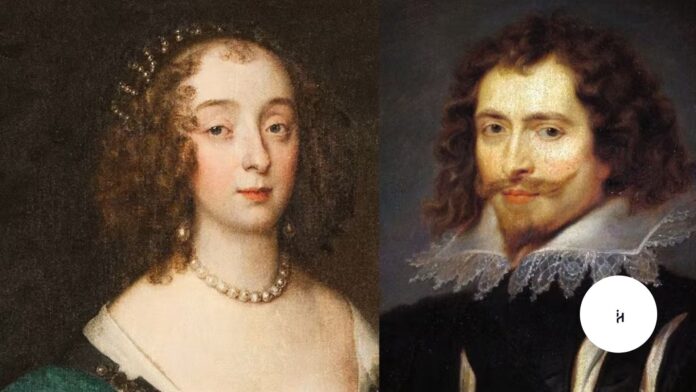
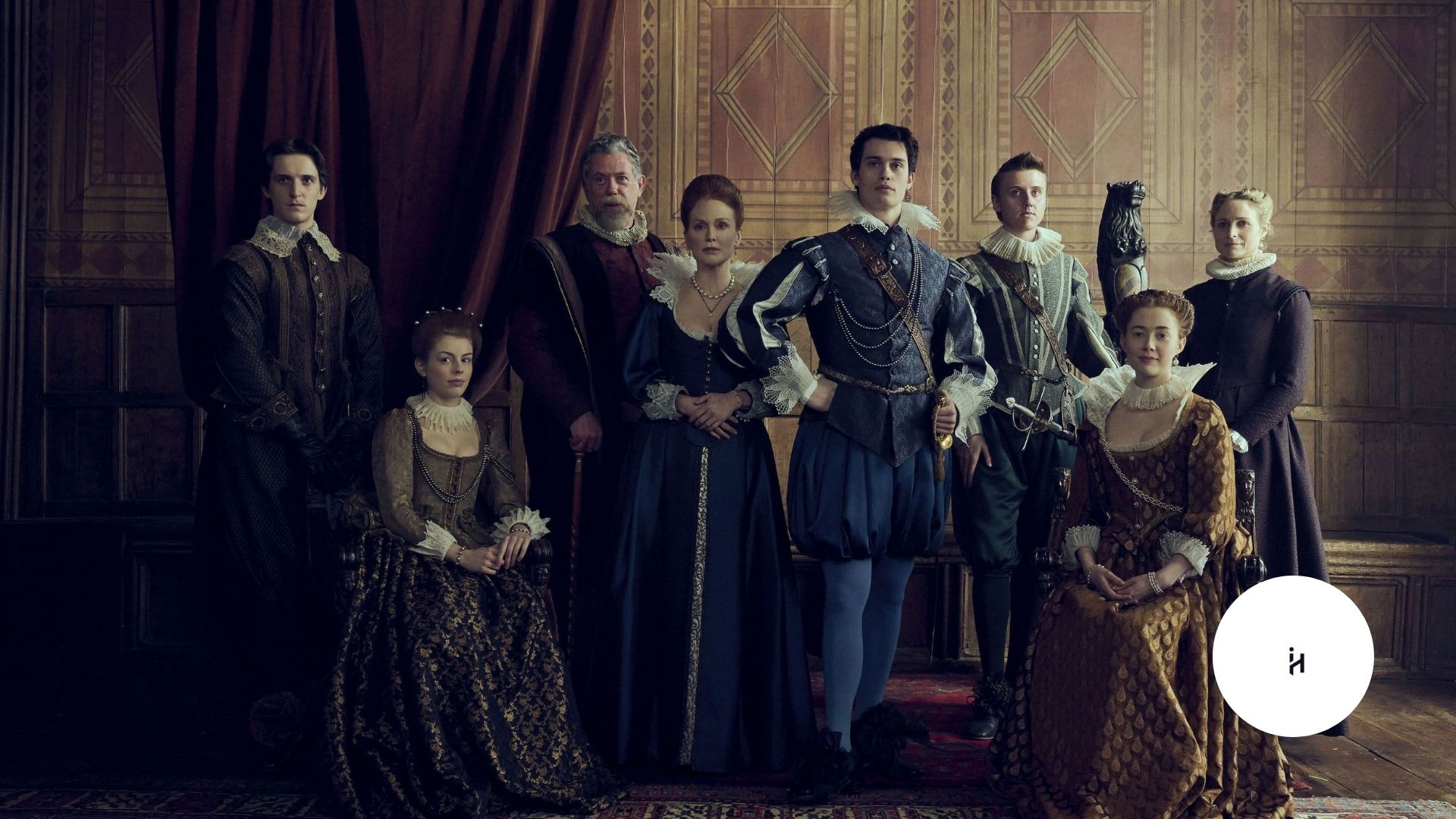
The Mary and George true story has resurfaced as one of the most compelling narratives from British history, capturing the imaginations of historians and drama lovers alike. Set in the 17th century during the reign of King James I of England, this tale unfolds around Mary Villiers and her son George Villiers — two historical figures whose rise to prominence was both calculated and scandalous. Their ambition, manipulation, and hunger for influence turned them into some of the most powerful and controversial characters of their time.

In this blog, we’ll explore the Mary and George true story in detail. From Mary’s cunning nature and George’s charm to their influence at court and involvement in deadly conspiracies, we’ll unpack every element of this enthralling real-life saga.

Who Were Mary and George Villiers?

Mary and George True Story

Mary Villiers, born Mary Beaumont, was a clever and ambitious woman who came from relatively humble origins. Her son, George Villiers, would become one of the most influential men in King James I’s court.

The Mary and George true story begins with Mary’s early efforts to push George into nobility, eventually making him the Duke of Buckingham. Her determination and social maneuvering were instrumental in shaping their shared legacy.

Mary ensured her son was educated, refined, and introduced to the right people — particularly the king. George’s stunning looks and charisma captivated King James I, setting the stage for one of the most controversial royal relationships in history.

The Royal Obsession: George and King James I

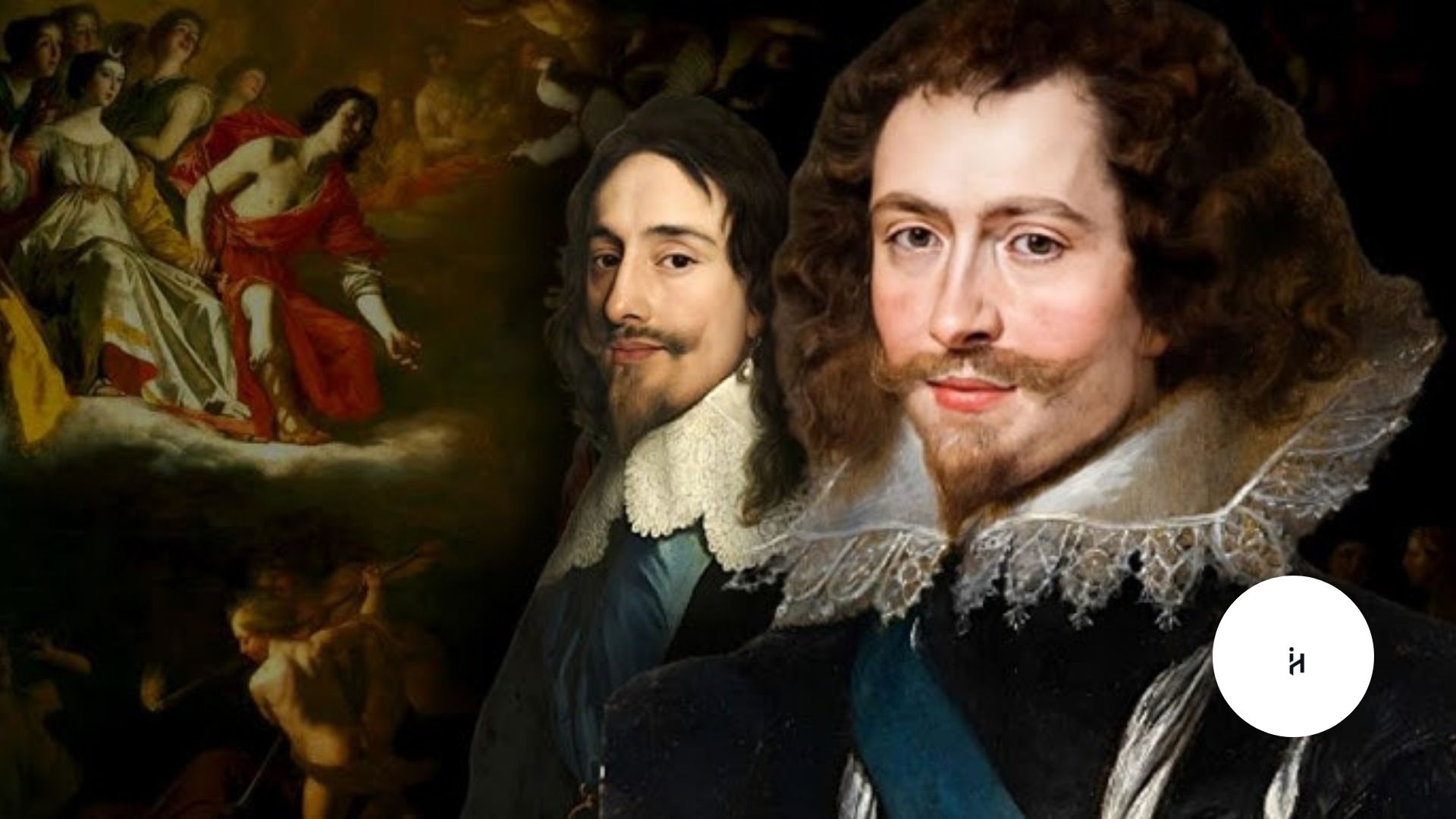
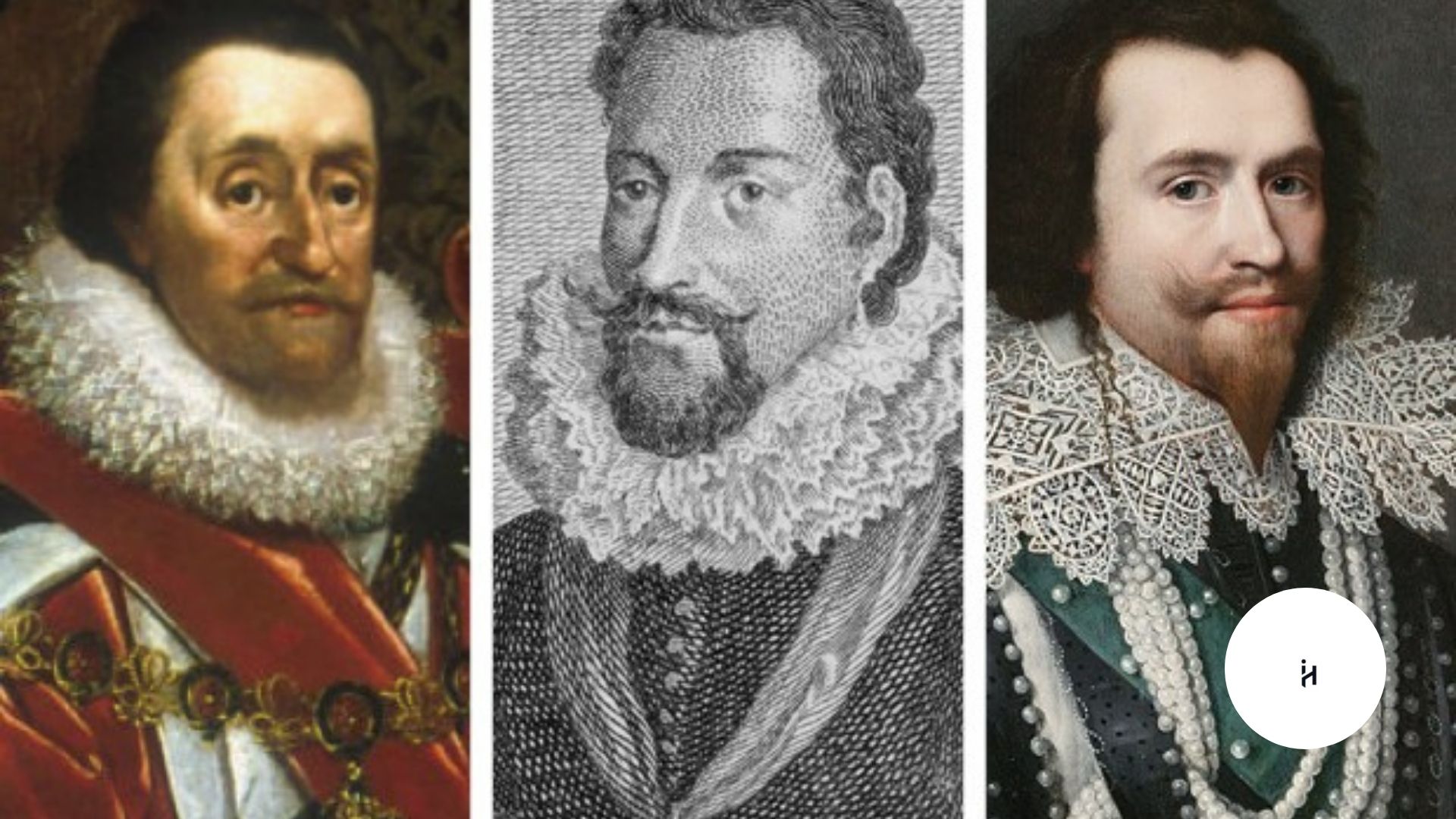
One of the most shocking elements of the Mary and George true story is the intensely personal and possibly romantic relationship between George Villiers and King James I. Historical records suggest that King James was infatuated with George, who used this to his advantage.

The king’s favoritism resulted in George’s rapid ascent through the ranks. He was given titles, land, and political power. Behind the scenes, Mary orchestrated much of this, guiding her son and leveraging their proximity to the king for financial and social gain. Their manipulation of King James wasn’t just scandalous—it was a calculated power grab.

Mary’s Role: A Mother’s Ambition or Political Genius?

Mary’s role in the Mary and George true story is often debated. Was she simply a mother looking out for her son, or a political mastermind? Most historians lean toward the latter. Mary was a woman ahead of her time, using her intelligence and charm to navigate the male-dominated world of royal politics.

She encouraged George to flirt with the king, even helping him compose letters and speeches to impress James I. Far from being passive, Mary directed George’s every move, treating the royal court as a chessboard and her son as her queen — the most powerful piece in her game of influence.

George’s Rise to Power

The Mary and George true story saw George Villiers become the Duke of Buckingham — a meteoric rise from a relatively unknown noble to one of the most powerful men in England. With Mary’s guidance and King James I’s affection, George quickly climbed the ladder of nobility.

He became the Lord High Admiral, Master of the Horse, and eventually controlled much of the country’s military and political decisions. George’s power extended beyond England, as he played a key role in foreign diplomacy. His influence made him both admired and hated by many.

Court Intrigue and Dangerous Enemies

Power attracts enemies, and the Mary and George true story was no different. As George’s influence grew, so did the number of people who sought to bring him down. He was accused of corruption, abuse of power, and even involvement in political assassinations.

Mary also had her share of enemies. Her ambition and manipulative tactics drew the ire of noble families and church leaders. Together, Mary and George became lightning rods for controversy, attracting attention from all corners of the kingdom.

Mary and George True Story

The Buckingham Legacy: Fame, Fortune, and Scandal

The Mary and George true story is filled with tales of excessive wealth, lavish banquets, and open favoritism. As the Duke of Buckingham, George lived extravagantly, often flaunting his closeness to the king. This wealth and status came at a cost.

The public and Parliament grew resentful of his unchecked power. Allegations of bribery, nepotism, and extravagance piled up. George’s political enemies used these scandals as ammunition, creating a toxic environment that would ultimately turn deadly.

The Assassination of George Villiers

One of the most dramatic turns in the Mary and George true story is the assassination of George Villiers in 1628. Stabbed to death by naval officer John Felton, George’s murder shocked the kingdom. Felton claimed he acted to rid the country of a corrupt tyrant.

Mary was devastated. Her life’s work had been destroyed in an instant. She had pushed her son to the top, only to see him fall at the hands of an angry soldier. The assassination marked the end of the Villiers’ dominance in English politics.

Mary’s Life After George’s Death

After George’s death, the Mary and George true story enters a more somber chapter. Mary withdrew from public life, retreating into mourning. However, she remained a figure of interest and speculation. Her later years were spent defending her son’s legacy and managing the estates and titles he left behind.

Though no longer in power, Mary never stopped believing in the righteousness of their cause. Her reputation as one of the most manipulative and strategic women in British history was cemented.

Cultural Impact and Modern Retelling

The Mary and George true story has been revisited in books, plays, and recently in television dramas. Modern audiences are fascinated by their unique dynamic, blending political ambition with royal scandal. The story’s themes of power, loyalty, manipulation, and downfall resonate even today.

The drama of their lives has inspired both historical fiction and factual retellings. Historians continue to debate the true nature of George and King James’s relationship, and Mary’s influence remains a subject of fascination.

Historical Significance of Their Story

Mary and George True Story

The Mary and George true story is not just about scandal — it’s a lesson in how influence and ambition can shape the destiny of a nation. Their story reflects the fragility of power and the consequences of political overreach.

Mary and George changed the course of English history. George’s role in diplomacy, the military, and royal decision-making left lasting effects on the British monarchy and government. Their rise and fall serve as a cautionary tale for political dynasties everywhere.

Conclusion: The Enduring Legacy of Mary and George

The Mary and George true story is a gripping narrative that still captures the public’s attention. It combines elements of political intrigue, royal romance, betrayal, and ambition. Mary Villiers was more than a mother — she was a strategist. George Villiers was more than a royal favorite — he was a power broker who shook the foundations of the monarchy.

Their lives left a controversial but unforgettable legacy in British history. As new generations discover their story, Mary and George continue to live on as symbols of ambition, scandal, and the price of unchecked power.

The Tragic Story of Hedwig Hoss: Life, Auschwitz, and Legacy

0
Hedwig Hoss

The name Hedwig Hoss is closely linked to one of the darkest chapters in human history: the Holocaust. She was the wife of Rudolf Hoss, the notorious commandant of Auschwitz concentration camp. Although not a public figure in the same way as her husband, Hedwig Hoss lived at the heart of the Nazi system of genocide.

Her life has come under scrutiny not only because of her husband’s actions but also due to her own behavior during World War II. This blog explores her complete biography, including her early years, life at Auschwitz, family background, public perception, and historical legacy.

Through this detailed account, we aim to provide a balanced yet critical examination of Hedwig Hoss, highlighting her complicity and silence during one of the most horrifying periods in modern history. Her story forces us to confront the role of bystanders, enablers, and those who lived in comfort while others suffered.

Early Life and Background of Hedwig Hoss

Hedwig Hoss

Hedwig Hoss was born in Germany in the early 20th century, into a conservative and nationalistic family. Like many women of her generation, she grew up in a society where obedience and traditional gender roles were strongly emphasized. There is little documented about her personal interests, education, or beliefs before her marriage, but historians believe she held national socialist values and supported her husband’s rise in the SS ranks.

The young Hedwig Hoss met Rudolf Hoss during the early 1930s when he was already deeply involved in Nazi ideology. Their shared beliefs likely played a role in forming a strong marital bond. By marrying him, Hedwig was not only choosing a life partner but also aligning herself with the political future of the Third Reich.

This background set the stage for her later years at Auschwitz, where she played the role of a housewife, yet lived surrounded by mass atrocities. Her early conditioning and alignment with Nazi ideologies cannot be overlooked when examining her character.

Marriage to Rudolf Hoss: A Dangerous Alliance

Hedwig Hoss married Rudolf Hoss in 1929, at a time when he was quickly rising through the Nazi ranks. Their marriage symbolized more than just a personal union—it became a partnership deeply rooted in Nazi values. Rudolf would go on to become the commandant of Auschwitz, and Hedwig Hoss became the mistress of a home located inside the very camp’s boundaries.

Their relationship was reportedly stable, and they had five children together. Hedwig saw herself as the perfect SS wife—loyal, obedient, and supportive. She took pride in her husband’s promotions and moved willingly with him to various SS posts. Eventually, their most infamous residence became the villa just outside the Auschwitz gas chambers.

Some former SS wives described Hedwig as proud and unbothered by the horrors happening nearby. While there is no direct evidence of her participation in war crimes, her silence and comfort during genocide raise disturbing moral questions about her complicity.

Life Inside Auschwitz: Hedwig’s Comfortable Bubble

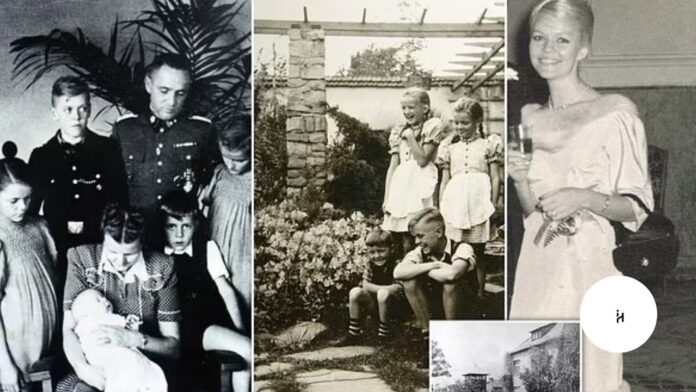
Hedwig Hoss lived in a luxurious villa with her family while millions were tortured and murdered just beyond her backyard. The Hedwig Hoss villa was located within the Auschwitz camp’s grounds, separated by only a fence from the gas chambers and crematoria. Despite being so close to human suffering, Hedwig enjoyed a life of comfort, gardening, raising her children, and hosting gatherings.

Survivor accounts and documents suggest she had access to goods looted from prisoners, including clothing and food. She even employed camp prisoners as domestic help. This lifestyle was in stark contrast to the misery just meters away.

Her ability to live normally in such a horrific setting exemplifies the psychological disconnection many Nazis and their families experienced. Hedwig Hoss became a symbol of privilege amidst atrocity—a woman who never questioned the origin of her comfort.

The Role of Denial and Silence

One of the most controversial aspects of Hedwig Hoss is her silence. There is no evidence that she ever protested or questioned her husband’s actions. After the war, she claimed ignorance, saying she didn’t know what was happening inside the camp. But historians and psychologists have widely rejected these statements as implausible.

Given her proximity to the gas chambers and access to the camp’s infrastructure, it is nearly impossible that she remained unaware. The smoke, the screams, and the ever-present SS activity would have been visible and audible from her home.

Her silence makes her complicit, and her denial serves as a classic example of how bystanders justified their inaction. The case of Hedwig Hoss forces us to ask: Is silence in the face of genocide a crime in itself?

Hedwig Hoss

Family Life and Children

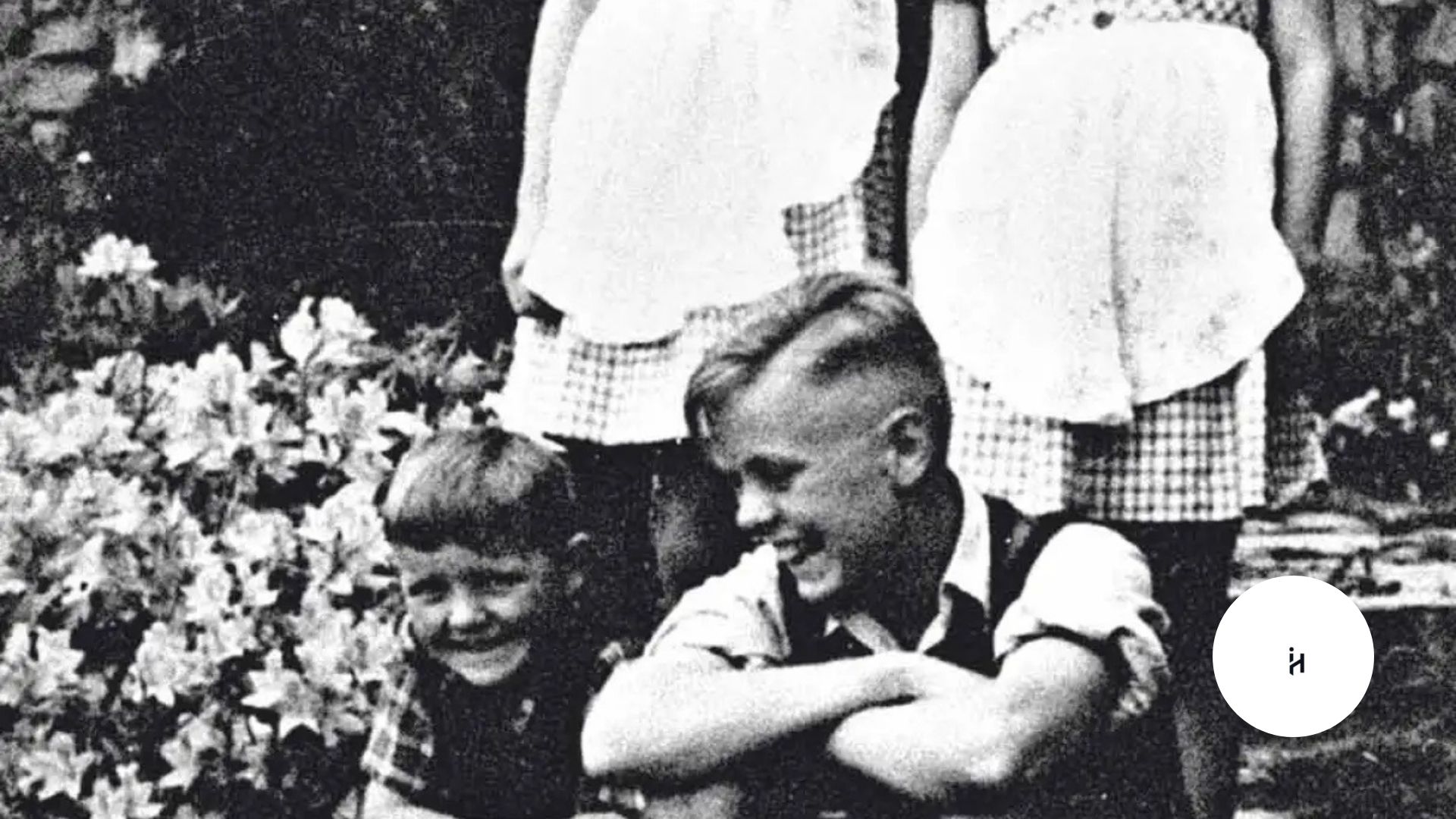
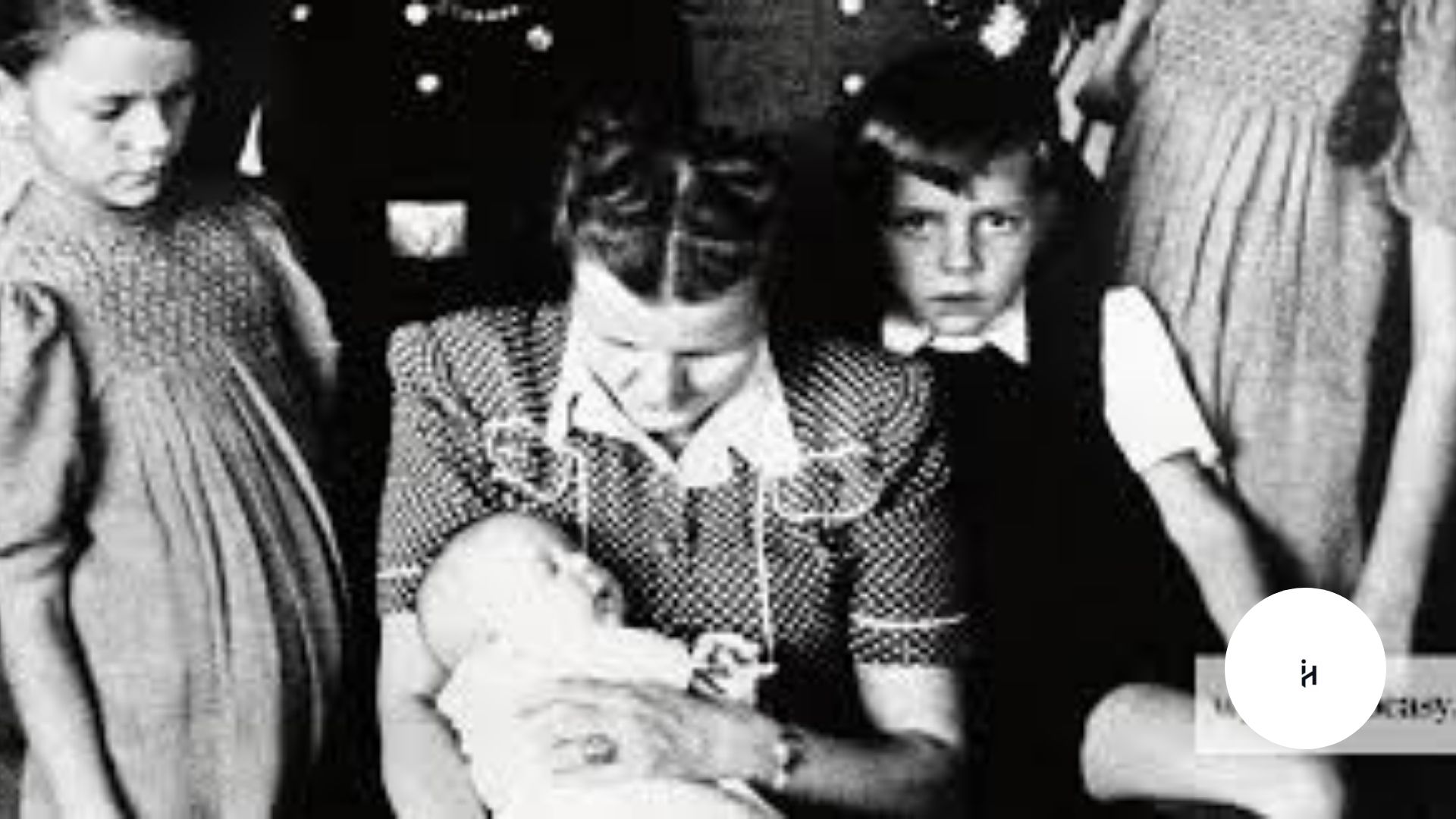
Despite the horrific surroundings, Hedwig Hoss focused on maintaining a “normal” family life. She raised five children with Rudolf Hoss and managed the household with strict discipline. Photographs from the time show the family enjoying picnics, gardening, and birthday celebrations—all within the Auschwitz compound.

Her children later gave interviews describing their childhood as happy, unaware of the horrors around them. This stark contrast between their sheltered upbringing and the surrounding death camp highlights the moral blindness that Hedwig Hoss exhibited.

Her children’s memories do not implicate her directly in crimes, but they do reinforce the image of a woman more concerned with domestic life than with humanity. This façade of normalcy is one of the most haunting elements of her story.

The Fall of the Third Reich and Rudolf’s Arrest

As the war drew to an end, Rudolf Hoss was arrested, tried, and executed for crimes against humanity. During this time, Hedwig Hoss and her children fled to avoid Allied capture. She was eventually found by British forces and interrogated. Though she was never officially charged, she remained under suspicion for many years.

Her post-war statements focused on her family and her suffering as a widow and mother—not on the victims of Auschwitz. This self-centered narrative painted her as a victim rather than an enabler.

The fall of the Third Reich marked the end of her privileged life and exposed the stark reality that had existed just outside her doorstep.

Post-War Life and Attempts to Escape Judgment

After the war, Hedwig Hoss tried to fade into obscurity. She moved under a false name and lived quietly, avoiding media attention. Unlike other Nazi wives who faced trials, she was never formally held accountable.

She gave a few interviews where she maintained her ignorance of the Holocaust and insisted she was only a housewife. These interviews further fueled public outrage, as many viewed her claims as blatant lies.

Her ability to evade justice reflects the limitations of post-war trials and investigations. Many women like Hedwig Hoss slipped through legal cracks, despite benefiting from or facilitating Nazi atrocities.

Public Opinion and Historical Judgment

Public opinion on Hedwig Hoss remains deeply divided. Some see her as a passive wife who simply followed her husband, while others view her as an active participant through her silence and privilege. Modern historians argue that the moral line between bystander and accomplice is thin—especially in the context of genocide.

Documentaries, films, and books have increasingly explored her life, often with critical eyes. The Netflix film The Zone of Interest brought renewed focus to her lifestyle, showing how luxury and horror coexisted.

The legacy of Hedwig Hoss serves as a cautionary tale of what happens when ordinary people normalize extraordinary evil.

Psychological Analysis of Complicity

Hedwig Hoss

Psychologists and historians have studied Hedwig Hoss to understand the mindset that allows such denial and disassociation. Terms like “moral disengagement” and “cognitive dissonance” are often used to describe her behavior.

She may have genuinely compartmentalized her life—blocking out the horrors of Auschwitz to focus on her family. However, this doesn’t absolve her of responsibility. Her emotional numbness and lack of empathy reflect a dangerous psychological state that contributed to the Holocaust’s machinery.

The study of Hedwig Hoss has helped scholars understand how ideologies shape behavior and how “normal” people can become numb to evil.

Pop Culture and Media Representation

The recent film The Zone of Interest depicts a character based on Hedwig Hoss, shining a spotlight on her real-life contradictions. This film portrays her as a cold, calculated housewife who remains indifferent to suffering.

Pop culture has played a significant role in reshaping how the public perceives Nazi wives. Books and films now explore their agency and complicity rather than portraying them as victims.

Hedwig Hoss has become a symbol of historical denial—an uncomfortable reminder of how evil can hide behind a garden, a smile, and a kitchen apron.

Conclusion: Why Hedwig Hoss Still Matters

The story of Hedwig Hoss is not just a historical curiosity—it’s a vital lesson in human psychology, morality, and justice. Her life forces us to confront how easily people can ignore suffering when their comfort is at stake.

She may never have carried out the killings, but her silence, luxury, and support of her husband allowed the Holocaust to continue with less resistance. Her legacy is one of complicity and moral failure, and it continues to provoke debate.

By studying Hedwig Hoss, we remember that evil often thrives not only through monsters but also through enablers—those who choose not to see.