
Home Blog Page 419

Reform Movements: How Social Change Redefined History

0
Reform Movements

Reform movements have significantly shaped modern societies across the world. From women’s suffrage to labor rights and environmental activism, these movements have acted as engines of social change.

Reform movements emerge in response to social, political, or economic injustices and aim to challenge the status quo through peaceful advocacy, policy reforms, or mass mobilization. This blog delves deep into the historical significance, causes, and consequences of reform movements, highlighting their enduring relevance.

Introduction to Reform Movements
Reform Movements

Reform movements are organized efforts aiming to bring social, political, or economic improvements within a society. These movements emerge when existing systems become unjust, unequal, or outdated. From the civil rights movement in the U.S. to anti-apartheid efforts in South Africa, reform movements have played a crucial role in redefining justice and equity.

At their core, reform movements differ from revolutionary movements in that they seek to improve systems rather than overthrow them entirely. Rooted in both grassroots efforts and intellectual advocacy, reform movements have historically addressed a wide range of issues such as labor conditions, women’s rights, environmental policies, and education systems.

Throughout history, individuals and communities have rallied under banners of reform to push forward progress. These movements are a testament to humanity’s enduring belief in fairness, freedom, and the possibility of better systems. The power of reform movements lies in their ability to organize collective action and apply pressure on institutions resistant to change.

Historical Background of Reform Movements

The history of reform movements can be traced back to ancient civilizations. However, it was during the 18th and 19th centuries that reform efforts took a structured, organized form. In the West, the Enlightenment era inspired thinkers and activists to challenge oppressive systems and advocate for liberty and equality.

In Britain, the Chartist Movement in the 1830s sought political reform by demanding voting rights for working-class men. In the United States, the abolitionist movement against slavery gained momentum in the early 19th century, with figures like Frederick Douglass and Harriet Tubman leading the charge. In India, social reformers like Raja Ram Mohan Roy worked to abolish practices such as sati and child marriage.

These historical reform movements show a common thread—resistance against injustice, powered by moral conviction and a desire for change. They also underline how movements transcend borders, with ideologies of one region influencing others globally.

Causes Behind the Rise of Reform Movements

Several key factors contribute to the rise of reform movements. Social inequality is a major driver—when certain groups are marginalized or discriminated against, calls for reform become inevitable. Economic disparity, too, plays a vital role, especially in movements seeking fair wages, labor rights, or land reforms.

Technological advancements and improved communication also facilitate reform movements. The invention of the printing press, and later, the internet, helped mobilize supporters and spread reformist ideas. Additionally, oppressive government policies, lack of political representation, and environmental degradation have historically catalyzed reform efforts.

Religious and philosophical ideologies often influence reform movements as well. For example, Christian evangelicals were pivotal in movements like temperance and abolition. Similarly, Gandhi’s use of non-violence drew heavily from spiritual beliefs.

In most cases, a combination of moral outrage, social injustices, and political neglect sets the stage for reform efforts to flourish.

Major Social Reform Movements

Social reform movements have addressed numerous societal issues including caste discrimination, gender inequality, and racial injustice. The feminist movement, spanning waves from the 19th to the 21st century, has fought for equal rights, voting power, and workplace equality for women.

Another impactful movement was the U.S. Civil Rights Movement, led by Martin Luther King Jr., which challenged systemic racism and sought legislative change, like the Civil Rights Act of 1964. Meanwhile, LGBTQ+ movements have achieved remarkable progress in securing equal rights and protections across many nations.

Movements addressing indigenous rights, like Idle No More in Canada, have gained momentum in recent years. They aim to preserve native traditions while demanding land, education, and health rights. These reform movements prove that societal evolution is often driven by courageous resistance and vision for justice.

Reform Movements

Political Reform Movements and Democracy

Political reform movements aim to improve governance and promote transparency, accountability, and citizen participation. These efforts often emerge in authoritarian settings or flawed democracies. For example, the Arab Spring was a wave of pro-democracy reform movements across the Middle East and North Africa.

In Eastern Europe, anti-corruption protests have given rise to reform movements advocating for electoral reform and media freedom. In the U.S., campaign finance reform and voter rights are central issues. Political reformists argue that fair democratic systems are impossible without accountability, independent judiciary, and transparent elections.

These reform movements are vital for healthy democracies, often forcing governments to adopt more inclusive policies, decentralize power, and ensure fundamental rights. While progress may be slow, the impact of political reform movements is long-lasting and transformational.

Economic Reform Movements

Economic reform movements focus on creating a fair distribution of resources, ending exploitative labor practices, and ensuring financial accountability. The labor movement during the Industrial Revolution, for example, fought for better working conditions, minimum wages, and the right to unionize.

More recently, movements like Occupy Wall Street and global anti-austerity protests have challenged the growing divide between the rich and the poor. Economic reform movements often arise in times of crisis when government policies are seen as benefiting a select few at the cost of the majority.

Land reforms in countries like India and Mexico were critical in redistributing wealth and empowering the rural poor. These movements have highlighted the need for inclusive growth and economic justice, ensuring that capitalism does not overshadow humanity.

Educational Reform Movements

Educational reform movements aim to improve access, quality, and equality in education systems. These efforts are especially prominent in underprivileged communities where education is limited by class, race, or geography.

In the U.S., Horace Mann pioneered public education reform, emphasizing free and universal schooling. Globally, movements advocating for girls’ education, such as those led by Malala Yousafzai, have changed policies and inspired millions.

More recently, student-led reform movements have emerged, demanding curriculum reforms, decolonization of education, and mental health awareness in schools. Education is often seen as the foundation of a progressive society, and reforming it remains a priority in development agendas worldwide.

Environmental Reform Movements

Environmental reform movements have gained momentum in response to climate change, deforestation, and industrial pollution. These movements advocate for sustainable practices, green energy, and protection of ecosystems.

From the Green Belt Movement in Kenya to Fridays for Future led by Greta Thunberg, environmental reformists have emphasized the urgency of global climate action. These reform movements often pressure governments to pass laws regulating emissions, protecting endangered species, and investing in renewable energy.

Public awareness campaigns, grassroots activism, and international coalitions like the Paris Agreement are direct results of persistent environmental reform movements. They stress that protecting the planet is a shared responsibility requiring collective reform.

Religious and Moral Reform Movements

Reform Movements

Religious reform movements typically aim to purify practices, restore spiritual integrity, or modernize beliefs. Examples include the Protestant Reformation led by Martin Luther, which challenged the Catholic Church’s authority, or the Bhakti Movement in India which opposed caste-based religious hierarchy.

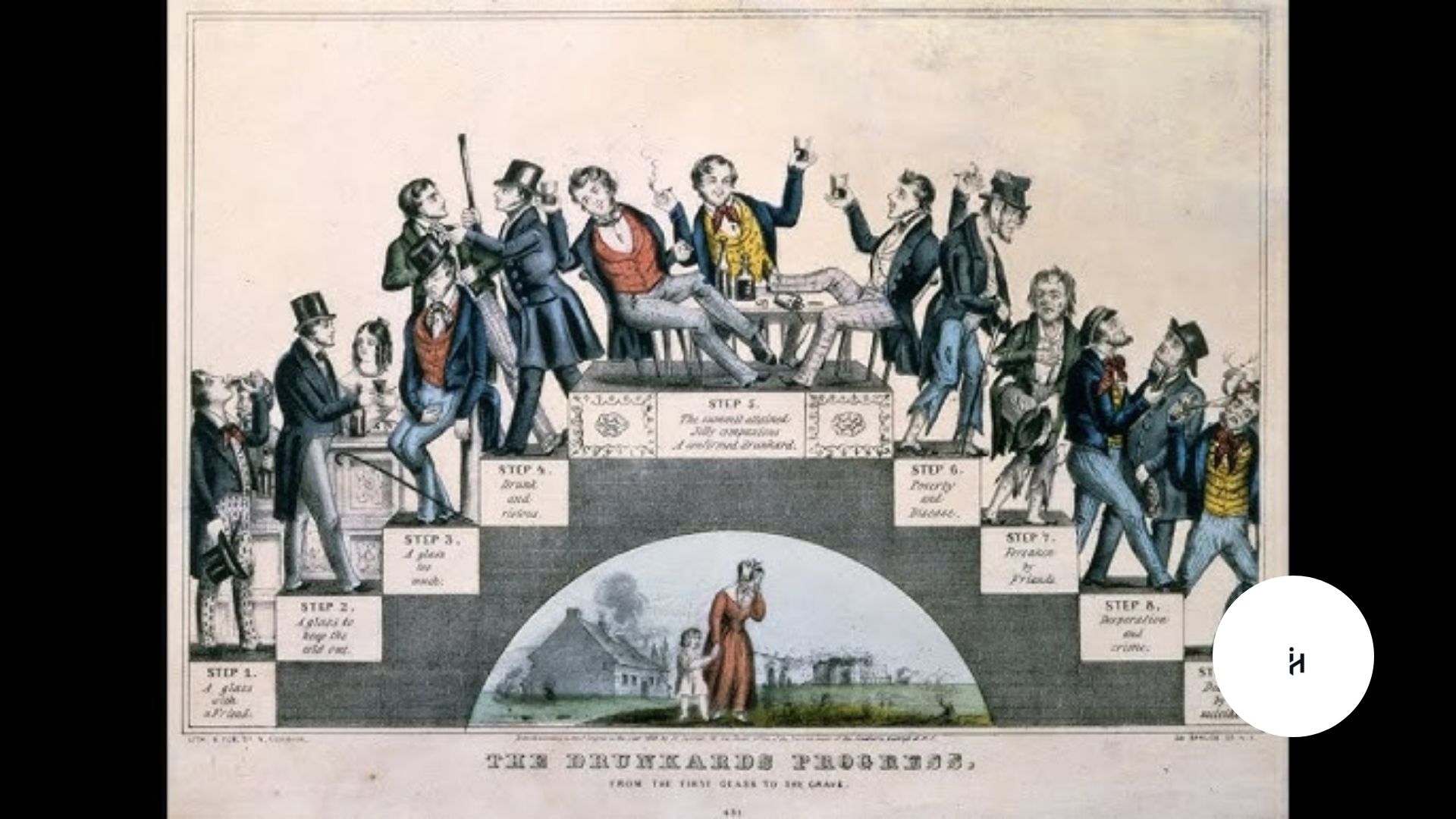
Moral reform movements, such as the temperance movement or anti-gambling campaigns, seek to uphold societal ethics and values. These reform movements often originate from religious or philosophical convictions and can influence national policies.

Though controversial at times, religious and moral reformers have played crucial roles in shaping ethical frameworks and cultural narratives.

Global Influence of Reform Movements

Reform movements are not confined to national borders. They influence and inspire each other globally. For instance, the civil rights movement in the U.S. inspired anti-colonial reform movements in Africa and Asia. Similarly, feminist ideals from the West have shaped gender rights campaigns in developing countries.

Technology and globalization have helped create transnational reform networks. Online petitions, social media campaigns, and global summits have made it easier for local reform movements to gain international attention.

The ripple effect of reform can be seen in global agreements on human rights, education, and environmental protection. The interconnectedness of reform movements shows the universality of justice and the human desire for freedom.

Legacy and Future of Reform Movements

The legacy of reform movements is embedded in laws, institutions, and cultural values. Many of the rights we enjoy today—such as voting, education, and equality—are direct outcomes of these persistent efforts. Movements leave behind not only reforms but also an empowered citizenry.

Looking ahead, reform will continue to be a key force in global change. Issues like digital rights, AI ethics, gender identity, and climate justice will likely shape future reform movements. As society evolves, so will its challenges—and with them, the calls for reform.

To ensure a just future, supporting reform movements remains not just a choice, but a responsibility.


The Mysterious Legend of Warren Shufelt: City Beneath Los Angeles

0
Warren Shufelt

In the early 1930s, a fascinating figure named Warren Shufelt captured public attention with a tale that sounded straight out of a science fiction novel. He claimed to have discovered evidence of an ancient underground city beneath the streets of Los Angeles, supposedly built by a lost race of lizard people. Although his claims have never been proven, the legend of Warren Shufelt continues to captivate the minds of conspiracy theorists, adventurers, and history buffs alike.

Using what he described as a “radio X-ray machine,” Shufelt surveyed parts of the city and identified underground tunnels and chambers, which he believed were filled with historical treasures. His discoveries led to major headlines and a planned excavation in 1934.

While the project never yielded the promised ancient riches, it cemented Shufelt’s name in urban legend history. In this blog, we’ll explore the incredible story of Warren Shufelt, the technology he claimed to use, the mythology surrounding his discoveries, and the lasting impact of his legend.

Who Was Warren Shufelt?

Warren Shufelt

Warren Shufelt was a mining engineer and self-proclaimed inventor who rose to local fame in 1934 after making bold claims about an underground city beneath Los Angeles. Though not much is known about his early life, he was a well-spoken and charismatic figure who had experience in geological surveying. His professional background lent some credibility to his story, at least initially.

Shufelt’s interest in ancient civilizations and lost cities seemed to fuel his theories. He often spoke of an advanced race that predated recorded history, claiming they had built intricate tunnel systems beneath modern-day Los Angeles. His ambitions were not only scientific but also monetary—he believed he could locate vast stores of ancient gold and historical records buried beneath the surface.

While skeptics dismissed him as a fantasist or fraud, others were intrigued. His partnership with local officials and spiritual advisors, including a Hopi elder who allegedly confirmed his beliefs, only added to the mystery. Though his excavation efforts were short-lived, the name Warren Shufelt remains etched in the annals of speculative history.

The Discovery of the Underground City

The most significant part of Warren Shufelt’s legend revolves around his supposed discovery of an ancient underground city beneath Fort Moore Hill in Los Angeles. According to Shufelt, he used a device he invented to detect underground tunnels and voids. What he found shocked him: a labyrinth of tunnels, rooms, and vaults stretching far beneath the city.

Shufelt believed these structures were not natural but man-made, and even claimed they had been built by a lost race of intelligent beings—possibly the so-called “Lizard People.” He theorized that this ancient civilization had escaped a great catastrophe by building shelters underground and left behind golden tablets containing the history of their people.

This discovery was more than a curiosity—it became a media sensation. Local newspapers published stories about Warren Shufelt and his incredible claims. The public, though skeptical, was fascinated by the idea that a lost civilization could lie just beneath their feet.

The Role of the Hopi Legend

A critical element that added authenticity to Warren Shufelt’s claims was his connection with Native American mythology—particularly that of the Hopi tribe. According to Shufelt, he was in contact with a Hopi elder who told him about an ancient race known as the “Lizard People” who survived cataclysmic events by living underground.

This myth described beings who had incredible intelligence and technology, and who preserved their knowledge in golden tablets. Warren Shufelt believed these tablets could be found in the underground city he had detected.

While many anthropologists have since dismissed these claims as exaggerated or fabricated, it is true that Native American cultures, including the Hopi, have rich oral traditions that mention subterranean beings or otherworldly civilizations. The story’s intersection with real tribal myths gave it a layer of mysticism and helped keep the legend alive.

The X-Ray Machine: Shufelt’s Invention

One of the most curious aspects of the Warren Shufelt story is the invention he used for his research—a so-called “radio X-ray machine.” Shufelt claimed this device could detect underground formations and even identify different materials, such as metal or stone.

According to his explanation, this machine worked by detecting vibrations and images of underground structures, though he never fully revealed the science behind it. He created a detailed map of what he believed was the underground city based on readings from this device.

Skeptics argued that Shufelt’s machine had no scientific basis and was little more than pseudoscience. Nonetheless, the device became central to his claims and was one of the key reasons his story drew so much attention. The legend of Warren Shufelt might never have taken hold without this “magical” piece of technology.

Warren Shufelt

The Public Excavation Project

In 1934, Warren Shufelt received permission from city authorities to begin digging in search of the lost underground city. The chosen location was Fort Moore Hill, a site that he had surveyed extensively with his radio X-ray machine.

Excavation began with much excitement and was even covered by local newspapers. However, the project quickly ran into practical challenges, including unstable ground and lack of proper funding. Despite weeks of digging, Shufelt and his team failed to uncover any tunnels, golden tablets, or signs of an underground civilization.

After several setbacks and growing public skepticism, the excavation was quietly abandoned. Still, the attempt had sparked the imagination of many and added fuel to the fire of the Warren Shufelt legend.

Media Coverage and Public Reaction

When Warren Shufelt first announced his findings, local newspapers such as the Los Angeles Times eagerly picked up the story. Headlines about a possible lost city beneath LA made waves, and Shufelt’s interviews added to the buzz.

The public reaction was a mix of skepticism and curiosity. While some dismissed the story as a hoax, others were genuinely excited at the idea that a secret city could exist beneath their feet. Shufelt became a local celebrity for a short time, often appearing in media to explain his theories.

Though the hype eventually died down, the story continued to be cited in discussions of urban myths and fringe archaeology. Warren Shufelt had captured the public’s imagination, even if he couldn’t deliver proof.

The Lizard People Theory

Perhaps the most enduring and bizarre part of Warren Shufelt’s tale is the theory of the Lizard People. He believed this subterranean race had built the tunnels to survive a cataclysm and had knowledge and technology far beyond modern understanding.

These beings were said to be lizard-like in appearance and incredibly intelligent. Shufelt claimed they preserved their history on golden tablets hidden deep in the underground vaults. While this idea might sound like pure fantasy, it has become a cornerstone of many modern conspiracy theories.

From reptilian alien myths to government cover-ups, the Lizard People theory introduced by Warren Shufelt continues to influence fringe culture today.

Scientific Skepticism

Mainstream scientists and geologists have long dismissed Warren Shufelt’s claims. His methods lacked peer review, and his X-ray device was never validated by independent experts.

Geological surveys of the Los Angeles area show no evidence of massive underground cities or man-made tunnels in the locations Shufelt indicated. Critics argue that his ideas were either fabricated or based on misinterpretations of natural underground formations.

Despite this, Warren Shufelt has become a symbol of the boundary between science and speculation—a reminder of how easily imagination can capture public interest.

Cultural Legacy of Warren Shufelt

Warren Shufelt

Over the decades, the legend of Warren Shufelt has become part of Los Angeles folklore. His story has inspired books, podcasts, documentaries, and even fictional adaptations.

Urban explorers and paranormal enthusiasts often reference Shufelt when discussing underground mysteries. His tale also serves as a cautionary example in scientific communities about the dangers of pseudoscience and unverified claims.

Despite the lack of physical evidence, Warren Shufelt has left a cultural mark that continues to resonate with those fascinated by hidden histories.

Modern Interpretations and Conspiracy Theories

In recent years, the story of Warren Shufelt has seen a resurgence online. Internet forums and YouTube channels frequently reference his underground city in the context of broader conspiracy theories involving reptilian aliens, ancient civilizations, and government secrets.

Modern theorists often combine his claims with other legends, suggesting a network of subterranean tunnels spanning the globe. Some even believe that Shufelt was silenced or discredited on purpose to hide the truth.

While no evidence supports these theories, they show how deeply Warren Shufelt’s story has penetrated the imagination of the alternative history community.

Conclusion: The Man, the Myth, the Mystery

Warren Shufelt may not have discovered a lost city, but his story has endured because it taps into a universal human desire—to believe in hidden worlds and forgotten histories. His tale is a mix of ambition, imagination, and the allure of the unknown.

Though science has not validated his claims, Shufelt’s legend continues to be told, passed down through generations of curious minds and conspiracy seekers. Whether you see him as a dreamer, a fraud, or a visionary, there’s no denying that Warren Shufelt is one of the most intriguing figures in American mythos.

Unveiling the Mystery of the Lake Baikal Monster

0
Lake Baikal Monster

Introduction to the Lake Baikal Monster

The Lake Baikal Monster has intrigued researchers, adventurers, and conspiracy theorists alike. Located in Siberia, Russia, Lake Baikal is the world’s deepest freshwater lake, boasting a depth of over 1,600 meters. But what truly sets it apart is not just its natural grandeur—it’s the bizarre and eerie tales that surround it. Among those, the most famous is the legend of the Lake Baikal Monster.

Locals have reported sightings of strange underwater creatures, lights, and even UFOs. These stories go back centuries, and many believe there is more beneath the surface of Lake Baikal than science can currently explain. This blog explores every dimension of the Lake Baikal Monster phenomenon, diving into folklore, eyewitness accounts, and scientific investigation.

Geography and Mystique of Lake Baikal

Lake Baikal Monster

Before exploring the creature itself, it’s crucial to understand the unique ecosystem of Lake Baikal. This ancient lake, estimated to be over 25 million years old, holds approximately 20% of the world’s freshwater. It’s also known for its incredible biodiversity, including many species found nowhere else.

The immense depth and isolation of the lake create an environment where unknown species could potentially exist. The geography, combined with frequent seismic activity and harsh Siberian conditions, adds a layer of mystery and danger—perfect conditions for legends like the Lake Baikal Monster to thrive.

First Reports and Eyewitness Sightings

The earliest written reports of the Lake Baikal Monster date back to the 17th century, when local tribes believed in spirits inhabiting the lake. More recently, in the 20th and 21st centuries, eyewitness reports have emerged from fishermen, divers, and even Russian Navy personnel. These reports describe giant serpentine creatures, dark shadows under the ice, and strange animalistic sounds emanating from the depths.

Perhaps the most famous incident occurred in 1982, when a group of Soviet military divers allegedly encountered huge humanoid beings wearing silver suits. The divers tried to capture one but were violently repelled. This story, although controversial, adds fuel to the Lake Baikal Monster narrative.

Myths and Legends of the Indigenous Buryat People

The indigenous Buryat people who have lived around Lake Baikal for centuries have passed down stories of “Lusud-Khan”, a dragon-like water spirit. They believe the lake is sacred and that angering the Lake Baikal Monster can lead to natural disasters, drownings, or even disappearances.

Buryat shamans often conducted rituals to appease the spirits of the lake, showing the deep cultural significance of these legends. In their oral histories, the Lake Baikal Monster is not just a beast—it is a guardian, a punisher, and a symbol of nature’s raw power.

Russian Navy Encounters and Military Secrecy

In addition to the 1982 incident, classified Russian Navy documents later revealed unusual subaquatic anomalies in Lake Baikal. Sonar readings detected fast-moving, unidentified objects that defied the laws of underwater physics. The Navy was reportedly unable to explain or track these objects, which led some to speculate about extraterrestrial activity.

Many believe the government may be suppressing information about the Lake Baikal Monster, especially considering the strategic importance of the lake in terms of resources and location.

UFO Sightings and Alien Theories

Lake Baikal has also become a UFO hotspot. Locals and tourists have reported seeing bright, hovering lights above the water, especially during the night. Some of these lights reportedly dive into the lake, fueling speculation that Lake Baikal Monster may not be a biological entity at all—but a technological or alien phenomenon.

Ufologists theorize that Lake Baikal could be home to an underwater alien base, and the monster might be a guardian entity or even a form of extraterrestrial technology disguised as a creature.

Lake Baikal Monster

Scientific Explanations and Skepticism

Despite the legends, most scientists are skeptical about the Lake Baikal Monster. Marine biologists suggest that many sightings could be misidentified giant sturgeons, seals, or optical illusions caused by unusual light refraction under the water.

Moreover, the seismic nature of the region can trigger underwater gas releases, creating strange sounds and currents. These natural phenomena might explain some of the unexplained behaviors attributed to the monster.

Cryptozoologists and Their Theories

Cryptozoologists—scientists who search for animals not yet proven to exist—take a different view. Many believe Lake Baikal is a perfect location for undiscovered megafauna. The lake’s depth, remoteness, and age make it a prime candidate for harboring creatures that have remained hidden from modern science.

Several expeditions have attempted to find evidence of the Lake Baikal Monster, collecting sonar data and water samples. While nothing definitive has been found, many cryptozoologists remain convinced that the creature is more than just a myth.

Pop Culture References and Media Attention

In recent years, the Lake Baikal Monster has become a fixture in documentaries, books, and internet lore. Shows like Ancient Aliens, MonsterQuest, and various YouTube channels have covered the phenomenon, bringing it to a global audience.

Some artistic interpretations portray it as a sea serpent, while others show it as a giant squid or alien entity. Regardless of the depiction, the creature has captured the imagination of people far beyond Russia, turning it into a modern myth of global proportions.

Environmental and Ecological Impact

Lake Baikal Monster

Strangely, stories of the Lake Baikal Monster have contributed to ecological awareness. With increasing pollution and climate change threatening the lake’s fragile ecosystem, many activists and locals use the legend to highlight the need for conservation.

Some have even argued that preserving the lake’s health is essential not only for biodiversity but also to avoid provoking the monster. While symbolic, this idea helps promote the importance of sustainable environmental practices.

Conclusion: Legend or Reality?

So, is the Lake Baikal Monster real? The answer depends on whom you ask. For scientists, the stories are misinterpretations of natural phenomena. For locals and believers, the creature is very much alive, lurking beneath the icy surface, watching and waiting.

What’s undeniable is the effect the legend has had: drawing tourists, inspiring stories, and creating a sense of mystery and wonder. Whether it’s a sea creature, alien technology, or simply folklore, the Lake Baikal Monster continues to spark curiosity and debate, ensuring its place in the pantheon of unexplained phenomena.

The Truth Behind Chronovisor Photos

0
Chronovisor Photos

Have you ever imagined peering into the past and witnessing history firsthand? According to an astonishing claim from the Vatican, such a device might already exist: the Chronovisor. Known for supposedly capturing Chronovisor photos, this enigmatic machine has fascinated conspiracy theorists, time travel enthusiasts, and skeptics alike.

From blurry images of Christ to scenes from ancient Rome, the Chronovisor photos claim to offer glimpses of forgotten ages. But what’s the truth behind these pictures? Are they real, or just a cleverly constructed myth? In this article, we’ll uncover every aspect of this mysterious device and the strange photos associated with it.

Throughout this blog, we will explore the Chronovisor photos from multiple perspectives, digging deep into history, conspiracy, science, and skepticism.

What is the Chronovisor?

Chronovisor Photos

The Chronovisor is said to be a time-viewing device developed in secret by the Vatican during the 1950s and 60s. It was allegedly built by a team led by Father Pellegrino Ernetti, an Italian priest and physicist. The machine supposedly allowed users to view — and in some cases photograph — historical events.

The term Chronovisor photos stems from alleged snapshots captured by this device. Ernetti claimed it used electromagnetic radiation and sound waves left behind in the environment to reconstruct scenes from the past.

The concept has sparked wild imagination, especially because the Vatican has remained silent or dismissive whenever asked about these Chronovisor photos. Some say this is because the photos reveal too much of humanity’s hidden history.

The Claim of Father Pellegrino Ernetti

Father Ernetti, the central figure in the Chronovisor story, was a Benedictine monk and respected musicologist. In the 1970s, he shocked the world by claiming he had seen — and even recorded — major events from history using the Chronovisor. The most famous among these were the Chronovisor photos allegedly showing Jesus Christ on the cross.

Ernetti even published an image of Christ, saying it was taken using the Chronovisor. Critics soon pointed out the image resembled a widely available statue. Nonetheless, the story persisted, gaining cult status. Supporters claim the Chronovisor photos are real and were leaked intentionally to prepare the public for the revelation of time travel technology.

The Technology Behind the Chronovisor

According to Ernetti, the Chronovisor was built with assistance from a team of scientists, including Nobel Prize winners like Enrico Fermi. The machine reportedly worked by capturing residual electromagnetic emissions from past events. Using special sensors and screens, it could display and record past moments.

Although no blueprints or functioning devices were ever produced, believers insist the Chronovisor photos prove that such technology exists. The details of the machine’s design remain speculative, but the idea has inspired sci-fi writers and theorists alike.

Famous Chronovisor Photos Explained

The most well-known Chronovisor photo is the image of Jesus Christ dying on the cross. According to Ernetti, this photo was captured while the device observed the Crucifixion. Other Chronovisor photos reportedly depict ancient Roman speeches, scenes from Napoleon’s era, and even lost Greek tragedies performed live.

Critics claim these photos are fabricated, pointing to similarities with artwork and staged reenactments. Yet, supporters argue that if the Vatican really has a working time-viewing device, then any effort to discredit the Chronovisor photos would be expected.

Controversy and Vatican Involvement

One of the most controversial aspects of the Chronovisor photos is the Vatican’s supposed role in the device’s suppression. After Ernetti’s death, many researchers noted a lack of hard evidence, but others reported that the Vatican had issued a decree warning that any use of similar technology would lead to excommunication.

This mysterious stance has fueled theories that the Vatican is hiding the Chronovisor photos because they threaten established historical and religious narratives. Whether true or not, this silence only adds to the intrigue.

Chronovisor Photos

Scientific Community Reactions

Mainstream scientists overwhelmingly reject the possibility of a working Chronovisor. Most argue that electromagnetic radiation and sound do not persist in a way that allows full reconstructions of past events. They label the Chronovisor photos as hoaxes, manipulated images, or misunderstandings.

However, alternative scientists and fringe researchers suggest that quantum mechanics and time-based physics might one day validate the concept. The mystery of the Chronovisor photos keeps this debate alive.

Was the Jesus Photo Fake?

The most damning evidence against the Chronovisor was the discovery that the Jesus image Ernetti presented was nearly identical to a 19th-century statue from a church in Italy. Skeptics immediately cried hoax. Supporters, however, offered counter-theories, claiming the statue was modeled after genuine Chronovisor photos.

This back-and-forth has continued for decades, with each side using the photo as either proof or debunking material for the Chronovisor photos theory.

Modern-Day Influence and Pop Culture

The idea of the Chronovisor and its mysterious photos has inspired countless works of fiction, from TV shows to novels. It’s frequently mentioned in conspiracy forums and documentaries exploring Vatican secrets. The Chronovisor photos continue to pop up online, often shared as “leaked” material.

Even in an era dominated by AI and digital manipulation, these photos retain a sense of eerie credibility — perhaps because they touch on our deepest fascination: witnessing history firsthand.

Could the Chronovisor Actually Exist?

From a scientific standpoint, the Chronovisor is almost certainly fiction. But as a philosophical or metaphysical concept, the idea is less absurd. Time is not fully understood, and certain theoretical models do allow for time-based data to exist in some form. If technology ever catches up, the Chronovisor photos might be seen as early visions of a possible future.

Could the idea be based on suppressed research? Some theorists think so. The truth remains elusive.

Real or Hoax? Evaluating the Evidence

Chronovisor Photos

When assessing the Chronovisor photos, we must consider multiple factors: the lack of verifiable evidence, the questionable credibility of the images, and the absence of physical proof. Yet, the persistence of this legend suggests that people want it to be true.

Are the Chronovisor photos simply artifacts of our need to connect with the past? Or are they clues to hidden knowledge? Without access to the device, we may never know for sure.

Final Thoughts: Why the Chronovisor Photos Fascinate Us

The idea of viewing history as it happened is powerful. The Chronovisor photos tap into our collective desire to bear witness to truth, to solve ancient mysteries, and perhaps even to control time. Whether real or imagined, these images remind us that the boundary between science and fiction is often thin.

As technology evolves, what once seemed impossible may become reality. Until then, the Chronovisor photos remain one of the most mysterious, controversial, and captivating claims in the world of time travel legends.