Home Blog Page 421

What is Polytheism? An In-Depth Guide to Multiple Deities and Belief Systems

0
Polytheism

Polytheism, the belief in or worship of multiple deities, has shaped human civilization for thousands of years. This religious and philosophical system recognizes a multitude of gods and goddesses, each typically having specific roles or powers.

Polytheism has influenced art, culture, governance, and personal identity in various ancient and modern societies. Whether it’s the pantheon of gods in Ancient Greece, the complex divine hierarchy of Hinduism, or indigenous belief systems, polytheism is deeply interwoven with human history and spiritual exploration.

This blog will explore the core aspects of polytheism, its historical roots, cultural significance, and how it compares and contrasts with other religious systems. The keyword polytheism will be central to our discussion.

The Definition and Core Concept of Polytheism
Polytheism

Polytheism, at its core, is the belief in multiple gods. Unlike monotheism, which centers around a single, all-powerful deity, polytheism allows for a rich tapestry of divine figures. These gods often represent aspects of nature, such as the sun, moon, sea, or agriculture, and human traits like love, war, and wisdom.

In polytheistic systems, gods have personalities, relationships, and stories that form elaborate mythologies. Polytheism reflects a worldview in which divine powers are distributed rather than centralized, and this diversity mirrors the complexities of human life and the natural world.

Some systems are hierarchical, while others treat all gods as equals. Polytheism plays a key role in understanding how early civilizations explained the unexplainable and maintained order in society.

Historical Origins of Polytheistic Beliefs

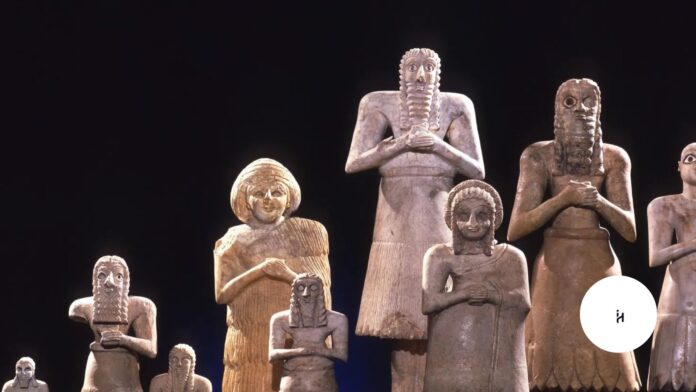
Polytheism dates back to prehistoric times, long before written records. Early humans, observing the forces of nature and the cycles of life and death, began attributing these to supernatural beings. Archaeological evidence from Mesopotamia, Egypt, the Indus Valley, and Mesoamerica reveals detailed pantheons and complex rituals associated with polytheism.

These gods were often linked to natural elements—storms, rivers, fertility—and were worshipped through offerings, temples, and festivals. As societies evolved, so did their understanding of the divine, often creating myths to explain creation, morality, and cosmic order. The keyword polytheism here helps us connect ancient spiritual needs with the sophisticated religious structures that emerged later.

Polytheism in Ancient Civilizations

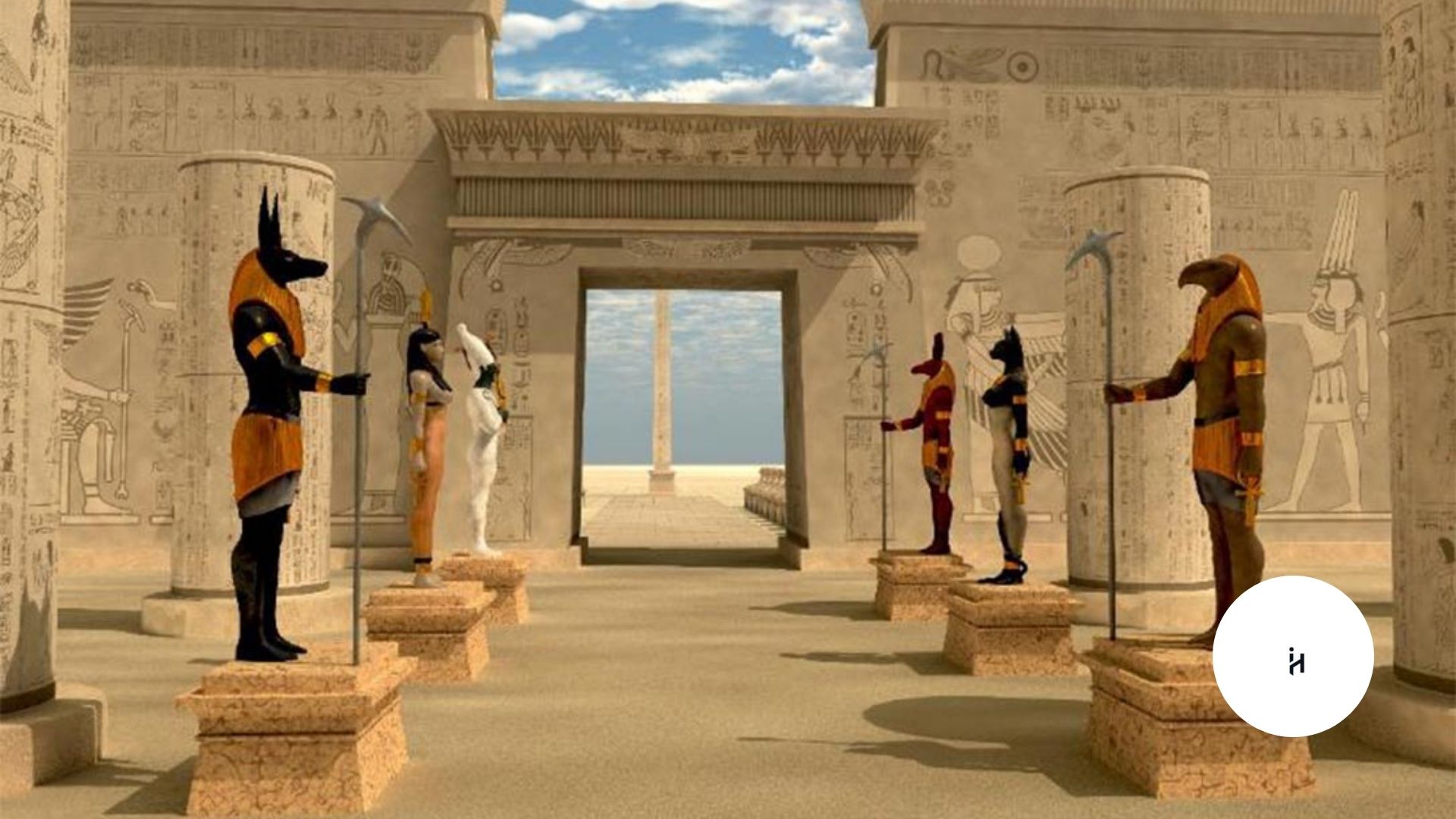
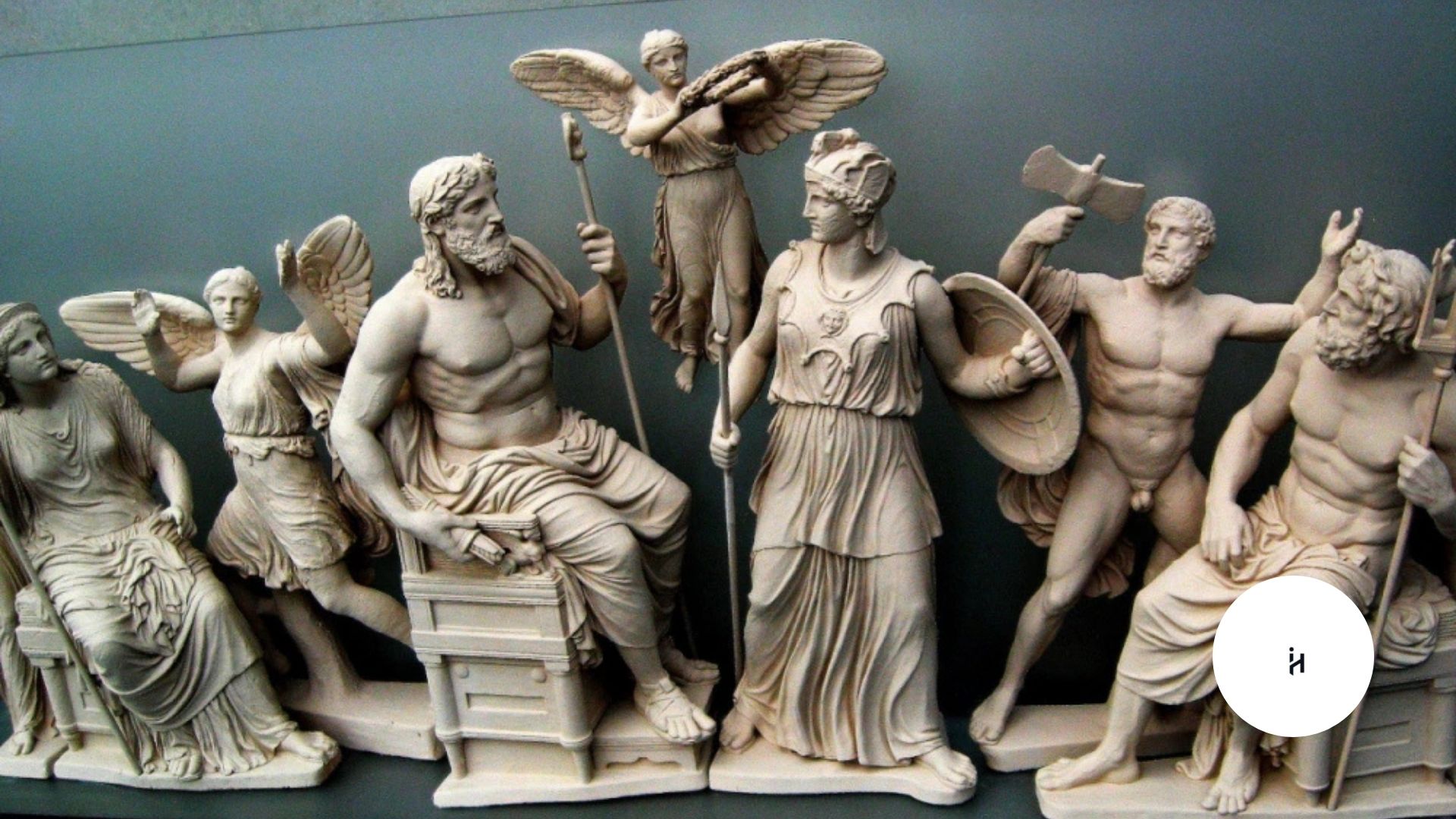
Ancient civilizations such as Egypt, Greece, Rome, and India practiced polytheism as a fundamental aspect of their culture. In Ancient Egypt, gods like Ra, Osiris, and Isis shaped both cosmology and government. Greek mythology introduced deities like Zeus, Athena, and Poseidon, each governing a specific realm.

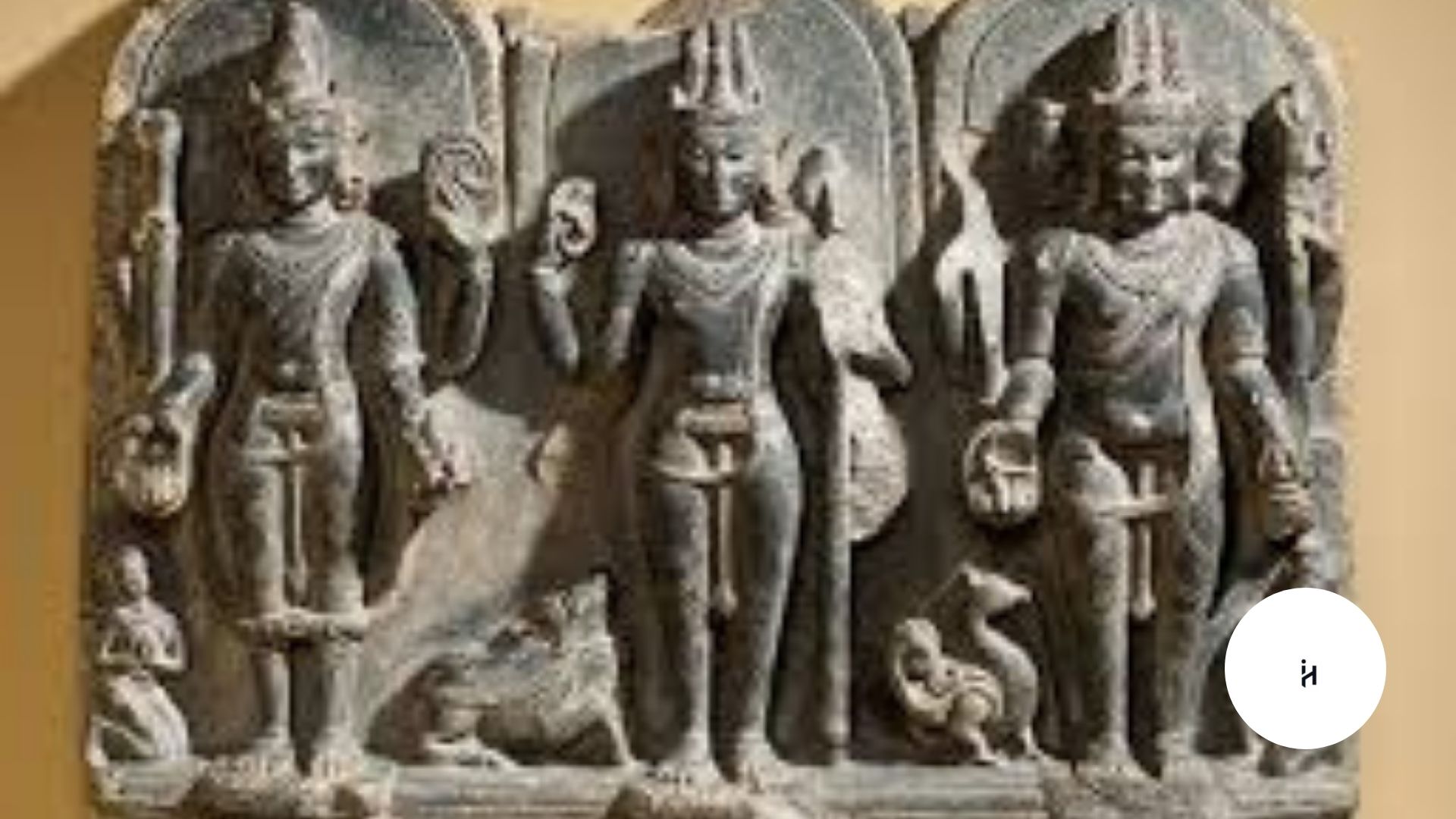
In India, polytheism manifested through an intricate network of gods in Hinduism, including Brahma, Vishnu, and Shiva. The Romans adopted and adapted Greek gods into their pantheon. Polytheism provided a divine explanation for everything, from weather to war, and influenced laws, architecture, and art. The pervasiveness of polytheism in these cultures demonstrates its centrality to human development and social organization.

Major Polytheistic Religions and Pantheons

Polytheistic religions include well-known systems like Hinduism, Shintoism, and various forms of Paganism. Hinduism, still practiced by over a billion people today, includes countless gods and goddesses, each symbolizing different aspects of the ultimate divine reality. Shinto, the traditional religion of Japan, centers around kami—spirits of nature, ancestors, and deities.

In Pagan and Neopagan traditions, multiple deities often represent natural cycles and dualities like life/death or male/female. Indigenous African and Native American religions also exhibit polytheistic structures, with gods governing community and environment. The study of polytheism in these traditions reveals how deeply it is embedded in cultural and spiritual identities worldwide.
Polytheism

Polytheism vs. Monotheism: Key Differences

While polytheism supports the belief in many gods, monotheism promotes the existence of a single deity. These contrasting views lead to significant theological and philosophical differences. Polytheism tends to be more pluralistic, tolerant of multiple interpretations, and focused on rituals that vary between regions and families.

Monotheism often emphasizes orthodoxy, centralized authority, and a unifying religious text. In polytheism, gods can be fallible, emotional, or even contradictory, offering a more human-like portrayal of divinity. Monotheistic systems typically view God as omniscient and perfect. Exploring polytheism in this comparative context helps clarify its unique role in religious history and human imagination.

The Role of Myths and Legends in Polytheism

Mythology is the backbone of any polytheistic system. Myths explain the origins of the world, the actions of gods, and the rules by which humans should live. These stories are not merely tales—they are sacred texts that guide behavior, rituals, and values.

In Greek polytheism, myths like the Odyssey or the story of Prometheus conveyed themes of heroism, justice, and the power of the gods. Norse mythology introduced figures like Odin and Loki to explain wisdom, chaos, and fate.

In Hindu epics such as the Ramayana and Mahabharata, gods interact with humans to teach dharma (righteous living). The richness of polytheism is especially evident in its narrative traditions.

Worship and Rituals in Polytheistic Traditions

Polytheistic worship often involves rituals specific to each deity. Temples, shrines, and home altars serve as sacred spaces. Offerings such as food, flowers, or incense are made to please the gods, seek blessings, or avert misfortune. In many traditions, festivals are celebrated to honor particular deities.

In Hinduism, festivals like Diwali and Navaratri are linked to specific gods. In Ancient Rome, public ceremonies involved sacrifices and processions. The key aspect of polytheism is its diversity—worship practices can be local, seasonal, or highly personalized. Rituals ensure a balance between humans and the divine, maintaining cosmic and social order.

Philosophical Perspectives on Polytheism

Philosophers across time have examined the logic and implications of polytheism. Ancient thinkers like Plato and Aristotle were influenced by polytheistic traditions but sought more abstract conceptions of divinity.

In India, philosophical schools such as Vedanta emerged from a polytheistic context, gradually developing non-dualistic or monistic interpretations of gods. Modern philosophers analyze polytheism in terms of its symbolic, psychological, and sociological significance.

Polytheistic systems allow for a fragmented but accessible understanding of divinity—deities reflect different human experiences rather than a singular, unreachable ideal. This pluralism supports creative expression, moral flexibility, and deeper engagement with the complexities of life.

Polytheism in Contemporary Society

While many modern societies are dominated by monotheistic religions, polytheism remains vibrant. Hinduism is actively practiced in India, Nepal, and among global diasporas. Neopagan movements like Wicca and Druidry are reviving ancient polytheistic practices in the West.

Polytheism also survives through folklore, art, and cultural rituals, even in secular settings. The internet has facilitated communities centered around modern interpretations of polytheistic belief. As people seek personalized spirituality and ecological consciousness, polytheism offers a flexible and holistic path. It encourages reverence for nature, diversity, and the sacredness of everyday life.

Criticism and Misconceptions of Polytheism
Polytheism

Polytheism has often been misunderstood or dismissed, especially by monotheistic or secular societies. Critics have labeled it primitive, superstitious, or morally ambiguous. However, such views ignore the sophistication and depth of polytheistic systems.

These religions have philosophical foundations, ethical teachings, and rich symbolic languages. Another misconception is that polytheism lacks unity or coherence. In fact, many polytheistic traditions acknowledge a supreme or abstract force behind all gods, creating a bridge between plurality and oneness. Understanding polytheism requires moving beyond stereotypes and appreciating its contributions to human spirituality and culture.

The Future of Polytheism: Revival and Relevance

As global consciousness shifts towards inclusivity, diversity, and environmental awareness, polytheism may gain renewed relevance. It offers frameworks for living in harmony with nature, respecting cultural plurality, and honoring feminine and masculine divine energies.

The rise of spiritual eclecticism and postmodern religiosity also supports a resurgence in polytheistic thought. Polytheism allows for coexisting truths, subjective experiences, and community-based rituals. Whether as part of traditional practice or modern spiritual paths, polytheism continues to inspire people around the world. Its adaptability ensures that it remains a meaningful part of our evolving global culture.
A Gentleman in Moscow – A Timeless Tale of Charm, Confinement, and Character

0
A Gentleman in Moscow

The Gentleman in Moscow novel is an extraordinary work of historical fiction by Amor Towles that transports readers to post-revolutionary Russia through the eyes of an aristocratic count sentenced to house arrest in a grand hotel.

The novel, set entirely in Moscow’s luxurious Metropol Hotel, unfolds as a quiet yet powerful exploration of time, identity, and resilience. With elegance and wit, Towles crafts a story that resonates with both literary lovers and casual readers alike.

About the Author – Amor Towles and His Literary Brilliance

Amor Towles, an American novelist, is best known for his bestsellers Rules of Civility and A Gentleman in Moscow novel. Towles’s background in investment banking may seem far from literature, but his love for storytelling shines through his writing. He was educated at Yale and later earned an MA in English from Stanford.

Towles’s refined literary voice brings grace and intelligence to his work. With A Gentleman in Moscow novel, he merges deep historical insight with rich, character-driven narrative, making him a modern master of the genre.

A Gentleman in Moscow

Plot Summary – A Tale Told Behind Hotel Walls

The central character of A Gentleman in Moscow novel, Count Alexander Rostov, is sentenced in 1922 by a Bolshevik tribunal to house arrest in the Metropol Hotel. Deemed unrepentant in his aristocratic ways, he is confined for decades as the world changes beyond the hotel’s walls.

While the Count loses his freedom, he discovers a new sense of purpose in the relationships he forms and the small details of everyday life. This deeply intimate plot showcases resilience and grace under pressure, turning what might seem like confinement into a philosophical awakening.

The Metropol Hotel – A Symbol of Elegance and Isolation

Set entirely within Moscow’s historic Metropol Hotel, A Gentleman in Moscow novel uses the hotel as both a physical and symbolic setting. It represents old-world opulence surrounded by a changing Russia.

While the Count is restricted to the hotel’s interior, his experiences there allow readers to witness decades of Russian history. The hotel serves as a metaphor for safety, decay, and internal transformation. The vivid descriptions bring the setting to life, turning the Metropol into a character in its own right.

Count Alexander Rostov – The Gentleman Himself

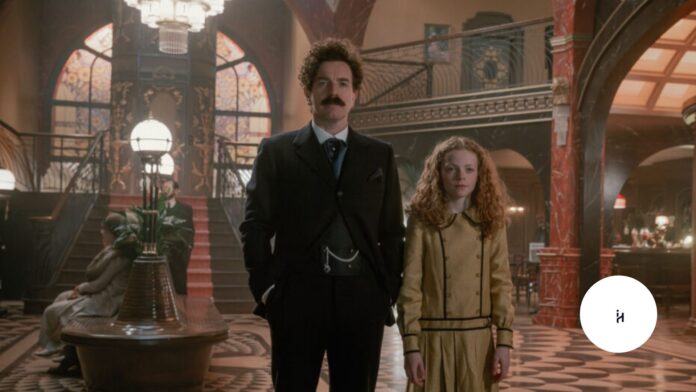
The protagonist of A Gentleman in Moscow novel, Count Rostov, is more than just an aristocrat; he’s a man of honor, wit, and remarkable adaptability. Despite being stripped of status and wealth, Rostov never loses his dignity. His philosophical outlook on life, peppered with charm and wisdom, guides him through every twist of fate. Through Rostov’s perspective, readers come to understand the broader social and political upheavals in Russia. His emotional depth and unwavering grace under pressure define the novel’s heart.

Nina, Sofia, and the Power of Relationships

Throughout A Gentleman in Moscow novel, the Count builds meaningful relationships that shape his journey. Nina, a curious young girl, introduces him to the hotel’s hidden corners and returns later with a life-changing request. Sofia, Nina’s daughter, becomes a central figure in the Count’s life, offering a fatherly purpose that redefines his sense of responsibility. These relationships create emotional resonance and serve as a counterbalance to the Count’s isolation, showing how love and connection can flourish even in confinement.

Historical Context – Soviet Russia as a Silent Character

A Gentleman in Moscow novel spans more than thirty years of Russian history, subtly weaving in real historical events and societal shifts. From Lenin’s rise to Khrushchev’s thaw, the novel captures the tension, fear, and ideological battles of the Soviet era.

These events shape the characters’ lives, particularly those within the hotel who face indirect repercussions. Towles masterfully avoids making the book overtly political, yet he provides a lens to view the transformation of a nation through one man’s quiet resistance.

A Gentleman in Moscow

Major Themes – Time, Identity, and Freedom

Central to A Gentleman in Moscow novel are themes that resonate on a philosophical level. The passage of time is a constant companion to the Count, who watches the world change from his window. Identity is questioned and reshaped as he adapts to his new reality. Most importantly, the novel explores the concept of freedom—both external and internal. Towles shows that while physical freedom can be taken, the freedom of thought, spirit, and love remains untouched.

Literary Style – Elegance in Every Sentence

Amor Towles’s writing style in A Gentleman in Moscow novel is nothing short of lyrical. His elegant prose, rich with metaphor and historical allusions, invites readers to slow down and savor every sentence.

Towles pays attention to the rhythm and tone of his narrative, mirroring the refined character of his protagonist. His balance of humor, nostalgia, and philosophical insight elevates the story from simple fiction to literary artistry.

Symbolism and Metaphors – More Than Meets the Eye

Symbolism runs deep in A Gentleman in Moscow novel. The Metropol Hotel represents not just the changing face of Russia but also a place of internal exploration. The Count’s watch symbolizes the passage of time, while the wine cellar and fine dining represent a clinging to lost culture. Even minor objects, like a pair of scissors or a bottle of wine, carry emotional and metaphorical weight. Towles encourages readers to find meaning in the mundane.

Critical Reception – Praised by Critics and Readers Alike

A Gentleman in Moscow

Since its release in 2016, A Gentleman in Moscow novel has received widespread acclaim. Critics praised its refined prose, well-developed characters, and subtle storytelling. The New York Times called it “a novel of elegant charm,” and it appeared on numerous bestseller lists, including The Washington Post and NPR. Readers around the world have embraced its message of hope and dignity, making it a book club favorite and an enduring literary treasure.

Adaptation and Legacy – From Page to Screen

The popularity of A Gentleman in Moscow novel has led to a highly anticipated screen adaptation. Ewan McGregor stars as Count Rostov in a TV series adaptation, bringing the beloved character to life. The legacy of the novel goes beyond its pages, influencing contemporary literature and proving that quiet stories with deep moral cores can still captivate global audiences. The novel’s impact continues to grow as new readers discover its timeless charm.

The Ministry of Ungentlemanly Warfare

0
The Ministry of Ungentlemanly Warfare

During the darkest days of World War II, when conventional warfare seemed insufficient against the advancing Nazi regime, a secret British organization emerged, known as The Ministry of Ungentlemanly Warfare.

This elite group, composed of unconventional soldiers, inventors, spies, and saboteurs, executed some of the war’s most daring operations. While their existence remained largely unknown for decades, their impact on modern warfare is undeniable.

This blog explores the fascinating origin, operations, and legacy of The Ministry of Ungentlemanly Warfare. We’ll dive deep into how this group of rebels changed the course of history—forever altering the rules of engagement.

Whether you’re a war history buff, a fan of espionage thrillers, or curious about untold truths, this journey into The Ministry of Ungentlemanly Warfare will leave you stunned and inspired.

The Birth of a Secret Unit: Origins of The Ministry of Ungentlemanly Warfare

The Ministry of Ungentlemanly Warfare

The concept of The Ministry of Ungentlemanly Warfare was born out of necessity. In the early stages of WWII, Britain found itself in a dire situation. Hitler’s forces were advancing rapidly, and traditional military tactics were proving ineffective. In 1940, Winston Churchill approved the formation of a covert unit designed to disrupt German operations through sabotage, espionage, and guerrilla tactics. Officially known as the Special Operations Executive (SOE), this organization would later be famously dubbed The Ministry of Ungentlemanly Warfare.

Unlike traditional military units, SOE recruits came from diverse backgrounds—criminals, professors, engineers, and even women. The idea was simple: fight dirty. Nothing was off the table as long as it damaged the enemy and saved British lives. These operatives were trained in unarmed combat, demolition, forgery, and psychological warfare, embracing tactics considered too unorthodox or dishonorable by traditional standards.

The Ministry of Ungentlemanly Warfare operated under complete secrecy. They developed fake identities, used hidden gadgets, and carried cyanide pills to avoid capture. Their actions, though sometimes morally gray, played a crucial role in weakening Nazi control in occupied territories.

Winston Churchill’s Vision: “Set Europe Ablaze”

Winston Churchill famously directed The Ministry of Ungentlemanly Warfare to “set Europe ablaze.” This command reflected his understanding that the war could not be won through diplomacy or conventional military engagement alone. He needed a force that could operate behind enemy lines and strike fear into the heart of the Third Reich.

Churchill’s backing gave the group political legitimacy. He empowered the SOE to bypass traditional command chains, directly reporting to the War Cabinet. This autonomy allowed The Ministry of Ungentlemanly Warfare to act swiftly, innovatively, and effectively. Their sabotage missions targeted Nazi supply lines, communication systems, and morale.

This greenlight from Churchill also opened the door for recruiting unorthodox minds. The organization embraced creativity in warfare—something rarely seen before. Scientists developed silent explosives, disguised weapons, and booby traps. Writers and artists forged documents and designed propaganda campaigns. The ministry became a think tank of chaos, innovation, and resistance.

Recruitment and Training: Not Your Average Soldier

The members of The Ministry of Ungentlemanly Warfare were unlike any others in the British military. They came from all walks of life—boxers, linguists, actors, and even criminals. The only requirement? The ability to think independently and act fearlessly under pressure.

Once recruited, agents underwent grueling training at secret locations like Arisaig House in Scotland. They learned sabotage techniques, explosives handling, close-combat fighting, and even how to kill silently with bare hands. Some trained in creating distractions, while others mastered the art of escape and evasion.

Training was psychologically intense. Trainees were pushed to their mental and physical limits to prepare them for the horrors of enemy territory. Many never made it through. But those who did became some of the most lethal operatives of WWII—icons of The Ministry of Ungentlemanly Warfare.

Women in Warfare: Unsung Heroines of the Ministry

One of the most groundbreaking aspects of The Ministry of Ungentlemanly Warfare was its inclusion of women. Unlike other wartime units, the SOE believed women had a unique role to play in sabotage and espionage. Female agents could move more freely in Nazi-occupied zones and were often underestimated by the enemy.

Women like Violette Szabo, Noor Inayat Khan, and Odette Sansom became legends within The Ministry of Ungentlemanly Warfare. They conducted covert operations, transmitted intelligence, and carried out high-risk missions under constant threat of torture or execution. These heroines defied expectations, showing extraordinary bravery and intelligence.

Their contributions were vital to the success of the SOE. Today, their stories inspire countless books and films, highlighting the indispensable role women played in changing the face of modern warfare.

The Ministry of Ungentlemanly Warfare

The Gadgets of War: Innovation in Action

The Ministry of Ungentlemanly Warfare wasn’t just about muscle—it was about minds. The group developed groundbreaking gadgets to aid their covert operations. These included exploding rats (used to sabotage boilers), pens that concealed cyanide capsules, and radio sets small enough to fit into suitcases.

A hidden branch of the organization worked at Station IX, a secret weapons lab disguised as an estate in Hertfordshire. Here, inventors created silent guns, time-delay bombs, and underwater breathing devices. Their innovations gave agents a crucial edge in hostile environments.

The use of such gadgets wasn’t merely for show. They saved lives and ensured the success of missions deep inside enemy territory. The legacy of these devices lives on today in modern special forces and spy technology.

Notable Missions: Sabotage and Resistance

The Ministry of Ungentlemanly Warfare carried out hundreds of missions that disrupted Nazi operations across Europe. One of the most famous was the destruction of the Norsk Hydro heavy water plant in Norway—a crucial blow to Hitler’s nuclear ambitions.

Another major mission included the assassination of key Nazi collaborators and the blowing up of train tracks and bridges, all designed to slow the enemy’s advance. Each operation required detailed planning, coordination with local resistance, and nerves of steel.

Their actions weakened Nazi supply chains, demoralized troops, and inspired uprisings in occupied territories. In many ways, these missions laid the groundwork for future allied invasions like D-Day.

Collaborations with Resistance Movements

The Ministry of Ungentlemanly Warfare didn’t work alone. They collaborated closely with local resistance movements across France, Poland, Norway, and beyond. These partnerships allowed agents to integrate quickly, receive intelligence, and operate more effectively in enemy-held zones.

Resistance fighters helped guide agents through enemy territory, provided safe houses, and assisted in sabotage missions. In return, the SOE supplied weapons, funds, and training. Together, they formed an underground network of defiance that crippled German forces from within.

These collaborations were built on trust and shared values—freedom, resistance, and the will to fight back. The bravery of these local fighters is a testament to the collective spirit that The Ministry of Ungentlemanly Warfare fostered.

Psychological Warfare: Turning Fear into a Weapon

One of the most effective tactics used by The Ministry of Ungentlemanly Warfare was psychological warfare. Through rumors, fake broadcasts, forged documents, and carefully planted misinformation, they manipulated the enemy’s perception and morale.

For example, they would leave misleading evidence at sabotage sites to suggest larger networks were at play. Fake radio transmissions created confusion among Nazi command. Even graffiti and posters were used to incite fear and rebellion among occupied populations.

Psychological operations were low-cost but high-impact. They destabilized the enemy without firing a bullet and inspired civilians to resist. Today, such tactics are standard in modern warfare, pioneered by this secret British unit.

The Downside: Captures, Betrayals, and Tragedies

While the story of The Ministry of Ungentlemanly Warfare is heroic, it’s also filled with tragedy. Many agents were captured, tortured, and executed by the Gestapo. Betrayals from collaborators or double agents also led to the collapse of entire missions.

Some of the most harrowing stories come from agents who faced death with dignity. Violette Szabo was captured and executed at just 23 years old. Noor Inayat Khan, despite torture, refused to reveal secrets and died in a concentration camp.

Their sacrifices remind us that the cost of freedom is high. The Ministry of Ungentlemanly Warfare was not just about daring victories but also about silent courage in the face of unimaginable odds.

Post-War Secrecy and Declassification

The Ministry of Ungentlemanly Warfare

After WWII, the activities of The Ministry of Ungentlemanly Warfare were kept secret for decades. Many records were classified, and operatives were instructed to never speak of their missions. It wasn’t until the late 20th century that documents began to surface.

Books, documentaries, and films started to explore the true nature of the SOE. Declassified files revealed just how instrumental the ministry had been in the Allied victory. Yet, much remains unknown due to the destruction of records and the passage of time.

Even today, historians uncover new details about this shadowy organization. The mystique of The Ministry of Ungentlemanly Warfare continues to fascinate scholars and storytellers alike.

Legacy and Pop Culture Impact

The legacy of The Ministry of Ungentlemanly Warfare lives on in modern military strategy, intelligence operations, and popular culture. Elite military units like the SAS and CIA special forces owe much of their doctrine to the unconventional methods pioneered by this group.

In recent years, films, books, and series have brought the story of The Ministry of Ungentlemanly Warfare to life. From documentaries to historical fiction, the spirit of these wartime rebels captures our imagination.

Their courage, innovation, and defiance set a blueprint for resistance everywhere. They proved that sometimes, fighting dirty is the only way to protect what’s right.

During the darkest days of World War II, when conventional warfare seemed insufficient against the advancing Nazi regime, a secret British organization emerged, known as The Ministry of Ungentlemanly Warfare. This elite group, composed of unconventional soldiers, inventors, spies, and saboteurs, executed some of the war’s most daring operations. While their existence remained largely unknown for decades, their impact on modern warfare is undeniable.

This blog explores the fascinating origin, operations, and legacy of The Ministry of Ungentlemanly Warfare. We’ll dive deep into how this group of rebels changed the course of history—forever altering the rules of engagement. Whether you’re a war history buff, a fan of espionage thrillers, or curious about untold truths, this journey into The Ministry of Ungentlemanly Warfare will leave you stunned and inspired.

What is Paper Skin Disease? Complete Guide

0
Paper Skin Disease

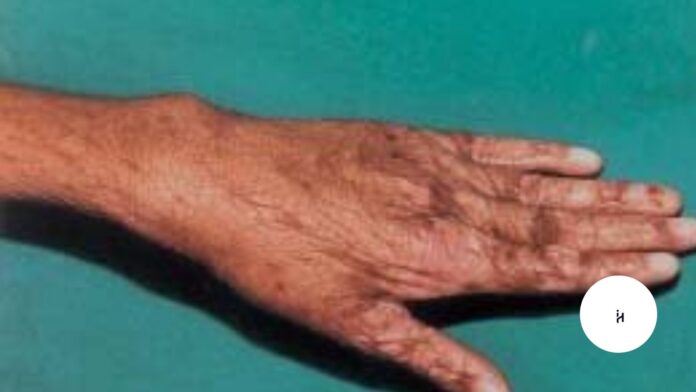
Paper skin disease, also known in medical terms as dermatoporosis, refers to an extremely fragile skin condition that makes the skin thin, dry, and susceptible to tearing, bruising, and injury — just like paper. This condition is more common in older adults but can also result from prolonged use of topical or oral corticosteroids. The term “paper skin disease” has become more widely used due to the skin’s translucent, papery appearance.

In this detailed guide, we’ll explore the major causes, symptoms, risk factors, treatment options, prevention methods, and natural remedies. Whether you’re dealing with the condition or caring for someone who is, this article is meant to serve as a comprehensive resource on paper skin disease.

What Causes Paper Skin Disease?

Paper Skin Disease

Paper skin disease is often a result of aging, but many other factors contribute. As people grow older, collagen production slows down, reducing skin elasticity and thickness. This makes the skin look and feel like tissue paper. Other causes include:

  • Long-term use of corticosteroids

  • Sun exposure

  • Vitamin deficiencies

  • Chronic dehydration

  • Certain autoimmune diseases

The keyword paper skin disease is associated with multiple risk enhancers that deteriorate skin layers. Addressing the root cause is crucial for treatment.

Common Symptoms of Paper Skin Disease

Symptoms usually appear gradually and worsen over time. These include:

  • Skin that bruises or tears easily

  • Translucent, almost see-through skin

  • Dry, flaky patches

  • Chronic wounds or ulcers

  • Purple spots (purpura)

These symptoms make daily life challenging and can result in frequent injuries. Recognizing early signs of paper skin disease is essential for timely intervention.

Who Is at Risk?

Elderly people are most susceptible, but younger individuals with chronic health conditions or those on long-term steroid treatments are also at risk. Factors include:

  • Age over 60

  • Autoimmune disorders like lupus

  • Use of corticosteroids for asthma or arthritis

  • Prolonged exposure to UV radiation

Many overlook paper skin disease as just a part of aging, but proactive measures can delay its progression.

How Is Paper Skin Disease Diagnosed?

Diagnosis usually involves a visual examination by a dermatologist, followed by a discussion about the patient’s medical history. In some cases, a skin biopsy may be done to rule out other conditions. No specific lab test exists for paper skin disease, so clinical signs are crucial.

Doctors may also perform skin elasticity tests or dermoscopy to evaluate the thinness and quality of the skin.

Treatment Options for Paper Skin Disease

While there’s no complete cure, various treatments aim to improve skin thickness and elasticity:

  • Topical Retinoids: Stimulate collagen production

  • Moisturizers: Prevent dryness and cracking

  • Hyaluronic Acid Injections: Restore hydration

  • Platelet-Rich Plasma Therapy (PRP): Encourages healing

Management of paper skin disease focuses on minimizing symptoms and preventing further damage.

Paper Skin Disease

Preventing Further Skin Damage

Once diagnosed, prevention becomes key. Tips include:

  • Avoid harsh soaps and hot water

  • Use gentle skin cleansers

  • Wear protective clothing

  • Stay hydrated

  • Avoid unnecessary use of steroids

Prevention can significantly reduce the complications of paper skin disease and improve quality of life.

Nutrition and Skin Health

Nutrition plays a major role in maintaining skin integrity. Essential nutrients that support skin include:

  • Vitamin C: Promotes collagen production

  • Zinc: Helps in wound healing

  • Omega-3 Fatty Acids: Improve skin elasticity

  • Protein: Builds skin tissue

A diet rich in antioxidants and healthy fats can help manage paper skin disease naturally.

Home Remedies for Managing Paper Skin Disease

Natural remedies can complement medical treatments:

  • Aloe Vera Gel: Hydrates and soothes

  • Coconut Oil: Provides a protective barrier

  • Honey Masks: Natural anti-bacterial and healing agent

  • Oatmeal Baths: Reduce irritation

These remedies, when used consistently, can make managing paper skin disease easier.

Coping Emotionally and Psychologically

Living with paper skin disease can be emotionally challenging. The physical appearance of the skin and its fragility can affect confidence. Supportive counseling and peer groups help in:

  • Coping with the visual aspects

  • Managing chronic wounds

  • Dealing with dependency

Mental health care is an essential part of treating paper skin disease holistically.

Lifestyle Adjustments for Long-Term Management

Making small daily changes can reduce skin stress:

  • Use soft bedding and clothing

  • Maintain a humid environment at home

  • Avoid contact sports or intense physical activity

  • Use sunscreen with SPF 50+

Consistency in skin care and lifestyle routines ensures that paper skin disease remains under control.

Paper Skin Disease

When to See a Doctor

If bruises or wounds do not heal within a few days, or new symptoms appear, consult a healthcare provider immediately. Timely care prevents infections and complications associated with paper skin disease.

Also, sudden changes in skin texture or increased skin tears can indicate a worsening condition.

Final Thoughts

Paper skin disease is more than just an aesthetic concern — it’s a medical condition that can significantly impact quality of life. With a balanced approach combining medical treatment, proper nutrition, and lifestyle changes, those affected can lead healthy lives. Understanding and awareness are key to managing this delicate condition effectively.