Home Blog Page 418

Woodstock Massacre 1969: The Untold Chapter of a Historic Festival

0
Woodstock Massacre 1969

Introduction: Revisiting the Iconic Woodstock Festival

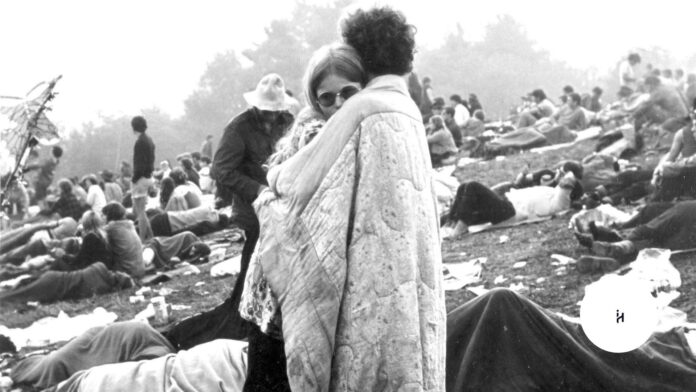
The Woodstock Festival of 1969 remains one of the most celebrated events in music history. With over 400,000 people attending, it symbolized peace, love, and music. However, what many don’t know is the haunting tale of the Woodstock Massacre 1969, a narrative buried beneath the flower power and rock anthems.

This blog dives deep into this controversial topic, exploring a lesser-known yet critical side of this cultural milestone. Through 11 comprehensive sections, we’ll explore what happened, how the rumors began, and whether the Woodstock Massacre 1969 truly occurred or was merely a myth.

The Spirit of Woodstock 1969: A Cultural Milestone

Woodstock Massacre 1969

Woodstock was more than just a music festival; it was a defining moment for a generation. Set on a dairy farm in Bethel, New York, from August 15 to 18, the festival was promoted as “An Aquarian Exposition: 3 Days of Peace & Music.” Legendary artists like Jimi Hendrix, Janis Joplin, and The Who performed.

Yet behind the scenes, chaos was brewing. The term Woodstock Massacre 1969 later emerged, suggesting a darker, hidden story. While the mainstream media focused on the music, underground reports hinted at violence, overdoses, and law enforcement negligence.

The Origins of the Woodstock Massacre 1969 Rumors

So where did the idea of a Woodstock Massacre 1969 come from? Some claim it began with conspiracy theorists who suggested that there were unreported deaths at the event. Others believe local officials downplayed serious incidents to preserve Woodstock’s peaceful image.

In a time before the internet, such stories circulated via word of mouth, alternative press, and underground radio. While there is no official confirmation of a massacre, inconsistencies in police reports and eye-witness testimonies have kept the mystery alive. Could this be a case of history rewritten for marketing?

Official Reports vs. Eyewitness Accounts

Only two official deaths were reported during Woodstock: one from a heroin overdose and another from a tractor accident. But those who support the Woodstock Massacre 1969 theory argue otherwise. Eyewitnesses recall witnessing several unconscious bodies, violent altercations, and even a few unexplained disappearances.

Some say local law enforcement and festival organizers were overwhelmed and covered up the real numbers to avoid panic and liability. This discrepancy between what was officially documented and what some claim to have seen fuels the mystery of the Woodstock Massacre 1969.

Drug Use and Overdoses at the Festival

One of the festival’s defining characteristics was its liberal drug culture. LSD, marijuana, heroin, and other substances were openly consumed. Medical facilities on-site were minimal, and hundreds of attendees suffered bad trips or overdoses. While many were treated, others were reportedly left unattended.

Supporters of the Woodstock Massacre 1969 theory point to these overdoses as potential causes of unreported deaths. The question remains: how many drug-induced fatalities were ignored to protect Woodstock’s reputation?

Security Failures and Lack of Preparedness
Woodstock Massacre 1969

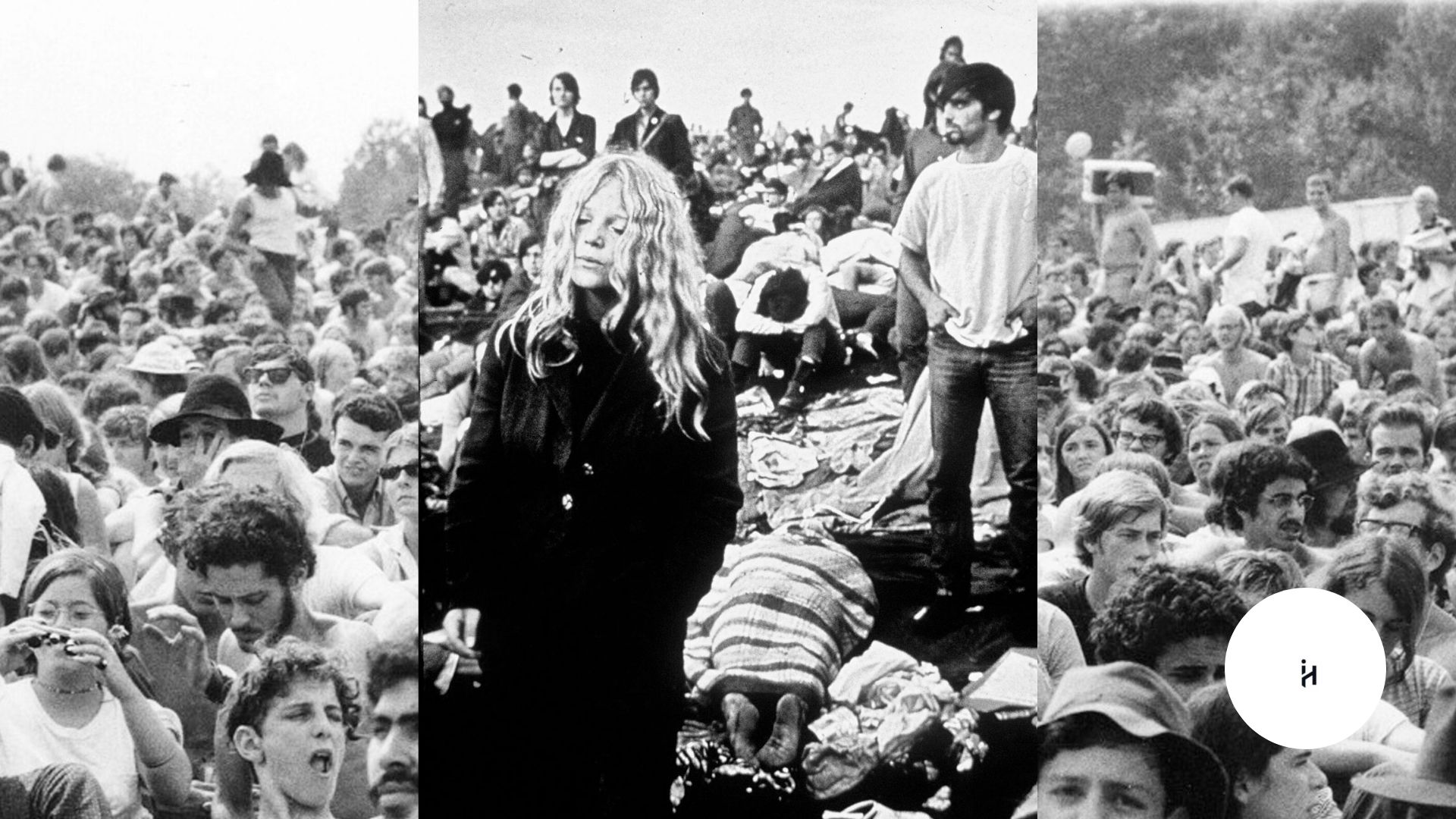
The Woodstock organizers expected around 50,000 attendees. Over 400,000 showed up. Security was sparse, with volunteers from a group called the “Hog Farm” acting as peacekeepers. Medical staff and police presence were severely lacking.

With such a massive crowd and little control, the potential for violence, injury, or even death was high. Some theorists argue that the Woodstock Massacre 1969 was not a single event but rather a series of incidents throughout the weekend that were never officially acknowledged.

The Role of the Media in Hiding the Truth

Media coverage of Woodstock was overwhelmingly positive. Life Magazine, The New York Times, and Rolling Stone painted the event as a utopia of peace. However, critics argue that these media outlets deliberately ignored negative aspects, possibly at the behest of organizers or sponsors.

Stories of the Woodstock Massacre 1969 began appearing in underground newspapers that were dismissed as unreliable. Could the media have helped suppress the real story behind Woodstock?

Missing Persons and Unsolved Cases

Some reports emerged in the years following Woodstock of attendees who never returned home. While many were later found or simply chose not to return to their previous lives, a few cases remain unsolved. Families of missing persons have speculated about foul play, accidental deaths, or even hidden graves.

These unresolved mysteries are often cited by those who believe in the Woodstock Massacre 1969, suggesting a cover-up of unknown fatalities that were swept under the rug.

Was It a Massacre or a Myth?

There is no concrete proof of a mass killing or violent outbreak that justifies the term “massacre.” However, the combination of drug overdoses, medical negligence, missing persons, and poor security leads some to believe that the term Woodstock Massacre 1969 is metaphorical rather than literal.

It may represent the “death” of the idealistic view of the festival, exposing the darker underbelly of the counterculture movement. Still, without hard evidence, it remains a speculative topic.

Conspiracy Theories and Documentaries

Woodstock Massacre 1969

Over the years, documentaries and independent films have explored the Woodstock Massacre 1969 theory. While most are low-budget and lack credible sources, they have reignited interest in the topic.

YouTube channels and online forums continue to debate the truth, often relying on anecdotal evidence. Theories range from government involvement to cult activity. Although most mainstream historians reject these claims, the persistence of the theory shows its cultural grip.

Legacy of the Woodstock Massacre 1969 Myth

Despite the lack of official evidence, the legend of the Woodstock Massacre 1969 has become part of the festival’s broader lore. It serves as a cautionary tale about blind idealism and the importance of transparency.

The myth continues to intrigue researchers, historians, and skeptics. Whether true or not, it reveals the complex layers of an event often romanticized in pop culture. The darker side of Woodstock, real or imagined, reminds us that history is rarely one-sided.

Conclusion: Truth, Fiction, or a Bit of Both?

The Woodstock Festival of 1969 remains a landmark event in American history. However, the persistent whispers about the Woodstock Massacre 1969 remind us to question the narratives we’re given.

Was there truly a hidden chapter filled with tragedy, or is it all a myth born from chaos and confusion? Regardless of the answer, the story deserves attention. It forces us to confront the uncomfortable possibility that behind the peace and music, there may have been pain and silence.
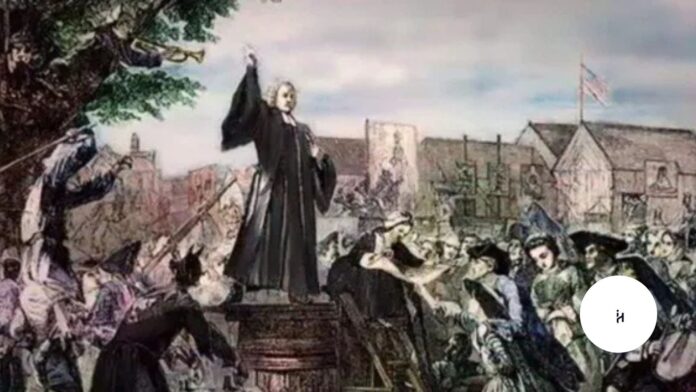
The Legacy of the Black Robe Regiment in US History

0
Black Robe Regiment

Who Were the Black Robe Regiment?

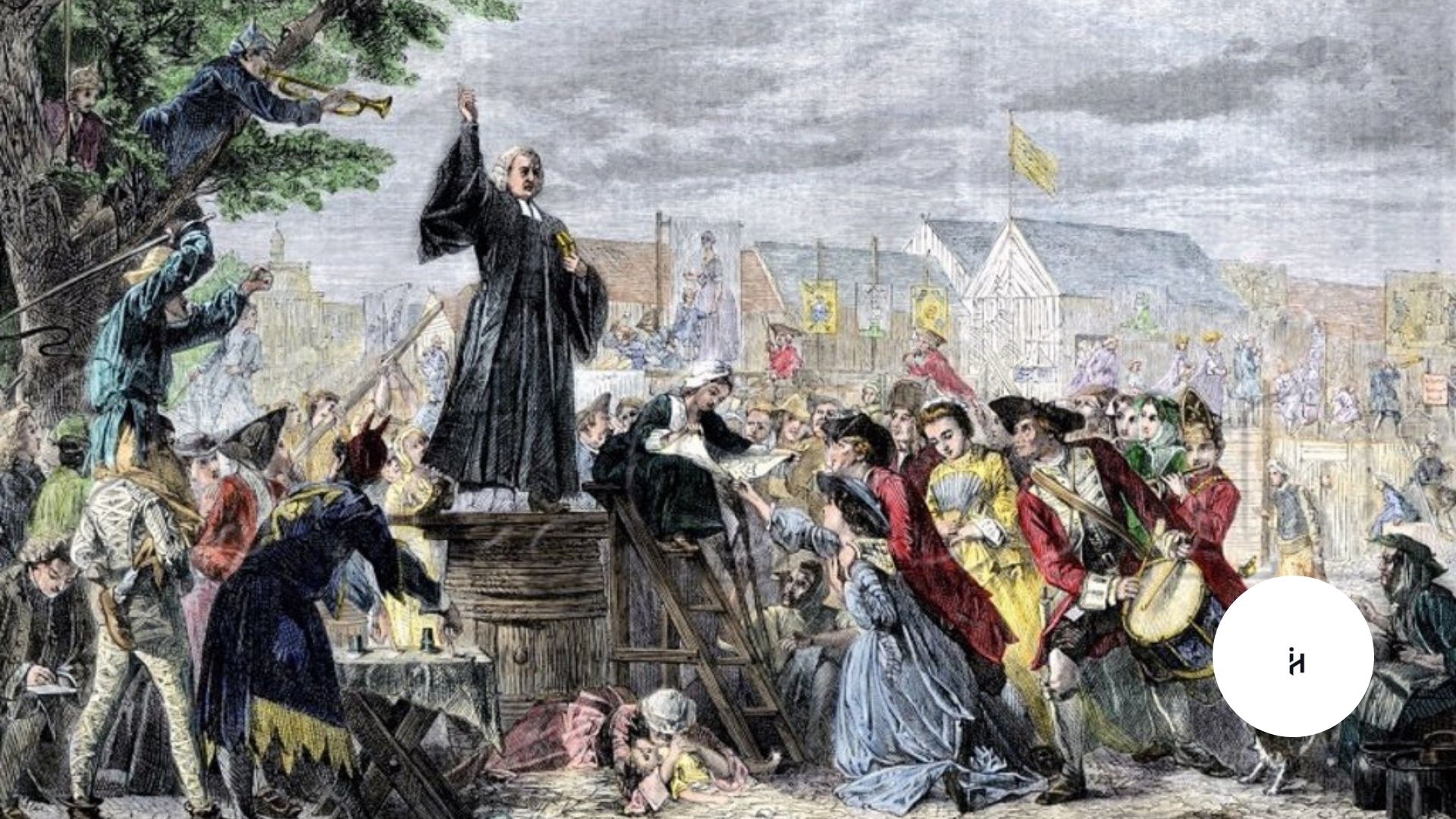
The Black Robe Regiment refers to a group of patriotic clergy during the American Revolution who inspired and led colonists in their fight for independence. This name, coined by British loyalists, referred to the black robes worn by these ministers as their clerical attire. But these robes symbolized more than just faith; they came to represent resistance, courage, and liberty.

Clergy from various denominations, especially Presbyterian, Congregationalist, and Baptist, played a pivotal role in advocating for freedom from British tyranny. Their sermons didn’t just speak of salvation but also civil liberty, individual rights, and moral responsibility. Their pulpits became platforms of political resistance, and many pastors even took up arms and fought alongside their congregants.

Let’s explore in detail how the Black Robe Regiment shaped America’s path to freedom and the enduring legacy they left behind.

Origins and Naming of the Black Robe Regiment

Black Robe Regiment

The term Black Robe Regiment was coined by the British, who observed that American clergy were highly influential in rallying support for revolution. They blamed these ministers for inciting rebellion through fiery sermons and printed messages. The clergy’s black academic-style gowns gave rise to the name.

The Black Robe Regiment was not an official military unit, but a symbolic representation of the religious resistance against British rule. This group emerged during the early 1760s and 1770s, coinciding with growing unrest in the colonies over taxation and oppression. Ministers interpreted these events through the lens of Biblical justice, encouraging parishioners to stand against tyranny.

The name has since become synonymous with religiously motivated patriotism. Their courage helped mobilize moral support for war, and their influence extended beyond the pulpit into the battlefield, the printing press, and political assemblies.

Theological Foundations of Resistance

The Black Robe Regiment was grounded in the belief that civil and religious liberties were gifts from God, not privileges granted by earthly rulers. These ministers saw it as their Christian duty to oppose oppression and uphold righteousness.

Sermons often referenced Scripture to justify rebellion. Verses such as Romans 13, which discusses obedience to authority, were interpreted in light of just versus unjust rulers. The concept of natural rights—a key Enlightenment idea—was also blended into sermons. The message was clear: when the government violates God’s law, resistance is not only permitted, it is required.

This spiritual rationale legitimized the revolution in the eyes of many colonists, making the Black Robe Regiment instrumental in shaping the moral framework of the conflict.

Key Figures in the Black Robe Regiment

Numerous clergymen stood out in this movement. One of the most well-known was Rev. John Witherspoon, a signer of the Declaration of Independence and president of Princeton University. He passionately preached liberty and educated many future leaders.

Another was Rev. Peter Muhlenberg, who famously removed his clerical robe during a sermon to reveal a military uniform underneath, rallying men to join the Continental Army.

Rev. James Caldwell, known as the “Fighting Chaplain,” supplied troops with hymnbooks as makeshift wadding for muskets. These pastors didn’t just talk about sacrifice—they lived it.

The legacy of these men and their role in the Black Robe Regiment remains a testimony to how religious conviction can influence national history.

Influence of Sermons and Religious Writings

The Black Robe Regiment used the pulpit as a powerful tool for revolutionary ideology. Weekly sermons didn’t just preach spiritual truths—they outlined the political stakes of British oppression.

Preachers published pamphlets, sermon collections, and essays. These writings reached a broad audience, helping to unify and educate the colonies. Many of these documents referenced historical examples of faithful resistance, such as the Exodus or Protestant reformers resisting Catholic monarchies.

These writings helped forge a uniquely American identity—one rooted in both Christian morality and political autonomy. They also built a bridge between theological understanding and civic engagement.

Black Robe Regiment

Mobilizing the Militia: Faith and Arms

Some members of the Black Robe Regiment went beyond words. They actively organized militias within their communities. Rev. Muhlenberg is one of many pastors who took up arms. His famous quote, “There is a time to preach and a time to fight—and now is the time to fight,” captured the urgency.

These ministers understood that moral and physical courage were intertwined. They saw no contradiction between faith and armed resistance when the cause was just. Their presence on the battlefield boosted morale and underscored the sacred nature of the cause.

In many communities, ministers were central figures—educators, judges, moral guides—and their call to arms was often the spark that ignited real action.

British Reaction and Suppression Attempts

The British were alarmed by the influence of the Black Robe Regiment. They considered these preachers as dangerous revolutionaries cloaked in religion. British forces often targeted churches, arrested clergy, and burned religious materials.

Some ministers were captured or killed. Others went into hiding or continued preaching in secret. The targeting of churches had a reverse effect—galvanizing further resistance and making the clergy martyrs in the public eye.

The British miscalculated the loyalty these ministers commanded. Their persecution only strengthened the resolve of the colonists and deepened their hatred for the British crown.

The Role of Women in Supporting the Movement

Though the Black Robe Regiment was composed of male ministers, women played vital roles in the movement. Wives of ministers supported their husbands in dangerous missions, hid them from British forces, and kept congregations running during wartime.

Women also hosted gatherings, printed and distributed pamphlets, and provided food and clothing for militias. Some even acted as spies or messengers. Their contribution, though less visible, was essential to the success and survival of the cause.

The ethos of the Black Robe Regiment inspired entire families to commit themselves to liberty.

The Black Robe Regiment and the Declaration of Independence

The ideas preached by the Black Robe Regiment laid the intellectual groundwork for the Declaration of Independence. Phrases such as “all men are created equal” and “endowed by their Creator with certain unalienable Rights” echo the sermons of revolutionary clergy.

Ministers encouraged colonists to see the Declaration not just as a political statement but as a moral imperative. Many pastors read the document aloud from their pulpits and framed it as a God-honoring response to tyranny.

This alignment of religious and political ideals gave the revolution its unique moral authority, one that continues to shape American values.

Black Robe Regiment

Decline and Historical Obscurity Post-Revolution

After the war, the term Black Robe Regiment faded from public discourse. As the nation transitioned to peace, the militant activism of clergy became less prominent. Many ministers returned to purely spiritual matters.

Over time, secular historians often downplayed or ignored the role of the Black Robe Regiment, viewing religious influence as secondary. However, modern scholarship is beginning to re-examine and revalue their contributions.

The erasure of their legacy left a gap in the understanding of how deeply intertwined faith and patriotism were in the Revolutionary era.

Modern Revivals and Political Influence

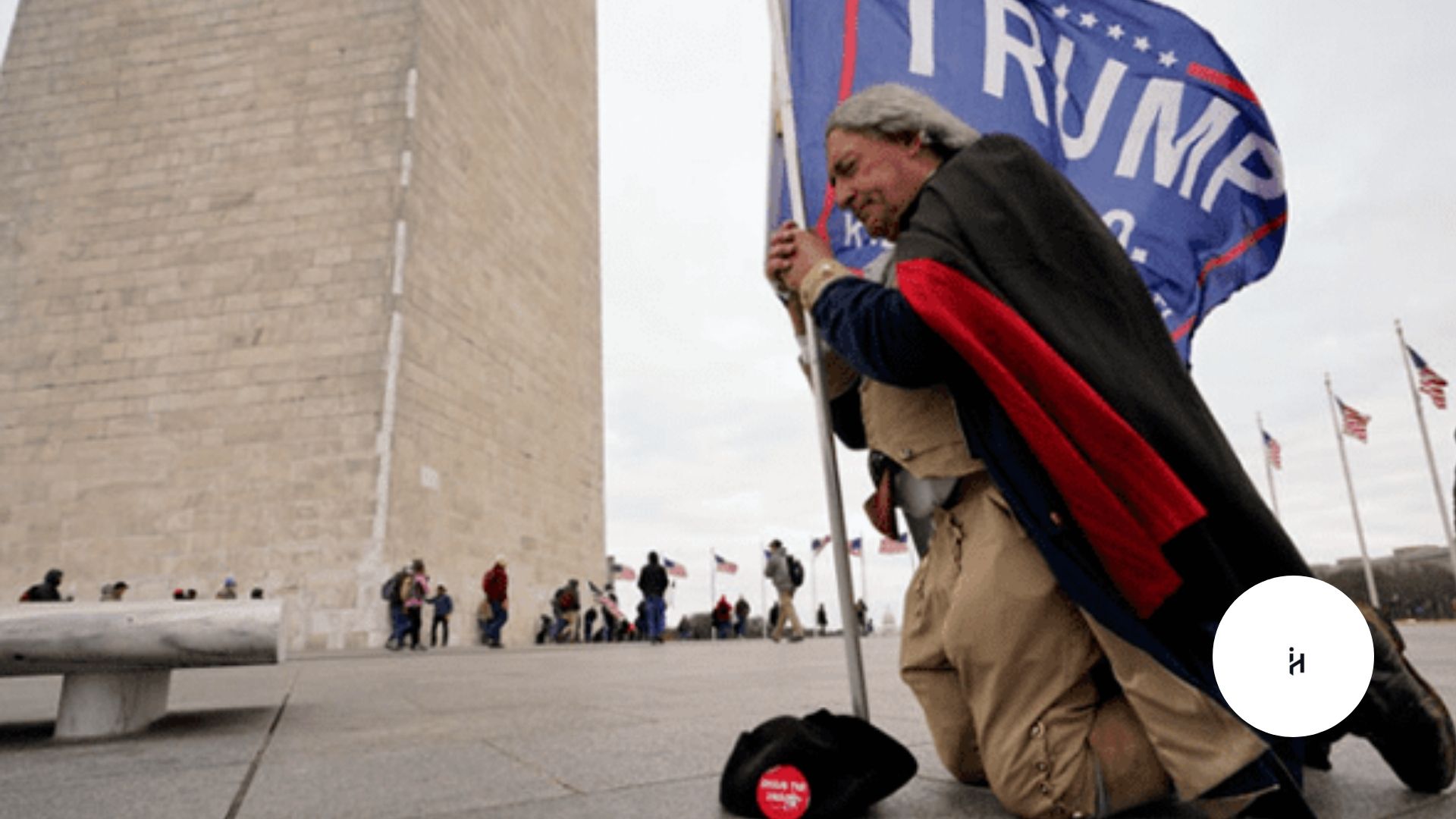
In recent decades, the idea of the Black Robe Regiment has been revived by Christian conservatives and liberty-focused movements. Inspired by the original ministers, modern pastors are once again engaging in political discourse from the pulpit.

They advocate for religious freedom, oppose governmental overreach, and speak on moral issues like life, marriage, and education. Some critics argue that this blurs the line between church and state, while supporters see it as a return to founding principles.

Though controversial, this modern movement reflects the enduring influence of the Black Robe Regiment.

Legacy and Lessons for Today

The Black Robe Regiment reminds us that religious leaders can shape not just hearts, but history. Their moral clarity, courage, and willingness to act left an indelible mark on the United States.

Today, their legacy invites Americans to consider the role of conscience in civic life. Should faith and politics be separate? Can spiritual values help guide policy?

Whether one agrees with their methods or not, the Black Robe Regiment remains a powerful symbol of conviction-driven leadership—a lesson in courage, responsibility, and the power of words to inspire nations.

Top Causes of the Civil War in American History

0
Causes of the Civil War

The Causes of the Civil War have long been debated by historians and scholars. From slavery to economic differences and state sovereignty, the American Civil War was driven by complex and interwoven factors.

Understanding the Causes of the Civil War helps us comprehend how a nation so young could become embroiled in such a devastating conflict. In this blog, we’ll explore the Causes of the Civil War in-depth through eleven major points. Each of these played a key role in dividing the United States and leading to the bloodiest war in American history.

Slavery: The Central Conflict

Causes of the Civil War

Slavery was undoubtedly one of the most critical Causes of the Civil War. The Southern economy depended heavily on enslaved labor, especially in cotton plantations. Conversely, the North had largely moved toward industrialization and had abolished slavery.

The moral, political, and economic disagreements over the institution of slavery caused a deep divide. Abolitionist movements grew stronger in the North, while the South defended slavery as essential to their way of life.

As new states were added to the Union, debates over whether they should be slave or free only intensified the conflict. Ultimately, slavery was not just a Southern issue—it became a national crisis and a root cause of the war.

States’ Rights vs. Federal Authority

Another prominent entry among the Causes of the Civil War was the tension between states’ rights and federal control. Southern states argued they had the right to govern themselves without federal interference—especially when it came to slavery.

The North, on the other hand, believed the federal government should have the authority to limit slavery’s expansion. Southern leaders claimed the U.S. Constitution gave them the right to secede if the federal government overstepped. The conflict over sovereignty contributed significantly to the rising tension between North and South, making it one of the more complex Causes of the Civil War.

Economic Differences Between North and South

Economic disparity was also among the significant Causes of the Civil War. The North’s economy was industrial and diverse, while the South’s economy relied almost entirely on agriculture, especially cotton production using slave labor. These economic structures created different political priorities.

The North favored tariffs and internal improvements that benefitted industrial growth. The South, however, opposed tariffs that made imported goods expensive and hurt their economy. The inability to reconcile these economic interests further deepened the divide, contributing to the eventual conflict.

The Missouri Compromise and Compromise of 1850

These legislative efforts were temporary fixes that ultimately became Causes of the Civil War themselves. The Missouri Compromise (1820) attempted to maintain a balance of power by admitting Missouri as a slave state and Maine as a free state.

The Compromise of 1850 tried to ease tensions by enacting the Fugitive Slave Act and allowing new territories to vote on slavery. However, both compromises only postponed the inevitable. Each compromise exposed how divided the nation had become on the issue of slavery, making them pivotal Causes of the Civil War.

The Kansas-Nebraska Act and “Bleeding Kansas”

Causes of the Civil War

The Kansas-Nebraska Act of 1854 repealed the Missouri Compromise, allowing settlers in those territories to determine whether they would allow slavery. This led to violent confrontations in Kansas, known as “Bleeding Kansas,” and became one of the violent Causes of the Civil War.

Pro-slavery and anti-slavery settlers flooded into Kansas to influence the vote. What followed were years of bloody conflict that reflected the nation’s broader division. It showcased how legislative decisions could have violent outcomes, further emphasizing the instability in the United States.

Abolitionist Movements and Literature

The rise of abolitionist movements and literature like Harriet Beecher Stowe’s Uncle Tom’s Cabin played an emotional role among the Causes of the Civil War. These movements gained momentum in the North, spreading awareness of slavery’s cruelty.

Powerful figures like Frederick Douglass and William Lloyd Garrison inspired thousands to oppose slavery. The South saw these efforts as direct attacks on their way of life. Literature and public speeches stirred anger, empathy, and fear across the country, fueling hostility between North and South.

The Dred Scott Decision

In 1857, the U.S. Supreme Court ruled in Dred Scott v. Sandford that African Americans were not U.S. citizens and that Congress had no right to prohibit slavery in the territories. This ruling enraged abolitionists and gave hope to the pro-slavery South, becoming one of the legal Causes of the Civil War. It essentially opened all U.S. territories to slavery, invalidating efforts like the Missouri Compromise. The decision increased sectional conflict and undermined trust in the judicial system among Northern citizens.

The Rise of the Republican Party

Formed in the 1850s, the Republican Party’s primary goal was to prevent the expansion of slavery. Abraham Lincoln’s election in 1860 without a single Southern electoral vote showed how politically isolated the South had become.

The Republican Party’s anti-slavery stance made it a perceived threat in the South and is considered one of the political Causes of the Civil War. The South feared losing all political control, pushing many states to consider secession as the only viable solution.

Secession of Southern States

The immediate Causes of the Civil War culminated in the secession of 11 Southern states. After Lincoln’s election, South Carolina was the first to secede in December 1860, followed by others.

They believed secession was their constitutional right and the only way to preserve slavery and their way of life. The formation of the Confederate States of America was seen as a direct challenge to the Union and made war inevitable. Once states began to secede, the path to war was set.

Causes of the Civil War

Attack on Fort Sumter

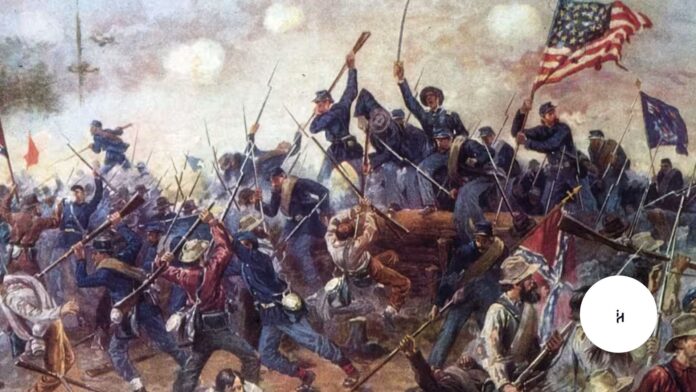
One of the most direct Causes of the Civil War was the Confederate attack on Fort Sumter in April 1861. Located in South Carolina, Fort Sumter was a Union stronghold in Confederate territory. When Confederate forces fired upon it, President Lincoln responded with a call to arms. This marked the official beginning of the Civil War. The attack unified the North and showed that reconciliation was no longer possible without conflict, making it a clear trigger for war.

Failure of Political Compromise

The inability of American leaders to find a lasting political solution to the nation’s division was a final and tragic entry among the Causes of the Civil War. Every compromise—whether legislative, judicial, or political—only delayed the inevitable.

Neither side was willing to give ground on the issue of slavery. This failure of diplomacy and leadership created a political vacuum filled by extremists, paving the way for war. The government’s inability to bridge the gap between North and South solidified the path to conflict.

Conclusion

Understanding the Causes of the Civil War involves more than pointing to a single factor. It was the result of deep-rooted economic, social, political, and moral divisions. From the battle over slavery to the fight for state sovereignty and failed compromises, each cause brought the United States closer to war.

By recognizing and analyzing these causes, we gain insight into how internal divisions can escalate into national tragedies—and learn how to prevent such outcomes in the future.

Is Hawaii a State? Here’s the Complete Truth

0
Is Hawaii a State

Introduction: Understanding the Big Question

“Is Hawaii a state?” This question may seem simple at first glance, but it holds historical, cultural, and political complexity. Hawaii is one of the most unique regions in the United States due to its geographic location in the Pacific Ocean, its Polynesian roots, and its path to statehood.

While most people recognize Hawaii as the 50th state of the U.S., others question the legality and process through which it became one. This blog answers the query—is Hawaii a state?—with in-depth explanations under 11 detailed headings.

Geographical Overview of Hawaii

Is Hawaii a State

Hawaii is an isolated archipelago located in the central Pacific Ocean, approximately 2,400 miles from California. It consists of 137 islands, eight of which are considered major. These islands include Oahu, Maui, Hawaii (the Big Island), Kauai, Molokai, Lanai, Niihau, and Kahoolawe.

The question “Is Hawaii a state?” often arises due to its geographical separation from the mainland, making it the only U.S. state composed entirely of islands and located outside North America. Despite this distance, Hawaii is undeniably an integral part of the United States.

The Indigenous Hawaiian Kingdom

Before answering “Is Hawaii a state?” definitively, it’s important to understand its origin as an independent kingdom. The Kingdom of Hawaii was established in 1795 under King Kamehameha I. It remained an internationally recognized sovereign nation with its own monarchs, culture, and laws until the late 19th century. This royal legacy is why some native Hawaiians still advocate for sovereignty, making the question “Is Hawaii a state?” a deeply personal and political one for many.

The Overthrow of the Hawaiian Monarchy

One of the key events in Hawaiian history was the overthrow of Queen Liliʻuokalani in 1893 by a group of American and European businessmen with the support of U.S. military forces. This event changed the course of Hawaiian sovereignty.

The monarchy’s downfall led to growing tensions and international debates. Some argue that this was an illegal occupation, adding complexity to the question, “Is Hawaii a state?” Still, the U.S. proceeded with annexation plans, regardless of the legitimacy issues.

U.S. Annexation of Hawaii in 1898

In 1898, Hawaii was formally annexed by the United States through the Newlands Resolution, a joint resolution passed by Congress. There was no treaty ratified by the Hawaiian people.

This has led some critics to argue that the annexation lacked legal standing. However, from a constitutional perspective, the U.S. officially considered Hawaii its territory. As we continue exploring “Is Hawaii a state?” we must recognize that this annexation marked a pivotal moment in transitioning Hawaii into U.S. governance.

Hawaii Becomes a U.S. Territory

Following annexation, Hawaii became a U.S. territory in 1900. It was governed by a territorial governor appointed by the U.S. president. Though it remained under U.S. control, residents had limited representation and autonomy.

Despite this, Hawaiian residents participated in American politics and contributed to the war efforts during World War II. The statehood question—Is Hawaii a state?—would remain open until 1959.

Is Hawaii a State

The Path to Statehood in 1959

After decades as a territory, a statehood vote was held in 1959. More than 93% of voters in Hawaii supported statehood, and on August 21, 1959, Hawaii officially became the 50th state of the United States.

This monumental event confirmed the answer to the question “Is Hawaii a state?” from a legal standpoint. Hawaii was now granted full rights, including congressional representation and participation in federal programs.

The 50th State: What It Means Legally

Legally, the answer to “Is Hawaii a state?” is yes. The United States Congress and President Dwight D. Eisenhower recognized Hawaii as the 50th state. The U.S. Constitution gives Congress the authority to admit new states, and Hawaii met all the criteria.

Despite historical controversies, its status is upheld by national and international law. As a state, Hawaii now has two senators, voting rights, and access to federal funds and laws.

Sovereignty Movements and Native Resistance

Despite legal recognition, some Native Hawaiians continue to question: “Is Hawaii a state?” The sovereignty movement seeks to restore the Kingdom of Hawaii or establish independence.

Activists cite the illegal overthrow and forced annexation as grounds for decolonization. These views don’t change Hawaii’s legal statehood status but do keep the debate alive, especially within cultural and human rights contexts.

The Role of Hawaii in U.S. Politics Today

Today, Hawaii plays an active role in U.S. governance. It sends two senators and two representatives to Congress and participates in presidential elections. It has a governor, a state legislature, and a judicial system under the U.S. Constitution. Asking “Is Hawaii a state?” today is more a question of ethics or history rather than legality. Politically, Hawaii functions identically to the other 49 states.

Cultural Identity vs. Political Identity

Another reason people ask “Is Hawaii a state?” is the strong cultural difference between Hawaii and the mainland. Hawaiian culture, language, and traditions differ greatly from those on the U.S. continent. While it’s legally a state, Hawaii maintains its own identity. Its unique blend of native, Asian, and Western cultures makes it distinct, which sometimes causes people to perceive it as separate.

Is Hawaii a State

Final Answer: Is Hawaii a State?

So, is Hawaii a state? Yes—legally, politically, and constitutionally. Since August 21, 1959, Hawaii has been the 50th U.S. state. However, historical controversies, cultural uniqueness, and sovereignty movements continue to fuel discussions. While the law recognizes Hawaii as a state, the emotional and political debates show that the story is far more complex than a simple yes or no.

Conclusion:

The question “Is Hawaii a state?” opens a doorway into centuries of history, political struggles, and cultural transformation. Legally, the answer is a resounding yes—but acknowledging the deeper context is crucial to understanding why the question is still asked today. Whether you’re studying U.S. history or just curious, we hope this blog gave you a clear, nuanced answer.