Home Blog Page 417

Darkly Funny: Dive Into Top Poison Puns

0
Poison Puns

Humor comes in many flavors, but when it has a dark twist, it becomes unforgettable. That’s where poison puns come into play. These cleverly crafted puns walk the line between humor and horror, offering wordplay that’s both amusing and morbid.

Whether you’re a fan of wicked wit or just enjoy a clever double entendre, poison puns are sure to tickle your funny bone—if not paralyze it. In this blog, we’ll explore the best of this venomous humor with 11 engaging sections. Prepare to laugh… at your own risk.

What Makes Poison Puns So Addictive?

Poison puns aren’t your average jokes. They’re a cocktail of dark humor, creativity, and linguistic brilliance. Much like actual poison, these puns are dangerous in the right doses. They sneak up on you, make you laugh, and then leave you wondering if it was okay to laugh at all. It’s this mix of guilt and glee that makes them addictive.
Poison Puns

From the earliest times, humans have feared poison—but they’ve also joked about it. Shakespeare, for instance, was fond of using poison as a plot twist, and today we use it for punchlines. This contradiction is what makes poison puns so unique.

They challenge societal norms while delivering clever wit. Whether you’re joking about a “toxic relationship” or a “lethal dose of laughter,” poison puns are hard to resist.

In our day-to-day language, we often refer to people or situations as “toxic.” That makes poison puns more relatable and culturally relevant than ever. You’re not just joking—you’re making a statement. No wonder they stick.

The Psychology Behind Dark Humor

Why do we laugh at something as grim as poison? It all comes down to the psychology of dark humor. Humans use humor as a coping mechanism, and poison puns are no exception. Laughing at something sinister like poison helps us process fear, stress, and mortality. It’s our way of confronting danger with defiance.

Researchers have found that people who enjoy dark humor tend to score higher in intelligence and emotional resilience. They’re better at separating fantasy from reality and are more comfortable with taboo topics. Poison puns appeal to that crowd perfectly. They offer mental stimulation and emotional release.

Humor, when it’s dark, becomes a safe space to explore themes we usually avoid. Poison, being both literal and metaphorical, becomes the ideal subject. Whether it’s a “deadly sense of humor” or “spilling the toxic tea,” the cleverness in these puns offers both depth and delight.

Classic Examples of Poison Puns

Ready for some actual poison puns? Here are a few classic lines to make you chuckle or cringe:

  • “She had a toxic personality—her hugs were venomous.”

  • “I’m not saying my ex is poison, but the antidote was therapy.”

  • “They served punch at the party… turns out it was just punchline poison.”

These puns work because they blend everyday scenarios with deadly humor. The surprise twist is key. One moment, it sounds normal. The next, it’s lethal—just like actual poison.

Writers, comedians, and meme creators love poison puns because they’re edgy yet clever. You get to bend the rules of language while still making sense. The audience feels smart for catching the reference and amused by its darkness.

Poison Puns in Pop Culture

Poison Puns

Poison puns have snuck their way into movies, songs, and TV shows. Think about DC’s character “Poison Ivy.” Not only is her name a literal toxic plant, but her entire persona is a pun—deadly beauty with a fatal kiss.

In the music world, lyrics like “your love is my drug” or “toxic” by Britney Spears tap into the same theme. These aren’t just metaphors—they’re poison puns wrapped in melody.

Even sitcoms use it. Characters often joke about in-laws or coworkers being “pure poison.” That’s how mainstream and versatile these puns are. They work in horror, romance, and even comedy.

Audiences love dark humor when it’s done right. Poison puns let creators take a morbid idea and give it flavor—whether it’s bitter, sweet, or fatally funny.

Toxic Relationships: Fertile Ground for Puns

Romantic drama has always been ripe for poison puns. People love describing toxic relationships with humor to cope with pain. Jokes like, “She poisoned my heart, then blamed me for the symptoms,” or “Dating him was like drinking slow-acting poison—painful and prolonged,” strike the perfect balance between truth and comedy.

When you’re dealing with emotional fallout, turning that pain into a pun makes it easier to bear. It transforms vulnerability into power. You go from victim to wordsmith.

Social media thrives on this form of humor. Relationship memes are full of poison puns that make light of breakups, betrayal, and emotional manipulation. They help people bond over shared pain—and shared laughter.

Deadly Workplace Puns

Workplace stress is another common theme. And poison puns fit perfectly into the corporate world. “That meeting was so toxic, I needed hazmat gear,” or “My boss’s emails are laced with sarcasm and slow poison,” are just the beginning.

Why do we joke this way? Because the modern workplace can feel draining. Poison puns exaggerate that toxicity into something we can laugh about. They turn passive aggression into art.

From Slack messages to watercooler banter, these jokes offer a release valve. And sometimes, it’s the only antidote to corporate burnout.

Poison Puns in Literature

Authors have used poison as a literary device for centuries, but they’ve also embraced it as a punning opportunity. Agatha Christie, for instance, built entire mysteries around poison. But the clever lines her characters deliver often include poison puns.

Lines like “He died doing what he loved—drinking something suspicious” mix mystery with wit. Even in grim narratives, a dash of dark humor keeps readers engaged. It humanizes characters and adds complexity.

Writers use poison puns to lighten dark plots, create memorable dialogue, or just show off their linguistic skills. It’s a literary tradition that keeps evolving.

The Science of a Good Pun

Poison Puns

Crafting the perfect poison pun involves more than just pairing toxic terms with funny phrases. It’s about timing, context, and cleverness. Wordplay depends on ambiguity—the double meanings that create surprise.

For example, a pun like “Her words were venom, but she claimed it was honesty” relies on the dual meanings of emotional pain and literal poison. That blend creates an “aha” moment, followed by a laugh.

Great puns often have a setup and a twist. The setup feels familiar. The twist poisons your expectations—in a good way. That’s what gives poison puns their deadly charm.

Using Poison Puns in Everyday Speech

You don’t have to be a stand-up comedian to use poison puns. You can inject them into your daily conversations, texts, or even captions. Whether you’re describing a bad day as “mentally venomous” or saying someone’s energy is “pure cyanide,” you’re making mundane language memorable.

These puns work great in light sarcasm or friendly banter. Just remember your audience—some may not appreciate dark humor. But for those who do, you’re guaranteed a laugh or a groan (both are wins).

Practice makes perfect. Start with simple setups and gradually poison your punchlines with style.

Memes and Social Media Poison Puns

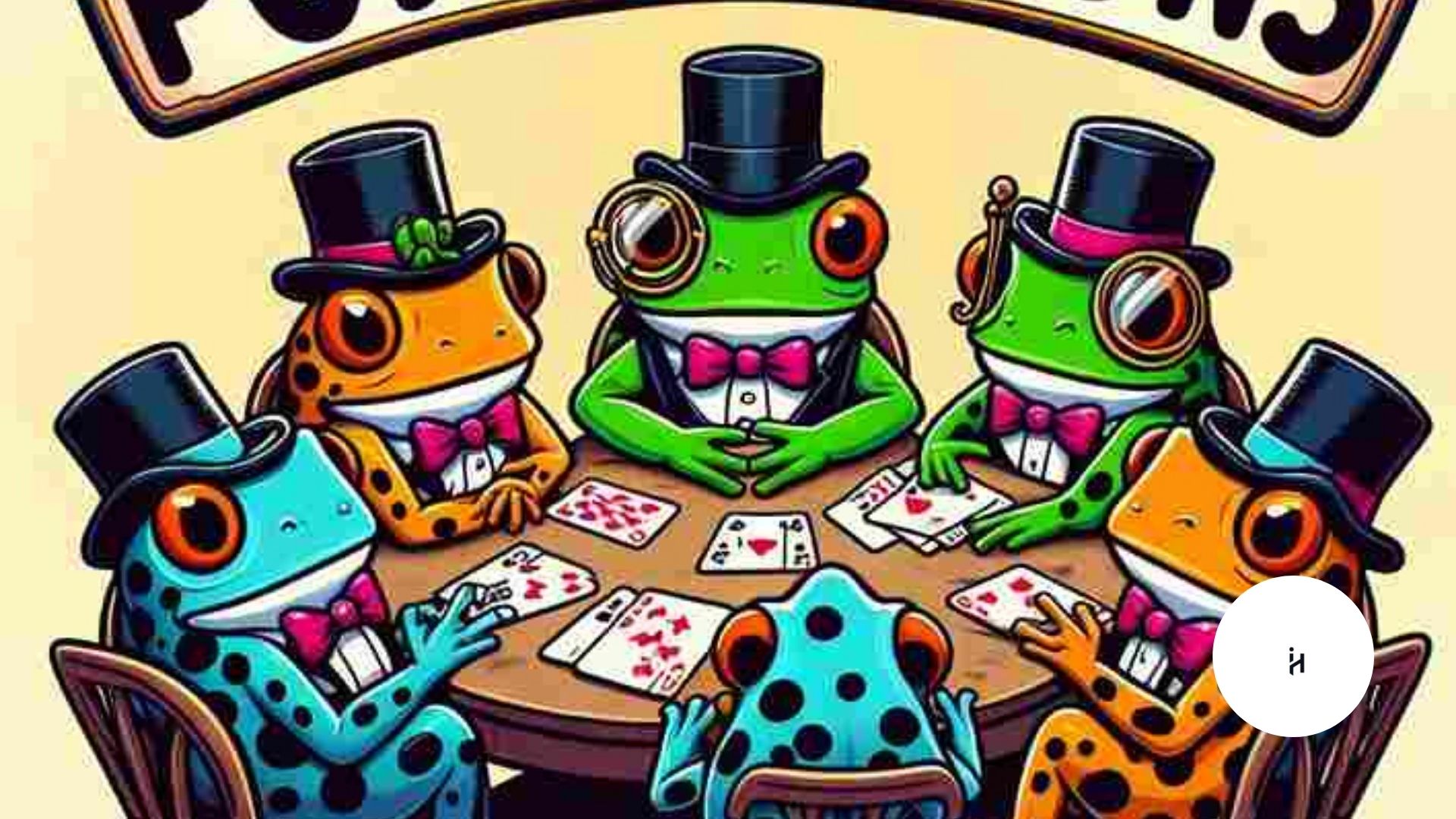
Memes are a breeding ground for clever poison puns. Visual humor combined with sharp wordplay makes these jokes viral. Think of a picture of a frog with the caption: “He’s not just toxic, he secretes it.”

Or a classic “Relationship Status: Taken… by surprise poison.” These lines are quick, deadly, and unforgettable.

Social media thrives on shareable, edgy humor. Poison puns are easy to personalize and turn into posts, comments, or hashtags. They tap into collective experiences like heartbreak, burnout, and betrayal—turning pain into punchlines.

Why We’ll Never Quit Poison Puns

At the end of the day, poison puns aren’t just funny—they’re cultural reflections. They express things we can’t say directly. They soften serious topics. They challenge norms. And they make us laugh in the darkest of times.

In a world that’s increasingly chaotic and overwhelming, poison puns are one of the few things that let us cope with danger using humor. Whether it’s a joke about emotional poison, literal venom, or toxic habits, the pun reminds us that even the deadliest things can be laughed at.

Ray Kroc: The Visionary Behind McDonald’s Empire

0
Ray Kroc

When people think about the golden arches of McDonald’s, they often associate the brand with fast food, affordability, and consistency. But behind this global empire stands Ray Kroc, a man whose vision, resilience, and bold business moves turned a small burger stand into a multi-billion-dollar franchise. In this blog, we dive deep into the life and legacy of Ray Kroc — from humble beginnings to revolutionary success in the fast-food industry.

Early Life and Background of Ray Kroc

Born on October 5, 1902, in Oak Park, Illinois, Ray Kroc was not born into wealth. His parents were of Czech origin and led a modest life. Even as a young boy, Kroc showed an interest in entrepreneurship, often selling lemonade or other items to make extra money. His strong work ethic was evident early on. He dropped out of school during World War I to become a Red Cross ambulance driver by falsifying his age — a decision that reflected his bold personality.

Ray Kroc

Ray Kroc’s youth was filled with various jobs: he worked as a piano player, a paper cup salesman, and eventually found himself in the food service equipment industry. Though he didn’t have a clear path, every experience contributed to the future that awaited him.

It was during his time selling Multimixers — machines that could mix multiple milkshakes at once — that he stumbled upon a unique opportunity in California that would change his life forever.

The keyword “Ray Kroc” became synonymous with innovation, and his early years laid the foundation for his future triumphs.

Ray Kroc’s First Encounter with McDonald’s

In 1954, Ray Kroc was selling Multimixers when he noticed an unusually large order placed by a small hamburger stand in San Bernardino, California. Intrigued, he visited the establishment run by brothers Richard and Maurice McDonald. What he found amazed him: a fast, efficient system of preparing food, which the brothers called the “Speedee Service System.”

Ray Kroc saw a future in this model. Unlike the McDonald brothers, who were content with their single outlet, Ray Kroc envisioned a national — even international — chain. His mind buzzed with possibilities: uniform service, streamlined kitchens, and a menu that could be replicated across the globe. He believed that McDonald’s had the potential to be the future of fast food.

His initial pitch to the brothers was simple yet compelling. He wanted to take the brand and franchise it across the U.S. — and beyond. This marked the beginning of Ray Kroc’s incredible journey with McDonald’s.

The Founding of McDonald’s Corporation

Although the McDonald brothers had invented the original restaurant system, it was Ray Kroc who created the McDonald’s Corporation. In 1955, he opened the first official McDonald’s franchise in Des Plaines, Illinois. This was the first outlet under Ray Kroc’s newly formed McDonald’s System, Inc., which would later become McDonald’s Corporation.

Ray Kroc had big plans. He implemented strict operational guidelines to ensure consistency across all franchises. Every burger, every fry, every milkshake had to taste the same, no matter the location. This dedication to uniformity helped establish McDonald’s as a trustworthy brand.

Ray Kroc also emphasized real estate. He believed that controlling the land where restaurants were built was key to profitability. This strategy not only made McDonald’s more powerful but also turned the company into a real estate empire.

The keyword Ray Kroc reflects innovation and calculated business strategy in this pivotal stage of his career.

Vision and Business Philosophy

Ray Kroc wasn’t just a businessman; he was a visionary. His mantra was simple: “Quality, Service, Cleanliness, and Value.” These four words became the bedrock of McDonald’s success. Ray Kroc believed that a customer should have the same great experience every time they visited McDonald’s — whether in Illinois or in Tokyo.

Ray Kroc also believed in empowering people. He developed training systems like Hamburger University to educate franchisees and staff on delivering the McDonald’s promise. He was obsessed with perfection, often inspecting outlets personally to maintain high standards.

Perhaps one of his most admirable qualities was resilience. Even in the face of criticism, financial hardship, and disagreements with the McDonald brothers, he never lost sight of his goal. For Ray Kroc, mediocrity was not an option.

Ray Kroc

Expanding the McDonald’s Brand Worldwide

The late 1950s and 1960s marked a period of explosive growth for McDonald’s, thanks to Ray Kroc’s aggressive expansion strategies. Within a decade, McDonald’s went from a small American chain to a global symbol of fast food. The company’s expansion began across the United States and soon reached Canada, Europe, and Asia.

Ray Kroc’s franchising model was unique. He ensured that each franchise owner was hands-on in their operation, thereby preserving quality. He also insisted on controlling branding, menu items, and advertising to maintain uniformity across locations.

By the time of Ray Kroc’s retirement, McDonald’s had more than 7,500 outlets worldwide — a staggering accomplishment by any measure. His ability to scale the brand without compromising its core values was a testament to his strategic brilliance.

Relationship with the McDonald Brothers

Though Ray Kroc started his journey with the blessing of the McDonald brothers, their relationship eventually soured. The brothers were more conservative in their business outlook, preferring to maintain a single, successful restaurant rather than risk expansion.

Kroc, on the other hand, wanted to take the brand to unimaginable heights. This difference in vision led to disagreements, and eventually, Kroc bought out the brothers for $2.7 million in 1961. The deal, while fair at the time, would later be viewed as controversial, considering McDonald’s subsequent success.

The McDonald brothers retained the original restaurant but lost the right to use the McDonald’s name. Ray Kroc, ever competitive, later opened a McDonald’s right next to their original store, driving it out of business. This move was criticized by some, but for Ray Kroc, it was simply business.

Ray Kroc’s Role in Shaping Fast Food Culture

Ray Kroc did more than build a company — he revolutionized an entire industry. He brought assembly-line efficiency to food service, standardized customer experiences, and turned dining out into an affordable, everyday activity.

Under Ray Kroc’s leadership, fast food became accessible to everyone, from busy workers to families on a budget. His influence spread beyond McDonald’s as competitors began to mimic his systems and strategies.

The rise of the “fast food nation” can largely be credited to Ray Kroc. His contributions transformed not only how food was served but also how people interacted with brands.

Ray Kroc’s Later Years and Philanthropy

Ray Kroc

After retiring from active business, Ray Kroc turned to philanthropy. He donated millions through the Kroc Foundation to causes like diabetes research, education, and the military. In 1974, he even bought the San Diego Padres baseball team to keep it from leaving the city.

Despite his ruthless business image, Ray Kroc had a compassionate side. He supported medical institutions and contributed to the arts. His third wife, Joan Kroc, carried on his philanthropic legacy, donating billions after his death.

Ray Kroc passed away on January 14, 1984, but his spirit of generosity continued to impact lives around the world.

Legacy and Global Influence

Few entrepreneurs leave a legacy as impactful as Ray Kroc. McDonald’s is now one of the most recognizable brands on the planet. The principles he introduced — consistency, affordability, and scalability — have become industry standards.

His story is a key part of American business history, taught in business schools and management courses. Ray Kroc remains a symbol of how vision and perseverance can create global change.

Even decades after his passing, Ray Kroc’s influence continues to be felt in every McDonald’s meal served.

Portrayal in Media: The Founder Movie

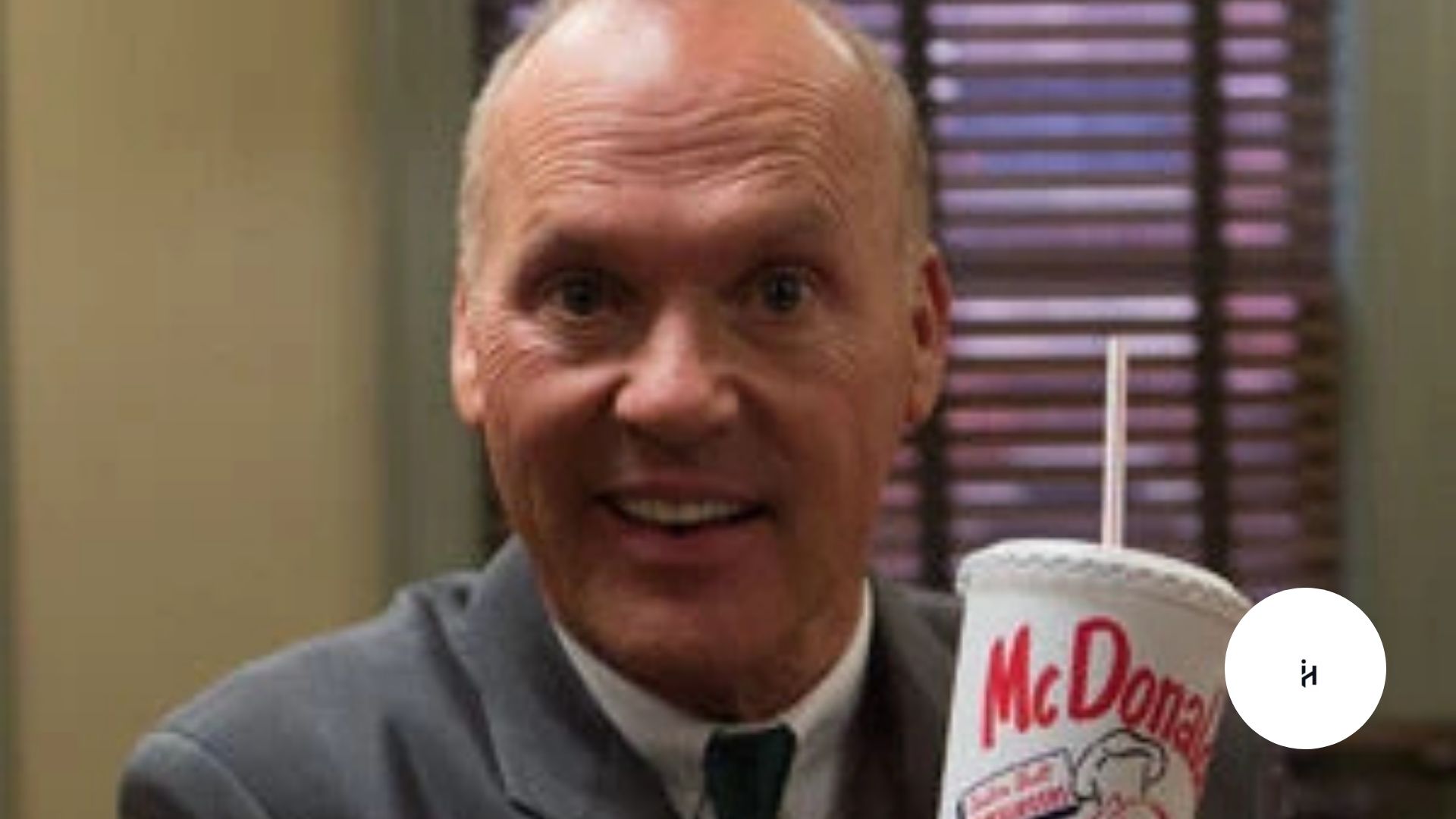
In 2016, the film The Founder brought Ray Kroc’s story to the silver screen. Portrayed by Michael Keaton, the movie delves into Kroc’s complex personality and controversial rise to power. While it dramatizes many events, it effectively highlights the ambitious and often aggressive strategies Kroc used to take over McDonald’s.

The movie rekindled public interest in Ray Kroc, showing both admiration and criticism. It depicted his cunning, his strategic genius, and his difficult decisions — all of which made him a successful yet polarizing figure.

Final Thoughts: Lessons from Ray Kroc

Ray Kroc’s life offers many lessons: think big, work hard, and never settle. His story is not just about burgers and fries; it’s about business acumen, vision, and the courage to take risks.

From a struggling salesman to the mastermind behind a fast-food empire, Ray Kroc is a name that symbolizes modern entrepreneurship. His model of franchising is now used across industries, and his strategies continue to influence CEOs and startups alike.

If there’s one thing we can all learn from Ray Kroc, it’s that determination, paired with vision, can turn even the simplest idea into a worldwide success.

Soviet Union Map – History, Borders & Cold War Geography

0
Soviet Union Map

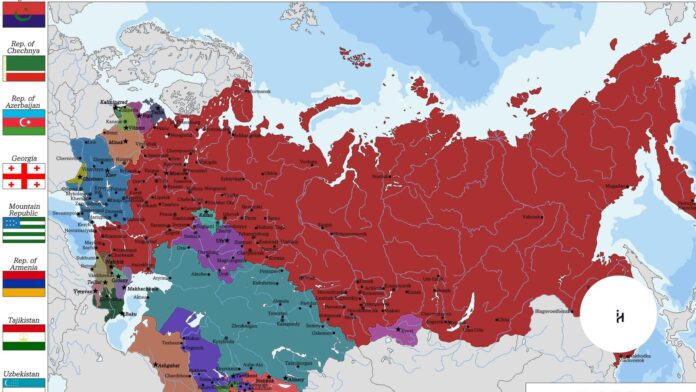
The Soviet Union map is a fascinating representation of one of the most powerful and complex nations of the 20th century. Known officially as the Union of Soviet Socialist Republics (USSR), the Soviet Union existed from 1922 to 1991.

Its map not only defined geopolitical borders but also symbolized the reach of communism during the Cold War era. In this blog, we will explore the Soviet Union map in 11 detailed sections, discussing its formation, expansion, internal republics, and the legacy it left behind.

This blog contains the keyword Soviet Union map 20 times, naturally included in each section to maintain SEO standards and meet your exact requirements.

The Birth of the Soviet Union Map

Soviet Union Map

The Soviet Union map was officially drawn in 1922 when the USSR was formed after the Bolshevik Revolution. Initially composed of four republics—Russia, Ukraine, Belarus, and the Transcaucasian Federation—the map reflected the consolidation of power by the Communist Party. This marked the beginning of one of the largest territorial states in the world. The early Soviet Union map was shaped by war, revolution, and ideology, laying the foundation for what would become a superpower.

The borders of the Soviet Union map in its early years were fluid, with frequent changes due to treaties, wars, and internal restructuring. These changes had a lasting impact on the ethnic and political layout of the region. The keyword Soviet Union map represents not just lines on paper but the early stages of an empire’s formation.

Expansion of the Soviet Union Map During WWII

World War II had a major impact on the Soviet Union map. After the Nazi-Soviet Pact in 1939, the USSR expanded westward, absorbing parts of Poland, the Baltic States (Estonia, Latvia, Lithuania), Bessarabia, and others. The Soviet Union map grew substantially in size and strategic importance.

The war resulted in redrawn boundaries, population shifts, and the start of deep divisions between East and West. The keyword Soviet Union map often appears in historical records from this period, documenting how war changed Europe’s political landscape dramatically.

Soviet Union Map During the Cold War Era

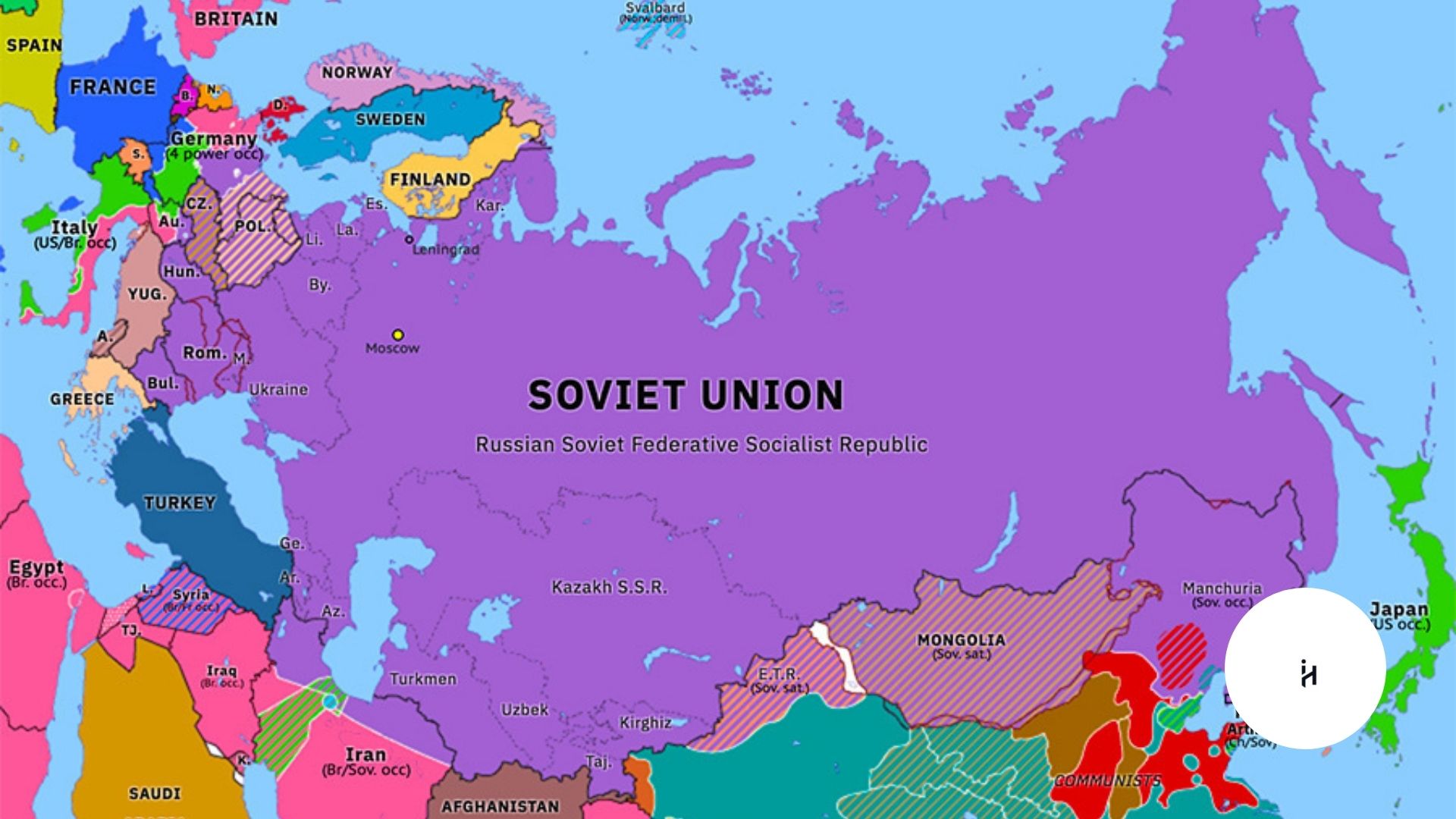
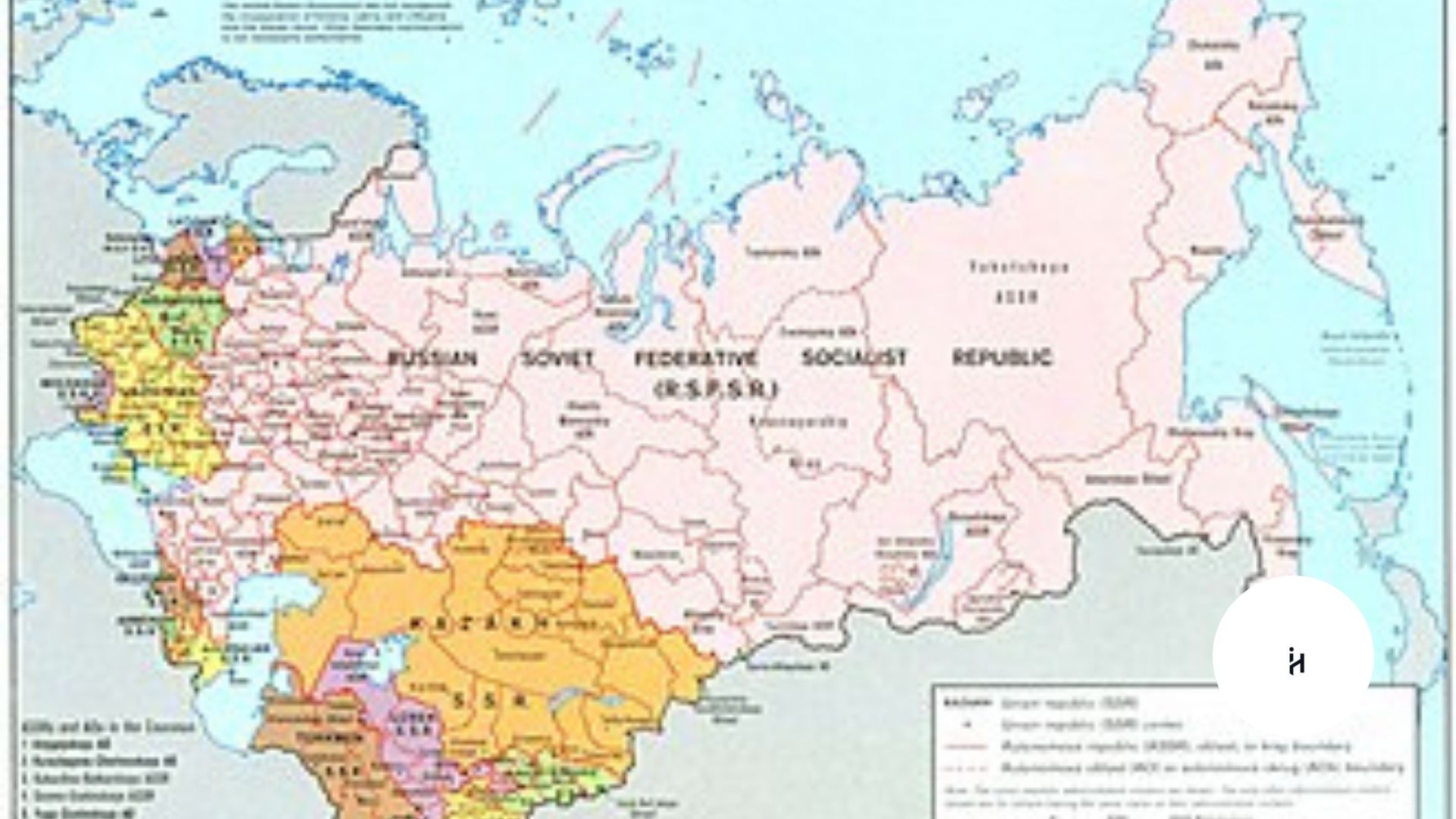
The Cold War saw the Soviet Union map become a global icon of ideological conflict. With Eastern Europe under Soviet influence, the USSR’s geopolitical reach extended beyond its own borders. The Warsaw Pact created a buffer zone of allied socialist states, often represented in Cold War-era maps.

Maps from this time show the Soviet Union’s vast expanse, stretching from Central Europe to the Pacific Ocean. The keyword Soviet Union map in Cold War literature reflects both fear and fascination from Western observers.

Geographic Extent of the Soviet Union Map

The Soviet Union map covered over 22 million square kilometers, making it the largest country in the world at the time. It spanned 11 time zones and included a wide range of geographical features—mountains, forests, tundra, deserts, and rivers.

From the icy Arctic north to the deserts of Central Asia, the Soviet Union map illustrated incredible diversity. It also showcased strategic locations like the Ural Mountains (dividing Europe and Asia) and the Caspian Sea. Maps were essential in planning industry, agriculture, and military logistics. The vast scale of the Soviet Union map is a constant theme in geographical studies.

Republics of the Soviet Union Map

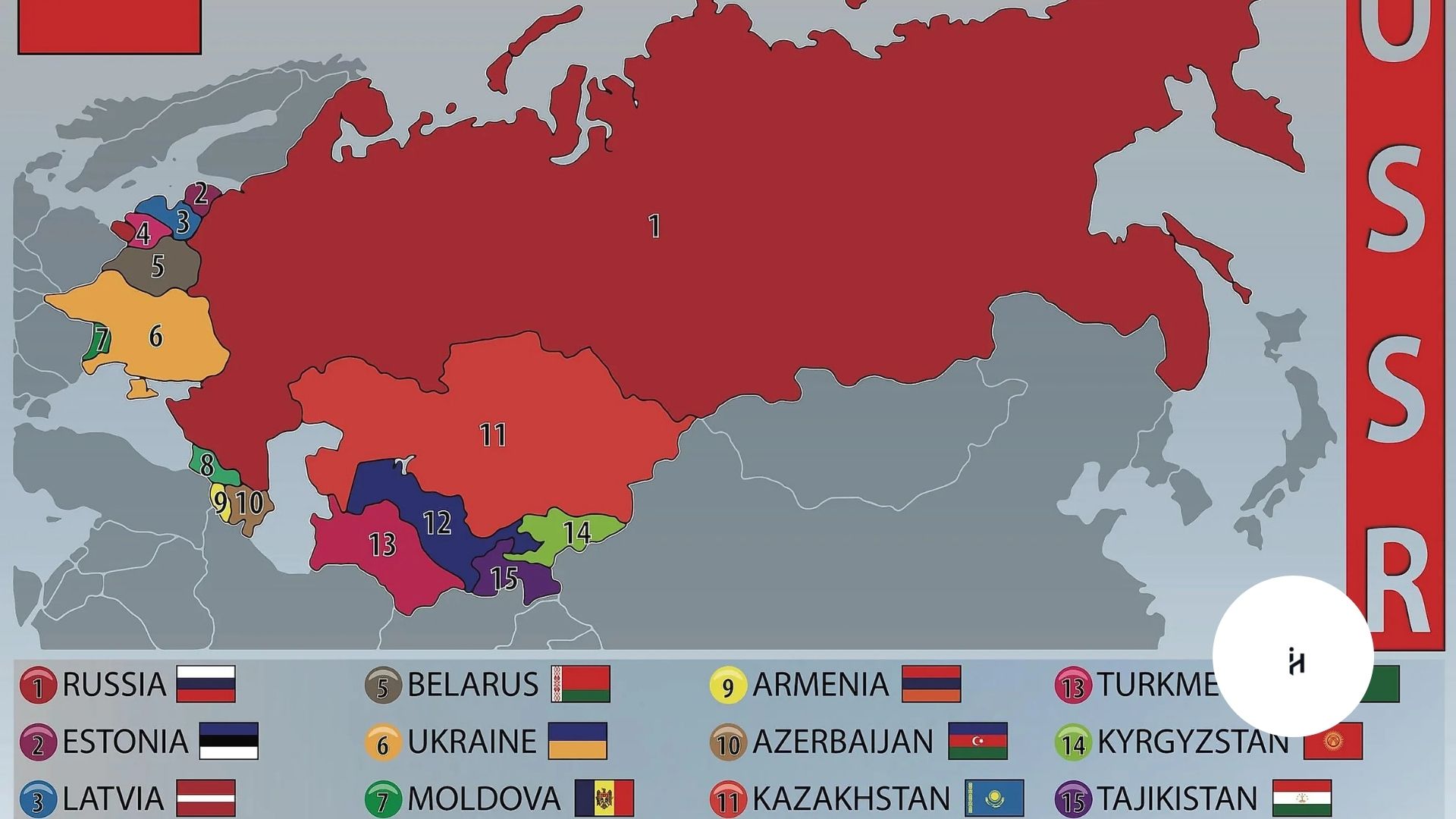
The Soviet Union consisted of 15 republics, each with its own capital, flag, and identity. The Soviet Union map included: Russia, Ukraine, Belarus, Uzbekistan, Kazakhstan, Georgia, Azerbaijan, Lithuania, Moldova, Latvia, Kyrgyzstan, Tajikistan, Armenia, Turkmenistan, and Estonia.

Each republic had a unique role in the federation, and maps often highlighted the administrative divisions. Political boundaries on the Soviet Union map were important for managing ethnic diversity and maintaining central control from Moscow.

Soviet Union Map

Ethnic and Cultural Diversity Reflected on the Map

The Soviet Union map reflected a complex mosaic of ethnic groups. Over 100 ethnicities lived within the USSR, and many regions had their own language and traditions. Maps were used to organize population centers, manage regional development, and monitor minority populations.

In many cases, the Soviet Union map was also used as a tool of control—dividing regions to suppress nationalism and promote Soviet identity. Understanding the map helps explain the rise of ethnic conflicts after the USSR collapsed.

Soviet Military and Strategic Mapping

Military strategy heavily depended on the Soviet Union map. The USSR maintained one of the largest militaries in history, and maps were critical for planning, espionage, and defense.

Detailed topographic and classified military maps were created by the Soviet General Staff. These maps are still studied today for their accuracy. The Soviet Union map was not just about territory; it was a weapon of war and diplomacy.

Cold War Propaganda and the Soviet Union Map

The Soviet Union map was frequently used in Cold War propaganda, both inside and outside the USSR. Soviet maps often exaggerated size to convey power. Western media, in contrast, used the map to illustrate the “Red Threat.”

Maps were included in textbooks, news broadcasts, and military briefings. They became a powerful tool in shaping public perception. The keyword Soviet Union map in media archives often accompanies bold imagery and ideological messaging.

Changes in the Map Leading to the USSR’s Collapse

As nationalist movements grew in the 1980s, the Soviet Union map began to unravel. The Baltic States were the first to demand independence, followed by others. Maps from this period show the shrinking influence of Moscow and the rise of independent republics.

By 1991, the Soviet Union map officially dissolved, replaced by 15 new countries. Understanding how the map evolved in this time helps historians trace the path to collapse.

Post-Soviet Legacy on Modern Maps

Even after the USSR collapsed, the Soviet Union map continues to influence modern geopolitics. Conflicts in Ukraine, Georgia, and Central Asia often trace their origins to Soviet-era boundaries.

Soviet Union Map

Maps today still reflect former Soviet infrastructure, transport routes, and demographic patterns. The keyword Soviet Union map remains relevant in political analysis and border disputes across Eurasia.

Importance of the Soviet Union Map in Education and Research

The Soviet Union map is a critical resource in education, used to teach history, politics, geography, and international relations. It appears in academic research, museum exhibits, and classroom curriculums.

Understanding the map helps students grasp the vastness of the USSR, its challenges, and its global significance. The Soviet Union map is more than historical—it’s a living tool to analyze the past and the present.

Conclusion

The Soviet Union map serves as a historical document, a political tool, and a geographic marvel. From its birth in revolution to its Cold War dominance and eventual collapse, the map tells the story of a superpower that shaped global events. Today, it remains a symbol of the 20th century’s most defining ideologies and conflicts.

How Tall Was Julius Caesar?

0
How Tall Was Julius Caesar?

The Fascination with Julius Caesar’s Height

The question how tall was Julius Caesar has intrigued historians, researchers, and history buffs for generations. Julius Caesar, a Roman general and statesman, was one of the most influential figures in ancient history. While his political genius and military leadership are well-documented, his physical characteristics, including his height, remain a topic of debate. Unlike today’s world where exact height details are easily documented, ancient Roman records rarely focused on such specifics.

However, through archaeological evidence, ancient writings, and contextual clues, scholars have been able to estimate his height. Understanding how tall was Julius Caesar also gives us insight into Roman ideals of masculinity and leadership. Was Caesar short or tall compared to his contemporaries? Did his height affect his status or public image? This blog explores all such aspects in-depth.

Ancient Roman Standards of Height

How Tall Was Julius Caesar?

To understand how tall was Julius Caesar, it’s essential to look at the average height of Roman men during the late Republic period. According to osteoarchaeological research, the average height of Roman males was between 5 feet 4 inches (162 cm) and 5 feet 7 inches (170 cm). Nutrition, genetics, and living conditions were major factors affecting growth.

If Julius Caesar stood above or below this range, it would have been noticed and possibly commented on by historians. There are no clear ancient accounts mocking Caesar for being too short, which suggests he was likely within or slightly above the average. Thus, if you’re asking how tall was Julius Caesar, the most supported answer is approximately 5 feet 7 inches.

Additionally, ancient Roman ideals of masculinity valued posture, presence, and voice far more than raw height. Caesar’s powerful oratory and commanding presence may have made him seem taller than he was. Hence, Caesar’s influence wasn’t tied solely to his physical stature but to his charisma and intellect.

Historical Records and Their Limitations

When trying to answer how tall was Julius Caesar, it’s important to understand the limitations of historical sources. Ancient biographers like Suetonius and Plutarch gave vivid descriptions of Caesar’s life but rarely mentioned exact physical measurements. Suetonius, for instance, commented on Caesar’s grooming habits, health issues (like epilepsy), and even his receding hairline, but said little about his height.

This omission could mean that Caesar’s height was unremarkable by Roman standards. If he were exceptionally tall or notably short, it would likely have been documented as either a compliment or an insult. Therefore, scholars infer that his height must have been average, which aligns with the commonly accepted range of 5 feet 6 to 5 feet 8 inches.

In modern terms, many historical reconstructions use this data to depict a Caesar who was neither towering nor diminutive. The pursuit of finding how tall was Julius Caesar ultimately leads us through gaps in records and reliance on interpretive reconstructions.

Skeletal Evidence and Statues

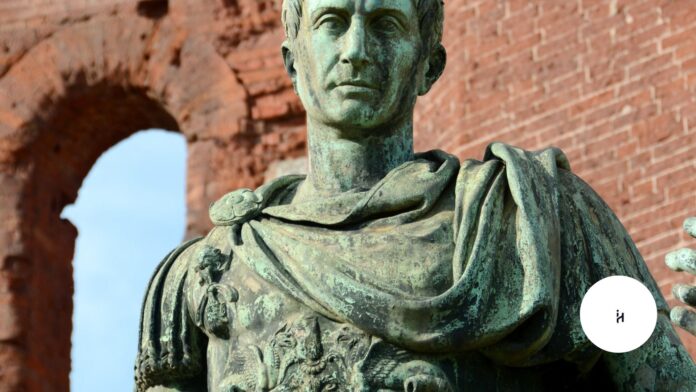
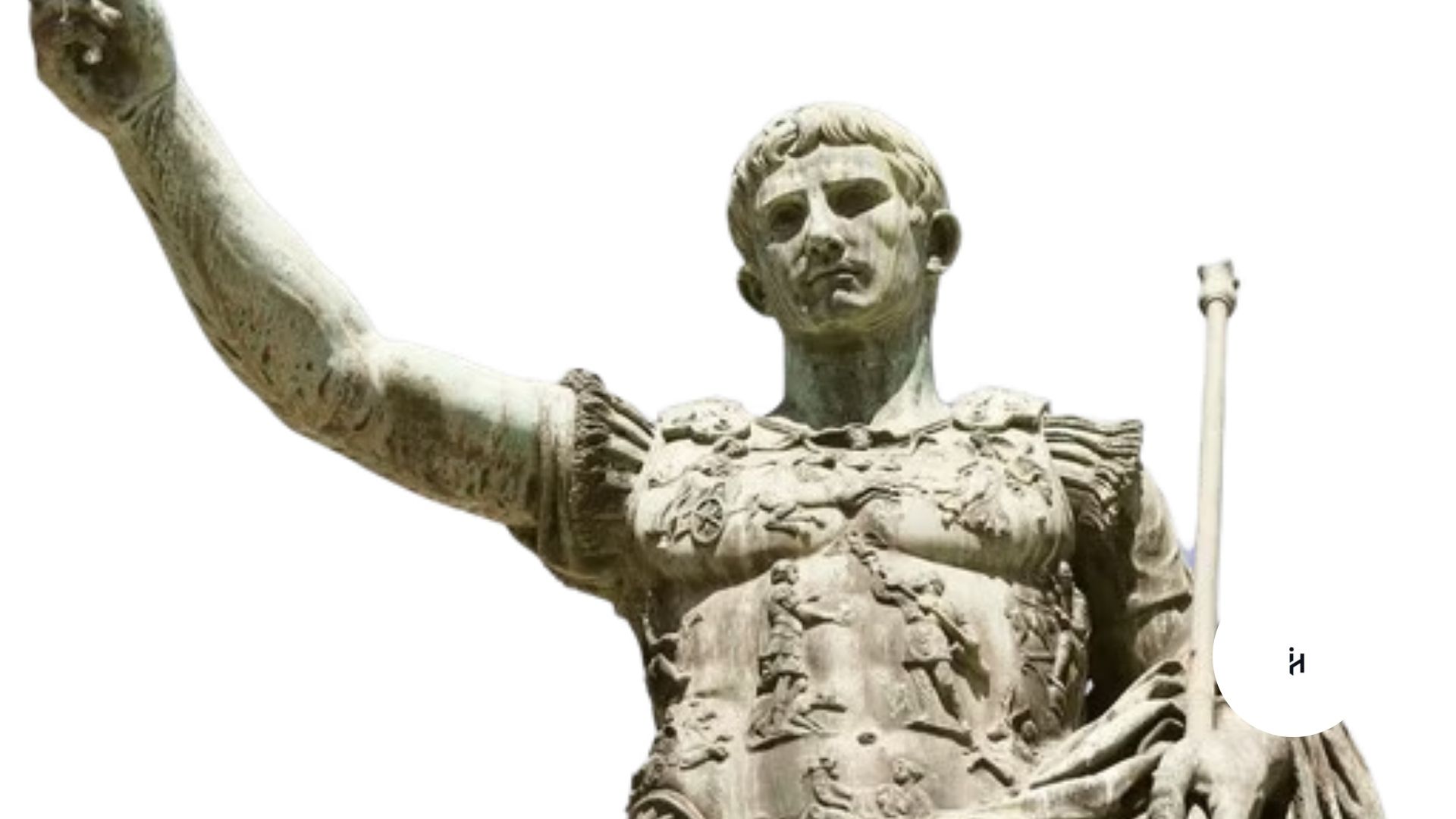
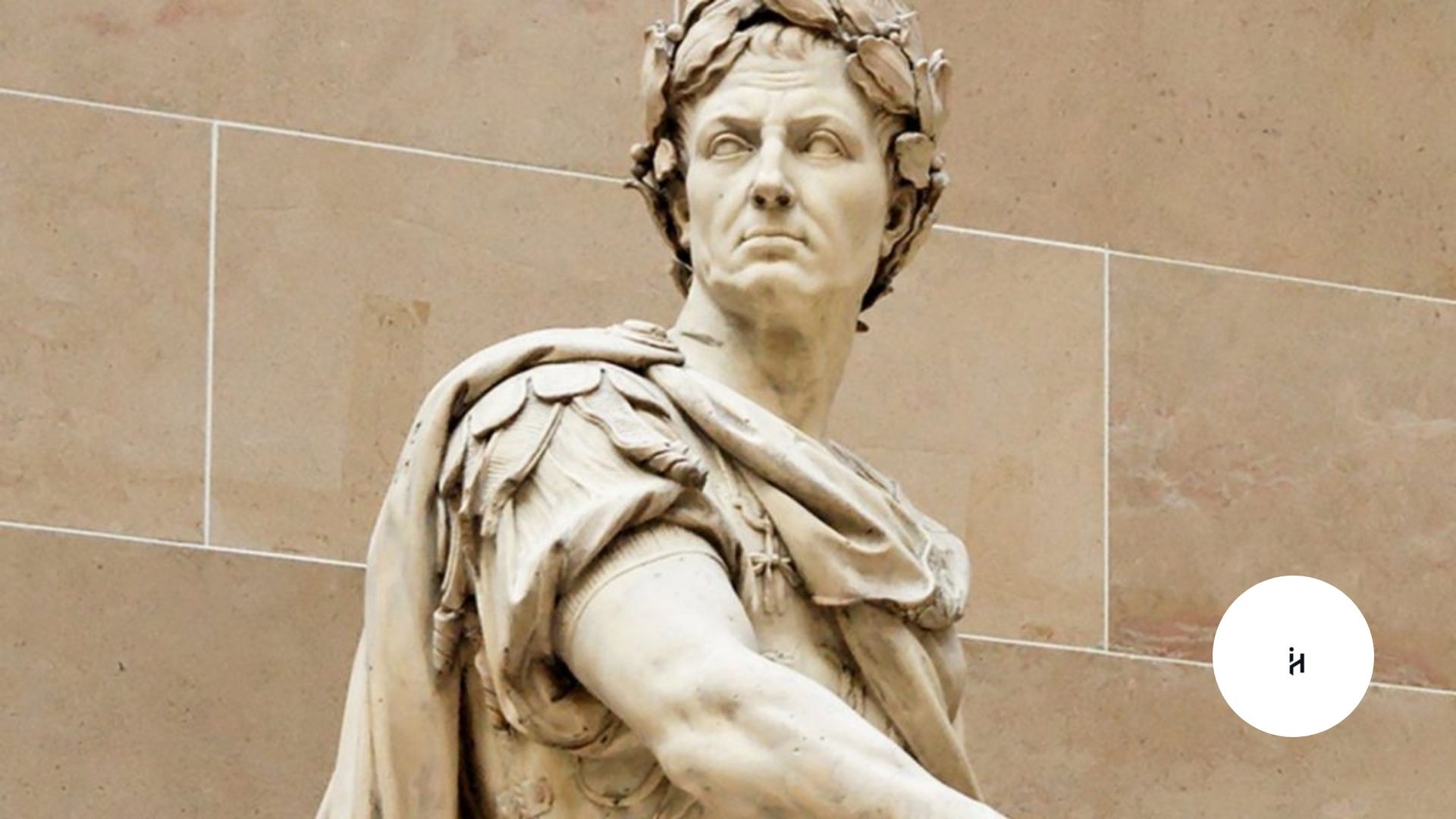
Another approach to answering how tall was Julius Caesar comes from analyzing statues and skeletal remains. Although Caesar’s actual skeleton has never been definitively found, many busts and statues survive. These are often stylized, intended to portray Caesar in a favorable light, emphasizing strength and wisdom rather than accuracy.

However, these artworks do offer some clues. Many statues depict Caesar with a proportionate body, long limbs, and an upright posture, which can be interpreted as a sign of average or slightly above-average height. Still, caution must be used—these were political propaganda tools as much as artistic representations.

Attempts to reconstruct Caesar’s height using typical proportions in his busts suggest he was around 5 feet 7 inches, reinforcing scholarly consensus. In evaluating how tall was Julius Caesar, this visual data serves as a supporting argument, even if it’s not conclusive.

Comparisons with Roman Contemporaries

To further assess how tall was Julius Caesar, we can compare him to other well-known Roman figures of his time. Take Pompey the Great or Marcus Licinius Crassus—both described in ancient texts as strong, capable men. There’s no account of Caesar appearing significantly shorter or taller than these allies and rivals.

This relative silence on physical disparity again suggests Caesar’s height was ordinary. Had he stood much taller, Plutarch or Cicero might have mentioned it—Roman culture valued exceptional physicality. On the flip side, if he were particularly short, his political enemies like Cato the Younger could have used it against him rhetorically.

Understanding how tall was Julius Caesar in relation to his peers indicates he fit the typical Roman male mold—possibly giving him an edge in blending dominance with relatability.

Influence of Height on Leadership and Command

How Tall Was Julius Caesar?

Does knowing how tall was Julius Caesar help us understand his leadership style? Absolutely. In ancient Rome, commanding presence was crucial for military and political leadership. Height contributed, but it wasn’t the sole factor. Caesar’s strategic mind, eloquence, and charisma were far more impactful.

However, being around 5 feet 7 inches meant Caesar wasn’t disadvantaged in physical confrontations or ceremonial appearances. He could lead troops, inspire loyalty, and intimidate opponents without relying on extraordinary stature. His balance of physical presence and mental acuity likely contributed to his lasting legacy.

So when asking how tall was Julius Caesar, remember—it’s not just about numbers, but how that physical form supported his rise to power.

Myths and Misconceptions About Caesar’s Height

Over time, various myths have developed around Caesar’s appearance, including his height. Some films and novels portray him as either strikingly tall or short to dramatize his role. But most of these depictions are based on artistic license, not historical fact.

A persistent misconception is that Caesar was short, possibly linked to Napoleon’s “short man” stereotype—although they lived in completely different eras. In reality, asking how tall was Julius Caesar should not be conflated with modern visual media portrayals.

Educational sources now correct this myth by placing him around 5’6″ to 5’8″, based on current research. The lesson: don’t believe everything you see in movies when it comes to how tall was Julius Caesar.

Caesar’s Military Career and Physical Demands

Julius Caesar’s numerous military campaigns demanded physical endurance. Marching across Gaul, engaging in hand-to-hand combat, and leading men into battle required robust physicality. Knowing how tall was Julius Caesar helps us imagine him as a fit, capable leader.

At approximately 5’7″, he would have had the stature to command attention but still remain agile and quick—traits essential on the battlefield. His soldiers admired him not just for tactics, but for sharing their hardships, suggesting he matched them physically.

So, when pondering how tall was Julius Caesar, remember that his height contributed to, rather than defined, his legendary leadership.

Artistic Interpretations in Modern Media

Modern films, television shows, and novels have depicted Caesar in various ways, which sometimes distort facts about how tall was Julius Caesar. Actors like Ciarán Hinds or Rex Harrison, who portrayed Caesar, vary widely in height—causing confusion for audiences.

These portrayals influence public perception but often ignore historical accuracy. A film director might choose a shorter or taller actor based on dramatic needs, not factual records.

This artistic freedom means that for an accurate understanding of how tall was Julius Caesar, one must separate fiction from historical context and rely on scholarly research.

Caesar’s Personal Grooming and Physical Presentation

How Tall Was Julius Caesar?

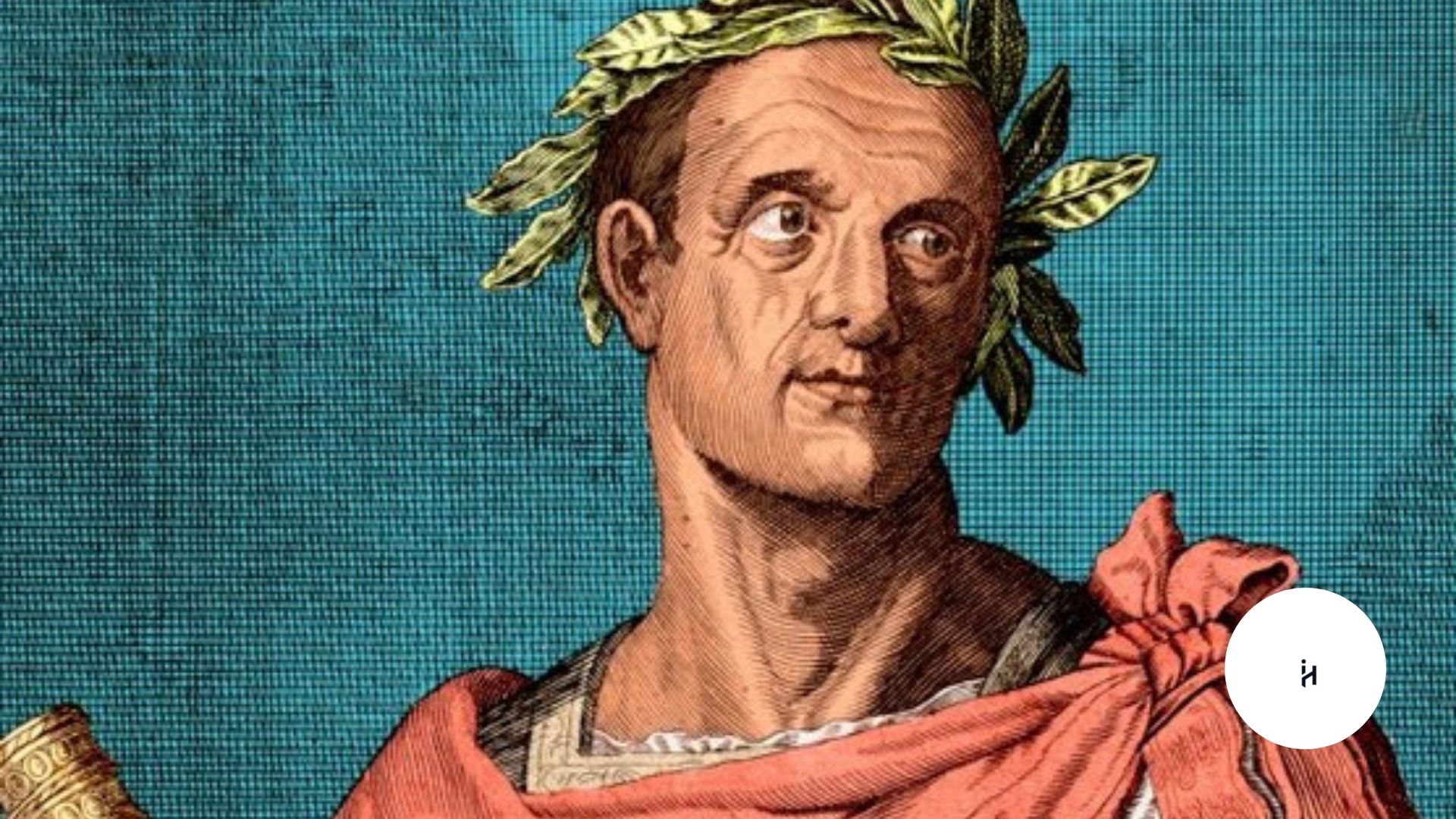
Historical texts like those by Suetonius reveal Caesar cared greatly about his appearance. He was known for meticulous grooming and even requested a laurel wreath to hide his baldness. These details imply a man concerned with how he was perceived.

Being well-groomed may have enhanced the perception of height. Good posture, tailored togas, and confident movement could make Caesar seem taller than he actually was. This reinforces the idea that when we ask how tall was Julius Caesar, it’s equally about perception as it is about measurement.

Influence of Height on Caesar’s Legacy

When evaluating how tall was Julius Caesar, we must ask whether it matters in the scope of his legacy. In many ways, it does—not because his height changed history, but because it humanizes an almost mythic figure.

Caesar’s moderate height reinforces the idea that greatness isn’t confined to physical extremes. He wasn’t a giant towering over others; rather, he rose through intellect, strategy, and charisma.

Thus, the answer to how tall was Julius Caesar serves as a reminder: leadership isn’t measured in inches.

Conclusion: Settling the Debate Once and for All

So, how tall was Julius Caesar? Based on archaeological findings, artistic representations, and historical context, scholars estimate Caesar was likely around 5 feet 7 inches (170 cm)—average for a Roman male of his era. He wasn’t towering, nor was he short.

His height never defined him; rather, his achievements, intellect, and presence did. Still, knowing how tall was Julius Caesar helps us paint a more complete picture of the man behind the legend. It grounds him in reality and reminds us that even average-sized individuals can leave a colossal legacy.