Home Blog Page 416

Unraveling the World of the Ancient Scythians

0
Scythians

The Scythians were a powerful group of ancient nomadic warriors who once roamed the vast steppes of Central Asia and Eastern Europe. Their legacy, preserved through historical texts, archaeology, and myth, has fascinated scholars and history enthusiasts for centuries.

Known for their horseback skills, unique art, and fearsome battle tactics, the Scythians played a vital role in shaping early Eurasian history. This blog dives deep into their world, exploring their origin, culture, lifestyle, and the lasting impact they left behind.

The Origins of the Scythians

The Scythians emerged around the 9th century BCE in Central Asia, primarily in the region that is today southern Siberia and Kazakhstan. According to ancient Greek historians like Herodotus, they were believed to descend from a mythical union between Hercules and a serpent-woman.

Scythians

Historically, their true origins are rooted in the Indo-Iranian nomadic tribes of the Eurasian steppes. Their migration into what is now Ukraine and southern Russia marked the beginning of their dominance in the region. Archaeological findings from burial mounds, known as “kurgans”, confirm their presence across a wide geographical area.

These early Scythians had a rich oral tradition and relied heavily on mobility, which became the cornerstone of their cultural identity.

Scythian Society and Tribal Structure

Scythian society was not monolithic but consisted of various tribes and clans with shared cultural and linguistic traits. These tribes often formed loose confederations under a chieftain or king. While they had no formal state structure, their society was organized and hierarchical.

Warriors held the highest status, followed by skilled artisans, herders, and women, who surprisingly had significant roles in both domestic and combat affairs. Notably, Scythian women could become warriors themselves, which some believe inspired the Greek legends of the Amazons.

The Scythians maintained balance and order through clan alliances, rituals, and shared customs passed down through generations.

The Nomadic Lifestyle of the Scythians

The Scythians were quintessential nomads, relying on horseback travel and pastoralism for their livelihood. Their mobility allowed them to traverse vast distances, trade widely, and escape threats with ease. They lived in portable tents known as yurts and moved with their livestock according to seasonal needs.

Horses were central to their way of life—not just for travel, but also for war, status, and trade. Their diet was primarily meat and dairy, and they used felt and leather in clothing, making them well-suited to the harsh climate of the steppe. Despite their mobility, they left behind rich archaeological evidence in burial mounds.

Scythian Warfare and Military Tactics

Scythian warriors were feared across the ancient world. Master horsemen and archers, they developed a unique style of mounted warfare. Their signature weapon was the composite bow, which they used with deadly accuracy while riding at full gallop.

They favored hit-and-run tactics, ambushes, and feigned retreats—methods that baffled more structured armies like those of the Persians.

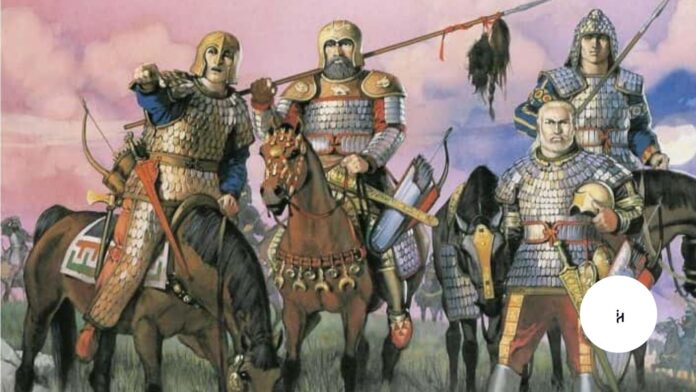
Their armor was typically made from scale-like plates of bronze or iron, and both men and women participated in combat. Herodotus described them as brutal but disciplined warriors. Their fearsome reputation helped deter many invasions and made them sought-after mercenaries in foreign armies.

Scythian Art and Symbolism

The Scythians left behind a rich tradition of art, especially in metalwork. Their decorative style, known as “Scythian Animal Style”, features dynamic depictions of animals—often in combat—symbolizing strength, fertility, and the spiritual world. Gold objects from kurgans include jewelry, weaponry, and ceremonial items that demonstrate remarkable craftsmanship.

The use of motifs such as stags, eagles, and panthers was not only aesthetic but deeply symbolic, often linked to tribal identity or mythological beliefs. Art was not limited to elites; even common items bore ornate designs, showcasing the widespread cultural importance of symbolic expression.

Religion and Spiritual Beliefs

Scythians

Scythian religion was a complex blend of animism, ancestor worship, and polytheism. They revered a pantheon of gods, many of whom were linked to natural forces like fire, sky, and earth. Herodotus noted that they worshipped a deity resembling the Greek Ares, possibly representing war.

Shamans or spiritual leaders played a key role in religious ceremonies, and rituals often involved fire, animal sacrifices, and possibly human offerings. Burial customs were elaborate, with nobles buried alongside servants, horses, and treasures—demonstrating belief in an afterlife. These practices reflect a worldview where the spiritual and material were deeply intertwined.

Trade and Cultural Exchange

Despite being nomadic, the Scythians were deeply involved in trade. They exchanged furs, livestock, and precious metals with Greeks, Persians, and other neighboring civilizations. Greek colonies along the Black Sea, such as Olbia and Chersonesus, became hubs for Scythian commerce. In return, they acquired luxury goods, wine, pottery, and textiles.

These interactions led to cultural exchange—evident in the adoption of foreign artistic styles and writing systems. The Scythians played a critical role in connecting East and West through the steppe routes, early precursors to the Silk Road. This exchange enriched their culture and extended their influence far beyond their immediate territory.

Relationship with the Greeks and Persians

The Scythians had a complicated relationship with both the Greeks and the Persian Empire. While they traded and exchanged ideas with the Greeks, they fiercely resisted Persian expansion. The most notable conflict was Darius I’s failed campaign into Scythian territory around 513 BCE.

The Scythians avoided direct confrontation and used guerrilla tactics to frustrate and exhaust the Persian forces. Greek writers, fascinated by Scythian culture, both admired and mythologized them.

They appeared in Greek literature as both barbarians and noble warriors. These dual perspectives shaped the classical image of the Scythians and secured their place in the ancient imagination.

Scythian Burial Customs and Archaeological Finds

Scythian burial sites, known as kurgans, offer the most detailed insights into their society. These mounds often contain lavish grave goods, including gold, weapons, textiles, and even preserved bodies. The Pazyryk burials in Siberia are particularly famous for their remarkable state of preservation—some bodies were mummified naturally by the permafrost.

Tattoos on mummified remains reveal intricate patterns and deep symbolic meaning. Grave goods varied by social status, indicating a hierarchical society. These archaeological treasures confirm historical accounts and reveal much about Scythian beliefs, craftsmanship, and way of life.

Decline of the Scythians

Scythians

By the 3rd century BCE, the dominance of the Scythians began to wane. A combination of factors contributed to their decline: pressure from other nomadic groups like the Sarmatians, internal tribal fragmentation, and changing trade routes. Their territories were gradually absorbed or overrun by more powerful neighbors.

Some Scythian tribes migrated and assimilated into other cultures, while others maintained semi-independent existence in the Crimea and lower Dnieper region for centuries. However, their cultural influence persisted. Elements of Scythian warfare, art, and nomadic traditions lived on in successor cultures across the Eurasian steppe.

Legacy of the Scythians in Modern Culture

The legacy of the Scythians extends far beyond their era. Their impact on nomadic warfare, metallurgy, and cultural symbolism influenced many later societies. Modern historians and archaeologists continue to study their role in ancient history, uncovering new findings from burial sites across Russia, Ukraine, and Kazakhstan.

The image of the mounted archer—a Scythian innovation—became iconic in Eurasian military history. Additionally, their possible connection to the legendary Amazons continues to captivate popular imagination. Museums around the world showcase Scythian artifacts, keeping their memory alive and reminding us of their role in the human story.

Narcissus: The Myth, Symbol, and Modern Meaning

0
Narcissus

The story of Narcissus is one of the most compelling and enduring myths from ancient Greece. It has inspired poets, painters, psychologists, and philosophers for centuries. The term “Narcissus” has become synonymous with beauty, vanity, and self-obsession.

The legend’s psychological implications are so profound that it eventually gave rise to the term narcissism, a widely discussed concept in both everyday and clinical language.

In this blog, we will explore the full spectrum of Narcissus—from mythological roots to modern psychological interpretations—under 11 clear and deeply explained headings. Whether you are a mythology enthusiast or a psychology student, understanding Narcissus offers insight into human behavior, ancient culture, and the delicate balance between self-love and self-destruction.

Origins of the Narcissus Myth in Greek Mythology

Narcissus

The story of Narcissus originates from Greek mythology and is most notably retold in Ovid’s Metamorphoses. Narcissus was a beautiful young man, the son of the river god Cephissus and the nymph Liriope. He was renowned for his extraordinary physical beauty, which captured the attention of many, yet he rejected all romantic advances.

One of the most significant elements of the myth involves the nymph Echo, who fell in love with Narcissus. However, Narcissus cruelly rejected her. In retaliation, the gods cursed him to fall in love with his own reflection in a pool of water. Enchanted and unable to look away, Narcissus ultimately wasted away and died. From the spot where he perished, a flower—later named the Narcissus flower—grew.

This myth set the stage for the cultural symbolism of Narcissus, which has evolved through literature, art, and psychology.

Symbolism of Narcissus in Literature and Art

The Narcissus myth has served as a deep well of inspiration for artists and writers. It symbolizes vanity, unattainable beauty, and the tragedy of self-obsession. Writers such as Oscar Wilde and painters like Caravaggio have interpreted the myth to express themes of inner emptiness and superficiality.

In visual art, Narcissus is often depicted gazing into the water, consumed by his reflection. The flower named after him symbolizes both beauty and fragility. In poetry, Narcissus represents youth, unrequited love, and the pain of self-infatuation. These interpretations cemented his place in the Western artistic tradition as a cautionary figure.

The Psychological Evolution: From Myth to Diagnosis

The story of Narcissus inspired modern psychology to define narcissism as a personality trait or disorder. In the early 20th century, Sigmund Freud explored narcissism as a component of human development. Later, narcissism was included in the Diagnostic and Statistical Manual of Mental Disorders (DSM).

Narcissistic Personality Disorder (NPD) involves grandiosity, a constant need for admiration, and a lack of empathy. Just as Narcissus was obsessed with his reflection, individuals with NPD may be excessively focused on their self-image and status.

Understanding the transition from a mythological figure to a psychiatric diagnosis shows the enduring relevance of Narcissus in understanding human nature.

Narcissism vs. Healthy Self-Esteem

It is important to differentiate between narcissism and healthy self-esteem. The myth of Narcissus teaches us about the dangers of excess self-love, but self-love in moderation is essential.

Healthy self-esteem involves confidence and self-respect, without needing to dominate or devalue others. Narcissism, on the other hand, is rooted in insecurity and often leads to manipulation and arrogance.

In modern culture, where self-promotion is common, the boundary between self-esteem and narcissism is increasingly blurred. The tale of Narcissus warns us against losing balance and becoming consumed by our own image.

Narcissus Flower: Botanical Facts and Symbolism

Narcissus

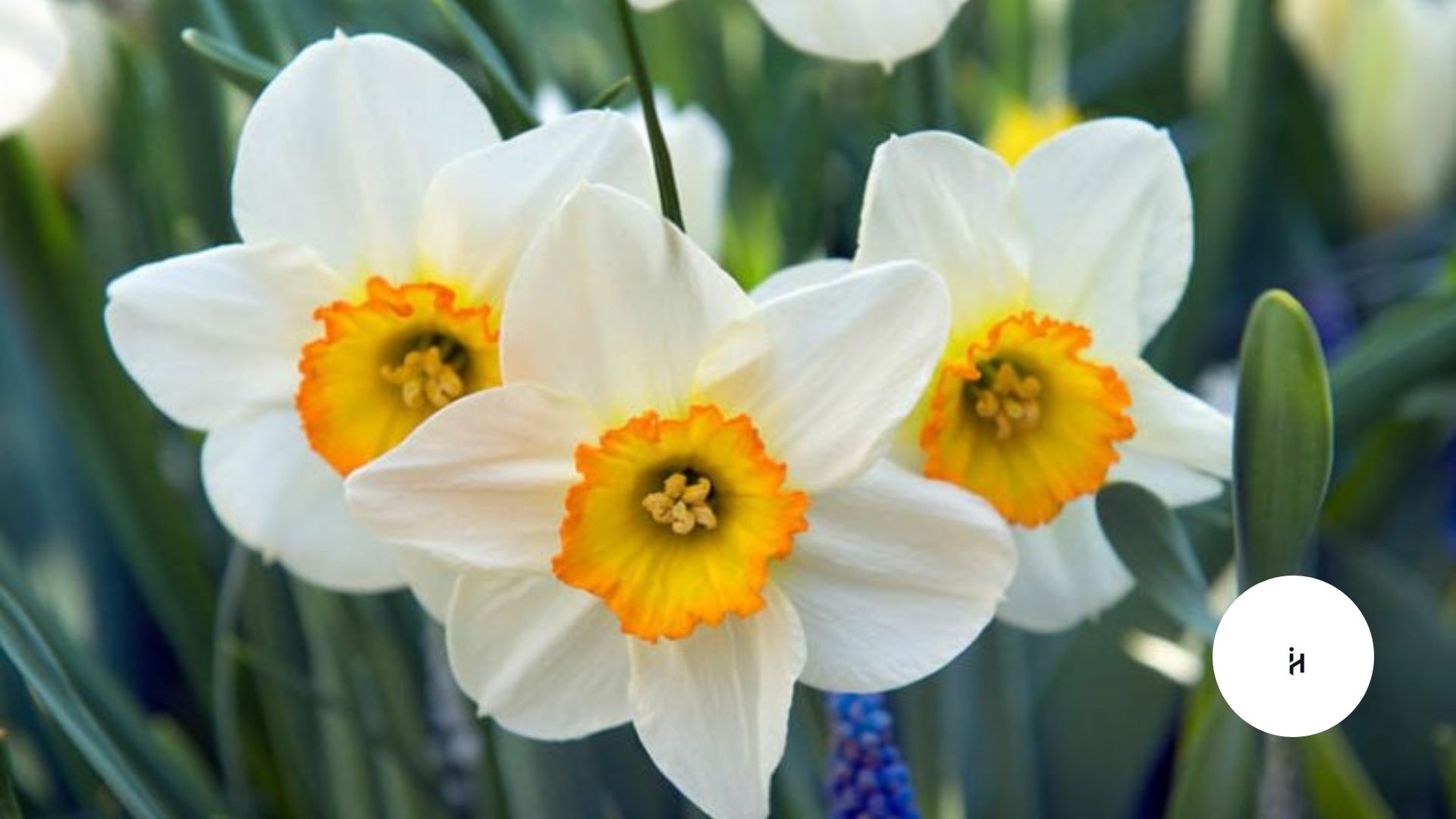
The Narcissus flower, commonly known as the daffodil, holds rich symbolic meaning. It is one of the first flowers to bloom in spring and is associated with renewal and rebirth. However, its name ties it directly to the myth and the themes of beauty, fragility, and illusion.

Botanically, the Narcissus belongs to the Amaryllidaceae family and thrives in temperate climates. It is often planted in gardens as a sign of hope and new beginnings. Still, its name serves as a reminder of the story’s darker undertones—warning against superficial beauty and vanity.

Narcissus in Modern Culture and Media

Modern media often references Narcissus in television, film, and literature. Characters who are overly self-absorbed or obsessed with appearance are often described as “narcissistic.” From reality TV personalities to villains in fiction, the archetype of Narcissus is easily recognizable.

In the age of selfies and social media, the myth has taken on new relevance. Platforms like Instagram and TikTok are filled with curated images and personas, echoing Narcissus’ obsession with his reflection. These cultural dynamics make the myth of Narcissus more relevant than ever.

Echo and Narcissus: A Tale of Unrequited Love

The role of Echo in the Narcissus myth is just as important. Echo, cursed by Hera to only repeat the words of others, represents the agony of unreciprocated affection. Her rejection by Narcissus leads her to fade away, leaving behind only her voice.

This subplot adds emotional depth and introduces the concept of unrequited love. It shows that narcissism not only affects the individual but also leaves others emotionally destroyed. The relationship between Echo and Narcissus illustrates the toxic consequences of emotional unavailability and vanity.

Narcissism in Relationships: Red Flags and Recovery

Narcissistic traits often emerge clearly in relationships. Common signs include gaslighting, emotional manipulation, lack of empathy, and an overwhelming need for control. Being in a relationship with someone like Narcissus can result in emotional exhaustion and psychological trauma.

Recovering from such relationships involves rebuilding self-esteem and setting boundaries. Therapy and support groups can help individuals understand the pattern and avoid repeating it. Recognizing the Narcissus archetype in real life is the first step toward healthier connections.

Narcissism and Social Media: A Digital Reflection

Social media has created an environment where narcissistic traits can thrive. Users constantly seek validation through likes, comments, and followers. Curated images and highlight reels promote a distorted self-image, reminiscent of Narcissus staring into the water.

This digital obsession with self-presentation can lead to anxiety, depression, and social comparison. Many researchers argue that platforms are breeding grounds for narcissism. The myth of Narcissus serves as a timeless warning about the dangers of being consumed by one’s reflection—even if that reflection is digital.

Healing the Inner Narcissus: Finding Self-Awareness

Narcissus

Healing from narcissistic traits or experiences involves introspection, empathy-building, and emotional regulation. The myth ends tragically, but in real life, transformation is possible. The key lies in developing self-awareness—seeing oneself clearly without distortion.

Practices like mindfulness, therapy, and journaling can help individuals confront their inner Narcissus. Accepting both strengths and flaws leads to healthier self-perception. The legend teaches us that unchecked self-obsession leads to ruin, but awareness can bring redemption.

Why the Myth of Narcissus Still Matters Today

Even after thousands of years, the myth of Narcissus remains deeply relevant. It provides insight into the human psyche, warns against unchecked ego, and reflects societal dynamics in the age of technology. From ancient poetry to modern psychology, Narcissus continues to shape how we view ourselves and others.

The story is not merely a cautionary tale—it’s a mirror. It asks each of us: Are we truly self-aware, or are we merely admiring a reflection? In an increasingly image-conscious world, the myth of Narcissus challenges us to look deeper and seek authenticity over illusion.

Yahweh Meaning – Understanding the Sacred Name of God

0
Yahweh Meaning

The term Yahweh meaning holds profound significance in both religious and linguistic contexts. Rooted in ancient Hebrew scripture, this sacred name for God has echoed through centuries of prayer, scripture, and theological discourse. For many believers, understanding the Yahweh meaning brings them closer to their faith and the divine character of God.

Etymology and Linguistic Roots of Yahweh

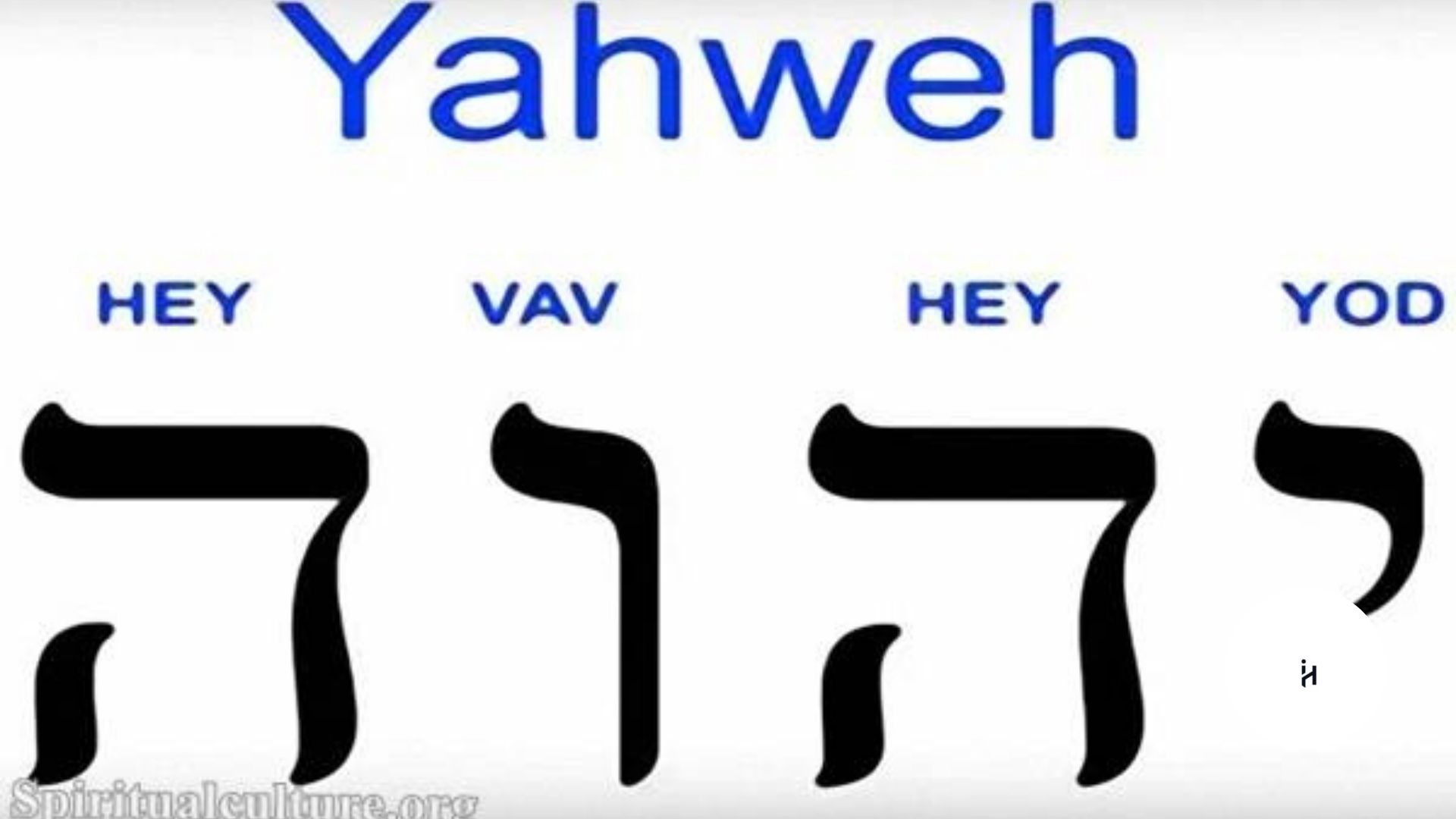
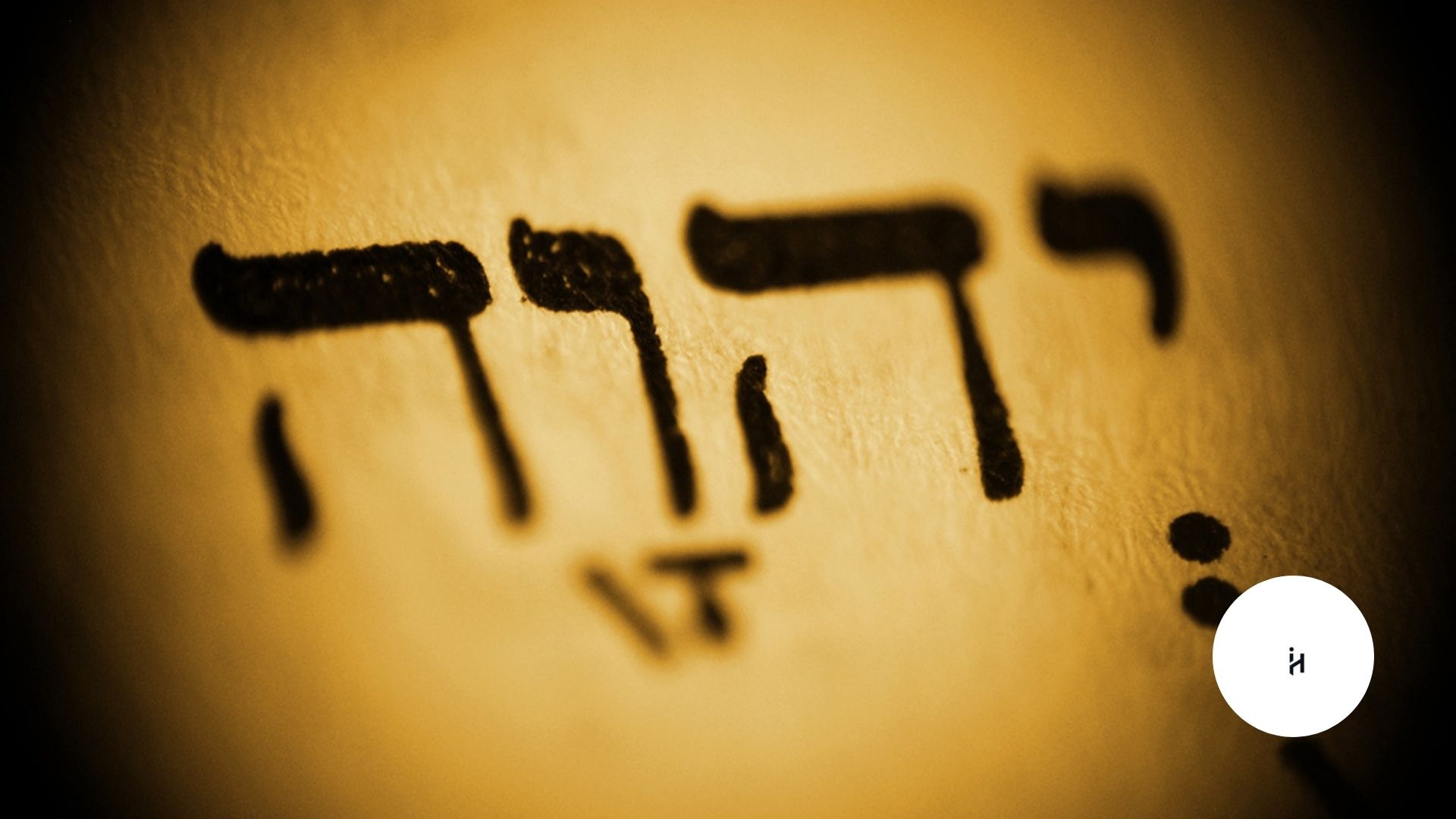
The word Yahweh is derived from the Hebrew tetragrammaton YHWH (יהוה), consisting of four consonants that represent the name of the God of Israel. The precise pronunciation of these letters has been lost over time due to the Jewish tradition of not vocalizing the divine name. Scholars generally agree that “Yahweh” is a likely pronunciation based on ancient linguistic patterns.

The root of YHWH is “hayah”, meaning “to be” or “to exist,” signifying God’s eternal, self-existent nature. This linguistic detail forms the core of the Yahweh meaning – a God who simply is, who exists beyond time, space, and creation.

Yahweh Meaning

Yahweh in the Hebrew Bible

Yahweh appears over 6,800 times in the Hebrew Old Testament, often translated as “LORD” in capital letters in English Bibles. From Genesis to Malachi, Yahweh is portrayed as the personal and covenantal God of Israel. He leads, disciplines, redeems, and blesses His people.

One of the most famous moments where the Yahweh meaning is revealed occurs in Exodus 3:14, when God tells Moses, “I AM WHO I AM.” This statement reflects God’s eternal and unchanging nature, reinforcing the Yahweh meaning as self-existence and sovereignty.

The Significance of the Tetragrammaton (YHWH)

The Tetragrammaton is the four-letter biblical name of the God of Israel. Its holiness is so profound that Jewish tradition forbade its pronunciation, substituting Adonai (Lord) or HaShem (The Name) during readings.

The depth of the Yahweh meaning lies in this tradition. It emphasizes God’s otherness and holiness. The silence around the name added mystery and reverence, signifying that Yahweh is not just a title but the very essence of being and divinity.

Yahweh vs. Other Names of God

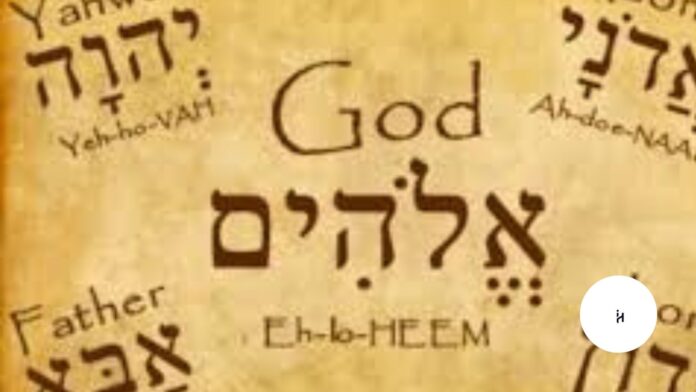
While Yahweh is a deeply personal name, other names like Elohim, Adonai, and El Shaddai describe God’s attributes or functions. For instance, Elohim refers to God’s power as Creator, and El Shaddai denotes God as the Almighty.

The Yahweh meaning, however, reflects God’s relational and covenantal nature. It’s the name God used to reveal Himself to Moses and the Israelites, showing that Yahweh seeks a direct relationship with His people, unlike the more general titles used for divine beings.

Theological Implications of Yahweh

Understanding the Yahweh meaning opens the door to deep theological insights. Yahweh is eternal, self-sufficient, and unchanging. These attributes form the foundation of monotheistic theology, particularly in Judaism and Christianity.

Moreover, the use of Yahweh emphasizes that God is personal and knowable, not a distant cosmic force. The name itself is a theological statement: that God exists in Himself and requires nothing to sustain Him.

Yahweh in Jewish Tradition

Yahweh Meaning

In Judaism, the Yahweh meaning carries immense weight. Out of reverence, Jews do not pronounce the name aloud. Instead, they use Adonai during prayers or HaShem in conversation.

Jewish scribes went to great lengths to preserve the Tetragrammaton in scrolls without misusing it. This careful preservation highlights the sacredness of Yahweh and underlines that the name is not just a word—it’s an expression of divine holiness.

Yahweh in Christian Understanding

In Christianity, Yahweh meaning is equally significant. Jesus often referred to God as “Father,” yet New Testament writers recognized the continuity between the God of Israel and the God revealed in Jesus Christ.

Jesus’ declaration in John 8:58, “Before Abraham was, I am,” echoes the Yahweh revelation in Exodus. This bold statement connects Jesus directly with the Yahweh of the Old Testament, shaping Christian theology around the divinity of Christ.

Yahweh and the Concept of Covenant

A key element in the Yahweh meaning is covenant. God revealed Himself as Yahweh when entering into a binding relationship with Israel. This covenant defined Yahweh not just as Creator, but as Redeemer, Lawgiver, and Sustainer.

Throughout scripture, when God’s people obeyed or rebelled, it was Yahweh’s covenant that framed their history. Understanding this aspect of Yahweh helps believers grasp how deeply God desires relationship and faithfulness.

Yahweh in Modern Worship and Songs

In contemporary worship, many songs and prayers now use the name Yahweh to evoke a sense of intimacy and reverence. Artists and worship leaders see value in returning to this ancient and powerful name.

The Yahweh meaning resonates in lyrics that speak of God’s power, faithfulness, and eternal presence. Its use in worship signifies a revival of awe and reverence for the God of Abraham, Isaac, and Jacob.

Yahweh Meaning in Different Bible Translations

Bible translations differ in how they present the name Yahweh. Some use “LORD” in all caps, others retain “Yahweh” in certain verses, while a few (like the World English Bible) use “Yahweh” consistently.

This variation reflects both linguistic choices and theological traditions. The Yahweh meaning, however, remains consistent—whether translated or transliterated—pointing to God’s eternal and unchanging character.

Yahweh Meaning

Why Yahweh Still Matters Today

In a world of changing beliefs and cultural shifts, the Yahweh meaning stands as a timeless truth. For believers, the name Yahweh is a daily reminder of God’s sovereignty, presence, and faithfulness.

Whether you’re praying, studying scripture, or facing life’s challenges, remembering that Yahweh is “I AM” brings peace and perspective. It affirms that the God who revealed Himself to Moses still speaks, leads, and loves His people today.

Jörmungandr – The Midgard Serpent of Norse Mythology

0
Jörmungandr

In Norse mythology, few creatures hold as much mystery and power as Jörmungandr, the Midgard Serpent. Often depicted as an enormous sea serpent that encircles the world, Jörmungandr is a figure tied closely to the fate of gods and the end of the cosmos—Ragnarök. This mythical creature is not only a formidable monster but also a symbol of the cyclical nature of time, destiny, and destruction in Norse cosmology.

The keyword Jörmungandr appears throughout this blog to help readers understand its vast significance in mythological literature and culture. From its birth to its eventual destiny during Ragnarök, Jörmungandr’s tale is both terrifying and awe-inspiring.

Origin of Jörmungandr in Norse Mythology

Jörmungandr

Jörmungandr, also known as the Midgard Serpent, is one of the three monstrous children of the trickster god Loki and the giantess Angrboda. According to Norse mythology, the gods foresaw the destructive power these offspring could possess and decided to deal with them early on. While Hel was sent to rule the realm of the dead, and Fenrir the wolf was chained, Jörmungandr was thrown into the vast ocean that surrounds Midgard (Earth).

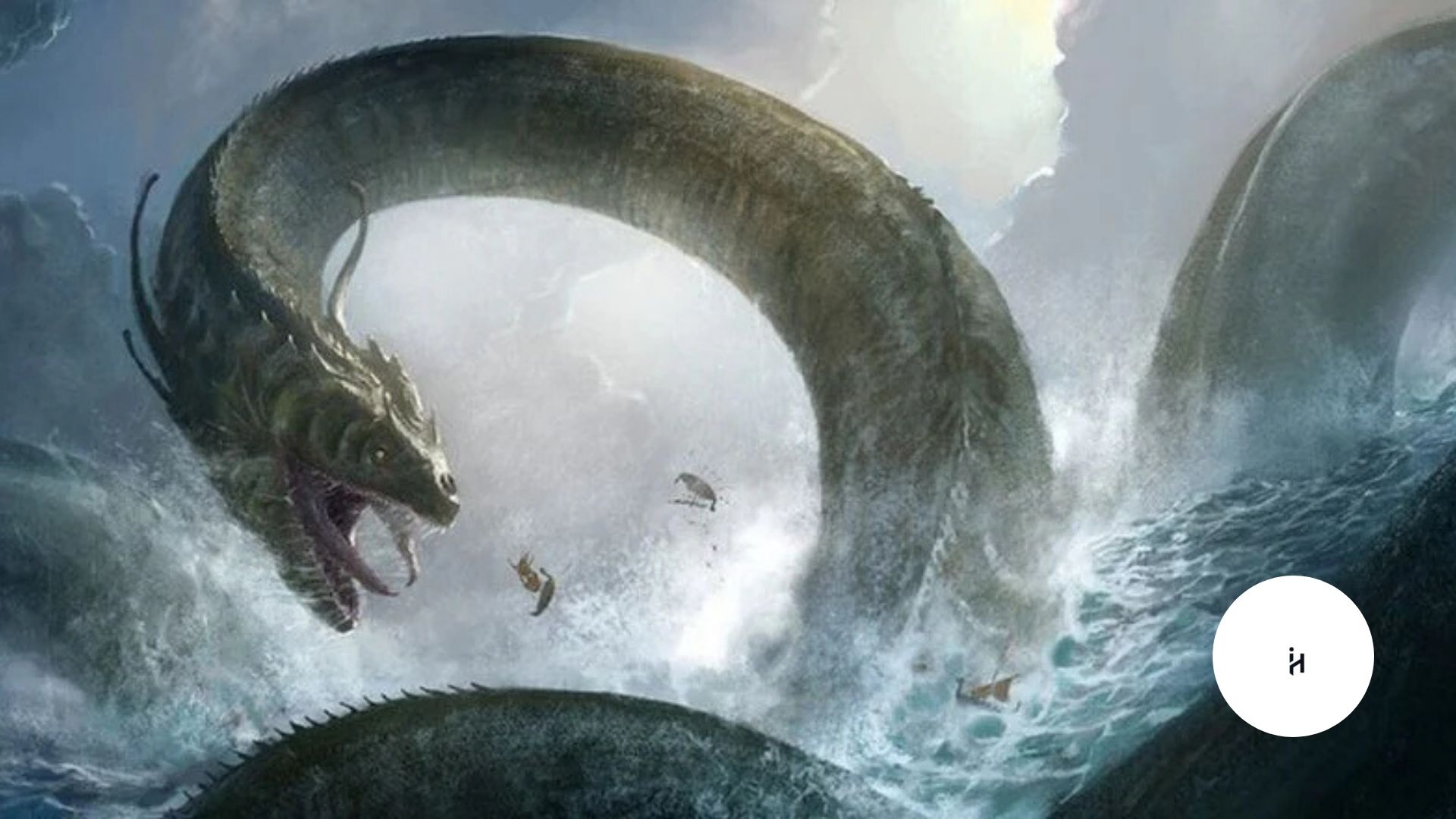
Over time, Jörmungandr grew so large that it could encircle the entire world and bite its own tail, creating a perfect ring around Midgard. This image of the serpent swallowing its tail represents infinity and the eternal cycle—a concept present in many ancient cultures.

This origin story establishes Jörmungandr as not merely a beast but a force of nature, destined to influence the events of the cosmos.

Jörmungandr’s Role in Norse Cosmology

In the Norse cosmos, the world is divided into several realms connected by Yggdrasil, the World Tree. Midgard is the realm of humans, and it is surrounded by an impassable ocean. In this ocean lives Jörmungandr, acting as a natural boundary and symbolic guardian.

The presence of Jörmungandr in the ocean is not just literal; it has metaphorical importance. It stands for the uncontrollable forces of nature—deep waters, storms, and the unknown that threatens civilization. Its ever-present form around the world also suggests that chaos is always at the edge of order.

Additionally, the serpent’s tail-in-mouth posture mirrors the Ouroboros, another mythical symbol of self-reflection, wholeness, and cyclicality—highlighting Jörmungandr’s broader symbolic role in Norse cosmology.

Jörmungandr and Thor: The Eternal Rivalry

One of the most famous tales involving Jörmungandr is its rivalry with Thor, the thunder god. Their enmity is depicted in several myths, the most notable being the fishing trip of Thor. In this myth, Thor ventures out to sea with the giant Hymir and uses an ox head as bait. He hooks Jörmungandr, and a colossal struggle ensues.

Just as Thor is about to strike a fatal blow with his hammer Mjölnir, Hymir cuts the line, fearing the end of the world. The serpent disappears back into the depths, and the battle remains unresolved.

This story is not only thrilling but also symbolic. Thor, a god of order and protector of mankind, constantly clashes with Jörmungandr, a creature of chaos. Their rivalry represents the ongoing battle between structure and disorder in Norse thought.

The Symbolism Behind Jörmungandr

Jörmungandr is more than just a mythological beast; it is loaded with symbolism. Its image of a serpent encircling the earth portrays the cyclical nature of existence. Life, death, and rebirth are recurring themes in Norse mythology, and Jörmungandr embodies them perfectly.

The serpent’s connection with the sea also symbolizes the mysterious, often dangerous power of nature. In many cultures, serpents represent knowledge, transformation, and eternity—Jörmungandr encapsulates all of these, acting as a bridge between chaos and the divine.

Its struggle with Thor further enriches its meaning. It’s not just a battle between god and beast, but a cosmic balance between opposing forces—where neither can fully conquer the other until Ragnarök.

Jörmungandr

Jörmungandr in Ragnarök – The End Times

Ragnarök is the Norse apocalypse, a prophecy of doom and renewal. During this great battle, Jörmungandr emerges from the sea, causing massive floods and devastation. Thor faces him once more, and this time, the fight ends in mutual destruction. Thor slays the serpent, but after walking nine steps, he succumbs to the venom released by Jörmungandr.

This event marks the end of both characters and symbolizes the collapse of old powers. The death of Jörmungandr is a turning point in Norse mythology, after which the world is submerged and reborn.

Thus, the serpent’s death is not just tragic but transformative—paving the way for a new cycle of life.

Historical Interpretations of Jörmungandr

Historians and scholars have long studied Jörmungandr for its cultural and spiritual implications. Some view it as a personification of natural disasters like tsunamis or sea storms, while others see it as a representation of cyclical time.

The image of a serpent biting its tail has appeared in many ancient cultures—from the Greek Ouroboros to Egyptian and Hindu traditions. This suggests that Jörmungandr is part of a wider archetype of world serpents that signify continuity and eternity.

In Viking culture, Jörmungandr may also have served as a symbol of fear and awe toward the ocean, which was both a lifeline and a danger for seafaring Norsemen.

Depictions of Jörmungandr in Norse Art

Jörmungandr has been portrayed in many runestones, carvings, and manuscripts from the Viking Age. One of the most common artistic depictions shows it encircling the earth or facing off against Thor with Mjölnir raised.

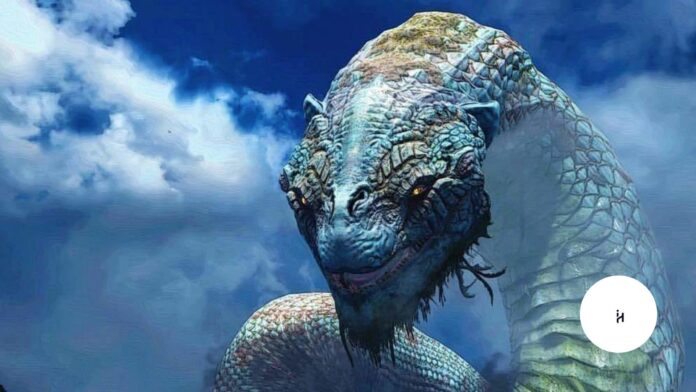
In the 13th-century Prose Edda by Snorri Sturluson, Jörmungandr features prominently, helping preserve the serpent’s legend for generations. Artistic depictions emphasize its massive size, serpent body, and sometimes even include details like its poisonous breath or glowing eyes.

These images not only bring Jörmungandr to life but also serve as a testament to the Norse people’s respect and fear for the forces of nature it represents.

Jörmungandr in Modern Culture

Today, Jörmungandr continues to inspire art, literature, and pop culture. From video games like God of War, where it is portrayed as an ancient and wise creature, to Marvel Comics, where it clashes with Thor, the serpent has become an enduring symbol.

The fascination with Jörmungandr reflects modern society’s continued interest in mythological archetypes. Whether as a symbol of environmental chaos, a video game boss, or a tattoo design, the Midgard Serpent lives on in many forms.

Its appearance in popular media shows how timeless these myths are, continuing to resonate with new generations.

Jörmungandr

Comparing Jörmungandr to Other Mythical Serpents

Across cultures, similar serpentine figures emerge. In Hindu mythology, the serpent Vasuki wraps around Mount Mandara. In Greek lore, Python is a massive serpent slain by Apollo. The concept of a world serpent is universal.

Jörmungandr stands out for its direct interaction with gods, its apocalyptic destiny, and its oceanic habitat. While other serpents may guard treasures or represent evil, Jörmungandr is more nuanced—a necessary element in a cosmic balance.

This comparison shows the unique role Jörmungandr plays in myth, both as a destructive force and a symbol of unity and eternity.

The Legacy of Jörmungandr in Norse Myth

The tale of Jörmungandr is not just a myth—it’s a lesson in humility, power, and the inevitability of change. The serpent’s life, from its birth to its climactic death, is deeply tied to the fate of gods and the renewal of the world.

Its presence in Norse legends reinforces the cyclical nature of life and the power of nature over even the gods. Jörmungandr serves as a reminder that no force, divine or mortal, can escape the pull of destiny.

Its legacy continues to inspire, reminding us that mythology is not just about gods and monsters—but about understanding our place in the universe.

Final Thoughts: What Jörmungandr Teaches Us Today

As a mythological figure, Jörmungandr challenges our modern perceptions of good and evil, chaos and order. It is not simply a villain to be defeated, but a force to be understood. Its endless loop around Midgard reflects the cycles we experience in life—struggles, transformations, and eventual rebirth.

The story of Jörmungandr is more relevant than ever. In an age of climate change, social upheaval, and renewal, this ancient serpent reminds us that destruction can lead to regeneration, and chaos can birth clarity.

Understanding Jörmungandr offers timeless insights that stretch far beyond Norse mythology—into the very heart of human experience.