Home Blog Page 415

Tristan da Cunha: Hidden Island in the South Atlantic

0
Tristan da Cunha

Nestled deep in the South Atlantic Ocean, Tristan da Cunha is the most remote inhabited island on Earth. Located over 2,400 km from the nearest inhabited land (Saint Helena), this volcanic island is part of a British Overseas Territory and home to just around 250 residents. Life here is completely unique—marked by self-sufficiency, communal living, and stunning natural landscapes. This blog will take you on a journey through the history, culture, geography, and current lifestyle of Tristan da Cunha, giving you an in-depth look at one of the world’s most isolated communities.

Geographical Location of Tristan da Cunha

Situated in the South Atlantic Ocean, Tristan da Cunha lies approximately halfway between South America and Africa. It is part of a volcanic archipelago that includes several smaller islands, such as Inaccessible Island and Nightingale Island.

The main island, Tristan da Cunha, spans about 98 square kilometers. Despite being located in such a remote part of the world, it remains under British governance. Its geographical remoteness has shaped every aspect of life here, from food sources to transportation.
Tristan da Cunha

Due to its volcanic origin, the island has a rugged and mountainous terrain, dominated by Queen Mary’s Peak, which rises to over 2,000 meters. The unique geography supports diverse birdlife and marine species, making it an ecological treasure.

A Brief History of Tristan da Cunha

The island was first sighted in 1506 by Portuguese explorer Tristão da Cunha, after whom it is named. Despite its early discovery, it remained uninhabited for centuries due to its hostile and remote environment. The first permanent settlement occurred in the early 1800s, when a few British settlers established homes on the island.

In 1816, the British formally annexed the island, partly to prevent it from being used as a base for any potential rescue of Napoleon Bonaparte, who was imprisoned on nearby Saint Helena. Over the years, the community grew slowly, mainly through intermarriage, resulting in a close-knit population with shared ancestry.

The island’s isolation was temporarily disrupted in 1961 when a volcanic eruption forced the entire population to evacuate to the UK. They returned in 1963, rebuilding their homes and way of life. This brief historical account of Tristan da Cunha provides insight into its resilient community.

Population and Culture

The population of Tristan da Cunha hovers around 250 people, most of whom are descendants of just a few original families. The primary language is English, and the cultural roots are deeply tied to British traditions. However, the isolated setting has led to the development of unique customs and dialects.

Residents often share resources and participate in communal farming and fishing. There’s a deep sense of cooperation, and property ownership is rare—land is communally managed. Religious practices also play a significant role, with the Anglican Church being the main institution.

Cultural events include traditional dance, storytelling, and locally produced crafts. Despite having satellite internet and limited phone access, modern influences are minimal. Life here revolves around community and sustainability, making Tristan da Cunha a model of cooperative living.

The Climate and Environment

Tristan da Cunha has a mild, wet oceanic climate. Summers are cool and winters are relatively mild, with temperatures rarely falling below freezing. Rainfall is common year-round, which supports lush greenery and agricultural activities.

The island is a haven for wildlife, including several species of seabirds and marine animals. Conservation is a key concern, with much of the surrounding area designated as nature reserves. The isolated location means invasive species have had little chance to disturb the natural ecosystem.

Climate change, however, poses threats in the form of rising sea levels and potential habitat loss. Yet, Tristan da Cunha remains committed to environmental protection through local and international collaborations.

Flora and Fauna of Tristan da Cunha
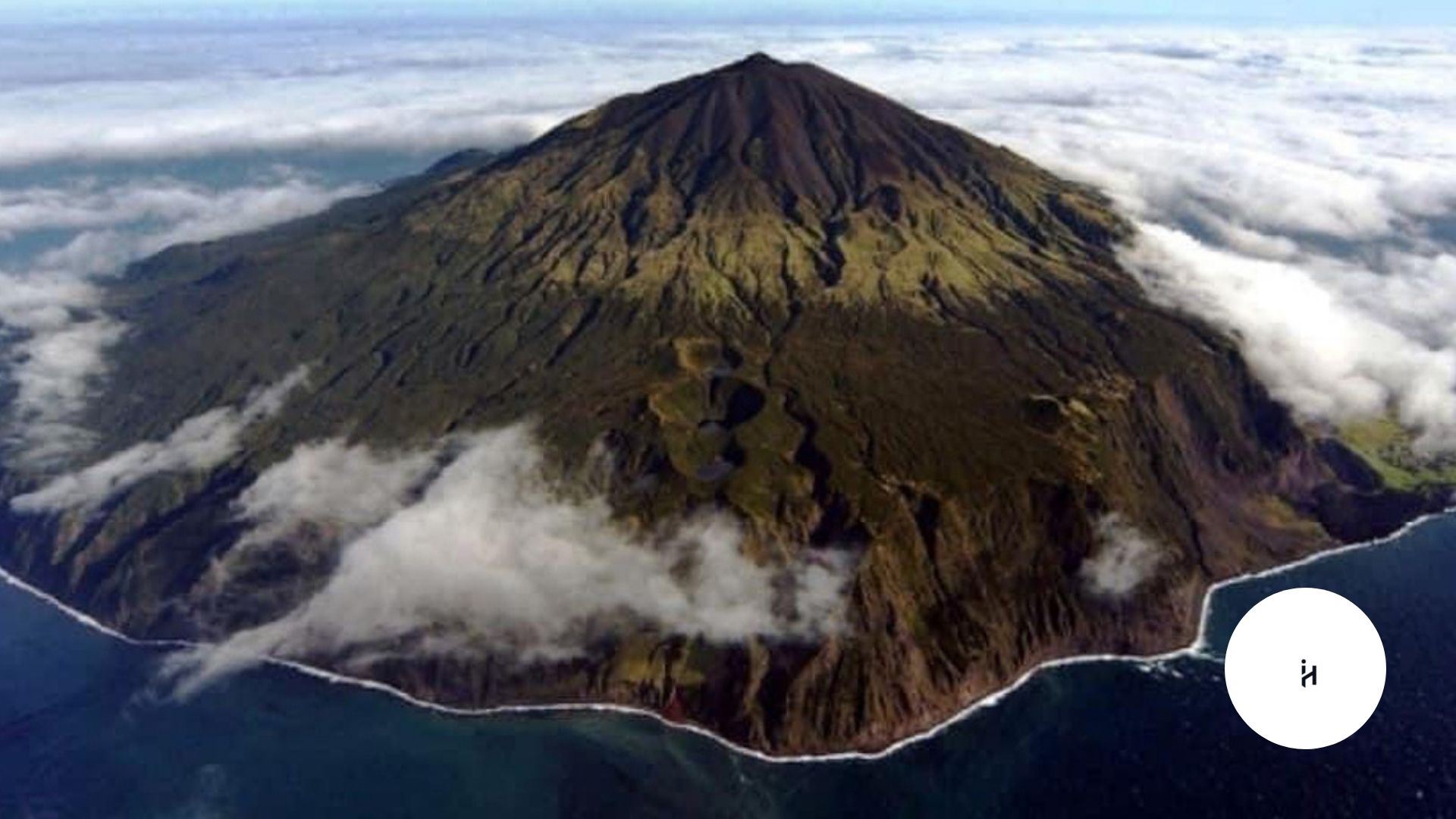
Tristan da Cunha

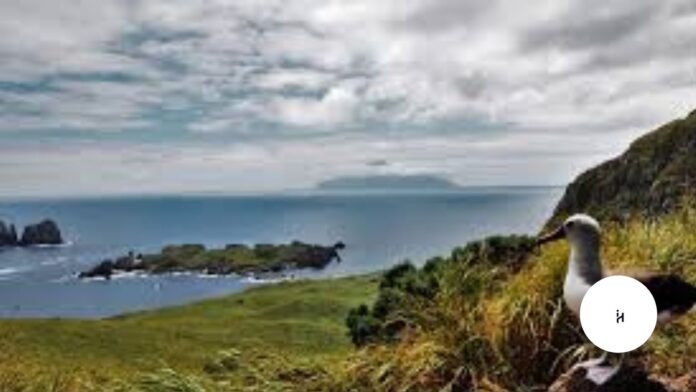
The island’s isolation has resulted in a unique ecosystem with many endemic species. One of the most notable is the Tristan Albatross, which nests only on this archipelago. The surrounding waters teem with seals, penguins, and a variety of fish species.

Flora includes native grasses, mosses, and lichens. Inaccessible Island, part of the archipelago, is a UNESCO World Heritage Site due to its pristine condition and biological significance.

Efforts to preserve this biodiversity are ongoing, with strict regulations on fishing and tourism. The rich natural life adds another layer of charm and importance to Tristan da Cunha.

Life on the Island Today

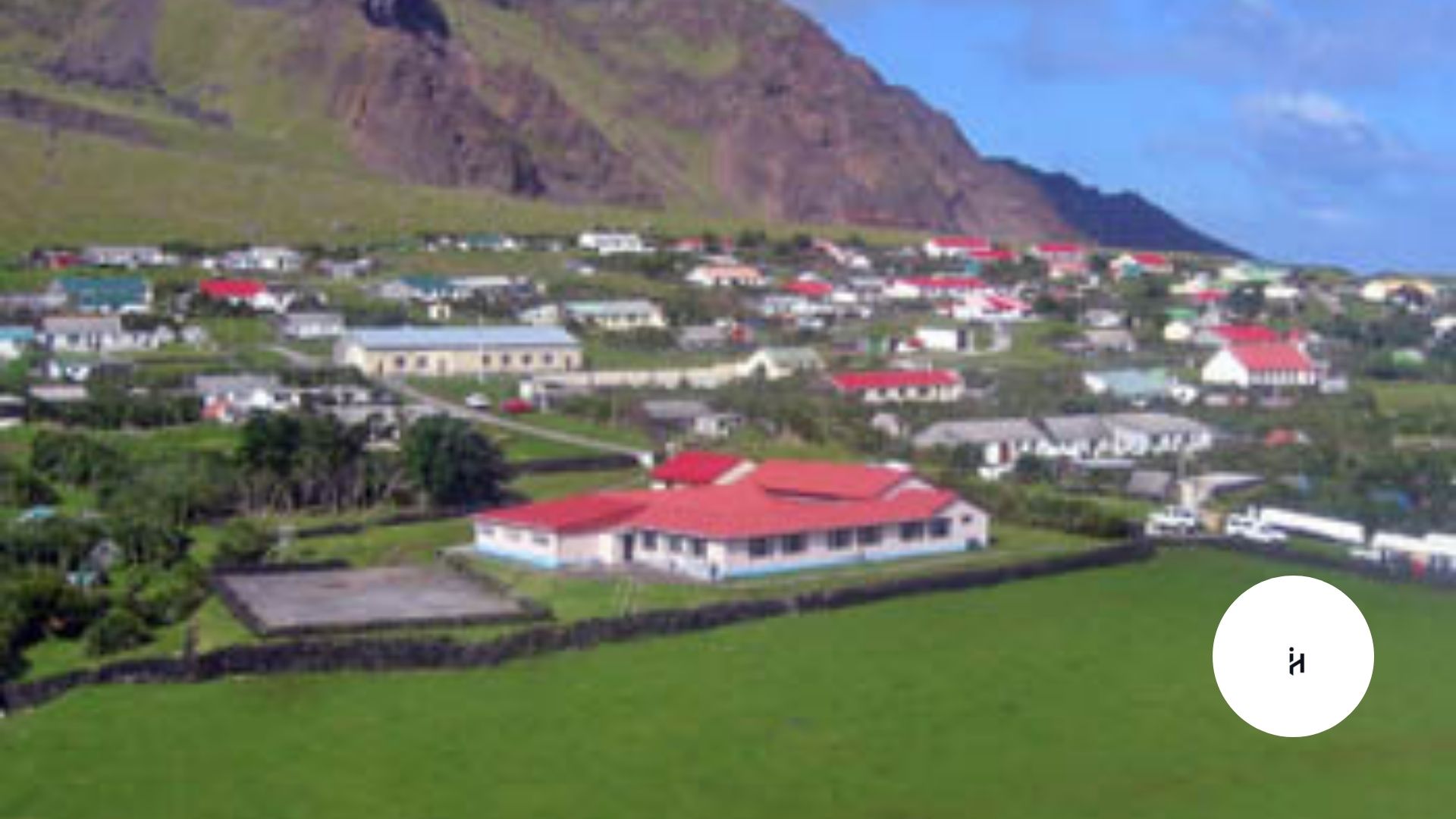
Daily life on Tristan da Cunha is centered around farming, fishing, and community engagement. The island has one settlement, Edinburgh of the Seven Seas, where all the residents live.

There are no airports—only a few ships make the journey each year from Cape Town, South Africa. Electricity is available via diesel generators, and homes are modest but functional. Residents grow potatoes, raise livestock, and fish for lobsters to support the local economy.

Medical care is limited but available, and education is provided up to secondary level. The island’s remoteness fosters a strong sense of community, and crime is virtually nonexistent. Tristan da Cunha offers a peaceful yet isolated lifestyle rarely found elsewhere.

Economy and Livelihoods

The economy of Tristan da Cunha relies heavily on fishing, especially the export of Tristan rock lobster. This export supports the island’s financial stability, along with some income from philatelic sales and limited tourism.

Government subsidies and support from the UK help fund public services, including education and healthcare. The people of Tristan da Cunha also engage in subsistence agriculture to maintain food security.

With no banks or commercial shops, trade and bartering are common practices. Despite economic limitations, the islanders have built a resilient system that thrives on cooperation.

Transportation and Connectivity

Getting to Tristan da Cunha is a challenge. The only way to reach it is by sea, typically on a seven-day voyage from Cape Town. There are no airstrips or helicopters.

On the island, transport consists of a few dirt roads and vehicles, primarily for farming and medical emergencies. Internet and phone connectivity exist but are slow and unreliable. Satellite communication is improving gradually, but residents remain largely offline.

This logistical difficulty contributes to the mystique and untouched charm of Tristan da Cunha, while also making modernization a complex issue.

Tourism on Tristan da Cunha
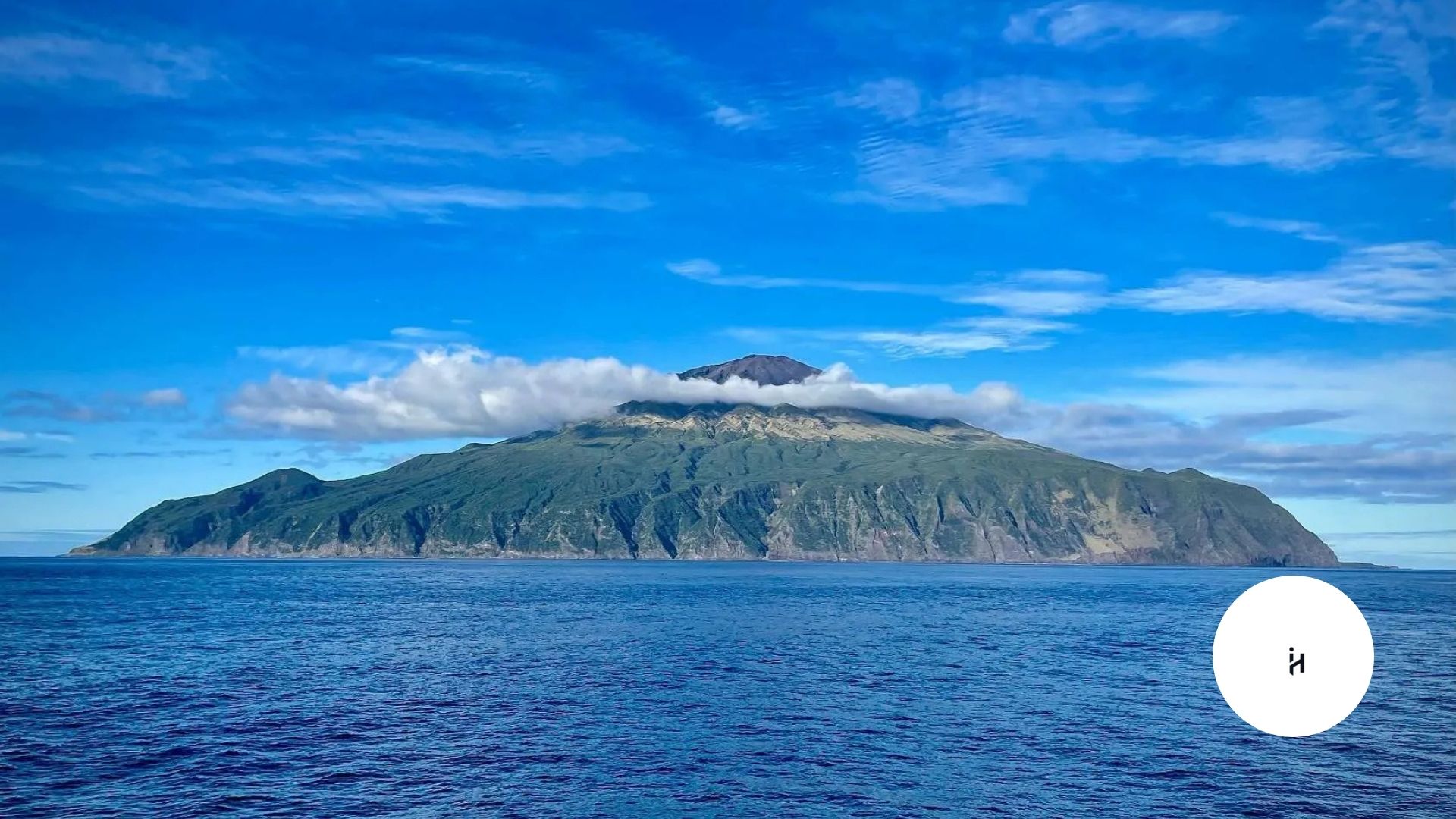
Tristan da Cunha

Tourism is limited but possible. Only a few hundred tourists visit annually, usually via cruise ships or research expeditions. Visitors must obtain special permission from the island’s government and plan months in advance.

Attractions include hiking Queen Mary’s Peak, birdwatching, and experiencing local culture. Accommodations are modest, and guided tours are often led by locals.

Tourism is carefully controlled to prevent environmental degradation and preserve the unique lifestyle of the island. For adventurous travelers, Tristan da Cunha offers a truly off-the-grid experience.

Challenges of Living on Tristan da Cunha

Living in isolation comes with its challenges—limited medical services, scarce supplies, and restricted access to education and jobs. Emergency evacuations require lengthy planning and coordination.

Weather conditions often delay shipments, and fresh food is a luxury. The community also faces the pressure of population decline, as younger generations consider moving away for education and employment.

Nonetheless, the residents of Tristan da Cunha continue to adapt, maintaining their traditions while slowly integrating necessary advancements.

Future of Tristan da Cunha

The future of Tristan da Cunha depends on its ability to balance tradition and sustainability with modern needs. Projects are underway to improve connectivity, education, and healthcare.

Conservation efforts are expanding, with support from global environmental organizations. The island aims to remain self-sufficient while protecting its biodiversity and unique culture.

As climate and global trends evolve, Tristan da Cunha serves as a living example of community resilience and harmony with nature—a place where time seems to stand still but survival demands innovation.
Is a Snozzberry Real or Just a Fictional Fruit?

0
Is a Snozzberry Real

The question, “Is a snozzberry real?” has puzzled readers, linguists, and pop culture enthusiasts for decades. First introduced in Roald Dahl’s whimsical world, the term “snozzberry” sounds like a fruit but feels like fantasy.

But is there any truth to it? Is a snozzberry real, or is it just a clever fabrication? This blog dives deep into the origins, interpretations, and real-life associations of the word to answer once and for all whether the snozzberry actually exists.

From childhood books to adult controversies, the snozzberry has taken on many meanings. Let’s explore where it comes from, what it might symbolize, and whether you can find one in the wild.

What Is a Snozzberry? Origin of the Word

Is a Snozzberry Real

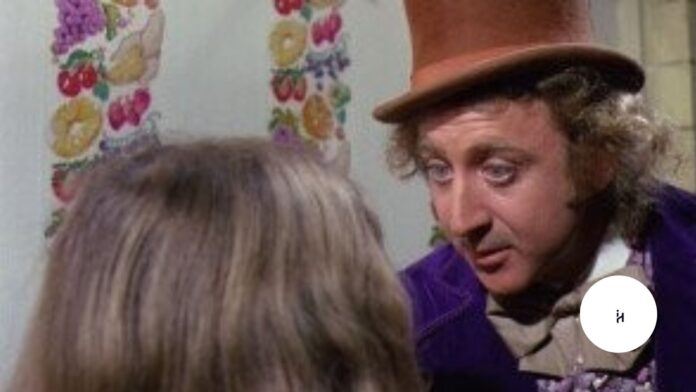
The keyword “is a snozzberry real” finds its roots in literary fiction—specifically, Roald Dahl’s “Charlie and the Chocolate Factory.” Dahl introduced the term “snozzberry” as part of the whimsical landscape of Willy Wonka’s magical chocolate factory, where everything, including the wallpaper, was edible. Kids would lick the wallpaper and taste fruits, one of which was the “snozzberry.”

This peculiar name immediately caught attention due to its uniqueness. Unlike apples, bananas, or cherries, the snozzberry has no botanical origin or visual representation. It existed purely in the magical narrative of Dahl’s imagination. The question “Is a snozzberry real?” becomes more complicated when we realize that Dahl reused the term in a different book with a very different meaning. That’s where the controversy begins—but more on that later.

Roald Dahl’s Role: Literary Imagination or Hidden Meaning?

Roald Dahl was known for his creative use of language. He coined dozens of words like “Oompa Loompa,” “scrumdiddlyumptious,” and of course, “snozzberry.” These terms charmed children and amused adults. But was Dahl hiding a secret meaning in “snozzberry”?

Some claim that in Dahl’s later work, particularly “My Uncle Oswald,” the term “snozzberry” took on an adult connotation. There, it referred to male genitalia, adding a layer of adult humor that shocked many readers upon discovery. This has led some to believe that the snozzberry was never a real fruit but a joke for grown-ups hidden in plain sight.

So, is a snozzberry real? In the context of children’s literature, it’s a delightful fictional fruit. In adult fiction, it becomes a metaphor. Either way, Dahl’s use of the word adds to its intrigue.

Etymology and Word Construction: Could It Be Real?

Let’s dissect the word “snozzberry.” It appears to be a compound of “snozz” and “berry.” While “berry” clearly indicates a fruit, “snozz” doesn’t refer to anything concrete—unless you consider British slang, where “snozz” can mean “nose.” That would make a “snozzberry” a nose-berry, which doesn’t sound very appetizing.

Yet, people continue to ask: is a snozzberry real? Linguistically, it follows the pattern of real fruits like “blueberry” or “raspberry.” This is why some readers initially assume it’s a rare or exotic berry they’ve never encountered before.

The combination is whimsical and believable enough to pass as a fruit—at least in fiction. But no scientific classification or botanical record exists to support its reality.

Snozzberries in Pop Culture and Memes

Is a Snozzberry Real

Since its literary debut, the word “snozzberry” has made its way into pop culture. Memes, T-shirts, and movie references have kept the term alive. The most famous pop culture moment came when Johnny Depp’s Willy Wonka licks the snozzberry wallpaper in Tim Burton’s 2005 film adaptation.

Social media platforms often circulate jokes asking, “Is a snozzberry real?” in reference to the now-infamous double meaning. It has become a symbol for absurdity, childhood imagination, and hidden adult themes—all rolled into one word.

This wide cultural usage only deepens the mystery: is a snozzberry real, or are we all in on the joke?

Botanical Investigations: Any Fruit Like a Snozzberry?

To answer “Is a snozzberry real?” botanically, we look to nature. There is no documented fruit called a snozzberry in any known agricultural or scientific texts. However, nature does offer berries that sound fictional—like salmonberries, cloudberries, and boysenberries.

Could the snozzberry be a playful amalgam of such exotic fruits? Possibly. But without tangible evidence or specimens, it’s safe to say the snozzberry has no real-life equivalent. No botanist has ever found one, and no farmer has grown one.

It remains an imagined fruit—delightful, yes, but not edible in real life.

The Controversy from “My Uncle Oswald”

Roald Dahl’s book “My Uncle Oswald” changed everything. In this adult novel, Dahl reuses the term “snozzberry” but with an entirely different meaning—a euphemism for male genitalia.

This revelation caused waves of criticism and reinterpretation of his earlier works. Parents began to question whether the children licking “snozzberry” wallpaper was an inappropriate innuendo. Dahl fans were split—some called it literary genius, while others found it tasteless.

This dual usage complicates the question “Is a snozzberry real?” It’s both a fake fruit and a controversial metaphor.

Fan Theories and Internet Speculation

Online forums like Reddit and fan sites have explored the question: “Is a snozzberry real?” Some suggest it might represent a drug, a hidden message, or even be an allegory for consumerism and desire.

Is a Snozzberry Real

Others dismiss the adult meaning entirely and defend it as nothing more than creative nonsense. These debates fuel the term’s lasting appeal and keep it alive in internet lore.

The snozzberry continues to capture the imagination of conspiracy theorists and literary fans alike. Whether it’s real or not seems less important than what it symbolizes.

Willy Wonka’s World: Fantasy vs Reality

Willy Wonka’s world is filled with wonders: chocolate rivers, edible flowers, and yes, snozzberry wallpaper. In this context, asking “Is a snozzberry real?” is like asking whether a chocolate waterfall could exist.

It doesn’t matter if it’s real—what matters is how it makes you feel. The snozzberry symbolizes pure imagination, just like the rest of Wonka’s factory. It exists not in nature, but in our shared cultural consciousness.

Educational and Literary Impact

Despite the controversy, Roald Dahl’s use of language—including the snozzberry—has been praised in educational circles for expanding children’s vocabulary and imagination. Teachers often use his books to introduce students to literary creativity.

When children ask, “Is a snozzberry real?” educators have a golden opportunity to explain metaphor, satire, and fiction. This opens the door to a more nuanced understanding of literature.

Thus, the snozzberry, real or not, plays a vital role in literary education.

Can You Make a Snozzberry-Inspired Dish?

Interestingly, some chefs and food bloggers have created “snozzberry-inspired” dishes. These usually involve a mixture of berries like blueberries, raspberries, and strawberries to replicate what they imagine a snozzberry might taste like.

Smoothies, tarts, and jams have been labeled “snozzberry” for novelty. So while you can’t pick one from a bush, you can certainly create your own.

This adds a fun, creative twist to the question: “Is a snozzberry real?” No—but it can still taste delicious in your imagination and your kitchen.

Final Verdict: Is a Snozzberry Real?

After all the analysis, research, and exploration, here’s the verdict: No, a snozzberry is not real in the botanical sense. It is a fictional fruit invented by Roald Dahl, with both innocent and controversial meanings depending on the context.

Yet its cultural impact, culinary inspiration, and literary relevance make it “real” in a different way. The term has endured for generations and continues to provoke thought and laughter.

So while you won’t find a snozzberry at your local farmer’s market, you’ll definitely find it in the pages of imagination—and maybe on your dessert plate.

Spider Rain Mystery: Spiders Falling from the Sky

0
Spider Rain

Introduction to the Strange Phenomenon of Spider Rain

Imagine walking outside and seeing thousands of spiders drifting through the sky like snowflakes. It sounds like a scene from a horror movie, but it’s real.

This bizarre and creepy event is known as Spider Rain, where massive numbers of spiders descend from the sky or are seen floating through the air. It has startled people in places like Brazil, Australia, and even parts of the United States.

The phenomenon of Spider Rain is not just a myth or internet hoax. It’s a documented natural occurrence, and while it may seem terrifying, there’s a scientific explanation behind it. In this blog, we’ll take a deep dive into how Spider Rain happens, where it has been observed, and what it means for the environment and humans.

What Is Spider Rain? A Natural or Supernatural Event?

Spider Rain

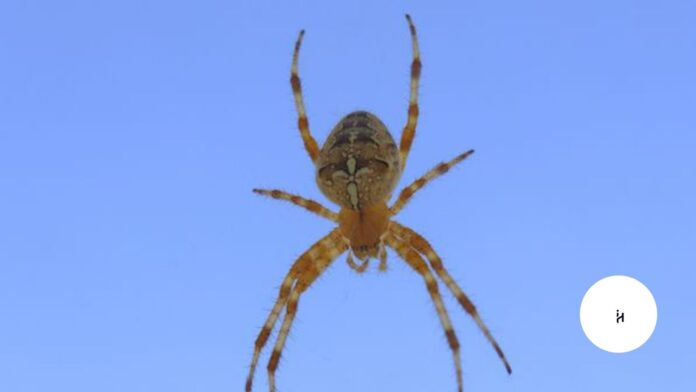
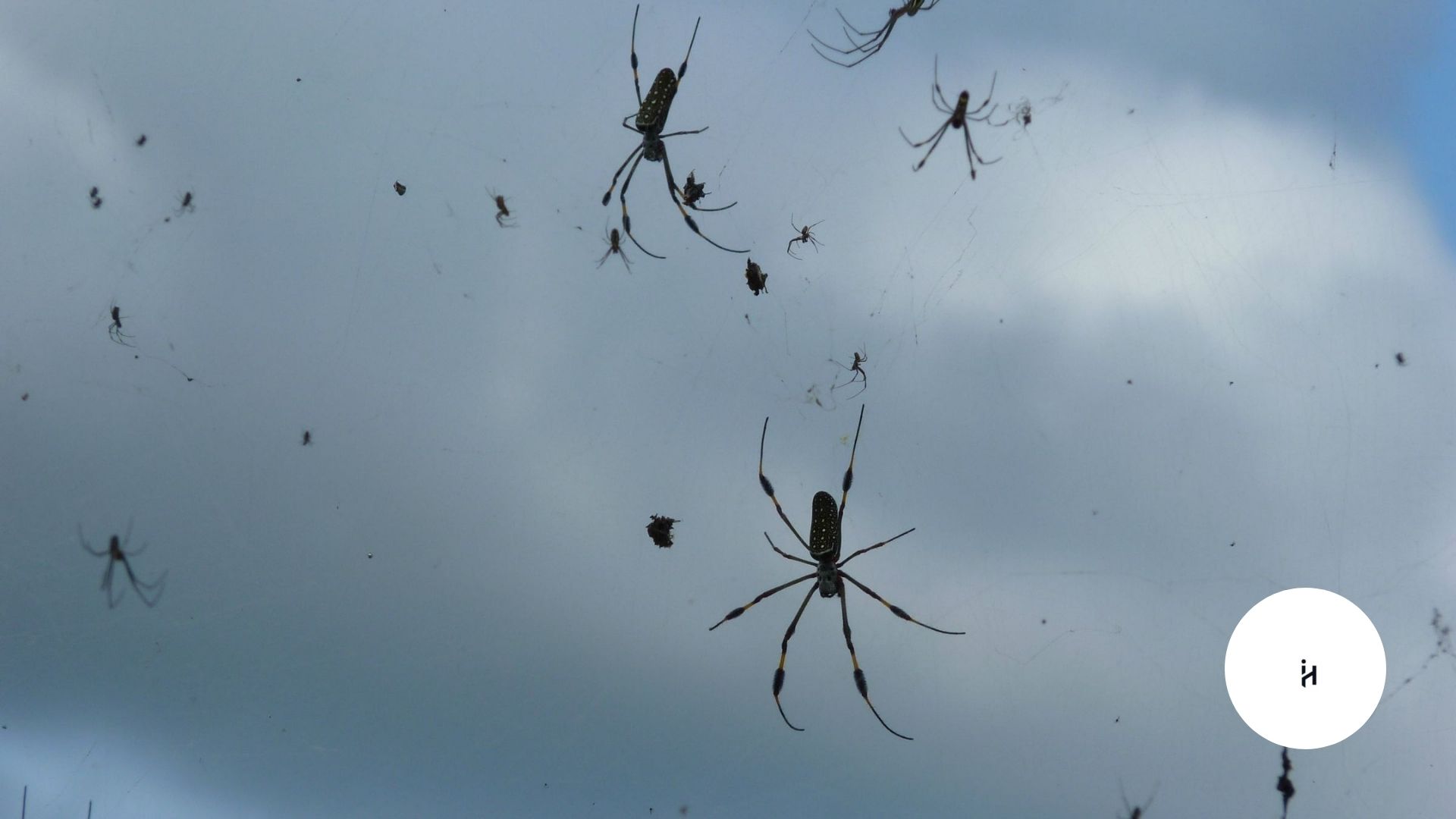
Spider Rain refers to the rare event where large numbers of spiders appear to fall from the sky or cover trees, roads, and fields in dense webs. Often described as a “spider shower,” the phenomenon leaves areas looking like a Halloween set — wrapped in white silk and crawling with tiny eight-legged creatures.

This event is not the result of spiders literally raining down in water droplets. Instead, it is caused by a survival technique called ballooning. Spiders release silk threads into the air, allowing them to catch the wind and travel long distances. During certain weather conditions, especially when it’s warm and windy, thousands of spiders may engage in ballooning at once, creating the illusion of a “rain” of spiders.

The Science Behind Ballooning: How Spiders Take Flight

The most common explanation for Spider Rain lies in ballooning behavior. Small and lightweight spiderlings (and sometimes even adult spiders) use this strategy to move from one location to another, particularly during hatching season or when searching for food.

Here’s how ballooning works:

  1. The spider climbs to an elevated point (like the tip of grass or a fence post).

  2. It lifts its abdomen and releases silk threads into the wind.

  3. Air currents catch the threads and lift the spider off the ground.

  4. The spider then floats through the sky, sometimes for miles.

If thousands of spiders balloon simultaneously, entire regions may appear blanketed by webs — leading people to describe it as Spider Rain. Scientists say this behavior also helps reduce competition for resources by spreading out the population.

Famous Incidents of Spider Rain Around the World

Several cases of Spider Rain have been reported globally, often making headlines and going viral due to their eerie appearance.

1. Goulburn, Australia (2015):

Residents were shocked when black spiders rained from the sky, leaving homes and farms covered in white silk. Locals described it as living in a horror movie.

2. Santo Antônio da Platina, Brazil (2013):

Videos captured thousands of spiders appearing to float in mid-air, clinging to power lines and trees. The footage stunned the internet and brought Spider Rain to global attention.

3. Argentina and Texas:

Similar ballooning events have been reported in these areas, although not as dramatic. Farmers and residents observed dense silk covering the landscape and thousands of tiny spiders roaming freely.

These real-world cases confirm that Spider Rain is not a myth but a remarkable natural occurrence.

Spider Rain

Why Does Spider Rain Happen in Certain Regions?

Spider Rain is more commonly seen in warm, humid regions with open fields and minimal urban interference. The most favorable conditions for ballooning include:

  • High temperatures

  • Low wind speeds with upward drafts

  • Open, treeless landscapes

Regions like Australia, Brazil, and rural parts of the US are perfect habitats for spider species that exhibit ballooning behavior. These spiders are typically from the Linyphiidae family, known for creating massive, shared webs during such events.

Is Spider Rain Dangerous to Humans?

Despite its frightening appearance, Spider Rain is not usually dangerous to humans. The species involved in ballooning events are typically small and harmless. Most are not venomous, and their silk is not sticky like that of orb-weavers.

However, the sight of thousands of spiders can trigger arachnophobia (fear of spiders) in some people. In extreme cases, it can also affect livestock or crop areas by smothering plants, although this is rare.

So while Spider Rain may look scary, it poses minimal threat to human safety.

How the Media and Internet React to Spider Rain

When videos or photos of Spider Rain events surface, they often go viral. Media outlets use sensational headlines like “Spiders Falling from the Sky” or “Spider Apocalypse” to grab attention. Social media users share the content with a mix of horror and fascination.

Unfortunately, this coverage can also spread misinformation, making people believe spiders are raining like water or that it’s a sign of the apocalypse. Scientists often step in to clarify that these are natural ballooning events, not doomsday signs.

Nonetheless, the viral nature of Spider Rain continues to fuel myths and curiosity online.

Cultural Myths and Beliefs About Spider Rain

Throughout history, unusual weather phenomena have inspired myths — and Spider Rain is no exception. In some cultures:

  • Spider Rain is seen as a bad omen or a warning from nature.

  • Others believe it symbolizes change or rebirth, as spiders are often linked to creativity and patience.

In folklore, spiders are considered magical creatures, capable of moving between worlds. Seeing them “descend from the heavens” adds a mystical aura to an otherwise scientific event.

These cultural interpretations often deepen the fear or wonder associated with Spider Rain.

Spider Rain

Can We Predict When Spider Rain Will Happen?

Meteorologists and biologists can’t precisely predict Spider Rain, but they can estimate when ballooning is likely. Key signs include:

  • Warm spring or summer weather

  • Light winds

  • Spider hatching season

  • Web buildup in trees and fields

While not as trackable as a weather system, a combination of environmental cues can alert researchers and locals to the possibility of ballooning events — potentially preventing panic when Spider Rain occurs.

Environmental Impact of Spider Rain Events

Spider Rain can have unexpected positive impacts on the environment. For instance:

  • Natural pest control: Spiders eat harmful insects and keep ecosystems balanced.

  • Biodiversity spread: Ballooning allows spiders to colonize new areas and support ecological health.

While their silk may temporarily blanket the land, it decomposes quickly and poses no environmental hazard. Some farmers even welcome the spiders as natural pest fighters, especially in organic agriculture.

Final Thoughts: Embracing the Wonder of Spider Rain

Though it may send shivers down your spine, Spider Rain is a remarkable display of nature’s complexity. Understanding it helps replace fear with fascination. This phenomenon is not a supernatural curse or apocalyptic warning — it’s simply a brilliant survival strategy by one of nature’s most adaptable creatures.

Next time you hear about Spider Rain, don’t panic. Look closer, learn more, and marvel at the strange and beautiful ways life moves through our world.

Masters of the Air: WWII Drama Brought to Life

0
Masters of the Air

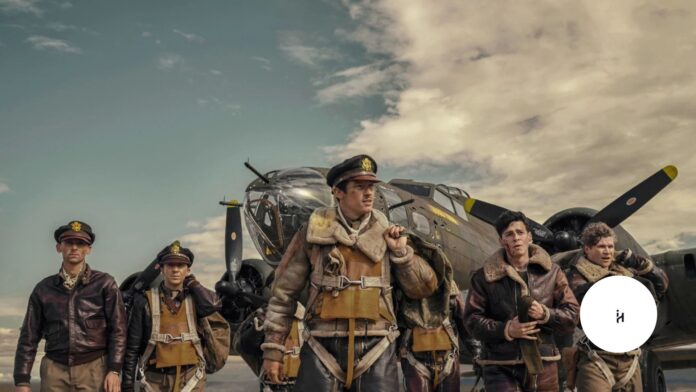
Masters of the Air” is an American war drama miniseries that captures the heroic and harrowing experiences of the Eighth Air Force during World War II. Created by the legendary duo Steven Spielberg and Tom Hanks, the series is based on the 2007 book by historian Donald L. Miller.

Following the success of “Band of Brothers” and “The Pacific,” this new Apple TV+ series takes the narrative to the skies, depicting the brutal air campaigns over Nazi Germany.

With stunning visuals, deep character development, and historical accuracy, “Masters of the Air” is not just another war series—it’s a cinematic tribute to courage and sacrifice. This blog provides a complete breakdown, from historical facts to cast and episode details.

The Storyline: What Is Masters of the Air About?

Masters of the Air

“Masters of the Air” focuses on the real-life missions of the 100th Bomb Group, nicknamed the “Bloody Hundredth.” Stationed in England, this group of American aviators flew B-17 Flying Fortress bombers into enemy territory. The storyline delves into both their professional challenges and personal struggles.

The series offers a deep emotional connection with its characters. We see the young men laugh, love, grieve, and fight—not just against the enemy but also the extreme weather, altitude, and emotional toll of continuous loss. The plot unfolds with authentic pacing, giving viewers enough time to connect with the main characters and understand their emotional arc.

The narrative stays true to Donald L. Miller’s book while adding cinematic drama to heighten the stakes. The battles are intense, and the consequences are real. This storyline is not fictional—it’s rooted in the bravery of real men who risked everything.

“Masters of the Air” is more than just a tale of combat; it’s about resilience, leadership, and camaraderie. For those who love historical dramas or are fans of “Band of Brothers,” this series offers an equally compelling, yet uniquely airborne, perspective of World War II.

The Historical Context: WWII and the 100th Bomb Group

The 100th Bomb Group was part of the Eighth Air Force, stationed in Thorpe Abbotts, England. This unit flew strategic bombing missions deep into Nazi-occupied Europe. Their efforts were critical in disrupting German war production and communications.

“Masters of the Air” gives viewers a window into the strategic importance of air warfare. Unlike the ground-based storytelling in “Band of Brothers,” this series elevates the narrative to the skies, focusing on the dangers of high-altitude bombing missions. Planes faced flak explosions, enemy fighter planes, freezing temperatures, and oxygen deprivation—all depicted with painstaking detail in the show.

The 100th Bomb Group earned their nickname due to the heavy losses they suffered. They were involved in some of the deadliest missions of the air war, including bombing raids over Berlin and Schweinfurt.

The series helps educate viewers about lesser-known aspects of WWII. For instance, it explores the transition from American neutrality to full involvement in the European theater, and the strategic bombing doctrine that came with it. In portraying these historical realities, “Masters of the Air” remains both informative and emotionally powerful.

Masters of the Air

Creators and Producers: Spielberg and Hanks at It Again

Steven Spielberg and Tom Hanks are no strangers to war dramas. After collaborating on Saving Private Ryan and Band of Brothers, they’ve returned as executive producers for “Masters of the Air.” Their involvement guarantees authenticity, attention to detail, and high production value.

The duo worked closely with Donald L. Miller, the author of the book, to ensure historical accuracy. With the backing of Apple TV+ and Amblin Television, the production team had both the budget and vision to bring the skies of WWII to life.

Spielberg and Hanks were deliberate in not repeating past formulas. While “Band of Brothers” was grounded and brotherly, and “The Pacific” was brutal and disorienting, “Masters of the Air” is emotionally elevated, cinematic, and intimate despite its aerial scope.

The producers brought in a skilled writing team, headed by screenwriter John Orloff, to adapt Miller’s work. They also focused on getting the flight scenes right—everything from cockpit dialogue to flak explosions was carefully choreographed using CGI and real flight footage.

The result is a production that feels both epic and personal. The Spielberg-Hanks partnership once again delivers a masterpiece of war storytelling.

Main Cast and Character Breakdown


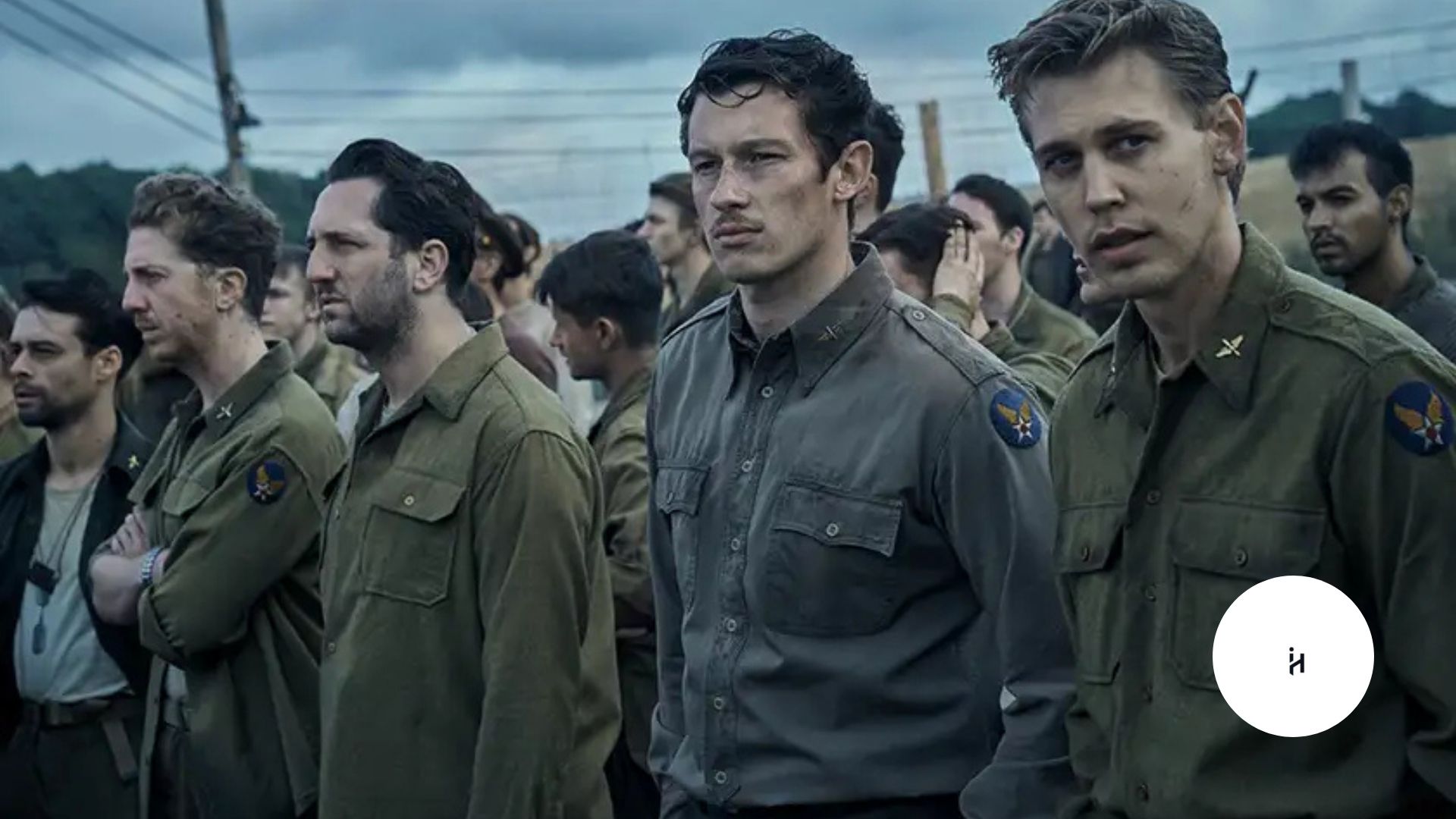
“Masters of the Air” boasts a stellar cast of emerging and established actors. Austin Butler (from Elvis) plays Major Gale “Buck” Cleven, while Callum Turner (from Fantastic Beasts) portrays Major John “Bucky” Egan. Their chemistry drives much of the show’s emotional core.

The cast also includes:

  • Anthony Boyle as Lt. Harry Crosby, the navigator.

  • Barry Keoghan, known for his haunting roles, brings depth to one of the supporting characters.

  • Rafferty Law, Sawyer Spielberg, and Nate Mann round out the ensemble.

Each character is based on a real person. This gives the actors added pressure to honor their historical counterparts. The writing ensures that viewers get more than surface-level portrayals—each character has motivations, backstories, and development arcs.

The actors trained in mock cockpits and studied military procedures to perfect their performances. Many scenes were filmed in tight interiors of recreated B-17s, requiring the cast to fully immerse themselves in the cramped and chaotic environment.

Their performances help the audience connect emotionally with the horrors of air combat and the bonds formed among those who survived it.

Masters of the Air

Cinematic Effects and Visual Style

One of the standout features of “Masters of the Air” is its breathtaking cinematography and CGI. The dogfights, flak bursts, and in-cabin shots are visually stunning and emotionally jarring.

Using the latest VFX technology, the production team recreated the feeling of flying in formation at 25,000 feet. The visuals aren’t overdone; instead, they enhance the realism and heighten the tension.

Camera angles are intentionally intimate. Tight shots inside the B-17s convey claustrophobia, while wide aerial shots show the vastness and vulnerability of flying across enemy territory.

The color grading reflects the mood—dull greys and blues dominate flight scenes, giving a cold, unforgiving atmosphere. In contrast, scenes back at base are warmer but tinged with melancholy.

Practical effects were used wherever possible. Replica aircraft, green screen cockpits, and real explosions added to the authenticity.

“Masters of the Air” proves that war dramas can still push the boundaries of filmmaking while staying grounded in historical reality.