Home Blog Page 414

Drew Barrymore Tattoos: A Look at Her Ink Journey

0
Drew Barrymore Tattoos

Drew Barrymore is more than just a talented actress and talk show host—she is also known for expressing her individuality through body art. The phrase “Drew Barrymore tattoos” has become a trending topic among fans curious about the actress’s personal ink journey. Over the years, Drew has acquired multiple tattoos, each reflecting different phases of her life, emotions, and beliefs.

Tattoos are often deeply personal, and in Drew’s case, her ink tells a story of growth, rebellion, self-love, and family bonds. In this blog, we explore every tattoo she has, from floral designs to script pieces, uncovering the meanings behind each. If you’ve ever searched for inspiration or wondered about the messages behind celebrity tattoos, this deep dive into Drew Barrymore tattoos will leave you inspired and informed.

The Cross Tattoo: A Nod to Faith and Balance

Drew Barrymore Tattoos

One of the earliest known Drew Barrymore tattoos is a small cross on her right leg, just above the knee. This symbol, while commonly associated with Christianity, also represents a personal sense of balance and spirituality for Drew.

The tattoo is subtle and not often seen in her public appearances, but fans have spotted it in candid beach photos and during certain fashion shoots.

The placement of the tattoo might suggest that it’s a grounding reminder—a way to keep her rooted amid the chaos of Hollywood. For Drew, who has spoken openly about her struggles with addiction and fame from a young age, the cross could symbolize a turning point in her life or a way to stay connected to her values.

It’s one of the less flashy Drew Barrymore tattoos, but it speaks volumes about her inner strength and resilience.

The Butterfly Tattoo: Symbol of Transformation

Butterflies are often associated with transformation and growth, and Drew’s butterfly tattoo on her lower stomach perfectly reflects that. Among the many Drew Barrymore tattoos, this one stands out for its universal symbolism. Fans have long interpreted it as a representation of her journey from troubled child star to empowered woman.

She got this tattoo in her youth, and over the years it has become an iconic piece that represents her transition from chaos to clarity. The butterfly is also seen as a symbol of rebirth, freedom, and beauty—all qualities that Drew seems to embody as she matures. It’s a beautiful reminder of how far she’s come, which makes it one of the most admired Drew Barrymore tattoos by her fans.

“BREATHE” Tattoo: A Gentle Reminder to Stay Present

On her left wrist, Drew has the word “BREATHE” inked in capital letters. It’s a simple yet powerful tattoo that has resonated with many of her fans. In interviews, Drew has explained that it serves as a daily reminder to stay calm, stay present, and focus on what really matters.

As someone who has faced intense media scrutiny and personal struggles, this tattoo symbolizes mindfulness and emotional grounding. In the fast-paced world of Hollywood, having a visible reminder like this can be essential. Among all Drew Barrymore tattoos, “BREATHE” is probably the one that fans connect with the most on an emotional level.

Cherubs on Her Lower Back: A Tribute to Her Daughters

One of the most heartwarming Drew Barrymore tattoos is the pair of cherubs on her lower back. This tattoo is widely believed to be a tribute to her two daughters, Olive and Frankie. Cherubs represent innocence, protection, and love—qualities that any mother would wish to wrap around her children.

This tattoo is more than just art—it’s a testament to Drew’s motherhood journey. Having children changed her life, and these cherubs symbolize not just her daughters but the transformation she underwent to become the nurturing and protective mother she is today.

The Moon and Stars Tattoo: Embracing the Cosmos

Drew Barrymore Tattoos

Drew Barrymore’s fascination with celestial symbols is reflected in her moon and stars tattoo, located on her right wrist. This piece adds a mystical touch to the collection of Drew Barrymore tattoos, signifying dreams, feminine energy, and the guiding light through darkness.

Celestial bodies often represent hope and direction. For someone like Drew, who has navigated fame from a young age, these symbols might represent the forces that helped guide her through life’s ups and downs. The placement on the wrist makes it easy to see—perhaps a reminder that no matter how dark it gets, the stars are always there.

The Bird Tattoo: Freedom and Self-Liberation

One of the lesser-seen Drew Barrymore tattoos is the bird tattoo on her right forearm. Birds are often seen as messengers of freedom and change. In Drew’s case, it may signify her breaking free from the expectations of Hollywood, her family name, and public perception.

This tattoo represents Drew’s autonomy—her right to choose her path, her peace, and her pace. The bird could be interpreted as her spirit, always flying toward a better version of herself. It’s a deeply symbolic addition to her ink collection and speaks to the idea of personal evolution.

“Olive and Frankie” Script Tattoo: Eternal Love

In honor of her daughters, Drew also has a beautiful script tattoo that spells out their names: “Olive and Frankie.” This tattoo, which sits close to her heart, is perhaps the most meaningful of all Drew Barrymore tattoos.

By choosing to ink her children’s names, Drew has made a permanent declaration of her love and commitment to them. The elegant font reflects her maternal pride, and every time she sees it, she’s reminded of the most important role she’s ever played—being a mother.

The Heart Tattoo: A Symbol of Unconditional Love

Drew has a small heart tattoo on her arm that symbolizes unconditional love. Simple and elegant, this tattoo might be easy to overlook, but its meaning runs deep. Many believe it’s a reflection of the love she holds for herself and others.

As one of the most classic symbols, the heart in Drew Barrymore tattoos shows her emotional side and her capacity for compassion. It’s a piece that aligns perfectly with Drew’s warm personality and her journey toward self-love and acceptance.

“Home is Where We Are” Tattoo: Defining Family

Among her most recent tattoos is the phrase “Home is Where We Are,” which she got to reflect the closeness she shares with her daughters. This phrase embodies the modern definition of home—not a place, but a feeling of togetherness.

It’s one of the more sentimental Drew Barrymore tattoos, offering a glimpse into how she views life, love, and connection. It speaks to the importance of presence over location and is a perfect mantra for those who value relationships over material things.

Drew Barrymore Tattoos

Personal Symbols and Hidden Ink

Drew Barrymore has hinted in interviews that she may have additional tattoos that are either too personal or too small to be publicly visible. These hidden Drew Barrymore tattoos could include initials, symbolic shapes, or dates that hold special meaning.

Such tattoos remind us that ink doesn’t always need to be shared to be meaningful. For Drew, these might represent secret victories, private memories, or spiritual beliefs. It adds a layer of mystery to her tattoo journey and keeps fans guessing about the full story of her body art.

The Future of Drew Barrymore’s Tattoo Collection

As someone who continues to evolve both personally and professionally, Drew Barrymore may very well add more tattoos in the future. Given her love for self-expression and symbolism, fans are excited to see what comes next in the saga of Drew Barrymore tattoos.

Whether it’s a quote, symbol, or tribute to another important moment in her life, her future tattoos are likely to continue her legacy of personal storytelling. Drew’s tattoos are more than ink—they’re milestones, memories, and mantras written across the canvas of her life.
Exploring the Concept of Ménage à Trois in Modern Times

0
Ménage à Trois

The term ménage à trois evokes curiosity and often stirs up intrigue. Translated from French as “household of three,” it typically refers to a consensual romantic or sexual relationship involving three people. While the idea has existed for centuries, it has gained more visibility and acceptance in today’s society.

This blog explores the concept in depth — covering the origins, relationship dynamics, communication, emotional complexities, and more. Whether you’re simply curious or seriously considering a ménage à trois, this guide will walk you through everything you need to know.

Understanding the Meaning of Ménage à Trois

Ménage à Trois

The phrase ménage à trois traditionally referred to a living arrangement or intimate connection between three adults, often romantic or sexual in nature. Unlike cheating or secret affairs, this arrangement is consensual, with all parties involved being fully aware and accepting of the dynamic.

In modern times, this can mean anything from a one-time sexual encounter to a committed triad relationship. Exploring this setup requires understanding the fluid nature of love, sexual orientation, and emotional capacity. A ménage à trois is not always about sex—it can also involve deep emotional connections and shared responsibilities.

Historical and Cultural Origins of Ménage à Trois

The concept is not new. Historical figures like Lord Byron and even some ancient Chinese dynasties embraced triangular relationships. In 18th-century France, where the term originated, high society often engaged in discreet romantic triads.

Literature and films over the years have romanticized these relationships, contributing to their allure. Cultural perceptions vary—some see it as taboo, while others recognize it as an alternative relationship style. Exploring the cultural evolution of ménage à trois helps us understand how society’s attitudes toward love and sexuality are constantly evolving.

Modern Interpretations and Common Misconceptions

In today’s world, ménage à trois doesn’t always mean a one-night stand. It could be a committed triad, a polyamorous unit, or a casual but recurring dynamic. However, it’s often misunderstood. Many assume it’s just a sexual adventure or that jealousy always ruins it.

In reality, communication, trust, and boundaries play crucial roles in making it work. This section clears up myths and highlights how modern relationships are redefining norms to include consensual non-monogamy, where ménage à trois fits in as one form.

Types of Ménage à Trois Relationships

There are several types of ménage à trois dynamics:

  • Hierarchical Triads: One primary couple brings in a third.

  • Equal Triads: All members are equally connected.

  • Emotional vs. Physical Focus: Some focus on emotional bonds, others on physical intimacy.

  • Closed vs. Open Triads: Some triads are exclusive; others allow relationships outside the triad.

Understanding which type fits your needs is crucial for compatibility and emotional well-being. Regardless of structure, clear agreements and emotional awareness are key in sustaining these relationships.

Psychological and Emotional Dynamics

Ménage à Trois

The emotional side of a ménage à trois is perhaps the most complex. People involved must deal with multiple layers of affection, attention, and emotional needs. Jealousy can arise, but it can be managed through honest dialogue. Emotional fulfillment may increase due to the variety of support and intimacy.

However, without emotional maturity, such arrangements can crumble. Therapy or counseling can be helpful in navigating these waters, especially if one or more partners are new to non-monogamous setups.

Communication and Boundaries in Triadic Relationships

Open and honest communication is the backbone of a successful ménage à trois. Partners need to regularly check in, establish boundaries, and express their needs without fear of judgment. Whether it’s rules about physical intimacy, emotional involvement, or time spent together, clarity prevents misunderstandings.

Trust is built when everyone feels heard and respected. Regular discussions, group meetings, or even using tools like shared calendars can keep everyone on the same page. Consent and clarity transform complexity into harmony.

Sexual Compatibility and Exploration

One of the appeals of a ménage à trois is sexual diversity and exploration. However, it’s vital to ensure that all participants are sexually compatible and comfortable. Not all threesomes lead to satisfaction for everyone if expectations differ.

Discussing preferences, limits, and fantasies in advance ensures mutual respect. Safe sex practices, testing, and open conversations about previous partners are also essential to maintain physical health and emotional security.

Benefits of a Ménage à Trois

Many people in triadic relationships report higher levels of satisfaction due to the emotional and physical variety. There is often a greater pool of support, more shared responsibilities, and enhanced communication skills.

For some, it enriches their understanding of love and deepens their connections. Others appreciate the freedom and openness that a ménage à trois offers. These relationships challenge traditional definitions of love, allowing participants to redefine intimacy on their own terms.

Challenges and Risks to Consider

Ménage à Trois

While ménage à trois relationships can be fulfilling, they come with challenges. Jealousy, imbalance in attention, scheduling conflicts, and social judgment are common hurdles. Additionally, not everyone may be emotionally equipped for such dynamics.

It’s important to anticipate potential issues, maintain empathy, and prioritize mental health. When handled carelessly, these relationships can result in heartache, resentment, or loss of friendships. Preparation, emotional intelligence, and external support can mitigate these risks.

How to Introduce the Idea to a Partner

Approaching the topic of a ménage à trois requires sensitivity. It’s crucial to gauge your partner’s openness and comfort level. Avoid pressure or ultimatums. Start by expressing your curiosity, and listen actively to your partner’s feelings and concerns.

If both are open to the idea, discuss boundaries, reasons for interest, and possible outcomes. It’s often helpful to explore literature, attend workshops, or talk to others who have experience. Creating a safe space for open conversation is key.

Is a Ménage à Trois Right for You?

Choosing to enter a ménage à trois should not be taken lightly. It requires maturity, emotional stability, excellent communication, and mutual consent. Ask yourself:

  • Am I emotionally prepared?

  • Can I manage jealousy?

  • Do I communicate openly?

  • Is my current relationship stable?

This type of relationship isn’t for everyone, and that’s okay. The most important thing is honesty—with yourself and your partners. For those who thrive in non-traditional setups, a ménage à trois can be an enriching and empowering experience.

Brittia: The Mysterious Island of Ancient Legend

0
brittia

Throughout history, certain places have fascinated scholars and explorers due to their mysterious nature and elusive existence. One such place is Brittia, a legendary island referenced in early Byzantine literature.

Described by the historian Procopius in the 6th century, Brittia was believed to lie somewhere near the northwestern coast of Europe—separate from Britain yet eerily similar in name and lore. Though often confused with Britain or Brittany, Brittia stands apart in myth and mystery.

This blog delves deep into the story of Brittia, examining historical texts, analyzing possible locations, and discussing theories that surround this mythical island. From ancient geography to modern interpretations, the island of Brittia continues to puzzle and fascinate historians and enthusiasts alike.

Historical Origins of Brittia

brittia

The tale of Brittia primarily comes from Procopius, a Byzantine historian who wrote about the island in his work The Gothic War. According to him, Brittia was located beyond the Rhine River and was inhabited by Angiloi, Frisians, and Britons. Procopius claimed that the island played a key role in ferrying the souls of the dead, suggesting a strong mythological significance.

Brittia’s mention in ancient literature raises compelling questions about the extent of ancient geographical knowledge and how mythology often blends with real-world elements. While it may seem fictional today, many such islands once considered mythical—like Thule or Atlantis—are often rooted in historical misinterpretations or oral traditions passed through generations.

Procopius described the island as being separated by only a shallow waterway and accessible by boat. His account has led many to speculate that Brittia might be a distorted reference to parts of modern-day Britain, Brittany, or even Heligoland in Germany. Regardless, Brittia occupies a unique space in the intersection between myth and early medieval geography.

The Procopius Account: The Island of Souls

The most fascinating part of Brittia’s story is its supposed role as a passage for the dead. According to Procopius, fishermen and commoners living along the coast were chosen to ferry souls to Brittia. They claimed to see invisible passengers boarding their boats and disembarking in silence.

This eerie narrative has led to comparisons with the Greek myth of Charon, the ferryman of Hades. It also resonates with Celtic traditions surrounding Avalon, the mystical island associated with death and the afterlife. In all cases, Brittia is seen as a spiritual waystation—a liminal zone between the living world and the hereafter.

These descriptions make Brittia more than just a geographical mystery—it becomes a powerful symbol in ancient cosmology. Its story reflects how different cultures conceptualize death, the soul, and the journey beyond.

Brittia vs. Britain: Understanding the Difference

One major source of confusion is the similarity between Brittia and Britain. Procopius even noted the distinction, claiming that Brittia was not the Britain known to the Romans but an entirely separate island. This begs the question—why the similar name?

Some scholars argue that Brittia could have been a misinterpretation of oral tales passed through various tribes. Linguistic overlaps, especially in early medieval dialects, might have contributed to this confusion. It’s also possible that Roman or Gothic scribes misunderstood references to Britain or its surrounding regions, leading to the creation of Brittia as a separate entity.

Others theorize that Brittia might refer to a now-submerged landmass or an isolated region known by a local name. In this context, the myth could be rooted in real geography, later distorted by cultural transmission.

Possible Geographic Locations of Brittia

brittia

Over the years, many locations have been proposed as the real-world inspiration for Brittia. These include:

  • The Isle of Thanet in Kent, UK

  • The Island of Heligoland in the North Sea

  • Parts of Brittany, France

Each of these regions has characteristics that might fit Procopius’s description. For example, Heligoland lies close to the Frisian coast, aligning with his account of local fishermen. Meanwhile, the Isle of Thanet was once separated from mainland England by a waterway, fitting the idea of a narrow sea crossing.

Despite multiple theories, no location has definitively been identified as Brittia. However, its mythological context may be more important than its physical one. Like Atlantis or El Dorado, Brittia exists in a space where the real and imagined intertwine.

Cultural Significance in Ancient Europe

The legend of Brittia isn’t just a geographical curiosity—it reveals much about how ancient people viewed the world. The story speaks to common themes in European folklore, such as the existence of ‘soul islands’ or mystical lands across the sea.

In Celtic lore, Avalon served a similar purpose—a mystical realm of healing and the afterlife. In Norse mythology, there’s Valhalla. In all cases, water serves as a symbolic boundary between worlds. Brittia fits seamlessly into this mythological framework.

The persistence of these themes across different cultures suggests shared archetypes in European mythology. Brittia, therefore, may be less about physical location and more about universal storytelling elements embedded in human culture.

Brittia and the Afterlife Mythology

Brittia’s role as a destination for souls underscores its symbolic importance. Across various traditions, islands often represent the afterlife due to their isolation and the need for a journey to reach them.

This notion is prevalent in ancient Egyptian, Greek, and Celtic beliefs. The soul crossing water—whether a river or sea—is a recurring motif. Brittia represents a medieval European version of this spiritual geography.

Some modern interpretations link Brittia to pagan death rituals, wherein symbolic crossings were enacted during funerals. The fishermen ferrying souls might have been metaphorical rather than literal, part of a larger cultural script for understanding death.

Modern Scholarly Interpretations of Brittia

Today, historians and mythologists examine Brittia not as a literal island, but as a reflection of ancient worldviews. Scholars like Edward Gibbon, who studied Procopius, recognized the narrative as a blend of geography, politics, and myth.

Modern analysis often places Brittia in the context of cultural memory. The merging of British, Frisian, and Roman elements in Procopius’s account shows how myths evolve through the blending of different traditions.

Rather than trying to locate Brittia on a map, contemporary researchers focus on its symbolic function. It helps us understand how early societies processed death, geography, and the limits of the known world.

Brittia in Literature and Pop Culture

While not as famous as Atlantis or Lemuria, Brittia has captured the imagination of certain writers and fantasy enthusiasts. It appears in speculative fiction, where ancient myths are reimagined as alternate realities.

Some modern novels and games reference Brittia as a lost or magical land. Though these are fictional portrayals, they help keep the myth alive in contemporary culture.

The enduring mystery of Brittia makes it fertile ground for creative reinterpretation. Whether as a setting, symbol, or mythological reference, Brittia continues to inspire.

brittia

The Role of Oral Tradition in Brittia’s Survival

One reason Brittia persists in historical records is due to the strength of oral tradition. Long before written texts, stories were passed from one generation to the next through storytelling.

These oral accounts often changed with each retelling. Over time, factual details blended with legend, resulting in tales like Brittia. What started as a real location or tribal memory could have become something mythic through centuries of oral narration.

In this sense, Brittia is a testament to the power of storytelling. Its survival speaks volumes about human culture and the way we build meaning from shared narratives.

Comparisons with Other Mythical Islands

Brittia is far from alone in the annals of mythical geography. Other famous examples include:

  • Atlantis – A sunken civilization described by Plato.

  • Avalon – A Celtic paradise linked with King Arthur.

  • Hy-Brasil – A phantom island off the coast of Ireland.

Each of these shares characteristics with Brittia: isolation, spiritual significance, and elusive location. Comparing them reveals recurring motifs in human mythology—especially the concept of hidden knowledge or lost worlds just beyond reach.

These comparisons also place Brittia within a broader narrative tradition, adding depth and complexity to its story.

Why Brittia Still Fascinates Us Today

So why does the legend of Brittia still resonate in the 21st century? Perhaps because it touches something universal—our curiosity about the unknown, our fear of death, and our hope for meaning beyond life.

In a world mapped by satellites, mythical places like Brittia remind us of a time when the edges of the map held secrets. They appeal to our imagination, offering a portal into forgotten worlds.

Whether you believe Brittia was a real island, a metaphor, or a cultural amalgam, its legend endures. And in that endurance, Brittia continues to teach us about the past—and ourselves.

Rubio Cross on Forehead: Faith, Symbol, or Statement?

0
Rubio Cross on Forehead

Introduction: What is the Rubio Cross on Forehead?

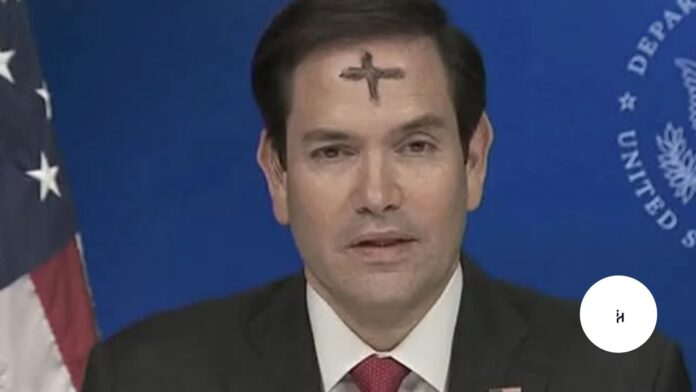
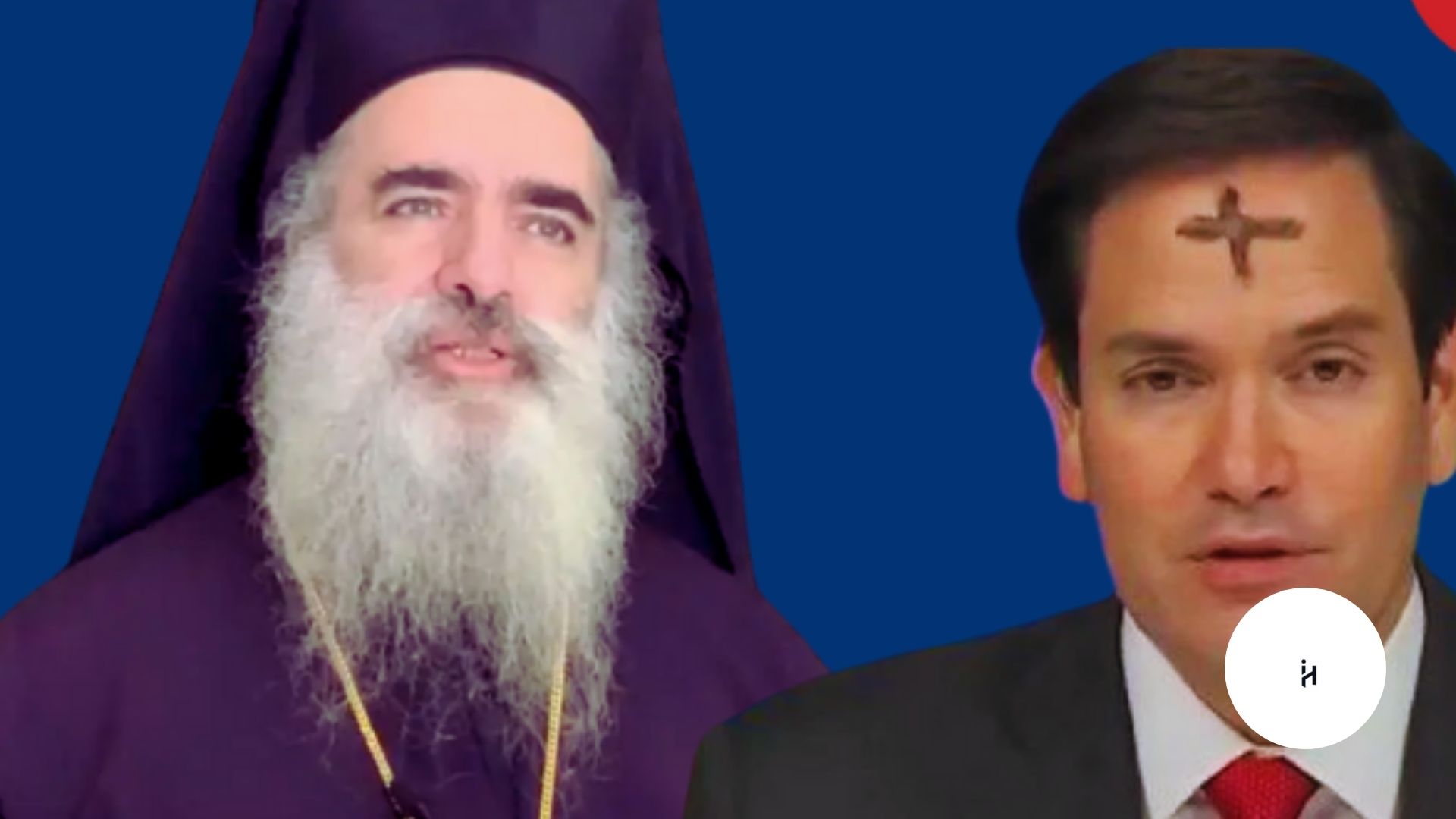
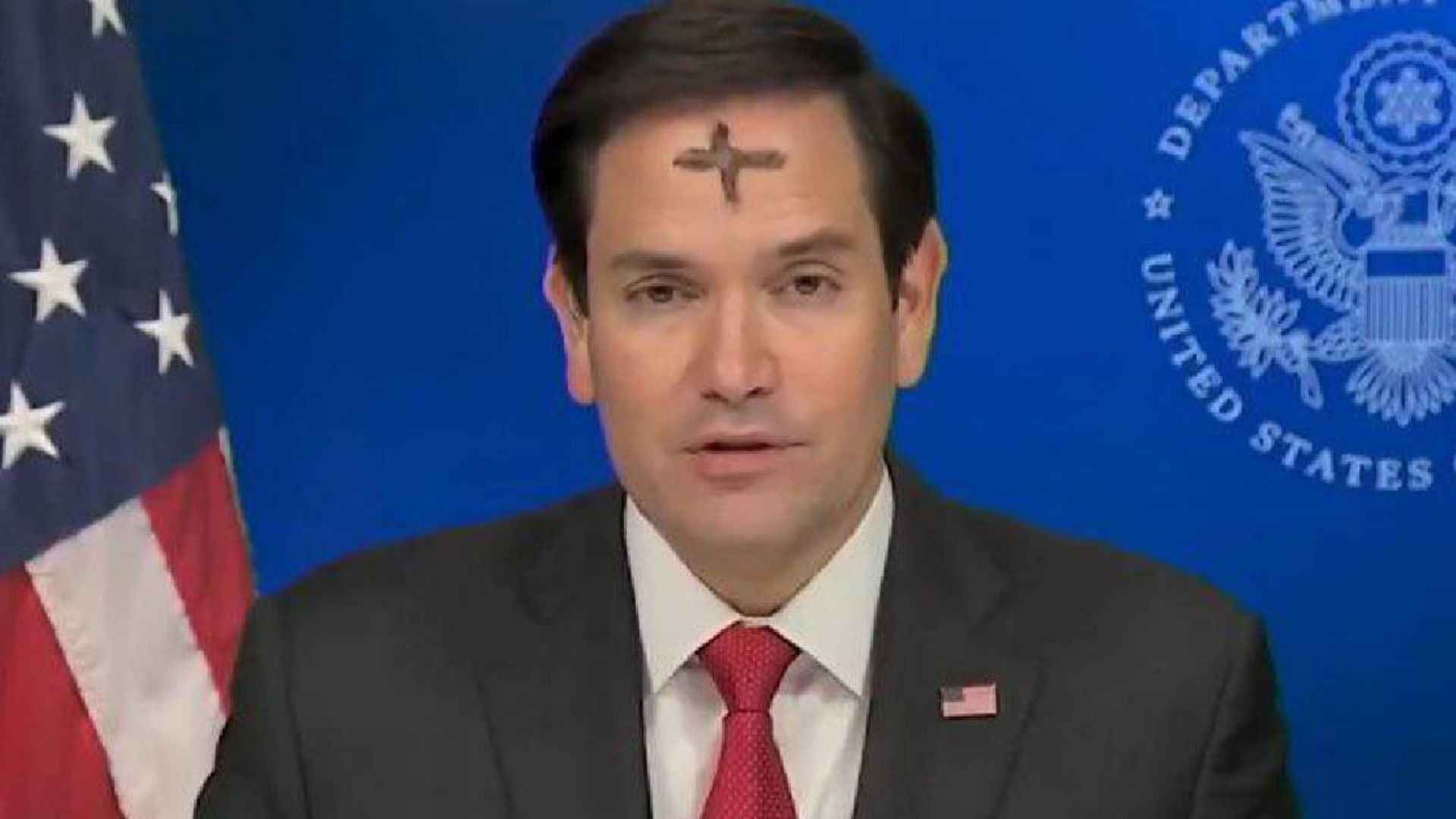
The term “Rubio Cross on Forehead” has gained significant traction online due to its mysterious symbolism and connection to political, religious, and cultural interpretations. Whether seen in photos or discussed in forums, the cross on Senator Marco Rubio’s forehead has sparked curiosity. Some consider it a religious symbol, others view it as a political statement, while many speculate about its deeper personal or spiritual meanings.

In this detailed blog, we’ll explore every facet of this intriguing topic under 11 well-structured sections. From its possible religious origins to cultural impacts, let’s dive deep into understanding the Rubio Cross on Forehead.

Historical Origins of Forehead Cross Symbols

Rubio Cross on Forehead

The symbol of a cross on the forehead is not a new phenomenon. Historically, it is associated with Ash Wednesday in Christian traditions, where ashes are used to mark a cross on a believer’s forehead as a sign of repentance and humility. In ancient times, such markings were also used for identification in spiritual or tribal settings.

Understanding these backgrounds helps decode whether the Rubio Cross on Forehead stems from religious practices or something more symbolic and individual. Given Marco Rubio’s Catholic faith, the connection to Christian ritual is one of the most widely accepted explanations.

The Political Spotlight: Rubio and the Symbol

Marco Rubio is a well-known political figure, and any visible sign or symbol attached to him carries weight. The Rubio Cross on Forehead became a subject of media discussion when he appeared publicly with what seemed to be a visible cross-like marking. This led to widespread speculation about whether it was a deliberate act, a religious expression, or an attempt to resonate with a specific audience segment.

In politics, symbolism matters, and something as simple as a cross on the forehead can influence voter perception, especially among religious communities. Rubio’s public appearance with the mark was interpreted by some as a show of solidarity with Christian values.

Religious Interpretations of the Cross

Religious scholars often view the cross on the forehead as a deeply spiritual sign. In Christianity, it is a symbol of sacrifice, salvation, and redemption. Some sects even believe that such markings protect individuals from evil or signal devotion to Christ.

If the Rubio Cross on Forehead is intentional and religious, it reflects Rubio’s personal faith and his desire to express it visibly. For many voters, such a public display of faith might build trust and relatability.

Media Reactions and Public Debate

Once the Rubio Cross on Forehead started circulating in media, public debate followed. Some praised it as a bold expression of faith in a secular world. Others criticized it, questioning whether religion should play a visible role in politics. News outlets, especially those aligned with either liberal or conservative ideologies, covered the topic from contrasting angles.

Social media users also contributed to the debate, turning the cross into a meme, a symbol, and a talking point for broader discussions on religious freedom and political identity.

Social Media Buzz and Memes

Platforms like Twitter, Instagram, and TikTok exploded with hashtags like #RubioCross and #ForeheadFaith. The Rubio Cross on Forehead became not only a subject of discussion but also a cultural meme. Some posts joked about it, while others turned it into a badge of honor.

This digital wave shows how quickly symbols—whether intentional or not—can gain momentum in today’s hyper-connected world. It also reflects how politicians are often scrutinized for every visual detail.

Rubio Cross on Forehead

Rubio’s Personal Statements and Clarification

After speculation peaked, Rubio was asked about the cross. His response was measured—neither confirming nor denying its significance. He mentioned his strong Catholic roots and his belief in visible signs of faith, especially during key religious seasons like Lent.

While he didn’t delve into the specifics of the Rubio Cross on Forehead, his general support for religious expression added to the mystery, allowing multiple interpretations to coexist.

Cross on Forehead in Global Cultures

Outside Christianity, the cross or similar symbols on the forehead exist in various cultures. In Hinduism, the tilak or bindi serves as a spiritual mark. In tribal communities, forehead markings can denote status, protection, or ritual completion.

This cultural diversity adds layers to the Rubio Cross on Forehead. Even if rooted in Christianity, it opens up discussions about how different societies view forehead symbols.

Psychological Effects of Religious Symbols in Politics

Psychologists studying visual perception and belief systems have noted that symbols like crosses can elicit strong emotional responses. For some, it instills a sense of security, trust, and tradition. For others, it can be exclusionary.

In Rubio’s case, the cross might subconsciously strengthen his appeal among faith-based voters. The Rubio Cross on Forehead becomes more than a mark—it’s a psychological cue in the game of political persuasion.

The Line Between Faith and Governance

One of the key debates that emerged from the Rubio Cross on Forehead is whether personal faith should be so visibly displayed by elected officials. The U.S. Constitution guarantees the separation of church and state, yet America has always been deeply spiritual.

This heading explores whether such expressions help strengthen public trust or blur professional boundaries in a democratic society.

Public Reactions: Supporters vs Critics

Rubio Cross on Forehead

Supporters argue that Rubio’s expression of faith is genuine and should be respected. They cite freedom of religion and admire his courage to show his beliefs. Critics argue that such displays can alienate non-Christian citizens or those who believe religion should remain private.

The Rubio Cross on Forehead thus becomes a battlefield for wider ideological discussions that are far from over.

Final Thoughts: Symbolism, Identity, and Legacy

The Rubio Cross on Forehead may seem like a minor detail at first glance, but it reflects broader themes—identity, faith, symbolism, and political communication. Whether you see it as a personal act of devotion, a calculated political move, or a cultural statement, it has left a mark—both literally and metaphorically.

As society continues to evolve, the way we interpret such symbols will keep changing. For now, the Rubio Cross on Forehead remains a fascinating blend of spirituality and strategy.