Home Blog Page 413

How to Join Illuminati: Steps You Must Know

0
How to Join Illuminati

The Illuminati is one of the most mysterious and controversial organizations in the world. Whether it’s tied to conspiracy theories, hidden agendas, or secret power, the question of how to join Illuminati continues to spark curiosity worldwide.

While much of it is clouded in myth, many believe the organization exists in some form—connected to elites, power circles, or secret brotherhoods. In this blog, we’ll explore the background, eligibility, signs, myths, and the supposed steps involved in joining the Illuminati. Let’s dive into this enigmatic journey.

Understanding the Illuminati: Origin and Evolution

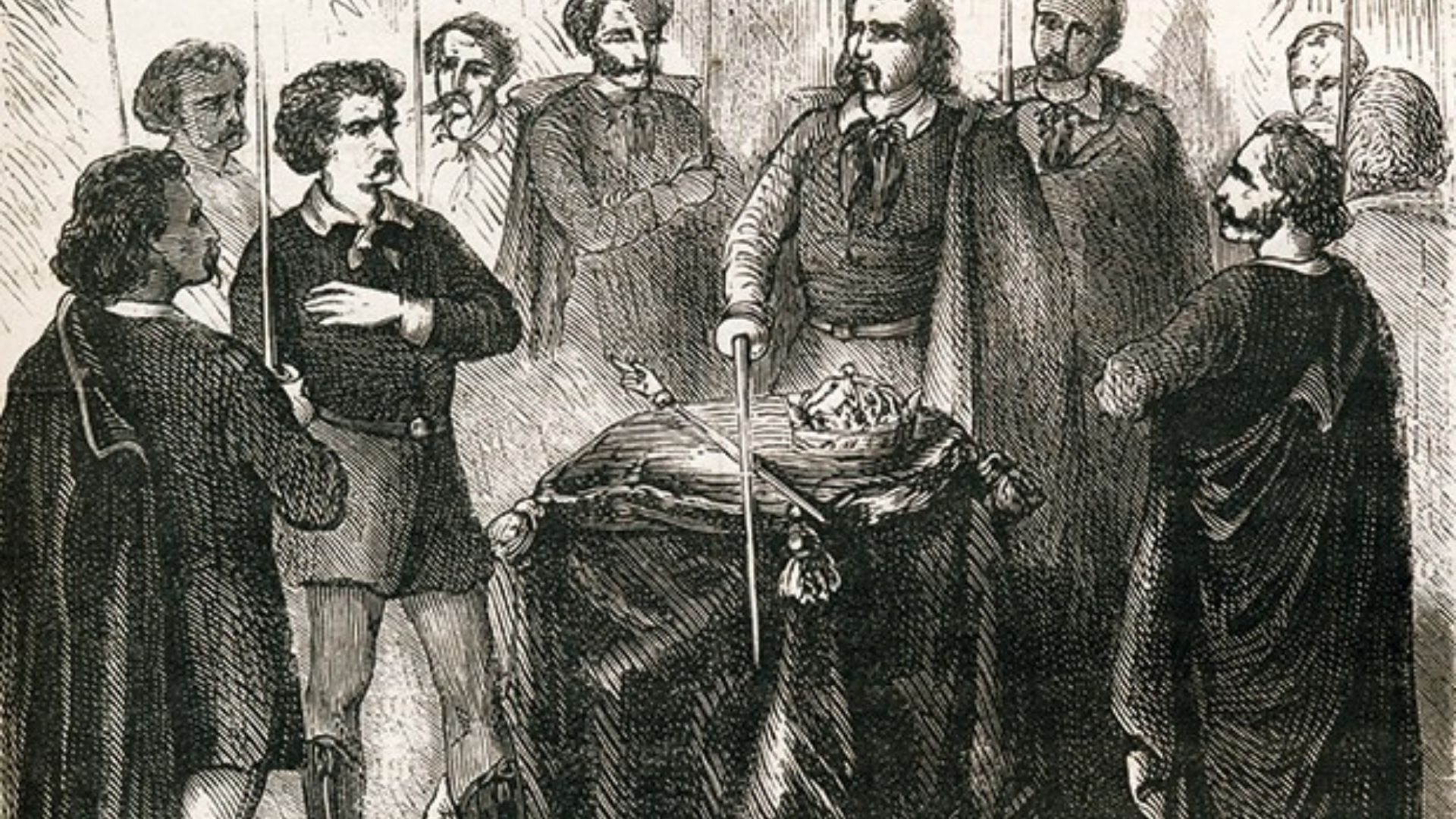
The term “Illuminati” originated in the 18th century with a group called the Bavarian Illuminati, founded in 1776 by Adam Weishaupt. Their goal was to promote enlightenment ideals and resist religious and political oppression.

Over time, the group was disbanded, but the idea of the Illuminati lived on in popular culture. It evolved into a powerful symbol of a secretive elite who supposedly control world affairs.

How to Join Illuminati

In modern times, people associate the Illuminati with celebrities, world leaders, billionaires, and influential figures. The belief is that this group pulls strings behind the scenes. Whether or not you believe in its existence, the concept continues to capture attention. If you’re exploring how to join Illuminati, you must first understand its origin and symbolic evolution.

Myths vs. Reality: Separating Fact from Fiction

Many believe the Illuminati sacrifices people, controls governments, or worships dark entities. While these claims are often exaggerated, they form a huge part of the myth. In contrast, others argue that if the Illuminati does exist, it functions more like an exclusive think-tank or elite club, focused on power, influence, and intellectual pursuits.

To discover how to join Illuminati, it’s essential to separate entertainment from information. Most reliable sources suggest it’s not about devil worship or black magic—but about knowledge, networking, and elite access.

Who Can Join? Qualities the Illuminati May Seek

It is believed that the Illuminati doesn’t accept just anyone. Allegedly, they seek individuals who possess influence, wealth, talent, or intellectual brilliance. Some qualities often associated with potential candidates include:

  • High social status

  • Financial stability

  • Public visibility (politicians, actors, musicians, etc.)

  • Unique talents or skills

  • Leadership qualities

So, if you’re researching how to join Illuminati, consider what you offer. If such a society exists, it would likely be interested in people who can contribute to its mission and secrecy.

The Invitation Process: Can You Be Selected?

Rumors suggest that one cannot simply apply to the Illuminati. Instead, the process is based on invitation or discovery. If you meet the qualities mentioned above and attract enough attention through your work or influence, you might receive a discreet offer.

Others claim you can connect with self-proclaimed representatives online or through secret societies with Masonic roots. Whether real or fake, many scammers exploit this desire, promising entry for a fee. Be cautious if you’re serious about how to join Illuminati and avoid frauds pretending to be gatekeepers.

Online Portals and Scam Alerts: Stay Safe
How to Join Illuminati

With rising interest, many websites now claim to offer Illuminati memberships. They often charge you for “registration” or “ritual kits.” However, experts warn these are scams targeting vulnerable people.

No authentic group would openly recruit through flashy ads or social media DMs. While how to join Illuminati might fascinate you, make sure you protect your data, money, and identity from online cons. Always question the source and never pay someone who promises power or wealth in exchange for access.

Symbols and Signs: Are You Already Being Watched?

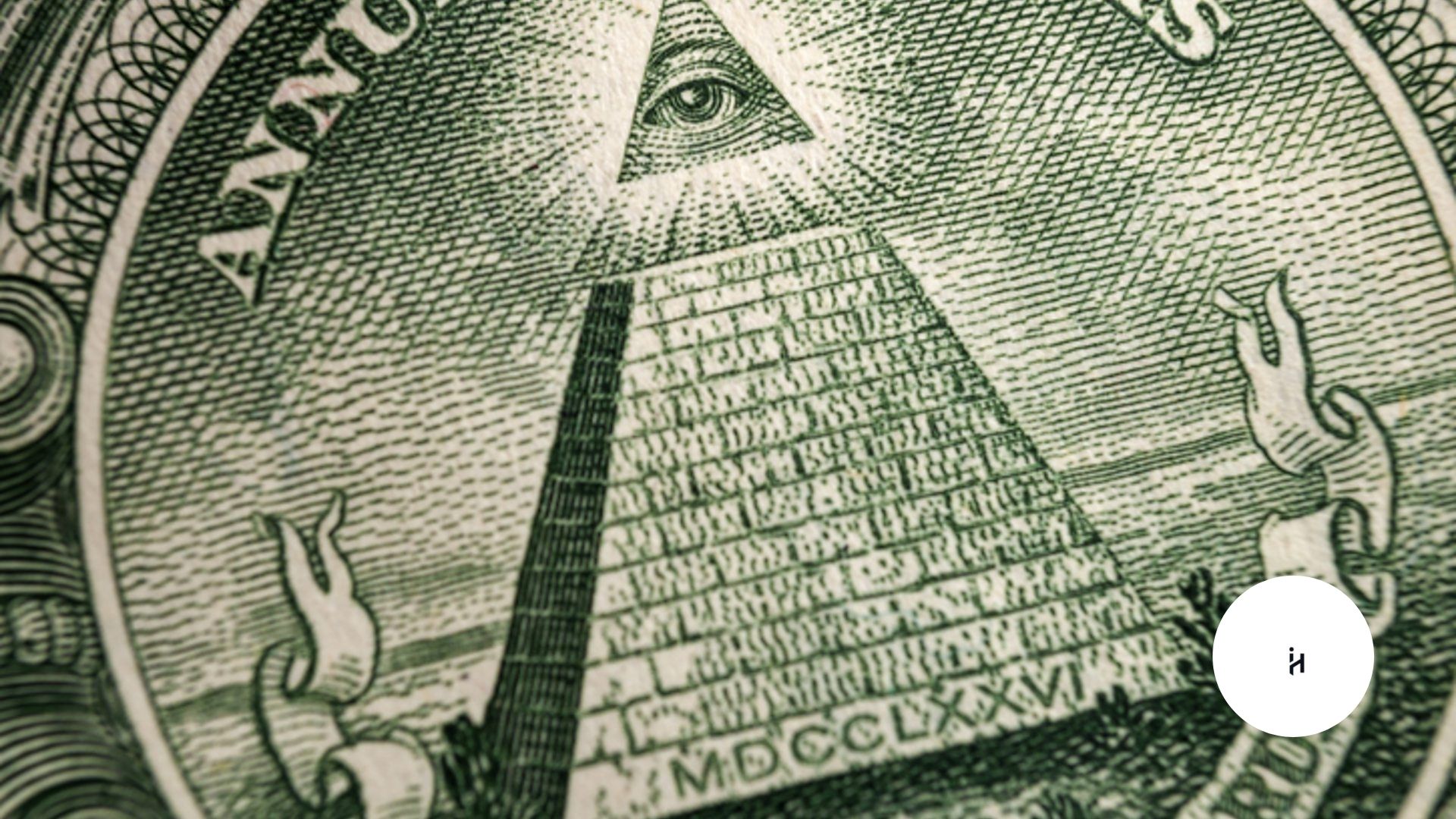
One theory claims that people who display certain signs (like the All-Seeing Eye, pyramid tattoos, or Masonic rings) may attract attention from the Illuminati. If you are successful, creative, and use these symbols, you might unknowingly send a message that you’re ready for recruitment.

While this might sound fictional, some believers insist that the organization watches influencers, searching for aligned individuals. Those studying how to join Illuminati often use symbolism in hopes of being recognized.

Occult and Ritual Knowledge: Real or Imagined?

Some claim that understanding occult knowledge, ancient rituals, or hidden spiritual truths could be a pathway into the Illuminati. Esoteric subjects like astrology, sacred geometry, numerology, and Kabbalah are often linked to this path.

However, whether these are true steps or fictional lore remains debatable. Still, many believe that those serious about how to join Illuminati should immerse themselves in these fields to align with the so-called “philosophy of light.”

Secret Societies Connection: Masons, Rosicrucians, and More

There’s a long-held theory that the Illuminati is connected with other secret societies like the Freemasons, Rosicrucians, or Skull and Bones. These groups are real, with centuries-old traditions of secrecy and elite membership.

Some say joining such societies can be a gateway into the Illuminati, as it demonstrates loyalty, discretion, and intellectual readiness. If you’re looking for how to join Illuminati, becoming part of such traditional networks may be a logical first step.

Social Media and Fame: A Modern Entry Point?

It’s believed that the Illuminati has modernized with the digital age. Now, fame on platforms like Instagram, TikTok, or YouTube may bring you to their radar. Viral content, mass influence, and social reach could be seen as new power symbols.

Some users claim they were contacted after gaining fame. While it could be coincidence, those researching how to join Illuminati often try to grow their public influence, hoping that it draws attention from secret groups.
How to Join Illuminati

Financial Success: Is Wealth a Key?

Money equals power—and in many stories surrounding the Illuminati, wealth is a crucial qualifier. Multi-millionaires, CEOs, and celebrities are frequently rumored to be members.

It’s said that wealth proves your ability to shape systems, influence opinions, and maintain secrecy. So, if you’re pursuing how to join Illuminati, building your fortune may be a good starting point.

Final Thoughts: Is It Worth It?

The allure of the Illuminati is powerful, but before you go down the rabbit hole, ask yourself why. Are you looking for power, wealth, or fame? Or is it simply curiosity? Understanding how to join Illuminati may help you navigate myths, but remember that most of the stories are unverifiable.

Moreover, many who chase this idea end up falling victim to scams or mental stress. Stay grounded and focus on your real-life achievements, connections, and goals.

Cintamani Stone: The Mythical Gem of Divine Power

0
Cintamani Stone

The Cintamani Stone is often called the “wish-fulfilling jewel” in ancient legends. Deeply embedded in Buddhist, Hindu, and esoteric traditions, this mystical gem is believed to hold immense spiritual power and cosmic intelligence. It has fascinated mystics, scholars, and seekers of truth for centuries. But what exactly is the Cintamani Stone?

Is it a myth, a real celestial object, or a powerful symbol of transformation? In this blog, we’ll explore everything from its ancient roots to modern-day interpretations, shedding light on its importance in spiritual practices and metaphysical realms.

The Origins of the Cintamani Stone

The term Cintamani originates from Sanskrit, where “cinta” means thought or desire and “mani” means jewel. It’s often translated as the “wish-fulfilling jewel” and is compared to a philosopher’s stone in Western traditions. Ancient texts describe the Cintamani Stone as falling from the sky or hidden in sacred mountains, closely guarded by celestial beings like Nagas or Dragons.

Cintamani Stone

In Buddhist lore, the Cintamani Stone is held by Bodhisattvas like Avalokiteshvara and Ksitigarbha, while Hindu mythology links it with the divine serpent Shesha and gods like Vishnu. Tibetan legends even describe it as being a stone from Sirius or Orion, used by advanced civilizations such as Lemuria and Atlantis.

This mythical origin has led some researchers to connect the Cintamani Stone to extraterrestrial or interdimensional phenomena, enhancing its mystical appeal. Whether one views it as a metaphorical symbol or a real artifact, its origin remains cloaked in celestial mystery.

The Spiritual Meaning Behind the Cintamani Stone

The Cintamani Stone is not just a mystical gem but a beacon of spiritual awakening. It symbolizes purity of mind, compassion, and the transformation of desire into enlightenment. In spiritual traditions, the stone is said to respond to the vibration of the person who possesses it, aiding those with pure intentions.

The stone is believed to help open the Ajna or third-eye chakra, allowing access to higher realms of consciousness. It’s also considered a bridge between the physical and spiritual world—enabling communication with divine beings and offering protection from negative energies.

Many spiritual seekers meditate with the Cintamani Stone to access universal knowledge or to dissolve karmic burdens. Its vibration is said to purify energy fields, create harmony, and align the user with their higher self.

Connection Between Cintamani and Shambhala

Shambhala, the mythical kingdom hidden in the Himalayas, plays a key role in the story of the Cintamani Stone. According to ancient Tibetan texts, the stone originated from this enlightened realm and was gifted to leaders and spiritual guides to help usher in peace and prosperity.

It is believed that the rulers of Shambhala used the Cintamani to monitor Earth’s spiritual progress. The stone is considered a transmitter of divine intelligence from Shambhala, influencing events on Earth to maintain cosmic balance.

Nicholas Roerich, a Russian philosopher and explorer, claimed to carry a piece of the Cintamani Stone during his expeditions. He believed it was sent from Shambhala to assist in awakening human consciousness during times of crisis.

Symbolism in Buddhist and Hindu Scriptures

The Cintamani Stone appears in numerous sacred texts and iconography. In Buddhism, it is often shown on banners, held by Bodhisattvas, or atop sacred stupas, representing supreme wisdom and compassion. The flaming jewel symbolizes the burning away of ignorance.

In Hinduism, it is considered one of the “ratnas” or jewels that fell from the sky during the cosmic churning of the ocean (Samudra Manthan). This highlights its divine and otherworldly origin.

The stone also symbolizes Dharma (righteousness), Artha (wealth), Kama (desire), and Moksha (liberation), making it a comprehensive spiritual emblem in Indian philosophy.

The Cintamani Stone in Esoteric and Occult Traditions

Cintamani Stone

In Western esoteric circles, the Cintamani Stone is often linked to the Philosopher’s Stone, the Holy Grail, and other mythical objects of power. Some occult teachings refer to it as a stone of ascension, helping in light-body activation and timeline shifts.

It is also said to work in alignment with cosmic cycles and celestial events. In alchemy, it represents the union of spirit and matter—making it highly sought after for soul alchemy and transformation.

Modern esotericists claim the Cintamani Stone acts as a “seed of light” planted across the planet to raise global consciousness. This has led to worldwide placement of stones believed to carry its energy to create a planetary light grid.

Modern-Day Use and Popularity

Today, the Cintamani Stone has gained popularity among spiritual seekers, energy healers, and even UFO researchers. Many claim to feel powerful energy shifts when in possession of or near a Cintamani. Some use it in healing sessions, while others meditate with it to activate their higher chakras.

The rise of crystal healing has contributed to the stone’s appeal. However, true Cintamani Stones are considered rare and sacred. Most commercially available stones labeled as such are either replicas or infused with the intention of the original.

Despite this, many report intense dreams, visions, and rapid spiritual awakening upon connecting with a Cintamani Stone.

Scientific vs. Mystical Perspectives

From a scientific standpoint, there’s little concrete evidence of the Cintamani Stone existing in the way ancient texts describe. However, certain meteorites and rare minerals like moldavite or tektite are believed by some to carry similar energies due to their extraterrestrial origin.

Skeptics argue that the effects attributed to the Cintamani Stone are psychological or placebo-based. Yet, practitioners counter that consciousness itself is non-physical and can interact with energetic frequencies beyond scientific tools.

This divide only intensifies the mystery, drawing even more curiosity toward the Cintamani Stone.

The Cintamani Stone and Chakras

Cintamani Stone

The Cintamani Stone is said to work primarily with the upper chakras—particularly the third eye, crown, and soul star chakras. Its energy is described as high-frequency and celestial, facilitating deep meditation and spiritual vision.

It clears blockages that prevent spiritual awakening, allowing energy to flow freely through the body’s energy centers. This aligns the seeker with divine will and inner truth.

When placed near the heart or third eye during meditation, the Cintamani Stone can evoke feelings of unconditional love, peace, and divine clarity.

Cintamani Stone in Astrology

Astrologically, the Cintamani Stone is associated with celestial bodies like Sirius, Venus, and Uranus—each known for its influence on higher intelligence, love, and revolution. Ancient beliefs tie the stone to lunar and solar cycles, claiming it becomes active during eclipses and solstices.

Some spiritual astrologers recommend using the Cintamani Stone during new moon rituals or planetary retrogrades to gain insight, remove karma, and recalibrate intentions.

It is believed that those under certain star alignments can access deeper benefits from the stone, especially spiritual guides and lightworkers.

Misconceptions and Myths

There are many myths surrounding the Cintamani Stone, such as its ability to grant immortality or instant material wealth. These exaggerations often overshadow its deeper spiritual significance.

Another misconception is that simply owning a Cintamani Stone will change your life instantly. In reality, the stone is believed to amplify existing intentions and vibrational states—it does not override free will or karmic paths.

The commercialization of the stone has led to many fake products, causing confusion and disappointment among buyers. Awareness and discernment are essential.

How to Work With the Cintamani Stone

Working with the Cintamani Stone requires reverence and intention. Cleanse the stone energetically by placing it under moonlight or using sage. Meditation, visualization, and prayer are common practices to activate its power.

Journaling your experiences, dreams, and inner changes is also recommended to track your journey. Use the stone during spiritual retreats, energy healing, or planetary grid work.

It’s essential to understand that the Cintamani Stone serves as a guide, not a shortcut. Its real power lies in its ability to catalyze your inner transformation toward higher consciousness.

Mary and George: The Real Story of Power and Seduction

0
Mary and George

The keyword mary and george true story refers to the powerful and controversial relationship between Mary Villiers and her son George Villiers, the 1st Duke of Buckingham. Their names might not echo as loudly as other historical figures, but their influence shaped the English monarchy in the 17th century. This blog will dive deep into the real events behind the headlines and historical whispers—exploring a mother’s ambition and a son’s charm that disrupted a kingdom.

Who Were Mary and George Villiers?

Mary Villiers was a cunning and politically savvy woman from modest nobility who carved her family’s rise to power. George Villiers, her handsome and charismatic son, rose to become the favorite—and likely lover—of King James I. The mary and george true story begins in the English countryside and ends in royal courts, packed with manipulation, seduction, and politics.

Mary understood the power of influence in a male-dominated society and used it to place her son at the center of the English court. George, in turn, charmed his way to power, becoming a duke and the most powerful man in the kingdom after the king. Their bond was more than familial—it was strategic.

Mary and George

The Political Climate of 17th-Century England

Understanding the mary and george true story requires a look at the time they lived in. The early 1600s were politically unstable. King James I, a Scot ruling over England, faced religious and political tension. Court politics were rife with betrayal, hidden agendas, and the constant struggle for royal favor.

Into this volatile environment stepped George Villiers, who would rise above seasoned courtiers thanks to his mother’s guidance and the king’s affection. This was a time when proximity to the monarch meant everything—and the Villiers family knew it.

Mary Villiers: A Mother’s Ambition

Mary Villiers was not a passive mother watching her son rise—she was the mastermind. The mary and george true story shines a light on her exceptional ability to navigate social structures. She taught George court manners, arranged powerful marriages for her daughters, and ensured the Villiers name became synonymous with nobility.

Mary believed in destiny and actively shaped George’s career. She transformed her family from country gentry to one of the most influential dynasties in England. Her story is a testament to maternal ambition turned political strategy.

George Villiers: From Courtier to King’s Favorite

George’s rise was meteoric. With striking good looks, intelligence, and grace, he captured King James I’s attention in 1614. The mary and george true story is filled with speculation about the intimate nature of their relationship—many historians believe the bond went beyond friendship.

George was showered with titles, wealth, and responsibility. By 1617, he was the Earl of Buckingham, and by 1623, a Duke. His closeness to the king angered the nobility and clergy, who saw his power as corrupt and undeserved.

The Controversy Around Their Relationship

Much debate surrounds the mary and george true story due to the rumored sexual relationship between King James I and George. Letters between the two express deep affection, leading some scholars to argue they were lovers.

This speculation added fuel to the fire of George’s unpopularity. In an era when same-sex relationships were taboo, these rumors were dangerous. Nevertheless, they highlight how George’s closeness to the king gave him unprecedented influence.

Mary and George

The Rise to Duke of Buckingham

George Villiers didn’t just remain a court favorite—he became a key political player. His elevation to Duke of Buckingham came with military and diplomatic responsibilities. The mary and george true story features battles, treaties, and court manipulations.

Despite lacking experience, George led military expeditions and negotiated with foreign powers. His failures, particularly in military matters, caused national outrage. Yet, his place beside the king remained secure—thanks in no small part to his mother’s continual networking.

Enemies at Court: Jealousy and Betrayal

George’s power made him many enemies. Nobles resented his rise, and Parliament saw him as a symbol of royal excess. The mary and george true story reflects how favoritism bred hostility, and how George became the most hated man in England by the 1620s.

Assassination plots, smear campaigns, and public protests became part of his daily reality. Mary, ever the strategist, advised her son constantly—but even she couldn’t hold off his growing list of adversaries forever.

The Assassination of George Villiers

In 1628, George Villiers was assassinated by John Felton, a disgruntled former officer. His death shocked the kingdom. The mary and george true story ends in tragedy, with Mary devastated by the loss of her son, and a nation divided over whether to mourn or celebrate his passing.

Mary withdrew from public life, her dreams shattered. Yet, her legacy lived on in the political upheaval George’s death left behind.

The Legacy of Mary and George

The legacy of mary and george true story is one of power, ambition, and caution. Their story has inspired novels, plays, and historical documentaries. George Villiers remains one of the most controversial figures in British history.

Mary’s life is equally remarkable—an unsung architect of power who shaped English politics through her children. Together, they embody the darker side of royal favoritism and the cost of ambition.

Mary and George in Popular Culture

Mary and George

The story has recently resurfaced in popular culture, especially through series and historical dramas. The mary and george true story has captivated modern audiences for its blend of scandal, intrigue, and courtly elegance.

Shows have dramatized their relationship, often highlighting the speculative romance between George and King James. These depictions may exaggerate, but they bring the story to life for new generations.

Final Thoughts: A Cautionary Tale of Ambition

The mary and george true story isn’t just history—it’s a lesson in the cost of power. Their journey shows how ambition can raise a family to the heights of royalty—and how quickly it can all come crashing down.

From a mother’s guidance to a son’s meteoric rise, their tale is both inspiring and tragic. It forces us to consider how personal ambition can shape the course of history—for better or worse.

Six Triple Eight: Black Women’s WWII Legacy

0
Six Triple Eight

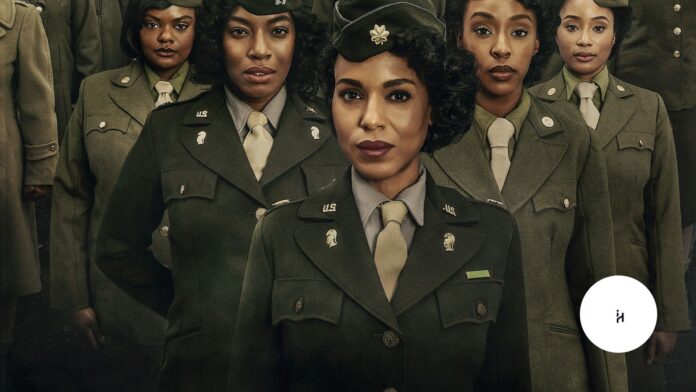
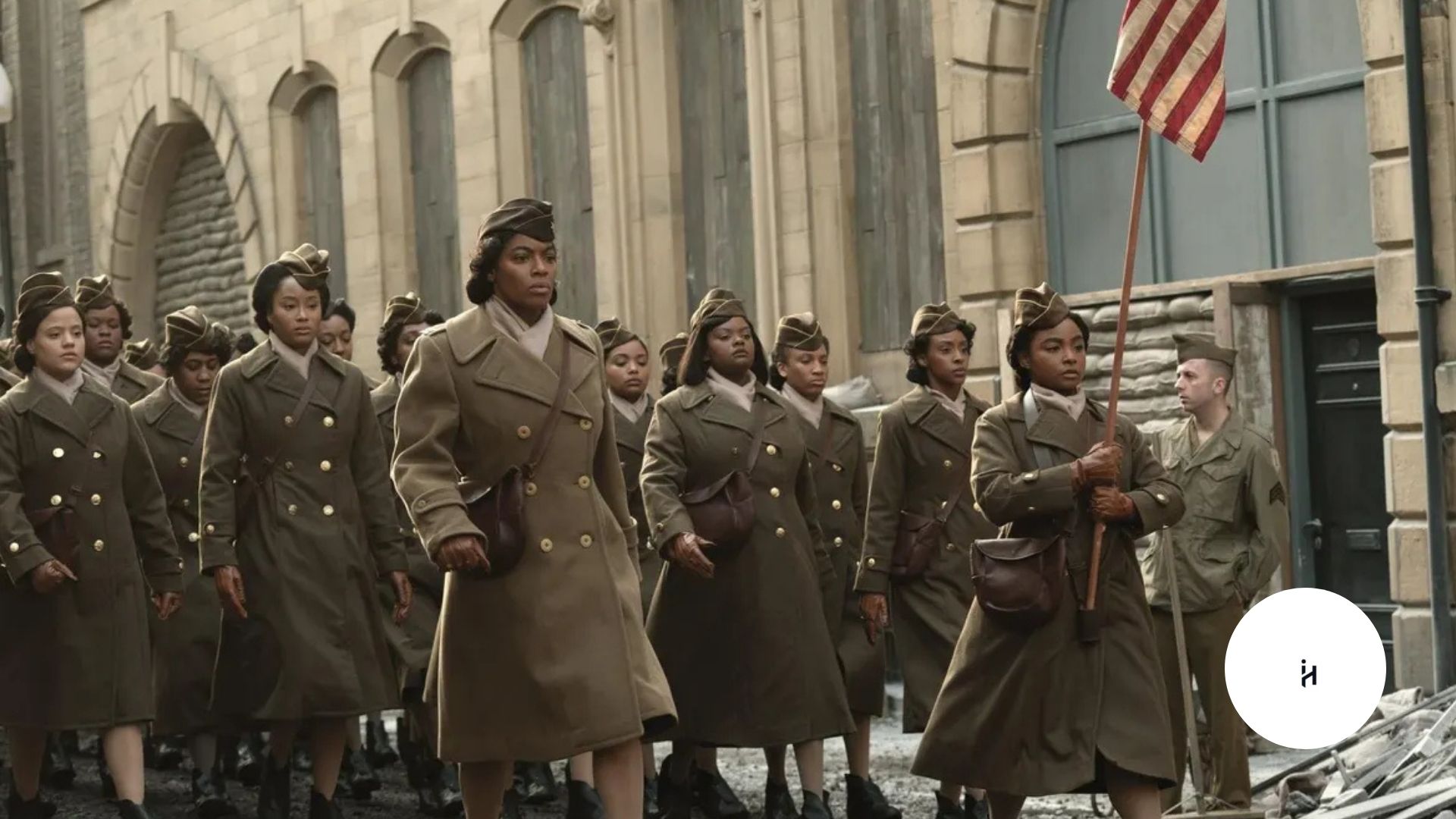
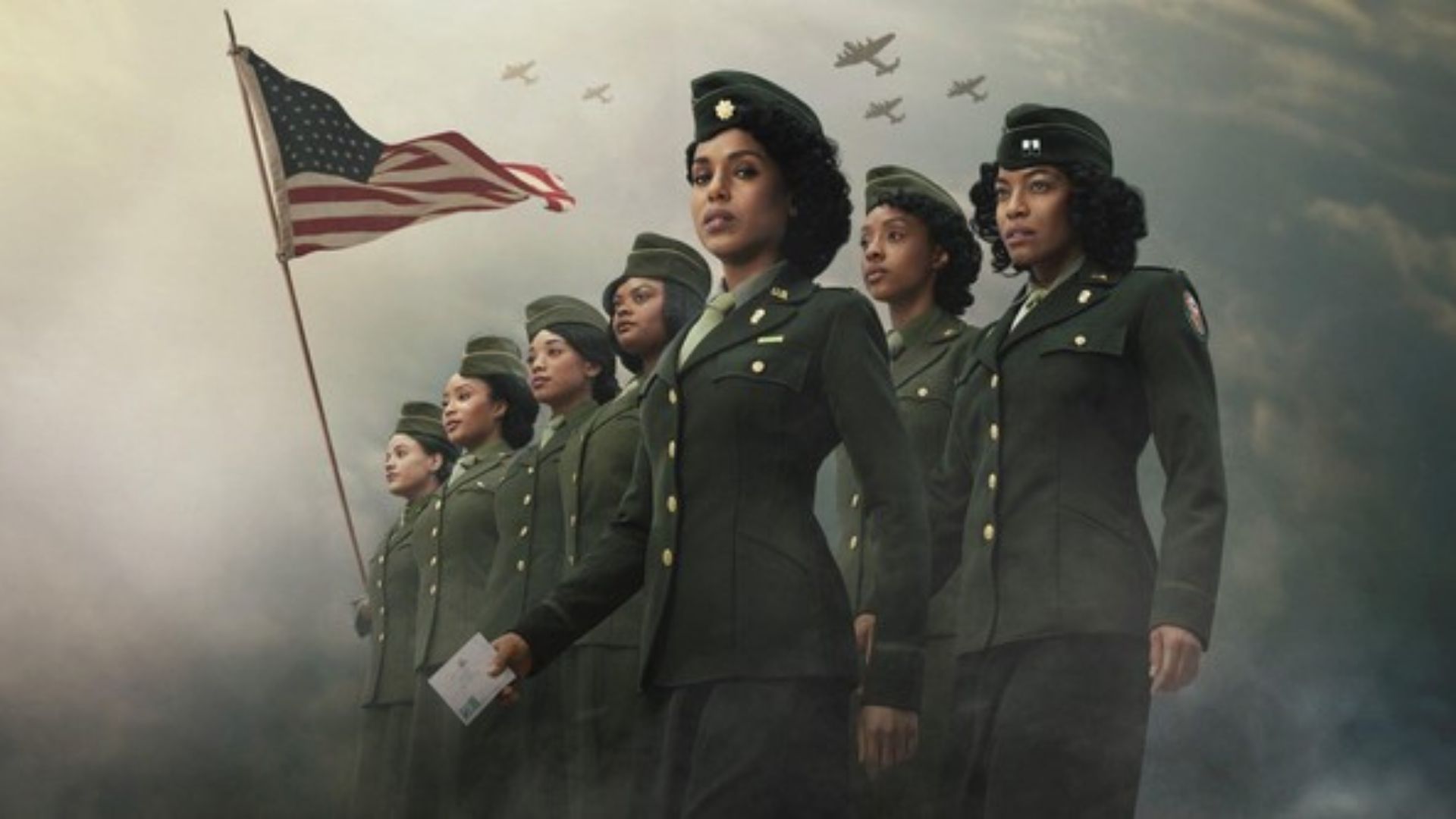
In the vast chronicles of World War II, tales of heroism and sacrifice are abundant. Yet, some stories remain in the shadows—powerful, transformative, and long overdue for recognition. Among these is the story of the Six Triple Eight, officially known as the 6888th Central Postal Directory Battalion.

This was the only all-Black, all-female unit deployed overseas during WWII by the U.S. Army. Tasked with the monumental challenge of clearing a massive mail backlog in Europe, they worked under hostile conditions and constant discrimination—but emerged as trailblazers.

This blog dives deep into their courageous journey, shedding light on the experiences and legacy of the Six Triple Eight. As we explore their mission, struggles, triumphs, and post-war recognition, the aim is to honor these unsung heroines who broke gender and racial barriers in service of their country.

Formation of the Six Triple Eight Battalion

Six Triple Eight

In 1945, faced with a massive backlog of mail intended for American troops, the U.S. Army made an unprecedented decision. They assembled a battalion of 855 African-American women from the Women’s Army Corps (WAC).

Known as the Six Triple Eight, their mission was to organize and deliver millions of undelivered letters and packages to soldiers across Europe. This effort wasn’t merely about mail—it was about morale. Letters from home were often the only thread keeping soldiers emotionally tethered during the war. The women of the Six Triple Eight understood this better than anyone, and they approached the mission with urgency and professionalism.

Overcoming Discrimination and Segregation

Despite their noble cause, the Six Triple Eight faced systemic racism and sexism both within and outside the military. From their training to their deployment, they were treated differently than their white counterparts. Segregated housing, limited resources, and the burden of proving their worth in a prejudiced system were daily realities.

Yet, these women remained resilient, committed to excelling despite the odds stacked against them. Their strength wasn’t just in their work—it was in how they held their dignity in the face of injustice.

Deployment to Birmingham, England

The battalion’s first overseas station was in Birmingham, England, where they were immediately faced with warehouses piled high with undelivered mail—over 17 million pieces. Working in shifts around the clock, they created a systematic approach to sort and redirect this overwhelming volume of correspondence.

In just three months, the Six Triple Eight cleared the backlog, a task initially expected to take six months. Their efficiency stunned military commanders and earned them widespread respect—though not always the formal recognition they deserved.

Life in the UK: Adjusting to War and Culture

Living in the UK during wartime presented its own challenges. Black American women were a rare sight, and they attracted curiosity from local civilians. While some British citizens welcomed them warmly, others mirrored the racial prejudices they faced at home.

Nevertheless, the Six Triple Eight adapted quickly. They formed strong bonds with one another, building a sisterhood that helped them navigate the pressures of war, work, and discrimination. These women also made cultural exchanges—sharing African-American traditions while learning about British customs.

Their Second Mission: Rouen, France

After completing their assignment in England, the Six Triple Eight was sent to Rouen, France. There, they encountered another massive mail backlog, but their prior experience had honed their processes.

Once again, they exceeded expectations and completed their mission efficiently. Their time in France further solidified their legacy as dependable, skilled soldiers who could deliver under pressure. Despite limited recognition, their consistent performance highlighted the crucial role of African-American women in military logistics.

Six Triple Eight

The Impact of Their Work on Soldier Morale

Mail might seem minor in the grand scheme of war, but for troops overseas, it was a lifeline. The work of the Six Triple Eight boosted morale across the European theater. Soldiers who received letters from home felt seen, valued, and connected.

By restoring the mail system, this battalion didn’t just deliver envelopes—they delivered hope. Their behind-the-scenes work had a direct impact on the emotional health and fighting spirit of countless service members.

Breaking Racial and Gender Barriers

The Six Triple Eight shattered expectations in a military system unprepared for their excellence. At a time when Black Americans and women were doubly marginalized, these soldiers carved a space for themselves through sheer competence and courage.

They proved that gender and race had nothing to do with capability. Their story stands as a beacon for equality and inclusion in the armed forces and beyond. Though it took decades for formal recognition, their influence on military integration is undeniable.

Returning Home: An Uncelebrated Victory

Despite their achievements, the Six Triple Eight returned home without parades, medals, or headlines. Unlike many other units, their contributions were neither publicized nor immediately acknowledged.

For many veterans, the transition back to civilian life meant returning to a segregated America where their service was overlooked. Still, they remained proud of their work, holding reunions and sharing their stories when given the platform.

Rediscovery and Recognition in the 21st Century

It wasn’t until the 2000s that the Six Triple Eight began to receive widespread attention. Documentaries, books, and community campaigns helped bring their story to light. In 2019, the unit was honored at Arlington National Cemetery, and in 2022, President Joe Biden signed legislation awarding them the Congressional Gold Medal. Though long overdue, these recognitions have cemented their place in history and introduced their story to new generations.

Legacy in Military and Social Justice

Six Triple Eight

The legacy of the Six Triple Eight lives on in today’s U.S. military, where diversity and gender inclusion have become essential values. Their story continues to inspire young women of color to serve with pride and purpose.

Their discipline, unity, and perseverance offer powerful lessons in leadership and social justice. The unit has also become a focal point in discussions around military reform and historical remembrance.

Conclusion: Honoring Their Memory

The story of the Six Triple Eight is more than a military anecdote—it is a symbol of courage, sacrifice, and the relentless pursuit of dignity. These women not only delivered mail; they delivered justice, equality, and hope through their presence and performance.

As historians, educators, and citizens, it is our responsibility to ensure that their story is remembered, shared, and celebrated. Their legacy is a vital part of American history—and one that continues to inspire.