Home Blog Page 412

Mysterious Tragedy: The Khamar Daban Incident Unfolded

0
Khamar Daban Incident

The Khamar Daban Incident is one of Siberia’s most mysterious and haunting unsolved tragedies. Much like the infamous Dyatlov Pass Incident, this lesser-known case involves a group of hikers who met with unexplained deaths under strange and frightening circumstances.

In August 1993, a young hiking group led by an experienced guide ventured into the Khamar Daban mountain range in southern Siberia. Only one would survive the ordeal to tell the terrifying tale. Over the years, the Khamar Daban Incident has sparked debates, conspiracy theories, and speculation, yet no definitive answers have emerged.

In this blog, we will explore every aspect of this chilling mystery — from the people involved to the strange circumstances of their deaths, to the theories that try to explain the unexplainable. Whether you’re a true crime enthusiast or fascinated by mysterious disappearances, this story will capture your imagination.

Setting the Scene: What Is the Khamar Daban Range?
Khamar Daban Incident

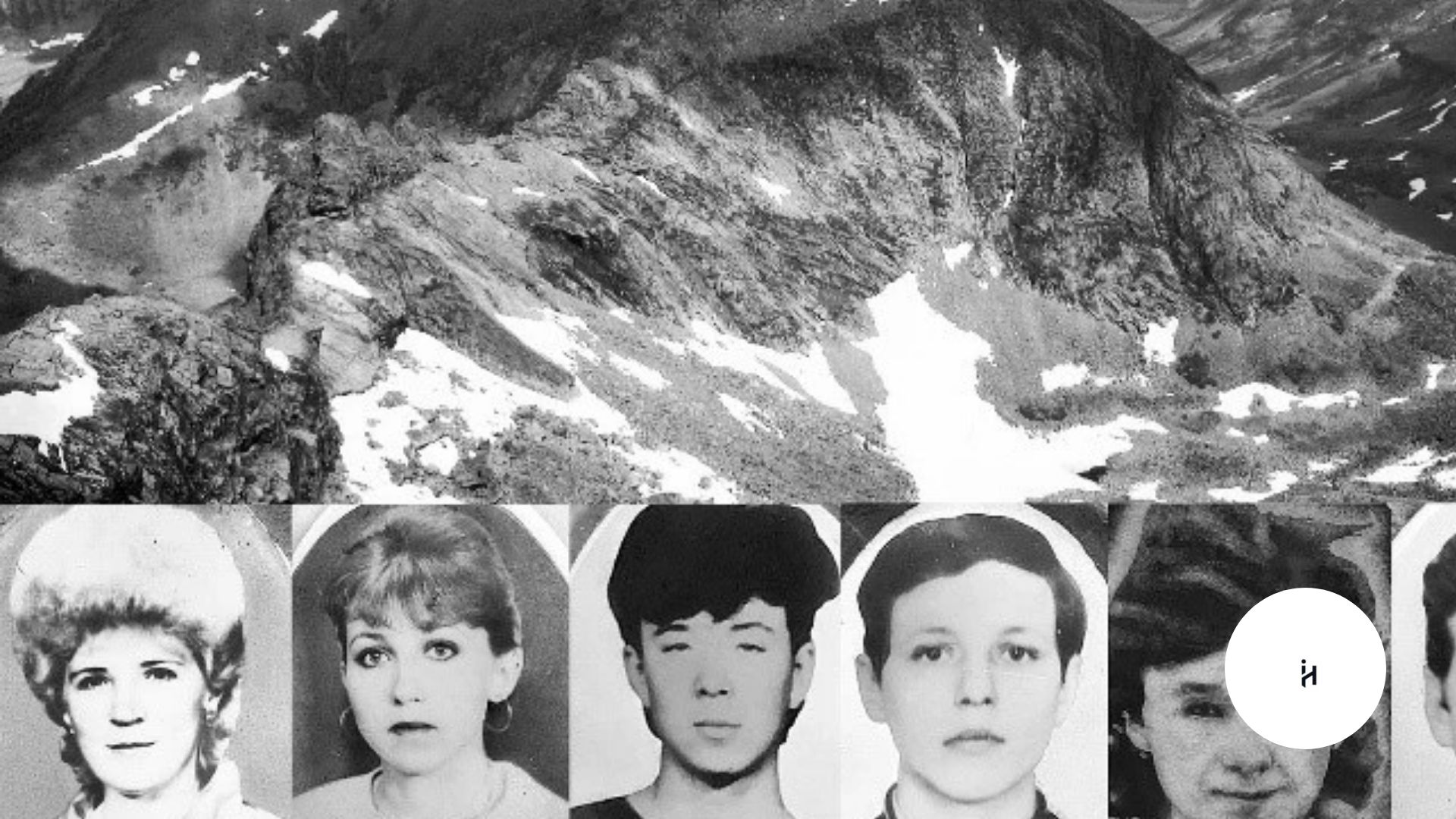
The Khamar Daban mountain range is located in southern Siberia, near Lake Baikal, in the Republic of Buryatia, Russia. This remote and wild region is known for its harsh climate, dense forests, and challenging terrain. While the area is popular among experienced hikers, it is not without its dangers — unpredictable weather, wild animals, and rugged trails make it a risky destination for the unprepared.

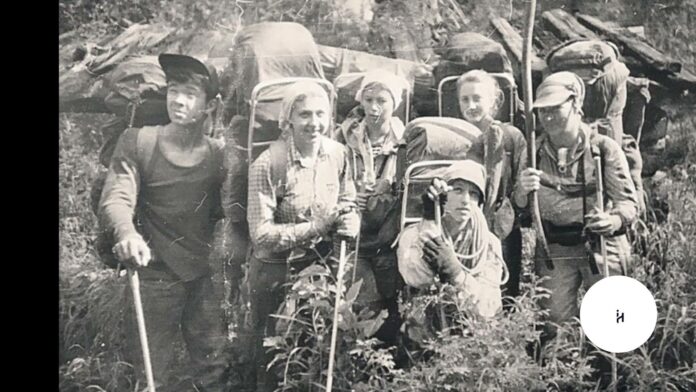
In August 1993, a hiking group composed of seven people — six students and their guide, Lyudmila Korovina — set out on what was expected to be a routine trek through this area. The group was highly experienced and well-prepared, making the events that followed all the more baffling. The Khamar Daban Incident took place in this unforgiving wilderness, and it has haunted the minds of investigators and survival experts ever since.

The Group: Who Were the Hikers?

The hikers involved in the Khamar Daban Incident were all young and experienced. The group was led by Lyudmila Korovina, a 41-year-old instructor with years of trekking experience. The others included:

  • Tatiana Filipenko (24)

  • Denis Shvachkin (19)

  • Valentina Utochenko (17)

  • Victoria Zalesova (16)

  • Timur Bapanov (15)

  • Sasha Krysin (23)

They all had previous hiking experience and were part of a sports tourism club. According to reports, Lyudmila had trained these students for years and was well-respected in the local hiking community.

The fact that such a seasoned group faced such a tragic fate makes the Khamar Daban Incident all the more perplexing. Unlike many survival stories, these hikers were not ill-prepared amateurs but well-equipped and disciplined adventurers.

The Trek Begins: August 2, 1993

The group set out on their journey on August 2, 1993, under clear skies. Everything went according to plan for the first few days. They followed a route near the upper part of the Snezhnaya River, with plans to meet another group at a designated point later in the month.

Despite the occasional rain, the group was in good spirits and maintained regular communication through their expected schedules. Nothing seemed out of the ordinary — until tragedy struck suddenly and violently, without warning or logical explanation.

The events that unfolded on the third or fourth day of the hike would change everything, turning an ordinary trek into a haunting mystery.

Sudden Chaos: The Day of the Tragedy

Khamar Daban Incident

According to survivor Valentina Utochenko, chaos erupted suddenly. One member of the group — Denis Shvachkin — started bleeding from his eyes and ears, convulsing violently before collapsing. The symptoms were severe and frightening. Soon, the rest of the group (except Valentina) began exhibiting similar signs: screaming, bleeding, foam at the mouth, and ultimately collapsing dead.

This rapid and disturbing sequence of events unfolded in just a few minutes. Valentina, in complete shock and terror, fled into the forest and later recounted that her friends died “in agony.” These symptoms did not match anything common like hypothermia or altitude sickness. It was an intense and terrifying moment that left no room for rational understanding.

This horrific moment remains the core of the Khamar Daban Incident, a scene so violent and sudden that it challenges natural explanations.

The Lone Survivor: Valentina’s Escape

After witnessing the gruesome deaths of her friends, Valentina Utochenko ran from the campsite, terrified and confused. She spent days alone in the Siberian wilderness, surviving on wild berries and stream water. Eventually, she stumbled upon another hiking group and was rescued.

Valentina’s account remains the only detailed eyewitness testimony of what truly happened during the Khamar Daban Incident. Despite her vivid description, investigators were left with more questions than answers. Why did she survive while the others perished? What caused such violent symptoms? Could it have been poison, a gas release, or a supernatural phenomenon?

Valentina’s survival is both a miracle and a mystery, central to any theory about the event.

The Investigation: Autopsies and Reports

Autopsies on the deceased hikers revealed signs of hypothermia and protein deficiency, but also something more alarming — massive internal bleeding, signs of heart failure, and signs consistent with exposure to toxins or nerve agents. Some investigators speculated it could be accidental poisoning, possibly from contaminated water or food.

However, none of the official conclusions fully matched the violent and immediate nature of the symptoms described by Valentina. No confirmed toxins were found in their blood. This only deepened the mystery of the Khamar Daban Incident, leaving many to suspect that something extraordinary had taken place.

Comparing to Dyatlov Pass: Similar Yet Different

Many have drawn parallels between the Khamar Daban Incident and the Dyatlov Pass Incident of 1959. Both involved experienced hikers dying under strange circumstances in remote Russian locations. In both cases, the survivors (if any) gave chilling accounts that defied logic and science.

However, the key difference lies in the symptoms: while Dyatlov hikers died from extreme cold and trauma, the Khamar Daban group died from sudden physical breakdown — bleeding, convulsions, and panic.

The similarities have led to speculation that both incidents might share a common cause — something hidden or classified — possibly even military involvement or a natural but unknown environmental factor.

Theories: Poison, Nerve Gas, and Foul Play
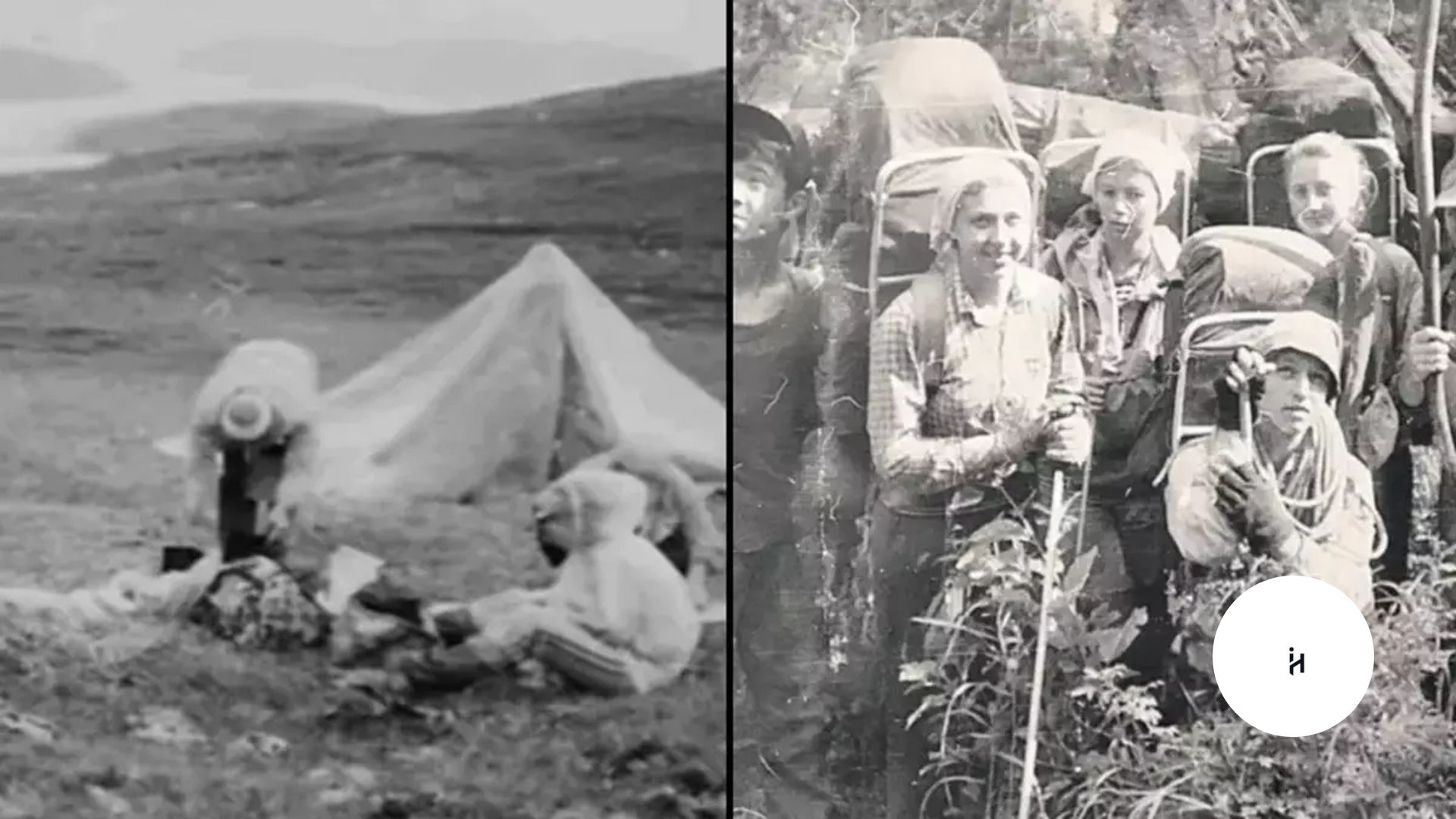
Khamar Daban Incident

Several theories have been proposed to explain the Khamar Daban Incident:

  • Natural poisoning from tainted water or plants

  • Sudden weather-related exposure

  • Nerve agent or toxic gas leak

  • Secret military experiment

  • Panic-induced mass psychosis

Each theory has strengths and weaknesses. For instance, a nerve gas could explain the symptoms, but there was no evidence of government tests in the area. Natural toxins might affect one or two hikers — but six dying rapidly and simultaneously? That’s harder to explain.

No theory has ever been confirmed, keeping the Khamar Daban Incident in the realm of the unsolved.

Media Coverage and Public Reaction

Unlike Dyatlov Pass, the Khamar Daban Incident remained relatively unknown until recent years. It was the subject of documentaries, Reddit threads, and YouTube investigations. The rise of internet sleuths brought the case into public consciousness.

Many found Valentina’s testimony chilling and credible. Others questioned its reliability, suggesting trauma might have distorted her perception. Regardless, the media began to revisit the incident with renewed interest, asking why this story was overlooked for decades.

The public’s fascination with unsolved mysteries helped bring the Khamar Daban Incident to global attention, and it continues to inspire amateur investigations today.

Unanswered Questions and Lingering Doubts

Despite decades passing, the Khamar Daban Incident remains deeply unsettling because of its unanswered questions:

  • Why did only Valentina survive?

  • Why were the symptoms so sudden and violent?

  • Why was no toxin identified in the autopsy?

  • Why was media coverage so limited for years?

These lingering doubts have kept the mystery alive. With no conclusive findings, the case remains open to interpretation and speculation, locked in a fog of Siberian silence.

Final Thoughts: Will We Ever Know the Truth?

The Khamar Daban Incident stands as one of the most mysterious and disturbing tragedies in modern outdoor exploration. It’s a story of youth, adventure, terror, and death — all set against the backdrop of Siberia’s cold wilderness. Whether it was a natural tragedy, a toxic exposure, or something more sinister, one thing is clear: the truth remains hidden.

In a world where science and logic usually have the final say, the Khamar Daban mystery reminds us that not all questions have easy answers.


Jeffrey Dahmer’s Death: What Really Happened in Prison

0
Jeffrey Dahmer’s Death

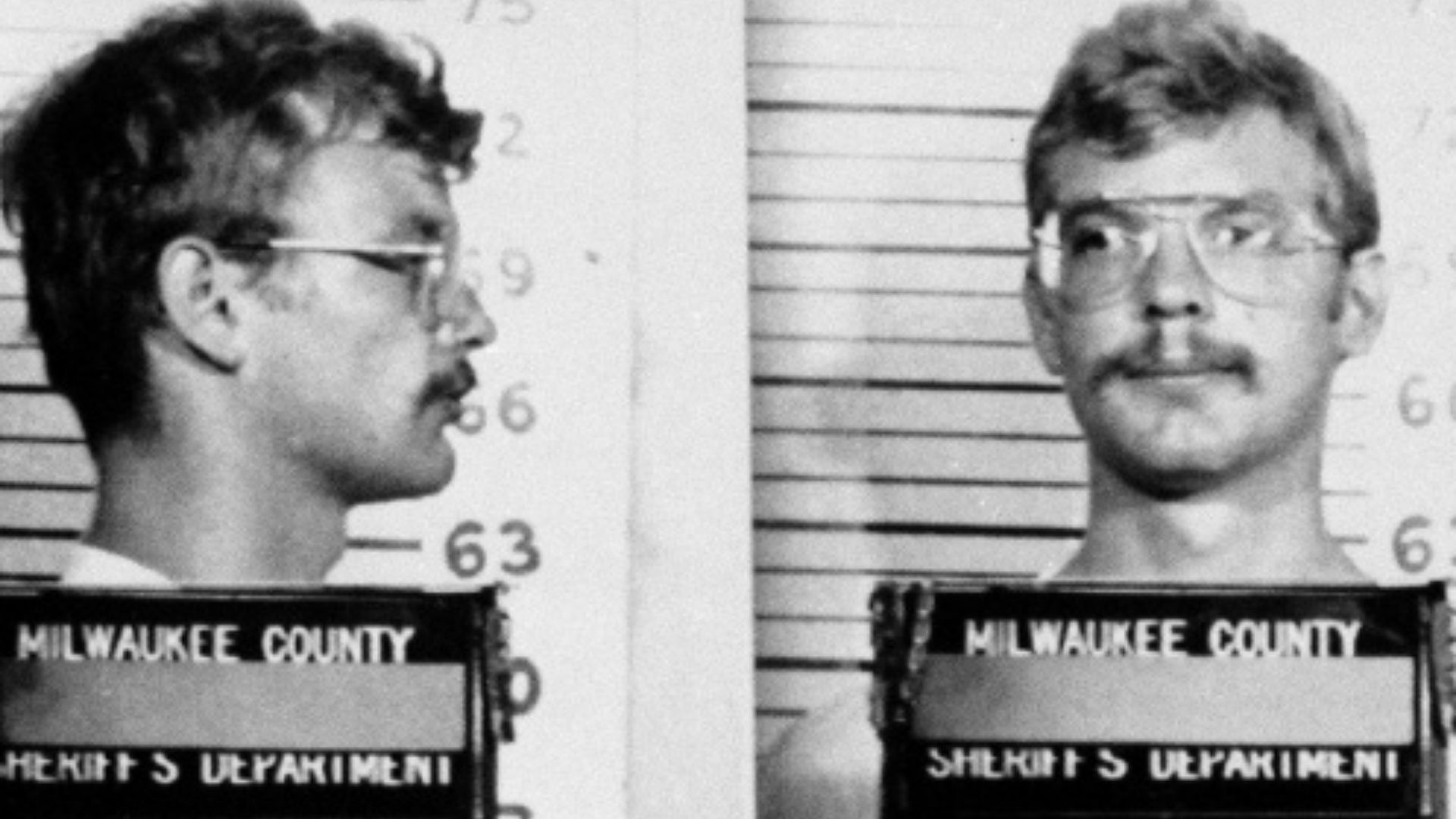
Jeffrey Dahmer, one of America’s most notorious serial killers, was responsible for the brutal murders of 17 men and boys between 1978 and 1991. His horrific crimes shocked the world due to their gruesome nature, including acts of cannibalism and necrophilia. However, the question that still echoes in many minds is: how did Jeffrey Dahmer die?

After being convicted and sentenced to multiple life terms in prison, Dahmer’s story didn’t end there. In fact, his death inside a maximum-security facility became just as controversial and mysterious as the crimes he committed. This blog explores the entire timeline and theories surrounding Dahmer’s death.

Who Was Jeffrey Dahmer?

Jeffrey Dahmer’s Death

Before exploring how did Jeffrey Dahmer die, it’s essential to understand who he was. Jeffrey Lionel Dahmer was born in Milwaukee, Wisconsin, in 1960. From a young age, Dahmer displayed signs of mental disturbance. He was fascinated by dead animals and anatomy, which later evolved into a dangerous obsession.

Dahmer committed his first murder at the age of 18 in 1978. Over the next 13 years, he killed 16 more individuals. His methods were chilling — drugging his victims, dismembering them, and even preserving body parts. The media dubbed him “The Milwaukee Cannibal.” His arrest in 1991 marked the end of his reign of terror but began a new chapter — his life behind bars.

Dahmer’s Trial and Prison Sentence

To understand how did Jeffrey Dahmer die, we must first look at his trial. In 1992, Dahmer pleaded guilty but insane to 15 counts of murder. The court found him legally sane, and he was sentenced to 15 consecutive life terms, totaling 957 years.

He was transferred to Columbia Correctional Institution in Portage, Wisconsin. Despite his notoriety, Dahmer reportedly adjusted to prison life. He found religion, was baptized, and even expressed remorse. But this supposed change wasn’t enough to save him from what awaited inside the prison walls.

Life Behind Bars: Isolation and Daily Routine

Jeffrey Dahmer’s daily prison routine gives us insight into how did Jeffrey Dahmer die under such conditions. Initially, for his own protection, he was placed in solitary confinement. But later, he was moved into the general population — a decision that many believe led to his death.

Inmates knew who Dahmer was. His crimes had earned him infamy, and some prisoners were disgusted by him. Even in prison, he kept a dark sense of humor, reportedly shaping his food into body parts to scare other inmates. This behavior may have contributed to resentment and anger among fellow prisoners.

The Day of the Murder: November 28, 1994

So how did Jeffrey Dahmer die exactly? On the morning of November 28, 1994, Dahmer was assigned janitorial duties alongside two other inmates: Jesse Anderson and Christopher Scarver. The trio was unsupervised in the prison gym and bathroom.

Just 20 minutes later, Dahmer and Anderson were found severely beaten. Dahmer had been bludgeoned with a metal bar. He was rushed to the hospital but died an hour later due to severe head trauma. Anderson died a few days later. Scarver, their fellow inmate, was immediately suspected.

Jeffrey Dahmer’s Death

Who Killed Jeffrey Dahmer?

The answer to how did Jeffrey Dahmer die lies with Christopher Scarver. A fellow inmate, Scarver was already serving a life sentence for murder. Known to be mentally unstable, Scarver had been diagnosed with schizophrenia.

In interviews, Scarver later claimed that he killed Dahmer because he was disgusted by his crimes. He also stated that Dahmer mocked other prisoners by shaping food into body parts and joking about cannibalism. Scarver allegedly felt it was divine justice to punish him himself.

Motives Behind the Killing

Understanding how did Jeffrey Dahmer die means exploring the deeper motives behind Scarver’s actions. Scarver claimed that God told him to commit the murders. He believed Dahmer’s sins were too great to go unpunished.

Others speculate that the prison environment, lack of supervision, and Dahmer’s provocative behavior all contributed. Some sources suggest that prison staff may have deliberately left them unsupervised, knowing tensions were high — a claim that has never been proven but remains a topic of debate.

The Aftermath and Reactions to Dahmer’s Death

After the public found out how did Jeffrey Dahmer die, reactions were mixed. Some people were relieved, feeling that justice had been served. Others believed that even someone as evil as Dahmer didn’t deserve a brutal, vigilante-style death.

Dahmer’s father, Lionel Dahmer, was devastated and accused the prison of failing to protect his son. Victims’ families had varied reactions — some found closure, while others felt the system failed once again by allowing his death to happen in custody.

Investigations and Conspiracy Theories

Not everyone believes the official story about how did Jeffrey Dahmer die. Several conspiracy theories suggest that prison guards either enabled or orchestrated Dahmer’s death. Questions were raised about why three inmates were left unsupervised, especially when one of them was already known to be mentally unstable.

Despite these questions, the prison’s internal investigation concluded that there was no foul play from staff. Still, the circumstances remain suspicious to many, fueling speculation to this day.

Jeffrey Dahmer’s Death

Christopher Scarver’s Perspective and Interviews

To dig deeper into how did Jeffrey Dahmer die, we can look at Christopher Scarver’s own accounts. In later interviews, Scarver shared that Dahmer was unrepentant and often joked about his crimes. Scarver found this behavior intolerable.

He also revealed that Dahmer and Jesse Anderson were targeted intentionally. While some believe Scarver acted out of moral outrage, others think it was simply another violent act by a disturbed man. Regardless, his testimony provides chilling insight into Dahmer’s final moments.

Public and Media Response

When the world learned how did Jeffrey Dahmer die, media outlets exploded with headlines. News stations covered the story extensively, interviewing legal experts, psychologists, and prison officials. Documentaries and books soon followed.

The case reentered public consciousness, and Dahmer’s death was treated as both a sensational news event and a cautionary tale about the U.S. prison system. Some saw it as justice, others as a failure of the system to ensure lawful punishment and rehabilitation.

Legacy of Jeffrey Dahmer’s Death

So, in finality, how did Jeffrey Dahmer die, and what legacy did it leave behind? Dahmer’s violent end marked the close of one of the darkest chapters in American criminal history. His death didn’t erase the pain he caused, but it added a new layer of controversy and intrigue.

Today, his case is frequently discussed in criminology courses, documentaries, and psychological analyses. His death also sparked debates about mental illness, prison reform, and the ethics of capital punishment versus vigilante justice.

Conclusion:

Jeffrey Dahmer’s life ended violently in the very environment meant to secure justice — prison. Understanding how did Jeffrey Dahmer die involves not just the timeline of events, but also the complex motivations, reactions, and societal reflections that followed. Whether viewed as karmic justice or institutional failure, Dahmer’s death remains one of the most talked-about incidents in true crime history.

Shah Alam II – The Decline of Mughal Power in India

0
Shah Alam II

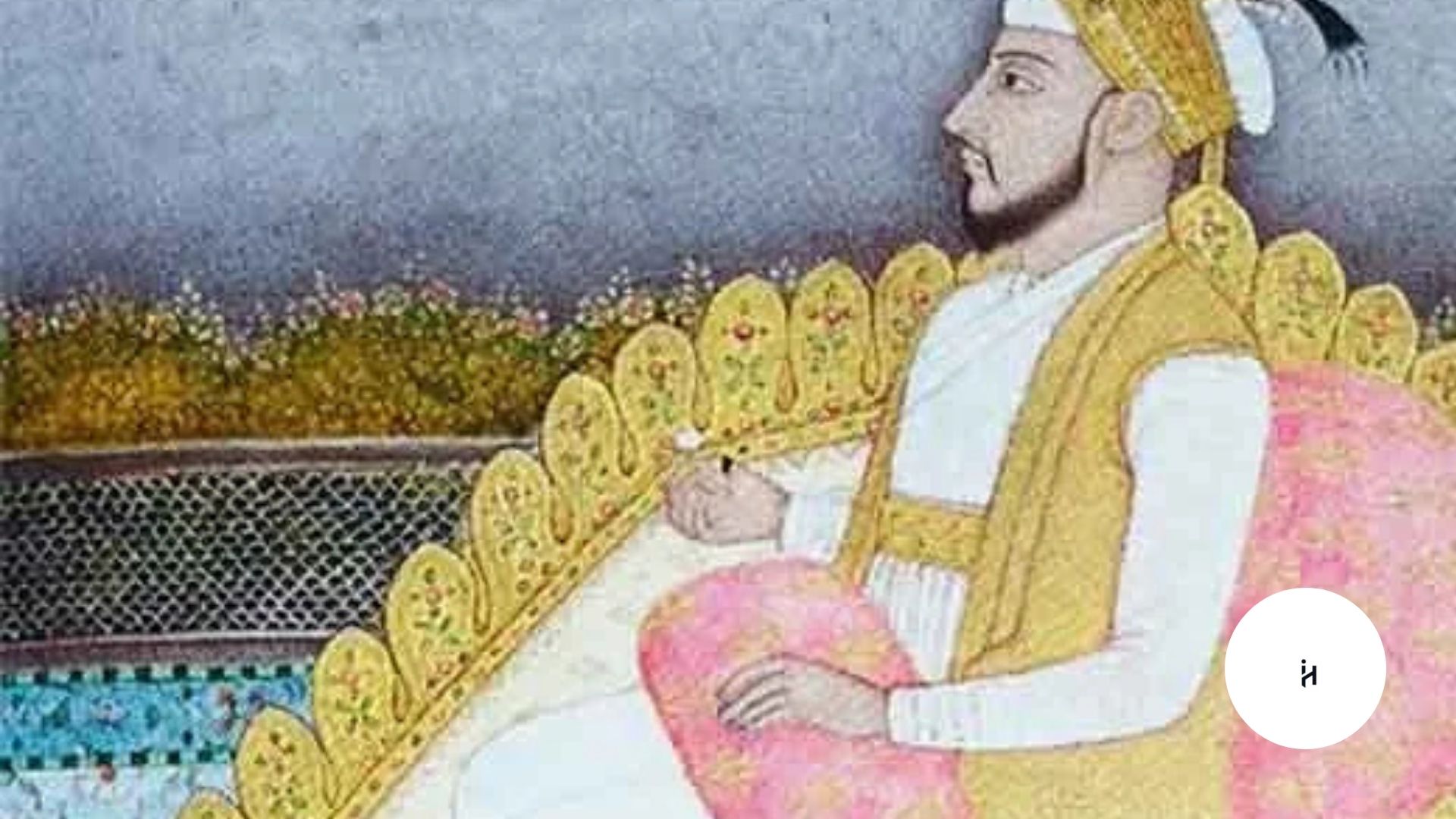
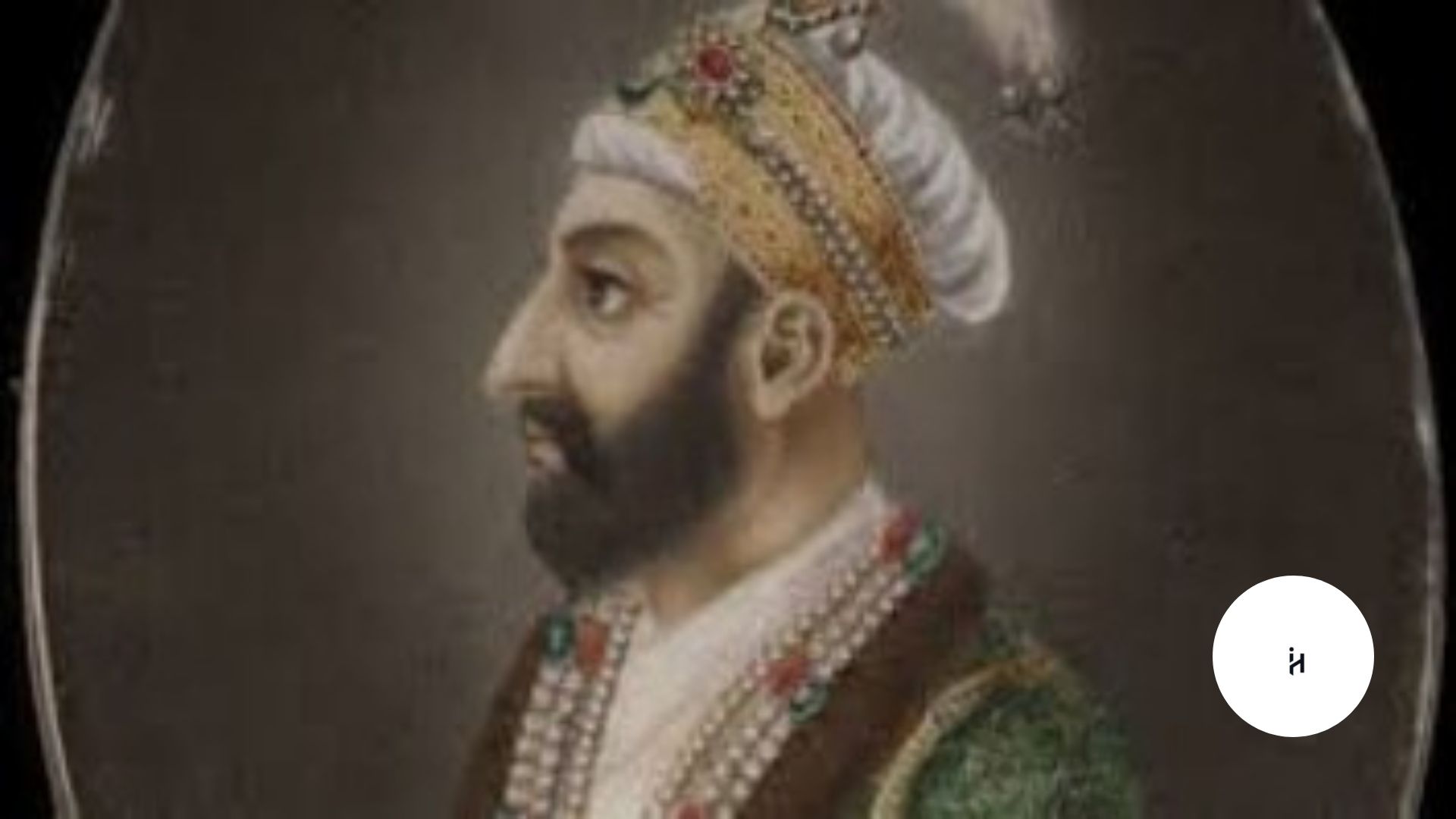
The name Shah Alam II evokes a period of immense transformation and turmoil in Indian history. As the 16th Mughal Emperor, Shah Alam II reigned during a time when the mighty Mughal Empire was gradually losing its grip over the Indian subcontinent.

Born as Ali Gohar, he witnessed and endured one of the most tumultuous eras of Indian politics marked by invasions, shifting alliances, and the rise of colonial powers like the British East India Company. This blog explores Shah Alam II’s life, from his early days to his legacy, covering every major milestone in his story.

Early Life and Background of Shah Alam II

Shah Alam II

Shah Alam II was born on June 25, 1728, in Delhi. He was originally named Ali Gohar and was the eldest son of Mughal Emperor Alamgir II. From a young age, he was exposed to the intricacies of royal life and governance. His upbringing was marked by scholarly pursuits and military training, typical for a Mughal prince.

However, the Mughal Empire by then was already in decline, with power fragmented and real authority being wielded by regional chieftains and nobles. His formative years were shaped by this weakening structure, which foreshadowed the challenges he would later face during his reign as Shah Alam II.

Ascension to the Throne

Shah Alam II ascended the throne in 1759 after the assassination of his father, Alamgir II. However, his path to power was not easy. He had been in exile in the eastern provinces, particularly Bihar and Bengal, as he feared for his life due to political conspiracies in Delhi.

His claim to the Mughal throne was supported by regional allies and powerful nobles. His reign began during a period of internal instability, and he was never able to assert full control over the empire. This era saw the rising dominance of the British East India Company, which would become a major player in his rule.

The Battle of Buxar and Its Consequences

One of the most defining moments of Shah Alam II’s reign was the Battle of Buxar in 1764. He joined forces with Nawab Shuja-ud-Daula of Awadh and Mir Qasim, the deposed Nawab of Bengal, to challenge the British East India Company. However, their combined forces were decisively defeated.

This battle had profound consequences: Shah Alam II was forced to sign the Treaty of Allahabad in 1765, granting the British Diwani rights (revenue collection) for Bengal, Bihar, and Orissa. This marked the beginning of British economic dominance in India and severely curtailed Shah Alam II’s power.

Relationship with the British East India Company

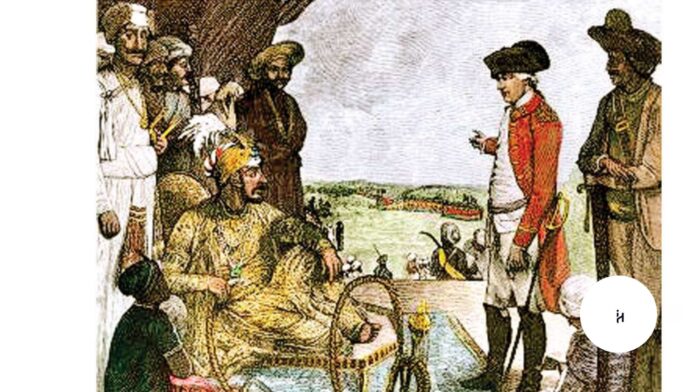
After the Treaty of Allahabad, Shah Alam II became a pensioner of the British East India Company. Though he retained his title as emperor, real power was in the hands of the British. He moved to Allahabad and lived under British protection.

His seal and name were still used on official documents, which gave the British a sense of legitimacy in their expanding control over India. His relationship with the British was one of dependency and humiliation, and it marked the beginning of the puppet-like status of the Mughal emperors in the colonial era.

Return to Delhi and Reoccupation of the Throne

Shah Alam II

In 1772, with the help of the Maratha Empire under Mahadji Shinde, Shah Alam II returned to Delhi. Though he regained the throne symbolically, he was under the influence of the Marathas rather than the British.

His return marked a brief period of hope for the revival of Mughal prestige. However, the empire was by then reduced to the walls of the Red Fort and a few surrounding districts. Shah Alam II remained a ceremonial figurehead, and his power was nominal at best.

Blinding of the Emperor – A Tragic Episode

One of the most shocking events in Shah Alam II’s life was his blinding in 1788 by Ghulam Qadir, a Rohilla Afghan chieftain. Taking advantage of the emperor’s helplessness and the absence of strong protection, Ghulam Qadir invaded Delhi and looted the royal palace.

In a heinous act of cruelty, he blinded the emperor as a symbol of dominance and revenge. This act shocked the Indian polity and symbolized the complete erosion of Mughal authority. Later, Mahadji Shinde defeated Ghulam Qadir and restored Shah Alam II to the throne, but the emperor never fully recovered from this trauma.

Cultural Contributions and Patronage

Despite his political impotence, Shah Alam II was a patron of the arts and culture. He was himself a poet and wrote under the pen name Aftab. The Mughal court, though diminished, still retained some of its former glory in terms of cultural activities.

Persian literature, miniature painting, and court music continued to thrive under his patronage. His court attracted many poets, scholars, and artists, who contributed to the preservation of Indo-Persian culture during a time of political upheaval.

Family and Personal Life

Shah Alam II had several children and consorts. His family life was deeply affected by the political instability and threats that constantly surrounded him. His son and successor, Akbar Shah II, would eventually take over the title, although with even less power than his father. Much of Shah Alam II’s personal life was defined by exile, betrayal, and loss. Yet, he managed to maintain a semblance of dignity through his commitment to poetry and faith.

Death and Burial

Shah Alam II died on November 19, 1806, in Delhi. He was buried in Mehrauli, near the dargah (shrine) of the Sufi saint Qutbuddin Bakhtiar Kaki. His death marked the end of any serious political role for the Mughal dynasty.

His son Akbar Shah II succeeded him, but by then the British had become the de facto rulers of India. Shah Alam II’s death symbolized the complete transformation of the Mughal Empire from rulers to mere figureheads under colonial oversight.

Historical Legacy and Interpretation

Shah Alam II

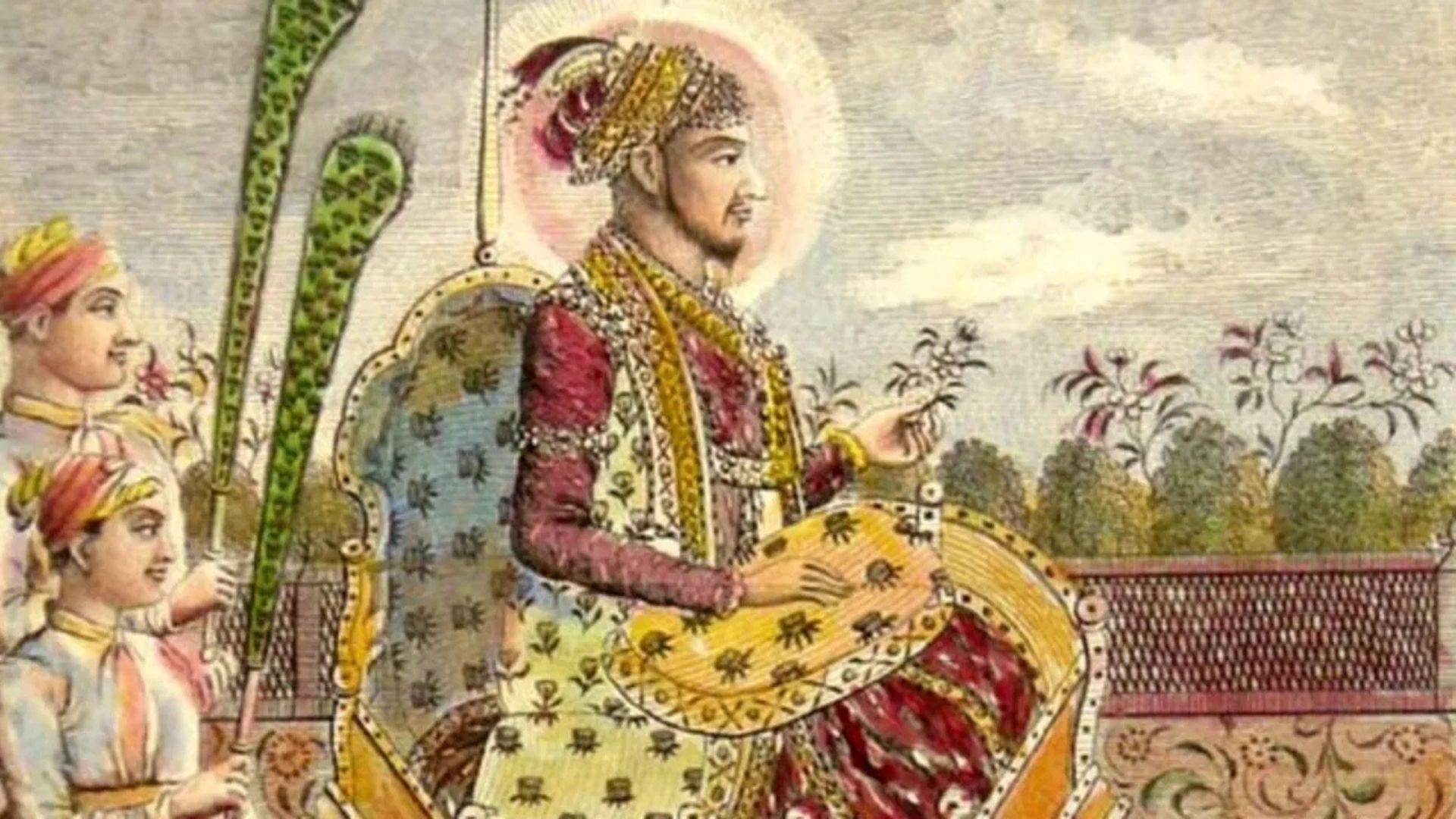
Shah Alam II is often remembered as a tragic figure — an emperor in name but powerless in reality. His reign symbolizes the final decline of the Mughal Empire and the rise of British colonial dominance in India. Despite his personal sufferings and political helplessness, he remained an emblem of cultural continuity. His reign is studied not only for its failures but also for its representation of a transitional era in Indian history.

Shah Alam II in Modern Historical Narrative

Modern historians view Shah Alam II with a mixture of sympathy and critique. He is portrayed as a ruler caught between fading imperial grandeur and rising colonial power. His policies, battles, and alliances reflect the complex dynamics of 18th-century India.

In many ways, Shah Alam II’s story is essential to understanding how the once-mighty Mughal Empire dissolved and how foreign powers stepped in to fill the vacuum. His life offers valuable insights into the politics, culture, and colonial transformation of India.

Gladiator 2 Emperors: Who Rules the Arena Now?

0
Gladiator 2 Emperors

The highly anticipated sequel to Ridley Scott’s epic, Gladiator, is finally on its way. Gladiator 2 promises a return to the Roman Empire’s brutal arenas and political machinations. But this time, a new generation of rulers—the Gladiator 2 emperors—step into the spotlight. These emperors not only shape the future of Rome but also command the fates of the story’s heroes and villains. This blog explores who these emperors are, their historical significance, and what roles they might play in this cinematic epic.

Return to Rome: The Setting of Gladiator 2

The film’s setting provides context for understanding the new emperors. Gladiator 2 picks up years after the original, focusing on Lucius, the nephew of Emperor Commodus. Rome remains a center of power and corruption, now transitioning under new rule. This historical backdrop offers rich material for emperor rivalries, political strategies, and moral dilemmas. The Gladiator 2 emperors emerge in this volatile world, making their ambitions, fears, and decisions pivotal to the film’s storyline.

Gladiator 2 Emperors

Emperor Caracalla: A Tyrant in the Making?

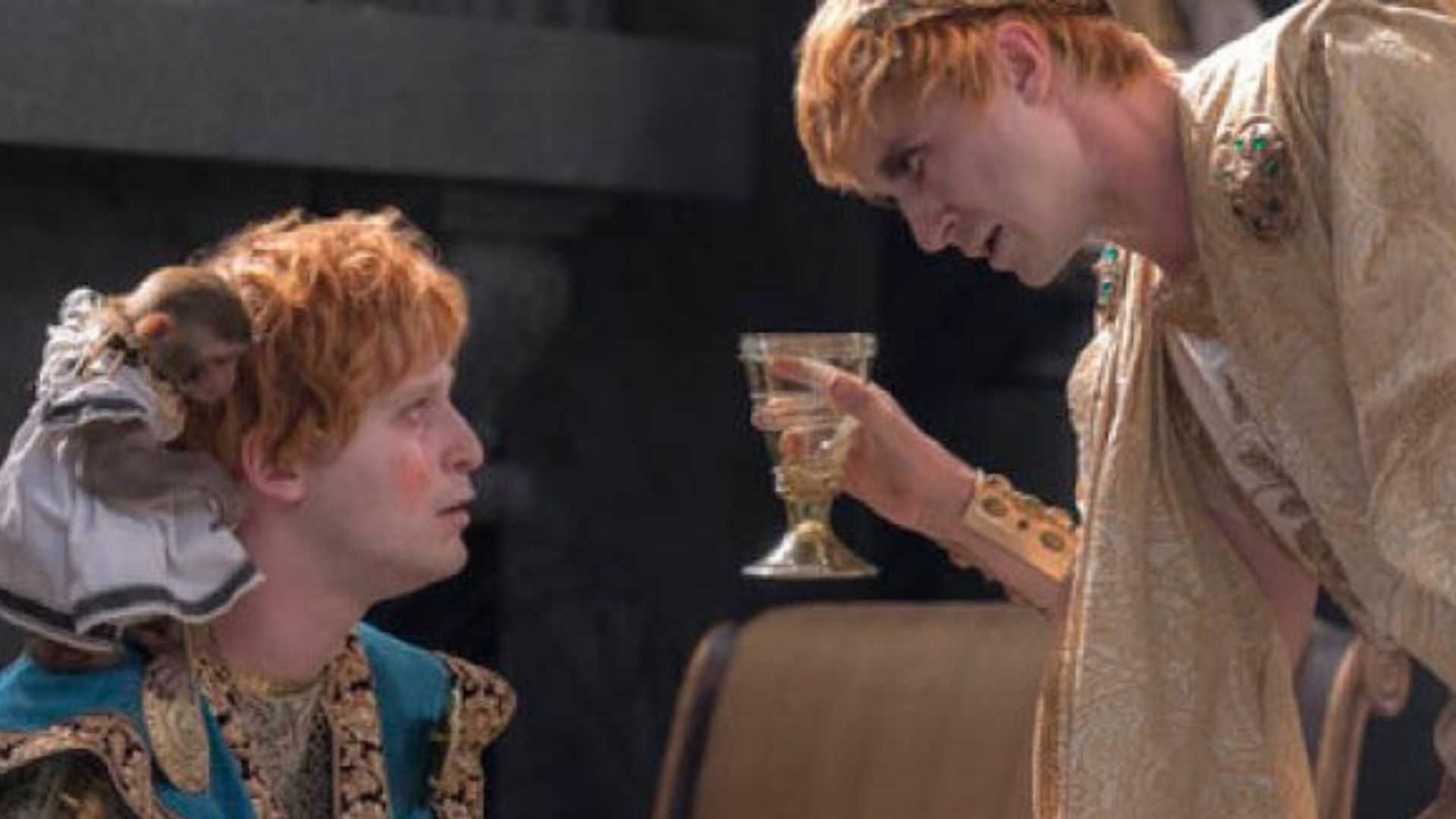
Caracalla is rumored to be a central figure among the Gladiator 2 emperors. Historically, he ruled from 198 to 217 AD and is infamous for killing his brother to claim sole power. His rule was marked by cruelty and militarism. In Gladiator 2, Caracalla may be portrayed as a villainous ruler, mirroring Commodus’ cruelty but with more strategic depth. His desire to maintain absolute control will likely put him at odds with Lucius and other key characters, making him a formidable antagonist.

Emperor Geta: The Shadowed Co-Ruler

Geta, Caracalla’s brother, may appear as a tragic figure among the Gladiator 2 emperors. Historically, Geta co-ruled with Caracalla before being assassinated. In the film, he could be a more sympathetic character—possibly an ally to Lucius—trying to bring stability to a crumbling empire. His narrative arc could reflect the classic theme of betrayal in Roman politics, highlighting the brutality of imperial ambition.

Lucius Verus: The New Protagonist’s Lineage

Lucius, now a young man in Gladiator 2, is deeply influenced by the legacy of Maximus and the corruption of Commodus. Though not an emperor himself (yet), his bloodline and royal upbringing position him at the center of imperial politics. As he navigates the shadow of the Gladiator 2 emperors, Lucius may evolve into a leader who challenges the empire’s moral decay, setting up a powerful contrast to the reigning rulers.

Power and Betrayal: Imperial Themes Continue

The Gladiator series thrives on themes of power, betrayal, and vengeance. The Gladiator 2 emperors will likely embody these traits in diverse ways—Caracalla through brute force, Geta through diplomacy, and Lucius through moral rebellion. These dynamics make the imperial court a treacherous ground. The interplay of loyalties and betrayals among the emperors adds emotional and strategic complexity to the film.

Gladiator 2 Emperors

Historical Accuracy vs. Cinematic Drama

While the film takes inspiration from real emperors, it is not bound to historical accuracy. The portrayal of the Gladiator 2 emperors will balance historical facts with fictional flair. For instance, timelines may be compressed, and relationships dramatized. Viewers can expect a rich tapestry of real and imagined events, grounded in the aesthetics and brutality of Roman rule but shaped for modern cinematic appeal.

Political Intrigue and the Senate’s Role

The Senate was a major force in Roman governance. In Gladiator 2, the Senate may once again serve as a foil to the emperors. The balance of power between military emperors like Caracalla and traditional Roman senators will be an ongoing tension. This struggle adds depth to the storyline, giving the Gladiator 2 emperors more than just military battles—they must also win political wars.

The Rise of Christianity and Religious Influence

By the time of Caracalla, Christianity was beginning to influence Roman society. While not fully embraced, religious shifts could play into the personal convictions and public image of the Gladiator 2 emperors. Lucius, in particular, might represent a bridge between the old pagan order and a new moral vision for Rome. Religious conflict and symbolism may enrich the characters’ motivations and dilemmas.

The Spectacle of the Games: Control through Fear

The Colosseum remains central to the film’s visual and thematic identity. The Gladiator 2 emperors may use the arena as a tool for control, much like Commodus did. These games symbolize power, fear, and distraction from civil unrest. Caracalla, with his militaristic style, could expand the brutality of these spectacles to consolidate power. Expect the games to be more violent, emotionally charged, and politically manipulative.

Legacy and Redemption: A New Imperial Vision?

Gladiator 2 Emperors

Lucius’ journey may lead him to challenge the legacy of corruption left by the emperors before him. While he may never officially become emperor, he could be instrumental in ushering in a new era. His internal conflict—honoring Maximus while confronting the Gladiator 2 emperors—forms a potential redemption arc for Rome itself. The film might end with Lucius shaping the empire’s future, either through revolution or reform.

What Gladiator 2 Teaches Us About Power

The enduring message of Gladiator was that honor could survive even under tyranny. Gladiator 2 is expected to deepen this idea by exploring how different rulers—each flawed or idealistic—wield power. The Gladiator 2 emperors represent different philosophies of leadership: fear, loyalty, reform, and ambition. Their stories reflect our own modern struggles with power, justice, and legacy.