Home Blog Page 411

9/11: The Day That Changed the World Forever

0
9/11

Introduction: What Was 9/11 and Why It Matters

The term 9/11 refers to the terrorist attacks that took place on September 11, 2001, when four coordinated suicide hijackings targeted major U.S. landmarks. The attacks led to the tragic loss of nearly 3,000 lives and forever altered the geopolitical landscape. Understanding 9/11 is crucial, not only for remembering the victims but also for grasping how global security, politics, and societies evolved afterward.

On that clear Tuesday morning, 19 militants associated with the extremist group al-Qaeda hijacked four commercial airplanes. Two were flown into the World Trade Center’s Twin Towers in New York City, one into the Pentagon in Washington, D.C., and the fourth crashed in Pennsylvania after passengers intervened. This blog will guide you through the details and profound consequences of 9/11 in eleven key sections.

The Morning of 9/11: Chronology of Events

9/11
9/11

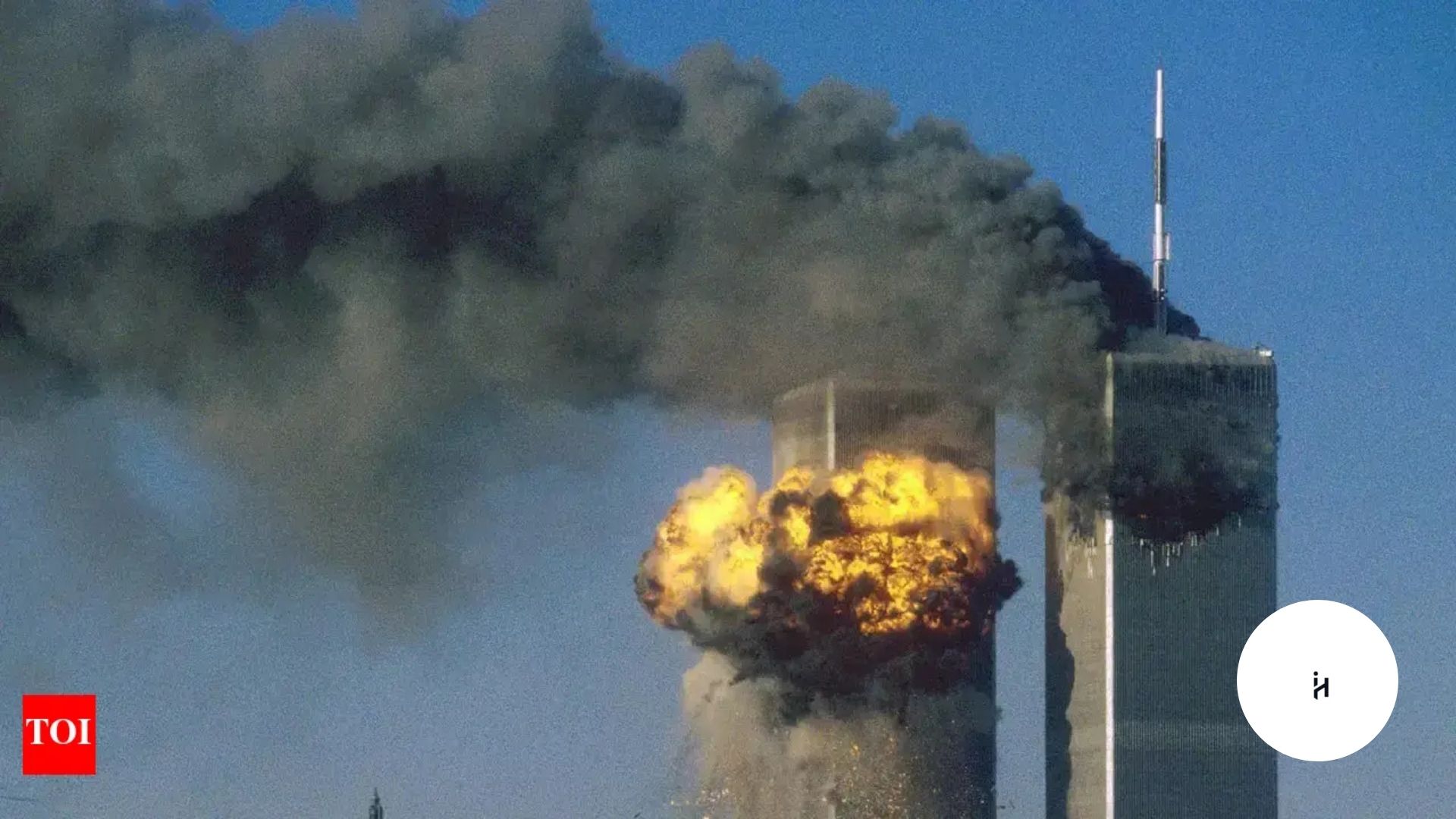
On September 11, 2001, the attacks unfolded with horrifying precision. The first plane, American Airlines Flight 11, crashed into the North Tower of the World Trade Center at 8:46 AM. Less than 20 minutes later, United Airlines Flight 175 struck the South Tower at 9:03 AM. At 9:37 AM, American Airlines Flight 77 hit the Pentagon. Meanwhile, United Airlines Flight 93, intended for another target, crashed in Pennsylvania at 10:03 AM after passengers tried to overpower the hijackers.

The timeline of 9/11 reveals not just the devastation but the rapid sequence in which events shocked the world. The collapse of the Twin Towers at 9:59 AM and 10:28 AM marked a tragic climax, leaving an indelible scar on the New York skyline and the global psyche.

The Hijackers and Al-Qaeda’s Role

The terrorist group al-Qaeda, led by Osama bin Laden, orchestrated the 9/11 attacks. The 19 hijackers were selected for their ability to blend in and their extremist commitment. Al-Qaeda’s motive was rooted in opposition to U.S. foreign policies, especially military presence in the Middle East.

Understanding the background of the hijackers and al-Qaeda’s strategy provides insight into the nature of terrorism on 9/11. It was a meticulously planned operation designed to cause maximum casualties and terrorize not only America but the entire world.

Immediate Aftermath: Rescue and Recovery Efforts

The immediate aftermath of 9/11 was marked by heroic rescue efforts. Thousands of first responders, firefighters, and police risked their lives searching for survivors amid the rubble. The chaos at Ground Zero was unprecedented, with rescue workers battling fires, debris, and the threat of additional attacks.

Despite valiant efforts, the death toll was immense. Recovery efforts extended for months, with workers combing through debris to find victims and evidence. The sacrifice and bravery of these responders remain a crucial chapter in the story of 9/11.

The Global Response to 9/11

The world watched in shock and sympathy. Nations across the globe condemned the attacks and expressed solidarity with the United States. NATO invoked Article 5 for the first time, declaring the attack on one member as an attack on all, leading to international military cooperation against terrorism.

The global response to 9/11 ushered in a new era of international security measures, intelligence sharing, and counterterrorism efforts aimed at preventing future attacks.

The U.S. Government’s Immediate Actions

Following 9/11, the U.S. government quickly mobilized. President George W. Bush declared a “War on Terror,” resulting in new security laws, including the Patriot Act, designed to enhance surveillance and law enforcement powers.

The establishment of the Department of Homeland Security and changes in airport security protocols marked significant government actions in response to 9/11, reshaping American civil liberties and safety policies.
9/11

The War in Afghanistan: Pursuit of Al-Qaeda

In response to 9/11, the U.S. launched Operation Enduring Freedom in Afghanistan to dismantle al-Qaeda and remove the Taliban from power for harboring terrorists. This military campaign lasted two decades, becoming America’s longest war.

The war’s connection to 9/11 is pivotal, reflecting the attempt to prevent further terrorist attacks by targeting their base of operations.

The Impact on Civil Liberties and Privacy

The security measures post-9/11 sparked debate on balancing safety and personal freedoms. The Patriot Act expanded government surveillance powers, raising concerns about privacy violations and racial profiling.

This tension between security and liberty remains a significant legacy of 9/11, affecting legislation and public attitudes worldwide.

9/11’s Cultural and Psychological Impact

The trauma of 9/11 deeply affected American society and the world. It changed the way people perceive security and vulnerability. Memorials, films, books, and art have attempted to capture the event’s emotional weight.

The psychological impact included increased anxiety, nationalism, and at times, xenophobia, showing how 9/11 reshaped cultural narratives.

Conspiracy Theories and Controversies Surrounding 9/11

Despite extensive investigations, 9/11 has been the subject of numerous conspiracy theories questioning the official accounts. These range from claims about controlled demolitions to government complicity.

Understanding these controversies is important for a holistic view of the event’s impact on public trust and historical discourse.

9/11

The 9/11 Memorial and Museum

To honor the victims, the 9/11 Memorial and Museum were established at Ground Zero. The memorial features two reflecting pools marking the Twin Towers’ footprints, while the museum documents the attacks’ history and personal stories.

Visiting the memorial is a powerful experience, preserving the memory of 9/11 for future generations.

The Legacy of 9/11: Lessons Learned and Future Outlook

The legacy of 9/11 encompasses changes in security, international relations, and collective memory. While the world continues to face terrorism, the lessons learned have shaped policies aimed at prevention and resilience.

Reflecting on 9/11 helps ensure that the sacrifices made lead to a safer, more informed future.
Mahayana Buddhism: Understanding the Great Vehicle of Enlightenment

0
Mahayana Buddhism

Mahayana Buddhism, known as the “Great Vehicle,” is one of the two major branches of Buddhism, the other being Theravada. It emerged around the 1st century CE and quickly spread across East Asia, influencing the spiritual, cultural, and philosophical landscapes of countries such as China, Japan, Korea, and Tibet.

Unlike the Theravada focus on individual enlightenment, Mahayana Buddhism emphasizes universal salvation and compassion for all sentient beings. This blog explores the history, core teachings, key figures, practices, and impact of Mahayana Buddhism to provide a comprehensive understanding of this influential tradition.

Origins and Historical Development of Mahayana Buddhism

Mahayana Buddhism originated approximately in the 1st century CE as a reform movement within early Buddhism. It arose from various philosophical schools that sought to reinterpret the teachings of the Buddha with an emphasis on compassion and the Bodhisattva ideal.

Early Mahayana texts, such as the Prajnaparamita Sutras, introduced new concepts like emptiness (śūnyatā) and the Bodhisattva path, distinguishing it from the Theravada tradition.

The spread of Mahayana Buddhism was facilitated by the Silk Road and patronage from rulers, enabling it to establish roots in China, Tibet, Korea, and Japan. Its evolution shows adaptability and diversity, reflecting local cultures and philosophies while retaining core Buddhist values.

Mahayana Buddhism

Core Beliefs and Philosophical Foundations

At the heart of Mahayana Buddhism lies the belief in the Bodhisattva ideal, where practitioners vow to delay their own full enlightenment to help all beings achieve liberation. This contrasts with the Theravada focus on the Arhat, who seeks personal nirvana. Mahayana Buddhism introduces the concept of śūnyatā, or emptiness, which teaches that all phenomena lack inherent, independent existence.

This philosophical outlook encourages compassion and wisdom as the path to enlightenment. Additionally, Mahayana Buddhism accepts multiple Buddhas and Bodhisattvas as divine guides, reflecting a broader cosmology and an inclusive spiritual framework.

The Bodhisattva Path and Its Significance

The Bodhisattva path is central to Mahayana Buddhism. A Bodhisattva is an enlightened being who chooses to remain in the cycle of birth and death (samsara) to assist others on their spiritual journeys. This commitment represents Mahayana’s emphasis on altruism and compassion.

The path involves cultivating virtues known as the six paramitas or perfections—generosity, morality, patience, energy, meditation, and wisdom. The Bodhisattva ideal inspires practitioners to transcend selfish concerns, aiming for the liberation of all beings rather than individual enlightenment alone.

Key Scriptures of Mahayana Buddhism

Mahayana Buddhism has a vast and diverse textual tradition. Its sacred texts, collectively called the Mahayana Sutras, include the Lotus Sutra, Heart Sutra, Diamond Sutra, and Avatamsaka Sutra. These texts emphasize the universal potential for Buddhahood and the Bodhisattva ideal.

Unlike the Pali Canon of Theravada, Mahayana Sutras were composed in Sanskrit and other languages and often present more philosophical and devotional teachings. These scriptures have inspired countless interpretations and practices and continue to shape the spiritual lives of Mahayana Buddhists today.

Major Schools and Traditions within Mahayana Buddhism

Mahayana Buddhism encompasses a variety of schools, each with unique interpretations and practices. The most notable are Zen (Chan in China), Pure Land, and Tibetan Buddhism (Vajrayana is often considered a subset but rooted in Mahayana principles).

Zen emphasizes meditation (zazen) and direct experience of enlightenment, while Pure Land centers on devotion to Amitabha Buddha and rebirth in the Western Pure Land. Tibetan Buddhism combines Mahayana teachings with tantric practices, rituals, and a rich monastic tradition. These diverse schools reflect the adaptability and richness of Mahayana Buddhism across cultures.

Mahayana Buddhism and Meditation Practices

Mahayana Buddhism

Meditation plays a vital role in Mahayana Buddhism, with techniques varying by school. Zen Buddhism, for example, prioritizes seated meditation (zazen) to cultivate mindfulness and insight. Tibetan Buddhism incorporates visualization, mantra recitation, and deity yoga, aiming to transform the practitioner’s mind.

Pure Land practice often involves reciting the name of Amitabha Buddha as a form of meditative devotion. Across Mahayana traditions, meditation is a means of developing wisdom and compassion, integral to progressing on the Bodhisattva path.

Role of Compassion and Wisdom in Mahayana Buddhism

Compassion (karuṇā) and wisdom (prajñā) are inseparable in Mahayana Buddhism and form the foundation of its ethical and spiritual framework. Compassion motivates practitioners to help all sentient beings, while wisdom enables the understanding of emptiness and the true nature of reality.

This dual cultivation leads to the ideal Bodhisattva, who acts selflessly with profound insight. Mahayana teachings encourage balancing these qualities to overcome ignorance and attachment, guiding practitioners toward enlightenment.

Influence of Mahayana Buddhism on Art and Culture

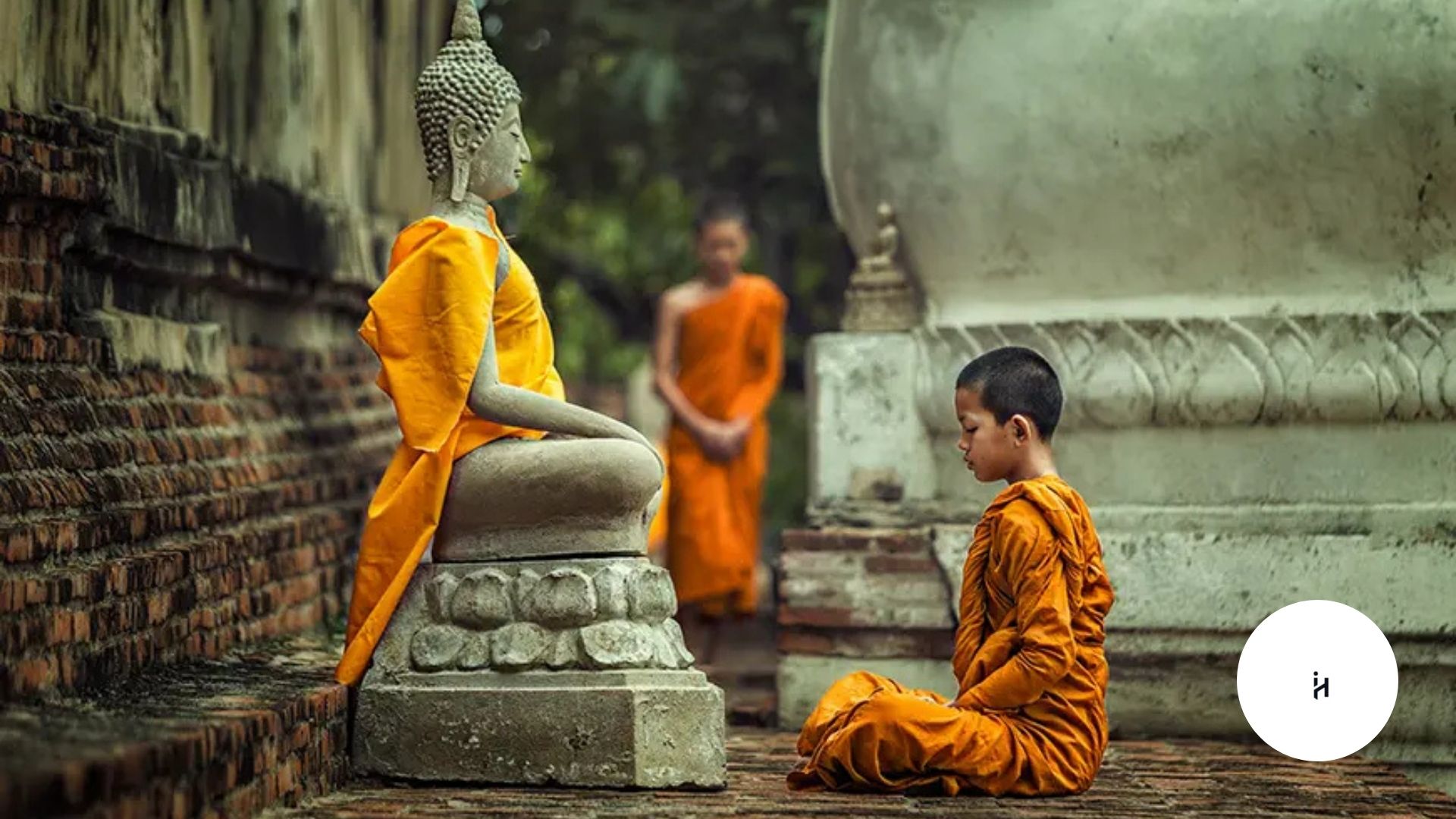
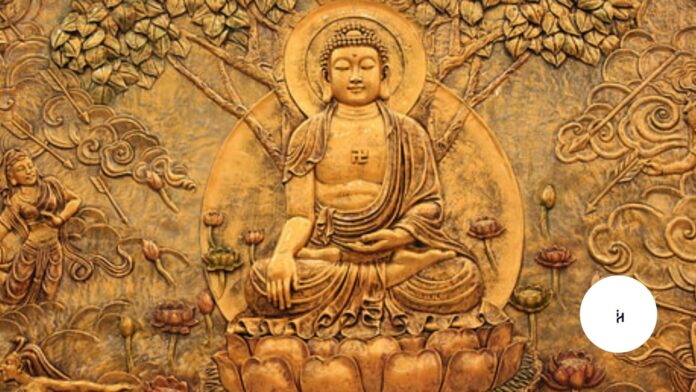
Mahayana Buddhism has profoundly influenced the arts across Asia. Its rich iconography includes images of the Buddha, Bodhisattvas like Avalokiteshvara and Manjushri, and elaborate mandalas.

Temples, sculptures, paintings, and literature inspired by Mahayana principles have shaped cultural expressions in China, Japan, Korea, and Tibet. Festivals, rituals, and pilgrimage sites also reflect Mahayana’s spiritual vibrancy. This tradition’s emphasis on compassion and universal salvation resonates in its artistic and cultural legacy.

Mahayana Buddhism’s Spread Across Asia

From its Indian origins, Mahayana Buddhism spread widely across Asia. Missionaries and monks carried its teachings along the Silk Road into Central Asia, China, Korea, Japan, and Tibet. Each region adapted Mahayana Buddhism to local customs and beliefs, resulting in a rich diversity of practice and thought.

In China, it merged with Confucian and Taoist elements, while in Tibet, it integrated tantric elements, forming Vajrayana Buddhism. This spread highlights Mahayana’s dynamic nature and its enduring appeal across diverse cultures.

Mahayana Buddhism

Modern Developments and Global Presence

In the modern era, Mahayana Buddhism has expanded beyond Asia, influencing spiritual seekers worldwide. Globalization, migration, and scholarly interest have introduced Mahayana teachings to the West, where Zen and Tibetan Buddhism are particularly popular.

Contemporary practitioners adapt traditional practices to modern life, addressing ethical, ecological, and social issues. Mahayana Buddhism’s message of compassion and universal liberation continues to resonate in today’s interconnected world, inspiring new generations.

Conclusion: The Enduring Legacy of Mahayana Buddhism

Mahayana Buddhism’s emphasis on compassion, wisdom, and universal salvation distinguishes it as a profound spiritual tradition with a rich philosophical and cultural heritage. Its teachings encourage selflessness and a deep understanding of reality, offering a path toward enlightenment that embraces all beings.

Through its diverse schools, sacred texts, and practices, Mahayana Buddhism remains a vibrant, evolving tradition with global relevance. Whether through meditation, study, or compassionate action, it continues to guide millions on the path to awakening.

Chibidoki Face Reveal – Truth Behind the VTuber Identity

0
Chibidoki Face Reveal

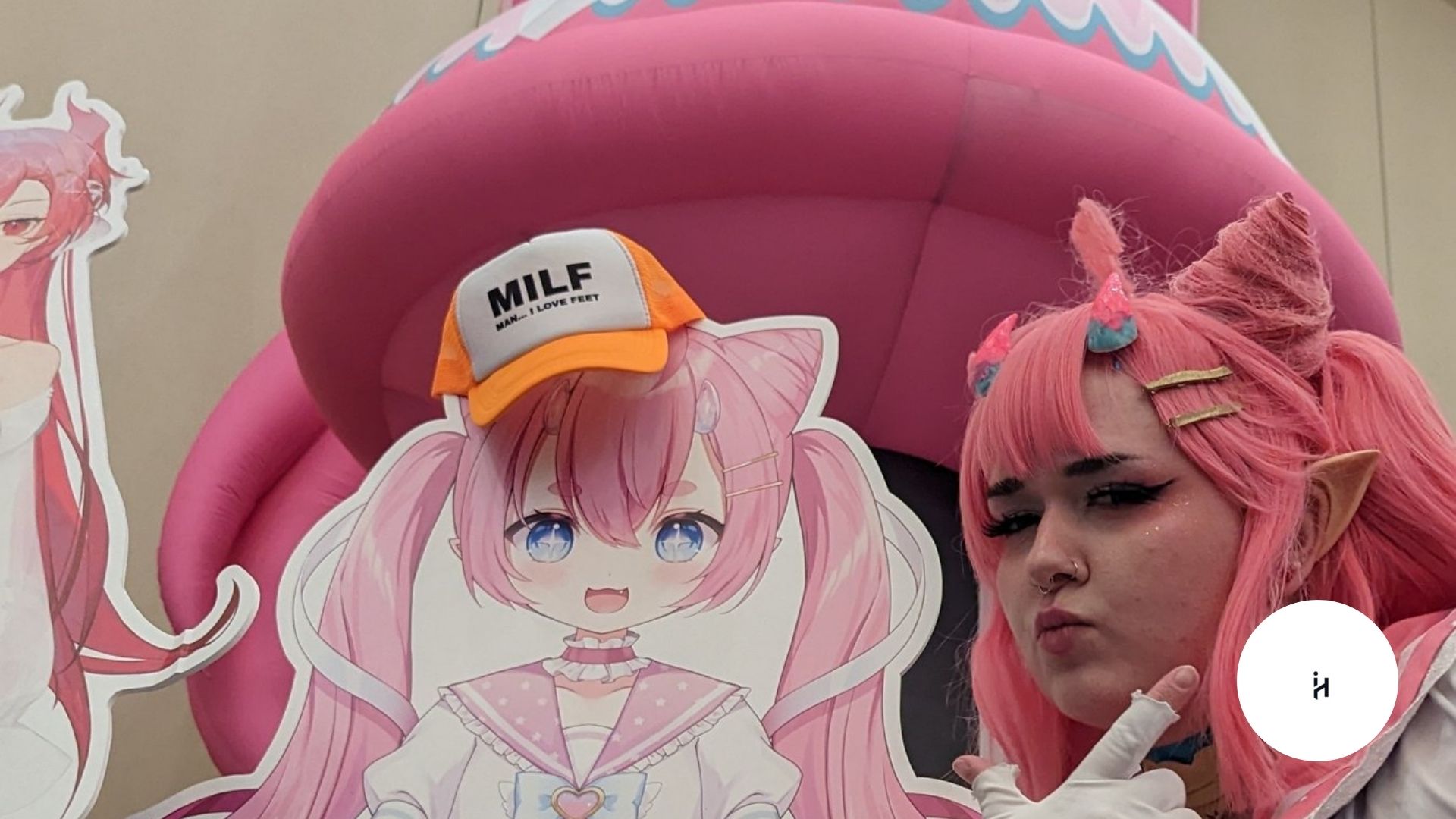
VTubers have taken the online streaming world by storm, and among the most iconic is Chibidoki. Known for her energetic personality, chaotic humor, and expressive 3D avatar, Chibidoki has quickly become a fan-favorite. With her growing popularity, the burning question among fans has remained: Has there been a Chibidoki face reveal?

Who is Chibidoki? A Brief Introduction to the VTuber Star

Chibidoki Face Reveal

Chibidoki is an independent English-speaking VTuber who debuted in 2021. She’s known for her chaotic streams, comedic timing, and anime-inspired design. While she operates without being affiliated with any major VTuber agencies like Hololive or VShojo, her influence is undeniable.

The Chibidoki face reveal conversation stems from her loyal fanbase wanting to connect further with the person behind the avatar. However, her choice to remain anonymous has also fueled the mystique that surrounds her.

The Power of Anonymity in VTubing

Anonymity is a key part of the VTuber culture. Creators like Chibidoki use virtual avatars to focus attention on their personality, content, and creativity rather than physical appearance. This approach gives artists more freedom and privacy.

While fans speculate and push for a Chibidoki face reveal, it’s essential to understand that anonymity protects the creator from real-life threats and judgment. Many viewers appreciate that her content stands strong without needing a public identity.

Why Fans Are Obsessed with the Chibidoki Face Reveal

The fascination with the Chibidoki face reveal isn’t just about curiosity—it’s about connection. Fans often form deep bonds with content creators, especially ones like Chibidoki who consistently entertain with personal anecdotes and live interactions.

Knowing what she looks like could bring fans closer, but it also creates unrealistic expectations. That said, it hasn’t stopped thousands of Reddit threads and YouTube comments from speculating who might be behind the iconic VTuber.

Rumors and Alleged Leaks: Are They Real?

There have been several online claims regarding the Chibidoki face reveal. Alleged images and personal information have occasionally surfaced on forums and social media platforms. However, none of these have been confirmed by Chibidoki herself.

Most of the so-called “leaks” are proven hoaxes or unrelated individuals. As of now, there has been no official Chibidoki face reveal, and all existing claims should be taken with skepticism unless verified.

Chibidoki Face Reveal

The VTuber’s Take: What Has Chibidoki Said About It?

Chibidoki has touched on the subject of a face reveal multiple times in her streams. Her responses are usually playful and vague, often turning the question into a joke or redirecting it. She has expressed appreciation for her fans’ support but hasn’t indicated any plans for a Chibidoki face reveal. It’s clear that she values her privacy and the fantasy element that VTubing allows her to maintain.

Fan Reactions to the Mystery

Fans have reacted in diverse ways to the lack of a Chibidoki face reveal. Some are respectful of her boundaries and enjoy the mystery, seeing it as part of her charm. Others continue to ask persistently during streams or try to dig for clues online.

The VTuber community is divided—some demand transparency, while others believe creators like Chibidoki deserve full control over what they reveal. Despite the differences, her popularity continues to rise.

Comparing with Other VTubers Who Revealed Their Faces

Several VTubers, such as Ironmouse and CodeMiko, have revealed their faces, either partially or completely. These events often bring a mix of admiration, backlash, and viral attention. In contrast, Chibidoki has chosen to remain anonymous.

The Chibidoki face reveal may never happen, but her decision aligns with a growing number of VTubers who maintain strict privacy to preserve the fantasy or avoid real-life consequences.

Chibidoki’s Impact Without a Face Reveal

Even without revealing her face, Chibidoki has built a massive following on Twitch and YouTube. Her unique voice, chaotic energy, and creative avatar design are more than enough to captivate audiences.

The fact that the Chibidoki face reveal hasn’t occurred hasn’t slowed her growth—it may have even amplified it by adding an air of mystery that keeps fans intrigued and invested in her content.

Will a Face Reveal Ever Happen? Possible Scenarios

The future is uncertain. It’s entirely possible that Chibidoki could one day decide to do a face reveal, perhaps during a major milestone like a 1 million subscriber celebration. However, it’s just as likely that she may choose to keep her identity private forever.

A Chibidoki face reveal could boost her popularity further or create backlash if fan expectations aren’t met. Whatever happens, it should be on her terms alone.

Chibidoki Face Reveal

Ethical Considerations: Respecting Creator Privacy

One major concern in the VTuber space is doxxing—publishing private information without consent. The obsession with a Chibidoki face reveal sometimes leads to harmful behavior.

It’s important for fans to remember that creators are real people deserving of respect and boundaries. Pressuring someone into revealing their identity can damage their mental health and threaten their safety. Supporting Chibidoki means respecting her choices, whether she reveals her face or not.

Final Thoughts: The Magic Behind the Mask

The charm of Chibidoki lies not in what she looks like but in how she makes her audience feel. Her streams are filled with humor, chaos, creativity, and passion. The Chibidoki face reveal might be a trending topic, but it’s not the reason her fans return. They come back for the experience, the energy, and the fun. And maybe, that’s the real face of Chibidoki—the one that smiles behind the screen every time her fans laugh along.

Ksar Draa: Explore Morocco’s Desert Treasure

0
Ksar Draa

Introduction to Ksar Draa – Where Time Stands Still

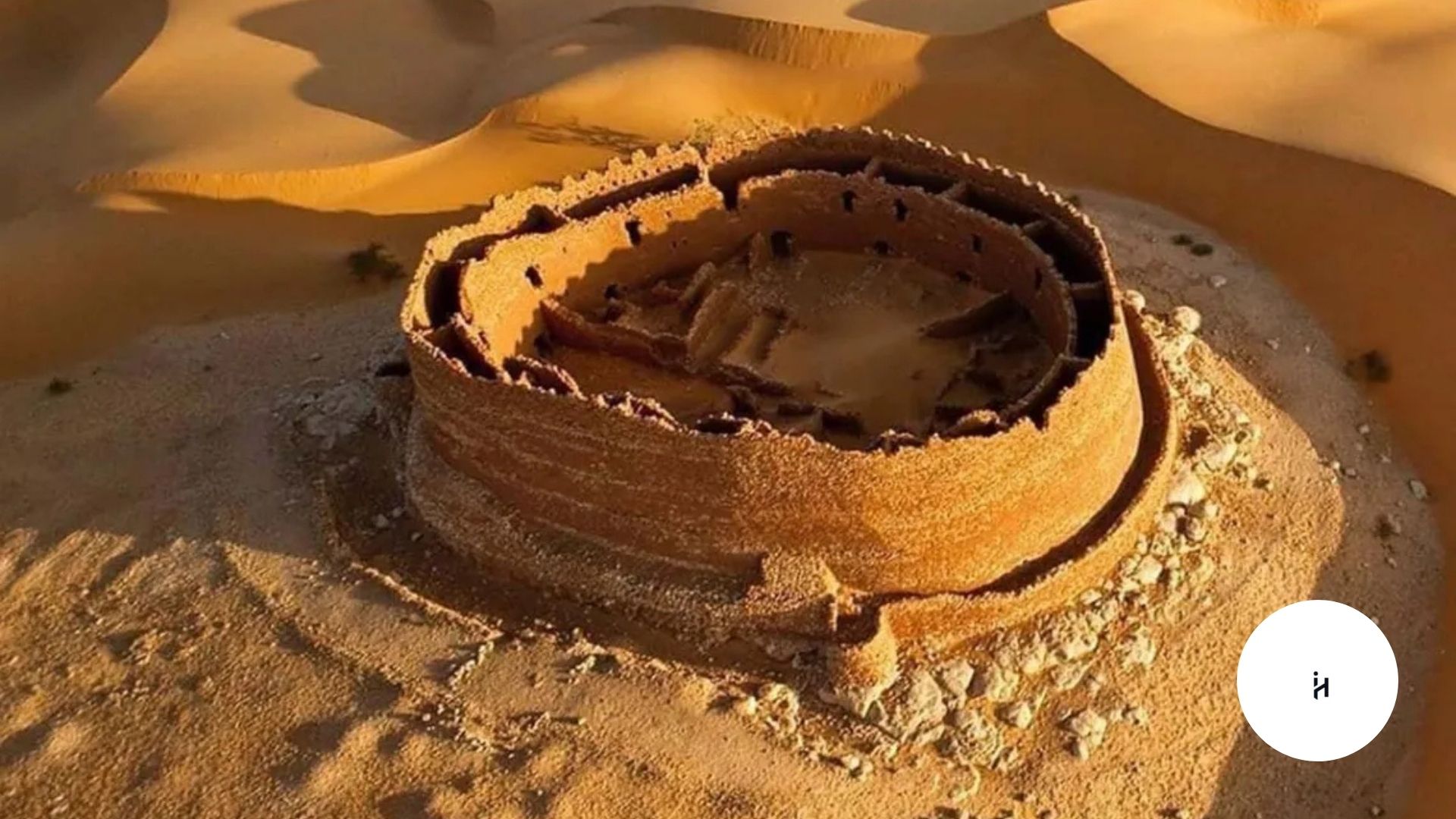
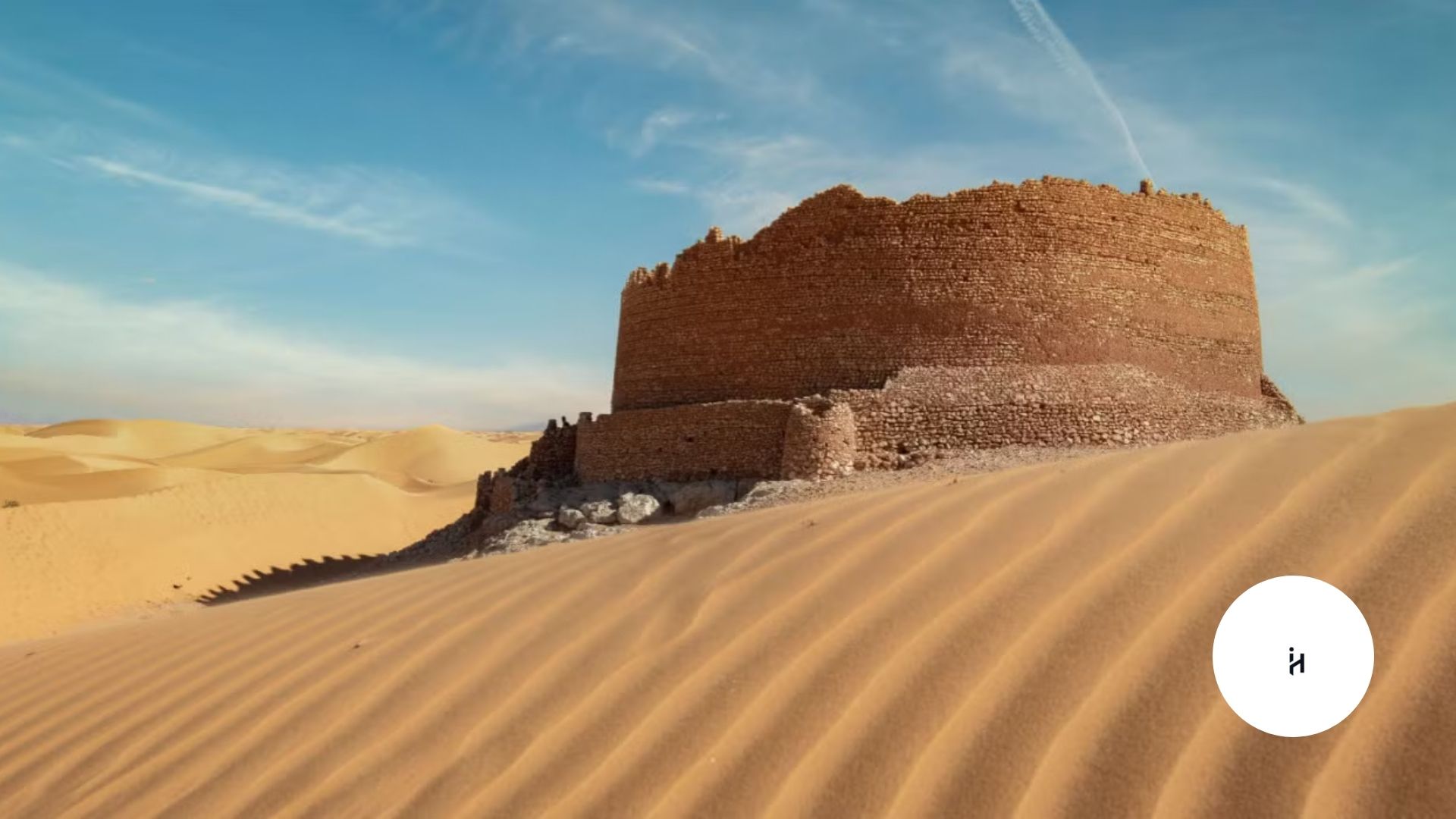
Hidden in the heart of the Moroccan Sahara, Ksar Draa is a breathtaking ancient village that reflects centuries of rich history, culture, and architectural mastery. Located near the Draa Valley, this ksar (a type of fortified village) is one of Morocco’s most authentic and untouched heritage sites. Often overlooked by mainstream tourism, Ksar Draa offers travelers a unique opportunity to step back in time and experience traditional Berber life.

The term “ksar” refers to a group of earthen buildings surrounded by high defensive walls, usually found in North Africa. Ksar Draa, true to this definition, comprises multiple homes, a mosque, granaries, and narrow pathways that whisper stories of the past.

This blog will walk you through the wonders of Ksar Draa, from its captivating history to its cultural importance and role in sustainable tourism. If you’re a history enthusiast, cultural explorer, or a lover of off-the-beaten-path destinations, Ksar Draa is the place to discover.

Historical Background of Ksar Draa

Ksar Draa

Ksar Draa dates back several centuries and served as a strategic stop along ancient trade routes between sub-Saharan Africa and northern Morocco. The Draa Valley, known for its oasis and date palm groves, was once part of a vibrant caravan trail. Ksar Draa provided traders with a safe haven to rest and conduct business.

Throughout the centuries, the residents of Ksar Draa developed a self-sufficient community. The high walls protected against desert bandits, and the inner layout promoted communal living. This ksar, like others in the region, illustrates how Moroccan society adapted to harsh desert environments using indigenous techniques.

What makes Ksar Draa stand out is its state of preservation. While many similar villages have crumbled due to neglect or modernization, local initiatives and cultural heritage projects have helped maintain the site, making it a valuable example of desert architecture and community life.

Traditional Architecture of Ksar Draa

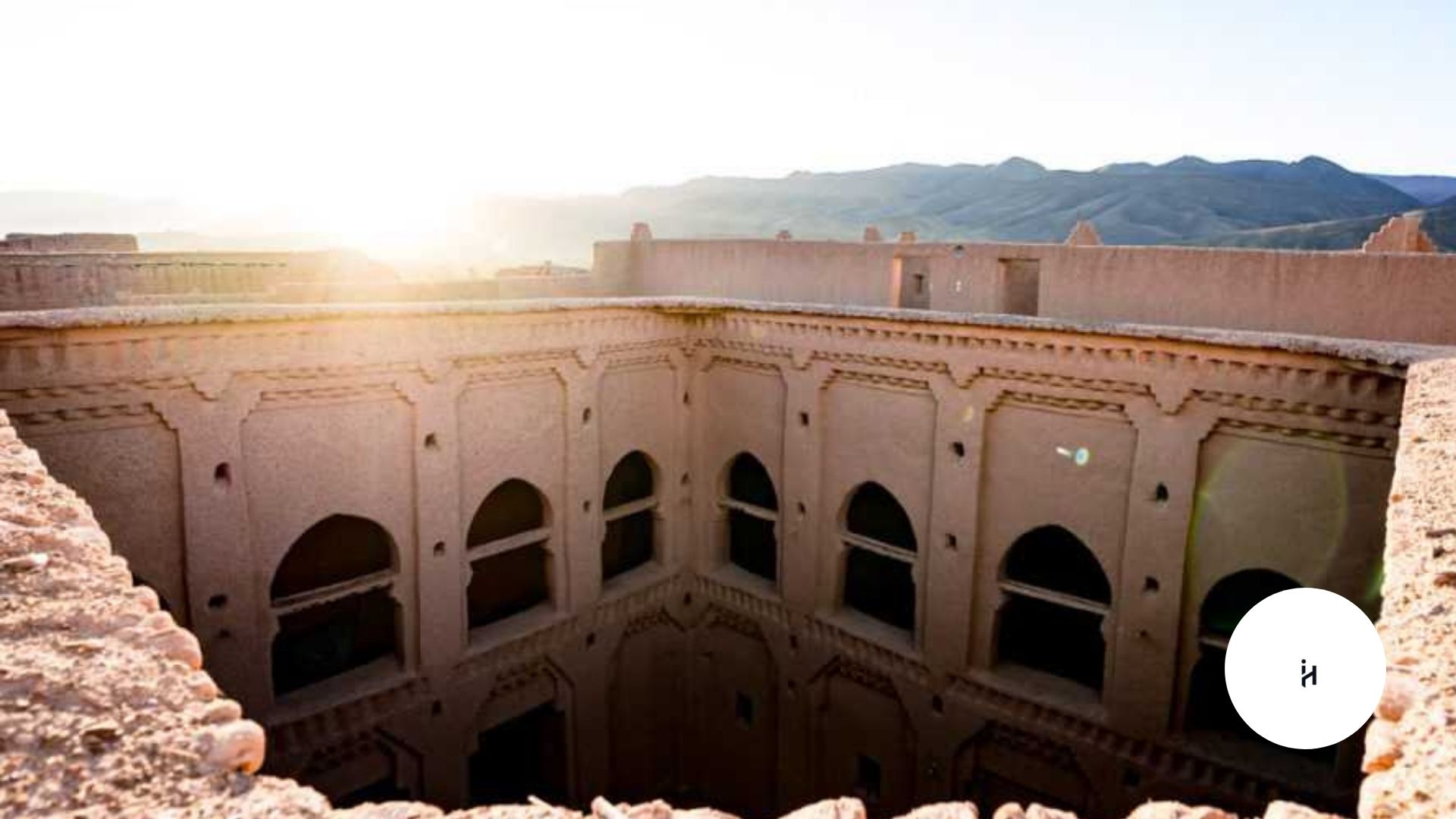
The architecture of Ksar Draa is a testament to the ingenuity of its builders. Constructed using pisé (rammed earth) and adobe bricks, the structures are naturally insulated, keeping interiors cool during scorching days and warm on chilly desert nights. The flat rooftops, thick walls, and strategic openings provide protection against sandstorms and extreme temperatures.

Inside Ksar Draa, you’ll find small courtyards, communal ovens, granaries, and even a mosque. Narrow alleyways interconnect the homes, reflecting a design meant for security and communal cohesion. Every architectural element, from the wooden beams to the decorative motifs, tells a story of adaptation and resilience.

Preserving this architectural style is not just about keeping old buildings standing. It’s about sustaining an entire way of life and understanding the intimate relationship between humans and their environment in desert regions.

Cultural Significance and Local Traditions

Ksar Draa is not just a physical structure—it’s a living cultural space. The ksar has long been home to Amazigh (Berber) families who practice traditional ways of life. From oral storytelling to music, from agriculture to artisanal crafts, the cultural practices of this community offer a deep look into Moroccan heritage.

Visitors to Ksar Draa can witness these traditions firsthand. Local guides, often residents or descendants of the ksar, share folk tales, teach weaving techniques, or even prepare a traditional tajine over a charcoal fire.

Festivals and religious celebrations also play an essential role. Events such as Moussem (a saint’s celebration) bring people together in colorful, musical, and spiritual gatherings that highlight the community’s cohesion and spiritual life.

Natural Beauty of the Draa Valley

The setting of Ksar Draa is as mesmerizing as the ksar itself. Nestled in the fertile Draa Valley, this region is a ribbon of green cutting through the otherwise arid Moroccan landscape. Palm groves, date orchards, and small irrigation canals surround the ksar, giving life to the community and supporting biodiversity.

The contrast between the reddish-brown walls of Ksar Draa and the lush greenery of the valley makes for a surreal view—especially at sunrise or sunset. Nature lovers will appreciate bird watching, walks through palm groves, and the peacefulness that defines this remote region.

This harmonious balance between man-made structures and natural surroundings is a rare treasure, emphasizing the need to protect both.

Ksar Draa

Visiting Ksar Draa – What to Expect

Travelers planning a visit to Ksar Draa can expect an authentic experience far removed from commercial tourism. While facilities may be basic compared to big cities, the hospitality is unmatched. Most tours include a walk through the ksar, a chat with locals, and perhaps a home-cooked meal.

It’s recommended to visit with a local guide to fully understand the history, significance, and hidden corners of Ksar Draa. Visitors are encouraged to respect local customs, dress modestly, and avoid littering to help maintain the site’s integrity.

The best time to visit is during spring or autumn when temperatures are moderate, and the landscape is at its most vibrant.

Ksar Draa’s Role in Sustainable Tourism

Sustainable tourism is crucial for preserving cultural sites like Ksar Draa. Fortunately, many initiatives now promote eco-friendly travel experiences that support local communities rather than exploit them. By visiting Ksar Draa, tourists contribute directly to local economies and encourage the preservation of Moroccan heritage.

Local cooperatives offer handicrafts, guided tours, and traditional meals, providing jobs and pride for the inhabitants. NGOs and cultural foundations are also working to restore damaged parts of the ksar using traditional techniques, ensuring authenticity remains intact.

Tourists are increasingly seeking experiences that align with values of sustainability and cultural respect—and Ksar Draa fits that demand perfectly.

Filming and Photography Opportunities

Because of its timeless beauty and untouched charm, Ksar Draa has attracted filmmakers and photographers from around the world. The golden hues of its walls, intricate textures, and dramatic desert backdrop create a perfect setting for visual storytelling.

From documentary shoots to travel vlogs and fashion photography, the ksar provides endless inspiration. However, visitors are asked to seek permission before photographing local people and to avoid disrupting daily life.

Whether you’re a professional or an amateur, capturing the soul of Ksar Draa on camera is a rewarding experience.

Nearby Attractions and Day Trips

While Ksar Draa is a highlight in itself, its location offers access to other fascinating sites. Close by are:

  • Zagora: A desert town known for camel treks and the famous “Timbuktu 52 days” sign.

  • Tamnougalt: Another ancient ksar with a restored kasbah.

  • M’Hamid El Ghizlane: Gateway to the Sahara’s dunes.

  • Ouarzazate: Known as the Hollywood of Morocco, filled with film studios and stunning kasbahs.

Combining Ksar Draa with these destinations can give travelers a full experience of southern Moroccan culture, nature, and adventure.

Ksar Draa

Conservation Challenges and Efforts

Despite its beauty, Ksar Draa faces numerous challenges. Harsh weather conditions, population decline, and limited funding for restoration threaten its survival. Many young people have migrated to cities, leaving behind a shrinking community with fewer resources.

Fortunately, cultural organizations and passionate individuals are working to preserve the ksar. Conservation projects include roof repairs using traditional materials, awareness campaigns, and documentation of oral histories. These efforts aim not only to protect buildings but to keep the spirit of Ksar Draa alive.

Tourism, when managed respectfully, plays a major role in providing funds and attention to such preservation.

Why Ksar Draa Should Be on Your Bucket List

In a world where modernity often overshadows tradition, Ksar Draa stands as a powerful reminder of how communities can thrive in harmony with their environment. Its historical depth, cultural richness, architectural genius, and breathtaking surroundings make it a must-visit destination for any curious traveler.

Unlike over-touristed destinations, Ksar Draa offers an intimate, immersive, and meaningful travel experience. It’s a place where stories linger in the walls, where time seems to pause, and where every step reveals something sacred and beautiful.

If you’re planning a trip to Morocco, don’t miss the chance to walk the pathways of Ksar Draa—a true desert treasure waiting to be discovered.