Home Blog Page 410

Master Your Clan with Warframe Dojo Planner

0
Warframe Dojo Planner

Introduction: What is the Warframe Dojo Planner?

The Warframe Dojo Planner is an essential tool for players who want to build, expand, or redesign their clan dojo with precision and creativity. Within the massive universe of Warframe, clans play a critical role in uniting players, sharing resources, and unlocking powerful weapons and Warframes.

The dojo acts as a headquarters for these clans, offering everything from research labs to dueling arenas. But designing one is no small feat—that’s where the Warframe Dojo Planner steps in.

By using the Warframe Dojo Planner, clan leaders and architects can visualize room placement, ensure functionality, and optimize space without wasting valuable resources. Whether you’re starting a new dojo or improving an existing one, this planner can save you countless hours of trial and error.

In this guide, we’ll walk through all the critical aspects of using the Warframe Dojo Planner effectively. Let’s begin the journey of transforming your dojo into a masterpiece.

Understanding the Purpose of a Warframe Dojo
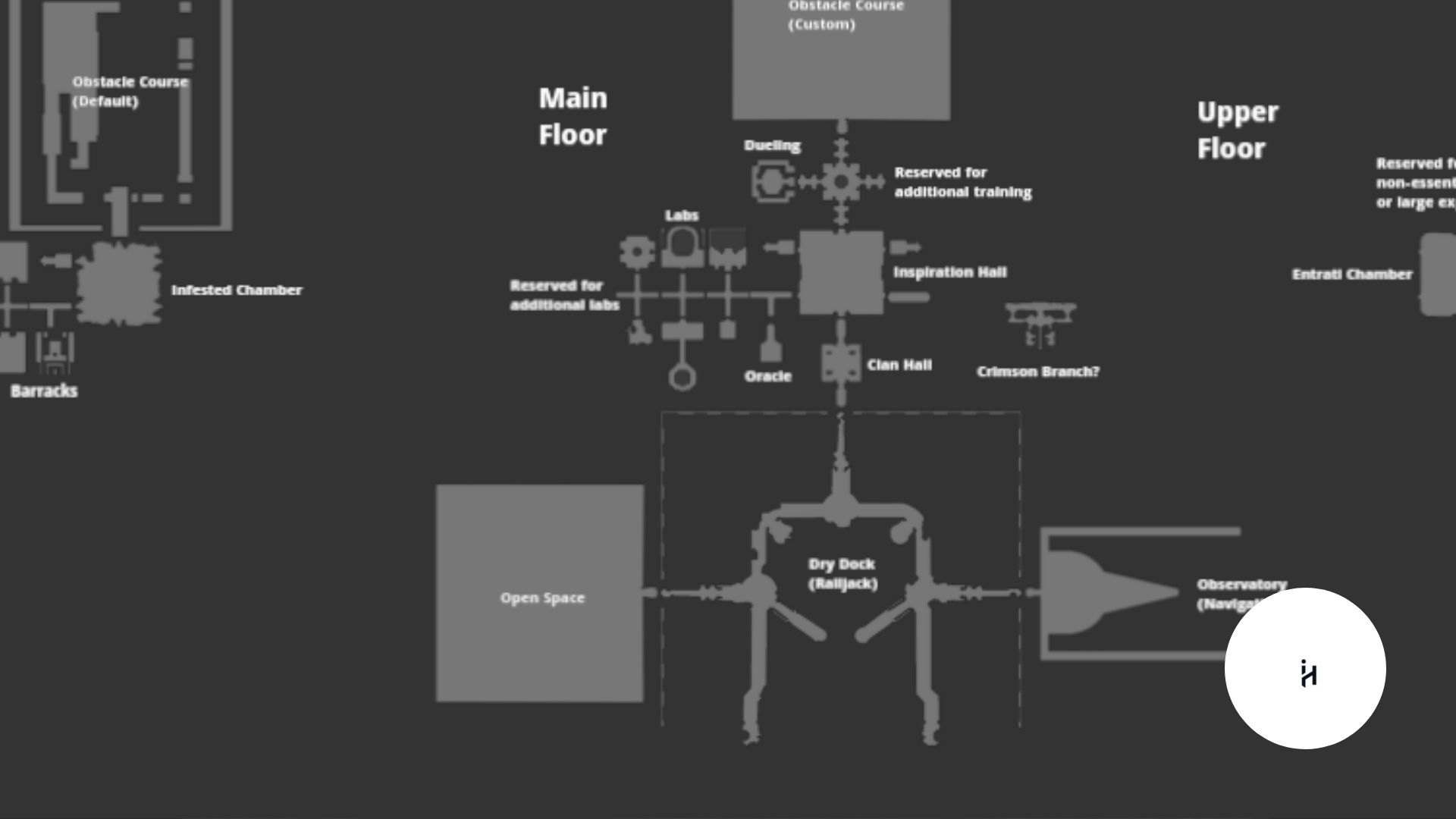
Warframe Dojo Planner

At the core of Warframe’s clan system is the dojo—a custom-built space station that reflects your clan’s identity and ambition. Here, members can access research technologies, train together, and even host duels and obstacle courses.

A well-planned dojo can make a clan stand out. The Warframe Dojo Planner helps players align their vision with gameplay efficiency. It allows pre-planning of layout, avoiding costly build/removal cycles. A clear understanding of the dojo’s function gives you an edge in efficient planning.

Using a planner ensures the clan achieves both beauty and performance, making the Warframe Dojo Planner an indispensable tool.

Getting Started with Warframe Dojo Planner Tools

Before building your dojo, familiarizing yourself with available dojo planner tools is crucial. The most popular is the third-party Warframe Dojo Planner web tool that provides a drag-and-drop interface. These tools simulate in-game building and help you visualize the final layout.

The planner also includes room connections, energy flow, capacity costs, and interactive blueprints. By importing your layout ideas into the game, you save time and prevent miscalculations.

The Warframe Dojo Planner empowers leaders to delegate rooms to clan members, ensuring collaboration and structured development.

Dojo Room Types and Their Functions

Every room in a Warframe dojo has a purpose. Some are purely decorative, while others are essential for research or movement. The Warframe Dojo Planner allows you to assign and organize each room based on functionality.

Key rooms include:

  • Research Labs (Tenno, Corpus, Grineer, Infested)

  • Trading Post

  • Orokin Lab

  • Obstacle Course

  • Dueling Room

Strategically placing these rooms using the planner ensures accessibility and aesthetics.

With the Warframe Dojo Planner, you’ll never again forget a connector or block off a major corridor. This level of organization gives your dojo an edge in usability and appeal.

Designing Layouts for Aesthetic Appeal

Beyond functionality, the Warframe Dojo Planner allows you to embrace your inner artist. Creating symmetrical layouts, unique themes, or futuristic corridors becomes effortless.

You can use the planner to map themed sections: a tech wing, a garden wing, or a ceremonial hall. Planning symmetry also ensures that your dojo looks cohesive and impressive when viewed by clan visitors or judges during Dojo Contests.

Using lighting, sculptures, and materials strategically with the help of the planner will transform your dojo into a visually stunning space.

Managing Dojo Capacity and Energy

Warframe Dojo Planner

Each room requires capacity and energy to build. Without proper planning, your dojo may hit its limits, halting expansion. The Warframe Dojo Planner helps you manage these resources efficiently.

It calculates energy and capacity in real time, ensuring your layout remains buildable. You can prioritize critical rooms, delay decorative ones, or plan power corridors for balanced energy distribution.

Using the Warframe Dojo Planner, you’ll maintain resource control, avoiding the frustration of overbuilds and the need to demolish key sections later.

Strategic Room Connections and Navigation

Nothing is worse than a maze-like dojo that confuses its visitors. The Warframe Dojo Planner allows you to map smart pathways and create intuitive navigation.

You can assign specific rooms to easily accessible hubs, reduce redundant hallways, and create loops or one-way flows to guide traffic. This improves not just form but also function.

A streamlined navigation design, made possible by the planner, enhances user experience and boosts your clan’s reputation during public visits or community events.

Collaborating with Clan Members on Design

Building a dojo is a team effort. The Warframe Dojo Planner helps foster collaboration by sharing layout ideas with other architects or clan leaders.

Some tools let you export blueprints or images to share on Discord or clan forums. Getting feedback allows you to refine and enhance your plans.

This shared design vision ensures all members are aligned, minimizing confusion during construction and promoting a sense of shared ownership in the dojo’s development.

Saving and Editing Multiple Dojo Plans

One of the most powerful features of the Warframe Dojo Planner is the ability to save and edit multiple layouts.

You might want one version focused on research expansion, another for aesthetic beauty, or one for events like dojo contests. With saved templates, you can switch or merge plans without starting over.

These saved blueprints also serve as backups, letting you revisit earlier concepts or track your design evolution.

Avoiding Common Dojo Planning Mistakes

Without the Warframe Dojo Planner, many players fall into traps: poor navigation, blocked rooms, wasted energy, or unnecessary complexity.

Common issues include:

  • Placing vital rooms far from spawn points

  • Creating bottlenecks in corridors

  • Ignoring capacity/energy ratios

  • Inconsistent design themes

By planning ahead with the Warframe Dojo Planner, you dodge these pitfalls and ensure a smooth, strategic build.

Tips for Entering Warframe Dojo Contests

Warframe Dojo Planner

Digital Extremes often holds Dojo Decoration Contests with in-game rewards. Using the Warframe Dojo Planner gives you an edge by allowing perfect symmetry and themed storytelling.

To succeed:

  • Plan your theme from the start

  • Use lighting and elevation wisely

  • Use room placement to tell a visual story

  • Keep camera paths in mind

The planner helps you mock up a contest-ready dojo with polish and professionalism.

Final Thoughts: Why Every Clan Needs a Planner

The Warframe Dojo Planner is more than just a design tool—it’s a clan leadership asset. From efficient layouts and energy management to stunning visuals and contest victories, the planner brings vision to reality.

No matter your clan size or style, using this tool reduces effort, enhances collaboration, and boosts creativity. The days of building blind are over.

Incorporate the Warframe Dojo Planner into your process, and transform your clan dojo into the best version of itself.


Elephant Edison: The Shocking Tale of Topsy the Elephant

0
Elephant Edison

The phrase “Elephant Edison” may seem odd at first glance, but it actually refers to a disturbing historical event involving a famous inventor and an innocent elephant. This story combines science, electricity, animal cruelty, and a battle of innovation that defined the early 20th century. The most notable elephant in this tale is Topsy, whose tragic end became part of a public demonstration by Thomas Edison during his campaign to promote direct current (DC) by discrediting alternating current (AC).

The Origin of Elephant Edison

Elephant Edison

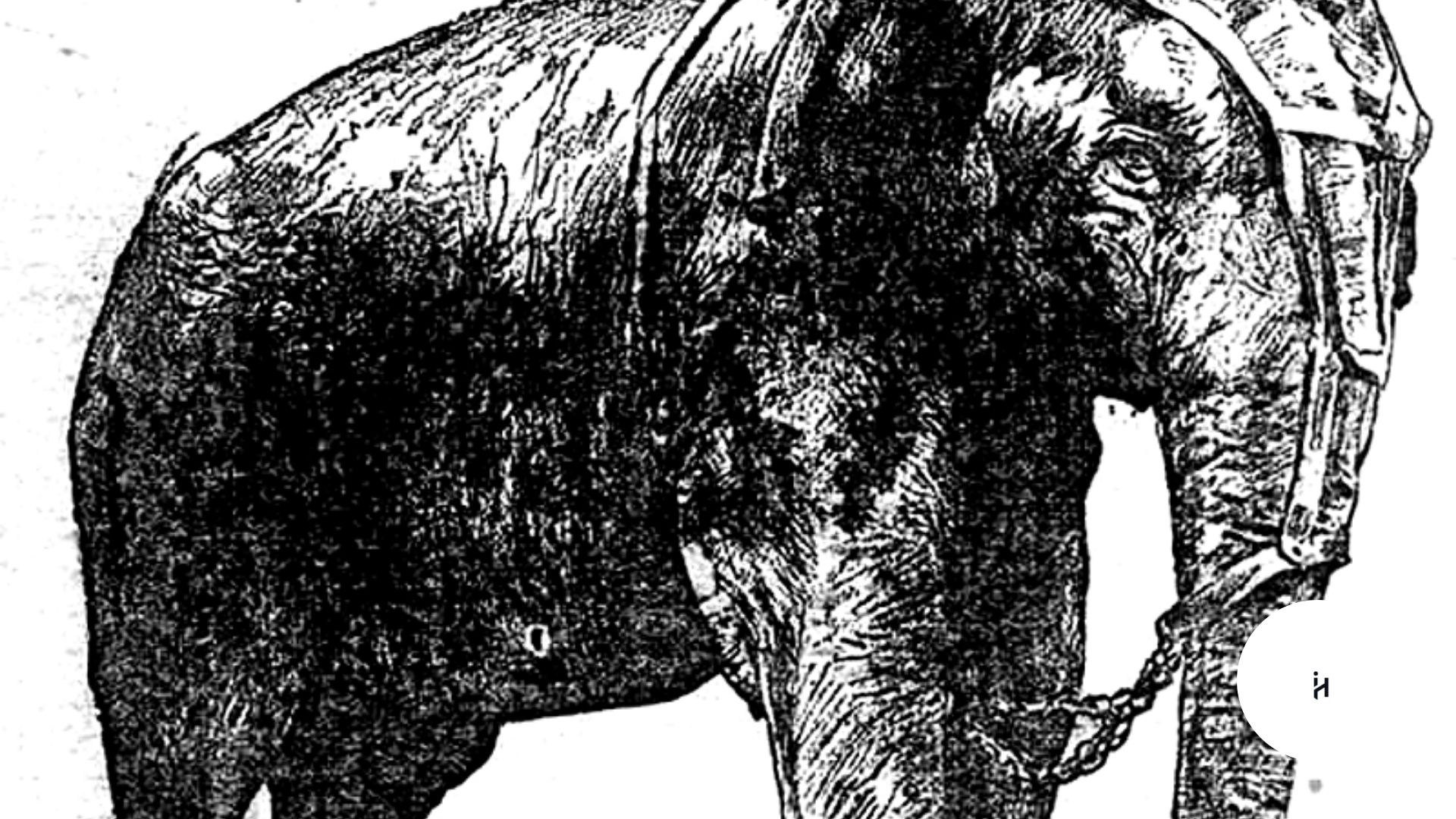
The term Elephant Edison refers to the public execution of Topsy the elephant in 1903 at Luna Park, Coney Island. Topsy was a circus elephant with a history of mistreatment and violent behavior—often due to abuse by her handlers. She was considered a threat and needed to be put down.

Enter Thomas Edison, who was trying to show the dangers of alternating current (AC) electricity, which was being promoted by Nikola Tesla and George Westinghouse. Edison saw an opportunity to demonstrate how lethal AC could be—by publicly electrocuting an elephant.

Though Edison was not directly responsible for organizing the event, his engineers and name were associated with the stunt, and it aligned with his propaganda campaign. Thus, “Elephant Edison” became a symbolic phrase for one of the most disturbing publicity stunts in history.

Topsy the Elephant: A Victim of Circumstance

Topsy was born in the wild in Asia around 1875 and was brought to the U.S. as part of a traveling circus. Early in her life, she endured cruel training methods and was frequently abused by her keepers.

Over time, Topsy became increasingly aggressive, leading to a few fatal incidents. However, historians argue that her violence was provoked by years of torture and maltreatment. The decision to kill her was not based solely on her danger to others, but on public spectacle and financial gain.

The name “Elephant Edison” evokes the tragedy of Topsy’s life—how an animal used for entertainment was discarded with cold brutality.

The War of Currents: Edison vs Tesla

In the late 19th century, a fierce rivalry brewed between Thomas Edison, who championed direct current (DC), and Nikola Tesla, who supported alternating current (AC). This competition became known as the War of Currents.

Edison feared that AC would replace his DC systems, and so he launched a campaign to paint AC as dangerous. He went as far as electrocuting stray dogs, cats, and even a horse to make his point. The climax of this cruel campaign came with the electrocution of Topsy the elephant.

Although the Elephant Edison incident didn’t stop AC from becoming the standard, it highlighted the lengths to which Edison would go in the name of business and influence.

The Public Execution of Topsy

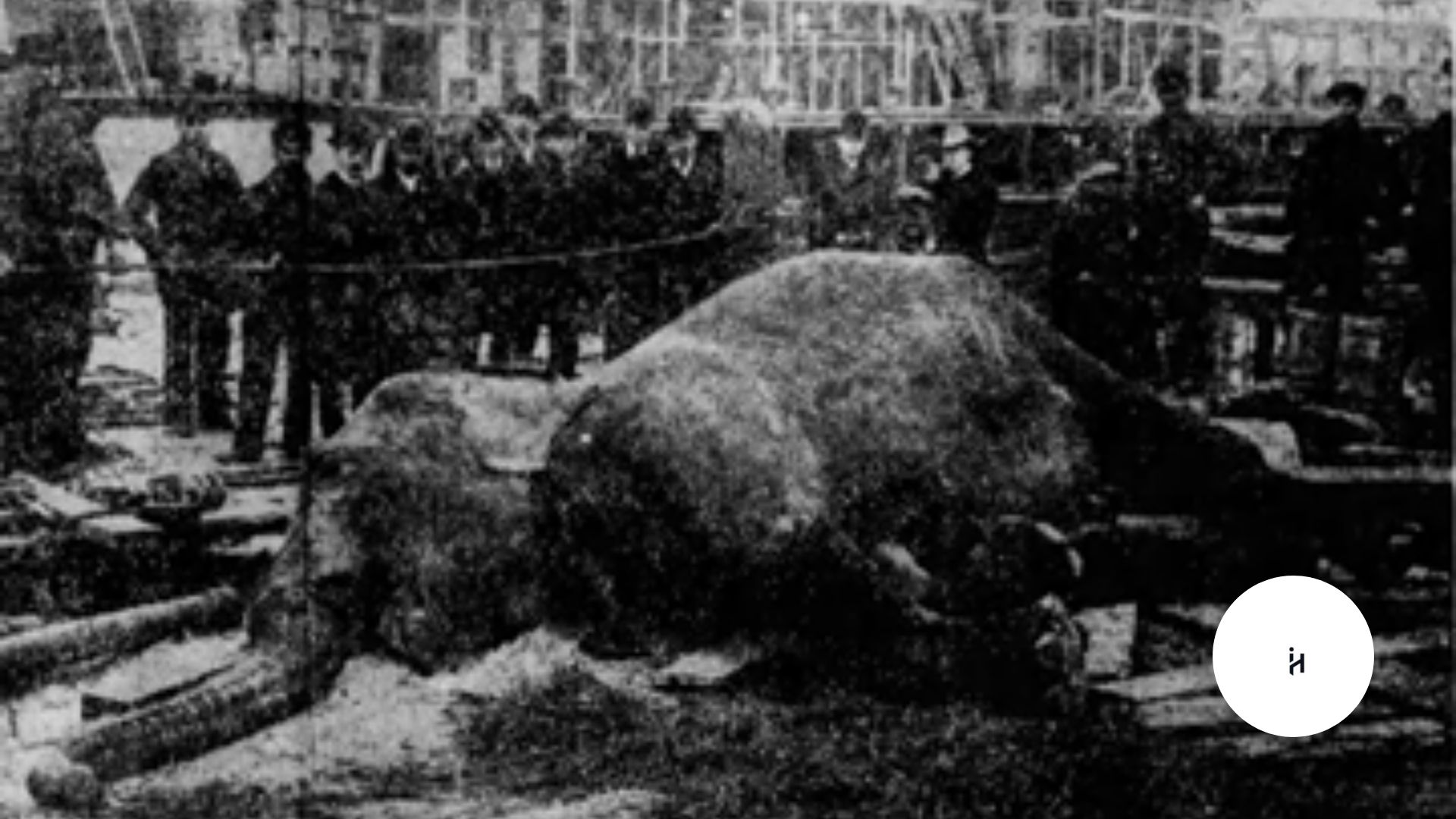
On January 4, 1903, Topsy was led to her death in front of an audience of over 1,500 people. The execution was part of a publicity event at Luna Park, with the promise of demonstrating electricity’s power.

She was fed cyanide-laced carrots, strangled with ropes, and finally electrocuted with 6,600 volts of AC electricity. Her death was captured on film by the Edison Manufacturing Company.

The Elephant Edison film, later titled Electrocuting an Elephant, became one of the earliest examples of snuff cinema and sparked public outrage.

Elephant Edison

Was Edison Directly Involved?

There is debate over whether Thomas Edison personally orchestrated Topsy’s death. By 1903, Edison had distanced himself from the electricity business, which had been taken over by General Electric.

However, the Edison Manufacturing Company, which filmed the event, still carried his name. This branding, combined with his earlier propaganda tactics, forever linked him to the phrase “Elephant Edison.”

Whether or not he directly participated, his past actions made the association inevitable.

Media and Public Reaction

At the time, the media covered the event as a curious public demonstration rather than a tragedy. Some newspapers sensationalized it, while others criticized it as cruel and unnecessary.

Public sentiment slowly shifted as the footage began circulating. The idea of killing an elephant in such a manner started to feel grotesque rather than educational.

Over time, Elephant Edison became a cautionary tale of how science and cruelty should never be mixed. It also laid the groundwork for future animal rights movements.

Elephant Edison in Film and Documentaries

The footage of Topsy’s death has been used in several documentaries and films, including Mr. Death and The Prestige. It often serves as a grim example of ethical lines crossed in the pursuit of technological dominance.

The term “Elephant Edison” is now used in many educational settings to highlight historical moments where human morality faltered in favor of spectacle or propaganda.

This incident remains a key study in the ethics of technology and media representation.

The Legacy of Topsy the Elephant

Topsy’s legacy endures as a tragic symbol of animal abuse and industrial ruthlessness. Her story prompted increased discussions about animal welfare and eventually led to stronger regulations.

Today, the Elephant Edison incident is taught in ethics classes and referenced in animal rights literature. It is a stark reminder of how innocent lives can be lost for entertainment and profit.

Topsy’s grave at Coney Island now serves as a silent witness to this dark episode in history.

Ethical Lessons from Elephant Edison.

Elephant Edison

The story of Elephant Edison offers valuable ethical lessons. It challenges us to question the motivations behind scientific demonstrations and the price of public spectacle.

It also raises questions about the value we place on animal lives and the responsibilities of those in power. Edison’s campaign may have been effective from a business standpoint, but it also showcased the moral cost of unchecked ambition.

Impact on Animal Rights Movements

The cruelty witnessed during the Elephant Edison event fueled early calls for animal protection laws. While it took decades, activists often cited Topsy’s story as a prime example of systemic abuse.

Organizations like the ASPCA and PETA have mentioned Topsy in their historical materials to show how far we’ve come—and how far we still need to go.

The Elephant Edison event may have started as a publicity stunt, but its long-term impact helped fuel meaningful change.

Remembering Elephant Edison Today

In today’s digital age, the Elephant Edison footage is still available online. It continues to haunt and educate viewers worldwide.

Monuments, books, and art installations have honored Topsy and criticized Edison’s association with her death. The term “Elephant Edison” lives on—not as a praise of innovation, but as a warning of its potential misuse.

As we move forward, remembering this story helps ensure that the past is not repeated—and that compassion leads our progress, not cruelty.

The Path of a Bodhisattva in Buddhism

0
Bodhisattva

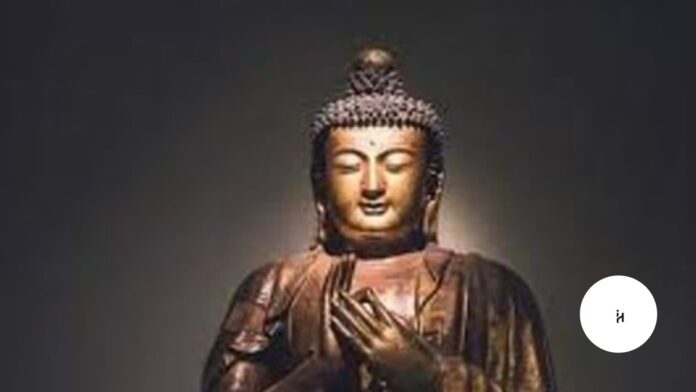
The concept of the bodhisattva holds a central place in Mahāyāna Buddhism. Unlike the traditional path of attaining nirvana and leaving the cycle of rebirth behind, a bodhisattva vows to delay their own enlightenment to help all sentient beings achieve liberation. Derived from the Sanskrit words “bodhi” (enlightenment) and “sattva” (being), a bodhisattva is literally an “enlightenment-being.” This ideal blends deep compassion with wisdom, making the bodhisattva an emblem of selfless service.

The bodhisattva path is not only for monastics. In Mahāyāna traditions, it is seen as a universal ideal that anyone can aspire to. Throughout Buddhist history, countless practitioners have committed to becoming bodhisattvas, walking a path filled with ethical conduct, spiritual discipline, and altruistic actions.

This blog will explore the multifaceted journey of the bodhisattva—from its definition and vows to historical examples, stages, and significance in modern practice. Let us now dive deep into the soul of this noble pursuit.

What Is a Bodhisattva?

Bodhisattva

A bodhisattva is someone who seeks enlightenment not for their own sake, but to help others achieve it. While Theravāda Buddhism focuses on the arahant ideal—someone who seeks their own liberation—the Mahāyāna tradition reveres the bodhisattva as the highest spiritual ideal.

A bodhisattva practices generosity, patience, ethical behavior, meditation, and wisdom. These virtues are cultivated to perfection, a process known as the “Six Pāramitās” or perfections. The defining feature of a bodhisattva is their bodhicitta—the compassionate intention to attain enlightenment to benefit all beings.

Historically, even Gautama Buddha is believed to have lived countless lives as a bodhisattva before attaining final Buddhahood. Stories of these past lives are found in the Jataka tales, demonstrating the immense dedication required on this path.

In essence, a bodhisattva is both a spiritual warrior and a compassionate guide, embodying wisdom and selflessness at every stage of their journey.

The Origin and History of Bodhisattva

The concept of the bodhisattva originated in early Indian Buddhism but gained prominence during the emergence of Mahāyāna around the 1st century CE. Ancient texts like the Lotus Sutra and Avataṃsaka Sutra elaborated on the cosmic and transcendent nature of bodhisattvas.

Initially, the term was primarily associated with Siddhārtha Gautama before his enlightenment. But later Mahāyāna literature expanded the term to include celestial bodhisattvas like Avalokiteśvara (embodiment of compassion), Mañjuśrī (wisdom), and Kṣitigarbha (protector of beings in hell).

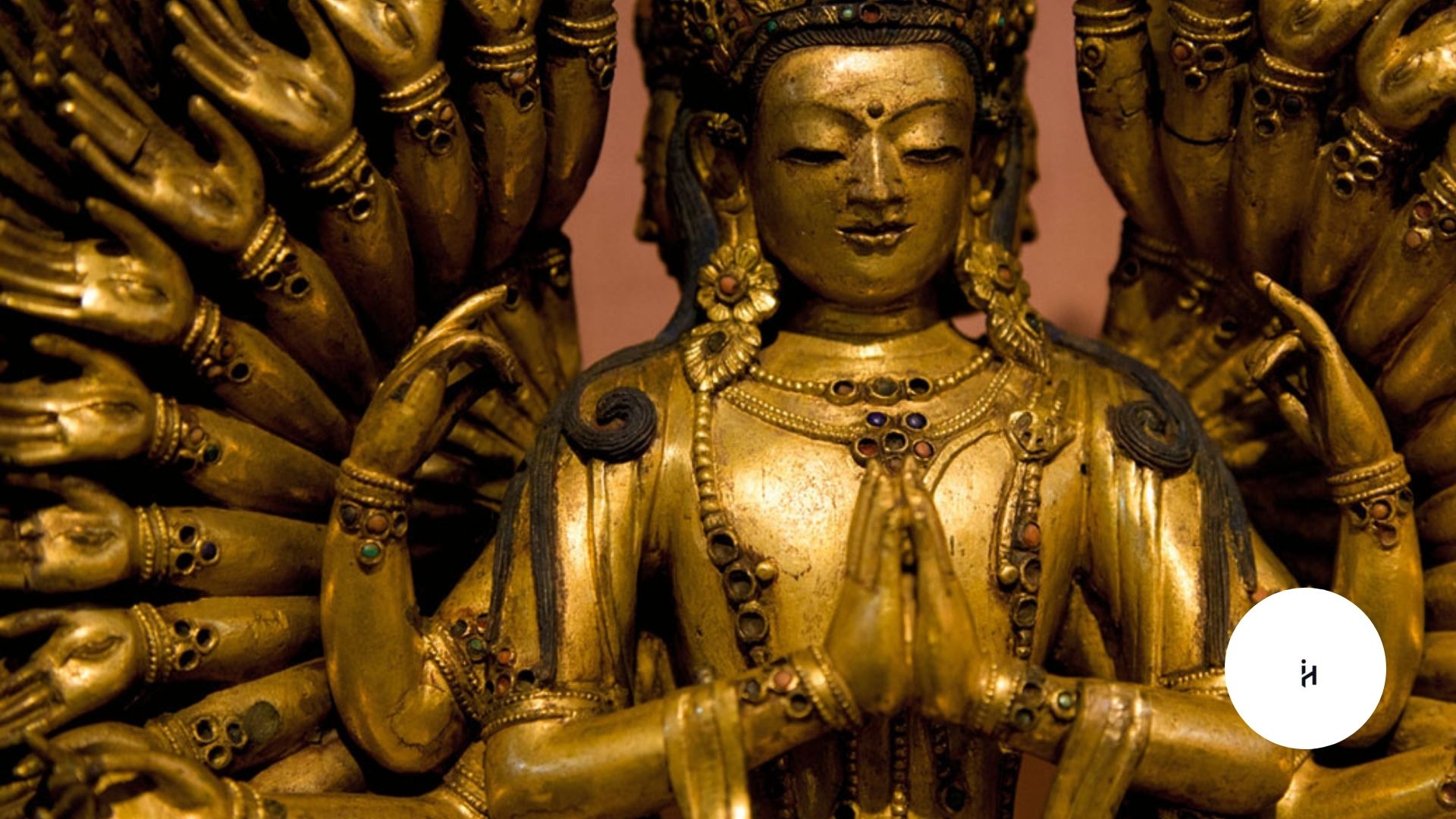
In the early centuries, bodhisattva cults emerged across Asia—from India and Nepal to China, Japan, and Tibet. Art, architecture, and literature flourished under their influence. For example, in Chinese Buddhism, Guan Yin is the popular representation of Avalokiteśvara and revered as the Goddess of Mercy.

Thus, the bodhisattva ideal shaped not just theology but also cultural and devotional practices across Buddhist civilizations.

The Bodhisattva Vow: Commitment to All Beings

At the heart of the bodhisattva path lies the Bodhisattva Vow—a solemn promise to attain Buddhahood for the benefit of all beings. The vow signifies a commitment to develop bodhicitta, the mind of awakening, through tireless compassion.

The typical formulation of the vow reads:

“Beings are numberless; I vow to save them.
Delusions are endless; I vow to end them.
Dharma gates are boundless; I vow to enter them.
The Buddha’s Way is unsurpassable; I vow to become it.”

Taking the vow is a transformative step. It reshapes one’s motivations and actions from ego-centered goals to altruistic intentions. It’s not a one-time ceremony—it’s a lifelong aspiration, renewed daily in practice and contemplation.

Many Mahāyāna practitioners take the vow as part of their entry into the Buddhist path. In Zen and Tibetan traditions, the vow is central to daily liturgy, reminding practitioners of their shared mission with all bodhisattvas past, present, and future.

Bodhisattva

The Six Perfections (Pāramitās) of a Bodhisattva

To walk the bodhisattva path, one must cultivate the Six Perfections or ṣaṭpāramitāḥ. These are:

  1. Dāna (Generosity) – Giving material, emotional, or spiritual support

  2. Śīla (Ethical Conduct) – Practicing moral discipline and non-harm

  3. Kṣānti (Patience) – Developing tolerance and forbearance

  4. Vīrya (Diligence) – Joyful perseverance in spiritual efforts

  5. Dhyāna (Meditation) – Deepening awareness through meditative absorption

  6. Prajñā (Wisdom) – Insight into the nature of reality and emptiness

Each perfection supports the others, creating a harmonious framework for growth. A bodhisattva must engage all six with balance, recognizing that without wisdom, even generosity can become misguided.

Through the perfections, bodhisattvas refine their mind and embody the very teachings of the Buddha in action. They serve as the moral and ethical compass for the world.

Famous Bodhisattvas in Buddhism

Numerous bodhisattvas are honored in Buddhist traditions:

  • Avalokiteśvara (Guanyin/Kannon) – The embodiment of boundless compassion

  • Mañjuśrī – The bodhisattva of wisdom, wielding the sword of insight

  • Kṣitigarbha (Jizō) – Protector of children and beings in lower realms

  • Samantabhadra – Symbolizing great vows and meditation

  • Tārā – The female bodhisattva of protection and liberation

Each bodhisattva manifests in diverse forms to meet beings according to their needs. Their stories, mantras, and iconography inspire practitioners and provide spiritual comfort.

These celestial bodhisattvas function like compassionate deities—guides and protectors on the path to enlightenment.

The Ten Stages of a Bodhisattva (Bhūmis)

The bodhisattva path is traditionally described in Mahāyāna Buddhism as progressing through ten spiritual stages, known as bhūmis. These stages represent the evolution of a bodhisattva’s mind, virtues, and wisdom as they move toward complete enlightenment.

The ten bhūmis are:

  1. Joyful (Pramuditā) – Rejoicing in the commitment to save all beings

  2. Stainless (Vimalā) – Cultivating ethical purity

  3. Luminous (Prabhākarī) – Deepening concentration and wisdom

  4. Radiant (Arciṣmatī) – Burning away defilements with insight

  5. Difficult to Conquer (Sudurjayā) – Overcoming subtle afflictions

  6. Approaching (Abhimukhī) – Entering deeper realization of emptiness

  7. Gone Afar (Dūraṅgamā) – Perfecting the pāramitās with ease

  8. Unshakable (Acalā) – Immovable in wisdom and compassion

  9. Excellent Intellect (Sādhumatī) – Mastering teachings and benefiting others

  10. Cloud of Dharma (Dharmameghā) – Radiating universal wisdom

These stages are not rigid steps but fluid experiences that represent increasing levels of clarity and capability. A bodhisattva at the highest bhūmis is near Buddhahood, capable of manifesting in countless worlds to aid sentient beings.

The bhūmis underscore the profound depth of the bodhisattva ideal—this is not just a moral path, but a cosmic journey of transformation.

Bodhicitta: The Heart of a Bodhisattva

Bodhicitta, or the “mind of awakening,” is the core driver behind a bodhisattva’s actions. It is the deep-seated intention to attain enlightenment not for oneself, but for the liberation of all beings from suffering.

There are two forms of bodhicitta:

  • Relative bodhicitta – The aspiration to help others and cultivate compassion

  • Ultimate bodhicitta – The realization of emptiness and the nature of mind

The two are not separate; they nourish each other. Compassion must be guided by wisdom, and wisdom must be rooted in compassion. Together, they form the bodhisattva’s compass.

Practices to cultivate bodhicitta include:

  • Tonglen (Tibetan practice of giving and receiving suffering)

  • Metta meditation (loving-kindness)

  • Reflecting on the interdependence of all life

Without bodhicitta, the path becomes egocentric. With it, every action—even mundane—becomes a sacred offering to the world. It is the heartbeat of the bodhisattva journey.

Bodhisattva

Differences Between a Bodhisattva and a Buddha

While both bodhisattvas and Buddhas are awakened beings, their roles and stages differ.

A Buddha has completed the path and no longer needs rebirth. They remain free from the cycle of samsara. A bodhisattva, on the other hand, may choose to stay in samsara—postponing final nirvana—in order to help all beings attain enlightenment.

Other distinctions include:

  • Motivation: A Buddha finishes their mission; a bodhisattva continues theirs.

  • Role: Buddhas are teachers; bodhisattvas are active guides in samsara.

  • Spiritual choice: A bodhisattva willingly delays their liberation for others.

That said, all Buddhas were once bodhisattvas. The latter is seen as a noble precursor, while the former is the final culmination of the path. In Mahāyāna belief, it is even more compassionate to stay a bodhisattva than to become a Buddha.

Modern-Day Relevance of the Bodhisattva Path

Though ancient in origin, the bodhisattva ideal holds immense relevance today. In a world filled with suffering, inequality, and ecological crisis, the need for bodhisattva-like action has never been greater.

Modern teachers like the Dalai Lama and Thich Nhat Hanh have brought the bodhisattva path into contemporary life. They emphasize mindfulness, social engagement, and environmental compassion as part of this spiritual journey.

Anyone, regardless of religion or status, can live as a bodhisattva by:

  • Choosing love over indifference

  • Offering help without expecting return

  • Engaging in ethical actions with intention

From healthcare workers to environmental activists, from teachers to parents—those who live for the benefit of others walk the bodhisattva path, whether knowingly or not.

Becoming a Bodhisattva: Can Anyone Do It?

Yes, anyone with sincere intent can become a bodhisattva. Mahāyāna Buddhism teaches that all beings have “Buddha-nature,” the seed of awakening. Becoming a bodhisattva is less about titles and more about intention and action.

Steps to begin the journey:

  1. Generate bodhicitta – Develop the desire to help all beings

  2. Take the Bodhisattva Vow – Formally or informally commit to the path

  3. Study and practice the Dharma – Learn from teachings, meditate, and reflect

  4. Engage in compassionate action – Turn everyday activities into service

The bodhisattva path is not a distant goal—it begins the moment one decides to live with wisdom and compassion. Even small acts, done with great love, build the path under your feet.

The Bodhisattva Path in Different Cultures

Across Asia, the bodhisattva ideal has been embraced and reimagined in unique cultural contexts:

  • China: Guanyin, the feminine form of Avalokiteśvara, is the most loved bodhisattva. Temples, poems, and paintings honor her.

  • Japan: Kannon and Jizō are central figures in Zen and Pure Land Buddhism. Jizō protects children and travelers.

  • Tibet: Avalokiteśvara (Chenrezig) is central, with the Dalai Lama considered his human embodiment.

  • India: Mañjuśrī and Samantabhadra feature in ancient temples and texts, illustrating wisdom and meditation.

In each culture, bodhisattvas have adapted to the people’s needs. They appear in different genders, forms, and stories—but their mission remains the same: to guide beings toward awakening.

The bodhisattva ideal has become a global inspiration, transcending boundaries of culture and creed.

Final Thoughts

The journey of a bodhisattva is one of boundless compassion, profound wisdom, and deep commitment to the well-being of all life. It calls us to move beyond personal liberation and embrace a universal mission. Whether we walk the path in monastic robes or as everyday citizens, the heart of the bodhisattva beats in all who act with love and wisdom.

Tulare Lake: The Lost Giant of California’s Central Valley

0
Tulare Lake

Introduction: The Story of Tulare Lake

Tulare Lake, once a vast freshwater lake in California’s Central Valley, holds a captivating history intertwined with nature, human development, and environmental challenges. At its peak, Tulare Lake was the largest freshwater lake west of the Mississippi River, covering over 690 square miles.

The lake’s expansive waters supported a diverse ecosystem and played a critical role in the lives of indigenous peoples and early settlers. However, over time, human activities transformed the landscape, causing Tulare Lake to vanish almost entirely. This blog explores Tulare Lake’s rich history, its ecological importance, and efforts underway to revive this lost natural treasure.

Geography and Formation of Tulare Lake

Tulare Lake

Tulare Lake was located in the southern San Joaquin Valley, bordered by the Sierra Nevada mountains to the east and the Coast Ranges to the west. It was primarily fed by the Kings, Kaweah, Tule, and Kern Rivers. This natural basin formed over thousands of years through tectonic and hydrological processes.

Seasonal snowmelt from the Sierra Nevada contributed significantly to its waters. The lake fluctuated in size depending on rainfall and river flow, expanding in wet years and shrinking in dry periods. Its geography created a unique wetland habitat that supported a variety of plant and animal species.

The Historical Significance of Tulare Lake

Tulare Lake played a vital role in California’s history. Indigenous tribes such as the Yokuts thrived around its shores, relying on the lake’s abundant fish and wildlife. The lake also served as a natural transportation and trade route. During the 19th century, the arrival of European settlers led to major changes.

They used the lake and its surrounding wetlands for fishing, hunting, and agriculture. Tulare Lake’s fertile floodplains became highly attractive for farming. However, this also led to increasing pressure on the lake’s natural state, setting the stage for its eventual decline.

Ecology and Biodiversity of Tulare Lake

The ecosystem of Tulare Lake was incredibly rich and diverse. It supported hundreds of species, including migratory birds, fish, amphibians, and mammals. The wetlands and marshes surrounding the lake were essential breeding grounds and resting spots for birds traveling along the Pacific Flyway.

Native fish such as the Tule perch thrived in its waters. The lake’s plant life, including cattails and tule reeds, provided habitat and nourishment to many species. The health of Tulare Lake was directly connected to the overall ecological balance of California’s Central Valley.

The Impact of Agriculture on Tulare Lake

The transformation of Tulare Lake began largely with the development of agriculture. By the late 1800s, settlers started diverting rivers for irrigation to support crops like cotton, wheat, and fruits. Levees and canals were built to control flooding and reclaim land from the lakebed.

These water diversions drastically reduced the inflow to Tulare Lake, causing it to shrink year after year. Agricultural expansion eventually led to the lake drying up almost completely by the early 20th century. While this created fertile farmland, it also caused the loss of wetland habitats and disrupted the natural hydrology of the region.

Tulare Lake’s Disappearance and Environmental Consequences

Tulare Lake

By the 1930s, Tulare Lake had largely disappeared, leaving behind a dry lakebed used for farming. This loss of water had severe environmental consequences. The wetlands and wildlife dependent on the lake vanished or were displaced.

The drying lakebed also contributed to dust storms and air quality issues. Furthermore, the loss of the lake changed groundwater levels and disrupted local climate patterns. Tulare Lake’s disappearance is a classic example of how large-scale human modifications to natural water systems can lead to significant environmental degradation.

Cultural Legacy and Indigenous Connection

For the indigenous Yokuts people, Tulare Lake was more than just a body of water—it was central to their culture, spirituality, and sustenance. The lake provided fish, waterfowl, and plants vital for food and traditional practices.

Even after the lake dried, the cultural memory of Tulare Lake persists among tribal communities. Efforts to document and preserve indigenous history increasingly recognize Tulare Lake’s significance. Understanding this cultural connection is key to appreciating the full story of Tulare Lake and respecting its place in California’s heritage.

Modern Hydrology and Flood Management

In recent decades, Tulare Lake has occasionally re-emerged during years of heavy rain and flooding. This is largely due to ongoing water management challenges in the Central Valley. Floodwaters from the Kings and Tule Rivers can temporarily refill parts of the old lakebed.

Modern levees and irrigation canals help prevent permanent flooding but also complicate natural water flow. These periodic flood events highlight the dynamic nature of the Tulare Lake basin and raise questions about future water management strategies in the face of climate change and increased water demand.

Efforts Toward Restoration and Conservation

There is growing interest among environmentalists, government agencies, and indigenous groups to restore portions of Tulare Lake’s wetlands. Restoration aims to bring back some of the lost habitat, improve water quality, and provide flood control benefits.

Projects include wetland creation, river flow improvements, and habitat protection initiatives. While fully restoring Tulare Lake to its original size is unlikely, these efforts demonstrate a commitment to reviving the ecological functions of the lake and enhancing biodiversity in the Central Valley.

Tulare Lake in Popular Culture and Media

Tulare Lake has also captured the imagination of writers, photographers, and filmmakers. Its story symbolizes the tension between nature and human development. Various documentaries and books explore the lake’s history, ecological loss, and cultural importance. Tulare Lake is often referenced as a cautionary tale about water management and environmental sustainability. The imagery of the vast dry lakebed juxtaposed with occasional floodwaters evokes both nostalgia and hope for restoration.

Tulare Lake

The Role of Tulare Lake in California’s Water Crisis

California faces ongoing water scarcity and drought challenges. Tulare Lake’s history offers lessons about water use, conservation, and the risks of overexploitation. The drying of Tulare Lake parallels broader issues of groundwater depletion and river diversion in the state.

Policymakers and scientists look to the lake’s basin as a case study in balancing agricultural needs, urban growth, and ecosystem health. Sustainable water management that respects natural hydrology is crucial to avoiding further losses like that of Tulare Lake.

Future Outlook: Challenges and Opportunities

The future of Tulare Lake involves complex trade-offs between agriculture, urban development, environmental conservation, and indigenous rights. Climate change may increase the frequency of extreme weather events, causing more flooding or droughts in the region.

Adaptive water management strategies will be essential to respond to these changes. Collaborative efforts among stakeholders can transform Tulare Lake’s basin into a model of sustainable coexistence between humans and nature. Though the lake itself remains mostly dry, its legacy inspires hope for a more balanced and resilient future.

Conclusion

Tulare Lake’s story is a powerful example of the interplay between natural ecosystems and human intervention. From its vast waters supporting rich biodiversity and indigenous cultures to its near disappearance under agricultural pressure, Tulare Lake encapsulates many challenges faced by modern environmental management.

Through restoration efforts and renewed appreciation of its ecological and cultural importance, Tulare Lake continues to teach valuable lessons about sustainability, resilience, and respect for nature’s complexity.