Home Blog Page 99

Justin Eichorn Family: A Deep Dive into His Personal and Political Life

0
Justin Eichorn Family

Justin Eichorn, a well-known Minnesota State Senator, has made significant contributions to the state’s legislative landscape. While his political career has garnered public attention, his family life remains a point of interest for many. In this blog, we explore the personal and professional aspects of Justin Eichorn, shedding light on his family background, career milestones, and recent developments.

Early Life and Educational Background

Justin Eichorn was born on May 7, 1984, in Grand Rapids, Minnesota. He pursued higher education at Itasca Community College before transferring to Concordia University in St. Paul, where he completed his bachelor’s degree. His academic journey laid a strong foundation for his future endeavors in both business and politics.
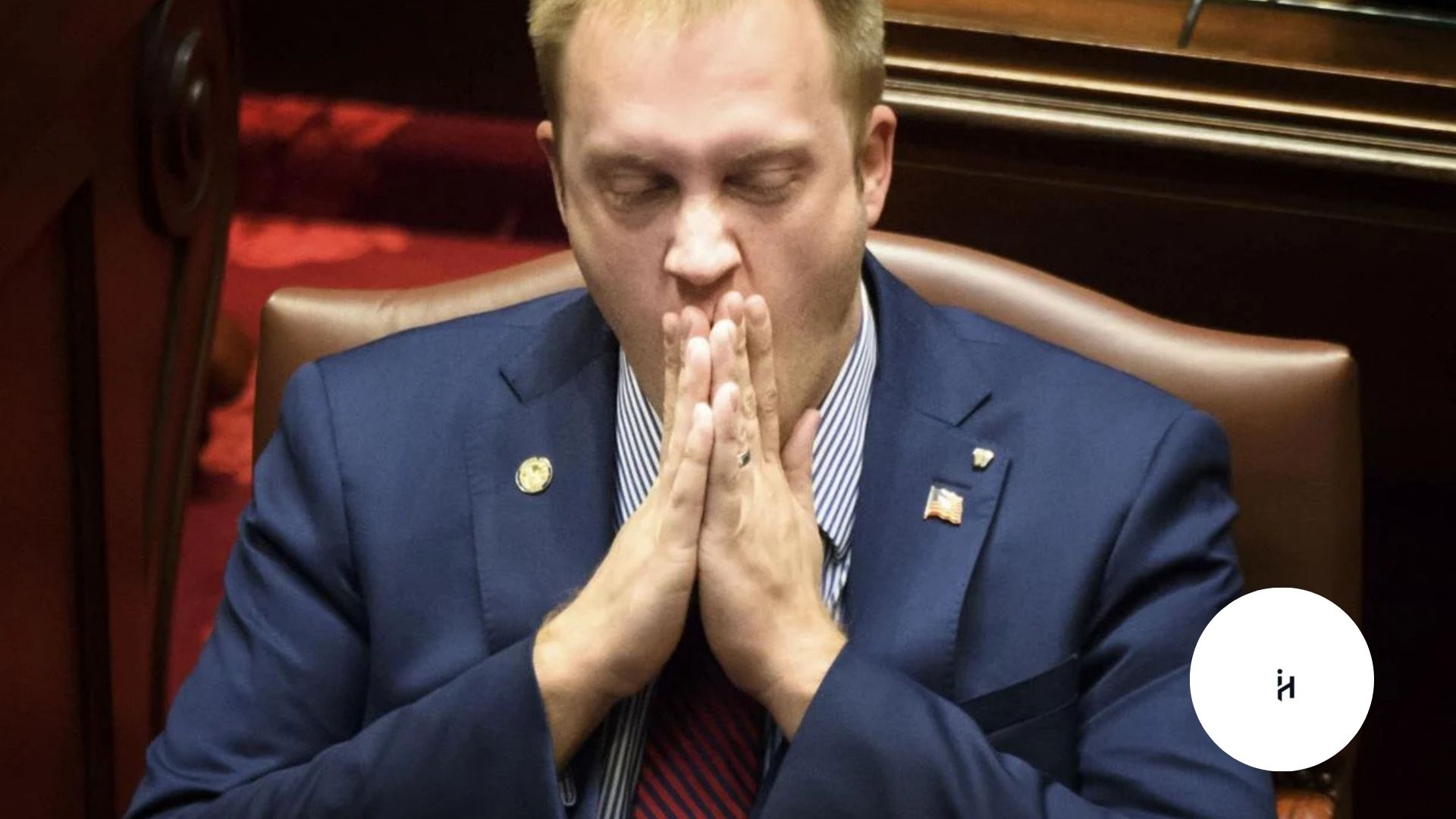
Justin Eichorn Family

Professional Career and Business Ventures

Before venturing into politics, Eichorn established himself in the business community. He worked as a real estate professional, gaining insights into the housing market and the economic factors influencing property values. His entrepreneurial spirit and business acumen provided him with a practical understanding of the challenges faced by small business owners and entrepreneurs in Minnesota.

Political Career and Legislative Achievements

Eichorn’s political journey began with his election to the Minnesota State Senate in 2016, representing District 5. Following redistricting, he has been serving District 6 since 2023. Throughout his tenure, he has been an active member of several key committees, including the Environment, Climate, and Legacy Committee; the Finance Committee; and the Judiciary and Public Safety Committee. His legislative efforts have focused on various issues:

  • Education Initiatives: Eichorn introduced legislation aimed at assisting Minnesota families in covering their children’s education expenses. The bill proposed altering eligibility requirements for the K-12 Education Tax Credit to restore access for families it was initially designed to serve. By benchmarking the household income limit to eligibility for free and reduced lunch, the legislation aimed to provide financial relief to families across the state.

  • Firearm Safety and Outdoor Engagement: Recognizing the importance of firearm safety and outdoor activities, Eichorn introduced legislation to teach students proper firearm handling and encourage participation in outdoor sports. The bill proposed allowing schools to offer gun safety education, hunting and angling training, and opportunities for students to engage in trap shooting through educational programs. This initiative aimed to promote safety, responsibility, and a deeper connection to Minnesota’s outdoor heritage.

  • Parental Rights and Religious Freedom: Eichorn has been a vocal advocate for protecting parental rights and religious freedoms. He opposed legislation that sought to eliminate conscientious belief exemptions for vaccines for children attending various educational institutions. Eichorn emphasized the importance of preserving personal and religious freedoms, arguing against government overreach in matters concerning family choices and children’s education.

Personal Life and Community Engagement

Justin Eichorn is married to his wife, Brittany, and together they have four children: William, Benji, Bella, and Emmett. The family resides in Grand Rapids, Minnesota, where they are actively involved in the local community. Eichorn’s commitment to his constituents is evident through his participation in various civic activities and his dedication to addressing the concerns of the residents in his district.
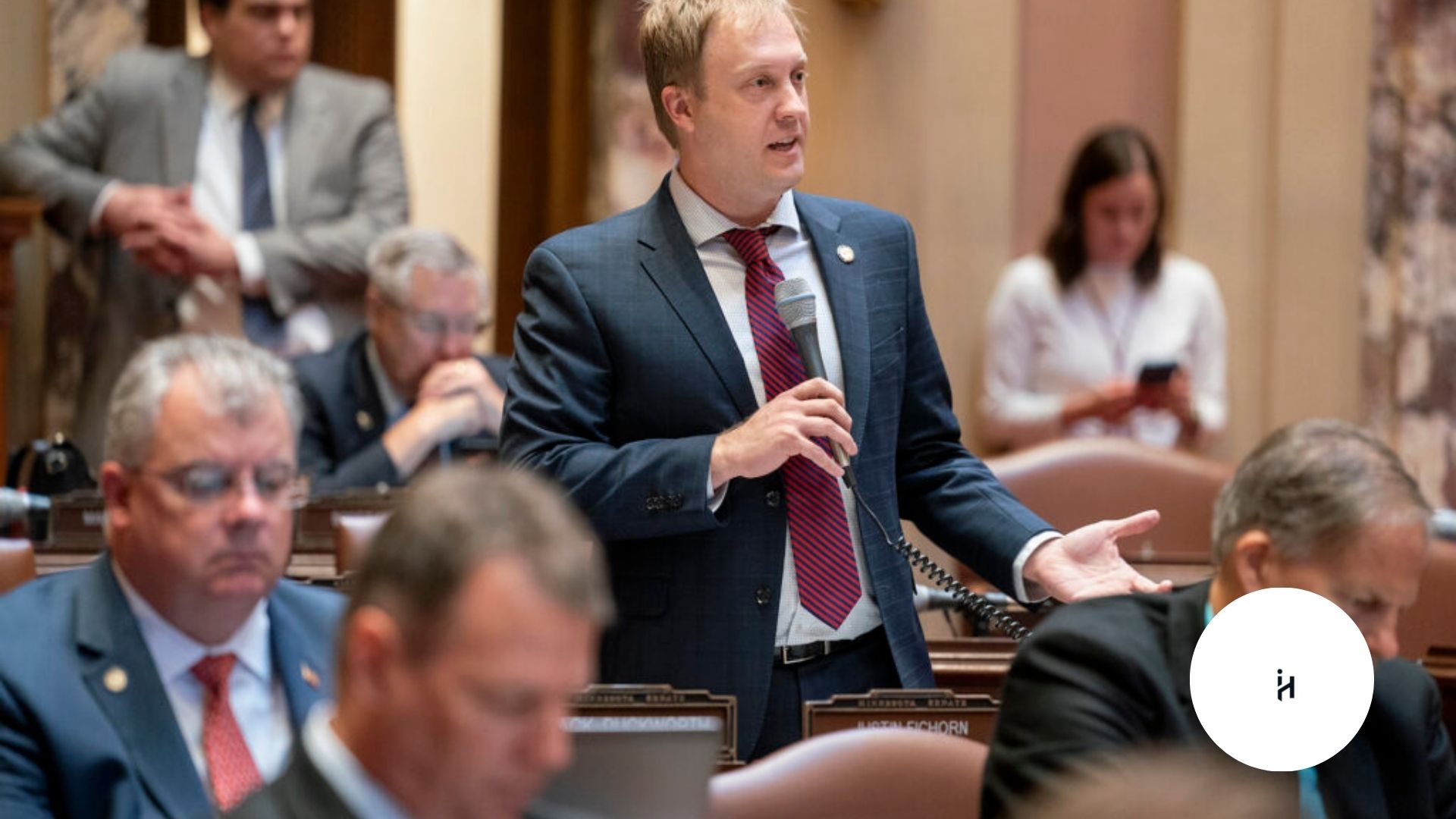
Justin Eichorn Family

Recent Developments

On March 18, 2025, reports emerged that Senator Justin Eichorn was arrested for allegedly attempting to solicit sex from a minor. According to authorities, Eichorn believed he was communicating with a 17-year-old girl but was, in fact, interacting with undercover police detectives.

He was taken into custody without incident in Bloomington, Minnesota, and faces felony charges related to soliciting a minor for prostitution. In response to these allegations, the Minnesota Senate Republican leadership and the state Republican Party have called for his immediate resignation, emphasizing the seriousness of the charges and the need for accountability.

Impact on Political Landscape

The allegations against Senator Eichorn have significant implications for the political landscape in Minnesota. His arrest has prompted discussions about ethical standards, the vetting process for public officials, and the potential impact on legislative proceedings.

The calls for his resignation reflect a broader commitment to maintaining public trust and ensuring that elected officials uphold the highest standards of conduct. As the situation unfolds, it will be crucial to monitor how these developments influence both the state legislature and the constituents Eichorn represents.

Q&A Section

Q1: Who is Justin Eichorn?

A: Justin Eichorn is an American politician and businessman who serves as a Minnesota State Senator. He has been actively involved in legislation concerning education, firearm safety, and parental rights.

Q2: Who is in Justin Eichorn’s family?

A: Justin Eichorn is married to his wife, Brittany, and they have four children: William, Benji, Bella, and Emmett. They reside in Grand Rapids, Minnesota.

Q3: What is Justin Eichorn known for in his political career?

A: He is known for advocating educational tax credits, promoting gun safety education, and defending parental rights and religious freedoms.

Q4: Has Justin Eichorn faced any controversies?

A: Recently, he was arrested on allegations of soliciting sex from a minor. This incident has led to calls for his resignation and has had a significant impact on his political standing.

Justin Eichorn Family

Q5: What are the latest updates on Justin Eichorn?

A: As of March 2025, he is facing felony charges related to the solicitation case, and political leaders have urged him to step down from office.

Conclusion

Senator Justin Eichorn’s career has been marked by active participation in Minnesota’s political and business communities. His legislative initiatives have addressed various issues, from education and firearm safety to parental rights.

However, the recent allegations have cast a shadow over his accomplishments, highlighting the importance of ethical conduct in public service. As the legal process progresses, the outcomes will undoubtedly shape the future of his political career and the trust placed in public officials by the citizens of Minnesota.

For Amazing Updates Keep Visiting ImaginaryHistory.

Minnesota Sports Betting: A Comprehensive Guide

0
Minnesota Sports Betting

Sports betting has become a booming industry across the United States, with many states legalizing it in recent years. However, Minnesota remains one of the few states still navigating the complexities of legalization. This blog will provide a thorough analysis of Minnesota sports betting, including its legal status, potential benefits, legislative challenges, public opinion, and future outlook.

The Current Legal Status of Sports Betting in Minnesota

Minnesota has yet to fully legalize sports betting, despite the growing popularity and widespread adoption in other states. Currently, sports betting is prohibited under state law, with exceptions for tribal casinos that operate under federal gaming regulations. Efforts to legalize it have been ongoing, but disagreements between various stakeholders, including tribal authorities, lawmakers, and commercial operators, have slowed progress.

The primary legal obstacle is the control of gaming in the state. Minnesota has a long history of tribal gaming, with tribal casinos playing a dominant role in the gambling industry. Any legislation that seeks to legalize sports betting must address the interests of these tribal groups, which currently oppose expansion efforts that could allow commercial sportsbooks to enter the market.

Minnesota Sports Betting

Efforts to legalize sports betting have seen multiple bills introduced in the Minnesota Legislature, but none have successfully passed. The state has debated whether to allow in-person betting at casinos only or expand it to online and mobile platforms. While neighboring states like Iowa and Wisconsin have already legalized sports betting, Minnesota remains hesitant to follow suit.

The Economic Potential of Sports Betting in Minnesota

The legalization of sports betting in Minnesota could bring significant economic benefits to the state. One of the primary advantages is increased tax revenue. States with legalized sports betting, such as New Jersey and Illinois, generate millions of dollars in tax revenue annually. These funds could be used to support public services, infrastructure, and education in Minnesota.

In addition to tax revenue, legal sports betting would create jobs in various sectors, including hospitality, technology, and customer service. Sportsbooks require employees to manage betting operations, customer support teams, and marketing professionals to attract bettors. The economic ripple effect would also extend to local businesses, as increased tourism and foot traffic in casinos would boost local economies.

Moreover, legal sports betting would bring greater transparency and consumer protection. The presence of regulated sportsbooks would ensure fair odds, secure transactions, and responsible gambling measures. Without legalization, many Minnesota residents turn to illegal offshore sportsbooks, which lack oversight and consumer protections.

The Role of Tribal Casinos in Minnesota Sports Betting

Tribal casinos hold a significant influence over Minnesota’s gambling industry. Under the Indian Gaming Regulatory Act (IGRA), tribes have exclusive rights to operate casinos on their lands, making them powerful stakeholders in any sports betting legislation.

Many tribes in Minnesota oppose sports betting legislation that would allow commercial operators to enter the market. They argue that expanding gambling to online sportsbooks or commercial casinos would negatively impact their revenue and disrupt existing agreements. Some tribal groups have expressed interest in offering sports betting exclusively at their casinos, but this would limit the accessibility and convenience of betting for many residents.

Finding a compromise between state lawmakers and tribal interests is crucial for the legalization process. Some states, like Michigan, have successfully integrated tribal casinos into their sports betting laws by allowing them to operate online sportsbooks. Minnesota could adopt a similar model to ensure tribal casinos benefit while expanding legal betting options for residents.

Legislative Challenges and Political Debates

One of the biggest hurdles for legalizing sports betting in Minnesota is the political divide among lawmakers. While some legislators support full-scale legalization with mobile and retail sportsbooks, others prefer a more limited approach that keeps betting confined to tribal casinos.

The lack of consensus has led to repeated failures in passing sports betting bills. Key debates include tax rates on sports betting revenue, licensing fees, and consumer protections. Some lawmakers push for higher tax rates to maximize state revenue, while sportsbook operators advocate for lower rates to remain competitive with neighboring states.

Minnesota Sports Betting

Another challenge is the influence of anti-gambling groups, which argue that sports betting could lead to problem gambling and social issues. While responsible gambling measures, such as self-exclusion programs and betting limits, can mitigate these risks, opposition remains strong among certain lawmakers and advocacy groups.

Public Opinion on Sports Betting in Minnesota

Public sentiment toward sports betting in Minnesota is generally positive, mirroring national trends. A growing number of residents support legalization, recognizing the potential economic benefits and the ability to place bets legally and safely.

Polling data suggests that many Minnesotans would prefer a regulated sports betting market rather than relying on offshore or illegal options. The rise of mobile betting in other states has also influenced public opinion, as sports fans want convenient access to wagering through their smartphones.

While opposition exists, particularly among conservative and religious groups, the overall trend favors legalization. Public support could play a crucial role in pushing lawmakers to pass a sports betting bill in the coming years.

The Influence of Neighboring States on Minnesota’s Sports Betting

Minnesota is surrounded by states that have already legalized sports betting, including Iowa, Wisconsin, and South Dakota. This creates a competitive disadvantage, as many Minnesota residents cross state lines to place legal bets.

The success of sports betting in neighboring states provides a blueprint for Minnesota. For example, Iowa has seen strong revenues from sports betting, with both in-person and mobile betting options. Minnesota lawmakers can study these models to determine the best approach for their state.

Failing to legalize sports betting could result in continued revenue losses, as residents will keep betting in nearby states. This outflow of money underscores the urgency of implementing a regulated market in Minnesota.

Potential Future Developments in Minnesota Sports Betting

The future of sports betting in Minnesota largely depends on legislative negotiations and compromises between state lawmakers and tribal authorities. As more states legalize sports betting, pressure will mount on Minnesota to follow suit.

Future legislation could take various forms, including:

  • A tribal-exclusive sports betting market, allowing only casinos to operate sportsbooks.
  • A mixed model, where both tribal casinos and commercial operators can offer betting services.
  • Full-scale legalization with mobile and online betting options.

The most likely scenario is a gradual approach, starting with in-person betting at tribal casinos before expanding to mobile platforms. The state may also introduce a pilot program to test sports betting regulations before full implementation.

Minnesota Sports Betting

Q&A: Minnesota Sports Betting

Q1: Is sports betting legal in Minnesota?

No, sports betting is currently illegal in Minnesota. While several legislative efforts have been made to legalize it, no bill has been successfully passed yet.

Q2: Can I place sports bets online in Minnesota?

No, online sports betting is not legal in Minnesota. Residents who want to bet online often turn to neighboring states like Iowa, where mobile betting is allowed.

Q3: Are there any legal sports betting options in Minnesota?

Minnesota allows limited forms of gambling, such as tribal casinos and horse race betting, but sports betting remains prohibited. Tribal casinos may offer betting options in the future if a new law is passed.

Q4: What is the biggest obstacle to legalizing sports betting in Minnesota?

The biggest challenge is the disagreement between lawmakers and tribal authorities. Tribal casinos want control over sports betting, while some lawmakers advocate for a broader, commercial market.

Q5: How do neighboring states impact Minnesota’s sports betting market?

States like Iowa and Wisconsin have already legalized sports betting, attracting Minnesota residents who cross state lines to place bets. This leads to lost revenue for Minnesota.

Q6: What are the potential benefits of legalizing sports betting in Minnesota?

Legalizing sports betting could generate millions in tax revenue, create jobs, boost tourism, and provide a safer betting environment for residents.

Q7: When is Minnesota likely to legalize sports betting?

While there is no definitive timeline, experts predict that legalization could happen within the next few years as pressure from neighboring states and public demand increases.

Conclusion: The Road Ahead for Minnesota Sports Betting

Minnesota sports betting remains a work in progress, with many legal and political challenges ahead. However, the potential benefits, including economic growth, consumer protection, and increased state revenue, make legalization an attractive prospect.

With strong public support and successful models in neighboring states, Minnesota has the opportunity to craft a sports betting framework that benefits both tribal casinos and residents. The coming years will be crucial in determining whether the state embraces sports betting or continues to delay its legalization.

As discussions continue, sports fans in Minnesota can remain hopeful that a well-regulated and accessible sports betting market will eventually become a reality.

For Amazing Updates Keep Visiting ImaginaryHistory.

Gene Dornink: A Dedicated Advocate for Minnesota’s Working Class

0
Gene Dornink

Gene Dornink is a prominent American politician, businessman, and former carpenter who currently serves in the Minnesota Senate. Representing District 27, he has built a reputation for advocating for small businesses, labor rights, and transparent governance.

With a background in carpentry and deep-rooted values from his upbringing on a family farm, Dornink brings a unique perspective to the political landscape. His journey from tradesman to state senator highlights his commitment to serving the community and ensuring economic growth for working-class Minnesotans.

Early Life and Background

Gene Dornink was born on December 30, 1962, in Austin, Minnesota, and was raised on a family dairy farm in southern Minnesota. This upbringing instilled in him a strong work ethic and a deep appreciation for agricultural life.

After completing his education at Austin Area Vocational-Technical Institute, where he earned a degree in carpentry, Dornink embarked on a career in residential construction. He worked as a union carpenter for over two decades, gaining valuable experience in the trades before starting his own carpentry business.

Gene Dornink

Entry into Politics

Dornink’s transition from carpentry to politics was driven by a desire to serve his community and address the challenges faced by his fellow Minnesotans. His firsthand experience as a small business owner and tradesman provided him with unique insights into the needs and concerns of working-class individuals. This perspective became a cornerstone of his political platform, emphasizing the importance of supporting small businesses and fostering job growth.

Minnesota Senate Career

In 2020, Dornink ran for the Minnesota Senate, representing District 27. He won the election, defeating the incumbent DFL Senator Dan Sparks. Upon taking office on January 5, 2021, Dornink was appointed to several key committees, including Agriculture, Labor, Licensing, and Capital Investment.

His background in agriculture and labor made him a valuable asset in these roles, allowing him to contribute effectively to discussions and legislation pertinent to these sectors.

Legislative Initiatives and Achievements

Throughout his tenure, Senator Dornink has been a staunch advocate for small businesses and labor rights. His commitment to these causes was recognized in 2022 when he received the National Federation of Independent Business (NFIB) Guardian of Small Business Award.

This prestigious accolade is reserved for legislators who consistently support small business interests, reflecting Dornink’s dedication to fostering a favorable environment for entrepreneurs and workers alike.

One of Dornink’s notable legislative efforts is his advocacy for the “One Bill, One Vote” policy. He has expressed concerns about the traditional use of omnibus bills, which bundle numerous pieces of legislation into a single package.

Dornink argues that this practice can lead to the passage of undesirable policies without adequate scrutiny. By promoting a system where each bill is voted on individually, he aims to enhance transparency and accountability in the legislative process.

Residency Challenge and Supreme Court Ruling

In 2022, Dornink faced a legal challenge regarding his residency. Petitioners claimed that he did not reside within the newly established Senate District 23 for the required six months prior to the general election.

Gene Dornink

The Minnesota Supreme Court dismissed the claim, primarily on the grounds of laches, indicating that the petitioners did not file their grievance promptly. This ruling allowed Dornink to remain on the ballot for the primary race, which he subsequently won.

Personal Life

Beyond his professional and political endeavors, Gene Dornink is a family man. He and his wife, Vicky, reside in Brownsdale, Minnesota, and are the proud parents of 12 children. This large family has been a source of joy and motivation for Dornink, influencing his commitment to policies that support families and communities.

Recent Developments

In March 2024, Senator Dornink was involved in a notable incident during a legislative hearing. After a Delta Air Lines pilot, Laura Haynor, testified about sick and safe time regulations, Dornink mistakenly referred to her as a “stewardess” and addressed her as “Toots,” despite her introduction as a pilot. This incident drew media attention and highlighted the importance of respectful and accurate acknowledgment of professionals in legislative proceedings.

Q&A Section

Q1: Who is Gene Dornink?

A1: Gene Dornink is an American politician and former carpenter serving in the Minnesota Senate. He represents District 27 and is known for his advocacy for small businesses and labor rights.

Q2: What is Gene Dornink’s background?

A2: Dornink grew up on a dairy farm in Minnesota and later pursued a career in carpentry. He worked as a union carpenter before transitioning into politics.

Q3: What are Gene Dornink’s key political initiatives?

A3: He focuses on supporting small businesses, labor rights, and transparent governance. He also advocates for the “One Bill, One Vote” policy to enhance legislative accountability.

Gene Dornink

Q4: What was the residency challenge against Gene Dornink?

A4: In 2022, Dornink faced a legal challenge over his residency in Senate District 23. The Minnesota Supreme Court dismissed the claim, allowing him to remain on the ballot.

Q5: What recent controversy involved Gene Dornink?

A5: In March 2024, he faced criticism for addressing a female pilot as “Toots” during a legislative hearing, which drew media attention.

Q6: Is Gene Dornink married?

A6: Yes, he is married to Vicky Dornink, and they have 12 children together.

Conclusion

Senator Gene Dornink’s journey from a dairy farm in southern Minnesota to the state legislature exemplifies a life dedicated to hard work, community service, and advocacy for the working class.

His experiences as a carpenter, small business owner, and family man have profoundly shaped his legislative priorities, driving his commitment to policies that support economic growth, labor rights, and transparent governance.

As he continues his tenure in the Minnesota Senate, Dornink remains focused on addressing the needs and concerns of his constituents, guided by the values instilled in him throughout his life.

For Amazing Updates Keep Visiting ImaginaryHistory.

The History of World War I: A Comprehensive Overview

0
The History of World War I

World War I, often referred to as the “Great War,” was one of the deadliest conflicts in human history, reshaping global politics, economies, and societies. This war lasted from 1914 to 1918 and involved major world powers. In this blog, we will explore its causes, major battles, technological advancements, and the aftermath that shaped the 20th century.

The Root Causes of World War I: Political Tensions and Alliances

The History of World War I

World War I did not emerge suddenly; it was a result of long-standing political tensions, territorial disputes, and an intricate system of alliances. One of the primary causes was the rise of nationalism, as countries in Europe sought to assert their dominance. The Austro-Hungarian Empire faced internal ethnic divisions, while Germany, France, and Britain competed for economic and military superiority.

The formation of military alliances also contributed to the war’s outbreak. Europe was divided into two major alliances:

  • Triple Entente: France, Russia, and Britain
  • Triple Alliance: Germany, Austria-Hungary, and Italy (although Italy later switched sides)

Additionally, the decline of the Ottoman Empire and Balkan instability added to the region’s volatility. The desire for territorial expansion and colonial dominance further fueled tensions.

However, the immediate catalyst for World War I was the assassination of Archduke Franz Ferdinand of Austria-Hungary on June 28, 1914. His death at the hands of a Serbian nationalist led to a series of diplomatic crises, ultimately triggering the war.

The Outbreak of War: The July Crisis and Declarations of War

Following the assassination of Franz Ferdinand, Austria-Hungary issued an ultimatum to Serbia, demanding strict compliance with their conditions. Serbia’s response was not fully accepted, prompting Austria-Hungary to declare war on July 28, 1914.

This single event triggered a chain reaction due to existing alliances:

  • Russia mobilized to support Serbia.
  • Germany declared war on Russia on August 1, 1914, and on France two days later.
  • Britain declared war on Germany on August 4, 1914, after Germany invaded Belgium, violating its neutrality.

The war quickly escalated, drawing in more countries from around the world. The idea of a short war was soon dismissed as the conflict evolved into a prolonged and devastating global struggle.

Major Battles of World War I: Stalemates and Devastation

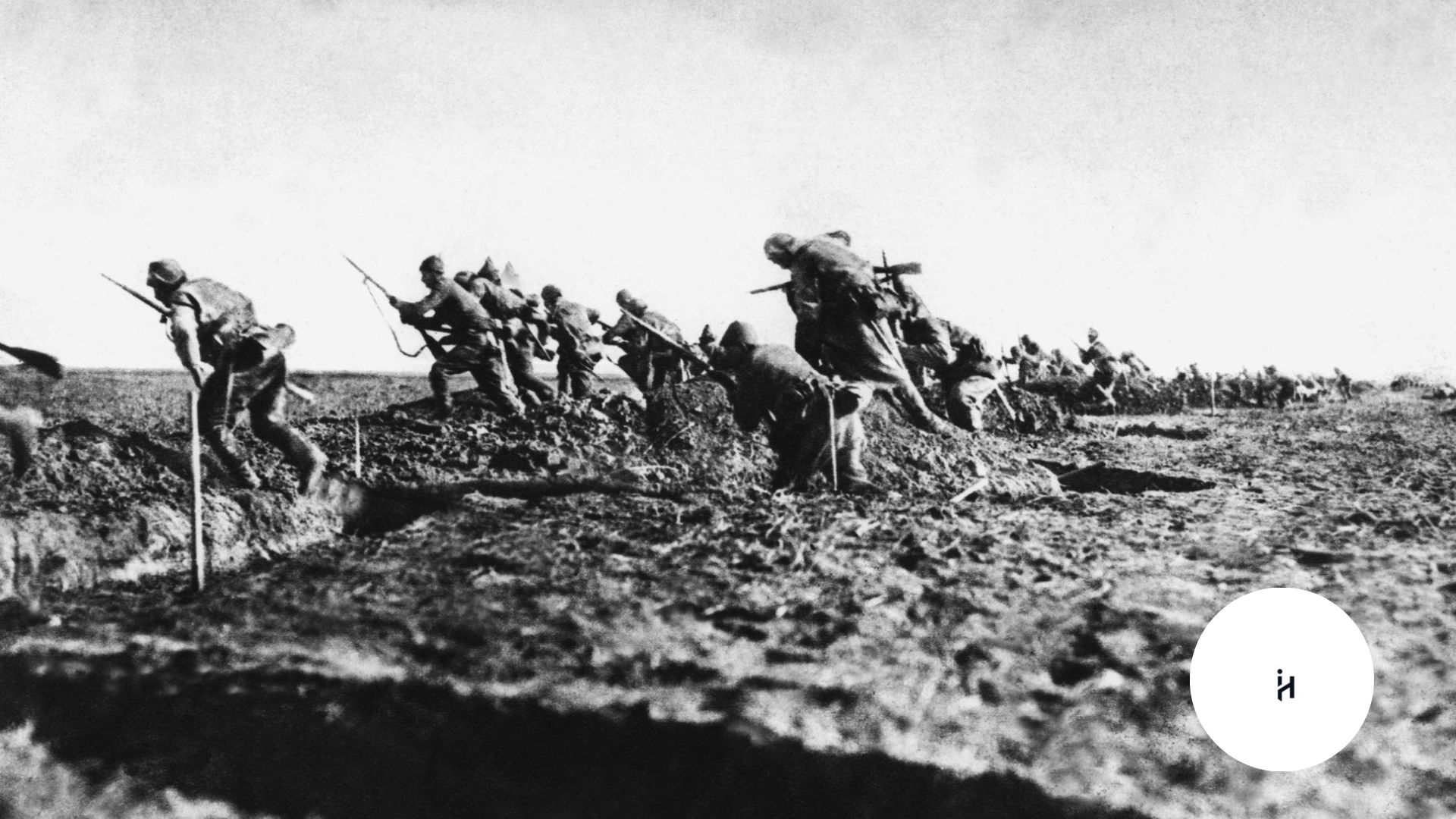
The battles of World War I were characterized by trench warfare, large-scale offensives, and high casualties. Some of the most significant battles included:

  • The Battle of the Marne (1914): This battle halted the German advance into France and marked the beginning of trench warfare.
  • The Battle of Verdun (1916): One of the longest battles in history, with massive casualties on both sides.
  • The Battle of the Somme (1916): Famous for its high casualty rates and the first use of tanks in warfare.
  • The Gallipoli Campaign (1915-1916): A failed attempt by the Allies to control the Ottoman straits.

These battles demonstrated the horrors of war, with soldiers facing extreme conditions, including chemical warfare, machine gun fire, and artillery bombardments.

Technological Innovations and Warfare Tactics

World War I saw unprecedented technological advancements that changed warfare forever. Some of the key innovations included:

  • Machine Guns: Capable of firing hundreds of rounds per minute, they made frontal assaults deadly.
  • Poison Gas: First used by Germany in 1915, chemical weapons like mustard gas caused horrific injuries.
  • Tanks: Introduced by the British in 1916, they helped break through enemy trenches.
  • Aircraft: Initially used for reconnaissance, later for aerial combat and bombing.
  • Submarines (U-boats): Germany’s use of unrestricted submarine warfare significantly impacted naval battles.

These technologies increased destruction and changed how wars were fought, making combat more impersonal and deadly.

The Role of the United States in World War I

Initially, the United States remained neutral, following its policy of isolationism. However, several factors led to American involvement:

  • Unrestricted Submarine Warfare: German U-boats attacked American and allied ships, including the infamous sinking of the Lusitania in 1915.
  • The Zimmermann Telegram: A secret communication from Germany to Mexico, urging Mexico to attack the U.S. in exchange for territorial gains.

On April 6, 1917, the U.S. declared war on Germany. American troops, known as the American Expeditionary Forces (AEF), provided fresh manpower and resources, significantly contributing to the final Allied victory.

The End of the War: Armistice and the Treaty of Versailles

The History of World War I

By 1918, the Central Powers were struggling due to economic collapse, military defeats, and internal revolutions. The German Spring Offensive failed, and the Allies launched a successful counteroffensive.

On November 11, 1918, Germany signed an armistice, marking the official end of hostilities. This day is now commemorated as Armistice Day or Remembrance Day.

In 1919, the Treaty of Versailles was signed, imposing harsh penalties on Germany, including:

  • Loss of territory
  • Heavy reparations
  • Military restrictions
  • War guilt clause (holding Germany responsible for the war)

These conditions created resentment in Germany, setting the stage for future conflicts, including World War II.

The Aftermath: The Impact of World War I on the World

The war left lasting effects on global politics, economies, and societies:

  • Human Cost: Over 16 million deaths and 20 million wounded.
  • Economic Consequences: Many European economies collapsed, leading to widespread poverty and unemployment.
  • Political Changes: The fall of empires (Ottoman, Austro-Hungarian, Russian, and German) led to new nations being formed.
  • League of Nations: Created to prevent future wars, though it was ultimately ineffective.

World War I changed the global order and sowed the seeds for World War II, as the Treaty of Versailles created deep resentment, especially in Germany.

Lessons Learned: The Legacy of World War I

World War I taught the world important lessons:

  • The dangers of extreme nationalism and militarism.
  • The devastating impact of modern warfare.
  • The need for diplomacy and international cooperation to prevent future conflicts.

Despite being called the “war to end all wars,” its unresolved tensions contributed to World War II, just two decades later. The war’s legacy still influences modern military strategies, international relations, and global peace efforts.

Q&A Section on World War I

Q1: What were the main causes of World War I?

A: The primary causes of World War I were nationalism, imperialism, militarism, and the complex system of alliances in Europe. The immediate cause was the assassination of Archduke Franz Ferdinand of Austria-Hungary in June 1914, which triggered a chain reaction of war declarations.

Q2: Which countries were involved in World War I?

A: The war involved two major alliances:

  • Allied Powers: France, Britain, Russia, Italy (joined later), the United States (joined in 1917), and others.
  • Central Powers: Germany, Austria-Hungary, the Ottoman Empire, and Bulgaria.

Q3: What was trench warfare, and why was it significant?

A: Trench warfare was a combat strategy where opposing forces dug deep trenches to protect soldiers from enemy fire. It led to prolonged battles, high casualties, and stalemates, making World War I one of the most grueling conflicts in history.

Q4: What role did the United States play in World War I?

A: The U.S. initially remained neutral but entered the war in 1917 after Germany’s unrestricted submarine warfare and the Zimmermann Telegram. American troops provided fresh manpower and resources, significantly contributing to the Allied victory.

Q5: How did World War I end?

A: The war ended with an armistice on November 11, 1918. The Treaty of Versailles, signed in 1919, imposed harsh penalties on Germany, including territorial losses, military restrictions, and reparations.

Q6: What were the consequences of World War I?

A: The war caused immense human and economic losses, led to the collapse of several empires (Ottoman, Austro-Hungarian, German, and Russian), and reshaped global politics. It also laid the groundwork for World War II due to unresolved tensions and harsh treaty conditions.

Q7: What technological advancements emerged during World War I?

A: World War I saw major advancements in warfare technology, including machine guns, poison gas, tanks, submarines, and aircraft. These innovations changed the nature of combat and increased the war’s destruction.

Q8: What was the League of Nations, and why was it created?

A: The League of Nations was an international organization founded after World War I to promote peace and prevent future conflicts. However, it was weak due to the absence of key nations like the U.S. and ultimately failed to prevent World War II.

Q9: How did World War I impact the world?

A: The war led to significant political and social changes, including the redrawing of borders, the rise of new nations, economic struggles, and increased calls for independence in colonial territories. It also influenced future warfare strategies and global diplomacy.

Conclusion

World War I was a catastrophic event that reshaped the world. From its causes and major battles to its technological innovations and aftermath, this war serves as a powerful reminder of the consequences of global conflict. Understanding its history is crucial to ensuring that such devastation never happens again.

For Amazing Updates Keep Visiting ImaginaryHistory.