Home Blog Page 98

How Technology Changed History: A Deep Dive into Human Progress

0
How Technology Changed History

In this blog, we will explore how technology changed history through eleven key stages, each highlighting a revolutionary breakthrough that altered the course of humanity.Technology has been the driving force behind human civilization’s evolution, shaping societies, economies, and cultures across centuries.

From the invention of the wheel to the rise of artificial intelligence, technological advancements have continually transformed the way people live, work, and interact.

The Wheel: The Beginning of Human Innovation

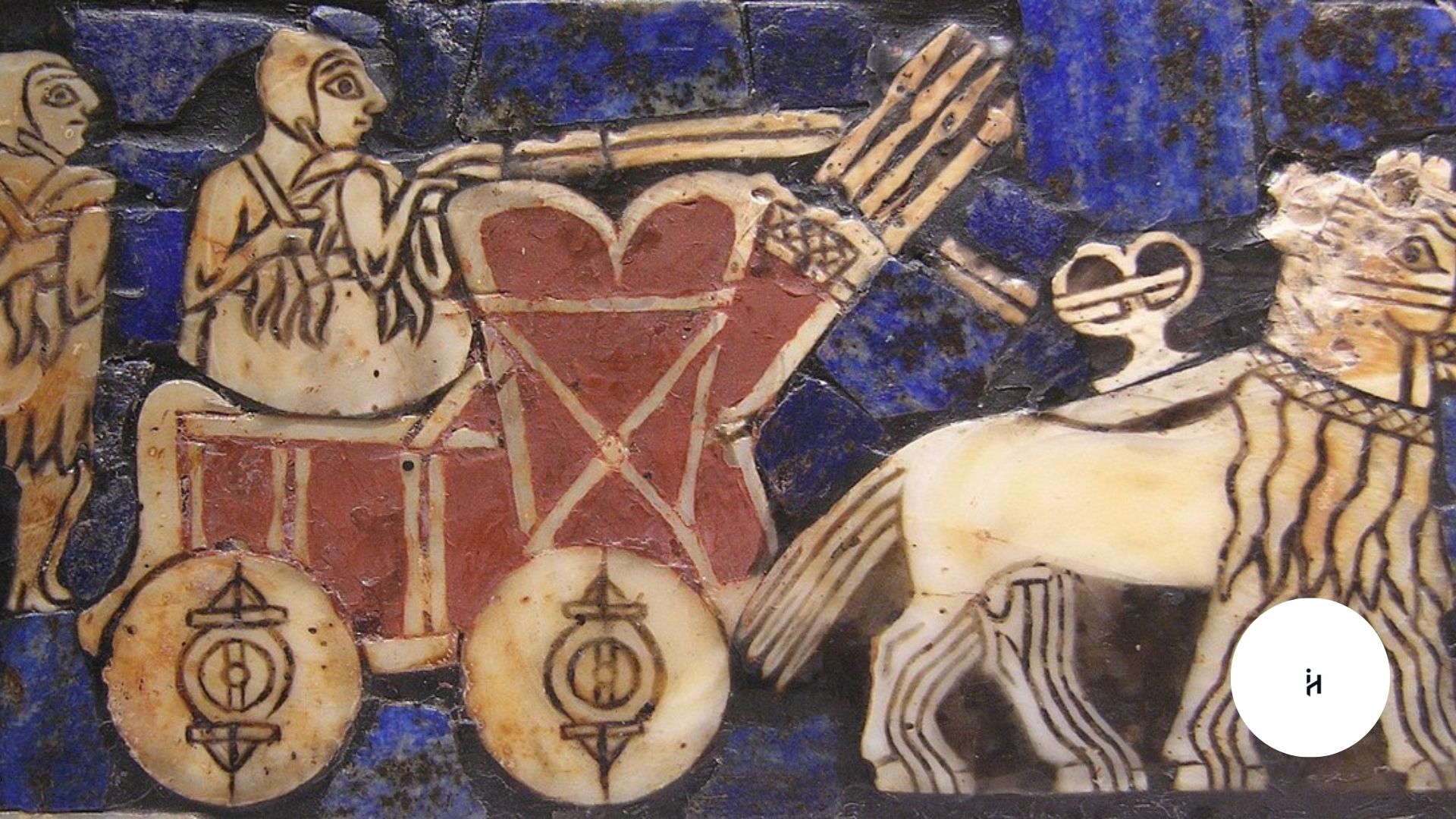
The invention of the wheel, around 3500 BC, marked one of the most significant milestones in human history. Before the wheel, transportation and movement were slow and labor-intensive. The development of wheeled carts and vehicles allowed early civilizations to expand trade, improve agricultural practices, and establish connections between distant regions.

The wheel was not only crucial for transport but also for machinery. It played a fundamental role in engineering, leading to the development of gears and pulleys, which later became essential for industrialization. This single innovation demonstrated how technology changed history by accelerating trade, warfare, and communication, shaping the foundations of modern society.

How Technology Changed History

The Printing Press: A Knowledge Revolution

Johannes Gutenberg’s printing press, invented in the 15th century, transformed the dissemination of knowledge. Before this invention, books were handwritten, making information accessible only to the elite. The printing press revolutionized education, enabling mass production of books, newspapers, and scientific papers.

This technological leap sparked the Renaissance and the Protestant Reformation, emphasizing how technology changed history by spreading literacy and critical thinking. It laid the groundwork for the modern education system, as knowledge became accessible to a broader audience, fueling advancements in science, literature, and philosophy.

The Steam Engine: The Catalyst of the Industrial Revolution

The invention of the steam engine in the 18th century initiated the Industrial Revolution, fundamentally changing economies and labor systems. Factories replaced manual labor, leading to mass production, urbanization, and the rise of a middle class.

Railroads and steamships, powered by steam engines, enhanced transportation, connecting cities and countries like never before. This technological advancement showcased how technology changed history by transitioning humanity from an agrarian society to an industrialized world, setting the stage for modern capitalism and global trade.

The Telegraph and Telephone: Transforming Communication

Before the 19th century, long-distance communication was slow and unreliable. The invention of the telegraph in the 1830s allowed instant communication across vast distances using Morse code. This breakthrough changed business, military strategy, and journalism.

Later, Alexander Graham Bell’s invention of the telephone in 1876 revolutionized personal and commercial communication. It eliminated the need for physical travel to deliver messages, proving once again how technology changed history by shrinking the world and making communication more efficient and accessible.

Electricity: Powering the Modern World

The harnessing of electricity in the late 19th century transformed daily life. Thomas Edison’s invention of the practical light bulb replaced candles and gas lamps, extending productivity beyond daylight hours.

Electricity powered industries, homes, and cities, leading to the development of household appliances and electric transportation. This innovation demonstrated how technology changed history by making life more convenient, safer, and efficient, setting the stage for modern infrastructure and digital technology.

The Automobile: Redefining Mobility

The mass production of automobiles, led by Henry Ford’s assembly line in the early 20th century, made cars affordable and accessible to millions. Cars replaced horse-drawn carriages, offering faster, more reliable transportation.

The automobile industry spurred economic growth, creating jobs and infrastructure like roads and highways. This shift illustrated how technology changed history by increasing mobility, reshaping urban landscapes, and enabling globalization by connecting people and markets more effectively.

The Airplane: Revolutionizing Travel and Warfare

The Wright brothers’ first successful flight in 1903 marked the beginning of a new era in transportation. Airplanes quickly evolved from short-distance travel to transcontinental and intercontinental flights.

Aviation played a crucial role in both World Wars, changing military strategies and geopolitics. The commercial aviation industry made international travel accessible, demonstrating how technology changed history by bringing the world closer together and fostering cultural and economic exchanges.

The Computer Revolution: The Birth of the Digital Age

How Technology Changed History

The development of computers in the mid-20th century transformed business, science, and personal life. Early computers were massive machines used primarily for calculations and data processing. However, with advancements in microprocessors and software, computers became more compact, powerful, and widely available.

The invention of personal computers (PCs) in the 1970s and 1980s revolutionized workplaces and homes. The rise of the internet further emphasized how technology changed history by enabling instant global communication, data storage, and automation in various industries.

The Internet: Connecting the World

The creation of the internet in the late 20th century reshaped every aspect of human interaction. Initially developed for military and academic purposes, it quickly expanded into commercial and social spheres.

The internet transformed communication, entertainment, business, and education. Social media platforms, e-commerce, and online services illustrate how technology changed history by making information instantly accessible and fostering a digitally connected global society.

Artificial Intelligence: The Future of Human Advancement

Artificial intelligence (AI) represents the latest stage in technological evolution. AI-powered systems can process vast amounts of data, make predictions, and even mimic human intelligence.

From healthcare and finance to robotics and self-driving cars, AI is reshaping industries. While AI presents ethical and employment challenges, it highlights how technology changed history by pushing the boundaries of innovation and redefining the future of human potential.

Space Exploration: Beyond Earth’s Boundaries

The space race, initiated in the mid-20th century, led to groundbreaking achievements such as the moon landing in 1969. Today, space exploration continues with Mars missions, space tourism, and the search for extraterrestrial life.

Satellites have revolutionized communication, weather forecasting, and navigation. The ongoing exploration of space is a testament to how technology changed history by expanding human knowledge and possibilities beyond Earth.
How Technology Changed History

Conclusion: The Ever-Evolving Impact of Technology

From ancient wheels to artificial intelligence, technology has been the defining force in shaping civilizations. Each innovation has left an irreversible mark, altering the way humans live, interact, and envision the future.

As technology continues to advance, it will bring both opportunities and challenges. Understanding how technology changed history allows us to appreciate progress while preparing for the transformations yet to come. The journey of innovation is far from over—humanity’s next technological leap may redefine history once again.

For Amazing Updates Keep Visiting ImaginaryHistory.

Leonardo DiCaprio Girlfriend: A Deep Dive into His Dating History

0
Leonardo DiCaprio Girlfriend

Leonardo DiCaprio, a name synonymous with Hollywood excellence, has not only captivated audiences with his stellar performances but has also garnered significant attention for his personal life, particularly his relationships.

Over the years, DiCaprio’s dating history has been a topic of intrigue, often highlighting a pattern of relationships with younger women. This blog delves into the actor’s romantic journey, shedding light on his past and present relationships, and exploring the public’s fascination with his personal life.

Leonardo DiCaprio: A Brief Overview

Born on November 11, 1974, Leonardo Wilhelm DiCaprio embarked on his acting career in the late 1980s. He gained early recognition with roles in television series like “Growing Pains” and films such as “This Boy’s Life.” However, it was his portrayal of Jack Dawson in the 1997 blockbuster “Titanic” that catapulted him to global stardom. Since then, DiCaprio has delivered numerous critically acclaimed performances in films like “Inception,” “The Revenant,” and “The Wolf of Wall Street,” earning him an Academy Award for Best Actor. Beyond acting, he is a dedicated environmental activist, establishing the Leonardo DiCaprio Foundation to support global conservation efforts.The Sun

Leonardo DiCaprio Girlfriend

Leonardo DiCaprio: A Glimpse into His Life and Career

Born on November 11, 1974, Leonardo Wilhelm DiCaprio embarked on his acting journey at a young age, quickly ascending the ranks to become one of Hollywood’s most revered actors. His dedication to his craft is evident in the diverse roles he’s portrayed, earning him critical acclaim and a massive fan following.

Leonardo DiCaprio’s Early Life and Acting Beginnings

Growing up in Los Angeles, DiCaprio was exposed to the entertainment industry early on. He began his career with television appearances, notably on shows like “Growing Pains,” where he played the role of Luke Brower, a homeless teenager. This role showcased his potential and paved the way for his future in film.

Breakthrough Roles and Cinematic Achievements

DiCaprio’s film debut came with “Critters 3,” but it was his role in “What’s Eating Gilbert Grape” (1993) that garnered significant attention, earning him an Academy Award nomination for Best Supporting Actor. Subsequent roles in “Romeo + Juliet” (1996) and “Titanic” (1997) solidified his status as a leading man in Hollywood. His collaborations with renowned directors, such as Martin Scorsese in “The Departed” (2006) and “The Wolf of Wall Street” (2013), further showcased his versatility.

Accolades and Recognition

Despite multiple nominations, DiCaprio’s relentless pursuit of excellence culminated in winning the Academy Award for Best Actor for his role in “The Revenant” (2015). This achievement was celebrated globally, marking a significant milestone in his illustrious career.

The Pattern: DiCaprio’s Dating History

DiCaprio’s romantic life has been under the media microscope for decades, primarily due to a noticeable pattern: his relationships with women significantly younger than himself, often under the age of 25. This trend has sparked discussions and debates, leading to the creation of various charts and memes highlighting the age disparities in his relationships.

Notable Relationships

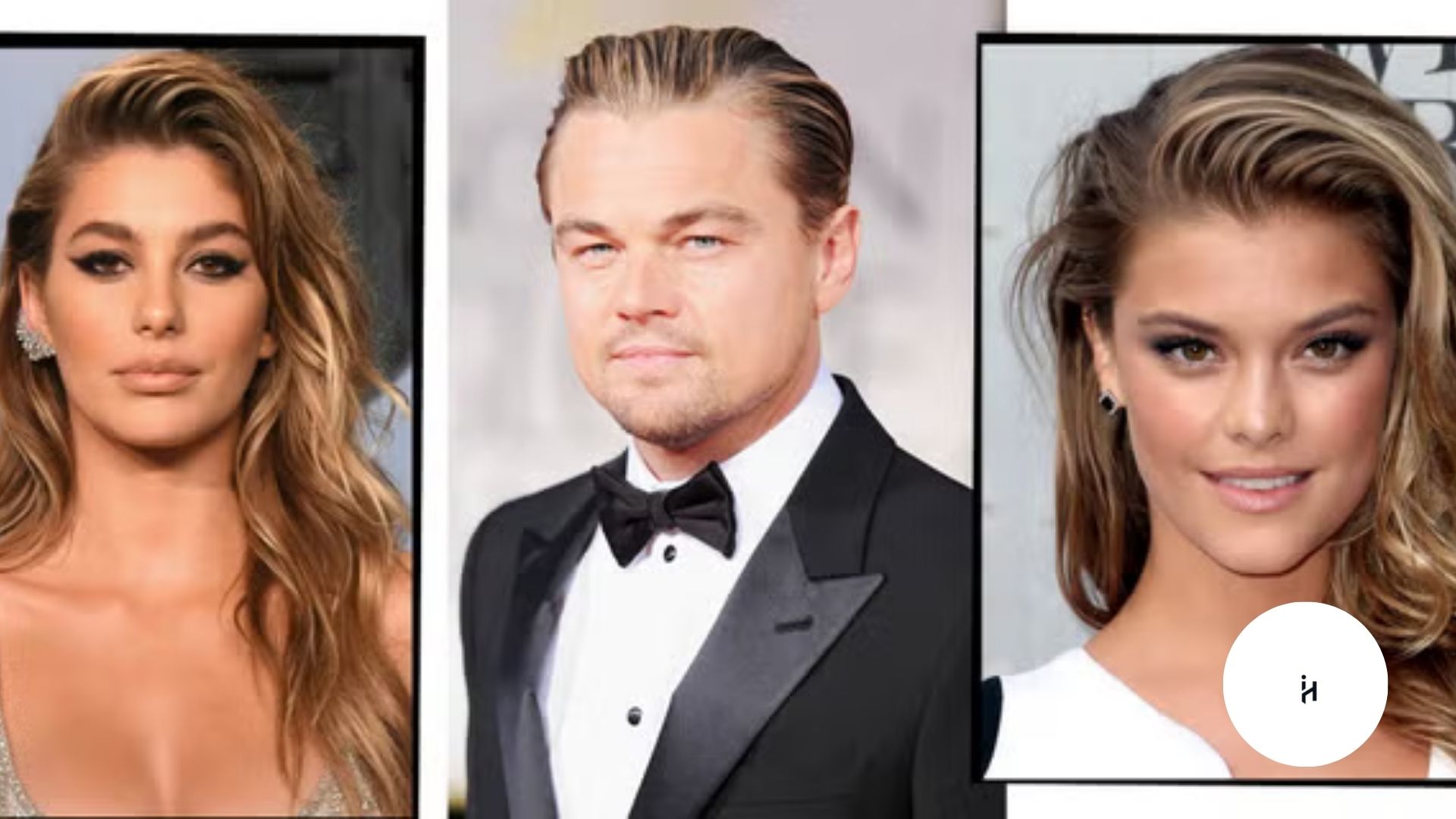
  1. Bridget Hall (1994): DiCaprio’s early public relationship was with model Bridget Hall. Both were young and rising in their respective careers, but the relationship was short-lived.

  2. Gisele Bündchen (2000-2005): One of his most high-profile relationships, DiCaprio dated Brazilian supermodel Gisele Bündchen for five years. Their relationship was widely covered by the media, but they eventually parted ways, reportedly due to differing lifestyles and priorities.

  3. Bar Refaeli (2005-2011): Following his split from Bündchen, DiCaprio began an on-again, off-again relationship with Israeli model Bar Refaeli. Their relationship lasted several years before they amicably separated.

  4. Blake Lively (2011): DiCaprio had a brief relationship with actress Blake Lively. The couple was spotted together in various international locations during their short-lived romance.

  5. Erin Heatherton (2012): The actor dated Victoria’s Secret model Erin Heatherton for nearly a year before ending their relationship due to hectic schedules.The Sun

  6. Toni Garrn (2013-2014): DiCaprio’s relationship with German model Toni Garrn lasted about a year and a half before they went their separate ways.The Sun

  7. Kelly Rohrbach (2015): The actor had a brief relationship with model and actress Kelly Rohrbach, but they split amicably, citing busy schedules.

  8. Nina Agdal (2016-2017): DiCaprio dated Danish model Nina Agdal for nearly a year before they amicably ended their relationship.Yahoo

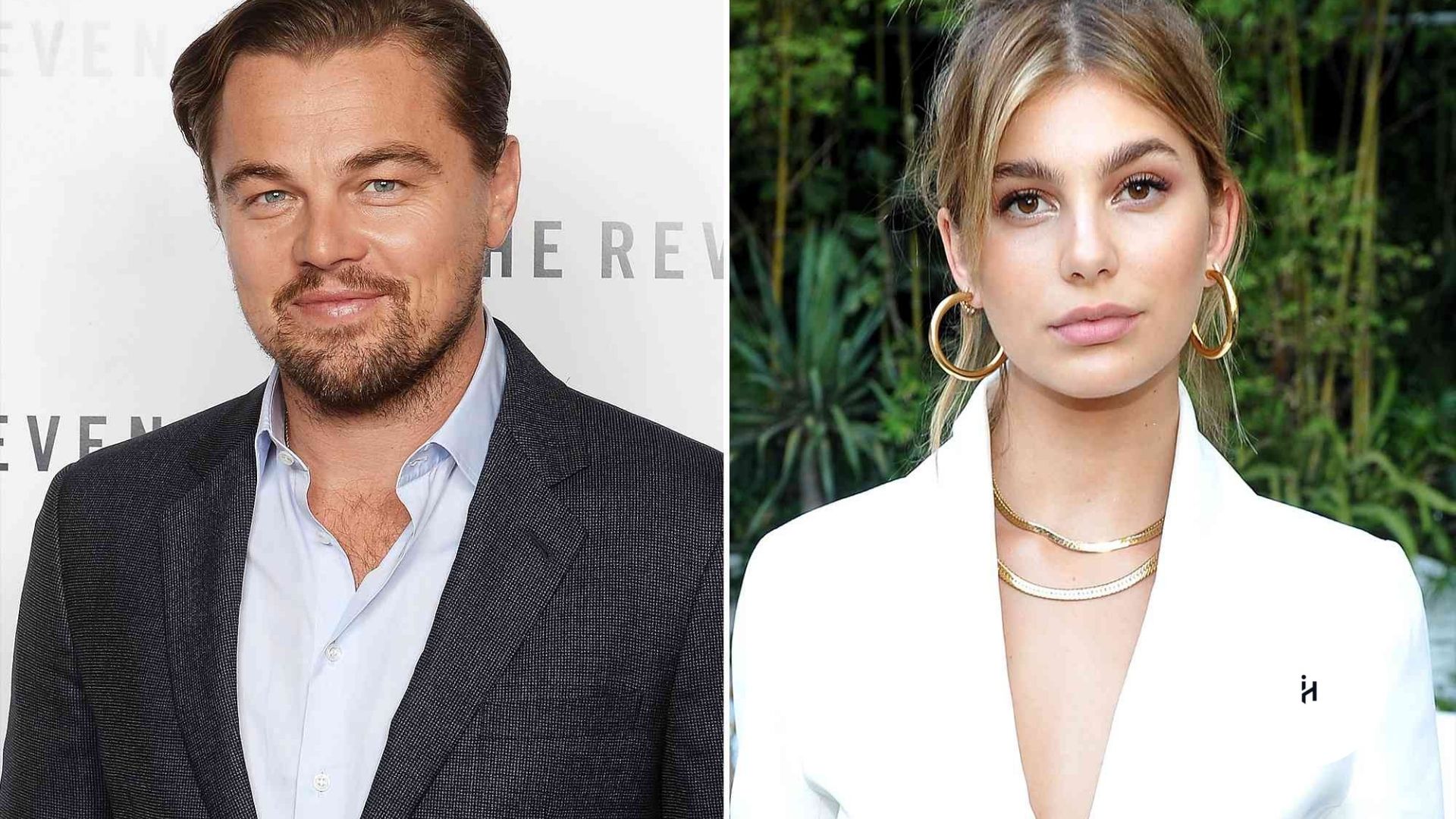
  9. Camila Morrone (2017-2022): One of his longer relationships in recent years, DiCaprio dated Argentine-American model and actress Camila Morrone for about five years. Their relationship garnered significant media attention, especially due to their 23-year age difference.

Leonardo DiCaprio’s Current Relationship: Vittoria Ceretti

Leonardo DiCaprio Girlfriend

As of 2025, Leonardo DiCaprio is in a relationship with Italian model Vittoria Ceretti. Born on June 7, 1998, Ceretti has established herself as a prominent figure in the fashion industry.

Who is Vittoria Ceretti?

Vittoria Ceretti hails from Brescia, Italy, and began her modeling career at a young age. She has walked the runway for esteemed fashion houses such as Chanel, Dior, and Valentino. Her striking features and commanding presence have made her a sought-after model in the industry.

The Onset of Their Relationship

DiCaprio and Ceretti were first spotted together in August 2023, sparking rumors about their relationship. They were seen enjoying a meal with Ceretti’s family in Los Angeles, indicating a level of seriousness in their involvement.

Public Appearances and Media Attention

The couple has been photographed together on multiple occasions, including vacations in St. Barts, where they were seen enjoying the sun and sea. Their relationship has been a subject of media interest, particularly due to the age difference, a recurring theme in DiCaprio’s dating history.

Public Perception and Media Attention

DiCaprio’s dating history has not only been a subject of media scrutiny but has also sparked public discourse on age disparities in relationships. The actor’s consistent pattern of dating women under 25 has led to the creation of various internet memes and charts, highlighting the age differences. While some view his relationships as consensual and a matter of personal choice, others critique the pattern, suggesting it reflects societal issues regarding age and gender dynamics.

Leonardo DiCaprio Girlfriend

Q&A:
Q: Who is Leonardo DiCaprio’s current girlfriend?
A: As of 2024, Leonardo DiCaprio is reportedly dating Italian model Vittoria Ceretti.

Q: What is the Leonardo DiCaprio girlfriend chart?
A: It’s a widely circulated chart that humorously highlights DiCaprio’s history of dating women under 25.

Q: Has Leonardo DiCaprio ever been married?
A: No, Leonardo DiCaprio has never been married.

Q: Who were Leonardo DiCaprio’s most famous ex-girlfriends?
A: His notable exes include Gisele Bündchen, Bar Refaeli, Blake Lively, and Camila Morrone.

Conclusion

Leonardo DiCaprio’s illustrious career and commitment to environmental activism have solidified his status as one of Hollywood’s leading figures. However, his personal life, particularly his relationships with younger women, continues to be a focal point of public interest and discussion.

For Amazing Updates Keep Visiting ImaginaryHistory.

Pablo Escobar Wife: The Untold Story of Maria Victoria Henao

0
Pablo Escobar Wife

Maria Victoria Henao, the widow of notorious Colombian drug lord Pablo Escobar, led a life marked by love, loyalty, and the perilous world of the Medellín Cartel. Her story provides a unique perspective on the man known as the “King of Cocaine” and the impact of his criminal empire on their family.

Early Life and Meeting Pablo Escobar

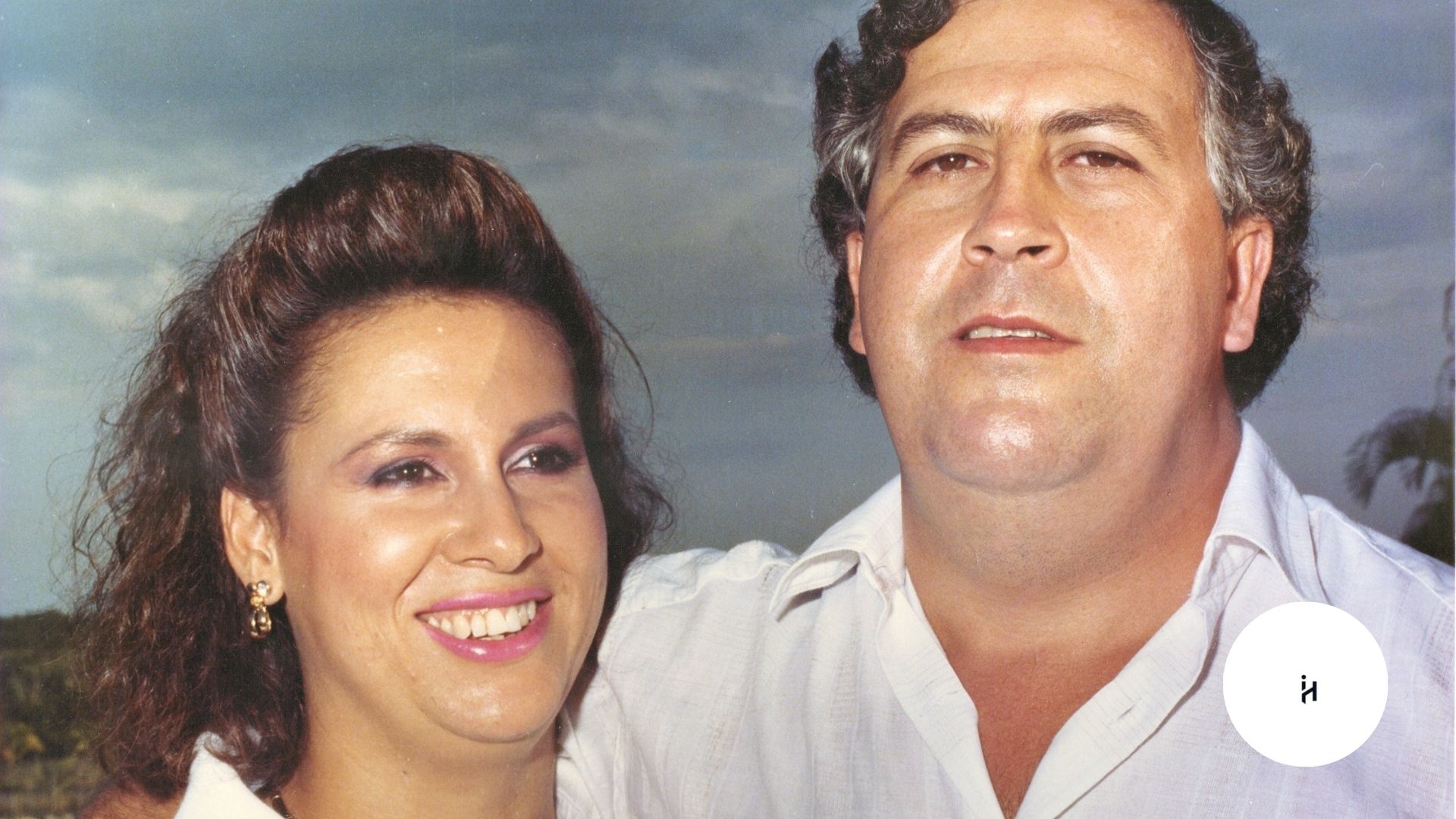
Born in 1961 in Palmira, Colombia, Maria Victoria Henao grew up in a conservative Catholic family. At the age of 13, she met Pablo Escobar, who was 24 at the time. Despite the significant age difference and her family’s disapproval, Maria was captivated by Pablo’s charm and determination. Their relationship quickly blossomed, leading to their marriage in 1976 when Maria was just 15 years old.

Pablo Escobar Wife

Life as the Wife of a Drug Lord

Marrying Pablo Escobar thrust Maria into a world of wealth, danger, and infidelity. Initially unaware of the extent of her husband’s illegal activities, she soon found herself entrenched in the operations of the Medellín Cartel.

Despite Pablo’s numerous affairs and the violent nature of his business, Maria remained devoted to him, focusing on raising their two children, Juan Pablo (now Sebastián Marroquín) and Manuela.

The Downfall of Pablo Escobar

The early 1990s marked the decline of Escobar’s empire. Relentless pursuit by Colombian authorities, in collaboration with the United States, led to his escape from the luxurious prison, La Catedral, in 1992.

For the next 16 months, Pablo was on the run, with his family also facing constant threats and surveillance. On December 2, 1993, Pablo Escobar was killed in a rooftop shootout in Medellín, ending his reign as one of the world’s most powerful drug lords.

Life After Pablo’s Death

Following Pablo’s death, Maria Victoria Henao and her children sought asylum in various countries to escape retaliation from rival cartels and those affected by Escobar’s actions. They eventually settled in Argentina under new identities. Maria adopted the name Maria Isabel Santos Caballero and attempted to build a new life away from the shadows of her husband’s legacy.

Publications and Media Portrayals

In recent years, Maria Victoria Henao has opened up about her life with Pablo Escobar. Her memoir, “Mrs. Escobar: My Life with Pablo,” provides an intimate look into their tumultuous relationship, shedding light on the complexities of being married to one of the most infamous criminals in history. Additionally, her story has been featured in various documentaries and series, further exploring her perspective on the events that transpired during and after Escobar’s reign.

Current Life and Reflections

Today, Maria Victoria Henao lives a life far removed from the opulence and violence of her past. She has expressed remorse for the pain caused by Pablo’s actions and has sought to distance herself and her family from his criminal legacy. Through her writings and interviews, Maria offers a unique insight into the personal side of a man who remains a controversial figure in history.

Pablo Escobar: A Brief Overview

Pablo Emilio Escobar Gaviria was born on December 1, 1949, in Rionegro, Colombia. He rose from humble beginnings to become the leader of the Medellín Cartel, controlling a significant portion of the global cocaine trade in the 1980s.

Known for his ruthlessness, Escobar was responsible for countless deaths, including those of politicians, judges, and civilians. His influence extended beyond the drug trade, as he ventured into politics, earning a seat in the Colombian Congress in 1982, which he later had to resign due to his criminal activities being exposed.

How Did Pablo Escobar Die?

Pablo Escobar Wife

After escaping from La Catedral prison in 1992, Escobar was on the run for over a year. On December 2, 1993, Colombian National Police, with assistance from U.S. agencies, located him in a middle-class neighborhood in Medellín.

A firefight ensued, resulting in Escobar being shot and killed while attempting to flee across rooftops. His death marked the end of an era dominated by cartel violence in Colombia.

Pablo Escobar’s Net Worth

At the height of his power, Escobar’s net worth was estimated to be around $30 billion, making him one of the richest men in the world at the time. His wealth was so vast that he reportedly spent thousands of dollars on rubber bands each month just to hold the stacks of cash together. Despite this immense wealth, much of it was lost or seized after his death.

Pablo Escobar’s Son

Juan Pablo Escobar, who changed his name to Sebastián Marroquín, is an architect, author, and public speaker. He has written a book titled “Pablo Escobar: My Father,” detailing his experiences growing up as the son of the infamous drug lord. Marroquín currently resides in Argentina and has dedicated much of his life to promoting peace and sharing his unique perspective on his father’s legacy.

Pablo Escobar and Griselda Blanco

Griselda Blanco, known as the “Black Widow” or “La Madrina,” was a pioneering figure in the cocaine trade and is often credited with creating the business model that Escobar later used. While there are rumors and dramatizations suggesting a personal relationship

between Pablo Escobar and Griselda Blanco, there is no confirmed evidence of a romantic or business partnership between the two. However, both were key figures in the rise of the cocaine trade from Colombia to the United States. Blanco, known for her brutality, operated in Miami, while Escobar controlled the Medellín Cartel. Some speculate that Blanco influenced Escobar’s rise in the drug trade, but their paths diverged as their respective organizations grew.

Who Killed Pablo Escobar?

The question of who exactly killed Pablo Escobar remains controversial. The official story is that he was killed by Colombian National Police in a rooftop shootout in Medellín on December 2, 1993.

However, some theories suggest that the U.S.-trained special forces unit known as “Los Pepes” (People Persecuted by Pablo Escobar) played a crucial role in tracking him down. Another theory, promoted by Escobar’s son, Sebastián Marroquín, is that Pablo took his own life to avoid capture. Regardless of who fired the fatal shot, his death signaled the end of one of the world’s most notorious drug empires.

Pablo Escobar’s Hippos: A Legacy Gone Wild

One of the strangest parts of Pablo Escobar’s legacy is the population of wild hippos in Colombia. Escobar imported four hippos to his private zoo at Hacienda Nápoles.

After his death, the hippos were left to roam freely and have since multiplied into a large, invasive population. These “cocaine hippos” have become an environmental concern as they disrupt local ecosystems. Efforts have been made to control their numbers, but they remain a bizarre reminder of Escobar’s extravagant lifestyle.

Pablo Escobar’s House: A Ruin and a Tourist Attraction

Pablo Escobar Wife

Pablo Escobar’s lavish estate, Hacienda Nápoles, once featured a private zoo, luxury cars, and even an airport. After his death, the property was looted and later converted into a theme park.

Today, it serves as a tourist attraction, complete with Escobar-themed exhibits. Other properties linked to Escobar, such as his bombed-out Monaco building in Medellín, have also become tourist sites. Many in Colombia view this as an unfortunate glorification of a violent drug lord, while others see it as a way to educate the public about the country’s history.

Pablo Escobar’s Daughter: Manuela Escobar’s Life in Hiding

Manuela Escobar, Pablo’s beloved daughter, led a sheltered life as a child. Her father reportedly spoiled her with extravagant gifts, including a heated unicorn for her birthday (which was actually a horse with a horn attached).

After Escobar’s death, she, along with her mother and brother, fled Colombia and changed their identities. Unlike her brother, who has written about his father, Manuela has remained out of the public eye. She has never given interviews or made public statements, preferring to live in anonymity.

Pablo Escobar Wife and Kids Now: Where Are They?

After Escobar’s death, his wife, Maria Victoria Henao, and their children faced danger from rival cartels and Colombian authorities. They initially sought asylum in various countries before settling in Argentina under false identities.

Maria, now known as Maria Isabel Santos Caballero, has written a book about her life with Escobar. Their son, Sebastián Marroquín, has tried to distance himself from his father’s legacy, while Manuela has chosen to remain completely out of the public eye.

Pablo Escobar Meme Culture: A Dark Legacy in Internet Humor

Despite his violent history, Pablo Escobar has become an internet meme. Images from the TV series Narcos and real-life photos of Escobar looking contemplative or alone have been turned into viral memes.

While some use these memes as satire or dark humor, others worry that they trivialize the suffering caused by Escobar’s reign. His image has been commercialized in everything from t-shirts to TV shows, reflecting a controversial fascination with his life.

Hija de Pablo Escobar Instagram: The Mystery of Manuela Escobar

Many people search for Manuela Escobar on Instagram, but she does not have a known social media presence. Unlike her brother, who is active online and in the media, Manuela has chosen a life of privacy. Any Instagram accounts claiming to be hers are likely fake. Her decision to stay out of the public eye contrasts sharply with the global fascination with her father’s life and crimes.

Q&A Section

Who was Pablo Escobar’s wife?

Pablo Escobar’s wife was Maria Victoria Henao. She married him at the age of 15 and remained by his side throughout his rise as the world’s most powerful drug lord.

What happened to Pablo Escobar’s wife after his death?

After Escobar’s death in 1993, Maria Victoria Henao fled Colombia with their children. They lived in various countries before settling in Argentina under new identities.

How did Pablo Escobar die?

Pablo Escobar was killed in a shootout with Colombian police on December 2, 1993, in Medellín. Some believe he was shot by police, while others claim he took his own life.

What was Pablo Escobar’s net worth?

At his peak, Pablo Escobar had an estimated net worth of $30 billion, making him one of the richest criminals in history.

Where is Pablo Escobar’s son now?

Escobar’s son, Sebastián Marroquín, changed his identity and became an architect and author. He has written books about his father and speaks publicly about the dangers of drug cartels.

Did Pablo Escobar really visit the White House?

Yes, there is a famous photo of Pablo Escobar and his son standing in front of the White House in Washington, D.C. This was taken during a visit in the early 1980s before he became a globally recognized criminal.

What is the connection between Griselda Blanco and Pablo Escobar?

Both were major figures in the Colombian drug trade, but there is no confirmed business or personal relationship between them. Some speculate that Blanco helped shape Escobar’s early operations.

Who killed Pablo Escobar?

The official story states that Colombian police shot Escobar, but some believe U.S. special forces or a vigilante group called “Los Pepes” played a role. Others, including his son, claim he took his own life.

What is the story behind Pablo Escobar’s hippos?

Escobar imported four hippos for his private zoo at Hacienda Nápoles. After his death, they were left unchecked and have since multiplied, creating an invasive species problem in Colombia.

What happened to Pablo Escobar’s house?

Escobar’s mansion, Hacienda Nápoles, was looted after his death. It was later turned into a theme park and tourist attraction.

Does Pablo Escobar’s daughter have Instagram?

No, Manuela Escobar has chosen to live a private life and does not have a public Instagram account. Any accounts claiming to be hers are likely fake.

Is Pablo Escobar still remembered in Colombia?

Yes, but opinions are divided. Some people see him as a criminal who caused immense suffering, while others romanticize his story. His legacy remains controversial in Colombia and beyond.

Conclusion

Pablo Escobar’s wife, Maria Victoria Henao, endured a life of luxury, danger, and exile as the spouse of the world’s most infamous drug lord. Even after his death, his family has struggled to escape his shadow. While some, like his son, have sought to reshape their narrative, others, like his daughter, have disappeared from public view.

Escobar’s legacy remains a subject of fascination, from his criminal empire to his bizarre impact on Colombia’s environment and pop culture. However, for those who lived through his reign, his story is more than just history—it is a painful reality that continues to affect many lives.

For Amazing Updates Keep Visiting ImaginaryHistory.

How Long Did the Roman Empire Last? A Journey Through Its Rise and Fall

0
How Long Did the Roman Empire Last

The Roman Empire is often regarded as one of the greatest civilizations in history, lasting for centuries and shaping modern society in countless ways. But how long did it actually last? The answer depends on how we define the empire—whether from the foundation of Rome, the beginning of the imperial period, or its final collapse. In this detailed blog, we will explore the entire timeline of the Roman Empire, from its legendary founding to its ultimate fall, while analyzing key events that shaped its history.

The Founding of Rome: The Birth of an Empire (753 BCE)

The story of Rome’s foundation is steeped in legend. According to Roman mythology, the city was founded in 753 BCE by Romulus, who, after killing his twin brother Remus, became the first king of Rome. This myth highlights Rome’s early emphasis on strength, power, and conquest.

Initially, Rome was a small settlement on the banks of the Tiber River, inhabited by Latins, Sabines, and Etruscans. Over time, it grew into a powerful kingdom ruled by a series of monarchs. The early kings focused on military expansion, infrastructure, and religious traditions. However, tensions between the ruling class and the people eventually led to the fall of the monarchy.

How Long Did the Roman Empire Last

In 509 BCE, the last king, Tarquin the Proud, was overthrown, marking the beginning of the Roman Republic. This transition set the stage for Rome’s future as a dominant world power. Though it was not yet an empire, Rome’s political and military structures began taking shape, laying the groundwork for its future expansion.

Thus, while the Roman Empire as a political entity did not begin until centuries later, the roots of its greatness were planted as early as 753 BCE.

The Roman Republic: The Path to Empire (509 BCE – 27 BCE)

With the end of the monarchy in 509 BCE, Rome transitioned into a republic. This period saw the development of a new political system, where power was shared between elected officials, the Senate, and the people. The Roman Republic was characterized by a system of checks and balances, with two consuls serving as the executive leaders.

During this time, Rome rapidly expanded its territory. One of the most significant wars was the Punic Wars (264-146 BCE) against Carthage. The defeat of Carthage allowed Rome to dominate the Mediterranean, gaining territories in Spain, North Africa, and Greece. However, military conquests also brought internal problems. Wealth from conquests led to corruption, while inequality between the elite and the lower classes caused unrest.

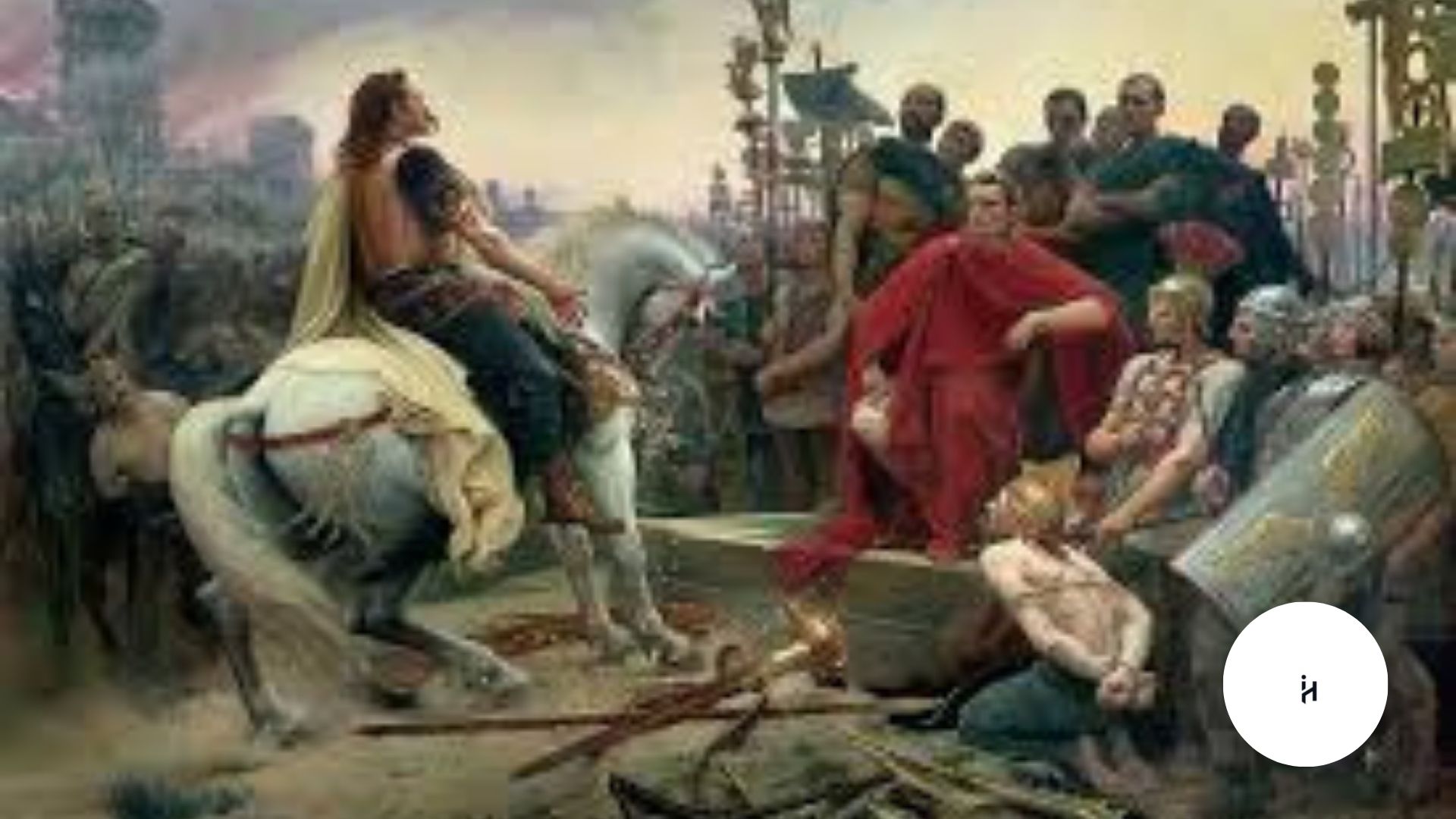
By the 1st century BCE, Rome was plagued by civil wars. The rise of powerful generals like Julius Caesar challenged the republican system. Caesar’s victory in the civil war and his appointment as “dictator for life” in 44 BCE marked the decline of the Republic. His assassination that same year led to further turmoil, culminating in the rise of Augustus (Octavian) as Rome’s first emperor in 27 BCE.

Though the Republic lasted for nearly 500 years, it ultimately collapsed due to internal corruption, power struggles, and the concentration of power in individual leaders. The transformation into an empire marked the beginning of a new era in Rome’s history.

The Rise of the Roman Empire (27 BCE – 476 CE)

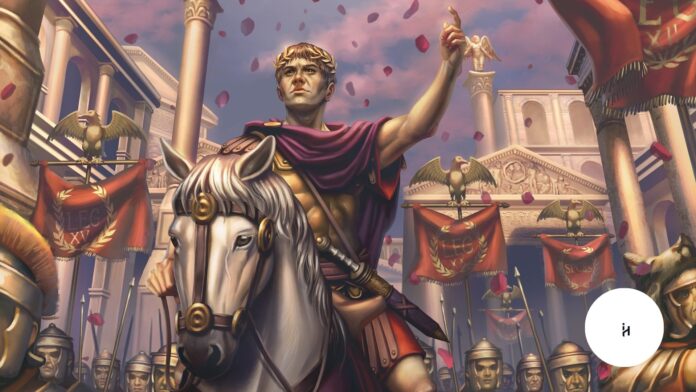
The Roman Empire officially began in 27 BCE when Augustus (formerly Octavian) took power. After defeating Mark Antony and Cleopatra, Augustus consolidated power, ending the Republic. Instead of calling himself a king, he adopted the title “Princeps” (First Citizen) to maintain an illusion of democracy, though he effectively ruled as an emperor.

Under Augustus, Rome entered a period of stability. He reformed the military, economy, and administration, ensuring long-term governance. His reign also saw massive construction projects, including roads, aqueducts, and monuments that solidified Rome’s grandeur.

The empire continued to expand under later emperors like Tiberius, Trajan, and Hadrian. At its height (around 117 CE), Rome controlled a vast territory, stretching from Britain in the west to Mesopotamia in the east, and from North Africa to the Rhine and Danube rivers.

However, as Rome grew, it also faced internal and external challenges. Political instability, economic troubles, and invasions from Germanic tribes gradually weakened the empire. By the 3rd century CE, the empire was in crisis, leading to reforms by emperors like Diocletian and Constantine to maintain control.

Despite these efforts, the Western Roman Empire ultimately fell in 476 CE, while the Eastern Roman Empire (Byzantine Empire) continued for nearly a thousand more years.

How Long Did the Roman Empire Last

The Pax Romana: Rome’s Golden Age (27 BCE – 180 CE)

The Pax Romana, or “Roman Peace,” refers to a 200-year period of relative peace and prosperity in the empire, lasting from 27 BCE to 180 CE. This era, initiated by Augustus, marked the height of Rome’s stability, economic strength, and cultural achievements.

During this period:

  • The empire saw minimal major conflicts, allowing for economic and territorial consolidation.
  • A vast network of roads and trade routes connected the empire, facilitating commerce.
  • Arts, literature, and architecture flourished, with famous structures like the Colosseum, Pantheon, and Hadrian’s Wall being built.

Emperors like Trajan expanded the empire to its greatest territorial extent, while Hadrian focused on fortifying borders, exemplified by Hadrian’s Wall in Britain.

However, by the late 2nd century CE, cracks in the empire began to show. Economic issues, border pressures, and the increasing power of the military in politics foreshadowed future problems. The death of Marcus Aurelius in 180 CE marked the end of the Pax Romana and the beginning of Rome’s decline.

The Division of the Roman Empire (285 CE)

By the 3rd century CE, Rome faced multiple crises: economic decline, political corruption, and barbarian invasions. To address these issues, Emperor Diocletian made a crucial decision—he divided the empire into two halves in 285 CE.

The empire was now split into:

  1. The Western Roman Empire (governed from Rome/Milan)
  2. The Eastern Roman Empire (governed from Byzantium, later Constantinople)

Diocletian hoped that this division would make administration easier. Each half had its own ruler, but they were supposed to work together. This system, known as the Tetrarchy, initially stabilized the empire.

However, after Diocletian’s retirement, conflicts arose between different rulers, leading to civil wars. In 324 CE, Emperor Constantine the Great reunited the empire but permanently moved the capital to Byzantium, renaming it Constantinople (modern-day Istanbul).

While the division was meant to strengthen Rome, it ultimately made the empire more vulnerable. The West, weaker in resources and military power, struggled against external invasions, while the East remained strong and wealthy.

This division set the stage for the eventual fall of the Western Roman Empire in 476 CE, while the Eastern half (Byzantine Empire) would survive for another 1,000 years.

How Long Did the Roman Empire Last

Q&A Section

Q1: How long did the Roman Empire last in total?

The Roman Empire lasted for about 1,480 years if we count from the beginning of the imperial period in 27 BCE (under Augustus) to the fall of Constantinople in 1453 CE. However, if we consider the founding of Rome in 753 BCE, its influence spanned over 2,200 years.

Q2: When did the Western Roman Empire fall?

The Western Roman Empire officially fell in 476 CE when the last emperor, Romulus Augustulus, was overthrown by the Germanic leader Odoacer.

Q3: Did the Roman Empire completely disappear in 476 CE?

No, only the Western Roman Empire fell in 476 CE. The Eastern Roman Empire, also known as the Byzantine Empire, continued for nearly 1,000 more years, lasting until 1453 CE when Constantinople fell to the Ottoman Turks.

Q4: What were the main reasons for the fall of the Western Roman Empire?

Several factors contributed to the fall, including:

  • Economic decline due to heavy taxation and inflation
  • Political instability and corruption
  • Military weaknesses and reliance on mercenaries
  • Barbarian invasions from Germanic tribes
  • Overexpansion, making it difficult to govern effectively

Q5: How did the Roman Empire influence the modern world?

The Roman Empire left a lasting legacy in areas such as law, government, architecture, language (Latin), engineering, and military strategy. Many modern legal systems and political structures are based on Roman principles.

Conclusion: The Lasting Legacy of the Roman Empire

The Roman Empire was one of the longest-lasting and most influential civilizations in human history. If we consider its imperial period, it lasted for approximately 1,480 years—from 27 BCE to 1453 CE. However, its foundations date back even further, to 753 BCE, making Rome a dominant force for over two millennia.

The empire’s rise, peak, and eventual decline were shaped by a combination of military power, political evolution, economic strength, and cultural influence. The Western Roman Empire collapsed in 476 CE, but the Eastern Roman Empire (Byzantine Empire) continued for nearly a thousand more years before its fall in 1453 CE.

Despite its downfall, Rome’s impact can still be seen today in modern government structures, law, engineering, architecture, language, and culture. From the creation of roads and aqueducts to the establishment of legal systems that inspired modern democracies, the Roman Empire shaped the world in ways that continue to resonate.

Though the empire itself no longer exists, its legacy remains alive in countless aspects of contemporary civilization. Understanding Rome’s history helps us appreciate the enduring power of ideas, governance, and innovation that emerged from this great civilization.

For Amazing Updates Keep Visiting ImaginaryHistory.