Home Blog Page 96

The History of Bitcoin: The Evolution of Digital Currency

0
History of Bitcoin

Bitcoin, the world’s first decentralized digital currency, has revolutionized the financial landscape since its inception. From a mysterious whitepaper to a global financial phenomenon, Bitcoin’s journey is a story of innovation, resistance, and transformation. Let’s explore the detailed history of Bitcoin through 11 key stages.

The Birth of Bitcoin: A Revolutionary Idea

The concept of Bitcoin emerged in 2008, during the global financial crisis. A person or group under the pseudonym Satoshi Nakamoto published a whitepaper titled “Bitcoin: A Peer-to-Peer Electronic Cash System.” The paper outlined a decentralized digital currency that would eliminate the need for intermediaries like banks.

The primary goal was to create a transparent and secure payment system that operated independently of central authorities. Bitcoin’s foundation was built on blockchain technology, ensuring transparency and immutability of transactions. The decentralized nature of Bitcoin was an answer to the financial instability caused by centralized banking systems, offering a new way of handling digital transactions.
History of Bitcoin

The Genesis Block: Bitcoin Comes to Life

On January 3, 2009, Satoshi Nakamoto mined the first-ever Bitcoin block, known as the Genesis Block or Block 0. Embedded in the block was the message: “The Times 03/Jan/2009 Chancellor on brink of second bailout for banks.” This served as a political statement, hinting at the failures of traditional financial institutions.

The mining of this first block marked the beginning of Bitcoin’s journey. Unlike traditional currencies, Bitcoin had no physical form; it existed solely in the digital realm, secured by cryptographic principles. The Genesis Block was hardcoded into Bitcoin’s blockchain and could never be altered, symbolizing the birth of a decentralized financial revolution.

The Early Transactions: Proving Bitcoin’s Use Case

Bitcoin’s first recorded transaction took place on January 12, 2009, when Satoshi Nakamoto sent 10 BTC to developer Hal Finney. This transaction was a proof of concept that demonstrated how Bitcoin worked. However, it wasn’t until May 22, 2010, that Bitcoin was first used to purchase a tangible good.

A programmer named Laszlo Hanyecz bought two pizzas for 10,000 BTC from another user, marking the first commercial transaction using Bitcoin. Today, this event is celebrated as Bitcoin Pizza Day, as those 10,000 BTC would later be worth millions of dollars. This moment showed the potential of Bitcoin as a medium of exchange, even though its adoption was still in its infancy.

Bitcoin’s First Exchange and Price Discovery

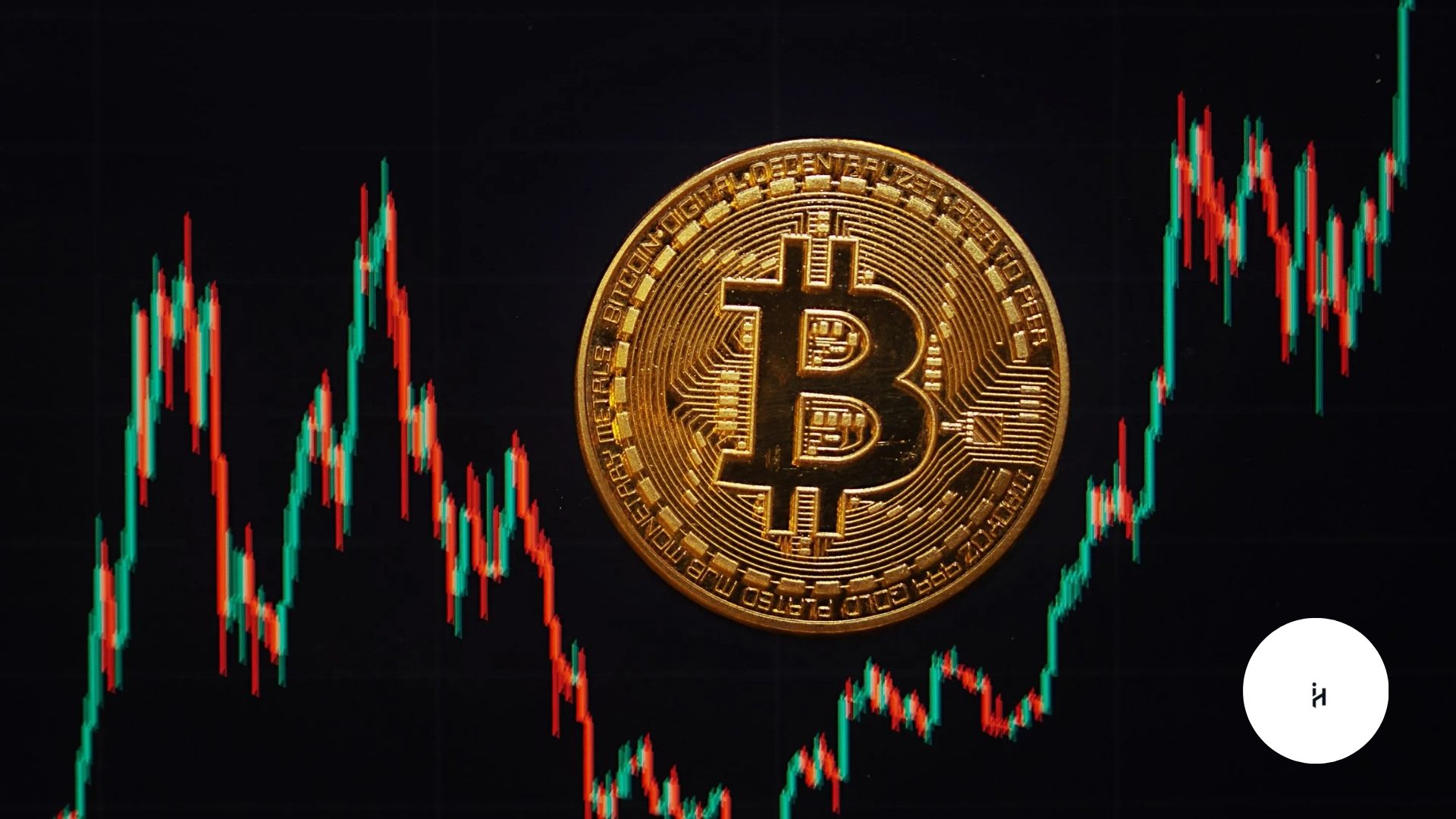
In the early days, Bitcoin had no fixed price. It was traded on forums, where users agreed on prices based on demand and supply. The first Bitcoin exchange, BitcoinMarket.com, was established in March 2010, setting an initial exchange rate of $0.003 per BTC. By 2011, Bitcoin had reached parity with the US dollar for the first time, meaning 1 BTC was worth $1. As more exchanges emerged, Bitcoin’s price became more volatile, reflecting the growing interest in cryptocurrency. The introduction of exchanges provided Bitcoin with liquidity, allowing more people to buy and sell the digital currency, marking a significant step toward mainstream adoption.

Silk Road and Bitcoin’s Association with Dark Markets

One of Bitcoin’s early use cases was on Silk Road, an online black market that operated on the dark web. Silk Road allowed users to buy illegal goods and services using Bitcoin, which was perceived as an anonymous currency. This association with criminal activities gave Bitcoin a controversial reputation.

In 2013, the FBI shut down Silk Road and seized 144,000 BTC from its founder, Ross Ulbricht. While this event tarnished Bitcoin’s image, it also proved that Bitcoin transactions were not entirely anonymous but rather pseudonymous. Blockchain analysis tools later demonstrated that transactions could be traced, countering the notion that Bitcoin was an untraceable currency.

The Rise of Bitcoin: Media Attention and Adoption

Between 2013 and 2015, Bitcoin started gaining attention from mainstream media and investors. Companies like Microsoft, Dell, and Overstock began accepting Bitcoin as payment. The rise of Bitcoin ATMs, payment processors, and institutional interest helped boost its credibility.

Bitcoin’s decentralized nature also attracted those seeking financial freedom from government-controlled currencies. Despite regulatory challenges, Bitcoin continued to grow, with more businesses and individuals adopting it for transactions and investment purposes. The growing interest laid the foundation for what would later become a multi-trillion-dollar cryptocurrency market.

The Mt. Gox Collapse: Bitcoin Faces a Major Setback

In 2014, the biggest Bitcoin exchange at the time, Mt. Gox, collapsed after being hacked. The exchange, which handled over 70% of Bitcoin transactions, lost 850,000 BTC, worth approximately $450 million at the time.
History of Bitcoin

The incident caused a significant loss of trust in Bitcoin exchanges, leading to a price crash. Despite this setback, Bitcoin survived and eventually recovered. The Mt. Gox collapse highlighted the need for better security measures and helped pave the way for more regulated and secure cryptocurrency exchanges in the future.

Bitcoin’s Scaling Debate: Forks and Upgrades

As Bitcoin’s popularity grew, scalability became an issue. The Bitcoin network struggled with slow transaction speeds and high fees. This led to a debate on whether Bitcoin should increase its block size or adopt other scaling solutions.

The disagreement resulted in a hard fork in 2017, creating Bitcoin Cash (BCH), which had larger block sizes to enable faster transactions. Meanwhile, Bitcoin implemented the Segregated Witness (SegWit) upgrade, improving efficiency. These developments demonstrated the adaptability of Bitcoin’s ecosystem and the ongoing discussions on how to improve its scalability.

Bitcoin’s Institutional Adoption: A Game Changer

By 2020, Bitcoin had entered a new phase of adoption. Major companies like Tesla, MicroStrategy, and Square invested billions into Bitcoin as a hedge against inflation. Institutional investors, including hedge funds and pension funds, began integrating Bitcoin into their portfolios.

The approval of Bitcoin ETFs in some countries further legitimized it as a financial asset. Bitcoin was no longer just a speculative digital currency but a recognized store of value, often referred to as “digital gold.”

Bitcoin’s Role in Global Finance and El Salvador’s Adoption

In 2021, El Salvador became the first country to adopt Bitcoin as legal tender, allowing its citizens to use it for everyday transactions. This historic decision sparked debates on whether Bitcoin could replace traditional fiat currencies.

Other countries, especially those with unstable economies, began considering similar moves. Bitcoin’s decentralized nature made it appealing to nations looking for financial independence from international monetary systems. However, challenges such as volatility and regulatory concerns remained key obstacles to full-scale adoption.

The Future of Bitcoin: What Lies Ahead?
History of Bitcoin

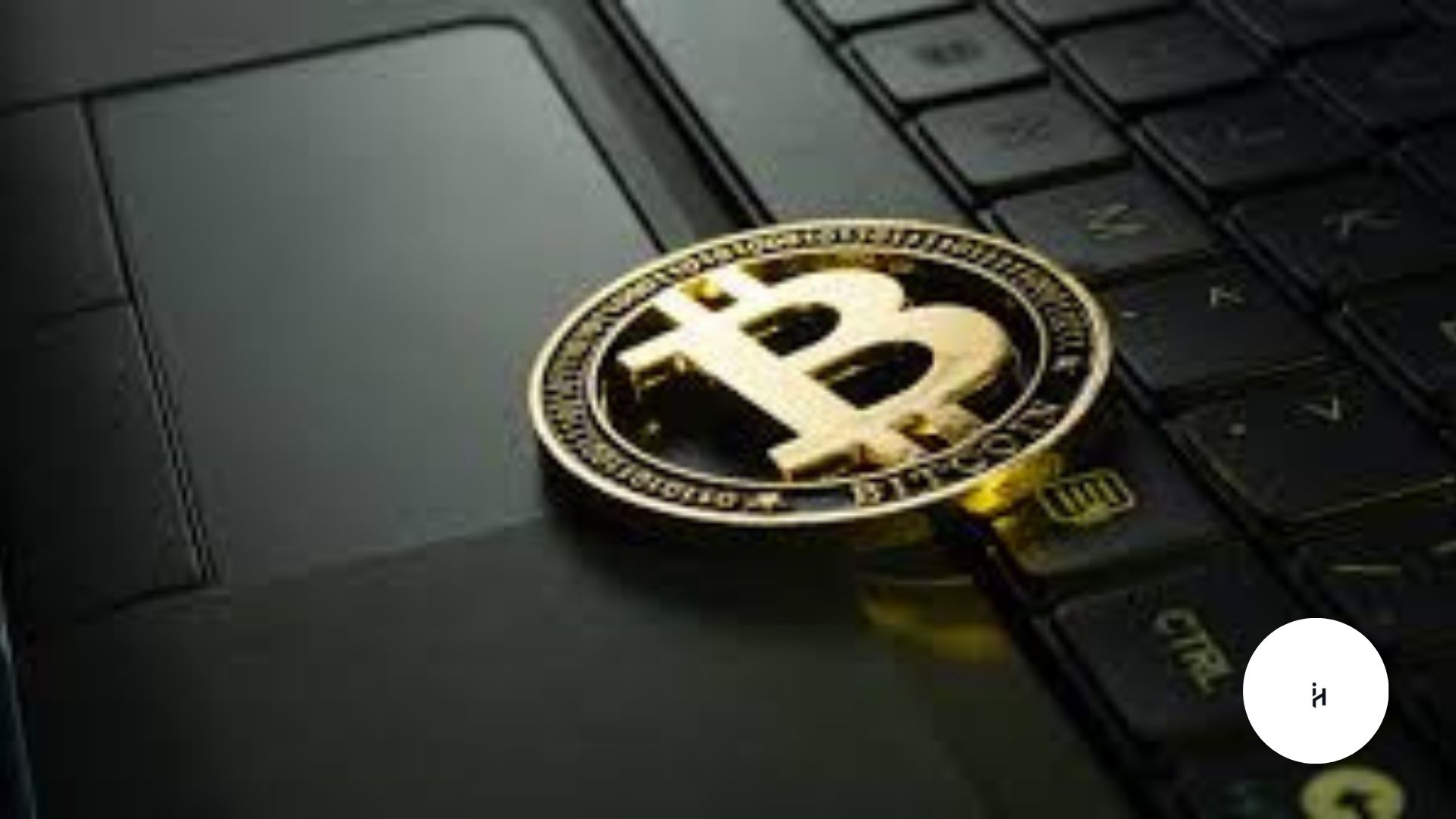
Bitcoin’s future remains a topic of speculation and excitement. As blockchain technology continues to evolve, new innovations like the Lightning Network aim to make Bitcoin transactions faster and cheaper. Governments worldwide are exploring regulations to integrate Bitcoin into the financial system while maintaining control.

While some predict Bitcoin will replace traditional money, others see it as a hedge against inflation and economic crises. Regardless of the future, Bitcoin has undoubtedly reshaped the financial world, proving that decentralized currencies are here to stay.

Bitcoin’s journey from an obscure digital experiment to a trillion-dollar asset has been remarkable. Whether it continues to dominate the financial landscape or paves the way for new innovations, its impact on global finance is undeniable.
For Amazing Updates Keep Visiting ImaginaryHistory.

The History of Weapons and Military Technology

0
The History of Weapons and Military Technology

Weapons and military technology have played a crucial role in shaping human civilization. From primitive tools to sophisticated modern warfare systems, advancements in weaponry have influenced conflicts, strategies, and global power dynamics. This blog explores the evolution of military technology through history, highlighting key developments and their impact.

The Dawn of Warfare: Early Weapons and Tools

The earliest weapons were rudimentary tools made from stone, wood, and bone. Early humans used sharpened sticks and rocks for hunting and self-defense. As societies evolved, so did their weaponry. The invention of the spear and bow and arrow allowed for ranged attacks, giving early humans a strategic advantage in hunting and warfare.

The transition to metal weapons marked a significant shift in warfare. The Bronze Age (c. 3300–1200 BCE) introduced stronger, more durable weapons such as swords, daggers, and shields. Metallurgy revolutionized combat, allowing for superior weapons that defined early civilizations like the Egyptians, Sumerians, and Hittites.

The History of Weapons and Military Technology

Ancient Warfare: The Rise of Organized Armies

As civilizations expanded, organized military forces became necessary to defend territories and conquer new lands. The armies of Mesopotamia, Egypt, Greece, and Rome developed disciplined strategies, hierarchical command structures, and advanced weapons.

The chariot, one of the first major military innovations, gave armies greater mobility and battlefield dominance. Ancient Greek hoplites wielded long spears (sarissas) and used the phalanx formation, while the Romans perfected siege warfare, developing catapults and ballistae to breach enemy fortifications.

The Middle Ages: Knights, Castles, and Siege Warfare

Medieval warfare was characterized by the dominance of heavily armored knights and fortified castles. The sword and lance were the primary weapons of mounted knights, while foot soldiers used crossbows and longbows for ranged combat.

Siege warfare became more sophisticated with the development of battering rams, trebuchets, and siege towers. The introduction of gunpowder in the late Middle Ages changed the battlefield forever, making castles and traditional armor less effective against explosive weapons.

The Gunpowder Revolution: Firearms and Cannons

The introduction of gunpowder in the 14th century led to the development of early firearms, drastically changing military tactics. Hand cannons and matchlock muskets replaced traditional bows and arrows, giving armies greater firepower.

Cannons revolutionized siege warfare, allowing attackers to breach fortifications more efficiently. European colonial empires used gunpowder weaponry to dominate indigenous populations, leading to significant global power shifts during the Age of Exploration.

The Napoleonic Era: Military Strategy and Mass Warfare

The late 18th and early 19th centuries saw the rise of Napoleon Bonaparte, who transformed military strategy with large, well-coordinated armies. Muskets with bayonets became standard infantry weapons, while artillery played a crucial role in battles.

Napoleon’s tactics emphasized mobility, speed, and decisive engagements, influencing military doctrines for generations. The use of conscription allowed for massive armies, setting the stage for modern warfare.

The Industrial Revolution: Rifles, Machine Guns, and Railroads

The 19th century brought rapid technological advancements that reshaped warfare. Breech-loading rifles replaced muskets, offering greater accuracy and faster reloading. The invention of the Gatling gun in 1861 marked the beginning of automatic firepower.

Railroads revolutionized troop movement and logistics, enabling armies to mobilize faster. The American Civil War (1861–1865) demonstrated the devastating potential of industrial warfare, foreshadowing the conflicts of the 20th century.

World War I: Trench Warfare and Chemical Weapons

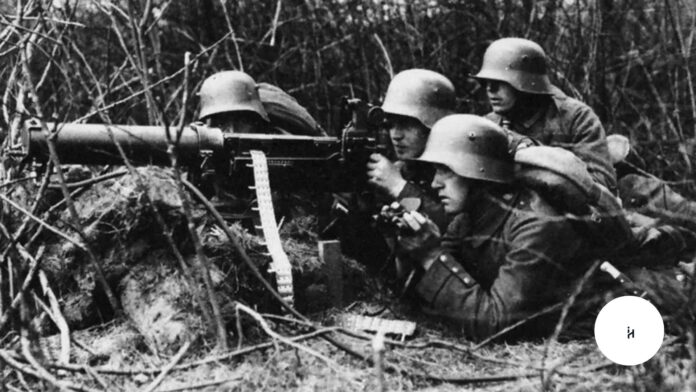
World War I (1914–1918) introduced new and terrifying weapons, including machine guns, poison gas, and tanks. Trench warfare became the dominant strategy, leading to prolonged battles and high casualty rates.

The war saw the first widespread use of aircraft for reconnaissance and bombing. Chemical weapons, such as mustard gas, inflicted horrific injuries, leading to international bans on their use in later conflicts.

World War II: Tanks, Aircraft, and Nuclear Weapons

The History of Weapons and Military Technology

World War II (1939–1945) was the most technologically advanced war of its time, featuring innovations such as radar, jet engines, and improved tanks. Aircraft carriers revolutionized naval warfare, while strategic bombing campaigns devastated cities.

The most significant development was the atomic bomb, which was dropped on Hiroshima and Nagasaki in 1945. The introduction of nuclear weapons ushered in the Cold War era, where military strategy centered around deterrence and the threat of mutually assured destruction.

The Cold War: Missiles, Submarines, and Space Warfare

The Cold War (1947–1991) saw an arms race between the United States and the Soviet Union, leading to the development of intercontinental ballistic missiles (ICBMs) and nuclear submarines.

Spy satellites and early missile defense systems transformed military strategy. The Space Race also had military implications, as both superpowers sought dominance in space technology for surveillance and potential weaponization.

Modern Warfare: Drones, Cyberwarfare, and AI

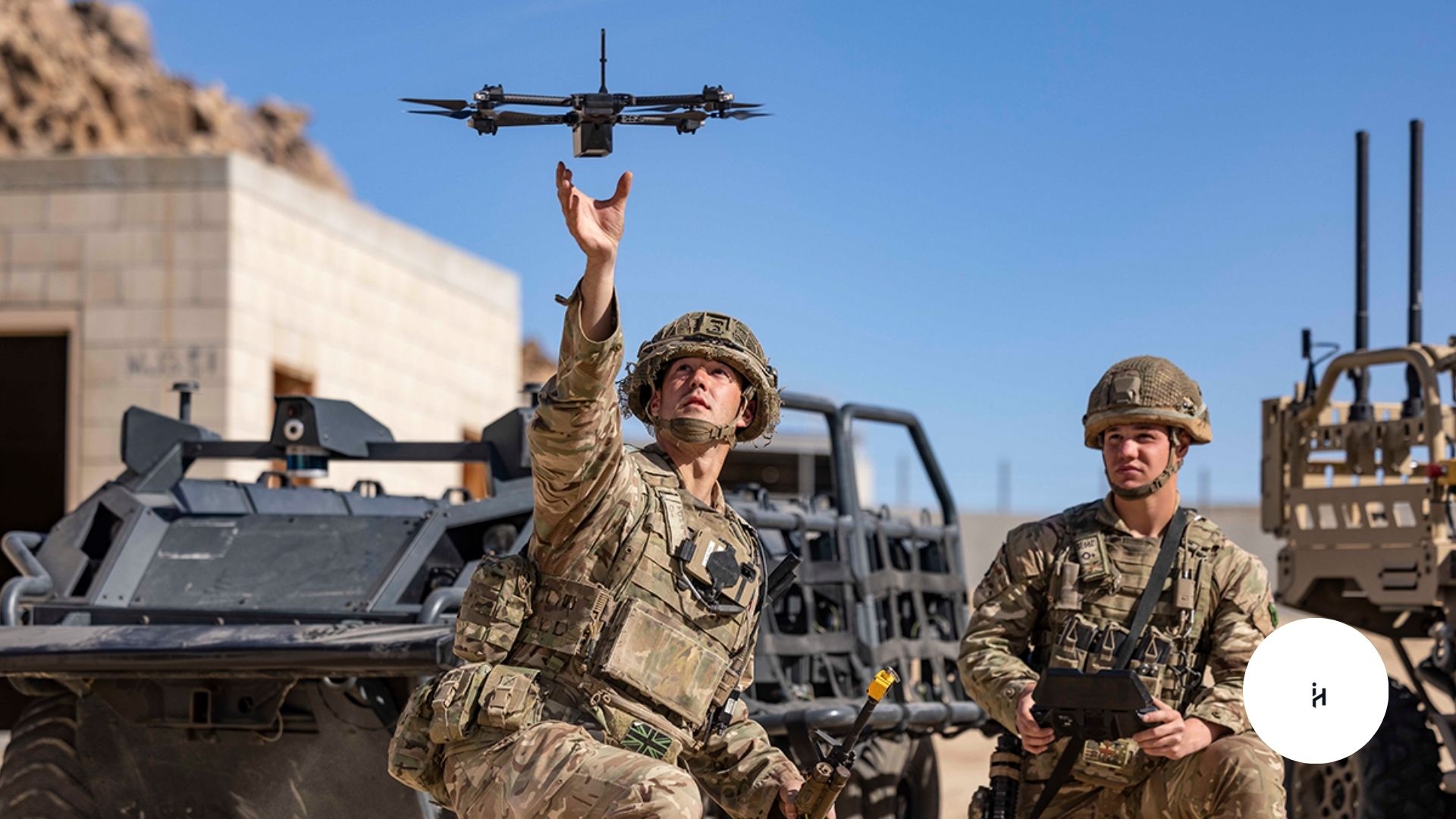
Today’s military technology is dominated by drones, cyber warfare, and artificial intelligence. Unmanned aerial vehicles (UAVs) provide reconnaissance and precision strikes with minimal risk to human soldiers.

Cyberwarfare has become a critical battlefield, with nations engaging in hacking, disinformation campaigns, and attacks on infrastructure. AI-driven autonomous weapons raise ethical concerns, as they can make real-time decisions without human intervention.

The Future of Warfare: Hypersonic Weapons and Space Militarization

The future of military technology is rapidly evolving. Hypersonic missiles, capable of traveling at speeds over Mach 5, are being developed by major world powers. These weapons can bypass traditional defense systems, making them highly effective.

The History of Weapons and Military Technology

Space is becoming a new frontier for military dominance. Countries are developing anti-satellite weapons and space-based defense systems. The rise of quantum computing and biotechnology could further change warfare, making it more precise and potentially more devastating.

Conclusion

The history of weapons and military technology reflects humanity’s continuous quest for dominance and security. Each technological advancement has reshaped the way wars are fought, often with profound consequences for civilization. As we enter an era of AI-driven warfare and space militarization, the ethical and strategic challenges of modern weaponry will continue to shape global security in the years to come.

For Amazing Updates Keep Visiting ImaginaryHistory.

The Invention of the Telephone: A Revolutionary Breakthrough

0
The Invention of the Telephone

The invention of the telephone was one of the most significant technological advancements in human history. It transformed the way people communicate, connecting individuals across vast distances in real-time. This blog explores the journey of the invention of the telephone, its impact on society, and how it has evolved over time.

The Need for a New Communication Device

Before the invention of the telephone, communication over long distances was primarily dependent on letters and the telegraph. Letters took days or even weeks to reach their destination, making urgent communication nearly impossible.

The telegraph, although faster, required trained operators and was limited to transmitting simple messages using Morse code. These limitations created a strong demand for a more efficient, real-time communication method. The invention of the telephone addressed this need, offering a faster and more direct way for people to interact.

The Invention of the Telephone

The idea of transmitting sound over electrical wires was already being explored by several inventors in the 19th century. Scientists and engineers sought ways to convert sound waves into electrical signals and then back into sound at the receiver’s end. This quest led to the eventual invention of the telephone, which revolutionized personal and business communication worldwide.

Alexander Graham Bell: The Man Behind the Invention

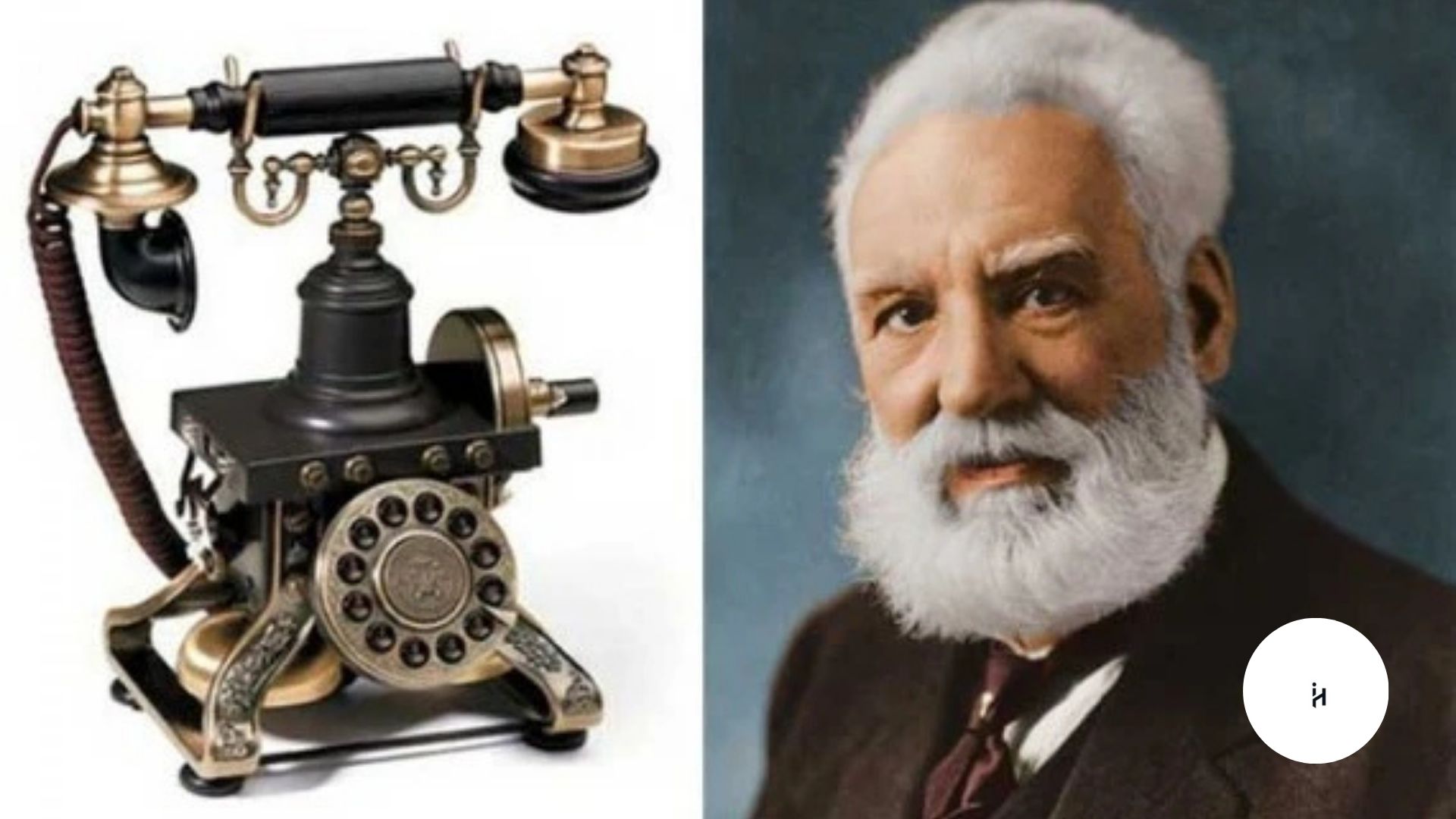
The invention of the telephone is often credited to Alexander Graham Bell, a Scottish-born scientist, and inventor. Bell had a deep interest in sound and speech due to his family’s work with the deaf. His research into sound transmission played a crucial role in the development of the telephone.

On March 10, 1876, Bell successfully demonstrated the first working telephone when he spoke to his assistant, Thomas Watson, saying the famous words, “Mr. Watson, come here, I want to see you.” This marked the birth of modern telecommunication.

However, Bell was not the only one working on voice transmission technology. Another inventor, Elisha Gray, had also developed a similar device, leading to a famous legal battle over the patent for the invention of the telephone.

Despite controversies, Bell’s telephone became a commercial success, laying the foundation for the global telecommunications industry.

The Patent Wars: Who Invented the Telephone First?

The invention of the telephone sparked a major patent dispute, as multiple inventors were working on similar concepts at the same time. Elisha Gray, an American electrical engineer, filed a patent caveat for a voice communication device on February 14, 1876, just a few hours after Bell had submitted his patent application. This led to a heated legal battle over who had truly invented the telephone first.

Although Gray’s design was innovative, Bell’s patent was granted first, giving him legal rights over the invention. Some historians argue that Bell may have had access to Gray’s work, but the court ultimately ruled in Bell’s favor. This legal victory ensured that Alexander Graham Bell became widely recognized as the father of the invention of the telephone.

The First Telephone Call and Its Significance

The first-ever telephone call was a groundbreaking moment in history. Bell’s words to Watson, transmitted through an electrical wire, proved that voice communication over long distances was possible. This single event marked the practical realization of the invention of the telephone.

This achievement revolutionized business and personal communication. For the first time, people could have real-time conversations regardless of distance, paving the way for a new era of connectivity. Governments, businesses, and households quickly realized the immense potential of this invention, leading to rapid adoption worldwide.

The Early Development and Commercialization of Telephones

After the invention of the telephone, Bell and his investors established the Bell Telephone Company in 1877. The company played a crucial role in developing telephone networks and making telephones accessible to the general public.

The Invention of the Telephone

Initially, telephone lines were limited, and only the wealthy could afford them. However, as technology improved and costs decreased, telephones became more widespread. The first telephone exchanges were established, allowing users to connect with different numbers through operators. This period marked the beginning of a communication revolution driven by the invention of the telephone.

Impact of the Telephone on Society and Business

The invention of the telephone dramatically changed society and the business world. Businesses could now communicate instantly, leading to increased efficiency and economic growth. The telephone also strengthened personal relationships by allowing people to stay connected across long distances.

With the expansion of telephone networks, industries such as banking, media, and customer service evolved significantly. The invention of the telephone contributed to globalization by making international communication possible, fostering economic and social connections across the world.

Technological Advancements in Telephony

Since the invention of the telephone, technology has continued to evolve. The transition from manual switchboards to automatic dialing, rotary phones, and push-button telephones made communication faster and more convenient.

The late 20th century saw the emergence of digital telephony, mobile phones, and eventually, smartphones. The invention of the telephone laid the foundation for these advancements, transforming communication from a simple wired connection to a wireless global network.

The Role of the Telephone in Modern Communication

Today, the invention of the telephone has led to a world where instant communication is taken for granted. Mobile phones, VoIP services, and internet-based communication platforms have changed the way people interact. Businesses, governments, and individuals rely on telecommunication for daily operations, making the telephone one of the most crucial inventions of all time.

Despite the rise of internet-based messaging and video calls, traditional voice communication remains relevant, proving that the invention of the telephone continues to shape modern communication.

Challenges and Controversies in the Telephone Industry

The invention of the telephone also brought challenges and controversies. Issues such as monopolies, privacy concerns, and government regulations have shaped the industry. Bell’s company dominated the early telephone market, leading to antitrust lawsuits and the eventual breakup of AT&T’s monopoly in the United States.

Additionally, concerns over data security and surveillance in modern telecommunications continue to spark debates. Despite these challenges, the invention of the telephone remains a key driver of technological and social progress.

The Future of Telecommunication

The Invention of the Telephone

The invention of the telephone set the stage for future innovations in communication. Emerging technologies such as 5G, artificial intelligence, and quantum communication promise to redefine how people connect. The integration of smart devices, virtual reality, and voice-controlled assistants demonstrates how far telephony has come since its inception.

As technology advances, the core principles behind the invention of the telephone—instantaneous and reliable communication—will continue to shape human interactions in ways we can only imagine.

Conclusion: A Legacy That Continues to Evolve

The invention of the telephone was a turning point in human history. It bridged distances, transformed societies, and paved the way for modern telecommunications. From Alexander Graham Bell’s first words to today’s global communication networks, the telephone remains one of the most influential inventions ever created.

Even in the age of digital communication, the fundamental concept behind the invention of the telephone endures, reminding us of the power of innovation and human connectivity.

For Amazing Updates Keep Visiting ImaginaryHistory.

The Strangest Historical Events Ever Recorded

0
The Strangest Historical Events Ever Recorded

The strangest historical events ever recorded have fascinated historians, scientists, and conspiracy theorists alike. Let’s take a deep dive into 11 of the most peculiar events in history.History is filled with mysterious, bizarre, and almost unbelievable events.

Some of them challenge logic, others make us question reality, and a few leave us with more questions than answers. From strange occurrences in ancient times to inexplicable incidents in the modern world,

The Dancing Plague of 1518

One of The strangest historical events ever recorded took place in Strasbourg, France, in July 1518, when hundreds of people started dancing uncontrollably for days, seemingly unable to stop. It all started with a woman named Frau Troffea, who began dancing in the streets for no apparent reason. Within a week, dozens had joined her, and eventually, the number reached over 400.

Many danced until they collapsed from exhaustion or even died due to heart attacks or strokes. Physicians at the time believed it was caused by “hot blood,” a medical condition, and prescribed—strangely enough—more dancing as the cure.

Music was played, and stages were built to accommodate the dancers, but the phenomenon continued for months before it mysteriously vanished. To this day, no one knows exactly what caused it.

The Strangest Historical Events Ever Recorded

The Tunguska Event – A Mysterious Explosion

On June 30, 1908, a massive explosion flattened around 800 square miles of forest in Siberia. The event, known as the Tunguska Explosion, released energy equivalent to 1,000 Hiroshima bombs. Yet, no crater was found, and no clear explanation emerged for decades.

Some theories suggest a meteor exploded in mid-air, while others propose more bizarre ideas, such as an alien spacecraft crash. What makes it one of The strangest historical events ever recorded is that, despite the incredible destruction, no direct impact site has ever been found, and no human casualties were reported.

The Great Emu War – Australia’s Fight Against Birds

In 1932, Australian soldiers were sent to Western Australia to fight… emus. Yes, actual birds. The emu population had grown uncontrollably and was destroying crops. The army brought machine guns to control them, but the emus proved too fast and resilient.

Despite firing thousands of rounds, the military was unsuccessful, and the emus simply ran away in all directions. The government eventually withdrew its troops, and the emus won the war. This unusual battle is still remembered as one of The strangest historical events ever recorded.

The Missing Crew of the Mary Celeste

In December 1872, the merchant ship Mary Celeste was found drifting in the Atlantic Ocean, completely intact but without a single crew member aboard. The ship’s cargo and personal belongings were untouched, and there was no sign of struggle or foul play.

To this day, the fate of the crew remains unknown, making it one of The strangest historical events ever recorded. Some theories suggest pirates, sea monsters, or even alien abduction, but no definitive answer has ever been found.

The London Beer Flood of 1814

On October 17, 1814, in London, a massive vat of beer at the Meux and Company Brewery exploded, releasing over 320,000 gallons of beer into the streets. The powerful flood destroyed homes and even killed eight people.

This bizarre event remains one of The strangest historical events ever recorded, as it was both tragic and strangely comedic. The streets were filled with beer, and some people reportedly tried to drink as much as they could before it all washed away.

The Ghost Army of World War II

During World War II, the U.S. military created a secret division known as the “Ghost Army.” This unit was composed of artists, actors, and engineers who used deception tactics to confuse the enemy. They created fake tanks, planes, and even radio transmissions to mislead German forces.

Their success in deceiving the Nazis made it one of The strangest historical events ever recorded. The Ghost Army remained classified for decades, and many of its members later became famous artists and designers.

The Strangest Historical Events Ever Recorded

The Exploding Whale of 1970

In 1970, the Oregon Highway Division decided to remove the rotting carcass of a beached whale by blowing it up with dynamite. The idea was to scatter the remains so scavengers could eat them. However, the explosion sent massive chunks of whale meat flying in all directions, damaging cars and nearly injuring spectators.

The bizarre nature of the event and its hilarious failure make it one of The strangest historical events ever recorded. To this day, it remains a lesson in how not to dispose of a dead whale.

The Great Molasses Flood of 1919

In Boston, a giant storage tank holding molasses burst, unleashing a 25-foot wave of sticky syrup that traveled at 35 mph. The disaster killed 21 people and injured 150 others.

The thick molasses trapped victims and made rescue efforts difficult. The event is now a legendary example of one of The strangest historical events ever recorded, and to this day, locals say they can still smell molasses on warm days.

The Black Knight Satellite Mystery

For decades, astronomers and conspiracy theorists have been fascinated by the Black Knight Satellite—an alleged extraterrestrial object orbiting Earth. Some claim it has been circling our planet for over 13,000 years.

NASA has dismissed it as space debris, but mystery lovers still believe it could be an ancient alien artifact. Its unexplained origin and persistence in myths make it one of The strangest historical events ever recorded.

The Man Who Survived Two Atomic Bombs

Tsutomu Yamaguchi, a Japanese engineer, survived both the Hiroshima and Nagasaki atomic bombings in 1945. He was in Hiroshima when the first bomb dropped, suffering burns and injuries. He then traveled to Nagasaki—just in time for the second explosion.

Despite experiencing two nuclear blasts, he lived to be 93 years old. His incredible story makes him part of The strangest historical events ever recorded.

The Day the Sun Disappeared in 536 AD

The Strangest Historical Events Ever Recorded

In the year 536 AD, something strange happened—multiple ancient civilizations recorded that the sun disappeared for over a year, causing global cooling, crop failures, and widespread famine. Scientists believe a massive volcanic eruption filled the sky with ash, blocking sunlight.

This mysterious “dark year” remains one of The strangest historical events ever recorded, as its exact cause and extent are still debated today.

Conclusion

From dancing plagues to beer floods and unexplained disappearances, The strangest historical events ever recorded continue to fascinate us. These events remind us that history is full of surprises, and sometimes, truth is stranger than fiction. Which of these bizarre events surprised you the most? Let us know!

For Amazing Updates Keep Visiting ImaginaryHistory.