Home Blog Page 95

Greatest Leaders in History: Icons Who Shaped the World

0
Greatest Leaders in History

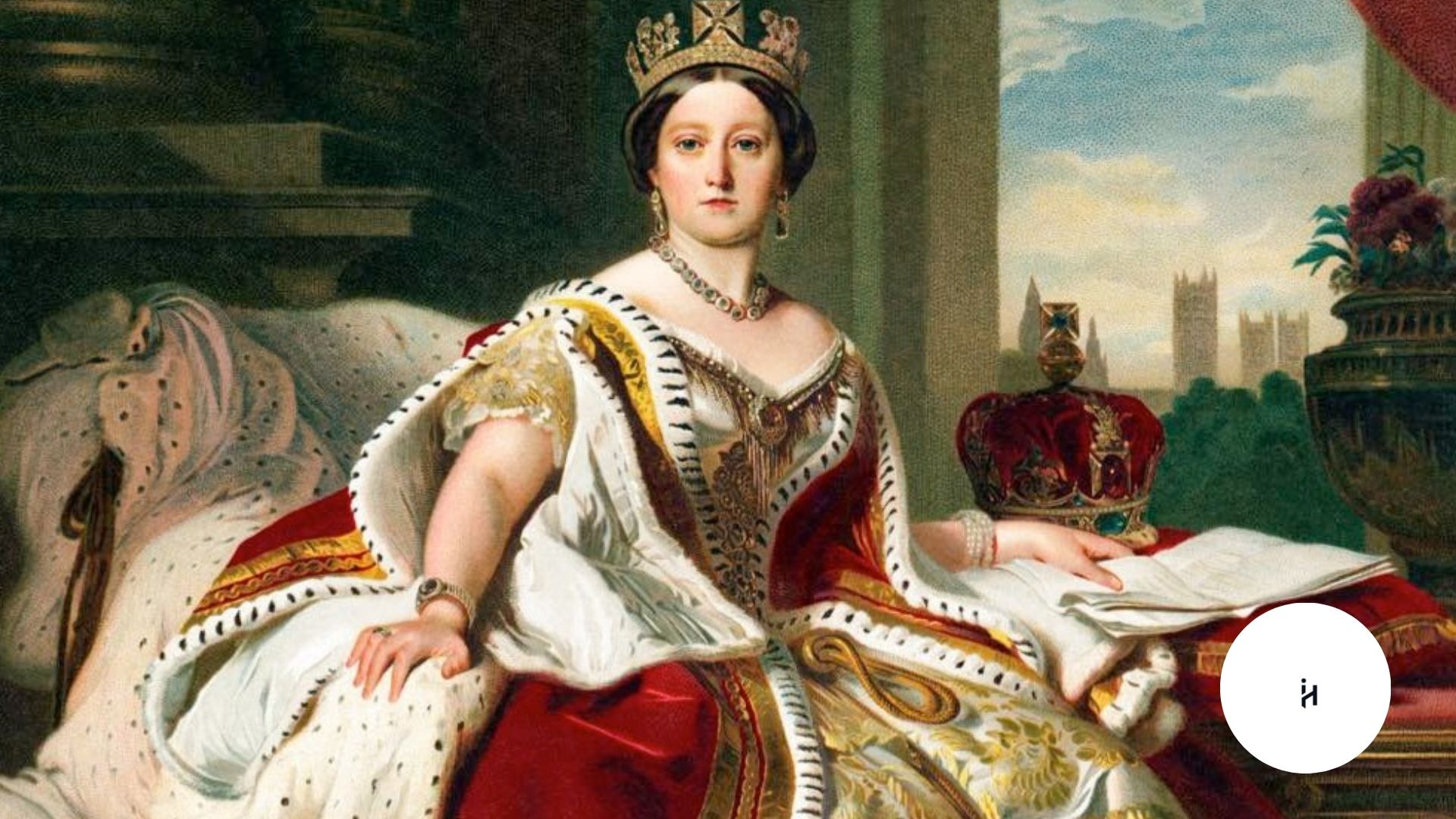
Throughout history, the world has witnessed the rise of remarkable individuals who have led with vision, determination, and courage. These leaders have left an indelible mark on society, shaping nations, inspiring movements, and leaving a lasting legacy. In this blog, we will explore the greatest leaders in history, delving into their contributions, leadership styles, and the impact they had on their respective eras.

Alexander the Great: The Conqueror Who Built an Empire

Alexander the Great remains one of the greatest leaders in history, known for his unparalleled military prowess and strategic brilliance. Born in 356 BC, he became the King of Macedonia at the age of 20 and embarked on an ambitious campaign to expand his empire. By the time of his death at 32, he had conquered vast territories stretching from Greece to Egypt, Persia, and India.

His leadership was characterized by bold decision-making, tactical warfare, and the ability to inspire loyalty among his troops. Alexander’s vision of cultural integration led to the spread of Hellenistic culture, influencing language, arts, and governance for centuries. Despite his untimely death, his legacy as a military genius and visionary leader endures.

Greatest Leaders in History

Julius Caesar: The Architect of the Roman Empire

Julius Caesar was a Roman general, statesman, and a key figure in the transformation of Rome from a republic to an empire. His leadership in military conquests, especially in Gaul, solidified Rome’s dominance. However, his ability to reform governance, centralize power, and bring about economic and social stability makes him one of the greatest leaders in history.

Caesar introduced land reforms, restructured the debt system, and developed the Julian calendar. His ambition led to his assassination in 44 BC, but his impact on Roman history and governance principles continues to be studied and admired.

Napoleon Bonaparte: The Emperor Who Redefined Europe

Napoleon Bonaparte, the French military leader and emperor, reshaped Europe in the early 19th century. His leadership during the Napoleonic Wars demonstrated his strategic brilliance, and he expanded French influence across the continent.

Beyond military success, Napoleon’s greatest legacy was the Napoleonic Code, which became the foundation of modern legal systems worldwide. His administrative reforms, focus on meritocracy, and centralized governance solidified his place among the greatest leaders in history.

Abraham Lincoln: The Leader Who Preserved the Union

Abraham Lincoln, the 16th president of the United States, is best known for leading the country through the Civil War and abolishing slavery. His leadership was marked by resilience, humility, and a deep commitment to democracy and equality.

Lincoln’s Emancipation Proclamation in 1863 was a turning point in the fight against slavery. Despite facing immense opposition, his steadfast determination ensured the preservation of the Union. His assassination in 1865 was a tragic loss, but his legacy as one of the greatest leaders in history remains intact.

Winston Churchill: The Voice of Resistance in World War II

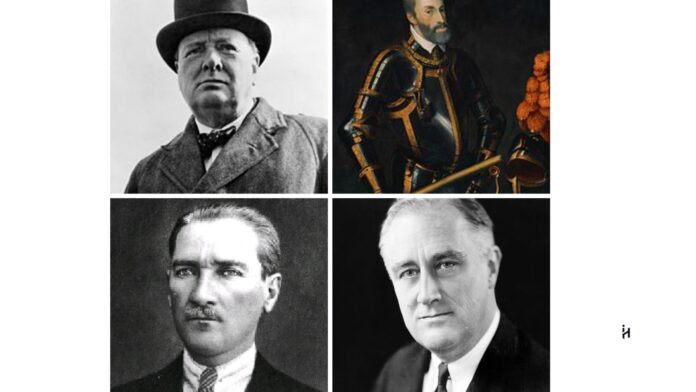
Winston Churchill’s leadership during World War II earned him a place among the greatest leaders in history. As Prime Minister of Britain, he inspired the nation to resist Nazi Germany through his powerful speeches and unwavering resolve.

Churchill’s ability to rally people in times of crisis, his strategic alliances, and his vision for post-war Europe defined his leadership. His contributions to global politics and diplomacy continue to be studied and admired.

Mahatma Gandhi: The Champion of Non-Violence

Mahatma Gandhi’s philosophy of non-violent resistance made him one of the greatest leaders in history. Leading India’s independence movement against British rule, he used peaceful protests, civil disobedience, and moral authority to challenge colonial oppression.

His teachings on truth, simplicity, and self-reliance inspired movements for civil rights worldwide. Gandhi’s legacy as a leader who fought for justice without resorting to violence continues to influence modern activism.

Greatest Leaders in History

Nelson Mandela: The Symbol of Reconciliation

Nelson Mandela’s leadership in ending apartheid in South Africa makes him one of the greatest leaders in history. After spending 27 years in prison, he emerged as a unifying figure, advocating for peace, democracy, and racial equality.

Mandela became South Africa’s first black president in 1994 and led efforts to heal a divided nation. His emphasis on forgiveness, truth, and justice remains an enduring example of leadership.

Franklin D. Roosevelt: The Architect of the New Deal

Franklin D. Roosevelt (FDR) led the United States through the Great Depression and World War II, implementing transformative policies that reshaped the nation. His New Deal programs provided relief, recovery, and reform, stabilizing the economy and offering hope to millions.

His leadership during World War II, in alliance with Churchill and Stalin, played a crucial role in defeating the Axis powers. FDR’s ability to lead with empathy and innovation solidifies his place among the greatest leaders in history.

Theodore Roosevelt: The Progressive Reformer

Theodore Roosevelt, the 26th president of the United States, was a visionary leader who championed progressive reforms. His commitment to environmental conservation, breaking monopolies, and expanding the role of government made him a transformative figure.

He established national parks, strengthened labor rights, and promoted the Square Deal policies, ensuring fairness for all. His dynamic leadership and dedication to public service make him one of the greatest leaders in history.

Margaret Thatcher: The Iron Lady

Margaret Thatcher, the first female Prime Minister of the United Kingdom, redefined leadership with her firm policies and economic reforms. Her tenure saw a transformation in Britain’s economy, emphasizing free-market principles and reducing the role of government intervention.

Despite being a controversial figure, her resilience, determination, and leadership in global politics cement her position among the greatest leaders in history.

Barack Obama: A Leader of Hope and Change

Barack Obama, the first African American president of the United States, led with a message of hope, unity, and progress. His presidency saw significant reforms in healthcare, economic recovery efforts, and foreign diplomacy.

His leadership in promoting equality, climate policies, and international cooperation makes him one of the most influential leaders of the 21st century. Obama’s ability to inspire and connect with people globally ensures his place among the greatest leaders in history.

Greatest Leaders in History

Q&A Section

Q1: Who are considered the greatest leaders in history?

A: Some of the greatest leaders in history include Alexander the Great, Julius Caesar, Napoleon Bonaparte, Abraham Lincoln, Winston Churchill, Mahatma Gandhi, Nelson Mandela, Franklin D. Roosevelt, Theodore Roosevelt, Margaret Thatcher, and Barack Obama.

Q2: What makes a leader great?

A: A great leader possesses vision, determination, integrity, and the ability to inspire and influence others. They make decisions that positively impact society, demonstrate resilience in crises, and leave a lasting legacy.

Q3: Who was the greatest military leader in history?

A: Alexander the Great is often regarded as the greatest military leader due to his undefeated record in battle and his ability to conquer vast territories while spreading Hellenistic culture.

Q4: Which leader is known for non-violent resistance?

A: Mahatma Gandhi is renowned for his philosophy of non-violent resistance, which played a crucial role in India’s independence from British rule.

Q5: Who was the most influential U.S. president?

A: Abraham Lincoln, Franklin D. Roosevelt, and Theodore Roosevelt are among the most influential U.S. presidents, each making significant contributions in preserving democracy, economic reforms, and social progress.

Q6: Why is Winston Churchill considered a great leader?

A: Winston Churchill is celebrated for his leadership during World War II, where his speeches and strategic decisions helped Britain resist Nazi Germany and ultimately secure victory.

Q7: Which leader helped end apartheid in South Africa?

A: Nelson Mandela led the fight against apartheid and became South Africa’s first black president, emphasizing reconciliation and peace.

Q8: What was Margaret Thatcher’s leadership style?

A: Known as the “Iron Lady,” Margaret Thatcher’s leadership was characterized by strong economic reforms, reducing government intervention, and a firm approach to governance.

Q9: How did Barack Obama impact global politics?

A: Barack Obama’s presidency focused on international diplomacy, healthcare reform, climate change policies, and promoting equality, making him a globally recognized leader.

Q10: What is the legacy of the greatest leaders in history?

A: The greatest leaders in history have left behind a legacy of transformation, inspiring governance models, and movements that continue to influence societies worldwide.

Conclusion

The greatest leaders in history were not just figures of power but visionaries who transformed their societies. From military conquerors to peacemakers, their leadership styles varied, yet their impact was profound. Their legacies continue to inspire future generations, proving that true leadership is about vision, resilience, and the ability to bring about change.
For Amazing Updates Keep Visiting ImaginaryHistory.

Queen Victoria Syndrome: A Deep Dive into Its Meaning and Impact

0
Queen Victoria Syndrome

Introduction to Queen Victoria Syndrome

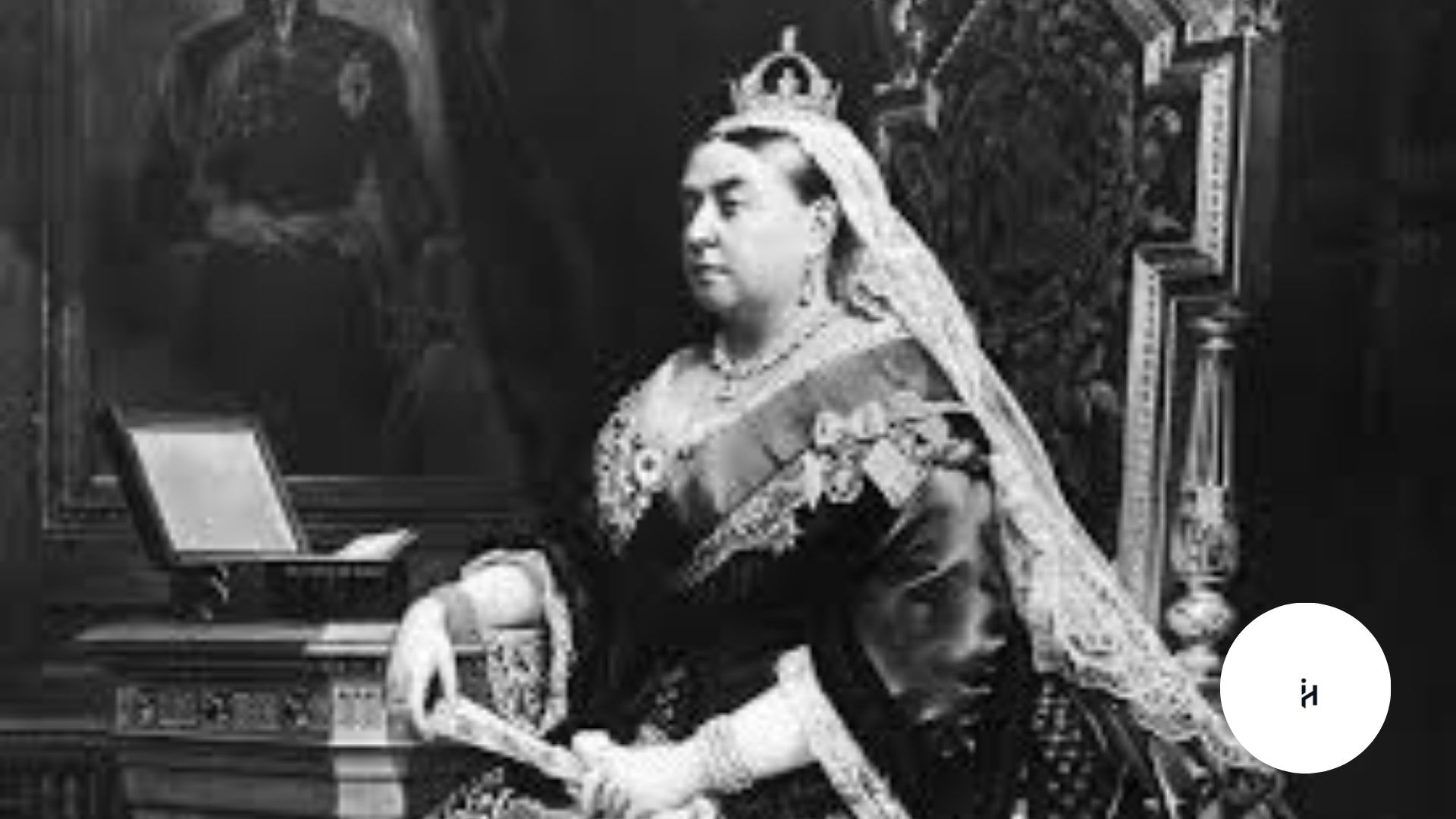
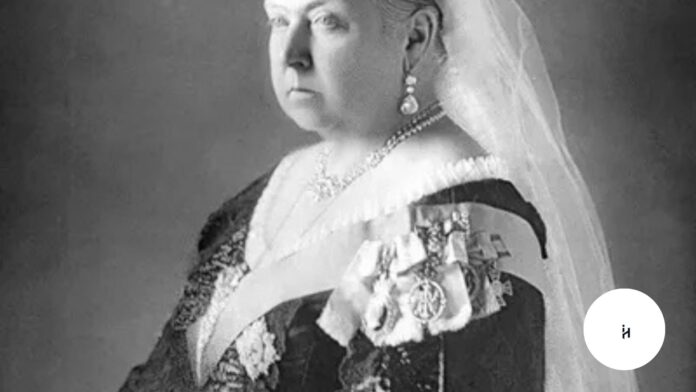
Queen Victoria Syndrome is a term used to describe the reluctance of long-serving monarchs or leaders to adapt to modern times. The phrase originates from Queen Victoria, who reigned over the British Empire for 63 years, from 1837 to 1901. She was known for her rigid adherence to tradition, which often made it difficult for the monarchy to evolve with the rapidly changing world.

The term is frequently used in discussions about leadership, particularly in the context of royal families and politicians. It suggests that staying in power for too long can lead to a resistance to innovation, a disconnection from the people, and an inability to embrace necessary reforms. While Queen Victoria Syndrome is often associated with monarchies, it can also apply to corporate leaders, government officials, and even celebrities who struggle to remain relevant.

The Origins of Queen Victoria Syndrome

Queen Victoria Syndrome

The origins of Queen Victoria Syndrome lie in the reign of Queen Victoria, who ruled during a time of immense industrial and social change. Despite the transformative advancements of the 19th century, she remained steadfast in her traditional views.

One of the most notable examples was her resistance to modernizing the monarchy. She withdrew from public life after the death of her husband, Prince Albert, and was seen as increasingly detached from her people. This reluctance to change made her reign a symbol of outdated traditions. Over time, this tendency became known as Queen Victoria Syndrome, referring to leaders who refuse to acknowledge the necessity of change.

How Queen Victoria Syndrome Affects Monarchies

Modern monarchies, especially in Europe, often face criticism for being out of touch with contemporary societal values. Queen Victoria Syndrome can be observed when royals resist modernization, refuse to embrace progressive policies, or fail to engage with the public in meaningful ways.

For example, when Queen Elizabeth II was accused of not responding quickly enough to the tragic death of Princess Diana in 1997, some critics attributed it to Queen Victoria Syndrome. The royal family’s initial reaction seemed distant, highlighting how tradition and protocol can sometimes create a barrier between monarchy and public sentiment.

The Psychological Aspects of Queen Victoria Syndrome

Queen Victoria Syndrome is deeply rooted in human psychology. Those in power for extended periods often develop a deep attachment to their traditional ways of thinking and operating. Psychological factors such as cognitive rigidity, fear of change, and nostalgia for past successes contribute to the syndrome.

Many long-reigning leaders feel that deviating from established traditions might undermine their authority. This psychological resistance to change is not limited to monarchs; it also affects business executives, political figures, and even artists who struggle to evolve with new trends.

Examples of Queen Victoria Syndrome in Politics

Queen Victoria Syndrome

Political leaders are not immune to Queen Victoria Syndrome. Many politicians who have been in office for decades struggle to adapt to changing social attitudes. They resist implementing reforms, ignore public opinion, and rely on outdated policies.

For instance, leaders who continue to prioritize industrial policies from the 20th century while ignoring climate change concerns demonstrate Queen Victoria Syndrome. Their refusal to embrace sustainability, green energy, and digital transformation often leads to political decline.

Queen Victoria Syndrome in the Business World

Corporations often suffer from Queen Victoria Syndrome when their CEOs or executives refuse to adapt to industry changes. Companies that were once dominant but failed to embrace digital transformation, such as Kodak and Blockbuster, serve as prime examples.

Kodak, once a giant in the photography industry, resisted the shift to digital cameras. Despite inventing the first digital camera, Kodak’s leadership clung to traditional film products, ultimately leading to the company’s downfall. This is a classic example of how Queen Victoria Syndrome can result in corporate failure.

The Role of Public Perception in Queen Victoria Syndrome

Public perception plays a crucial role in identifying Queen Victoria Syndrome. When leaders are perceived as being out of touch, their credibility diminishes. In today’s digital world, where public opinion is shaped by social media and news outlets, leaders must remain engaged and adaptable.

When celebrities, politicians, or business moguls fail to connect with younger generations or embrace diversity, they risk being seen as outdated. This perception can lead to declining influence and, ultimately, irrelevance.

How Queen Victoria Syndrome Affects Cultural Institutions

Beyond politics and business, cultural institutions such as museums, theaters, and universities can also suffer from Queen Victoria Syndrome. When these institutions refuse to modernize, they risk losing relevance.

For example, museums that resist digital exhibitions or fail to represent diverse narratives struggle to attract younger audiences. Similarly, universities that do not update their curricula to include contemporary subjects such as artificial intelligence and climate studies risk becoming obsolete.

Can Leaders Overcome Queen Victoria Syndrome?

While Queen Victoria Syndrome is common, it is not irreversible. Leaders who actively listen to public feedback, embrace technological advancements, and remain open to change can avoid its pitfalls.

Many modern monarchs have successfully adapted to changing times. King Charles III, for example, has shown a willingness to address environmental issues, engage with social causes, and modernize royal traditions. His approach helps mitigate Queen Victoria Syndrome, ensuring that the monarchy remains relevant in the 21st century.

The Impact of Queen Victoria Syndrome on Future Generations

If leaders fail to adapt, the consequences of Queen Victoria Syndrome can extend to future generations. Institutions that resist change may struggle to attract young talent, while nations led by outdated politicians may fall behind in global development.

Queen Victoria Syndrome

To prevent Queen Victoria Syndrome from affecting future generations, leaders must focus on continuous learning, innovation, and inclusivity. Embracing fresh ideas, fostering diversity, and maintaining an open dialogue with the public are key to long-term success.

Q&A Section

1. What is Queen Victoria Syndrome?

Queen Victoria Syndrome refers to a leader’s reluctance to embrace change, often resulting in a disconnect from modern society. The term originates from Queen Victoria’s long reign, during which she resisted modernization and remained attached to traditional values.

2. Why is Queen Victoria Syndrome relevant today?

In today’s fast-changing world, leaders who fail to adapt risk losing credibility and influence. Whether in monarchies, politics, business, or culture, resistance to progress can lead to decline, making Queen Victoria Syndrome a relevant concept even now.

3. How does Queen Victoria Syndrome affect monarchies?

Modern monarchies can suffer from Queen Victoria Syndrome when they resist modernization or fail to connect with the public. A lack of progressive policies and outdated traditions can lead to public disapproval and declining relevance.

4. Can Queen Victoria Syndrome impact businesses?

Yes, businesses that refuse to adapt to new technologies and market trends may suffer from Queen Victoria Syndrome. Companies like Kodak and Blockbuster, which ignored digital transformation, serve as classic examples of its consequences.

5. What are some signs of Queen Victoria Syndrome in leadership?

Some common signs include resistance to innovation, ignoring public opinion, clinging to outdated traditions, and failing to adapt to new cultural and technological trends. Leaders affected by Queen Victoria Syndrome often struggle to stay relevant.

6. Is Queen Victoria Syndrome only related to monarchy?

No, the concept applies to various fields, including politics, corporate leadership, education, and even cultural institutions. Any long-serving figure or organization that resists change may experience Queen Victoria Syndrome.

7. Can Queen Victoria Syndrome be prevented?

Yes, leaders can avoid Queen Victoria Syndrome by staying open to change, listening to public feedback, embracing technological advancements, and ensuring their policies remain relevant to modern needs.

8. How does public perception influence Queen Victoria Syndrome?

Public perception is crucial in determining whether a leader or institution is seen as outdated. In the digital age, failing to engage with younger generations or social movements can lead to criticism and loss of credibility.

9. What is an example of overcoming Queen Victoria Syndrome?

King Charles III has shown a willingness to modernize the British monarchy by addressing environmental issues and engaging in social causes. His adaptability helps counteract Queen Victoria Syndrome, keeping the monarchy relevant.

10. What is the key takeaway about Queen Victoria Syndrome?

Queen Victoria Syndrome highlights the dangers of resisting change. While traditions provide stability, leaders must balance historical values with modern progress to remain influential and effective in their roles.

Conclusion: The Relevance of Queen Victoria Syndrome Today

In today’s rapidly evolving world, Queen Victoria Syndrome remains a relevant concept. Whether in politics, business, or culture, leaders who resist change risk being left behind. The ability to adapt is crucial for sustained influence and success.

While tradition provides stability, excessive rigidity can lead to decline. Balancing historical values with modern progress is the key to overcoming Queen Victoria Syndrome. By embracing change, leaders can ensure they remain relevant, respected, and effective in their roles.

For Amazing Updates Keep Visiting ImaginaryHistory.

How Did Nikola Tesla Die? The Tragic End of a Brilliant Mind

0
How Did Nikola Tesla Die

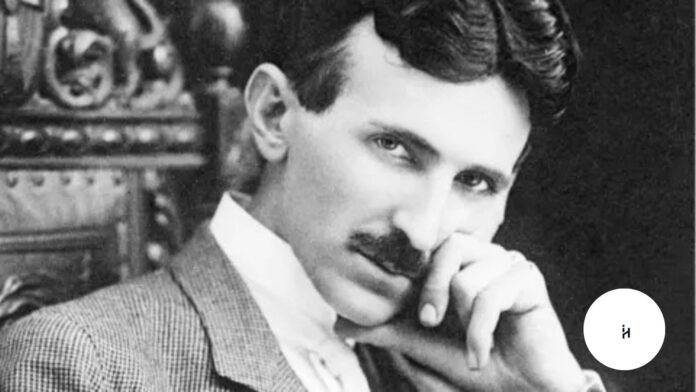
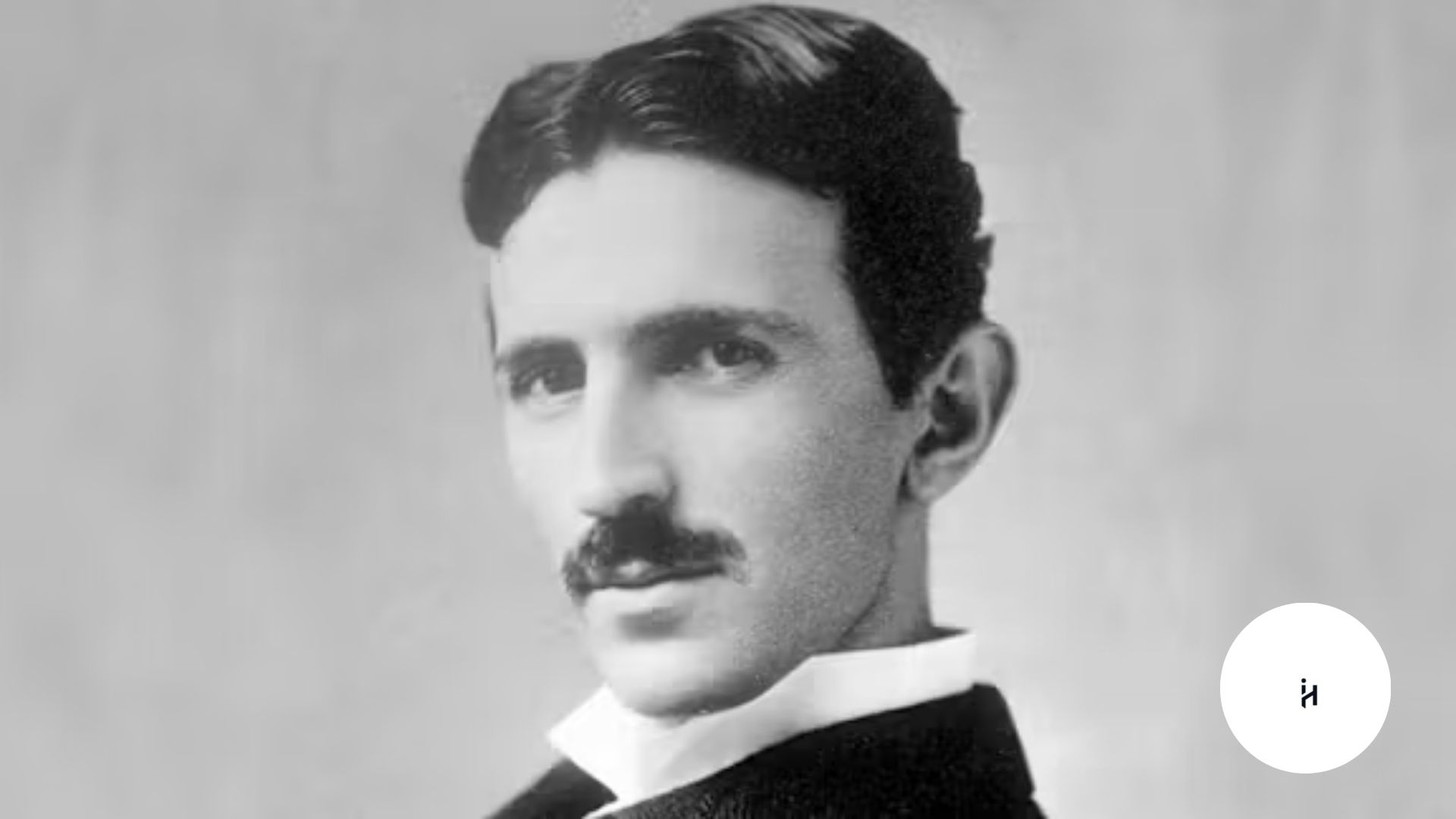
Nikola Tesla, one of history’s greatest inventors, was a visionary whose contributions to electrical engineering, radio waves, and wireless energy changed the world. However, despite his genius, Tesla’s final years were filled with loneliness, financial struggles, and declining health. This blog explores how did Nikola Tesla die, his hardships, and the circumstances that led to his passing.

Nikola Tesla’s Early Life and Rise to Fame

Nikola Tesla was born on July 10, 1856, in Smiljan, which was part of the Austrian Empire (now Croatia). From an early age, he showed an extraordinary aptitude for science and mathematics. He later moved to the United States, where he worked under Thomas Edison before developing his own revolutionary ideas.

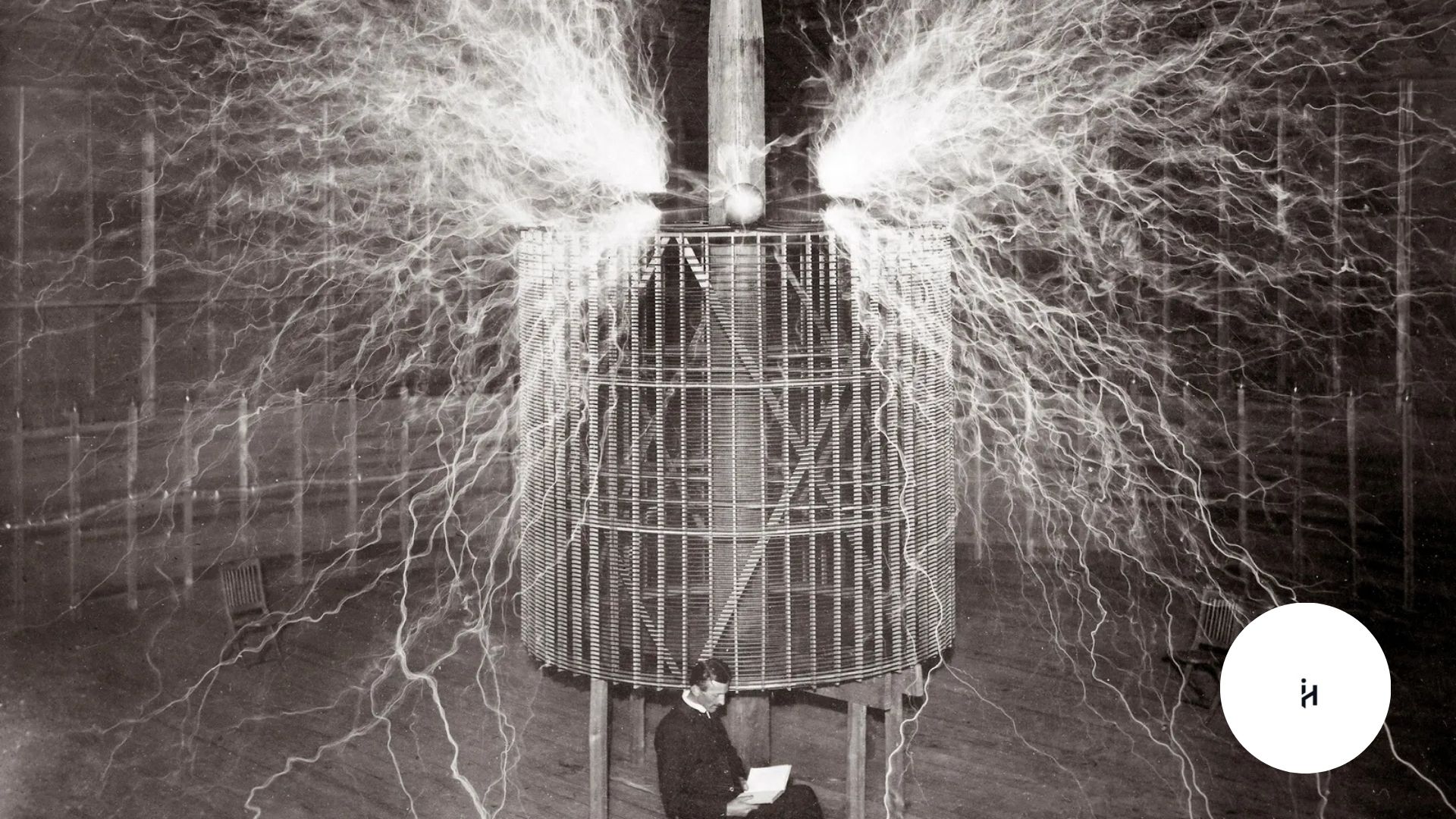
Tesla’s most notable achievements include the invention of alternating current (AC), the Tesla coil, and wireless energy transmission. His rivalry with Edison during the “War of Currents” further pushed him into the limelight, making him one of the most influential scientists of his time.

How Did Nikola Tesla Die

Tesla’s Groundbreaking Discoveries and Achievements

Tesla’s contributions to technology were unparalleled. He developed the Tesla coil, experimented with radio waves, and laid the foundation for modern wireless communication. His ideas on free energy, although never fully realized, were decades ahead of his time.

Despite his brilliance, Tesla struggled financially as many of his projects were underfunded or stolen. His grandest visions, such as wireless electricity through the Wardenclyffe Tower, failed due to lack of financial support.

Tesla’s Financial Downfall and Isolation

Despite his incredible intellect, Tesla was never able to capitalize on his inventions. Unlike Edison, who was a shrewd businessman, Tesla focused purely on science. He rejected patents for many of his ideas and often lacked financial backing.

Over time, he became increasingly isolated. His once-glorious reputation faded as he fell into obscurity, struggling to make ends meet. He lived in a series of hotels in New York, unable to pay rent, and relied on small grants from friends and admirers.

The Tragic Final Years of Nikola Tesla

In his later years, Tesla became obsessed with pigeons, particularly a white pigeon he claimed to love as if she were a human. He withdrew from public life and spent his days feeding pigeons in parks. His eccentric behavior led many to consider him mentally unstable.

Living in the New Yorker Hotel, he spent his final years alone, surviving on a meager diet and battling various illnesses. His financial troubles deepened, and he was frequently forced to move from one location to another due to unpaid bills.

Tesla’s Health Deterioration and Medical Conditions

Tesla’s health declined rapidly in his final years. He suffered from chronic digestive issues, insomnia, and extreme sensitivity to light and sound. His obsessive-compulsive tendencies worsened, and he developed a severe phobia of germs.

His physical condition weakened, and he eventually stopped taking care of himself. By the early 1940s, Tesla was frail and sickly, suffering from malnutrition and heart problems.

The Night of Tesla’s Death – What Really Happened?

On January 7, 1943, Tesla was found dead in his room at the New Yorker Hotel. The official cause of death was coronary thrombosis (a blood clot in the heart).

He had been living in room 3327, and his body was discovered by a maid who entered after he failed to respond. Tesla had refused medical care and preferred to live in isolation, which contributed to his deteriorating health.

Conspiracies and Theories About Tesla’s Death

Tesla’s death sparked numerous conspiracy theories. Some believed he was murdered because of his advanced research into wireless energy and weapon technology. Others suspected the FBI had an interest in his work on directed-energy weapons, often referred to as Tesla’s “Death Ray.”

Following his death, the U.S. government seized many of his documents, further fueling speculation about whether he had made a groundbreaking discovery that was covered up.

The Role of the FBI and Seized Documents

How Did Nikola Tesla Die

After Tesla’s death, the FBI took possession of his research papers, fearing they contained sensitive information related to national security. These documents were later examined by Dr. John G. Trump, an MIT professor and the uncle of former U.S. President Donald Trump.

According to official reports, Tesla’s notes contained nothing of immediate military value, but rumors persisted that some of his ideas were classified and hidden from the public.

How Did Nikola Tesla Die in Poverty Despite His Genius?

Tesla’s financial struggles were due to a combination of factors, including his refusal to profit from patents, his trust in unreliable investors, and his inability to commercialize his inventions.

While others, like Edison and Westinghouse, built business empires, Tesla lived on the fringes of society, relying on small donations from admirers. He died alone, penniless, and largely forgotten by the mainstream scientific community at the time.

Tesla’s Legacy and Posthumous Recognition

Although he died in poverty, Tesla’s contributions to science and technology were later recognized. Today, he is considered a pioneer in electricity, wireless communication, and renewable energy.

His name lives on through Tesla, Inc., the electric vehicle company founded by Elon Musk. Numerous museums, statues, and tributes around the world honor his legacy. In 1960, the unit for measuring magnetic flux density, the “tesla,” was named in his honor.

Conclusion – How Did Nikola Tesla Die, and What Can We Learn from His Life?

So, how did Nikola Tesla die? He passed away alone in a hotel room, suffering from heart disease, poverty, and neglect. Despite being one of the greatest minds of all time, he was forgotten by society at the time of his death.

Tesla’s story serves as a cautionary tale about the challenges faced by visionary thinkers. While his ideas were revolutionary, his lack of financial awareness and business acumen left him struggling throughout his life. Today, his work is celebrated worldwide, proving that genius is not always recognized in its own time.

Q&A Section

1. How did Nikola Tesla die?

Nikola Tesla died on January 7, 1943, in his room at the New Yorker Hotel. The official cause of death was coronary thrombosis (a blood clot in the heart).

2. Where did Nikola Tesla die?

Tesla passed away in room 3327 of the New Yorker Hotel in New York City, where he had been living in isolation for years.

3. What were Nikola Tesla’s last years like?

His final years were marked by financial struggles, deteriorating health, and increasing isolation. He spent much of his time feeding pigeons and living on a minimal diet.

How Did Nikola Tesla Die

4. Why was Nikola Tesla poor when he died?

Despite his numerous inventions, Tesla struggled financially because he failed to patent many of his ideas, was not business-savvy, and was often taken advantage of by investors.

5. What happened to Tesla’s research after his death?

After his death, the FBI seized many of Tesla’s documents, fearing they contained sensitive scientific discoveries. Some of these documents were later released, but theories persist that crucial research remains classified.

6. Did Nikola Tesla invent free energy?

Tesla envisioned wireless energy transmission, but his most ambitious project, the Wardenclyffe Tower, was never completed due to a lack of funding. His dream of free energy remained unrealized.

7. What was Tesla’s cause of death?

The official cause of Tesla’s death was coronary thrombosis, a condition caused by a blood clot in the arteries of the heart.

8. Was Nikola Tesla murdered?

There is no evidence to suggest Tesla was murdered, but conspiracy theories claim that his work on advanced technologies may have led to foul play.

9. How old was Nikola Tesla when he died?

Tesla was 86 years old at the time of his death in 1943.

10. What is Nikola Tesla’s legacy today?

Tesla’s contributions to electricity, wireless communication, and renewable energy are widely recognized today. His name is honored in various ways, including the unit of measurement “tesla” and Tesla, Inc., the electric vehicle company founded by Elon Musk.

Final Thoughts

Nikola Tesla’s death was a tragic end to a brilliant life. However, his legacy continues to inspire scientists, engineers, and dreamers around the world. His vision for a future of wireless energy, free electricity, and groundbreaking inventions remains relevant even today.

By understanding how did Nikola Tesla die, we gain insight into the struggles of inventors and the importance of supporting innovation. Tesla’s contributions changed the world, and though he died in obscurity, his ideas live on, shaping the future of technology.

For Amazing Updates Keep Visiting ImaginaryHistory.

Hidden Messages in Historical Texts: Secrets of the Past

0
Hidden Messages in Historical Texts

Throughout history, authors, scholars, and rulers have embedded hidden messages in historical texts for various reasons—secrecy, protection of knowledge, or even entertainment. These concealed messages have been uncovered using various methods, revealing fascinating insights about past civilizations, political conspiracies, and even religious beliefs.

In this blog, we will explore different ways hidden messages have been incorporated into historical texts, the techniques used to decipher them, and famous examples of cryptic communication.

The Art of Concealing Messages in Ancient Manuscripts

Hidden Messages in Historical Texts

Hidden messages in historical texts date back thousands of years, with civilizations using cryptography, acrostics, and invisible ink to conceal secrets. Ancient scribes often encoded messages within religious or governmental documents to protect sensitive information.

For example, Egyptian priests used hieroglyphics with double meanings, while Greek scholars such as Herodotus wrote messages between lines of ordinary text. The Romans, too, employed hidden messages in historical texts, utilizing substitution ciphers and hidden patterns to keep military secrets safe from enemies.

Cryptography in Historical Texts: Codes and Ciphers

Cryptography played a significant role in embedding hidden messages in historical texts. From the Caesar cipher used by Julius Caesar to the complex codes of the Enigma machine in World War II, encryption has been a valuable tool for secret communication.

One of the most famous cases of cryptographic messages in history is the Voynich manuscript, an undeciphered text filled with unknown symbols and diagrams. Historians and cryptographers have attempted to decode it, but its true meaning remains a mystery.

Acrostics and Hidden Meanings in Poetry and Literature

Acrostics have been a popular method for embedding hidden messages in historical texts. Writers and poets arranged the first letters of each line to spell out a secret word or phrase.

A notable example is the Psalms in the Hebrew Bible, where acrostic patterns were used to encode spiritual meanings. Similarly, medieval scholars used acrostics in manuscripts to convey secret messages about religious or political matters without attracting suspicion.

Biblical Codes and Religious Hidden Messages

Religious texts are among the most analyzed sources of hidden messages in historical texts. The Bible, the Quran, and other sacred scriptures have been studied for centuries to uncover hidden meanings.

The “Bible Code” theory suggests that the Hebrew Bible contains encrypted messages predicting future events. Using mathematical algorithms, researchers have claimed to find names, dates, and significant historical occurrences embedded in the ancient texts.

Political Secrets Hidden in Historical Documents

Governments and rulers have often used hidden messages in historical texts to communicate sensitive information. During times of war and espionage, cryptic messages were embedded in diplomatic correspondence to prevent enemies from intercepting crucial information.

One famous example is the coded letters between Mary, Queen of Scots, and her supporters during her imprisonment. Her secret messages were eventually deciphered, leading to her execution for treason against Queen Elizabeth I.

Hidden Messages in Medieval Manuscripts

Medieval manuscripts contain numerous examples of hidden messages, often embedded in illuminated texts and marginalia. Scribes used their creativity to include secret warnings, political opinions, or humorous comments hidden within the elaborate decorations of the books.

One intriguing case is the Voynich manuscript, a mysterious book written in an unknown script with strange illustrations. To this day, experts are still trying to decode its meaning, making it one of the greatest unsolved mysteries in historical texts.

Hidden Messages in Historical Texts

Invisible Ink and Secret Writing Techniques

Invisible ink has been used for centuries to conceal hidden messages in historical texts. Agents, spies, and revolutionaries wrote messages using lemon juice, milk, or special chemicals that could only be revealed under heat or ultraviolet light.

During the American Revolution, George Washington’s spies used invisible ink to communicate secretly. Similarly, Renaissance scholars and medieval alchemists often wrote hidden messages about their discoveries to avoid persecution.

Freemasonry and Secret Symbols in Historical Texts

The Freemasons, a secretive fraternal organization, have long been associated with hidden messages in historical texts. Their writings are filled with symbolic language, cryptic phrases, and concealed meanings meant to be understood only by initiated members.

Masonic documents and architecture contain encrypted symbols representing philosophical, religious, and scientific knowledge. Some believe that historical figures such as Sir Isaac Newton and Benjamin Franklin incorporated Masonic codes in their works.

Shakespeare’s Hidden Messages and Literary Secrets

William Shakespeare’s plays and sonnets are rumored to contain hidden messages in historical texts. Some scholars suggest that Shakespeare used cryptographic techniques to encode secret messages, possibly revealing his true identity.

One popular theory is the Baconian theory, which claims that Sir Francis Bacon wrote Shakespeare’s works and embedded cryptographic clues in them. Supporters of this theory analyze Shakespearean texts for hidden patterns and numerical ciphers.

The Da Vinci Code and Renaissance Hidden Messages

Leonardo da Vinci, the Renaissance polymath, was known for incorporating hidden messages in historical texts and artworks. His notebooks contain mirror writing, secret symbols, and complex diagrams that have intrigued researchers for centuries.

Dan Brown’s novel The Da Vinci Code popularized the idea that Renaissance artists and scholars embedded secret messages in their works. The book sparked a renewed interest in historical cryptography, with people re-examining famous paintings and manuscripts for hidden meanings.

Modern Discoveries and the Future of Hidden Messages in Historical Texts

With advances in technology, scholars are now uncovering more hidden messages in historical texts than ever before. Computer algorithms, AI, and advanced imaging techniques have allowed historians to decode previously invisible writings.

For example, scientists have recently used multispectral imaging to reveal lost texts in ancient manuscripts, such as those found in the Archimedes Palimpsest. As technology progresses, more secrets hidden in historical texts will continue to be uncovered, shedding new light on the past.

Hidden Messages in Historical Texts

Conclusion

Hidden messages in historical texts have fascinated scholars and historians for centuries. Whether through cryptography, acrostics, invisible ink, or symbolic language, these secret messages reveal the ingenuity of past civilizations. As modern technology continues to evolve, we can expect to discover even more astonishing hidden messages in historical texts, unlocking the mysteries of history one secret at a time.

For Amazing Updates Keep Visiting ImaginaryHistory.