Home Blog Page 94

The History of Democracy: A Journey Through Time

0
The History of Democracy

Democracy is a political system that empowers the people to participate in governance, either directly or through elected representatives. The history of democracy spans thousands of years, evolving through various civilizations and adapting to changing societal needs. It has played a crucial role in shaping modern nations, promoting human rights, and ensuring the rule of law. This article explores the history of democracy in detail, tracing its origins, key milestones, and future challenges.

Ancient Origins: The Birth of Democratic Principles

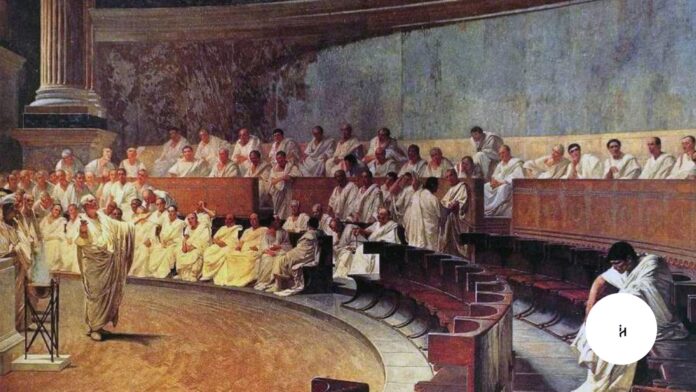
The history of democracy dates back to ancient civilizations, where rudimentary forms of governance allowed public participation. Early democratic practices can be seen in tribal councils and assemblies in Mesopotamia, India, and ancient Israel. However, the most well-documented early democratic system emerged in ancient Greece, particularly in Athens around the 5th century BCE.

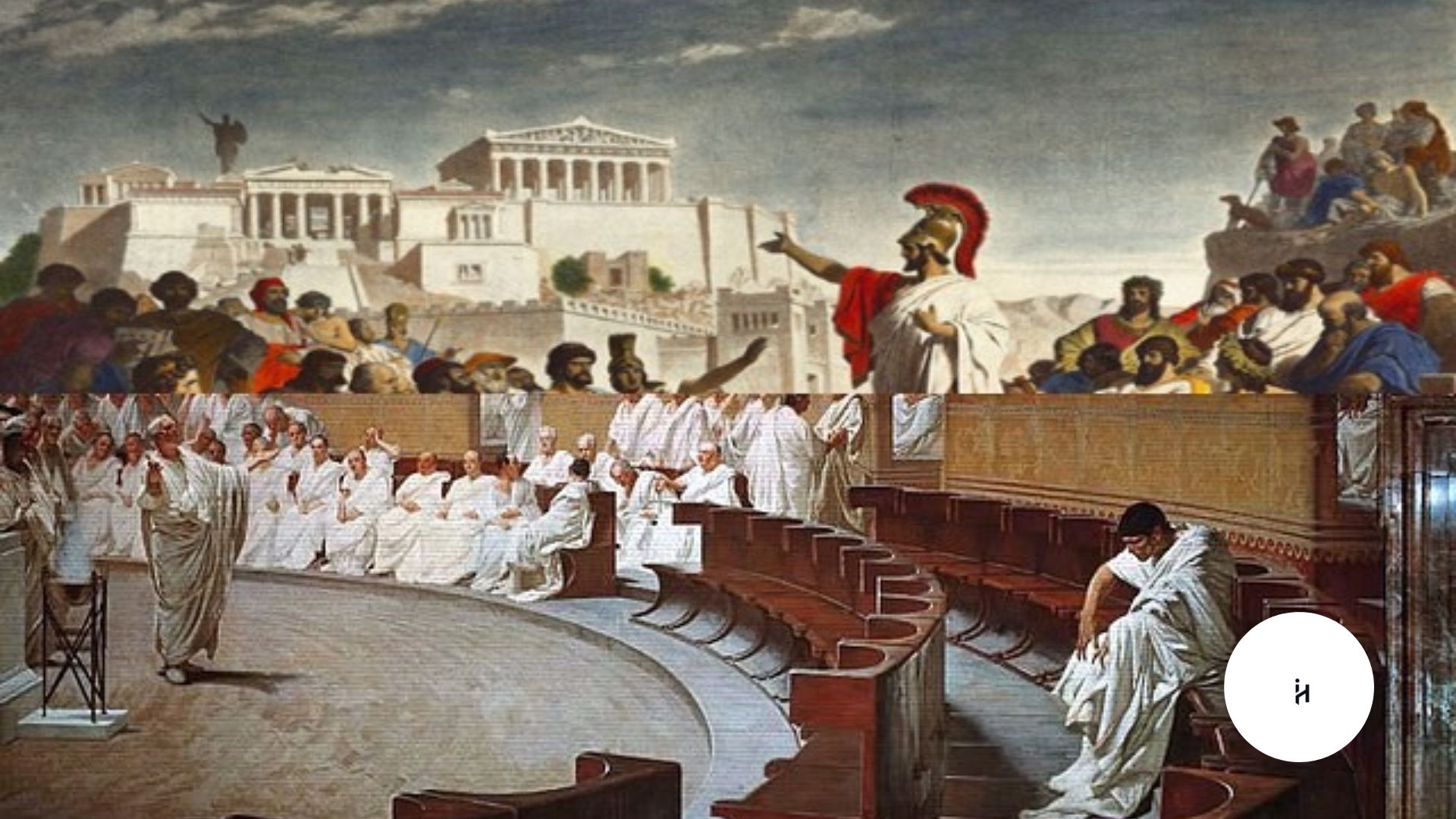
Athenian democracy was a direct form of governance where citizens actively participated in decision-making. The assembly (Ekklesia) allowed male citizens to vote on laws and policies, while the council (Boule) prepared legislative matters. Although Athenian democracy was exclusive—excluding women, slaves, and non-citizens—it laid the foundation for future democratic systems.
The History of Democracy

The Roman Republic: A Mixed Model of Governance

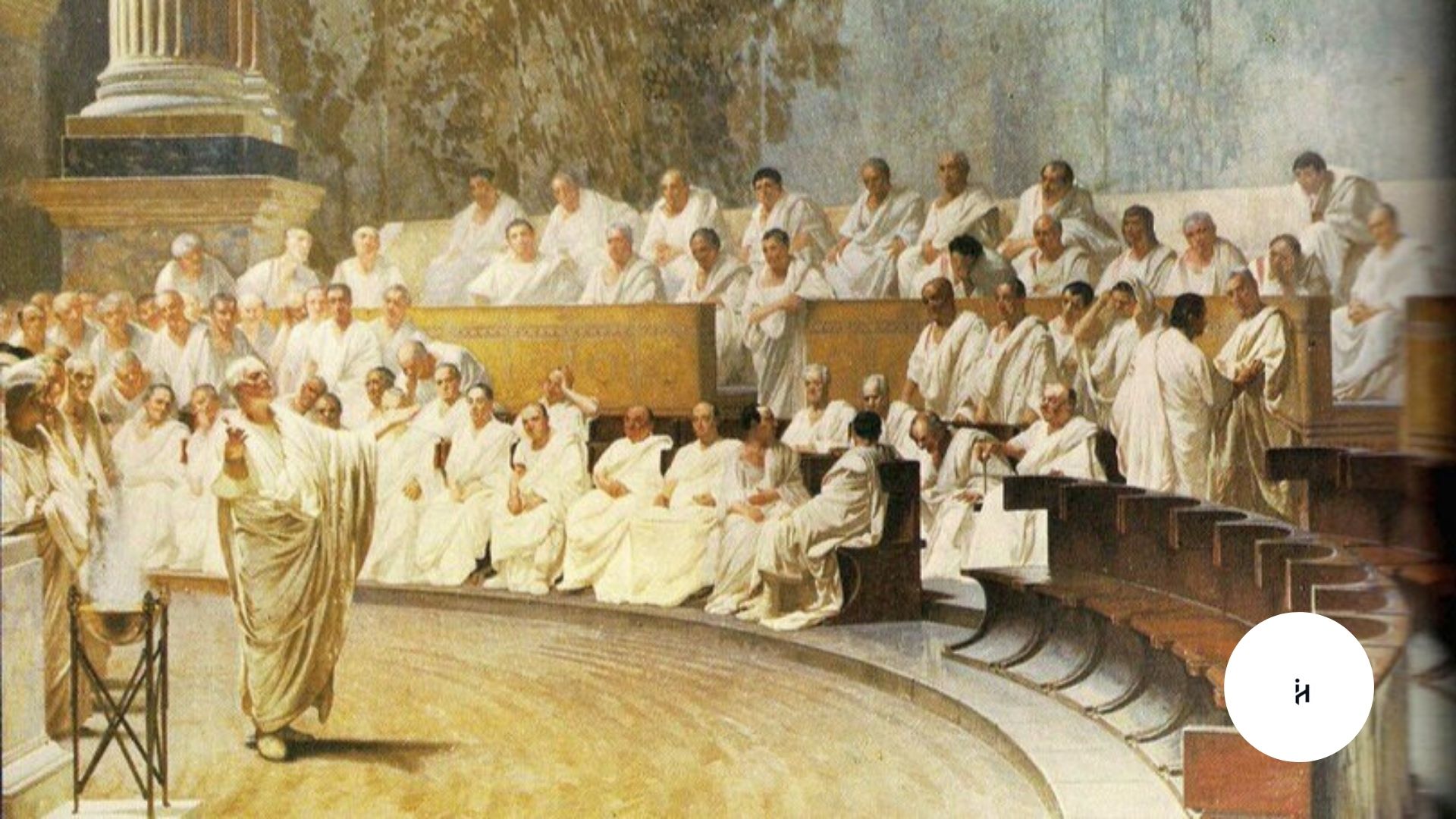
The Roman Republic (509–27 BCE) introduced a system that combined elements of democracy, aristocracy, and monarchy. Unlike Athens, Rome developed a representative form of governance where citizens elected officials, including senators and tribunes.

The Republic functioned through institutions like the Senate, which was dominated by aristocrats, and the popular assemblies, which allowed plebeians to have a voice. Although not a fully democratic system, the Roman Republic played a vital role in the history of democracy by establishing the concept of checks and balances, which influenced later democratic structures.

Medieval Europe and the Decline of Democracy

With the fall of the Roman Republic and the rise of the Roman Empire, democratic practices weakened. The Middle Ages (5th–15th century) saw the dominance of monarchies and feudalism, where kings and lords held absolute power. However, some democratic elements persisted in institutions like the Icelandic Althing (930 CE) and the Magna Carta (1215), which limited the power of the monarchy and established legal rights.

During this period, city-states like Venice and the Swiss Confederation maintained some democratic traditions, but overall, democracy remained suppressed under feudal rule. The history of democracy during the medieval era was marked by resistance against autocratic rule, laying the groundwork for future revolutions.

The Renaissance and the Revival of Democratic Thought

The Renaissance (14th–17th century) reignited interest in democracy by reviving classical knowledge and emphasizing individual rights. Philosophers like Niccolò Machiavelli discussed republicanism, while movements in Italy and the Netherlands challenged monarchical authority.

This period also saw the rise of Protestant Reformation, which promoted ideas of religious and political self-governance. The Renaissance’s emphasis on humanism and individual freedoms played a crucial role in shaping modern democratic principles.

The Enlightenment: Philosophical Foundations of Modern Democracy
The History of Democracy

The 17th and 18th centuries, known as the Enlightenment era, were crucial in the history of democracy. Thinkers like John Locke, Montesquieu, and Jean-Jacques Rousseau developed ideas of popular sovereignty, separation of powers, and social contracts.

Locke’s philosophy emphasized natural rights, arguing that governments should exist to protect life, liberty, and property. Montesquieu’s concept of separation of powers influenced modern constitutions, while Rousseau’s ideas on direct democracy inspired revolutionary movements. These philosophies became the backbone of democratic revolutions in America and France.

The American Revolution and the Birth of Modern Democracy

The American Revolution (1775–1783) marked a turning point in the history of democracy. Inspired by Enlightenment ideals, American colonists sought independence from British rule and established a democratic republic.

The U.S. Constitution (1787) introduced a system of checks and balances, protecting individual rights through the Bill of Rights (1791). This model of representative democracy influenced many countries, demonstrating that governance based on popular sovereignty could succeed.

The French Revolution: A Radical Shift in Democratic Ideals

The French Revolution (1789–1799) was another significant moment in the history of democracy. The revolutionaries overthrew the monarchy, declaring the principles of liberty, equality, and fraternity. The National Assembly and later the Reign of Terror attempted to implement democratic governance, but political instability led to the rise of Napoleon Bonaparte.

Despite its challenges, the French Revolution paved the way for democratic reforms in Europe and inspired future movements advocating for people’s rights.

The 19th and 20th Centuries: Expansion of Democratic Rights

The 19th and 20th centuries witnessed significant progress in the expansion of democracy. Many nations adopted democratic constitutions, expanded suffrage, and reformed electoral systems.

Movements for women’s rights, workers’ rights, and racial equality contributed to the democratization process. Landmark events like the abolition of slavery, women’s suffrage, and civil rights movements strengthened democratic principles worldwide. The two World Wars also played a role in reshaping democracy, leading to the formation of international organizations like the United Nations.

Democracy in the 21st Century: Challenges and Opportunities
The History of Democracy

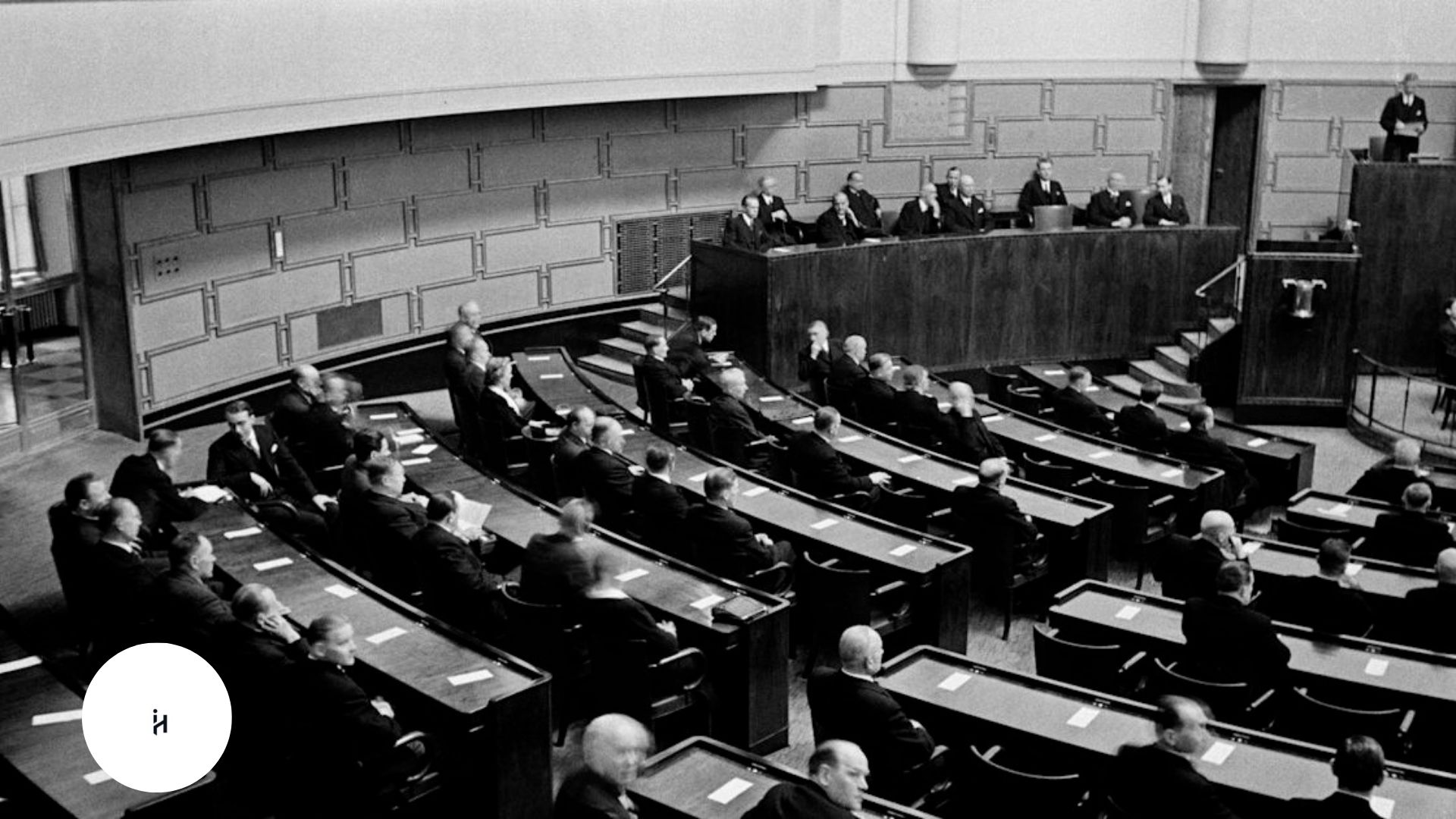
The history of democracy continues to evolve in the 21st century. While many countries have embraced democratic governance, challenges such as political corruption, misinformation, and authoritarianism threaten its stability.

Technological advancements, social media, and globalization have transformed democratic participation. Citizens now have greater access to information, but issues like election interference and populism pose risks. Strengthening democratic institutions and promoting civic education remain crucial in preserving democracy.

Q&A on The History of Democracy

Q1: What is democracy?

A: Democracy is a system of government where power is vested in the people, either directly or through elected representatives. It ensures political participation, rule of law, and protection of individual rights.

Q2: Where did democracy originate?

A: The history of democracy dates back to ancient civilizations, with the most notable early democratic system emerging in Athens, Greece, around the 5th century BCE.

Q3: How did the Roman Republic contribute to democracy?

A: The Roman Republic introduced a mixed system with elected officials, separation of powers, and checks and balances, influencing modern democratic governments.

Q4: How did the Middle Ages affect democracy?

A: The Middle Ages saw a decline in democratic governance due to feudalism and monarchy. However, documents like the Magna Carta (1215) laid the groundwork for future democratic reforms.

Q5: What role did the Enlightenment play in democracy?

A: Enlightenment thinkers like John Locke and Montesquieu developed ideas on natural rights, popular sovereignty, and the separation of powers, which became fundamental to modern democracy.

Q6: How did the American and French Revolutions shape democracy?

A: Both revolutions established democratic principles by rejecting monarchy, introducing constitutions, and advocating for individual rights and popular governance.

Q7: What were the major democratic advancements in the 19th and 20th centuries?

A: Expansion of voting rights, abolition of slavery, women’s suffrage, civil rights movements, and the creation of democratic constitutions worldwide were major advancements.

Q8: What are the biggest challenges to democracy today?

A: Threats like political corruption, misinformation, election interference, and authoritarianism pose challenges to democracy in the modern era.

Q9: How has technology impacted democracy?

A: Technology has increased political awareness and participation but has also introduced risks like misinformation, cyber threats, and election manipulation.

Q10: What is the future of democracy?

A: The future of democracy depends on strengthening institutions, promoting civic education, ensuring transparency, and adapting to modern societal changes.

Conclusion: The Future of Democracy

The history of democracy is a testament to humanity’s enduring struggle for freedom and equality. From its ancient origins to modern-day challenges, democracy has adapted and evolved, shaping societies across the globe.

While democracy faces ongoing threats, it remains the most inclusive system of governance, ensuring people’s voices are heard. By learning from history and addressing contemporary challenges, the future of democracy can be safeguarded, continuing its role as a pillar of justice and human rights.
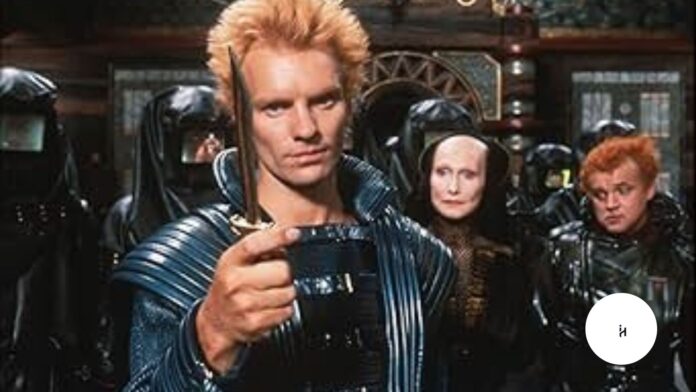
Dune Movie 1984: A Timeless Sci-Fi Classic

0
Dune Movie 1984

The Dune movie 1984 is a cult classic in the science fiction genre, known for its ambitious storytelling, stunning visuals, and unique adaptation of Frank Herbert’s novel. Despite its mixed reception upon release, the film has gained a loyal following over the years. Let’s take a deep dive into the elements that make this movie an unforgettable piece of cinematic history.

The Story Behind Dune Movie 1984

The Dune movie 1984 is based on Frank Herbert’s 1965 novel Dune, one of the most acclaimed works in science fiction literature. The story is set in a distant future where noble houses vie for control over the desert planet Arrakis, the only source of a powerful substance called “spice.” Paul Atreides, the heir of House Atreides, embarks on a journey filled with betrayal, war, and destiny as he discovers his role in shaping the universe.

Director David Lynch took on the challenging task of adapting Herbert’s complex novel into a two-hour film. Despite having to condense a vast amount of material, Lynch managed to capture the essence of Dune while adding his signature surrealist style.

Dune Movie 1984

The Cast and Their Performances

The Dune movie 1984 featured an impressive ensemble cast, led by Kyle MacLachlan as Paul Atreides. This was MacLachlan’s film debut, and he delivered a compelling performance as the young nobleman turned messianic leader.

Other notable actors included:

  • Francesca Annis as Lady Jessica, Paul’s mother and a member of the mysterious Bene Gesserit.

  • Jürgen Prochnow as Duke Leto Atreides, Paul’s noble father.

  • Sean Young as Chani, Paul’s love interest and a fierce Fremen warrior.

  • Sting as Feyd-Rautha, the sadistic nephew of the villainous Baron Harkonnen.

  • Kenneth McMillan as Baron Vladimir Harkonnen, one of the most grotesque and terrifying villains in sci-fi cinema.

Each actor brought their character to life, making the film an engaging experience despite its narrative challenges.

The Cinematic Vision of David Lynch

David Lynch’s vision for the Dune movie 1984 was grand and surreal. The film is filled with dreamlike sequences, haunting imagery, and a dark, atmospheric tone that sets it apart from other sci-fi movies of its time.

Lynch infused the movie with his signature style, creating a sense of mysticism and psychological depth. However, the film’s production was troubled by studio interference, which resulted in a heavily edited final cut that Lynch himself disowned.

The Special Effects and Set Design

The Dune movie 1984 showcased some groundbreaking special effects for its time. The massive sandworms, the heart of Arrakis’ ecosystem, were brought to life using practical effects and miniatures, giving them an eerie realism.

The film’s set design was another highlight, with stunningly detailed environments that transported audiences to the desert world of Arrakis. The elaborate costumes and intricate props added to the film’s immersive quality.

The Unique Soundtrack by Toto

Dune Movie 1984

One of the standout elements of the Dune movie 1984 is its mesmerizing soundtrack, composed by the rock band Toto. The score blended orchestral compositions with electronic elements, creating a sound that perfectly captured the film’s futuristic yet mystical tone.

The main theme, with its sweeping melodies and dramatic undertones, has become iconic among Dune fans, adding to the film’s lasting appeal.

Differences Between the Movie and the Book

While the Dune movie 1984 stays faithful to the core plot of the novel, several changes were made to fit the story into a manageable runtime. Some key differences include:

  • The addition of internal monologues to explain characters’ thoughts.

  • A more visual and grotesque depiction of Baron Harkonnen.

  • The omission or simplification of certain subplots, such as the political intricacies of the Landsraad and the Spacing Guild.

Despite these changes, the film retains the spirit of Herbert’s novel, portraying its themes of power, destiny, and ecological balance.

The Film’s Reception and Criticism

Upon its release, the Dune movie 1984 received mixed reviews. Critics praised its ambitious scope and visual design but criticized its complicated narrative and uneven pacing. Many viewers found the film difficult to follow, especially those unfamiliar with the book.

Despite the initial backlash, the movie has since gained a cult following, with fans appreciating its unique aesthetic and thematic depth.

The Cult Status and Legacy of Dune Movie 1984

Over the years, the Dune movie 1984 has earned a dedicated fanbase. Sci-fi enthusiasts and Lynch fans alike admire the film for its artistic vision, even if it wasn’t a commercial success.

The movie’s influence can be seen in later adaptations of Dune, as well as in other sci-fi films and TV series that explore similar themes of political intrigue and interstellar conflict.

The 2021 Adaptation vs. Dune Movie 1984

With Denis Villeneuve’s Dune (2021) bringing a fresh take on the story, comparisons to the Dune movie 1984 were inevitable. While Villeneuve’s version follows a more faithful adaptation of the book, Lynch’s film remains a fascinating interpretation that captures the essence of Herbert’s universe in a unique way.

Fans of the 1984 film appreciate its surreal style, while new audiences enjoy the modern adaptation’s detailed storytelling and cutting-edge visuals.

Why Dune Movie 1984 Is Still Worth Watching

Dune Movie 1984

Despite its flaws, the Dune movie 1984 remains a must-watch for sci-fi fans. Its stunning production design, haunting music, and ambitious storytelling make it an intriguing piece of cinema history.

Whether you love it or find it perplexing, the movie’s influence on the sci-fi genre is undeniable, and it continues to inspire discussions among fans and critics alike.

Q&A on Dune Movie 1984

Q1: What is the Dune movie 1984 about?

The Dune movie 1984 is a science fiction film based on Frank Herbert’s novel Dune. It follows Paul Atreides, a young nobleman who discovers his destiny on the desert planet Arrakis, the only source of the valuable spice melange. The film explores themes of power, prophecy, and survival.

Q2: Who directed Dune movie 1984?

The Dune movie 1984 was directed by David Lynch, known for his surreal and atmospheric filmmaking style. However, due to studio interference, Lynch later disowned the final cut of the film.

Q3: Who played the main role in Dune movie 1984?

Kyle MacLachlan played the lead role of Paul Atreides in the Dune movie 1984, marking his film debut. His performance as the prophesied hero was well-received by fans.

Q4: How does the Dune movie 1984 compare to the 2021 adaptation?

The Dune movie 1984 is a more condensed and surreal version of Frank Herbert’s novel, whereas the 2021 adaptation by Denis Villeneuve follows a more faithful and visually modern approach. Both have their unique strengths and appeal to different audiences.

Q5: Why is the Dune movie 1984 considered a cult classic?

Despite its initial criticism, the Dune movie 1984 gained a loyal following due to its ambitious storytelling, artistic visuals, and unique soundtrack. Over time, it became appreciated as a fascinating piece of sci-fi cinema.

Q6: What is the significance of spice in Dune movie 1984?

In the Dune movie 1984, spice melange is a powerful substance found only on Arrakis. It extends life, enhances mental abilities, and enables interstellar travel, making it the most valuable resource in the universe.

Q7: How was the reception of Dune movie 1984 upon release?

The Dune movie 1984 received mixed reviews upon its release. While praised for its visuals and ambition, critics found it confusing and difficult to follow. However, it has since gained recognition as a cult classic.

Q8: Who composed the soundtrack for Dune movie 1984?

The soundtrack of the Dune movie 1984 was composed by the rock band Toto, blending orchestral and electronic elements to create a hauntingly beautiful score.

Q9: What are some major differences between the book and Dune movie 1984?

The Dune movie 1984 altered some aspects of the book, including internal monologues, a more grotesque portrayal of Baron Harkonnen, and the omission of certain subplots. However, it retained the novel’s core themes.

Q10: Is the Dune movie 1984 worth watching today?

Yes! The Dune movie 1984 remains a visually stunning and thought-provoking film. While it may not be a perfect adaptation, it offers a unique take on Frank Herbert’s masterpiece and is a must-watch for sci-fi enthusiasts.

Conclusion: The Enduring Appeal of Dune Movie 1984

The Dune movie 1984 may not have been a commercial success upon its release, but it has stood the test of time as a cult classic. David Lynch’s unique vision, combined with an iconic cast and mesmerizing visuals, ensures that the film remains an important part of sci-fi history.

As new adaptations of Dune continue to emerge, the 1984 version remains a fascinating cinematic experience, offering a different yet compelling take on Frank Herbert’s legendary saga. Whether you’re a longtime fan or a newcomer to the world of Arrakis, this film is an essential watch for anyone interested in science fiction storytelling.

For Amazing Updates Keep Visiting ImaginaryHistory.

We Didn’t Start the Fire Lyrics: A Deep Dive into Billy Joel’s Iconic Song

0
We Didn’t Start the Fire Lyrics

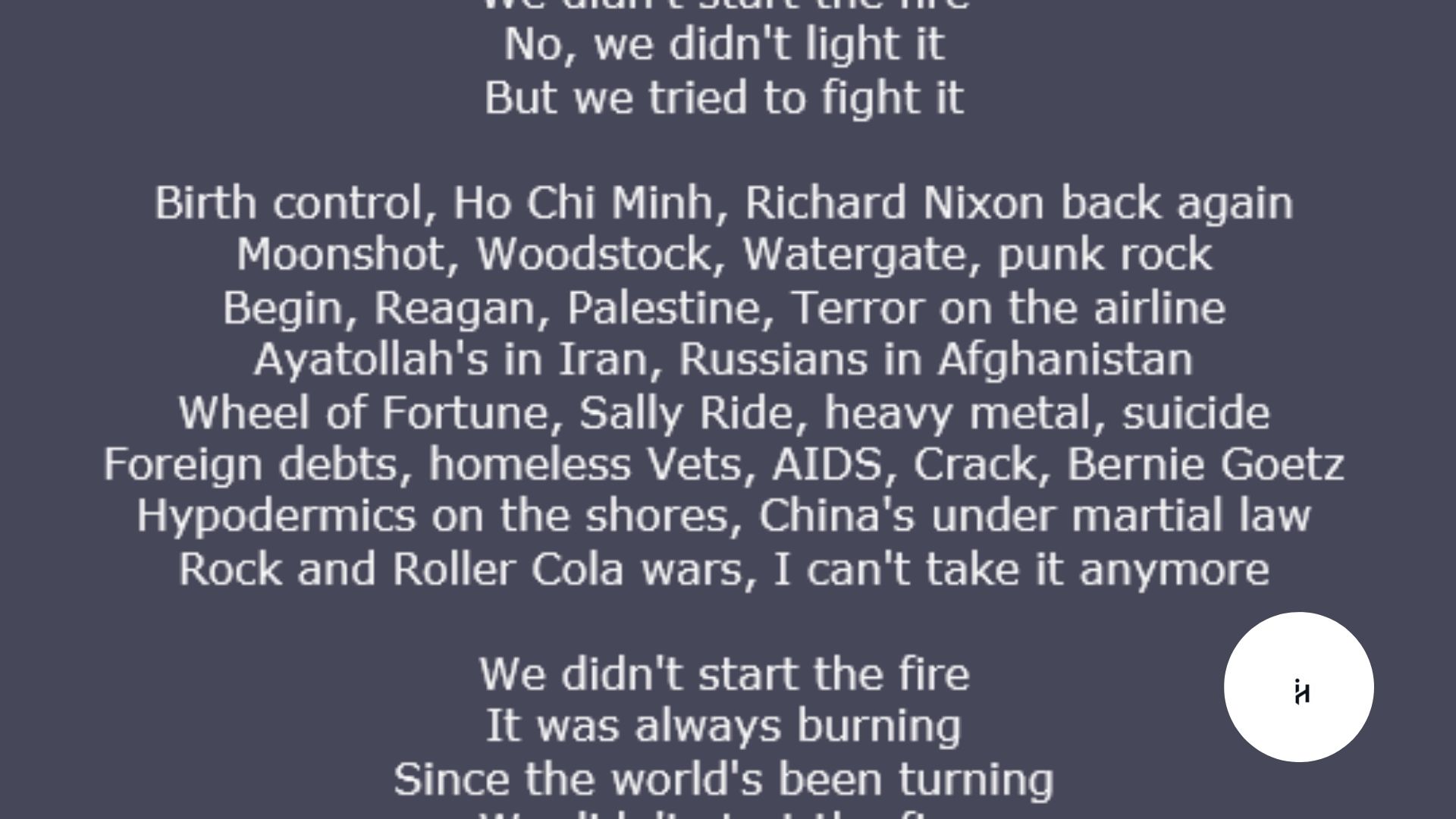
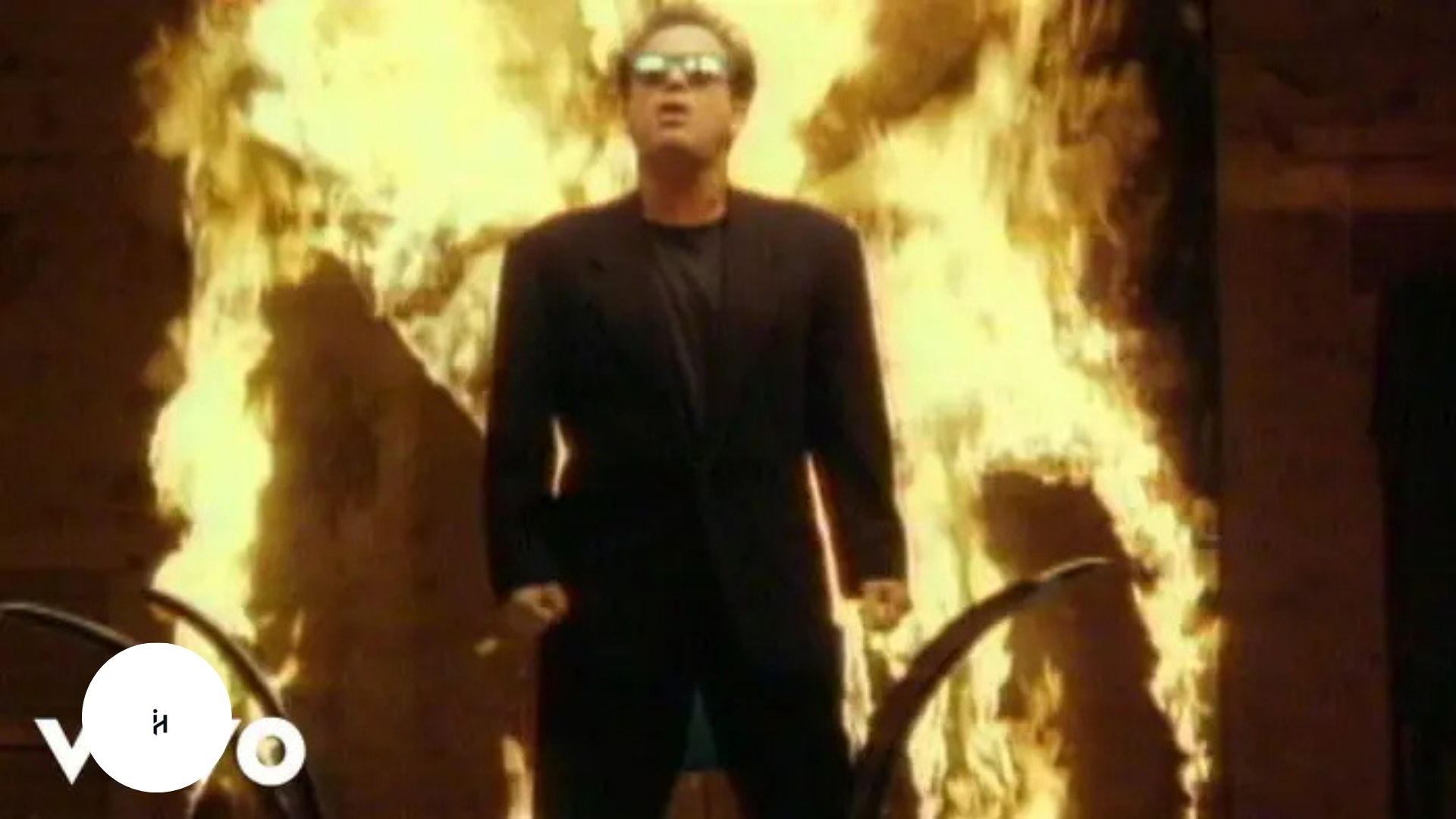
Billy Joel’s song We Didn’t Start the Fire is one of the most unique and historically significant tracks ever released. Known for its fast-paced delivery and rapid-fire listing of historical events, the song takes listeners through a journey of world history from 1949 to 1989. The We Didn’t Start the Fire lyrics have fascinated audiences for decades, sparking curiosity about the numerous references packed into its verses.

The Origins of We Didn’t Start the Fire

Billy Joel released We Didn’t Start the Fire in 1989 as part of his album Storm Front. The song was inspired by a conversation he had with a young friend who claimed that nothing interesting happened in the past. In response, Joel began listing significant historical events that occurred during his lifetime.

The We Didn’t Start the Fire lyrics were crafted as a chronological timeline of world events, covering politics, war, science, culture, and sports. Joel’s unique approach to songwriting turned a history lesson into a catchy and memorable tune.

We Didn’t Start the Fire Lyrics

Understanding the Structure of the Song

The structure of We Didn’t Start the Fire is unlike most pop songs. Instead of telling a traditional story, Joel lists over 100 historical events in a rapid, almost breathless manner. The chorus remains the same throughout, emphasizing the theme that the world’s problems existed long before the current generation.

Each verse in the We Didn’t Start the Fire lyrics covers approximately five years of history, making it a timeline of events that shaped the world.

The Meaning Behind the Song

Many people interpret the We Didn’t Start the Fire lyrics as a statement on generational responsibility. The chorus suggests that people inherit global problems rather than create them from scratch.

By referencing events like the Cold War, civil rights movements, and technological advancements, Joel presents history as an ongoing cycle. The song reminds listeners that history is constantly evolving, and no single generation is solely responsible for the world’s issues.

The Historical Events Covered in the Song

The We Didn’t Start the Fire lyrics include references to major global events, such as:

  • The Korean War

  • The rise and fall of the Berlin Wall

  • The Civil Rights Movement

  • The Vietnam War

  • The Space Race

  • The Cold War tensions

By listing these events, Joel creates a musical timeline that reflects the triumphs and tragedies of the modern era.

The Cultural References in the Lyrics

Aside from political and historical events, We Didn’t Start the Fire also includes references to pop culture. The song mentions figures like Marilyn Monroe, Elvis Presley, and The Beatles, showing how entertainment shaped the world alongside major historical events.

The We Didn’t Start the Fire lyrics demonstrate that history is not just about wars and politics; cultural icons also play a significant role in shaping society.

The Song’s Impact on Popular Culture

Since its release, We Didn’t Start the Fire has remained one of Billy Joel’s most famous songs. It is frequently used in history classrooms to teach students about global events in an engaging way.

The We Didn’t Start the Fire lyrics have also inspired countless parodies and remixes, proving the song’s lasting influence on pop culture.

The Challenges of Writing the Song

Billy Joel has admitted that We Didn’t Start the Fire was one of the most difficult songs he has ever written. Since the entire song consists of historical references, it required extensive research and careful organization.

The challenge was to maintain the rhythm while ensuring that the We Didn’t Start the Fire lyrics remained accurate and relevant.

We Didn’t Start the Fire Lyrics

Why the Song Resonates with Different Generations

Despite being written in 1989, We Didn’t Start the Fire continues to resonate with people of all ages. The song reminds listeners that every generation faces unique challenges, yet history keeps moving forward.

The We Didn’t Start the Fire lyrics offer a sense of continuity, showing that human struggles and achievements are part of an ongoing cycle.

Comparing We Didn’t Start the Fire to Other Historical Songs

Billy Joel’s approach to history in We Didn’t Start the Fire is unique, but other artists have also used music to reflect on historical events. Songs like Bob Dylan’s The Times They Are A-Changin’ and Don McLean’s American Pie similarly capture historical moments through lyrics.

However, the We Didn’t Start the Fire lyrics stand out because of their rapid, list-like structure, making them more like a musical timeline than a traditional song.

The Song’s Relevance Today

Even though the song was released over 30 years ago, it remains relevant today. Many people have created updated versions of the We Didn’t Start the Fire lyrics to include events from the 21st century.

This shows that history is always evolving, and new events continue to shape the world, just as they did in Billy Joel’s time.

Q&A Section

Q1: What is the meaning behind We Didn’t Start the Fire?

A: The song reflects how historical events shape each generation, emphasizing that global issues are inherited rather than created by a single era.

Q2: What historical events are mentioned in We Didn’t Start the Fire lyrics?

A: The song covers major events such as the Cold War, the Vietnam War, the Space Race, and cultural icons like Marilyn Monroe and Elvis Presley.

Q3: Why did Billy Joel write We Didn’t Start the Fire?

A: Billy Joel wrote the song after a conversation with a young person who believed nothing significant happened in the past. He wanted to prove that history is filled with impactful moments.

We Didn’t Start the Fire Lyrics

Q4: How many historical references are in We Didn’t Start the Fire lyrics?

A: The song includes over 100 historical references spanning from 1949 to 1989.

Q5: Why is We Didn’t Start the Fire still relevant today?

A: The song’s message remains relevant because history continues to evolve, and each generation faces its own global challenges.

Q6: Are there modern versions of We Didn’t Start the Fire lyrics?

A: Yes, many people have created updated versions of the song, incorporating events from the 21st century.

Final Thoughts on We Didn’t Start the Fire

Billy Joel’s We Didn’t Start the Fire is more than just a song—it’s a historical journey. By listing important events, the song educates listeners while providing an unforgettable melody.

The We Didn’t Start the Fire lyrics remind us that history is always in motion and that every generation must navigate the challenges left by those before them.

For Amazing Updates Keep Visiting ImaginaryHistory.

What is the Dark Web? A Deep Dive into the Hidden Internet

0
What is the Dark Web

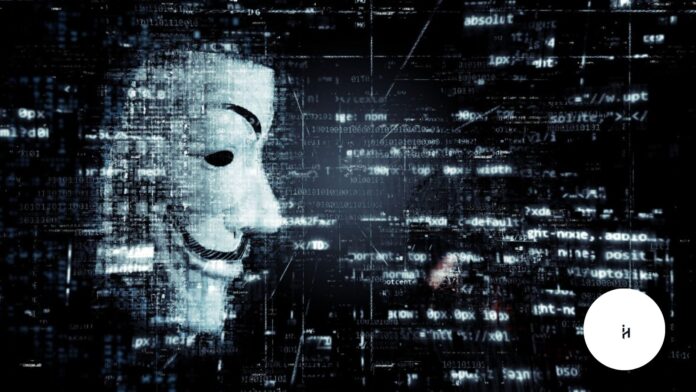
The internet is much larger than what we typically see through search engines like Google or Bing. Beneath the surface lies a mysterious and hidden part of the web known as the dark web. While often associated with illegal activities, it also serves as a refuge for privacy-conscious users. In this article, we will explore what is the dark web, how it works, and its impact on cybersecurity.

Understanding the Layers of the Internet

What is the Dark Web

The internet is divided into three main layers:

  • Surface Web: The part accessible through standard search engines (e.g., news sites, social media, and e-commerce platforms).

  • Deep Web: Content that is not indexed by search engines, such as academic databases, medical records, and private company files.

  • Dark Web: A small portion of the deep web that requires special tools like Tor to access.

What is the dark web in this context? It is a hidden layer of the internet that provides anonymity to users but also harbors illegal activities.

How the Dark Web Works

To access the dark web, users rely on anonymity-focused software like Tor (The Onion Router). Tor encrypts internet traffic and routes it through multiple servers worldwide, making it nearly impossible to track users’ locations.

Websites on the dark web have domains ending in .onion instead of .com or .org. These sites cannot be accessed via standard browsers, ensuring users remain hidden from surveillance.

The Role of Tor and Other Anonymity Networks

What is the dark web without Tor? It wouldn’t exist in the way we know it today. Tor is the most popular way to access the dark web, but other networks like I2P (Invisible Internet Project) and Freenet also provide secure and anonymous communication.

Tor works by encrypting data in multiple layers, bouncing it through a decentralized network of volunteer-operated servers. This ensures privacy but also makes law enforcement efforts more challenging.

What Can You Find on the Dark Web?

The dark web is infamous for hosting illegal marketplaces, but it also has legitimate uses. Here are some common types of content found there:

  • Black markets: Selling drugs, weapons, counterfeit money, and stolen data.

  • Hacking forums: Where cybercriminals share tools and techniques.

  • Whistleblower platforms: Sites like WikiLeaks allow anonymous leaks of sensitive information.

  • Censorship-free communication: Journalists and activists use the dark web to bypass government censorship.

Understanding what is the dark web involves recognizing both its dark and light sides.

The Dark Web vs. The Deep Web: Key Differences

Many confuse the dark web with the deep web, but they are not the same:

  • Deep Web: Contains non-indexed content such as medical records, private emails, and academic research.

  • Dark Web: A subset of the deep web that requires special access and is often used for illicit activities.

While the deep web is legal and widely used, the dark web remains controversial.

The Risks of Accessing the Dark Web

What is the Dark Web

Browsing the dark web is not illegal, but it comes with risks, including:

  • Malware infections: Many dark web sites contain viruses and spyware.

  • Scams and fraud: Many sellers on black markets scam buyers.

  • Legal consequences: Accessing certain sites can attract law enforcement attention.

Understanding what is the dark web also means being aware of these dangers.

Law Enforcement and the Dark Web

Authorities worldwide monitor and take action against illegal activities on the dark web. Organizations like the FBI and Europol have conducted major operations to shut down criminal marketplaces like Silk Road and AlphaBay.

Despite these efforts, the dark web remains a challenge due to its decentralized and encrypted nature.

Ethical Uses of the Dark Web

While the dark web is infamous for criminal activity, it also serves ethical purposes, such as:

  • Whistleblowing platforms: Protecting journalists and informants.

  • Anonymous communication: For individuals in oppressive regimes.

  • Educational resources: Some universities and research institutions host secure portals.

When discussing what is the dark web, it’s important to acknowledge these positive aspects.

Cryptocurrency and Its Role in the Dark Web

Bitcoin and other cryptocurrencies play a major role in dark web transactions. Cryptocurrencies offer anonymity, making them the preferred payment method for illegal trade.

However, authorities have developed blockchain analysis tools to track illicit transactions, leading to arrests of cybercriminals.

How to Stay Safe If You Explore the Dark Web

If you are curious about what is the dark web and plan to explore it, follow these safety tips:

  • Use a VPN: Adds an extra layer of security.

  • Disable JavaScript: Prevents malware and tracking scripts.

  • Avoid downloading files: Many contain hidden viruses.

  • Never share personal information: Cybercriminals may exploit it.

The Future of the Dark Web

What is the Dark Web

The dark web continues to evolve, with increasing scrutiny from law enforcement and new technologies emerging for privacy and security.

As awareness grows about what is the dark web, governments and cybersecurity experts work to balance privacy rights with crime prevention.

Q&A Section: What is the Dark Web?

Q1: What is the dark web?

The dark web is a hidden part of the internet that requires special tools like the Tor browser to access. It provides anonymity to users and hosts both legal and illegal activities.

Q2: How is the dark web different from the deep web?

The deep web includes non-indexed websites like private databases and medical records, while the dark web is a smaller, encrypted portion of the deep web that is often used for anonymity-focused activities.

Q3: Is accessing the dark web illegal?

No, accessing the dark web itself is not illegal, but engaging in criminal activities on the dark web is against the law in most countries.

Q4: What can you find on the dark web?

The dark web hosts black markets, hacking forums, whistleblower platforms, and censorship-free communication tools. Some of its content is legal, while other parts involve illicit trade.

Q5: How do people access the dark web?

People use the Tor browser or similar anonymity networks like I2P to access the dark web. These tools encrypt internet traffic and mask users’ identities.

Q6: Is the dark web dangerous?

Yes, the dark web can be dangerous due to malware, scams, cybercriminals, and potential legal risks if you unknowingly visit illegal sites.

Q7: Can law enforcement track dark web users?

While the dark web is designed for anonymity, law enforcement agencies use advanced tracking methods, including blockchain analysis and undercover operations, to catch criminals.

Q8: What role does cryptocurrency play in the dark web?

Cryptocurrencies like Bitcoin are widely used for transactions on the dark web because they offer a degree of anonymity, though authorities have developed ways to track illicit transactions.

Q9: Are there ethical uses of the dark web?

Yes, journalists, activists, and whistleblowers use the dark web to communicate securely, bypass censorship, and protect privacy.

Q10: How can someone stay safe on the dark web?

To stay safe, use a VPN, disable JavaScript, avoid downloading files, never share personal information, and be cautious about which sites you visit.

Conclusion

What is the dark web? It is a hidden part of the internet that offers anonymity but also poses risks. While it hosts illegal activities, it also serves as a tool for privacy advocates, journalists, and activists.

Understanding what is the dark web helps in making informed decisions about online security and privacy. Whether for ethical use or cybersecurity awareness, knowing about the dark web is crucial in today’s digital world.

For Amazing Updates Keep Visiting ImaginaryHistory.