Home Blog Page 93

Barabar Caves – The Oldest Rock-Cut Caves in India

0
Barabar Caves

The Barabar Caves, located in the Jehanabad district of Bihar, India, are the oldest surviving rock-cut caves in the country. These caves date back to the Maurya period in the 3rd century BCE and were primarily used by ascetic monks of the Ajivika sect. The caves are famous for their highly polished interiors, precise rock-cut architecture, and historical inscriptions. These caves hold immense historical, religious, and architectural significance, making them an important heritage site in India.

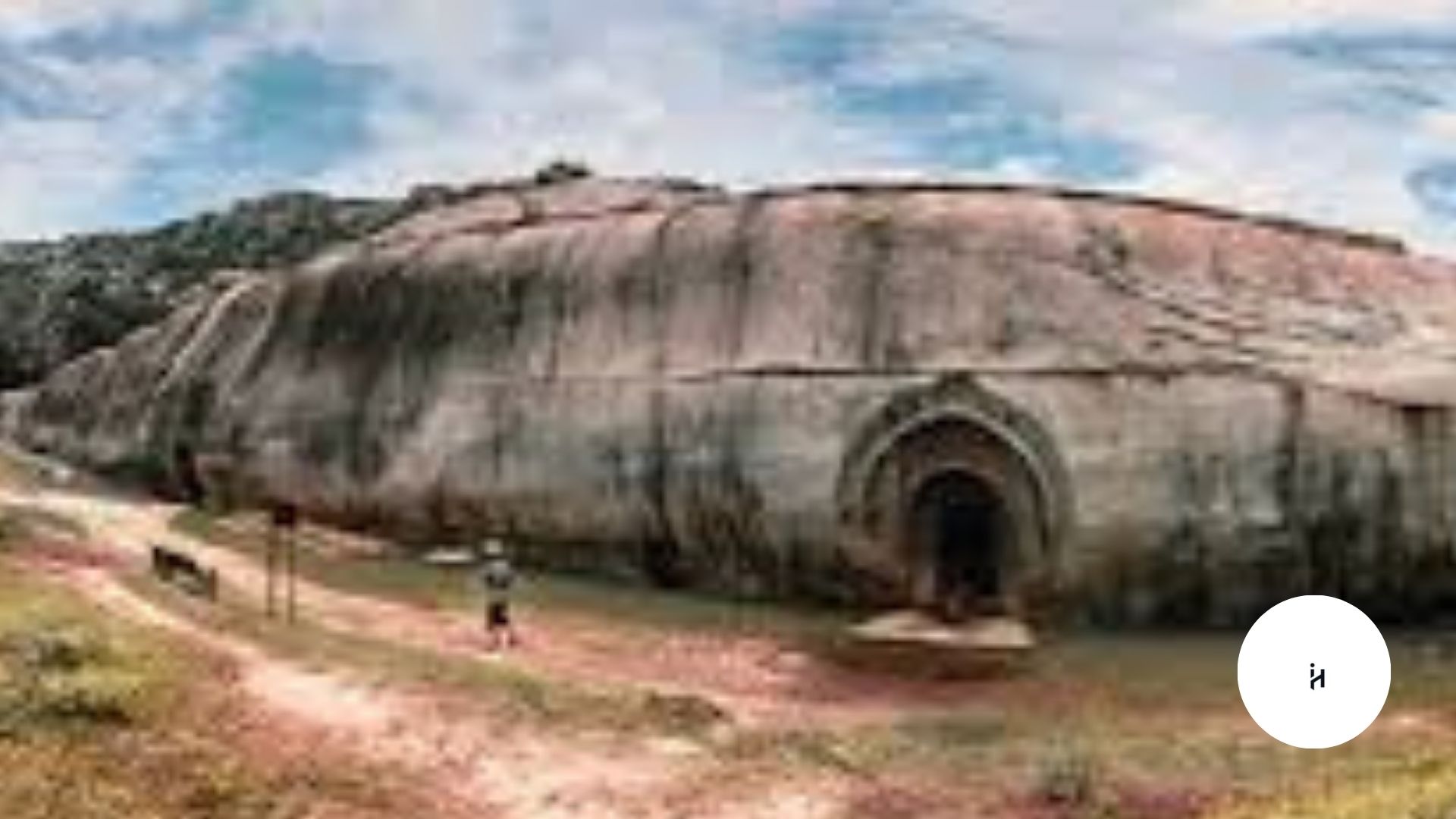
The Barabar Caves consist of four main caves: Sudama, Lomas Rishi, Karan Chaupar, and Visvakarma. They are cut into granite hills and feature a unique combination of Hindu and Buddhist architectural elements. These caves offer deep insights into the early phase of Indian rock-cut architecture and provide evidence of Emperor Ashoka’s patronage of different religious sects.

Historical Significance of Barabar Caves
Barabar Caves

The Barabar Caves were constructed during the reign of Emperor Ashoka (273–232 BCE), one of the greatest rulers of ancient India. Ashoka, who initially followed Hinduism, later embraced Buddhism and actively promoted different religious ideologies. The caves were primarily dedicated to the Ajivika sect, an ascetic religious movement that was contemporary to Buddhism and Jainism.

The caves contain inscriptions in Brahmi script, which provide valuable historical records about the period. These inscriptions mention Emperor Ashoka and later rulers like Dasaratha, Ashoka’s grandson. The Ajivika sect, though now extinct, was an influential religious movement during Ashoka’s time, and the Barabar Caves were a crucial center for their spiritual activities.

Architectural Marvel of Barabar Caves

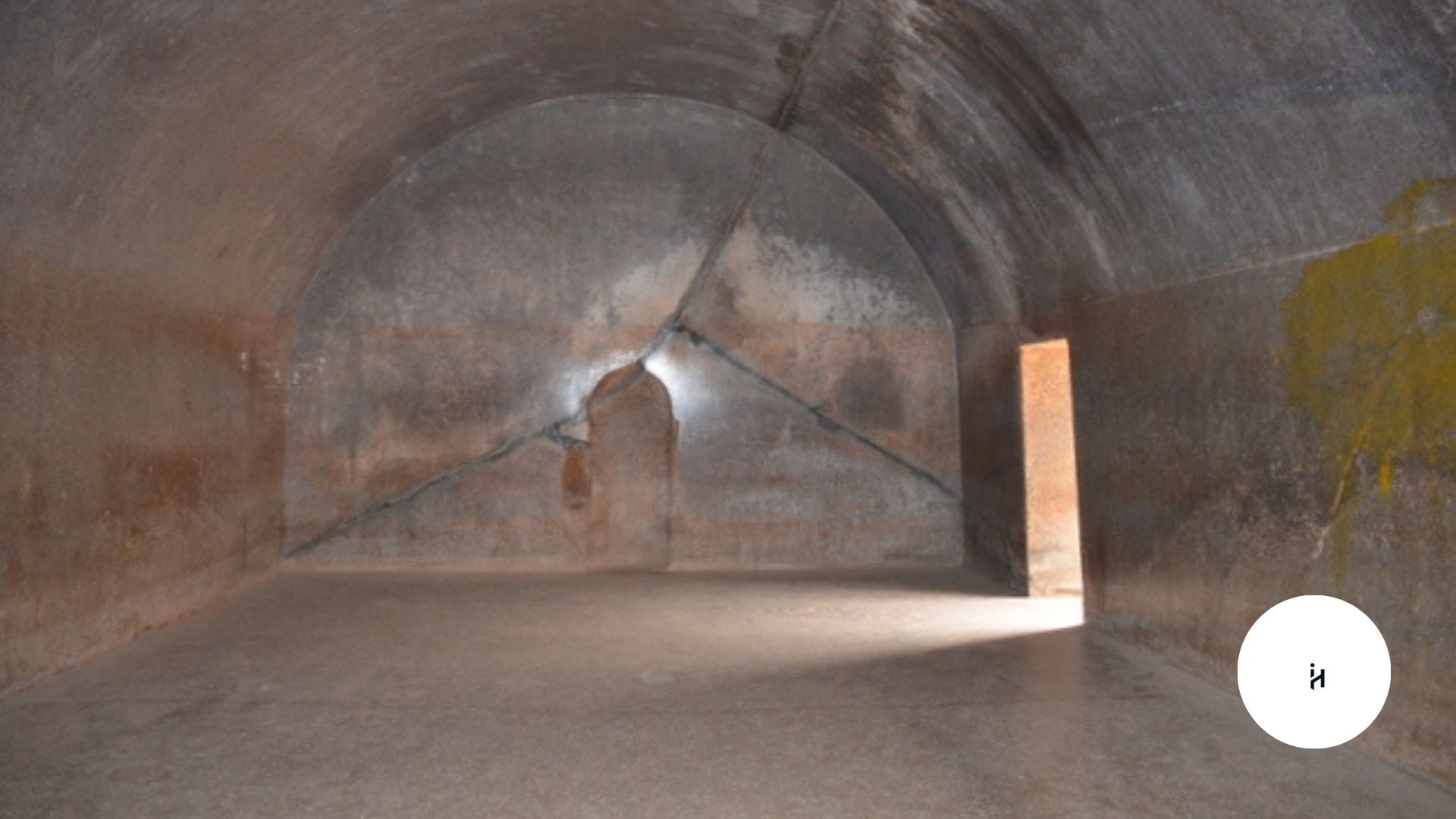
The Barabar Caves are remarkable examples of early rock-cut architecture in India. The caves are carved out of solid granite and exhibit a high degree of craftsmanship. The most striking feature of these caves is the mirror-like polish on the interior walls, which reflects the advanced engineering techniques used by ancient Indian craftsmen.

The caves have a distinctive design, consisting of a rectangular or circular chamber with a vaulted ceiling. Some caves have two compartments, with the inner chamber serving as a meditation or prayer hall. The symmetrical alignment and precise finishing of the caves showcase the technical expertise of Mauryan artisans.

The Sudama Cave

Sudama Cave is one of the most significant caves in the Barabar Caves complex. This cave was dedicated to the Ajivika monks in 261 BCE. It consists of a circular inner chamber with a domed roof and an entrance passage. The walls and ceiling of this cave have a highly polished finish, making it an architectural masterpiece of the Mauryan period.

The inscriptions in the Sudama Cave indicate that it was personally commissioned by Emperor Ashoka for the Ajivika ascetics. The acoustic properties of the cave enhance sound, creating a unique echo effect. This suggests that the cave was used for meditation and chanting by monks.

The Lomas Rishi Cave

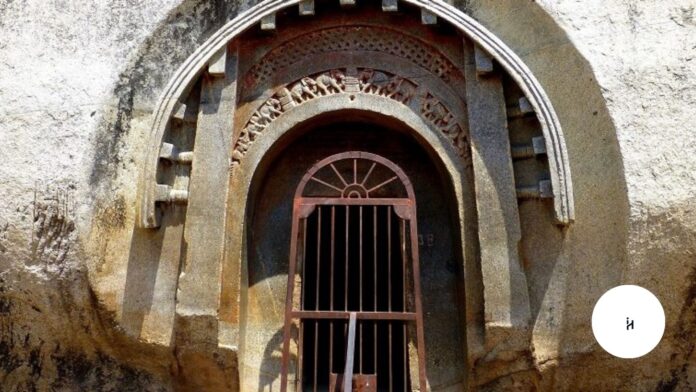
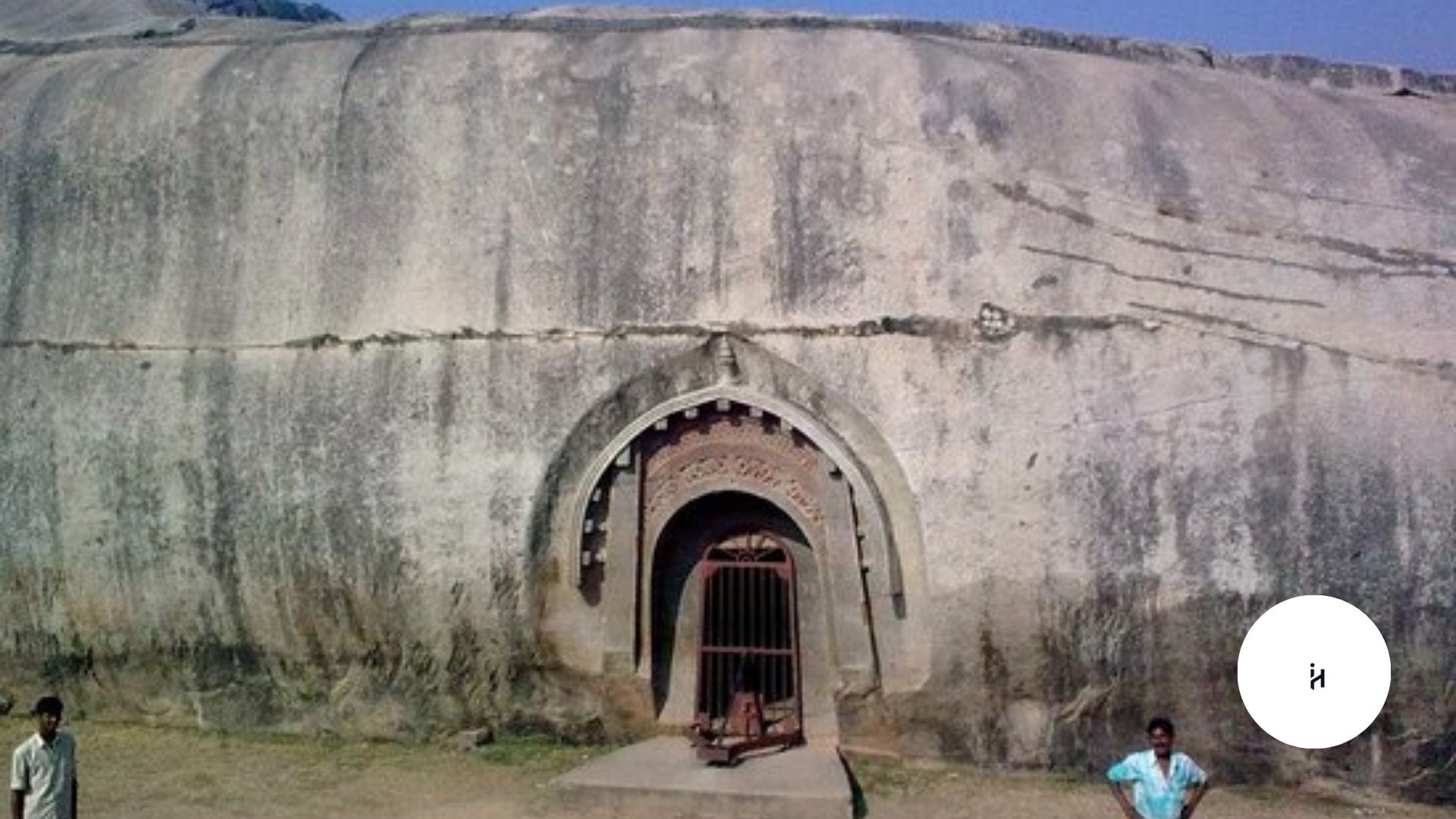
Lomas Rishi Cave is another important cave in the Barabar Caves complex. This cave is significant because it contains the earliest known rock-cut facade in India, featuring an imitation of wooden construction. The facade is decorated with an arched entrance and intricate carvings, resembling early Buddhist architecture.

Unlike other caves in the complex, Lomas Rishi Cave was never completed, but its exquisite entrance design became an inspiration for later rock-cut caves in India, including those at Ajanta and Ellora. The cave highlights the artistic transition from wooden structures to stone architecture in ancient India.
Barabar Caves

The Karan Chaupar Cave

Karan Chaupar Cave is another example of Mauryan rock-cut architecture within the Barabar Caves complex. This cave features a rectangular hall with a polished interior and inscriptions from the time of Emperor Ashoka. The simplicity of the design indicates that it was intended for meditation and religious gatherings.

Like the Sudama Cave, the highly reflective surface of the Karan Chaupar Cave amplifies sound, making it an ideal space for spiritual practices. The cave’s historical significance lies in its inscriptions, which provide insight into the religious and cultural practices of the Mauryan period.

The Visvakarma Cave

Visvakarma Cave, also known as the Carpenter’s Cave, is the fourth main cave in the Barabar Caves complex. This cave has a similar structure to Sudama Cave but is slightly smaller. The name “Visvakarma” suggests that it may have been associated with craftsmanship or artisans.

The inscriptions in the Visvakarma Cave mention Ashoka’s patronage and dedication of the cave to the Ajivika sect. The cave’s polished interior and simple yet elegant design reflect the skilled craftsmanship of Mauryan-era artisans.

The Connection Between Barabar Caves and Buddhism

Although the Barabar Caves were primarily used by Ajivika monks, they also have connections with Buddhism. Emperor Ashoka was a devout follower of Buddhism and played a crucial role in spreading its teachings. The architectural features of these caves influenced the later Buddhist rock-cut monasteries, such as those at Ajanta and Ellora.

The caves’ polished surfaces and acoustic properties suggest that they may have been used for Buddhist meditation and chanting as well. Some historians believe that after the decline of the Ajivika sect, Buddhist monks may have repurposed these caves for their spiritual practices.

Barabar Caves in Popular Culture

The Barabar Caves have been referenced in various works of literature and popular culture. Most notably, they were featured in E.M. Forster’s novel A Passage to India, where they play a crucial role in the story’s plot. The caves are depicted as mysterious and enigmatic, adding to their allure in literary history.

Their unique structure and ancient history make them a fascinating subject for travelers, historians, and archaeologists alike. Many documentaries and travel shows have explored the architectural and historical significance of the caves, bringing them to a global audience.

Visiting Barabar Caves – Travel Guide

The Barabar Caves are located about 25 kilometers from Gaya, Bihar, and can be accessed via road from Patna or Bodh Gaya. The nearest railway station is at Jehanabad, and the closest airport is in Patna.
Barabar Caves

Visitors can explore the caves throughout the year, but the best time to visit is between October and March when the weather is pleasant. Tourists are advised to carry sufficient water and wear comfortable footwear, as reaching the caves requires some trekking. The site is managed by the Archaeological Survey of India (ASI), and there are informational plaques explaining the history and significance of each cave.

Q&A Section on Barabar Caves

Q1: Where are the Barabar Caves located?

A: The Barabar Caves are situated in the Jehanabad district of Bihar, India, about 25 kilometers from Gaya.

Q2: Who built the Barabar Caves?

A: The caves were built during the reign of Emperor Ashoka in the 3rd century BCE and were primarily used by the Ajivika sect.

Q3: What is special about the Barabar Caves?

A: The Barabar Caves are the oldest surviving rock-cut caves in India and are known for their highly polished interiors, precise rock-cut architecture, and historical inscriptions.

Q4: How many caves are there in the Barabar Caves complex?

A: The complex consists of four main caves: Sudama, Lomas Rishi, Karan Chaupar, and Visvakarma.

Q5: What is the significance of Lomas Rishi Cave?

A: Lomas Rishi Cave features the earliest known rock-cut facade in India, showcasing an arched entrance with intricate carvings that later influenced Buddhist architecture.

Q6: Are the Barabar Caves related to Buddhism?

A: Although the caves were primarily used by the Ajivika sect, they also influenced Buddhist architecture and may have been used for meditation and chanting.

Q7: How can tourists visit the Barabar Caves?

A: Tourists can reach the caves by road from Patna or Bodh Gaya. The nearest railway station is in Jehanabad, and the closest airport is in Patna.

Q8: What is the best time to visit Barabar Caves?

A: The best time to visit is between October and March when the weather is pleasant for exploration.

Q9: Are there any inscriptions inside the Barabar Caves?

A: Yes, several caves contain Brahmi inscriptions from Emperor Ashoka and later rulers, providing historical insights into the Mauryan period.

Q10: Have the Barabar Caves been featured in literature?

A: Yes, they were prominently featured in E.M. Forster’s novel A Passage to India, where they play a crucial role in the plot.

Conclusion – Why Barabar Caves Are a Must-Visit

The Barabar Caves stand as a remarkable testament to ancient Indian rock-cut architecture and religious diversity. Their historical and architectural significance makes them a valuable heritage site. Whether you are a history enthusiast, an architecture lover, or a spiritual seeker, the Barabar Caves offer a glimpse into the rich cultural past of India.

With their well-preserved inscriptions, polished interiors, and unique acoustics, the Barabar Caves continue to attract researchers, tourists, and explorers from around the world. These caves are not just a relic of the past but a symbol of India’s enduring legacy in rock-cut architecture and religious traditions.


For Amazing Updates Keep Visiting ImaginaryHistory.

The Enigma of the Lake Baikal Monster: Myth or Reality?

0
Lake Baikal Monster

Lake Baikal, the deepest and oldest freshwater lake in the world, has long been the subject of fascinating myths and mysteries. Among its many legends, one of the most spine-chilling is that of the Lake Baikal Monster.

Over the years, locals, fishermen, and even scientists have reported sightings of a strange, massive creature lurking beneath its icy waters. Could this be a prehistoric survivor, an undiscovered species, or merely a creation of folklore? In this article, we will explore the legends, eyewitness accounts, and possible explanations behind the Lake Baikal Monster.

Lake Baikal: A Mysterious and Ancient Lake

Lake Baikal, located in Siberia, Russia, is the world’s deepest freshwater lake, reaching depths of over 1,600 meters. It is also the oldest, estimated to be around 25 million years old. With such a long history and unique ecosystem, it is no surprise that Lake Baikal is surrounded by mystery.

Many believe that its great depths hide unknown creatures, including the Lake Baikal Monster. The lake is home to thousands of species, some of which are found nowhere else in the world. Given its isolation and unique environmental conditions, scientists agree that undiscovered species could very well exist in its dark, cold waters.

Lake Baikal Monster

The Legend of the Lake Baikal Monster

Stories about the Lake Baikal Monster date back centuries. Local Buryat tribes have passed down tales of monstrous creatures lurking in the depths. These myths describe a giant, serpent-like being with glowing eyes and an appetite for unsuspecting travelers.

Russian explorers and Soviet-era military divers have also reported strange encounters with something large and unknown in the lake. Some of these accounts even suggest that the monster has supernatural abilities, such as the power to disappear or move at incredible speeds.

Eyewitness Accounts and Sightings

Many people claim to have seen the Lake Baikal Monster. Fishermen have reported strange disturbances in the water, including massive waves appearing out of nowhere and boats being dragged by an unseen force.

In the 20th century, Soviet military divers allegedly encountered humanoid creatures with webbed hands and large, glowing eyes. Some reports suggest that these beings aggressively resisted human interaction and even caused accidents leading to the deaths of several divers. While these accounts remain unverified, they add to the mystery surrounding the lake.

Could the Monster Be a Giant Fish?

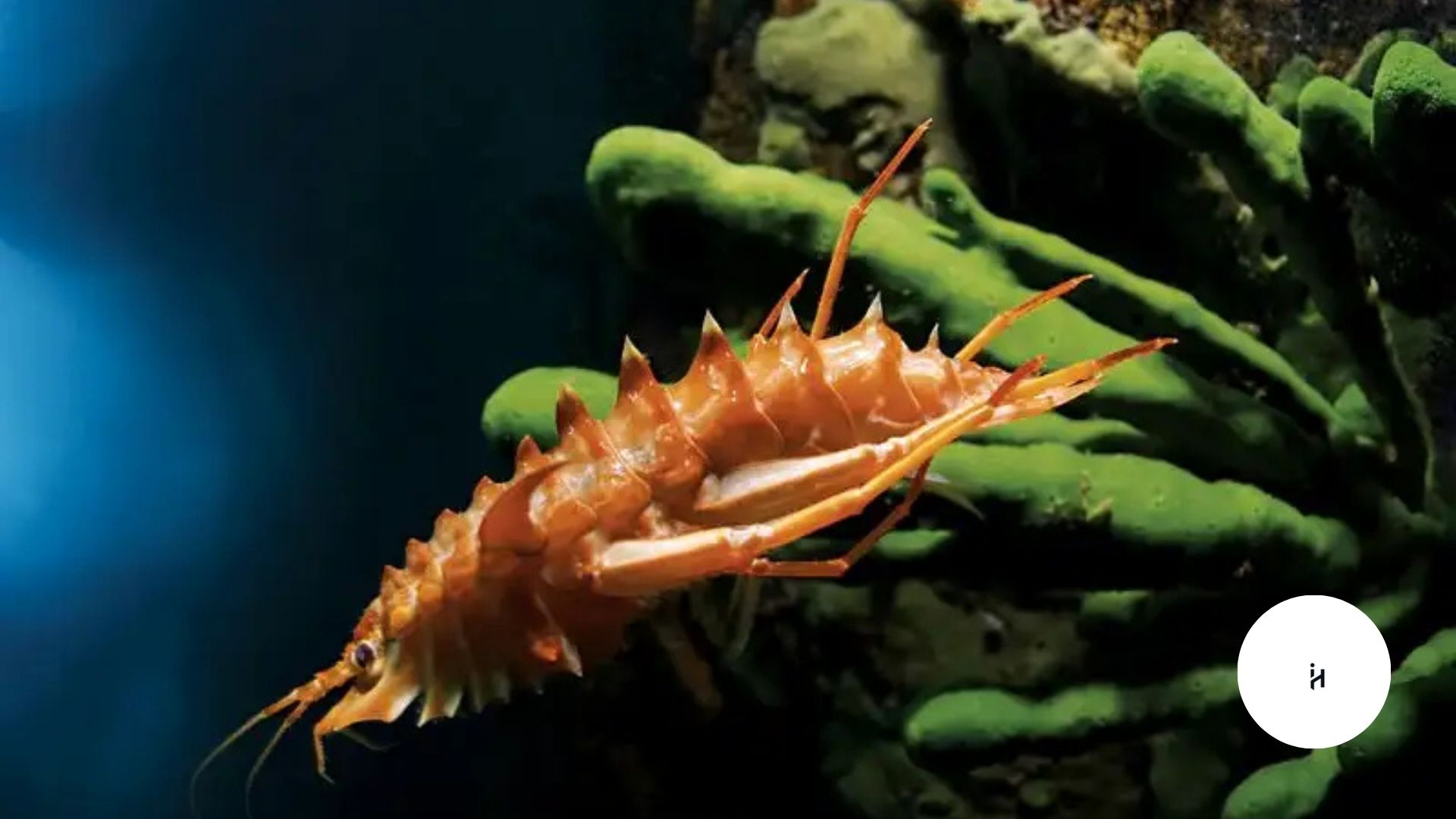
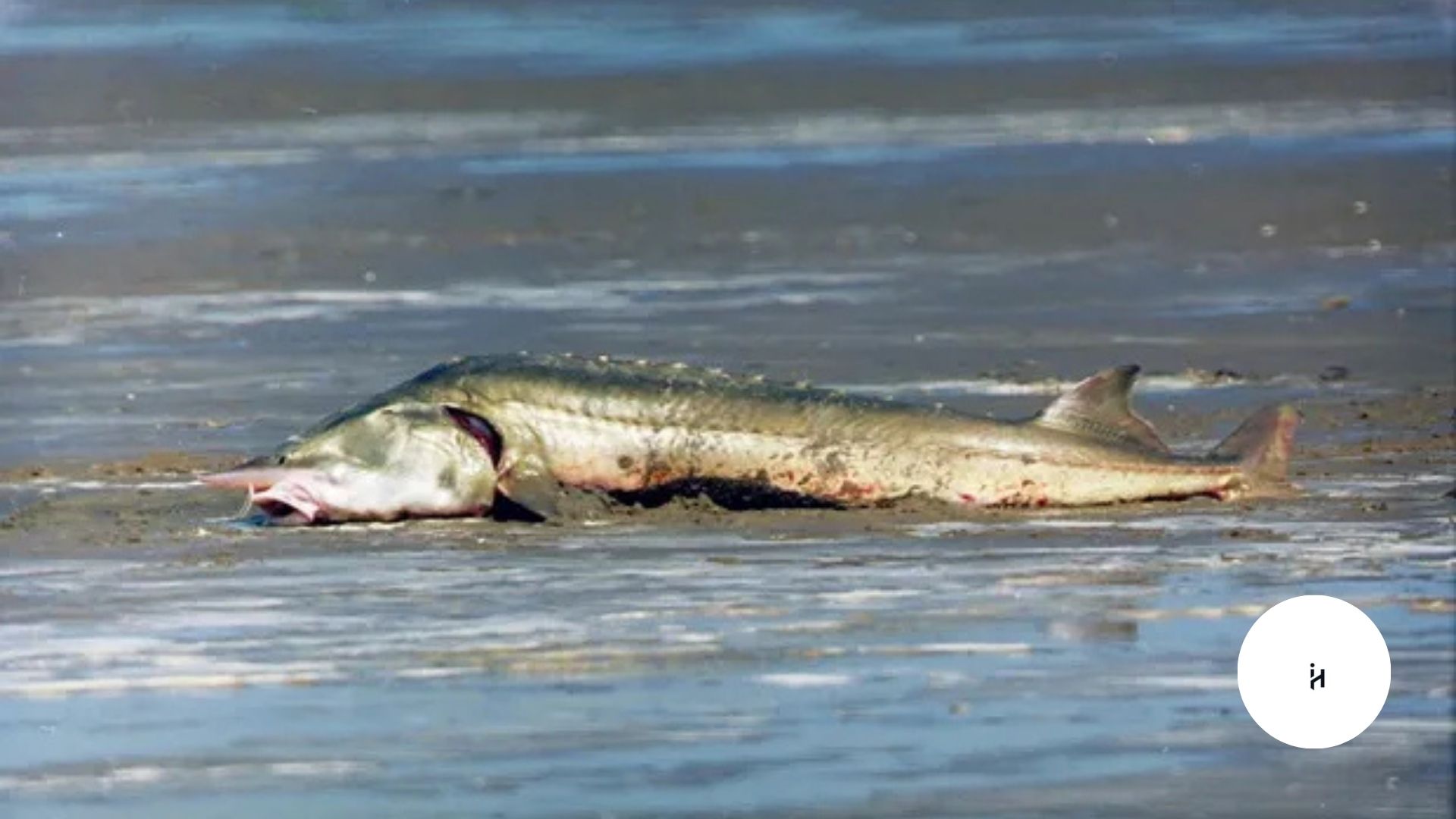
Some scientists believe that reports of the Lake Baikal Monster could be exaggerated sightings of large fish species, such as the Baikal sturgeon or even giant eels. The Baikal sturgeon can grow up to 2 meters long, and its prehistoric appearance could easily be mistaken for something more monstrous.

However, none of these known species fully match the descriptions given by eyewitnesses. Many describe the monster as much larger and capable of moving at incredible speeds.

The Role of Underwater Anomalies

Lake Baikal is known for its strange underwater phenomena, including moving ice rings, unusual currents, and even methane gas bubbles rising from the lake bed. These anomalies might explain some sightings of the Lake Baikal Monster, as they can create illusions that make objects appear larger or more mysterious than they really are.

Additionally, Baikal’s waters are incredibly clear, meaning that light reflections can sometimes cause eerie distortions that might be mistaken for a monstrous creature.

Prehistoric Survivors: Is the Monster a Relic from the Past?

Lake Baikal Monster

Some researchers speculate that the Lake Baikal Monster could be a prehistoric survivor, similar to the Loch Ness Monster theories. Due to the lake’s great depth and age, it is possible that an ancient species has survived undetected.

Could a giant, undiscovered predator still roam the depths of Baikal? While no scientific evidence confirms this, the possibility remains open, given that new deep-sea creatures are discovered every year.

UFOs, Paranormal Theories, and the Lake Baikal Monster

Interestingly, Lake Baikal is also a hotspot for UFO sightings. Some conspiracy theories suggest that the Lake Baikal Monster is connected to extraterrestrial activity. Locals have reported glowing objects entering and exiting the lake, leading to speculation that an alien presence might be lurking beneath the water.

Some paranormal enthusiasts even suggest that the monster is an interdimensional being, appearing and disappearing at will. While these theories are exciting, they remain purely speculative.

Scientific Expeditions and Research Efforts

Over the years, multiple scientific expeditions have been conducted in Lake Baikal to study its deep waters. Some missions have captured strange sonar readings, but none have provided conclusive evidence of the Lake Baikal Monster.

However, researchers remain open to the idea that an undiscovered species could be lurking in the lake. Given the difficulties of deep-water exploration, it is possible that a large creature could still exist undetected.

Cultural Impact and Influence on Tourism

The legend of the Lake Baikal Monster has become an important part of local culture. Stories of the monster attract tourists and adventure seekers who hope to catch a glimpse of the elusive creature.

The lake itself has become a popular destination for those interested in mystery and the unknown. Whether they believe in the monster or not, visitors are drawn to the eerie beauty of Baikal and its countless secrets.

Possible Explanations: Fact vs. Fiction

Many explanations exist for the Lake Baikal Monster, ranging from rational scientific theories to wild speculations. Some of the most popular explanations include:

  • Misidentified animals: Large fish, seals, or unknown deep-water species could be mistaken for a monster.

  • Underwater anomalies: Strange natural occurrences in the lake could create illusions.

  • Folklore and exaggeration: Over time, stories may have been exaggerated and evolved into myths.

  • Real but undiscovered: It is possible that an unknown species truly exists in Lake Baikal.

Until more concrete evidence is found, the Lake Baikal Monster will remain a fascinating mystery.

Lake Baikal Monster

Conclusion: Will We Ever Discover the Truth?

The Lake Baikal Monster continues to be one of the greatest unsolved mysteries of the natural world. Whether it is a prehistoric survivor, a giant fish, or simply a legend, it captures the imagination of many.

As technology improves, future explorations of the lake’s depths may finally provide answers. Until then, the legend of the Lake Baikal Monster will live on, inspiring curiosity and wonder in those who dare to explore the unknown.

For Amazing Updates Keep Visiting ImaginaryHistory.

What is Sea Lung? A Deep Dive into Marine Respiration

0
What is Sea Lung

The term “sea lung” has been used in various contexts, encompassing marine organisms, oceanic processes, and metaphorical descriptions of the ocean’s role in global ecology. In this comprehensive exploration, we will delve into the multifaceted meanings of “sea lung,” examining its application to jellyfish, marine mammals, oceanic oxygenation processes, and more.

Introduction to the Term “Sea Lung”

The phrase “sea lung” evokes imagery of breathing and respiration within the marine environment. Historically, it has been used to describe certain marine organisms and phenomena that exhibit characteristics reminiscent of lungs or respiratory functions. Understanding the various interpretations of “sea lung” provides insight into the interconnectedness of marine life and oceanic processes.

What is Sea Lung

“Sea Lungs” as Jellyfish and Ctenophores

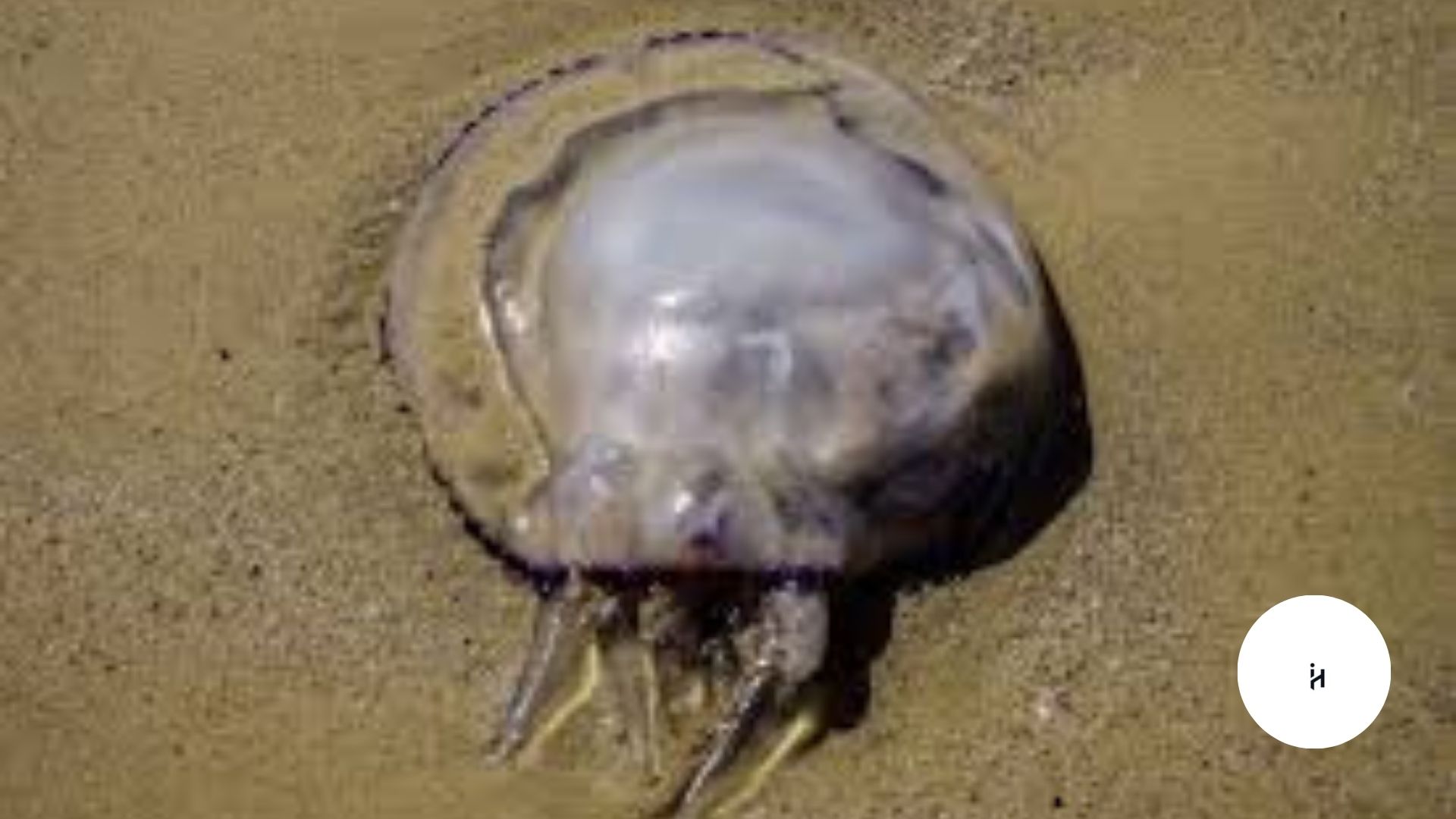
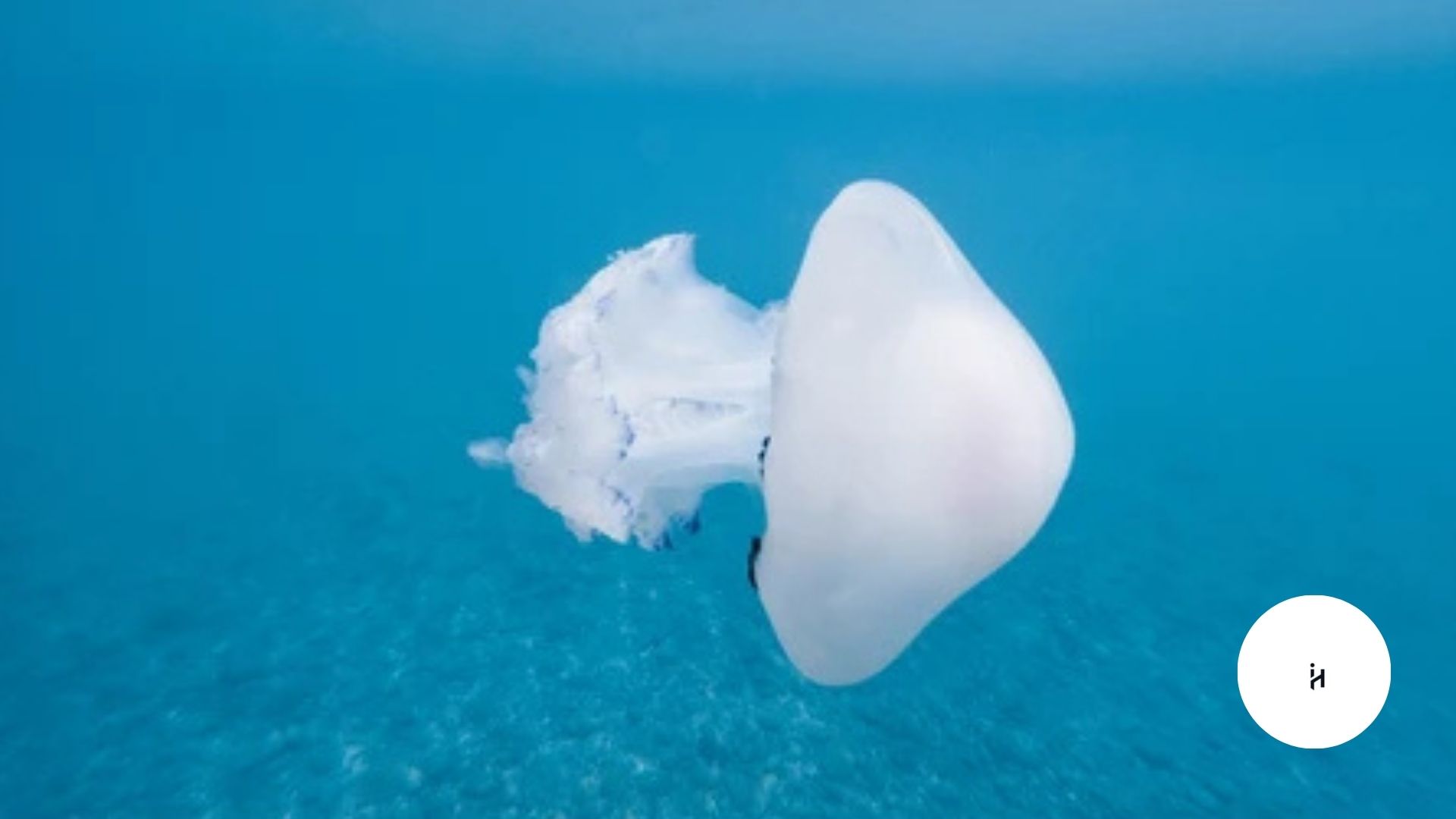
In archaic terminology, “sea lungs” referred to jellyfish and ctenophores. This designation likely arose from their pulsating movements, which resemble the rhythmic inhalation and exhalation of lungs. As they navigate through the water, their gelatinous bodies contract and expand, propelling them forward in a manner akin to breathing.

The Labrador Sea: The Ocean’s Lung

The Labrador Sea, situated between Canada and Greenland, is often dubbed the “lung of the deep ocean.” This region plays a crucial role in the global oxygen cycle. During winter, cold, oxygen-rich surface waters sink to the depths, facilitating the transfer of oxygen into deep ocean currents. These currents then distribute oxygen throughout the Atlantic Ocean and beyond, sustaining deep-sea life across the globe.

Seagrass Meadows: The Underwater Lungs of the World

Seagrass meadows are often referred to as the “lungs of the sea” due to their significant role in producing oxygen through photosynthesis. One square meter of seagrass can generate up to 10 liters of oxygen daily. Beyond oxygen production, seagrasses stabilize sediments, improve water clarity, and provide habitat for diverse marine species.UNESCO+2Smithsonian Ocean+2imarcs.org+2

Respiratory Adaptations in Marine Mammals

Marine mammals, such as whales and seals, have evolved specialized respiratory systems to thrive in aquatic environments. Their lungs are adapted to withstand pressure changes during deep dives, efficiently exchange gases, and store oxygen for extended periods underwater. These adaptations enable them to dive to great depths and remain submerged for prolonged durations.

The Ocean as the Planet’s Lung

While rainforests are often termed the “lungs of the Earth,” the ocean also plays a pivotal role in global respiration. Phytoplankton and marine plants absorb carbon dioxide and produce oxygen, contributing significantly to the planet’s oxygen supply. This process underscores the ocean’s vital function in regulating atmospheric gases and supporting life on Earth.Woods Hole Oceanographic Institution

Siphonarioidea: Air-Breathing Marine Snails

The superfamily Siphonarioidea comprises air-breathing sea snails, often termed “false limpets.” These gastropods possess a lung-like structure, allowing them to respire air, an adaptation that enables them to inhabit intertidal zones where exposure to air is frequent. Their unique respiratory system exemplifies the diverse mechanisms marine organisms have developed to survive in varying environments.

Amphibola crenata: The Mud-Flat Snail

What is Sea Lung

Amphibola crenata, commonly known as the mud-flat snail, is another example of an air-breathing marine gastropod. Native to New Zealand, this species utilizes its mantle cavity as a lung, allowing it to breathe air during low tides when it is exposed. This adaptation highlights the evolutionary bridge between aquatic and terrestrial respiration.

Chelonian Sea Turtles: Dual Function of the Lung

Sea turtles exhibit a dual function of the lung, serving both as a buoyancy organ and a respiratory organ. By adjusting the air volume in their lungs, they can control their buoyancy, allowing them to navigate different water depths efficiently. This multifunctional use of the lung is crucial for their survival, enabling prolonged dives and efficient foraging.

The Living, Breathing Ocean

The ocean’s dynamic processes, including the absorption and release of gases, mirror the act of breathing. Regions like the Labrador Sea facilitate the deep ocean’s “inhalation” of oxygen, which is then transported globally via deep currents. This continuous exchange is vital for maintaining the delicate balance of marine ecosystems and the organisms that inhabit them.

Q&A:

Q: What is Sea Lung?

A: “Sea lung” refers to various marine concepts, including jellyfish movements, oceanic oxygenation, and the ocean’s role in producing oxygen.

Q: Why is the ocean called the planet’s lung?

A: The ocean produces over 50% of the Earth’s oxygen through phytoplankton and marine plants, making it a crucial part of the global respiration cycle.

Q: How do marine animals adapt their lungs for underwater survival?

A: Marine mammals like whales and seals have specialized lungs that store oxygen efficiently, allowing them to dive deep for extended periods.

What is Sea Lung

Conclusion: The Multifaceted Interpretations of “Sea Lung”

The term “sea lung” encapsulates a range of meanings, from describing specific marine organisms with lung-like functions to depicting the ocean’s role in global respiration. These interpretations underscore the intricate connections within marine ecosystems and highlight the ocean’s indispensable contribution to sustaining life on our planet.

For Amazing Updates Keep Visiting ImaginaryHistory.

Eunice Winstead: The Controversial Child Marriage That Changed U.S. Laws

0
Eunice Winstead

Eunice Blanche Winstead was born in 1927 in Hancock County, Tennessee, USA. She gained national attention in 1937 when, at the tender age of nine, she married 22-year-old Charlie Johns. This union sparked widespread controversy and led to significant changes in child marriage laws in the United States. Eunice Winstead’s life story is a poignant example of the complexities surrounding child marriage in early 20th-century America.

The Marriage of Eunice Winstead and Charlie Johns

On January 19, 1937, Eunice Winstead married Charlie Johns in Sneedville, Hancock County, Tennessee. Charlie, a 22-year-old tobacco farmer, falsified Eunice’s age to obtain a marriage license, as Tennessee law at the time did not specify a minimum age for marriage.

The ceremony was conducted by Baptist preacher Walter Lamb, who was paid one dollar for his services. Eunice’s parents, despite initial reservations, ultimately consented to the marriage, influenced by local customs and their own experiences with early marriage.

Eunice Winstead

Public Reaction and Media Coverage

The marriage of Eunice Winstead and Charlie Johns attracted national attention after being featured in Life magazine in February 1937. The media coverage was extensive, with articles appearing in prominent publications such as The New York Times and Newsweek.

The public reaction was mixed, with some expressing outrage over the union, while others defended it based on cultural norms of the time. The intense media scrutiny highlighted the prevalence of child marriage in certain regions and sparked a national debate on the issue.

Legal Implications and Changes

In response to the public outcry over Eunice Winstead’s marriage, the state of Tennessee introduced legislation setting the minimum age for marriage at sixteen years. This law aimed to prevent future occurrences of child marriages similar to that of Eunice and Charlie. Other jurisdictions, including Minnesota, Rhode Island, and Washington, D.C., followed suit by enacting similar laws to protect minors from early marriages.

Eunice Winstead’s Early Married Life

After her marriage, Eunice attempted to continue her education but faced challenges. She attended school for two days before her husband withdrew her following disciplinary actions by the teacher. Subsequently, state law was amended to exempt married children from compulsory education.

Eunice and Charlie initially lived with Charlie’s parents and later established their own household. Despite the unconventional start to their marriage, they managed to build a life together.

Family Life and Children

Eunice Winstead gave birth to her first child at the age of fifteen. Over the years, she and Charlie had a total of nine children. Their family life was marked by the typical challenges and joys of raising a large family. Despite the early controversy surrounding their marriage, Eunice and Charlie focused on providing for their children and maintaining a stable home environment.

Cultural Context of Child Marriage in the 1930s

During the 1930s, child marriage was not uncommon in certain rural areas of the United States, particularly in the South. Economic hardships and cultural norms often led families to consent to early marriages for their children.

The marriage of Eunice Winstead and Charlie Johns highlighted these practices and brought national attention to the need for legal reforms to protect minors.

Eunice Winstead

Media Portrayal and Public Perception

The media’s portrayal of Eunice Winstead’s marriage was sensationalized, with articles focusing on the novelty and controversy of a child bride. Photographs and stories depicted Eunice engaging in childlike activities, such as playing with dolls, juxtaposed with her role as a wife. This contrast fueled public debate and led to increased scrutiny of child marriage practices.

Later Years and Legacy

Eunice Winstead remained married to Charlie Johns until his death in 1997. She passed away in 2006. Their marriage, despite its controversial beginnings, endured for six decades. The legacy of their union includes the legal reforms it inspired and the ongoing discussions about the appropriateness of child marriage.

Impact on Child Marriage Legislation

The widespread attention garnered by Eunice Winstead’s marriage served as a catalyst for legislative changes aimed at preventing child marriages. The case underscored the vulnerabilities of minors in such unions and prompted lawmakers to establish minimum age requirements and stricter regulations to protect children from premature marriages.

Q&A:

Q: Who was Eunice Winstead?

A: Eunice Winstead was a girl from Tennessee who gained national attention in 1937 when she married 22-year-old Charlie Johns at the age of nine.

Q: Why was Eunice Winstead’s marriage controversial?

A: The marriage was controversial because Eunice was only nine years old, raising concerns about child marriage laws and prompting legal reforms in Tennessee and other states.

Q: What impact did Eunice Winstead’s marriage have on U.S. law?

A: The case led to stricter child marriage laws in Tennessee and influenced other states to set minimum age requirements for marriage.

Eunice Winstead

Q: Did Eunice Winstead remain married to Charlie Johns?

A: Yes, Eunice and Charlie remained married for 60 years until Charlie’s death in 1997.

Q: How did the media react to Eunice Winstead’s marriage?

A: The media heavily covered the story, with national publications like Life magazine featuring the couple, sparking widespread debate.

Conclusion: Reflecting on Eunice Winstead’s Story

The story of Eunice Winstead is a complex narrative that intertwines personal choices, cultural norms, and legal implications. Her marriage at the age of nine serves as a historical example of practices that were once tolerated but are now widely condemned. Reflecting on her life encourages ongoing dialogue about the protection of children’s rights and the importance of legal frameworks that safeguard minors from exploitation

For Amazing Updates Keep Visiting ImaginaryHistory.