Home Blog Page 92

Etemenanki: The Legendary Tower of Babylon

0
Etemenanki

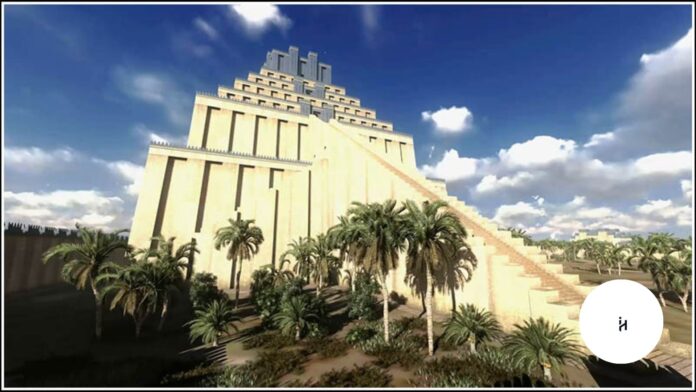
Etemenanki is a name that resonates deeply in history and mythology. It refers to a towering ziggurat believed to have stood in the ancient city of Babylon, near present-day Iraq. The structure, which means “Temple of the Foundation of Heaven and Earth” in Sumerian, is often associated with the biblical Tower of Babel. Although only remnants of Etemenanki survive today, its historical and cultural significance continues to captivate scholars, historians, and enthusiasts of ancient civilizations.

The Origins of Etemenanki

Etemenanki

The origins of Etemenanki date back to the second millennium BCE, during the reign of Hammurabi or even earlier. However, the ziggurat reached its peak during the Neo-Babylonian period under King Nebuchadnezzar II in the 6th century BCE.

The Babylonians built Etemenanki as a temple dedicated to Marduk, their chief deity. The structure was meant to symbolize the connection between heaven and earth, embodying the religious devotion of the people.

Ancient texts, including the Babylonian Chronicles and the writings of the Greek historian Herodotus, describe Etemenanki as a grand and awe-inspiring construction. However, the exact date of its initial construction remains uncertain due to the lack of definitive archaeological evidence.

Architectural Marvel: The Design of Etemenanki

Etemenanki was a ziggurat, a stepped pyramid-like structure common in Mesopotamian architecture. According to historical records, it stood approximately 91 meters (300 feet) tall and had seven levels, each smaller than the one beneath it. A grand staircase allowed priests and officials to ascend the structure, where they conducted religious ceremonies.

The core of Etemenanki was made of sun-dried bricks, while the outer layers consisted of kiln-fired bricks. The use of bitumen as mortar provided additional strength to the construction. The temple at the top of the ziggurat housed a shrine dedicated to Marduk, making it a center for worship and religious practices.

The Religious Significance of Etemenanki

For the Babylonians, Etemenanki was not just a structure; it was a sacred site that bridged the mortal world with the divine. The temple was the focal point of the Akitu festival, an important New Year celebration in Babylonian culture. Priests performed elaborate rituals in the shrine at the top, believed to maintain cosmic order and the favor of the gods.

The ziggurat’s height and grandeur symbolized the aspiration of humanity to reach the heavens, reinforcing the belief that Etemenanki was a divine link between Marduk and his people.

Etemenanki and the Tower of Babel

Many historians and scholars believe that Etemenanki was the inspiration for the biblical story of the Tower of Babel, mentioned in Genesis 11:1-9. According to the Bible, humanity attempted to build a tower that reached the heavens, but God confounded their language and scattered them across the earth to prevent them from completing it.

The similarities between Etemenanki and the Tower of Babel are striking. Both structures were massive, associated with linguistic diversity, and symbolized human ambition. Some scholars suggest that the biblical narrative was a later interpretation of Babylonian architectural achievements.

Etemenanki

The Destruction and Decline of Etemenanki

Etemenanki faced numerous challenges over the centuries, including natural decay, wars, and invasions. Alexander the Great reportedly saw the ruins of the ziggurat in 331 BCE and attempted to restore it, but his untimely death halted the reconstruction efforts.

By the time of the Seleucid Empire, Etemenanki had fallen into complete ruin. Subsequent civilizations used its materials for other constructions, further erasing its physical presence. Today, only scattered remnants of the structure remain, with archaeological excavations uncovering parts of its foundation.

Archaeological Discoveries and Research on Etemenanki

Despite its destruction, archaeologists and historians have pieced together information about Etemenanki through ancient texts, excavations, and modern reconstructions. In the early 20th century, German archaeologist Robert Koldewey led excavations in Babylon, uncovering the foundations of what was believed to be Etemenanki.

Tablets and inscriptions discovered in Mesopotamia provide additional insights into the ziggurat’s dimensions, purpose, and significance. These discoveries help historians understand the grandeur and influence of the structure in the ancient world.

Etemenanki’s Influence on Later Civilizations

Etemenanki’s architectural style and religious importance influenced subsequent cultures and their structures. The concept of stepped pyramidal temples can be seen in later civilizations, such as the Mayan and Aztec pyramids in Mesoamerica. The notion of a towering structure reaching the heavens also influenced Islamic, Christian, and Jewish interpretations of sacred architecture.

Even today, the legacy of Etemenanki continues to inspire researchers and architects who study ancient civilizations.

Etemenanki in Modern Culture and Literature

Etemenanki remains a subject of fascination in modern culture, appearing in literature, video games, and films. Many historical fiction novels and academic discussions explore its significance, while its connection to the Tower of Babel adds a mythical dimension to its legacy.

In the gaming world, ‘Etemenanki’ has been used as a title or reference point, signifying a grand, mysterious, and historical setting. The ziggurat’s legendary status ensures that it continues to captivate audiences worldwide.

The Symbolism of Etemenanki in Human History

Etemenanki represents more than just an ancient structure; it embodies humanity’s pursuit of knowledge, ambition, and connection to the divine. The tower’s history mirrors the rise and fall of civilizations, highlighting the impermanence of human achievements despite their grandeur.

The story of Etemenanki serves as a reminder of the cyclical nature of history and the importance of preserving cultural heritage.

Etemenanki

Conclusion: The Enduring Legacy of Etemenanki

Though Etemenanki no longer stands in its full glory, its impact on history, architecture, and culture remains profound. The ruins and records of this magnificent ziggurat continue to offer invaluable insights into the ancient world and its achievements.

From its construction in ancient Babylon to its symbolic presence in modern narratives, Etemenanki remains a testament to human ingenuity and the desire to bridge the earthly with the divine. Its story, whether historical or mythical, ensures that it will never be forgotten.
For Amazing Updates Keep Visiting ImaginaryHistory.

Apadana: The Majestic Hall of the Ancient Persian Empire

0
Apadana

The Apadana is one of the most fascinating architectural wonders of the ancient Persian Empire. It was a grand audience hall, primarily found in Persepolis and Susa, the ceremonial capitals of the Achaemenid dynasty. Constructed during the reign of Darius the Great (522–486 BCE) and later completed by his successor Xerxes I, the Apadana served as a symbol of Persian grandeur and authority.

With its colossal columns, intricate reliefs, and vast open spaces, the Apadana exemplified the wealth and power of the Achaemenid rulers. This monumental structure was designed to host grand receptions, where the king met representatives from various parts of the empire.

The Architectural Marvel of the Apadana

Apadana

The Apadana was an architectural masterpiece that showcased the ingenuity and craftsmanship of Persian builders. The hall featured 36 massive columns, each towering over 20 meters high. These columns supported a wooden roof and were adorned with intricately carved capitals, often depicting animals such as bulls and lions.

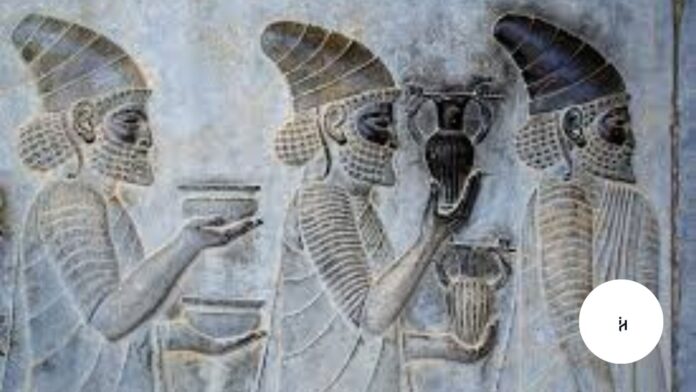
The walls of the Apadana were decorated with elaborate bas-reliefs, illustrating scenes of tribute-bearing delegations from across the empire. The vast hall, capable of accommodating thousands of people, was a testament to the Achaemenid Empire’s wealth and engineering prowess.

The Significance of the Apadana in Persian Culture

The Apadana was more than just an architectural wonder; it was a political and cultural center of the Persian Empire. It was the place where kings received emissaries, celebrated victories, and conducted important ceremonies.

The reliefs on its walls depicted a vision of unity, showcasing representatives from different regions bringing gifts to the Persian king. This demonstrated the empire’s vast reach and its policy of cultural assimilation. The Apadana symbolized the power and inclusiveness of Persian rule, reinforcing the idea of a harmonious empire under the leadership of a just and mighty king.

The Apadana in Persepolis: The Jewel of the Achaemenid Empire

Persepolis, the ceremonial capital of the Achaemenid Empire, housed the most famous Apadana. Built by Darius the Great, this structure was the focal point of the grand palace complex. It was here that the Persian king hosted delegates from across the empire, conducting important state affairs.

The Apadana in Persepolis stood on a massive terrace, elevating its grandeur. The artistic and architectural details of this hall reflect the empire’s commitment to grandeur and diplomacy, making it one of the most remarkable structures in ancient history.

The Apadana in Susa: An Ancient Wonder of the World

Another significant Apadana was located in Susa, one of the empire’s administrative capitals. This version of the hall, built by Darius I, was slightly different in design but equally grand. It featured a similar columned hall with elaborate decorations.

The Apadana in Susa played a crucial role in the governance of the empire, serving as a meeting place for state officials and foreign dignitaries. This structure, like its counterpart in Persepolis, reflected the artistic and political sophistication of the Achaemenid dynasty.

The Fall of the Apadana: Destruction by Alexander the Great

Despite its magnificence, the Apadana met a tragic fate when Alexander the Great invaded Persia in 330 BCE. During his conquest, Persepolis was set ablaze, leading to the destruction of its Apadana and other structures. Historians believe this act was either a deliberate strategy to weaken Persian morale or a drunken act of vengeance. Regardless of the reason, the burning of Persepolis marked the end of the Achaemenid Empire’s golden age. The ruins of the Apadana, however, continue to tell the story of its former glory.

Apadana

The Artistic Legacy of the Apadana

The Apadana is renowned for its exquisite artistic elements. The bas-reliefs on its walls, which depicted scenes of tribute processions and royal ceremonies, are considered some of the finest examples of ancient Persian art.

These reliefs provide valuable insights into Persian culture, fashion, and diplomatic relations. The detailed carvings of Persian guards, nobles, and foreign envoys highlight the empire’s diversity and political sophistication. The artistic legacy of the Apadana has influenced Persian art for centuries and continues to inspire historians and archaeologists.

The Role of the Apadana in Modern Archaeology

The Apadana has been a key site for archaeological exploration since the early 20th century. Excavations at Persepolis and Susa have uncovered significant artifacts, including fragments of columns, reliefs, and inscriptions.

These discoveries have provided invaluable information about Achaemenid architecture, governance, and culture. Scholars have meticulously studied the Apadana to understand its construction techniques and its role in the Persian Empire. Today, the ruins of the Apadana remain a UNESCO World Heritage site, drawing researchers and tourists from around the world.

The Influence of the Apadana on Persian and Islamic Architecture

The architectural principles of the Apadana have had a lasting impact on Persian and Islamic architecture. The grand columns, open halls, and intricate decorative elements of the Apadana influenced later Persian palaces, mosques, and government buildings.

Elements of Achaemenid design can be seen in structures such as the palaces of the Safavid dynasty and even in some modern Iranian architecture. The Apadana’s influence is a testament to the enduring legacy of Persian engineering and artistic expression.

The Apadana Today: A Symbol of Persian Heritage

Today, the Apadana stands as a symbol of Iran’s rich cultural heritage. The ruins of Persepolis and Susa attract thousands of visitors each year, eager to witness the remnants of this grand hall.

The Iranian government, along with international organizations, has taken steps to preserve and restore parts of the Apadana, ensuring that future generations can appreciate its historical significance. Efforts are also being made to promote Persian history through museums and educational programs, highlighting the Apadana as a key element of the country’s identity.

Apadana

Conclusion: The Timeless Legacy of the Apadana

The Apadana is more than just an ancient structure; it is a testament to the power, culture, and artistic brilliance of the Achaemenid Empire. Its grand architecture, intricate reliefs, and historical significance make it one of the most remarkable monuments of the ancient world. Although it was destroyed centuries ago, its legacy lives on through archaeological discoveries and scholarly research. The Apadana remains a powerful symbol of Persian civilization, reminding the world of the grandeur and sophistication of one of history’s greatest empires.

For Amazing Updates Keep Visiting ImaginaryHistory.

What Do Demons Look Like? A Deep Dive into Mythology and Beliefs

0
What Do Demons Look Like

Demons have fascinated and terrified people for centuries. From ancient scriptures to modern horror films, they appear in countless forms, reflecting cultural fears and beliefs. But what do demons look like? Are they horned beasts, shadowy figures, or something more sinister? This blog explores the various depictions of demons across history, religion, and folklore.

The Classic Depiction: Horns, Wings, and Claws

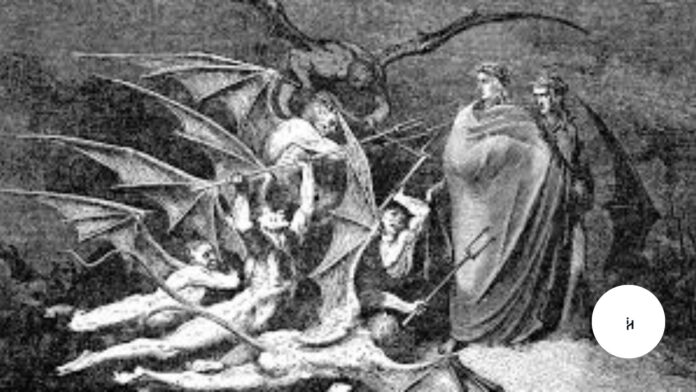
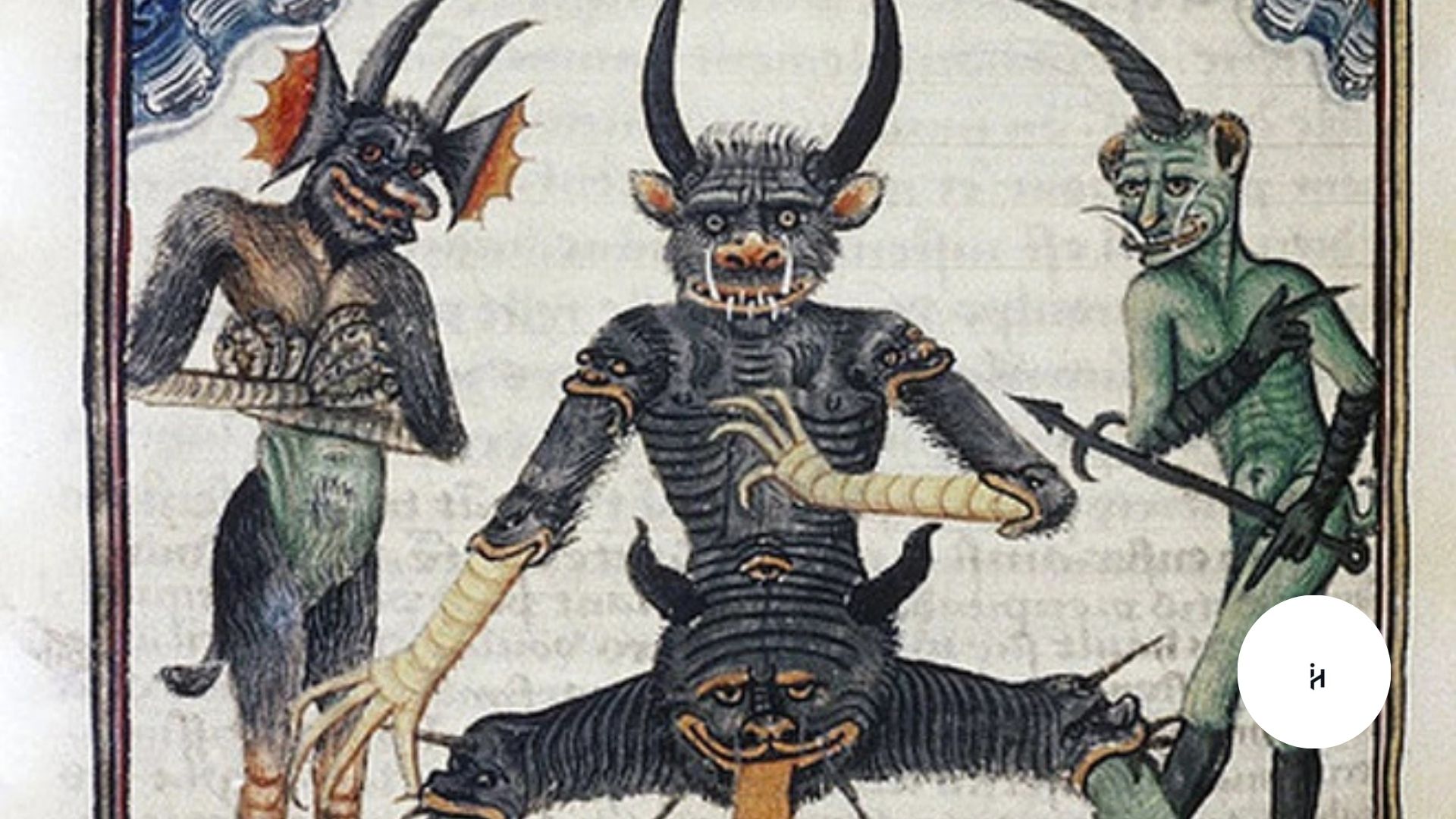
The most common portrayal of demons is monstrous creatures with horns, wings, and sharp claws. This imagery is deeply rooted in Christian mythology, where demons are often shown as fallen angels twisted into grotesque forms. These features symbolize their rebellion against divine order.

What Do Demons Look Like

Demons with bat-like wings represent their ability to move between the earthly and supernatural realms. Their claws and fangs emphasize their predatory nature, ready to strike at any moment. Red or black skin is another common trait, signifying fire, darkness, and evil.

In many cultures, the idea of demons with horns comes from the Greek god Pan, who had goat-like features. As Christianity spread, it absorbed and transformed older pagan images into demonic ones. The result? The classic devilish figure we recognize today.

Shadowy Figures: The Presence of Darkness

In many legends, demons are not physical beings but rather shadowy figures that lurk in the darkness. What do demons look like in these tales? They are often described as pitch-black silhouettes with glowing eyes, moving silently or merging with the shadows.

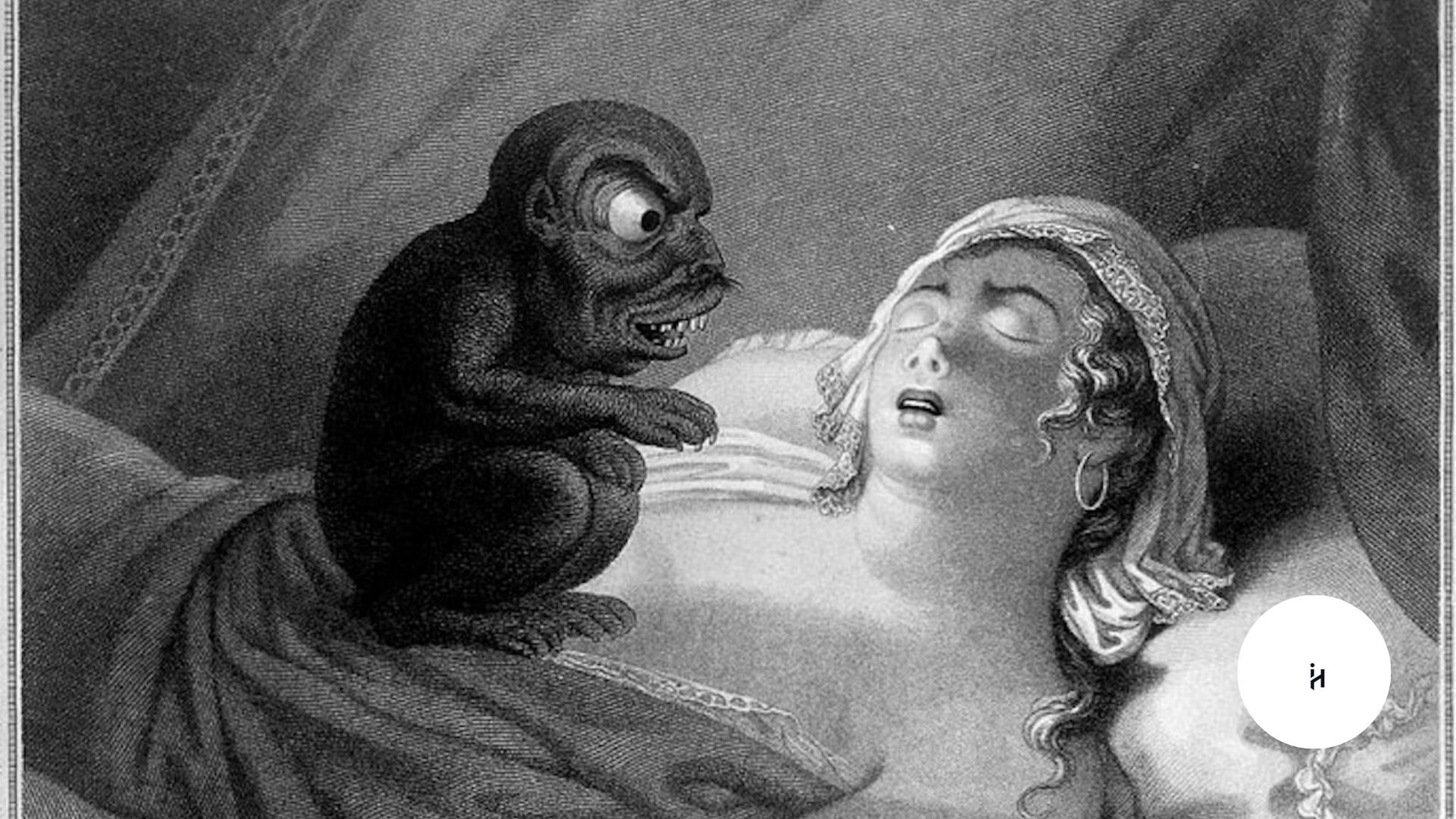
This depiction aligns with beliefs that demons are spirits, capable of existing without a physical form. Many people report seeing shadowy figures during sleep paralysis or supernatural experiences, reinforcing the idea that demons can be formless but still terrifying.

Ancient cultures, including the Mesopotamians and Egyptians, believed that shadow demons could possess people, feeding off their fear and energy. Even today, paranormal researchers claim to encounter such entities in haunted locations.

Humanoid Demons: Deception in Human Form

Not all demons appear monstrous. Some myths describe them as deceptively beautiful beings who can pass as human. This idea comes from folklore where demons disguise themselves to manipulate or seduce people.

Stories of succubi and incubi, demons that take human form to seduce victims, are common in medieval Europe. Similarly, many religions warn that demons can appear as friendly figures, only to reveal their true nature later.

What do demons look like in this form? They might have slightly off-putting features—unblinking eyes, an unnatural smile, or an eerie stillness. These small details hint at something sinister beneath their human-like appearance.

Animalistic Demons: Beasts of the Underworld

Some cultures describe demons as part-animal, resembling wolves, serpents, or insects. This reflects ancient fears of dangerous creatures. In Hindu and Buddhist traditions, demonic beings called Rakshasas have animal-like features, symbolizing chaos and destruction.

In European folklore, werewolves and vampires were sometimes linked to demonic possession. The idea that demons could take the form of animals allowed people to explain unexplained phenomena, such as rabid animals attacking villages.

Even in modern horror stories, the association between demons and animals remains strong. Many possession cases involve strange animalistic behavior, reinforcing the belief that demons can take on bestial traits.

What Do Demons Look Like

Fiery Demons: Guardians of the Underworld

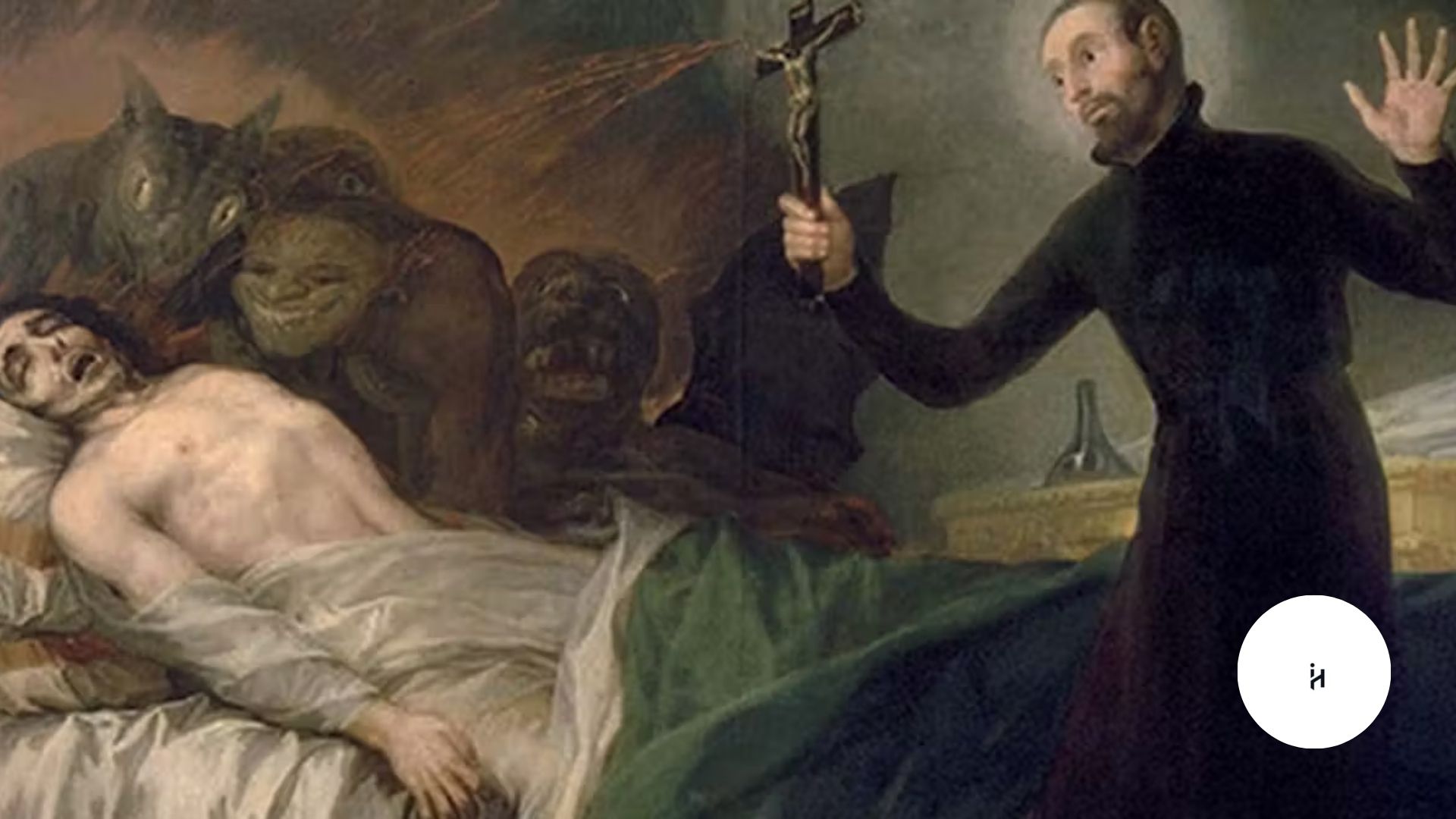
In many traditions, demons are associated with fire. Christian depictions of hell often show demons tormenting souls in an endless inferno. The idea of fire demons is common in Zoroastrianism and Islamic mythology as well.

What do demons look like when linked to fire? They often have burning eyes, charred skin, or bodies made of flames. Some myths describe them as smoldering creatures, constantly burning but never consumed by the fire.

This imagery serves as a warning, symbolizing both destruction and punishment. It also aligns with the idea that demons are born from the flames of chaos, existing in opposition to order and peace.

Ancient Demon Depictions: From Sumer to Egypt

The earliest recorded demons come from ancient civilizations like Mesopotamia and Egypt. The Sumerians believed in Pazuzu, a demon with a lion’s head, wings, and a serpent’s tail. Egyptian mythology describes Apophis, a giant serpent representing chaos and destruction.

These early depictions influenced later religious beliefs. Many demons in Christianity and Islam share traits with ancient Mesopotamian and Egyptian entities. The idea of winged demons, for example, likely comes from early depictions of storm and wind spirits.

Ancient art shows demons with exaggerated features—large eyes, sharp teeth, and unnatural limbs. These visual cues symbolized their supernatural origin and power over humans.

Demons in Christianity: The Fallen Angels

Christianity has a strong tradition of demonology. The Bible describes Satan and his fallen angels as the first demons. According to scripture, they were once beautiful beings who rebelled against God and were cast into hell.

What do demons look like in Christian tradition? Some maintain their angelic forms but radiate darkness, while others have been transformed into hideous monsters. The Book of Revelation describes some demons as multi-headed beasts with grotesque, hybrid bodies.

Many Christian scholars argue that demons do not have a fixed form. Instead, they take on appearances that reflect human fears, making them more effective in their corruptive influence.

Eastern Demon Lore: Oni, Yaksha, and Asuras

Asian cultures have their own unique interpretations of demons. In Japanese folklore, Oni are giant, horned creatures with terrifying faces. In Hinduism and Buddhism, Yakshas and Asuras represent chaotic and malevolent spirits.

These demons often have exaggerated physical traits—multiple arms, bulging eyes, or enormous fangs. Their appearances reflect their power and otherworldly nature. Unlike Western demons, many Eastern demons are not purely evil; they can sometimes be neutral or even protective spirits.

Modern Pop Culture Demons: Horror and Fantasy

In modern films, books, and games, demons take on a variety of forms. From the monstrous entities in The Exorcist to the stylish devils in Lucifer, pop culture has reimagined demons in countless ways.

What do demons look like in today’s media? Some stick to traditional imagery—horns, wings, and dark skin—while others are completely unique, appearing as digital glitches, abstract shadows, or even cosmic horrors.

What Do Demons Look Like

Horror films often depict demons as grotesque, disfigured beings, reinforcing their unnatural and unsettling nature. Meanwhile, fantasy stories sometimes present demons as misunderstood antiheroes rather than purely evil creatures.

Psychological Demons: The Monsters Within

Not all demons are physical beings. Many cultures describe them as manifestations of human fears, guilt, and desires. In this sense, demons can take any form that reflects inner struggles.

For example, in literature, a demon might appear as a twisted version of a loved one, representing unresolved trauma. Many horror stories use this idea, where demons shapeshift to exploit the fears of their victims.

What do demons look like in this context? They are unique to each person, appearing in ways that are personally terrifying. This reinforces the idea that demons are not just external threats but also internal battles.

Conclusion: What do demons look like

So, what do demons look like? The answer depends on history, culture, and belief systems. From monstrous beasts to shadowy figures and even human-like deceivers, demons take countless forms. Their appearances reflect deeper fears about the unknown, evil, and the supernatural.

While some view demons as literal beings, others see them as symbolic representations of human struggles. Whether in ancient mythology, religious texts, or horror stories, demons continue to evolve, keeping their terrifying presence alive in our imagination.

For Amazing Updates Keep Visiting ImaginaryHistory.

The Life and Legacy of Alfredo Ballí Treviño: The Real-Life Inspiration Behind Hannibal Lecter

0
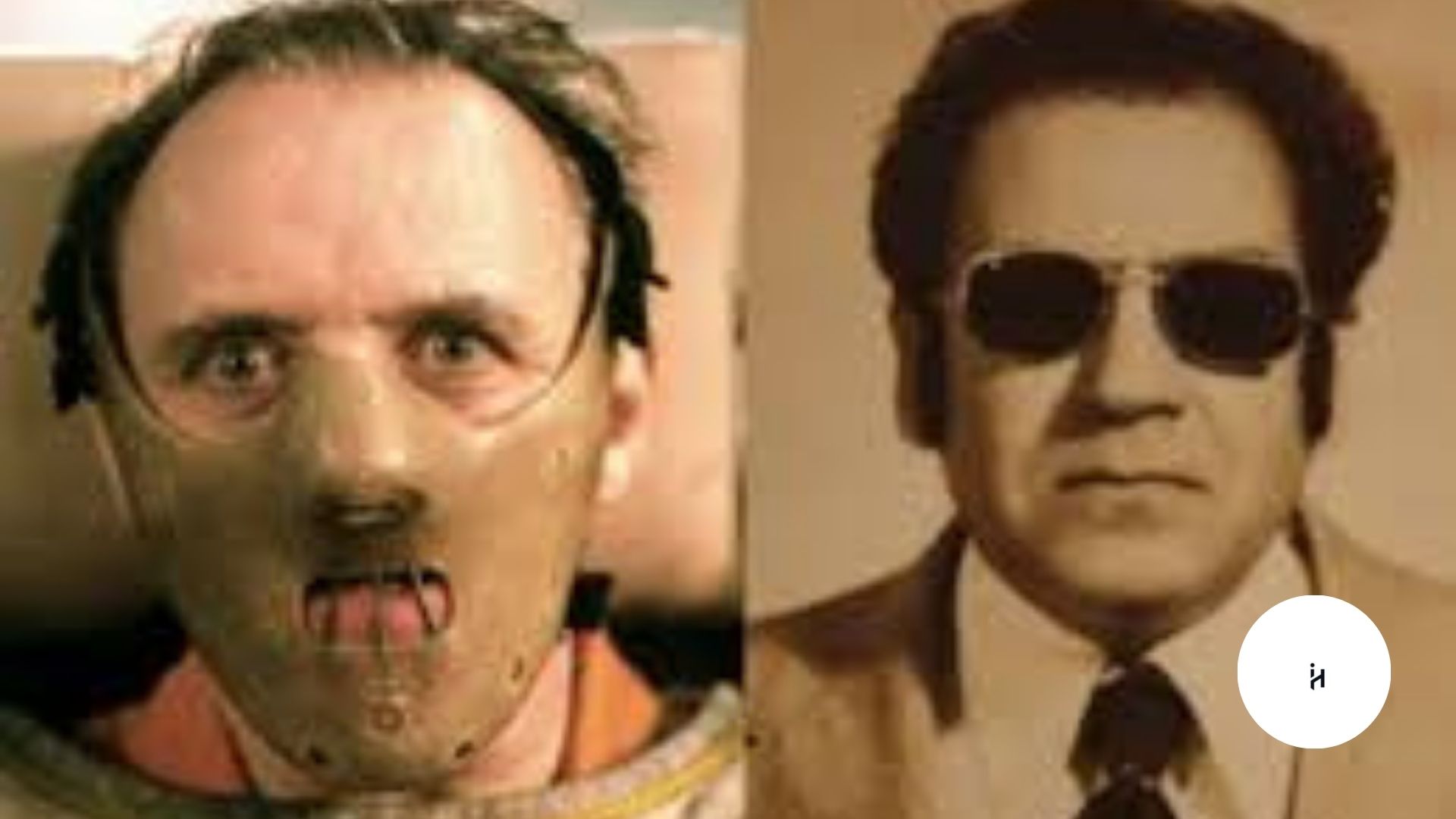
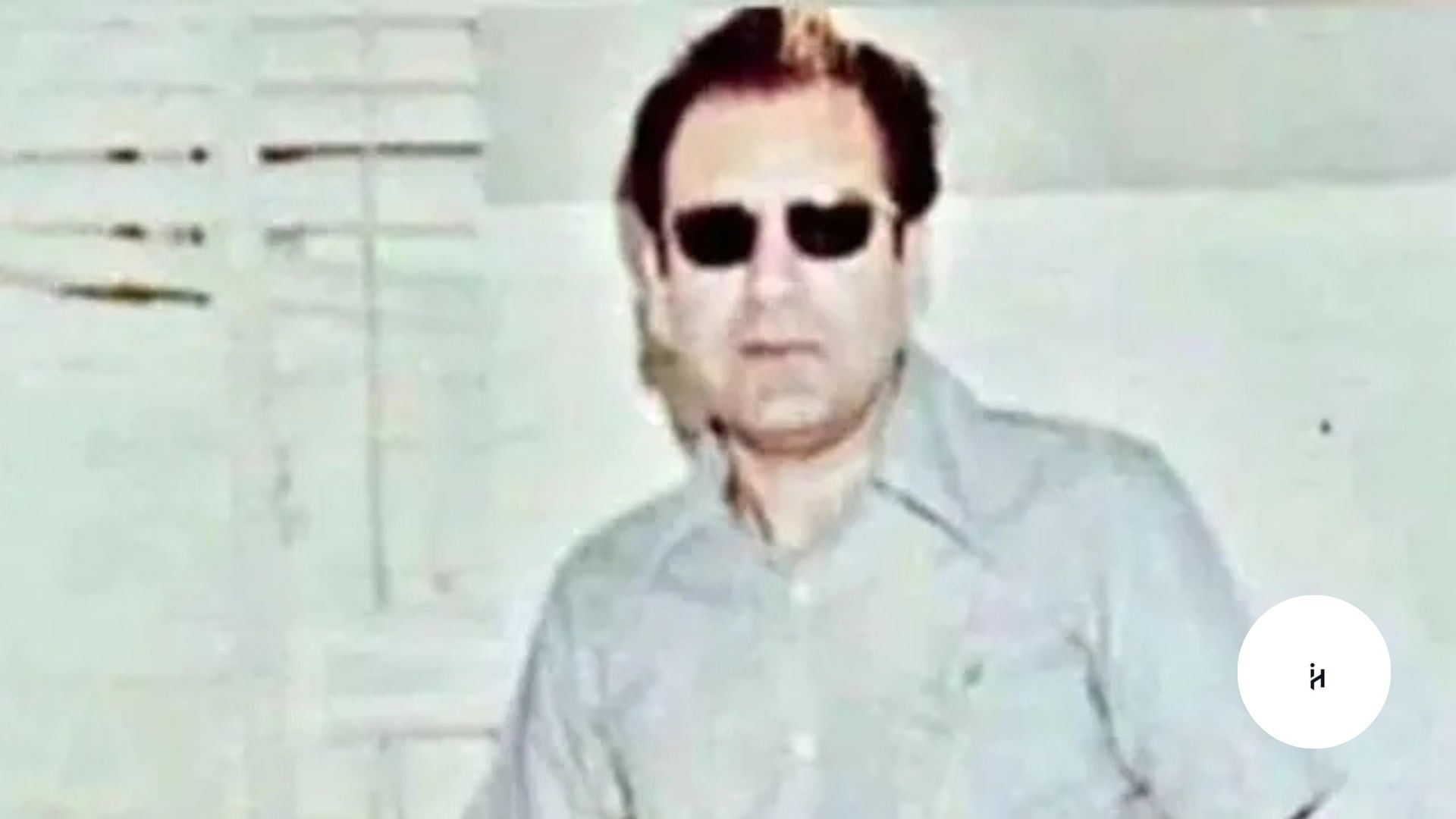
Alfredo Ballí Treviño

Alfredo Ballí Treviño, a Mexican physician from Monterrey, led a life that intertwined medical expertise with a dark and criminal undertone. His story not only shocked the local community but also inspired one of fiction’s most notorious characters: Dr. Hannibal Lecter. This blog delves into the multifaceted life of Alfredo Ballí Treviño, exploring his early years, the crime that led to his imprisonment, his time behind bars, and his lasting impact on popular culture.

Early Life and Medical Career

Born in 1928 in Monterrey, Nuevo León, Mexico, Alfredo Ballí Treviño hailed from an upper-class family. His privileged upbringing afforded him the opportunity to pursue a career in medicine, a profession he embraced with apparent dedication.

By the late 1950s, Ballí Treviño had established himself as a respected physician in his community, known for his meticulous approach and commitment to patient care. His medical practice was not only a testament to his skills but also a reflection of his family’s esteemed social standing.

Colleagues and patients alike regarded him as a competent and trustworthy doctor. His demeanor was often described as calm and composed, traits befitting a medical professional. However, beneath this facade lay complexities that would later unravel in the most unexpected ways.

Alfredo Ballí Treviño

The Crime: Murder of Jesús Castillo Rangel

In October 1959, the city of Monterrey was shaken by a crime that seemed inconceivable given the perpetrator’s background. Alfredo Ballí Treviño was arrested and charged with the murder of his close friend and rumored lover, Jesús Castillo Rangel, a 20-year-old medical student. The details of the crime were both shocking and gruesome.

According to court records, an argument between Ballí Treviño and Rangel escalated dramatically. In a fit of rage, Ballí Treviño rendered Rangel unconscious using chloroform. He then transported the unconscious man to a bathroom, where he slit his throat with a scalpel, draining his body of blood—a procedure eerily reminiscent of surgical precision.

Not stopping there, Ballí Treviño proceeded to dismember Rangel’s body, placing the parts into a box, which he buried on a relative’s farm under the pretense of disposing of medical waste. The calculated nature of the crime, combined with the perpetrator’s medical knowledge, left the community in disbelief.WikipediaWikipedia

Arrest and Trial

The investigation into Jesús Castillo Rangel’s disappearance quickly led authorities to Alfredo Ballí Treviño. Given the close relationship between the two and reports of their altercation, suspicion naturally fell on the doctor. Upon searching Ballí Treviño’s property, evidence emerged that pointed directly to his involvement in the crime.

During the trial, prosecutors painted a picture of a man who used his medical expertise for nefarious purposes. The methodical manner in which Rangel was killed and dismembered suggested premeditation and a chilling detachment. Witnesses testified about the nature of the relationship between Ballí Treviño and Rangel, hinting at underlying tensions that may have contributed to the tragic outcome.

In 1961, after a highly publicized trial, Alfredo Ballí Treviño was convicted of murder and sentenced to death. However, this sentence would later be commuted, altering the course of his life once more.

Incarceration at Topo Chico Prison

Following his conviction, Alfredo Ballí Treviño was incarcerated at Topo Chico Prison, a facility known for housing some of Mexico’s most notorious criminals. Despite the grim environment, Ballí Treviño managed to carve out a unique role for himself within the prison walls.

Leveraging his medical background, he assumed the role of the prison doctor, providing care to fellow inmates and even prison staff. This position afforded him a certain level of respect and autonomy uncommon for someone serving a murder sentence. His demeanor remained composed, and many noted his unwavering professionalism, even in such dire circumstances.

It was during his time at Topo Chico that Ballí Treviño crossed paths with journalist Thomas Harris, a meeting that would have unforeseen consequences in the realm of literature and film.

Meeting with Thomas Harris

Alfredo Ballí Treviño

In 1963, Thomas Harris, then a young journalist, visited Topo Chico Prison to interview Dykes Askew Simmons, an American inmate convicted of triple homicide. During his visit, Harris encountered the prison doctor, introduced to him as Dr. Salazar. Unbeknownst to Harris at the time, Dr. Salazar was, in fact, Alfredo Ballí Treviño.

Harris described Dr. Salazar as a “small, lithe man with dark red hair” who exuded a certain elegance and stillness. Their conversation delved into topics of life, death, and the nature of evil. Dr. Salazar’s insights and probing questions left a lasting impression on Harris.

It was only after the interview that Harris learned of Dr. Salazar’s true identity and the crimes he had committed. This revelation added a chilling layer to their interaction, one that would resonate with Harris for years to come.

Commutation of Death Sentence

Initially sentenced to death, Alfredo Ballí Treviño’s fate took a turn when his sentence was commuted to a 20-year prison term. This decision was influenced by various factors, including changes in the Mexican judicial system and evolving perspectives on capital punishment. Throughout his incarceration, Ballí Treviño maintained a record of good behavior, further supporting the case for his eventual release.

In 1981, after serving 20 years, he was released from prison. His time behind bars had transformed him in many ways, but his passion for medicine remained undiminished. The question now was how he would reintegrate into society after such a notorious past.

Q&A on Alfredo Ballí Treviño

Who was Alfredo Ballí Treviño?

Alfredo Ballí Treviño was a Mexican physician from Monterrey who gained notoriety for the murder of his friend Jesús Castillo Rangel in 1959. He was later convicted and sentenced to death, though his sentence was commuted to 20 years in prison.

What crime did Alfredo Ballí Treviño commit?

In 1959, Alfredo Ballí Treviño murdered Jesús Castillo Rangel by slitting his throat with a scalpel and dismembering his body. His medical expertise made the crime particularly gruesome and methodical.

Where was Alfredo Ballí Treviño imprisoned?

He was incarcerated at Topo Chico Prison in Mexico, where he served 20 years before being released in 1981.

How did Alfredo Ballí Treviño inspire Hannibal Lecter?

During his time in prison, Alfredo Ballí Treviño met journalist Thomas Harris, who later created the character of Dr. Hannibal Lecter in The Silence of the Lambs. Harris was fascinated by Ballí Treviño’s intelligence, demeanor, and background as a doctor.

Alfredo Ballí Treviño

What happened to Alfredo Ballí Treviño after prison?

After his release in 1981, he resumed his medical practice in Monterrey and lived a quiet life until his death in 2009.

Did Alfredo Ballí Treviño regret his crime?

Though he never publicly spoke about remorse, his return to medical practice and low-profile lifestyle suggest he sought redemption in his later years.

Why was Alfredo Ballí Treviño’s death sentence commuted?

His sentence was reduced to 20 years due to changes in Mexico’s judicial system and his good behavior during incarceration.

When did Alfredo Ballí Treviño die?

He passed away in 2009 at the age of 81.

How did Thomas Harris meet Alfredo Ballí Treviño?

Harris visited Topo Chico Prison in the 1960s to interview another inmate but was introduced to Ballí Treviño, who was working as the prison doctor under the name “Dr. Salazar.”

What is Alfredo Ballí Treviño’s legacy?

He remains infamous for his crime but is also known as the real-life inspiration for Hannibal Lecter, one of the most iconic villains in literature and film.

For Amazing Updates Keep Visiting ImaginaryHistory.