Home Blog Page 91

Famous Women in History: Icons Who Changed the World

0
Famous Women in History

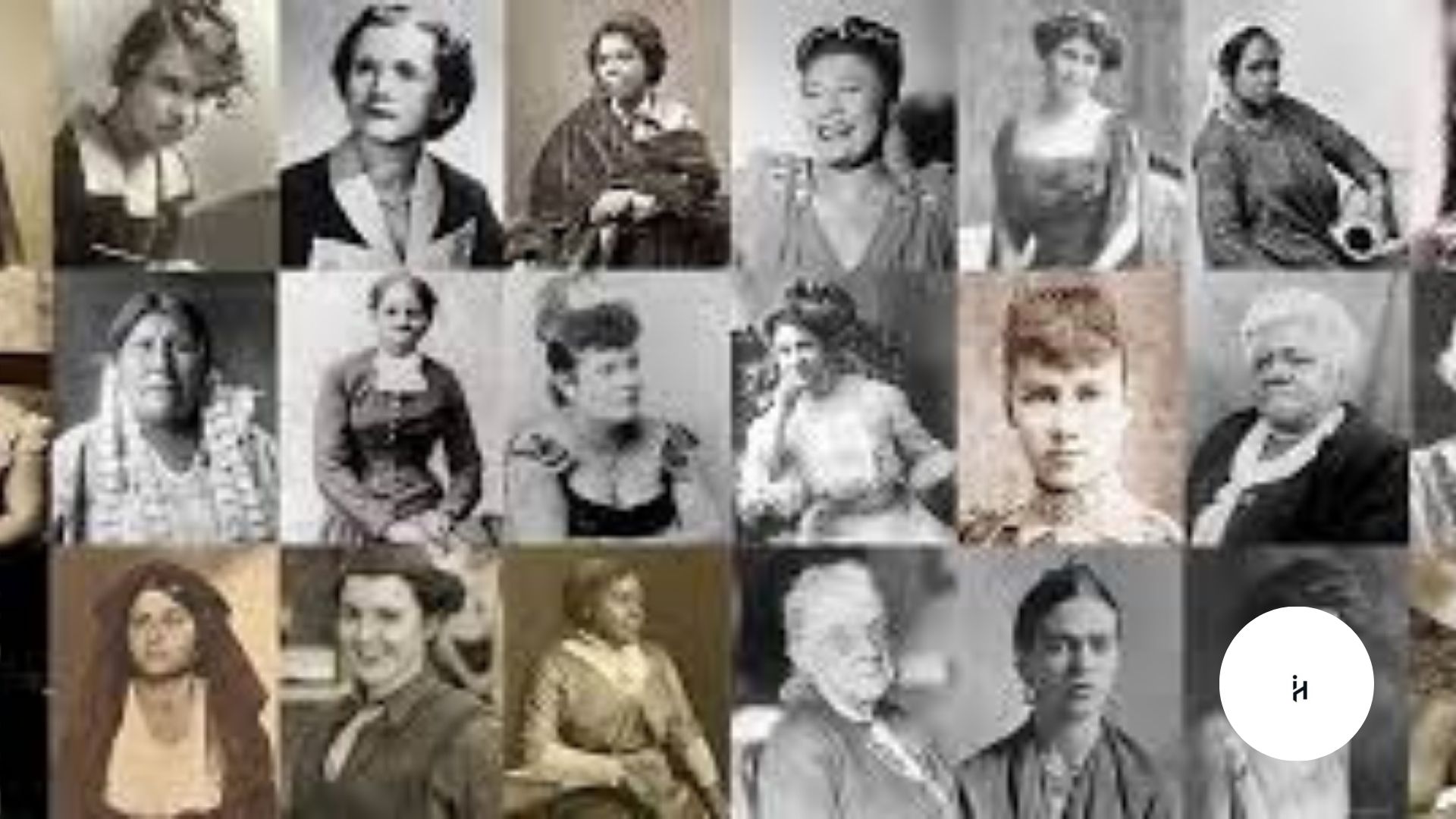
Throughout history, countless women have made significant contributions to society, shaping the world in ways that continue to inspire future generations. From powerful leaders to fearless activists, these women have left an undeniable mark on history. In this blog, we will explore famous women in history, highlighting their incredible achievements and lasting legacies.

Cleopatra: The Last Pharaoh of Egypt

Cleopatra VII, the last active ruler of the Ptolemaic Kingdom of Egypt, remains one of the most famous women in history. Known for her intelligence, political acumen, and strategic alliances, Cleopatra played a crucial role in Egyptian and Roman history. She was fluent in multiple languages and used her knowledge to strengthen Egypt’s economy and military.

Her romantic relationships with Julius Caesar and Mark Antony were not just love affairs but also political moves to secure her kingdom. Despite the challenges she faced from Rome, Cleopatra remained a powerful and independent ruler until her tragic death. Her legacy as a symbol of female empowerment and intelligence continues to be celebrated.
Famous Women in History

Joan of Arc: The Warrior Who Defied Norms

Joan of Arc, a teenage peasant girl from France, became a national heroine and a saint for her role in the Hundred Years’ War. Believing she was guided by divine visions, she led the French army to several victories against the English. Joan’s bravery and leadership challenged the gender norms of her time.

Even though she was captured and executed at just 19 years old, Joan of Arc remains a symbol of courage and faith. She was later canonized as a saint, further solidifying her place among famous women in history. Her story continues to inspire people worldwide, proving that age and gender are not barriers to greatness.

Marie Curie: The Pioneer of Science

Marie Curie is one of the most influential scientists in history. As the first woman to win a Nobel Prize—and the only person to win in two different scientific fields—Curie revolutionized the study of radioactivity. Her discoveries led to major advancements in medical treatments, particularly in cancer therapy.

Curie’s dedication to her work often put her own health at risk, as she continued her research despite the dangers of radiation exposure. Her groundbreaking achievements make her one of the most famous women in history, inspiring generations of women to pursue careers in science.

Rosa Parks: The Mother of the Civil Rights Movement

Rosa Parks’ refusal to give up her bus seat to a white passenger in 1955 sparked the Montgomery Bus Boycott, a crucial event in the American Civil Rights Movement. Her bravery in standing up against racial segregation made her a key figure in the fight for equality.

Parks’ activism continued for decades, and she received numerous honors, including the Presidential Medal of Freedom. Her courage and determination solidified her legacy as one of the most famous women in history, proving that one act of defiance can change the course of history.

Queen Elizabeth I: The Monarch Who Defined an Era

Queen Elizabeth I, often referred to as the “Virgin Queen,” ruled England for 44 years and established it as a global power. Her leadership during the Elizabethan Era saw the expansion of the British Empire, cultural advancements, and the defeat of the Spanish Armada.

Elizabeth’s intelligence and strategic mind helped her navigate political threats while maintaining a stable and prosperous kingdom. Her reign is considered one of the most successful in English history, and she remains one of the most famous women in history for her contributions to politics and culture.

Malala Yousafzai: The Voice of Education

Famous Women in History

Malala Yousafzai, a Pakistani activist for girls’ education, survived an assassination attempt by the Taliban and continued her fight for equal education rights. Her bravery and advocacy have earned her the Nobel Peace Prize, making her the youngest recipient in history.

Through the Malala Fund, she continues to promote education for girls worldwide. Her story is a testament to resilience and determination, making her one of the most famous women in history who continues to inspire young girls to fight for their rights.

Harriet Tubman: The Freedom Fighter

Harriet Tubman escaped slavery and dedicated her life to helping others gain their freedom through the Underground Railroad. She led hundreds of enslaved people to safety and later worked as a spy during the Civil War.

Her unwavering courage and commitment to justice make her one of the most famous women in history. Tubman’s efforts paved the way for the abolition of slavery, and her legacy as a freedom fighter continues to inspire activists worldwide.

Amelia Earhart: The Sky’s the Limit

Amelia Earhart was a trailblazing aviator who became the first woman to fly solo across the Atlantic Ocean. Her passion for aviation and breaking gender barriers made her a global icon.

Despite her mysterious disappearance during a flight in 1937, Earhart’s legacy lives on. She remains one of the most famous women in history, proving that determination and courage can take you to new heights.

Mother Teresa: A Life of Compassion

Mother Teresa devoted her life to helping the poor and sick in India. Through her Missionaries of Charity, she provided food, medical care, and education to thousands of people.

Her selfless service earned her the Nobel Peace Prize, and she was later canonized as a saint. Her dedication to humanitarian work makes her one of the most famous women in history, showing the world the power of kindness and compassion.

Frida Kahlo: The Artist Who Redefined Beauty

Frida Kahlo was a Mexican painter known for her unique self-portraits and surrealist art. Despite suffering from polio and a severe bus accident, she used her pain as inspiration for her powerful artwork.

Kahlo’s influence extends beyond art—she was also an advocate for gender equality and Mexican culture. Today, she is celebrated as one of the most famous women in history, inspiring artists and feminists worldwide.
Famous Women in History

Florence Nightingale: The Founder of Modern Nursing

Florence Nightingale revolutionized healthcare by improving sanitation and patient care during the Crimean War. Her work laid the foundation for modern nursing practices.

Known as “The Lady with the Lamp,” Nightingale’s efforts saved countless lives. She remains one of the most famous women in history, proving that compassion and dedication can transform an entire field.

Conclusion

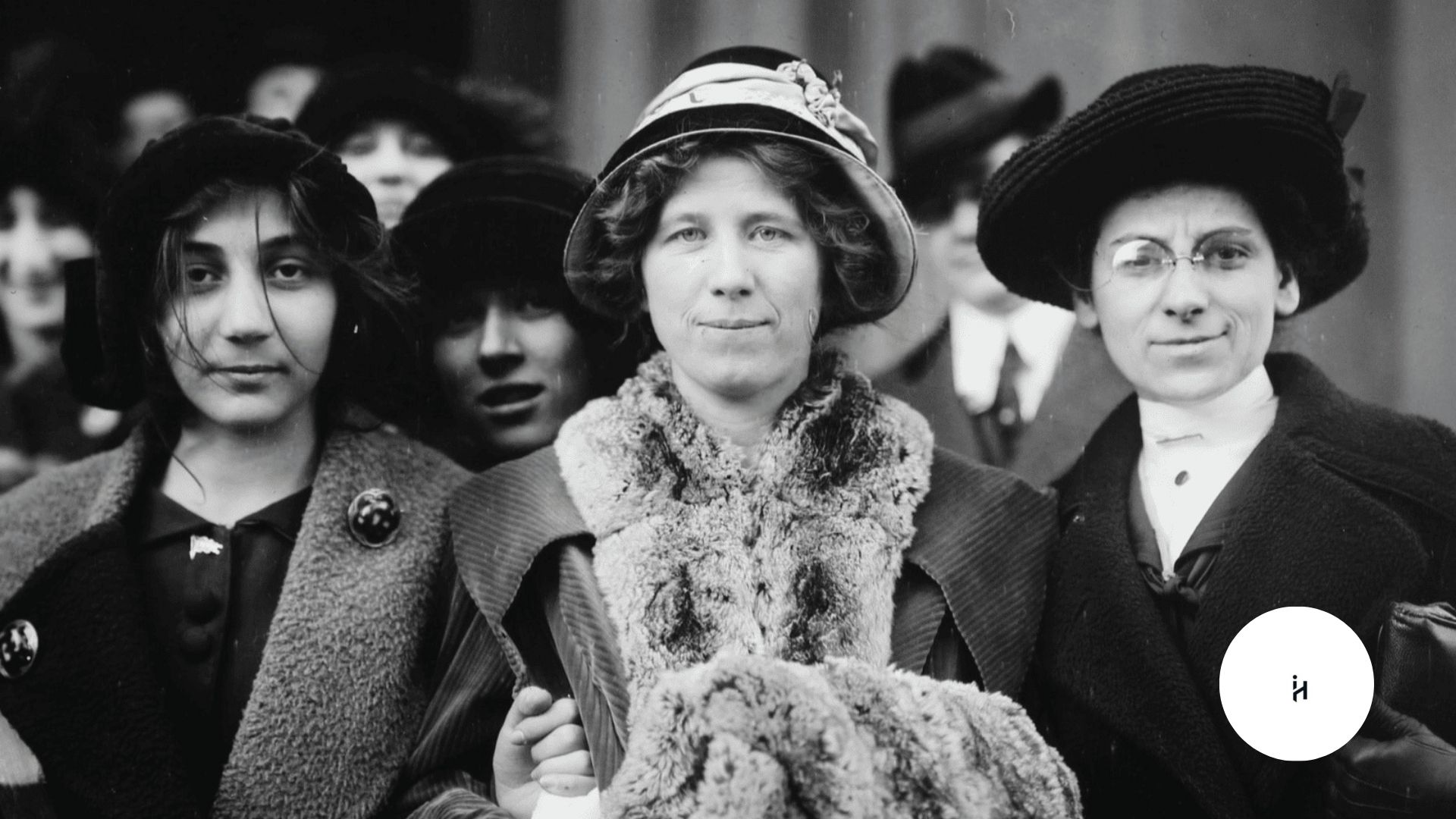
The stories of these famous women in history remind us that courage, intelligence, and determination can change the world. Whether in politics, science, activism, or the arts, these women have broken barriers and inspired generations. Their legacies continue to shape our present and future, proving that history is incomplete without the contributions of powerful women.

By learning about these famous women in history, we honor their achievements and ensure that their influence continues to inspire new generations to pursue greatness.
Atraḥasīs: The Ancient Epic That Inspired Generations

0
Atraḥasīs

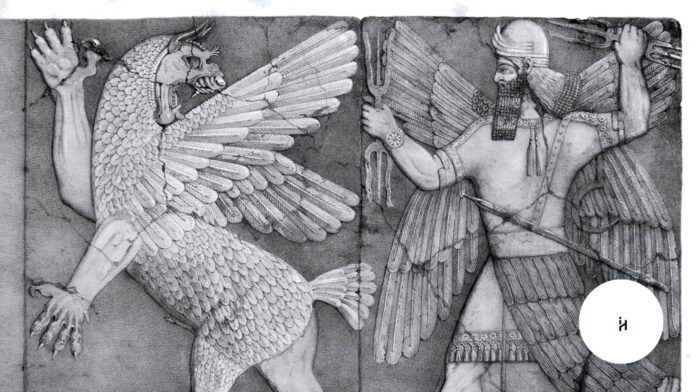
Atraḥasīs is one of the most significant ancient Mesopotamian epics, originating from Babylonian mythology. Written in Akkadian cuneiform, this mythological text tells the story of a great flood, divine wrath, and human survival. The name “Atraḥasīs” translates to “Exceedingly Wise,” referring to the main protagonist, a mortal man chosen by the gods to preserve life on Earth.

This ancient text has deep connections with other legendary flood narratives, including the Epic of Gilgamesh and the biblical story of Noah’s Ark. Atraḥasīs is more than just a tale; it provides insight into early Mesopotamian views on creation, divine-human relationships, and natural disasters. Scholars have studied it extensively, recognizing its cultural and historical importance.

The Origins and Historical Context of Atraḥasīs

Atraḥasīs

Atraḥasīs dates back to the 18th century BCE during the Old Babylonian period. The myth is inscribed on clay tablets and is attributed to the scribes of King Ammisaduqa. The text was discovered in multiple versions, with the most complete one being from the library of Ashurbanipal in Nineveh.

Mesopotamians believed that gods controlled every aspect of existence. Atraḥasīs reflects this belief system, depicting gods as powerful beings who create, control, and sometimes punish humanity. It serves as a foundational text, influencing later mythologies and religious traditions.

Creation of Humanity in Atraḥasīs

The myth begins with the gods struggling to maintain the universe. The lower-ranked deities, called the Igigi, are burdened with hard labor and complain to their higher counterparts, the Annunaki. To resolve this, the chief god, Enki, suggests creating humanity to take over the work.

Using clay mixed with the flesh and blood of a sacrificed god, humans are brought to life. This act signifies their divine connection and duty toward the gods. However, this creation sets the stage for the conflicts that follow in the Atraḥasīs epic.

The Burden of Human Existence

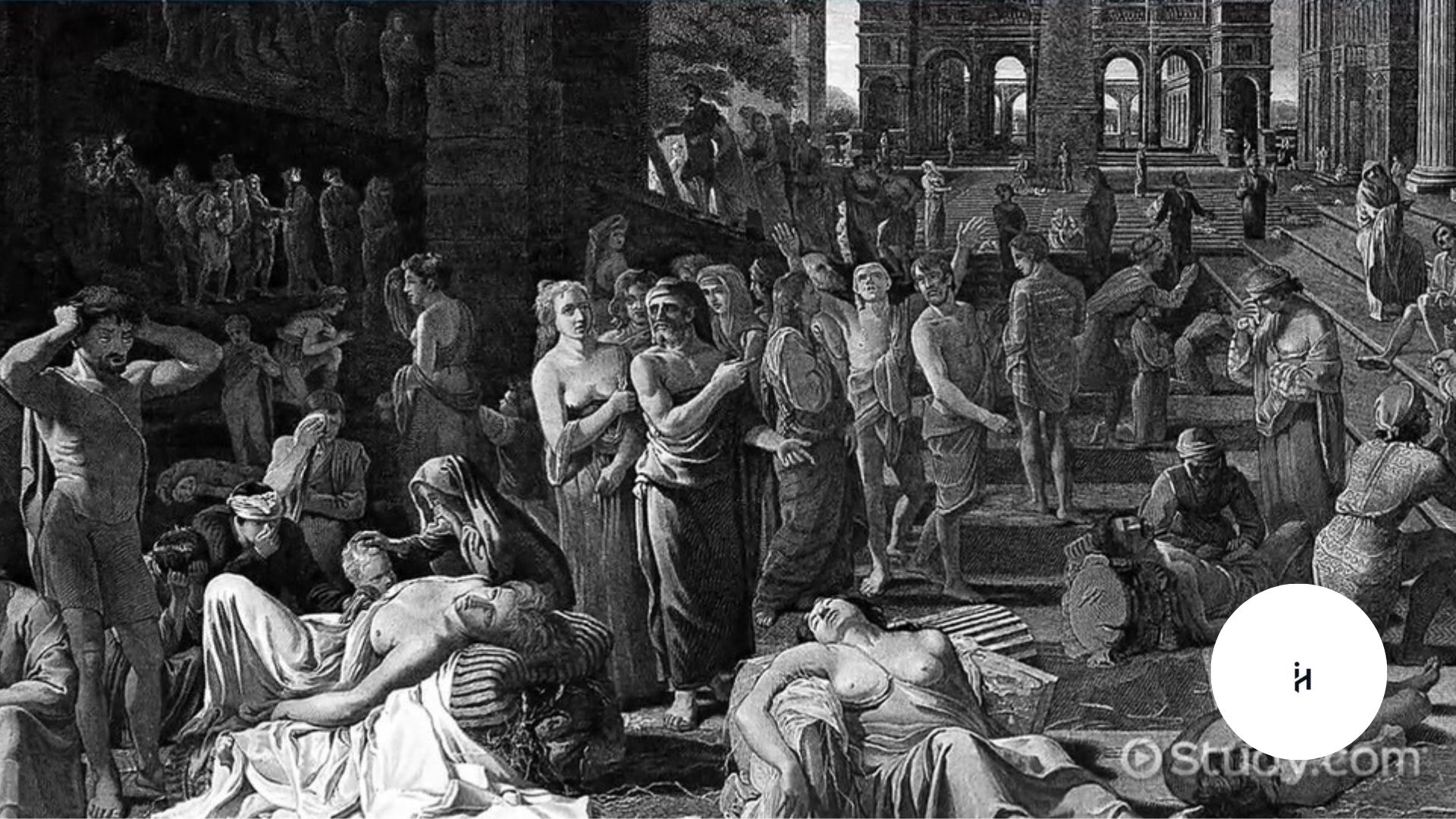
As the human population grows, so do their activities. The gods, especially Enlil, become irritated by their noise and disruptions. The increasing number of humans leads to environmental and social issues, showcasing an early form of ecological awareness.

Atraḥasīs highlights themes of overpopulation and resource management. The gods attempt to control human numbers by sending plagues, droughts, and famine. Yet, with Enki’s help, Atraḥasīs finds ways to keep humanity alive, challenging divine decisions.

The Great Flood in Atraḥasīs

One of the most famous parts of the epic is the flood narrative. Enlil, frustrated with humanity, decides to wipe them out with a massive flood. However, Enki warns Atraḥasīs and instructs him to build a massive boat.

The description of the flood in Atraḥasīs closely resembles later flood myths, including the story of Noah’s Ark in the Bible. Atraḥasīs follows Enki’s guidance, gathers animals and his family, and survives the deluge, which lasts for seven days and seven nights.

The Aftermath of the Flood

After the flood, the gods regret their decision, realizing that humanity is essential. They restore order, but with new limitations—introducing mortality, disease, and infertility to balance the population. This explains why humans are no longer immortal or directly connected to the gods.

The conclusion of Atraḥasīs provides an explanation for suffering and death, portraying them as necessary evils to maintain cosmic balance.

The Influence of Atraḥasīs on Other Myths

Atraḥasīs

Atraḥasīs has influenced multiple religious and mythological texts. The biblical flood story in Genesis shares striking similarities, as does the Epic of Gilgamesh. Even ancient Greek and Hindu myths contain elements reminiscent of Atraḥasīs.

The repetition of flood narratives across different cultures suggests a collective memory of real natural disasters, possibly massive floods in Mesopotamian history.

Atraḥasīs in Modern Literature and Popular Culture

Despite being thousands of years old, Atraḥasīs continues to inspire modern literature, films, and discussions. Many scholars draw parallels between its themes and contemporary issues such as climate change, overpopulation, and divine justice.

Writers and filmmakers have adapted elements of Atraḥasīs into modern storytelling, often using the flood myth as an allegory for environmental catastrophes. The name “Atraḥasīs” itself appears in various novels and academic works, proving its lasting impact.

The Literary Structure and Themes of Atraḥasīs

Atraḥasīs follows a well-defined literary structure, divided into three main parts: creation, divine punishment, and survival. The text explores deep philosophical questions about human purpose, divine justice, and fate.

The themes of divine anger, human resilience, and the struggle for survival resonate across cultures and time periods. Atraḥasīs also serves as a cautionary tale, warning about the consequences of human actions and the fragility of life.

Archaeological Discoveries and Study of Atraḥasīs

The discovery of Atraḥasīs on clay tablets has helped historians understand Mesopotamian beliefs. Scholars continue to analyze these texts, uncovering details about language, culture, and religious practices.

Several versions of Atraḥasīs exist, leading to ongoing debates about its original form. The British Museum and other institutions house fragments of this ancient story, preserving it for future generations.

Atraḥasīs

Conclusion: The Lasting Legacy of Atraḥasīs

Atraḥasīs remains one of the most important ancient myths, offering a glimpse into early human thought and storytelling. Its themes are still relevant today, reflecting human concerns about mortality, survival, and divine intervention.

The story of Atraḥasīs has stood the test of time, influencing religions, literature, and cultural narratives worldwide. As scholars continue to study its texts, new insights will emerge, keeping the legend of Atraḥasīs alive for future generations.

For Amazing Updates Keep Visiting ImaginaryHistory.

Dorothy Hunt: The Mysterious Life and Tragic Death of a Key Watergate Figure

0
Dorothy Hunt

Dorothy Hunt was an influential yet enigmatic figure in American history, particularly known for her connections to the infamous Watergate scandal. She was the wife of E. Howard Hunt, a former CIA operative and one of the key players in the scandal that led to the resignation of President Richard Nixon. Dorothy Hunt’s life was shrouded in mystery, and her tragic death in a plane crash raised numerous conspiracy theories that continue to intrigue historians and political analysts today.

Early Life and Background

Dorothy Hunt

Dorothy Hunt was born Dorothy Wetzel in Ohio in 1920. She grew up in a modest environment and later pursued higher education at a time when opportunities for women were limited. Dorothy was known for her intelligence, charm, and determination, qualities that would later define her role in the political sphere. She eventually joined the U.S. government, where she met her future husband, E. Howard Hunt, a high-ranking CIA officer. Their union marked the beginning of her deep involvement in covert intelligence operations.

Marriage to E. Howard Hunt and CIA Connections

Dorothy Hunt and E. Howard Hunt shared a life filled with secrecy and espionage. As a CIA agent herself, Dorothy worked on classified missions, further solidifying her role in the intelligence community. The couple traveled extensively due to their work, and Dorothy played an essential role in supporting her husband’s clandestine activities. Her deep understanding of covert operations and political maneuvering made her a key player in some of the most significant intelligence activities of her time.

Dorothy Hunt’s Role in Watergate

Dorothy Hunt became entangled in the Watergate scandal when her husband was implicated in the break-in at the Democratic National Committee headquarters in 1972. E. Howard Hunt was part of a group known as the “White House Plumbers,” a secret team created to prevent information leaks. Dorothy took on the role of managing hush money payments to Watergate conspirators and their families. Her actions suggested that she had significant knowledge about the scandal, which put her in a dangerous position.

The Plane Crash: A Tragic and Mysterious Death

On December 8, 1972, Dorothy Hunt was aboard United Airlines Flight 553 when it crashed while attempting to land at Chicago Midway Airport. The crash killed Dorothy and 43 others, including several government officials and executives. Investigators ruled the crash as an accident caused by pilot error. However, given Dorothy’s involvement in Watergate and the money she was allegedly carrying, many believe her death was not accidental but rather an orchestrated effort to silence her.

Conspiracy Theories Surrounding Her Death

Dorothy Hunt’s sudden and tragic death sparked numerous conspiracy theories. Some believe that she was assassinated because she knew too much about Watergate and the Nixon administration’s illegal activities. Reports suggest that Dorothy was carrying $10,000 in cash at the time of her death, potentially meant for hush money payments. Suspiciously, several passengers with government connections were also on board, fueling speculation that the crash was not a mere accident.

The Impact on the Watergate Scandal

Dorothy Hunt

Dorothy Hunt’s death had significant implications for the Watergate scandal. Her husband, E. Howard Hunt, later pleaded guilty to conspiracy charges, and her demise intensified suspicions about the Nixon administration’s involvement in cover-ups.

Some argue that had she lived, she might have exposed more damaging information that could have accelerated Nixon’s downfall even sooner. Her passing remains one of the most suspicious deaths linked to political scandals in U.S. history.

Dorothy Hunt’s Legacy in American History

Despite her controversial role, Dorothy Hunt remains an important figure in U.S. history. She was a woman deeply embedded in the world of espionage, politics, and power struggles. Though often overshadowed by her husband’s notoriety, Dorothy’s intelligence, courage, and influence were instrumental in shaping critical events. Her story is a testament to the hidden players behind major political events and the risks they faced.

The Hunt Family’s Life After Dorothy’s Death

After Dorothy Hunt’s tragic passing, her family faced immense struggles. E. Howard Hunt was sentenced to prison, and their children had to navigate life without both parents’ guidance.

The Hunt family name remains associated with Watergate, and their experiences serve as a grim reminder of the costs of political intrigue. The surviving Hunt children have spoken about their mother’s mysterious death, further fueling speculation about the true nature of the events surrounding her demise.

Dorothy Hunt in Popular Culture

Over the years, Dorothy Hunt has been depicted in books, documentaries, and television programs exploring Watergate. Authors and filmmakers have examined her role in the scandal and her suspicious death, contributing to her lasting presence in American political folklore. Some portray her as a dedicated wife and mother caught in a web of deceit, while others suggest she was a key orchestrator of financial dealings within Watergate.

Dorothy Hunt

Conclusion: The Enduring Mystery of Dorothy Hunt

Dorothy Hunt’s life and death remain subjects of intrigue and debate. Her deep connections to espionage, Watergate, and high-level political secrets make her one of the most enigmatic figures of her time. While official reports classify her death as an accident, many continue to question whether she was silenced to protect powerful individuals. Regardless of the truth, her legacy lives on as a symbol of the dangers faced by those involved in covert political operations.

Dorothy Hunt’s story is a gripping chapter in American history, blending espionage, scandal, and tragedy. Her life serves as a reminder that behind every major political event, there are hidden figures whose contributions and sacrifices shape the course of history.

For Amazing Updates Keep Visiting ImaginaryHistory.

Who Painted the First Picture of Jesus Christ? The Mystery Behind the Iconic Image

0
Who Painted the First Picture of Jesus Christ?

The image of Jesus Christ is one of the most recognized and revered depictions in the history of art. But who painted the first picture of Jesus Christ? This question has intrigued historians, theologians, and art enthusiasts for centuries.

While no definitive answer exists, various historical records and religious traditions provide fascinating insights into the origins of Jesus’ first portrait. This article delves deep into the mystery, exploring ancient accounts, legendary painters, and the evolution of Christ’s image in art.

The Absence of a Contemporary Portrait of Jesus

Who Painted the First Picture of Jesus Christ?

Surprisingly, no confirmed portrait of Jesus Christ was painted during his lifetime. Unlike Roman emperors or Jewish leaders, Jesus did not commission artists to create his image. The earliest Christian communities focused on spreading his teachings rather than portraying his physical appearance. The lack of contemporary artwork raises an important question: who painted the first picture of Jesus Christ?

Some argue that Jewish religious traditions forbade graven images, making it unlikely that Jesus’ disciples or early followers would have created a portrait. However, as Christianity spread beyond Jewish communities, artistic depictions of Christ began to emerge, leading to speculation about the first-ever image.

The Veil of Veronica: A Miraculous Image of Christ

One of the most famous legends regarding the first depiction of Jesus is the Veil of Veronica. According to tradition, Veronica was a woman who wiped Jesus’ face with a cloth while he carried the cross. Miraculously, his face was imprinted on the fabric.

This sacred relic, known as the Holy Face of Jesus, is considered by some to be the earliest depiction of Christ. Though not a painting, it raises the possibility that an image of Jesus existed before artists began creating formal portraits. But does this answer the question: who painted the first picture of Jesus Christ? Many historians believe that painted images emerged later.

The Legend of Saint Luke: The First Christian Artist?

Another famous tradition credits Saint Luke, the Gospel writer, with painting the first picture of Jesus Christ. According to historical records, Luke was not only a physician but also an artist. It is said that he painted a portrait of Jesus and the Virgin Mary on a wooden panel. This painting, known as the Hodegetria, is believed to have influenced early Christian iconography.

While there is no concrete proof that Luke painted Jesus, his association with religious art remains strong. Many early Christian artists used his supposed work as a reference for later depictions.

The Edessa Image: Christ’s First Miraculous Portrait?

One of the earliest known images of Jesus is the Image of Edessa, also called the Mandylion. This artifact was said to be a cloth that miraculously bore the face of Christ. According to legend, King Abgar of Edessa was suffering from an illness and sent a messenger to Jesus, requesting healing. Jesus reportedly pressed his face onto a cloth, leaving an imprint, and sent it to the king.

This relic was highly revered and spread throughout the Byzantine world. Though not a painting in the traditional sense, it strongly influenced later artistic depictions of Jesus.

Byzantine Icons: The Standardization of Jesus’ Image

Who Painted the First Picture of Jesus Christ?

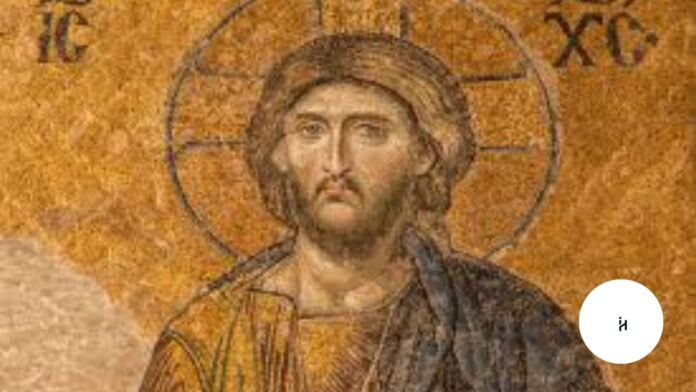
By the 4th century, Christian artists in the Byzantine Empire began creating images of Christ based on existing relics like the Veil of Veronica and the Mandylion. These icons often depicted Jesus with long hair, a beard, and a solemn expression—features that became standard in Christian art.

While these depictions became widespread, the question remains: who painted the first picture of Jesus Christ? Some scholars argue that the Byzantine artists were merely following earlier traditions rather than creating the very first image.

The Shroud of Turin: A Possible Ancient Representation of Jesus

The Shroud of Turin is one of the most mysterious religious relics in history. It is a linen cloth that bears a faint image of a crucified man, which many believe to be Jesus Christ. The origins of the shroud remain unclear, but some historians speculate that it could be one of the earliest depictions of Christ.

If the image was formed miraculously, as some believe, then it would answer the question of who painted the first picture of Jesus Christ—in this case, the image would not have been painted at all, but rather divinely imprinted.

The Catacombs of Rome: Early Christian Art Depictions

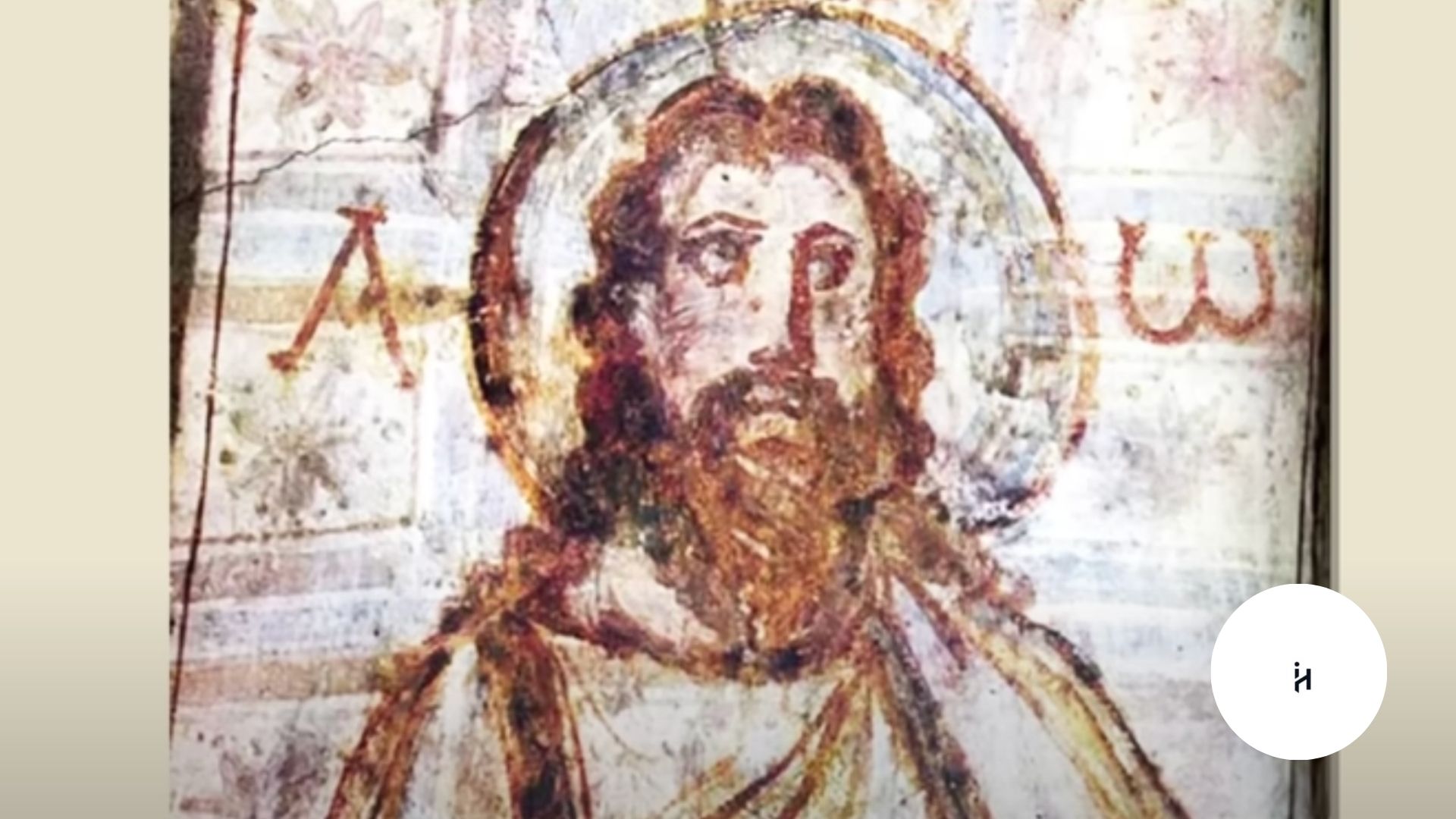
The Roman catacombs, underground burial sites used by early Christians, contain some of the earliest artistic representations of Jesus. These frescoes, dating back to the 2nd and 3rd centuries, often depict Christ as a young shepherd or a teacher.

These images predate the traditional long-haired, bearded Jesus that later became standard. However, none of them can be definitively identified as the first painting of Jesus Christ.

The Influence of Renaissance Artists on Jesus’ Image

During the Renaissance, artists such as Leonardo da Vinci, Michelangelo, and Raphael created some of the most famous depictions of Jesus Christ. Though they were not the first to paint Jesus, their works significantly shaped how modern society visualizes him.

By this time, the question of who painted the first picture of Jesus Christ was largely overshadowed by artistic interpretations that emphasized realism, emotion, and divine beauty.

The Impact of Different Cultures on Jesus’ Appearance

Throughout history, different cultures have portrayed Jesus in ways that reflect their own ethnic and artistic traditions. In Ethiopia, Jesus is often depicted with African features. In China, Christian paintings show Jesus with East Asian characteristics.

This cultural variation shows that while who painted the first picture of Jesus Christ remains a mystery, his image has continuously evolved based on the beliefs and aesthetics of various regions.

Modern Depictions and the Search for Historical Accuracy

Who Painted the First Picture of Jesus Christ?

Today, researchers use historical and forensic methods to reconstruct what Jesus might have actually looked like. Some scientists suggest that Jesus, as a Middle Eastern Jewish man, likely had shorter hair, darker skin, and a robust build—quite different from traditional Western portrayals.

Despite these efforts, the mystery of who painted the first picture of Jesus Christ persists, with no definitive answer in sight.

Conclusion: The Enduring Mystery of Jesus’ First Portrait

The question who painted the first picture of Jesus Christ remains unanswered, lost in history and legend. Whether it was Saint Luke, an unknown Byzantine artist, or a miraculous event like the Veil of Veronica, the first depiction of Christ continues to be a topic of debate.

Regardless of its origins, the image of Jesus Christ has played a crucial role in religious and artistic traditions, inspiring countless believers and artists for over two millennia. The search for the first painting of Jesus may never reach a final answer, but its significance in Christian history remains undeniable.