Home Blog Page 90

Henry VIII Wives in Order and How They Died – A Game of Love, Power, and Tragedy

0
Henry VIII Wives in Order and How They Died

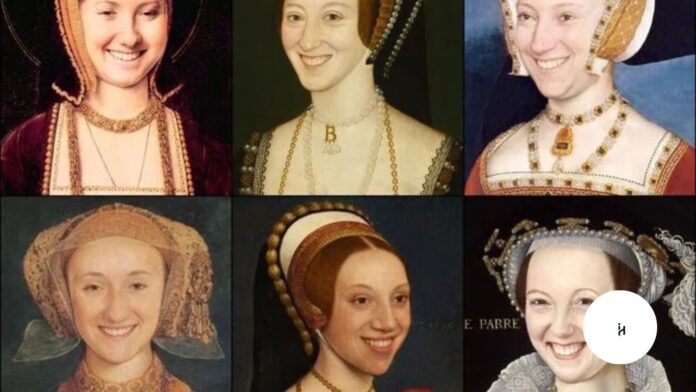
 This blog will explore Henry VIII wives in order and how they died, delving deep into their stories of romance, betrayal, and heartbreak.Henry VIII, one of England’s most famous monarchs, is well known for his six wives and the dramatic fates they met.

His marriages were a mix of political alliances, love affairs, and desperate attempts to secure a male heir. Each wife played a unique role in his life, and their endings were often tragic.

Catherine of Aragon – The Devoted First Queen

Catherine of Aragon was Henry VIII’s first wife and the daughter of Spanish monarchs Ferdinand and Isabella. She was previously married to Henry’s older brother, Prince Arthur, who died shortly after their wedding. When Henry became king, he married Catherine, but their union was plagued by the failure to produce a surviving male heir.

As the years passed, Henry VIII grew frustrated with their marriage. His desire for a son led him to seek an annulment, arguing that Catherine’s previous marriage to Arthur made their union illegitimate. Catherine refused to accept the annulment and was eventually banished from court.

Henry VIII Wives in Order and How They Died

How Did She Die?

Catherine of Aragon died on January 7, 1536, at Kimbolton Castle. Historians believe she died of cancer, though some suspected poisoning. She was buried at Peterborough Cathedral, far from the royal court she once ruled.

Anne Boleyn – The Queen Who Changed England

Anne Boleyn was a lady-in-waiting to Catherine of Aragon before catching Henry’s eye. She refused to become his mistress, insisting on marriage. Henry’s obsession with Anne led him to break from the Catholic Church and create the Church of England to annul his first marriage.

Anne gave birth to Elizabeth (future Queen Elizabeth I) but failed to produce a male heir. As her influence waned, Henry accused her of adultery, incest, and treason—charges that were likely fabricated.

How Did She Die?

Anne Boleyn was executed by beheading on May 19, 1536, at the Tower of London. She was one of the most tragic figures in the history of Henry VIII wives in order and how they died.

Jane Seymour – The Only One Who Gave Henry a Son

Jane Seymour was Anne Boleyn’s lady-in-waiting and quickly became Henry’s new love. They married just days after Anne’s execution. Jane succeeded where her predecessors had failed—she gave birth to Henry’s only legitimate male heir, Edward VI.

How Did She Die?

Jane Seymour died on October 24, 1537, just twelve days after giving birth, due to complications from childbirth. She was the only wife to receive a queen’s burial, as Henry considered her his true wife.

Anne of Cleves – The Queen Who Escaped Henry’s Wrath

Anne of Cleves was a German princess chosen for Henry based on a flattering portrait. However, when they met, Henry found her unattractive and called her the “Flanders Mare.” Their marriage was never consummated, and Henry quickly sought an annulment.

How Did She Die?

Anne of Cleves lived a peaceful life after agreeing to the annulment. She died on July 16, 1557, from natural causes. She was the luckiest of Henry VIII wives in order and how they died because she was spared execution.

Catherine Howard – The Young and Reckless Queen

Catherine Howard was a young cousin of Anne Boleyn. Henry, now overweight and aging, was infatuated with her beauty and energy. However, Catherine had a scandalous past, and when rumors of her affairs surfaced, she was arrested.

How Did She Die?

Catherine Howard was executed by beheading on February 13, 1542, at the Tower of London. She was just 19 years old, making her one of the youngest queens in history to be executed.

Catherine Parr – The Survivor Queen

Catherine Parr was Henry’s sixth and final wife. She was highly educated and helped reconcile Henry with his daughters, Mary and Elizabeth. She also influenced religious reforms in England.

Henry VIII Wives in Order and How They Died

How Did She Die?

Catherine Parr outlived Henry VIII and later married Thomas Seymour. She died on September 5, 1548, from complications of childbirth.

The Tragic Patterns of Henry’s Marriages

A pattern emerges when analyzing Henry VIII wives in order and how they died—many suffered either death, disgrace, or dismissal. His desperate desire for a male heir shaped the fate of these six women, leading to heartbreak and execution.

The Role of the Church in Henry’s Marriages

Henry’s break from the Catholic Church was one of the biggest consequences of his marriages. His need to divorce Catherine of Aragon led to the creation of the Church of England, which still exists today.

The Legacy of Henry VIII’s Wives

Each of Henry VIII wives in order and how they died played a role in shaping England’s history. Their stories are still studied today, showing how power, love, and politics shaped the monarchy.

The Famous Rhyme: Divorced, Beheaded, Died, Divorced, Beheaded, Survived

A famous rhyme helps remember Henry VIII wives in order and how they died:

“Divorced, beheaded, died, divorced, beheaded, survived.”

It’s a grim reminder of the fate that awaited women who became queens of England.

Conclusion: The Game of Love and Power

Henry VIII Wives in Order and How They Died

Henry VIII’s six wives were part of a dangerous game of love, power, and survival. Some were victims of Henry’s cruelty, while others managed to escape with their lives. The story of Henry VIII wives in order and how they died is a powerful reminder of the brutal nature of the Tudor court.

Henry VIII left behind a legacy that shaped England’s history, but it was his wives who suffered the most. Their stories continue to captivate the world, showing that being a queen was not always a fairy tale.
Exploring the Multifaceted Character of Toranaga in “Shōgun”

0
Toranaga

In James Clavell’s epic novel “Shōgun,” the character of Lord Yoshii Toranaga stands as a towering figure whose depth and complexity drive much of the narrative. Inspired by the historical Tokugawa Ieyasu, Toranaga’s portrayal offers readers a window into the intricate world of feudal Japan. This blog delves into various facets of Toranaga’s character, his strategic genius, and his enduring influence within the story.​

Historical Inspiration: Tokugawa Ieyasu

Toranaga’s character is a fictional representation of Tokugawa Ieyasu, one of Japan’s most renowned shōguns. Born in 1543, Ieyasu played a pivotal role in unifying Japan and establishing the Tokugawa shogunate, which ushered in a period of peace lasting over two centuries.

By modeling Toranaga after Ieyasu, Clavell infuses his narrative with historical depth, allowing readers to explore the challenges and triumphs of a leader striving for unity in a fragmented land. This parallel enriches the story, providing a blend of fiction and history that captivates audiences.

Toranaga

Toranaga’s Political Acumen

Toranaga is depicted as a master strategist, adept at navigating the treacherous waters of feudal politics. His ability to anticipate opponents’ moves and counter them effectively showcases his deep understanding of human nature and power dynamics.

Throughout “Shōgun,” Toranaga’s political maneuvers are central to the plot, demonstrating his skill in alliance-building, deception, and long-term planning. His actions reflect the qualities of a leader who values patience and foresight over brute force.

Relationship with John Blackthorne

The interaction between Toranaga and John Blackthorne, an English navigator, serves as a cultural bridge within the narrative. Toranaga recognizes Blackthorne’s potential as a valuable asset in understanding and countering European influences in Japan. Their evolving relationship highlights themes of mutual respect, adaptation, and the blending of Eastern and Western philosophies. Through Blackthorne, readers gain insight into Toranaga’s open-mindedness and strategic use of foreign knowledge to bolster his position.

Toranaga’s Leadership Style

As a leader, Toranaga exemplifies a balance between authority and empathy. He commands loyalty through his unwavering commitment to his followers and his ability to make difficult decisions for the greater good. Toranaga’s leadership is marked by his willingness to listen, adapt, and sometimes manipulate situations to achieve his objectives. This multifaceted approach underscores the complexities of leadership in a volatile political landscape. ​

Toranaga’s Moral Compass

Throughout “Shōgun,” Toranaga’s actions prompt readers to ponder his moral standing. While he engages in deception and ruthless tactics, these are often portrayed as necessary evils in his quest for peace and stability. Toranaga’s internal conflicts and justifications provide a nuanced portrayal of a leader grappling with ethical dilemmas, emphasizing the blurred lines between right and wrong in the pursuit of power. ​

Toranaga’s Family Dynamics

Toranaga’s relationships with his family members add depth to his character. His interactions with his son, Nagakado, and other relatives reveal a personal side often hidden behind his political facade. These familial ties expose vulnerabilities and motivations that influence his decisions, highlighting the personal sacrifices and challenges faced by those in positions of power. ​

Toranaga’s Military Strategies

Toranaga

Beyond political maneuvering, Toranaga’s military strategies are a testament to his brilliance as a tactician. He employs unconventional methods, psychological warfare, and strategic alliances to outmaneuver his enemies. His approach to warfare emphasizes intellect over sheer force, showcasing his ability to adapt and innovate in the face of adversity. ​

Toranaga’s Cultural Sensitivity

Toranaga’s appreciation and understanding of cultural nuances play a significant role in his interactions. He navigates the complexities of Japanese society, traditions, and the influence of foreign entities with a keen awareness. This cultural sensitivity enables him to make informed decisions that resonate with various factions, further solidifying his leadership. ​

Toranaga’s Legacy

The legacy of Toranaga within “Shōgun” mirrors the historical impact of Tokugawa Ieyasu. His efforts lead to a unified Japan and the establishment of a lasting shogunate. Toranaga’s vision and actions set the foundation for a new era, underscoring themes of legacy, change, and the enduring influence of strong leadership. ​

Toranaga in Adaptations

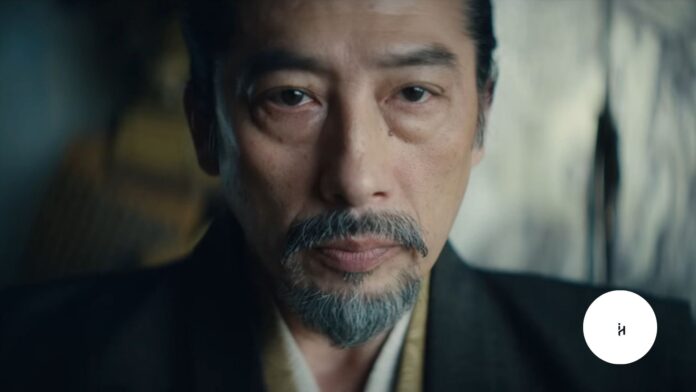
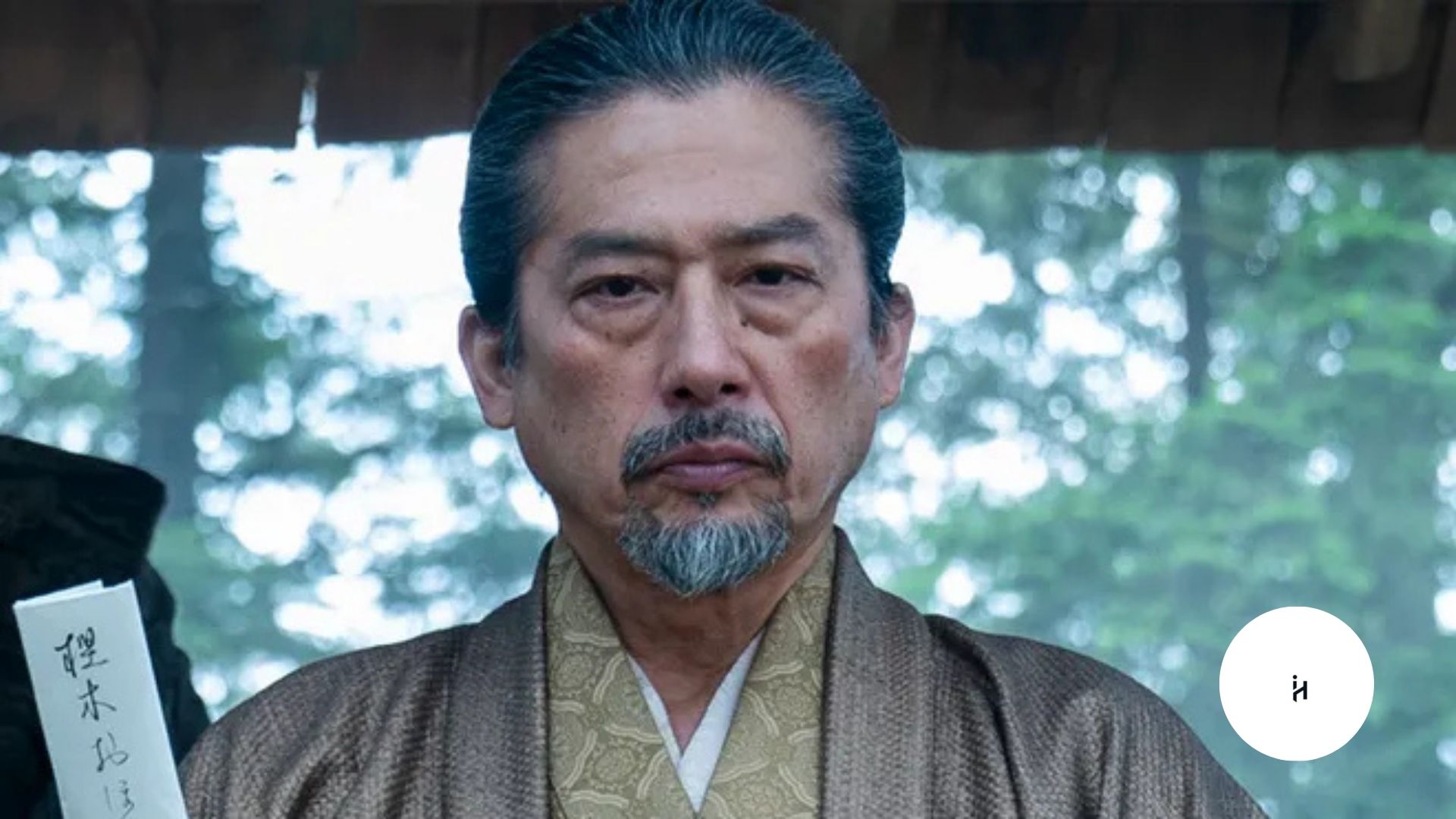
Toranaga’s character has been brought to life in various adaptations of “Shōgun,” each offering a unique interpretation. Notably, Hiroyuki Sanada’s portrayal in the FX limited series captures the essence of Toranaga’s complexity, earning acclaim for its depth and authenticity. These adaptations contribute to the character’s lasting presence in popular culture. ​

Conclusion: The Enduring Fascination with Toranaga

Toranaga’s multifaceted character continues to captivate audiences, offering a rich exploration of leadership, strategy, and morality. His portrayal in “Shōgun” serves as a compelling study of a leader navigating the intricate tapestry of feudal Japan. Through Toranaga, readers and viewers alike are invited to ponder the complexities of power, the sacrifices it demands, and the legacy it

leaves behind. His character is not merely a historical figure or a fictional warrior; he embodies the essence of leadership, resilience, and vision. Toranaga’s journey in Shōgun reflects the timeless struggles of those in power—balancing personal desires with political necessities, loyalty with ambition, and tradition with change.

Even decades after Shōgun was first published, Toranaga remains a character who resonates with readers and viewers alike. His ability to outthink his adversaries, his deep understanding of human nature, and his long-term vision make him one of the most intriguing figures in historical fiction. Whether one sees him as a hero, a ruthless strategist, or a visionary leader, Toranaga’s presence in literature and media is undeniable.

Toranaga

As new adaptations of Shōgun continue to bring Toranaga’s story to modern audiences, his legacy endures. He is a testament to the power of strategy, the weight of leadership, and the timeless nature of political intrigue. Whether you are encountering Toranaga for the first time or revisiting his tale, his story offers lessons that remain relevant across cultures and generations.

Final Thoughts on Toranaga’s Influence

Toranaga’s influence extends beyond the pages of Shōgun. His character serves as a study in power dynamics, diplomacy, and the art of war. By blending historical inspiration with masterful storytelling, James Clavell has created a character who stands among the great leaders of fiction.

His journey from a seemingly disadvantaged position to ultimate power mirrors real-world struggles, making him a source of fascination for history enthusiasts, strategists, and storytellers alike. As we analyze his character, we recognize that his wisdom, patience, and cunning are qualities that define true leadership.

For anyone interested in historical fiction, political intrigue, or the art of strategy, exploring Toranaga’s character is a must. His story reminds us that leadership is not about brute strength alone but about intellect, patience, and the ability to see the bigger picture. Whether in feudal Japan or modern times, the lessons of Toranaga remain as relevant as ever.

Ahoy Hoy: The Forgotten Greeting That Almost Became Standard

0

In the world of greetings, we are all familiar with “Hello,” “Hi,” and “Hey,” but have you ever heard of “Ahoy Hoy”? This phrase, which might sound like a pirate’s call, was actually once a contender for the standard telephone greeting. Today, it remains an interesting historical curiosity, often associated with old-fashioned charm and pop culture references. But where did it come from, and why didn’t it stick?

The phrase “Ahoy Hoy” is not commonly used today, but it has an interesting history rooted in both maritime traditions and early telephone communication. When Alexander Graham Bell, the inventor of the telephone, introduced his revolutionary device, he suggested “Ahoy Hoy” as the standard way to answer a call. However, over time, the more familiar “Hello” took over, leaving “Ahoy Hoy” as a relic of the past.

The Origins of “Ahoy Hoy”

The phrase “Ahoy Hoy” has its roots in nautical traditions. “Ahoy” was commonly used by sailors as a way to signal other ships or call for attention. The term itself dates back to the early 17th century and was widely adopted in maritime settings. Adding “Hoy” to “Ahoy” was not a common practice among sailors, but it became associated with early telephone usage.

Alexander Graham Bell, who had strong connections to the world of communication and sound, believed that “Ahoy Hoy” was a natural fit for answering phone calls. The reason was simple: “Ahoy” was a well-established call for attention, making it a logical choice for a device designed to bridge long distances.

However, Bell’s preferred greeting did not stand the test of time. Instead, “Hello,” which was promoted by Thomas Edison, gained popularity and ultimately became the universal telephone greeting. The reasons for this shift are complex, involving social trends, the rise of business culture, and even phonetic preference.

Why Did Bell Want People to Say “Ahoy Hoy”?

When Alexander Graham Bell invented the telephone in 1876, he had to determine how people should answer a call. Since this was an entirely new form of communication, there was no existing standard. Bell, inspired by nautical terminology, believed “Ahoy Hoy” was the best choice.

Bell’s reasoning was based on clarity and tradition. “Ahoy” was already used to get someone’s attention from a distance, making it a logical way to begin a conversation over a telephone. The repetition of “Hoy” may have been an attempt to make the phrase sound more natural or to reinforce its importance.

Unfortunately for Bell, his suggestion did not gain widespread acceptance. Instead, Thomas Edison promoted “Hello” as the ideal telephone greeting. The word “Hello” was already in use as an exclamation to express surprise or to get someone’s attention. Since Edison’s telephone models became more commercially successful, his preferred greeting won out.

The Rise of “Hello” Over “Ahoy Hoy”

The battle between “Ahoy Hoy” and “Hello” was not one of direct confrontation but rather of practical use. While Bell suggested “Ahoy Hoy,” Edison found “Hello” more suitable for business communication. He encouraged its use in the telephone exchanges he developed.

One of the key reasons for the dominance of “Hello” was the growing popularity of switchboard operators. These operators needed a quick and efficient way to greet callers, and “Hello” was shorter, simpler, and already understood by the general public. Over time, it became the preferred choice, pushing “Ahoy Hoy” into obscurity.

By the late 19th and early 20th centuries, “Hello” was firmly established as the standard greeting. “Ahoy Hoy” remained known primarily as a historical footnote, only occasionally used by enthusiasts and historians.

Ahoy Hoy in Pop Culture

Despite its decline in everyday language, “Ahoy Hoy” has not been completely forgotten. It has made occasional appearances in pop culture, keeping its legacy alive. One of the most famous modern references comes from the animated TV series The Simpsons. The character Montgomery Burns, an elderly and eccentric billionaire, answers his phone with “Ahoy Hoy,” reflecting his outdated mannerisms.

This comedic use of “Ahoy Hoy” highlights its association with the past. It serves as a humorous reminder that language evolves and that once-popular phrases can become relics of history. Other shows, books, and movies have also referenced “Ahoy Hoy,” often as a way to signify a character’s old-fashioned nature.

The Linguistic Charm of “Ahoy Hoy”

One reason people are still fascinated by “Ahoy Hoy” is its unique sound and charm. Unlike “Hello,” which is straightforward and neutral, “Ahoy Hoy” has a playful and somewhat theatrical quality. The double repetition of “Hoy” gives it a rhythmic feel, making it stand out.

In an era where people seek ways to differentiate themselves in communication, some have even started using “Ahoy Hoy” ironically or as a nostalgic callback to history. This playful use keeps the phrase from fading entirely.

Modern Usage and Revivals of “Ahoy Hoy”

Although “Ahoy Hoy” is not a standard greeting, some people still use it in specific contexts. In certain online communities, retro enthusiasts, and even some phone greeting apps, “Ahoy Hoy” is making a small comeback.

Social media platforms have also played a role in its revival. Memes and humorous references to “Ahoy Hoy” circulate occasionally, reminding people of this forgotten greeting. Some creative individuals even use it as their preferred way to answer calls, adding a quirky and unique touch to their interactions.

Why Do Some People Still Prefer “Ahoy Hoy”?

For those who still use “Ahoy Hoy,” the reasons vary. Some enjoy its historical significance, while others like the uniqueness it brings to conversations. Unlike “Hello,” which is universally expected, using “Ahoy Hoy” can serve as a conversation starter.

In professional or formal settings, “Ahoy Hoy” might not be suitable, but among friends, it can add a fun and unexpected twist to communication.

Could “Ahoy Hoy” Ever Replace “Hello”?

It is unlikely that “Ahoy Hoy” will ever replace “Hello” as the standard greeting. However, language is constantly evolving, and trends sometimes resurface. While “Hello” dominates, “Ahoy Hoy” remains a fascinating relic that occasionally enjoys small revivals.

Fun Ways to Incorporate “Ahoy Hoy” in Daily Life

If you want to bring “Ahoy Hoy” back into use, try answering your phone with it, incorporating it into emails, or using it as a fun greeting among friends.

Conclusion: The Lasting Legacy of “Ahoy Hoy”

Although “Ahoy Hoy” lost the battle to “Hello,” its story remains an interesting chapter in linguistic history. Whether used in jest, nostalgia, or genuine appreciation, this forgotten greeting still has a charm that refuses to fade entirely.

For Amazing Updates Keep Visiting ImaginaryHistory.

Famous Vikings: Legends of the Norse Warriors

0
Famous Vikings

The Viking Age (793–1066 AD) was a time of conquest, exploration, and trade led by fierce Scandinavian warriors. The famous Vikings left a lasting legacy, shaping European history and inspiring myths, sagas, and even modern media. From legendary kings to ruthless raiders, these warriors were more than just pirates—they were rulers, explorers, and traders who changed the world. In this blog, we’ll explore 11 of the most famous Vikings, detailing their achievements, battles, and influence.

Ragnar Lothbrok – The Legendary Viking King

Ragnar Lothbrok is one of the most famous Vikings, known for his legendary raids and conquests. He was said to be a descendant of Odin, the Norse god of war, which made him a feared and respected leader. His most famous raids included attacks on France and England, particularly the siege of Paris in 845 AD. The Frankish King Charles the Bald had to pay a massive ransom to make Ragnar leave.

According to sagas, Ragnar was married to shieldmaiden Lagertha and later to Aslaug, with whom he had famous sons like Bjorn Ironside and Ivar the Boneless. His dramatic death—being thrown into a pit of snakes by King Ælla of Northumbria—has been retold in countless legends. Ragnar’s life is shrouded in myth, but his legacy as one of the most famous Vikings endures.

Famous Vikings

Bjorn Ironside – The Fearless Viking Explorer

Bjorn Ironside, son of Ragnar Lothbrok, became one of the most famous Vikings for his incredible raids and explorations. He led daring voyages across the Mediterranean, reaching as far as Italy and North Africa. His most famous raid was on the city of Luni in Italy, where he tricked the locals into believing he was dead, gaining entry, and then launching a devastating attack.

Bjorn was a skilled leader who helped establish Viking settlements in France and England. His influence continued long after his death, inspiring Viking warriors for generations.

Ivar the Boneless – The Cunning Strategist

Ivar the Boneless, another son of Ragnar Lothbrok, was known for his intelligence and ruthless tactics. Despite suffering from a mysterious condition that left him unable to walk, Ivar became one of the most famous Vikings, leading the Great Heathen Army against England in 865 AD.

His most infamous act was the brutal execution of King Ælla, who had killed his father. Ivar was a master tactician who used psychological warfare and strategic deception to defeat his enemies. His name still strikes fear in history books.

Erik the Red – The Founder of Greenland

Erik the Red was one of the most famous Vikings, known for discovering and settling Greenland. Exiled from both Norway and Iceland for murder, he set sail westward and found a vast, uncharted land, which he named Greenland to attract settlers.

Erik’s colony thrived for centuries, proving his vision and leadership. His son, Leif Erikson, would later become even more famous for discovering North America.

Leif Erikson – The Viking Who Discovered America

Leif Erikson, son of Erik the Red, is one of the most famous Vikings for being the first European to set foot in North America, around 500 years before Christopher Columbus. He called it Vinland, believed to be modern-day Newfoundland, Canada.

His journey marked a significant moment in history, proving that Vikings were master navigators who reached distant lands before most other civilizations.

Harald Hardrada – The Last Great Viking King

Harald Hardrada was a fearsome warrior and one of the most famous Vikings, known for his military brilliance. Before becoming King of Norway, he fought as a mercenary in the Byzantine Empire, earning a reputation as an elite fighter.

His most famous battle was in 1066 at Stamford Bridge, where he tried to claim the English throne. Although he was defeated, his daring attempt marked the end of the Viking Age.

Rollo – The Viking Who Became a Duke

Rollo was a legendary Viking warrior who became the first ruler of Normandy in France. He led brutal raids along the French coast before being granted land by King Charles the Simple in exchange for protection.

His descendants, including William the Conqueror, played a crucial role in European history. Rollo’s transformation from a raider to a nobleman makes him one of the most famous Vikings in history.

Famous Vikings

Freydis Eiríksdóttir – The Fearless Viking Woman

Freydis Eiríksdóttir, daughter of Erik the Red, was one of the most famous Vikings due to her fearless and violent nature. She joined her brother Leif Erikson on voyages to North America but was known for her own brutal leadership.

During one battle with indigenous people, she famously fought while pregnant, showing unmatched courage. Her story highlights the important role Viking women played in history.

Sigurd Snake-in-the-Eye – The Viking with a Prophetic Mark

Sigurd Snake-in-the-Eye, another son of Ragnar Lothbrok, was one of the most famous Vikings for his role in leading Viking expansion across Europe. His name came from a unique mark in his eye, believed to be a sign of greatness.

He played a key role in avenging his father’s death and expanding Viking influence in England and Scandinavia. His leadership and warrior skills made him a legendary figure.

Gunnar Hamundarson – The Noble Viking Warrior

Gunnar Hamundarson was a heroic figure in Norse sagas, known for his unmatched combat skills and noble character. He was one of the most famous Vikings in Icelandic history, featuring prominently in the Njál’s Saga.

Despite being a fierce warrior, Gunnar was known for his kindness and honor. His tragic death, refusing to flee even when surrounded by enemies, made him a legendary figure in Viking history.

Egill Skallagrímsson – The Warrior Poet

Egill Skallagrímsson was one of the most famous Vikings, known for being both a brutal warrior and a gifted poet. He fought in many battles across Scandinavia and England while composing powerful poems about war and fate.

His saga, Egil’s Saga, tells of his wild adventures, showing that Vikings were not just fighters but also artists and thinkers. His unique combination of strength and intelligence made him a fascinating historical figure.

Famous Vikings

Conclusion: The Legacy of the Famous Vikings

The famous Vikings were more than just warriors—they were explorers, kings, strategists, and even poets. Their fearless spirit, ambition, and skill shaped history, influencing modern culture, literature, and even gaming. Whether conquering distant lands or inspiring epic sagas, their legacy lives on, proving that the Viking Age was one of the most dynamic periods in history.