Home Blog Page 9

Cam Akers: Career, Challenges, and NFL Journey

0
Cam Akers

Cam Akers is a professional American football running back whose journey has had high peaks and tough setbacks. From a standout college career at Florida State to battling injuries and navigating trades in the NFL, Akers’ story is one of resilience and persistence.

In this blog, we will examine his early years, college performance, draft experience, professional stints, challenges with injuries, statistical achievements, and outlook going forward. Each heading dives into a key phase of his life or career, providing real information without fluff or filler.

Early Life and High School Beginnings
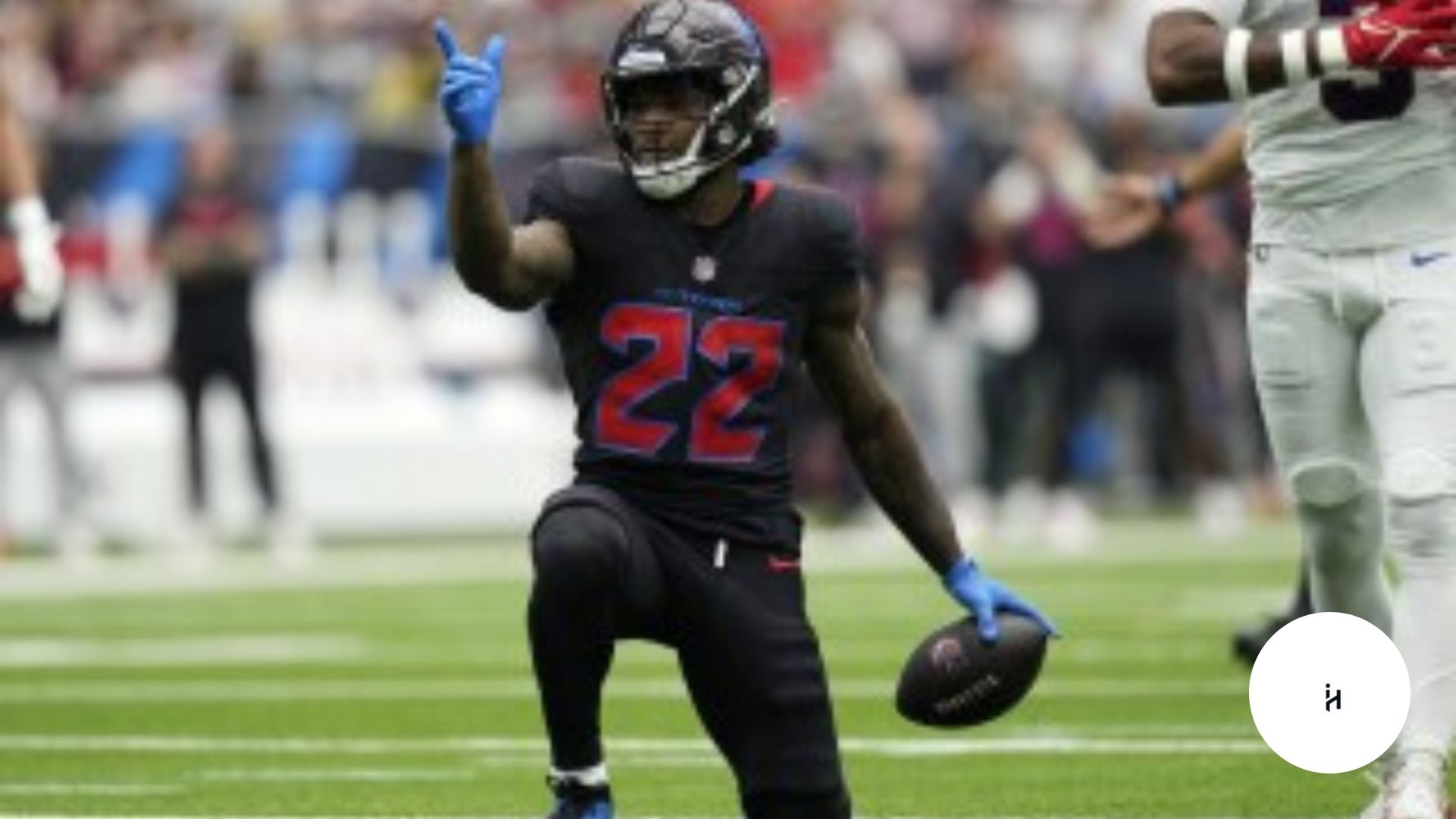
Cam Akers

Cam Akers was born on June 22, 1999, in Jackson, Mississippi. He attended Clinton High School, where he played both running back and sometimes lined up in other roles. His versatility and athleticism showed early.

He piled up impressive yardage and touchdowns during his high school years, gaining attention from college recruiters. He was ranked as a highly rated recruit in his class. That strong high school performance laid the foundation for his college selection and put him on the radar of major football programs.

Choosing Florida State and College Commitment

Akers is committed to Florida State University, a school with a rich football tradition. His decision was influenced by the coaching staff, the opportunity to play early, and system fit.

At Florida State, he would compete in the Atlantic Coast Conference (ACC), facing tough defenses and gaining exposure. The commitment to FSU allowed him to showcase his talents on a national stage, and he gradually became one of the more consistent backs in their offense. His time at FSU would define much of his early football identity.

College Career and Breakout Stats

During his three seasons at Florida State (2017–2019), Akers produced impressive numbers. In his freshman year, he rushed for over 1,000 yards, breaking the previous freshman record at FSU.

Over his college tenure, he accumulated 2,875 rushing yards and 27 rushing touchdowns. He also contributed as a receiver, adding to his versatility. In his final season, he posted 1,144 rushing yards and 14 touchdowns, earning Second-Team All-ACC honors. Wikipedia His consistent output made him one of the top backs in college football.

Entering the NFL: Draft and Expectations

In the 2020 NFL Draft, Cam Akers was selected by the Los Angeles Rams in the second round, 52nd overall. Expectations were high. Analysts viewed him as among the better running back prospects in that draft class. He was supposed to bring fresh energy to the Rams’ backfield, complementing their offensive scheme. With his college track record, the league expected him to adapt, show durability, and become a consistent contributor at the pro level.

Rookie Season with the Rams
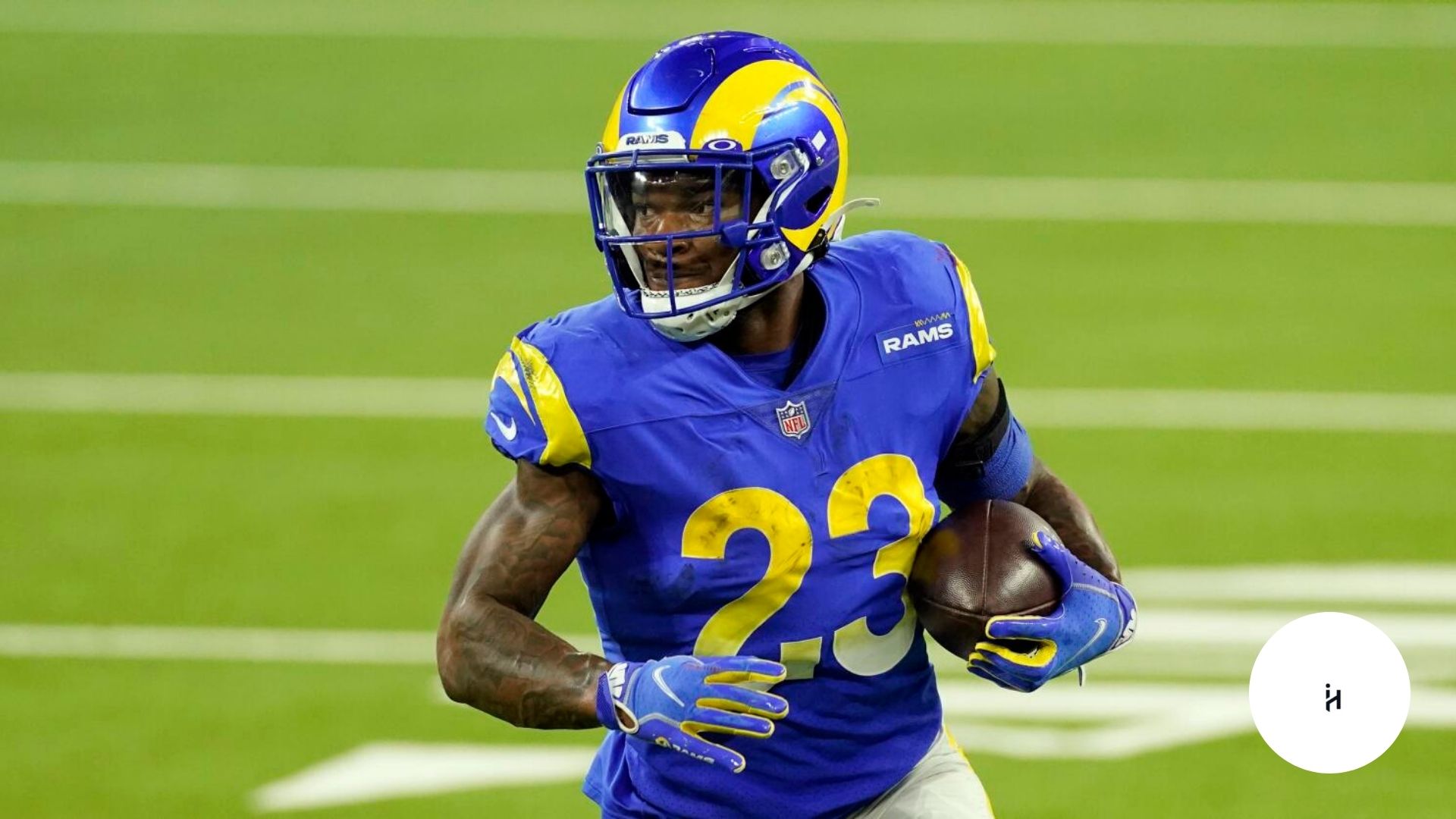
Cam Akers

In his rookie 2020 season, Akers played in 13 games. He handled 145 rushing attempts for 625 yards and scored 2 touchdowns. He also caught passes out of the backfield, showing his receiving utility. The Rams utilized him in various situations, letting him show burst between the tackles and on outside runs. While he wasn’t a workhorse every game, he demonstrated flashes of explosiveness and promise for future seasons.

Achilles Injury and Recovery Struggle

A turning point in Akers’ career came in the 2021 preseason when he tore his Achilles tendon. That injury sidelined him for most of the season. Recovery from an Achilles tear is notoriously difficult, especially for a running back whose game depends on explosive cuts and lower-body strength. His rehab was long and demanding. Returning to peak form was going to test his mental resilience, work ethic, and support system.

Return, Limited Usage, and Role Changes

After his recovery, Akers returned to the roster but found his role reduced. He often shared carries or was used situationally rather than being the featured back. His snap counts varied, and he had to fight for playing time amidst competition and the lingering effects of injury. The period tested his ability to adapt to reduced roles and to maximize opportunities when they arose. He demonstrated perseverance, even when he wasn’t the primary back.

Trade to Minnesota and Team Transitions

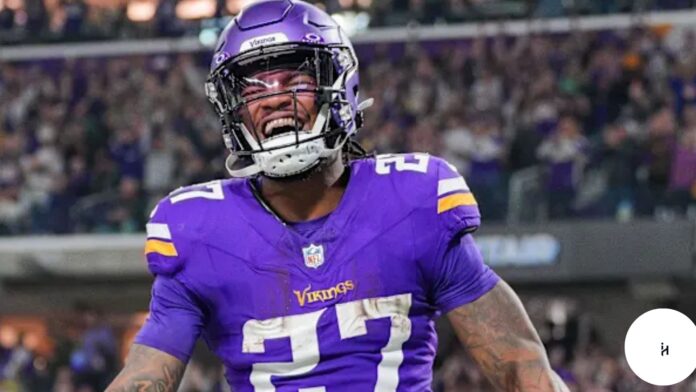
In September 2023, the Rams traded Cam Akers to the Minnesota Vikings (along with a conditional pick) in exchange for a conditional pick. The move gave him a fresh start in a new offense.

Later, in 2024, he briefly signed with the Houston Texans before being traded back to the Vikings that same year. These transitions reflected both teams’ shifting needs and Akers’ unsettled role in the league. He had to adapt to new playbooks, coaching styles, and expectations in short spans.

Career Statistics and Noteworthy Achievements
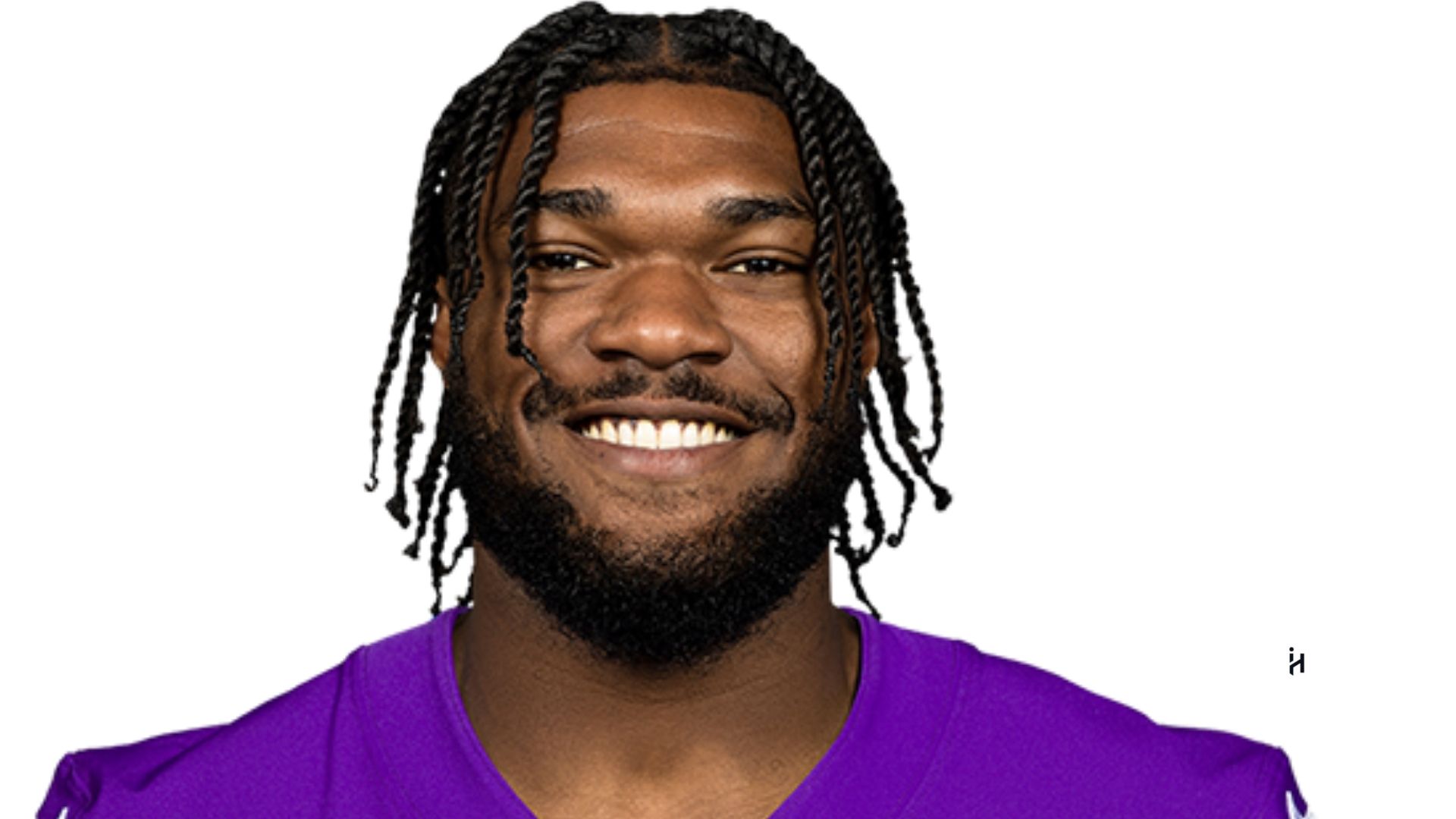
Cam Akers

To date, Cam Akers has compiled over 2,000 rushing yards, scored 13 rushing touchdowns, caught 52 passes for 388 receiving yards, and added 4 receiving touchdowns. He helped the Rams win Super Bowl LVI during his time there, earning a ring. His college records, especially breaking freshman rushing marks at FSU, remain part of his legacy. His statistical achievements reflect both his talent and the obstacles he’s faced.

Challenges Beyond the Field: Mental & Physical Tests

Injuries are only part of Akers’ challenge. The mental strain of recovery, shifting teams, and uncertainty about his role weigh heavily on any athlete. He has had to maintain motivation, rebuild confidence, and stay prepared even when opportunities were few. Physically, each new team meant adjusting to new conditioning programs, medical staff, and play style demands. Through these trials, Akers’ character and resolve have become as defining as his on-field work.

Outlook and Future Prospects

Going forward, Cam Akers’ future depends on his health, consistency, and how teams view his potential. If he can stay injury-free and show flashes during opportunities, he might regain a more stable role as a reliable rotational or feature back.

He still has time to reshape his narrative. Coaches looking for experience, versatility, and a player who has been tested might see value in him. The next season or two could decide whether he becomes a comeback story or remains a role player in the league.

For Amazing Updates, Keep Visiting ImaginaryHistory.

Theo Johnson: Rise of a Canadian NFL Tight End

0
Theo Johnson

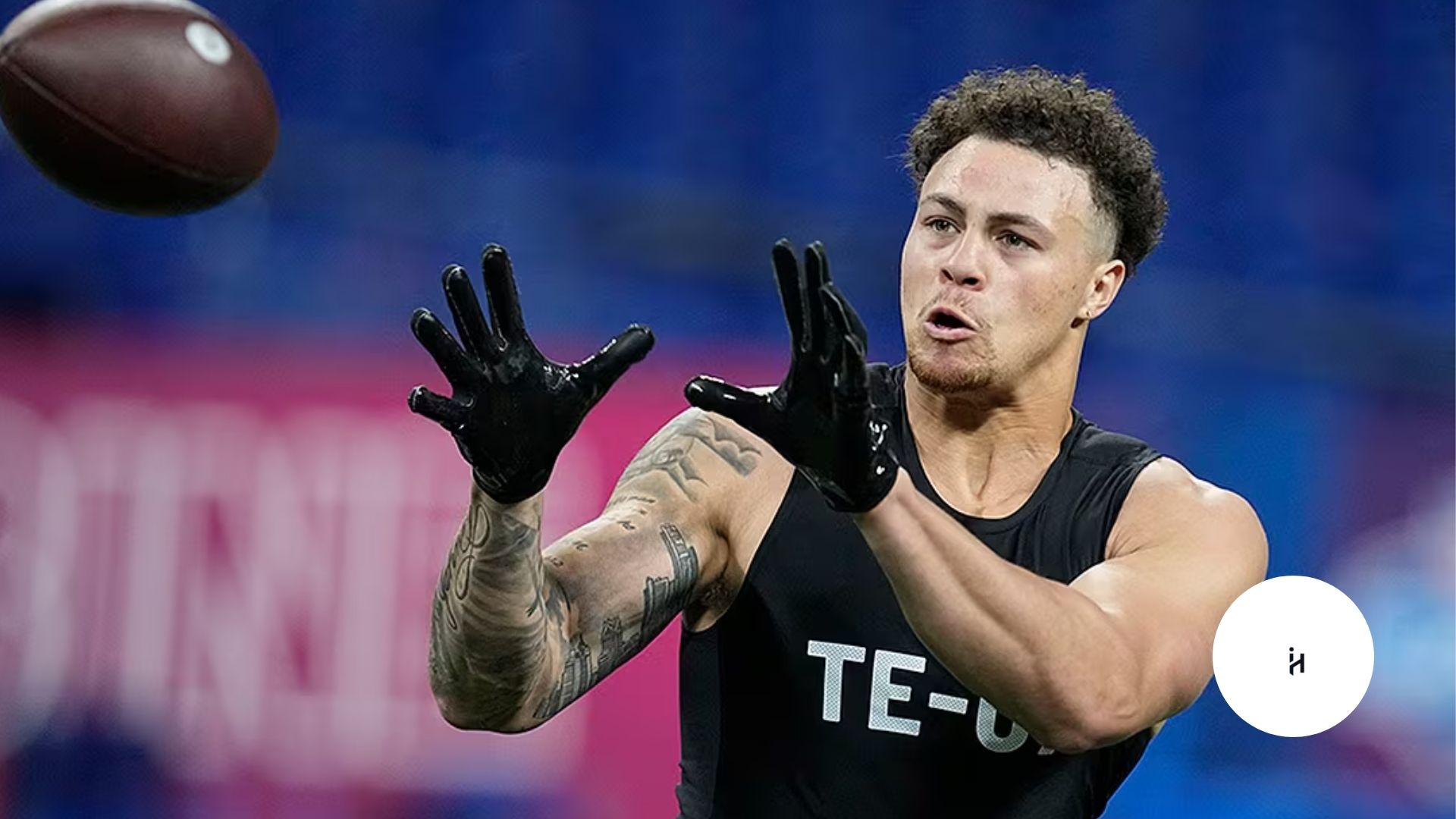
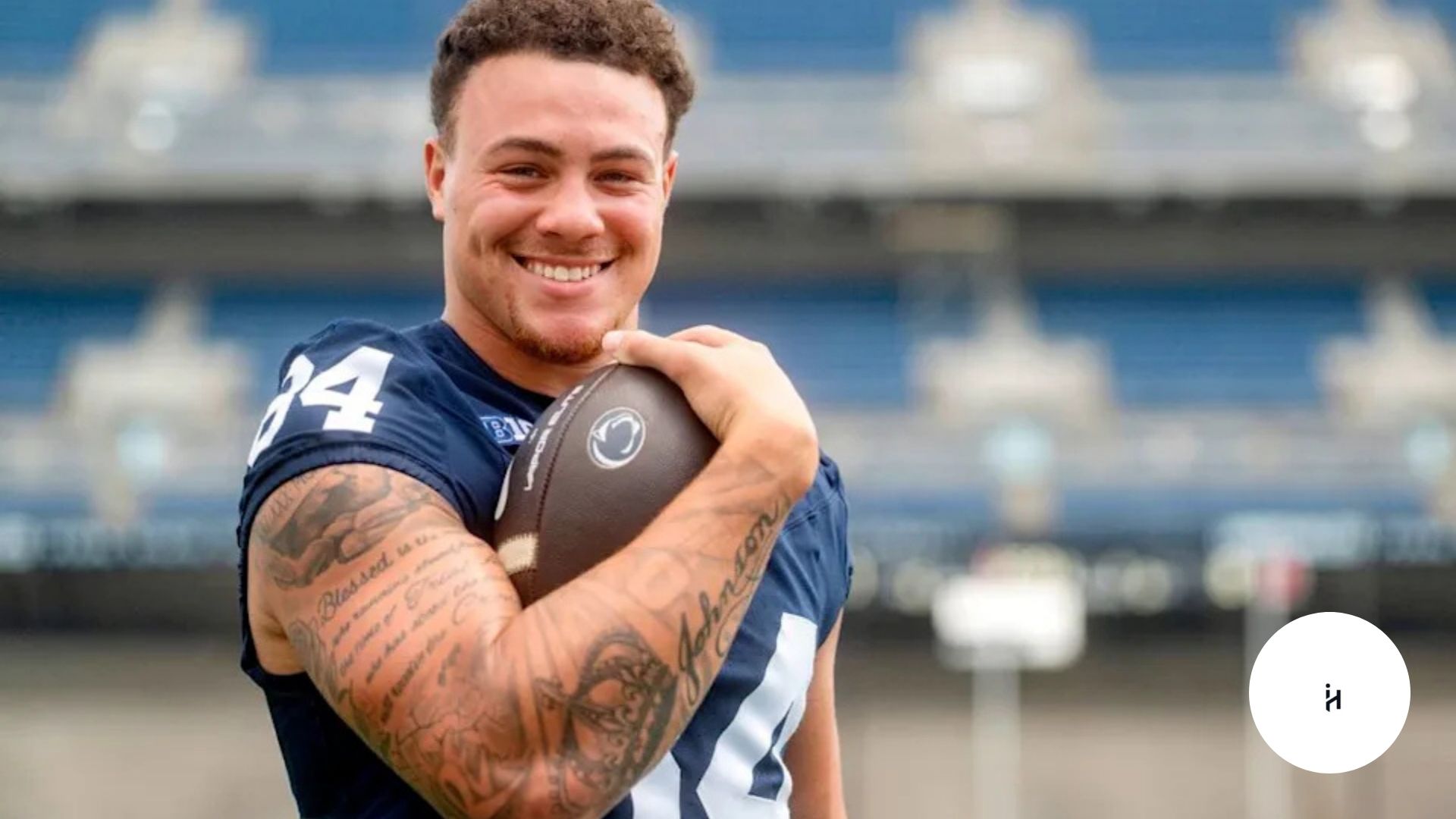
Theo Johnson is a Canadian-born athlete who has made his mark in American football as a tight end for the New York Giants. From his early years in Manitoba and Ontario to college success at Penn State, Johnson’s life is one of ambition and resilience.

He has navigated personal challenges, transformed his game, and earned his spot in the NFL. In this blog, you’ll read about his upbringing, football milestones, character, setbacks, and what the future may hold.

Early Life and Family Background

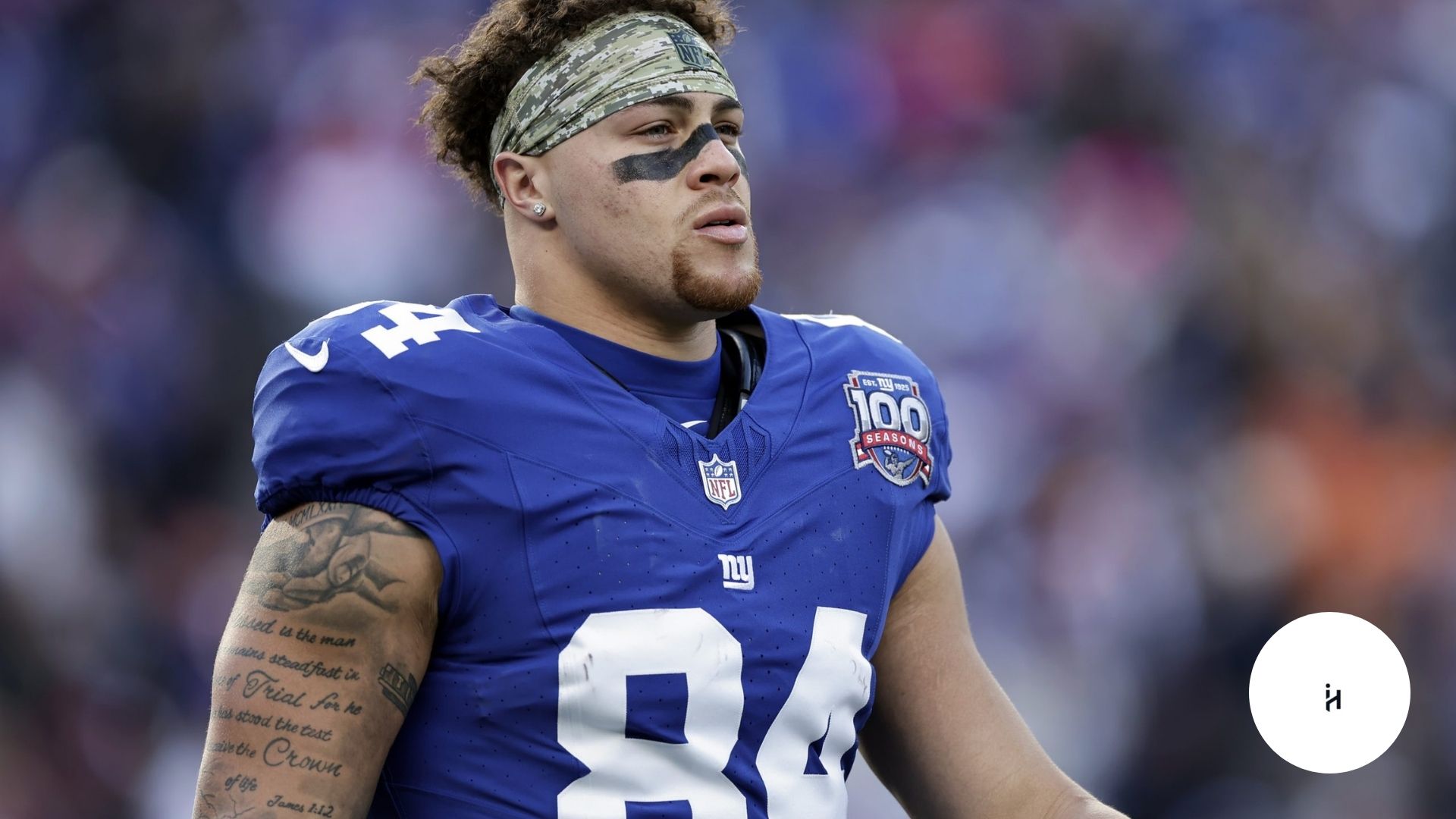
Theo Johnson

Theo Johnson was born on February 26, 2001, in Winnipeg, Manitoba. His family later moved to Windsor, Ontario, where he and his brothers grew up. His mother, Amy Johnson, played a vital role in raising six sons largely on her own and eventually became a lawyer. His father, Nate Johnson, faced legal issues related to domestic violence allegations. Through adversity, Theo observed strength, sacrifice, and determination within his household. These foundations shaped his work ethic and perspective on life.

High School Years and Athletic Beginnings

In Windsor, Theo attended Holy Names High School, where he began playing football. Originally a wide receiver during his early high school years, he later transitioned to tight end—a change that suited his size and skill set. He helped his high school team win regional championships and gained recruiting attention. In his senior year, he earned recognition as a four-star recruit, drawing offers from major college football programs.

College Career at Penn State

Theo Johnson committed to Penn State, where he played from 2020 through 2023. As a freshman, he caught 4 passes for 56 yards. In his sophomore year, he improved to 19 receptions, 213 yards, and one touchdown. During his junior year, he contributed as Penn State’s second tight end, totaling about 20 catches for 328 yards and 4 touchdowns. His steady progression, pass-catching ability, and blocking skills boosted his draft projection.

NFL Draft and Professional Entry

In the 2024 NFL Draft, Theo Johnson was selected by the New York Giants in the fourth round, 107th overall. Simultaneously, he was drafted by the BC Lions in the Canadian Football League’s 2024 draft (71st overall). He chose to focus on the NFL opportunity and began his professional career in New York. His draft status reflected confidence in his combination of size, athleticism, and versatility.

Rookie Season Highlights and Challenges

As a rookie in 2024, Johnson played in 12 games and started 11 of them. He recorded 29 receptions for 331 yards and one touchdown, making his total yards the fifth highest for a Giants rookie tight end. He suffered a foot injury late in the season, forcing him into injured reserve and ending his campaign prematurely. Before the injury, he had been gaining momentum and increasing involvement in the offense.

Physical Profile, Strengths and Skills

Theo Johnson

Theo Johnson stands 6 feet 6 inches tall and weighs 264 lbs. He possesses a large catch radius and enough athleticism to run intermediate routes, making him a mismatch for defenders. Johnson is also competent as a blocker, an essential trait for tight ends in NFL schemes. Scouts have praised his combination of size, movement, and developmental upside.

Personal Challenges and Inspiration

Theo’s childhood wasn’t without hardship. His mother, Amy, endured an abusive relationship and ultimately left it to provide a safer life for her children. Amy later pursued higher education while raising six boys, showing resilience and determination. Theo has a tattoo reading “Family over Everything” as a tribute to her sacrifices. He often speaks of his mother as his guiding force and inspiration, both on and off the field.

Role on the Giants — Present and Future

With the departure of veteran tight ends and the evolving offense in New York, Johnson has the opportunity to be a focal piece. Analysts consider him a potential X-factor in the Giants’ offense, especially if he can stay healthy. His ability to block and run routes makes him viable in multiple personnel groupings. If he continues to improve consistency and stay on the field, his target share could grow significantly.

Injury Concerns and Recovery Outlook

Theo Johnson

The foot injury that sidelined Johnson late in 2024 raises concerns about durability. Reports suggest he enters the 2025 season with an undisclosed injury, which could delay his preparation for Week 1. Recovery and conditioning will be crucial for maintaining his trajectory. If he returns fully healthy, he can still solidify his role; if setbacks persist, his upward momentum may slow.

Off-Field Character and Community

Off the field, Johnson is known for gratitude and humility. He often credits his mother and family for shaping his attitude. He also gives back by coaching youth football and engaging with community causes. His story has resonated with many, and media features have highlighted his perseverance in the face of adversity. Through interviews and narratives, he emphasizes character, responsibility, and continuous growth.

Looking Ahead: What the Future May Hold

As Theo Johnson enters his second NFL season, expectations are high. If he remains healthy and refines his consistency, he could emerge as a top tight end threat in the league. The Giants’ evolving offense may lean more on tight ends, giving him more targets and responsibilities. Long term, he might develop into a reliable two-way tight end, contributing in both blocking and passing schemes. His journey still holds many chapters, and fans will watch closely as he competes to fulfill his potential.

For Amazing Updates, Keep Visiting ImaginaryHistory.
The Life and Legacy of Arthur Jones – The Fitness Innovator

0
Arthur Jones

Introduction: Who Was Arthur Jones?

Arthur Jones was an American inventor, entrepreneur, and fitness pioneer best known for creating the Nautilus exercise machines. Born in 1926, Jones transformed the fitness industry with his revolutionary approach to strength training and exercise efficiency.

His innovations changed how people viewed muscle development and training intensity. He believed in science-based fitness and spent decades studying human performance.

His unique ideas led to the rise of the High-Intensity Training (HIT) movement. Jones’ methods continue to influence modern exercise science, making him one of the most significant figures in fitness history.

Arthur Jones

Early Life and Background of Arthur Jones

Arthur Jones was born in Arkansas in 1926 and grew up with a deep curiosity about biology and mechanics. His early fascination with wildlife and engineering later shaped his ideas about human anatomy and physical conditioning.

Before becoming known in the fitness world, he worked as a filmmaker, aviator, and animal collector. His adventurous life gave him a broader understanding of motion, strength, and muscle function.

These experiences formed the foundation for his future innovations in exercise equipment. The early life of Arthur shows how curiosity and experimentation guided his lifelong mission to improve human performance.

The Birth of Nautilus – Revolutionizing Fitness Equipment

Arthur Jones founded Nautilus, Inc. in the early 1970s, introducing a new generation of exercise machines that transformed the fitness industry. The Nautilus machines used a unique cam design that provided variable resistance through a full range of motion, matching the body’s natural strength curve.

This innovation made workouts more effective and safer compared to free weights. he design principles emphasized efficiency and proper muscle engagement. Nautilus equipment quickly gained popularity in gyms worldwide.

The company’s success established Arthur Jones as a visionary who merged engineering and anatomy to create smarter training methods.

High-Intensity Training (HIT) – Arthur Jones’ Exercise Philosophy

Arthur Jones developed the High-Intensity Training (HIT) concept, which focused on performing short, intense, and infrequent workouts for maximum results. He argued that most people overtrained and wasted effort.

His philosophy suggested that a few properly executed, intense sets were more beneficial than long, repetitive sessions. HIT encouraged maximum effort and controlled movements to stimulate muscle growth effectively.

He tested and refined these ideas through scientific research and athlete training. Many professional bodybuilders, including Mike Mentzer, adopted his principles. Even today, HIT remains a popular approach for individuals seeking efficient and result-driven fitness routines.

Arthur Jones and His Impact on Bodybuilding

Arthur Jones played a major role in shaping modern bodybuilding techniques. Before his innovations, most training relied on free weights and high-volume workouts. With the introduction of Nautilus machines and HIT philosophy, he provided bodybuilders with a more scientific and effective approach to training.

Many top athletes of the 1970s and 1980s, including Casey Viator and Sergio Oliva, used his methods to improve performance. His emphasis on intensity and recovery changed how professionals structured their workouts. His influence continues to be seen in gyms worldwide, proving his lasting legacy in bodybuilding.

Arthur Jones

The Relationship Between Arthur Jones and Mike Mentzer

Arthur Jones and Mike Mentzer, a professional bodybuilder, shared a close professional relationship based on their belief in High-Intensity Training. Mentzer became one of the most prominent advocates of Jones’ training system, refining and promoting HIT throughout his career.

The two collaborated on several fitness experiments, demonstrating the effectiveness of brief, intense workouts. He admired Mentzer’s scientific mindset and disciplined approach.

Their partnership helped spread HIT principles beyond Nautilus and into mainstream fitness culture. The mutual respect and shared vision between him and Mike Mentzer remain a key chapter in strength training history.

Arthur Jones’ Other Inventions and Business Ventures

Apart from Nautilus, Arthur Jones was an inventor with wide-ranging interests. He created the MedX machines, advanced medical and rehabilitation equipment designed to improve spinal health and muscular strength.

His engineering creativity extended beyond fitness; Jones also developed aircraft and filmed wildlife documentaries. As an entrepreneur, he invested in aviation and animal preservation projects, including his private zoo in Florida.

His curiosity and passion for innovation made him a true pioneer in multiple fields. Arthur Jones’ diverse ventures reflected his belief in combining science, technology, and nature to enhance human understanding and well-being.

Arthur Jones’ Personal Life and Fascination with Wildlife

. He had a remarkable personal life filled with adventure and exploration. He was passionate about wildlife, often traveling to Africa and South America to study and film exotic animals.

His love for nature led him to establish animal reserves and rescue programs. Jones owned a private aircraft fleet, which he used for both business and animal transportation.

Despite his fame in the fitness world, Arthur Jones preferred living away from public attention, focusing instead on his research and conservation efforts. His adventurous lifestyle mirrored his creative spirit and deep curiosity about the natural world.

Controversies and Criticism Around Arthur Jones’ Methods

Although Arthur Jones revolutionized fitness, his methods were not without controversy. Many traditional trainers criticized his HIT philosophy, arguing it oversimplified training principles.

Some viewed his strong opinions as confrontational, especially his public criticism of conventional bodybuilding techniques. However, Jones remained confident in his scientific approach and continued to test his theories through research.

Despite criticism, his work forced the fitness community to reconsider long-held beliefs about exercise volume and recovery. His willingness to challenge norms contributed to his reputation as both a rebel and a revolutionary thinker in the fitness industry.

Arthur Jones

Later Years and Passing of Arthur Jones

In his later years, Arthur Jones retired from active business but continued to influence fitness enthusiasts and researchers. He sold Nautilus in the mid-1980s but remained involved in developing MedX equipment.

Even in retirement, his writings and lectures inspired new generations of trainers and scientists. Arthur Jones passed away in 2007 at the age of 80, leaving behind a legacy of innovation and discovery.

His ideas continue to shape modern strength training, rehabilitation, and fitness philosophy. Today, he is remembered not just as an inventor but as a visionary who changed how people train.

The Enduring Legacy of Arthur Jones in Modern Fitness

Arthur Jones’ legacy remains deeply embedded in today’s fitness world. His inventions laid the foundation for modern resistance training machines and evidence-based exercise programs.

Concepts like variable resistance and high-intensity training have become essential parts of contemporary fitness routines. Many modern fitness machines still use principles derived from Arthur Jones’ designs.

His influence extends beyond gyms, shaping rehabilitation and sports science as well. Decades after his passing, trainers, athletes, and researchers continue to study and apply his ideas. His work proves that innovation and scientific thinking can forever transform human performance.

For Amazing Updates, Keep Visiting ImaginaryHistory.
Diego Pavia Parents: Roel Pavia and Antoinette Padilla

0
Diego Pavia family

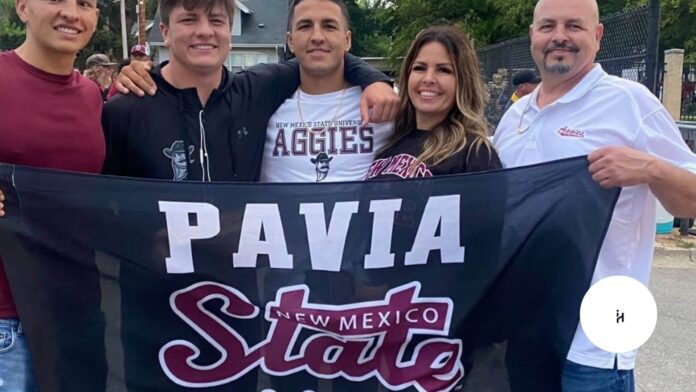
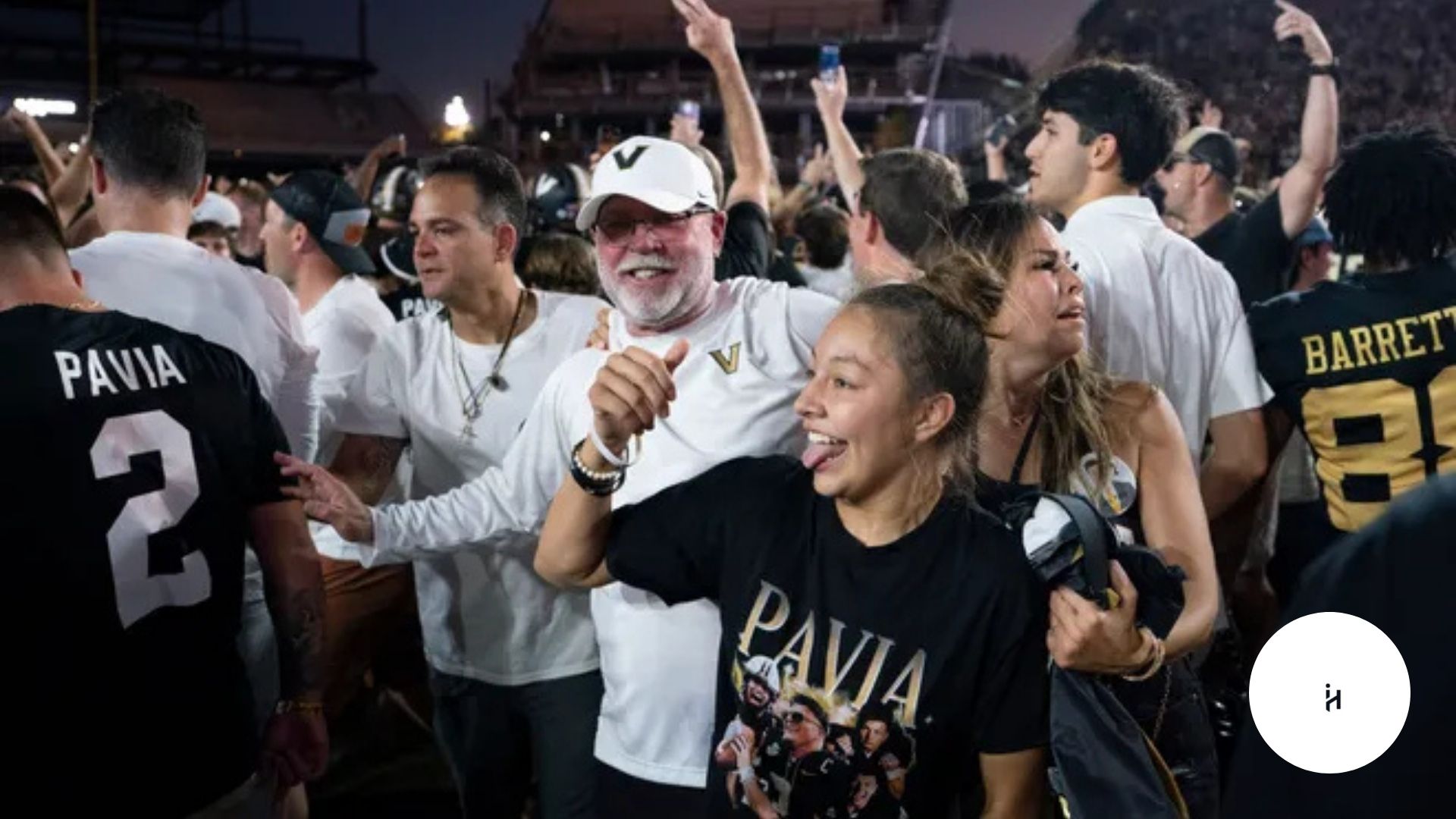
In this blog, we explore in depth the lives of Diego Pavia’s parents, their background, influence, and role in his journey. Many fans know Diego Pavia as a rising star in college football, but fewer know about the family foundation that supported him.

We will look at who Roel Pavia and Antoinette Padilla are, the family dynamics, culture, and anecdotes that reveal more than just surface facts. Through 11 headings, each with substantive detail, you’ll get a fuller picture of the parental bond behind Diego’s athletic rise.

Who Are Diego Pavia’s Parents

Diego Pavia Parents

Diego Pavia was born on April 30, 2001, in Albuquerque, New Mexico. His father is Roel Pavia, and his mother is Antoinette Padilla. Both come from Hispanic or Latino heritage, shaping part of Diego’s cultural identity. They remain relatively private, but some stories are public, such as how Antoinette has been a steadfast supporter of Diego’s ambitions.

Parental Background & Ethnicity

Roel and Antoinette’s roots lie in Hispanic descent; Diego identifies with this cultural heritage. Their background contributes to the sense of identity Diego carries as a Hispanic American in college athletics. Although details about their upbringing are scarce publicly, the family’s cultural values reportedly shaped how they raised their children.

Mother: Antoinette Padilla’s Role

Antoinette Padilla played an especially active role in Diego’s upbringing. In interviews and stories, Diego has credited her for instilling a “winner’s mentality” and providing emotional support. She is also said to have attended nearly all of his games, reinforcing her presence in his athletic life. One revealing anecdote: when Diego was six, his mother reportedly altered his birth certificate so he could play earlier than allowed.

Father: Roel Pavia’s Influence

Roel Pavia, though less discussed in the media, is part of Diego’s support system. As Diego’s father, he shares in the family’s athletic ethos. Some sources mention that Diego has siblings (brothers and sisters) who also had athletic interests, which may reflect paternal encouragement. While Roel often remains behind the scenes, his presence in the family structure has supported Diego’s development from youth onward.

Siblings & Family Dynamic

Diego is not an only child. He has two older brothers, Roel Jr. and Javier, and a younger sister, Abrielle. His brothers engaged in sports (e.g., Roel Jr. in football and wrestling) and played a role in pushing Diego competitively. The dynamic is one of typical sibling rivalry but also mutual support, which helped mold Diego’s character.

Challenges & Sacrifices by the Family

Diego Pavia Parents

Behind the successes lie challenges the family had to overcome. Diego and his mother once faced a hurdle due to age eligibility; his mother changed his birth record so he could start playing earlier.

Such stories hint at how much the family sacrificed to give him opportunities. Financial, time, and emotional commitment from his parents and siblings likely played roles behind the scenes. Although public details are limited, the family’s sacrifices are implicit in every victory and milestone Diego achieves.

Parental Support in the Athletic Journey

From his high school days at Volcano Vista to college transitions, Diego has acknowledged that his mother attended nearly every game. The consistent support from both parents provided stability and encouragement.

During times of doubt or pressure, parental reassurance likely helped Diego push forward. The family’s belief in him, with Roel and Antoinette backing his choices, allowed him to take risks like transferring or advocating for eligibility.

Public Anecdotes & Viral Moments

A lighter but well-publicized moment: before a big game, Diego reportedly made a bet with comedian Theo Von that if Vanderbilt beat South Carolina, Von would get a date with his mother, Antoinette Padilla.

This playful wager drew media attention. Later, Diego clarified that there was a condition—Von had to also ask singer Tate McRae for a date. Though humorous, this moment spotlighted how much people admire Antoinette and sparked curiosity about her role in Diego’s life.

Parental Impact on Diego’s Character

The way Diego competes, works, and responds to challenges is often attributed to his parents’ influence. He frequently refers to his mother when discussing perseverance and mindset. The resolve, discipline, and humility he shows align with what many expect from a strong family foundation. Whether in wins or losses, the grounding in respect, gratitude, and cultural identity comes back to how his parents shaped his worldview.

Diego Pavia mother

Legacy & Continuing Influence

As Diego’s career progresses, his parents’ legacy moves with him. Their values—of hard work, humility, support, and cultural pride- will continue to influence his decisions, both on and off the field.

Diego often acknowledges them in interviews and carries the weight of representing his family. The pride his parents likely feel becomes part of his motivation. Should Diego reach professional levels, the foundational role of Roel and Antoinette will remain central to his narrative.

What We Don’t Know & Open Questions

Despite the public bits, many details about Roel Pavia and Antoinette Padilla remain private. For example: their upbringing, professional careers (beyond Antoinette being reported as a nurse), their education, how they met, and how they balance family and media attention.

Also, how they manage pressures as their son becomes a public figure. In the future, more interviews or profiles may fill these gaps. For now, we see them through Diego’s reflections, public stories, and media glimpses.

For Amazing Updates, Keep Visiting ImaginaryHistory.