Home Blog Page 89

Doveland Wisconsin: The Mystery Behind the Lost Town

0
Doveland Wisconsin

Introduction to Doveland Wisconsin

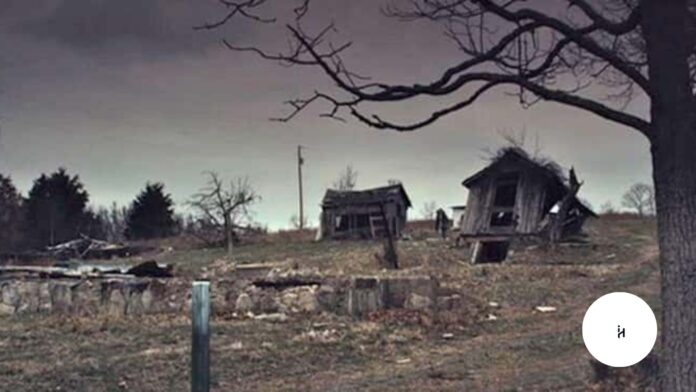
Doveland Wisconsin is one of the most intriguing urban legends circulating on the internet. It is believed to be a town that mysteriously vanished without a trace, leaving behind only vague memories and fragmented pieces of evidence. While no official records confirm its existence, many claim to remember visiting or hearing about Doveland in the past. The story of Doveland Wisconsin has taken on a life of its own, sparking countless theories about its fate. Was it erased from maps due to a secret government experiment? Did it slip into an alternate dimension? Or is it just an internet myth that has grown into a popular creepypasta?

The Origins of the Doveland Wisconsin Legend
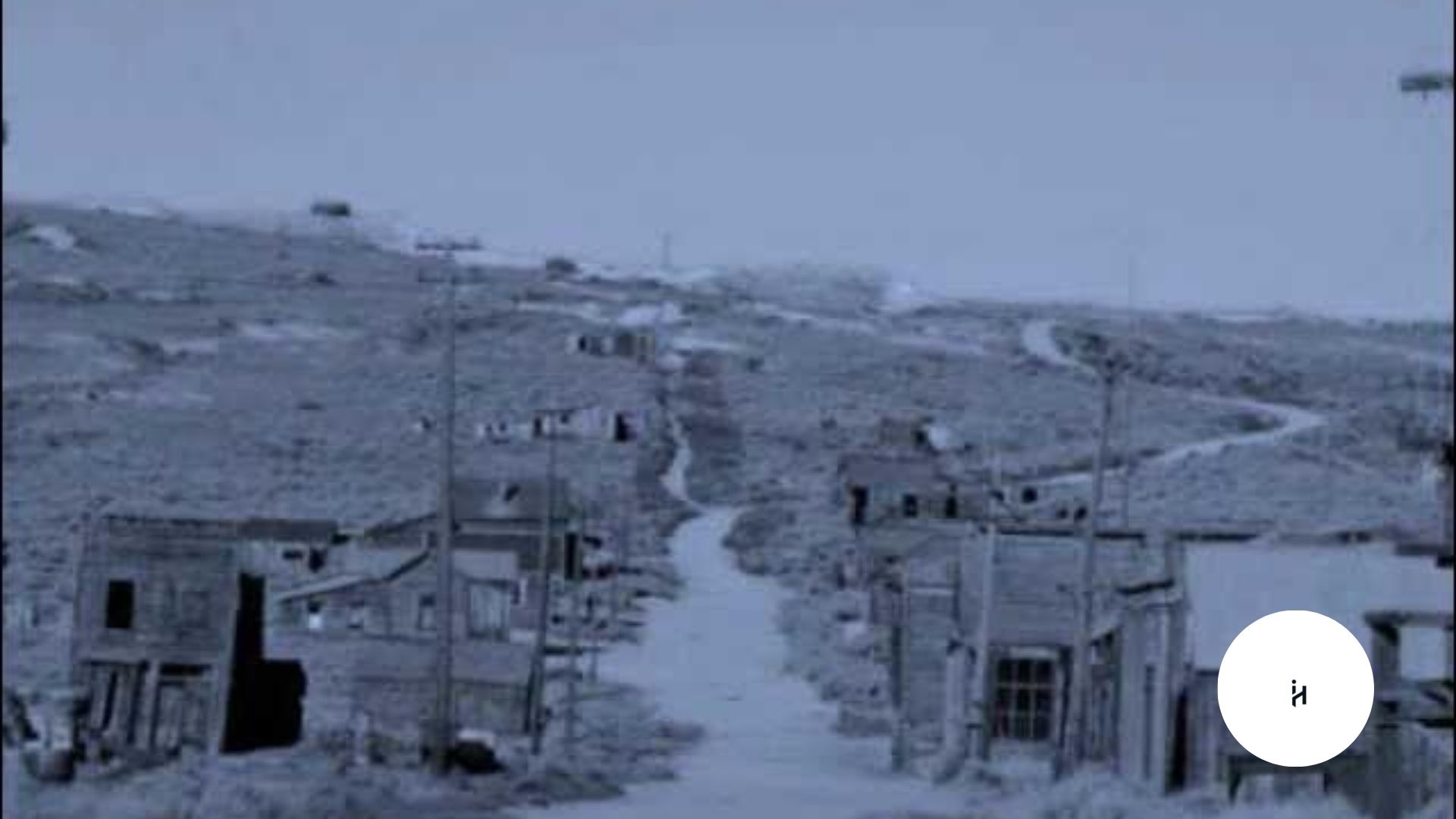
Doveland Wisconsin

The legend of Doveland Wisconsin first gained traction on online forums and social media, where people shared their eerie experiences and memories. Some claimed to have family members who lived in Doveland, while others recalled seeing signs pointing to the town before it supposedly disappeared. The most bizarre aspect of the story is that no official records, historical documents, or maps reference Doveland Wisconsin, making it nearly impossible to verify its existence. This has led to speculation that it was deliberately erased from public records for unknown reasons.

Theories About Why Doveland Wisconsin Disappeared

There are numerous theories about the disappearance of Doveland Wisconsin. Some believe that the town was the site of a government experiment gone wrong, leading to its destruction or removal from existence. Others suggest that Doveland might have been affected by a supernatural or interdimensional event, causing it to vanish from reality. A more skeptical view argues that Doveland Wisconsin was never real and is simply a well-crafted internet hoax that has taken on a life of its own.

Paranormal and Supernatural Connections to Doveland Wisconsin

Many who discuss Doveland Wisconsin believe that paranormal forces played a role in its disappearance. Some stories mention strange occurrences, such as eerie whispers in the woods, ghostly apparitions, and unexplained power outages in areas where the town supposedly once stood. There are also accounts of people experiencing déjà vu when passing through regions in Wisconsin where Doveland is said to have been, as if their subconscious remembers a place that no longer exists.

The Connection Between Doveland Wisconsin and the Mandela Effect

One of the most fascinating aspects of the Doveland Wisconsin legend is its connection to the Mandela Effect—a phenomenon where large groups of people remember events differently from how they officially occurred. Some believe that Doveland Wisconsin existed in an alternate reality but was somehow erased or shifted to another dimension. Those who remember the town may have residual memories from a timeline where it was real, explaining why there are no physical records of its existence.

Alleged Photographs and Evidence of Doveland Wisconsin

Despite the lack of official documentation, some claim to have photographic evidence of Doveland Wisconsin. These images, often shared online, show faded street signs, old postcards, and blurry photos of buildings that supposedly belonged to the vanished town. However, skeptics argue that these images are either doctored or mistaken for other small towns in Wisconsin. The mystery remains unsolved, with believers and skeptics debating whether these artifacts prove or disprove the town’s existence.
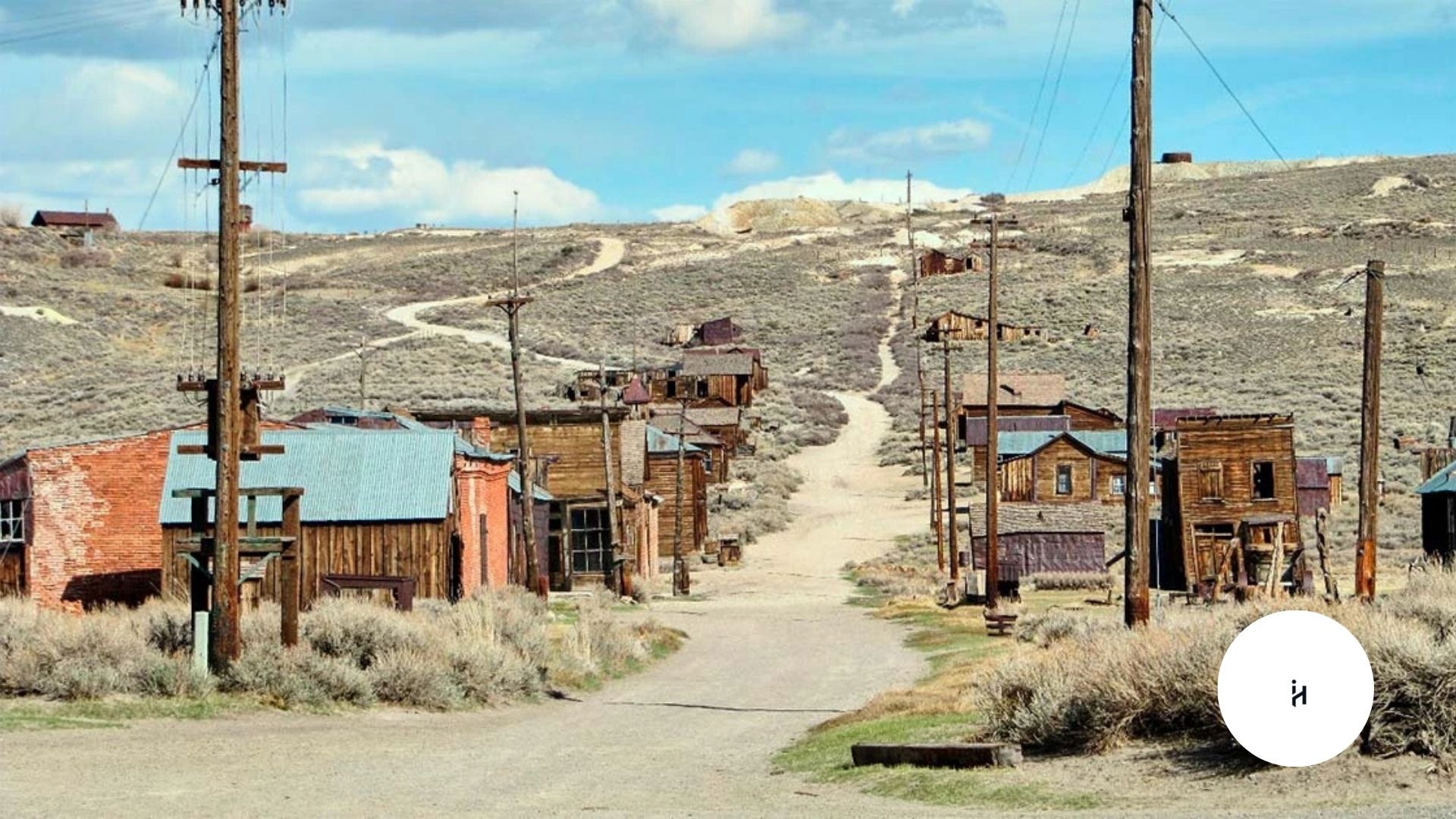
Doveland Wisconsin

Doveland Wisconsin in Pop Culture and Internet Folklore

Doveland Wisconsin has become a popular subject in internet folklore, creepypasta stories, and even video games. Many online creators have expanded on the legend, adding fictional elements to make it even more intriguing. Some horror games and ARG (alternate reality games) use Doveland as a backdrop for eerie and suspenseful storytelling. The town’s mysterious disappearance continues to inspire new interpretations and theories, keeping the legend alive.

Psychological and Sociological Aspects of the Doveland Wisconsin Mystery

The widespread fascination with Doveland Wisconsin can be explained through psychology and sociology. Human curiosity thrives on unsolved mysteries, and the idea of a missing town plays into our fear of the unknown. The legend also taps into collective memory and how information spreads in the digital age. When enough people claim to remember something, it creates a shared belief that can feel as real as actual history. This is why the mystery of Doveland Wisconsin continues to captivate the imagination of many.

The Role of Conspiracy Theories in the Doveland Wisconsin Story

As with many urban legends, conspiracy theories play a significant role in the Doveland Wisconsin story. Some believe that the government erased all evidence of the town to cover up an experiment or catastrophe. Others speculate that the town was destroyed due to a chemical spill, nuclear test, or other disaster that authorities wanted to hide. While there is no solid proof of these claims, the idea of a hidden truth fuels the mystery and keeps people searching for answers.

Could Doveland Wisconsin Have Been a Real Town?

The question remains: was Doveland Wisconsin ever a real place? While no official records confirm its existence, it is possible that a small, forgotten town once existed in Wisconsin and was later abandoned or renamed. The lack of concrete evidence makes it difficult to say for sure. However, whether real or fictional, Doveland Wisconsin has become an intriguing piece of modern folklore that continues to spark curiosity and debate.

Doveland Wisconsin

Conclusion: The Enduring Mystery of Doveland Wisconsin

Doveland Wisconsin is a perfect example of how urban legends can take on a life of their own, blending history, folklore, and internet culture into an unsolved mystery. Whether it was a real town that disappeared under mysterious circumstances or simply an internet myth, the legend of Doveland continues to fascinate those who seek the truth. With each new discussion, theory, and alleged piece of evidence, the story of Doveland Wisconsin remains alive, ensuring that this mystery will not be forgotten anytime soon.
The Ultimate Game of Historical Mysteries: Unlocking the Secrets of the Past

0
Historical Mysteries

Historical mysteries have always captivated the imagination of scholars, adventurers, and curious minds alike. From unsolved crimes to unexplained structures and ancient civilizations, these enigmas spark both wonder and speculation.

In this blog, we dive into the world of historical mysteries, examining some of the most puzzling and fascinating cases in human history. Whether you’re a history enthusiast or a fan of mystery games, this journey through the past will leave you questioning what you thought you knew.

The Disappearance of the Roanoke Colony

Historical Mysteries

One of the oldest American historical mysteries is the vanishing of the Roanoke Colony. Established in 1587 on Roanoke Island in present-day North Carolina, the colony mysteriously disappeared by 1590, leaving behind only the word “CROATOAN” carved into a tree. Historians have speculated that the settlers were either absorbed by local Native American tribes or perished due to famine and conflict. Despite many archaeological studies and historical research, the true fate of the colonists remains one of the great historical mysteries.

Theories continue to evolve, from natural disasters to secret Spanish attacks, but no conclusive evidence has been found. This mystery has inspired books, films, and even games based on historical mysteries. The allure lies not just in what happened, but in how little we actually know, making it a timeless puzzle for historians and mystery lovers alike.

The Identity of Jack the Ripper

Perhaps the most infamous unsolved criminal case in history, Jack the Ripper terrorized London’s Whitechapel district in 1888. This unidentified serial killer brutally murdered at least five women, leaving behind a trail of horror and confusion. Despite countless investigations, books, and theories—including ones naming royalty and famous authors—the killer’s identity remains unknown.

This case is among the most studied historical mysteries in criminal history. Modern techniques like DNA analysis have been applied, yet none have definitively cracked the case. The mystery of Jack the Ripper continues to intrigue both criminologists and history buffs, keeping the spirit of the unknown alive more than a century later.

The Construction of the Egyptian Pyramids

The Pyramids of Giza are architectural marvels and central to many historical mysteries. How did ancient Egyptians construct such enormous and precise structures without modern tools or technology? Theories range from massive manpower and simple engineering tricks to more outlandish ideas involving aliens or lost advanced technologies.

Despite numerous studies and documentaries, the exact process remains unclear. Historians agree that the construction involved thousands of workers and took decades, but the logistics of moving and positioning the massive stones with such accuracy remain unexplained. This historical mystery continues to challenge experts and inspire exploration and imagination.

The Lost City of Atlantis

Described by Plato around 360 B.C., the Lost City of Atlantis is one of the most popular historical mysteries. Said to be a technologically advanced civilization that sank into the ocean “in a single day and night of misfortune,” Atlantis has never been found. Some believe it was a metaphor; others are convinced it was real.

Numerous expeditions have been launched in search of Atlantis, and various locations—from the Mediterranean to the Caribbean—have been proposed. Despite the lack of evidence, Atlantis remains a captivating enigma and one of the most enduring historical mysteries ever discussed.

Historical Mysteries

The Voynich Manuscript

The Voynich Manuscript is a handwritten book filled with unknown symbols, strange illustrations, and indecipherable text. Believed to have been created in the early 15th century, this document has baffled cryptographers, linguists, and historians for decades. Despite advances in artificial intelligence and code-breaking, the manuscript’s language and purpose remain a mystery.

Some believe it’s a medical text, while others think it’s a hoax. The book is currently housed at Yale University and is often cited as one of the world’s greatest historical mysteries. Scholars continue to study it, hoping to one day unlock its secrets.

The Mystery of the Nazca Lines

In the deserts of southern Peru, enormous geoglyphs known as the Nazca Lines span hundreds of square kilometers. Created by the Nazca civilization between 500 BCE and 500 CE, these massive drawings of animals, plants, and geometric shapes can only be fully appreciated from the air. How were these lines made with such precision, and what was their purpose?

Some researchers believe they were astronomical calendars or religious symbols, while others suggest extraterrestrial involvement. Despite numerous theories, the real reason behind these creations remains unclear. The Nazca Lines continue to be one of South America’s greatest historical mysteries.

The Fate of the Ark of the Covenant

The Ark of the Covenant, described in the Bible as a gold-covered wooden chest containing the Ten Commandments, has long been missing. Its last known location was the First Temple in Jerusalem, and its disappearance after the Babylonian conquest has led to centuries of speculation. Some claim it was taken to Ethiopia; others believe it’s hidden beneath the Temple Mount.

Despite religious and archaeological interest, the Ark has never been found, making it one of the most sacred and elusive historical mysteries. Its significance in religious texts only deepens the curiosity surrounding its fate.

The Secret of Stonehenge

Stonehenge, located in Wiltshire, England, is a prehistoric monument whose purpose and construction methods remain unclear. Built between 3000 BCE and 2000 BCE, the site consists of massive standing stones arranged in a circular layout. How did ancient people transport and place these stones without modern tools?

Theories suggest it may have been an astronomical observatory, a religious site, or even a burial ground. Despite extensive research, the site’s full meaning remains one of the UK’s most iconic historical mysteries, drawing thousands of visitors and researchers every year.

The Dancing Plague of 1518

In July 1518, residents of Strasbourg (now France) were struck by a sudden compulsion to dance uncontrollably. Dozens, possibly hundreds, danced for days without rest, and some reportedly died from exhaustion or heart attacks. The cause of this bizarre phenomenon remains unknown.

Some historians believe it was mass hysteria, while others suspect ergot poisoning (a hallucinogenic mold). The Dancing Plague is often cited in studies of psychosomatic illness and continues to be a chilling and bizarre entry in the catalog of historical mysteries.

Historical Mysteries

The Green Children of Woolpit

In 12th-century England, two children with green skin reportedly appeared in the village of Woolpit. They spoke an unknown language and claimed to come from a subterranean world. Over time, their skin color faded, and they learned English. The boy died young, but the girl lived on, integrating into society.

This strange tale has been recorded in multiple medieval sources, yet no clear explanation exists. Some speculate it’s a myth, while others believe it was based on real but misunderstood events. The story remains one of the more fantastical historical mysteries still discussed today.

The Tunguska Event

In 1908, a massive explosion flattened over 800 square miles of Siberian forest. Known as the Tunguska Event, the blast is believed to have been caused by a meteoroid or comet exploding in the atmosphere. However, no impact crater was found, which adds to the mystery.

Scientists continue to study the event using modern techniques. While the explosion’s effects are well documented, the lack of physical evidence keeps it among the 20th century’s greatest historical mysteries. Some alternative theories even suggest alien involvement or underground activity.

Conclusion: Why Historical Mysteries Fascinate Us

From ancient texts and lost cities to unexplained events and unsolved crimes, historical mysteries remind us how much of our past remains hidden or misunderstood. These puzzles spark imagination, inspire exploration, and sometimes even lead to new discoveries. Whether studied academically or enjoyed through games and fiction, historical mysteries connect us with the unknown chapters of our own story.

In this blog, we’ve uncovered 11 of the world’s most enduring historical mysteries—each one a piece of a larger puzzle that continues to challenge and intrigue us. The search for answers not only deepens our understanding of history but also keeps the spirit of discovery alive. And who knows? Perhaps one day, some of these historical mysteries will finally be solved.

Historical Figures Female: A Journey Through Time

0
Historical Figures Female

Throughout history, many women have defied societal norms, broken barriers, and left lasting impacts on politics, science, literature, and human rights. These historical figures female have shaped the world in ways that still influence our lives today. This blog explores the lives of eleven extraordinary women who changed history.

Cleopatra: The Last Pharaoh of Egypt

Cleopatra VII, the last active ruler of the Ptolemaic Kingdom of Egypt, was one of the most famous historical figures female in history. Born in 69 BC, she was known for her intelligence, political acumen, and strategic alliances.

She spoke multiple languages and was highly educated in philosophy, mathematics, and science. Cleopatra’s rule was marked by her relationships with powerful Roman leaders such as Julius Caesar and Mark Antony. These alliances helped her maintain Egypt’s independence for as long as possible. However, after the defeat of her forces at the Battle of Actium in 31 BC, Cleopatra took her own life, marking the end of an era in Egyptian history.

Her legacy continues to inspire books, films, and historical discussions, making her one of the most influential historical figures female in ancient history.

Historical Figures Female

Joan of Arc: The Warrior Saint

Joan of Arc, a peasant girl from France, became a military leader and national heroine at just 17 years old. Born in 1412, she claimed to receive divine visions instructing her to support Charles VII and drive the English out of France during the Hundred Years’ War.

Leading the French army to several victories, she played a crucial role in the coronation of Charles VII. However, in 1430, she was captured by the English, put on trial for heresy, and burned at the stake. She was later canonized as a saint in 1920.

Joan’s bravery and determination have solidified her status as one of the greatest historical figures female warriors.

Queen Elizabeth I: The Virgin Queen

Queen Elizabeth I of England (1533–1603) is one of the most celebrated rulers in history. Her reign, known as the Elizabethan Era, brought stability and prosperity to England after years of turmoil.

She refused to marry, choosing instead to dedicate her life to ruling England. Her leadership during the Spanish Armada’s defeat in 1588 strengthened England’s naval power and global influence.

Elizabeth’s patronage of the arts led to the flourishing of literature and drama, with figures like William Shakespeare rising to prominence. Her reign is considered one of the most remarkable in English history, securing her place among the most influential historical figures female leaders.

Marie Curie: The Pioneer of Science

Marie Curie (1867–1934) was a physicist and chemist who made groundbreaking discoveries in radioactivity. She was the first woman to win a Nobel Prize and remains the only person to win in two different scientific fields (Physics and Chemistry).

Her discovery of polonium and radium revolutionized medicine and physics. Despite facing gender discrimination, she persisted in her research, leading to advancements in cancer treatment.

Curie’s contributions to science cement her status as one of the most influential historical figures female in the field of research and innovation.

Harriet Tubman: The Conductor of the Underground Railroad

Harriet Tubman (1822–1913) was an abolitionist and political activist who escaped slavery and dedicated her life to helping others gain freedom. She became a leading figure in the Underground Railroad, a secret network that helped enslaved people escape to free states and Canada.

During the Civil War, she served as a spy and nurse for the Union Army. Later in life, she advocated for women’s suffrage, proving her commitment to justice.

Her courage and relentless fight for equality make her one of the most respected historical figures female in American history.

Florence Nightingale: The Founder of Modern Nursing

Historical Figures Female

Florence Nightingale (1820–1910) revolutionized the field of nursing during the Crimean War by improving hygiene and sanitation in hospitals. Her efforts reduced death rates and transformed healthcare practices.

She established the Nightingale Training School for Nurses, setting new standards in the profession. Her book, “Notes on Nursing,” remains a foundational text for nurses worldwide.

Her legacy continues to shape modern healthcare, making her one of the most influential historical figures female in medical history.

Emmeline Pankhurst: The Suffragette Leader

Emmeline Pankhurst (1858–1928) was a British political activist who led the movement for women’s suffrage in the United Kingdom. She founded the Women’s Social and Political Union (WSPU), which used militant tactics to demand voting rights for women.

Her activism played a crucial role in the passing of the Representation of the People Act in 1918, granting some women the right to vote.

Pankhurst’s determination and leadership make her a pivotal historical figures female in the fight for women’s rights.

Rosa Parks: The Mother of the Civil Rights Movement

Rosa Parks (1913–2005) was an American activist whose refusal to give up her bus seat to a white passenger in Montgomery, Alabama, sparked the Civil Rights Movement. Her act of defiance led to the Montgomery Bus Boycott, a significant step toward ending racial segregation.

She continued to work for racial equality throughout her life, inspiring generations to stand against injustice.

Her impact on civil rights makes her one of the most influential historical figures female in American history.

Mother Teresa: The Angel of the Poor

Mother Teresa (1910–1997) dedicated her life to serving the poor and sick in India. She founded the Missionaries of Charity, a religious organization that provides care for those in need.

Her selfless work earned her the Nobel Peace Prize in 1979. She remains a symbol of compassion and humanitarianism.

Her legacy as a compassionate leader makes her one of the most admired historical figures female in modern history.

Malala Yousafzai: The Voice for Girls’ Education

Malala Yousafzai, born in 1997, is a Pakistani activist for girls’ education. After surviving an assassination attempt by the Taliban at age 15, she became a global advocate for education rights.

In 2014, she became the youngest Nobel Prize laureate for her efforts in promoting education for girls worldwide.

Her courage and advocacy make her one of the most inspiring historical figures female in contemporary times.

Historical Figures Female

Frida Kahlo: The Revolutionary Artist

Frida Kahlo (1907–1954) was a Mexican painter known for her self-portraits and exploration of identity, gender, and pain. Despite suffering from polio and a severe accident, she used her art to express resilience and emotions.

Her unique style and bold artistic expression made her a feminist icon. She continues to inspire artists and activists globally.

Her legacy secures her place among the most influential historical figures female in art history.

Conclusion

These eleven women have shaped history through their courage, intelligence, and determination. Their contributions continue to influence generations, proving that historical figures female have played a crucial role in every era. Their legacies remind us of the power of resilience and the importance of challenging societal norms.

Steely Eyed Missile Man: The Ultimate Symbol of Cool Under Pressure

0

The term “Steely Eyed Missile Man” is legendary in engineering, aerospace, and military circles. It represents someone who remains calm under pressure, thinks critically in high-stakes situations, and solves problems with precision. The phrase has deep roots in NASA’s history, specifically during the Apollo era, and has since been adopted as a badge of honor for individuals who demonstrate exceptional technical skills and unshakable composure.

The Origin of “Steely Eyed Missile Man”

The phrase “Steely Eyed Missile Man” was first used in the context of the U.S. space program, particularly during the Apollo missions. It became a widely recognized term when it was used to describe John Aaron, a NASA engineer who played a crucial role in saving the Apollo 12 mission.

During the launch of Apollo 12, a lightning strike caused a significant power failure, putting the entire mission at risk. Amidst the confusion, John Aaron suggested the now-famous “SCE to AUX” command, which allowed the spacecraft to recover. His ability to remain calm and recall an obscure technical detail earned him the nickname “Steely Eyed Missile Man.”

The phrase quickly gained popularity within NASA and has since become synonymous with individuals who demonstrate extraordinary problem-solving skills under pressure.

The Significance of the Apollo Missions in Popularizing the Term

NASA’s Apollo program was one of the most challenging and ambitious undertakings in human history. The missions required flawless execution, innovative problem-solving, and the ability to handle unexpected crises in real-time.

The term “Steely Eyed Missile Man” became a way to recognize those who rose to the occasion, displaying exceptional analytical thinking and emotional resilience. Engineers, astronauts, and mission control personnel who embodied these traits were honored with this title.

Notably, the Apollo 13 crisis further cemented the significance of the phrase. When an oxygen tank exploded, putting the crew’s lives in danger, it was the calm and calculated problem-solving of NASA engineers that brought them home safely. These individuals exemplified what it means to be a “Steely Eyed Missile Man.”

The Role of John Aaron in Defining the “Steely Eyed Missile Man” Persona

John Aaron is often regarded as the original “Steely Eyed Missile Man” due to his quick thinking during the Apollo 12 mission.

His ability to recall an obscure power system detail and confidently provide a solution under immense pressure showcases the key attributes of a “Steely Eyed Missile Man.” His actions not only saved the mission but also inspired future generations of engineers to develop a similar mindset.

Aaron’s contributions extended beyond Apollo 12. He played a critical role in Apollo 13’s rescue efforts, proving that his technical expertise and unshakable demeanor were not a one-time occurrence but an essential part of his character.

The Psychological Traits of a “Steely Eyed Missile Man”

A “Steely Eyed Missile Man” isn’t just about intelligence; it’s about a specific psychological profile that enables individuals to perform under extreme conditions. These traits include:

  • Composure Under Pressure: The ability to stay calm in high-stress situations.

  • Analytical Thinking: Quickly assessing problems and determining the best course of action.

  • Technical Expertise: Deep knowledge of their field, allowing them to make informed decisions.

  • Confidence and Decisiveness: Trusting their skills and acting without hesitation.

  • Adaptability: Adjusting to new and unpredictable challenges.

People who embody these traits earn the title of “Steely Eyed Missile Man” and become invaluable assets in any high-stakes environment.

The Influence of the “Steely Eyed Missile Man” in Aerospace Engineering

The phrase “Steely Eyed Missile Man” is deeply embedded in aerospace engineering culture. NASA engineers, SpaceX developers, and other aerospace professionals often use the term to describe colleagues who demonstrate exceptional technical ability and mental resilience.

From designing spacecraft to managing mission control, aerospace engineers must be prepared for the unexpected. The spirit of the “Steely Eyed Missile Man” ensures that these professionals continue to push the boundaries of human exploration.

How the Military Uses the “Steely Eyed Missile Man” Mindset

The military has also adopted the term “Steely Eyed Missile Man” to describe soldiers, pilots, and strategists who exhibit remarkable composure in battle.

From fighter pilots making split-second decisions in combat to intelligence officers analyzing critical data, the “Steely Eyed Missile Man” mentality is essential for operational success. The ability to remain focused under fire can mean the difference between victory and defeat.

The “Steely Eyed Missile Man” in the Corporate World

The characteristics of a “Steely Eyed Missile Man” are highly valued in the business world. Executives, entrepreneurs, and crisis managers who can think quickly, adapt to challenges, and make bold decisions often find success in their industries.

Leaders who embody the “Steely Eyed Missile Man” mindset can steer companies through financial downturns, technological disruptions, and competitive pressures.

Famous Figures Who Embody the “Steely Eyed Missile Man” Spirit

Beyond John Aaron, several other individuals have exemplified the “Steely Eyed Missile Man” mentality:

  • Gene Kranz: NASA Flight Director during Apollo 13, known for his famous quote, “Failure is not an option.”

  • Elon Musk: CEO of SpaceX, whose risk-taking and technical knowledge have transformed space travel.

  • Chesley “Sully” Sullenberger: The pilot who safely landed US Airways Flight 1549 on the Hudson River.

These figures have demonstrated the composure, intelligence, and problem-solving ability that define a “Steely Eyed Missile Man.”

The “Steely Eyed Missile Man” in Pop Culture

The phrase “Steely Eyed Missile Man” has also found its way into movies, books, and television series, particularly those involving space travel, military operations, and high-stakes decision-making.

Films like Apollo 13, The Martian, and Interstellar showcase characters who embody the “Steely Eyed Missile Man” persona, inspiring audiences with their cool-headed problem-solving skills.

How to Develop a “Steely Eyed Missile Man” Mindset

Becoming a “Steely Eyed Missile Man” requires training, experience, and mental conditioning. Some ways to develop this mindset include:

  • Studying Technical Knowledge in your field.

  • Practicing Decision-Making Under Pressure.

  • Learning from Historical Cases of successful problem-solving.

  • Building Emotional Resilience through meditation, stress management, and mental exercises.

Anyone can adopt the “Steely Eyed Missile Man” mindset by cultivating these skills over time.

The Legacy of the “Steely Eyed Missile Man”

The phrase Steely Eyed Missile Man remains a symbol of excellence in fields that demand precision, intelligence, and resilience. Whether in space exploration, the military, or business, the spirit of the “Steely Eyed Missile Man” continues to inspire generations to push the limits of human capability.

This legendary title is more than just a phrase—it’s a mindset that drives innovation, courage, and success.

For Amazing Updates Keep Visiting ImaginaryHistory.