Home Blog Page 88

The Life and Legacy of George Hickey: A Deep Dive into the Man Behind the Mystery

0
George Hickey

George Hickey is a name that has intrigued both history enthusiasts and conspiracy theorists alike. Known primarily for his connection to one of the most significant and controversial events in modern American history – the assassination of President John F. Kennedy – Hickey’s life and role have been the subject of intense scrutiny and speculation. While his exact involvement in that fateful day in Dallas remains a topic of heated debate, understanding who George Hickey is and the broader context of his life can provide valuable insights into his legacy.

This blog will explore George Hickey’s early life, his time in the military, his service on the Secret Service detail, and the controversies that have surrounded him. With a deep dive into his history and the key events surrounding him, we aim to understand why George Hickey remains a figure of fascination and mystery.

Early Life and Background

George Hickey

George Hickey was born in 1931 in the United States. Like many of his contemporaries, Hickey grew up during a time of great social and political change. Raised in a working-class family, his early life was relatively unremarkable, yet it was shaped by the broader national events that took place during his formative years.

Hickey’s decision to join the military was a pivotal moment in his life, marking the beginning of a career that would lead him to become one of the most discussed individuals in the history of the Secret Service.

His entry into the military in the 1950s reflected his desire for discipline and structure, which would later become a hallmark of his service with the Secret Service. The military provided Hickey with skills and training that would serve him well later on, preparing him for the high-pressure roles he would face as a member of the elite security team tasked with protecting the most important figures in American politics.

George Hickey’s Military Service

Before joining the Secret Service, George Hickey had a distinguished military career. He served in the U.S. Army, where he gained experience in weapons handling and security protocols, skills that would later be crucial in his role as a Secret Service agent. Hickey’s military background set him apart from many of his colleagues in the Secret Service, giving him a sense of preparedness that was reflected in the high level of professionalism he demonstrated throughout his career.

His military service was a significant factor in his recruitment by the Secret Service. Given his military experience, Hickey was well-suited to the demanding and often dangerous job of protecting the President and other high-ranking officials. His background also gave him the ability to remain calm under pressure, an essential trait for someone who would soon be thrust into one of the most significant security assignments in history.

Joining the Secret Service: A Career Begins

After his military service, George Hickey was recruited into the U.S. Secret Service. He quickly became one of the agents assigned to protect President John F. Kennedy. Hickey’s role within the Secret Service was multifaceted, but he was primarily tasked with providing close protection for the President. His position required him to be constantly vigilant, analyzing potential threats and remaining ready to respond to any danger.

During this time, Hickey’s professional abilities were recognized by his peers and superiors, earning him the trust of high-ranking officials within the Secret Service. However, it was the tragic events of November 22, 1963, that would define Hickey’s career and ultimately his place in history.

The Day of the Assassination: George Hickey’s Role

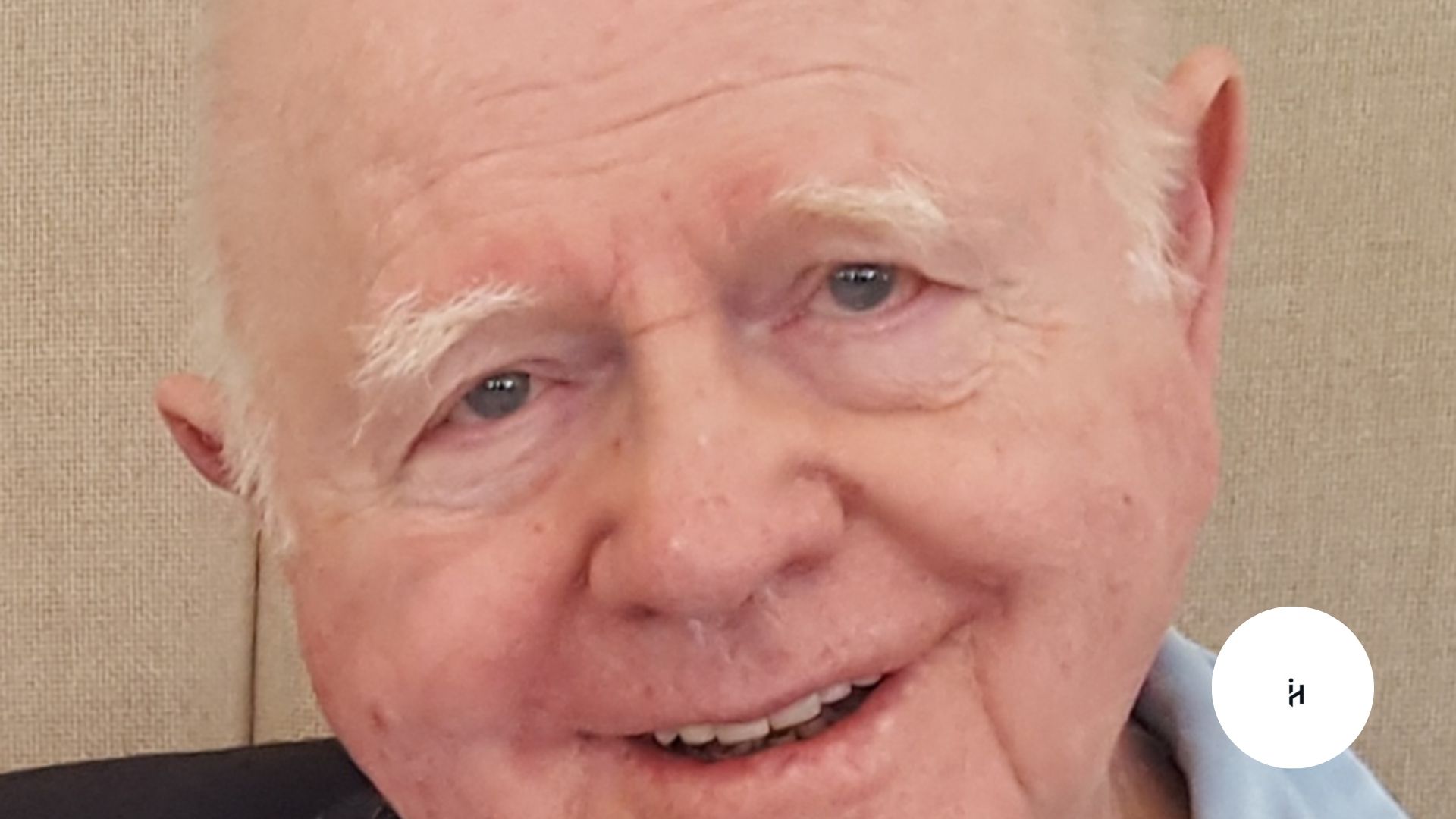
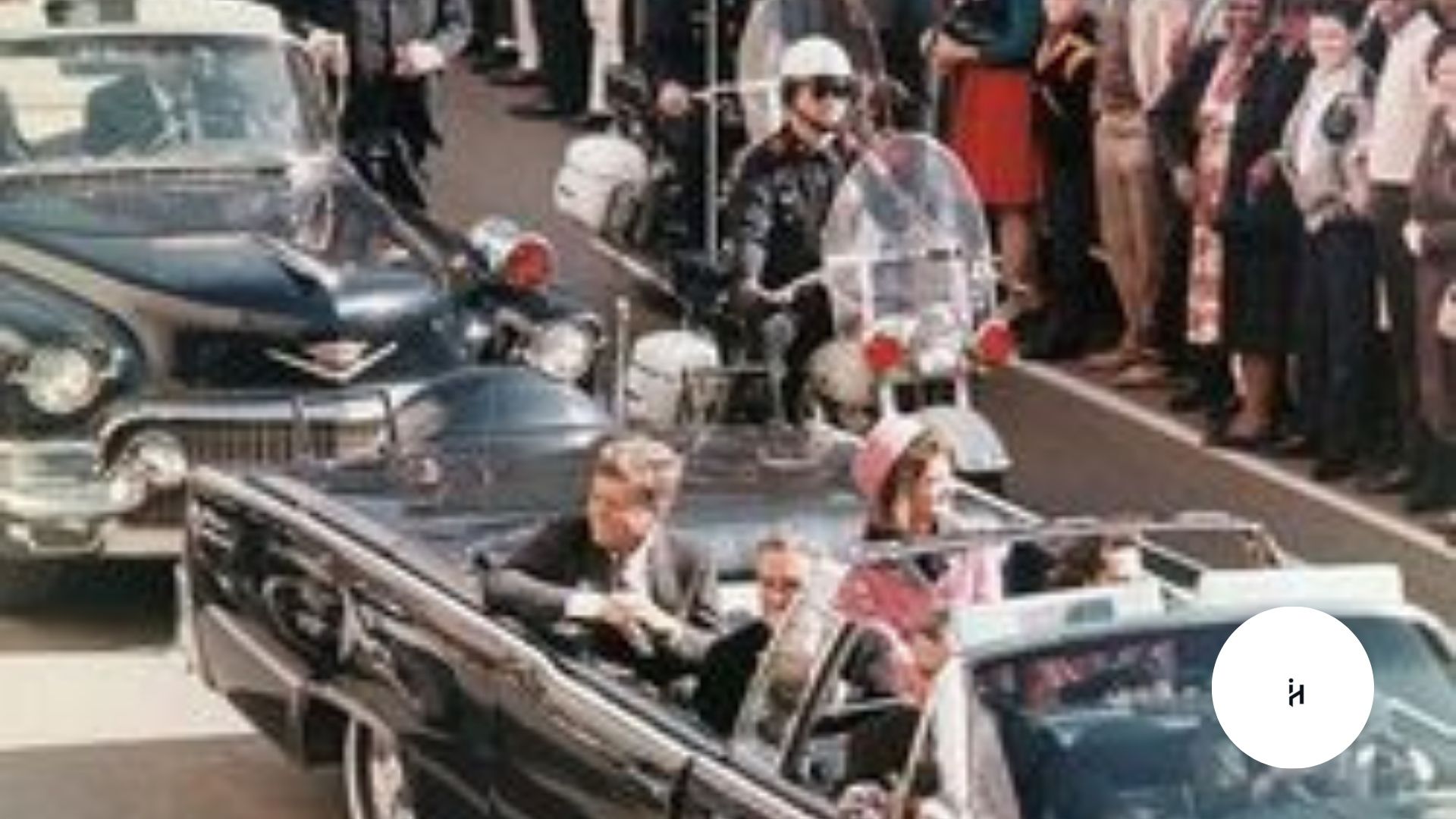
On November 22, 1963, George Hickey was part of the motorcade that carried President John F. Kennedy through Dallas, Texas. Hickey, as a member of the Secret Service, was positioned in a follow-up car, assigned to protect the President from any potential threat.
George Hickey

However, the events of that day led to one of the most devastating and controversial moments in American history. As Kennedy’s car passed through Dealey Plaza, shots were fired, and the President was struck by gunfire. Hickey, who was in the follow-up car, was reported to have been in close proximity to the President at the time of the shooting. The subsequent chaos and confusion surrounding the assassination have led to various theories regarding Hickey’s exact role and what he witnessed that day.

The Controversial Theory: Did George Hickey Fire the Fatal Shot?

One of the most enduring conspiracy theories surrounding the assassination of JFK involves George Hickey. Some theories suggest that Hickey may have accidentally fired the fatal shot that killed President Kennedy. This theory is based on the position of Hickey’s car, his proximity to the President, and the timing of the shots fired during the motorcade.

However, despite years of speculation, no definitive evidence has emerged to prove Hickey’s involvement in the fatal shot. Official investigations, including the Warren Commission Report, concluded that Lee Harvey Oswald acted alone in shooting the President. Yet, the theory that Hickey may have played a role persists, fueled by the unanswered questions surrounding that tragic day.

The Aftermath: George Hickey’s Life After JFK’s Assassination

In the years following the assassination, George Hickey’s life took a different turn. The traumatic events of November 22, 1963, had a lasting impact on him. He continued to serve in the Secret Service, but his career was never quite the same after the assassination. Hickey’s name became synonymous with the conspiracy theories surrounding the death of President Kennedy, and he found himself the subject of public scrutiny and media attention.

While Hickey never publicly addressed many of the conspiracy theories, he did continue to serve in his role for several more years. However, his connection to the Kennedy assassination would always be a part of his legacy.

Public Perception and Media Attention

George Hickey’s connection to the assassination of President Kennedy led to a great deal of public interest in his life. Over the years, many documentaries, books, and articles have been published about the events surrounding JFK’s death, with Hickey’s name frequently mentioned in the context of the ongoing debate about what really happened in Dealey Plaza.

Despite the controversies, Hickey largely kept a low profile. He avoided much of the media attention that others involved in the assassination became embroiled in. However, his silence only added to the intrigue surrounding his role in that fateful day. His unwillingness to publicly comment on the events of November 22, 1963, left many questions unanswered, ensuring that he would remain a mysterious figure in the public’s eye.

The Legacy of George Hickey: A Complex Figure

The legacy of George Hickey is a complicated one. While many view him as a dedicated public servant who did his job to the best of his abilities, others see him as a key figure in the JFK assassination mystery. His role in the events of that day will likely remain a subject of debate for generations to come.

Regardless of one’s opinion of George Hickey’s involvement in the assassination, there is no denying the impact he had on American history. His career as a Secret Service agent and his connection to the assassination have made him a central figure in the ongoing conversation about the events of November 22, 1963.

The Impact of Conspiracy Theories on George Hickey’s Reputation
George Hickey

Conspiracy theories surrounding the JFK assassination have had a significant impact on George Hickey’s reputation. As new theories emerged, Hickey became an unintended focal point for many people looking for answers. His name became linked with theories about government cover-ups, accidental shootings, and even alleged involvement in the assassination itself.

Although Hickey’s actions that day were never officially deemed to be culpable, the theories surrounding him have led to a lasting public perception that he may have been more involved than history suggests. This perception has affected his personal life and the way he is remembered in popular culture.

Conclusion: Understanding George Hickey’s Legacy

In conclusion, George Hickey is a figure whose life and legacy are inextricably linked to one of the most tragic and controversial events in American history. His role as a Secret Service agent on the day of President Kennedy’s assassination has made him a subject of intense public interest and debate.

Whether one views him as a hero, a scapegoat, or a key player in the JFK assassination, George Hickey remains a fascinating and enigmatic figure. His life serves as a reminder of the complexity of history and the lasting impact that one day can have on a person’s reputation.
Mac Wallace: A Deep Dive into the Life and Legacy of a Mysterious Figure

0
Mac Wallace

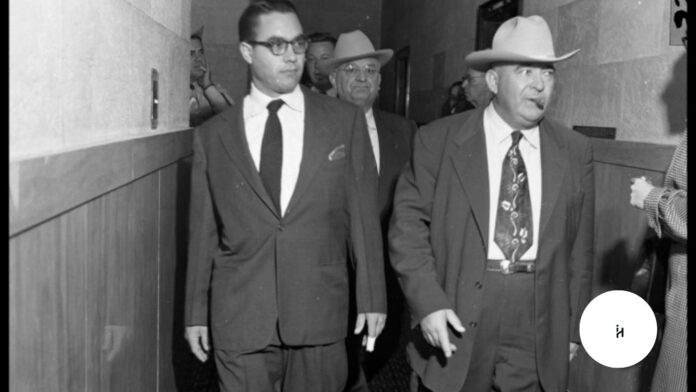
The name Mac Wallace is one that may not immediately spark recognition, yet his life has been a subject of intrigue for historians, researchers, and conspiracy theorists alike. Known primarily for his involvement in one of the most significant events in U.S. history—the assassination of President John F. Kennedy—Mac Wallace has been a figure cloaked in mystery. In this blog, we’ll take an in-depth look at the various facets of Mac Wallace’s life, his connections to the assassination, and the theories surrounding his involvement.

Who Was Mac Wallace?

Mac Wallace, born in 1931, was a man who lived much of his life in relative obscurity. Originally from Texas, Wallace held various odd jobs before becoming entangled in the web of controversy that would forever tie his name to one of the most shocking events in American history—the assassination of President John F. Kennedy. Little is known about his early life, and even less about his motivations and actions in the years leading up to the fateful day in 1963. This lack of definitive information has allowed rumors, speculations, and conspiracies to flourish.

Mac Wallace

Mac Wallace’s Early Years and Background

Born in the midst of the Great Depression, Mac Wallace’s early life was shaped by economic hardship. Growing up in rural Texas, he didn’t have the advantages of wealth or privilege. In the years before the assassination, Wallace worked in various professions, including in agriculture and as a clerk. However, his path would soon take a dark turn. He became embroiled in activities that would later be scrutinized and questioned by many historians, especially following the events of November 22, 1963.

The Day of the Assassination: Mac Wallace’s Alleged Role

November 22, 1963, is a day etched in American history. As President John F. Kennedy’s motorcade passed through Dealey Plaza in Dallas, shots rang out, and the President was fatally wounded.

While Lee Harvey Oswald was officially arrested and charged with the assassination, some researchers have suggested that Mac Wallace may have played a more prominent role in the events of that day. Over the years, numerous conspiracy theories have emerged, pointing to Wallace as a possible accomplice to Oswald.

The Investigation and Mac Wallace’s Connection to the Assassination

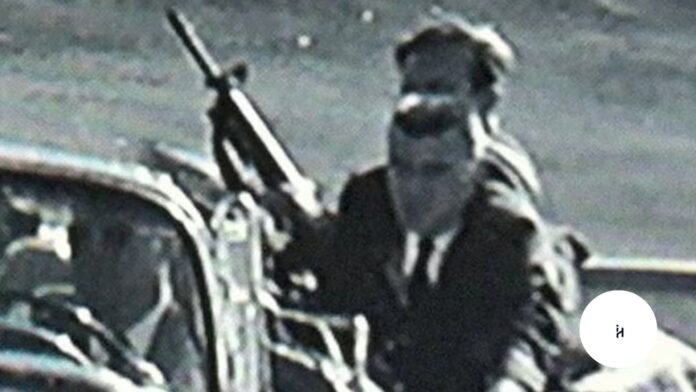
Following the assassination, the FBI launched an extensive investigation. Although Lee Harvey Oswald was the prime suspect, a number of inconsistencies and unanswered questions led to widespread speculation. Mac Wallace’s name emerged during the investigation when a photo surfaced that seemed to show him in Dealey Plaza on the day of the assassination. Despite this, the official investigation largely ignored his involvement, leading to further speculation about a possible cover-up.

The Warren Commission and the Dismissal of Mac Wallace’s Involvement

The Warren Commission, established to investigate the assassination, concluded that Lee Harvey Oswald acted alone in killing President Kennedy. However, many critics have pointed to the lack of thorough investigation into other potential suspects, including Mac Wallace. While the commission acknowledged that some individuals, such as Wallace, had been linked to the crime scene, it ultimately dismissed the possibility of any conspiracy beyond Oswald’s actions. This has been a point of contention for those who continue to question the official narrative.

Mac Wallace’s Legal Troubles and Arrest

In the years following the assassination, Mac Wallace found himself entangled in legal troubles. He was implicated in various criminal activities, though none of these charges were directly connected to the assassination. One of the most notable aspects of his legal history was his involvement in a murder trial in which he was accused of killing a man named Charles R. Chiles. Wallace was convicted of murder, but the case never reached a definitive conclusion, leaving many to wonder whether his involvement in the assassination was a deeper part of a larger criminal conspiracy.

The Mac Wallace Conspiracy Theories

Mac Wallace

Since the assassination, Mac Wallace’s name has been linked to a variety of conspiracy theories. Some believe he was part of a larger group of individuals who sought to orchestrate the President’s death, with motives ranging from political to personal. Others speculate that Wallace was simply an innocent bystander who got caught up in a much larger conspiracy. The truth remains elusive, but the multitude of theories surrounding Mac Wallace’s involvement only adds to the mystery.

The Death of Mac Wallace: A Final Mystery

Mac Wallace passed away in 1971, at the age of 40. His death remains shrouded in mystery, with some claiming that he was murdered to silence him, while others believe his death was the result of natural causes. The timing of his death, just eight years after the Kennedy assassination, fueled further speculation. Was Wallace simply another victim of a vast conspiracy, or did his death occur for unrelated reasons? This question, like many others regarding his life, remains unanswered.

Mac Wallace and the Impact of His Legacy

Despite the controversy surrounding his life, Mac Wallace’s legacy remains a topic of interest for those who study the Kennedy assassination. His name has become synonymous with conspiracy theories, and his involvement—or lack thereof—continues to be debated. While some view him as a minor player in a larger plot, others believe he played a crucial role in the events that changed the course of American history.

The Ongoing Debate: Was Mac Wallace Involved?

Even decades after the assassination, the question of Mac Wallace’s involvement remains hotly debated. New evidence continues to surface, and researchers are still uncovering details that shed light on his life and actions. While the official account of the assassination remains unchanged, there are still those who argue that the true story has yet to be fully revealed. As more people delve into the mystery of Mac Wallace, it seems likely that his name will continue to be part of the conversation surrounding one of the most pivotal moments in American history.

The Enduring Fascination with Mac Wallace

In the end, Mac Wallace’s life and legacy serve as a reminder of the enduring fascination with the assassination of President John F. Kennedy. Despite the official narrative, the theories and questions about who was truly behind the President’s death continue to captivate the public’s imagination. Mac Wallace remains a figure of intrigue, his name forever linked to one of the most mysterious events in modern history. Whether he was a key player in the assassination or simply a man caught up in a larger conspiracy, his story is one that continues to haunt the annals of American history.

Mac Wallace

The mystery surrounding Mac Wallace is unlikely to ever be fully resolved. With each passing year, new theories and pieces of evidence emerge, keeping the debate alive. Whether you believe he was involved or not, Mac Wallace remains an enigmatic figure whose life and actions will always be a subject of fascination for those who seek to uncover the truth behind the assassination of President John F. Kennedy.

Q&A:

Q1: Who was Mac Wallace?

A1: Mac Wallace was a man from Texas, born in 1931, whose name became associated with the assassination of President John F. Kennedy. Although his early life was marked by ordinary jobs, his involvement in the Kennedy assassination controversy remains a subject of debate and intrigue.

Q2: What is Mac Wallace’s connection to the Kennedy assassination?

A2: Mac Wallace’s name surfaced in connection with the JFK assassination due to conspiracy theories suggesting he may have played a role alongside Lee Harvey Oswald. His potential involvement has been the subject of speculation, though no conclusive evidence has linked him directly to the crime.

Q3: What were Mac Wallace’s legal troubles?

A3: Mac Wallace had a troubled legal history, including being implicated in a murder trial involving Charles R. Chiles. Although he was convicted of murder, the case raised questions and added to the mystery surrounding his life and possible connections to the JFK assassination.

Q4: Did Mac Wallace die under mysterious circumstances?

A4: Mac Wallace died in 1971 at the age of 40. While some believe his death may have been the result of a cover-up or conspiracy to silence him, others consider it to be from natural causes. The timing of his death remains a point of mystery.

Q5: What is the legacy of Mac Wallace?

A5: Despite the lack of definitive answers regarding his involvement in the Kennedy assassination, Mac Wallace’s legacy endures in the realm of conspiracy theories. His name is forever linked to the JFK assassination, and his mysterious life continues to captivate those interested in uncovering the truth behind the event.

Discover the Magical Types of Fairy Wings

0
Types of Fairy Wings

In the enchanting world of fantasy games, one element that consistently captures players’ imaginations is the presence of fairy wings. These beautiful, often glowing wings symbolize magic, freedom, and wonder.

Whether used for flight, defense, or pure aesthetic, fairy wings are a popular customization in many games. In this blog, we’ll dive deep into the types of fairy wings you can find in games, exploring their styles, meanings, and magical significance. Get ready to uncover the magic—one wing at a time.

Butterfly Fairy Wings

Types of Fairy Wings

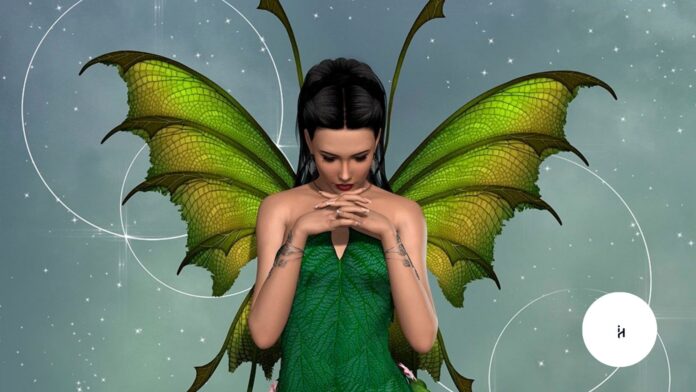
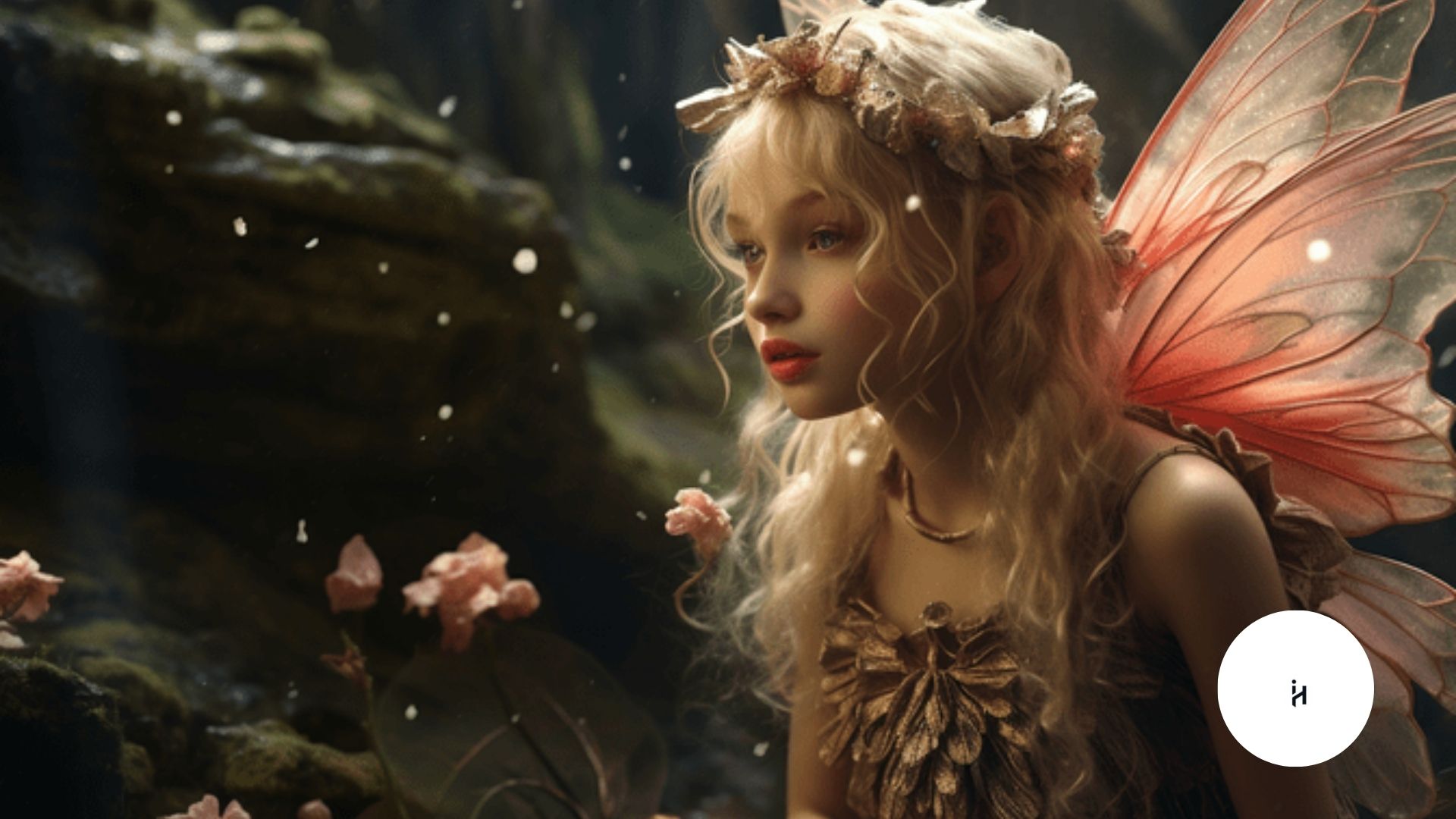
Butterfly fairy wings are among the most iconic types of fairy wings in the gaming universe. These wings are characterized by their wide, patterned surfaces that closely resemble real butterfly wings, complete with intricate designs and vibrant colors.

Butterfly wings often signify transformation and beauty. In games, these wings are usually available in vivid palettes such as purples, blues, and oranges and are chosen by players who want their characters to stand out in colorful splendor. Their flapping is usually soft and elegant, adding a touch of realism and magic to movement.

These wings might not grant the highest speed, but they often come with charm-related bonuses or passive buffs like regeneration or minor healing. The inspiration from nature makes them appealing in fantasy RPGs and fairy-themed MMORPGs. Whether you’re attending a virtual ball or embarking on a fantasy quest, butterfly wings bring flair and finesse.

Dragonfly Fairy Wings

Among the unique types of fairy wings, dragonfly wings are slender, translucent, and fast. Inspired by real dragonflies, these wings are designed for speed and agility. In many games, dragonfly fairy wings grant the user enhanced evasion or quicker aerial maneuvers, making them ideal for stealthy or rogue-type characters. The light-catching veins and iridescent glow of these wings add to their magical feel.

Dragonfly wings often have minimal animations, flapping rapidly or remaining slightly still to represent their high-speed capabilities. They suit characters with nature or air elements and are popular in games that emphasize aerial combat or exploration. These are wings for players who value utility as much as style.

Angel Fairy Wings

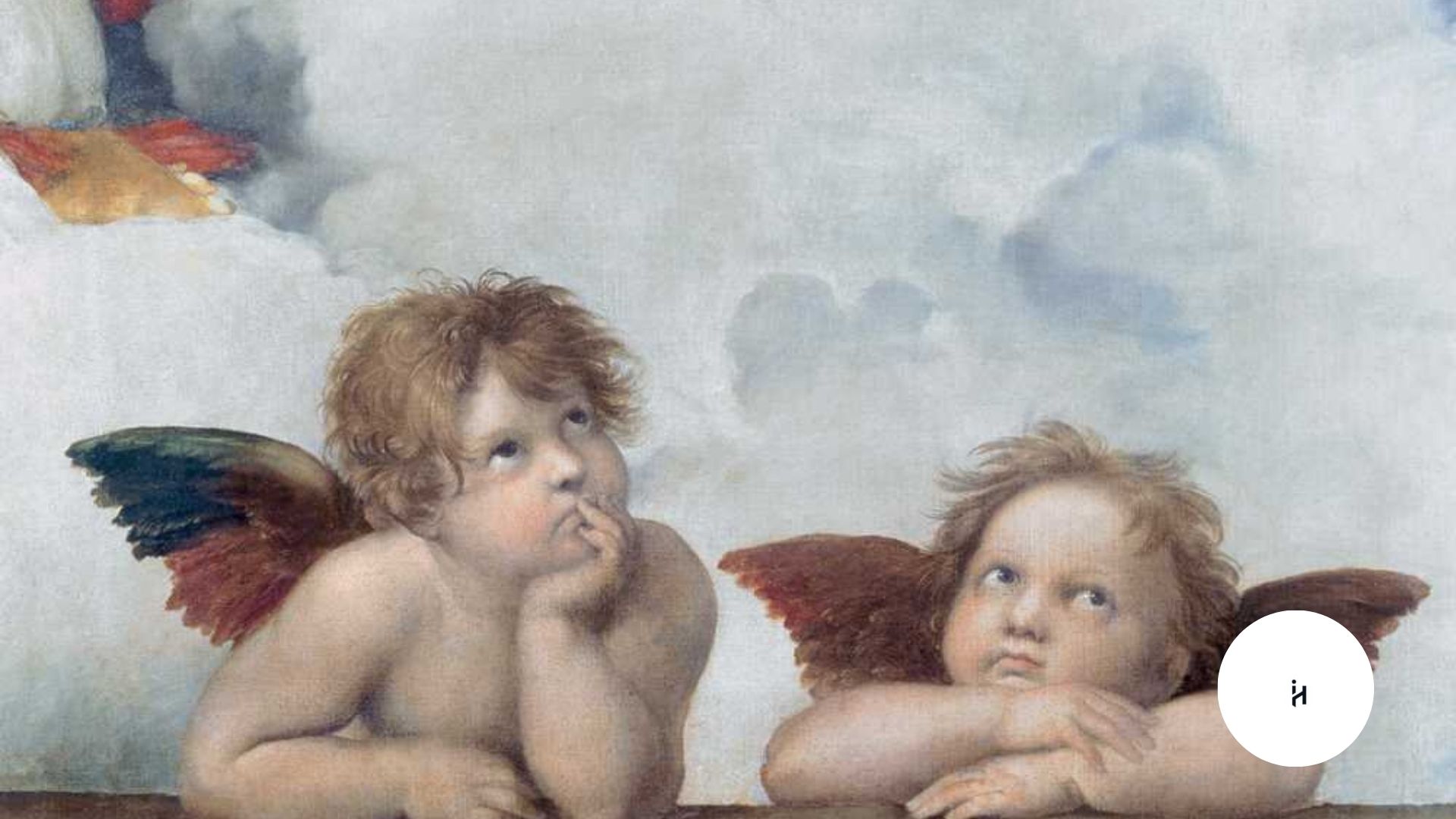
When thinking of celestial and divine designs, angel fairy wings take the spotlight. These wings are typically large, feathery, and pure white, symbolizing holiness, light, and grace. Among the types of fairy wings, angel wings are often reserved for characters with healing abilities, divine powers, or guardianship roles.

In many RPGs, equipping angel wings can unlock healing spells, blessings, or light-based attacks. Players who choose these wings often do so to reflect the morality or purity of their character. The majestic flutter of angel wings adds a sense of righteousness to your avatar, and they’re often used in fantasy games that incorporate religious or celestial themes.

Bat Fairy Wings

For players who prefer the darker side of fantasy, bat fairy wings are the perfect pick. These wings resemble those of a bat—thin, webbed, and slightly eerie. Bat wings are part of the darker types of fairy wings, usually associated with vampires, demons, or shadow fairies.

In games, bat wings often enhance stealth, night vision, or dark magic skills. Their animations are usually slow and ominous, perfectly fitting gothic environments or horror-themed levels. They come in shades of black, dark purple, and blood red, complementing dark avatars and adding a mysterious flair. If your character walks the line between hero and anti-hero, bat wings are the ideal match.

Types of Fairy Wings

Elemental Fairy Wings

These types of fairy wings are imbued with the essence of elements—fire, water, earth, and air. Each elemental wing type has its own design and effects. Fire wings blaze with animated flames, water wings flow with translucent waves, earth wings resemble leaves and vines, and air wings are made of swirling currents.

Elemental wings not only look visually impressive but also grant elemental abilities. For example, fire wings might offer flame resistance or fire-based attacks, while water wings could boost healing or allow underwater breathing. These are often limited-edition wings available during seasonal events or through crafting systems in games.

Mechanical Fairy Wings

Combining steampunk aesthetics with magic, mechanical wings are one of the most visually striking types of fairy wings. These wings are made of gears, metal feathers, and steam-powered engines. They’re popular in sci-fi-fantasy hybrid games and are a favorite among tech-savvy players.

Mechanical fairy wings usually provide bonuses related to speed, armor, or flight endurance. The animations include gear rotations, steam bursts, and metallic sounds. Players who enjoy customizing their characters with futuristic and mechanical elements often choose these wings to stand out with a mix of magic and machinery.

Crystal Fairy Wings

Crystal fairy wings shimmer and shine like gemstones. Their surfaces are usually angular and reflective, resembling the facets of a crystal. These wings are one of the most magical-looking types of fairy wings in any game. Often, they sparkle with light or pulse with glowing energy.

In-game, crystal wings might enhance magic power or grant special resistance against debuffs. Their elegant design appeals to mage-class characters and is often seen in fantasy-themed battle arenas. These wings symbolize wisdom, clarity, and high energy, often favored by players looking to emphasize magical power and prestige.

Leaf Fairy Wings

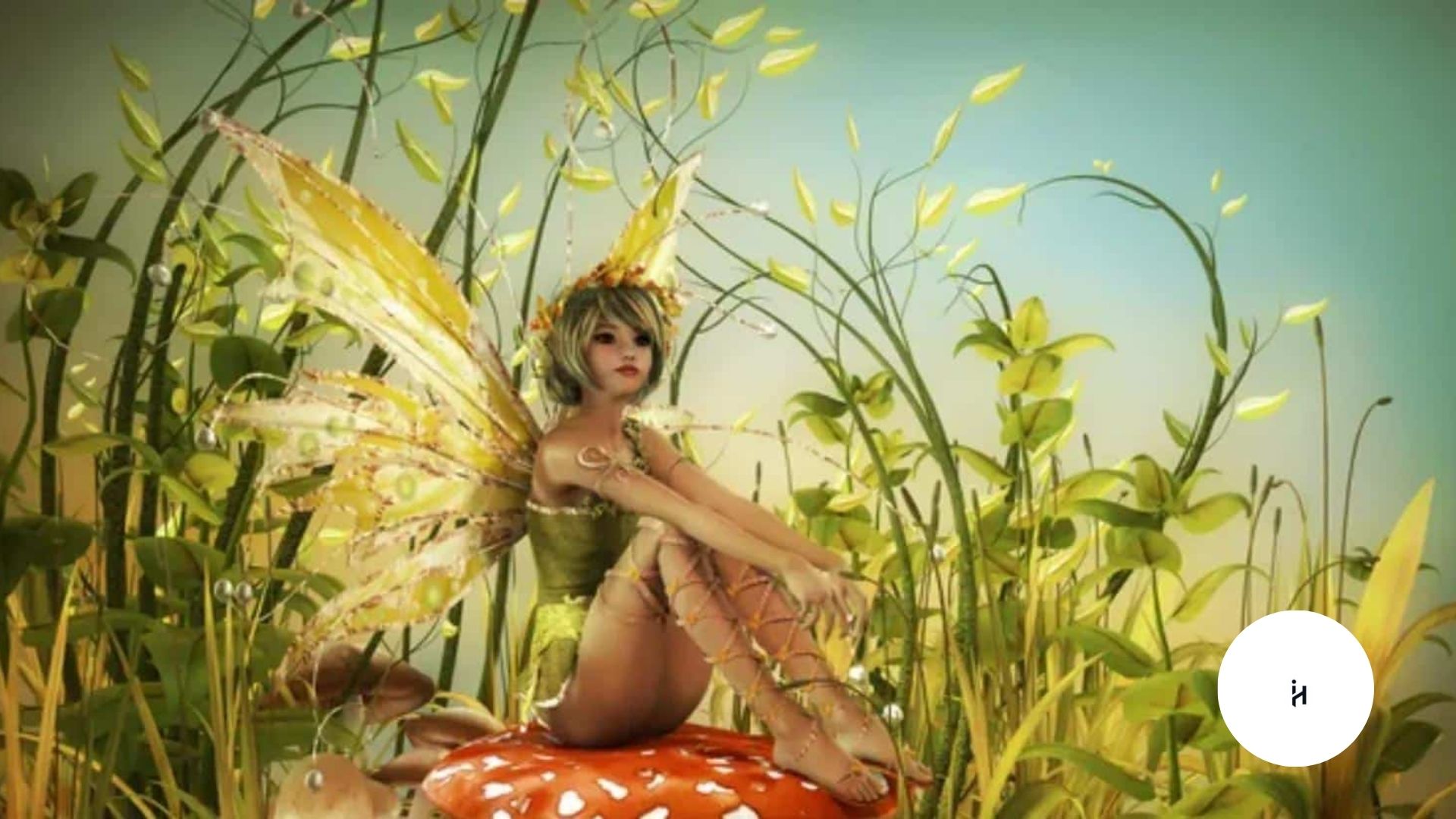
Nature lovers adore leaf fairy wings. As one of the most earthy types of fairy wings, they are made to look like large, textured leaves, either green and fresh or autumn-colored. These wings are most commonly found in games with druidic, forest, or elf-based characters.

Leaf wings generally offer camouflage, healing boosts, or increased harmony with animals. They might come with light rustling sounds or emit falling leaves while moving. Perfect for role-playing characters connected to the natural world, these wings blend in beautifully in lush environments and woodland quests.

Glowing Neon Fairy Wings

For players who enjoy modern and futuristic designs, glowing neon fairy wings are a trendsetting choice. These types of fairy wings are characterized by bright outlines, glowing patterns, and often pulsate to the rhythm of background music or player actions.

Common in rhythm-based games or fashion-forward RPGs, neon wings are all about style. They typically come in fluorescent blues, pinks, greens, and purples, and may even change color in real time. These wings rarely offer major buffs but are all about making a statement. Players who love standing out on the battlefield or dancefloor gravitate toward neon fairy wings.

Transparent Fairy Wings

Types of Fairy Wings

Transparent fairy wings are subtle yet elegant. As one of the more delicate types of fairy wings, they are nearly invisible unless seen at a certain angle or in the right light. These wings appeal to players who prefer a minimalistic design without losing the magical charm of being a fairy.

Their in-game functions might include improved stealth, reduced enemy detection, or a boost to evasion. Transparent wings work well for assassin or scout roles, adding utility without visual distraction. They are a great option for those who want their character’s outfit or gear to shine more than their wings.

Hybrid Fairy Wings

Hybrid fairy wings combine features of different types, offering a customizable or dynamic wing option. These wings may blend dragonfly agility with angelic style or combine fire elements with mechanical structures. These are some of the most flexible types of fairy wings, catering to players who want the best of both worlds.

Games often let players craft these hybrid wings or earn them through high-level achievements. The wings can change their function based on the player’s environment or skill set. Whether you’re mixing light and dark, tech and nature, or magic and might, hybrid wings provide endless creative expression.

Final Thoughts

There’s something truly magical about choosing your fairy wings in a game. Each type tells a story—of your character’s style, strength, and identity. From butterfly elegance to bat-like mystery, the types of fairy wings available in modern games offer endless customization and creativity. Whether you’re soaring through enchanted skies or battling dark forces, your wings are more than just an accessory—they’re an extension of your magical self.

And remember, no matter which types of fairy wings you choose, the magic lies not just in how they look, but in how they make you feel.

Unveiling the Mystery: The Sphinx of Balochistan – Nature’s Game or Ancient Wonder?

0
Sphinx of Balochistan

Introduction to the Sphinx of Balochistan

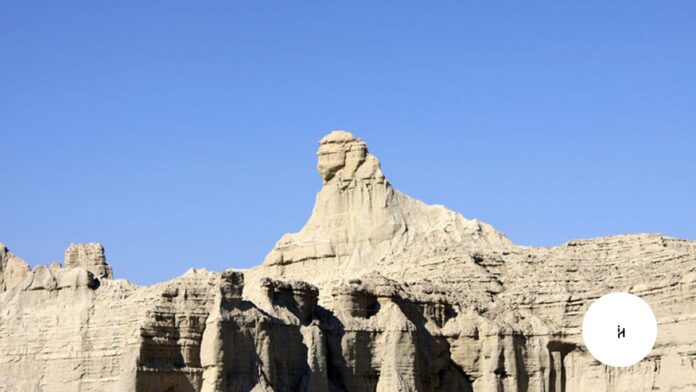
The Sphinx of Balochistan has captivated explorers, historians, and conspiracy theorists alike. Located along the Makran Coastal Highway near Hingol National Park in Pakistan, this natural rock formation bears a stunning resemblance to the famed Great Sphinx of Giza in Egypt.

It has become a topic of fascination for tourists and researchers who believe it could be either a coincidental product of natural erosion or evidence of a lost ancient civilization. With its feline body and human-like face, the Sphinx of Balochistan raises countless questions. Is it just a game of nature? Or was it shaped by human hands thousands of years ago?

Geographic Location and Natural Setting

Sphinx of Balochistan

The Sphinx of Balochistan is nestled in the rocky landscape of the Hingol National Park, one of Pakistan’s largest and most scenic reserves. Surrounded by barren cliffs, sandy plains, and the Arabian Sea’s coastline, the region’s harsh terrain adds to the mystical aura of the formation.

This remote area lies approximately 240 km from Karachi, making it relatively accessible for adventurers. The entire region is rich in geological formations, including the Princess of Hope—a similar rock structure that also resembles a human figure. These formations, including the Sphinx of Balochistan, are believed to have been shaped over millennia by wind, rain, and tectonic activity.

Discovery and Rise to Fame

Though locals may have known about the Sphinx of Balochistan for generations, it gained global attention only in recent years through social media and blog posts. In particular, the comparison with the Egyptian Sphinx went viral, stirring debates worldwide.

Tourists began flocking to Hingol, hoping to catch a glimpse of this mysterious marvel. Pakistani travel bloggers and YouTubers helped amplify its fame by showcasing the enigmatic beauty of the Sphinx of Balochistan. It has now become one of the most discussed natural structures in South Asia.

Geological Perspective: Nature’s Masterpiece

Many geologists argue that the Sphinx of Balochistan is purely a natural phenomenon. The Makran region is home to a wide range of sedimentary rocks, primarily composed of mudstone, sandstone, and shale—materials susceptible to weathering.

Over thousands of years, the erosive forces of wind and rain sculpted the rocks into dramatic shapes. According to this perspective, the Sphinx of Balochistan is an accidental masterpiece, created by the game of erosion and weathering—no human intervention required.

The Theories of Ancient Civilizations

Contrary to geological explanations, some theorists propose that the Sphinx of Balochistan may have been carved by an ancient civilization. The symmetry of the face, defined headgear, and seemingly deliberate placement of the monument are cited as evidence.

These enthusiasts argue that the area may have been part of a forgotten civilization, potentially older than the Indus Valley. Though mainstream archaeology dismisses these ideas, they continue to intrigue many who see the Sphinx of Balochistan as more than just nature’s game.

Comparison with Egypt’s Great Sphinx

Sphinx of Balochistan

The resemblance between the Sphinx of Balochistan and the Great Sphinx of Giza is uncanny. Both structures display a lion-like body and a human face, with detailed headgear. While Egypt’s Sphinx is clearly man-made and dates back to around 2500 BCE, no such confirmation exists for its Pakistani counterpart. The comparison raises interesting questions: Did similar cultures emerge independently? Is the Sphinx of Balochistan part of a forgotten global heritage? While speculative, these ideas keep the intrigue alive and make the structure even more mysterious.

Cultural and Symbolic Interpretations

In various cultures, sphinxes symbolize guardianship, mystery, and power. If the Sphinx of Balochistan was indeed crafted by human hands, its purpose might have been ceremonial or religious. Some researchers believe it could have been a guardian figure placed at the entrance to a sacred site or lost city. Others view it as a symbol of cosmic balance or divine energy. Whether natural or man-made, the Sphinx of Balochistan holds symbolic weight in the imagination of those who encounter it.

Tourism and Accessibility

Tourism in the region has seen a boost due to the rising fame of the Sphinx of Balochistan. Travel agencies now include it in guided tours along the Makran Coastal Highway. Local vendors and tour guides have started to benefit economically, though infrastructure remains underdeveloped.

To reach the Sphinx of Balochistan, visitors must travel through rough terrain and unpaved roads. Despite the challenges, the site offers unforgettable views, making it a worthwhile destination for adventure seekers and history buffs alike.

Conservation and Environmental Concerns

With increased human activity, the Sphinx of Balochistan faces the risk of erosion, vandalism, and environmental damage. Hingol National Park is a protected area, but there are growing calls for stronger conservation efforts. Authorities and environmentalists stress the importance of preserving the region’s unique geology, including the Sphinx of Balochistan, for future generations. Sustainable tourism, government involvement, and awareness campaigns are needed to maintain the integrity of this fascinating site.

Role in Popular Media and Folklore

The Sphinx of Balochistan has sparked a wave of storytelling, folklore, and pop culture references. From mysterious documentaries to YouTube travel vlogs, it has been featured across various platforms. Some locals even share tales of ancient rulers and divine beings linked to the formation. This blend of myth and modern media has made the Sphinx of Balochistan a cultural icon, sparking curiosity and wonder in people around the globe.

Sphinx of Balochistan

Final Thoughts: Nature’s Game or Human Genius?

The question remains: is the Sphinx of Balochistan a miraculous creation of nature’s random processes, or the legacy of an ancient people whose history is lost to time? With 20 references to its name in this article alone, we can safely say the Sphinx of Balochistan is a compelling topic that straddles the line between science and legend.

Regardless of its origin, it serves as a symbol of Pakistan’s geological richness and historical mystery. Whether viewed through the lens of science or imagination, the Sphinx of Balochistan continues to be a timeless enigma, inviting exploration, reflection, and awe.