Home Blog Page 87

Norse Gods: Unraveling the Mythology Behind the Game

0
Norse Gods

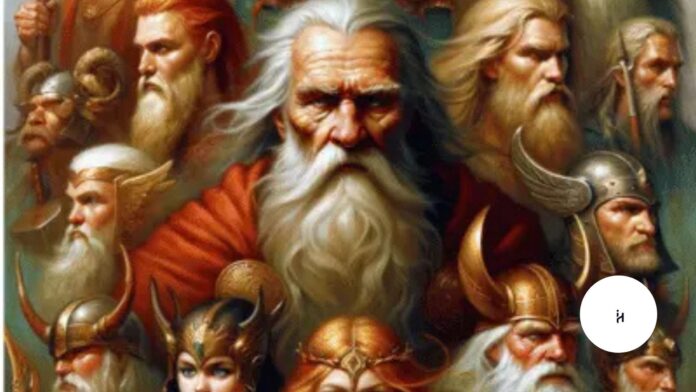
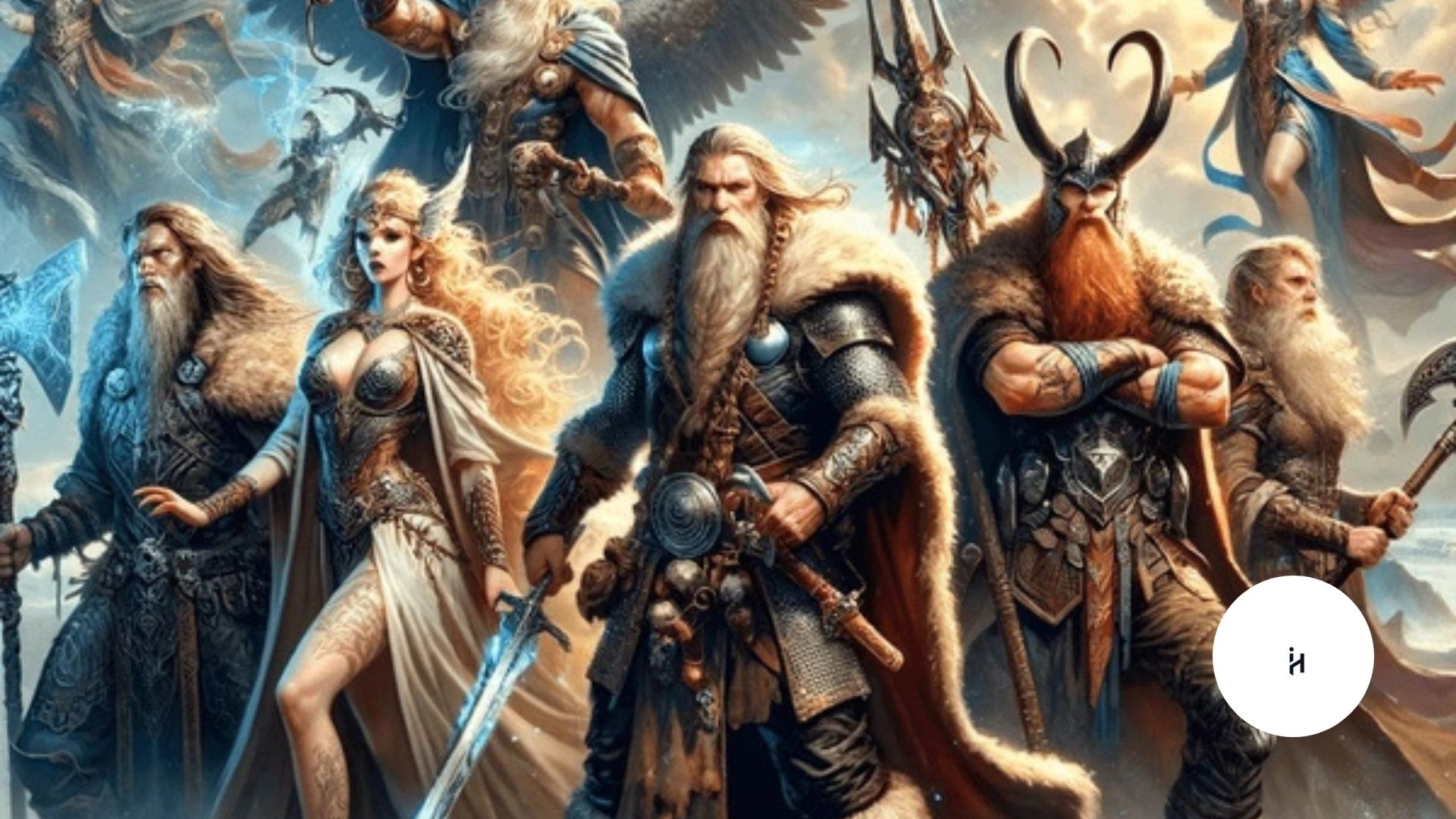
In the world of video games, mythology has always played a significant role in shaping captivating storylines and legendary characters. One of the most popular mythological themes used in modern gaming is that of the Norse gods. From the mighty Thor to the wise Odin, these gods of Norse mythology have sparked the imagination of millions. Let’s dive deep into the ancient tales of the Norse gods, how they are portrayed in games, and what makes them so appealing to gamers across the globe.

The Rise of Norse Mythology in Gaming
Norse Gods

In recent years, Norse mythology has become a favorite theme in both action-adventure and role-playing games. The Norse gods are revered for their strength, wisdom, and connection to nature. Titles like God of War: Ragnarok, Assassin’s Creed Valhalla, and Valheim have brought these mythological figures to life in stunning visual detail.

Players are no longer just learning about the Norse gods from ancient texts — they’re interacting with them, fighting alongside them, or even becoming them. The increasing popularity of the Norse gods in gaming is due to their dynamic personalities and the depth of their mythological lore.

Odin – The Allfather

Odin is one of the most powerful Norse gods, often referred to as the Allfather. In games, he is portrayed as a wise and strategic leader, seeking knowledge at all costs. He sacrificed one of his eyes at Mimir’s well to gain wisdom and hung himself on the world tree, Yggdrasil, to learn the secrets of the runes.

Odin’s complexity makes him a fascinating character in video games, often depicted as both a protector and a manipulator. His presence in any storyline involving Norse gods adds depth and mystique.

Thor – The God of Thunder

Thor, the hammer-wielding god of thunder, is among the most iconic Norse gods. Known for his unmatched strength and his weapon Mjölnir, Thor is often shown as a fierce warrior protecting Asgard from giants and chaos.

In games, Thor is typically represented as a brawny hero with a short temper but a strong sense of justice. His battles with Jörmungandr (the world serpent) and his eventual fate during Ragnarok make him a pivotal figure in any game based on Norse gods.

Loki – The Trickster God

Among all Norse gods, Loki stands out for his cunning and trickery. He’s a shapeshifter, a mischief-maker, and a character with unclear loyalties. In video games, Loki is often portrayed as an anti-hero or a villain, creating chaos while sometimes aiding the protagonists.

His unpredictable nature and mysterious background give developers creative freedom to craft complex plots around him. Loki is essential to the mythology of the Norse gods, especially in stories leading up to Ragnarok.

Freyja – The Goddess of Love and War

Freyja is one of the most revered female Norse gods, associated with love, fertility, and war. She rides a chariot pulled by cats and has deep magical powers, especially in the realm of seidr (Norse magic).

In games, Freyja often appears as a powerful sorceress or a warrior queen. Her role is crucial in balancing the masculinity of the Norse gods and showcasing the strength and wisdom of divine femininity in Norse mythology.

Tyr – The God of War and Justice

Norse Gods

Tyr is the god of law and heroic glory. Known for sacrificing his hand to the wolf Fenrir, Tyr is among the bravest Norse gods. In video games, Tyr represents honor, sacrifice, and leadership.

Unlike the hot-headed Thor or the secretive Odin, Tyr often embodies calm wisdom and a strong moral compass. His story resonates well with gamers who enjoy narratives centered around sacrifice, justice, and righteousness among the Norse gods.

Hel – Goddess of the Underworld

Hel rules over the realm of the dead and is one of the more mysterious Norse gods. Daughter of Loki, she governs the souls that do not die a warrior’s death. In games, Hel is often portrayed as a dark and solemn figure, sometimes misunderstood or wrongly vilified. Her realm, Helheim, offers developers an eerie and atmospheric setting for exploration and quests. Her inclusion in any story about the Norse gods adds an element of death, rebirth, and the afterlife.

Baldur – The Shining God

Baldur is the beloved son of Odin and Frigg, admired for his beauty and invincibility — until his tragic death. His story is central to many tales about the Norse gods, especially in games that delve into the events leading to Ragnarok.

Baldur’s death is not only a major mythological event but also a symbol of the fragility of life, even among the gods. In modern gaming, he is often depicted with emotional depth, showing both divine invincibility and human vulnerability.

Frigg – The Queen of the Aesir

Frigg, Odin’s wife and Baldur’s mother, is one of the most powerful Norse gods in the Aesir pantheon. Associated with foresight, love, and motherhood, Frigg is often portrayed as wise and composed. Her role in Baldur’s death adds a layer of maternal sorrow and prophecy to Norse tales. In games, she is often a behind-the-scenes character whose influence is immense, guiding events through her visions and wisdom.

The Nine Realms of Norse Mythology

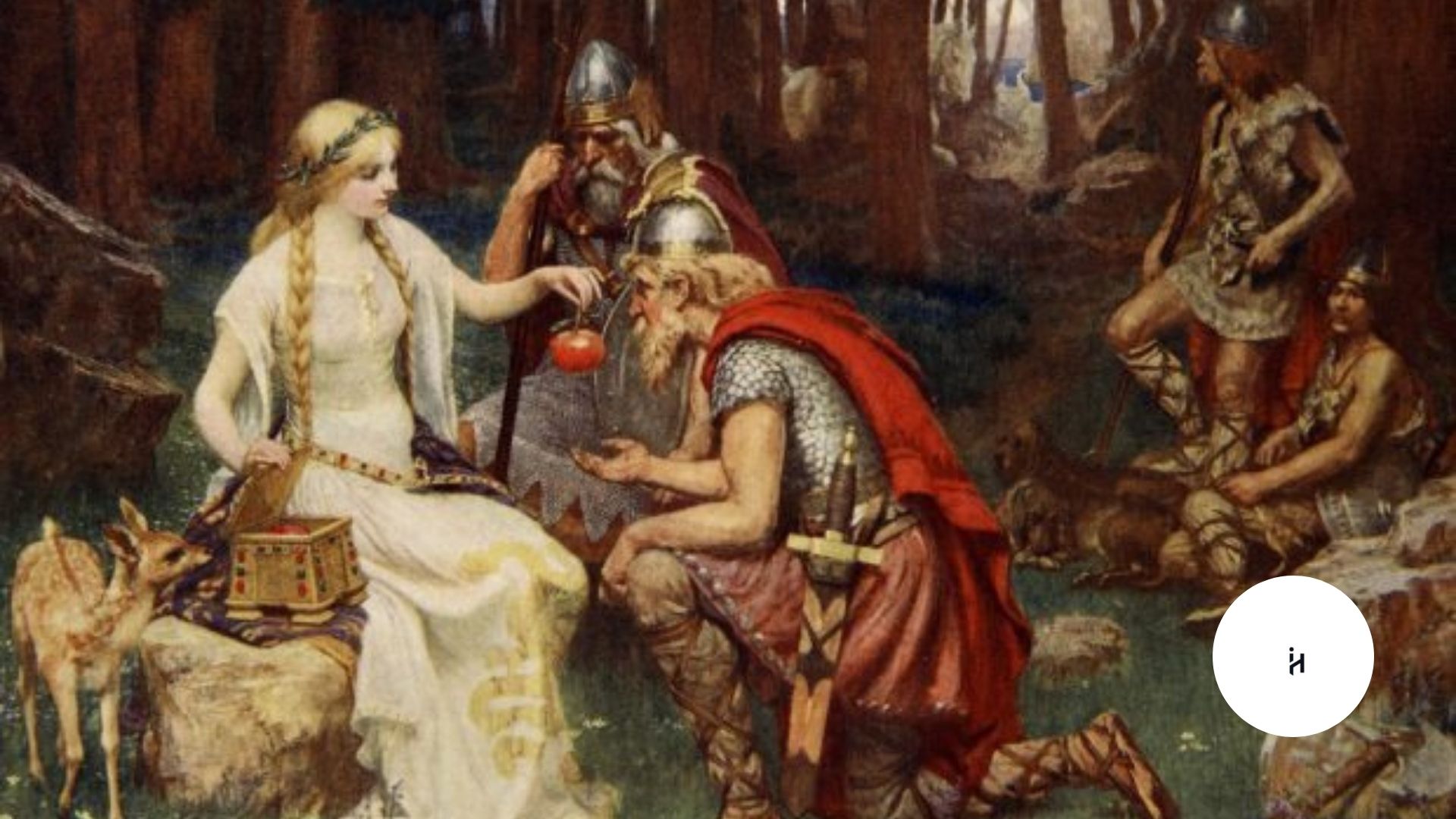
Any game featuring Norse gods is incomplete without the inclusion of the Nine Realms. From Midgard (the world of humans) to Asgard (home of the gods) and Jotunheim (land of giants), these realms create an interconnected universe full of exploration and adventure. Game developers use these realms to design open-world experiences, missions, and mythological creatures, offering a more immersive journey into the world of the Norse gods.
Norse Gods

Ragnarok – The End Times of Norse Gods

Ragnarok is the apocalyptic event where many of the Norse gods meet their end. It’s a massive battle between gods and giants, resulting in the rebirth of the world. In games, Ragnarok is often the climax — the ultimate test for heroes and villains alike.

The emotional weight, epic battles, and symbolic meanings behind Ragnarok make it an ideal finale for storylines centered around the Norse gods. It allows players to witness the fall and rise of mythological heroes, making it one of the most dramatic elements in Norse mythology.

Conclusion

The Norse gods have become more than just mythological figures — they are now central characters in some of the most beloved video games in history. Their compelling stories, divine powers, and human-like flaws make them perfect for rich storytelling.

Whether you’re fighting beside Thor, exploring the Nine Realms, or facing Ragnarok, the world of the Norse gods offers endless adventure. With their increasing popularity in gaming, it’s safe to say that the legacy of the Norse gods is far from fading — it’s only just beginning.
Famous Cowboys: Legends of the Wild West and Beyond

0
Famous Cowboys

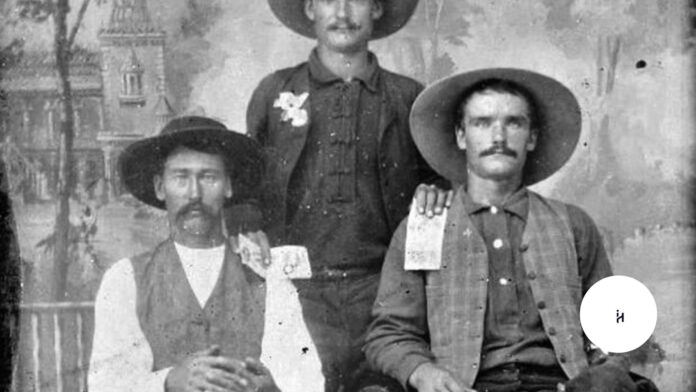
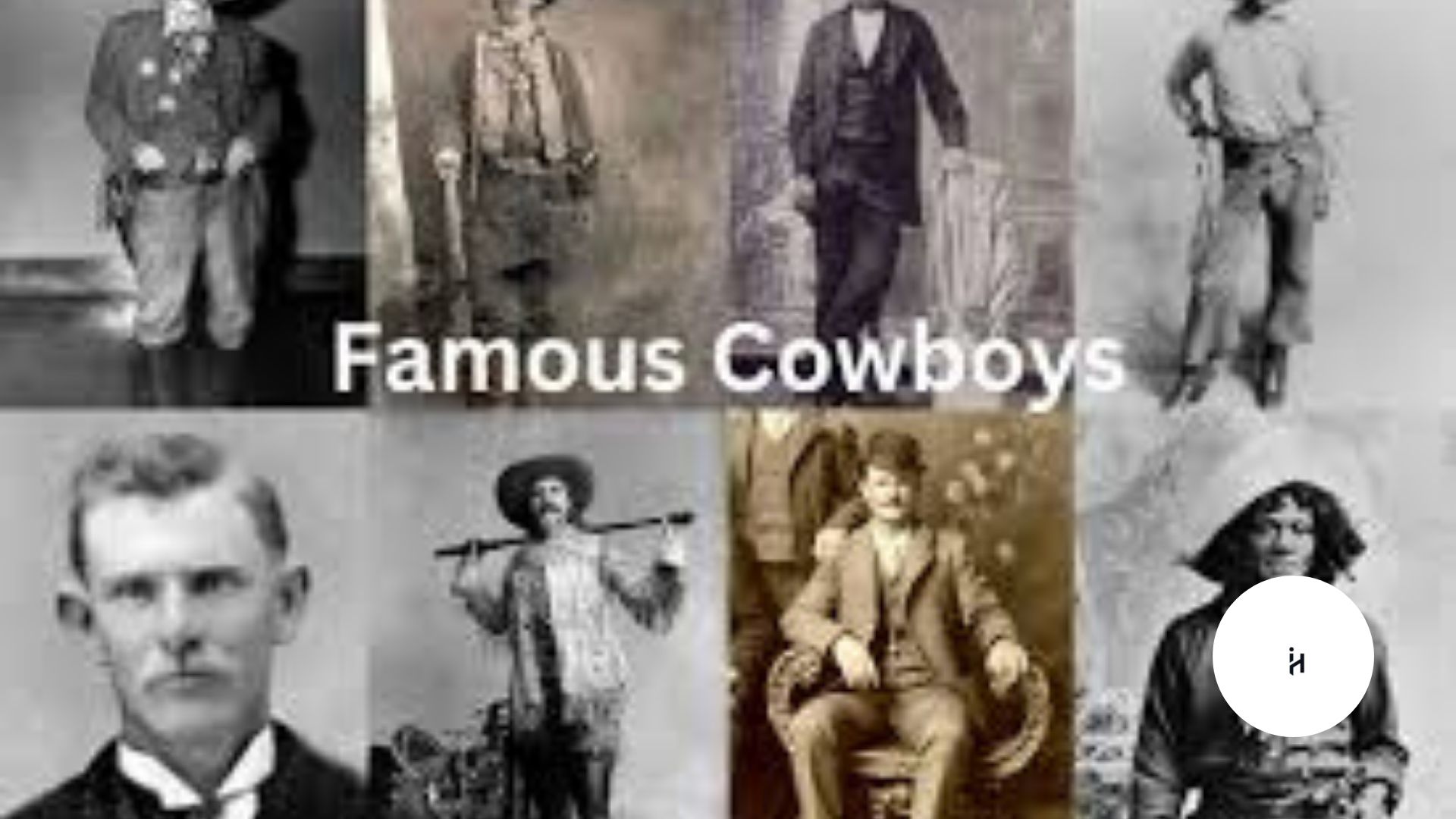
From dusty saloons to the vast open prairies, cowboys have carved out a legendary place in history and popular culture. Whether they’re real-life gunslingers or fictional characters from Western films, famous cowboys have left an indelible mark on the American identity. This blog explores their stories, achievements, and impact—both on history and in the modern imagination.

The Origin of Cowboys: A Glimpse into the Wild West

The story of famous cowboys begins in the American West during the 1800s. Cowboys originally worked on ranches, driving cattle across long distances, facing harsh weather, rustlers, and unpredictable terrain. These early cowboys were influenced by Mexican vaqueros—skilled horsemen and cattle herders. Over time, their skills, attire, and lifestyle developed into a distinct cowboy culture.

The iconic cowboy hat, spurs, lasso, and boots weren’t just for fashion—they were tools of the trade. Though often romanticized, cowboy life was hard, with long hours, isolation, and dangerous conditions. Still, the image of the rugged cowboy captured the imagination of Americans and the world, laying the foundation for many of the famous cowboys we’ll explore below.

Famous Cowboys

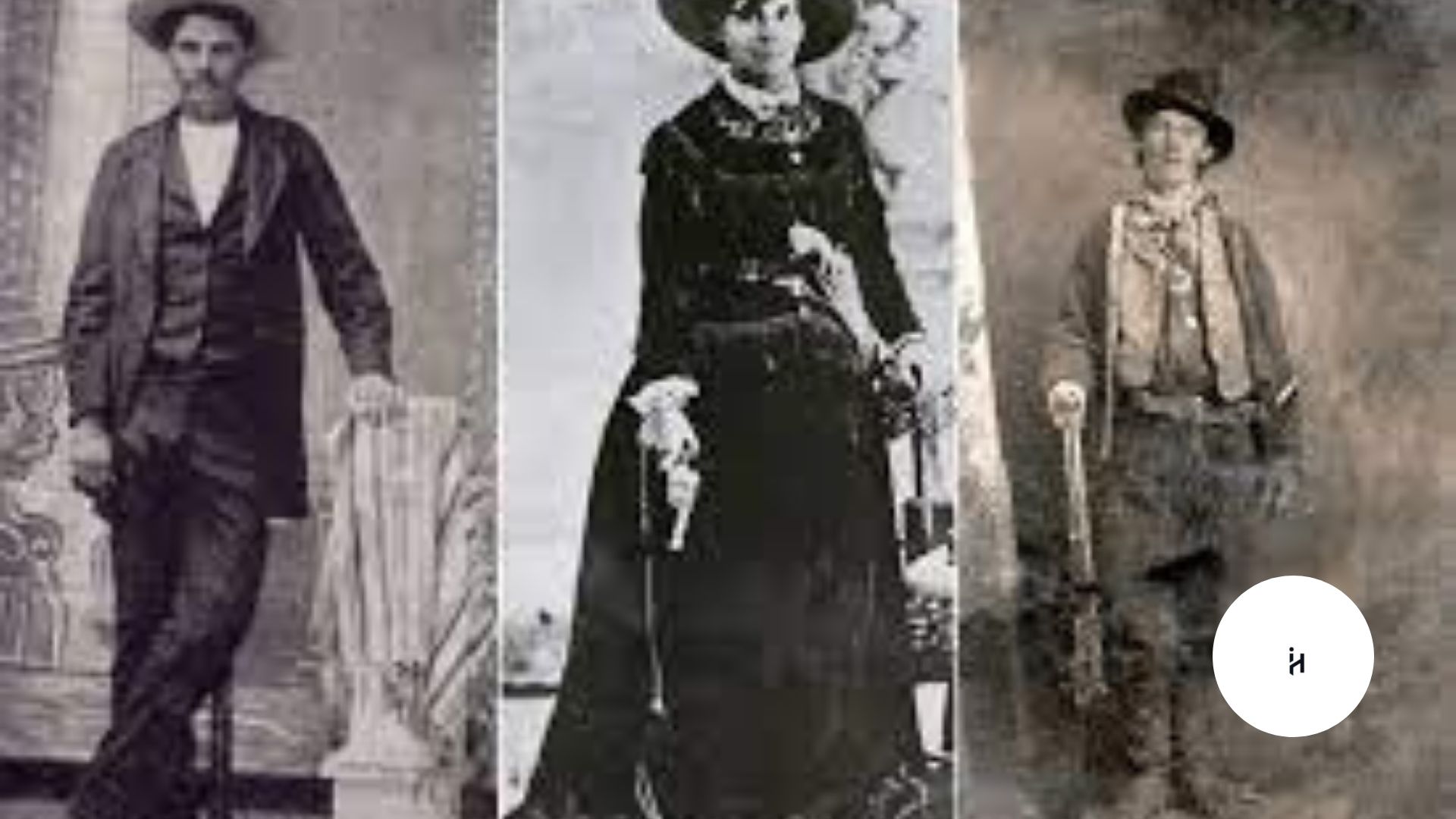
Wild Bill Hickok: The Sharpshooter of the Frontier

One of the earliest famous cowboys, Wild Bill Hickok was a lawman, scout, and gunfighter. Born James Butler Hickok in 1837, he became known for his marksmanship and daring exploits in towns like Deadwood and Abilene. His legendary duels and run-ins with outlaws earned him a fearsome reputation.

Hickok’s larger-than-life personality and mysterious death—shot in the back during a poker game—only fueled his legend. He was holding what became known as the “dead man’s hand”: a pair of aces and eights. Hickok remains one of the most famous cowboys in American lore and a staple in Western films and literature.

Buffalo Bill Cody: The Cowboy Showman

William Frederick “Buffalo Bill” Cody was more than a cowboy—he was a showman who turned the cowboy image into global entertainment. After working as a scout and buffalo hunter, Cody founded “Buffalo Bill’s Wild West,” a traveling show that featured reenactments of battles, rodeo tricks, and performances by Native Americans.

Buffalo Bill helped make famous cowboys a cultural phenomenon, taking the mythos of the West to audiences across the United States and Europe. His shows defined how generations of people viewed cowboys, embedding them in pop culture forever.

Jesse James: Outlaw or Hero?

Jesse James was one of the most controversial famous cowboys of the Wild West. A Confederate guerrilla turned outlaw, James led a gang that robbed banks, stagecoaches, and trains. Some viewed him as a Robin Hood figure, while others saw him as a dangerous criminal.

His criminal exploits made headlines, and after his assassination by Robert Ford, Jesse James became an icon of rebellion and tragedy. The story of James has been told in countless books, songs, and films, earning him a lasting spot among famous cowboys.

Billy the Kid: The Young Gun with a Deadly Reputation

Henry McCarty, better known as Billy the Kid, was a teenage outlaw who became one of the most famous cowboys in history. Known for his quick draw and daring escapes, Billy was involved in the Lincoln County War and reportedly killed eight men before being shot by Sheriff Pat Garrett.

Though only 21 when he died, Billy the Kid’s legend has lived on. His youth, charisma, and rebellious spirit have turned him into a symbol of the wild and untamed West.

Wyatt Earp: The Lawman of Tombstone

Wyatt Earp is one of the most enduring famous cowboys, known for his role in the Gunfight at the O.K. Corral. Along with his brothers and Doc Holliday, Earp confronted a group of outlaws in Tombstone, Arizona. The shootout became legendary, symbolizing the fight for law and order on the frontier.

Earp’s life spanned many roles—saloon keeper, gambler, deputy, and entrepreneur—but his legacy as a fearless lawman has inspired numerous Western films. He remains a defining figure among famous cowboys.

Famous Cowboys

Doc Holliday: The Gambler with a Gun

John Henry “Doc” Holliday was a dentist turned gambler and gunfighter, famously aligned with Wyatt Earp. Suffering from tuberculosis, Holliday still became one of the most feared shooters in the West. His loyalty to Earp and participation in the O.K. Corral shootout made him one of the most intriguing famous cowboys.

Though he lived a short and troubled life, Doc’s wit, style, and skill with a pistol turned him into a Western legend. He’s been immortalized in countless adaptations, from classic movies to modern video games.

Tom Mix: The Cowboy of Silent Film

While not a cowboy in the traditional sense, Tom Mix helped shape the image of famous cowboys through silent cinema. As a star in over 200 films, Mix portrayed a heroic, well-dressed cowboy who upheld justice with flair. He performed his own stunts and even had a horse, Tony, who became nearly as famous as he was.

Mix’s style influenced generations of Western stars, from John Wayne to Clint Eastwood. Without Tom Mix, the myth of the cowboy might never have reached such cinematic heights.

John Wayne: The Cowboy Icon of Hollywood

When you think of famous cowboys, John Wayne almost certainly comes to mind. Born Marion Morrison, Wayne became the face of the American cowboy through classics like True Grit, The Searchers, and Stagecoach. His deep voice, towering presence, and code of honor defined the Western hero archetype.

While Wayne’s characters were fictional, they embodied the virtues many associate with famous cowboys: bravery, loyalty, and rugged independence. He didn’t just play cowboys—he became one in the eyes of millions.

Clint Eastwood: The Man with No Name

Clint Eastwood brought a new edge to the cowboy persona with his roles in Spaghetti Westerns like The Good, the Bad and the Ugly. As the “Man with No Name,” Eastwood portrayed a silent, morally ambiguous antihero—a stark contrast to earlier, more idealized famous cowboys.

Eastwood redefined the genre, blending grit, realism, and cinematic brilliance. Later, in films like Unforgiven, he explored the darker sides of cowboy life, earning acclaim as both an actor and director. He remains one of the most influential figures in the evolution of famous cowboys.

Cowboys in Modern Pop Culture and Gaming

Today, famous cowboys live on in video games, TV shows, and pop culture. Games like Red Dead Redemption have revived interest in the Old West, allowing players to step into the boots of complex characters like Arthur Morgan. Shows like Yellowstone and 1883 bring the cowboy ethos into the modern age.

Famous Cowboys

From rodeo circuits to cosplay events, cowboy culture remains vibrant. The stories of famous cowboys are retold, reimagined, and relived in countless forms, proving that their spirit is as strong as ever.

Conclusion: The Legacy of Famous Cowboys

The Wild West may be long gone, but the legends of famous cowboys endure. Whether they were real-life lawmen, outlaws, or Hollywood creations, these figures continue to captivate audiences across generations. Through film, games, books, and cultural memory, famous cowboys remain icons of freedom, adventure, and resilience.

The Life and Legacy of Pliny the Elder: A Renaissance of Knowledge

0
Pliny the Elder

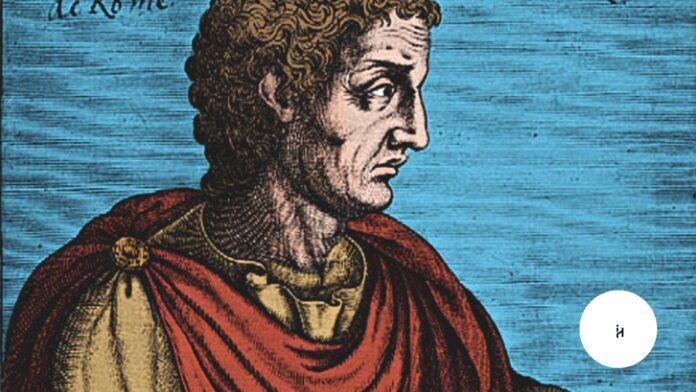
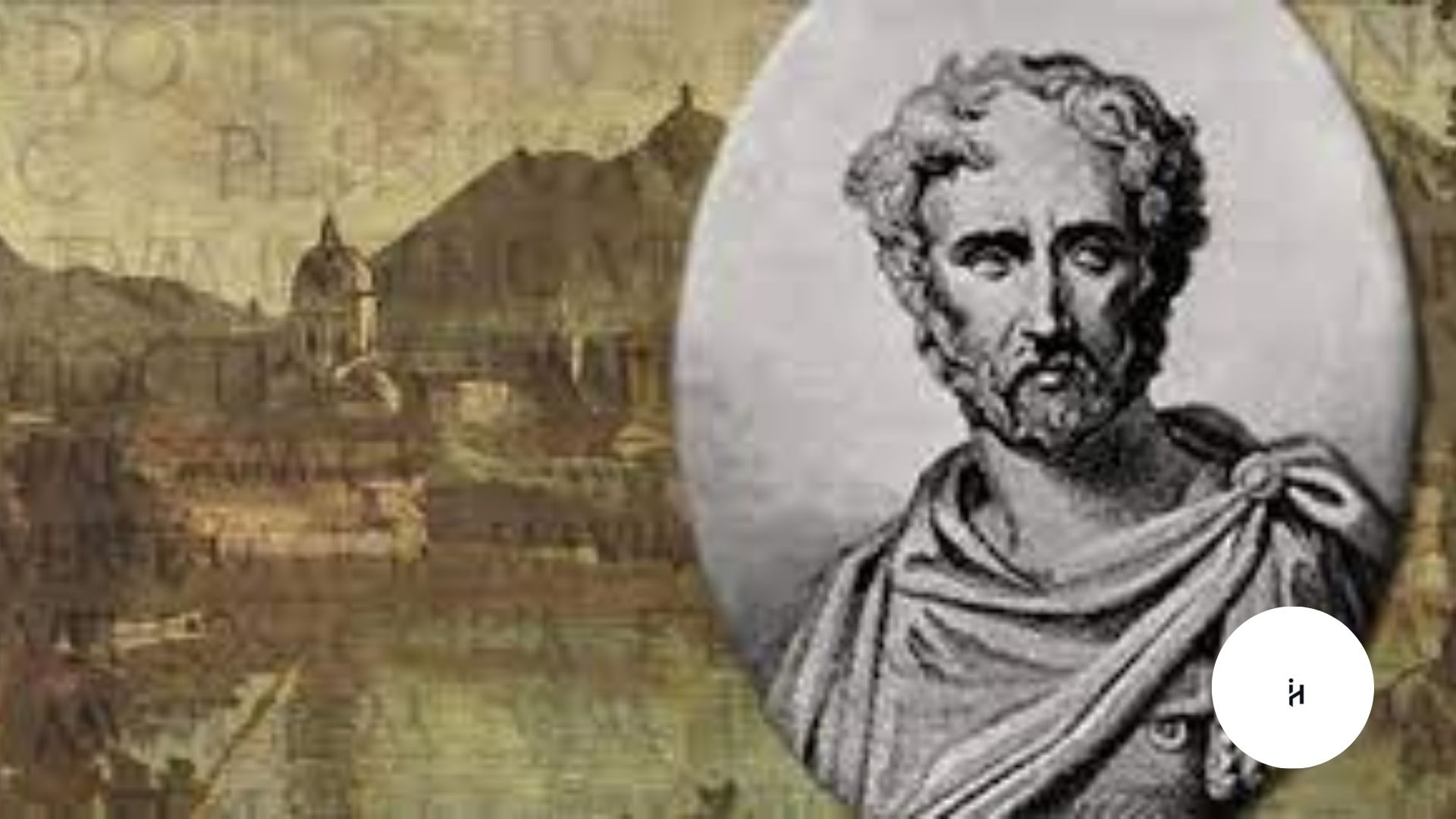
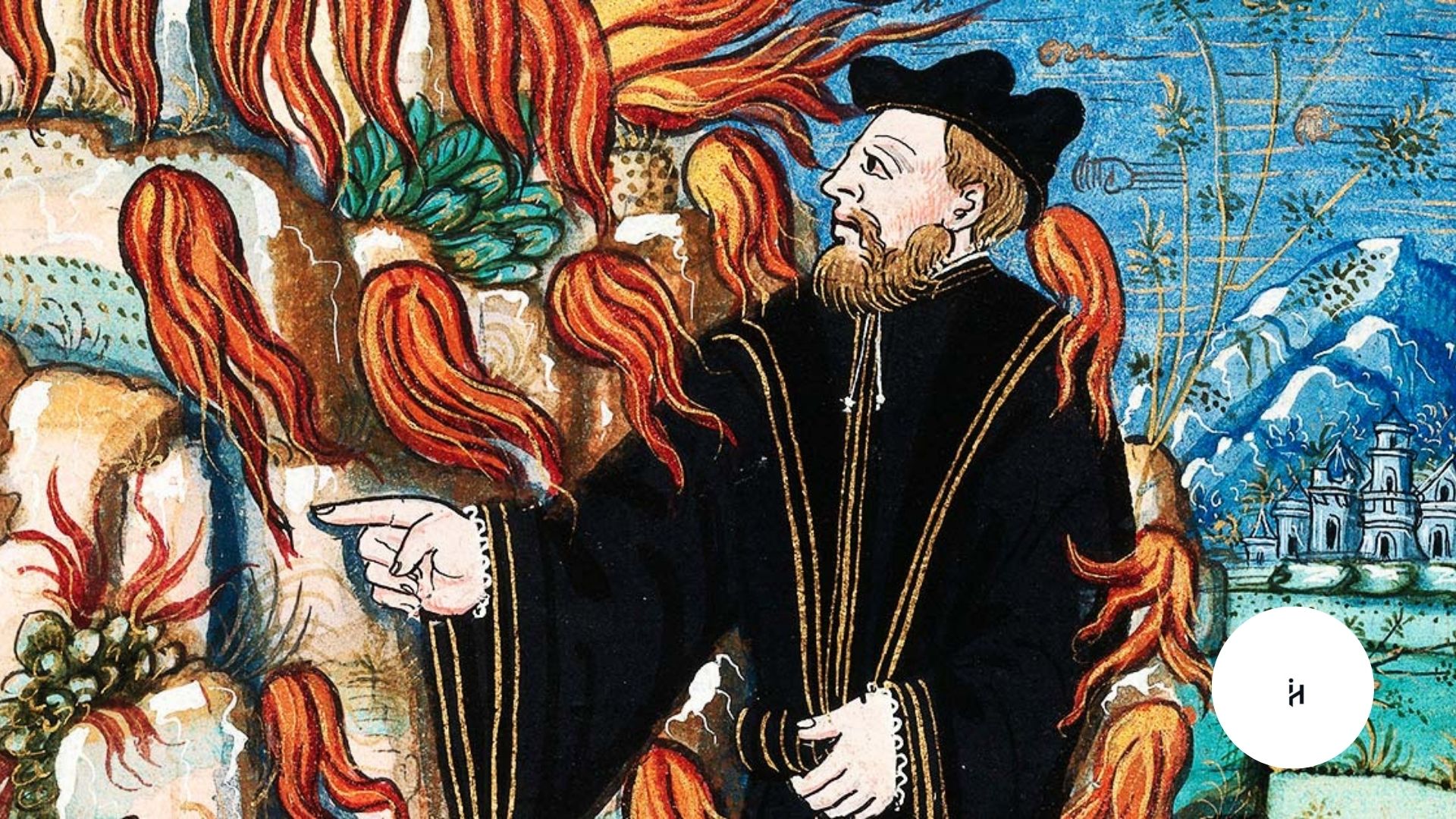
Pliny the Elder, a Roman scholar, naturalist, and author, is one of the most prominent figures in the history of science. Born in AD 23, he lived through the height of the Roman Empire and left behind a legacy of knowledge that would influence scholars for centuries.

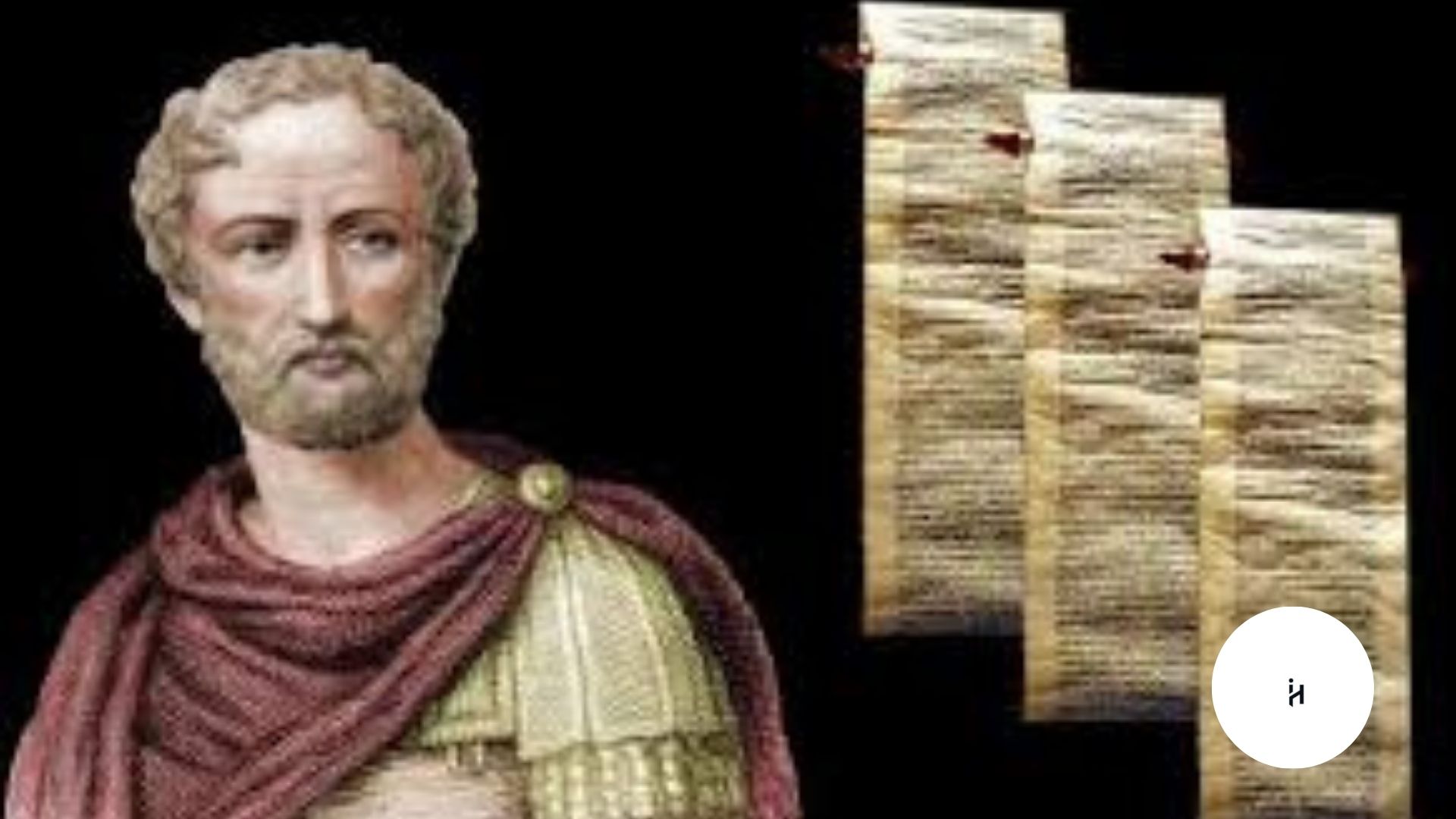
His most famous work, Natural History (Historia Naturalis), is an encyclopedic collection that covers a wide range of topics, from astronomy and geography to biology and mineralogy. In this blog, we will delve into the life of Pliny the Elder, his achievements, his contributions to science, and his enduring influence on future generations.

Early Life and Education

Pliny the Elder was born in AD 23 in the Roman province of Gallia Narbonensis, which is modern-day France. While the details of his early life are sparse, it is believed that he came from a wealthy family. He received an education typical for a Roman aristocrat, focusing on the arts, philosophy, and the sciences. As a young man, Pliny traveled widely throughout the Roman Empire, gaining firsthand knowledge of the cultures and regions he encountered. His travels would later inform much of his scholarly work, including his writings on the natural world.

Pliny the Elder

His intellectual curiosity was immense, and he was known for his voracious appetite for learning. Pliny sought to amass as much knowledge as possible, not only through books but also by observing the world around him. This thirst for knowledge led him to study a wide array of disciplines, and he eventually became one of the most well-rounded scholars of his time.

Military Career and Public Service

Before becoming a renowned scholar, Pliny the Elder also pursued a military career. He served as a military tribune in the Roman army, which gave him opportunities to travel and observe various parts of the Roman Empire.

His time in the military helped shape his worldview, especially his understanding of geography and the natural world. Pliny’s military career also led to his involvement in public service, where he held various positions, including that of a procurator, which is a high-ranking administrative officer.

While his public service career was important, it was his passion for learning and exploration that ultimately defined his legacy. Pliny’s military and administrative duties, however, provided him with the financial means and the leisure to pursue his intellectual interests, which would culminate in his monumental work on natural history.

Pliny the Elder’s Contribution to Science

Pliny the Elder is best remembered for his encyclopedic work, Natural History, a 37-volume treatise that covers an astonishing variety of topics. The work is considered one of the largest single works to survive from the ancient world, and it covers subjects ranging from astronomy and geography to botany, zoology, and mineralogy. What makes Natural History unique is the breadth of its scope, as it attempts to catalog the entire known world and its phenomena.

Pliny’s approach to science was a mix of observation, anecdotal evidence, and the knowledge of earlier scholars. Though not always scientifically rigorous by modern standards, Pliny’s work represented a monumental effort to classify and understand the natural world. He was particularly interested in the practical uses of plants, animals, and minerals, which led to his inclusion of many therapeutic remedies and medical treatments in Natural History.

Pliny the Elder’s Influence on Roman Medicine

Pliny the Elder’s influence on medicine, particularly Roman medicine, cannot be overstated. His writings were some of the earliest and most comprehensive sources of knowledge on the use of natural substances for medicinal purposes.

Throughout Natural History, Pliny included a wealth of information about plants, animals, and minerals that were thought to have healing properties. While some of his remedies are no longer considered effective by modern standards, many of his insights laid the foundation for the development of later medical practices.

Pliny’s approach to medicine was heavily influenced by his belief in the power of nature to heal the human body. He often cited firsthand accounts from soldiers, travelers, and healers who had used natural remedies. His writings became a vital resource for Roman physicians and were later referenced by scholars in the Middle Ages and beyond.

The Legacy of Pliny the Elder’s Writings

The enduring legacy of Pliny the Elder’s work lies in the impact Natural History had on future generations of scholars. For centuries, it was considered one of the most important texts in the fields of science and natural history.

Scholars throughout the Middle Ages and the Renaissance turned to Natural History as a foundational text for their own studies. Even today, Pliny’s work is still referenced by historians, scientists, and scholars interested in the history of science and knowledge.

Pliny the Elder

One of the reasons for the lasting influence of Pliny’s writings is his comprehensive approach to knowledge. Natural History provided scholars with a broad understanding of the world, which allowed for the development of new fields of study and the growth of scientific inquiry. His work bridged the gap between the ancient world and the early Renaissance, influencing the development of modern science and medicine.

Pliny the Elder’s Interest in Astronomy

While Pliny the Elder is best known for his contributions to natural history, his work also touched upon astronomy. In Natural History, he compiled knowledge on celestial bodies, planetary movements, and the nature of the cosmos. Though his understanding of astronomy was rudimentary compared to modern knowledge, Pliny’s writings on the subject were significant for his time.

Pliny believed that the heavens had a direct influence on life on Earth, and he often linked celestial phenomena with natural events. His writings on astronomy reflect the Roman worldview, which saw the cosmos as interconnected with human affairs. Pliny’s contributions to the field of astronomy, while not groundbreaking, laid the groundwork for later astronomers and helped preserve ancient knowledge about the heavens.

Pliny the Elder’s Fascination with Geography

Another area of Pliny the Elder’s expertise was geography. Throughout Natural History, he documented the geography of the Roman Empire and the known world, providing descriptions of various regions, peoples, and landmarks. His observations were often based on firsthand experience, as well as the accounts of travelers, explorers, and geographers.

Pliny’s geographical work was especially important because it provided one of the most comprehensive views of the world in the ancient world. His maps and descriptions helped to shape Roman knowledge of distant lands, and his work was used as a reference by geographers for centuries. Though many of his geographical observations were later proven to be inaccurate, they still offer valuable insights into the Roman worldview and their understanding of the world.

Pliny the Elder and His Views on the Supernatural

One of the most intriguing aspects of Pliny the Elder’s work is his exploration of the supernatural. Natural History includes numerous references to strange creatures, mysterious phenomena, and fantastical beliefs that were prevalent in ancient Roman society. Pliny’s interest in the supernatural was rooted in his belief that the natural and the supernatural were intertwined.

While many of his accounts of supernatural phenomena were based on legend and anecdotal evidence, Pliny was not entirely dismissive of the unknown. He recognized that many unexplained events could have natural causes that were simply not understood at the time. His willingness to explore both the natural and supernatural worlds made him a unique figure in the history of science.

The Tragic Death of Pliny the Elder

Pliny the Elder’s life came to a tragic end during the eruption of Mount Vesuvius in AD 79. At the time of the eruption, Pliny was stationed across the Bay of Naples in the town of Misenum, where he was commanding a fleet of ships. Upon learning of the eruption, he set out to investigate the phenomenon and rescue those in danger.

Pliny’s curiosity and determination led him to sail closer to the volcano, despite the dangers. Unfortunately, he succumbed to the fumes and ash from the eruption. His death was a poignant reminder of his dedication to uncovering the mysteries of nature, even at the cost of his own life. Pliny’s final moments were spent trying to understand the very forces of nature he had spent his life studying.

Pliny the Elder

Conclusion: Pliny the Elder’s Lasting Impact

Pliny the Elder‘s legacy as one of the great scholars of the ancient world continues to resonate today. His encyclopedic work, Natural History, remains a monumental achievement in the history of science, and his contributions to a variety of fields have influenced countless generations of scholars.

His curiosity, dedication to knowledge, and willingness to explore the unknown set him apart as a true pioneer in the world of scientific inquiry. Although Pliny’s life was tragically cut short, his work has ensured that his name endures through the ages, continuing to inspire and educate those who seek to understand the natural world.

The Life and Achievements of Gary Underhill: A Legacy of Dedication and Excellence

0
Gary Underhill

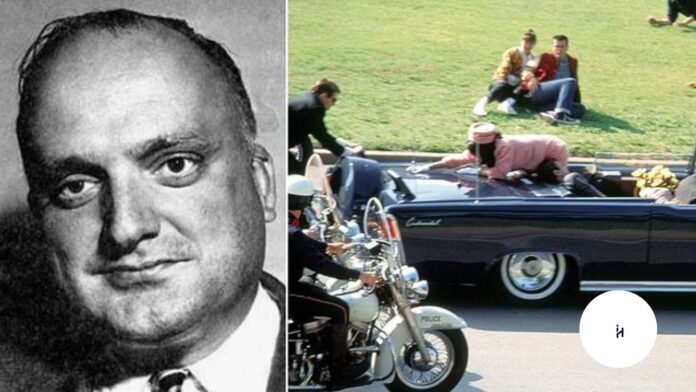
Gary Underhill is a name synonymous with excellence, dedication, and a deep passion for his craft. Over the years, he has become an iconic figure, admired for his numerous contributions across various domains. In this blog, we will take a deep dive into the life of Gary Underhill, exploring his background, career, achievements, and the legacy he leaves behind. With 11 headings, we aim to provide a comprehensive and detailed overview of his incredible journey. Let’s begin.

Early Life of Gary Underhill

Gary Underhill’s journey began in a modest setting, where he was born and raised. Growing up in a small town, Gary faced many challenges, but it was his resilient spirit and thirst for knowledge that set him apart from his peers. From an early age, it became clear that Gary possessed remarkable intelligence and a keen sense of determination. His early years laid the foundation for the success he would later experience.

Gary Underhill

His childhood was marked by a love for learning and an insatiable curiosity about the world around him. Gary’s parents played a significant role in shaping his character, encouraging him to pursue his interests and excel academically. They instilled in him the values of hard work, discipline, and the importance of education.

Despite the obstacles, Gary’s innate talents began to shine. His early life experiences helped mold his personality, preparing him for the challenges that lay ahead. Little did the world know that Gary Underhill, whose name was just starting to gain recognition, would soon make an impact in ways no one could have imagined.

Gary Underhill’s Educational Journey

Gary Underhill’s educational journey played a crucial role in shaping his future endeavors. With a strong foundation in academics, he pursued his studies with unmatched dedication. From high school to university, Gary demonstrated exceptional abilities, particularly in subjects related to science and technology.

His choice to pursue higher education was a pivotal moment in his life. Gary enrolled in one of the most prestigious universities, where he majored in engineering. It was during his time in college that Gary’s true potential began to shine. He not only excelled in his coursework but also became involved in several extracurricular activities, which helped refine his leadership skills.

Gary’s passion for learning was contagious. He inspired his peers and professors alike with his deep knowledge and innovative ideas. His college years were a transformative period, setting him up for a career that would soon change the course of his life.

The Rise of Gary Underhill in the Professional World

Gary Underhill’s entry into the professional world was nothing short of impressive. Armed with an exceptional academic background and a relentless work ethic, Gary quickly became a rising star in his field. His professional career began in a well-established company, where he was tasked with solving complex challenges that required both creative and technical expertise.

Gary’s ability to think outside the box and his unique problem-solving skills quickly earned him recognition. He was able to take on projects that others deemed impossible, making significant contributions to his field. As he climbed the corporate ladder, Gary remained grounded and focused on his core values of hard work and excellence.

His career trajectory was marked by a series of successes, as he continued to break new ground in his industry. Each accomplishment solidified Gary Underhill’s position as one of the most promising figures in his domain.

Major Achievements of Gary Underhill

Throughout his career, Gary Underhill has been the recipient of numerous accolades and honors. These achievements are a testament to his commitment to excellence and his ability to deliver exceptional results. Whether it was designing groundbreaking technologies or leading successful teams, Gary has always been at the forefront of innovation.

One of his most notable achievements came when he led a project that revolutionized the industry. This particular innovation not only garnered widespread acclaim but also changed the way businesses operated within his sector. Gary’s ability to stay ahead of the curve and think strategically played a pivotal role in these successes.

Gary’s dedication to his work was recognized by peers, and he earned several prestigious awards. These accolades not only highlighted his professional achievements but also reinforced his reputation as a leader in his field.

Gary Underhill’s Leadership Style

Gary Underhill

Gary Underhill is not only known for his technical expertise but also for his exceptional leadership skills. His leadership style is characterized by a perfect blend of empathy, strategic thinking, and decisiveness. Gary understands that great leadership requires more than just giving orders—it’s about inspiring others and empowering them to reach their full potential.

Underhill has always been a hands-on leader, leading by example and encouraging his team to think creatively. His ability to communicate effectively and motivate his colleagues has been one of the key factors in his success. He understands the importance of building strong, cohesive teams and creating a work environment that fosters collaboration and innovation.

Many of his employees and colleagues have spoken highly of his leadership, citing his mentorship and guidance as crucial to their personal and professional growth. Gary’s leadership style continues to serve as an inspiration for many aspiring professionals.

Gary Underhill’s Impact on the Industry

Gary Underhill’s contributions to his industry have been nothing short of transformative. His innovative ideas and groundbreaking work have had a lasting impact on the sector, influencing the direction of future developments. Through his efforts, he has set new benchmarks for excellence and has helped shape the industry into what it is today.

His work has not only advanced technology but has also influenced business practices, encouraging companies to embrace new methodologies and adopt more sustainable practices. Gary’s impact goes beyond the technical aspects of his profession, as he has become a thought leader who regularly speaks at conferences and seminars, sharing his knowledge with the next generation of professionals.

Gary Underhill’s influence is felt far and wide, and his legacy continues to inspire future innovators.

Gary Underhill’s Philanthropic Efforts

Gary Underhill is not just a professional success; he is also a philanthropist who believes in giving back to society. Throughout his career, Gary has been involved in several charitable initiatives, working tirelessly to improve the lives of others. Whether through direct donations or volunteering his time, Gary has always been dedicated to making the world a better place.

One of his most notable philanthropic efforts was his involvement in education. Gary has been a strong advocate for providing access to quality education for underprivileged communities. He has worked with various organizations to create scholarship programs and support local schools, ensuring that the next generation has the opportunity to succeed.

Gary’s philanthropic efforts are a testament to his character and his desire to make a positive impact on the world.

Personal Life of Gary Underhill

While Gary Underhill is often recognized for his professional achievements, his personal life is just as fulfilling. He values his family and close friends, maintaining strong relationships despite his demanding career. Gary is known to be a private individual, but those who know him personally describe him as kind, humble, and generous.

His personal interests include traveling, reading, and engaging in outdoor activities. Gary believes in maintaining a balanced life, ensuring that he makes time for the things that bring him joy and peace. His ability to manage his personal and professional life with such grace is one of the reasons he is admired by so many.

Gary Underhill’s personal life serves as an inspiration for those who wish to maintain a healthy work-life balance.

Gary Underhill’s Influence as a Mentor

As a mentor, Gary Underhill has helped countless individuals navigate their careers and achieve their personal and professional goals. He is known for his willingness to share his knowledge and expertise with those who seek guidance. Many professionals have credited Gary with providing them with the tools and advice they needed to succeed.

Gary’s mentoring style is patient, understanding, and focused on long-term growth. He encourages those he mentors to think critically and push the boundaries of what is possible. His ability to inspire and guide the next generation of leaders has solidified his position as a respected figure in the industry.

Challenges Faced by Gary Underhill

Gary Underhill

Despite his many successes, Gary Underhill has not been immune to challenges. Throughout his career, he has faced several obstacles, from professional setbacks to personal hardships. However, it is his resilience and determination in the face of adversity that have defined his character.

Gary’s ability to overcome challenges and emerge stronger has been a key factor in his success. He has often spoken about the importance of learning from failures and using them as stepping stones toward greater achievements. His journey serves as a powerful reminder that success is not always linear, and perseverance is key to overcoming life’s hurdles.

The Lasting Legacy of Gary Underhill

Gary Underhill’s legacy is one of excellence, innovation, and generosity. His contributions to his industry have left an indelible mark, and his philanthropic efforts have made a positive difference in countless lives. Through his leadership, mentorship, and dedication, Gary has inspired many to pursue their dreams and make a difference in the world.

As he continues to influence future generations, Gary Underhill’s legacy will endure. His life serves as a blueprint for success, proving that with passion, hard work, and a commitment to excellence, anything is possible.

Conclusion

Gary Underhill’s life is a testament to the power of perseverance, innovation, and giving back. His journey from humble beginnings to becoming a leader in his field is an inspiring story for anyone looking to make their mark in the world. Gary’s commitment to excellence, both professionally and personally, continues to inspire those who follow in his footsteps. As we reflect on his incredible journey, it is clear that Gary Underhill’s impact will be felt for generations to come.