Home Blog Page 86

Exploring the 5th Dimension: A Journey Through the Vocal Group’s Legacy

0
Exploring the 5th Dimension:

The 5th Dimension, one of the most iconic vocal groups of the 1960s and 1970s, transformed the landscape of popular music with its unique blend of soul, pop, and jazz influences.

This legendary ensemble not only achieved commercial success but also made a significant impact on the evolution of contemporary music. In this blog, we’ll delve deep into the various facets of the 5th Dimension, examining their journey, legacy, and the songs that defined an era.

The Birth of the 5th Dimension: Origins and Formation

Exploring the 5th Dimension:

The 5th Dimension began as a vocal group in 1966, formed by a combination of talented vocalists. Initially, the group consisted of Marilyn McCoo, Billy Davis Jr., Lamonte McLemore, Florence LaRue, and Ron Townson.

The name “5th Dimension” was selected because it symbolized a unique dimension in music, suggesting they were going beyond the standard four-dimensional world of popular music. Their harmonious blend of voices was the foundation for their success, but their distinct sound and experimental approach to musical genres set them apart from other groups of the time.

The Musical Influences of the 5th Dimension

The sound of the 5th Dimension was a fusion of various musical styles, including soul, pop, R&B, and jazz. They were heavily influenced by the lush orchestration of musical pioneers such as Burt Bacharach and Jimmy Webb, whose compositions often formed the backbone of their greatest hits.

The 5th Dimension’s ability to seamlessly blend these influences allowed them to create a sound that was both innovative and accessible, bringing together listeners from various musical tastes.

Signature Songs: The Hits that Defined the Group

The 5th Dimension is best known for songs like “Up, Up and Away” and “Aquarius/Let the Sunshine In.” These hits not only secured their place in music history but also defined the era they came from.

“Up, Up and Away,” in particular, became an anthem of the late 1960s, capturing the optimism and experimental spirit of the time. The powerful combination of harmonies, orchestral arrangements, and uplifting lyrics in their songs left a lasting impact on music lovers worldwide.

The Unique Harmonies of the 5th Dimension

The vocal harmonies of the 5th Dimension were one of their most defining characteristics. Each member brought a unique vocal strength to the group, but it was their ability to blend these voices into a single, unified sound that set them apart.

Marilyn McCoo and Billy Davis Jr. often served as the lead vocalists, with their soaring and emotionally charged voices supported by the harmonious backing vocals of the others. This vocal cohesion became a hallmark of their success and resonated with audiences for decades.

“Aquarius/Let the Sunshine In”: The Anthem of a Generation

“Aquarius/Let the Sunshine In” became a cultural touchstone, not just a song but an anthem for the counterculture movement of the late 1960s. It was a defining moment for the 5th Dimension and for the music of that era.

The song’s lyrics, inspired by the Age of Aquarius, reflected a sense of hope, peace, and social change, all themes that resonated with the political and social upheaval of the time. It remains one of the group’s most iconic songs and is still widely regarded as a symbol of optimism and unity.

The 5th Dimension’s Role in the Evolution of Pop Music

The 5th Dimension played a significant role in bridging the gap between various musical genres, particularly pop and soul music. At a time when the music scene was divided by genre, the group’s ability to infuse pop with elements of soul, jazz, and classical music opened up new possibilities for other artists. Their style paved the way for a new wave of experimentation in popular music, influencing future vocal groups and solo artists alike.

The 5th Dimension’s Influence on Contemporary Artists

Exploring the 5th Dimension:

The 5th Dimension’s influence extends far beyond their era. Many contemporary artists have cited the group as an inspiration, particularly in the way they combined vocal arrangements with rich orchestral and jazz elements.

Artists like Stevie Wonder and Earth, Wind & Fire drew upon similar vocal harmonies and genre-blending techniques that the 5th Dimension popularized. Their legacy continues to influence not only vocal groups but solo performers who seek to merge diverse musical styles.

The Group’s Evolution and Member Changes

As with many long-running musical groups, the 5th Dimension underwent several changes in personnel over the years. While the core of the group remained strong, various members came and went, including the departures of Marilyn McCoo and Billy Davis Jr. in the 1970s. Despite these changes, the 5th Dimension continued to perform and record, though their commercial success began to decline. The group’s ability to adapt and reinvent itself ensured its place in the annals of musical history.

The Legacy of the 5th Dimension in Popular Culture

The 5th Dimension’s music continues to be celebrated and remembered in popular culture. Their songs have been featured in movies, TV shows, and commercials, ensuring that their influence remains relevant to this day.

Their sound transcended the boundaries of time and genre, making them a timeless act that still holds a special place in the hearts of music fans. The 5th Dimension’s contributions to the cultural fabric of the 1960s and 1970s can still be felt today.

Recognition and Awards: A Testament to Their Impact

Over the years, the 5th Dimension received numerous accolades, including multiple Grammy Awards and nominations. Their song “Up, Up and Away” won multiple Grammys, marking a high point in their career.

These awards not only recognized their artistic achievements but also solidified their place as one of the most influential vocal groups in the history of popular music. The 5th Dimension’s contributions to the music industry continue to be celebrated by both critics and fans alike.

The 5th Dimension Today: Continuing the Legacy

Though the original members of the 5th Dimension have long since moved on to other projects or retired, the group’s music remains a vital part of the musical landscape. Today, the 5th Dimension’s legacy is carried on by new members who continue to perform the group’s greatest hits for a new generation of fans.

Their timeless music, powerful harmonies, and cultural significance ensure that the 5th Dimension’s influence will never fade, and their songs will continue to inspire and uplift for years to come.

Exploring the 5th Dimension:

Q&A:

Q1: What is the 5th Dimension known for?

The 5th Dimension is known for their unique blend of pop, soul, and jazz music, achieving commercial success with timeless hits like “Up, Up and Away” and “Aquarius/Let the Sunshine In.” Their signature harmonies and orchestral arrangements set them apart as one of the most iconic vocal groups of the 1960s and 1970s.

Q2: Who were the original members of the 5th Dimension?

The original members of the 5th Dimension included Marilyn McCoo, Billy Davis Jr., Lamonte McLemore, Florence LaRue, and Ron Townson. These vocalists brought their talents together to create the group in 1966, setting the stage for their groundbreaking success.

Q3: What was the significance of “Aquarius/Let the Sunshine In”?

“Aquarius/Let the Sunshine In” was a major hit that became an anthem for the counterculture movement of the late 1960s. The song reflected the era’s optimism, peace, and social change, symbolizing the hope of the “Age of Aquarius” and cementing the 5th Dimension’s place in music history.

Q4: How did the 5th Dimension influence contemporary artists?

The 5th Dimension influenced many contemporary artists by blending various genres, particularly pop, soul, and jazz. Their vocal harmonies and orchestral arrangements paved the way for artists like Stevie Wonder and Earth, Wind & Fire, who later drew inspiration from the group’s musical style.

Q5: What is the legacy of the 5th Dimension today?

The legacy of the 5th Dimension lives on through their timeless music, which continues to be celebrated in popular culture. Their songs are still featured in movies, TV shows, and commercials, and the group’s influence on vocal harmonies and genre fusion remains significant in today’s music industry.

Conclusion

The 5th Dimension is more than just a vocal group—it is a cultural phenomenon that defined an era and reshaped the sound of popular music. With their timeless hits, unique blend of styles, and powerful harmonies, they earned their place as one of the most influential acts of the 20th century. Their legacy continues to thrive in both the music world and popular culture, ensuring that the 5th Dimension remains a beloved name in music history.


American Indian History: A Deep Dive into the Rich and Complex Past

0
American Indian History

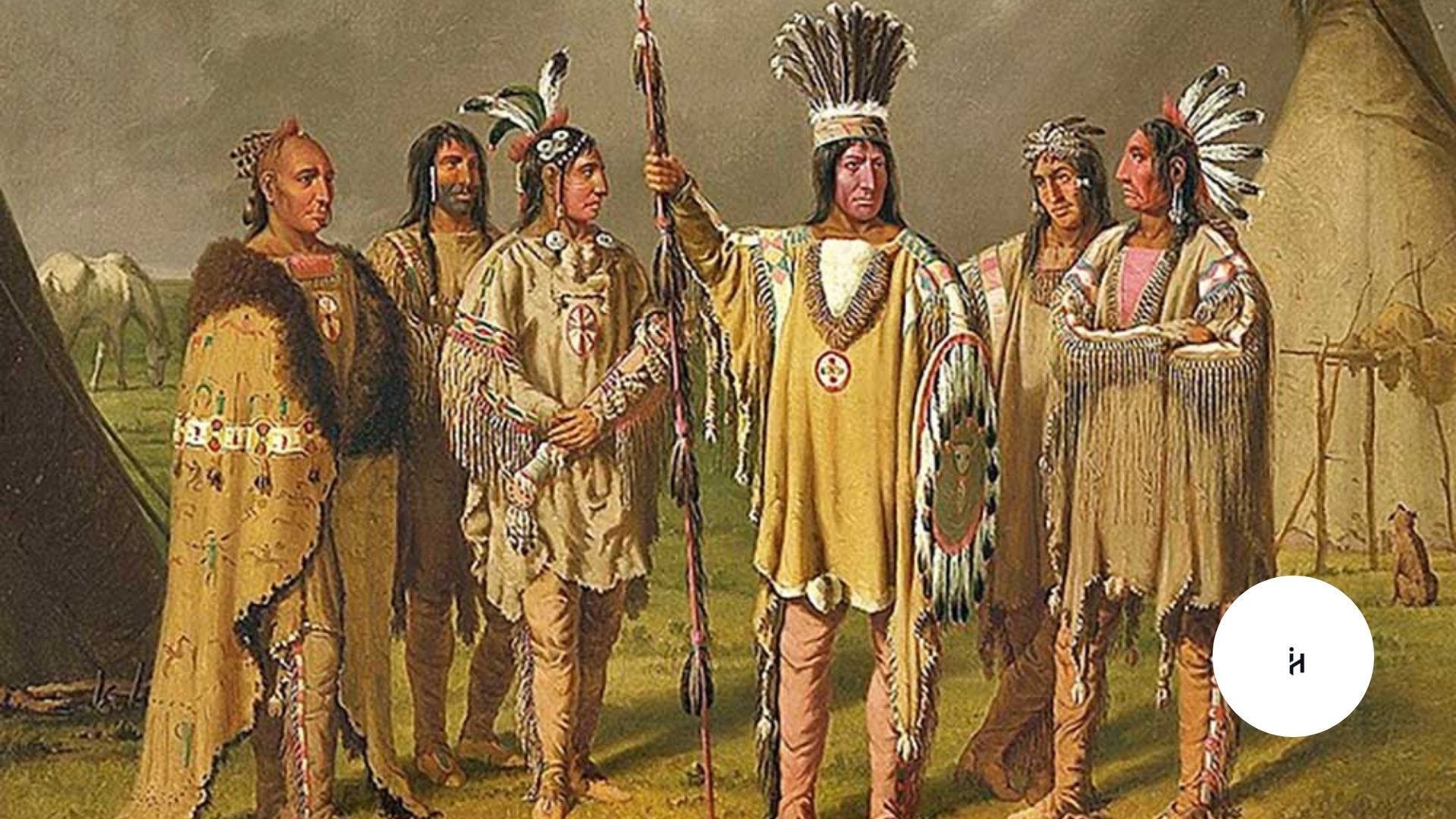
American Indian history is a vast and intricate narrative that spans thousands of years, representing the rich cultural, spiritual, and social life of the Native American tribes before European settlers arrived and throughout the colonial and post-colonial periods.

This blog will delve deep into various aspects of American Indian history, providing a comprehensive understanding of their societies, struggles, achievements, and the ongoing impact of their history today.

The Early Beginnings: Native American Origins

The roots of American Indian history trace back over 15,000 years. Archaeological evidence suggests that the first inhabitants of North America arrived via the Bering Land Bridge from Asia.

Over thousands of years, these early settlers adapted to the diverse climates of the continent, forming various complex cultures. American Indian history is marked by the development of distinct linguistic, social, and religious systems, each shaped by their environment.

American Indian History

The early history of Native Americans is steeped in oral traditions and legends, passed down from generation to generation. These stories not only preserved their history but also created a sense of community and identity among tribes. Their deep connection to the land, animals, and nature remains a key element in understanding American Indian history.

The Rise of Diverse Cultures and Civilizations

By the time European explorers reached the Americas in the late 15th century, Native American tribes had already established diverse and thriving societies. In the Southeast, the Mississippian culture constructed large earthen mounds, while in the Southwest, the Ancestral Puebloans created intricate cliff dwellings. The Iroquois Confederacy, which consisted of several northeastern tribes, established a sophisticated political system.

Each tribe developed its own form of governance, trade networks, and spiritual practices. From the complex urban centers of the Aztec and Maya in Mesoamerica to the nomadic Plains tribes, American Indian history reveals a rich diversity of cultural achievements that influenced the broader Americas.

European Contact and the Columbian Exchange

The arrival of Christopher Columbus in 1492 marked the beginning of significant changes in American Indian history. The Columbian Exchange, which facilitated the movement of goods, crops, animals, and diseases between the Old World and the New, profoundly affected Native American societies. Europeans introduced new technologies, but they also brought diseases like smallpox, which decimated native populations.

The contact between European settlers and American Indians was not always hostile, but it set the stage for centuries of conflict, displacement, and cultural assimilation.

The early encounters between the two groups were often marked by trade, with American Indians exchanging valuable furs for European goods, but tensions escalated as settlers encroached on Native lands.

Colonial America and the Displacement of Native Tribes

As European settlers expanded their colonies, they increasingly displaced Native American tribes from their ancestral lands. The early years of colonization were characterized by complex relationships between Native Americans and Europeans, ranging from trade alliances to violent conflict. Many tribes, like the Powhatan Confederacy in Virginia, initially tried to coexist with the settlers, but the relentless push for land led to wars and forced relocations.

The displacement of tribes became a defining theme in American Indian history during the colonial period. By the 17th century, American Indians were often forced to move westward to make room for growing settler populations. This displacement was not only physical but also deeply cultural, as American Indians lost their ancestral lands, sacred sites, and traditional ways of life.

The American Revolution and Native American Alliances

American Indian History

During the American Revolution, Native American tribes found themselves caught between the British and American colonists. Some tribes, such as the Iroquois, divided along political lines, with some siding with the British and others with the American patriots. These alliances were largely based on self-interest, as tribes hoped to protect their lands and way of life from the expanding colonial territories.

After the Revolution, the newly formed United States government did not honor many of the agreements made with Native tribes, leading to further struggles for American Indians in the fledgling nation. The American Revolution, while successful for the colonists, marked the beginning of a long period of broken treaties and ongoing conflicts between Native Americans and the U.S. government.

The Trail of Tears and Forced Relocation

One of the darkest chapters in American Indian history is the forced removal of thousands of Native Americans from their homelands. In the 1830s, the U.S. government enacted the Indian Removal Act, which led to the forced relocation of tribes from the Southeastern United States to lands west of the Mississippi River. The Cherokee, Choctaw, Chickasaw, Creek, and Seminole tribes were among those affected.

The journey, known as the Trail of Tears, was marked by extreme hardships, including hunger, disease, and violence. Thousands of Native Americans died during the forced march. The event remains a powerful symbol of the injustice and suffering endured by Native tribes as their lands were taken for white settlement.

The Impact of the Indian Wars

The Indian Wars spanned several decades, from the early 1600s until the late 1800s, and were a critical period in American Indian history. These wars were primarily fought as Native Americans resisted the encroachment of white settlers onto their lands.

The battles ranged from small skirmishes to full-scale conflicts, with many Native tribes, such as the Sioux, Cheyenne, and Apache, waging fierce resistance against U.S. military forces.

The Indian Wars culminated in the forced surrender of many tribes and their relocation to reservations. The government’s policies of assimilation and the attempt to destroy Native cultures were central to the conflict. The Indian Wars had a devastating impact on Native communities, as they faced displacement, loss of their traditional ways of life, and significant population decline.

The Dawes Act and Assimilation Policies

In 1887, the U.S. government passed the Dawes Act, which aimed to assimilate Native Americans into mainstream American society. The act sought to divide communal tribal lands into individual allotments, encouraging Native Americans to adopt agriculture and European-style lifestyles. The intention was to break down tribal structures and integrate Native Americans into American culture.

However, the Dawes Act had disastrous consequences. Much of the land intended for Native Americans was taken by non-Native settlers or sold to corporations. The act not only led to a loss of Native land but also caused significant cultural and social disruption, as it undermined the traditional communal way of life that many tribes had maintained for centuries.

The Civil Rights Movement and Native American Activism

The mid-20th century saw the rise of the Civil Rights Movement, which inspired many Native American activists to fight for their rights. In the 1960s and 1970s, Native Americans began to demand recognition of their sovereignty, land rights, and cultural heritage. Organizations like the American Indian Movement (AIM) played a crucial role in advocating for Native rights.

One of the most significant events of this period was the occupation of Alcatraz Island in 1969, where a group of Native American activists protested the U.S. government’s treatment of indigenous peoples. This period of activism helped bring attention to the issues faced by American Indians and led to some significant legal victories, including the Indian Self-Determination and Education Assistance Act of 1975.

American Indian History

Modern Challenges and the Fight for Sovereignty

Today, American Indian history continues to shape the experiences of Native communities. While many tribes have regained some degree of sovereignty, they continue to face significant challenges, including poverty, unemployment, health disparities, and the ongoing struggle for land rights. The fight for recognition of treaties, the protection of sacred sites, and the preservation of Native languages and cultures is ongoing.

Native American tribes have also made significant strides in recent years, with successful legal battles leading to the restoration of land, the recognition of tribal sovereignty, and improvements in education and healthcare. However, the journey toward full recognition and respect for Native American rights continues, with many challenges ahead.

Preserving American Indian History for Future Generations

The preservation of American Indian history is crucial to understanding the past and shaping the future. Efforts to document and share Native history through museums, cultural centers, and education are vital in ensuring that future generations learn about the diverse and rich traditions of Native American peoples. By teaching the history of the indigenous peoples of the Americas, we can foster a deeper understanding of their culture, struggles, and contributions to society.

In conclusion, the story of American Indian history is one of resilience, survival, and adaptation. From the early beginnings to the struggles of the modern era, Native American history has shaped the fabric of American society. Recognizing and respecting the history, culture, and sovereignty of Native peoples is essential in creating a more inclusive and just society.

Q&A:

Q1: What is the origin of Native Americans?

  • Native Americans are believed to have arrived in North America over 15,000 years ago, migrating across the Bering Land Bridge from Asia. Over time, they developed distinct cultures and societies across the continent.

Q2: What was the significance of the Trail of Tears in American Indian history?

  • The Trail of Tears refers to the forced relocation of thousands of Native American tribes, particularly the Cherokee, in the 1830s. It resulted in significant loss of life and marked a painful chapter in the displacement of indigenous peoples.

Q3: How did European contact affect Native American societies?

  • European contact introduced new technologies and goods but also brought devastating diseases like smallpox, which decimated Native populations. The impact of colonization led to loss of land, culture, and forced assimilation.

Q4: What role did Native Americans play in the American Revolution?

  • During the American Revolution, many Native American tribes allied with either the British or the American colonists, hoping to protect their land and way of life. However, post-revolutionary treaties often left Native Americans displaced and marginalized.

Q5: What is the significance of the American Indian Movement (AIM)?

  • The American Indian Movement, formed in the 1960s, was crucial in advocating for Native American rights. It highlighted issues such as land rights, sovereignty, and cultural preservation, leading to important legal and social changes for Native Americans.

Q6: What are some modern challenges faced by Native American communities?

  • Native American communities continue to face challenges such as poverty, healthcare disparities, unemployment, and the struggle for land rights and sovereignty. Many tribes are working to overcome these challenges while preserving their culture and traditions.

Understanding Good Friday Meaning and Significance

0
Good Friday Meaning

Good Friday holds a special significance in the Christian faith, observed as the day when Jesus Christ was crucified. This solemn day serves as a reminder of the ultimate sacrifice made by Christ for the salvation of humanity.

In this comprehensive blog, we will explore the “Good Friday meaning” and delve into various aspects that highlight the importance of this day in Christian tradition. Let’s explore the depth of Good Friday’s meanin.

Understanding the Significance of Good Friday

Good Friday Meaning

Good Friday is observed on the Friday before Easter Sunday. It commemorates the crucifixion of Jesus Christ at Calvary. For Christians, this is a pivotal moment in their faith, as it marks the day when Jesus took on the sins of humanity and offered himself as a sacrifice for the forgiveness of sins.

The term “Good” in Good Friday may seem paradoxical, given the sorrowful events of the day, but it reflects the goodness of Christ’s sacrifice and the ultimate victory over sin and death. The “Good Friday meaning” is thus tied to the redemption that Jesus’ death represents.

The Biblical Foundation of Good Friday

The Good Friday meaning is deeply rooted in the Bible. The accounts of Jesus’ crucifixion can be found in all four Gospels—Matthew, Mark, Luke, and John. These scriptures depict the events leading up to and including the crucifixion, from Jesus’ arrest in the Garden of Gethsemane to his final words on the cross.

According to Christian belief, Jesus’ death on Good Friday was foretold in the Old Testament and fulfilled prophecies in the New Testament, emphasizing the divine purpose behind this event.

Why is Good Friday Called ‘Good’?

At first glance, the term “Good” in Good Friday might appear contradictory because of the painful nature of the event. However, the word “Good” refers to the ultimate act of love and sacrifice that Jesus demonstrated by giving his life for humanity.

This sacrifice is seen as “good” because it offers salvation to all believers. The “Good Friday meaning” is not just about remembering the death of Jesus, but also celebrating the hope and new life that his sacrifice promises to Christians.

The Crucifixion: The Core of Good Friday’s Meaning

The crucifixion of Jesus is the central event of Good Friday. According to Christian theology, Jesus died for the sins of the world, taking upon himself the punishment that humanity deserved.

The brutal suffering he endured highlights the depth of his love and commitment to God’s will. The Good Friday meaning emphasizes that through Jesus’ death, the barriers between God and humanity were torn down, offering the possibility of eternal life.

The Role of Jesus’ Sacrifice in Christianity

Jesus’ sacrifice on Good Friday holds immense theological significance in Christianity. His death is seen as the atonement for sin, fulfilling the prophecy of the Lamb of God who would take away the sins of the world.

The “Good Friday meaning” also involves the belief that Jesus’ sacrifice was necessary for reconciliation between God and mankind, providing a path to salvation and eternal life.

Good Friday Meaning

The Passion of Christ: A Focus on Suffering and Redemption

The Passion of Christ refers to the suffering and death that Jesus experienced leading up to and on Good Friday. The events include his arrest, trial, scourging, and eventual crucifixion.

The “Good Friday meaning” is profoundly linked to this suffering, symbolizing the immense pain Jesus went through to redeem humanity. Christians reflect on his suffering not only as an act of love but as a necessary part of God’s plan for salvation.

The Importance of Reflection on Good Friday

Good Friday is a time for deep reflection. Christians around the world spend this day in prayer, meditation, and fasting, contemplating the significance of Jesus’ death. The “Good Friday meaning” is also about recognizing the impact of his sacrifice on personal faith and the broader Christian community. By reflecting on Jesus’ love and sacrifice, believers grow closer to God and gain a deeper understanding of their spiritual journey.

Good Friday Traditions Across the World

Different Christian denominations observe Good Friday in various ways, but all share a solemn reverence for the day. In many traditions, Good Friday services include the reading of the Passion narrative, hymns, and prayers.

The “Good Friday meaning” is often expressed through symbolic actions, such as the veneration of the cross, the singing of somber hymns, and the observance of a moment of silence, acknowledging the grief and solemnity of the occasion.

The Connection Between Good Friday and Easter Sunday

While Good Friday commemorates Jesus’ death, it is intrinsically linked to Easter Sunday, the day of his resurrection. The “Good Friday meaning” cannot be fully appreciated without the promise of new life that Easter signifies. Good Friday represents the ultimate sacrifice, while Easter celebrates the triumph over death and the hope of eternal life. Together, these days form the foundation of the Christian faith.

The Global Observance of Good Friday

Good Friday is observed worldwide by millions of Christians, although customs and practices may vary by country and denomination. For instance, in many European countries, it is a public holiday with church services and processions, while in other parts of the world, it is observed with church attendance, fasting, and reflection. The “Good Friday meaning” transcends cultural differences, uniting believers in the shared recognition of Jesus’ sacrifice.

Personal Application of the Good Friday Meaning

Good Friday Meaning

Finally, the Good Friday meaning is not just a historical or theological concept but a call to personal transformation. Christians are encouraged to apply the lessons of Good Friday to their daily lives by living in gratitude for Christ’s sacrifice and striving to follow his example of selfless love. This day is a reminder of the importance of repentance, forgiveness, and compassion in the lives of believers.

In conclusion, Good Friday is a day of deep meaning and reflection for Christians around the world. The “Good Friday meaning” encompasses themes of sacrifice, love, and redemption, reminding believers of the profound significance of Jesus’ death and its impact on their spiritual journey. Whether through prayer, reflection, or service, Good Friday offers a time to pause and reflect on the ultimate act of love that changed the course of history.

What Was Hitler’s IQ?

0
What Was Hitler's IQ?

This blog takes a comprehensive look at Hitler’s intelligence, analyzing the available evidence and theories to answer the question: What was Hitler’s IQ?

Adolf Hitler, the infamous leader of Nazi Germany, has been the subject of countless studies and analyses, ranging from his ideology to his psychological state. One of the most intriguing questions that has been raised about him is: What was Hitler’s IQ?

While IQ scores are often debated in terms of their accuracy and relevance, the question of Hitler’s intelligence continues to provoke interest among historians, psychologists, and the general public.

Understanding IQ and Its Relevance

What Was Hitler's IQ?

Before delving into what was Hitler’s IQ, it’s essential to understand what IQ (Intelligence Quotient) actually measures. IQ is a score derived from standardized tests designed to assess human intelligence, particularly cognitive abilities such as reasoning, problem-solving, and understanding complex concepts.

While it is a widely recognized metric, it’s important to remember that IQ tests can only measure certain types of intelligence and may not fully reflect a person’s overall capabilities. In the case of Hitler, determining his exact IQ is challenging due to the lack of concrete data, and any attempt to estimate it is speculative at best.

The Myth of Hitler’s IQ

Over the years, numerous myths have emerged about Hitler’s IQ, some suggesting he was exceptionally intelligent, while others argue that his IQ was below average. The most common claim is that Hitler had an IQ of around 140, placing him in the “genius” category. However, there is no verifiable data to support this claim. What was Hitler’s IQ remains unknown, and most of the estimations are based on historical interpretations of his speeches, writings, and behavior rather than standardized testing.

Hitler’s Education and Early Life

To understand Hitler’s intelligence, it’s crucial to consider his early life and education. Hitler was not a particularly gifted student and struggled academically, especially in subjects like mathematics and foreign languages. He dropped out of school at the age of 16 and pursued an interest in art, though he was rejected twice by the Academy of Fine Arts in Vienna.

This early failure suggests that Hitler may not have possessed the high cognitive abilities often associated with a high IQ, but instead, he may have excelled in areas related to persuasive speech and leadership, which are not always measured by IQ tests.

Hitler’s Rhetoric and Persuasive Abilities

One area where Hitler undoubtedly excelled was in his oratorical skills. His ability to captivate large audiences and manipulate their emotions was unparalleled, earning him a significant following in Nazi Germany. These skills are not directly related to IQ but are still indicative of a form of intelligence.

Hitler’s speeches often showcased his exceptional ability to appeal to people’s fears and desires, which played a major role in his rise to power. While this does not provide an exact answer to what was Hitler’s IQ, it shows that intelligence is multifaceted, and IQ alone cannot fully explain a person’s capabilities.

Hitler’s Strategic Mind and Political Acumen

Hitler’s rise to power and the strategies he employed during World War II suggest a level of strategic thinking and political acumen. Despite the disastrous outcome of his leadership, Hitler displayed a remarkable ability to organize and direct the Nazi Party’s rise to power, as well as his military strategies in the early years of the war.

What Was Hitler's IQ?

This ability to plan and make decisions with long-term consequences points to a certain level of intelligence, though his failure to adapt to changing circumstances (such as underestimating the Soviet Union) ultimately contributed to his downfall. It’s important to consider these aspects when pondering what was Hitler’s IQ.

Hitler’s Use of Ideology and Manipulation

Another aspect of Hitler’s intelligence was his use of ideology to control and manipulate the masses. He crafted a compelling narrative about the superiority of the Aryan race and the need for territorial expansion.

This ideological framework was central to the Nazi regime and helped justify atrocities such as the Holocaust. Hitler’s ability to effectively communicate and enforce this ideology demonstrates a high level of cognitive ability in areas of persuasion, propaganda, and psychological manipulation, even though it may not have been directly related to IQ.

Hitler’s Psychological Profile

Psychologists and historians have long debated Hitler’s psychological makeup, often attempting to explain his behavior and decision-making through a psychological lens. Some have argued that Hitler displayed traits consistent with narcissism, megalomania, and paranoia.

While these psychological traits are not directly related to IQ, they can influence how a person processes information, makes decisions, and interacts with others. In this context, the question of what was Hitler’s IQ becomes less about raw cognitive ability and more about his psychological makeup and how it shaped his actions.

Hitler’s Relationship with Fellow Leaders

Hitler’s interactions with other prominent figures of his time, such as Heinrich Himmler, Joseph Goebbels, and Rudolf Hess, provide further insight into his intelligence. While it’s clear that Hitler surrounded himself with skilled individuals, many of whom were highly intelligent in their own right, his ability to manipulate and control them suggests a certain level of cunning and strategic intelligence. The dynamic between Hitler and his inner circle is a testament to his psychological insight, even if his overall cognitive abilities may not have been extraordinary.

The Role of Charisma in Hitler’s Success

One of the most significant factors in Hitler’s success was his overwhelming charisma. While charisma is not typically associated with IQ, it is a form of social intelligence that can have a profound impact on a leader’s ability to influence others. Hitler’s magnetic personality and his ability to create a sense of unity and purpose among his followers were crucial in the rise of the Nazi Party. This type of intelligence, known as emotional intelligence, played a major role in Hitler’s effectiveness as a leader and should be considered when contemplating what was Hitler’s IQ.

Hitler’s Legacy and the Dangers of Charismatic Leaders

What Was Hitler's IQ?

The legacy of Adolf Hitler is a reminder of the dangers posed by charismatic leaders who may possess certain types of intelligence that allow them to manipulate and control others. Hitler’s ability to inspire loyalty and instill fear in his followers was not necessarily tied to traditional measures of IQ, but it was undeniably a form of intelligence that had catastrophic consequences for millions of people. Understanding Hitler’s intelligence, therefore, requires looking beyond mere IQ scores and recognizing the broader factors that contributed to his success and his ultimate failure.

Conclusion: What Was Hitler’s IQ?

So, what was Hitler’s IQ? The truth is, we may never know for sure. There is no official record of Hitler ever taking an IQ test, and any attempts to estimate his IQ based on historical evidence are speculative at best.

While it’s possible that Hitler possessed a high level of intelligence in certain areas, such as rhetoric, strategic thinking, and manipulation, his overall cognitive abilities remain a matter of debate. Ultimately, the question of what was Hitler’s IQ is less important than understanding the broader impact of his actions and the lessons we can learn from his rise to power.

In the end, Hitler’s IQ, or lack thereof, does not change the devastating effects of his actions. It is his choices and the ideologies he propagated that left an indelible mark on history. The true lesson from studying Hitler’s life is not to focus on his intelligence, but on the destructive potential of unchecked power and manipulation.