Home Blog Page 85

Mutiny on the Bounty: A Tale of Rebellion and Survival

0
Mutiny on the Bounty

Introduction: The Mutiny on the Bounty

The Mutiny on the Bounty is one of the most infamous naval mutinies in history, occurring on April 28, 1789. Led by Fletcher Christian, the crew of the HMS Bounty rebelled against their captain, Lieutenant William Bligh, in the South Pacific. This event has captivated historians and the public alike, symbolizing a dramatic clash between authority and rebellion on the high seas.

The Voyage Begins: HMS Bounty’s Mission
Mutiny on the Bounty

Commissioned by the British Royal Navy, the HMS Bounty set sail in 1787 with the mission to transport breadfruit plants from Tahiti to the West Indies. The goal was to provide a cheap food source for enslaved people in the Caribbean. Under the command of Lieutenant William Bligh, the Bounty embarked on its journey, unaware of the tumultuous events that would unfold.

Life in Tahiti: A Paradise Found

Upon reaching Tahiti, the crew spent several months collecting breadfruit plants. During this time, they experienced the island’s idyllic environment and formed relationships with the local Tahitians. This period of relative freedom and comfort starkly contrasted with the strict discipline aboard the Bounty, sowing seeds of discontent among the crew

Rising Tensions: Conflict Between Bligh and Christian

As the Bounty prepared to leave Tahiti, tensions between Captain Bligh and his crew, particularly Fletcher Christian, escalated. Bligh’s leadership style was often harsh and authoritarian, leading to resentment among the men. Christian, once a trusted officer, became increasingly disillusioned, setting the stage for the impending mutiny

The Mutiny Unfolds: April 28, 1789

In the early hours of April 28, 1789, Christian and a group of mutineers seized control of the Bounty. They forcibly removed Bligh and 18 loyal crew members, setting them adrift in a small boat. The mutineers then took command of the ship, marking the beginning of a dramatic and perilous journey for both factions.

Bligh’s Remarkable Voyage: Survival Against the Odds

Despite being cast adrift, Bligh demonstrated exceptional navigational skills, guiding his loyal crew over 3,600 miles to safety in Timor. This harrowing journey, undertaken with limited supplies and in an open boat, stands as a testament to human endurance and leadership under extreme adversity.

The Mutineers’ Fate: Seeking Refuge

After the mutiny, Christian and his followers attempted to establish a settlement on Tubuai but faced resistance from the native population. They returned to Tahiti, where some mutineers chose to stay, while Christian and others set sail in search of a more secluded refuge. Their journey eventually led them to the remote Pitcairn Island.
Mutiny on the Bounty

Life on Pitcairn Island: Isolation and Conflict

Pitcairn Island offered the mutineers a secluded haven, but life there was fraught with challenges. Conflicts arose among the settlers, leading to violence and the eventual death of many, including Fletcher Christian. Despite these hardships, the community endured, and descendants of the mutineers still inhabit the island today.

The Royal Navy’s Response: HMS Pandora’s Mission

In response to the mutiny, the British Admiralty dispatched HMS Pandora in 1790 to apprehend the mutineers. The ship captured several individuals in Tahiti, but during its return voyage, Pandora sank on the Great Barrier Reef, resulting in the loss of 31 crew members and four prisoners. The surviving detainees were eventually brought to trial in England.

Legacy and Cultural Impact: Mutiny on the Bounty in Literature and Film

The story of the Mutiny on the Bounty has inspired numerous books, films, and scholarly works. Notably, the 1935 film adaptation brought the tale to a wider audience, and subsequent versions have continued to captivate viewers. The narrative explores themes of authority, rebellion, and survival, resonating across generations.

Conclusion: Enduring Fascination with the Mutiny on the Bounty

The Mutiny on the Bounty remains a compelling historical event, illustrating the complexities of human behavior, leadership, and the quest for freedom. Its enduring legacy in popular culture and historical discourse underscores the profound impact of this maritime rebellion.

Q&A Section: Mutiny on the Bounty

Q1: What was the Mutiny on the Bounty?

A: The Mutiny on the Bounty was a naval rebellion that occurred on April 28, 1789, when crew members of HMS Bounty, led by Fletcher Christian, overthrew their commanding officer, Lieutenant William Bligh. The mutiny took place in the South Pacific, and it remains one of the most famous mutinies in maritime history.

Q2: What caused the Mutiny on the Bounty?

A: The mutiny was fueled by growing tensions between Captain Bligh and his crew, harsh disciplinary measures, and the allure of life in Tahiti, where the crew had spent five months. Fletcher Christian and others resented Bligh’s leadership and chose to rebel rather than continue the return voyage to England.

Q3: Who was Fletcher Christian?

A: Fletcher Christian was the Master’s Mate aboard HMS Bounty and the leader of the mutiny. Once a close associate of Bligh, he grew increasingly discontented and eventually led the revolt. He later fled to Pitcairn Island with some of the mutineers.

Q4: What happened to Captain William Bligh?

A: After being cast adrift with 18 loyal crew members, Bligh navigated a small open boat over 3,600 miles to Timor, showcasing remarkable seamanship and survival skills. He later returned to England and was promoted despite the mutiny.

Q5: Where did the mutineers go after the mutiny?
Mutiny on the Bounty

A: The mutineers initially attempted to settle on Tubuai but faced hostility. They returned to Tahiti, where some stayed, while Christian and others sailed to Pitcairn Island. They destroyed the Bounty to avoid detection and lived in isolation.

Q6: What was life like on Pitcairn Island for the mutineers?

A: Life on Pitcairn was harsh. The mutineers faced internal conflict, jealousy, and violence. Many, including Fletcher Christian, died under mysterious or violent circumstances. The remaining settlers eventually formed a community whose descendants still live on the island today.

Q7: How did the British government respond to the mutiny?

A: The British Admiralty dispatched HMS Pandora in 1790 to capture the mutineers. The ship arrested several men in Tahiti but sank on its way back to England. Survivors were eventually tried, with some executed and others acquitted.

Q8: Has the Mutiny on the Bounty been adapted into books or movies?

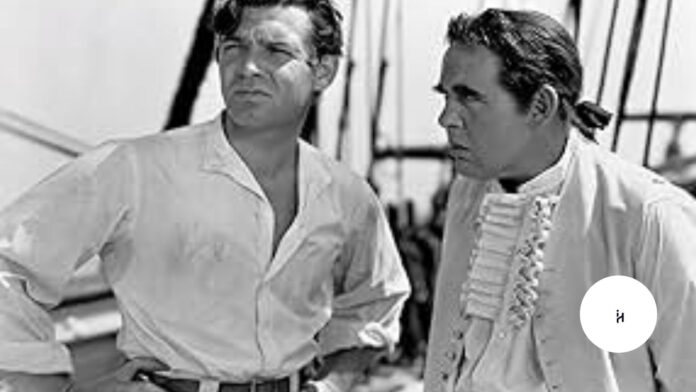
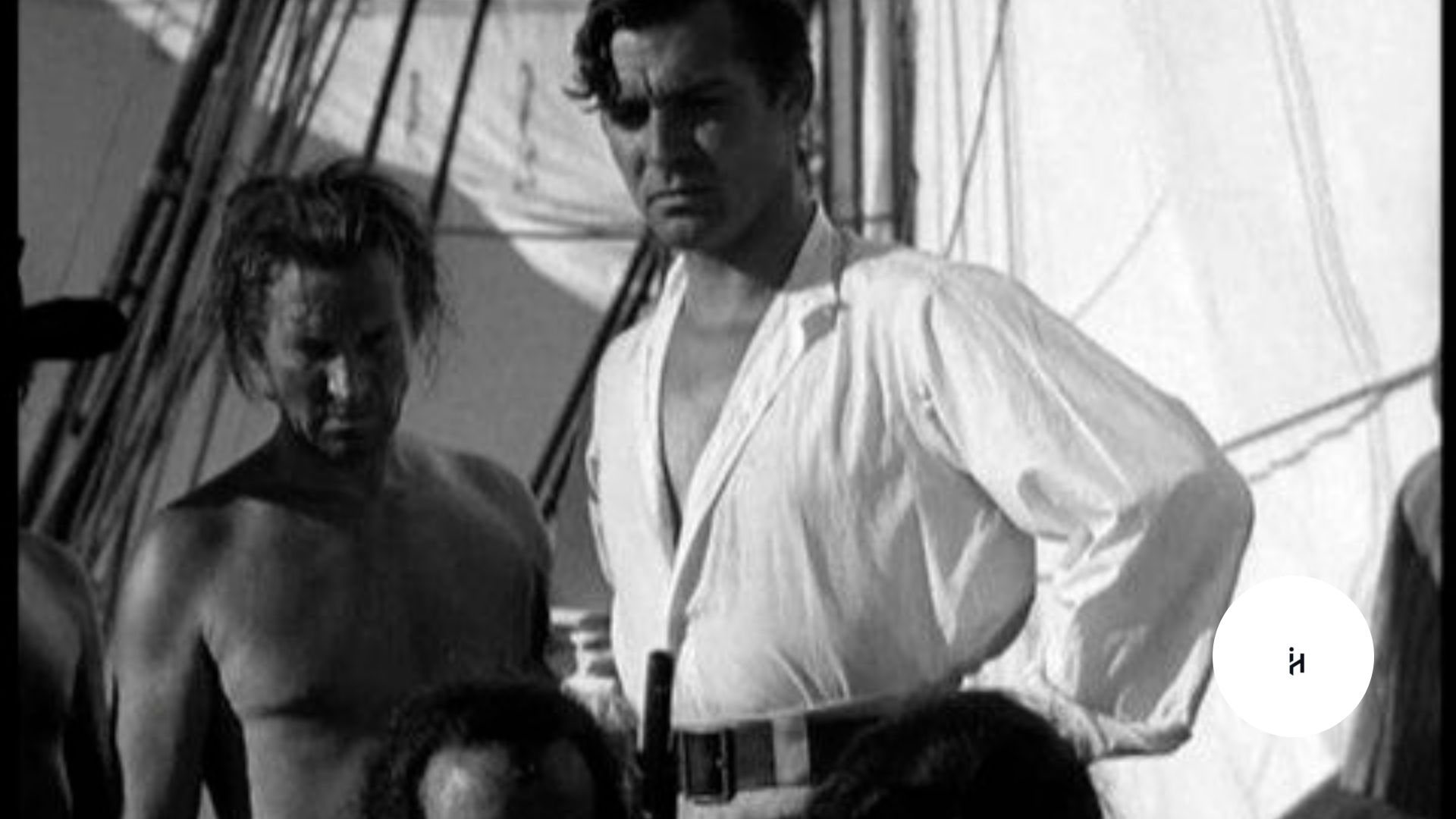
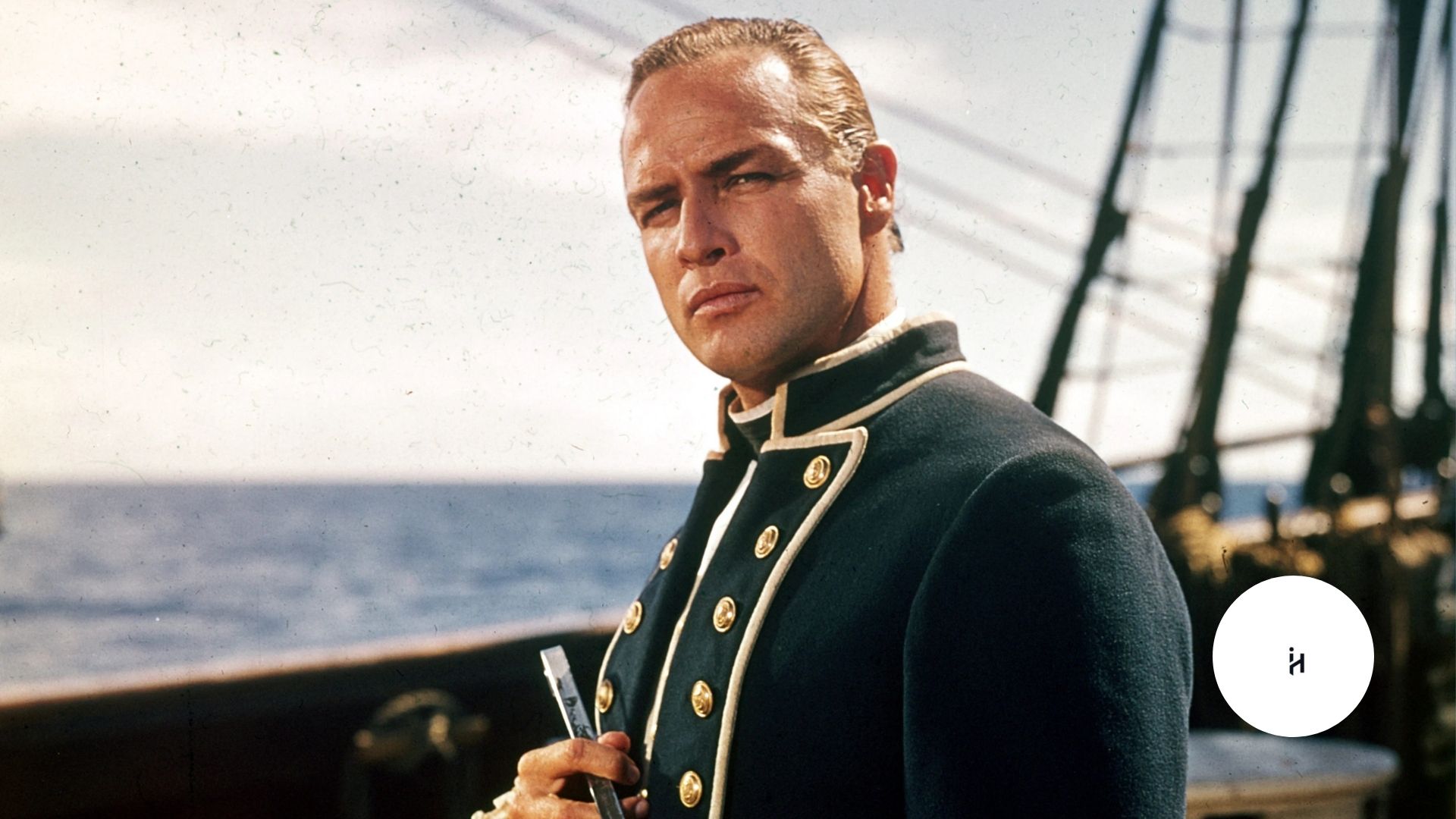
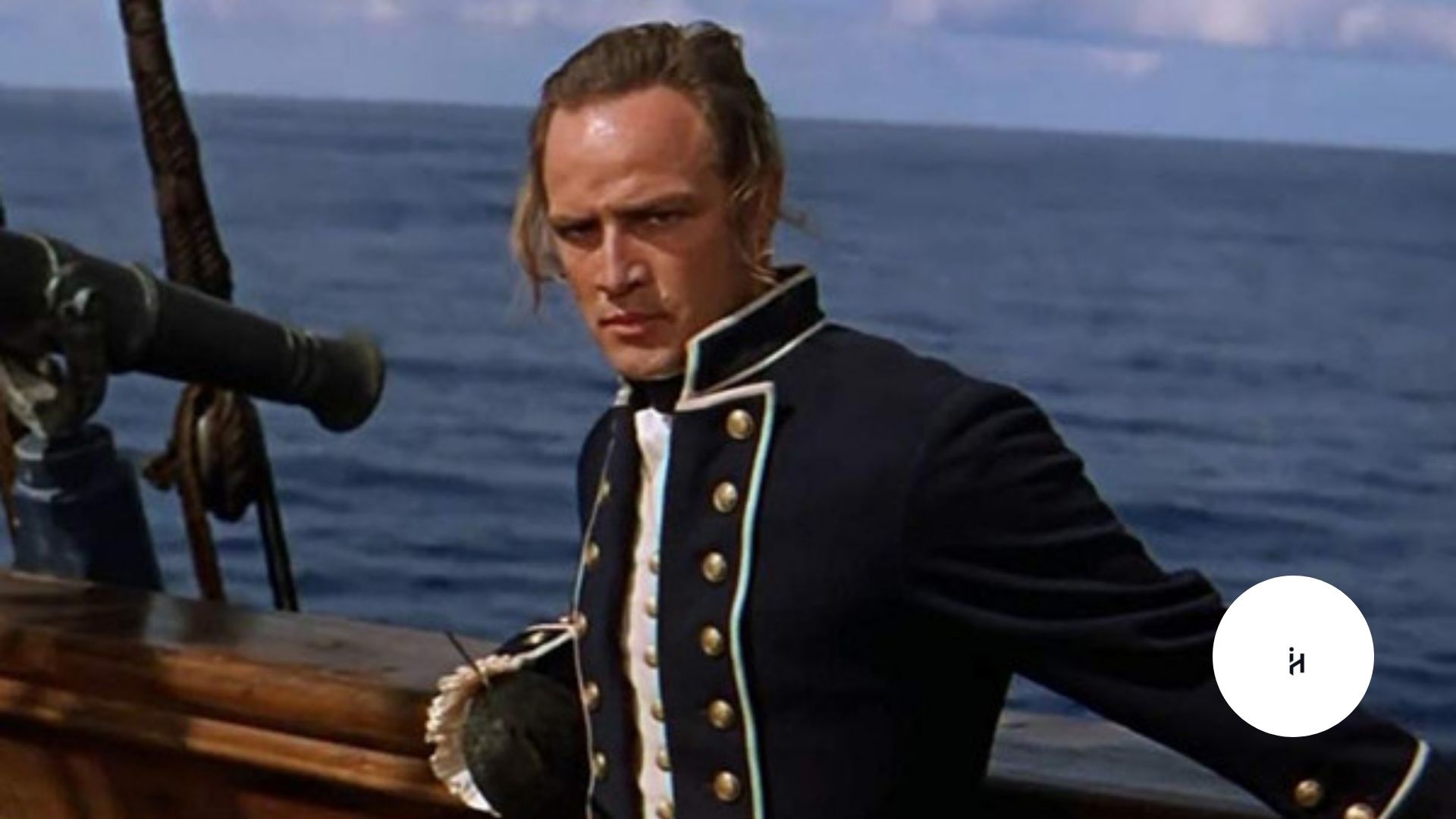
A: Yes, the story has been widely adapted. Notable films include the 1935 version starring Charles Laughton and Clark Gable, and the 1962 and 1984 remakes. The tale has also inspired many novels and scholarly works.

Q9: What is the legacy of the Mutiny on the Bounty today?

A: The event remains a symbol of rebellion and leadership failure. It continues to captivate audiences as a powerful story of human struggle, discipline, and survival. Pitcairn Island is now known largely because of this mutiny.
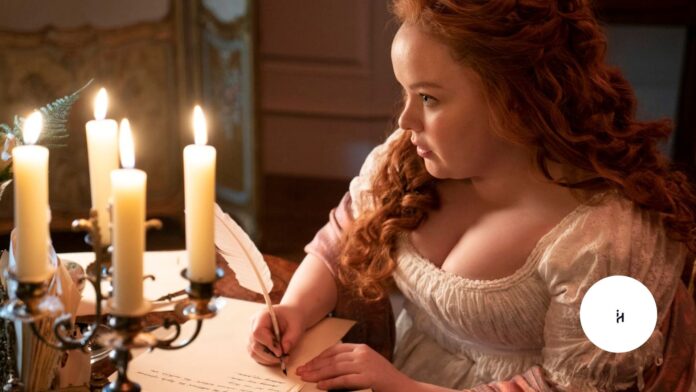
The Mysterious World of Lady Whistledown – Unmasking Bridgerton’s Most Intriguing Character

0
Lady Whistledown

Introduction to Lady Whistledown

The character of Lady Whistledown is one of the most captivating figures in the hit Netflix series Bridgerton. She is the anonymous author behind a scandalous society newsletter that sets London abuzz with every new issue.

But who is Lady Whistledown really? Why does she hold so much power over the elite of the Ton? Her character is not only vital to the storyline but also offers sharp commentary on gender, gossip, and control in Regency-era England. The brilliance of her presence lies in her anonymity. This introduction sets the tone for a deeper exploration into the many layers of Lady Whistledown.

Lady Whistledown

Historical Inspiration Behind Lady Whistledown

While Lady Whistledown is a fictional character, her roots can be traced to real-life anonymous pamphleteers and writers from the 18th and 19th centuries. Women like Delarivier Manley and Aphra Behn used satire and gossip to critique society under pseudonyms.

These historical figures laid the groundwork for a character like Lady Whistledown. Julia Quinn, the author of the Bridgerton book series, cleverly draws upon these legacies, giving Lady Whistledown a voice that resonates with readers and viewers alike. Her writing mimics real scandal sheets that once thrived in England’s elite circles.

The Role of Lady Whistledown in Bridgerton

Lady Whistledown is not just a narrator; she is a puppeteer, orchestrating events from behind the curtain. Her words influence marriages, friendships, and reputations. Through her newsletters, she exposes secrets and manipulates the thoughts of an entire society.

Lady Whistledown’s commentary adds suspense to the series and keeps both characters and viewers guessing. She holds more influence than the Queen at times, and her newsletters are read religiously. Her mysterious presence creates a secondary plotline that’s equally important as the romances and rivalries among the Bridgerton families.

The Voice Behind the Pen: Julie Andrews’ Role

One of the most iconic parts of Lady Whistledown is her voice, provided by the legendary Julie Andrews in the series. Andrews’ distinct tone and delivery bring a sense of grandeur and authority to the character. Her narration adds wit, elegance, and a sharp tongue to the unfolding drama.

Julie Andrews doesn’t appear on screen, yet her voice becomes synonymous with Lady Whistledown’s power and mystery. This choice elevated the character, lending an old-world charm that blends perfectly with the modern twists of Bridgerton.

Penelope Featherington: The Face Behind Lady Whistledown

In a major twist, it is revealed that Lady Whistledown is none other than Penelope Featherington. This revelation changes everything. Penelope, a shy, overlooked young woman, is actually the most informed and daring character in the show. Her dual identity highlights themes of empowerment, secrecy, and rebellion.

She writes under the guise of Lady Whistledown to escape societal expectations and assert her voice in a world that often silences women. Her intelligence and wit, hidden behind a meek exterior, make her one of the most compelling characters in the Bridgerton universe.

The Impact of Lady Whistledown on the Bridgerton Society

From exposing scandals to influencing marriage proposals, Lady Whistledown affects nearly every major event in the series. Her pen is sharper than a sword, capable of destroying reputations or elevating nobodies into the spotlight.

Her newsletters are feared and respected alike. The sheer impact she has on the Ton makes her an invisible ruler of sorts. Families, including the Bridgertons and Featheringtons, live in fear of being featured in her next issue. Lady Whistledown reshapes how gossip is perceived—not just idle talk, but a tool of control and survival.

Why Lady Whistledown Resonates With Modern Audiences

Lady Whistledown

Despite being set in the early 1800s, the character of Lady Whistledown strikes a chord with today’s viewers. In the age of social media, anonymous accounts and influencers hold similar power. Like a modern-day blogger or Instagram gossip page, Lady Whistledown leverages information to command attention.

Her story reflects modern issues—female empowerment, hidden identities, and the consequences of going viral. Audiences relate to the idea of someone underestimated becoming the most powerful voice in the room. Her anonymity and sharp wit offer an irresistible blend of drama and intrigue.

Lady Whistledown and Feminism

Lady Whistledown is more than a gossip columnist; she is a feminist figure. In a time when women were expected to be silent and obedient, she uses her voice to call out hypocrisy and double standards. Penelope, as Lady Whistledown, exercises freedom few women in her world enjoy.

Her writing is not just scandalous; it’s subversive. It criticizes the rigid class structure and shines a light on the limited roles of women. Lady Whistledown becomes a symbol of rebellion—a woman who carves her own path without asking for permission.

The Ethics of Lady Whistledown’s Gossip

While Lady Whistledown is admired, her actions raise ethical questions. Is it right to expose people’s private lives, even for a good cause? She often walks the line between journalism and intrusion.

Some of her exposés bring justice, while others cause unnecessary pain. The character challenges viewers to consider the price of truth and the responsibility that comes with wielding power. Lady Whistledown is not a hero or a villain—she is a morally complex figure who reflects the grey areas of social commentary.

How Lady Whistledown Influences Bridgerton’s Story Arcs

Every major arc in Bridgerton is somehow touched by Lady Whistledown. From Daphne’s courtship to Marina’s pregnancy scandal, her newsletters spark conflicts, drive suspense, and create momentum. Her presence adds a layer of unpredictability.

Characters are forced to adapt to her revelations, and this often changes the direction of their lives. She’s like a secret character, always present in the background but affecting everything in the foreground. Bridgerton wouldn’t be as engaging without the voice and perspective of Lady Whistledown shaping the narrative.

Lady Whistledown

Conclusion: The Enduring Legacy of Lady Whistledown

Lady Whistledown is more than a character—she’s a phenomenon. Whether you’re watching Bridgerton for the romance, the fashion, or the drama, her newsletters provide the spice that makes it all unforgettable. She captures the viewer’s imagination, turning the act of reading gossip into an art form.

Her legacy continues to grow with every season, and fans eagerly await her next revelation. Lady Whistledown represents the timeless allure of mystery, the power of the written word, and the unexpected strength of a woman who dares to speak.

Schindler’s List Movie – A Cinematic Masterpiece of Humanity and History

0
Schindler's List Movie

Introduction to Schindler’s List Movie

“Schindler’s List movie” is one of the most powerful and emotionally gripping films ever made. Directed by Steven Spielberg, this 1993 epic historical drama brings to life the tragic events of the Holocaust through the story of Oskar Schindler, a German industrialist who saved the lives of more than a thousand Jewish refugees. Based on the novel “Schindler’s Ark” by Thomas Keneally, the film is a vivid portrayal of humanity in the face of unthinkable cruelty.

The film was shot in black and white, which enhances its haunting realism. It has won seven Academy Awards, including Best Picture and Best Director, and remains an essential piece of cinema history. “Schindler’s List movie” does not shy away from the brutal reality of Nazi-occupied Poland, showcasing the horrors with honesty and respect.

Schindler's List Movie

The Real Story Behind the Film

At the heart of the “Schindler’s List movie” is the true story of Oskar Schindler, a member of the Nazi Party who initially sought to profit from the war. However, as he witnessed the suffering of the Jewish people, he had a profound change of heart. Schindler used his wealth and connections to protect his Jewish workers from deportation and death.

His list—Schindler’s list—contained the names of over 1,200 Jews who were transferred to his factory in Brünnlitz, away from the concentration camps. The film portrays Schindler as a complex character—flawed, yet ultimately heroic.

“Schindler’s List movie” brings his journey to life, highlighting his internal struggles and evolution. Spielberg masterfully shows how one man’s humanity can triumph over evil.

Steven Spielberg’s Vision and Direction

The brilliance of “Schindler’s List movie” is deeply rooted in Steven Spielberg’s emotional connection to the story. Being of Jewish descent himself, Spielberg initially hesitated to direct the film, fearing he wasn’t ready. But his decision to take it on led to one of the most acclaimed films in cinematic history.

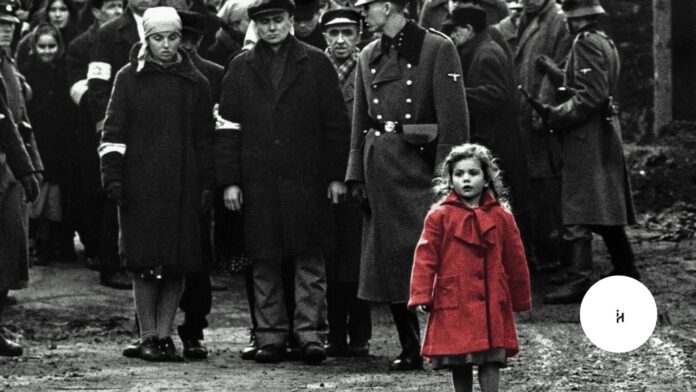
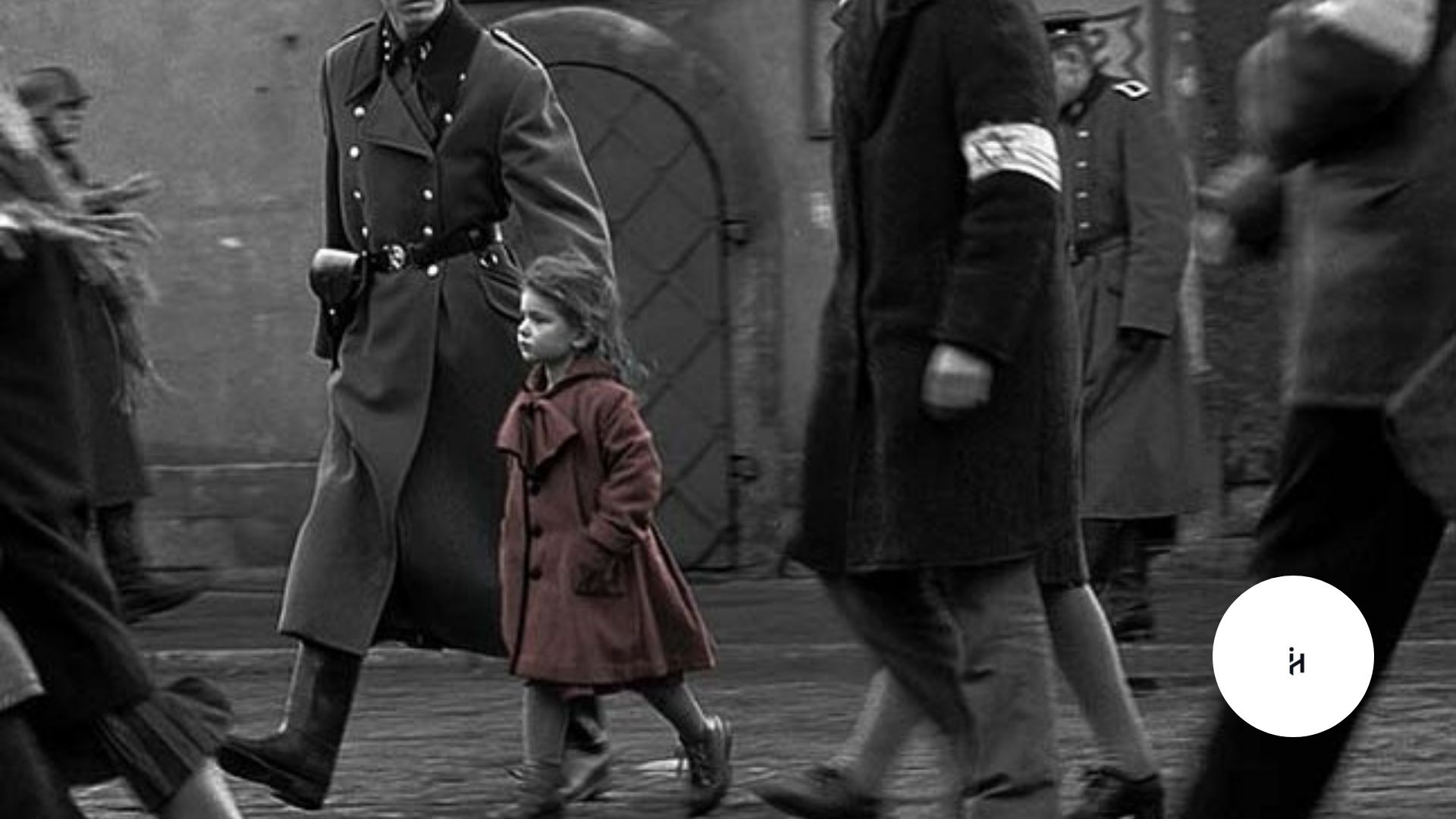
Spielberg used a documentary-style approach—filming with handheld cameras, using real locations in Kraków, and shooting in black and white to reflect archival Holocaust footage. His decision to include occasional bursts of color, such as the girl in the red coat, became iconic. These stylistic choices make “Schindler’s List movie” a visual and emotional experience like no other.

The Cast and Their Performances

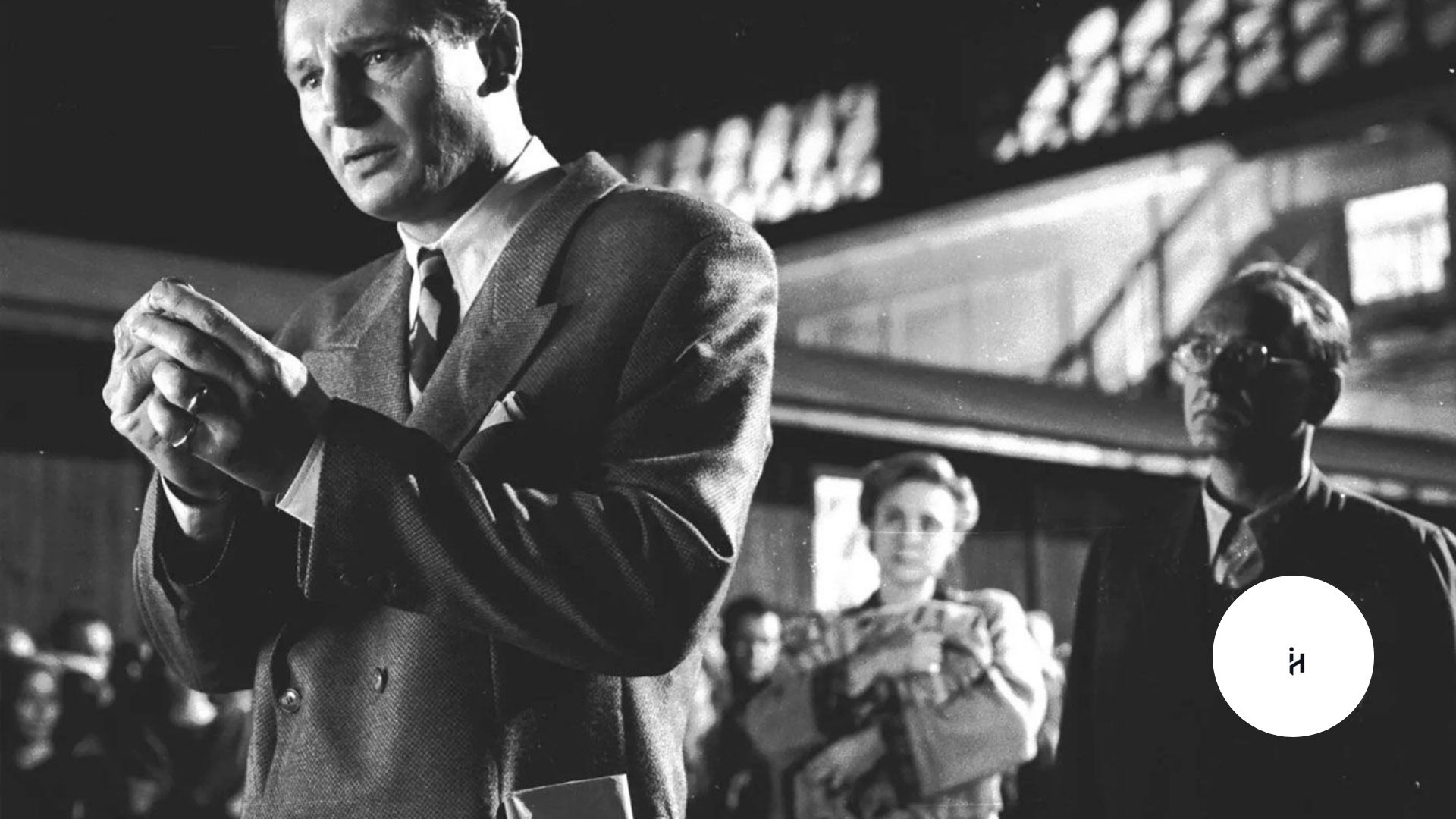
“Schindler’s List movie” features exceptional performances from a stellar cast. Liam Neeson plays Oskar Schindler, delivering a powerful portrayal of a man torn between self-interest and conscience. His performance earned him an Academy Award nomination for Best Actor.

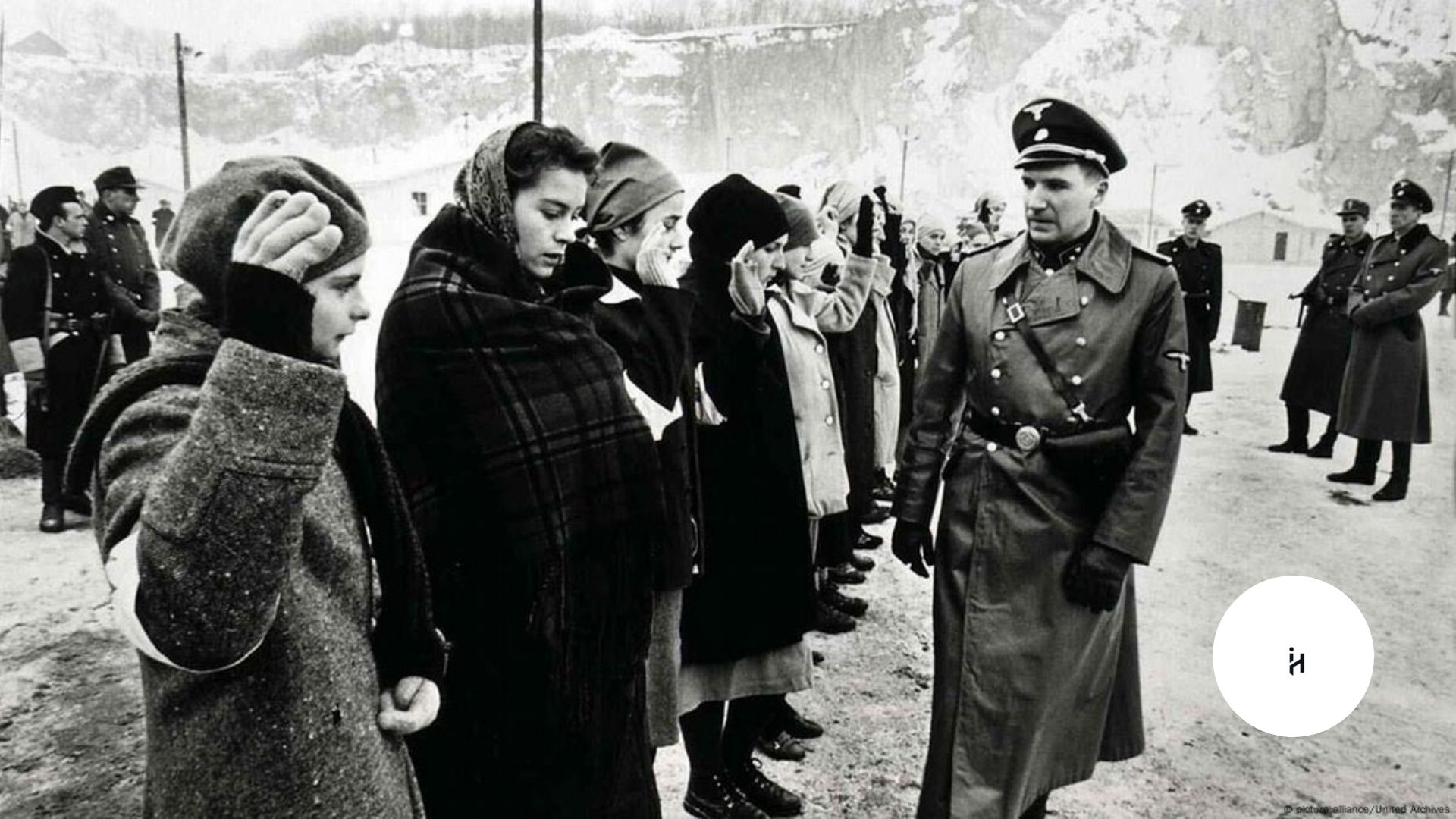
Ralph Fiennes, as the sadistic Amon Göth, is chilling in his depiction of a brutal SS officer. His portrayal adds a terrifying contrast to Schindler’s growing compassion. Ben Kingsley plays Itzhak Stern, Schindler’s Jewish accountant, who helps compile the famous list.

Each actor immerses themselves fully into their roles, making the characters believable and heartbreaking. “Schindler’s List movie” relies heavily on these performances to convey the emotional depth and historical weight of the narrative.

Historical Accuracy and Authenticity

One of the strengths of “Schindler’s List movie” is its commitment to historical accuracy. Spielberg worked closely with Holocaust survivors, historians, and experts to ensure the events, costumes, and set designs were as true to history as possible. The film was even shot on location in Poland, including scenes near the Auschwitz-Birkenau camp.

The movie does not sugarcoat the cruelty inflicted upon the Jewish people. From the liquidation of the Kraków Ghetto to the inhumane labor camps, the film portrays these events with raw, emotional honesty. While some minor dramatic liberties were taken, “Schindler’s List movie” remains one of the most historically faithful Hollywood films about the Holocaust.

The Emotional Impact of the Film

“Schindler’s List movie” is emotionally devastating. Many viewers describe the experience as transformative. The film forces the audience to confront the depths of human cruelty, but also the possibility of redemption. One of the most moving scenes is when Schindler breaks down, lamenting that he could not save more lives.

Spielberg’s use of silence, music, and facial expressions over dialogue intensifies the emotional effect. Composer John Williams provided the haunting score, with the violin theme performed by Itzhak Perlman becoming instantly recognizable.

The Symbolism in Schindler’s List Movie

Schindler's List Movie

Symbolism plays a key role in “Schindler’s List movie.” The girl in the red coat is one of the most significant symbolic elements. Amidst the black and white visuals, her red coat draws attention to the innocence lost in the Holocaust. Her eventual death marks a turning point in Schindler’s journey.

The list itself is also symbolic—it represents hope, resistance, and the value of human life. “Schindler’s List movie” constantly reminds us that even in darkness, symbols of light and courage can emerge.

Legacy and Cultural Impact

More than three decades later, “Schindler’s List movie” remains one of the most influential films in history. It is shown in schools, universities, and museums as a teaching tool. Spielberg founded the USC Shoah Foundation to preserve survivor testimonies, inspired by the film’s impact.

The film has influenced countless other works and has contributed to global awareness of the Holocaust. “Schindler’s List movie” is not just cinema—it’s a cultural artifact that continues to educate and inspire.

Awards and Critical Acclaim

“Schindler’s List movie” received widespread critical acclaim upon its release. It won seven Oscars, including Best Picture, Best Director, and Best Adapted Screenplay. It also received seven BAFTAs and three Golden Globes.

Critics praised the film for its storytelling, cinematography, and emotional power. It holds a near-perfect score on Rotten Tomatoes and IMDb, often ranking among the greatest films of all time.

Controversies and Criticism

Although “Schindler’s List movie” was largely praised, it did face some criticism. Some scholars argued that portraying a Nazi as a hero could potentially mislead audiences. Others believed that the film’s dramatic elements might oversimplify complex historical realities.

Spielberg responded by emphasizing that the film was not about glorifying Schindler, but showing how a person could choose good in a world of evil. Despite these criticisms, the impact of “Schindler’s List movie” remains overwhelmingly positive.

Schindler's List Movie

Final Thoughts: Why You Should Watch Schindler’s List Movie

To watch “Schindler’s List movie” is to bear witness. It is not merely a film—it is an act of remembrance. It teaches empathy, courage, and the cost of indifference. The film is a sobering reminder that history must never repeat itself.

If you have not yet seen it, “Schindler’s List movie” is a must-watch. It is a cinematic masterpiece that leaves an indelible mark on the viewer. Every frame, every performance, and every emotion is crafted with purpose and reverence.

Exploring the World of Drifters Anime: A Journey Through Fantasy and History

0
Drifters Anime

In this blog post, we’ll delve deep into the various elements of Drifters anime, from its plot and characters to its themes and animation style, while discussing why it has become a standout show in the anime world.

Drifters is an anime series that combines the action-packed world of fantasy with intriguing historical references, delivering a unique blend of intense battles and complex characters. Adapted from Kouta Hirano’s manga, this anime has garnered a loyal fanbase thanks to its engaging storyline, captivating visuals, and a cast of warriors from different historical periods.

Introduction to Drifters Anime

Drifters Anime

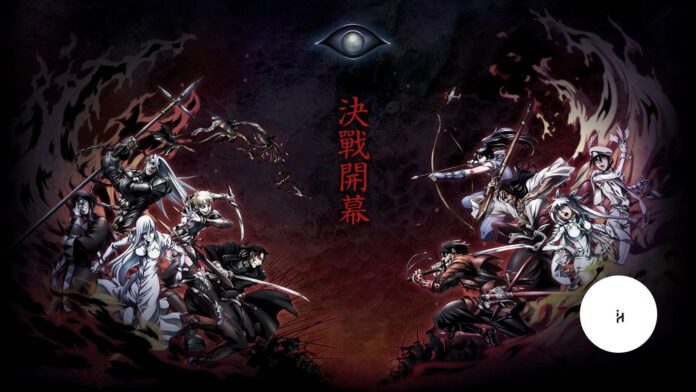
Drifters is set in a world where historical figures, warriors, and other notable characters are summoned from different time periods to fight in an endless war. The anime is known for its dark and violent themes, blending elements of fantasy with real-world history.

Created by Kouta Hirano, the mind behind Hellsing, Drifters takes viewers on a wild ride through a war-torn land where legendary figures from history are pitted against each other in a battle for dominance.

The series centers around the main character, Shimazu Toyohisa, a samurai from the Warring States period in Japan. He is transported to an alternate world where he is thrust into an ongoing battle against other warriors and creatures. The anime explores themes of war, survival, and the clash of cultures, making it a unique and thrilling experience for fans.

The Unique Concept of Drifters

One of the most striking features of Drifters is its premise. Instead of sticking to traditional fantasy tropes, it introduces historical figures from different times and cultures, such as warriors from ancient Greece, feudal Japan, and even medieval Europe. These historical figures, known as the “Drifters,” are summoned to fight in a parallel world.

The concept of mixing fantasy with real-world history allows the anime to explore fascinating “what-if” scenarios. For instance, what if famous historical leaders and generals were given a second chance in a brutal, fantastical world?

This creates an environment rich with possibilities, where viewers can see figures like Nobunaga Oda and Hannibal Barca interact with one another in ways that might not have occurred in real history.

The Complex Characters of Drifters Anime

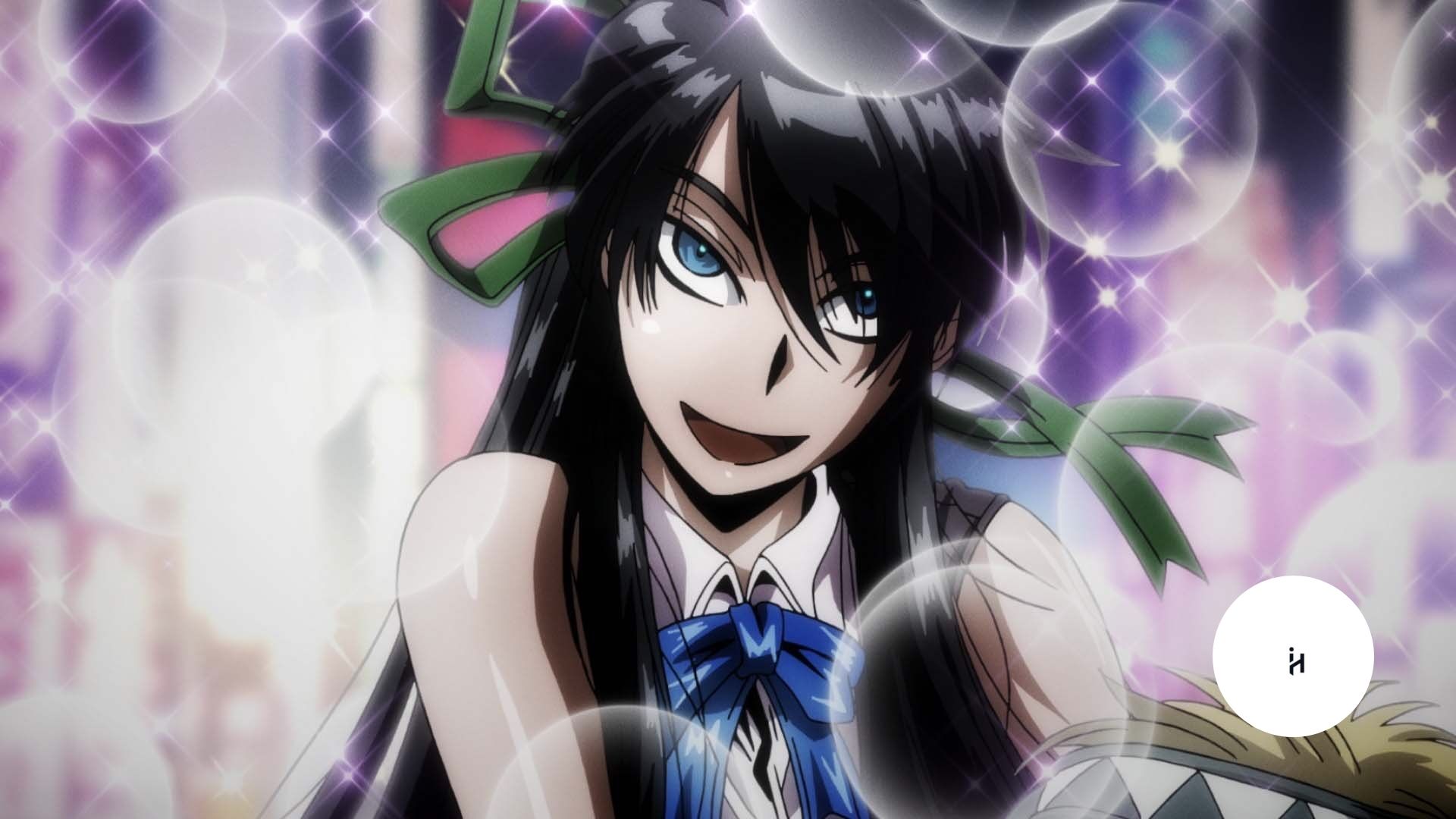
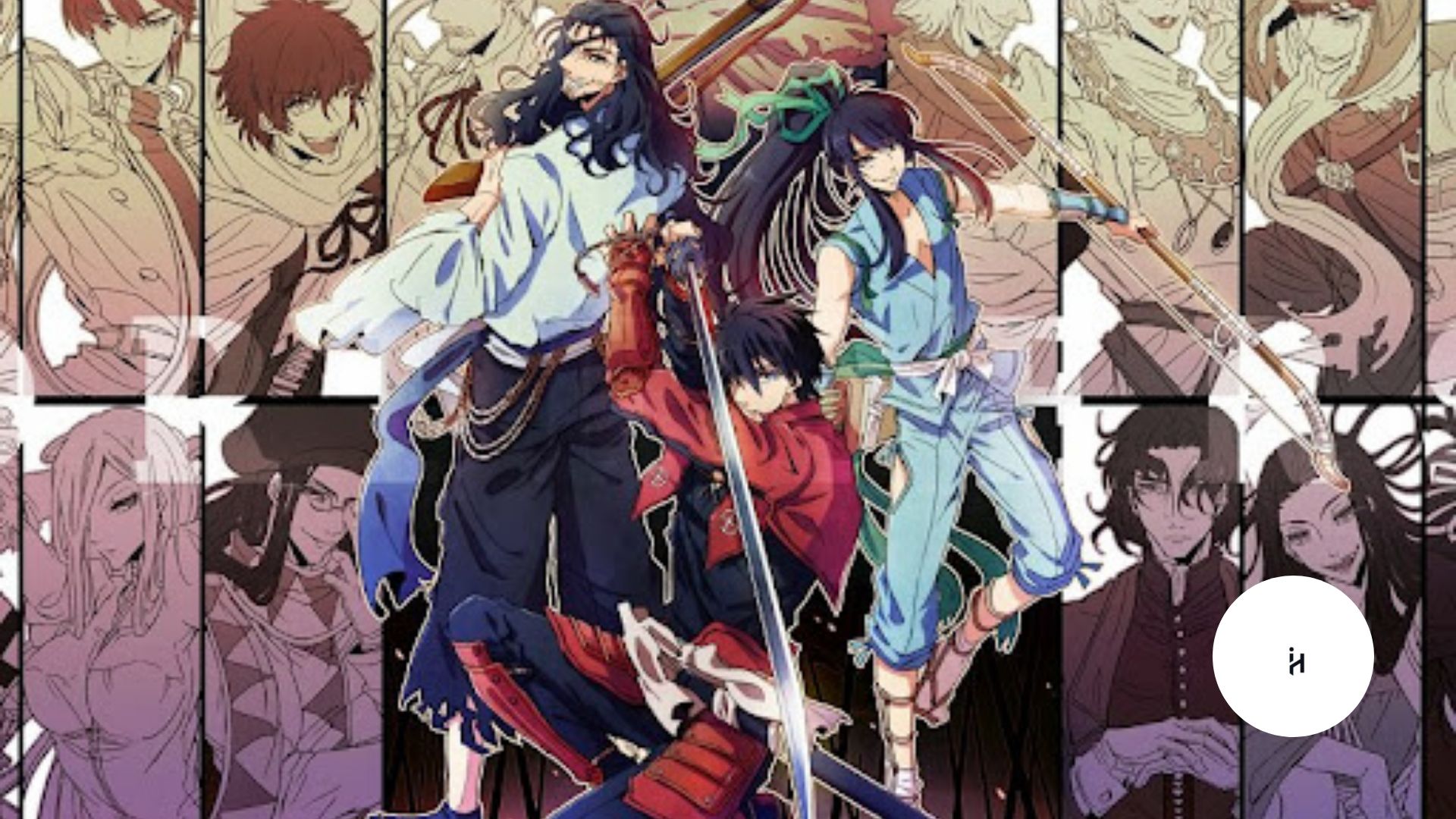
The Drifters anime is packed with a diverse cast of characters, each with their own motivations, backstories, and personalities. The main protagonist, Shimazu Toyohisa, is a skilled samurai known for his fierce loyalty and relentless fighting spirit. His journey in the anime revolves around adjusting to his new life in a strange world while continuing his battle for survival.

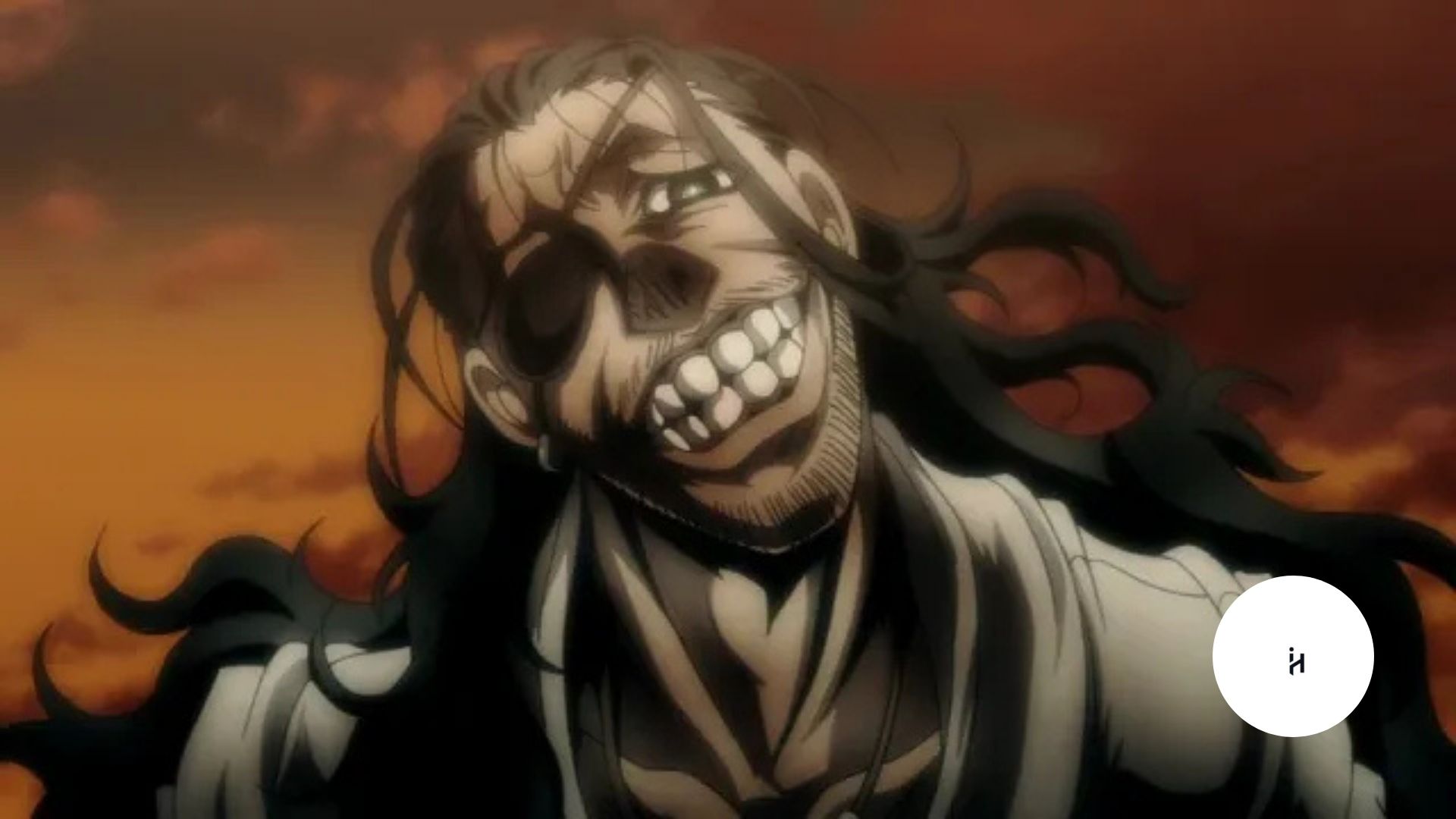
Other notable characters include the notorious warlord Oda Nobunaga and the infamous strategist, Yoichi Suketaka Nasu. Each of these historical figures brings their own strengths and flaws to the table, which adds depth to the storyline and allows for character-driven conflict. The dynamic between these characters is crucial in making Drifters not just a battle-driven anime, but also one with complex interpersonal relationships.

The Role of Ends and Drifters in the Anime World

In Drifters, there are two opposing factions: the Drifters and the Ends. The Ends are a group of evil beings who have their own agenda and work against the Drifters at every turn.

They include historical figures who have been corrupted by the dark forces of the world they inhabit. This dichotomy creates a compelling struggle between good and evil, with each side fighting for control over the fate of the alternate world.

Drifters Anime

The Drifters, on the other hand, are typically warriors from various historical backgrounds who find themselves in this strange world and are forced to adapt to survive. These figures have been brought together not just by chance, but by an overarching destiny that will eventually lead to an all-out battle for the future of this world.

The World-Building of Drifters

The world-building in Drifters is one of the anime’s strongest points. The alternate world where the Drifters are summoned is vast and filled with a rich lore.

The anime introduces different regions, each with its own unique characteristics, cultures, and conflicts. This diversity of settings allows the show to explore various aspects of its fantasy universe while also blending elements from different historical periods.

The world is chaotic, with cities in ruins, warring factions, and mythical creatures lurking in the shadows. This environment provides the perfect backdrop for the Drifters to engage in their epic battles, and the world-building is instrumental in creating an immersive experience for the audience.

Animation and Art Style in Drifters Anime

The animation style of Drifters stands out for its gritty and dynamic visuals. The action scenes are intense, fast-paced, and beautifully choreographed, capturing the raw energy of the battles. The character designs, though sometimes exaggerated, fit the tone of the series, with each warrior being depicted in a way that highlights their personality and historical significance.

The art style is heavily influenced by Kouta Hirano’s previous works, particularly Hellsing, with detailed linework and dramatic shading that enhances the dark and violent atmosphere of the show. This distinct style gives Drifters a unique visual identity that is instantly recognizable to fans of Hirano’s work.

Themes of War and Conflict in Drifters

One of the central themes in Drifters is the exploration of war and conflict. The anime does not shy away from depicting the brutality and chaos that accompany battle. The Drifters are constantly thrust into dangerous situations where they must fight not just for survival, but also for the greater good.

The series raises questions about the nature of warfare, the impact of conflict on individuals and societies, and the morality of those who engage in it. This theme is reinforced by the presence of historical figures, many of whom were known for their roles in wars and battles, giving the series a sense of authenticity and weight.

The Impact of Historical Figures on the Plot

The inclusion of real historical figures in Drifters adds a layer of complexity to the plot. These characters are not just fictionalized versions of their real-life counterparts; they retain many of the traits and motivations that made them famous.

For example, Oda Nobunaga, a strategic genius, uses his cunning to manipulate events in the new world, while the ruthless warrior, Toyohisa, continues to fight for honor and survival.

The way these historical figures interact with each other is one of the highlights of Drifters. The anime doesn’t shy away from exploring how these historical personalities would behave in a completely different context, and the result is often surprising and thought-provoking.

Drifters Anime

Action Sequences and Combat in Drifters

Action is at the heart of Drifters, and the anime delivers thrilling combat sequences that will keep viewers on the edge of their seats. The battles are not just physical but often involve intricate strategies, alliances, and betrayals.

The characters, especially the Drifters, engage in fierce battles against both monstrous creatures and fellow warriors, making each fight feel meaningful and impactful.

The series also incorporates supernatural elements into the combat, with characters wielding unique abilities and magical powers. This mix of traditional weaponry and magical elements creates a distinct style of combat that sets Drifters apart from other action-oriented anime.

Reception and Popularity of Drifters Anime

Since its release, Drifters has received a positive reception from both anime fans and critics alike. The anime’s unique blend of historical fiction and fantasy, combined with its compelling characters and intense action, has earned it a dedicated fanbase. Fans of Kouta Hirano’s work, especially Hellsing, were particularly drawn to Drifters due to its similar style and tone.

The anime’s success has led to high anticipation for future seasons, with viewers eagerly awaiting the continuation of the story and the introduction of new characters and battles.

Conclusion: Why Drifters Anime is a Must-Watch

In conclusion, Drifters is an anime that offers something truly unique in the world of anime. It combines fantasy, history, and action into a thrilling package that keeps viewers hooked from start to finish.

The complex characters, intense action sequences, and thought-provoking themes make it a standout show that deserves attention. If you’re a fan of anime that blends history with fantasy, Drifters is a must-watch. The way it explores the consequences of war, the nature of power, and the fate of legendary figures is both entertaining and enlightening.