Home Blog Page 84

The Mystical World of the Whirling Dervish: A Journey into Spiritual Ecstasy

0
Whirling Dervish

Introduction to the Whirling Dervish: A Sacred Dance of Devotion

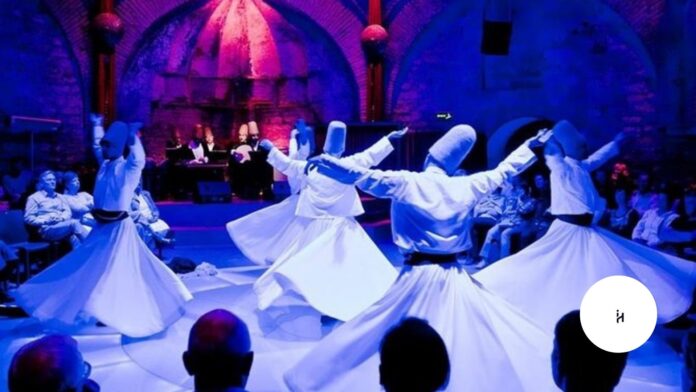
The Whirling Dervish is not just a performer but a spiritual seeker engaged in a sacred ritual known as the Sema. Originating from the teachings of the 13th-century Sufi mystic Jalaluddin Rumi, the whirling dance is a deeply symbolic expression of divine love and unity. Through the continuous spinning motion, the whirling dervish detaches from worldly concerns and moves closer to God, embodying a spiritual journey from ego to enlightenment.

This mystical ceremony isn’t merely a dance. It’s a form of dhikr (remembrance of God), designed to focus the heart and mind solely on the Divine. The ritual is marked by precise movements, symbolic attire, and an atmosphere of deep reverence.

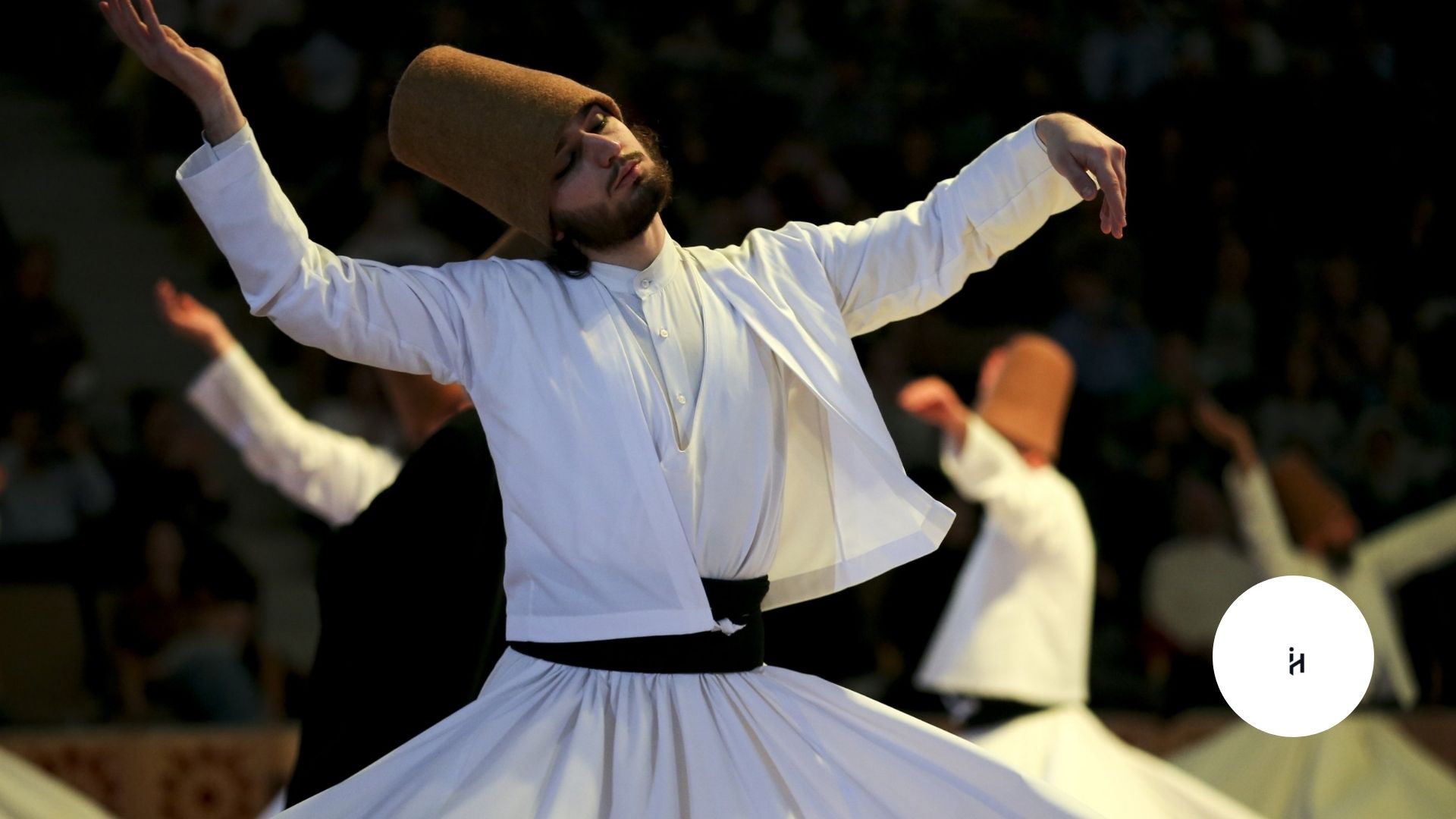
When people speak of the “whirling dervish,” they’re referencing a figure who bridges art, spirituality, and mysticism in one fluid motion. As the dancer whirls, their right hand reaches to the sky, receiving blessings, while the left hand faces the earth, sharing those blessings with humanity.
Whirling Dervish

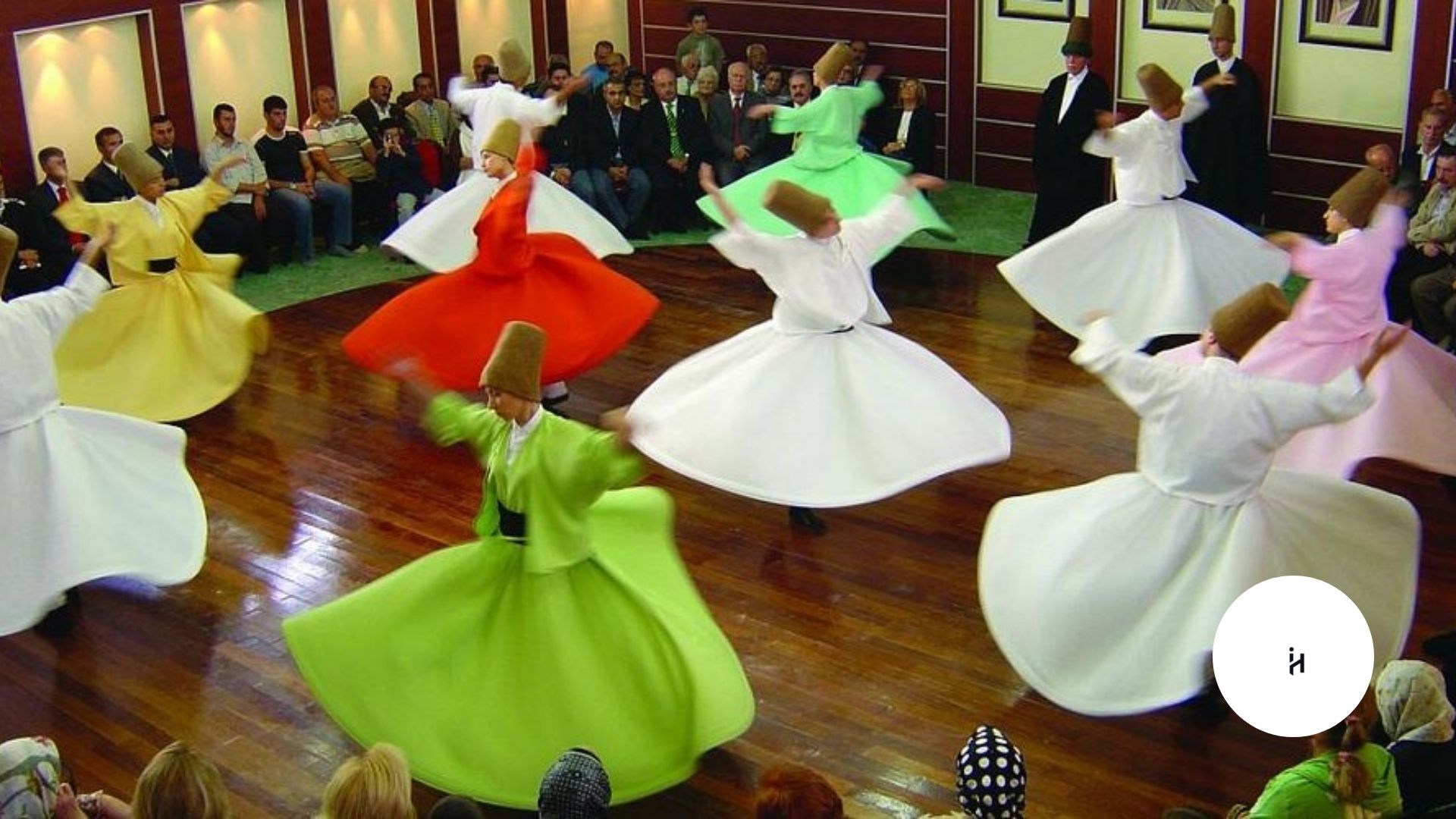
The whirling dervish represents a living tradition, still practiced today, particularly in Turkey, where Sufi lodges preserve this powerful ritual. Tourists are often captivated by the grace and hypnotic rhythm of the dance, but for practitioners, it’s an inner pilgrimage—a way to transcend the self and unite with the divine essence.

The Origins of the Whirling Dervish Tradition

The origin of the whirling dervish lies in the Sufi order known as the Mevlevi, founded by the followers of Rumi in the city of Konya, Turkey. After Rumi’s death, his son Sultan Walad and his devoted followers institutionalized his teachings into a spiritual path that included poetry, music, and dance. The whirling dervish emerged as a central figure in this mystical order.

Historically, the ceremony was performed in tekkes (Sufi lodges), with every element of the ritual grounded in symbolism. The dance is not entertainment; it is worship. The term “whirling dervish” itself captures the essence of a seeker spinning in devotion, stripped of ego, and aligned with the divine presence. The dervishes believe that by whirling, they mirror the movement of the universe—from atoms to galaxies—all in constant rotation.

The spread of the Mevlevi Order throughout the Ottoman Empire popularized the whirling dervish across the Islamic world. Over time, it became not only a religious practice but also a cultural symbol of Turkish identity. Though banned temporarily during the early years of the Turkish Republic, the whirling dervish tradition has been revived and protected as a UNESCO Intangible Cultural Heritage.

Spiritual Significance of the Whirling Ritual

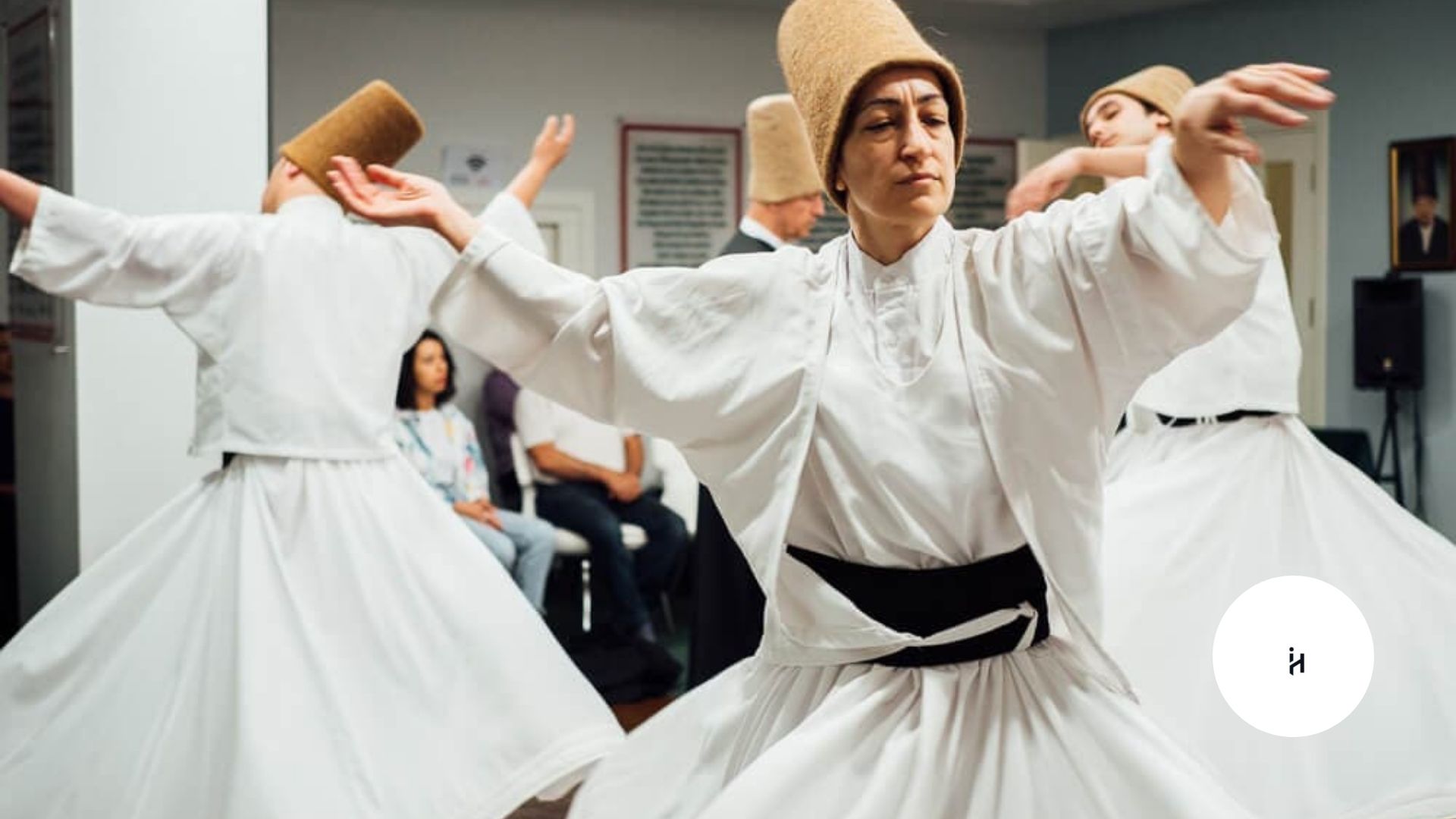
For the whirling dervish, the dance is far more than physical motion—it is spiritual transformation. The ritual begins with a prayer and the donning of symbolic garments. The long white gown represents the ego’s shroud; the black cloak symbolizes the tomb; the tall hat signifies the gravestone of the ego. Removing the black cloak marks the dervish’s rebirth into spiritual awakening.

The whirling itself is a form of meditation in motion. As the dervish spins, his focus is on God’s name, letting go of distractions and worldly attachments. Each rotation becomes a silent prayer, a movement towards inner stillness despite external motion. The goal of the whirling dervish is not to impress an audience but to disappear into divine love.

Through repetition and rhythm, the dancer achieves a trance-like state that elevates consciousness. This spiritual ecstasy, known as wajd, is where the ego dissolves, and only the presence of the divine remains. The whirling dervish thus becomes a vessel—empty of self, full of spirit.

Jalaluddin Rumi: The Mastermind Behind the Dervish Dance

The inspiration behind the whirling dervish is none other than Rumi, the Persian poet, theologian, and mystic whose verses continue to move hearts worldwide. Rumi taught that love is the path to divine unity, and the whirling dance is a physical embodiment of this philosophy.

Legend says Rumi began spinning spontaneously in a market in Konya, overwhelmed by divine love. His followers adopted this motion into their spiritual practices, eventually creating the structured Sema ceremony. The whirling dervish, therefore, is not merely a disciple of Sufism but a living expression of Rumi’s teachings.

Rumi’s poetry often describes the soul’s longing for God as a turning or spiraling motion, echoing the dance of the dervish. His line, “Why do you stay in prison when the door is so wide open?” encourages seekers to break free of ego and join in the cosmic dance of existence. The whirling dervish responds to this call by losing himself in the rhythm of love and oneness.

The Sema Ceremony: Structure and Symbolism

The Sema ceremony performed by the whirling dervish follows a precise spiritual structure. It begins with a recitation of the Quran and proceeds through four stages, called “Selams,” each symbolizing a different aspect of the seeker’s journey toward divine truth.

In the first Selam, the dervish acknowledges God’s greatness. In the second, he becomes aware of God’s omnipresence. The third symbolizes ecstatic love, and in the fourth, he returns to serve humanity with compassion. Each whirling dervish maintains inner stillness and outer grace during this sacred journey.
Whirling Dervish

The music accompanying the Sema—featuring the ney (reed flute), kudüm (drum), and other traditional instruments—guides the dervish through his spiritual progression.

The whirling itself mirrors the movement of the universe: the dervish’s pivot foot represents stillness, while the spinning body reflects life’s motion. Every element of the Sema holds deep symbolic meaning, making the whirling dervish not just a dancer, but a spiritual philosopher in motion.

The Whirling Dervish Attire and Its Meaning

A whirling dervish wears specific garments that carry profound symbolism. The white robe (tennure) signifies the ego’s burial shroud, reflecting the death of worldly desires. The black cloak (hırka) represents the grave, and when removed, it signals the soul’s release. The tall brown hat (sikke) is seen as the tombstone of the ego.

The minimalist attire helps the whirling dervish stay focused on the spiritual rather than the superficial. It also enables the fluidity of the spinning motion. Each rotation of the wide skirt during the dance symbolizes the soul’s release and surrender to the divine.

This simplicity in costume contrasts with the deep complexity of the ritual. For the whirling dervish, clothing becomes an extension of devotion, embodying humility, purity, and transformation. Tourists may admire the elegance of the outfit, but practitioners understand that each thread is a tool for spiritual awakening.

Mental and Physical Discipline of the Whirling Dervish

Becoming a whirling dervish requires rigorous training. The physical challenge of spinning continuously without losing balance or consciousness demands exceptional discipline. But more important is the mental and emotional focus required to maintain spiritual intention throughout the dance.

A whirling dervish practices breathing techniques, posture control, and meditation to prepare for the ritual. The spinning itself isn’t about dizziness—it’s about alignment. The dervish learns to center the self so deeply that the body can spin while the mind remains anchored in remembrance.

The training also includes learning about Sufi philosophy, music, and etiquette. It may take years for a student to become a full whirling dervish. This shows that the practice is not simply physical performance—it’s a spiritual lifestyle grounded in humility, devotion, and inner mastery.

The Role of Music in the Whirling Dervish Ritual

Music plays an essential role in guiding the whirling dervish through the Sema ceremony. The ney, a reed flute, produces a haunting sound that symbolizes the soul’s longing for reunion with the Creator. The kudüm drum offers rhythm, while the chanting of divine names steers the spiritual journey.

This musical accompaniment isn’t background noise—it’s a sacred guide. Each note and beat is infused with intention. For the whirling dervish, music creates the emotional and spiritual landscape in which transformation can occur.

Musicians and dancers often rehearse together, forming a deep connection that enhances the ceremony’s spiritual power. The harmony between motion and melody makes the experience holistic, merging body, mind, and soul into one divine offering.

Modern Interpretations and Cultural Relevance

Today, the image of the whirling dervish has transcended its spiritual roots and entered mainstream art and tourism. In places like Istanbul and Konya, ceremonies are performed for audiences from around the world. Though some worry about commercialization, many see it as a chance to share Sufi wisdom globally.

Modern artists, poets, and musicians draw inspiration from the whirling dervish, incorporating its essence into various creative mediums. Documentaries, performances, and books often feature the whirling dervish to illustrate inner peace and divine connection.

Still, true practitioners stress the importance of maintaining the ritual’s sacredness. While modernization has broadened its exposure, the core purpose remains unchanged: for the whirling dervish, it’s a path to spiritual awakening and divine love.

Whirling Dervish in Global Sufism
Whirling Dervish

Although the tradition of the whirling dervish is most associated with Turkey, its influence is felt across the Sufi world. In regions like Pakistan, Iran, and Egypt, various forms of devotional music and movement echo similar intentions: union with the Divine.

In global Sufi practices, the idea of “turning” or “spinning” is metaphorical and literal. The whirling dervish becomes a universal symbol of the soul’s desire to dissolve into divine presence. Workshops and seminars around the world now teach the philosophy and practice of whirling, making it accessible to seekers of all backgrounds.

The universal message of love, tolerance, and surrender makes the whirling dervish a timeless figure. His journey, though rooted in Islamic mysticism, resonates with spiritual seekers from all faiths.

Conclusion: The Timeless Beauty of the Whirling Dervish

In a world filled with noise and distractions, the whirling dervish offers a path of silence, stillness, and connection. His spinning motion is more than performance—it is prayer, poetry, and passion embodied. Rooted in the teachings of Rumi, the whirling dervish continues to remind humanity of the beauty of surrender and the joy of divine love.

The whirling dervish teaches us that transformation doesn’t require grand gestures—sometimes, it just takes a single step inward, followed by a graceful spin towards the light.

Discovering Doveland, Wisconsin: A Hidden Gem in the Midwest

0
Doveland, Wisconsin

Doveland, Wisconsin, a small yet charming town in the Midwest, offers a unique glimpse into the heart of rural America. While it may not be a bustling metropolis, it’s a place rich with history, culture, and natural beauty.

Whether you’re visiting for a short getaway or considering making it your home, Doveland has much to offer. In this blog, we will explore various aspects of Doveland, Wisconsin, from its history to local attractions and the lifestyle it offers.

Introduction to Doveland, Wisconsin

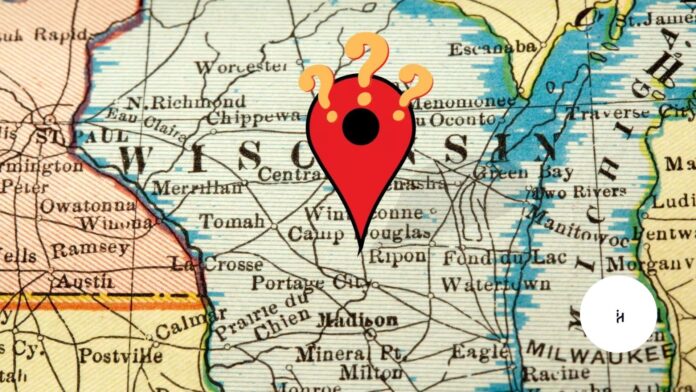
Doveland, Wisconsin, is a quiet, picturesque town known for its tight-knit community and scenic landscapes. Located in the heart of Wisconsin, Doveland boasts a peaceful rural atmosphere that is hard to find in more urbanized regions.

Whether you’re interested in exploring the outdoors, learning about local history, or simply enjoying small-town life, Doveland has something for everyone. Its easy access to nearby cities like Madison and Milwaukee makes it an excellent choice for those who want to enjoy both the tranquility of country living and the amenities of larger cities.

Doveland, Wisconsin

The History of Doveland, Wisconsin

The history of Doveland, Wisconsin, is deeply tied to the development of the area as a farming community. Early settlers in the 1800s recognized the area’s fertile soil and started cultivating crops like corn, wheat, and oats.

Over the years, Doveland transformed from a small settlement into a thriving rural hub, attracting families from various parts of the country. As the years passed, the town maintained its agricultural roots while slowly evolving into the charming town it is today. Understanding the history of Doveland, Wisconsin, helps visitors appreciate the town’s rich heritage and its role in shaping the state.

Natural Beauty of Doveland, Wisconsin

Doveland, Wisconsin, is blessed with an abundance of natural beauty that makes it an ideal destination for nature lovers. The town is surrounded by rolling hills, lush forests, and pristine lakes.

Whether you’re hiking through wooded trails, fishing in tranquil ponds, or simply enjoying a picnic by a lake, Doveland offers numerous opportunities to experience the great outdoors. The town’s proximity to the Wisconsin River also provides access to water-based activities like kayaking and canoeing, making it a haven for those who enjoy water sports.

Local Attractions in Doveland, Wisconsin

Despite its small size, Doveland, Wisconsin, offers a variety of local attractions. From historical landmarks and museums to parks and outdoor recreational areas, there’s always something to explore.

One notable attraction is the Doveland Historical Museum, which showcases artifacts from the town’s past, including agricultural tools and early settlers’ belongings. Additionally, nearby parks provide ample space for hiking, picnicking, and wildlife watching. For those who love history and culture, Doveland offers an immersive experience that’s hard to beat.

The Economy of Doveland, Wisconsin

Agriculture has always been a key driver of Doveland’s economy, with local farmers producing a wide range of crops and livestock. In recent years, the town has also seen growth in tourism and small businesses.

The rise of eco-tourism has benefited Doveland, as more visitors seek to experience the beauty of rural Wisconsin. Local markets, cafes, and bed-and-breakfast establishments have flourished, helping to support the economy. The town’s commitment to preserving its rural charm while embracing sustainable development ensures that Doveland will continue to thrive economically.

The Community Spirit of Doveland, Wisconsin

What truly sets Doveland, Wisconsin, apart is its strong sense of community. The people here are known for their hospitality and willingness to lend a helping hand. Whether it’s a neighborhood gathering, a local fair, or a community event, Doveland’s residents take pride in building connections with one another. This close-knit environment fosters a sense of belonging, making it an ideal place for those seeking a supportive and friendly community. Whether you’re visiting or considering moving here, the warmth of the people is something you’ll immediately notice.

Living in Doveland, Wisconsin: Lifestyle and Cost of Living

Living in Doveland, Wisconsin, offers a slower pace of life compared to larger urban areas. Residents enjoy a more laid-back lifestyle, where neighbors greet each other by name and life moves at a comfortable rhythm.

The cost of living in Doveland is relatively affordable, especially when compared to the more expensive cities in the state. Housing costs are lower, and the absence of heavy traffic makes commuting a breeze. For those looking to escape the hustle and bustle of city life while still enjoying the conveniences of modern living, Doveland provides an excellent option.

Education in Doveland, Wisconsin

Doveland, Wisconsin

Education is a top priority in Doveland, Wisconsin. The town is served by a number of public schools that offer quality education from kindergarten through high school. Local schools emphasize community involvement, with parents and teachers working together to create a positive learning environment for students. Additionally, Doveland residents have easy access to nearby colleges and universities, offering opportunities for higher education. For families with children, Doveland is a great place to settle down and raise kids in a supportive, educationally rich environment.

Dining and Local Cuisine in Doveland, Wisconsin

Doveland, Wisconsin, may be a small town, but it is home to some amazing dining options. From locally-owned diners serving up hearty American fare to charming bakeries offering freshly baked goods, food lovers will find plenty to enjoy.

One local favorite is the Doveland Café, known for its homemade pies and seasonal dishes made with ingredients from local farms. Whether you’re looking for a cozy spot for breakfast or a family-friendly restaurant for dinner, Doveland’s culinary scene offers a little something for everyone.

Events and Festivals in Doveland, Wisconsin

Throughout the year, Doveland, Wisconsin, plays host to several fun and engaging events that draw locals and visitors alike. One of the town’s most popular events is the Doveland Harvest Festival, a celebration of the town’s agricultural roots, complete with live music, food stalls, and craft vendors.

Other events include local craft fairs, farmers’ markets, and seasonal celebrations, which showcase the talent and creativity of the town’s residents. For those looking to experience the charm of Doveland, these festivals provide an excellent opportunity to get involved with the community and enjoy the local culture.

Why You Should Visit Doveland, Wisconsin

Doveland, Wisconsin

Whether you’re looking for a weekend getaway or a longer stay, Doveland, Wisconsin, offers an experience like no other. From its natural beauty and rich history to its tight-knit community and affordable living, there’s something for everyone.

Visitors can enjoy outdoor activities, explore local attractions, and immerse themselves in the peaceful lifestyle of a small Midwestern town. Doveland, Wisconsin, may be off the beaten path, but it is undoubtedly a hidden gem that is worth discovering. If you’re seeking a destination that offers both relaxation and adventure, look no further than Doveland.

Doveland, Wisconsin, is a place that combines the best of small-town living with access to nature, history, and a vibrant community. Whether you’re planning a visit or considering making it your home, you’ll find that Doveland offers a truly unique and enriching experience.

Exploring Sergei Ponomarenko’s Time Travel Theory: A Deep Dive

0
Sergei Ponomarenko’s Time Travel

In this blog, we’ll break down Ponomarenko’s time travel theories, the science behind them, and their potential implications. Each section will provide a detailed explanation, offering readers a comprehensive understanding of the topic.

Sergei Ponomarenko, a name that often pops up in discussions surrounding time travel, has become a fascinating figure in the world of scientific speculation and theoretical physics. His contributions to the study of time and the possibility of time travel have intrigued both enthusiasts and skeptics alike.

Who is Sergei Ponomarenko?

Sergei Ponomarenko’s Time Travel

Sergei Ponomarenko is a theoretical physicist and an outspoken figure in the world of time travel theories. Although not widely known in mainstream science, his work in the field of time travel has made a significant impact in academic and scientific circles.

Ponomarenko’s research focuses primarily on the concepts of relativity, quantum mechanics, and the notion that time, as we understand it, might not be as linear or immutable as we once thought. His contributions have sparked interest in both scientific communities and the general public, especially those fascinated by the concept of manipulating time. His theories, while controversial, challenge traditional notions and invite a fresh perspective on time travel.

The Basics of Time Travel According to Ponomarenko

Sergei Ponomarenko’s time travel theory begins with a fundamental understanding of time as a non-linear, flexible entity. According to Ponomarenko, time is not a constant; it is subject to various forces that can alter its flow.

This perspective challenges the traditional view of time as a simple, irreversible line that moves from the past to the present and into the future. In his theory, time is seen as something that can bend, loop, or even exist in multiple states simultaneously. Ponomarenko’s work is heavily influenced by the theories of Einstein’s relativity and quantum mechanics, both of which suggest that time can behave in unusual ways under certain conditions.

How Sergei Ponomarenko Defines Time Travel

Sergei Ponomarenko’s interpretation of time travel is deeply rooted in the concept of time as a malleable entity. Rather than viewing time travel as a mere journey through a single timeline, Ponomarenko posits that time can be altered, manipulated, and experienced in parallel dimensions.

He suggests that time travel may not involve just moving forward and backward in time, but could also allow for the creation of entirely new timelines or realities. This would mean that time travel could result in the formation of multiple versions of history, all existing simultaneously but independent of one another. In Ponomarenko’s model, time is fluid, and travelers may be able to shift between these timelines through specific, yet-to-be-discovered mechanisms.

The Role of Quantum Mechanics in Time Travel

Quantum mechanics plays a crucial role in Sergei Ponomarenko’s theory of time travel. Ponomarenko’s work heavily integrates the principles of quantum physics, particularly the idea that particles can exist in multiple states at once, a phenomenon known as superposition.

According to his theory, time may behave in a similar way, with multiple timelines existing simultaneously in parallel universes. This implies that time is not fixed and can be navigated like a multi-dimensional space.

Quantum entanglement, another key principle of quantum mechanics, could also be a vital factor in understanding how time travel might be possible in Ponomarenko’s model. His theory suggests that manipulating quantum particles could allow for the bending or even the reversal of time.

Sergei Ponomarenko’s Use of Relativity in Time Travel

Sergei Ponomarenko’s Time Travel

Albert Einstein’s theory of relativity is another cornerstone in Sergei Ponomarenko’s approach to time travel. In particular, the concept of time dilation, where time moves at different rates depending on speed and gravity, is crucial.

Ponomarenko expands on this idea, suggesting that time can be influenced by more than just gravitational fields and velocity. He theorizes that, under the right conditions, objects and people could potentially travel through time by manipulating the fabric of spacetime itself. In this way, Ponomarenko’s theories align with Einstein’s concepts, but they extend beyond the traditional understanding of relativity, suggesting a more complex, multi-dimensional view of time.

The Theory of Time Loops in Ponomarenko’s Work

One of the most intriguing aspects of Sergei Ponomarenko’s time travel theory is his exploration of time loops. Ponomarenko proposes that time may not just flow in one direction, but could loop upon itself, creating a circular timeline. These time loops could allow for travelers to revisit specific points in time, creating paradoxes or altering the course of history.

However, Ponomarenko also theorizes that the existence of such loops might not be as straightforward as it seems. He suggests that these loops could be self-contained, meaning that changes made within the loop may not affect the broader timeline or might only create alternate realities.

Challenges to Sergei Ponomarenko’s Time Travel Theory

Despite its intriguing possibilities, Sergei Ponomarenko’s time travel theory faces significant challenges. One of the primary obstacles is the lack of empirical evidence to support his ideas. Time travel, especially in the way Ponomarenko describes it, remains speculative, with no observable experiments or real-world tests that could validate his theories.

Additionally, the concept of multiple timelines and parallel universes is difficult to test using current technology. Critics argue that Ponomarenko’s theories may be too abstract to be practical or scientifically verifiable. Despite these challenges, his work continues to provoke thought and inspire further research into the nature of time and the possibility of time travel.

Technological Implications of Time Travel According to Ponomarenko

If Sergei Ponomarenko’s time travel theory were to hold true, the technological implications would be groundbreaking. Time travel, as proposed by Ponomarenko, would require entirely new forms of technology capable of manipulating time and space.

This could involve advanced quantum computing, energy manipulation, and possibly even new methods of harnessing the fundamental forces of the universe. According to Ponomarenko, the technology required to achieve time travel would need to be incredibly sophisticated, and it may take centuries before humanity has the capability to build such systems.

However, if achieved, time travel could revolutionize everything from space exploration to the way we perceive and interact with history.

Ethical Considerations of Sergei Ponomarenko’s Time Travel Theory

The potential for time travel raises significant ethical questions, and Sergei Ponomarenko’s theory is no exception. One of the primary concerns is the potential for altering history. If individuals could travel back in time and change key events, the consequences could be catastrophic, leading to unforeseen changes in the present.

Ponomarenko’s model suggests that these changes could create new, parallel timelines, but the ethical dilemma remains: should humans have the ability to change the past, even if it means creating alternate realities?

Additionally, time travel could introduce issues of power and control, as those with access to time travel technology could alter events for personal or political gain. These ethical concerns are central to discussions about time travel and have been explored in both fictional and scientific contexts.

Sergei Ponomarenko’s Time Travel

Potential Real-World Applications of Time Travel

While Sergei Ponomarenko’s time travel theory is primarily theoretical, its real-world applications could be vast if proven feasible. Time travel could revolutionize fields such as medicine, allowing for the prevention of diseases before they occur or offering the chance to rectify medical errors from the past.

It could also play a major role in historical research, offering an unprecedented opportunity to observe and interact with past events. Additionally, time travel could have profound effects on space exploration. By manipulating time, humans could potentially explore distant galaxies without the constraints of traditional space travel limitations. While these applications remain speculative, Ponomarenko’s theories offer exciting possibilities for the future.

The Future of Sergei Ponomarenko’s Time Travel Theory

The future of Sergei Ponomarenko’s time travel theory is uncertain but full of potential. As technology advances, particularly in the fields of quantum computing and theoretical physics, it may become possible to test some of Ponomarenko’s hypotheses.

Whether time travel becomes a reality remains to be seen, but Ponomarenko’s work has certainly paved the way for further exploration into the nature of time. As our understanding of quantum mechanics, relativity, and the fabric of the universe deepens, we may eventually uncover the keys to unlocking the mysteries of time travel. For now, Sergei Ponomarenko’s contributions remain a fascinating glimpse into what could one day be possible.

Conclusion:

Sergei Ponomarenko’s time travel theories offer a unique and thought-provoking perspective on the nature of time and its manipulation. By blending quantum mechanics with the principles of relativity, Ponomarenko presents a vision of time that is flexible, multi-dimensional, and potentially accessible through advanced technology.

While his ideas face challenges, they continue to inspire scientific inquiry and offer hope for a future where time travel might become a reality. Whether or not Sergei Ponomarenko’s vision of time travel is achievable, it remains an exciting avenue of exploration for scientists and dreamers alike.

The Ministry of Ungentlemanly Warfare

0
The Ministry of Ungentlemanly Warfare

Introduction: A Hidden Chapter of History

In the shadows of conventional warfare, a covert group was born that would go on to alter the course of World War II—the Ministry of Ungentlemanly Warfare. This secret British organization was the brainchild of Prime Minister Winston Churchill, designed to carry out sabotage operations behind enemy lines.

At a time when traditional military strategies failed to break the backbone of the Axis powers, this underground unit leveraged guerrilla tactics, psychological warfare, and espionage to deadly effect.

The story of the Ministry of Ungentlemanly Warfare has remained largely untold for decades, but recent attention through books and movies has brought their achievements back into the spotlight. This blog delves deep into their operations, legacy, and the unique individuals who made it possible.

The Ministry of Ungentlemanly Warfare

Origins: Churchill’s Vision and the Birth of the Ministry

When Winston Churchill became Prime Minister in 1940, he recognized that conventional war strategies were insufficient against a ruthless enemy. To that end, he authorized the creation of an elite force—later known as the Ministry of Ungentlemanly Warfare.

This was not a formal government department but a secret network of special operations units including the Special Operations Executive (SOE) and the British Commandos. Their mission? “Set Europe ablaze.” Churchill’s directive was to fight dirty, employing sabotage, psychological manipulation, and stealth tactics. The aim was to destabilize the enemy from within, and the Ministry of Ungentlemanly Warfare became the vessel for that vision.

Recruitment: The Misfits Turned Warriors

Unlike conventional armies, the Ministry of Ungentlemanly Warfare sought recruits who defied military norms. Artists, poets, scientists, athletes, and adventurers were enlisted. Many had never handled a weapon before. What they had, however, was creativity, courage, and a willingness to operate outside the rulebook.

These unorthodox soldiers were trained in demolition, hand-to-hand combat, disguise, and even silent killing. The Ministry believed that thinking differently was an asset in war—and it paid off. The people recruited into the Ministry of Ungentlemanly Warfare often executed missions that regular soldiers couldn’t even imagine.

Training Camps: Forging the Perfect Saboteurs

To prepare for their clandestine missions, members of the Ministry of Ungentlemanly Warfare underwent rigorous training in secret camps across the UK. These training grounds, like Arisaig in Scotland, were designed to simulate enemy territory and test operatives in the harshest conditions.

Courses included explosives handling, unarmed combat, infiltration, navigation, and evasion. Physical endurance was tested to the limit. Recruits learned how to blend in with locals, speak multiple languages, and manufacture improvised weapons. The goal was simple: create agents capable of surviving and thriving behind enemy lines.

Secret Missions Across Europe

Once trained, agents from the Ministry of Ungentlemanly Warfare were deployed across occupied Europe. Their missions were as daring as they were dangerous. From blowing up Nazi railways and supply depots to disrupting communication lines and assassinating key targets, these agents operated with surgical precision.

One notable operation involved sabotaging a Nazi heavy water plant in Norway—crucial to the German atomic bomb project. By crippling enemy infrastructure and morale, the Ministry of Ungentlemanly Warfare played a pivotal role in weakening the Axis war machine.

Technology and Innovation in Warfare

The Ministry of Ungentlemanly Warfare

One of the key advantages of the Ministry of Ungentlemanly Warfare was its focus on innovation. They pioneered the use of specialized equipment like time-delay fuses, limpet mines, and silenced weapons. These tools allowed operatives to conduct sabotage missions quietly and effectively.

They even developed disguised bombs—such as exploding rats, coal, and even chocolate bars. These creative solutions were a result of partnerships with engineers and scientists who worked in secret labs across Britain. The technological edge gave the Ministry of Ungentlemanly Warfare a unique upper hand in their shadow war.

The Role of Women in the Ministry

Women played a vital role within the Ministry of Ungentlemanly Warfare, especially in the SOE. Figures like Violette Szabo, Odette Sansom, and Noor Inayat Khan became legends for their bravery and skill.

These female agents gathered intelligence, organized resistance networks, and carried out sabotage missions, often at great personal risk. Despite the societal norms of the time, the Ministry recognized the strategic value women brought to the war effort. Their success was a testament to the progressive mindset at the heart of the Ministry of Ungentlemanly Warfare.

Psychological Warfare and Misinformation

Another weapon in the Ministry of Ungentlemanly Warfare’s arsenal was psychological manipulation. Agents conducted misinformation campaigns that spread confusion among enemy ranks. Fake radio broadcasts, forged documents, and staged attacks were all part of the plan.

These tactics sowed distrust within Nazi leadership and undermined troop morale. The psychological element was critical, as it often led the enemy to waste resources chasing phantom threats. Through deception and cunning, the Ministry of Ungentlemanly Warfare disrupted not only operations but also the minds of their enemies.

Impact on the Outcome of World War II

The strategic operations carried out by the Ministry of Ungentlemanly Warfare significantly influenced the Allied victory in World War II. While not always publicly credited, their efforts disrupted supply chains, slowed down enemy movements, and empowered local resistance.

Historians agree that the effectiveness of these covert missions helped reduce casualties and shorten the war’s duration. Churchill himself acknowledged the importance of this “ungentlemanly” form of warfare. Today, military strategists study their methods as a foundation for modern special operations.

Post-War Legacy and Recognition

After the war, many members of the Ministry of Ungentlemanly Warfare returned to civilian life without recognition. Their missions were classified, and their bravery went unacknowledged for decades.

However, books like Damien Lewis’s The Ministry of Ungentlemanly Warfare and recent film adaptations have reignited public interest in their stories. Today, their contributions are celebrated by historians and veterans’ associations alike. Memorials and declassified documents continue to honor the sacrifices and ingenuity of this remarkable group.

The Ministry of Ungentlemanly Warfare

The Ministry in Pop Culture and Modern Influence

In recent years, the Ministry of Ungentlemanly Warfare has made a comeback in pop culture. With books, documentaries, and an upcoming film directed by Guy Ritchie, their story has captured the imagination of a new generation.

The portrayal of their daring missions and unique characters brings renewed respect for their legacy. Moreover, their tactics influence modern intelligence and special forces operations worldwide. From the British SAS to the CIA, the spirit of the Ministry of Ungentlemanly Warfare lives on in today’s shadow warriors.