Home Blog Page 83

The Life and Poetry of Gerard Manley Hopkins

0
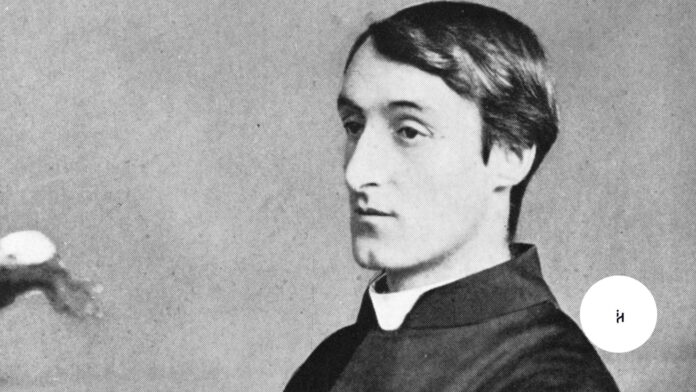
Gerard Manley Hopkins

Introduction to Gerard Manley Hopkins

Gerard Manley Hopkins, a name synonymous with religious intensity, vivid imagery, and innovative poetic technique, was one of the most remarkable poets of the Victorian era. Although his work did not gain widespread recognition during his lifetime, Hopkins’ poetry has since become a cornerstone of English literature. His work was revolutionary in terms of its meter, language, and themes, influencing generations of poets after him.

In this blog, we’ll delve into the life of Gerard Manley Hopkins, his distinctive poetic style, his religious convictions, and the lasting impact he left on the literary world. Join us as we explore his works, his faith, and how his poetry continues to resonate with readers today.

Early Life and Background of Gerard Manley Hopkins
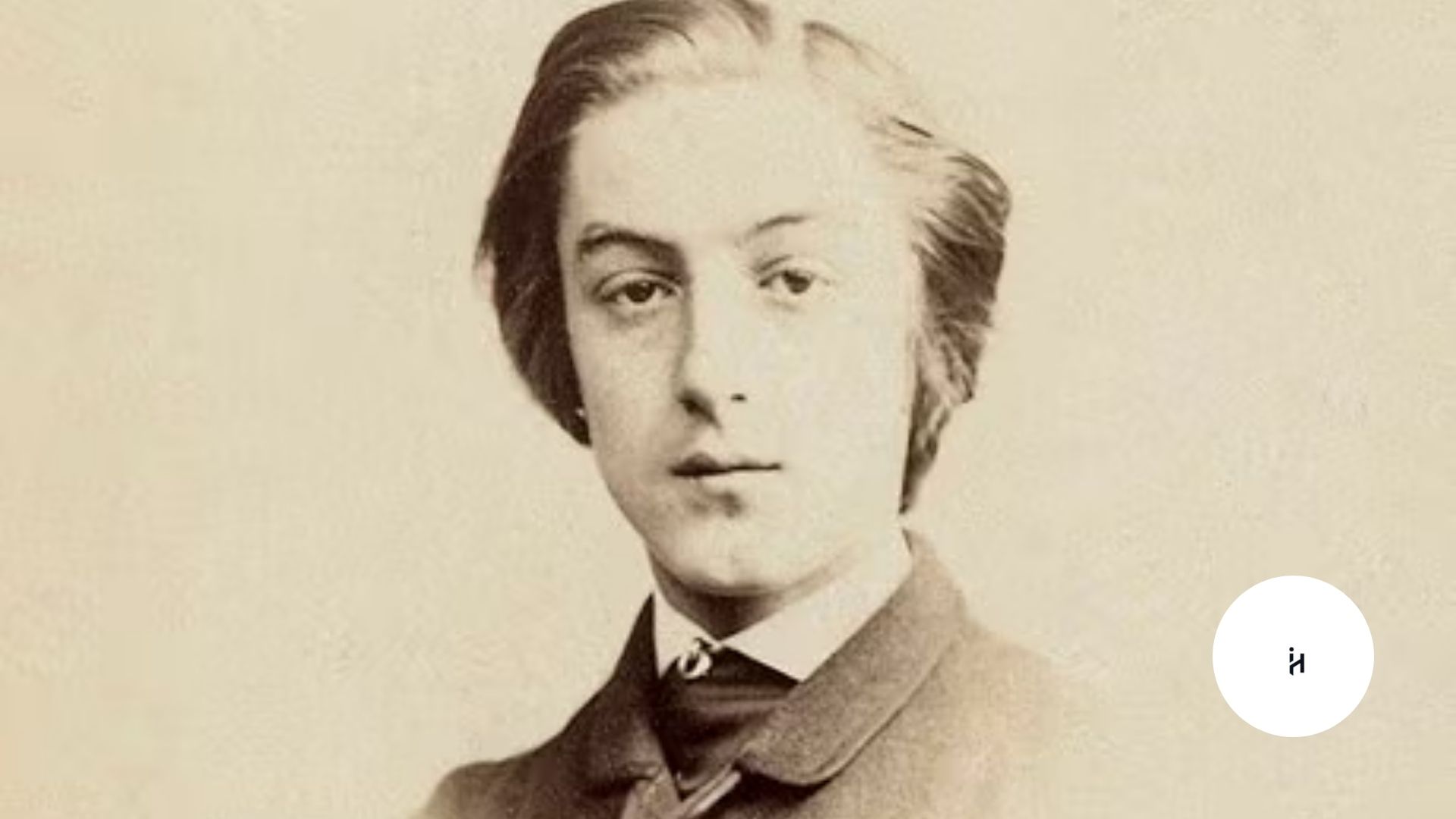
Gerard Manley Hopkins

Gerard Manley Hopkins was born on July 28, 1844, in Stratford, London. The son of a successful marine insurance agent, he grew up in a well-to-do family with strong intellectual and artistic influences.

As a child, Hopkins showed an aptitude for both music and poetry, though it was his devotion to religion that shaped much of his later life and work. His family, particularly his mother, was a strong force in cultivating his deep Catholic faith, which would later become a central theme in his writing.

Hopkins attended Highgate School before enrolling at Oxford University, where he studied classics. It was during this time that his path toward religious vocation began to solidify. In 1866, after graduating, he made the life-changing decision to enter the Jesuit order, dedicating himself to both the Catholic Church and his poetic talents. This decision was pivotal in shaping Gerard Manley Hopkins as both a poet and a man of faith.

Gerard Manley Hopkins’ Religious Influence on His Poetry

Religion played a crucial role in the development of Gerard Manley Hopkins’ poetry. As a Jesuit priest, his spiritual beliefs were deeply intertwined with his creative expression. Unlike many poets of his time who rejected religious themes, Hopkins embraced them, creating a body of work that blends devout Catholicism with a poetic exploration of God’s creation. His poems often reflect his awe and reverence for nature, which he saw as a manifestation of God’s divine presence.

One of Hopkins’ most famous works, The Wreck of the Deutschland, serves as a perfect example of how his faith and poetry are inseparable. The poem was inspired by the tragic sinking of a German ship and contains vivid descriptions of nature and divine suffering, reflecting Hopkins’ attempt to reconcile human suffering with God’s purpose.

The Development of Hopkins’ Unique Poetic Style

Gerard Manley Hopkins’ poetry is distinguished by its innovative use of language and rhythm. He developed a style known as sprung rhythm, a meter that breaks away from traditional iambic patterns and more closely mimics natural speech. This technique, although not widely appreciated during his lifetime, gave his poetry a dynamic and modern feel, marking it as ahead of its time.

Alongside sprung rhythm, Hopkins also used complex imagery, alliteration, and inventive word choices to give his poems a heightened emotional intensity. His poems often feature striking, almost cinematic imagery, making them feel vivid and alive. His mastery of language allowed him to communicate complex religious, philosophical, and natural themes in ways that were both profound and accessible.

“The Wreck of the Deutschland”: A Poem of Suffering and Faith

Perhaps Gerard Manley Hopkins’ most iconic poem, The Wreck of the Deutschland, is a powerful expression of his religious beliefs and poetic genius. Written in 1875, the poem tells the story of a shipwreck that claimed the lives of five Franciscan nuns. Hopkins was deeply moved by the tragedy, and the poem explores themes of divine suffering, faith, and the mystery of God’s will.

In The Wreck of the Deutschland, Hopkins uses his signature sprung rhythm and intricate wordplay to convey the harrowing emotional and spiritual dimensions of the event. The poem also marks a significant moment in Hopkins’ career, as it reflects the tension between his intellectual and emotional responses to religious tragedy.

Themes of Nature and the Divine in Hopkins’ Work

Nature is another central theme in Gerard Manley Hopkins’ poetry, with the poet often using the natural world as a metaphor for divine presence. For Hopkins, nature was a direct reflection of God’s glory. His poems feature lush descriptions of landscapes, animals, and seasons, yet these depictions are always imbued with spiritual significance.

In poems such as Pied Beauty, Hopkins celebrates the diversity and beauty of the natural world, acknowledging that all things are a reflection of God’s design. The poem is an excellent example of his ability to blend religious devotion with a deep appreciation for the material world.

Gerard Manley Hopkins and His Struggle with Doubt
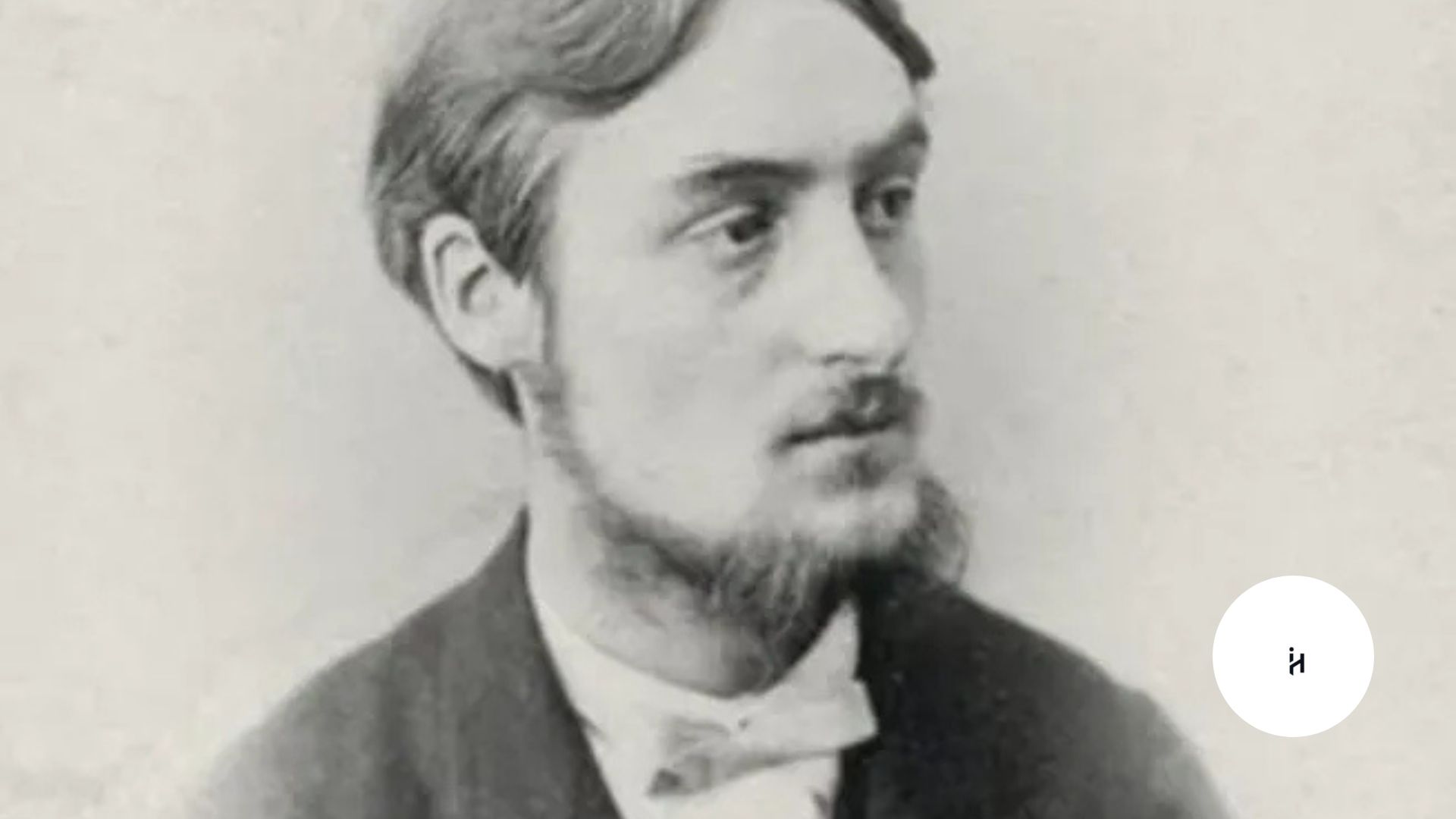
Gerard Manley Hopkins

Despite his deep religious convictions, Gerard Manley Hopkins was not immune to doubt and inner turmoil. His life was marked by spiritual conflicts and periods of doubt about his faith, which are reflected in many of his poems. He often grappled with the idea of suffering and the silence of God, themes that are explored in poems like No Worst, There Is None and The Terrible Sonnets.

These poems, written during a time of personal crisis, reveal a man wrestling with despair and feelings of abandonment. Yet, despite these struggles, Hopkins’ faith remained steadfast, and his poems often resolve in a quiet acceptance of divine will. This tension between doubt and faith is one of the most compelling aspects of Gerard Manley Hopkins’ work.

The Influence of Gerard Manley Hopkins on Modern Poetry

Gerard Manley Hopkins’ innovative style and theological themes had a profound impact on modern poetry. His use of sprung rhythm influenced poets like T.S. Eliot and W.H. Auden, who admired Hopkins’ ability to create dynamic, forceful rhythms. His striking imagery and use of nature also inspired poets in the 20th century, particularly those associated with the modernist movement.

Though his poetry was not widely known during his lifetime, Hopkins’ work gained recognition in the early 20th century, when it began to receive more critical attention. Today, Gerard Manley Hopkins is regarded as one of the most important poets of the Victorian era, and his influence continues to shape the world of poetry.

Hopkins’ Legacy and Recognition

It wasn’t until after Gerard Manley Hopkins’ death in 1889 that his poetry began to gain the widespread recognition it deserved. His work was initially kept in a private collection by his close friend Robert Bridges, who eventually published many of Hopkins’ poems posthumously. These works were met with critical acclaim, and Hopkins was posthumously hailed as a genius.

Today, Gerard Manley Hopkins is considered one of the most significant figures in English poetry. His work is studied in schools and universities around the world, and his poetic innovations have left a lasting impact on literary history.

Gerard Manley Hopkins’ Correspondence and Personal Writings

In addition to his poetry, Gerard Manley Hopkins’ letters and journals provide valuable insight into his life and thoughts. His correspondence with friends, fellow priests, and fellow poets offers a glimpse into the mind of a man deeply committed to both his faith and his craft.

These personal writings reveal Hopkins’ struggles with his identity as a poet and a priest. They also highlight the deep emotional and intellectual complexity that informs his poetry. Hopkins’ letters continue to be a rich source of study for those interested in understanding the man behind the poems.

The Importance of Gerard Manley Hopkins in Victorian Literature

Gerard Manley Hopkins stands out in Victorian literature for his intense religiosity, innovative language, and ability to capture the beauty and terror of human existence. While many Victorian poets focused on social or political themes, Hopkins’ work was more introspective, dealing with personal faith, the mystery of God, and the beauty of nature.
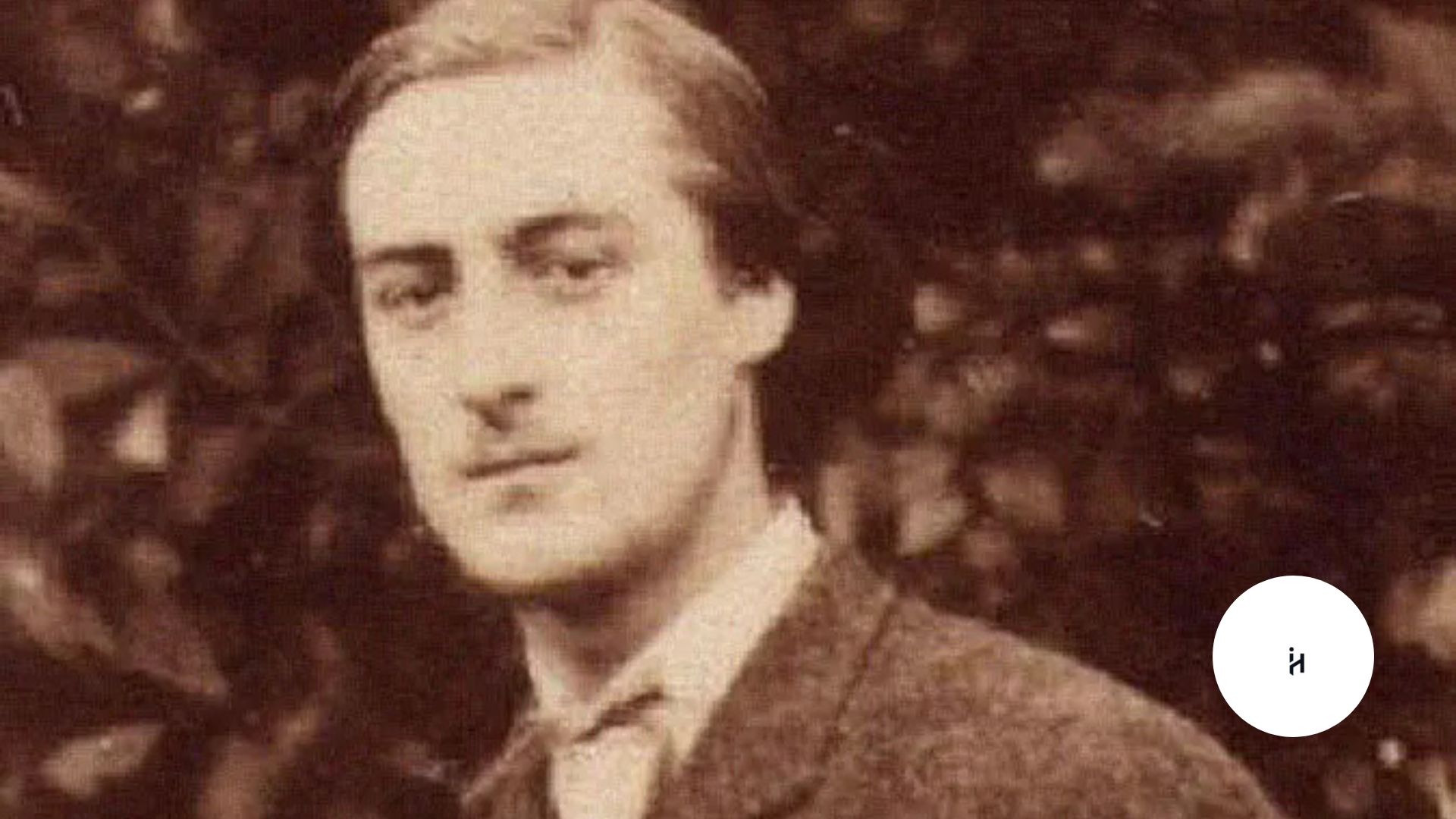
Gerard Manley Hopkins

This distinctive approach made Hopkins a unique figure in the literary landscape of his time. His poetry broke with the conventions of the Victorian period and laid the groundwork for later literary movements, including modernism. Hopkins’ lasting impact on literature cannot be overstated.

Conclusion: Gerard Manley Hopkins’ Timeless Poetry

Gerard Manley Hopkins‘ poetry continues to captivate readers today, offering a unique blend of religious devotion, personal struggle, and vibrant imagery. His innovative style and exploration of faith, doubt, and nature make him a poet whose work is as relevant today as it was in his time.

Through his groundbreaking use of sprung rhythm and his profound engagement with religious themes, Gerard Manley Hopkins reshaped the landscape of English poetry. His work remains a testament to the power of poetry to convey the deepest human experiences and emotions.
Exploring the Concept of Titania Sleeping

0
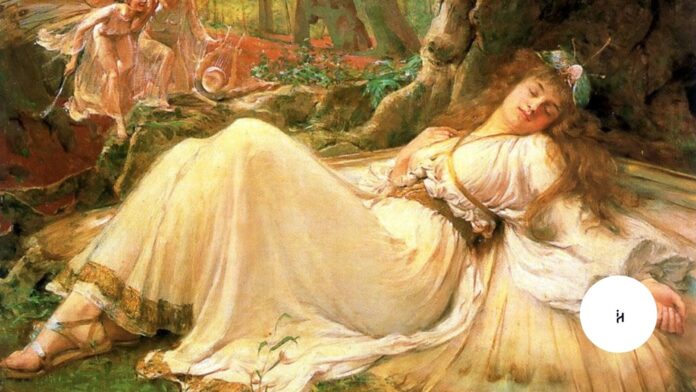
Titania Sleeping

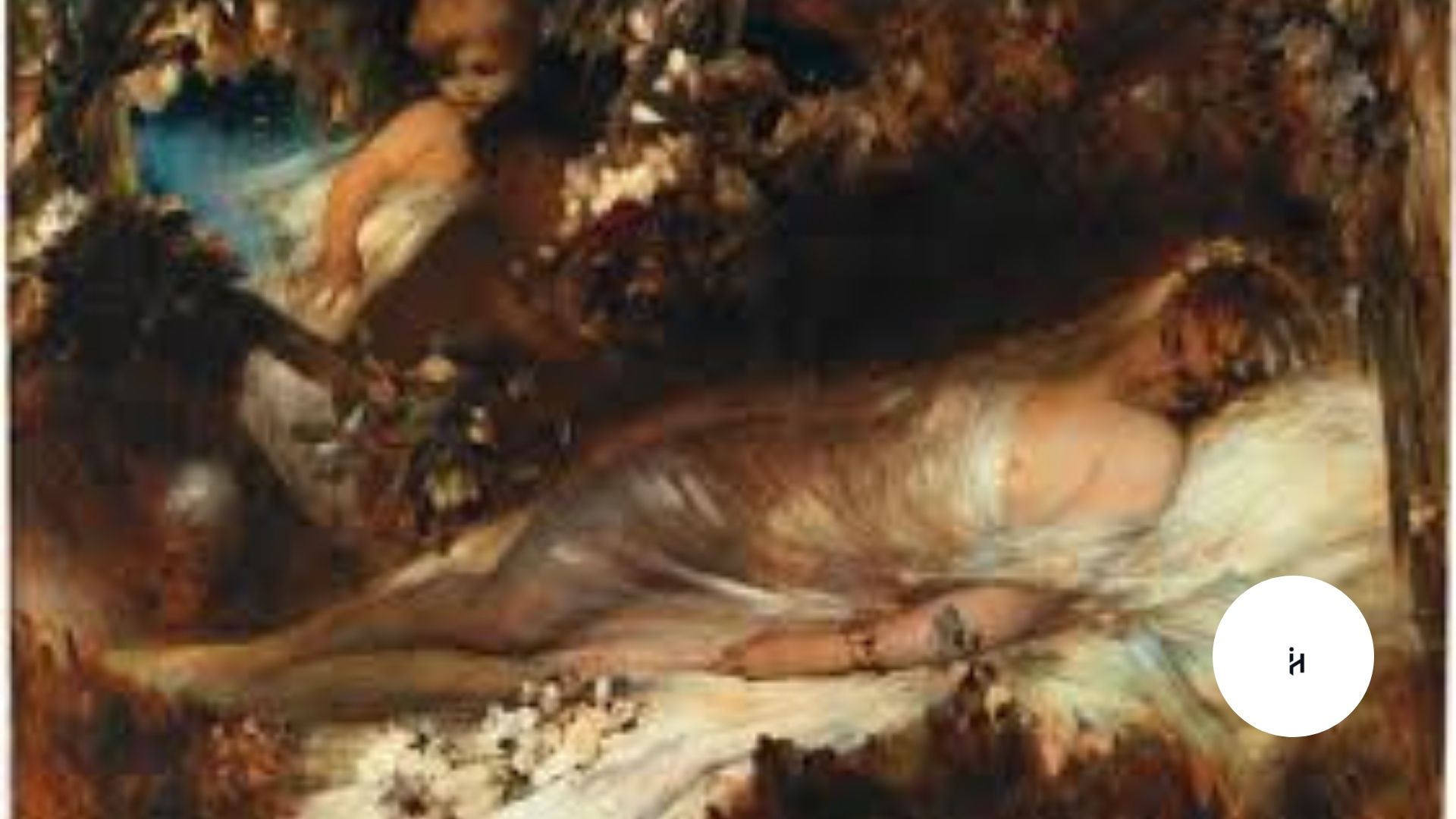
Titania sleeping is an intriguing concept that has piqued the curiosity of many over the years. Often associated with the world of dreams, myths, and the mystical nature of sleep, Titania sleeping has become a topic of fascination in both modern science and ancient folklore.

This blog aims to provide a deep dive into what Titania sleeping is, its origins, and its cultural significance. By the end of this guide, you will understand the many layers of Titania sleeping and how it relates to our understanding of sleep, dreams, and the subconscious.

What Is Titania Sleeping?

Titania Sleeping

Titania sleeping is not just a simple term; it encompasses a wide range of meanings depending on the context in which it is used. From Shakespearean references to modern interpretations in sleep research, Titania sleeping can mean different things to different people. In general, it refers to a unique state of sleep or a mythical sleep that takes place under very specific conditions. This section will examine the different interpretations of Titania sleeping across various cultures and practices.

Historical Roots of Titania Sleeping

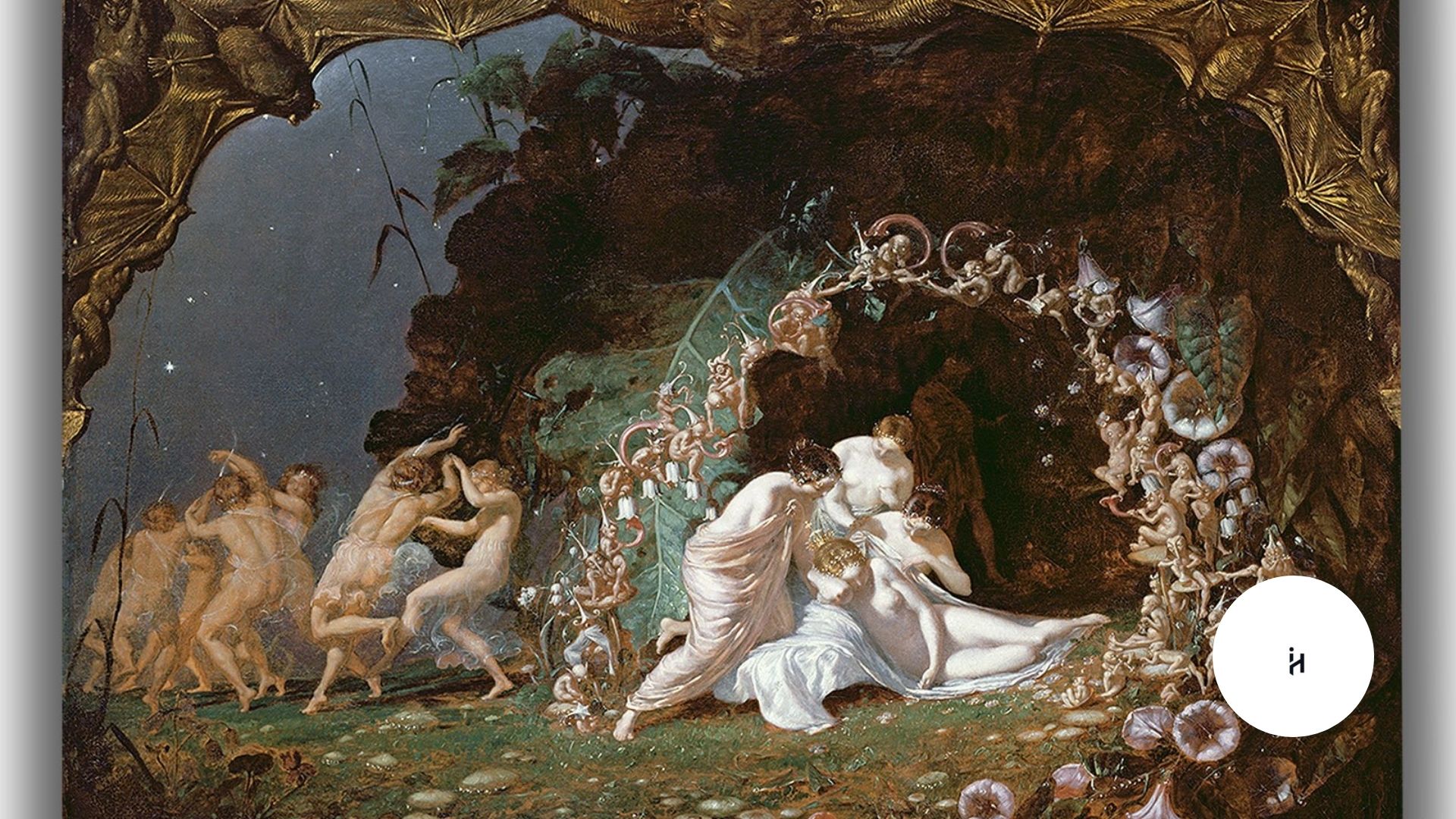
The roots of Titania sleeping can be traced back to various mythologies, with the most notable reference found in William Shakespeare’s play A Midsummer Night’s Dream. In this play, Titania is the queen of the fairies, who falls under a magical spell, causing her to fall into an eternal slumber.

This connection to sleep and its mysterious nature in Shakespeare’s work is one of the earliest references to Titania sleeping. Understanding this historical foundation can give us insights into how the concept has evolved over time.

Titania Sleeping and Its Relation to Dream Interpretation

One of the most fascinating aspects of Titania sleeping is its relationship to dreams. In many cultures, sleep is considered a gateway to the subconscious, and dreams hold significant meaning. Titania sleeping is often associated with vivid dreams and altered states of consciousness. This section will explore how Titania sleeping is believed to impact the dreaming process, how it relates to lucid dreaming, and the role it plays in understanding our subconscious mind.

The Role of Titania Sleeping in Modern Sleep Research

Modern sleep research has begun to explore the effects of different sleep stages and their connection to the deep, restorative qualities of sleep. Titania sleeping, though not a scientific term, has parallels with certain sleep cycles, such as REM (Rapid Eye Movement) sleep, where dreams are most vivid and intense.

This section will delve into how Titania sleeping can be viewed in the context of modern sleep science, particularly in relation to the deep restorative states that are critical for overall well-being.

Titania Sleeping and Its Influence on Literature and Art

Throughout history, Titania sleeping has influenced various works of literature, art, and performance. The image of a sleeping figure, often in a magical or mysterious state, has been a recurring motif in art and storytelling.

From the fairy-tale imagery in Shakespeare’s work to its use in contemporary visual arts, Titania sleeping evokes powerful symbolism. This section will examine how artists and writers have used Titania sleeping as a theme in their works, contributing to its enduring popularity in modern culture.

The Mythological and Magical Aspect of Titania Sleeping.

Titania Sleeping

In mythology, sleep often symbolizes death, rebirth, or transformation. Titania sleeping carries strong magical connotations, especially due to its association with the fairy realm in A Midsummer Night’s Dream.

In this context, Titania’s sleep can be seen as a metaphor for the magical transformation that occurs when one enters into an altered state. This section will explore the deeper mythological meanings of Titania sleeping and its connections to various magical traditions, including its role in invoking a state of spiritual awakening.

Titania Sleeping and Its Psychological Significance

Psychologically, Titania sleeping can be viewed as a powerful metaphor for escapism, surrender, and the need for healing. Many individuals who experience trauma or emotional turmoil may seek refuge in the metaphorical sleep of Titania, where they can withdraw from the stresses of the world. This section will explore the psychological significance of Titania sleeping as it relates to healing, personal transformation, and the role of sleep in mental health.

Practical Applications of Titania Sleeping

While Titania sleeping remains largely a mystical concept, its metaphorical and practical implications are significant in the realm of self-care. The idea of “sleeping like Titania” can represent the pursuit of restorative and rejuvenating sleep, one that allows an individual to wake up refreshed, balanced, and ready to face challenges.

This section will provide tips on achieving a more restful, fulfilling sleep, inspired by the qualities of Titania sleeping, such as peacefulness, dream enhancement, and emotional healing.

Titania Sleeping in Popular Culture

Over the years, Titania sleeping has become a reference point in pop culture, especially in books, movies, and television shows. The image of a sleeping beauty, cursed or enchanted, resonates with audiences for its timeless appeal.

Titania sleeping has influenced modern portrayals of sleep in fantasy genres and beyond. In this section, we will look at how Titania sleeping has been adapted in contemporary pop culture, from films to novels, and how its significance has changed over time.

Titania Sleeping

Conclusion: Embracing the Power of Titania Sleeping

In conclusion, Titania sleeping is much more than a concept tied to ancient myths and stories. It has evolved to become a symbol of the transformative and restorative power of sleep. Whether viewed through the lens of literature, psychology, or modern science, Titania sleeping serves as a reminder of the profound impact that sleep can have on our lives. By understanding the deeper meanings and significance of Titania sleeping, we can better appreciate the importance of sleep in our overall health and well-being.

The Spinning Jenny Inventor: Revolutionizing the Textile Industry

0
Spinning Jenny Inventor

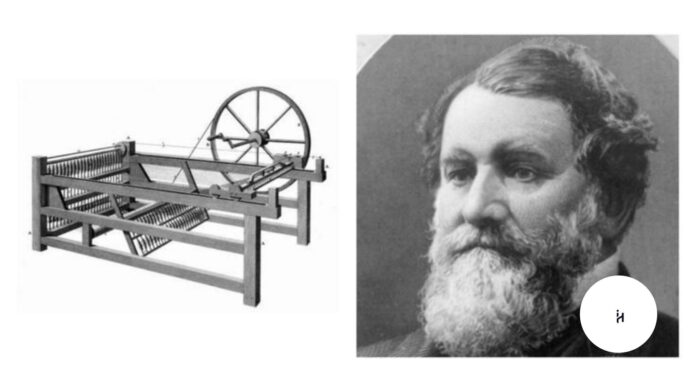
The Spinning Jenny, one of the most significant inventions of the 18th century, had a profound impact on the textile industry. It was the brainchild of James Hargreaves, a modest Lancashire carpenter who, through his ingenuity, changed the landscape of textile production forever.

His invention not only sparked the Industrial Revolution but also paved the way for the development of other machinery that would revolutionize manufacturing processes across the globe. In this blog, we will dive deep into the life of the Spinning Jenny inventor, the creation of the Spinning Jenny, its implications, and the lasting legacy of this revolutionary invention.

The Life and Background of the Spinning Jenny Inventor

Spinning Jenny Inventor

James Hargreaves, the Spinning Jenny inventor, was born in 1720 in the small village of

Stanhill, Lancashire. Before becoming an inventor, Hargreaves worked as a carpenter. His life, however, took a dramatic turn when he became involved in the textile industry.

It was his deep involvement with the manual spinning of yarn, a critical part of fabric production, that led him to recognize the inefficiencies in the process. His understanding of these flaws would eventually lead to the invention that would bear his name: the Spinning Jenny.

The Need for Innovation in the Textile Industry

Before the Spinning Jenny, textiles were produced through a slow and labor-intensive process, mainly by hand. Workers had to manually spin fibers into yarn, a task that was both time-consuming and inefficient.

The demand for textiles was rapidly growing, especially with the increasing population and the expansion of trade. However, traditional hand-spinning methods were no longer sufficient to meet these demands. It was within this environment that the Spinning Jenny inventor, James Hargreaves, saw an opportunity for improvement and began his quest for a solution.

The Moment of Inspiration for the Spinning Jenny

Legend has it that the Spinning Jenny inventor, James Hargreaves, had his eureka moment while sitting in his home one day. His wife was spinning wool on a traditional spinning wheel when the machine accidentally toppled over. Hargreaves is said to have noticed how the spindle on the spinning wheel continued to spin even after it fell, leading him to think about the possibility of creating a machine that could spin multiple spindles simultaneously. This moment of insight eventually led to the creation of the Spinning Jenny.

The Design and Mechanics of the Spinning Jenny

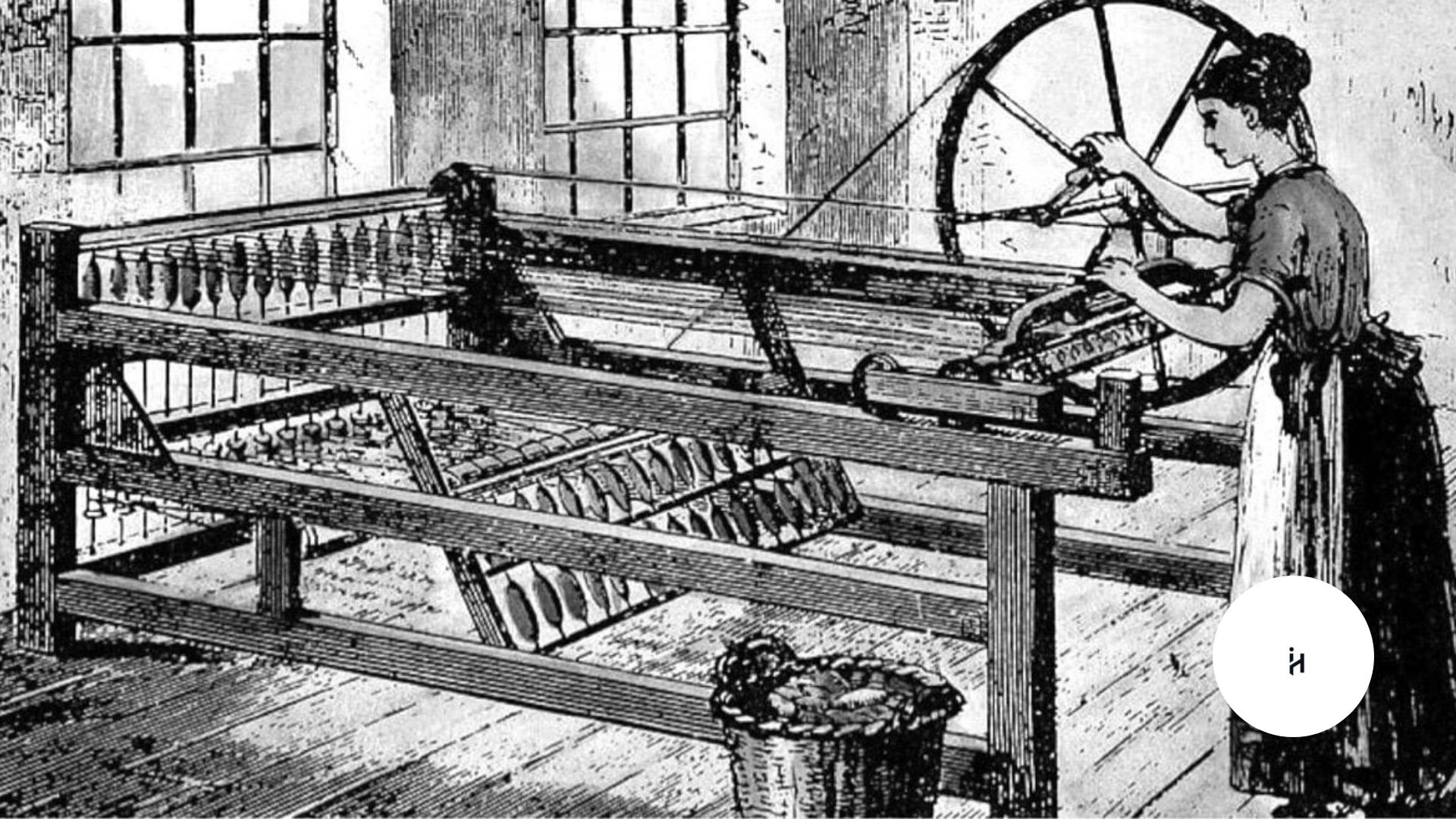
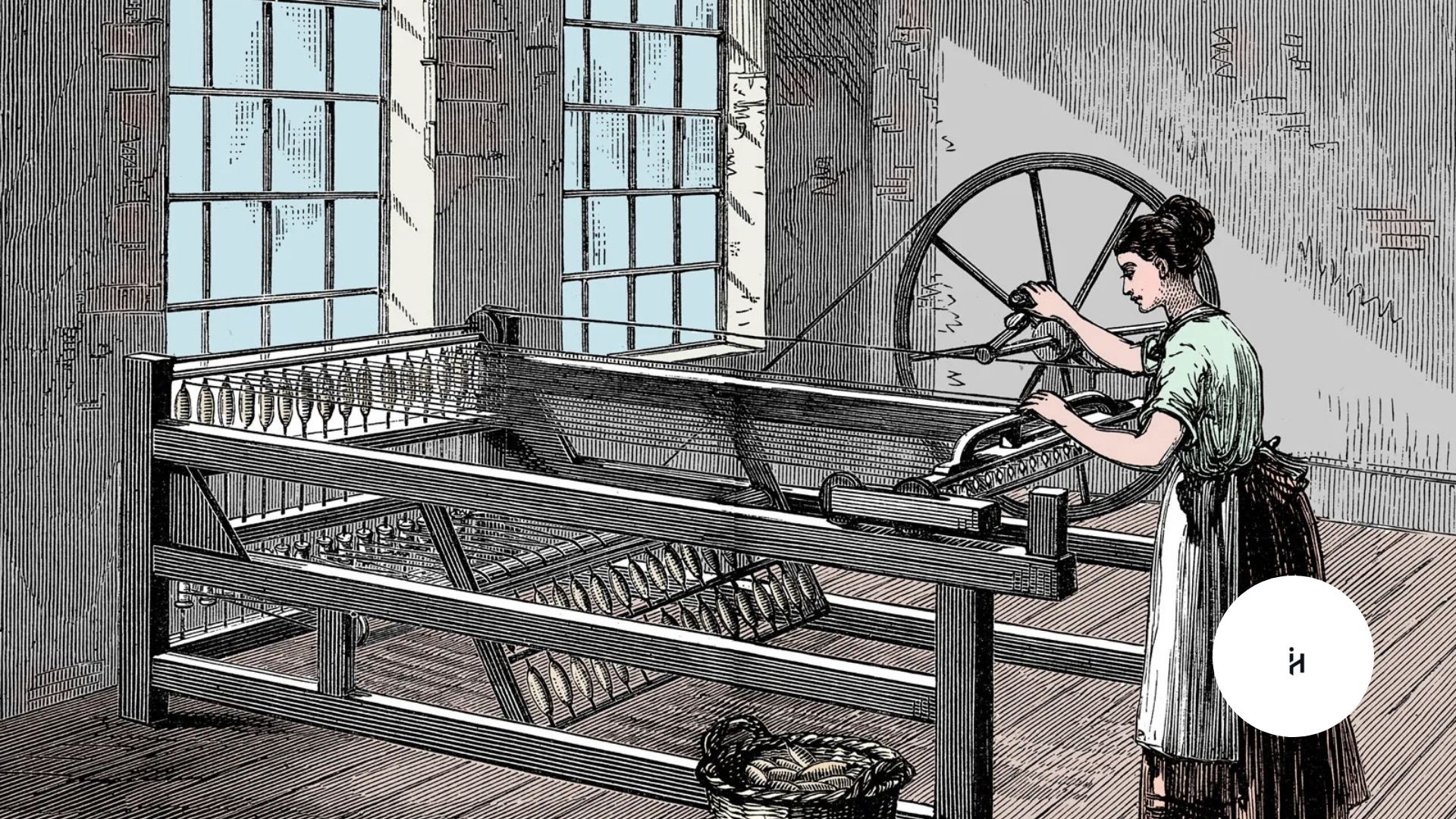
The Spinning Jenny was a remarkable innovation for its time. It consisted of a multi-spindle spinning frame, allowing a single operator to spin multiple threads at once. The original design featured eight spindles, but later versions could accommodate up to 120 spindles.

The machine was powered manually, with a wheel operated by hand, but it represented a leap forward in automation. The Spinning Jenny reduced the amount of labor needed and drastically increased production speed, making it a revolutionary tool in the textile industry. The Spinning Jenny inventor, James Hargreaves, was able to reduce the labor-intensive nature of spinning yarn while significantly improving output.

The First Prototype and Testing

After designing the first prototype of the Spinning Jenny, James Hargreaves began testing it in his own home. The early version of the machine was crude, but it worked. Hargreaves could spin several threads at once, vastly improving the productivity of spinning wool.

To refine his invention, he continued to tweak and adjust the machine, testing it in different environments and with various types of fiber. The Spinning Jenny was not perfect at first, but the results were promising. It was clear that this invention had the potential to transform the textile industry.

The Impact of the Spinning Jenny on the Textile Industry

When James Hargreaves unveiled his invention to the world, it caused a revolution in the textile industry. The ability to spin multiple threads at once meant that production could now meet the growing demand for textiles.

It reduced the time needed to produce yarn and allowed manufacturers to produce fabrics more quickly and efficiently. This efficiency led to the creation of larger textile mills and factories, contributing to the rise of industrialization in Britain.

The Spinning Jenny inventor’s creation was pivotal in the transition from hand production methods to machine-based manufacturing.

Spinning Jenny Inventor

Public Reception and Initial Backlash

The Spinning Jenny was not immediately embraced by all. In fact, many in the traditional textile industry saw it as a threat. Spinners, who had been reliant on hand-spinning for generations, were particularly resistant to the machine. Some workers even resorted to vandalizing Hargreaves’ machines in protest.

The backlash was partly due to fear of job losses and the uncertainty that came with the introduction of new technology. However, the Spinning Jenny inventor’s persistence paid off as the machine’s efficiency and cost-effectiveness became undeniable, and its use spread throughout the textile industry.

The Patent Controversy: James Hargreaves vs. Richard Arkwright

One of the major challenges the Spinning Jenny inventor faced was securing his invention’s patent. Although Hargreaves had developed the Spinning Jenny, he did not have a patent for his machine, which left it vulnerable to theft.

Another inventor, Richard Arkwright, later developed a similar machine, and there was much dispute over who truly owned the rights to the invention. Arkwright’s machine, the water frame, was more complex and eventually took precedence in the eyes of the public, but many still consider Hargreaves the true inventor of the Spinning Jenny.

The Legacy of the Spinning Jenny Inventor

The Spinning Jenny inventor, James Hargreaves, may not have seen the full extent of his invention’s impact in his lifetime, but his legacy is undeniable. His creation of the Spinning Jenny laid the foundation for future innovations in textile manufacturing.

It helped usher in the Industrial Revolution, which dramatically transformed economies and societies worldwide. The Spinning Jenny’s influence can still be seen today in modern manufacturing processes, where automation continues to play a vital role in production efficiency.

The Spinning Jenny’s Role in the Industrial Revolution

The Spinning Jenny was one of the key inventions that sparked the Industrial Revolution. Prior to the introduction of the machine, much of the textile industry was based on home-based or small-scale cottage industries. With the Spinning Jenny, production moved to factories where large-scale, machine-driven processes could be utilized.

This shift marked the beginning of a new era in manufacturing, where machines began to replace human labor on a larger scale. The Spinning Jenny inventor’s contribution was monumental in shaping the industrial landscape of the 19th century.

The Future of Textile Technology and the Influence of the Spinning Jenny Inventor

Today, textile manufacturing is more advanced than ever before, with automated systems that can produce vast amounts of fabric at incredible speeds. However, none of this would have been possible without the pioneering efforts of James Hargreaves, the Spinning Jenny inventor. His machine was the starting point for a revolution that continues to evolve. From robotics to AI-driven manufacturing, the legacy of the Spinning Jenny lives on in the continuous pursuit of greater efficiency and innovation in textile production.

Spinning Jenny Inventor

Conclusion

James Hargreaves, the Spinning Jenny inventor, created an invention that forever changed the textile industry. His machine revolutionized production methods and paved the way for the technological advancements that followed.

Today, the Spinning Jenny stands as a testament to human ingenuity and the transformative power of innovation. By understanding the life and work of the Spinning Jenny inventor, we gain a deeper appreciation for the role of invention in shaping the world around us.

God Save the Queen: A Symbol of British Heritage and Pride

0
God Save the Queen

Introduction to “God Save the Queen”

“God Save the Queen” is not just a phrase—it’s a historic anthem that resonates deeply with the British identity. This powerful and iconic expression has served as the national anthem of the United Kingdom for centuries and reflects a deep respect for the monarchy. Used in formal ceremonies, sporting events, royal occasions, and even protests, “God Save the Queen” symbolizes unity, loyalty, and patriotism.

The anthem itself emerged in the 18th century and has since been adopted and adapted by many nations that were once under British rule. The phrase carries significant cultural and historical weight, acting as a call to protect and support the reigning monarch. Whether sung with pride at royal weddings or played to honor national achievements, “God Save the Queen” has always stood for continuity, tradition, and national pride.

Today, as monarchies evolve in modern democracies, this anthem remains a powerful testament to the enduring strength of the British Crown and the unbreakable bond between the monarchy and its people. The phrase “God Save the Queen” continues to echo through history, reminding citizens and admirers around the globe of the timeless influence of the British royal family.

God Save the Queen

The Historical Origins of the Anthem

The origin of the phrase and the anthem “God Save the Queen” dates back to the early 1740s, during the reign of King George II. The first known performance was in 1745, in response to the Jacobite Rebellion.

At that time, the lyrics were “God Save the King,” as King George II was on the throne. The anthem was sung at London’s Drury Lane Theatre and quickly spread throughout the country, becoming a national symbol of loyalty and support for the monarch.

It is widely believed that the lyrics were written by either Henry Carey or John Bull, though the authorship remains debated. What is not in dispute, however, is the immediate impact of the anthem. It provided a sense of unity and national identity in a time of political unrest and uncertainty.

“God Save the Queen” gained even more prominence when Queen Victoria ascended the throne in 1837. With her long reign and widespread influence across the British Empire, the anthem became internationally recognized. The phrase began to carry deep emotional and patriotic meanings for people in Britain and its colonies, solidifying “God Save the Queen” as an iconic expression of the British monarchy.

Musical Composition and Lyrics

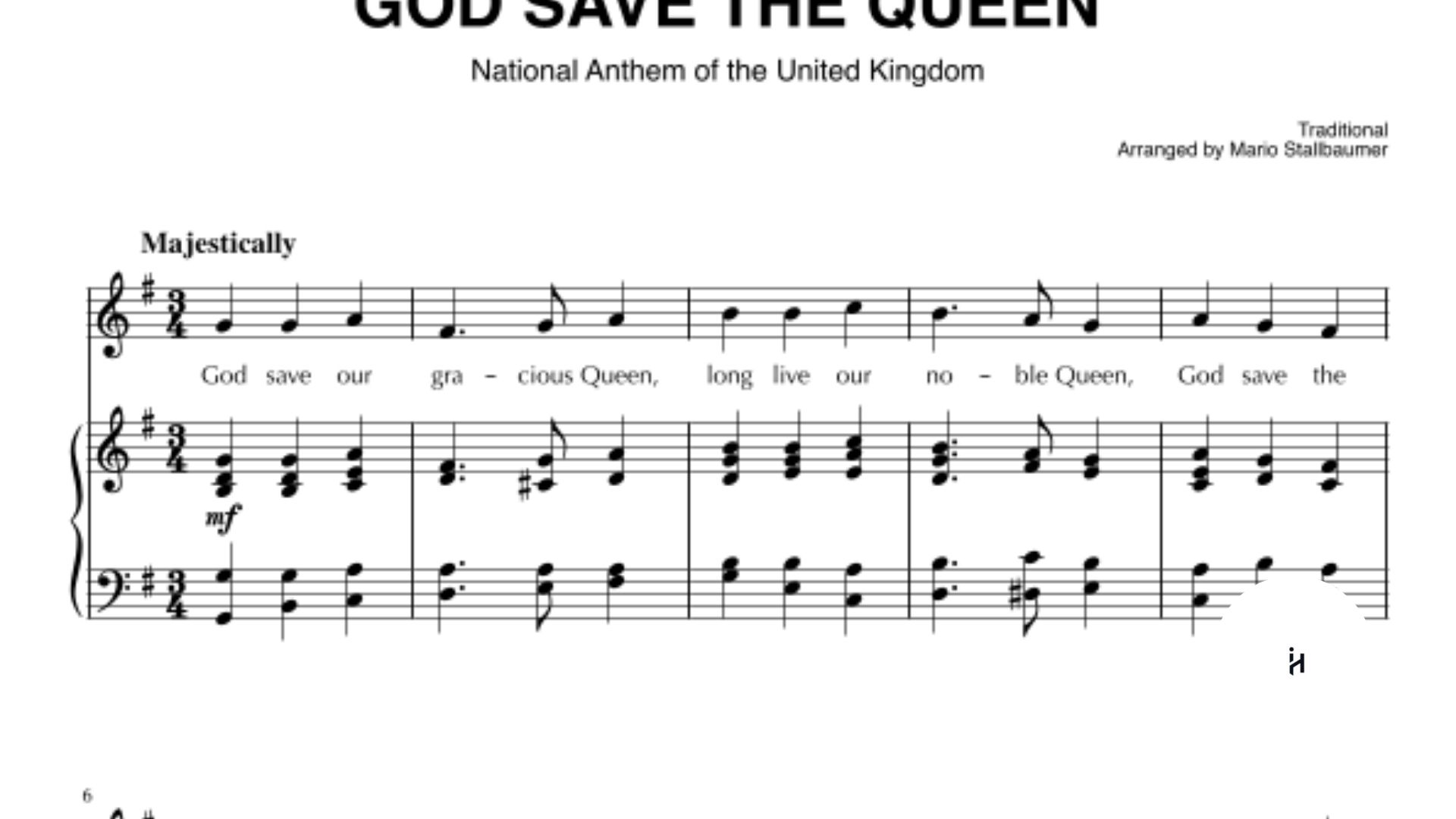
The melody of “God Save the Queen” is simple yet majestic, allowing it to be easily recognized and performed across a variety of musical settings. The anthem is typically played in the key of G major, and its composition lends itself to grand orchestral performances, military bands, and solo renditions alike.

The lyrics of “God Save the Queen” are brief but impactful. They focus on asking divine guidance and protection for the monarch. The first verse is the most commonly sung:

“God save our gracious Queen,
Long live our noble Queen,
God save the Queen!
Send her victorious,
Happy and glorious,
Long to reign over us,
God save the Queen!”

Though additional verses exist, they are rarely used in public events. The beauty of “God Save the Queen” lies in its simplicity. The anthem’s powerful plea and melodic grace make it timeless. Whether sung in cathedrals, stadiums, or schools, the words “God Save the Queen” evoke strong feelings of national unity and reverence.

Royal Significance and Ceremonial Use

The phrase “God Save the Queen” carries royal importance and is central to the identity of the British monarchy. It is played at official ceremonies, royal banquets, coronations, state visits, and national holidays. When the monarch enters or exits a public event, the anthem often accompanies the moment, reminding everyone of the sovereign’s significance.

When Queen Elizabeth II passed by in public, crowds would often sing or shout “God Save the Queen” as a mark of respect and affection. At events like the Queen’s Jubilee or the opening of Parliament, the anthem served to highlight the grandeur and stability of the monarchy.

“God Save the Queen” has also played a central role in major historical moments, from the end of wars to coronations and state funerals. Its solemn yet uplifting tone can adapt to joyous celebrations or moments of mourning, underlining its versatile role in British ceremonial life.

This deep-rooted tradition demonstrates how “God Save the Queen” is not just an anthem—it is a living symbol of heritage, loyalty, and continuity in the United Kingdom.

Influence Across the British Commonwealth

Although “God Save the Queen” is primarily associated with the UK, its influence extends far beyond Britain’s shores. During the height of the British Empire, the anthem was adopted in various forms across the Commonwealth, including Australia, Canada, and New Zealand.

Many Commonwealth nations used “God Save the Queen” as their national anthem or royal anthem, especially during state visits or royal occasions. While some countries have since adopted their own anthems, the reverence for “God Save the Queen” remains. It is often played when members of the British royal family visit, or on commemorative occasions such as Remembrance Day.

The anthem’s reach into so many nations underscores its historical role as a unifying symbol. Even today, “God Save the Queen” continues to connect people with shared values, royal traditions, and a collective past shaped by centuries of British influence.

Political and Social Interpretations

God Save the Queen

“God Save the Queen” is not only a patriotic expression but also a symbol that has been interpreted in various political and social contexts. For monarchists, the anthem is a declaration of unwavering support for the Crown. For critics, however, the phrase may represent outdated hierarchical structures or colonial rule.

In times of political tension or cultural change, “God Save the Queen” has been used both as a unifying call and as a point of contention. It has appeared in protest songs, parodies, and satirical works—most famously in the punk rock song by the Sex Pistols in 1977. Their rebellious version used the same title, “God Save the Queen,” to criticize the monarchy and British establishment.

Despite such controversies, the original anthem remains largely respected. The continued use of “God Save the Queen” shows the anthem’s resilience and its place in British society as both a cultural artifact and a living tradition.

The Global Recognition of the Phrase

Few national anthems are as globally recognized as “God Save the Queen.” Its tune and lyrics are familiar to millions, even those who are not British. Whether at the Olympics, royal weddings, or during international tributes, the anthem often brings with it a powerful sense of tradition and identity.

Its international presence has also inspired adaptations in other countries. The melody has been used in Germany, Switzerland, the United States, and even Liechtenstein for their own anthems or patriotic songs. This widespread use of “God Save the Queen” is a testament to the song’s universal appeal and musical beauty.

In short, “God Save the Queen” has transcended borders, becoming not just an anthem but a global symbol of monarchy, tradition, and loyalty.

Role During Queen Elizabeth II’s Reign

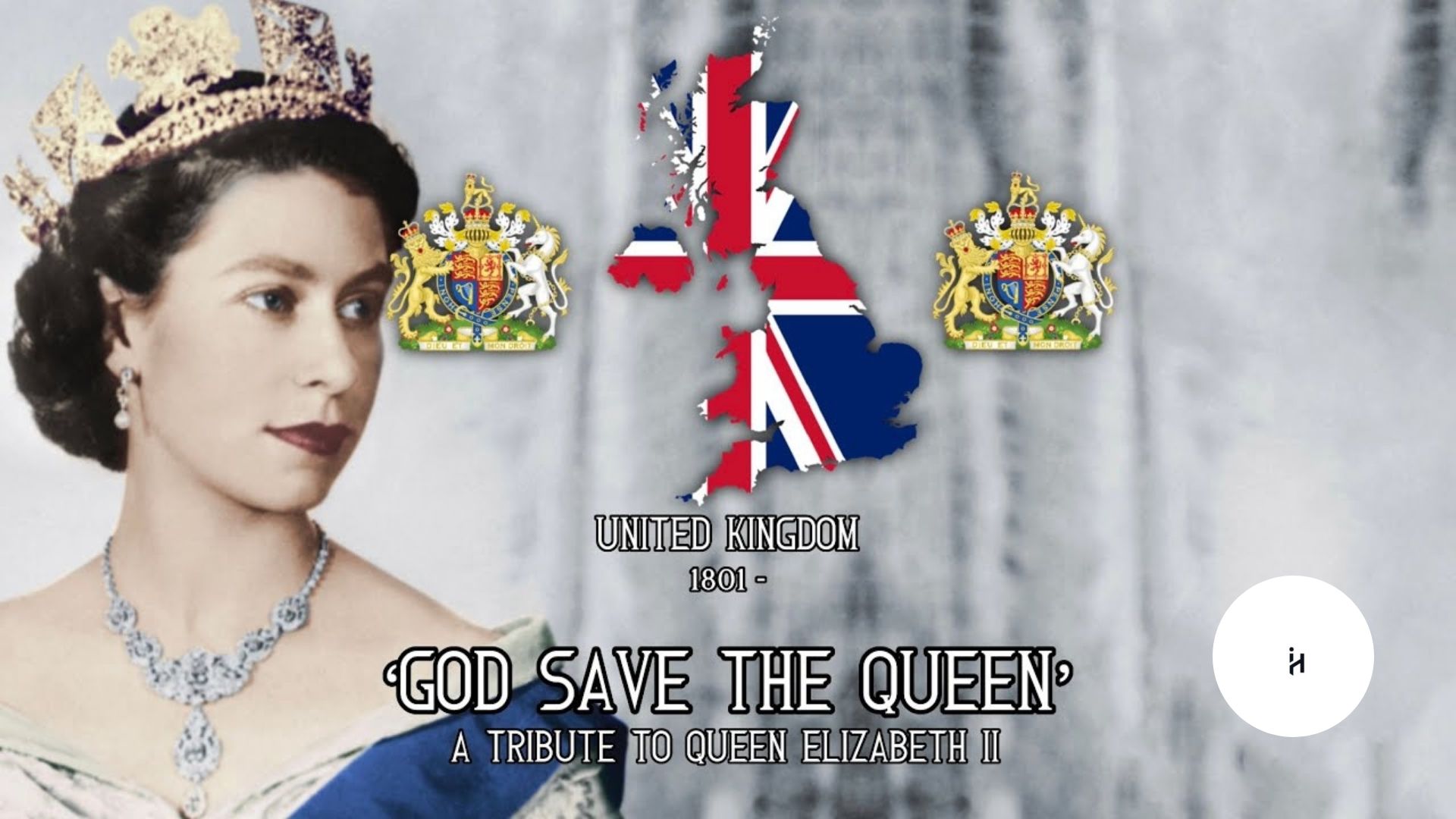
Queen Elizabeth II’s unprecedented reign made “God Save the Queen” a daily part of British life for over seven decades. The anthem was played at almost every event she attended, from state dinners to Commonwealth visits and even during wartime broadcasts.

Her longevity as monarch helped the anthem evolve into a reflection of her own personal legacy. “God Save the Queen” became synonymous with Queen Elizabeth II herself. People sang it not only for the office of the monarch but for the Queen as an individual—admired for her dignity, service, and strength.

Under her reign, the anthem was a unifying force across generations and cultures, further cementing its place in both national and international consciousness.

Cultural Representations in Art and Media

“God Save the Queen” has inspired countless artistic and media representations. From classical compositions to pop culture references, the anthem’s influence stretches across genres. It has appeared in films, television series, and documentaries exploring the monarchy, British history, and royal life.

Artists and musicians have drawn upon the phrase to express a wide range of ideas—royalty, rebellion, nostalgia, and national pride. From the Sex Pistols’ punk critique to solemn renditions in royal weddings, “God Save the Queen” continues to be a versatile cultural reference.

This ability to be both sacred and subversive reflects the anthem’s rich cultural depth. Regardless of its context, “God Save the Queen” remains instantly recognizable and emotionally powerful.

God Save the Queen

Changes After the Queen’s Death

Following Queen Elizabeth II’s death in 2022, the anthem transitioned back to its original version: “God Save the King,” in honor of King Charles III. This change marked a historic shift and reminded the public of the anthem’s adaptability to the reigning monarch’s gender.

However, for many, the phrase “God Save the Queen” continues to evoke memories of Elizabeth II’s era. It serves as a tribute to her unparalleled reign and the deep affection many had for her.

Though the lyrics changed, the sentiment behind the anthem remains the same: a prayer for the well-being of the sovereign, a symbol of unity, and a reflection of national values.

Legacy and Future of the Anthem

Looking forward, “God Save the Queen” will remain a treasured part of British history. Even as monarchs change and societies evolve, the anthem stands as a cultural pillar. Its historical importance, emotional depth, and ceremonial value are unlikely to diminish.

As future generations look back, “God Save the Queen” will serve as a reminder of a transformative era led by Queen Elizabeth II. It will continue to be studied, celebrated, and remembered—not just as a song, but as a symbol of British spirit, strength, and tradition.

While today it may be “God Save the King,” the legacy of “God Save the Queen” lives on in hearts, history books, and the soul of a nation.