Home Blog Page 82

Elephant Edison – The Innovation Inspired by Nature

0
Elephant Edison

Introduction: The Rise of ‘Elephant Edison’

In the modern world where innovation often takes unexpected turns, the term Elephant Edison has emerged as a symbolic representation of intelligent strength and inventive power. While it may sound curious at first, Elephant Edison combines two powerful icons: the majestic elephant, known for its memory and resilience, and Thomas Edison, the legendary inventor whose creations shaped the modern era. This blog dives deep into the origins, meanings, uses, and broader implications of Elephant Edison in society, business, and culture.

The Meaning Behind ‘Elephant Edison’

Elephant Edison is more than just a quirky phrase. It embodies the idea of combining the brute strength and wisdom of elephants with the creative genius of Edison. The elephant symbolizes patience, long memory, and determination. Edison, on the other hand, stands for innovative thinking, trial and error, and persistent success. When merged, Elephant Edison becomes a metaphor for powerful, sustainable innovation.

Elephant Edison

The term Elephant Edison has been adopted in many circles – from green tech to educational models, and even leadership philosophies. It’s often used to describe people, companies, or concepts that bring long-lasting impact through creative strength and wisdom. Whether you’re building a brand or launching a movement, adopting the Elephant Edison mindset can help navigate complex landscapes with a blend of power and intellect.

The Symbolism of Elephants in Culture and Business

Across the world, elephants have long stood for memory, loyalty, and strength. In Hinduism, Ganesha – the elephant-headed god – is the remover of obstacles and a patron of intellect and wisdom. African cultures also revere elephants as symbols of leadership and cooperation.

In business, the image of the elephant has become a popular metaphor for steady progress, long-term planning, and team unity. Merging this symbol with Edison’s legacy of innovation gives birth to the concept of Elephant Edison – resilient creativity. This term reflects a company or individual who pushes forward with great force but with mindfulness and strategy.

Startups and enterprises that embrace the Elephant Edison mindset are often those that succeed not by rushing but by being calculated, adaptive, and wise. They learn from the past and innovate for the future – much like how elephants remember and Edisons invent.

Thomas Edison: A Legacy of Relentless Innovation

To fully understand Elephant Edison, we must revisit the genius of Thomas Edison. Famous for inventions like the light bulb, phonograph, and motion picture camera, Edison’s real strength was his relentless approach to problem-solving. He once said, “Genius is one percent inspiration and ninety-nine percent perspiration.”

Elephant Edison celebrates this spirit. When companies today refer to Elephant Edison, they’re often invoking Edison’s ethos of never giving up, combined with elephant-like endurance. This duality makes it perfect for describing businesses that innovate under pressure and thrive through adversity.

Edison’s work ethic and systematic experimentation are principles that many brands and leaders associate with the Elephant Edison identity. He was not just an inventor – he was a movement, and now, through Elephant Edison, that movement has taken a bold new form.

Elephant Edison in Green Technology and Sustainability

One of the most exciting applications of Elephant Edison is in the world of green tech and sustainable innovation. Companies building solar panels, electric vehicles, and circular economy solutions often refer to their work as following the Elephant Edison model. Why? Because they combine innovation with long-term environmental impact.

An Elephant Edison approach in green tech means designing not just for efficiency but for endurance and ecosystem harmony. Think of solar energy systems inspired by elephant migration paths or water-saving techniques influenced by elephant behavior in dry regions.

This smart integration of nature and invention represents the core of Elephant Edison. It’s about building sustainable futures using nature’s intelligence and Edison’s innovation.

Educational Applications of the Elephant Edison Philosophy

Education is another field where Elephant Edison is gaining ground. The term is often used to describe learning models that emphasize critical thinking, perseverance, and practical innovation. Instead of rote learning, Elephant Edison encourages students to think like inventors and act with wisdom.

Schools and educational platforms that follow this model aim to create future thinkers – students who don’t just memorize but apply, who don’t just compete but collaborate. The memory of an elephant combined with Edison’s curiosity makes a powerful learning framework.

Educational content branded as Elephant Edison typically blends storytelling, hands-on learning, and problem-solving. It’s not just about learning facts – it’s about cultivating future Edisons with the soul of an elephant.

Elephant Edison

Business Strategy Through the ‘Elephant Edison’ Lens

In the business world, the Elephant Edison model has found favor among strategists and consultants. This framework encourages companies to build slowly but smartly, combining deep research with bold experimentation. It’s ideal for industries that are traditionally conservative but looking to transform.

Businesses applying the Elephant Edison model typically avoid hype cycles and instead focus on building resilient products and brands. They value culture, employee well-being, and sustainable profit.

From fintech to manufacturing, Elephant Edison businesses are those that grow organically, learn constantly, and innovate with purpose. This approach helps avoid burnout, supports long-term customer loyalty, and builds deep-rooted success.

The Psychological Impact of the ‘Elephant Edison’ Concept

On a psychological level, Elephant Edison offers powerful inspiration. It encourages people to trust their memory and past experiences while also embracing the unknown through experimentation. This balance helps individuals manage stress, increase productivity, and develop resilience.

For personal development coaches and mental health professionals, the Elephant Edison principle provides a blueprint for growth. It’s especially popular in burnout recovery programs and leadership coaching.

By channeling both the strength of the elephant and the inventiveness of Edison, people can become more grounded yet innovative. They can overcome challenges with a new mindset – one that’s both calm and creative.

Leadership Styles Based on the ‘Elephant Edison’ Model

Leaders who embody the Elephant Edison spirit are often admired for their vision and consistency. They don’t panic under pressure, and they aren’t afraid to try something new. This leadership style blends the calm, strategic presence of elephants with Edison’s hands-on problem-solving approach.

Many successful CEOs and entrepreneurs today follow the Elephant Edison style. They lead with wisdom, inspire creativity, and build cultures that encourage learning over blaming.

This leadership model is particularly effective in uncertain times, where steady guidance and inventive solutions are needed more than ever.

‘Elephant Edison’ in Pop Culture and Media

The term Elephant Edison is also making its way into movies, music, books, and art. It’s often used to describe characters or narratives that show unexpected strength and creative transformation.

Filmmakers and writers are increasingly drawn to the Elephant Edison concept to portray heroes who are both powerful and reflective. These characters rise not through brute force or raw talent alone, but by combining endurance with innovation.

As the term becomes more mainstream, we can expect to see Elephant Edison inspire more artistic interpretations and creative works.

Challenges and Criticisms of the ‘Elephant Edison’ Model

Despite its growing popularity, Elephant Edison is not without critics. Some argue that it oversimplifies complex ideas or romanticizes innovation without addressing systemic barriers. Others worry it’s becoming a buzzword with little real-world application.

However, the value of Elephant Edison lies in its flexibility. It’s not a rigid formula but a guiding principle – one that can evolve with context. Critics who dismiss it may be missing its broader symbolic power.

As long as Elephant Edison is used with integrity and thoughtfulness, it will continue to inspire meaningful action.

Elephant Edison

The Future of ‘Elephant Edison’ in a Changing World

As we look ahead, Elephant Edison is poised to become more than a concept – it could be a movement. In a world dealing with climate change, AI disruption, and societal transformation, we need solutions that are both smart and strong.

The future of Elephant Edison lies in innovation hubs, think tanks, and educational programs that aim to combine old wisdom with new ideas. It’s a model that supports not just invention, but responsible invention – one that benefits humanity as a whole.

In time, Elephant Edison might even become a formal part of how we teach, lead, and live – shaping future generations of problem solvers who think deeply and act wisely.
Yahweh Meaning: Exploring the Sacred Name of God

0
Yahweh Meaning

The Power Behind the Name

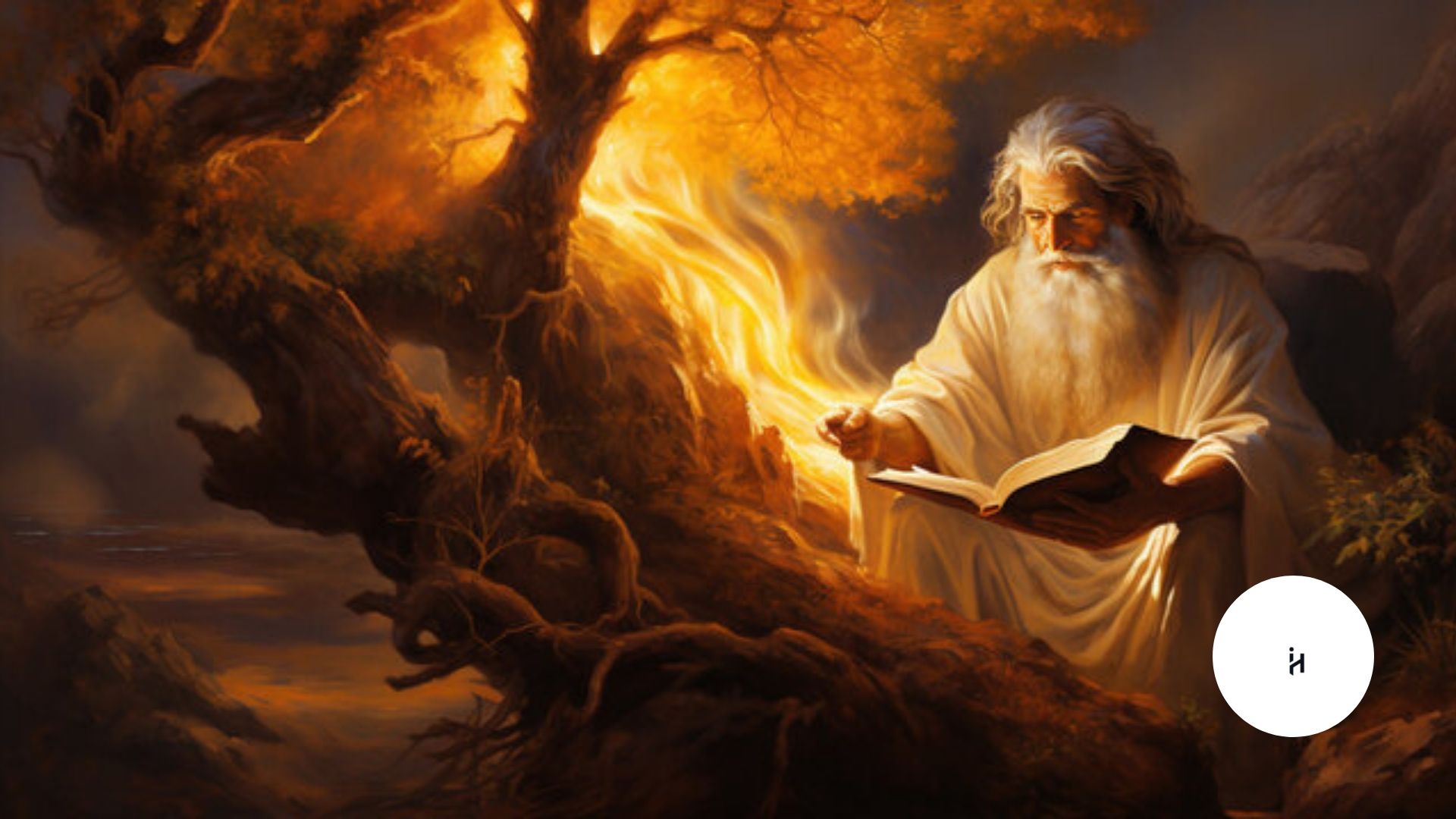
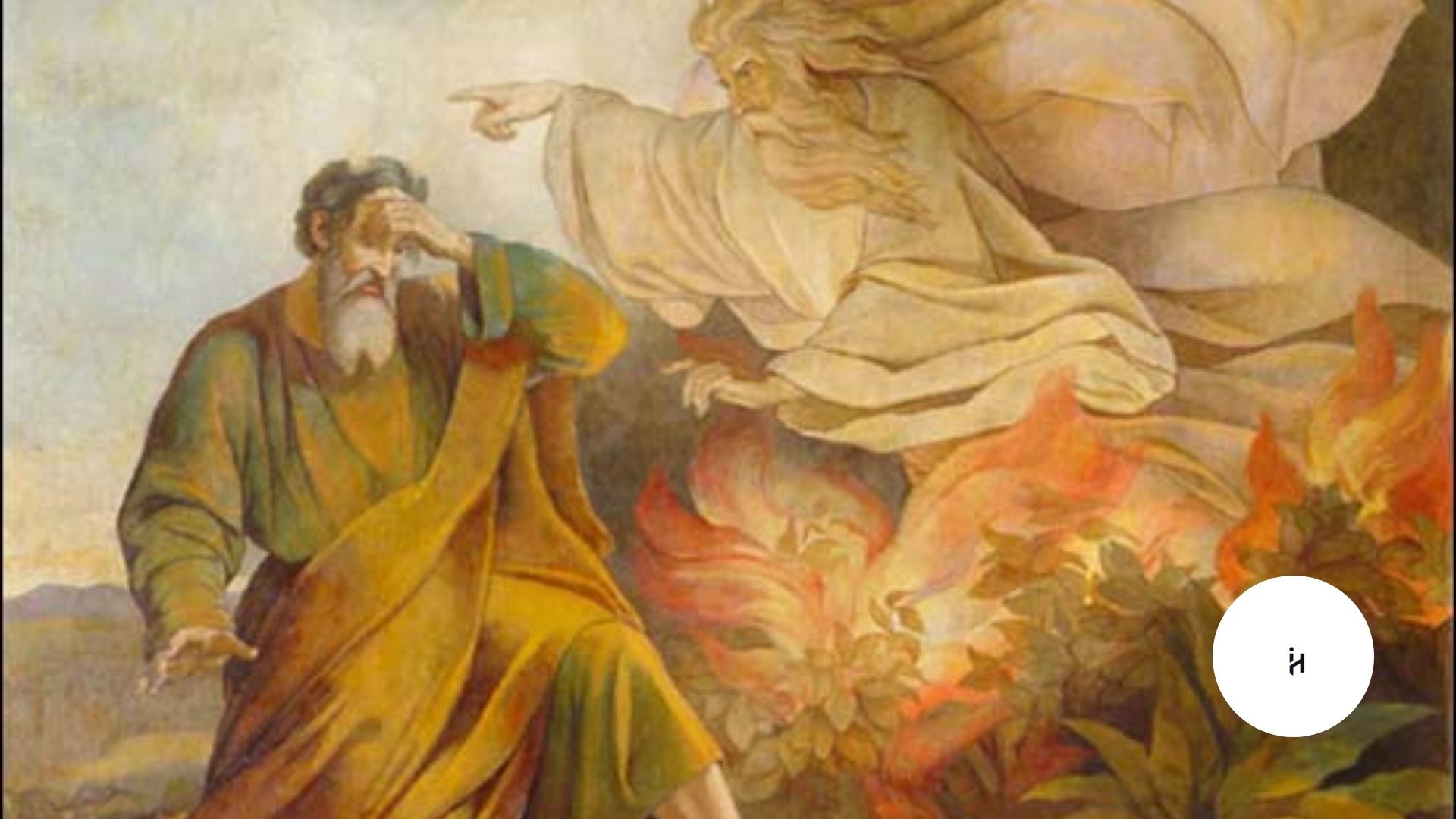
The Yahweh meaning holds deep spiritual significance, especially in Judaism and Christianity. Often referred to as the personal name of God, “Yahweh” appears thousands of times in the Hebrew Bible. It’s not just a title like “Lord” or “God” — it represents the very essence of God’s eternal nature.

The name is sacred and was traditionally not spoken aloud due to its holiness. In this blog, we’ll explore the origin, translation, spiritual context, and theological importance of the Yahweh meaning, and why it continues to inspire awe among believers worldwide.

The Etymology of the Name Yahweh

Yahweh Meaning

Understanding the Yahweh meaning starts with its linguistic roots. The name “Yahweh” derives from the Hebrew verb “havah” or “hayah,” which means “to be” or “to exist.” This etymology connects directly to the biblical narrative in Exodus 3:14, where God says to Moses, “I AM WHO I AM.” This statement emphasizes God’s eternal, self-sustaining, and unchanging nature. Thus, the yahweh meaning encapsulates the idea of God as the source of all existence — the One who was, is, and will be.

Yahweh in the Hebrew Bible

The Hebrew Bible, or Tanakh, uses the Tetragrammaton — YHWH — over 6,800 times to refer to God. This repetition alone highlights the profound reverence associated with the Yahweh meaning. However, because of its sacredness, ancient Jewish traditions avoided vocalizing it, substituting “Adonai” (Lord) or “Elohim” (God) instead. The yahweh meaning here isn’t just a label; it signifies God’s intimate relationship with His chosen people, Israel.

Yahweh vs. Other Names of God

In Scripture, God is called by many names — Elohim, El Shaddai, Jehovah, Adonai — but none carry the depth of identity that “Yahweh” does. Each name reflects different aspects of God’s character. “Elohim” refers to His power and might, while “El Shaddai” emphasizes His nurturing nature. However, the yahweh meaning denotes His eternal being and covenant relationship. It’s not merely descriptive but declarative of who God is in Himself.

The Tetragrammaton: YHWH Explained

The term “Tetragrammaton” refers to the four Hebrew letters (Yod-Heh-Vav-Heh) that form the name Yahweh. Due to the lack of vowels in ancient Hebrew writing, scholars have debated its pronunciation for centuries. While the most accepted pronunciation today is “Yahweh,” alternatives like “Jehovah” arose from adding vowel sounds from “Adonai” to the consonants YHWH. The yahweh meaning hidden in this sacred arrangement symbolizes God’s ineffable, uncontainable nature.

Yahweh in Christianity

Christianity inherited the Hebrew Scriptures and with them, the name Yahweh. Although the New Testament was written in Greek and often uses “Kyrios” (Lord) to refer to God or Jesus, the yahweh meaning underpins many theological interpretations of Christ’s identity. For example, when Jesus said, “Before Abraham was, I AM” (John 8:58), He was identifying Himself with Yahweh, which created tension with religious leaders of the time.

Yahweh and the Covenant with Israel

The yahweh meaning becomes clearer when examined through the lens of God’s covenant with Israel. Yahweh is not a distant deity but an active participant in history, choosing Israel as His people. This personal relationship is central to the biblical narrative. The name Yahweh represents faithfulness, deliverance, and divine promise — especially seen in pivotal events like the Exodus from Egypt.

Modern Use and Controversy

The use of the name Yahweh in modern worship varies. Some denominations avoid it out of respect for Jewish traditions, while others incorporate it to emphasize God’s personal nature. The yahweh meaning continues to evoke debate, especially concerning its pronunciation, historical use, and place in modern liturgy. The Vatican, for instance, issued guidance against using “Yahweh” in Catholic liturgies to honor Jewish sensitivities.

Yahweh Meaning

Yahweh in Jewish Mysticism (Kabbalah)

In Jewish mysticism, especially in Kabbalah, the yahweh meaning is expanded to include metaphysical and cosmic dimensions. The name is often broken down into letter-by-letter analysis, each representing spiritual forces or attributes. For example, “Yod” symbolizes divine wisdom, while “Heh” is linked to understanding. Here, the yahweh meaning becomes a meditation on the unity and infinity of God.

Yahweh and Divine Immanence

While many names of God highlight His transcendence, the yahweh meaning uniquely blends both transcendence and immanence. Yahweh is near — He speaks, leads, judges, and redeems. This divine closeness is beautifully expressed in Psalms and the prophetic books. Yahweh is not an abstract force; He is personally involved in the lives of His people. This makes the yahweh meaning deeply relational and emotionally resonant.

Yahweh in Global Religious Thought

The yahweh meaning has influenced more than just Judaism and Christianity. It has been studied by scholars of Islam, philosophy, and comparative religion. While Islamic theology uses names like “Allah,” parallels can be drawn in terms of divine attributes. Philosophers like Spinoza and theologians like Paul Tillich have also explored aspects of the yahweh meaning, especially in relation to “Being itself” or “the Ground of Being.”

Yahweh Meaning

Why Yahweh Still Matters Today

In a world filled with chaos and uncertainty, the yahweh meaning offers a profound reminder: God is eternal, present, and faithful. Understanding this sacred name fosters deeper spiritual awareness and connection. For believers, calling upon Yahweh is not just an act of tradition but of trust — trust in a God who is, always has been, and always will be.

The Reconquista: Spain’s Epic Struggle to Reclaim Its Land

0
The Reconquista

The Reconquista was a monumental era in Spanish history, spanning over 700 years from 711 AD to 1492 AD. It marks the long and complex series of campaigns led by Christian kingdoms to recapture territory taken by Muslim Moors on the Iberian Peninsula. This clash of cultures, ideologies, and empires not only shaped modern Spain but also had lasting effects on European and world history.

Starting with the Muslim conquest of Hispania and ending with the fall of Granada, the Reconquista is a testament to endurance, faith, and strategic warfare. It also witnessed periods of tolerance, coexistence, and fierce conflict. This blog will explore the Reconquista in depth, covering its causes, key figures, major battles, and enduring legacy.

The Muslim Conquest of Iberia

The Reconquista

In 711 AD, Muslim forces from North Africa, known as Moors, crossed the Strait of Gibraltar and swiftly defeated the Visigothic King Roderic. This marked the beginning of Muslim rule over large parts of the Iberian Peninsula. Cities like Córdoba and Toledo became centers of Islamic culture, science, and trade.

The Reconquista was born out of Christian resistance to this conquest. While some Christian nobles fled to the northern mountains, others began organizing small, defensive kingdoms. These early resistances would eventually evolve into powerful Christian states like León, Castile, and Aragon—key players in the Reconquista.

The Rise of Christian Kingdoms

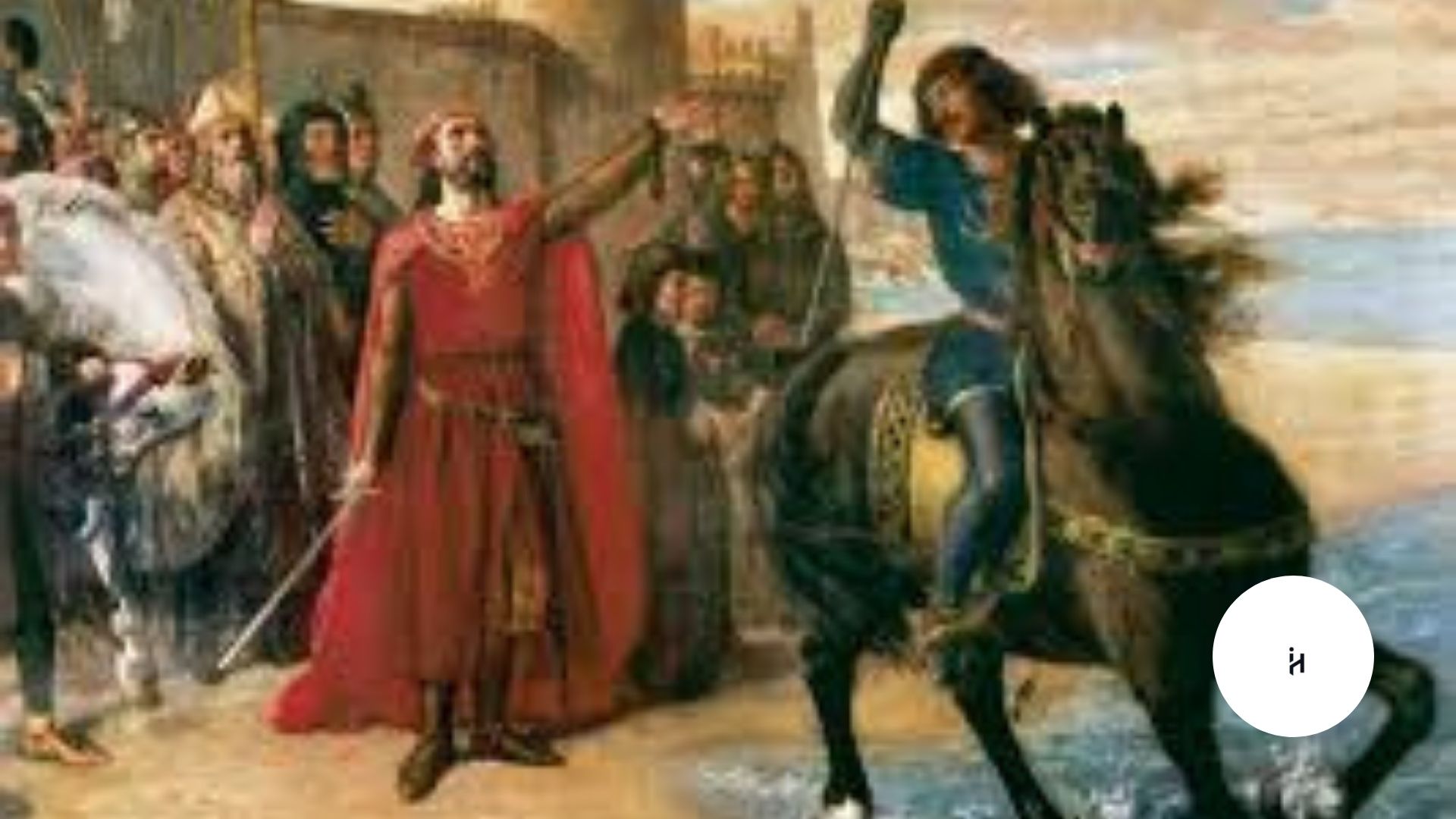
The northern regions of the Iberian Peninsula, particularly Asturias, became safe havens for Christian refugees. From these strongholds, Christian leaders began to reclaim lost territories. The Battle of Covadonga in 722 AD, led by Pelagius of Asturias, is considered the first major victory of the Reconquista and a symbol of Christian revival.

Over the centuries, the Christian kingdoms of Castile, León, Navarre, and Aragon grew in strength. They not only expanded their borders through military campaigns but also through strategic marriages and alliances. These kingdoms would spearhead the Reconquista for generations to come.

Religious Zeal and the Crusading Spirit

The Reconquista was deeply rooted in religious motivations. Christians saw the struggle as a divine mission to reclaim land from Islam and restore Christian rule. This religious zeal gave the Reconquista a crusading character, especially during the height of the Crusades in the Holy Land.

Popes and religious leaders often granted indulgences and spiritual rewards to those who participated in the Reconquista, making it a holy war. Monasteries and religious orders played a critical role, offering resources, manpower, and moral support.

Major Battles That Defined the Reconquista

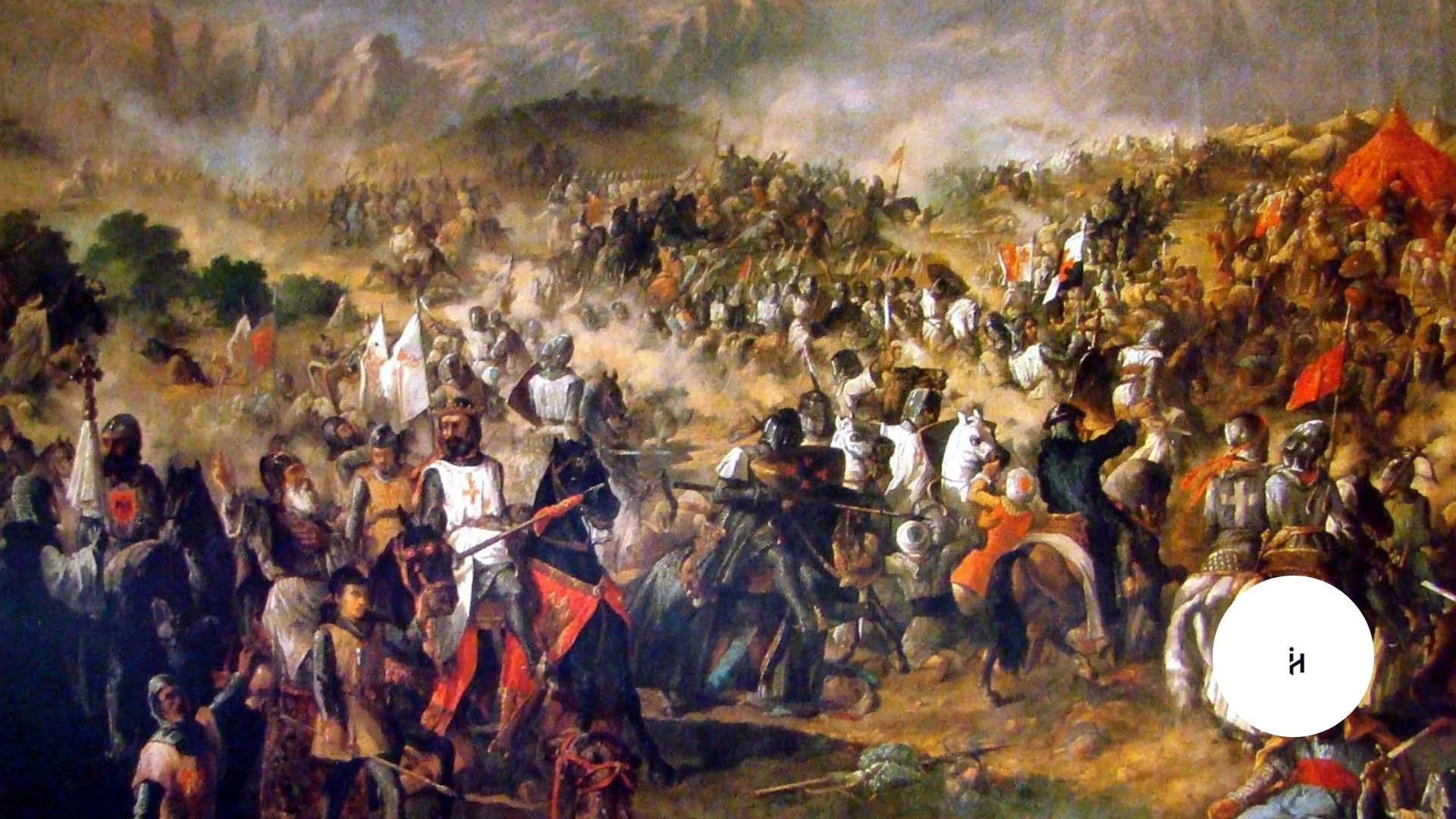
Numerous key battles defined the progress of the Reconquista. One of the most significant was the Battle of Las Navas de Tolosa in 1212, where Christian forces from Castile, Aragon, and Navarre united to defeat the Almohad Caliphate. This victory marked a turning point, leading to rapid Christian advances in southern Iberia.

Other notable battles include the capture of Toledo in 1085 and the sieges of Córdoba and Seville. Each of these victories signaled a shift in momentum and demonstrated the determination of Christian forces in the Reconquista.

Cultural Exchange and Coexistence

Despite the ongoing conflict, the Reconquista period was not devoid of cultural exchange. In many cases, Christians, Muslims, and Jews lived in relative peace under policies of convivencia, or coexistence. Cities like Toledo became hubs of intellectual activity, where scholars translated Arabic texts into Latin and shared knowledge across cultures.

While the Reconquista is often remembered for its violence, it also fostered periods of tolerance and learning that enriched European culture and laid the foundation for the Renaissance.

Role of the Catholic Church in the Reconquista

The Reconquista

The Catholic Church was instrumental in sustaining the Reconquista. Popes frequently endorsed campaigns, offering spiritual incentives to warriors and kings. Religious institutions were often granted lands and privileges for supporting the war effort.

Churches and cathedrals were built on the ruins of mosques to symbolize Christian dominance. The Church also took the lead in organizing missionary efforts to convert Muslims and consolidate Christian rule after conquests.

The Unification of Spain Under Ferdinand and Isabella

The marriage of Ferdinand of Aragon and Isabella of Castile in 1469 marked a critical juncture in the Reconquista. Their union not only unified two powerful kingdoms but also brought about coordinated military strategies and centralized governance.

Together, they launched the final assault on Granada, the last Muslim stronghold on the peninsula. Their reign not only ended the Reconquista but also laid the groundwork for the Spanish Inquisition and global expansion.

The Fall of Granada in 1492

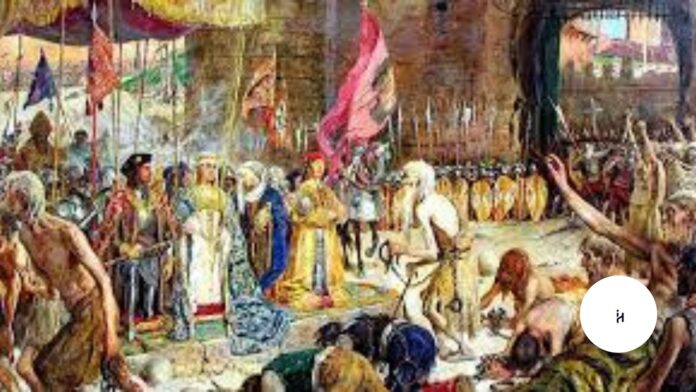
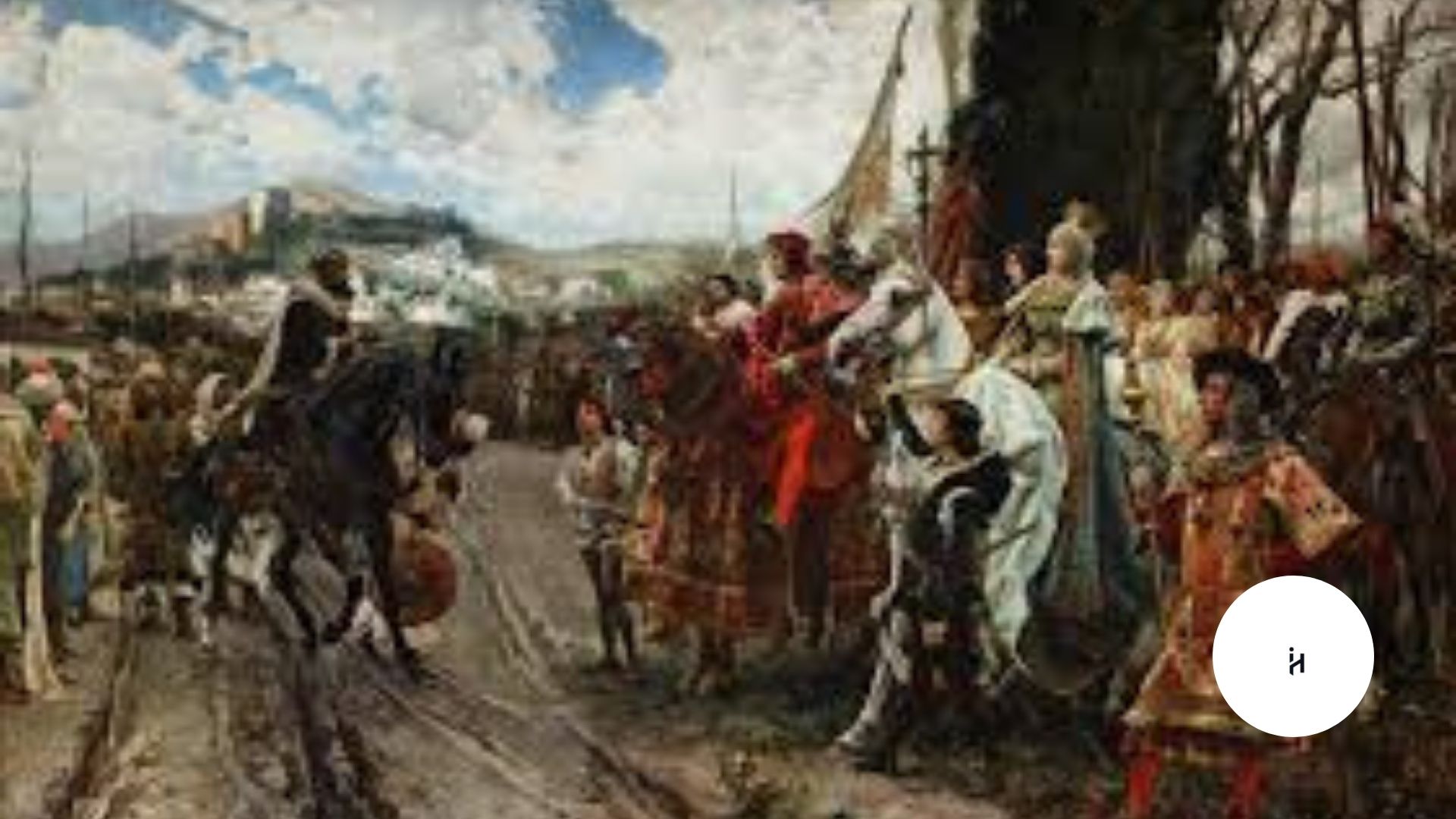
The capture of Granada on January 2, 1492, marked the official end of the Reconquista. After a long siege, the Muslim Nasrid kingdom surrendered to the Catholic Monarchs, Ferdinand and Isabella. The fall of Granada was celebrated across Christendom and signified the completion of a centuries-long struggle.

The Reconquista keyword resonates most powerfully with this historic event, symbolizing triumph, religious fulfillment, and national unity for Spain.

Impact on Spanish Society and Identity

The Reconquista had profound effects on Spanish culture, language, religion, and identity. It solidified Catholicism as the dominant faith and marginalized Muslim and Jewish communities. The victory narrative became embedded in Spanish nationalism and religious ideology.

Castilian became the dominant language, replacing Arabic in administration and education. The Reconquista helped forge a collective Spanish identity rooted in Christian values and imperial ambition.

Expulsion and Persecution After the Reconquista

In the years following the Reconquista, Spain saw increased persecution of Muslims and Jews. The Alhambra Decree of 1492 expelled Jews who refused to convert, and similar policies were later enacted against Muslims. The Spanish Inquisition enforced religious conformity, often brutally.

While the Reconquista was hailed as a triumph of faith, it also led to centuries of repression and intolerance. These darker chapters remind us that victory came at a significant human cost.

The Reconquista

Legacy of the Reconquista in Modern Times

The legacy of the Reconquista continues to shape Spanish politics, culture, and collective memory. It is celebrated in literature, art, and public ceremonies, often as a symbol of resilience and national pride. However, modern historians also critique its impact on multiculturalism and human rights.

Today, the Reconquista is studied not just as a series of battles, but as a transformative period that shaped the destiny of an entire continent. Its complex history offers lessons in unity, resistance, and the power—and peril—of ideological warfare.

Jormungandr: The Mythical Midgard Serpent of Norse Legend

0
Jormungandr

In the vast and vibrant world of Norse mythology, few creatures are as fearsome and fascinating as Jormungandr, also known as the Midgard Serpent. This mythical sea serpent, the child of the trickster god Loki and the giantess Angrboda, plays a pivotal role in the cosmic events of Norse legends.

Jormungandr is known for encircling the Earth, biting its own tail in a symbolic act of eternity and destruction. Mentioned across numerous ancient texts, Jormungandr embodies chaos, power, and destiny. In this blog, we will dive deep into the mythos surrounding Jormungandr, examining its origins, characteristics, battles, and legacy.

The Birth of Jormungandr

Jormungandr

Jormungandr was born of a union between Loki, the god of mischief, and Angrboda, a giantess from Jotunheim. Alongside Jormungandr, this unholy pairing produced two other monstrous offspring – Fenrir the wolf and Hel, the goddess of the underworld.

The gods of Asgard feared the might of these children. Odin, the All-Father, cast Jormungandr into the ocean that surrounds Midgard (Earth), where he grew so large that he could encircle the entire world and grasp his own tail. The symbolism of Jormungandr’s self-enclosure hints at themes of cycles, fate, and destruction, making his origin story one of the most crucial in Norse cosmology.

Physical Description and Power

Jormungandr is described as an enormous sea serpent, so colossal that his body wraps around the entire world. His name literally means “huge monster” or “earth necklace,” signifying his gigantic size and his position in the ocean surrounding Midgard.

His scales are said to be impenetrable, and his breath is so venomous that it can poison the sky and sea alike. Jormungandr is not just a force of nature—he is a symbol of ultimate danger and unstoppable power. His presence in the sea is a reminder of the Norse worldview’s balance between order and chaos.

Jormungandr and Thor’s Epic Battles

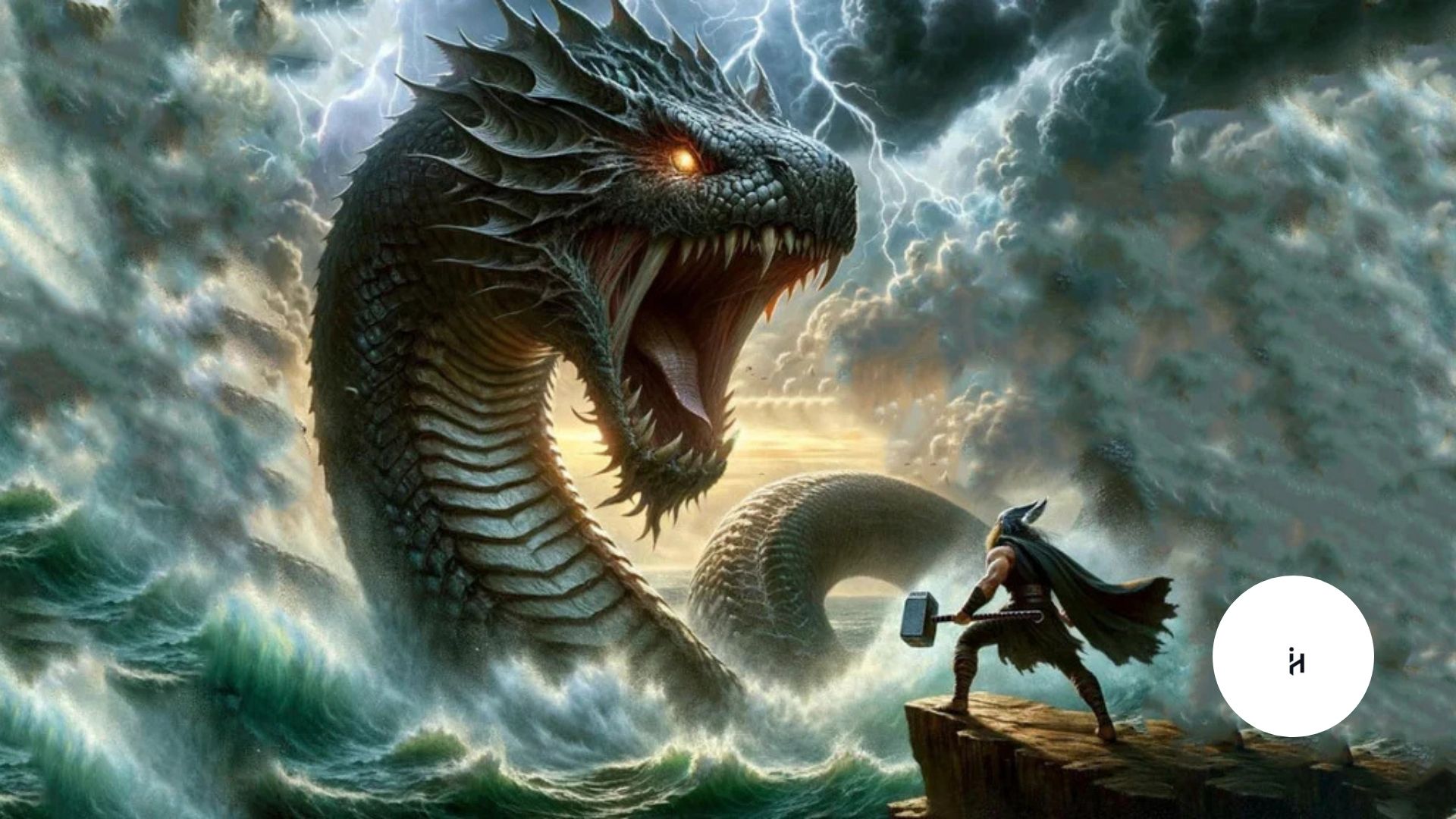
One of the most famous stories involving Jormungandr is his legendary feud with Thor, the god of thunder. In one myth, Thor attempts to fish Jormungandr out of the sea using an ox head as bait. When the serpent takes the bait, Thor manages to pull him to the surface, leading to an intense face-off.

Thor prepares to kill him with Mjolnir, his mighty hammer, but the giant Hymir, afraid of the consequences, cuts the line, allowing Jormungandr to return to the depths. Their battle is epic, representing the eternal struggle between cosmic forces in Norse mythology.

Jormungandr’s Role in Ragnarok

Ragnarok, the prophesied end of the world in Norse mythology, is when Jormungandr emerges from the ocean, releasing his tail and causing tidal waves and destruction. His appearance marks the beginning of the end.

During Ragnarok, he and Thor face off one final time. In this cataclysmic battle, Thor succeeds in slaying Jormungandr but only manages to walk nine steps before succumbing to the serpent’s deadly venom. This mutual destruction symbolizes the tragic beauty and inevitable cycle of life, death, and rebirth in Norse belief.

Symbolism of Jormungandr

Jormungandr is rich in symbolic meaning. The image of the serpent encircling the Earth evokes themes of eternity, wholeness, and the cyclical nature of time. He also represents chaos that lies beyond human control—a force that, though dormant for long periods, cannot be ignored.

As the embodiment of fearsome power, Jormungandr serves as a reminder of nature’s unpredictability and the limitations of even the gods. His interaction with Thor, and the balance it creates, underscores the Norse theme of inevitable fate—no one, not even gods, can escape their destiny.

Jormungandr in Norse Literature

References to Jormungandr appear in key Norse literary sources, including the Poetic Edda and the Prose Edda, both compiled in medieval Iceland. These texts describe his birth, his epic battles with Thor, and his role in Ragnarok.

Skaldic poetry and sagas also occasionally reference Jormungandr, portraying him as a terrifying and majestic figure. Scholars believe that Jormungandr was used in oral traditions to explain natural disasters, like storms and tidal waves, attributing these to the movements of the great serpent beneath the sea.

Jormungandr

Cultural Depictions Through the Ages

Over the centuries, Jormungandr has appeared in various cultural depictions—from ancient Viking carvings to modern literature and film. His image is often associated with the ouroboros, a serpent eating its own tail, though the two are conceptually distinct.

In modern fantasy and video games, Jormungandr continues to inspire awe, appearing in franchises such as God of War, Marvel Comics, and role-playing games like Dungeons & Dragons. His mythological depth and striking visuals make him a favorite in artistic and pop culture portrayals.

Jormungandr and Norse Cosmology

In Norse cosmology, the world is interconnected through various realms, and Jormungandr holds a unique position as a boundary figure. By encircling Midgard, he separates the human world from the chaotic seas.

He represents the fragile boundary between order and chaos, between civilization and destruction. His placement in the sea also connects him with Njord, the sea god, and Aegir, the giant of the sea, though he remains apart due to his monstrous origin. His very existence reinforces the Norse worldview of a finely balanced cosmos, always at risk of collapse.

Modern Interpretations of Jormungandr

In today’s interpretations, Jormungandr has taken on new meanings. Environmental narratives see him as a symbol of nature’s fury in response to human interference. Psychologists view him through a Jungian lens, identifying the serpent as a representation of the unconscious and inner chaos.

In storytelling, Jormungandr often serves as a metaphor for challenges too vast to overcome alone, representing the need for humility and respect toward greater forces. These reinterpretations keep the myth alive, transforming ancient legend into relevant modern insight.

Jormungandr in Popular Games and Media

From Norse mythology to PlayStation screens, Jormungandr has made a massive impact in pop culture. In God of War (2018), he is portrayed as a massive but peaceful creature who aids the protagonist.

This depiction gives him a more nuanced character, emphasizing wisdom and cooperation rather than chaos alone. In comics, especially Marvel’s Thor series, he’s presented as a dangerous enemy, keeping true to traditional myth. These portrayals have ensured that the name Jormungandr remains etched in modern imagination, appealing to audiences of all ages.

Jormungandr

Legacy and Lasting Impact

Jormungandr’s legacy extends far beyond ancient myths. As a symbol of power, danger, and the eternal cycle of time, he continues to resonate in academic, artistic, and spiritual circles. His role in shaping Norse mythology is central, not only as a creature of destruction but as an agent of balance.

His final battle with Thor serves as a poetic metaphor for the costs of heroism and the unavoidable nature of fate. Whether seen as a myth, metaphor, or monstrous force, Jormungandr endures as one of mythology’s most compelling figures.